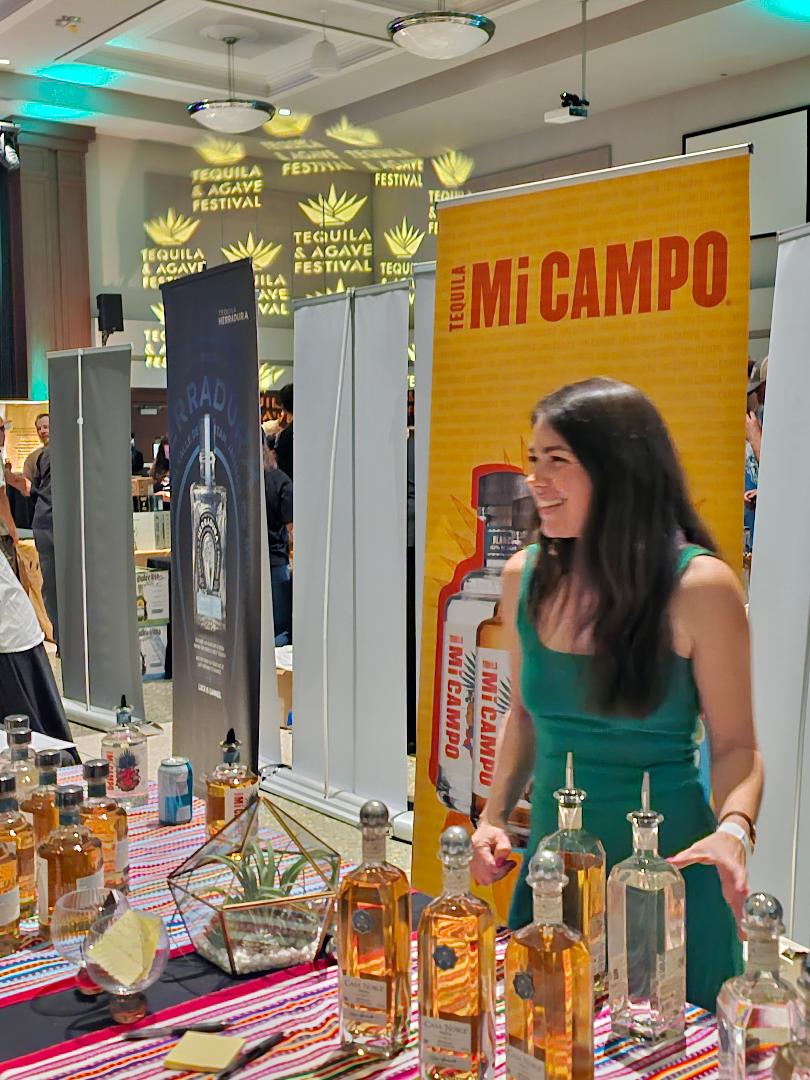
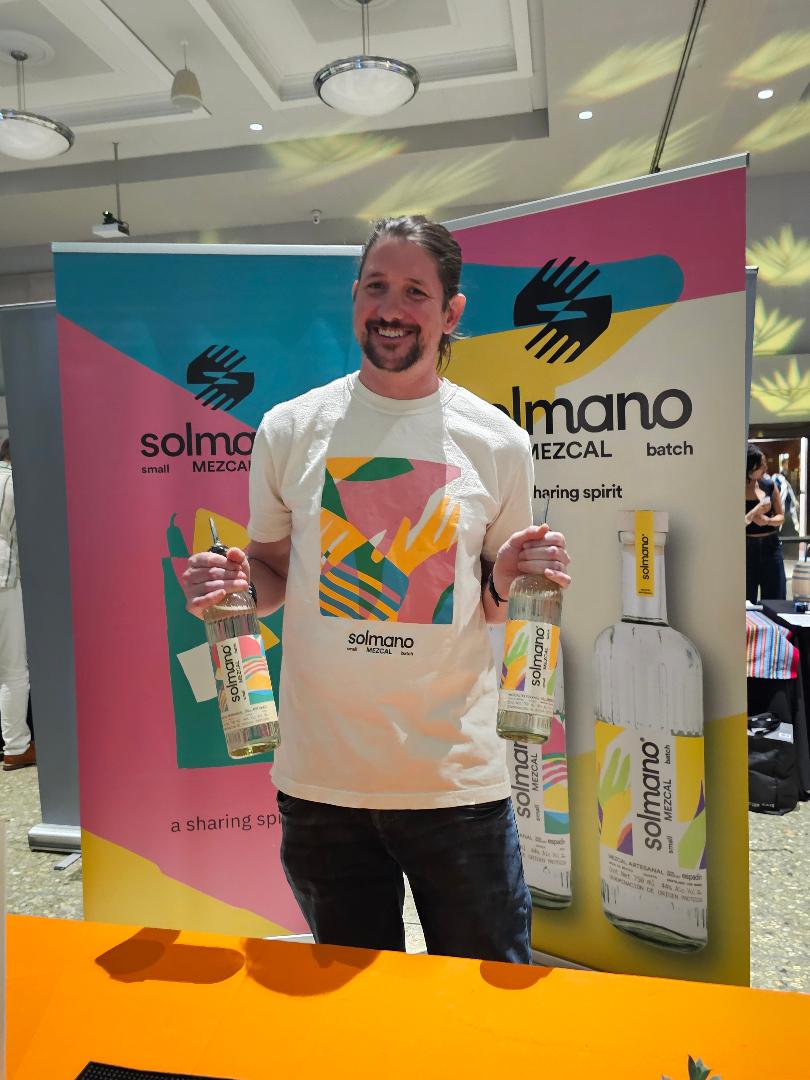
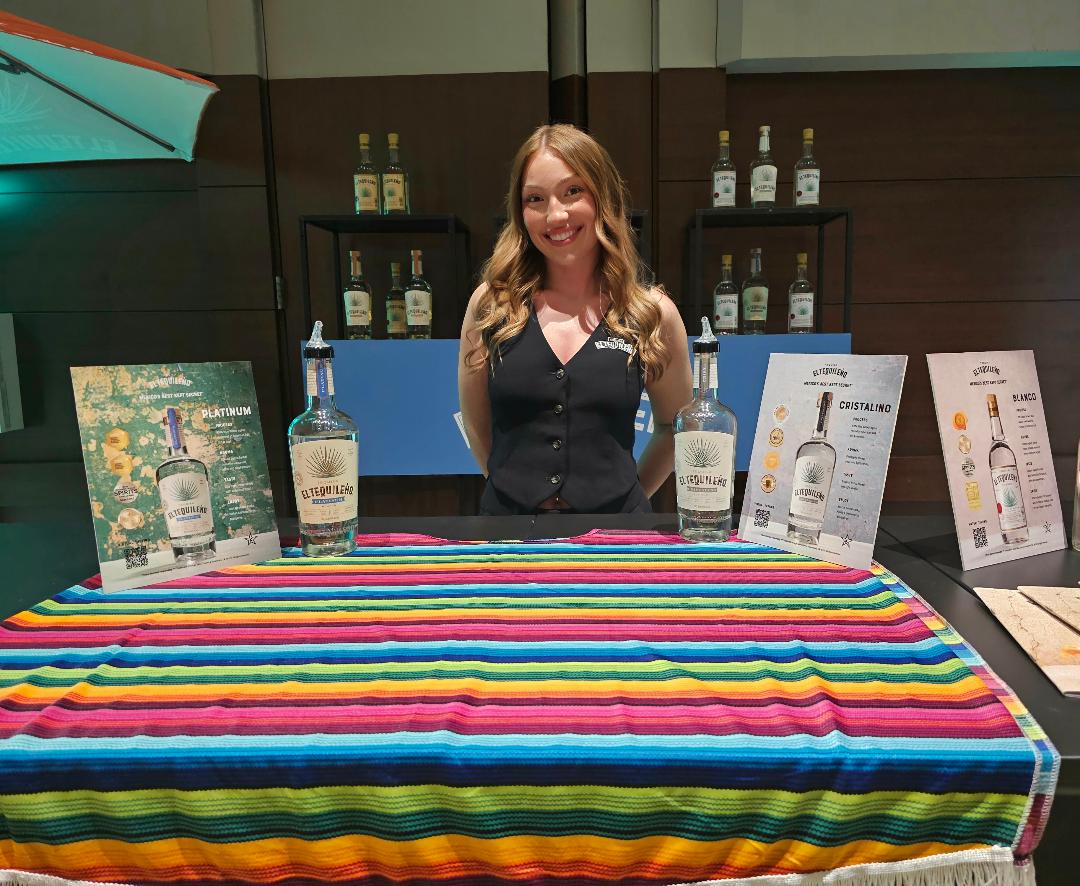
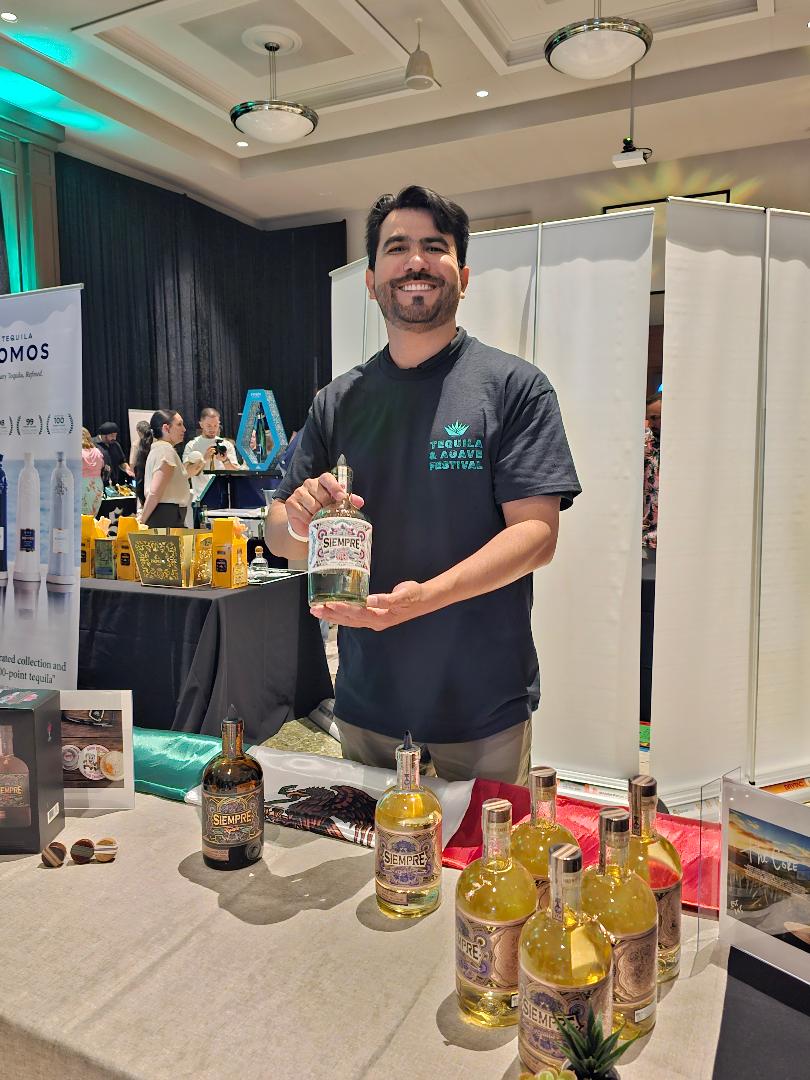
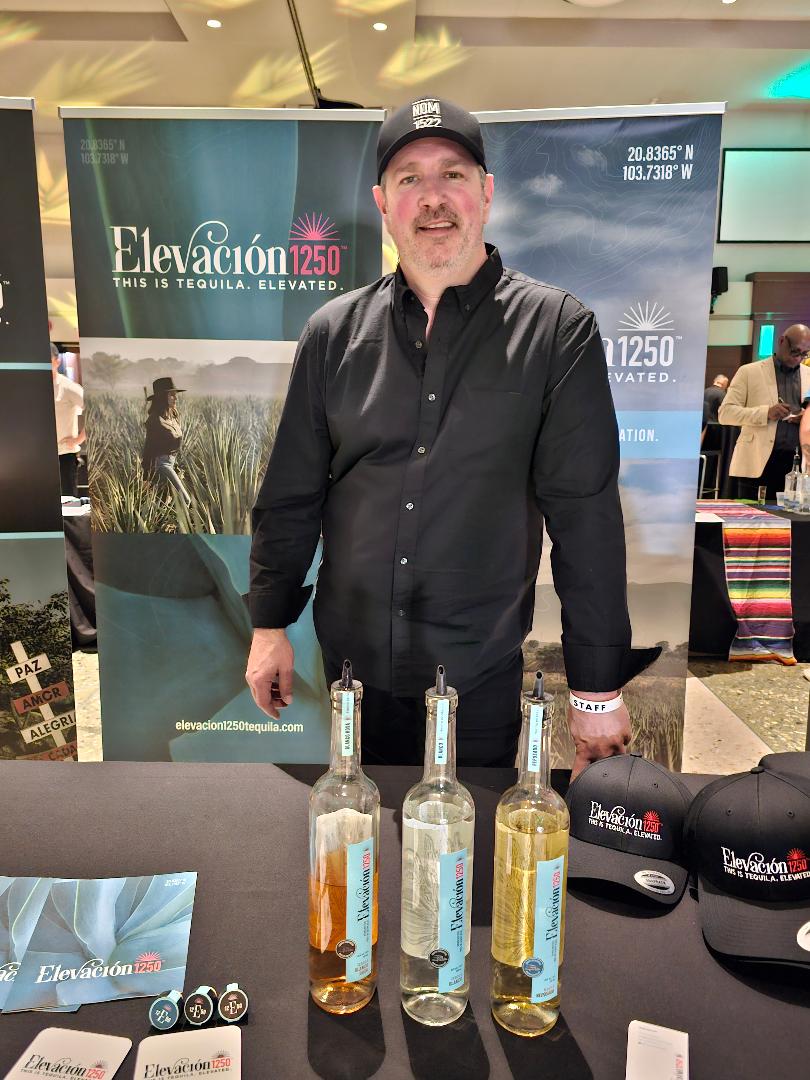
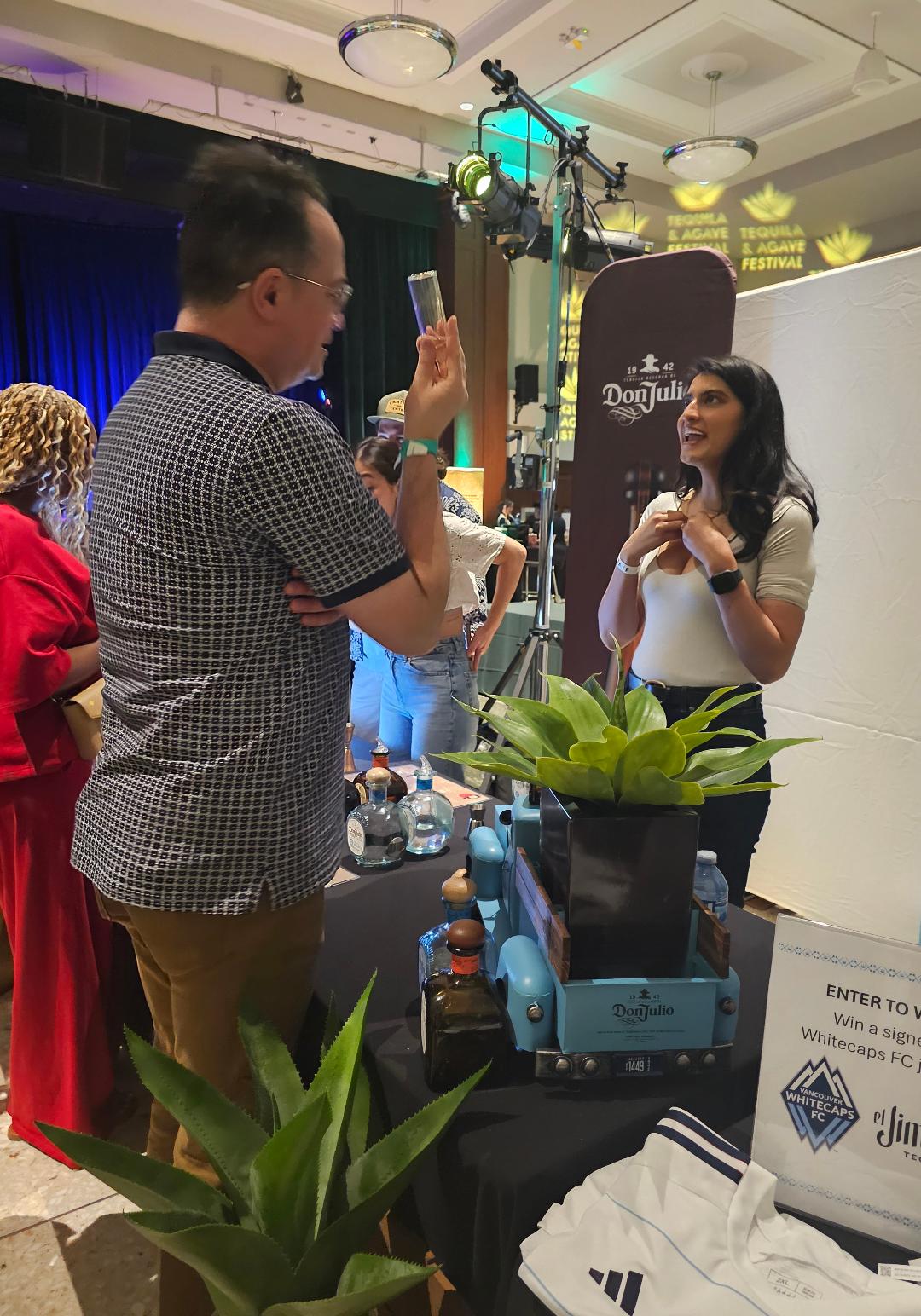
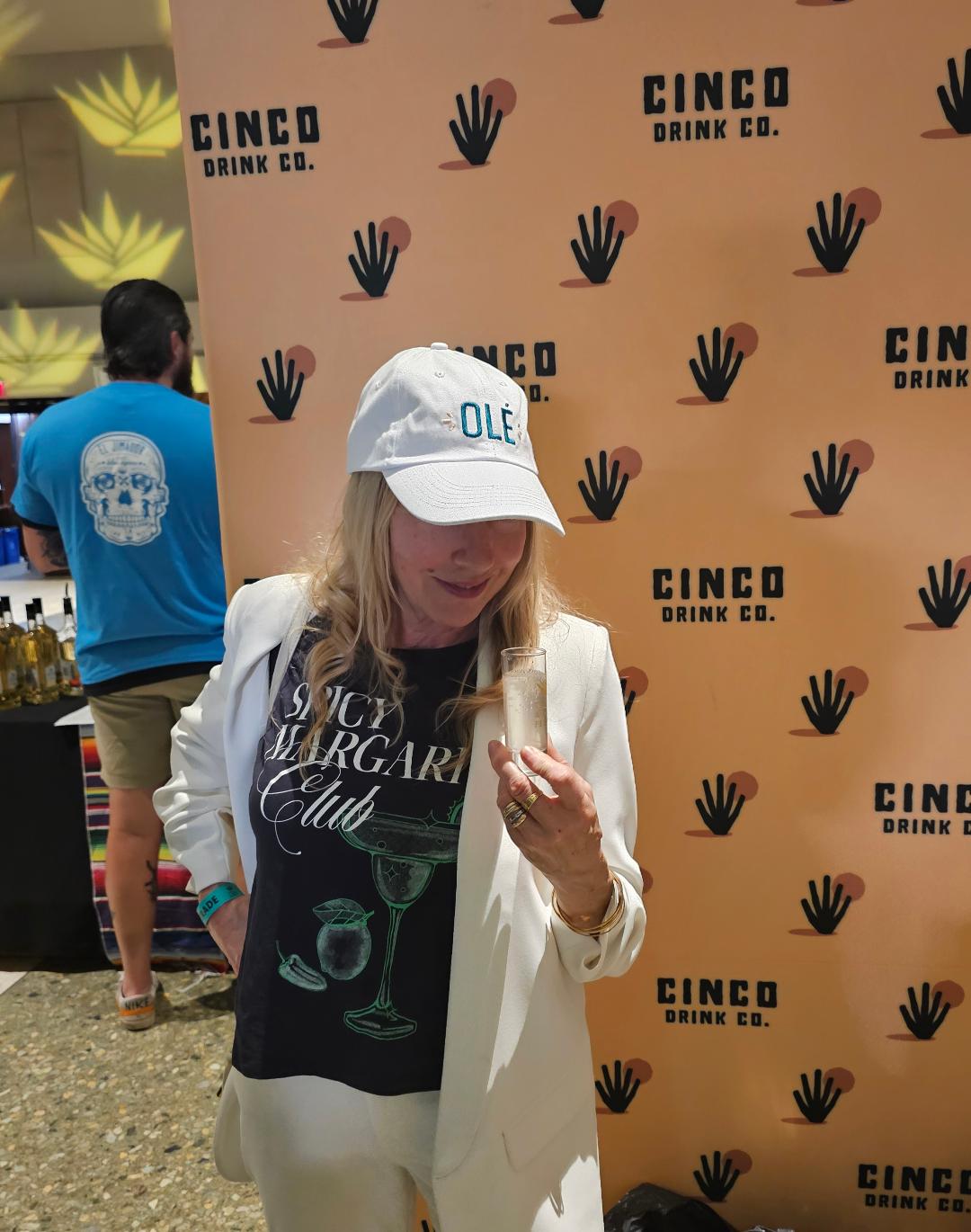
When it comes to hard liquor I’m not a huge fan.I enjoy a good vodka martini and I certainly enjoy a good margarita. When it comes to sipping tequila on its own, it better be smooth preferably with a squeeze of fresh lime. Last Saturday I got to sample my fair share of top-notch sipping tequilas (with a few mexcals thrown in for fun) at the second Tequila & Agave Festival which took place at the Italian Cultural Center in Vancouver. I took my friend Rosario whom I met 35 years ago when she first moved to Vancouver, and couldn’t speak a word of English. Now she talks nonstop and has her own business. We had a blast.
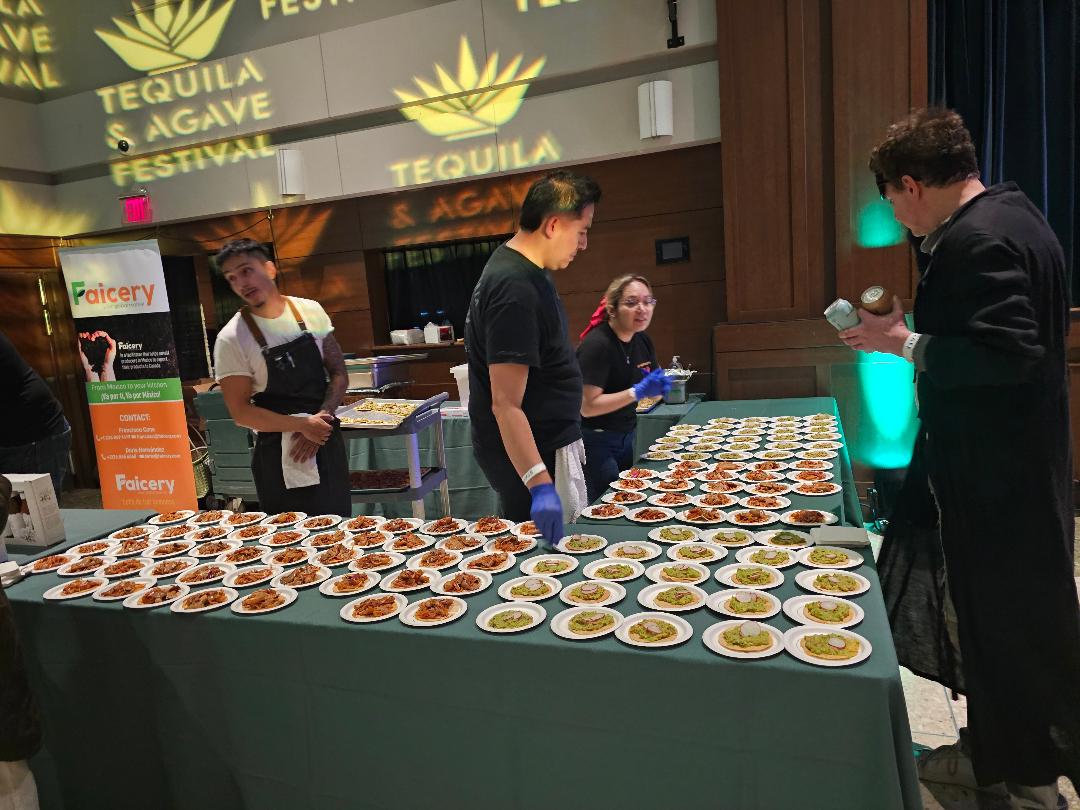
Luckily there were lots of bites being passed around and food stations with yummy tacos, tostados, guacamole and even burgers. Smart move to fill up on food while sampling. The mariachi band was as authentic as they come.
More than just a party drink – Tequila is steeped in history, tradition, and some surprising facts!
Here are a few:
· Ancient Origins: Tequila’s predecessor, pulque, was enjoyed as early as 150 B.C. by the inhabitants of Teotihuacan, a civilization that predates the Aztecs.
· Not a Cactus: Despite its spiky appearance, the agave plant used to make tequila is actually a succulent, closely related to the lily plant.
· Aged to Perfection: Blue agave, the key ingredient, takes 8 to 12 years to mature before it can be harvested.
· Geographical Exclusivity: Like Champagne, tequila has an appellation of originin; it can only be produced in five regions in Mexico, with Jalisco being the largest producer.
· No Worms Here: Contrary to popular belief, real tequila never contains a worm in the bottle; that’s a mezcal tradition.
· Terroir Matters: The soil where agave is grown influences the taste of tequila. Highland tequilas tend to be sweeter, while Lowland varieties have earthier, mineral-rich flavors.
So if you missed out, here’s the link for next time:
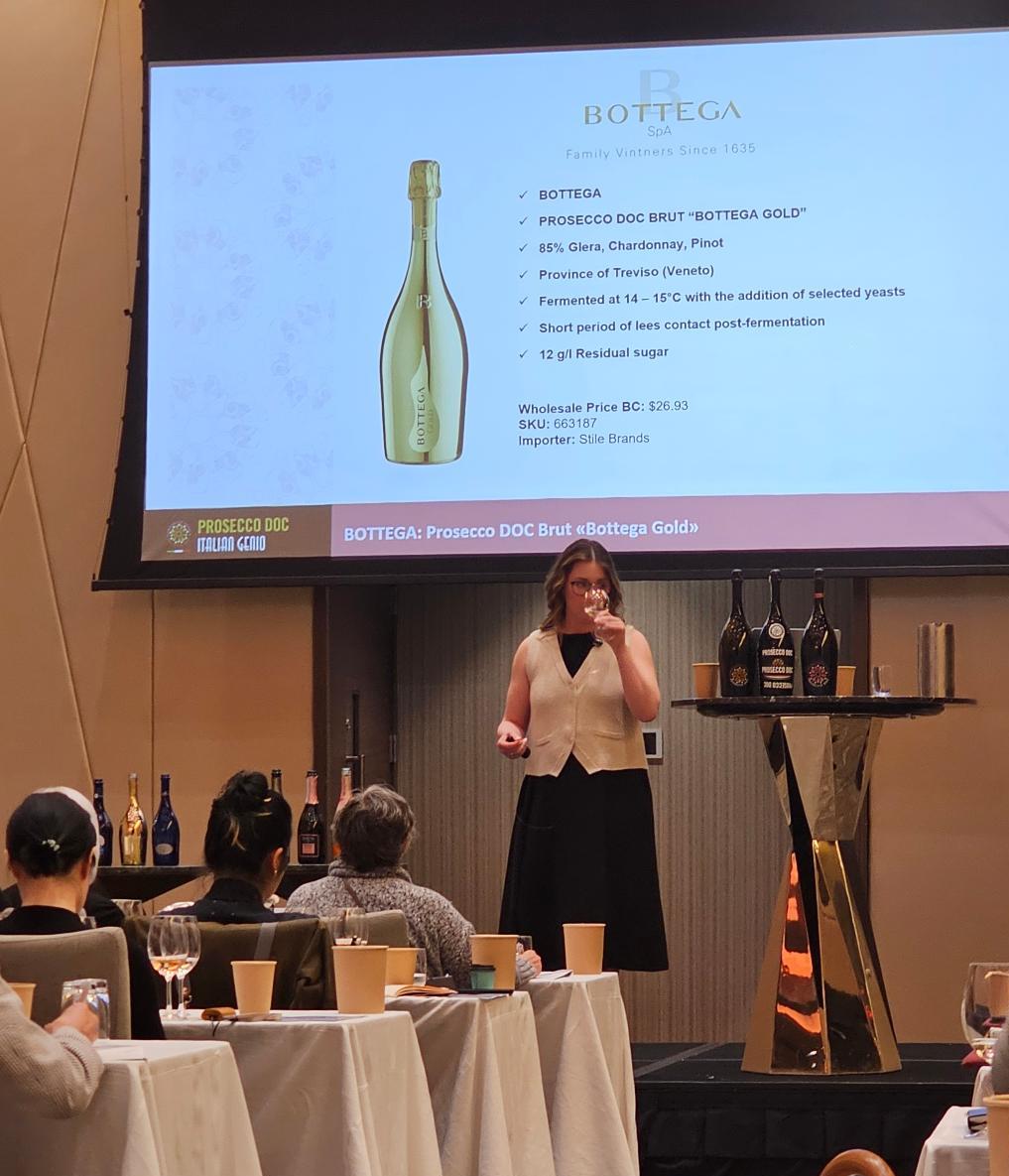
Last week I was invited to participate in a Master Class to try to distinguish the different varieties and taste of ITALIAN PROSECCOS. What’s not to love about anything Italian?
The first six out of twelve tasters – before going into another room with dozens more.
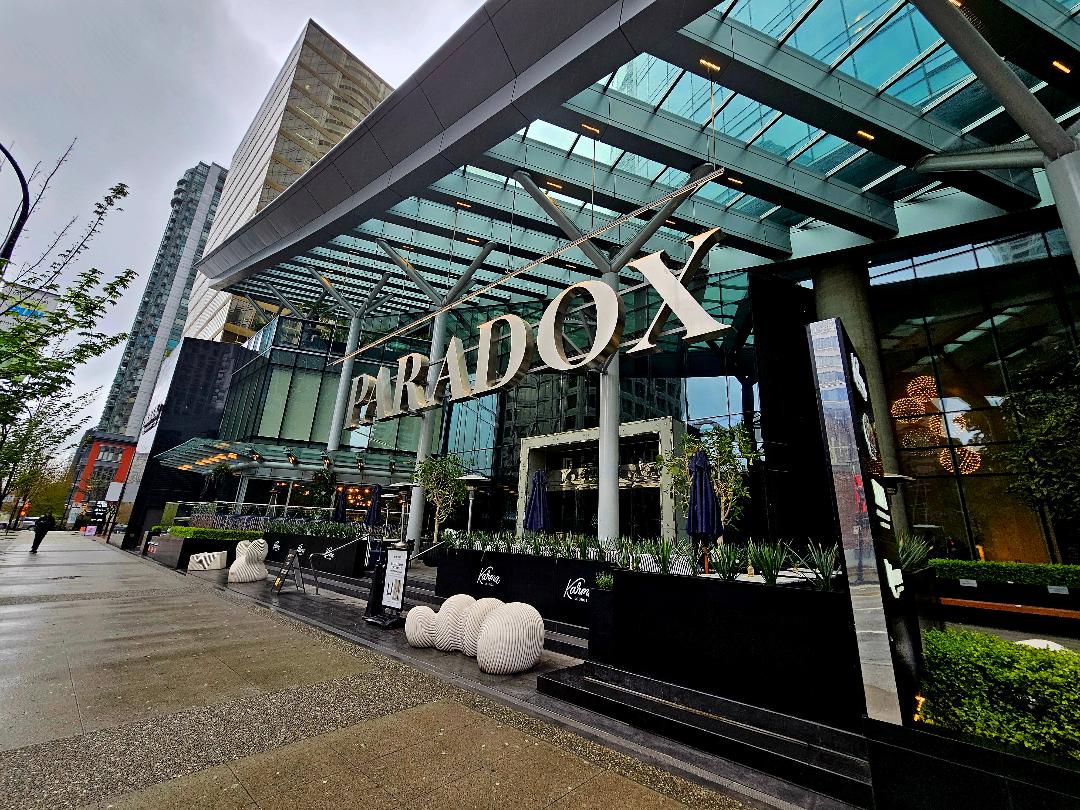
This took place downtown Vancouver at the swanky Paradox hotel (formerly the Trump hotel). What better way to spend a rainy Monday afternoon I might add.
While I’m no Pro, I did enjoy sampling a bunch I really liked. It’s also personal taste as in drinking wine, where some like it drier or sweeter. It was a fun afternoon and my first time at this hotel.
I’ve always liked Prosecco. A glass before dinner is always a pleasant start to the evening. Prosecco is a wonderfully versatile sparkling wine that pairs well with a variety of foods like most appetizers, sushi, cheese (especially the soft kind like brie and gorgonzola that work beautifully with Prosecco’s fruity notes), seafood, and many fried foods. It’s also more affordable than champagne. Win, Win!
I took a pic of all the bottles we sampled in the class. I’m a top student.
I wasn’t really aware and never thought to ask about what kind of grape Prosecco is made from or which part of Italy makes Prosecco. So this afternoon I learned a few things. For starters, The Glera grape, the backbone of Prosecco, dates back to Ancient Rome. Prosecco DOC was officially established in 2009, ensuring quality and authenticity. If a wine isn’t made from Glera grapes grown in the designated area, it can’t be called Prosecco. I now realize that the Prosecco gummy bears I bought are not the actual thing. Beware of fakes!
The Prosecco DOC region in Northeastern Italy boasts 11 UNESCO sites, highlighting its rich cultural and historical significance.
See video:
It was a Grey Day. This bottle turned out to be a favourite (I didn’t drink the whole bottle). The food was delicious.
Here’s how Prosecco DOC stands apart from other sparkling wines:
Prosecco vs. Champagne: The biggest difference is in the production method. Champagne undergoes secondary fermentation inside the bottle (Traditional Method), while Prosecco uses the Charmat Method, fermenting in large steel tanks which is more efficient. This also makes Prosecco more affordable but also keeps the quality. Champagne is richer and toastier, while Prosecco is light, fresh, and fruit-forward.
Region Matters: Champagne comes exclusively from the Champagne region in France, while Prosecco DOC is crafted in Northeastern Italy – around Venice. The terroir (soil, climate, and altitude) gives each wine its distinct character.
Champagne blends Chardonnay, Pinot Noir, and Pinot Meunier, while Prosecco DOC is primarily made from Glera grapes, giving it those signature notes of green apple, pear, and white flowers.
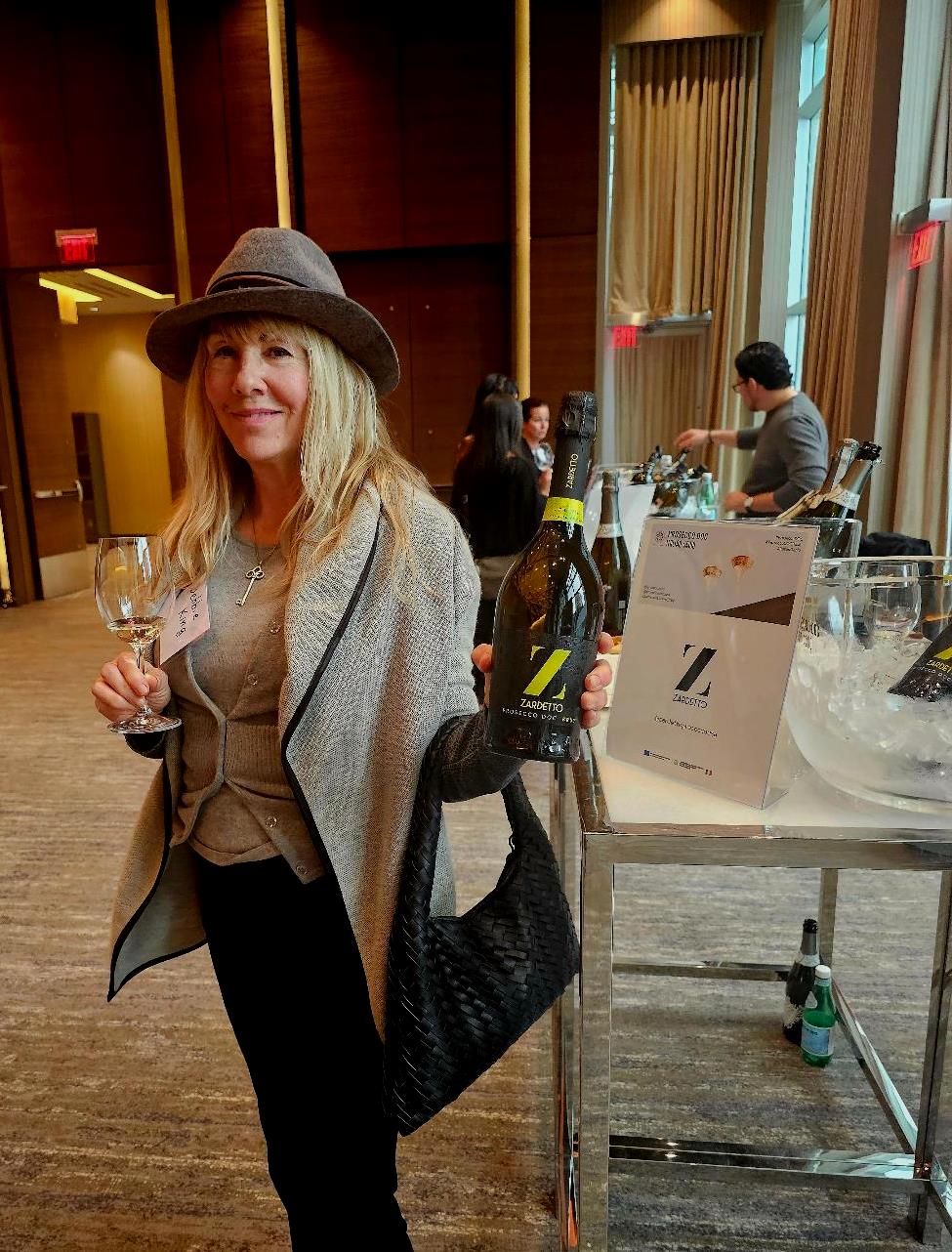
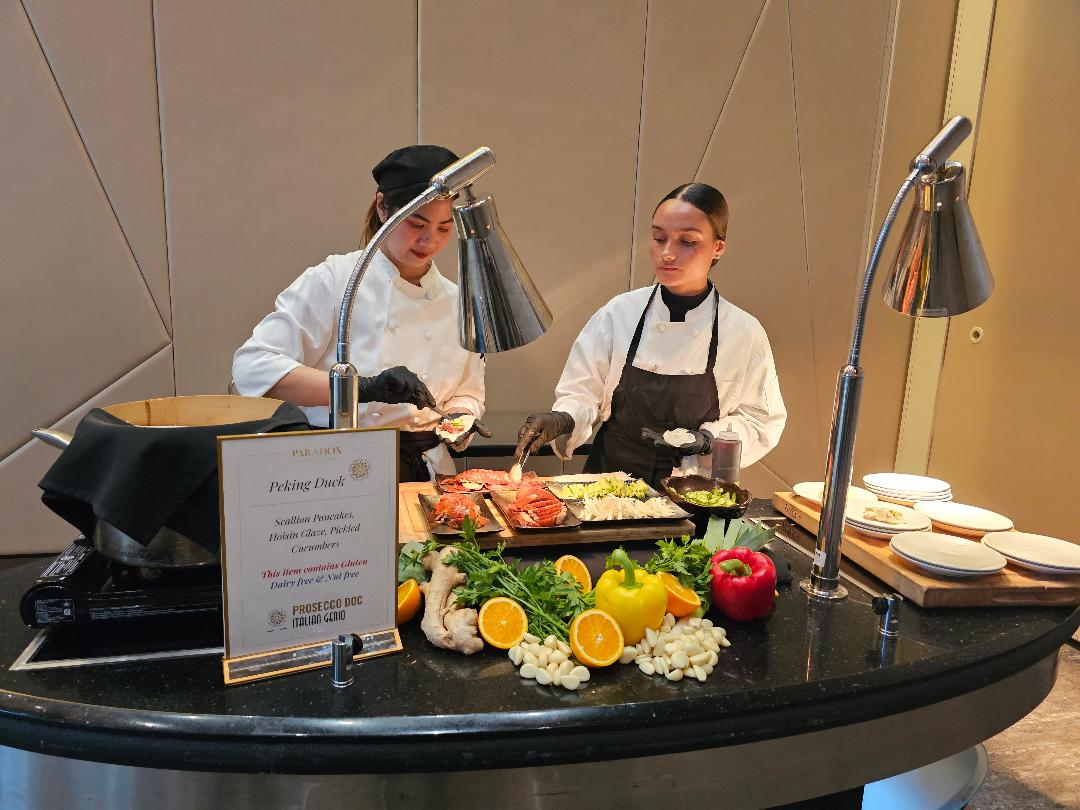
What was really nice after the Master class was walking around and sampling dozens more, and grazing the excellent selection of appetizers on hand. The sushi was some of the best I’ve tasted.
Below is a Crash Course for you:
Prosecco comes in several varieties, categorized by effervescence, sweetness, and quality levels. Here’s a breakdown:
Types by Effervescence:
Spumante: Fully sparkling and the most common type.
Frizzante: Semi-sparkling with lighter bubbles.
Tranquillo: Still wine, with no bubbles
Sweetness Levels:
Brut Nature (0-3 g/l sugar) – Bone dry.
Extra Brut (up to 6 g/l sugar) – Very dry.
Brut (0-12 g/l sugar) – Dry but slightly more approachable.
Extra Dry (12-17 g/l sugar) – A touch of sweetness.
Prosecco Superiore DOCG: Higher quality, from specific regions.
Cartizze: The most prestigious and luxurious variety.
Prosecco Rosé: A newer addition, blending Glera grapes with Pinot Nero for a pink hue.
Personally, I think my favourite might be a frizzante Brut to extra dry. I love the higher quality ones but enjoy the standard types too. I don’t like extra sweet or overly dry. I like to see some bubbles.
The Arts Club Theatre Company’s opening night of CASEY and DIANA was last night – May 30th, 2025. The playwright, the director and many media types were among the audience members. I attended with my friend Megan.
Lindsey Angell as Diana Damien Atkins as Thomas Photo: courtesy of Arts Club Theatre Company.
There was a bit of confusion as to what this play was all about. Especially if you didn’t read up about it beforehand. From the name alone you can imagine it being about a married couple or a comedic team or anything else. All I knew was that it was about the aids pandemic (yes; that’s what they’re referring to it as now) and a visit from Princess Diana to Casey House; a specialty hospital based in Toronto that cares for people living with and at risk of HIV.
The play is based on true events. In a hospice where men are certain to die of this terrible disease sooner than later, the only uplifting thing they have to hang on to is hope; that quiet but persistent belief that things can get better, even when the present feels uncertain or difficult. And right now they hope to meet a visiting princess where, if only for a few minutes, will make them feel seen and uplift their spirits. They want to hang on for that moment – only seven days away. Which feels like forever in their situation.
Alen Dominguez as Andre & Nora McLellan as Marjorie. Photo: Courtesy of Arts Club Theatre Company.
The actors do a magnificent job of creating a quiet desperation of uncertainty while trying to maintain some dignity.
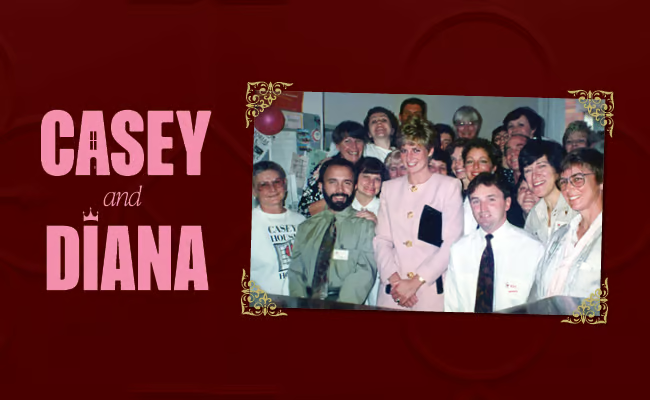
Princess Diana’s visit to Casey House in Toronto, on October 25, 1991, was groundbreaking and deeply impactful in reducing stigma around HIV/AIDS. She spent time with all 13 residents, staff, and caregivers, staying longer than planned and making a powerful statement by physically touching patients.
Her visit provided hope and dignity to those affected by the disease, and her compassion resonated worldwide. The moment was so significant that it has been immortalized in plays like this one, which explores the lasting effect of her kindness. But it also explores what it’s like living with the disease.
Until May 25, 2025 at the Stanley Industrial Alliance Stage (2750 Granville Street).

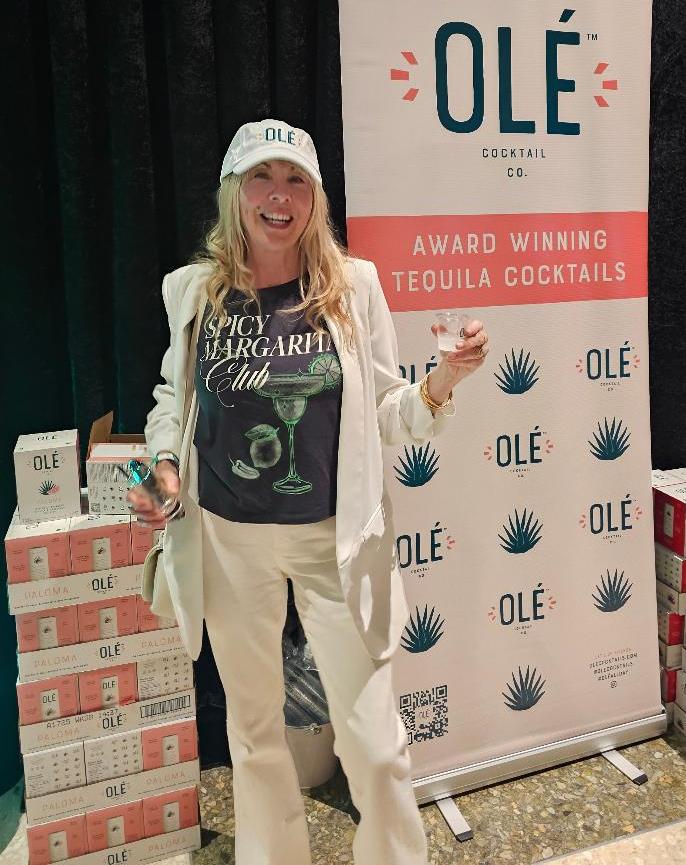 I enjoy a good vodka martini and I certainly enjoy a good margarita. When it comes to sipping tequila on its own, it better be smooth preferably with a squeeze of fresh lime. Last Saturday I got to sample my fair share of top-notch sipping tequilas (with a few mexcals thrown in for fun) at the second Tequila & Agave Festival which took place at the Italian Cultural Center in Vancouver. I took my friend Rosario whom I met 35 years ago when she first moved to Vancouver, and couldn’t speak a word of English. Now she talks nonstop and has her own business. We had a blast.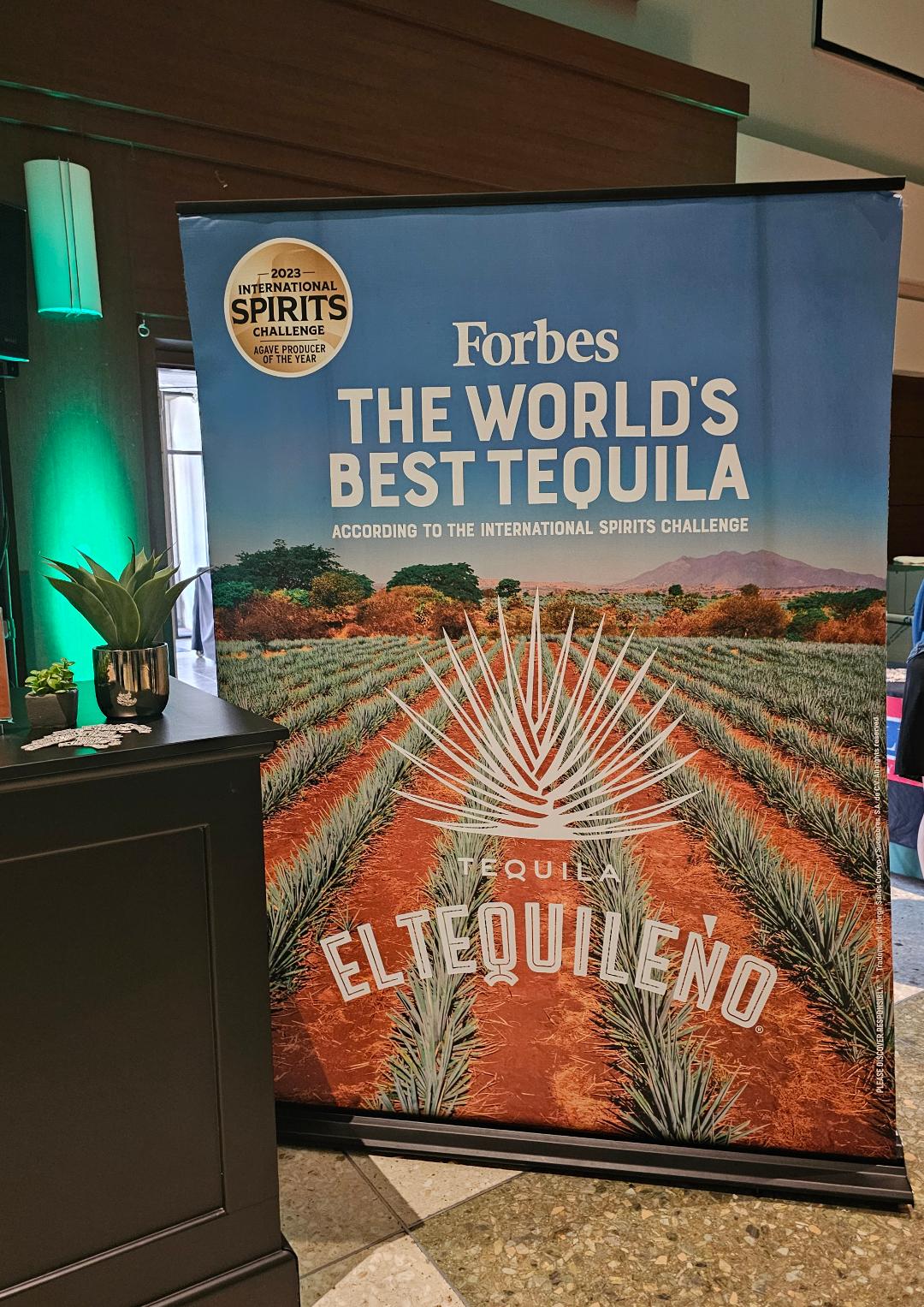








 Girl Who Would be KING on Life, Style and INSPIRATION.
You must be logged in to post a comment.