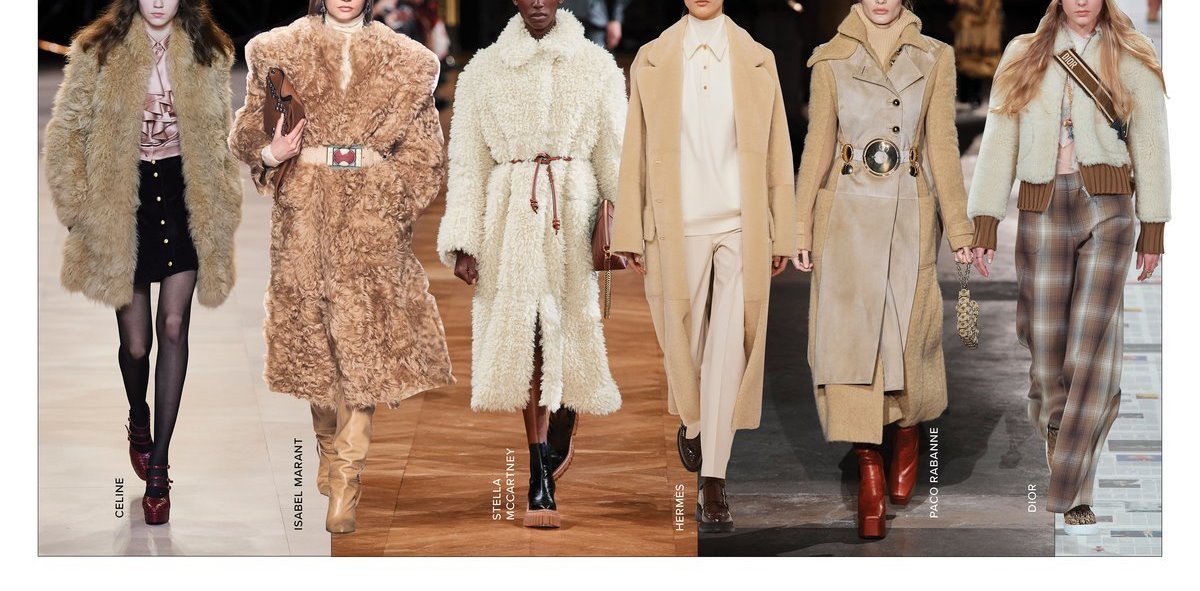
Winter is fast approaching, so if you’re in the market for a luxurious, ethical and oh-so-chic faux fur jacket, bomber, parka or stunning full-length coat to keep you warm while looking fabulous, look no further!
Faux Delicious
I’m sharing the website of my friend Victoria, whose collection of statement-making faux fur pieces is definitely worth a look. Her website Roxy Road, is named after her beloved dog, Roxy, and she tells me the site is still a work in progress.
Even better? The prices are reasonable and listed in Canadian dollars. What’s not to love?
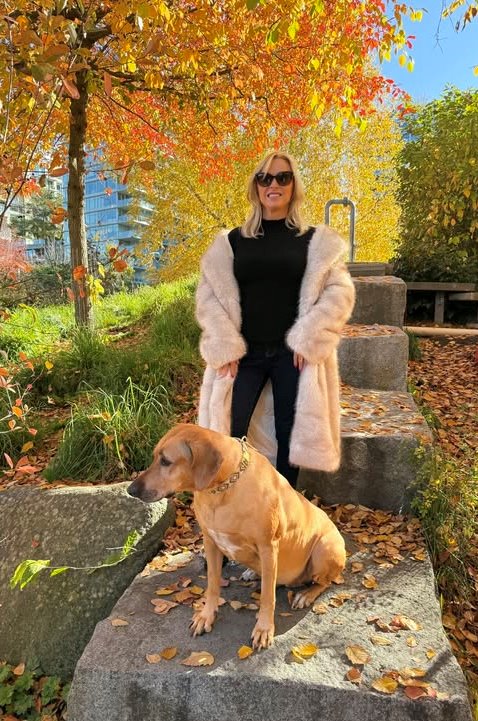
Victoria and Roxy – the inspiration behind Roxy Road. And that fabulous white coat? It’s a real conversation starter!Foxy Lux
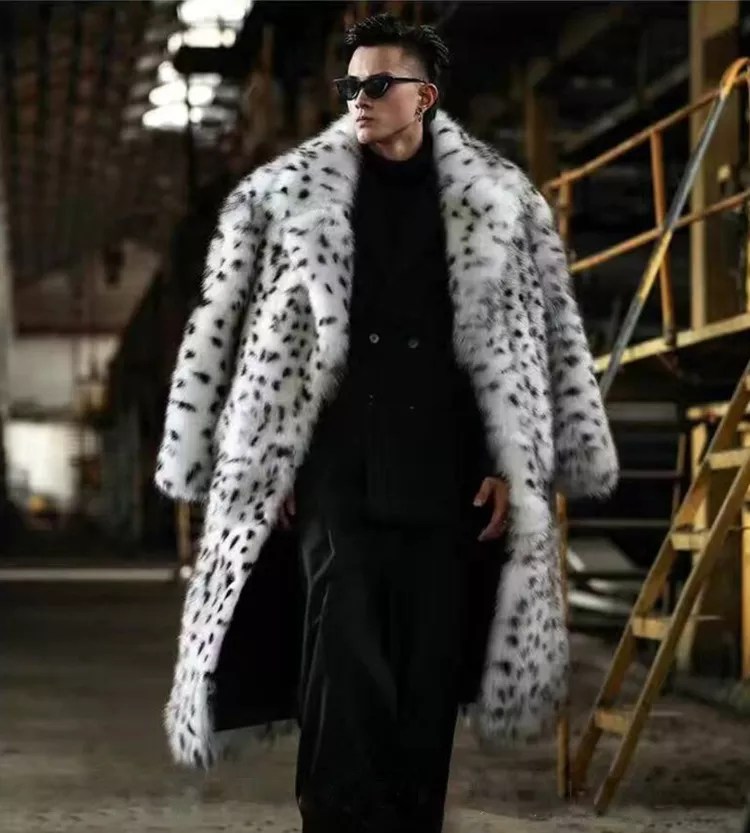
These are not wallflowers of winter coats. They’re statement pieces!
Victoria tells me that whenever she wears her white faux fur coat, she gets loads of compliments, with women stopping to ask where they can find one of their own. Well, ladies, now you know!
Take a peek at the collection and see if something catches your eye. Winter is the perfect excuse to add a little glamour to your wardrobe.
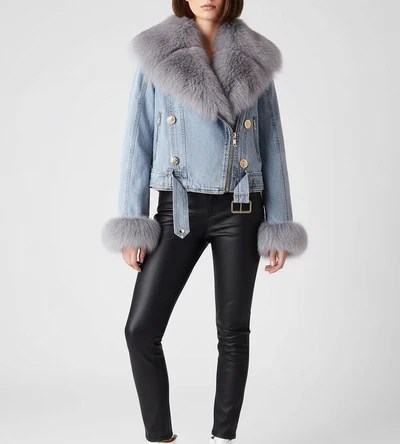
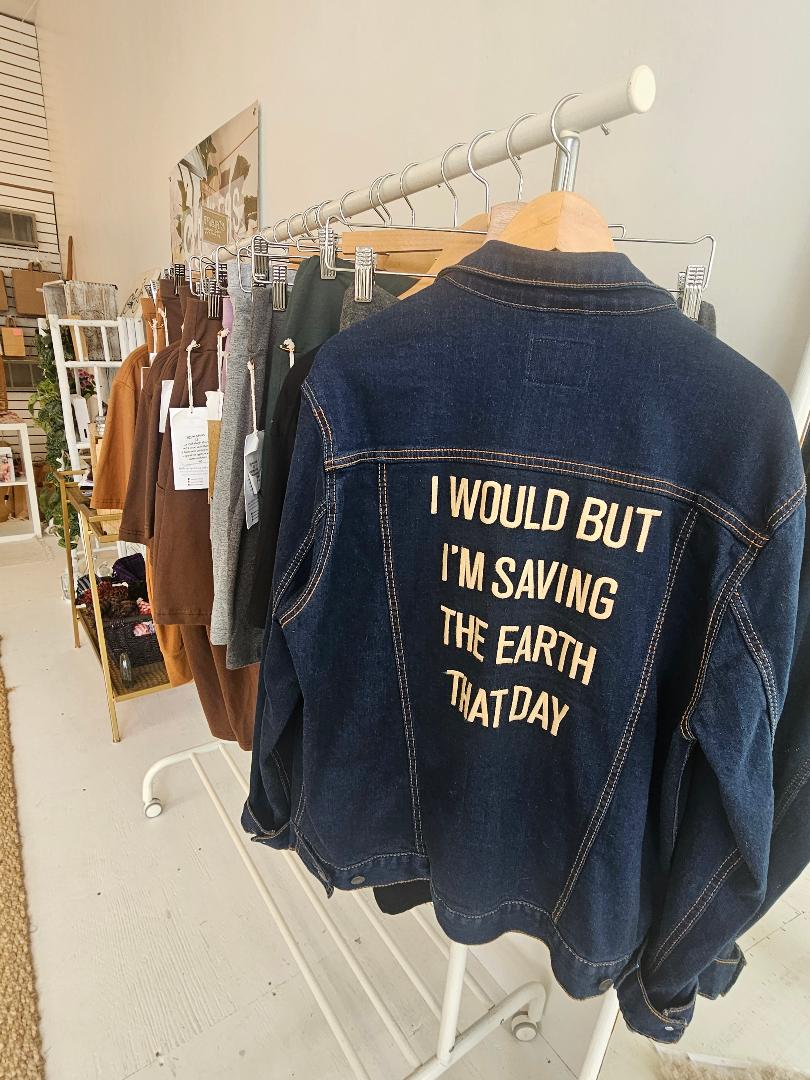
Fur Hood Denim JacketChill in Chinchilla
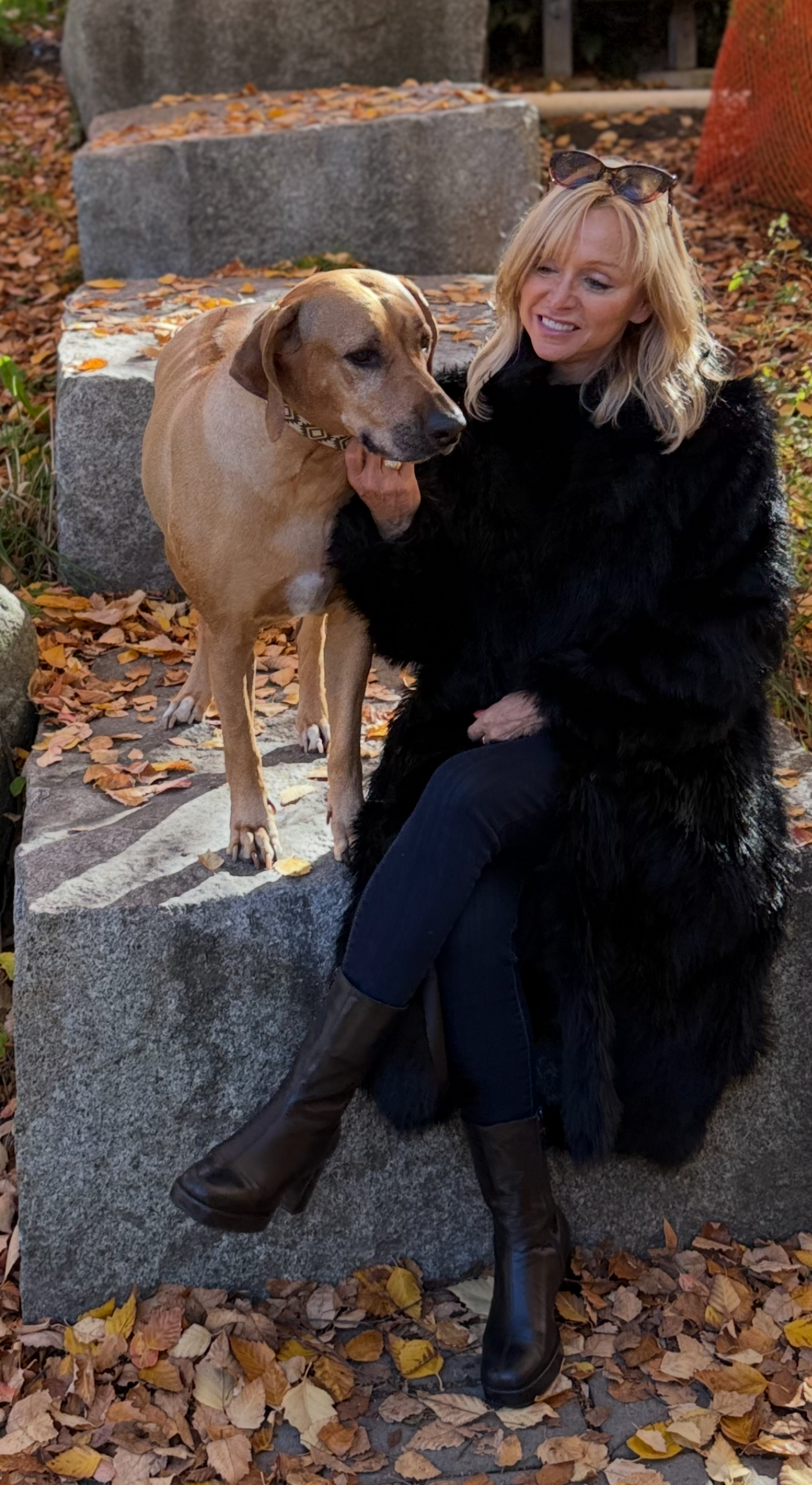
Dare to be fearless in faux fur!
And if you really want to make a statement there’s always….
Rock Star Leopard coat
To purchase and to view more styles click link below:
Natural fibres, Vancouver-made style and a whole lot of comfort.
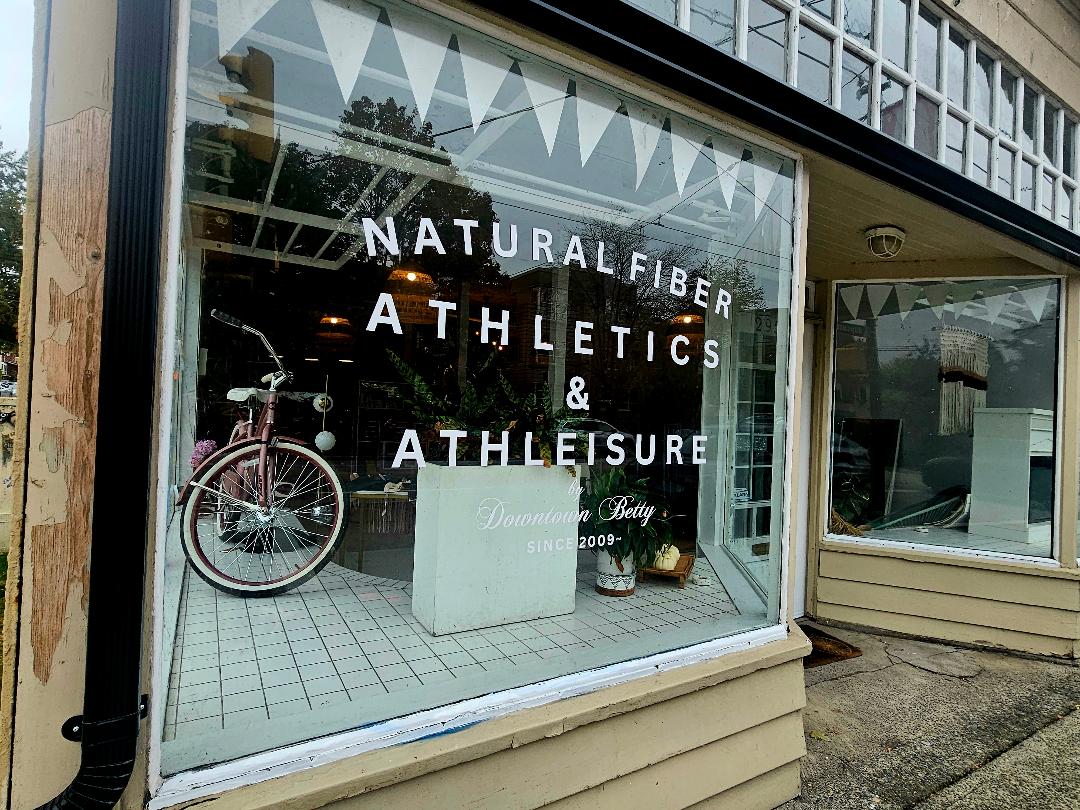
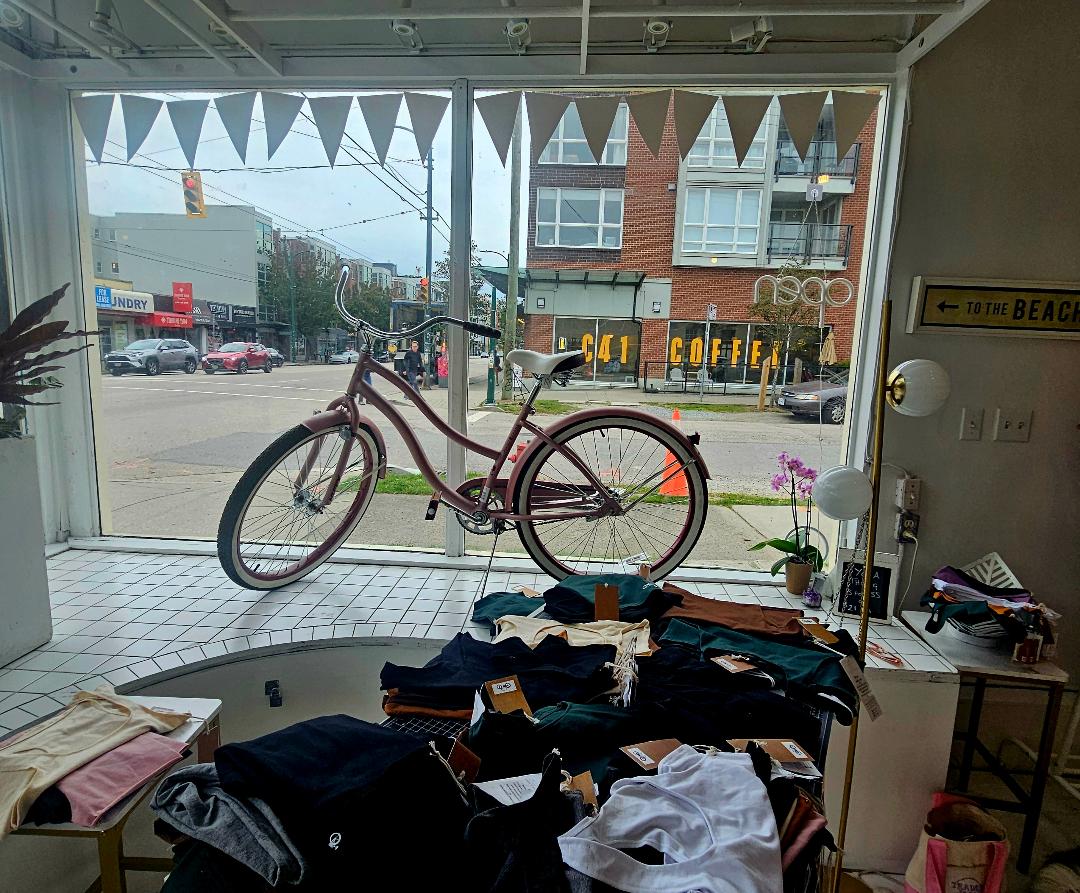
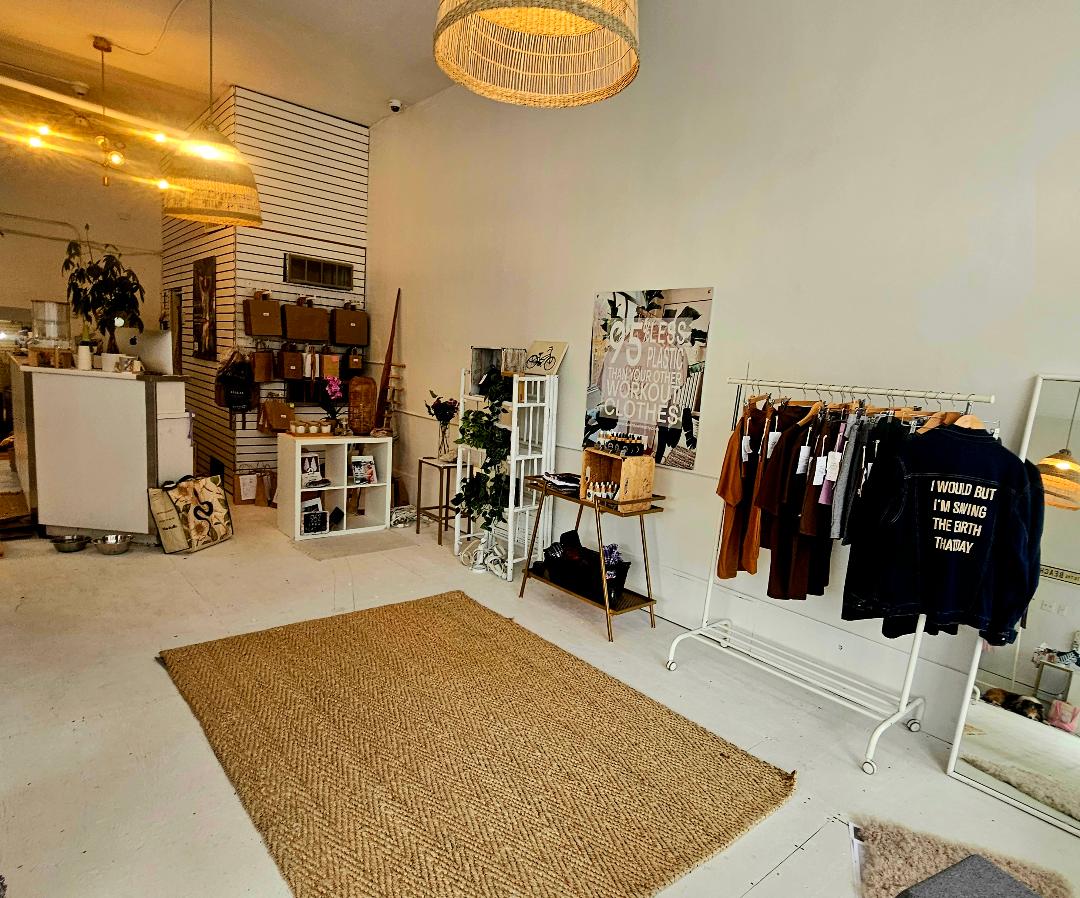
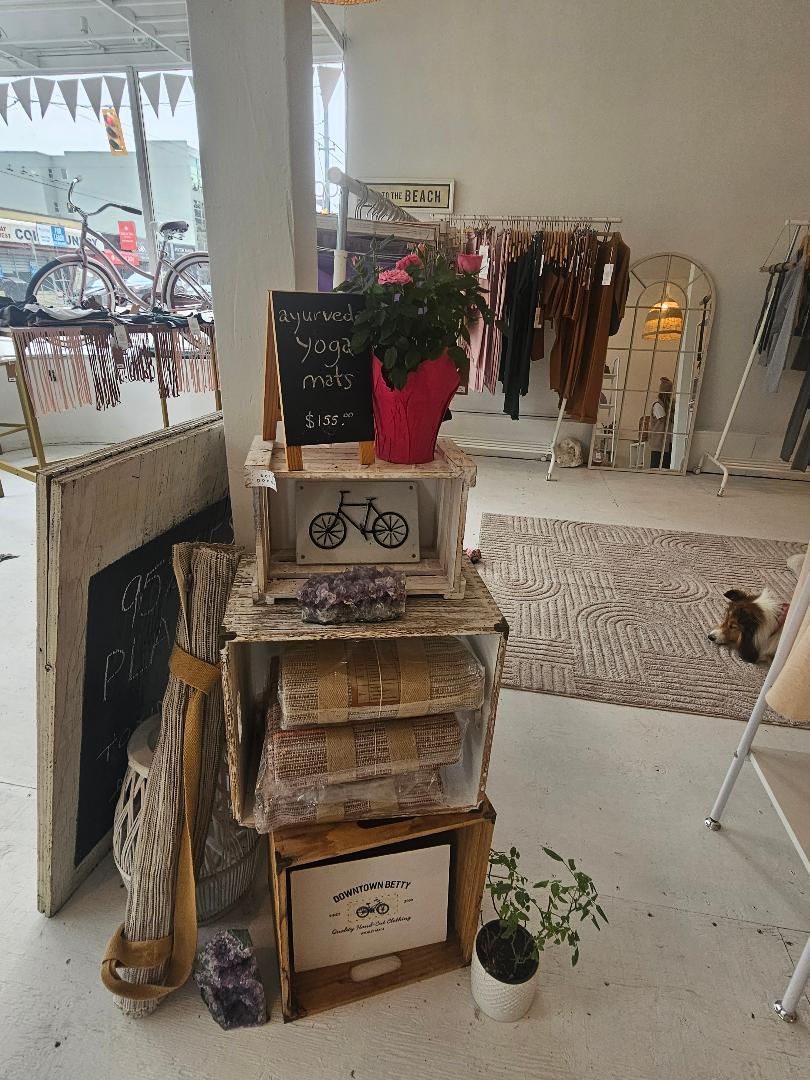
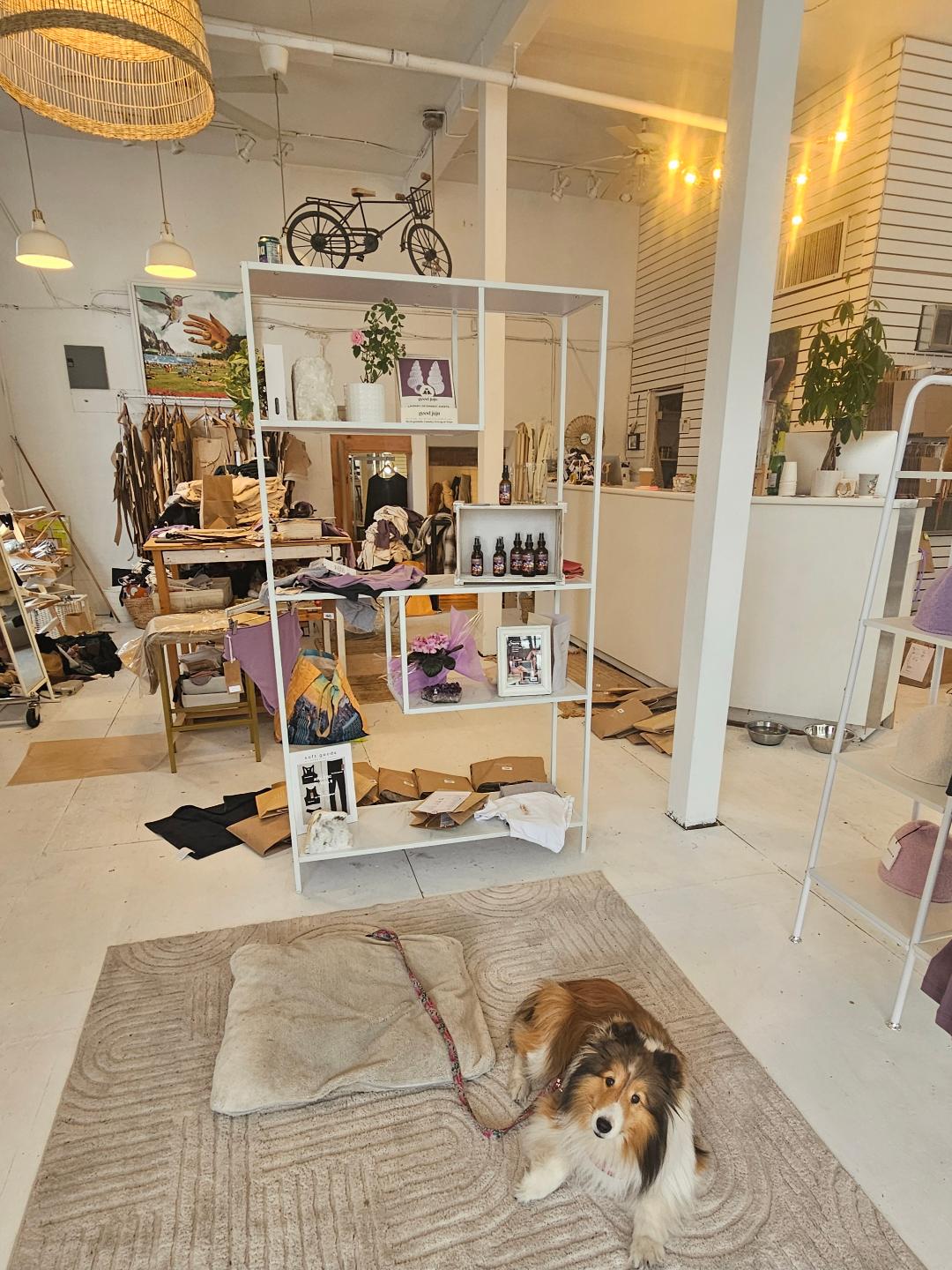
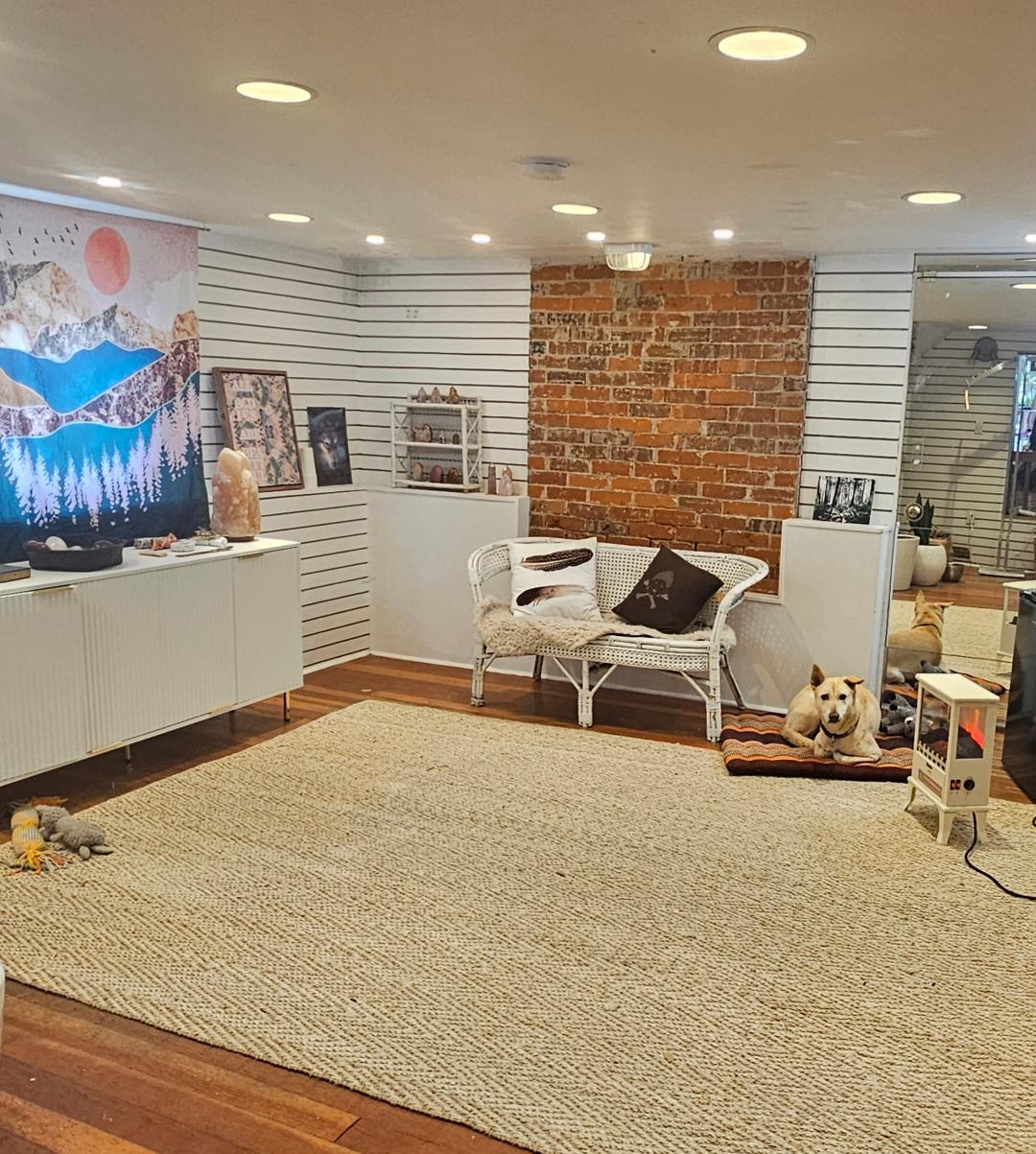
What a pleasant surprise to discover this clothing studio the other day! Located on West 4th Avenue at the corner of Bayswater, Downtown Betty first caught my eye because of the cute bicycle in the window. But step inside and you’ll find an inviting space filled with natural light, an appealing selection of clothing and plenty of temptation to try something on.Think casual cool, ultra-comfortable styles and natural fabrics. Even better, this isn’t just a retail shop – it’s where the clothing is actually made. You can browse the finished pieces hanging in the studio and perhaps discover something you didn’t know you needed.
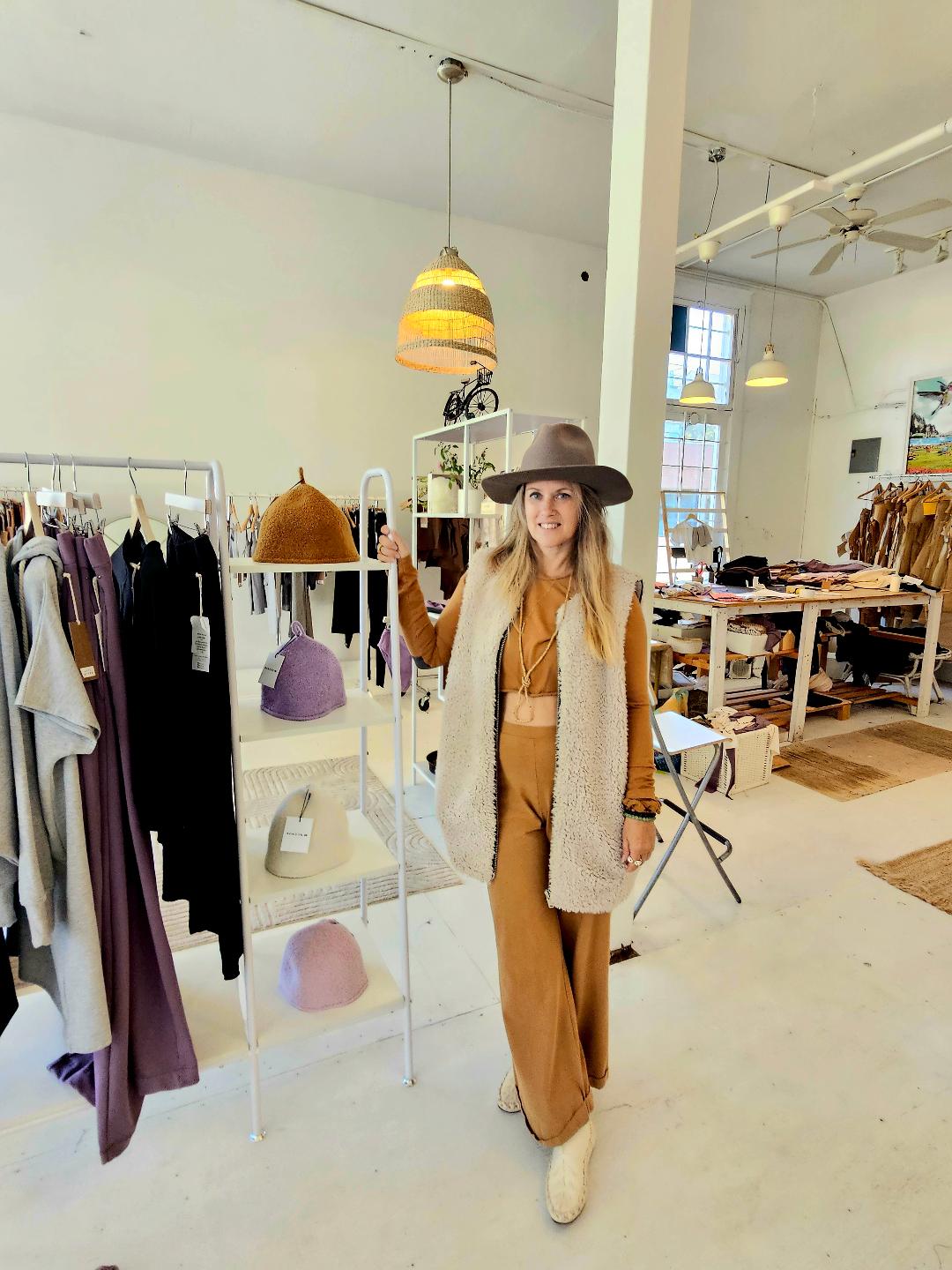
Downtown Betty is a Vancouver-based, woman-owned fashion company founded by designer Katie Quinn. Katie showed me around and told me about another passion of hers: helping animals in Bali by supporting the spaying and neutering of dogs and cats. It’s a lovely reminder that there’s often much more to a small business owner than the products they create.
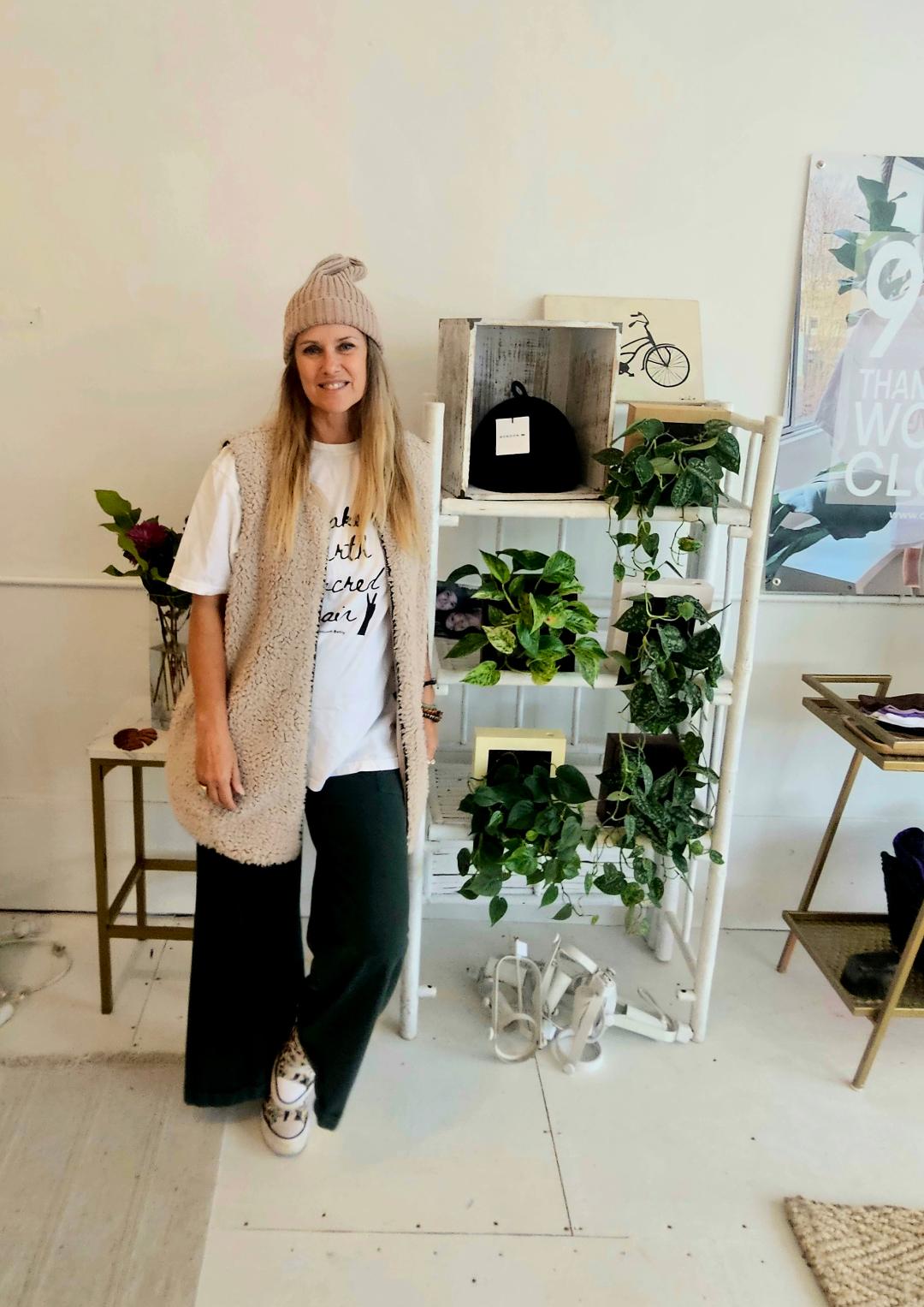
Katie wearing one of her creations. I tried on these pants – I love the loose wide-leg fit, pockets and cuffs.
Downtown Betty has been doing things naturally since 2009, designing and making clothing in Vancouver with a focus on comfort, natural fibres and sustainability.
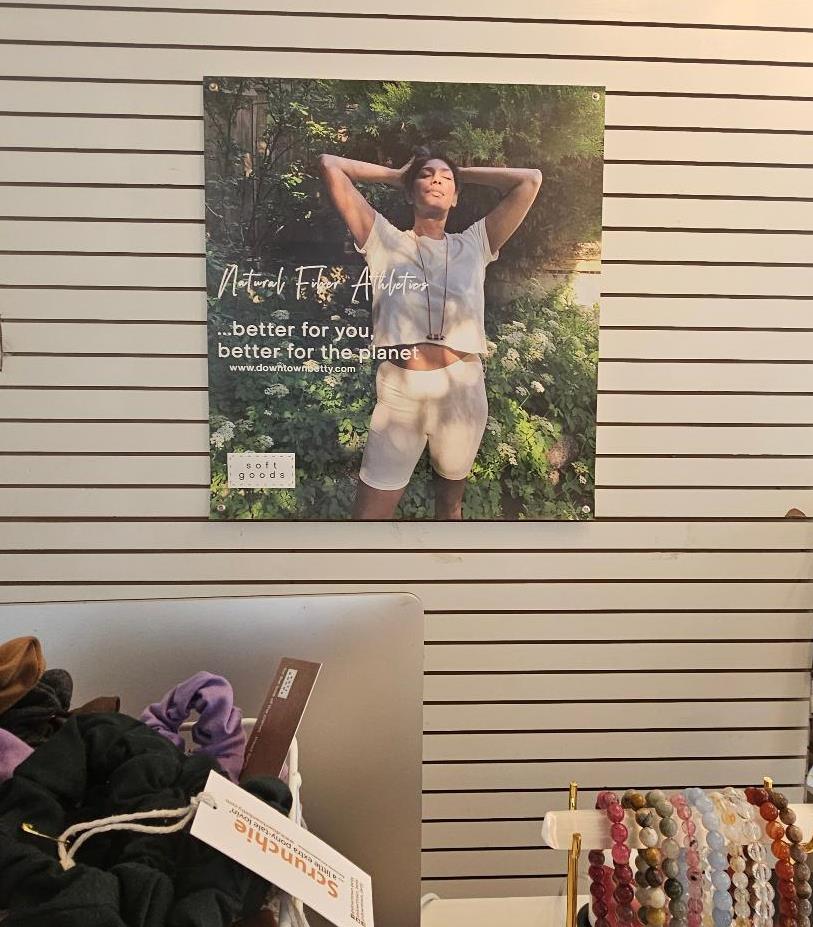
The athleisure collection is designed to move effortlessly from the yoga mat to the street. Goddess dresses, Temple skirts, Dakini tops and more offer relaxed, versatile styles for women who don’t want to choose between comfort and looking good.
And the fabric is a big part of the story.
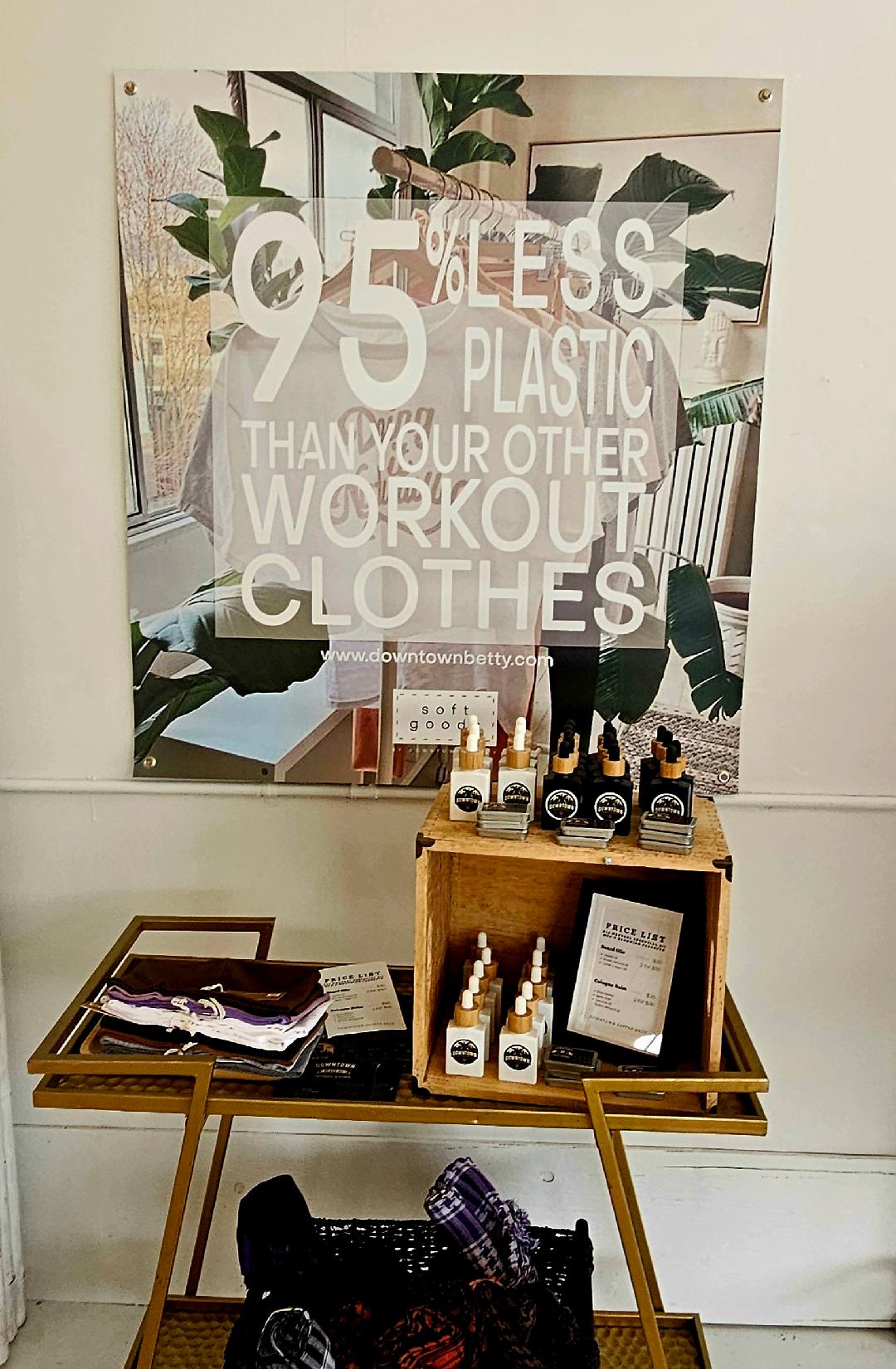
According to the company, its signature fabric is made from 95% cotton and 5% Lycra, combining breathability with a little stretch. The majority of its fabrics are tested to OEKO-TEX® STANDARD 100, while selected colours and heathered fabrics are made from organic cotton.
As Downtown Betty explains on its website, cotton is breathable, softens with wear and feels wonderfully light against the skin. It’s a simple approach to clothing, and one the company says it has stayed true to for sixteen years.
In a world of fast fashion and ever-changing trends, there’s something appealing about a local studio committed to comfortable, thoughtfully made clothing – pieces you can wear to yoga, to the coffee shop, while running errands or wherever the day takes you.
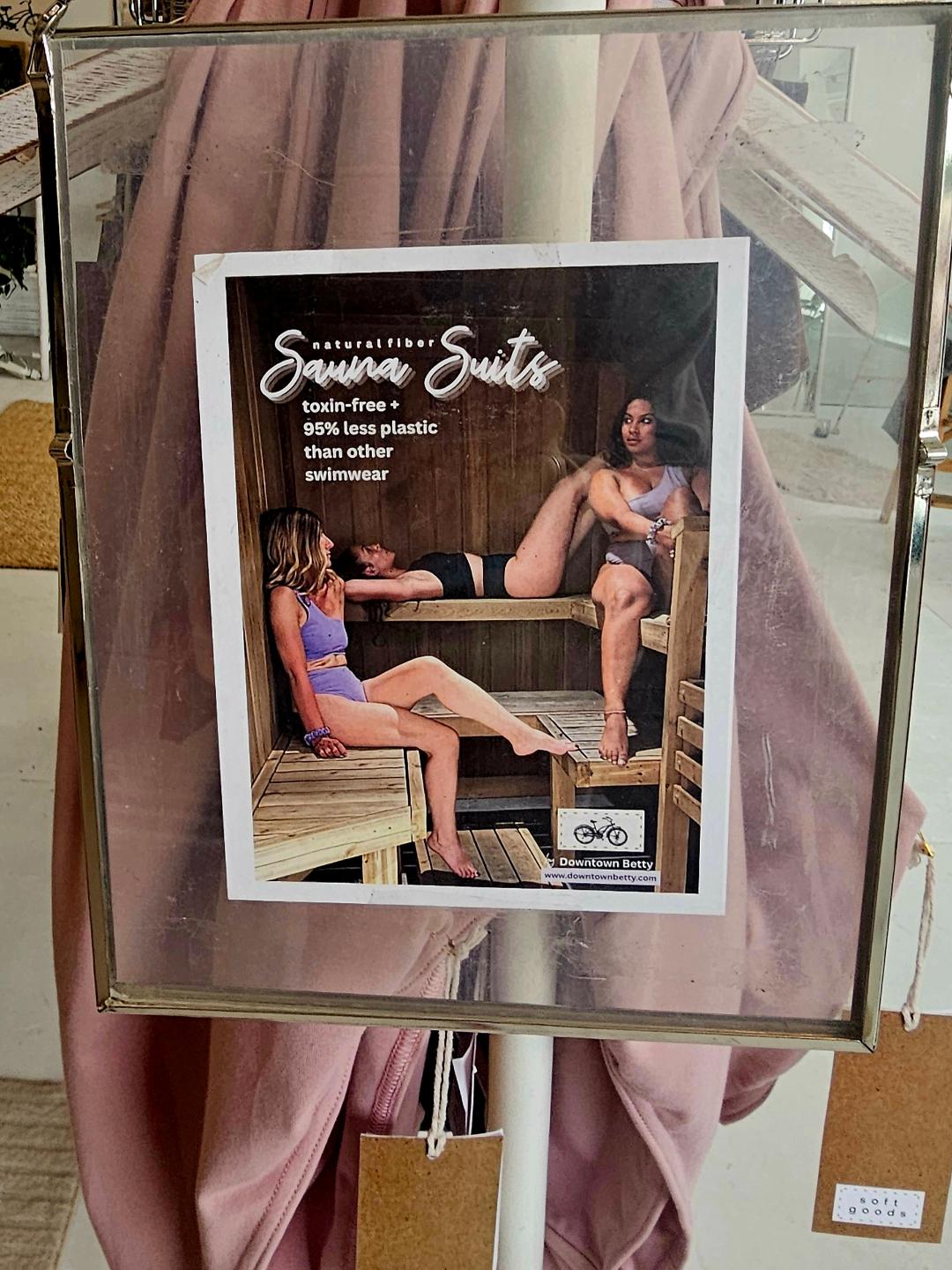
She also makes sauna-wear.Her dog Sherdil in the back room where the fitting rooms are.
Worth a look if you’re curious about locally made fashion that puts comfort and natural fibres first.
Last night, I attended the opening of Big Stuff, a refreshingly different kind of live theatre from seasoned performers Matt Baram and Naomi Snieckus, veterans of Second City and comedy clubs worldwide.
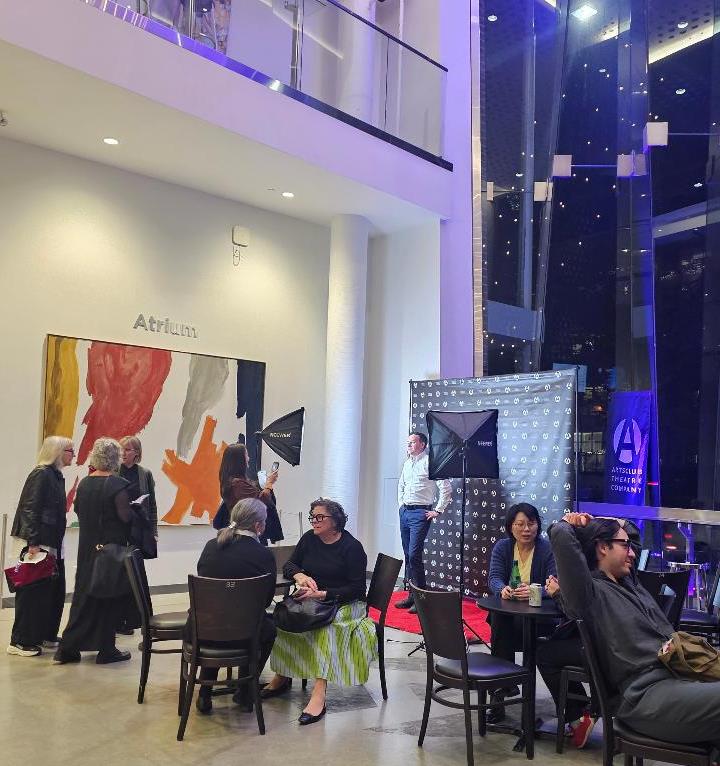
Photo courtesy of The Arts Club Theatre
Part improvisation, part audience participation, the show invites us to think about all the stuff we keep – and, more importantly, why we keep it.
Baram and Snieckus, a real-life husband-and-wife team, appear as themselves, surrounded by a collection of clutter they’re trying to make sense of. What stays? What goes? And really, how many people need more than one toaster – especially if they’re not eating bread?
But Big Stuff is about more than decluttering. It asks us to consider the sentimental value we attach to the things we own, both big and small, and why letting go can be so difficult.
Audience members are invited to write down an item – or several – from home that reminds them of someone dear they’ve lost. Baram and Snieckus then draw the cards, ask who wrote each one, and invite them to share a little of the story behind it. I loved how naturally these exchanges unfolded. Some of the items prompted particularly poignant responses, adding a moving layer of humanity to the laughter.
After all, the things we hold on to aren’t always useful, beautiful or even particularly practical. Sometimes, they’re precious because of the people and memories they represent. What one person might see as clutter, another might see as an irreplaceable connection to someone they’ve loved and lost.
Perhaps that’s the bigger question at the heart of Big Stuff: when we hold on to things, are we really holding on to the objects themselves, or to the memories they carry? Maybe the challenge isn’t simply deciding what to keep and what to throw away, but understanding what we’re really holding on to.
Fresh off a sold-out run at the Edinburgh Fringe Festival, where it received the International Fringe Encore Series Edinburgh Prize, Big Stuff arrives at the Arts Club Theatre Company with international acclaim. Following its Vancouver run, the show heads to New York City’s SoHo Playhouse.
Written and created by: Matt Baram and Naomi Snieckus Directed and co-created by: Kat Sandler
When: October 14–November 1, 2026 Where: Olympic Village Stage at the BMO Theatre Centre
The BMO theatre centre is nice inside. You can get drinks and snacks.
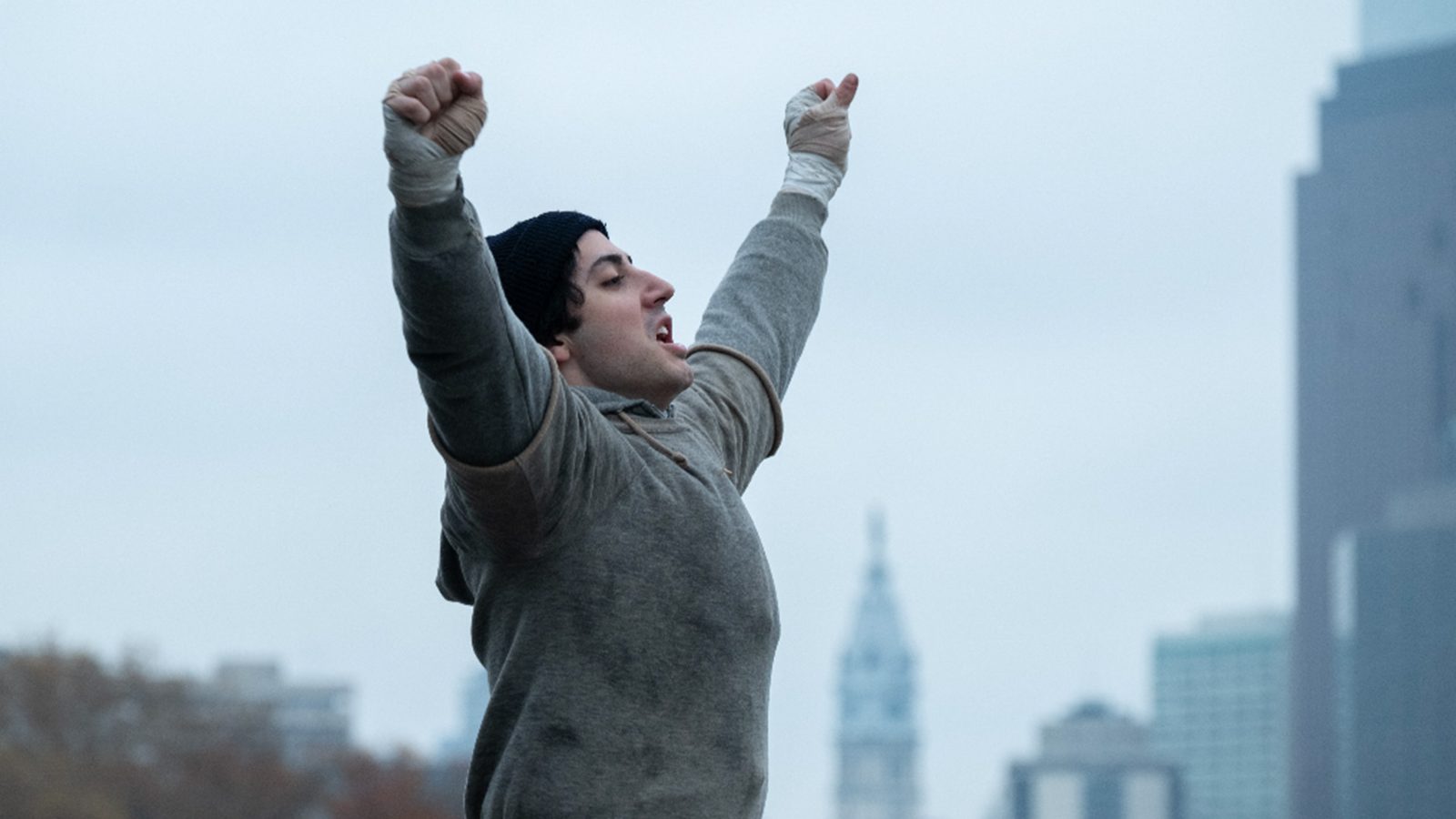
Photo courtesy of the Vancouver International Film Festival – 2026.
We know the story. We know the outcome. And yet, after watching I Play Rocky, I came away with a renewed appreciation for the man behind one of Hollywood’s most beloved underdog stories.
This was the best feel-good movie I’ve seen in a long, long time. It had everything going for it: heart, soul, determination, and a real-life story that reminds us what can happen when someone refuses to give up on a dream.
The entire audience was clapping at the end. I can’t remember the last time I witnessed that kind of spontaneous reaction – except, perhaps, at the very end of Rocky itself.
The film takes us back to the early struggles of Sylvester Stallone, long before he became a household name. He had written a script he believed in, and he was determined to play the lead himself. Hollywood had other ideas. The odds were stacked against him, but Stallone held firm to his vision, even when taking the easier road might have meant sacrificing the very thing he believed in.
We all love to root for the underdog. But there’s something especially satisfying about watching someone fight not just for a chance at success, but for the right to tell his own story.
Directed by Oscar-winner Peter Farrelly (Green Book), the film stars Anthony Ippolito as Stallone. The resemblance is uncanny – not just in his appearance, but in the way he speaks and carries himself. He brings Stallone to life in a way that makes you forget you’re watching an actor portray someone whose story we think we already know.
And behind every great struggle, there are often people who provide the support needed to keep going. Stallone’s wife, Sasha, played an integral role, offering the kind of support that can make all the difference when a dream seems just out of reach.
What makes this story so uplifting is the reminder that success rarely arrives overnight. Sometimes, it begins with a belief in yourself that nobody else shares.
We already know what became of Rocky. What makes this story worth telling is remembering just how much determination it took to get there.
A Rocky Footnote
As a personal aside, I had the pleasure of meeting Carol Connors at the Palm Springs International Film Festival last January. She earned an Oscar nomination for Best Original Song for co-writing “Gonna Fly Now,” the iconic theme from Rocky. Her documentary, Elvis, Rocky & Me: The Carol Connors Story, received a Best of Fest recognition at the festival.
Talk about a personal connection to movie history!
The festival has now come to a close, but you can check out the VIFF movie lineup all year long here:
There are very few places left in the world where you can experience wild animals in their true, uninterrupted environments. We think of African safaris, trekking to see gorillas in Eastern Africa, exploring The Galápagos Islands, or viewing massive penguin colonies in Antarctica.
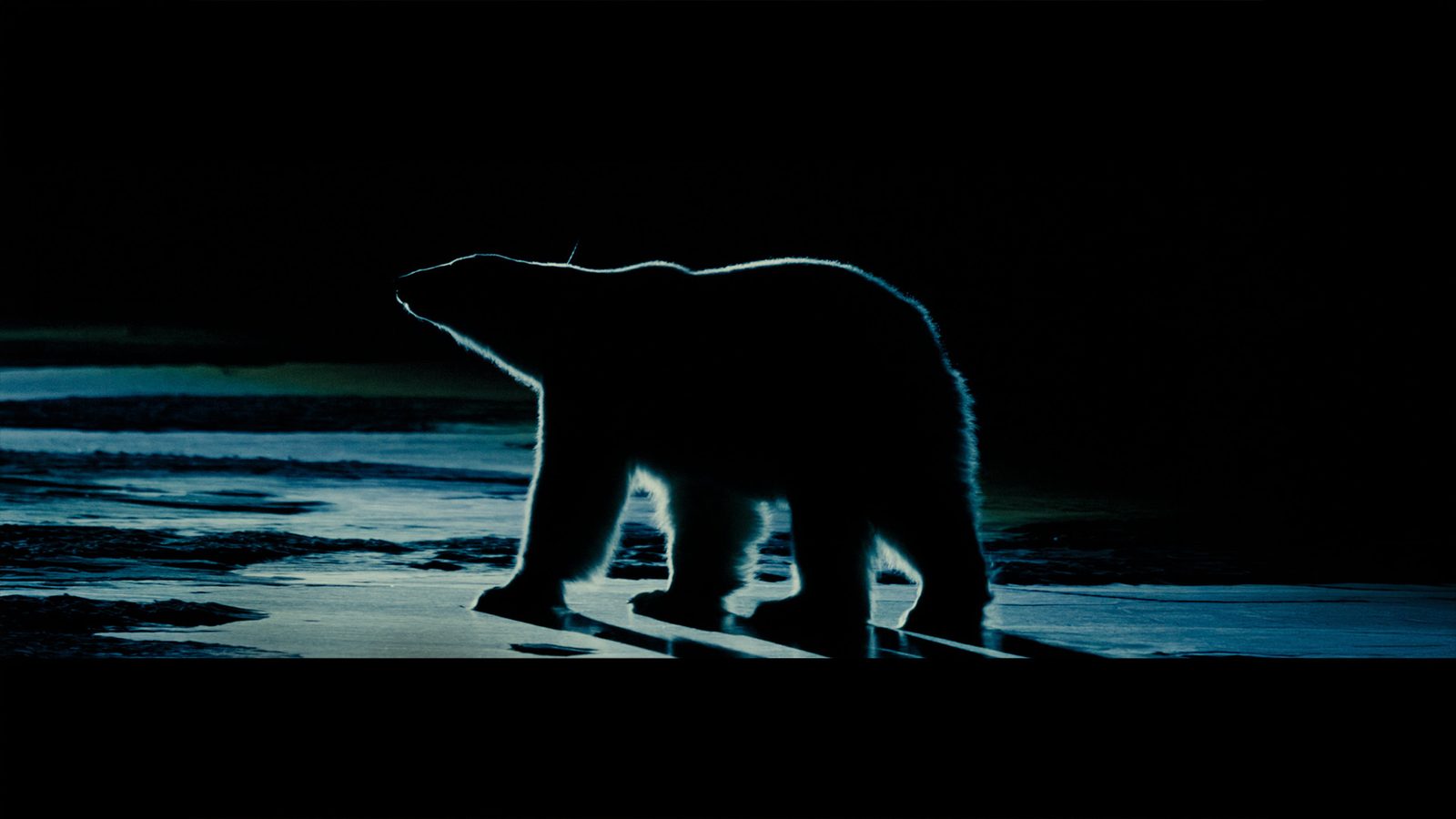
Photo courtesy of Vancouver International Film Festival
Right alongside those bucket-list destinations is polar bear watching in Churchill, Manitoba – the self-proclaimed “Polar Bear Capital of the World”.
But the feature documentary Nuisance Bear turns that entire tourism spectacle on its head. Expanding on their acclaimed 2021 short film, Canadian filmmakers Gabriela Osio Vanden and Jack Weisman track the polar bear population as it intersects with both high-rolling tourists and the Inuit community of Arviat. The film shows how these amazing, apex predators are increasingly encroaching on human habitat, coming dangerously close to town lines.
Through their lenses, we track a polar bear navigating a chaotic gauntlet of tourists, trucks, sirens, traps, wildlife officers, hunters, and forced relocation. The journey is given profound weight and depth through guidance and narration from the late Inuit elder Mike Tunalaaq Gibbons.
In 2018, Gibbons’ son, Aaron, was tragically killed by a polar bear while protecting his children. Though speaking about the predators became deeply difficult for the elder, his reflections in the film offer a moving reminder that the fault does not lie with the bear, but with a fractured ecosystem.
At this stage in time, watching this documentary is probably the closest I’ll ever personally come to seeing polar bears in the wild – and honestly, I’m okay with that.
Tour operators in Churchill use custom-built, massively oversized vehicles known globally as Tundra Buggies or Arctic Crawlers. Built with massive, five-foot-tall rubber tires to safely traverse the fragile subarctic terrain when the bears gather along the coast of Hudson Bay every October and November, these vehicles are the only way to see them. It’s not an intimate operation, it’s a heavily managed interaction.
As the VIFF program guide beautifully summarizes:
Winner of the highly coveted Sundance Grand Jury Prize for Documentary, this is a formally daring work about spectacle, survival, and the violence hidden inside the word ‘nuisance’.
We’re left contemplating what happens when the mascot becomes a problem?”
The festival has now come to a close, but you can check out the VIFF movie lineup all year long here:
I went to see Mina Shum’s latest feature film, Whatcha Want, mostly because she is an acclaimed local writer-director (Meditation Park, VIFF 2017) and the film was shot right here in Vancouver and Victoria. I had a feeling it would be good, and I was absolutely right!
Photo courtesy of Vancouver International Film Festival
The best way to describe it is a high-energy mix of Crazy Rich Asians meets Flashdance. But overall, it’s a joyful movie of liberation.
Beneath the dazzling surface, the story has many layers. It brings poignant Asian cultural awareness to the forefront through the main character, Yin Tse (played beautifully by Bridgerton’s Isabella Wei). Yin comes to Vancouver from Hong Kong on a temporary visa as a new “trophy wife,” dealing with an isolating marriage and an absentee husband who is back home handling business… and a bit of unfaithful “monkey business” on the side.
Yin’s only friend in Vancouver is a slightly older woman in the exact same boat. She has grown used to her husband’s constant absence and views the luxury lifestyle it provides as a necessary tradeoff. Whether that tradeoff is good or bad depends entirely on how you look at it, but it appears to be the accepted norm for many women in this circle. It requires giving up a part of yourself to please someone else – something I think most of us have done at some point in our lives. As Yin’s mother perfectly puts it in the film: “I always liked mushrooms – but your dad hated them, so I never ate them again.”
One day, feeling lonely and looking out over her balcony, Yin notices a vibrant group of dancers practicing in the building next door. Intrigued, she wanders over to find connection by rekindling her childhood passion for dance. The dynamic blend of hip-hop, breakdancing, and acrobatics is mesmerizing (in fact, one of the dancers in the cast is a real-life Canadian Olympic champion from the Paris games!).
A chance encounter brings Yin under the wing of dance studio owner Penny (Helen Dang), who helps her train for an elite audition. But when her wealthy husband (Hugh Tran) returns from Hong Kong, Yin is forced to make a definitive choice: stick with material comfort, or claim the freedom to be herself.
Anchored by screen legends Ming-Na Wen (Mulan) and Tzi Ma (The Farewell), who help provide comic relief, this film tackles heavy themes of isolation and marital expectations within the Asian diaspora while the incredibly charismatic cast of dancers keeps the energy electric.
Ultimately, Whatcha Want is a beautiful tribute to the joy of self-expression through movement. It leaves you reflecting on a profound question: What are you truly willing to give up for a lifestyle, or for someone else? It is an earnest, joyful ride that will have your heart doing backflips.
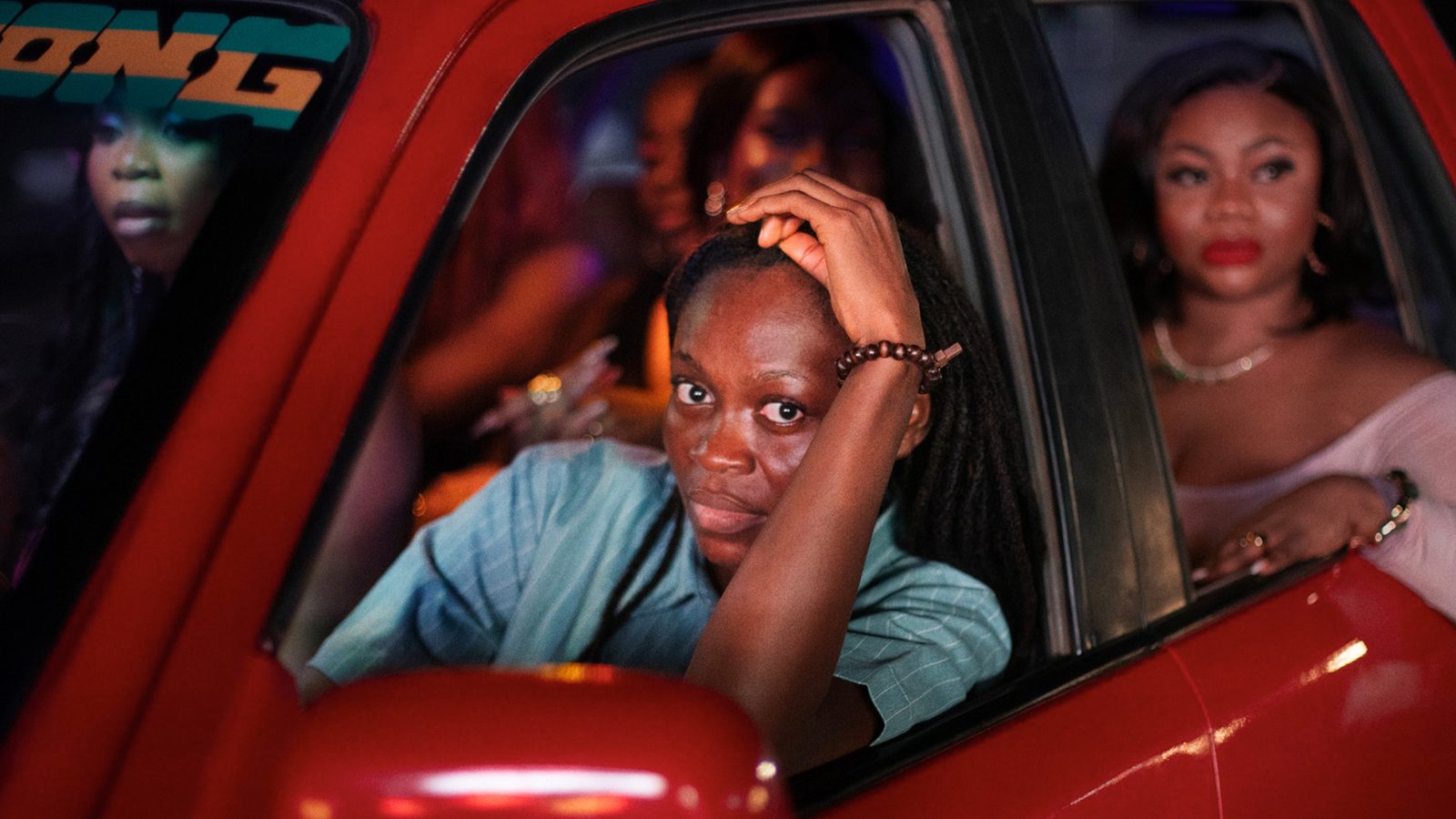
The main reason I chose this movie was not so much for the story, but because it was filmed in Lagos, Nigeria.
Photo courtesy of Vancouver International Film Festival
However, the story itself turned out to be quite pulsating – following a group of women doing what they must to survive in a chaotic landscape, and one young woman in particular whose dream is to escape to a place that offers more freedom, away from the noise, business, and relentless traffic.
Directed by Olive Nwosu, Lady is a vibrant feature debut that follows Ujah (Jessica Gabriel), a struggling female taxi driver in Lagos. She takes on a side job chauffeuring a group of sex workers, including her estranged childhood best friend who returns after a five-year absence – through the city’s nocturnal underworld.
This movie grabbed my attention because my late husband spent years, off and on, travelling to Lagos to do telecommunications feasibility for cell phone systems. No matter where you go in the world, rich or poor, everyone now has a cell phone. It’s the one common denominator for all of us.
Overall, I found the story frustrating and heartbreaking. The hardships some of these women face just to make ends meet are daunting, to say the least, but I deeply admired the lead character’s dignity and sense of self. The film leaves you restless, heartbroken, and intensely aware of the vast miles between comfortable detachment and daily survival.
My husband always talked about Lagos as a city of endless static and relentless momentum – a place that moves too fast to look back. Olive Nwosu’s camera manages to slow it down just enough to see the human beings caught in the current. I left the theater wishing life were kinder to Ujah and her friends, deeply grateful that a film had given a vivid voice to a landscape I only ever knew through secondhand stories.
Lady isn’t an easy ride, but like the brave women in the front seat, it refuses to be looked past.
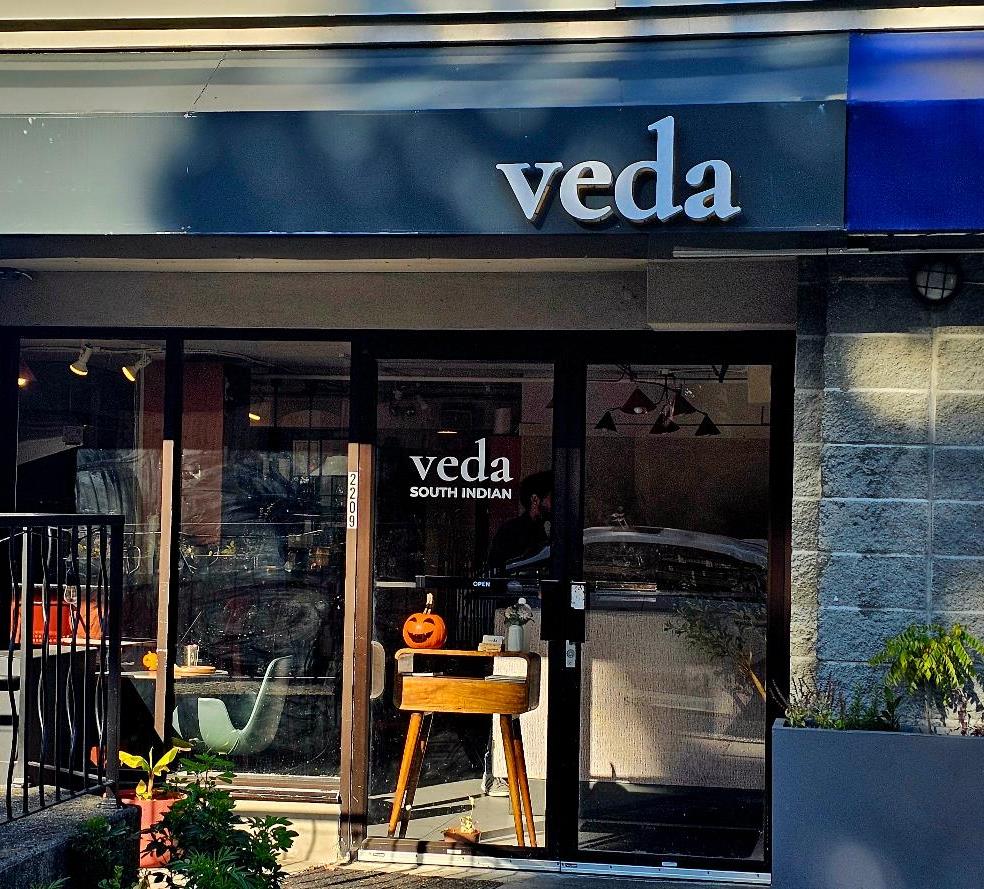
A new restaurant opened up in my neighborhood very recently, taking over a spot that has been sitting empty for quite some time. Walking by with a friend a few weeks ago, I was thrilled to discover that its focus is a completely different style of Indian food than what I am normally used to: South Indian cuisine.
Intrigued, we stepped inside. The space is a cozy, intimate 20-seat neighborhood joint inspired by the vibrant cafés and homes of South India. We met the owner, who incredibly warmly welcomed us and invited us to try a generous tasting of several unique-to-us dishes.
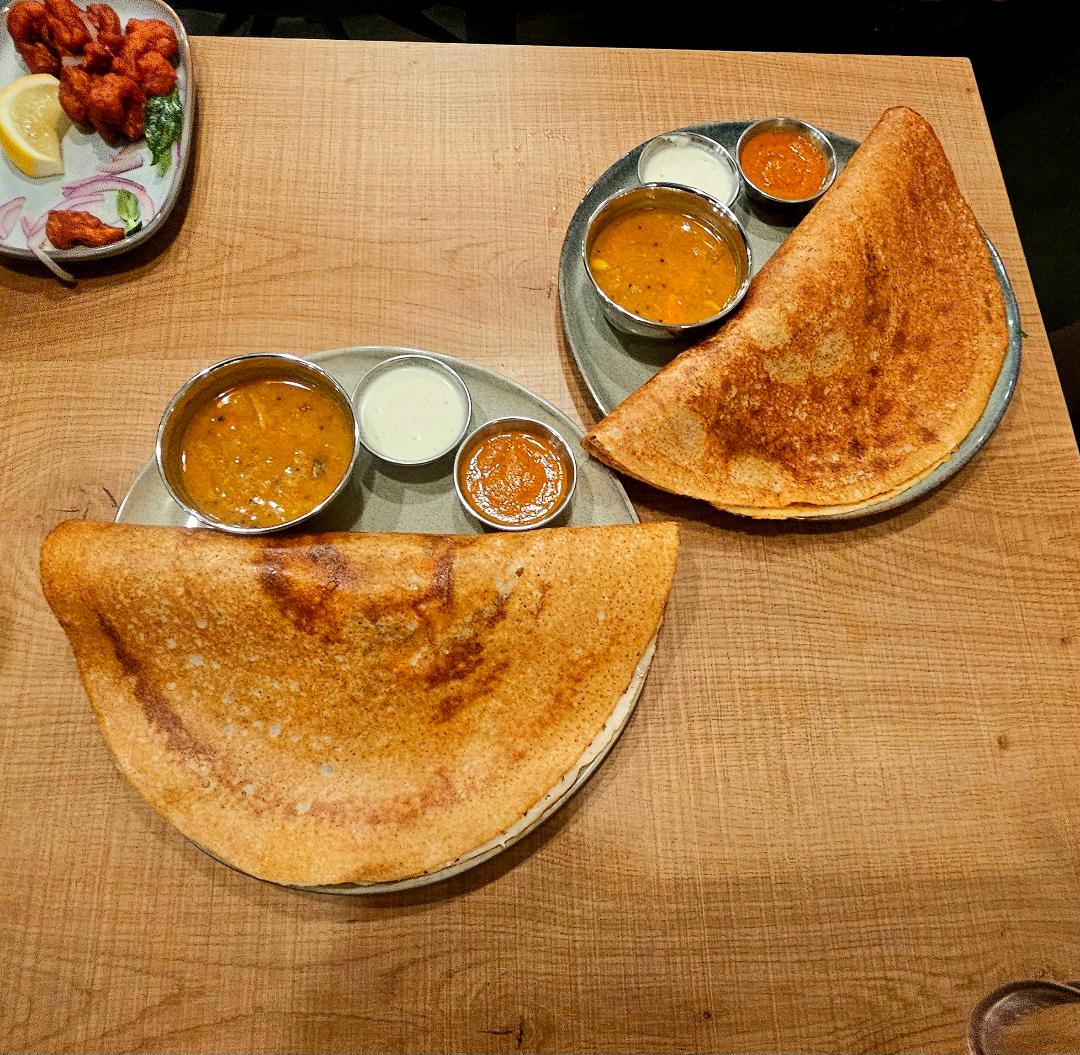
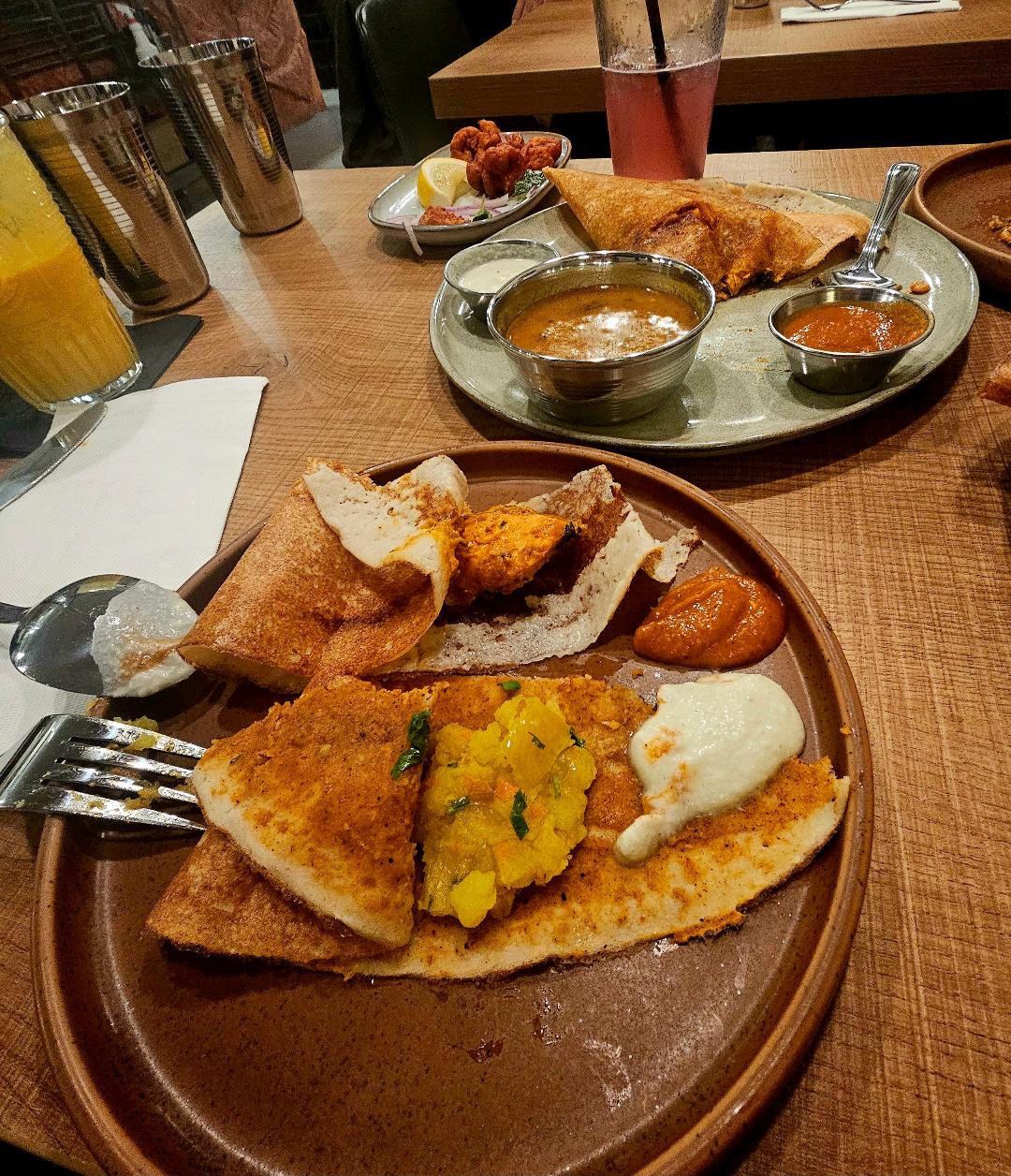
Beautifully golden-brown, crispy dosas served with traditional sambar and a duo of vibrant chutneys.Tearing into a dosa to reveal the aromatic, perfectly spiced potato masala filling and another with chicken – hidden inside.
It was the perfect excuse to dive headfirst into the rich, aromatic world of South Indian culinary traditions.
Exploring the Vibrant World of South Indian Cuisine
For those who might be new to this side of the Indian subcontinent, South Indian cuisine offers a completely different experience from the heavy, cream-based North Indian dishes many of us grew up eating. Instead of rich, dairy-heavy gravies, the South offers a masterclass in using rice, lentils, coastal ingredients, and brilliant fermentation techniques to create bright, complex flavor profiles.
The Foundation: Rice, Lentils, and Fermentation
One of the most remarkable aspects of South Indian cooking is its reliance on simple pantry staples like rice and black lentils (urad dal). Through the magic of slow fermentation, these two humble ingredients are transformed into some of the region’s most iconic staples:
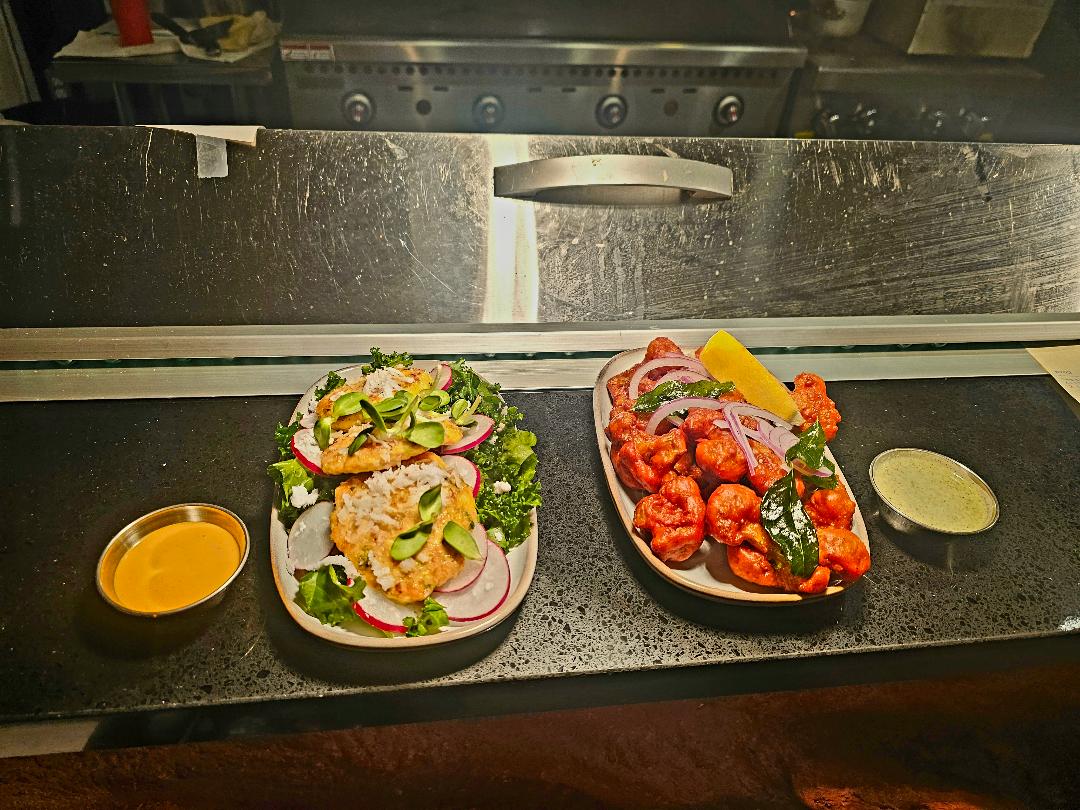
Shrimp cake & spicy cauliflower.
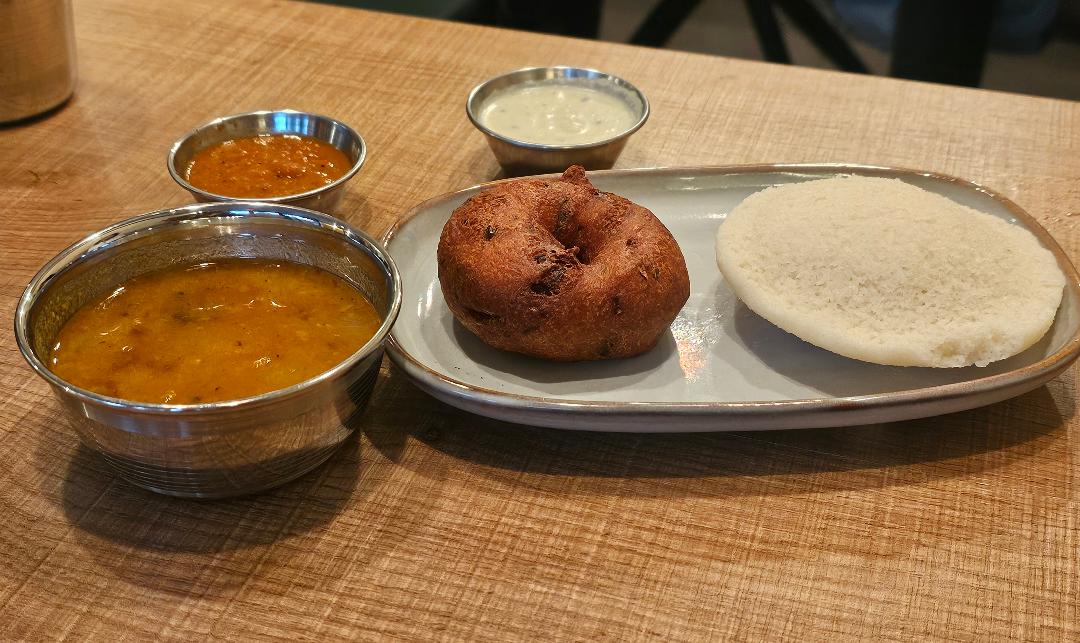
Idli: Pillow-soft, fluffy steamed rice cakes that act as the perfect canvas for soaking up savory stews.
Dosa: Thin, lacy, and incredibly crispy crepes that can be enjoyed plain or stuffed with a spiced potato mash (masala dosa).
Because these traditional batters are naturally fermented, the food carries a subtle, signature tanginess and a light texture that feels deeply comforting.
More Than Just Curries: Sambar and Chutneys
Instead of thick tomato-and-onion gravies, South Indian meals are heavily centered around Sambar – a wonderfully complex, tangy lentil and vegetable stew infused with a special spice blend. It is traditionally served alongside a variety of fresh, vibrant chutneys, with coconut, tomato, and mint being local favorites.
Rice cakes with lentil stew – the one that is donut shaped was deep fried. The other has a crispy rice center.
Whether you are enjoying a comforting bowl of Bisi Bele Bhath (a spicy, sweet-and-sour rice and lentil dish) or tearing off a piece of a crispy dosa, South Indian cuisine is a beautiful reminder of how complex, layered flavors can be built from simple, wholesome ingredients.
Welcome to the Neighborhood
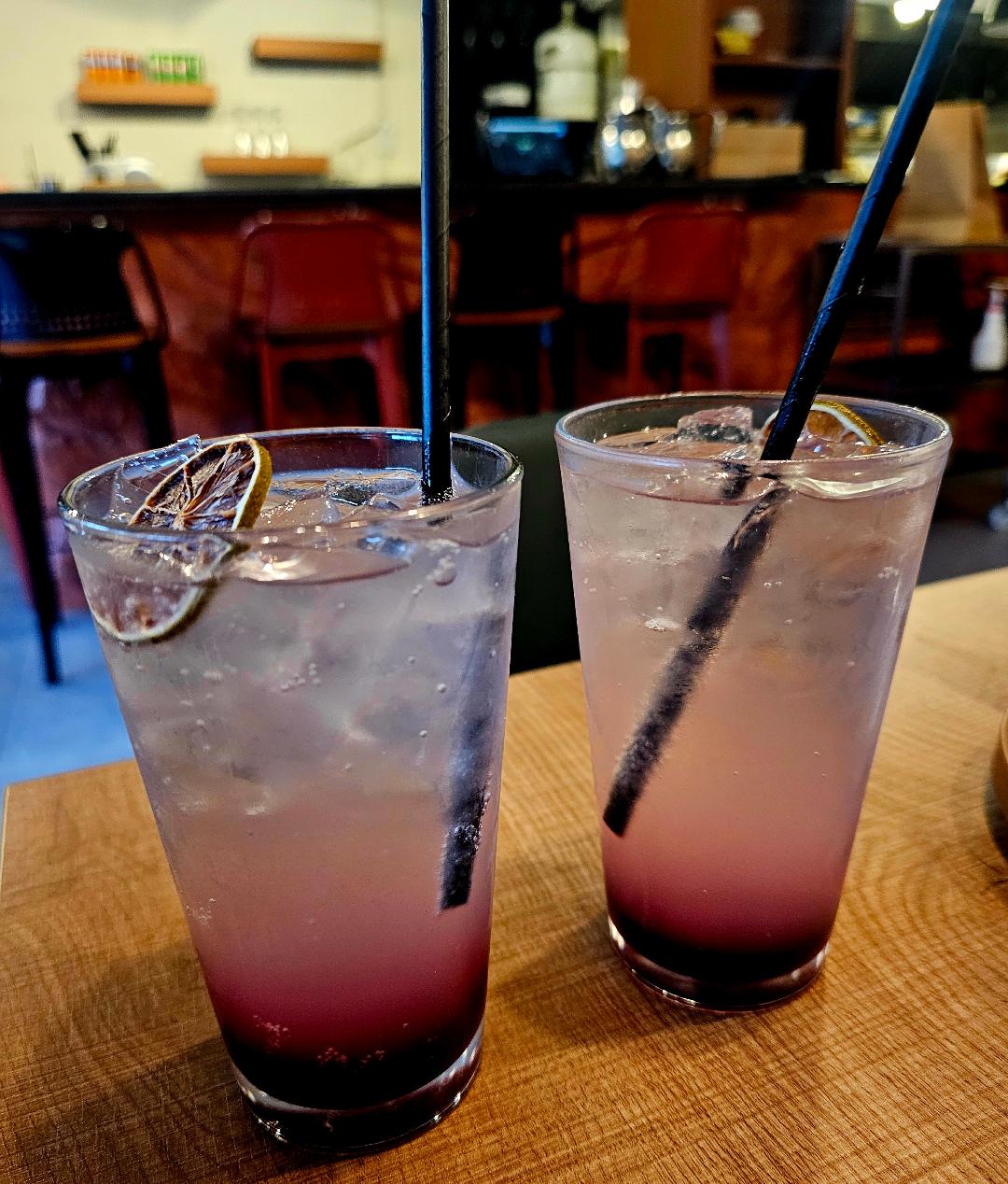
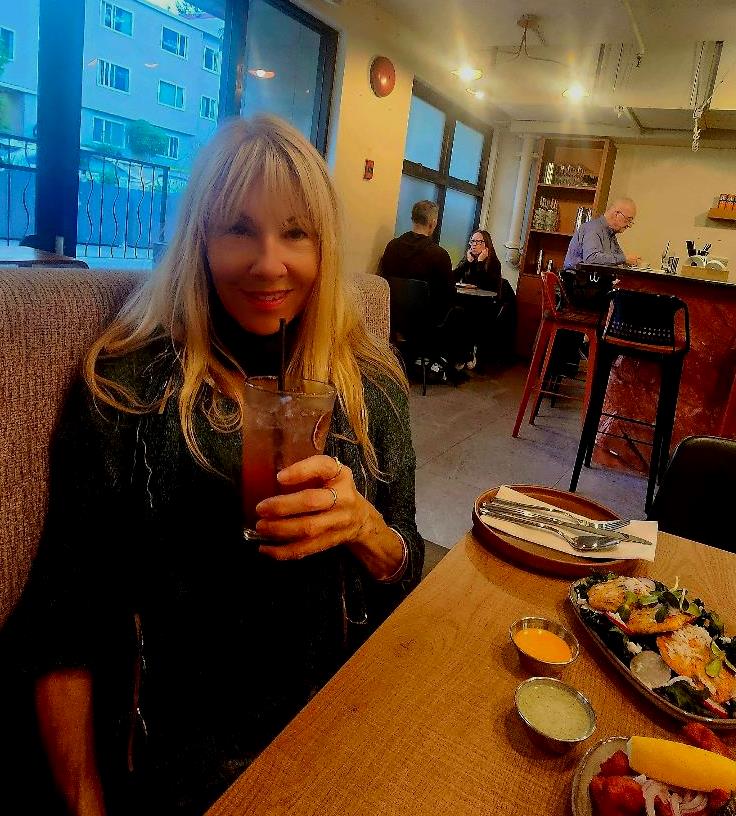
Refreshing, beautifully layered specialty mocktails garnished with dehydrated lime—perfect for a cozy neighborhood evening.
It is wonderful to see this space filled with such warm hospitality and unique flavors. If you are looking to explore these culinary traditions for yourself – or perhaps sit down for a traditional South Indian filter coffee after a beach stroll – you can find them right in the heart of the community.
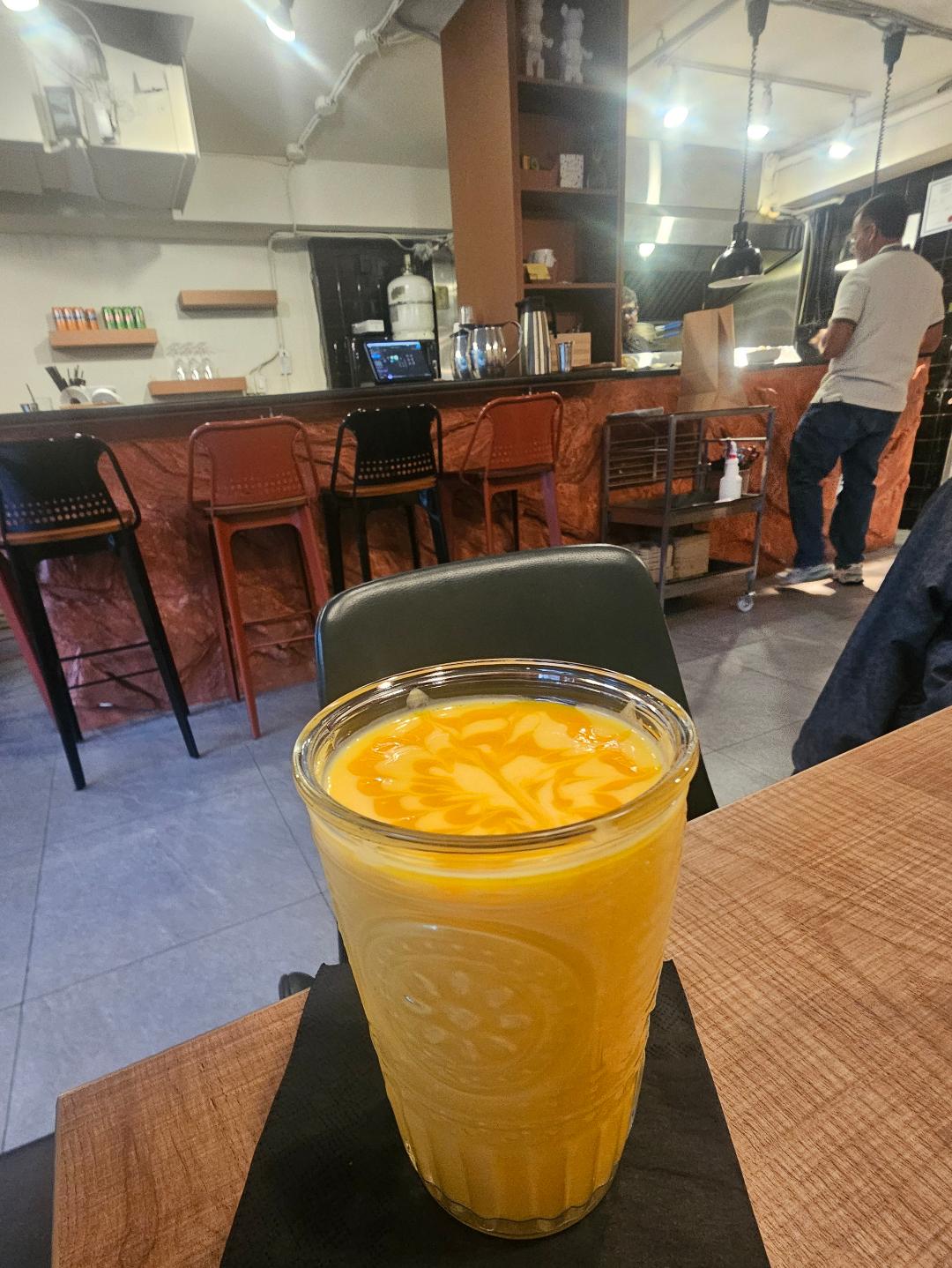
I had to try a traditional mango lassi for dessert.
Veda is located at 2209 W 1st Ave., just a couple of blocks up from Kitsilano Beach. You can check out their hours and full regional menu on the Veda Kitsilano Website.
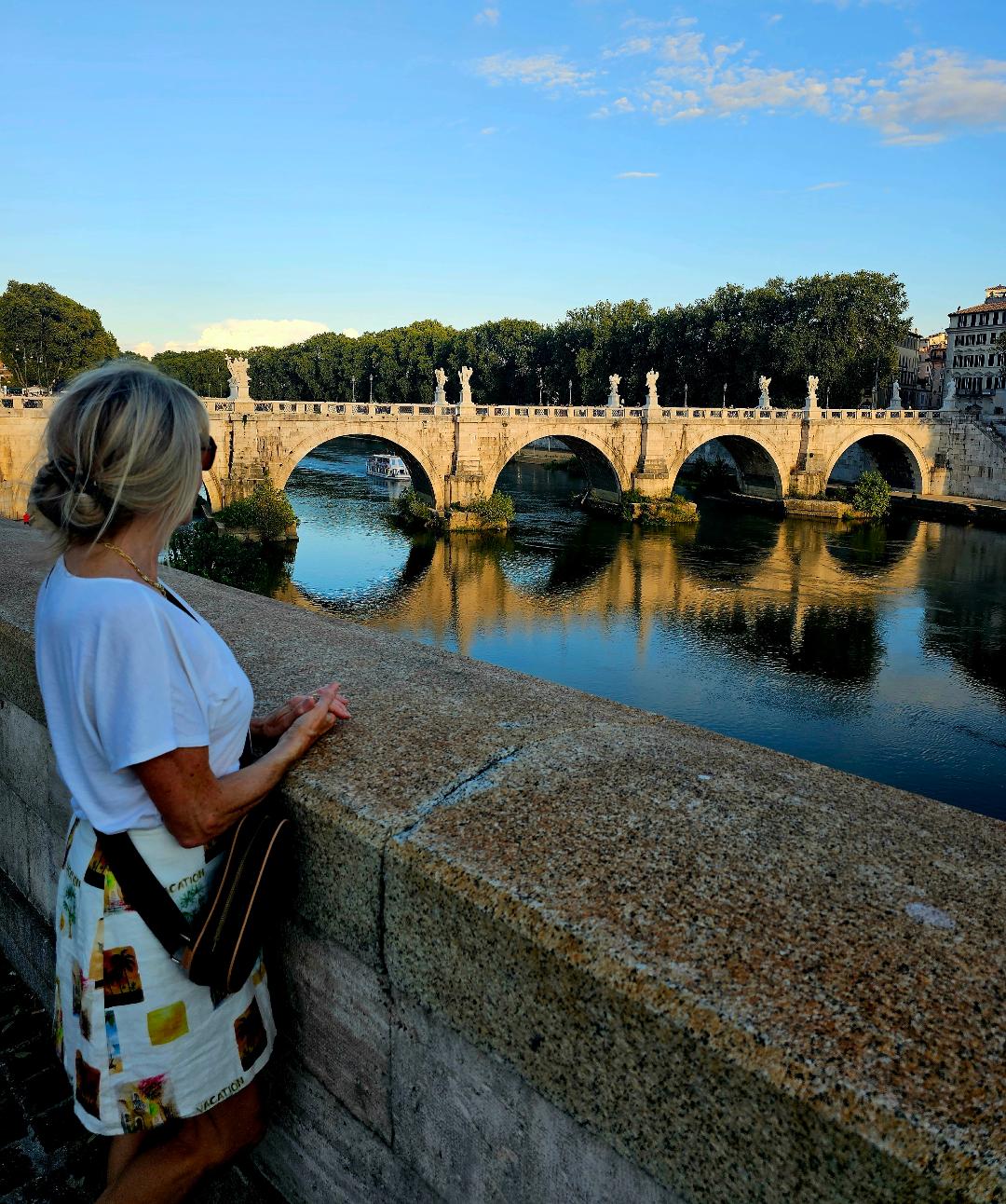
I just came back from a place I’ve always wanted to visit – Rome! And, honestly, I had no idea I’d be going there until less than a month beforehand. It was sudden and pleasantly unexpected.
I’ve been to Italy twice before. One trip took me to Milan and Venice; another was to Tuscany, including a short stay in Florence. On both occasions, I felt there simply wasn’t enough time to experience a city like Rome. I knew I’d have to come back one day and see Rome on its own.
Well, that day finally came – and went far too quickly.
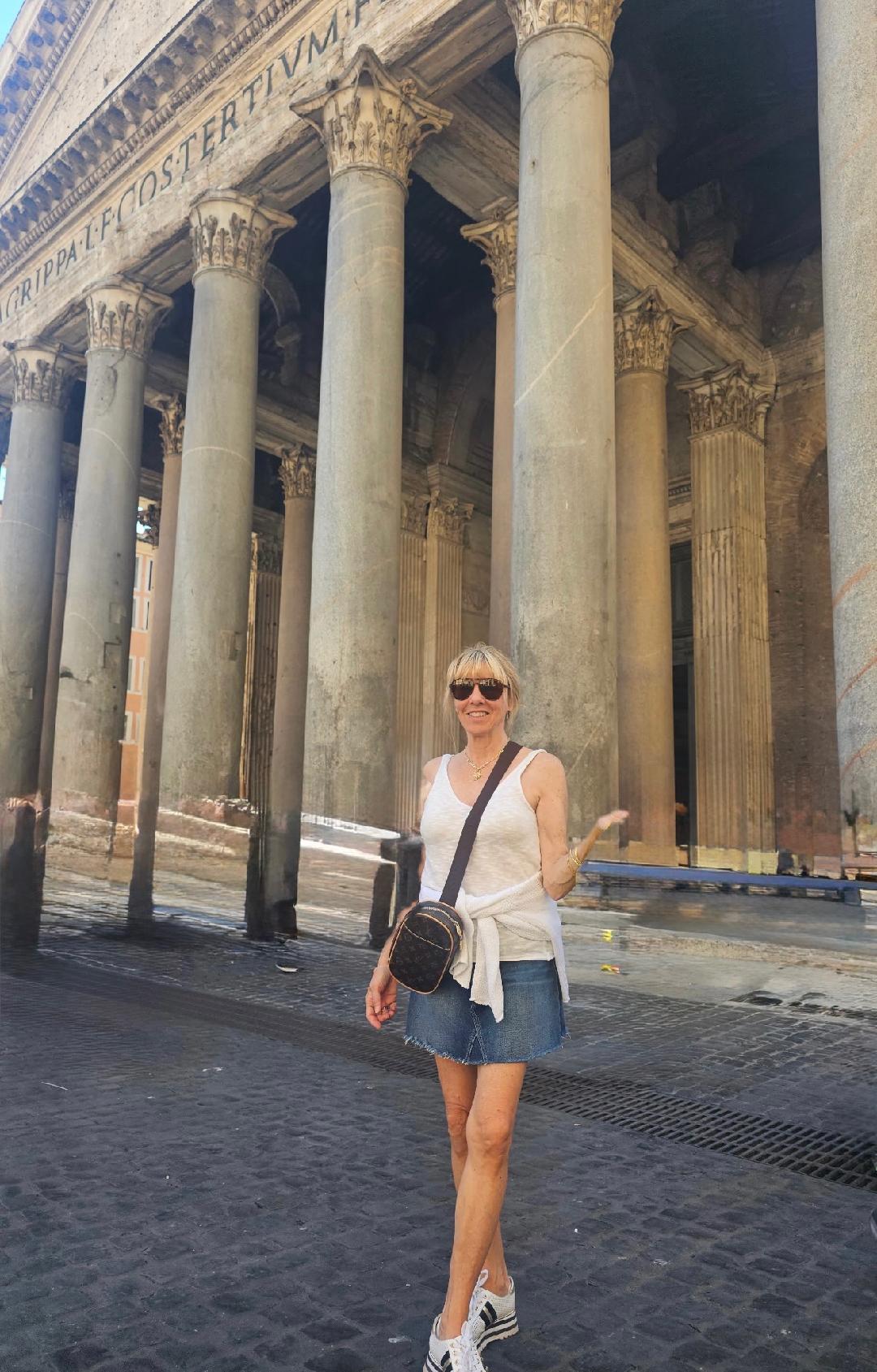
The Pantheon. Photo: Cindy Coats
A friend of mine had rented a lovely apartment for a month in Prati, one of Rome’s lively neighbourhoods. Over dinner at another mutual friend’s place, she casually said, “Why don’t you come visit?”
Why not?
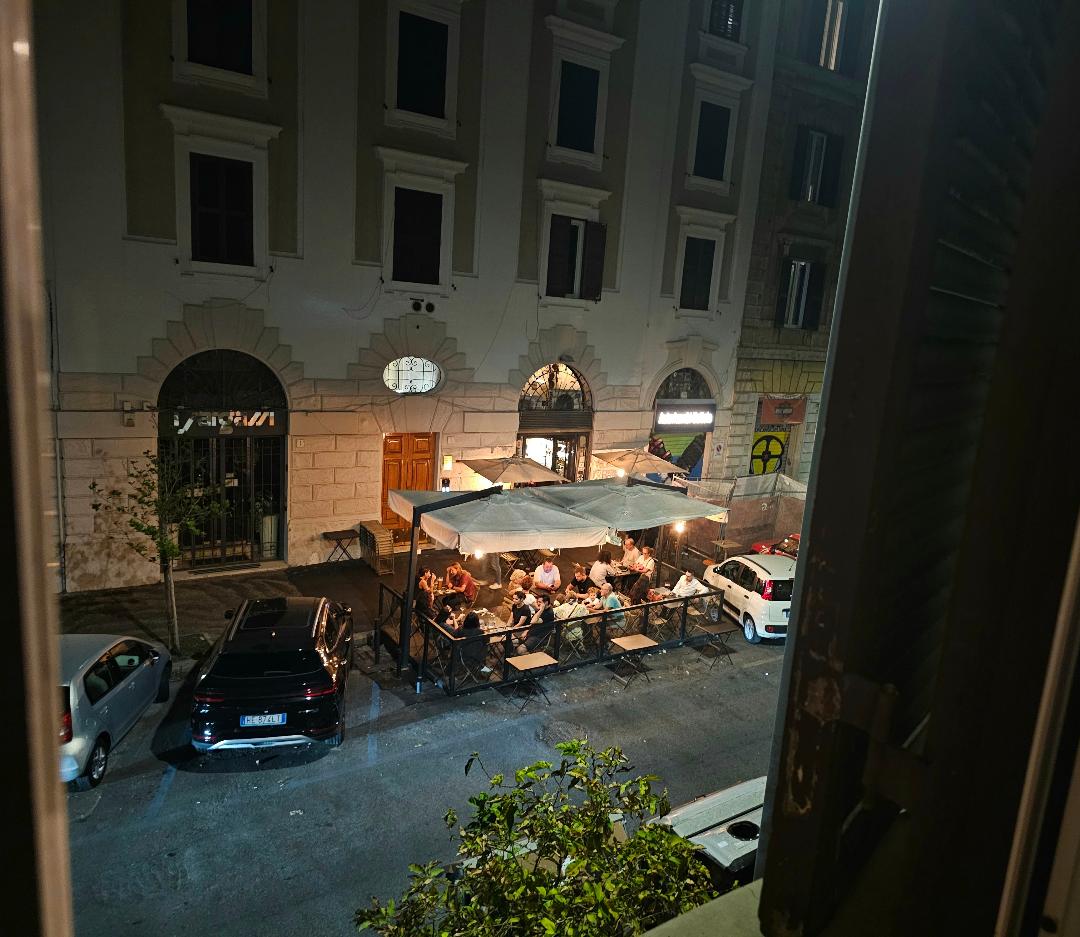
View from living room window of the apt.
It all happened so fast. The next day I was on the phone booking my flight, arranging for a trusted neighbour to stay at my place and look after my two dogs. And, as an added bonus, I’d get to spend three nights in Montreal on the way home, visiting family and a close longtime friend.
All the stars aligned.
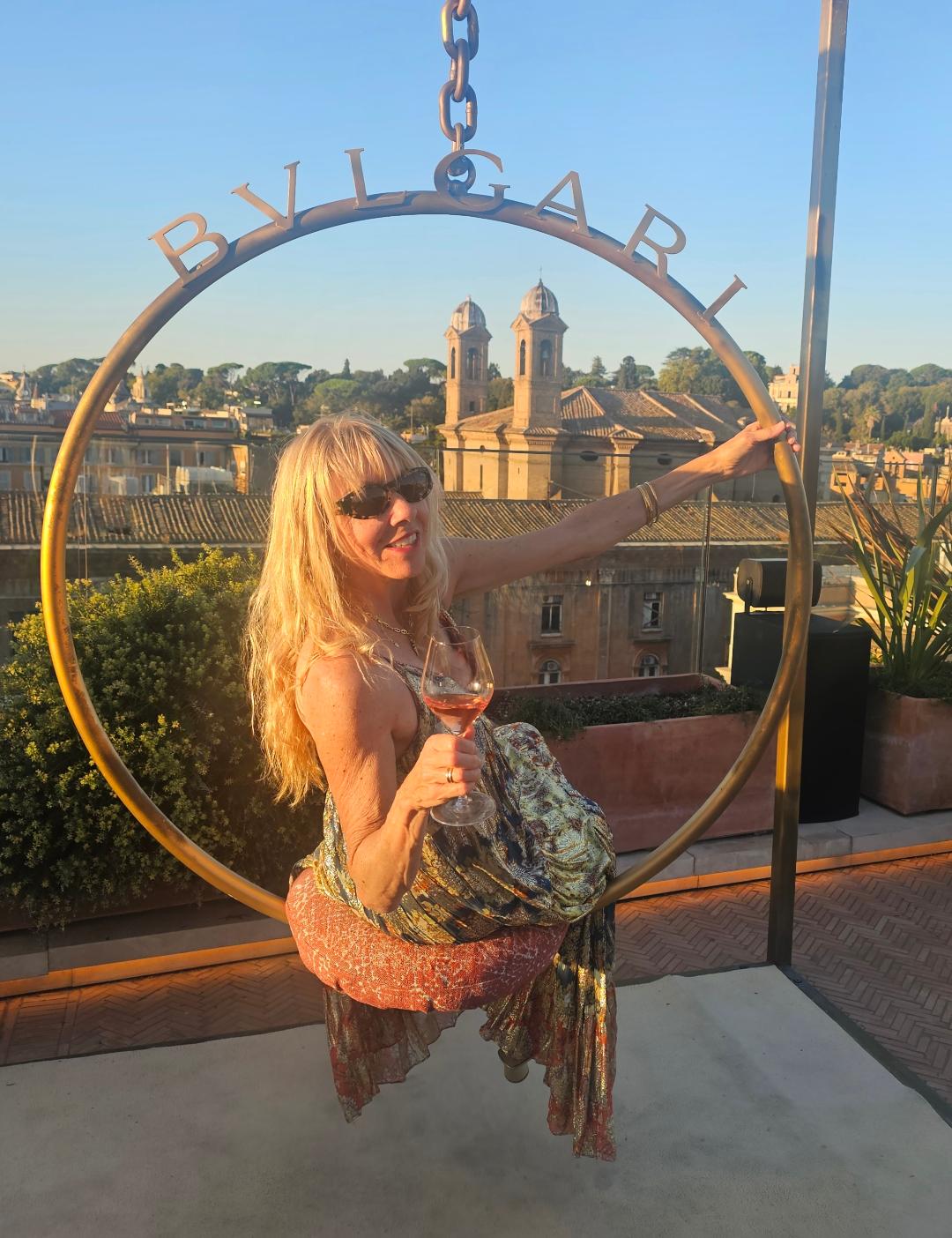
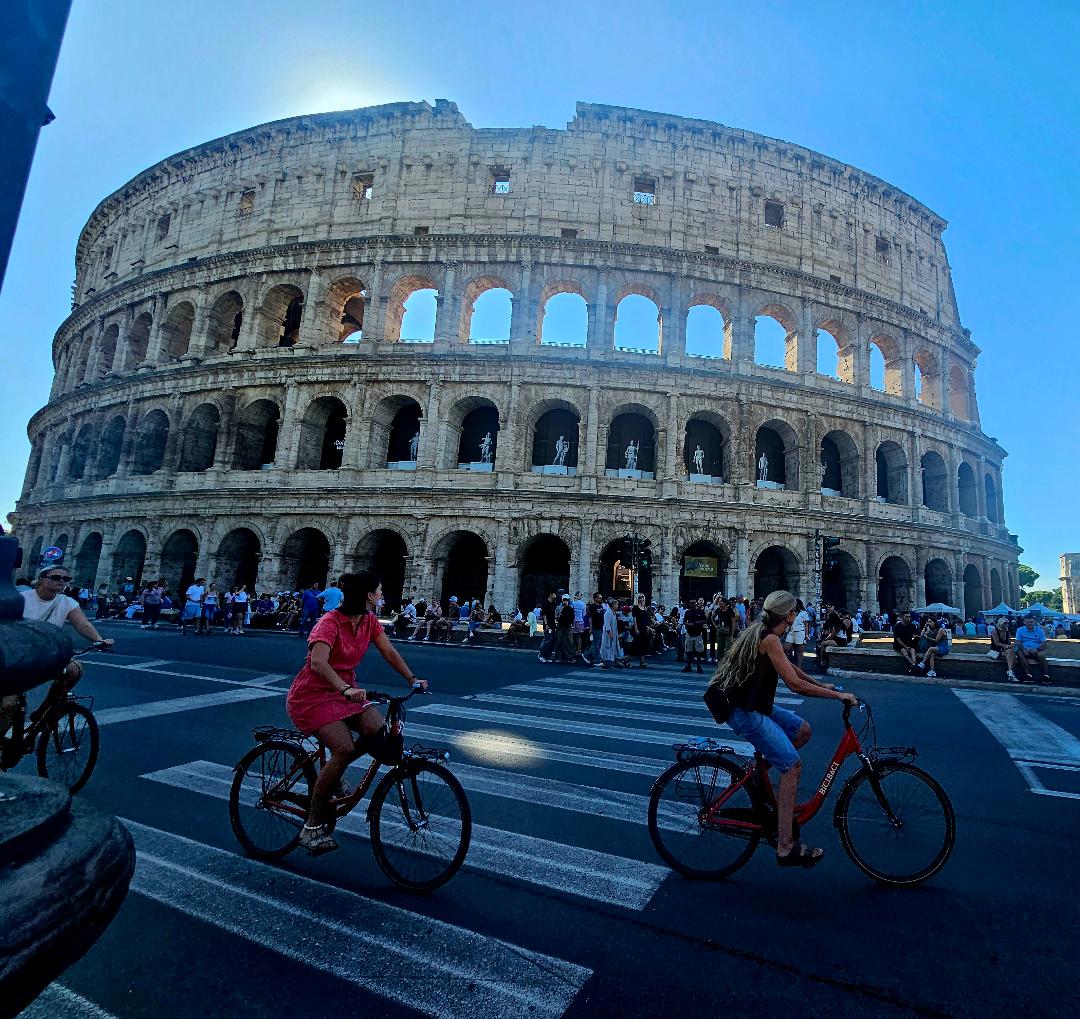
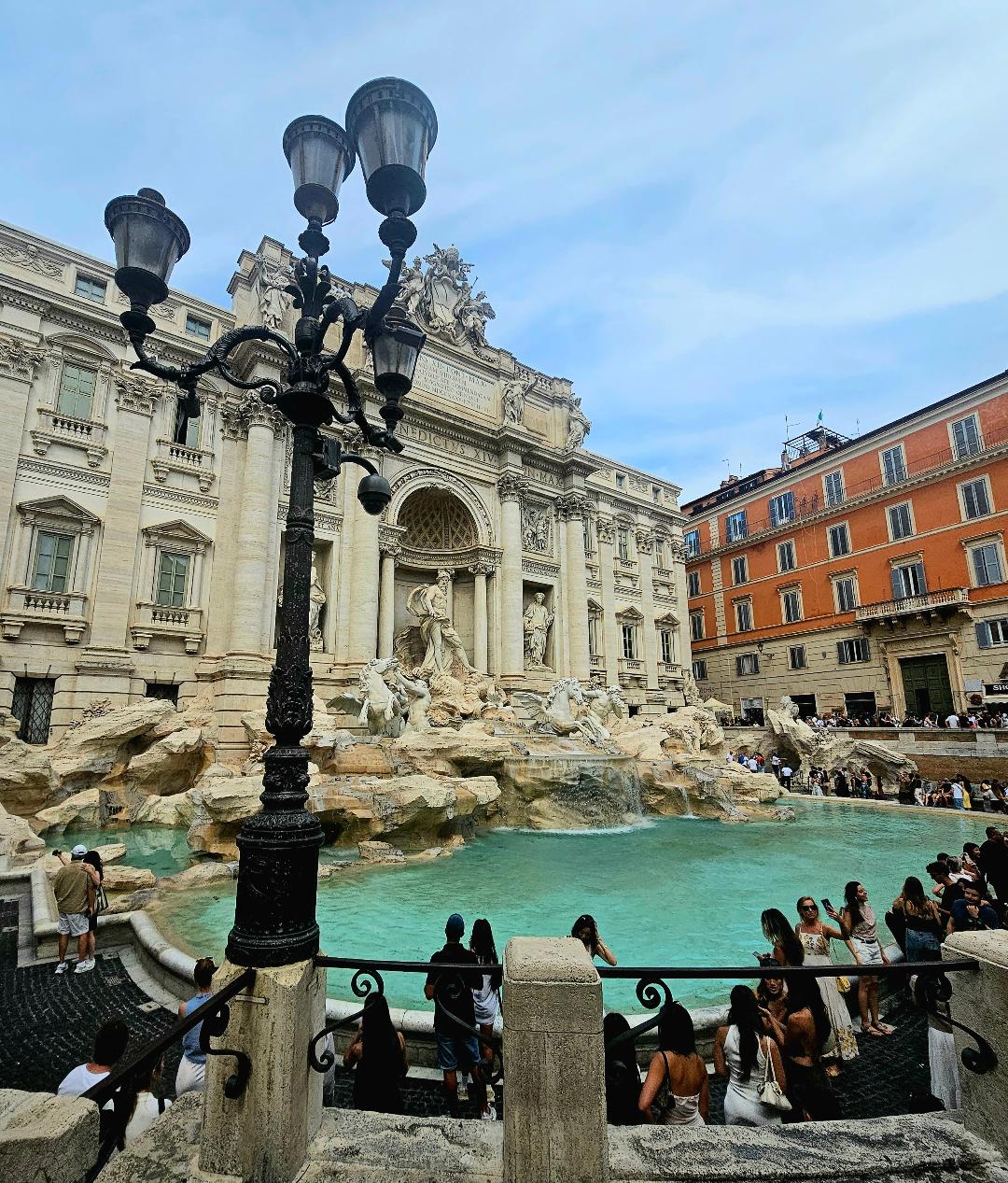
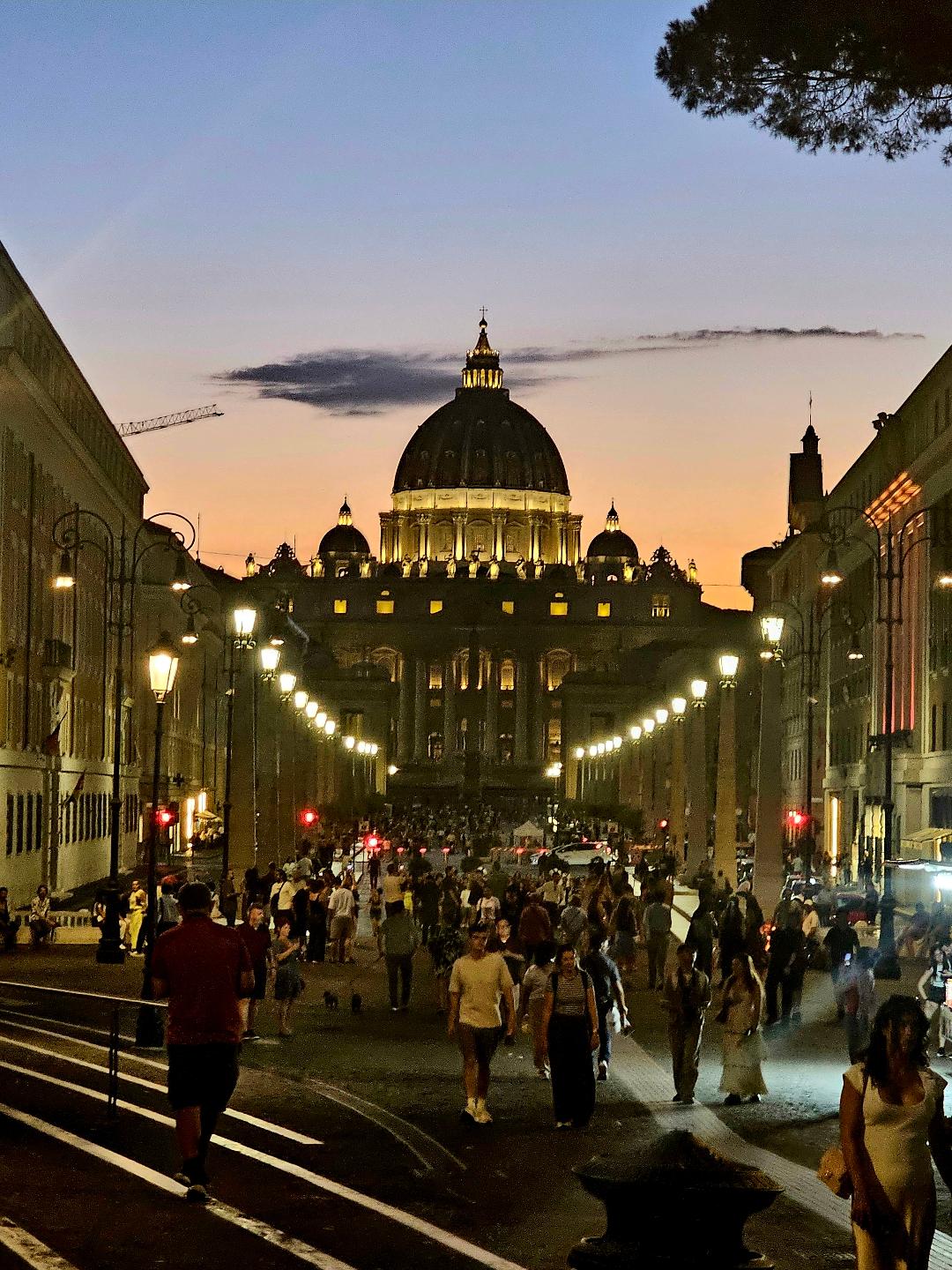
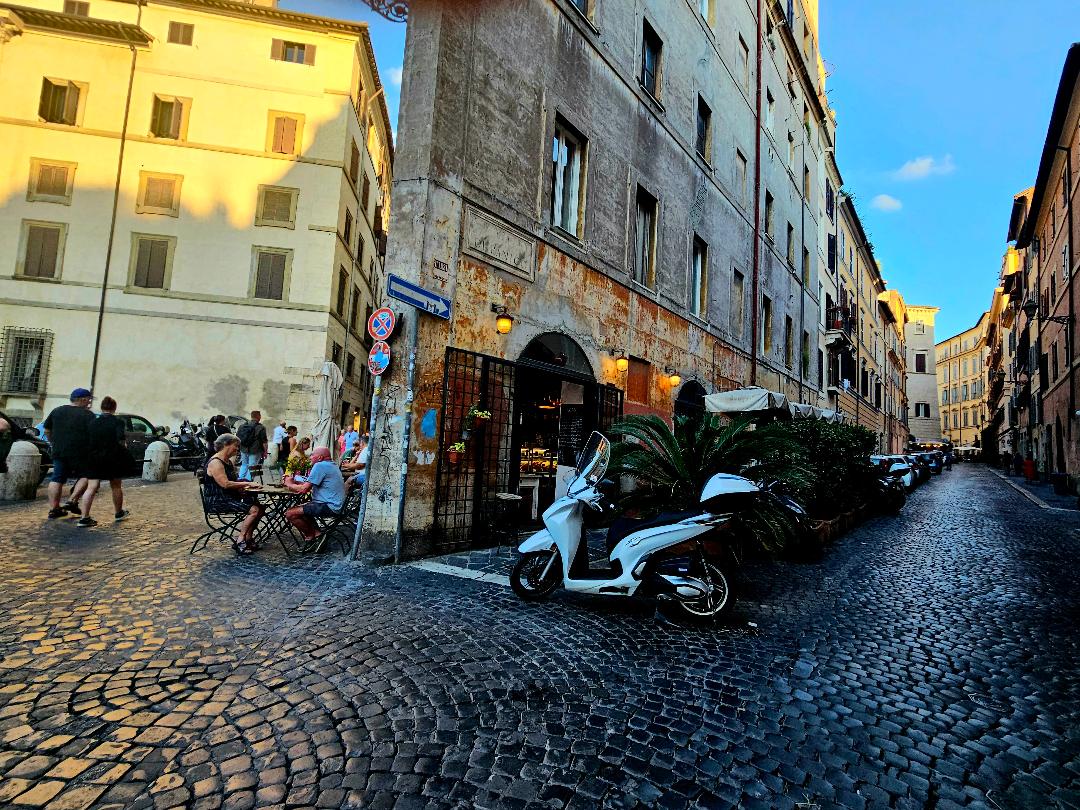
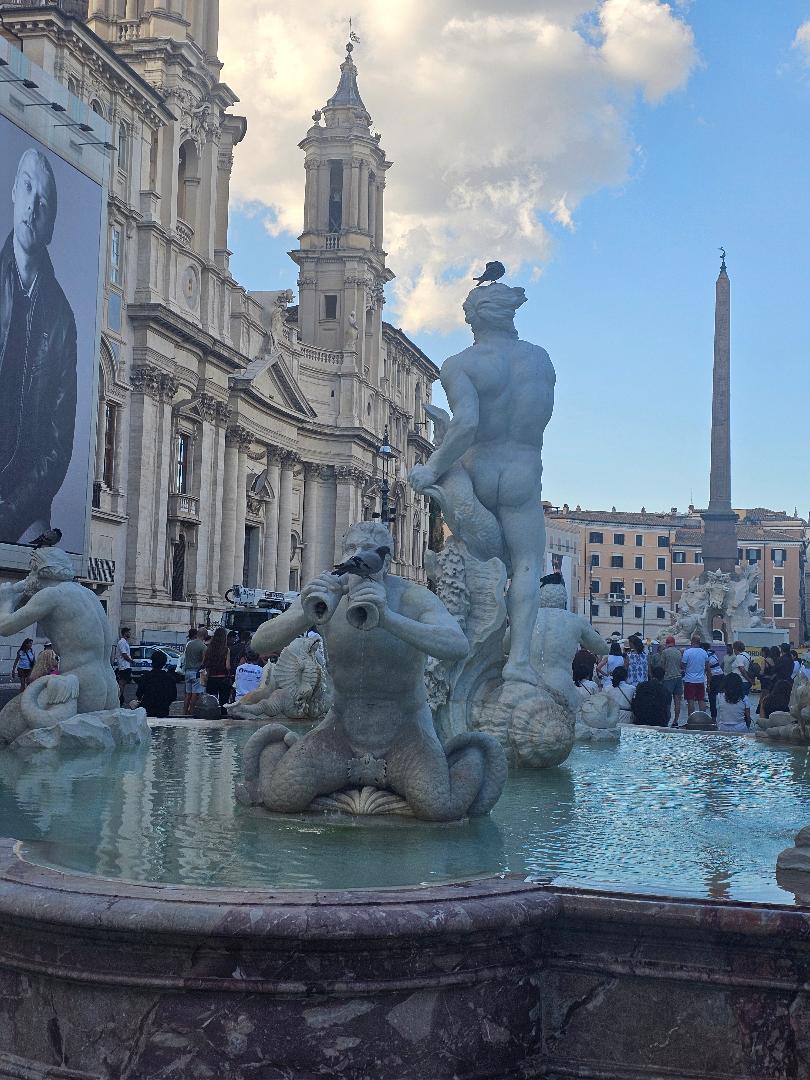
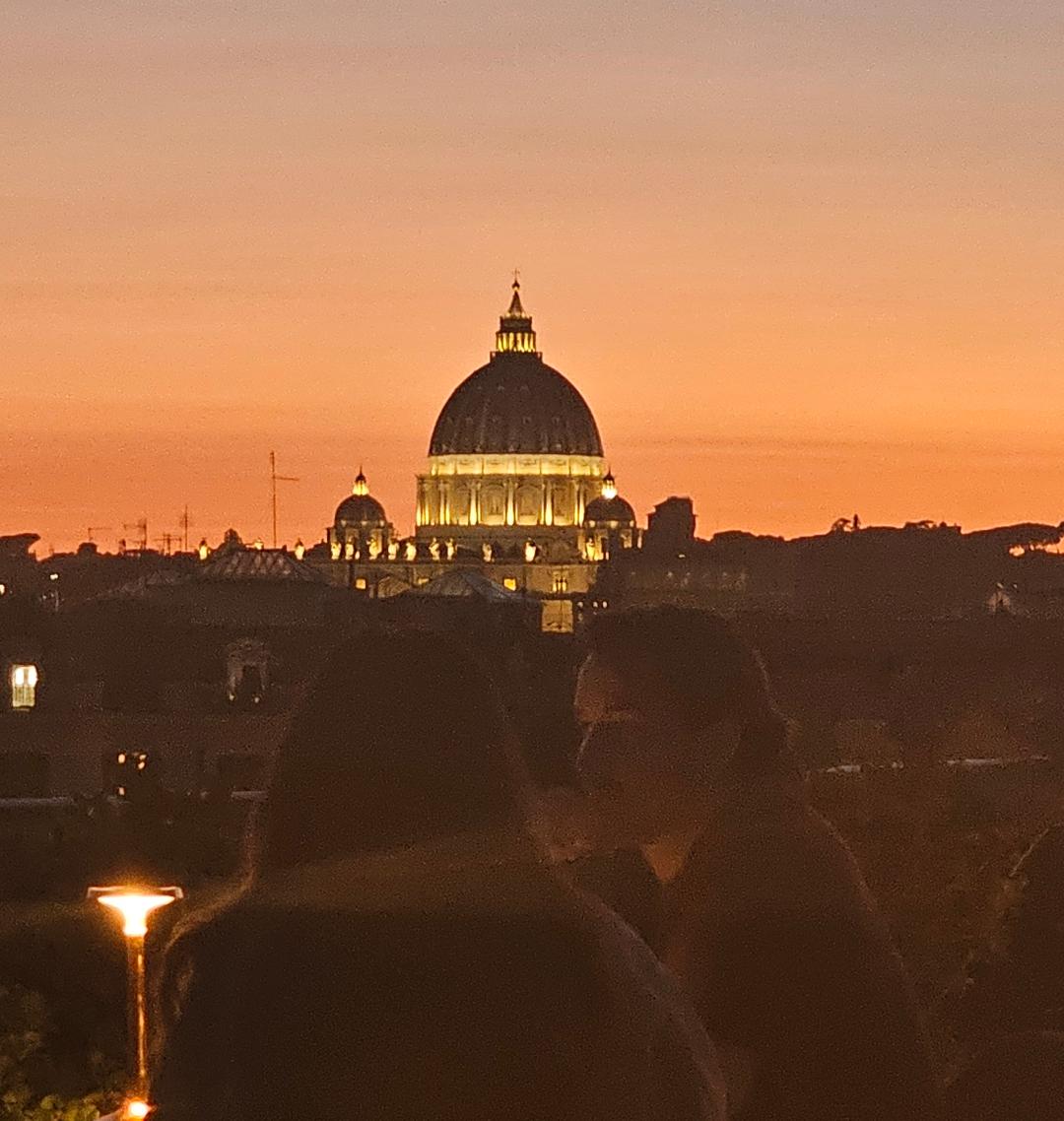
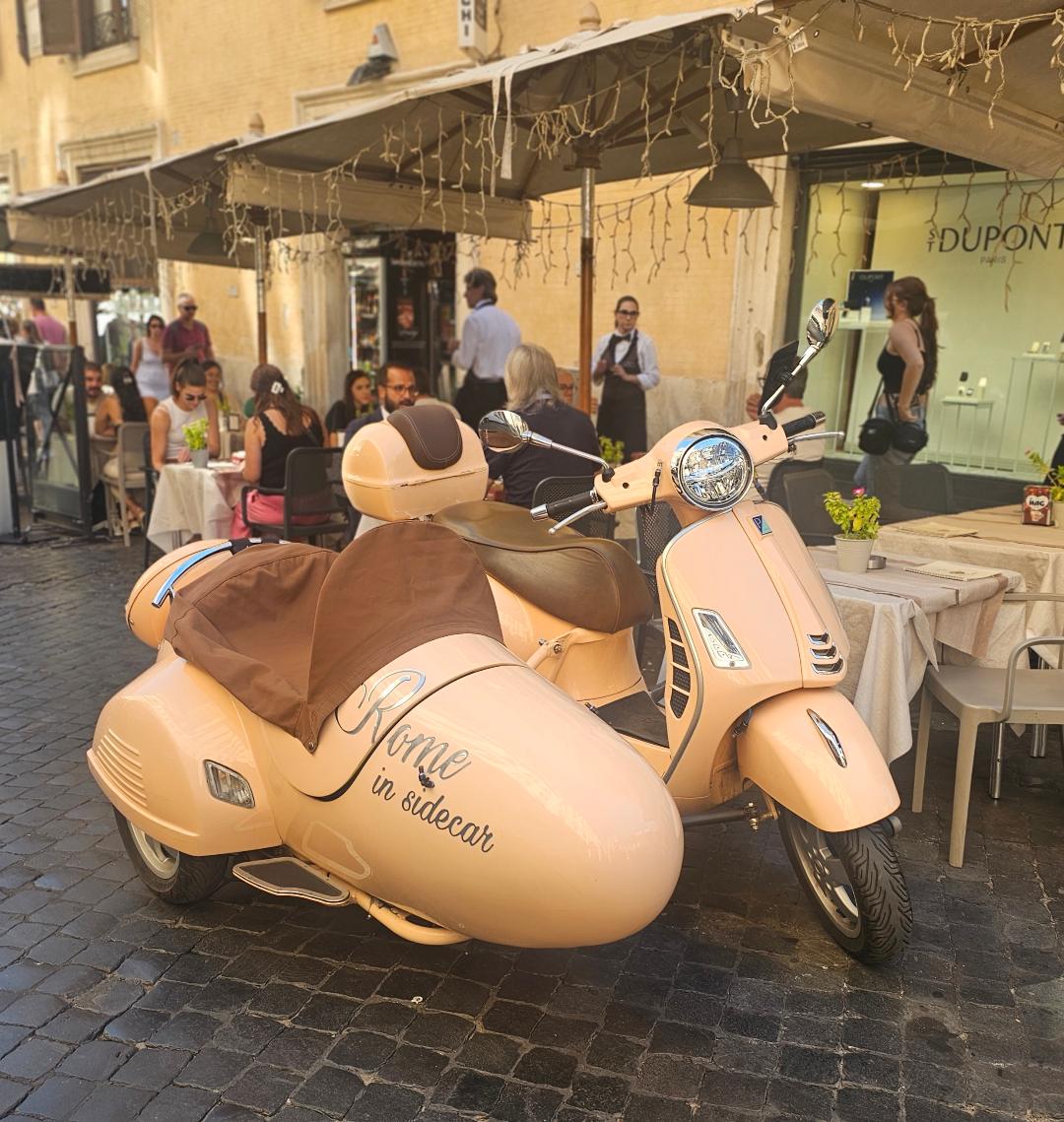
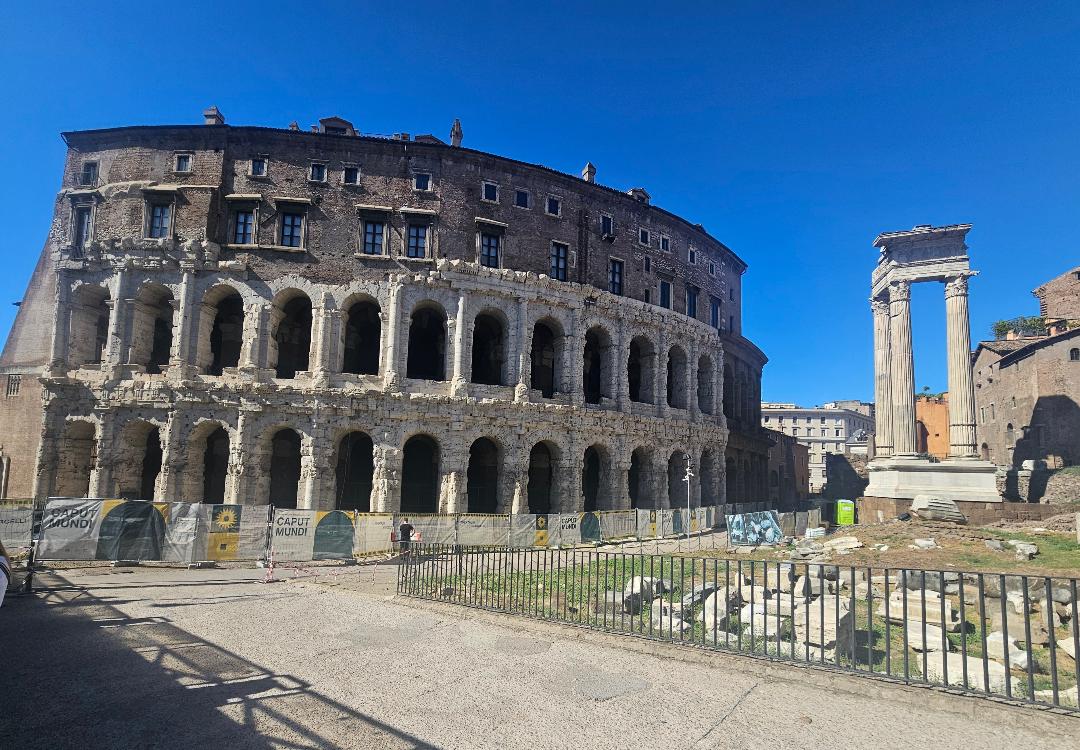
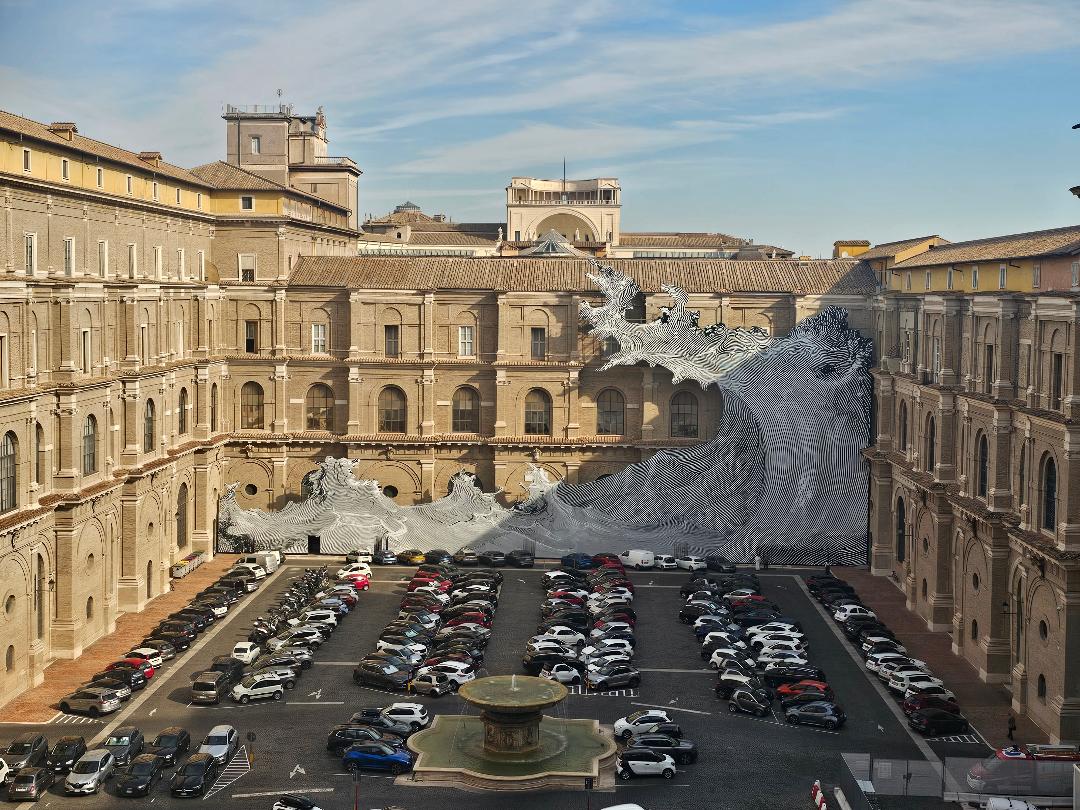
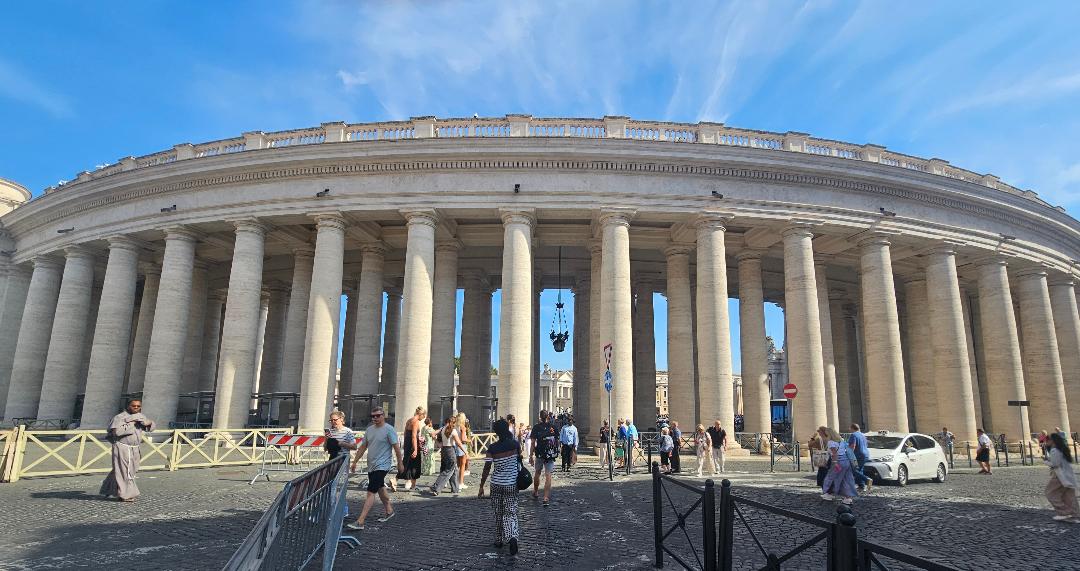
Photo: Tammy PreastColosseum. Old & New. Photo: d. kingTrevi Fountain. Photo: d. kingView of St. Peters Basilica on a busy piazza. Photo: d. kingTypical Sreet. Photo: d. kingPhoto: d. kingFrom the rooftop at Bvulgari hotel at sunset. Photo: d. kingSidecar tour via Vespa. Didn’t want to take the chance. I saw how they drive. Photo: d. kingThe teatro is getting a little facelift. Photo: d. king.From one of the Vatican Museums. Mona Lisa vibes – check out the eyes! Photo: d. kingThe sixteenth-century Vatican Apostolic Library – where a facade runs roughly 70 metres across the wall. Taken from across the courtyard. Photo: d. king. https://www.designboom.com/art/jr-sends-giant-wave-across-vatican-apostolic-library-facade-with-diluvium/
I only had one week in Rome, but I made the most of every minute. Without feeling overly rushed, I managed to see the classic sights – the Spanish Steps, Trevi Fountain, Colosseum, Vatican Museums and Pantheon – while also wandering through the Jewish Ghetto, enjoying three rooftop evenings, discovering lots of wonderful restaurants, and exploring piazzas that seemed to appear around every corner. I travelled mostly by foot (racking up thousands of steps) but even took the Metro three times.
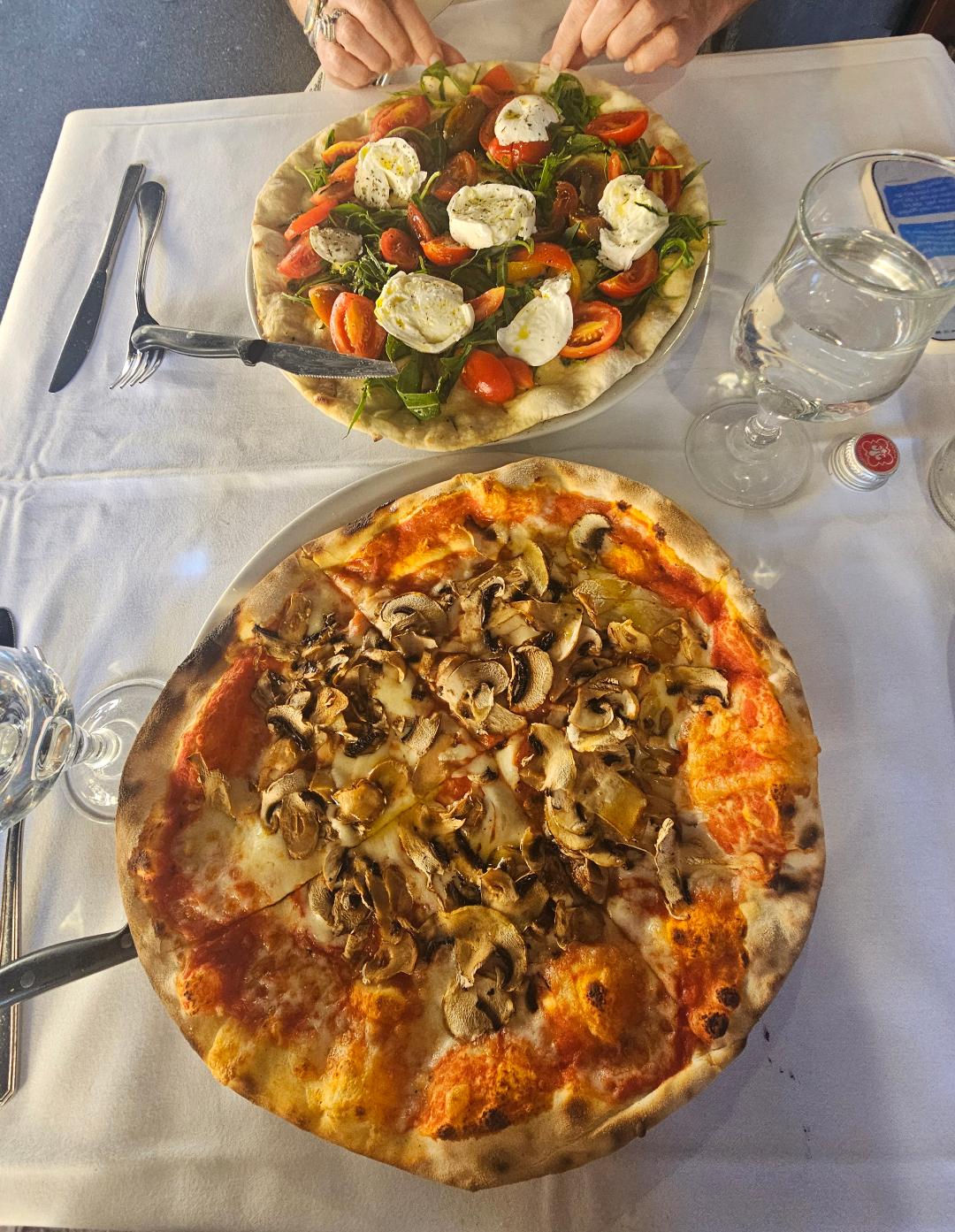
Pizza, pasta, gelato, espresso – and, yes, tiramisu for breakfast. When in Rome…
Not often does a city, or a restaurant, exceed my expectations. But Rome certainly managed to.
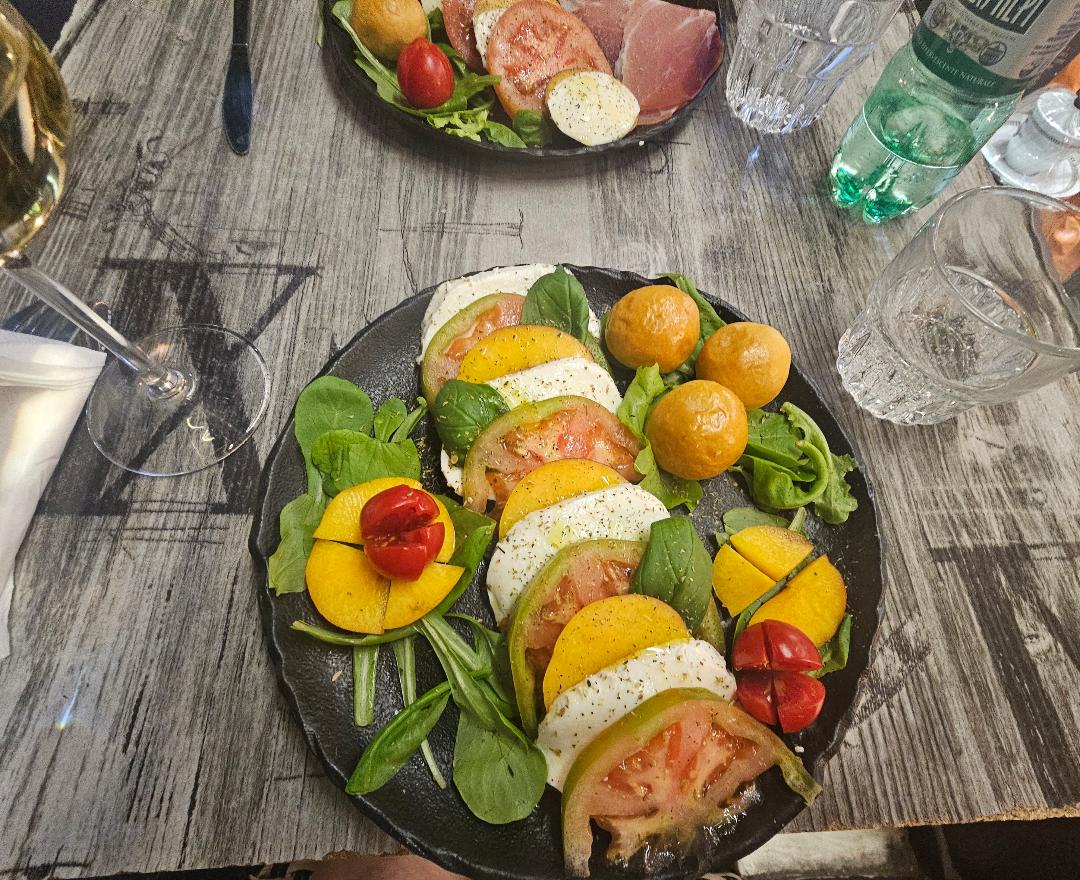
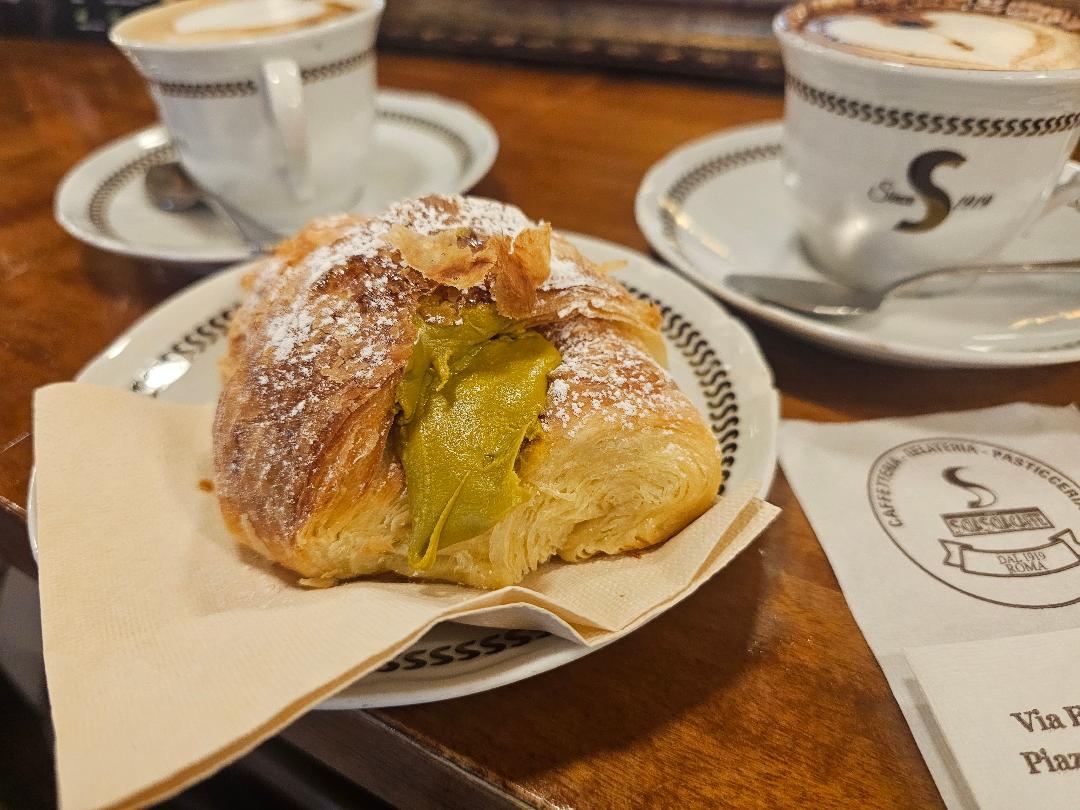
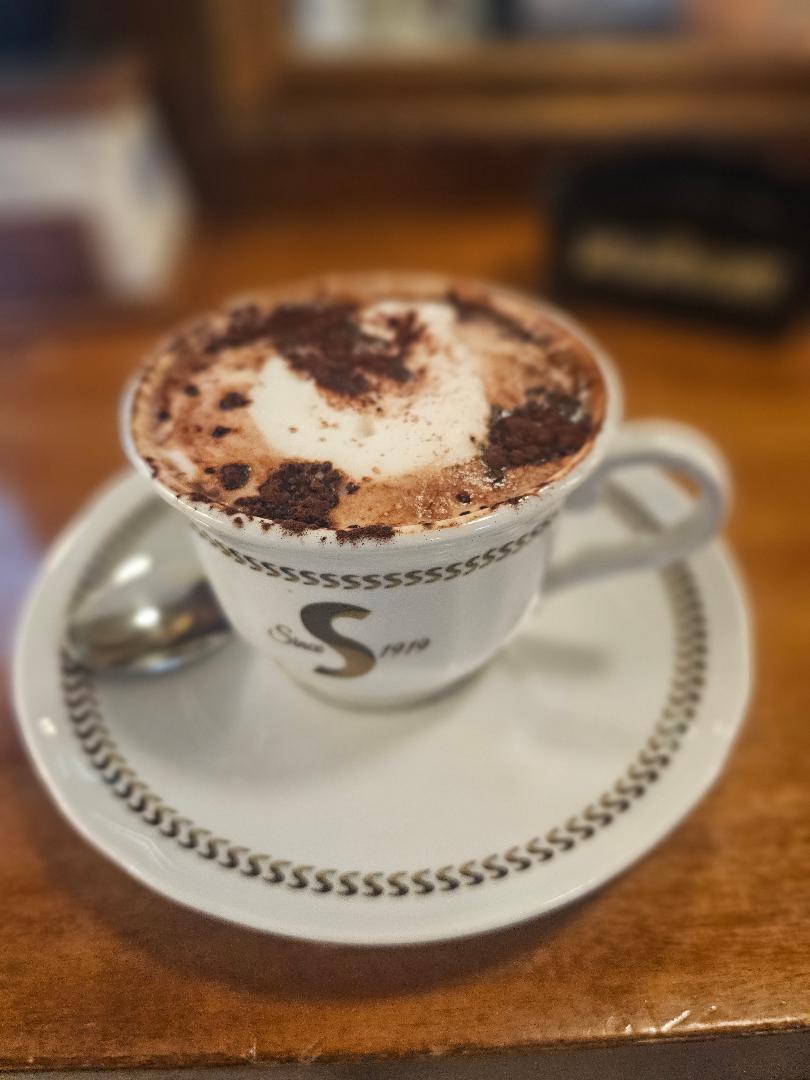
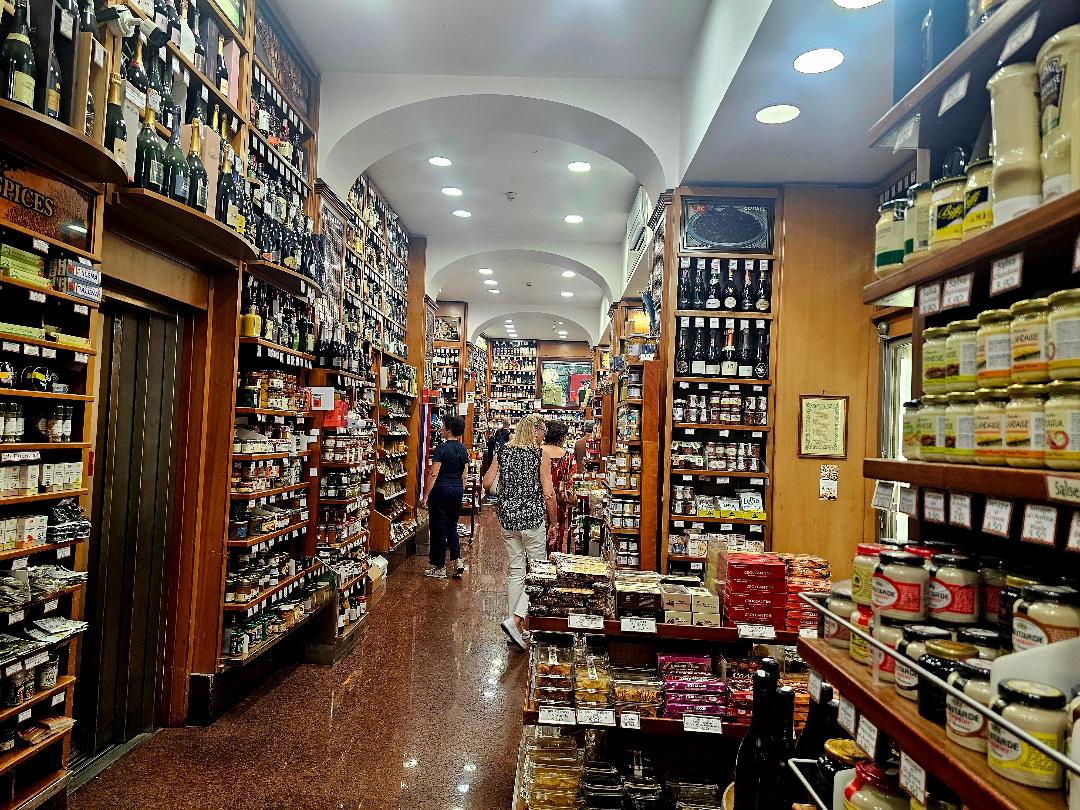
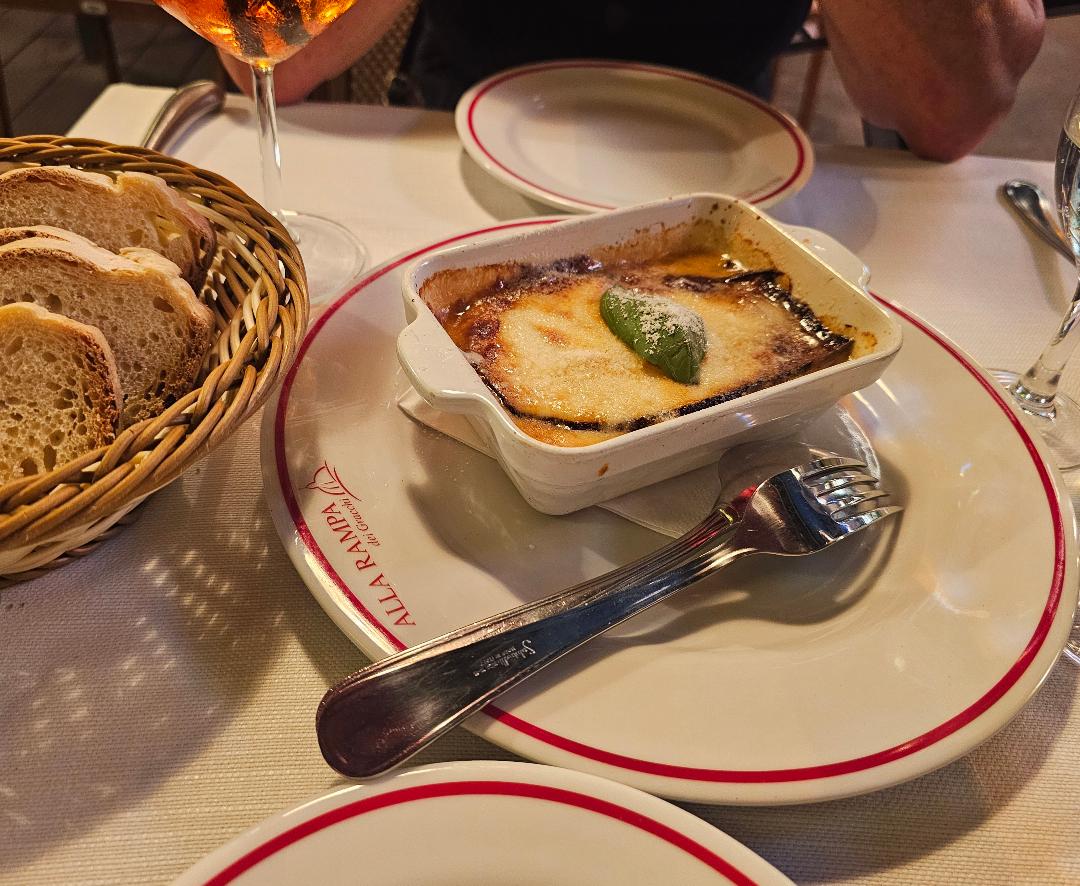
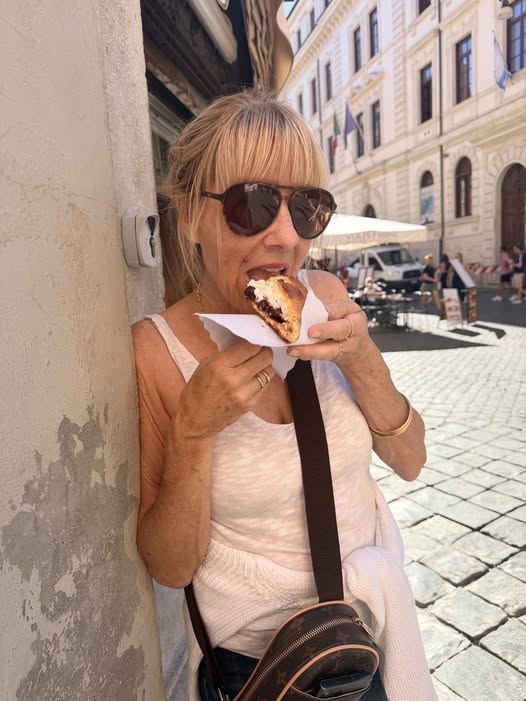
SciaSciacaffe1919 coffee shop (where we went daily) also serves food and wine. This is a caprese salad with fresh sliced peaches. Delish!Pistachio-filled croissant. https://www.sciasciacaffe1919.it/Best coffee ever! A cappuccino made with dark chocolate. d. kingA foodie emporium. I bought packaged risotto + chocolate bars to bring back…but wanted so much more.Eggplant parmigianaNo where else in the world will you find the famous ricotta & tart cherry filling/ pastry from an unmarked place in the Jewish Ghetto. No address & you must eat it outside. It was too good. Photo: Cindy Coats.
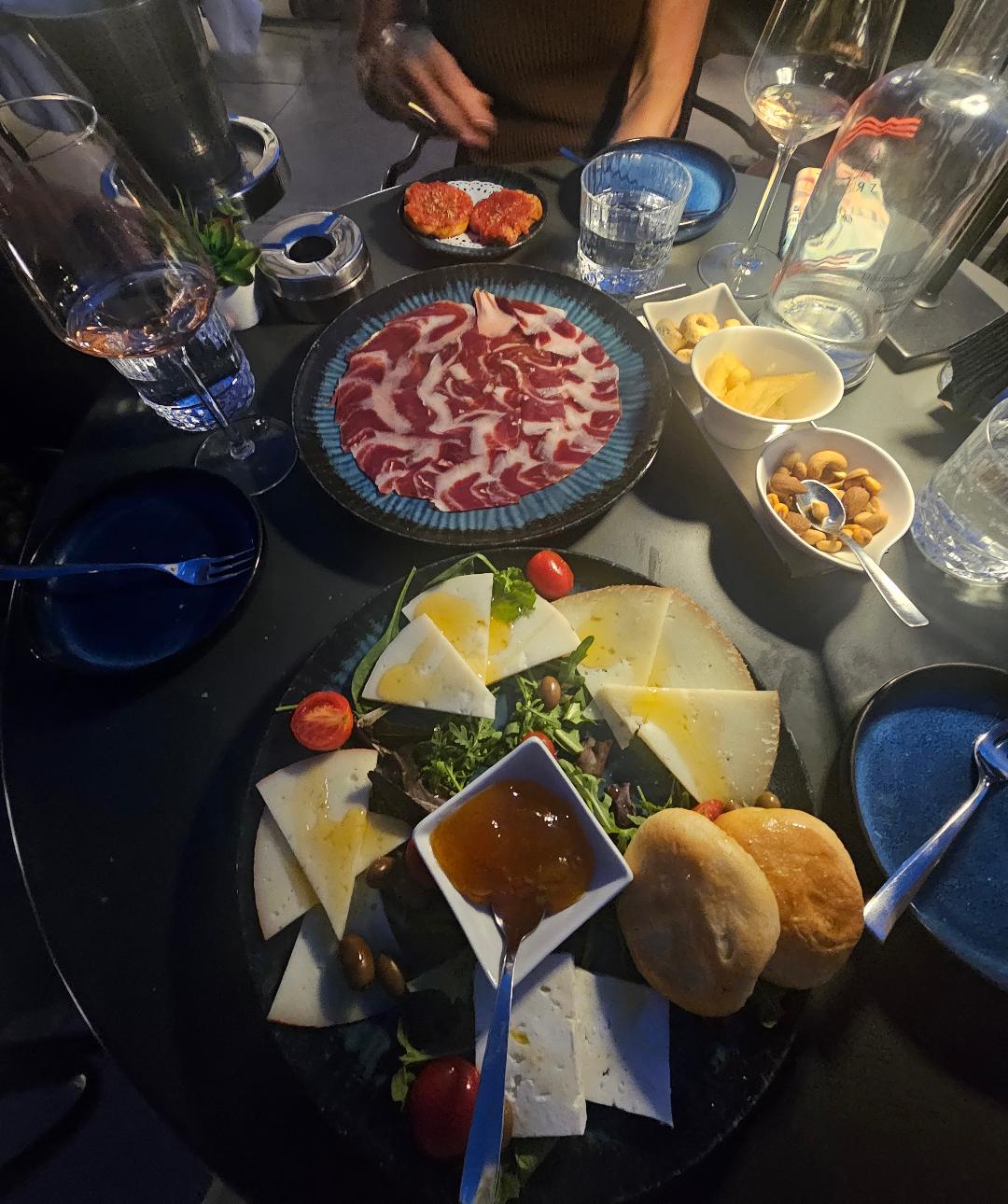
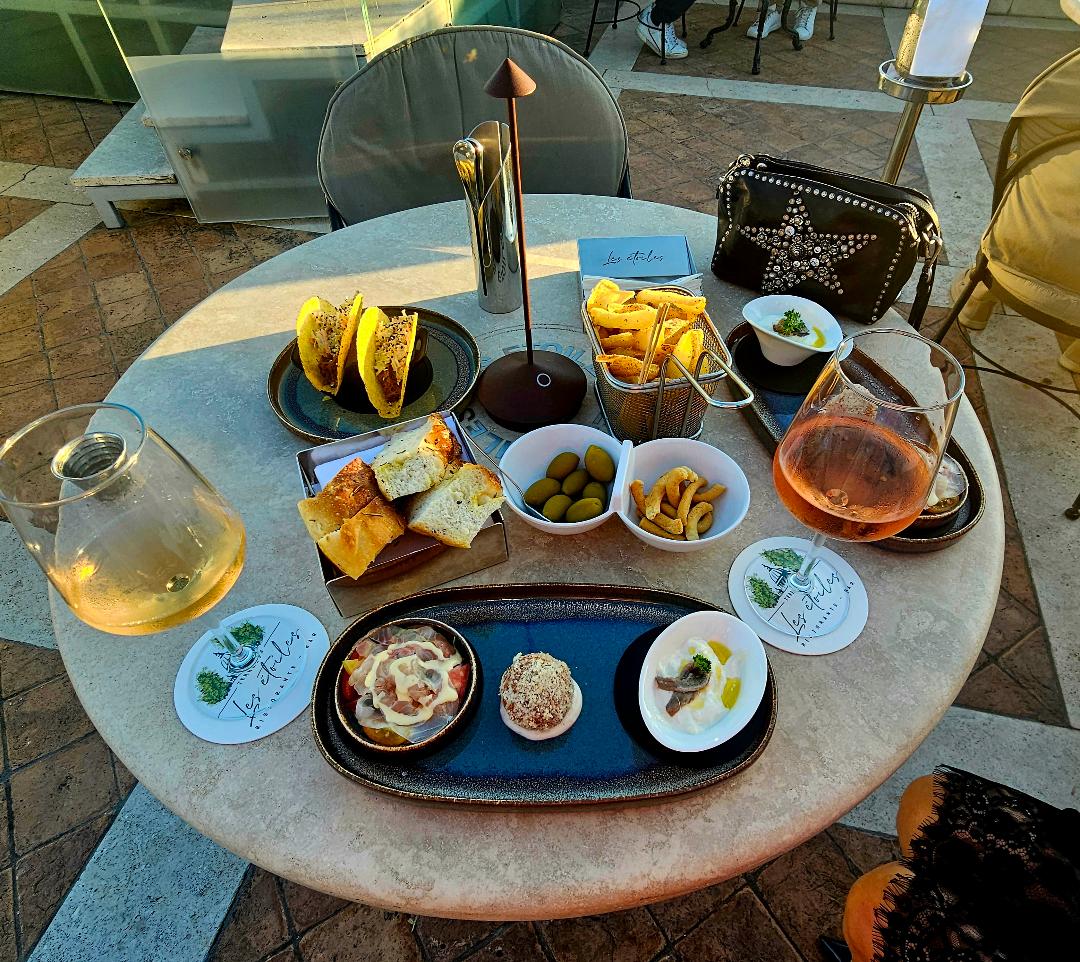
Rooftop Platters that look like this:
As I said on social media, Rome is a dream for foodies, fashion lovers, art and history buffs, and anyone who appreciates beautiful architecture.
These are some of my favourite moments from a very memorable week.
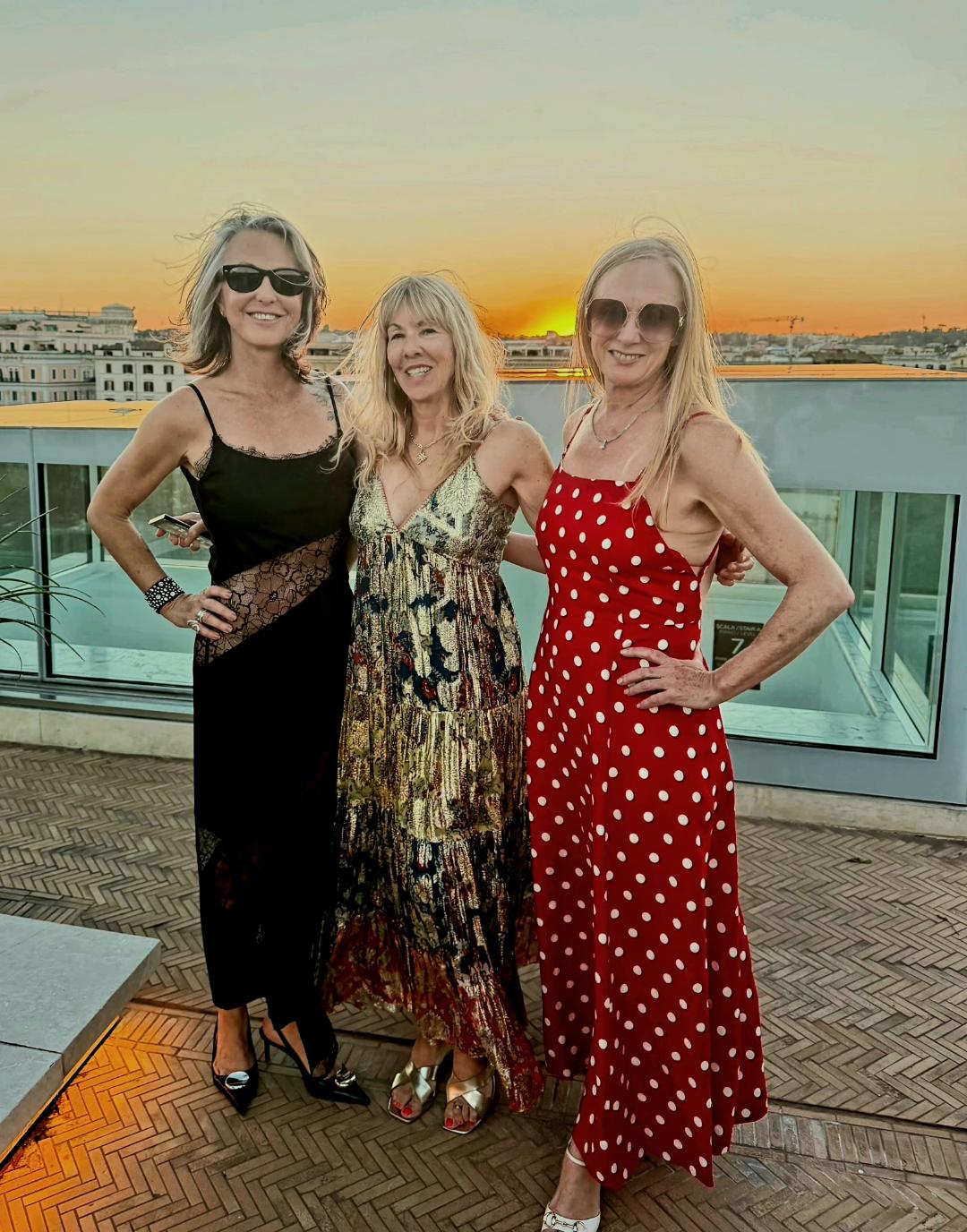
Three Amigas on the Bvulgari Rooftop. A magical evening.
Ciao for now!
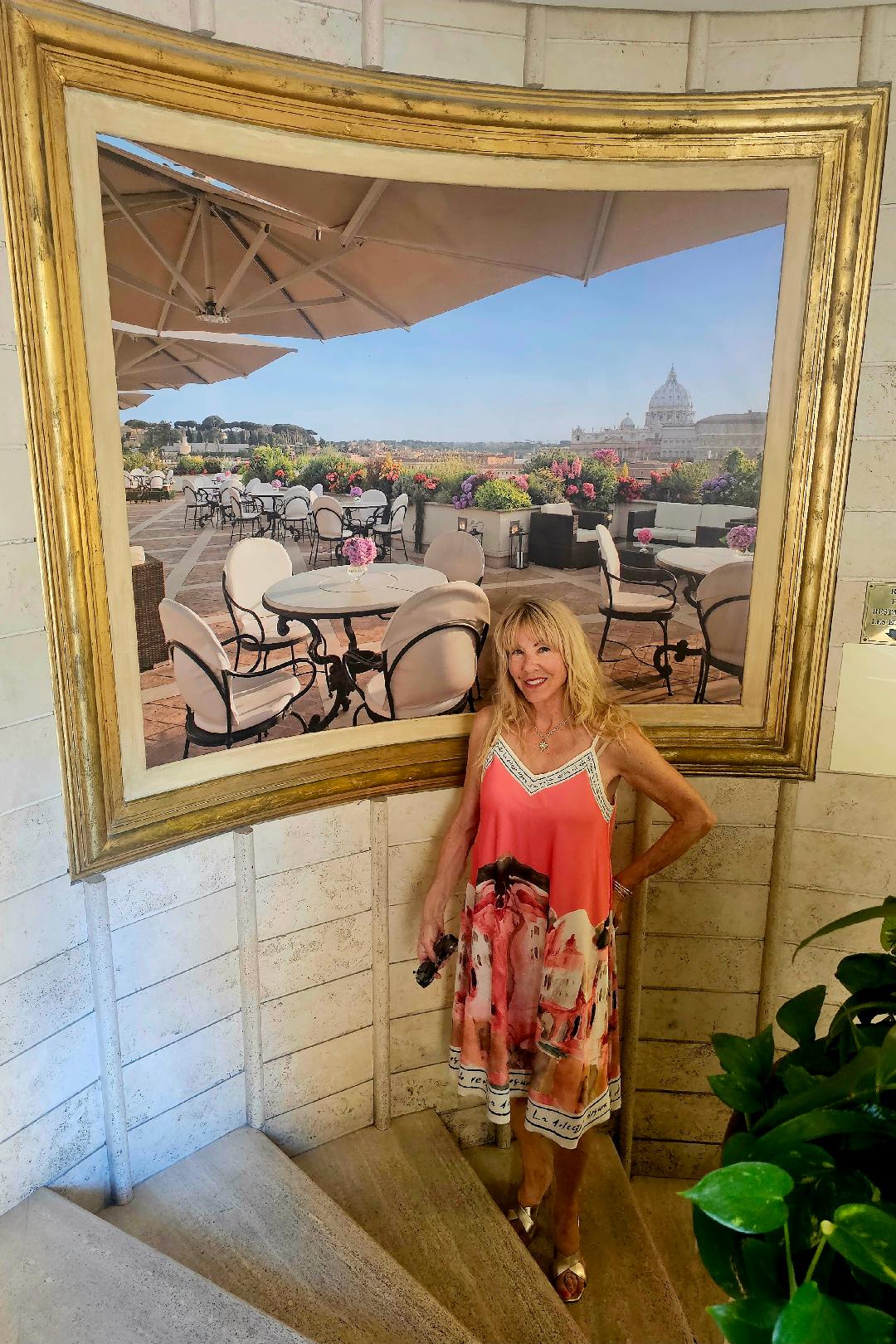
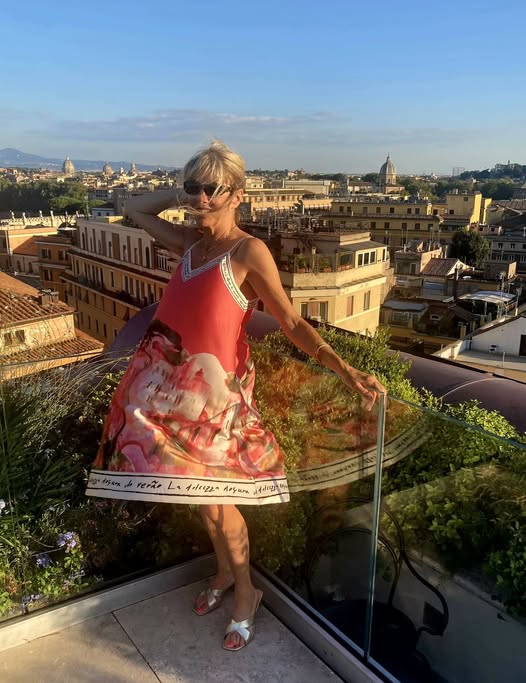
The story of my coral dress: when I was at the Kingfisher resort on Vancouver Island (less than a week before leaving for Rome) I went into a store in Courtenay. There at the back of the store on a sales rack was this dress. Only one. I told the saleslady that I was about to visit Rome and I thought the dress would be perfect. She replied “that’s the last one from the I want to go to Italy collection.” She wasn’t kidding. I saw versions of this dress (but not the colour) in several stores.
Coming up this month: VIFF (Vancouver International Film Fest: Oct 1st – Oct 10th). Film Festival Reviews, an Arts Club Production of “Big Stuff” at BMO Olympic Village Stage and the opera “TOSCA” at the Queen Elizabeth Theatre.
My dogs and I just came back from a perfect “mini‑vacay” to Victoria, British Columbia for three nights.
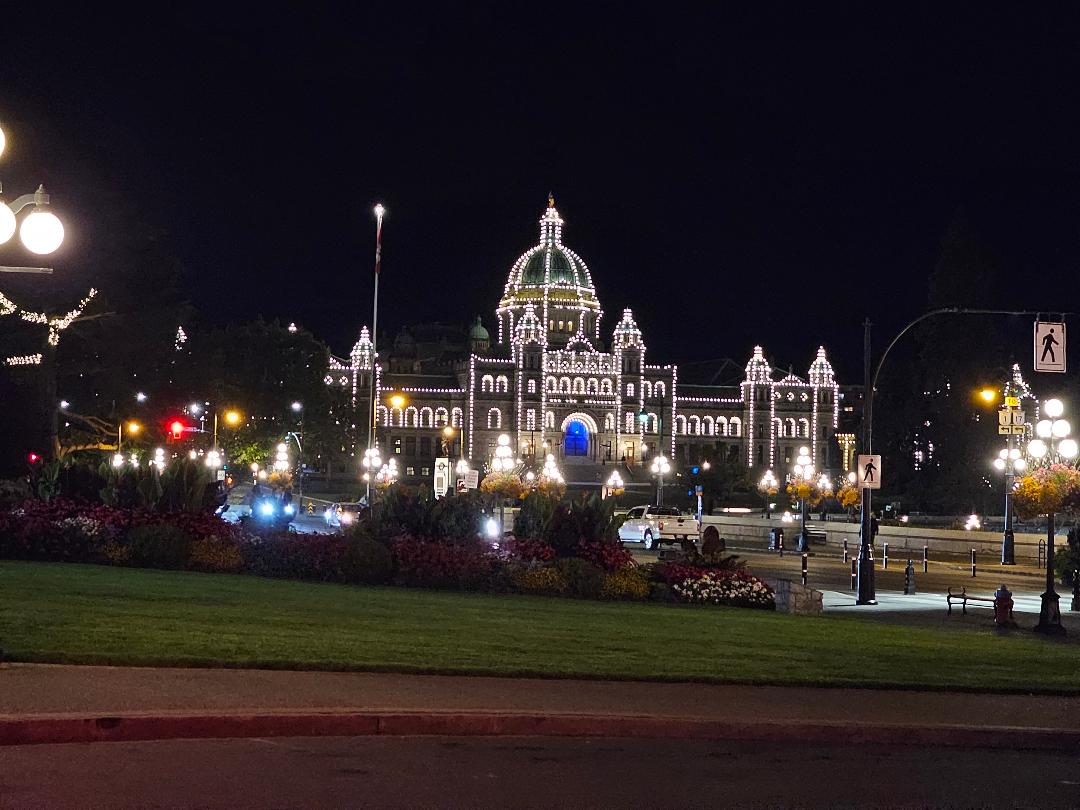
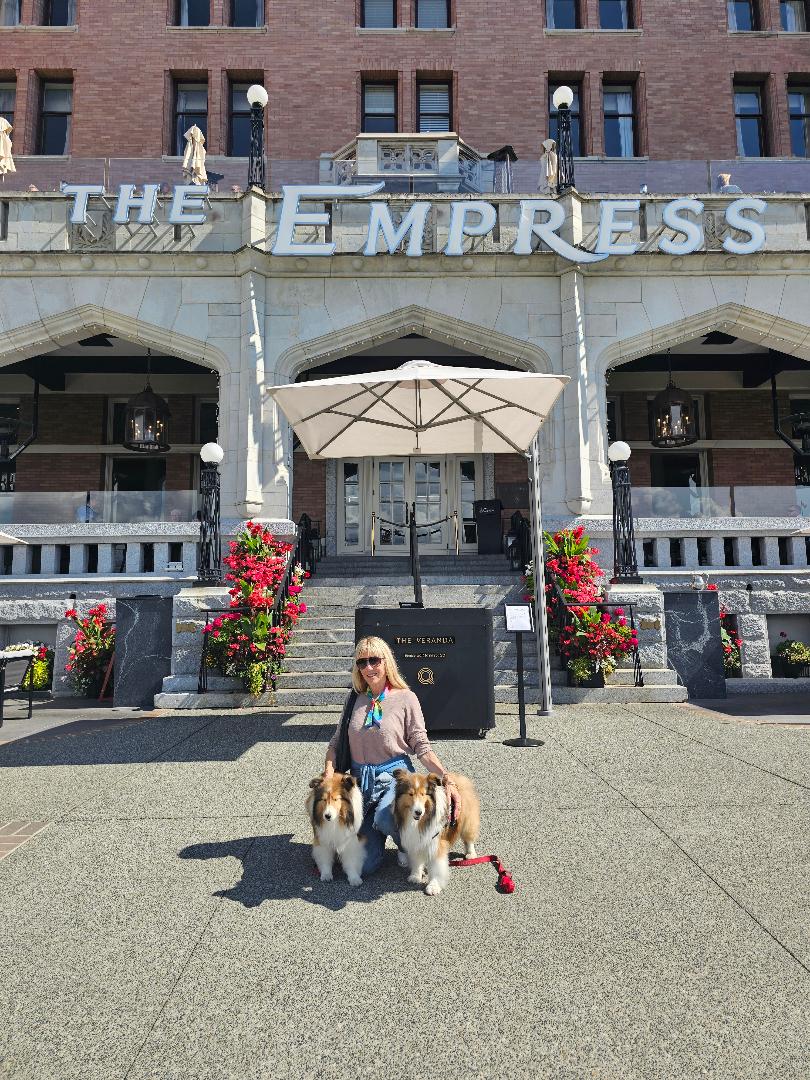
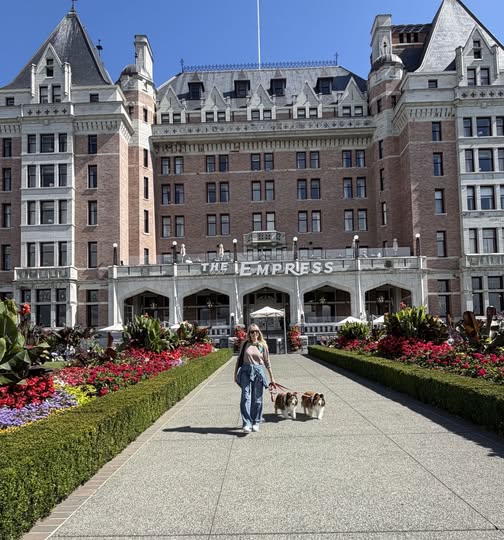
The British Columbia Parliament Buildings, Victoria, B.C. – taken when leaving the Fairmont Empress Hotel.
Followed by a dreamy staycation at the Kingfisher Resort & Spa on Vancouver Island. My first time here after hearing so much about it.
I hadn’t been to Victoria in years, so this felt extra special. We stayed with my friend Kathy whom I met in Palm Springs several years ago through another friend. What an amazing host she was – we were spoiled!
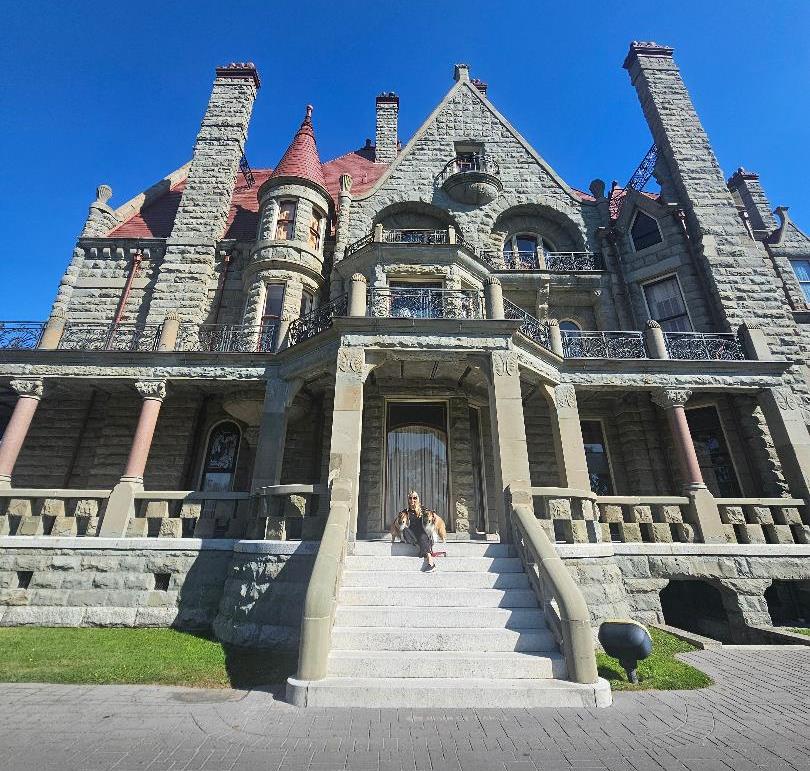
Craigdarroch Castle (built by baron Robert Dunsmuir).
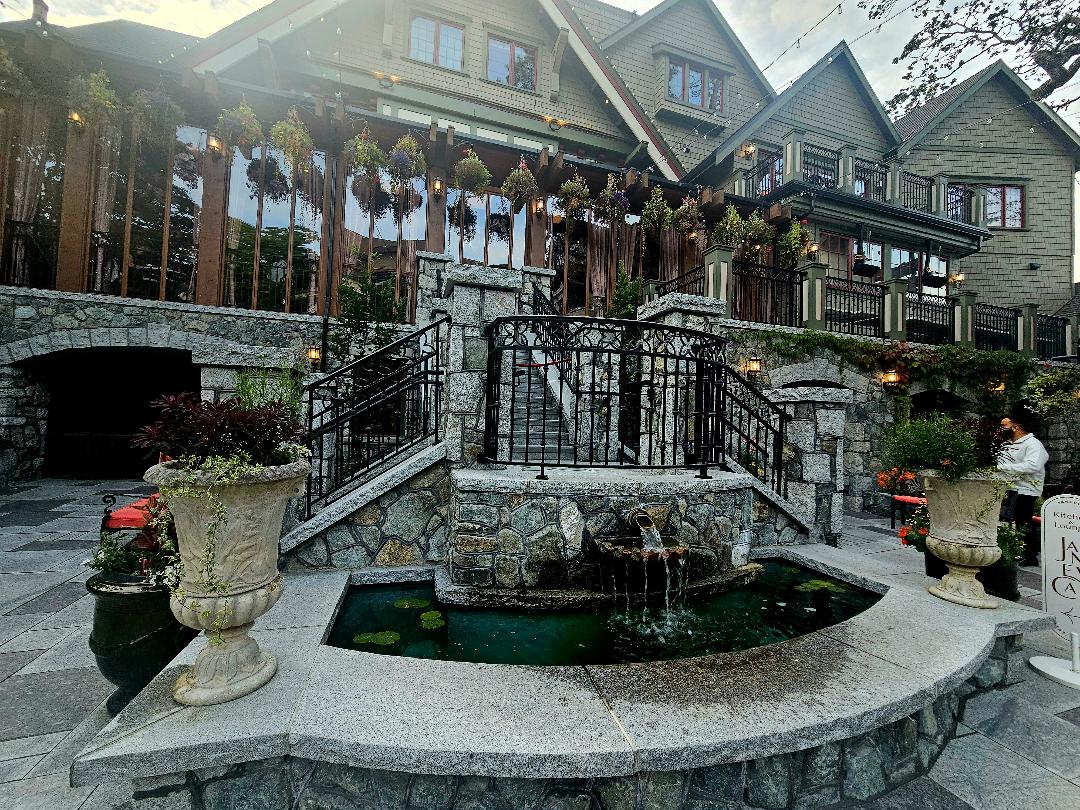
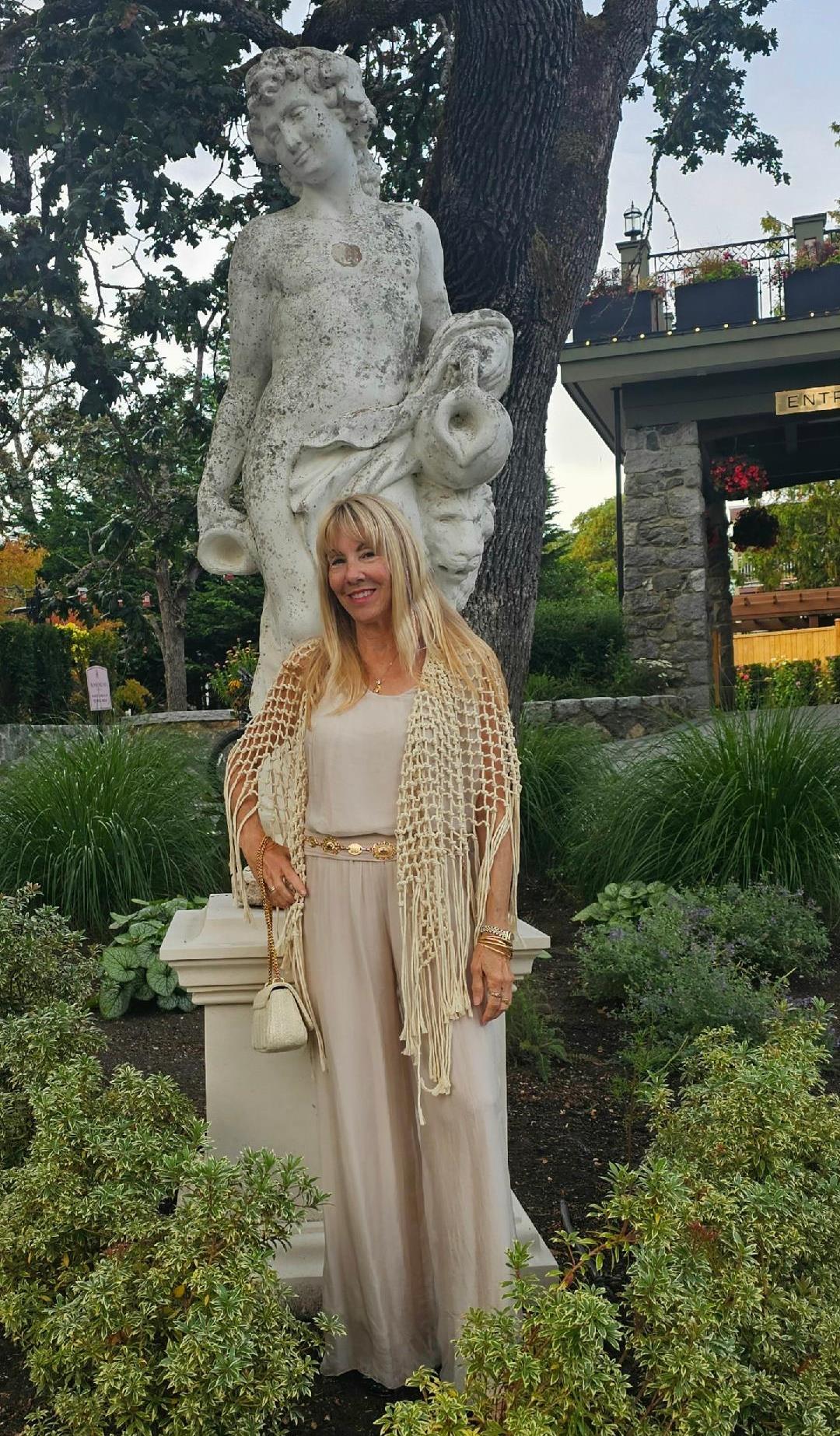
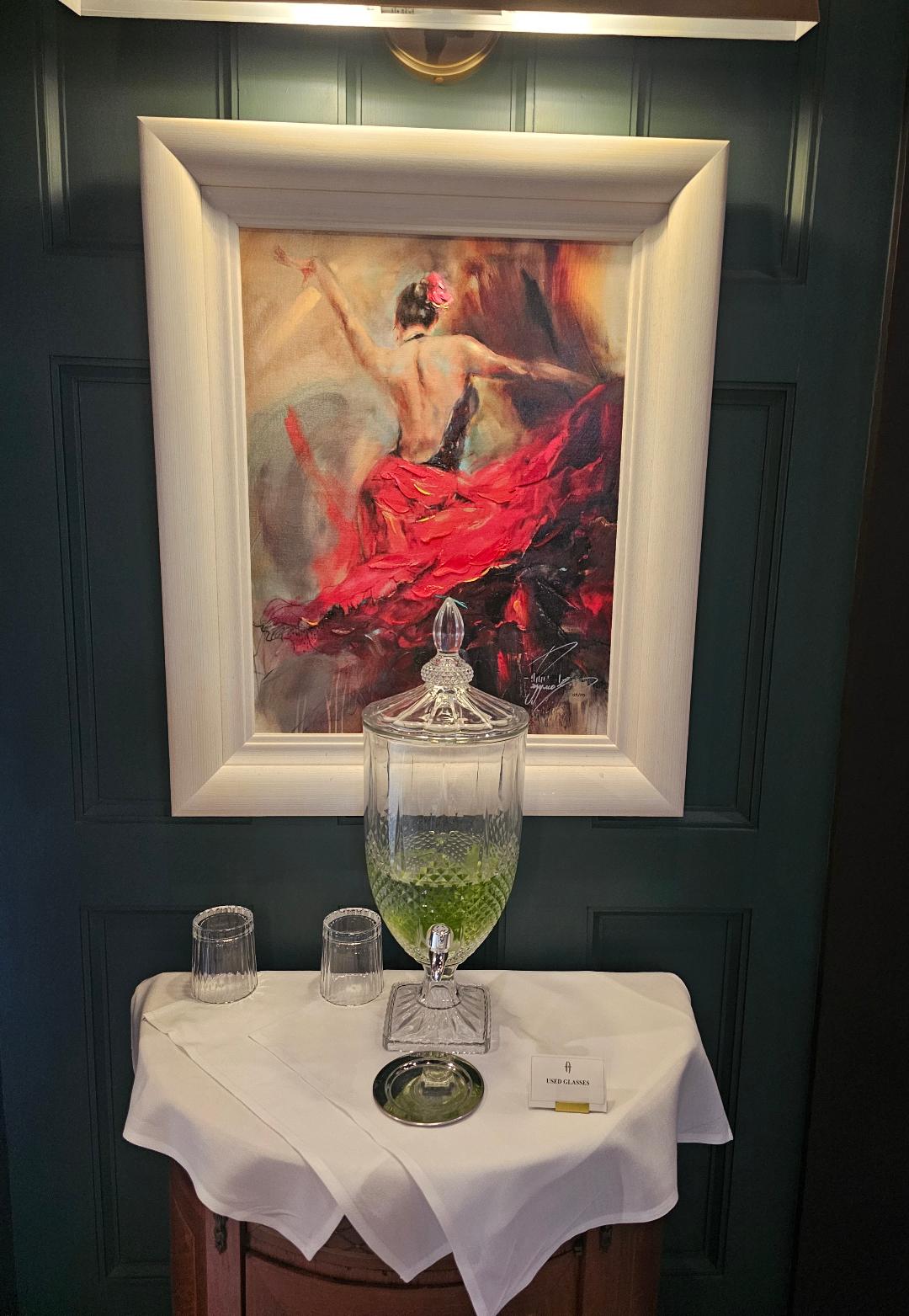
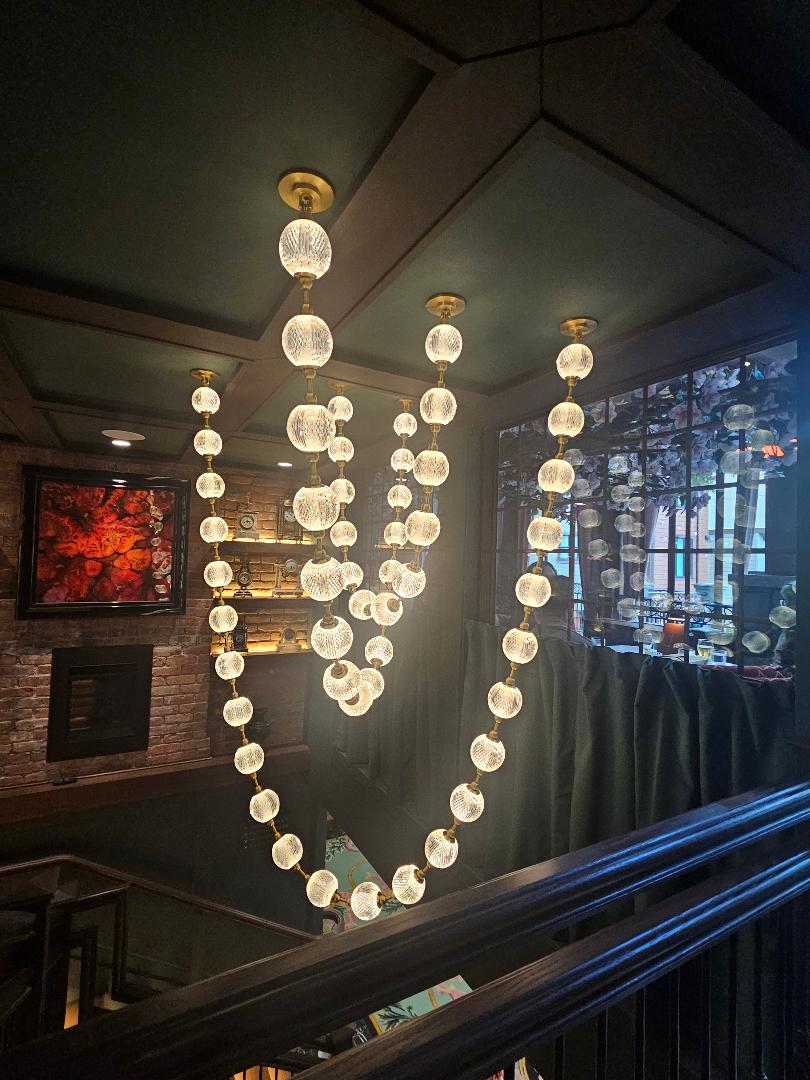
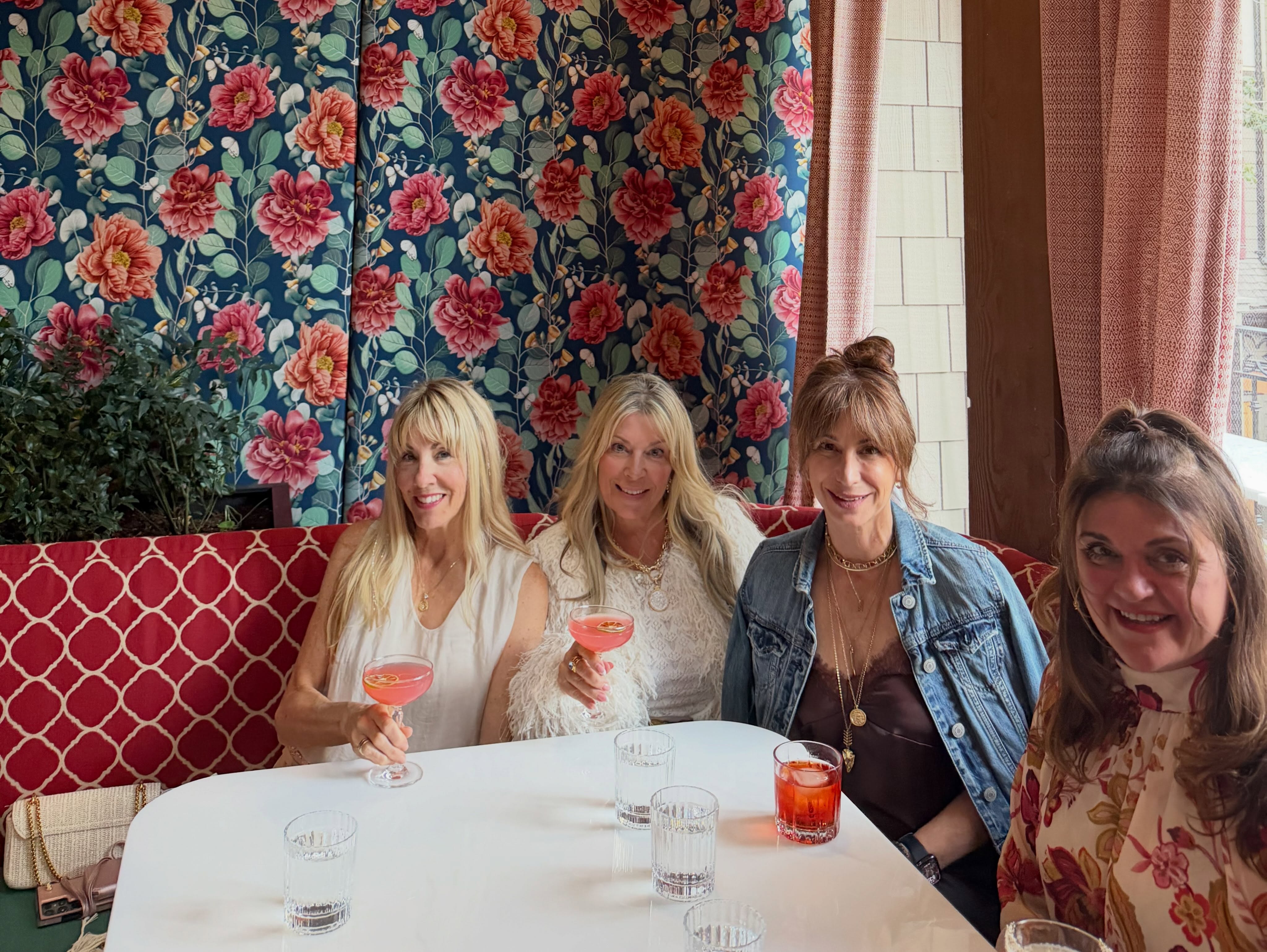
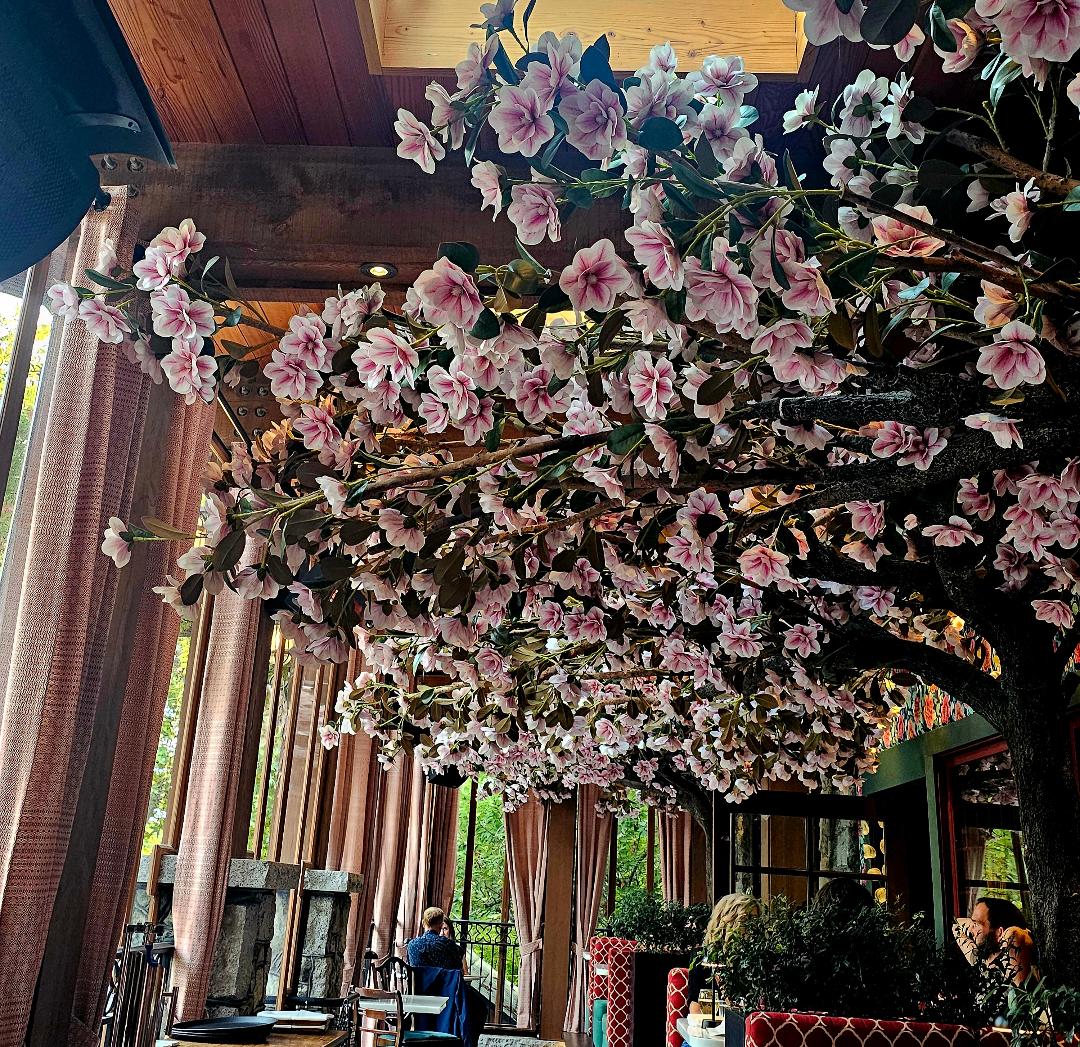
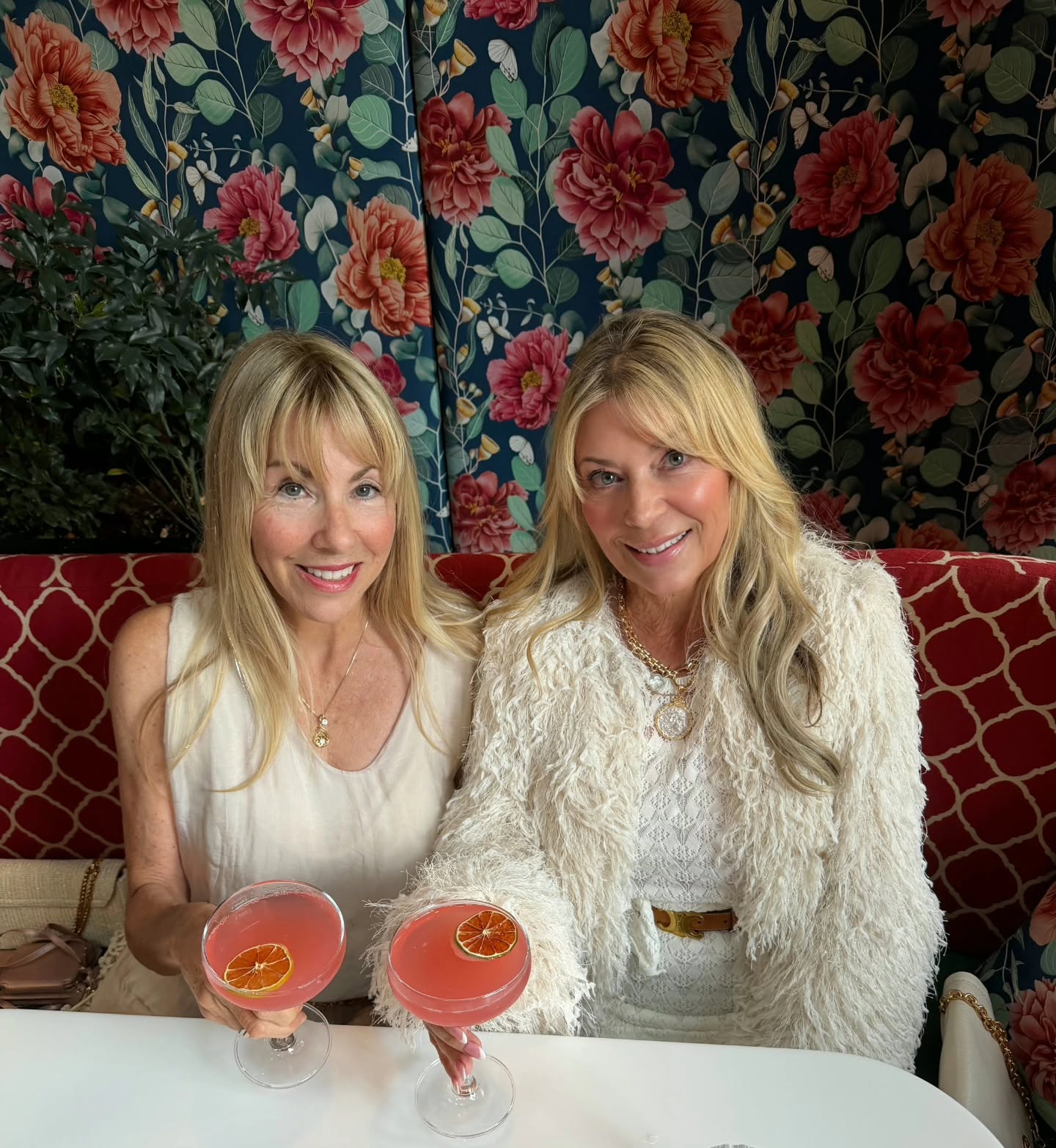
Dinner with her husband the first night was great. He left for a golfing trip the next morning. The day after we went for a nice long walk and then into town. Later on we went for a cocktail and appy at the gorgeous Janevca Kitchen and Bar, which is located inside the beautifully restored historic Rosemead House (formerly the Old English Inn). It’s famous for its stunning, maximalist interior design and unique wood-fired cooking. The name itself is actually a unique combination of the owner’s three children’s names: Janelle, Evan, and Cailee. Every corner was exceptionally inviting for its beauty.
Some pics of Janevca:
With Kathy and her very funny friends Rosi and Rosi (aka the two Rosi’s). I have two Rosy friends of my own in Vancouver. How funny is that?
After that we had dinner reservations at Marilena Cafe & Raw Bar (translates to “bright star of the sea”). Marilena is an upscale, award-winning seafood restaurant. It is also recognized as one of the top dining destinations in all of Canada. It was even named one of Canada’s Best New Restaurants right after opening.
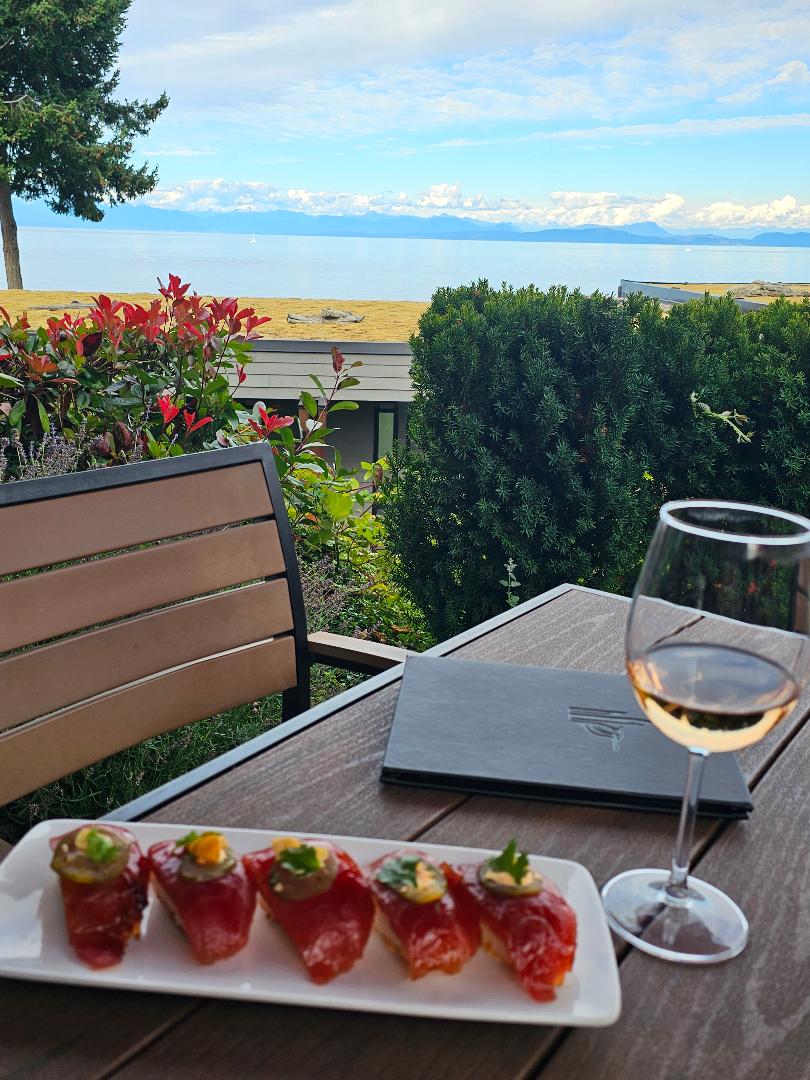
And not that I’ve eaten in every single restaurant in every city in Canada – but I can say that the sushi alone is probably the best I’ve ever had. The halibut was perfection and they also have quite the wine list. The restaurant is owned by the high-profile Top Table Group (the team behind famous Vancouver staples like Blue Water Café, Elisa and Thierry).
The fabulous evening was followed by a nightcap (courtesy of one of the generous Rosi’s) at the Fairmont Empress Hotel. Memories of high-tea with my mom. I don’t think I’ve ever enjoyed Victoria as much. I also had the pleasure of meeting some other amazing and accomplished friends of Kathy’s at a pot-luck gathering in her home on our last night. So much fun! Lots of laughs and wonderful women friends who look out for each other.
Kathy’s friend Karen (R) s a professional opera singer (among a few other interesting careers she’s had)
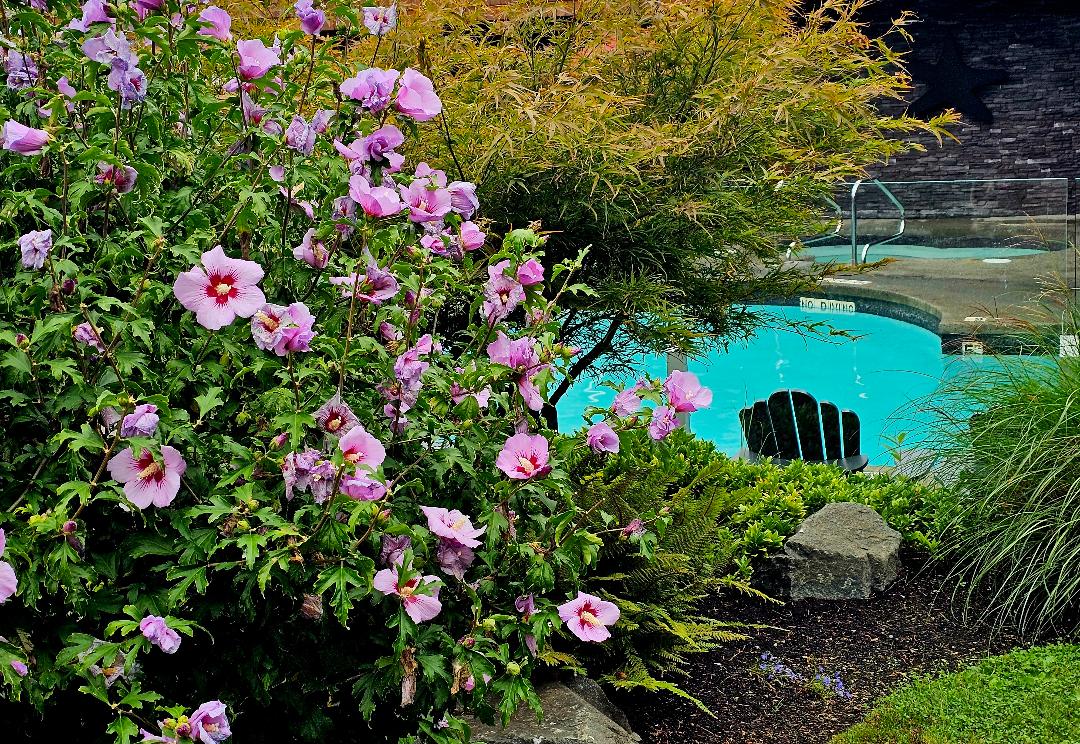
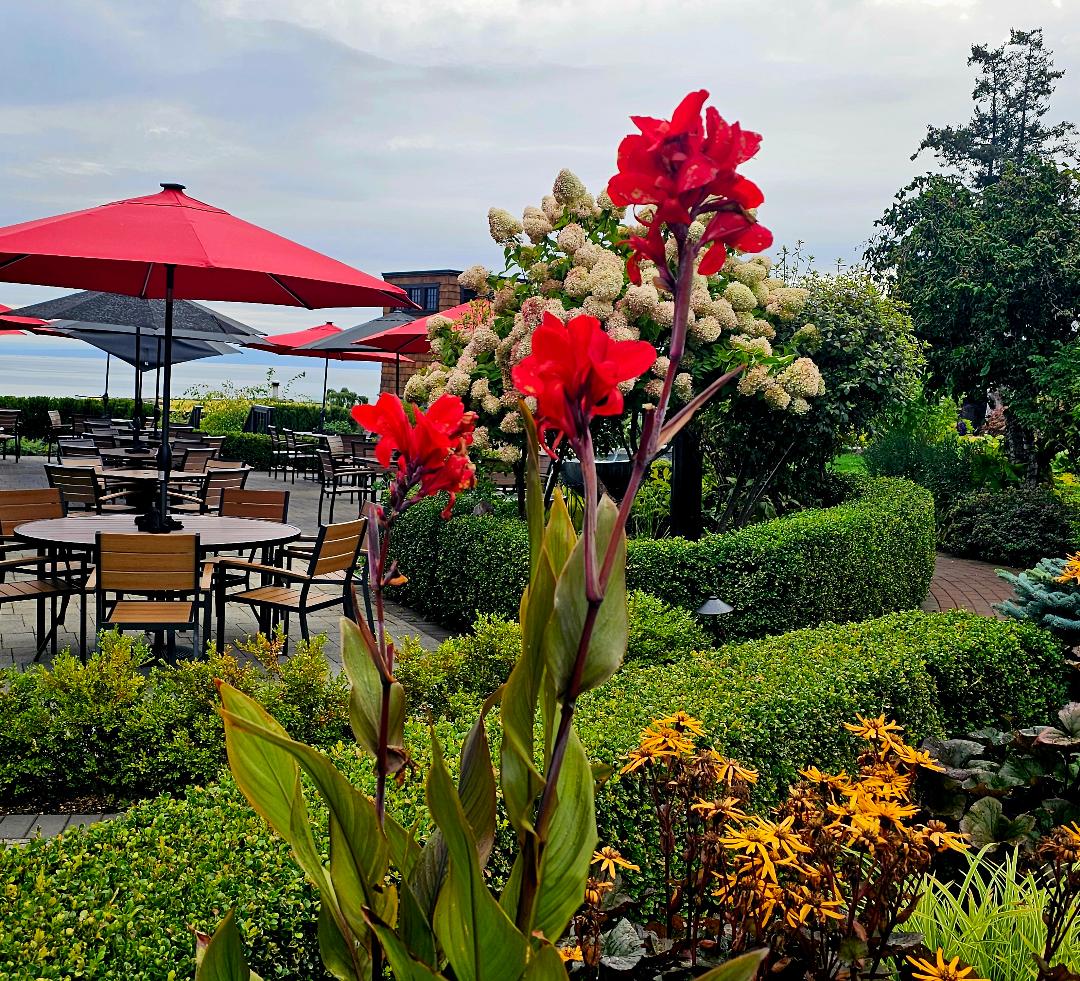
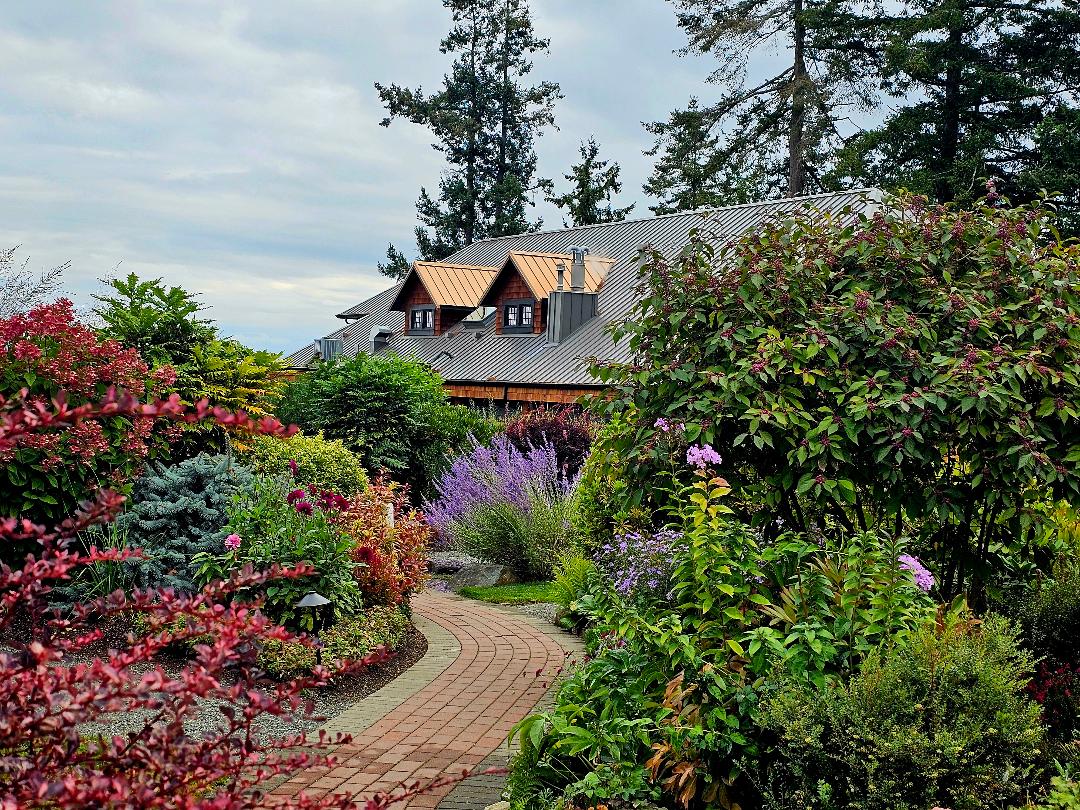
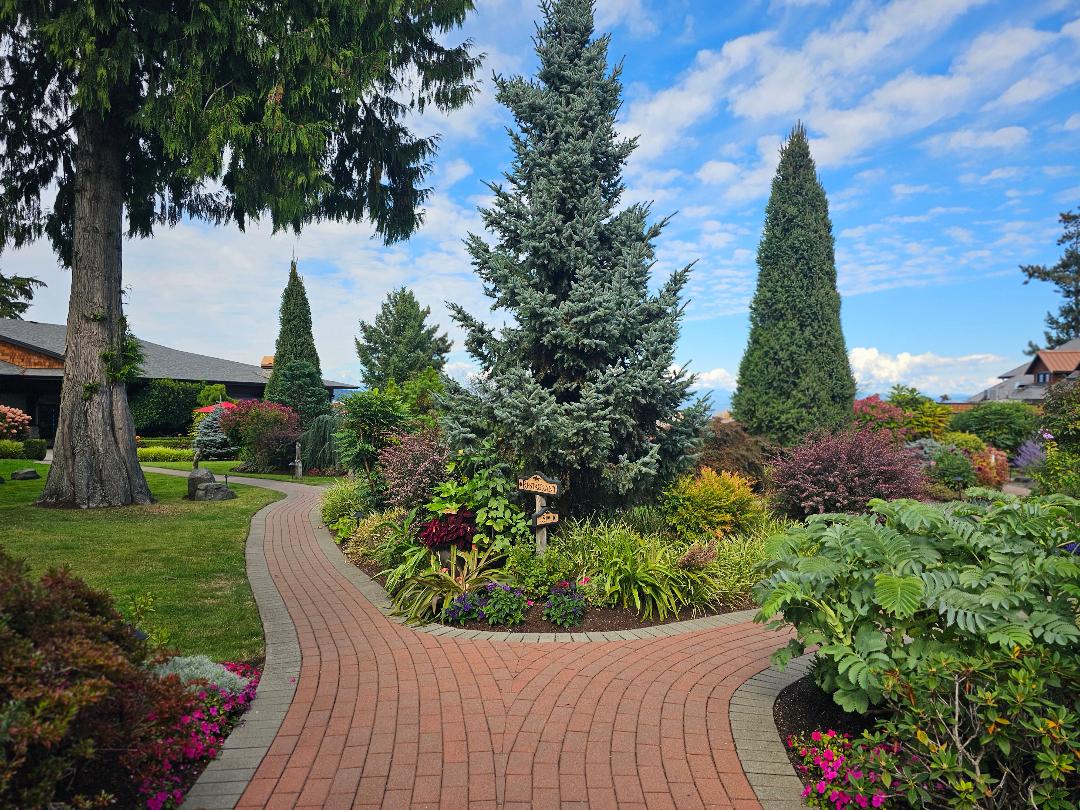
After three full, happy days in Victoria, I headed north for the second half of my little escape at the Kingfisher Oceanside Resort and Spa. This place is a premier luxury beachfront destination located in Courtenay on Vancouver Island’s scenic Comox Valley coastline. Nestled amidst lush, landscaped gardens with sweeping views of the Georgia Strait, the resort is most famous for its world-class Pacific Mist Spa, which features a unique, cave-like Pacific Mist Hydropath (which I did), a multi-station hydrotherapy journey utilizing natural glacier-fed and ocean-infused waters. It’s like nothing else I’ve ever experienced.
Sitting at the Aqua restaurant. This was seared ahi-tuna on sticky rice – so good!
I also did the Coastal Lavender Release treatment which is a premium, 75-minute signature body treatment designed as a deeply therapeutic and sensory relaxation ritual that combines exfoliation crafted from sea salt crystals and local lavender flowers, followed by a Thai-inspired body/scalp massage. Exquisite!
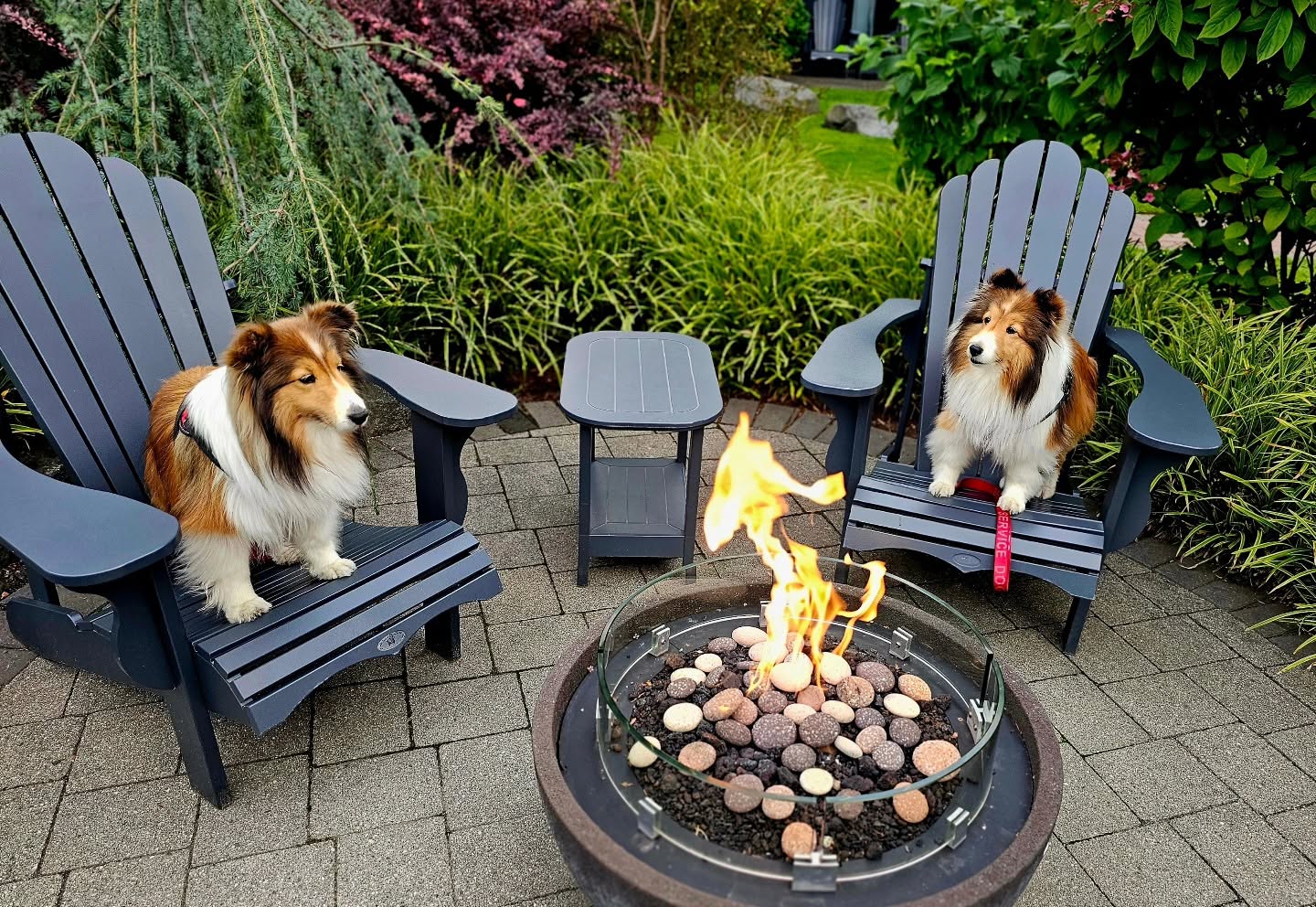
Beyond its award-winning spa wellness facilities, the resort offers contemporary, West Coast-inspired oceanfront suites, fire-pit patios perfect for sunset relaxation, and exceptional dining at its signature Ocean7 Restaurant and AQUA Bistro & Wine Bar, making it one of British Columbia’s most sought-after coastal getaways. I think we just may come back here.
That’s what I’ve been up to recently. My dogs really enjoyed the whole vibe.
For me, it was exactly the reset I didn’t know I needed.










You must be logged in to post a comment.