
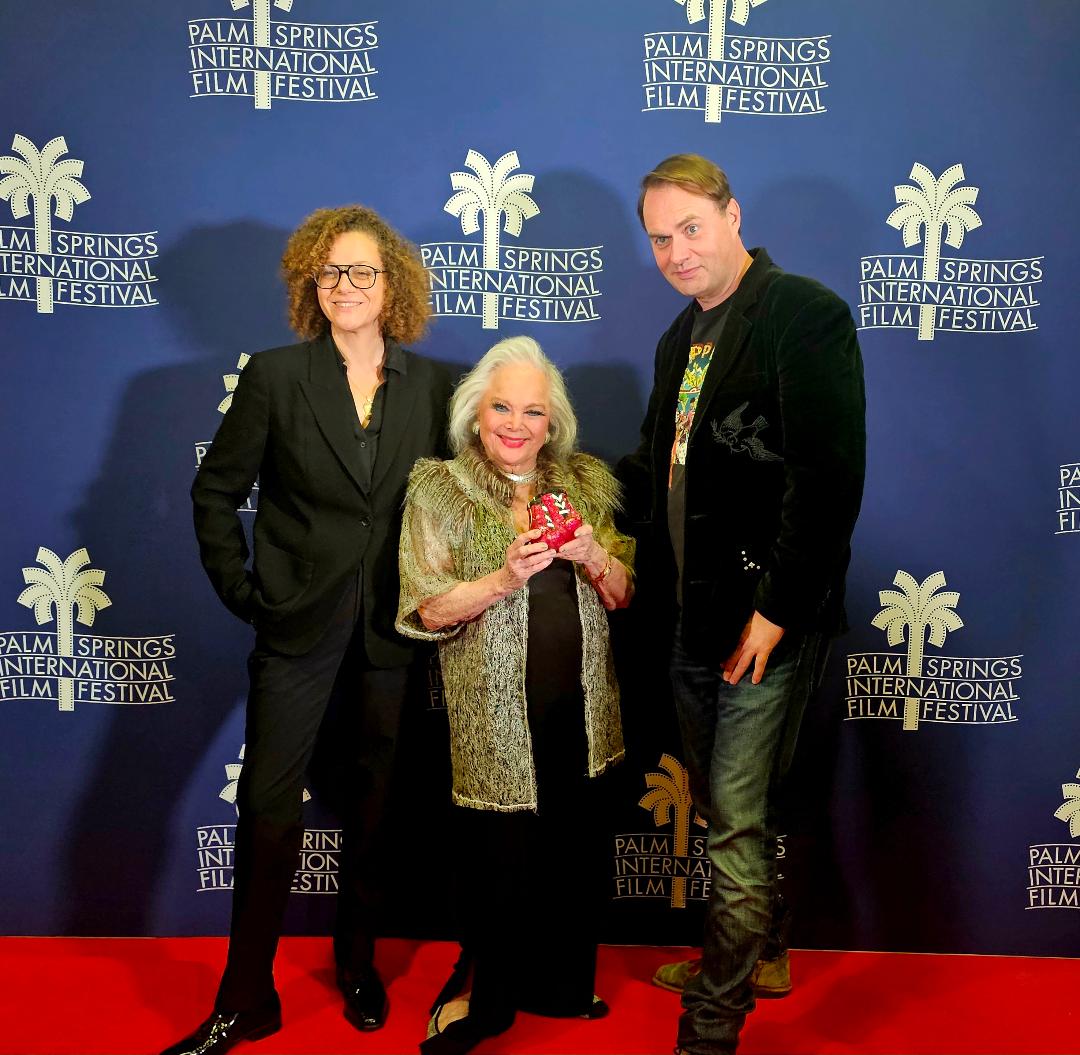
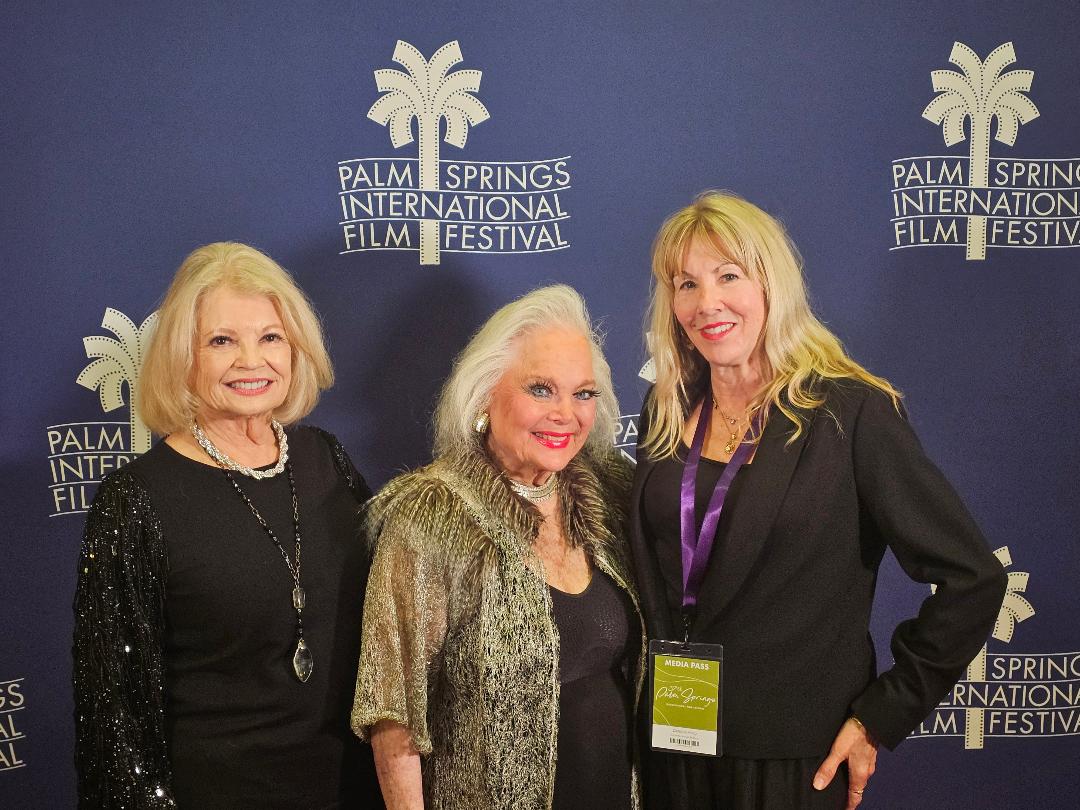
The Palm Springs International Film Festival has now come to a close.
My movie choices this time explored themes of resilience, legacy, homelessness, pride, prejudice, power, relationships, and bureaucracy. One film in particular added another layer: desperation – the kind that pushes a person past the point of reason.
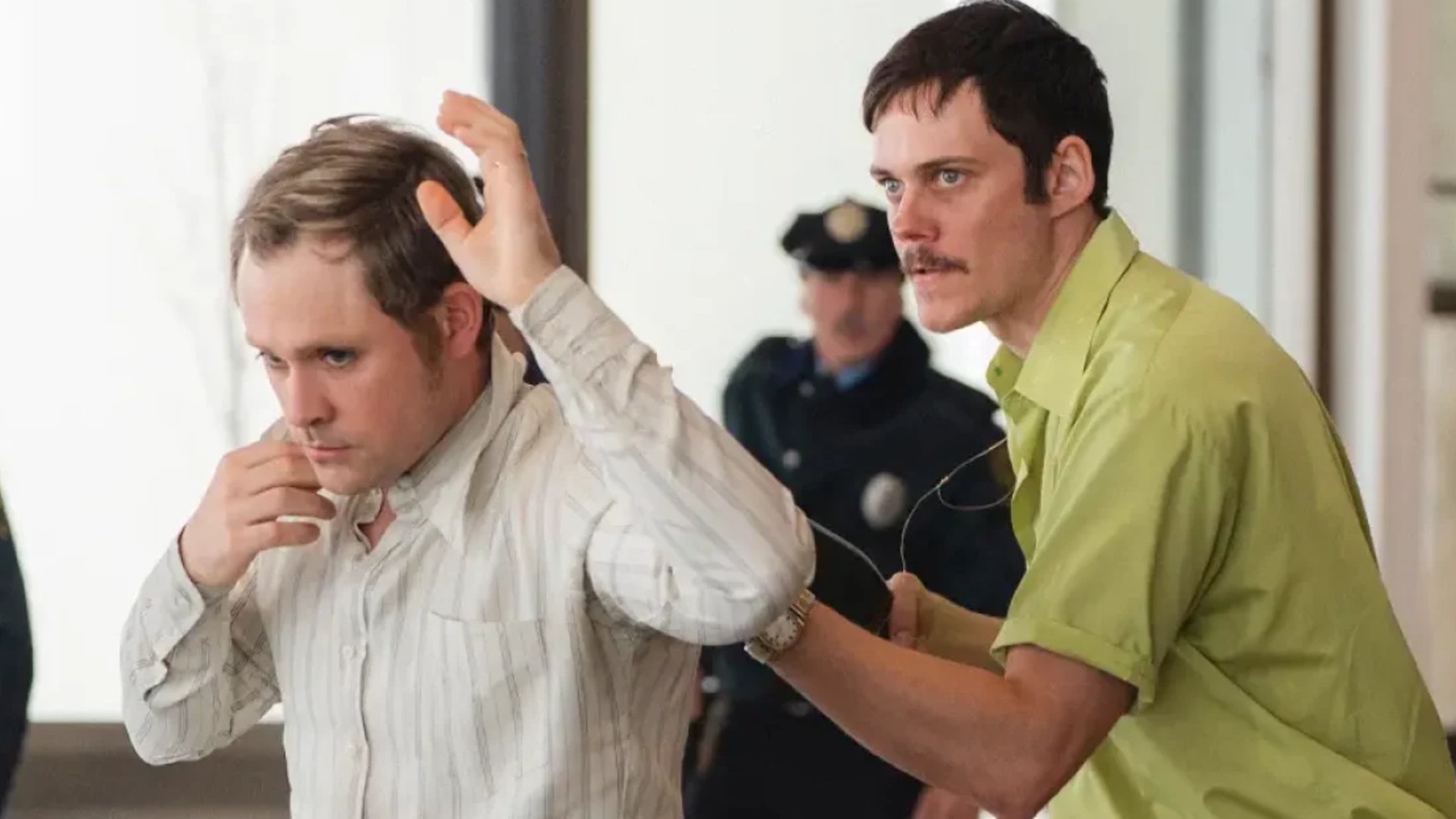
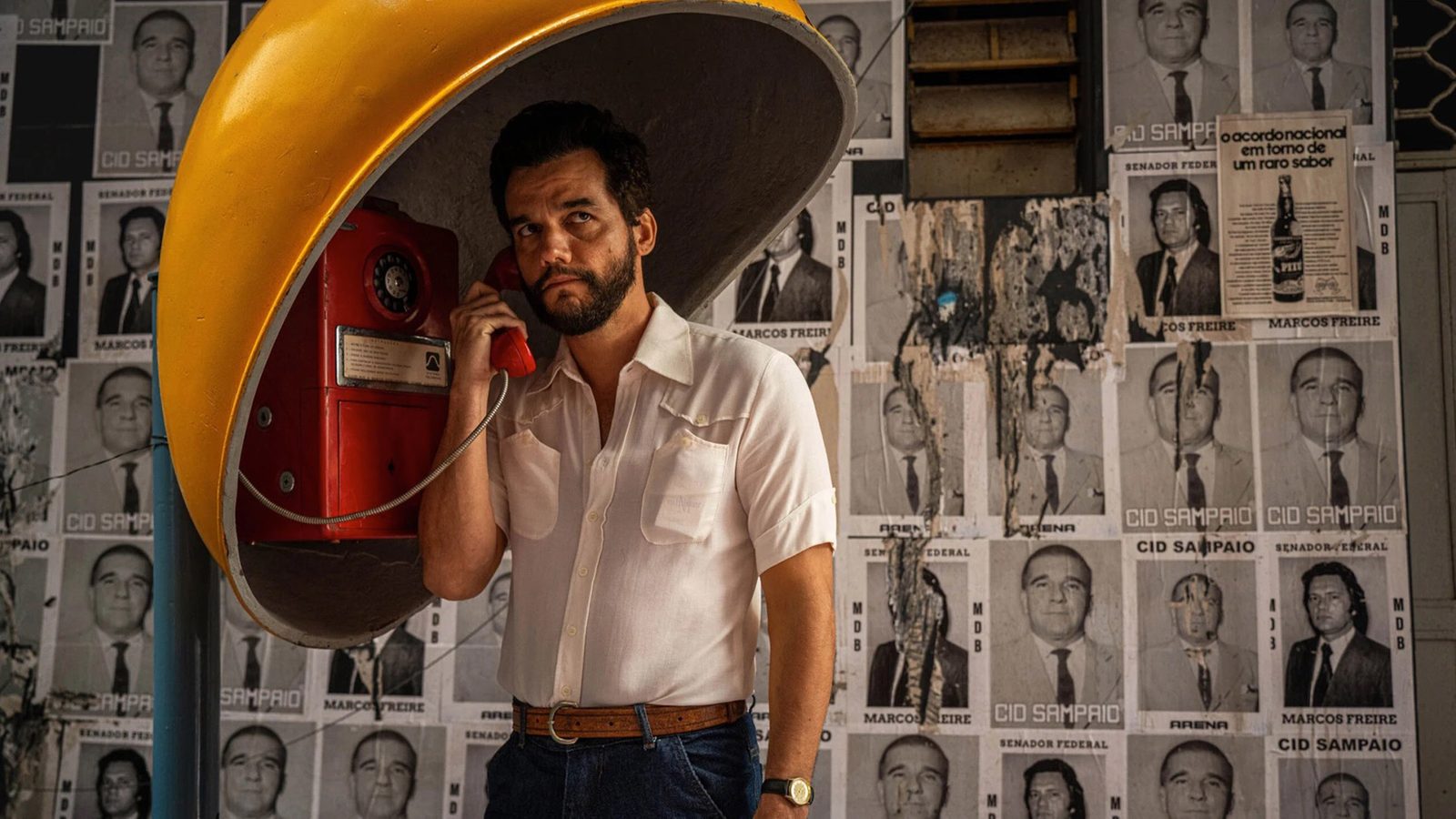
That film was Dead Man’s Wire, a true‑crime thriller directed by Gus Van Sant (Good Will Hunting), starring Bill Skarsgård and Dacre Montgomery, with Al Pacino in a small but influential role.
The film dramatizes a real 1977 hostage crisis in Indianapolis, one of the most shocking and televised standoffs of its time. It shows what happened when a distressed man, Tony Kiritsis, took a mortgage company executive hostage and wired a sawed-off shotgun to the man’s neck – a device rigged to fire if anyone tried to intervene. Any sudden movement would kill him. The film keeps you on the edge of your seat, and it certainly kept the hostage on his.
Kiritsis, a frustrated landowner facing foreclosure, stormed into Meridian Mortgage Company believing the business had sabotaged his development deal and pushed him into financial ruin.
The 63‑hour standoff ended in a live televised press conference, something almost unheard of at the time.
Bill Skarsgård delivers an intense, unsettling performance as Kiritsis, portraying him not as a monster, but as a man spiraling under pressure. The film blends period detail with a modern sense of psychological tension.
Ultimately, Dead Man’s Wire exposes the thin line between grievance and violence, and what can happen when someone feels pushed too far – even though Kiritsis took things far beyond any acceptable boundary.
You can understand his frustration, yet you’re appalled by the extreme lengths he went to in an attempt to “set things right.” The film leaves you thinking about the volatile mix of frustration, powerlessness, and fear, and how easily those forces can ignite.
It circles back to the same question that ran through other films I saw this year: what happens when people feel they’ve run out of options, and who pays the price when they break?
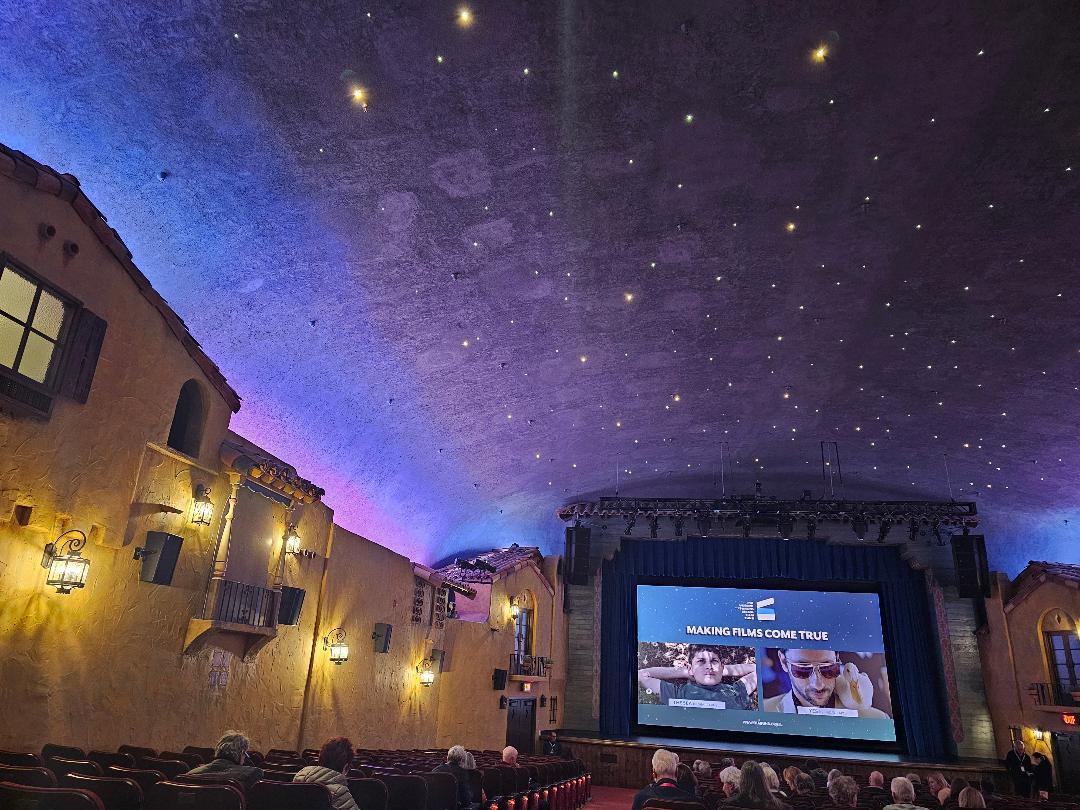
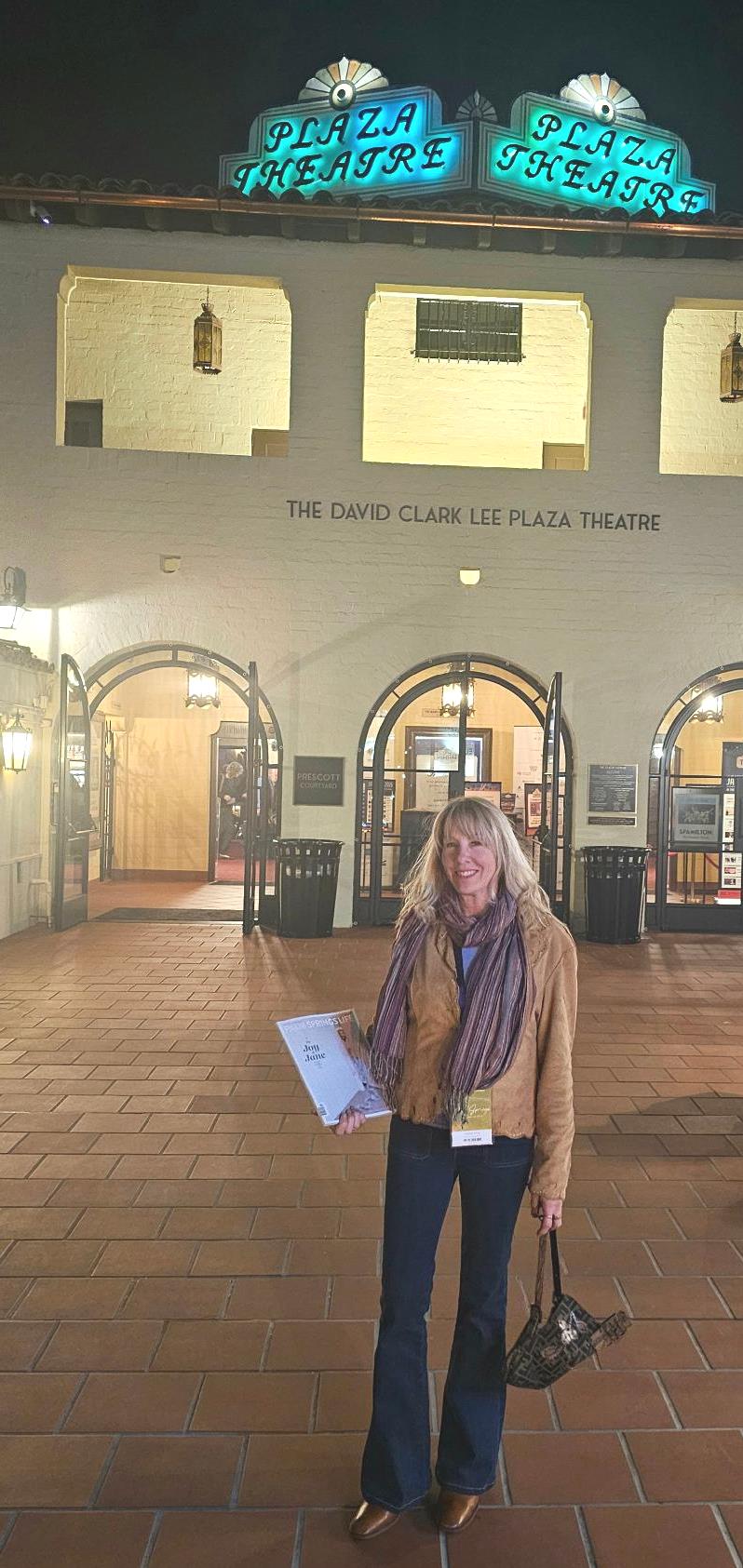
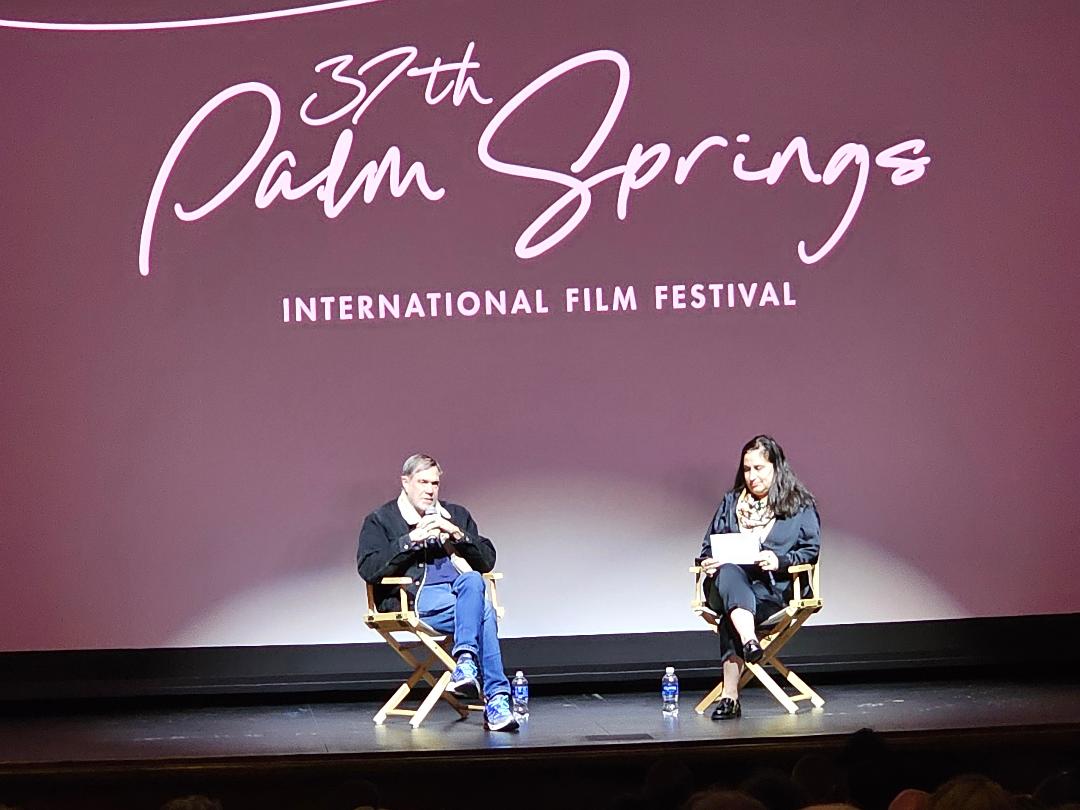
Director Gus Van Sant was here for a Q&A after the screening.
Best of the Fest:
https://www.psfilmfest.org/film-festival-2026/festival-events/best-of-fest-2026


 Girl Who Would be KING on Life, Style and INSPIRATION.
You must be logged in to post a comment.