

Barneys was the embodiment of “when shopping meant something.” The flagship store was on Madison Avenue and anyone visiting New York with style in her DNA would never skip a stop at Barneys. It was considered a rite of passage.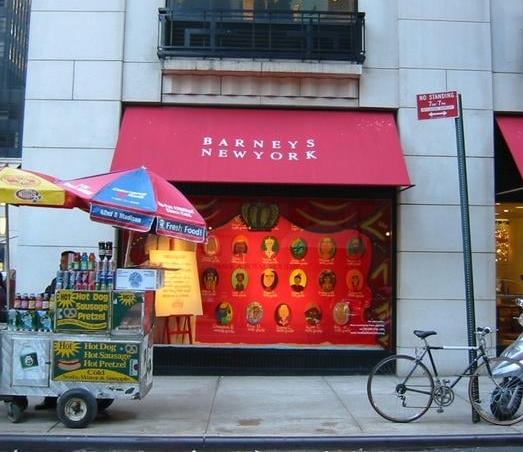
During the greatest, most exciting years in the world’s greatest, most exciting city, Barneys New York was a place where fashion made culture and made history. Barneys New York was more than a store – it was a cultural institution that redefined luxury, creativity, and cool in retail. Even the window displays were considered avant-garde and curated collections felt like gallery exhibits.
Barneys wasn’t about necessity – it was about possibility. It introduced Americans to designers they’d never heard of, gave downtown edge to uptown elegance, and made fashion feel like culture. It was where you went to find the unexpected, to be surprised, to feel seen.
The clothes…oh, the clothes, were artfully arranged like museum pieces waiting to be discovered. You didn’t just shop at Barneys. You wandered, you lingered, you fell in love with the perfect ensemble. If you were lucky enough, you could buy it.
Founded in 1923 by Barney Pressman, Barneys began as a men’s discount clothing store in Manhattan. Pressman famously pawned his wife’s engagement ring to fund the lease.
The store’s early motto “No Bunk, No Junk, No Limitations” reflected its commitment to quality at bargain prices. Bargain prices you say? That was way before I stepped inside.
By the late 1970s, Gene Pressman, Fred’s son, infused Barneys with high fashion and avant-garde flair, bringing in designers like Versace, Alaïa, and Yamamoto. Madonna and Iman’s “diva-off” at a charity fashion show in 1986 exemplified the store’s blend of glamour and spectacle.
Celebrities like Andy Warhol, Diane Keaton, David Bowie (he was married to Iman), and Sarah Jessica Parker were regulars. Parker once said, “If you’re a nice person and you work hard, you get to go to Barneys. It’s the decadent reward.”
The fall of Barneys came In 2019, when Authentic Brands Group acquired Barney’s intellectual property, and has licensed the brand to Saks Fifth Avenue for specialty departments within their flagship stores. But it’s obviously not the same vibe.
FYI: the name Barneys New York does not have an apostrophe; the company dropped it in 1981. The original store, which opened in 1923, was once called Barney’s, but the apostrophe was removed in a rebranding effort.
WHERE HAVE ALL THE GOOD DEPARTMENT STORES GONE?
Sadly in Canada, they’ve all but disappeared. Luckily we still have Holt Renfrew. Hopefully it’s not a matter of time before that goes too.
They’ve either closed or drastically downsized due to shifting consumer habits, rising costs, and the dominance of e-commerce. The most recent and symbolic closure was Hudson’s Bay Company in June 2025, marking the end of a 355-year legacy. Very sad but if truth be told, I tend not to frequent department stores either. I prefer unique boutiques or vintage shopping (or of late, no shopping at all – I’m shopping my own closet). I was also responsible for the closures of these once convenient one-stop conglomerates. I hated to see The Bay go though, because that was a sure sign of the times they are a changing.
Even Ogilvy (my favourite), originally founded in 1866 in Montreal, was one of Canada’s most iconic luxury department stores. In 2011, Holt Renfrew’s parent company, Selfridges Group, acquired Ogilvy. Now it’s known as Holt Renfrew Ogilvy, combining Ogilvy’s heritage with Holt Renfrew’s upscale brand portfolio.
On another note: After viewing a bunch of films I’m now turning to books. Here’s one on my radar:
A new fashion book that became an instant New York Times Bestseller is “THEY ALL CAME TO BARNEYS.”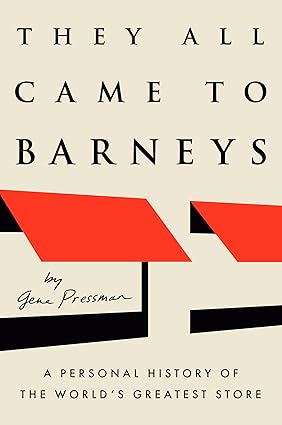
The Man Who Turned Barneys Into the Coolest Store in the World. Gene Pressman, the New York institution’s former co-CEO, reminisces about introducing America to Armani and Comme des Garçons, working with the great Glenn O’Brien, and designing that iconic black Barneys bag.
In “They All Came to Barneys,” Gene Pressman tells his story for the first time, capturing the unprecedented rise and unimaginable fall of his family’s multimillion-dollar fashion retail empire as only he can: from the inside.
How about you? What was the greatest department store for you?
 Girl Who Would be KING on Life, Style and INSPIRATION.
You must be logged in to post a comment.