
I know the French are crazy but what’s the deal with France destroying wine?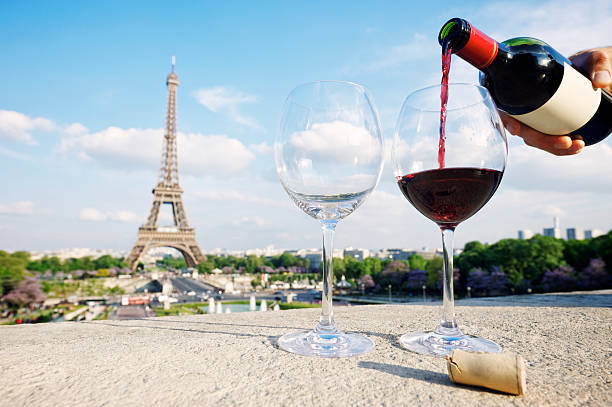
And I’m not talking about a few cases. After I heard about France destroying gallons of wine, I made sure to buy some French wine while it’s still around. Although there is truth to this story, I remain a bit confused as to what the real deal is. Apparently there are two sides to the story and neither one is good.
This massive destruction of approximately 80 million gallons of wine is due in part to wine being more expensive to produce during a time of reduced demand. Yes, in what is arguably the wine capital of the world, fewer and fewer people are drinking the stuff.
A fall in demand for wine has led to over-production, a sharp fall in prices, and major financial difficulties for up to one in three winemakers in the Bordeaux region, according to the local farmers’ association.
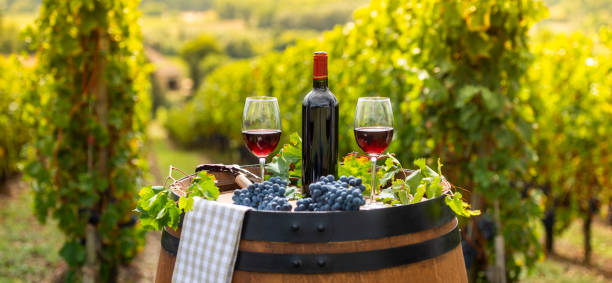
According to the Washington Post, over 80 million gallons of wine will be destroyed, and the alcohol left behind will be used in other products, like cleaning supplies, hand sanitizer, or perfumes. Okay; well at least they’re not completely wasting it… but who would’ve thought?
They’re drinking less? Why not make the surplus more affordable than completely destroying it?
Destroying enough wine to fill more than 100 Olympic-size swimming pools may sound crazy, but France thinks it makes economic sense. Especially since they say it is getting more costly to produce wine and the French are consuming less of it than in years past.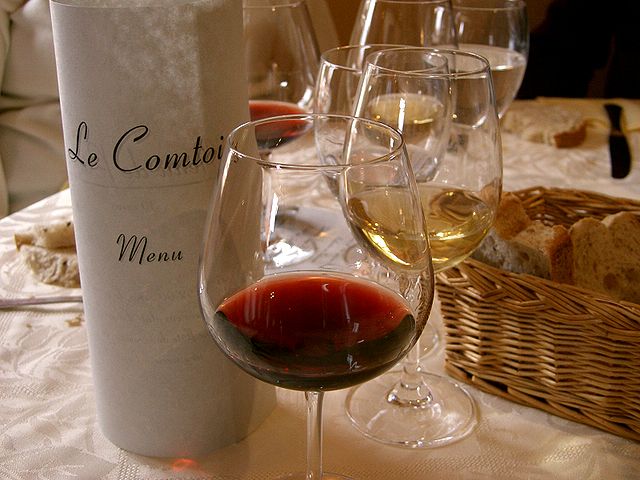
French drinkers are turning to other, more refreshing beverages such as beer. While high-end Bordeaux bottles such as grand cru still easily find buyers, demand for entry-level mass red wines has been dropping.
According to Bloomberg Report, wine consumption all across Europe is deceasing. High inflation with increasing food and drink prices are a contributing factor, leaving consumers to buy fewer bottles while production remains strong.
While drinking too much wine is never a good thing; not being able to afford to drink some wine is never a good thing either.
And for another twist…
Here’s a story involving a large scale WINE CRIME taken from Winespector.com:
In January, Bordeaux’s tribunal handed down sentences for five wine professionals found guilty in the largest wine fraud case in recent memory. Tribunal president Marie-Elisabeth Boulnois passed out ankle bracelets for the worst infractions, on top of heavy fines all around. But both defendants and plaintiffs are claiming that justice has not been served.
The elaborate multimillion-dollar fraud involved trucking hundreds of thousands of cases worth of cheap Spanish bulk wine north to France, changing the official paperwork to reflect a French origin, and bottling it and selling it as more valuable Bordeaux appellations, including Margaux and Médoc.Feb 16, 2023
Jean-Sebastien Laflèche, owner of négoce Defivin in St.-Loubès, and Michel Gilin, formerly in sales at major cooperative Celliers Vinicoles du Blayais (CVB), received the harshest sentences, “due to the seriousness of the acts, the nature of the facts, their durations, the quantities involved and previous convictions,” said Boulnois.
Both men will serve their prison sentences under house arrest. Laflèche, sentenced to two years, had assets worth €253,000 seized, including his Mercedes, and Gilin, sentenced to 20 months, was fined €200,000. They were the only two convicted of deception (consumer fraud). Both are banned from working in the wine trade for five years.
Their three accomplices, Daniel Banchereau, Sylvie Bernard and Fabien Figerou, received more lenient sentences. Banchereau and Bernard received suspended prison sentences and €12,000 fines. Figerou, who ran the Bégadanet cellars in the Médoc where the bottling took place, was found guilty of transporting undocumented wine.
All five were held mutually responsible for a €670,000 fiscal fine for putting irregular merchandise into circulation, putting the total fines over €1 million.
Sophie Benayoun, defense lawyer for Laflèche, denounced the decision, saying “These fiscal fines are totally out of proportion.” She argued that the five were “lampistes“—junior employees taking the blame for more powerful criminals. “You have to ask, who profited from the crime? They were the pawns.”
Gilin’s defense lawyer, Lucas Tabone, concurred. “They were employed by companies to find suppliers. These people were never the ones who made money in this affair. The ones who made money thanks to this affair weren’t here [in court].”
The civil plaintiffs, which receive small compensations in the vicinity of €12,500, included the Bordeaux Wine Council (CIVB), Federation of Grands Vins de Bordeaux, Federation of Négociants of Bordeaux and Libourne and Confederation Paysanne.
Dominique Techer, spokesperson for the Confederation Paysanne, expressed disappointment that the investigation had not made clear who had given the orders. “Everyone knows how it works. In 2013, 2014, there was a wine shortage, and people gave orders, saying, ‘Find me some wine.'” Nevertheless, he emphasized, “When you buy a bottle of Bordeaux or even Vin de France, you shouldn’t have to wonder whether it’s ‘real’ or not.”
Mon Dieu – I agree!
Full article:
 Girl Who Would be KING on Life, Style and INSPIRATION.
You must be logged in to post a comment.