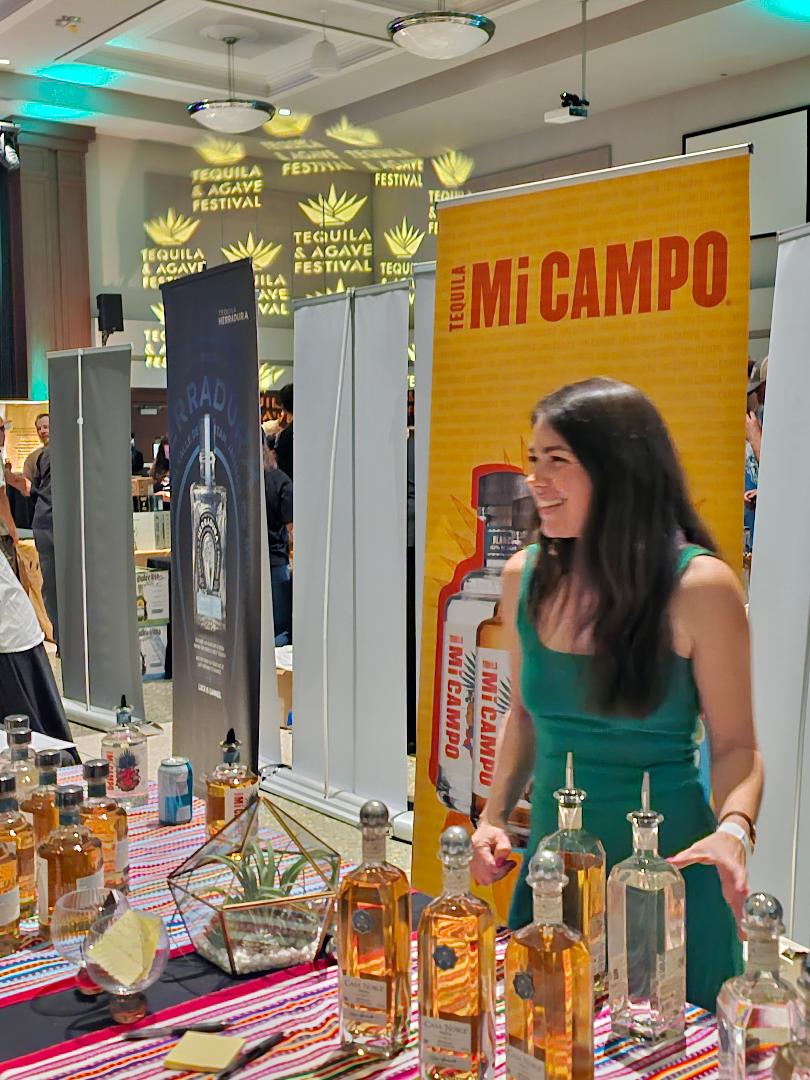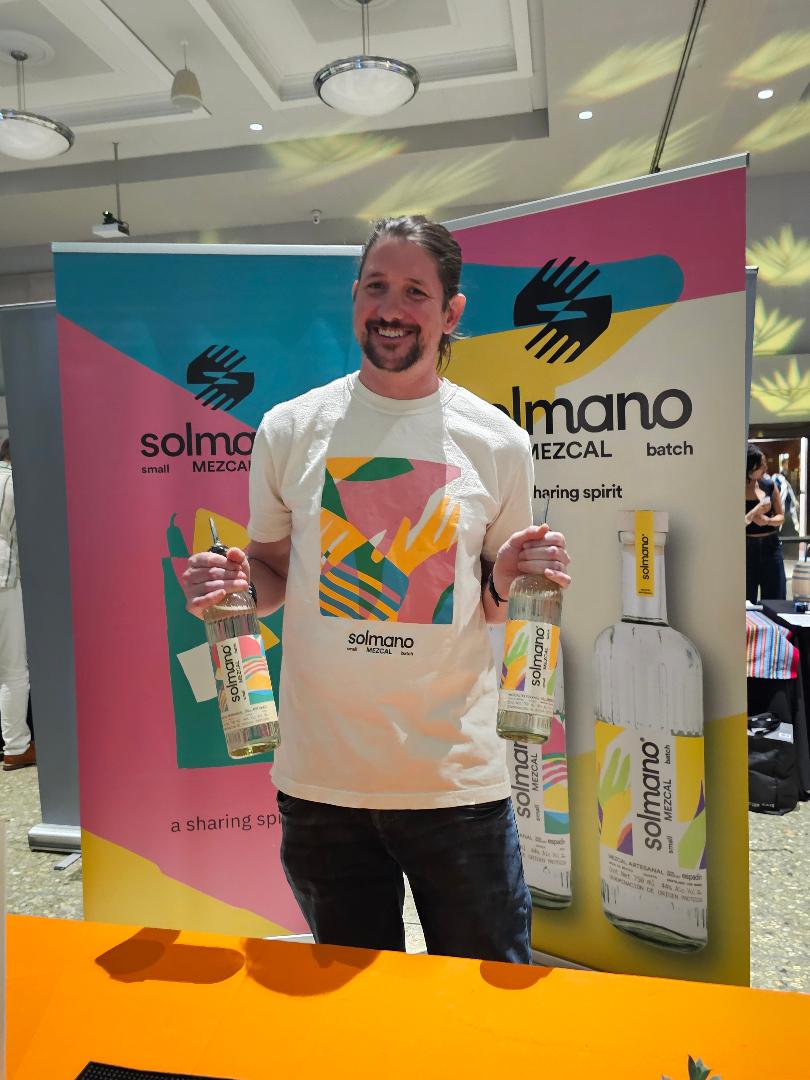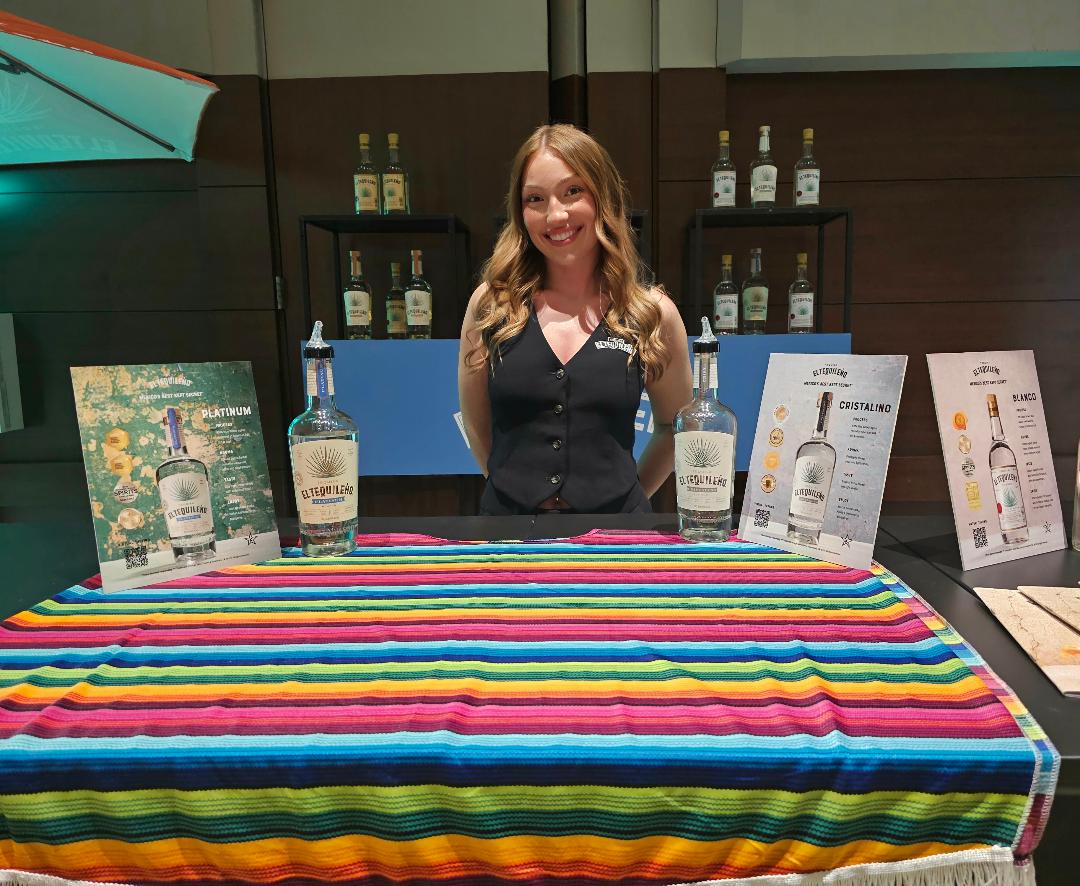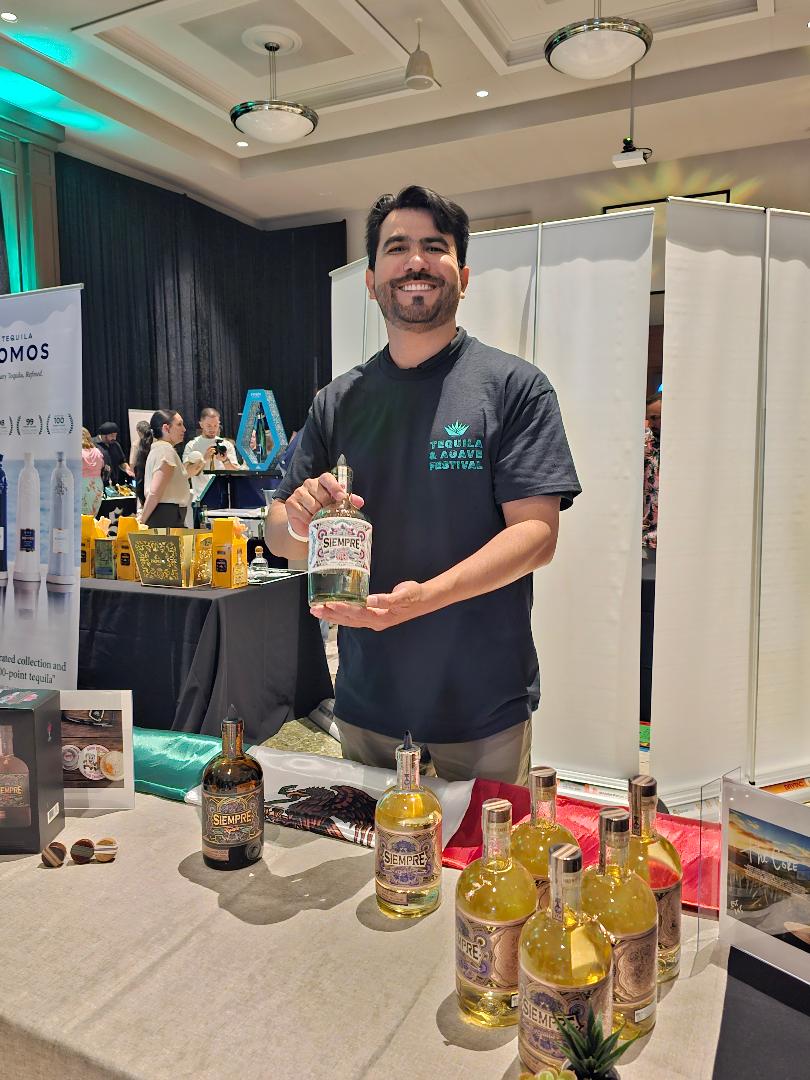
Tequila & Agave Festival

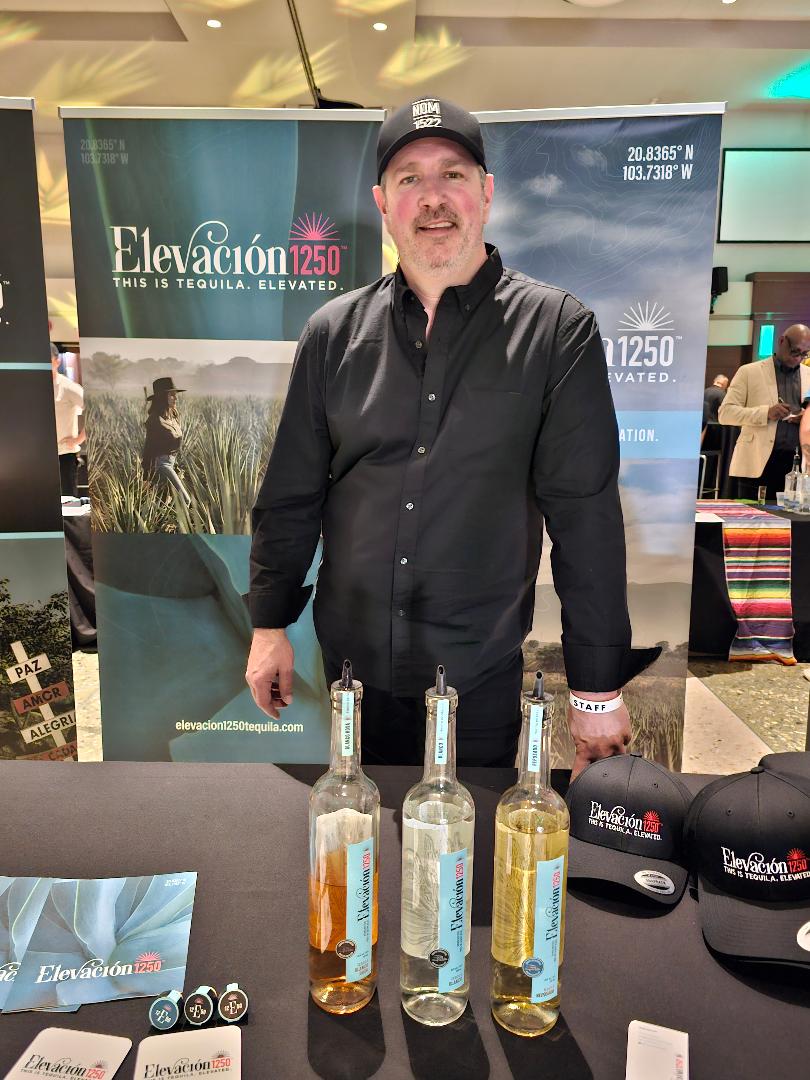
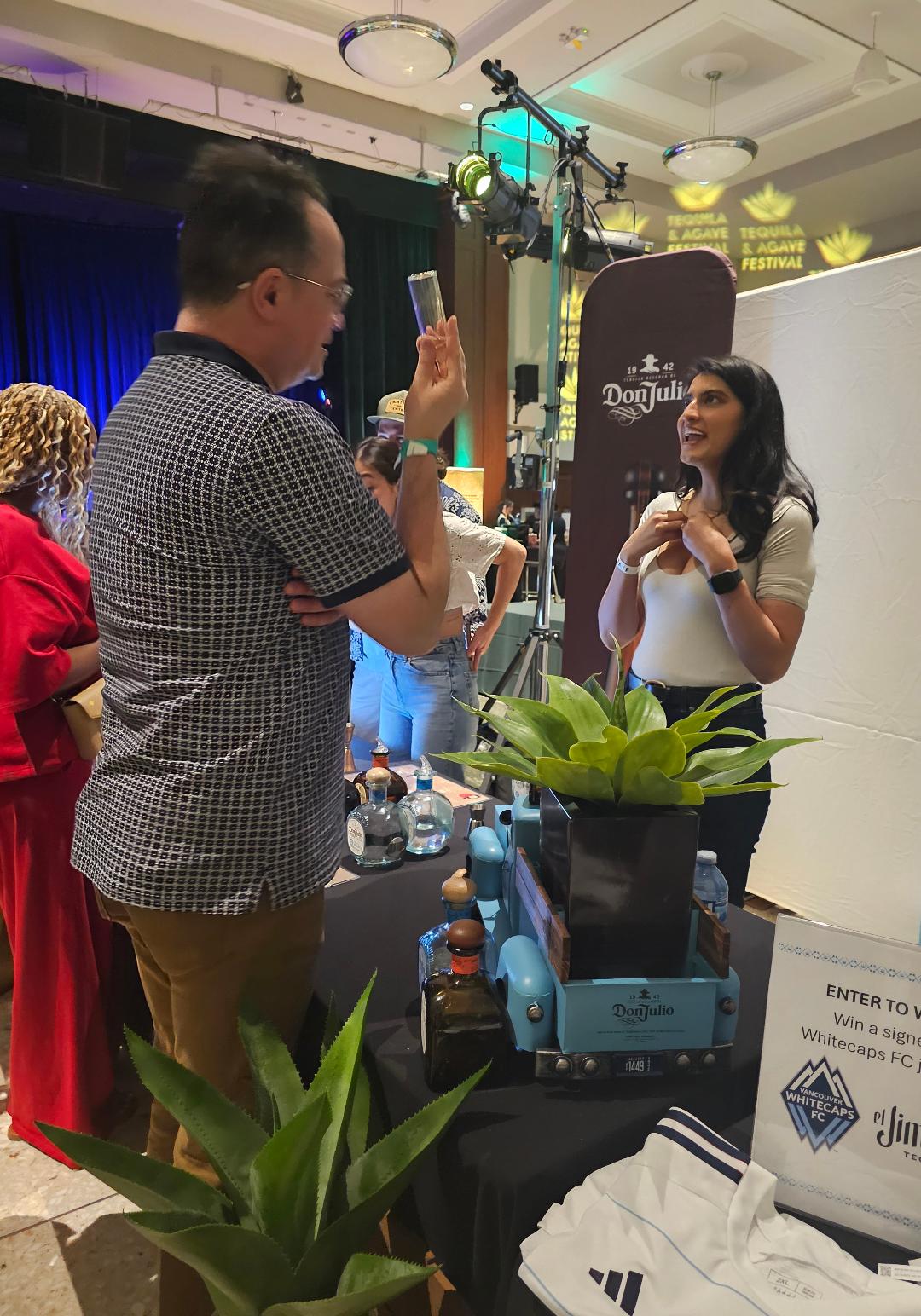
When it comes to hard liquor I’m not a huge fan.I enjoy a good vodka martini and I certainly enjoy a good margarita.  When it comes to sipping tequila on its own, it better be smooth preferably with a squeeze of fresh lime.  Last Saturday I got to sample my fair share of  top-notch sipping tequilas (with a few mexcals thrown in for fun) at the second Tequila & Agave Festival which took place at the Italian Cultural Center in Vancouver.   I took my friend Rosario whom I met 35 years ago when she first moved to Vancouver, and couldn’t speak a word of English.  Now she talks nonstop and has her own business. We had a blast.
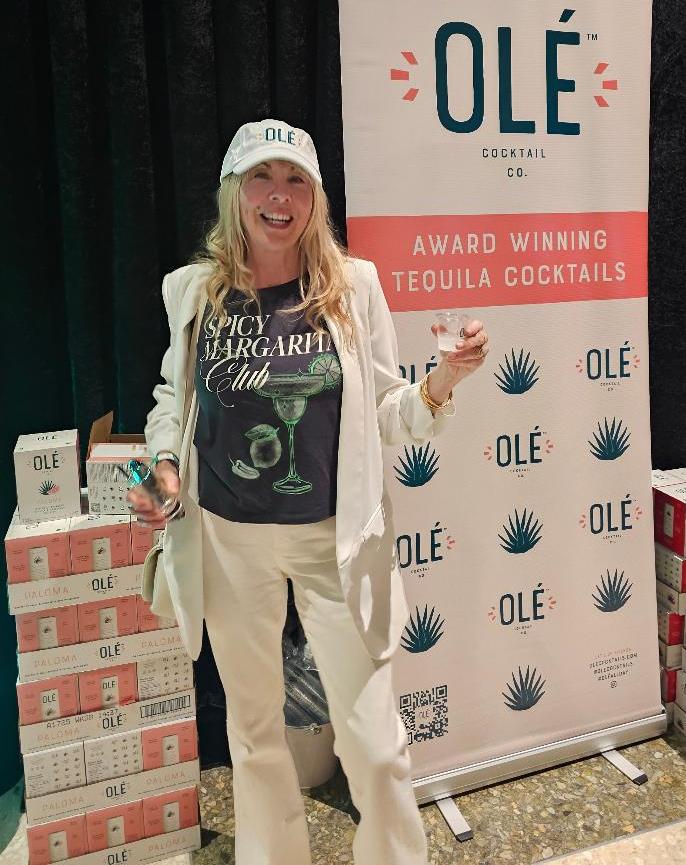
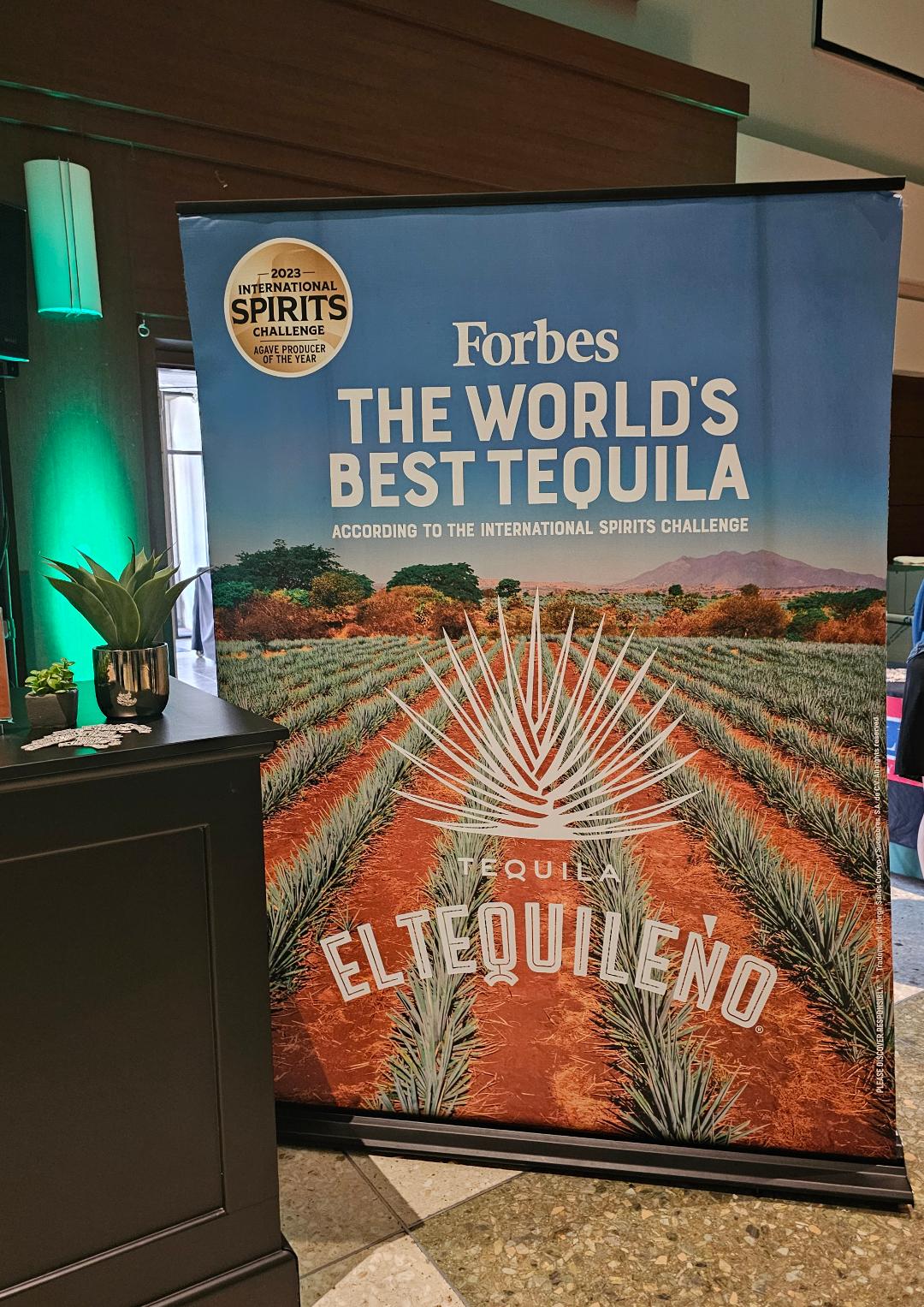
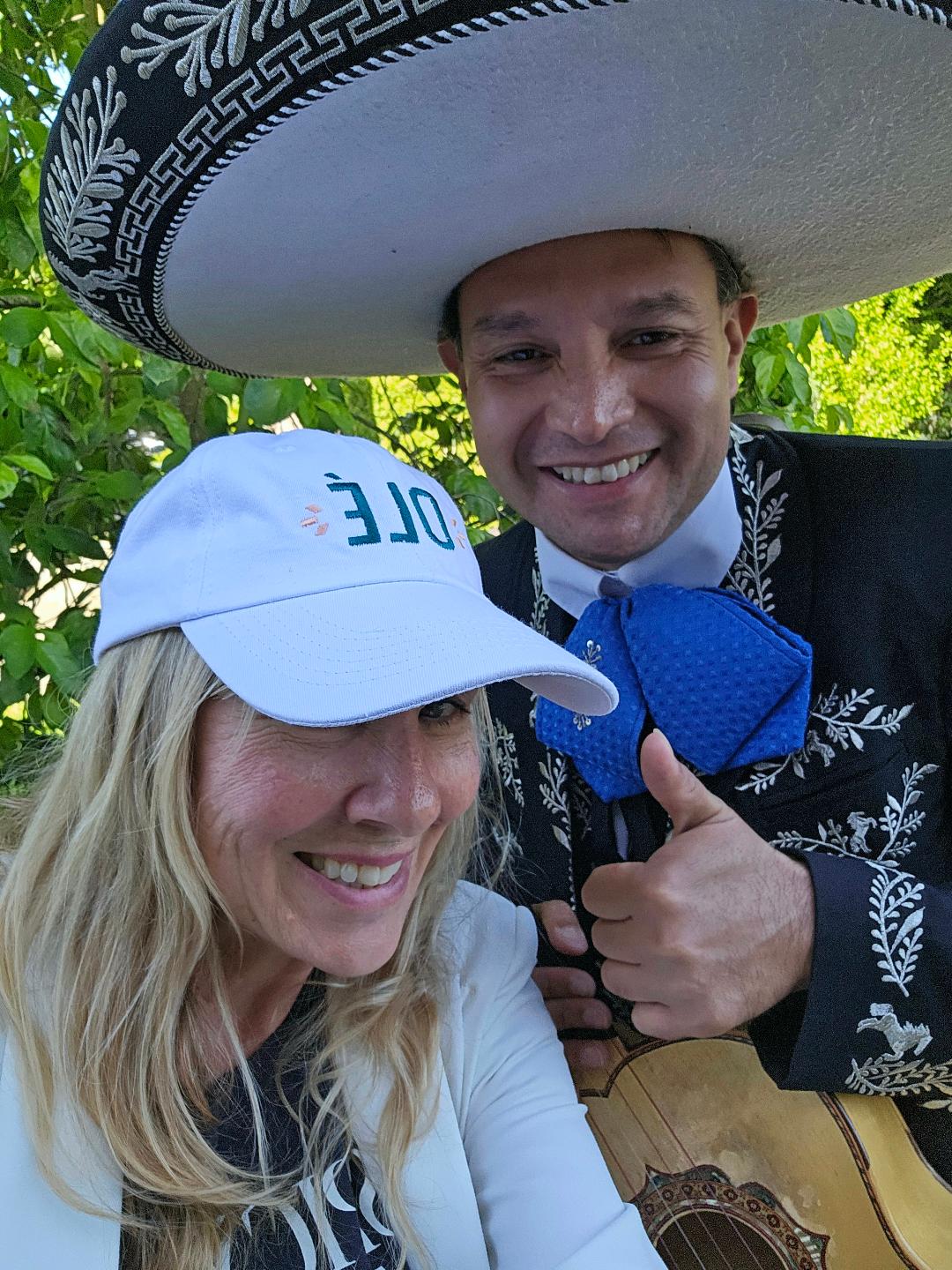
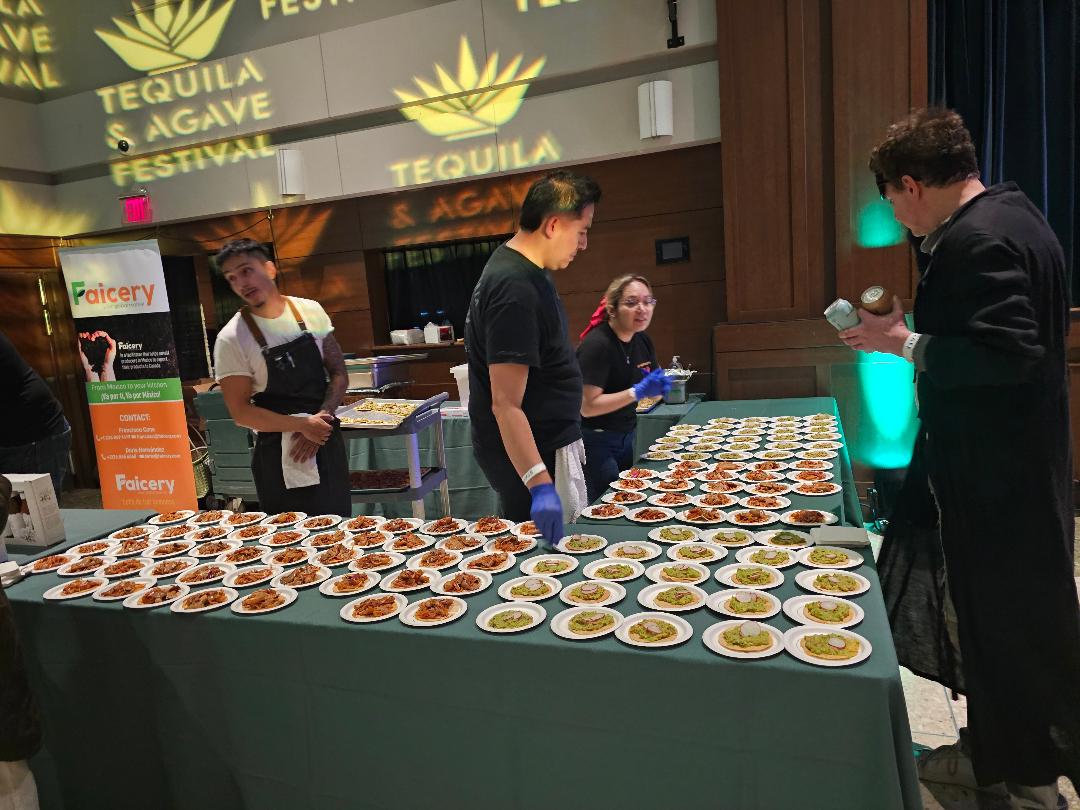
Luckily there were lots of bites being passed around and food stations with yummy tacos, tostados, guacamole and even burgers.  Smart move to fill up on food while sampling. The mariachi band was as authentic as they come.
More than just a party drink – Tequila is steeped in history, tradition, and some surprising facts!

Here are a few:

·  Ancient Origins: Tequila’s predecessor, pulque, was enjoyed as early as 150 B.C. by the inhabitants of Teotihuacan, a civilization that predates the Aztecs.

·  Not a Cactus: Despite its spiky appearance, the agave plant used to make tequila is actually a succulent, closely related to the lily plant.

·  Aged to Perfection: Blue agave, the key ingredient, takes 8 to 12 years to mature before it can be harvested.

·  Geographical Exclusivity: Like Champagne, tequila has an appellation of originin; it can only be produced in five regions in Mexico, with Jalisco being the largest producer.

·  No Worms Here: Contrary to popular belief, real tequila never contains a worm in the bottle; that’s a mezcal tradition.

·  Terroir Matters: The soil where agave is grown influences the taste of tequila. Highland tequilas tend to be sweeter, while Lowland varieties have earthier, mineral-rich flavors.

So if you missed out, here’s the link for next time:
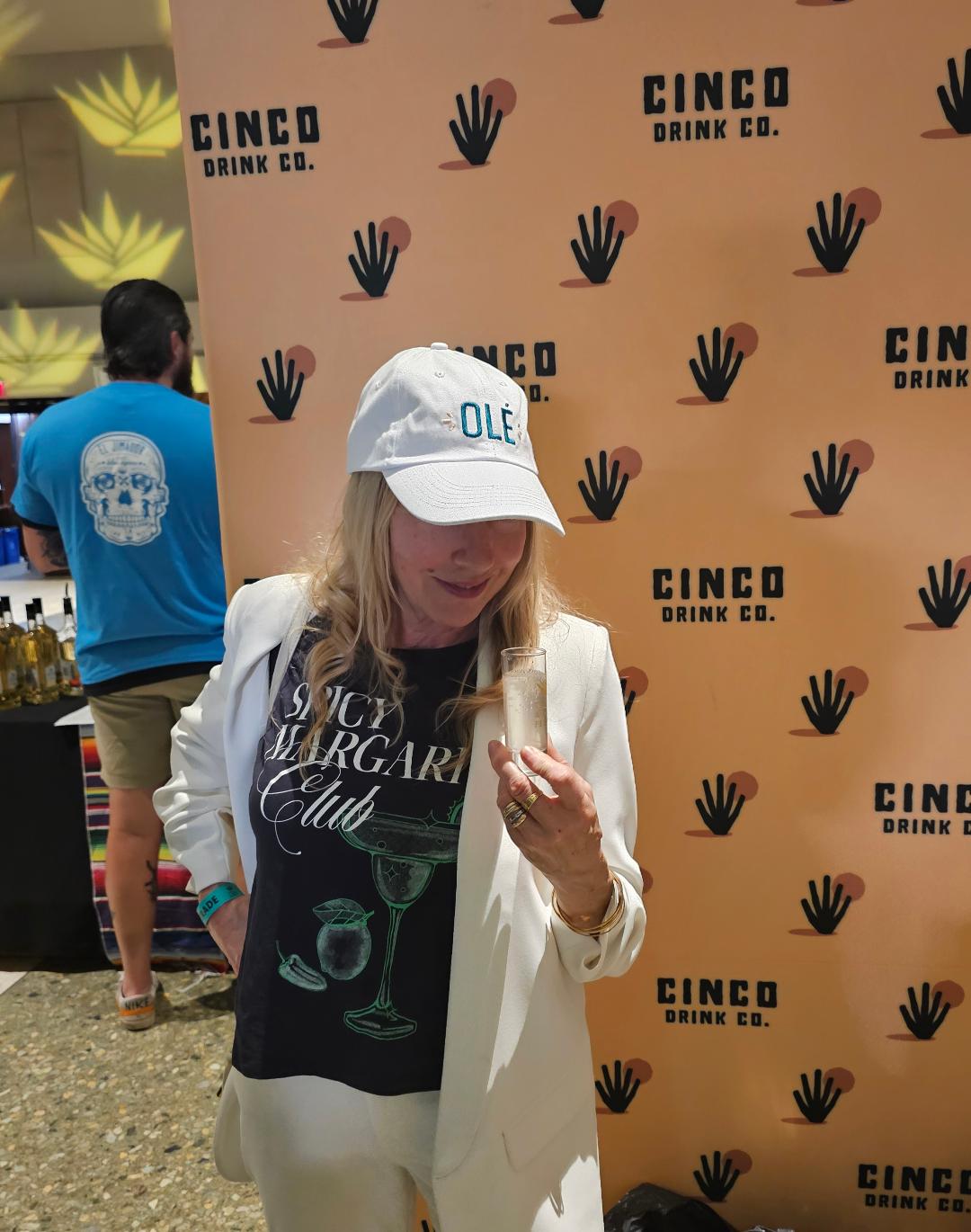
Cinco, but who’s counting!
Photos: d. king   (photos of me taken by someone else but I don’t remember who).

Travel/Culture: – Oaxaca, Mexico

Mexico has always been good to me.

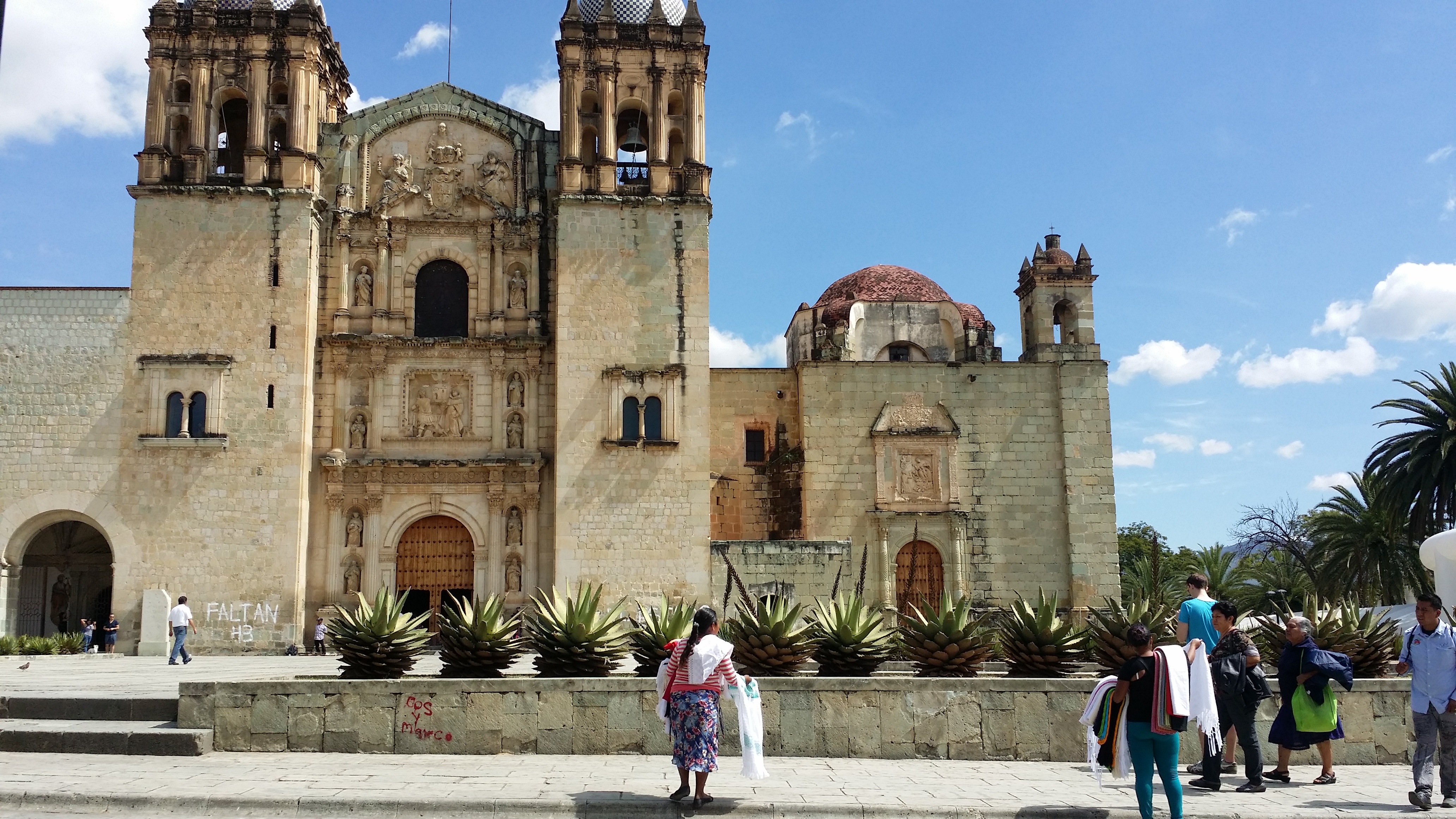
Church and Plaza Santo Domingo

I’ve visited a variety of places from bustling and busy Tijuana to what used to be known as the sleepy fishing village of Barra de Navidad to the resort towns of Cancun & Playa del Carmen. I worked at one of the Club Meds in Mexico years ago. Never had a bad time or gotten sick.

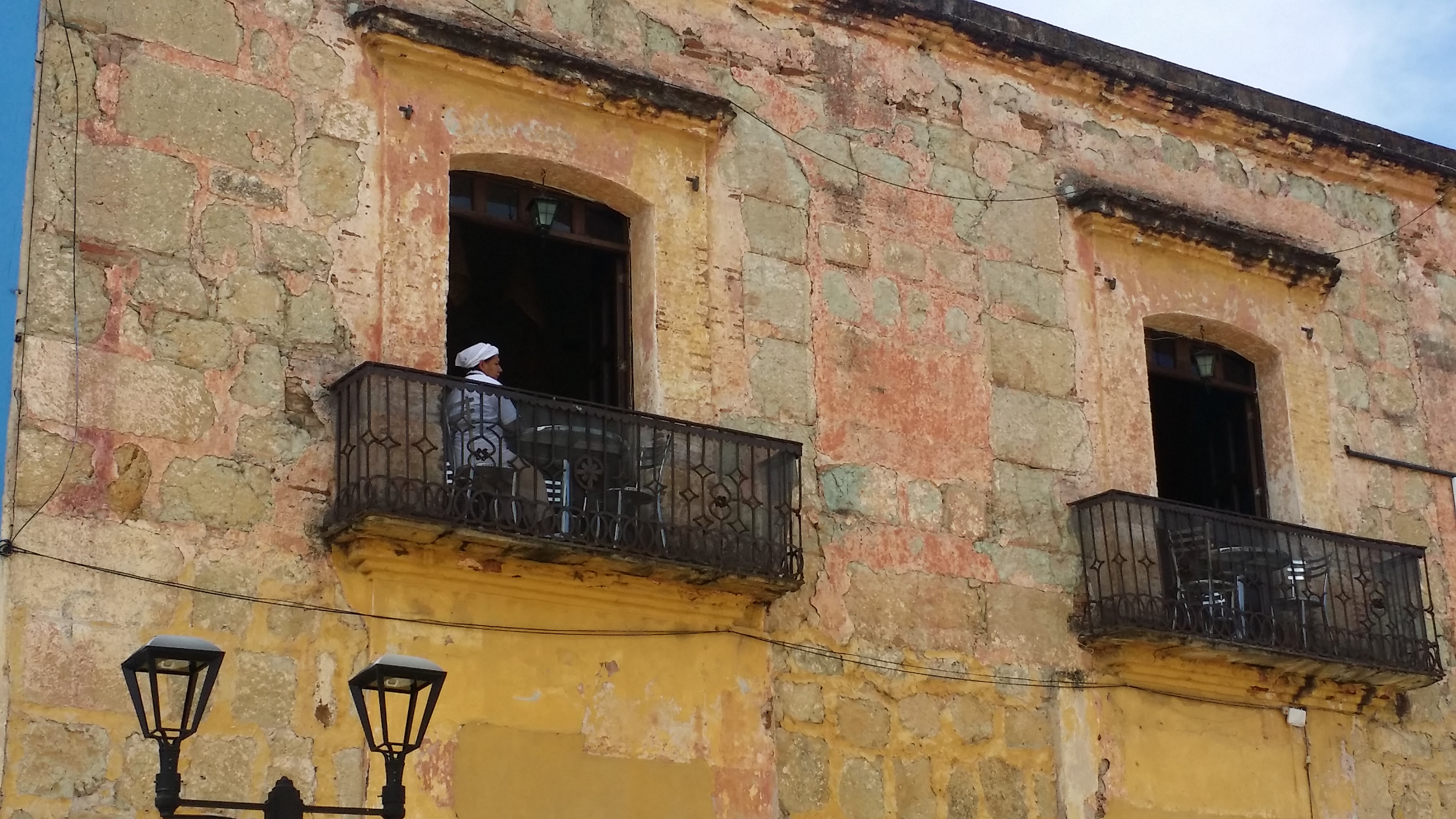
A restaurant in al centro

Last week I returned from spending ten days in what is considered to be “the most diverse” state in all of Mexico.  Ten days in vibrant Oaxaca (pronounced wah-hah-ka) is definitely not enough time, but it is just enough time to know that I want to go back.  It was wonderful.

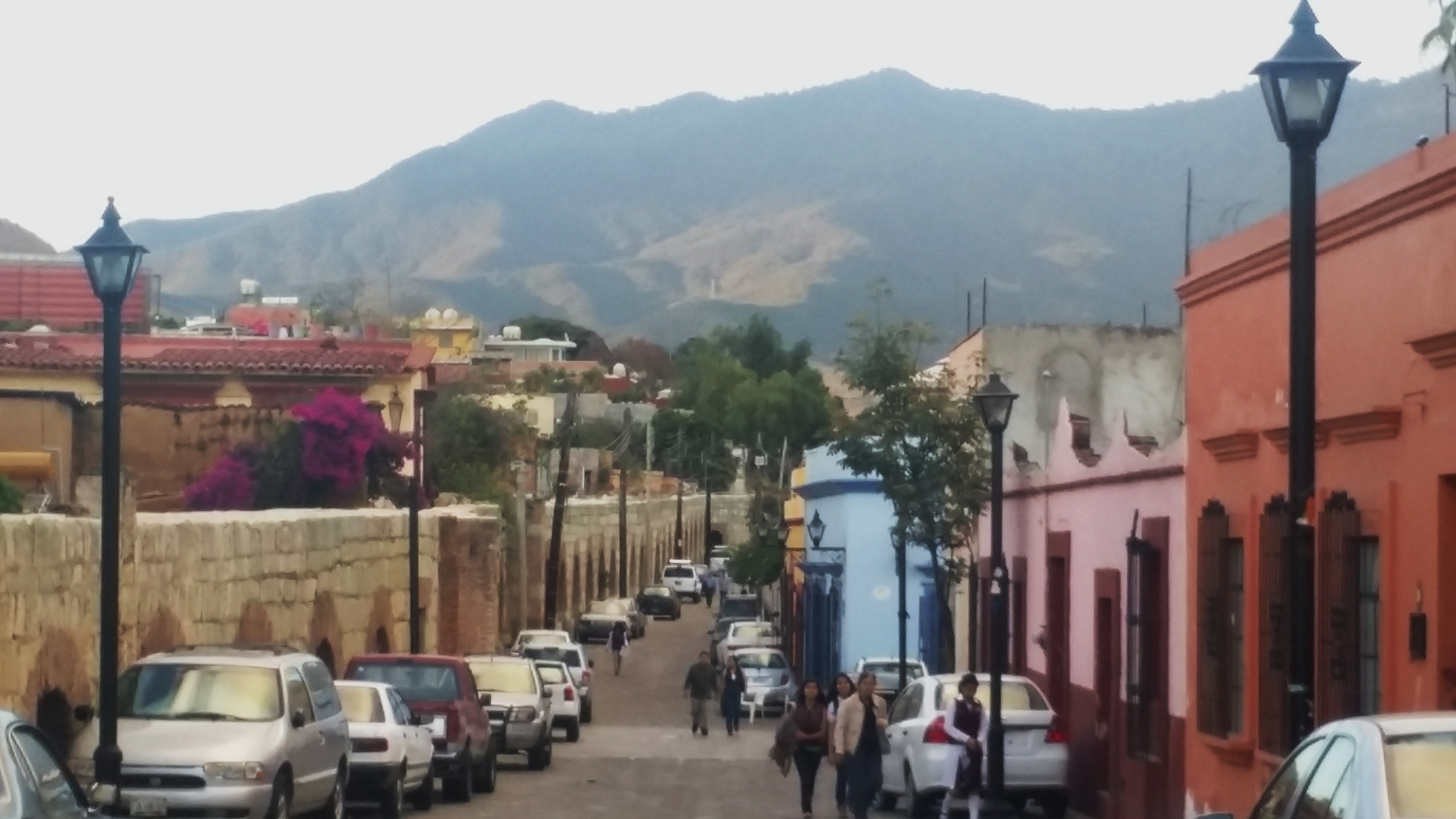
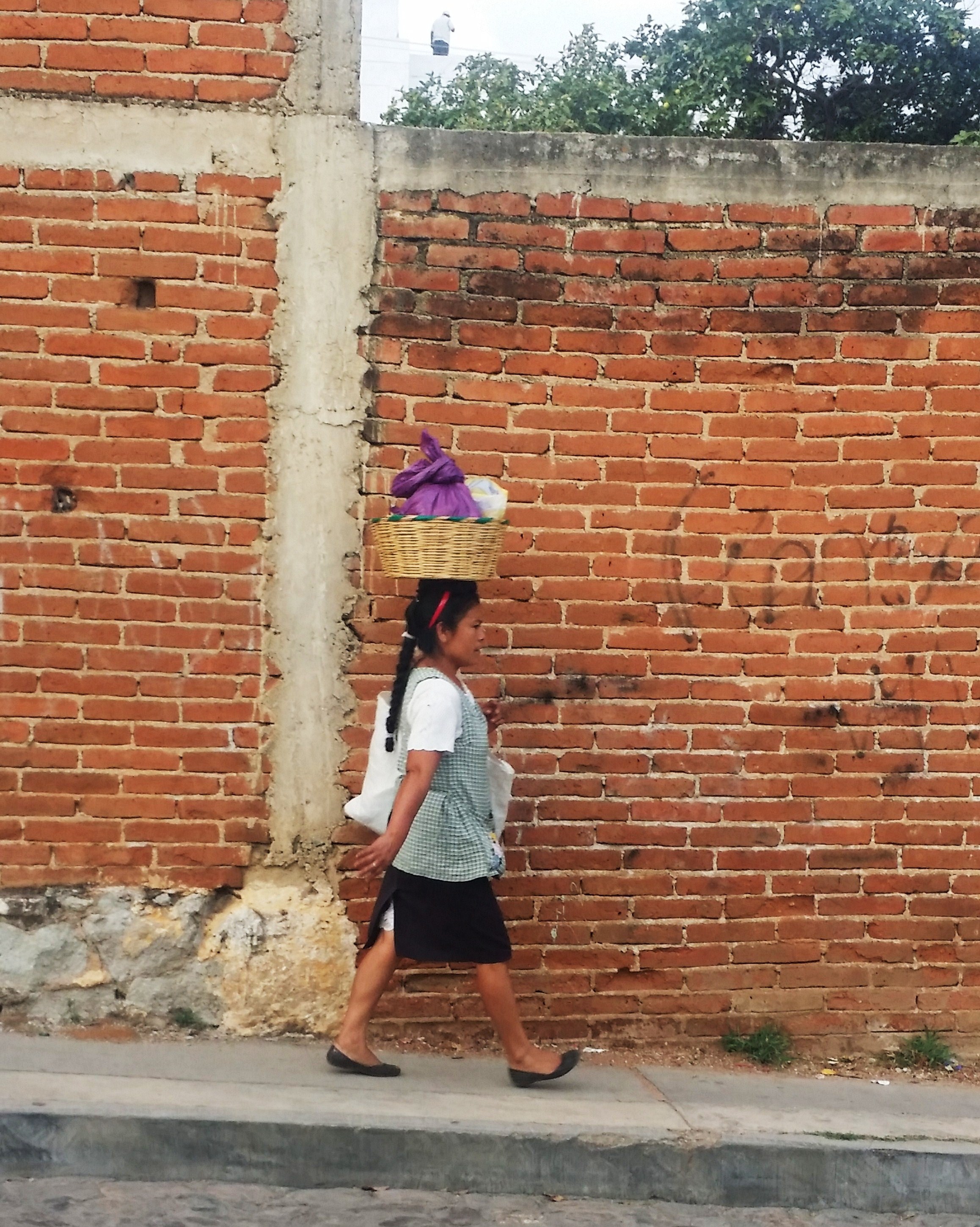
A typical stroll
A typical stroll into town

A friend was house sitting another friends spectacular house high up on a hill with a 180 degree view and invited me to stay.  At the time she told me about it I was considering going to Las Vegas to run a half marathon along the strip at night while listening to rock bands (for something different) but I made the wiser choice.

Many, many of these arches
Many, many of these arches (arquitos)

Before I came to Oaxaca (a UNESCO world heritage site) I thought I knew everything a lot about Mexico.  I was expecting to hear mariachis everywhere and get a plate of chips & salsa delivered to our table as soon as we sat down at any restaurant.  Not so…although you can.  Instead we listened to a combination of Cuban, Jazz, Salsa, Argentine Tango, Classical and a 12-piece brass orchestra visiting from Belgium which took place in the dazzling Macedonio Alcala theatre – all gratis.  Every night there is something different to take in and lots of puppetry, fireworks and dancing.

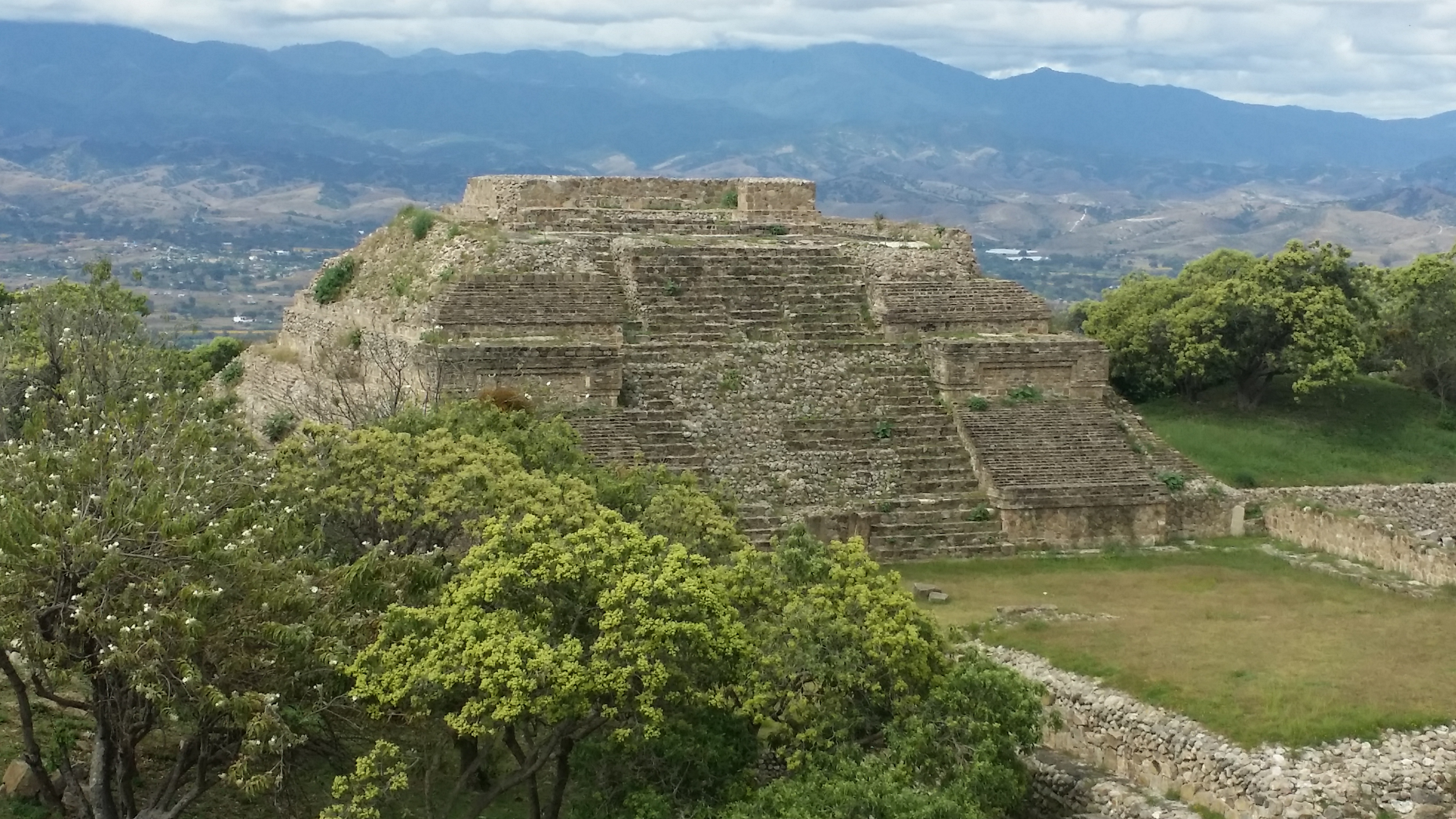
Monte Albán, built by the Zapotecs, is one of the country's most important ruins.
Monte Albán, built by the Zapotecs, is one of the country’s most important ruins.

So much activity goes on in the town centre amidst local artisans selling their wares, craft shops and street markets.  All the cuisine we had was unbelievably top-notch.  I heard this to be true but had to find out for myself.  The only thing I did not sample were the worms and grasshoppers that are considered delicacies there (I’ll leave that for the locals and was not so brave even to try the crunchy ones).  I might need a whole bottle of Mexcal before doing so.

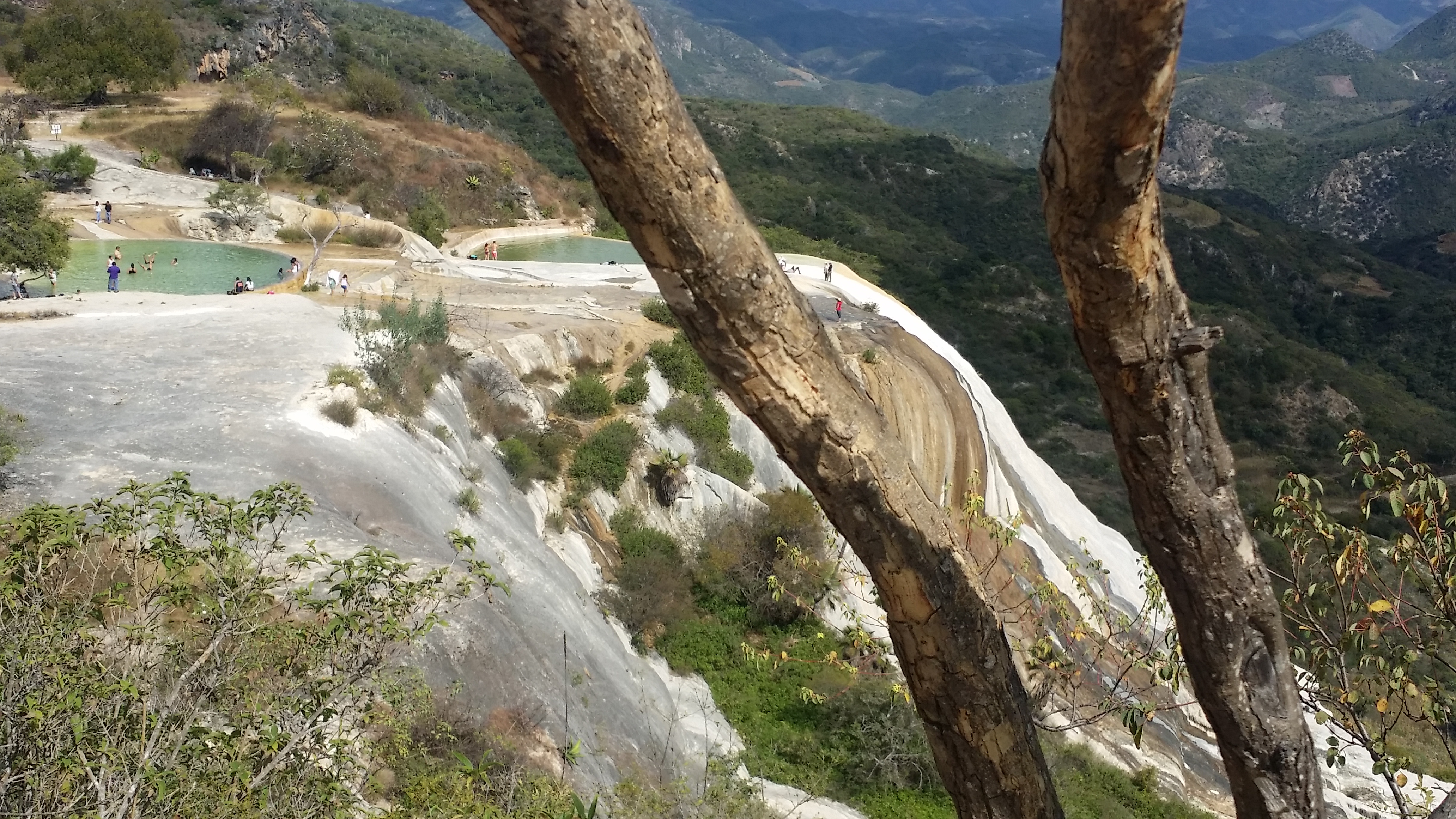
The inspiring rock formations of a petrified waterfall at Hierve el Aqua.

Here is what else I found besides an amazingly wide variety of food – stunning architecture, rich cultural traditions, important ruins, a great little *Spanish language school where you can sit outside in a garden setting for your lessons, a soft temperate climate (which allows you to sit outside) and Oaxaca’s specialty spirit, mezcal,

I'm not sure I can do this
I’m not sure I can do this

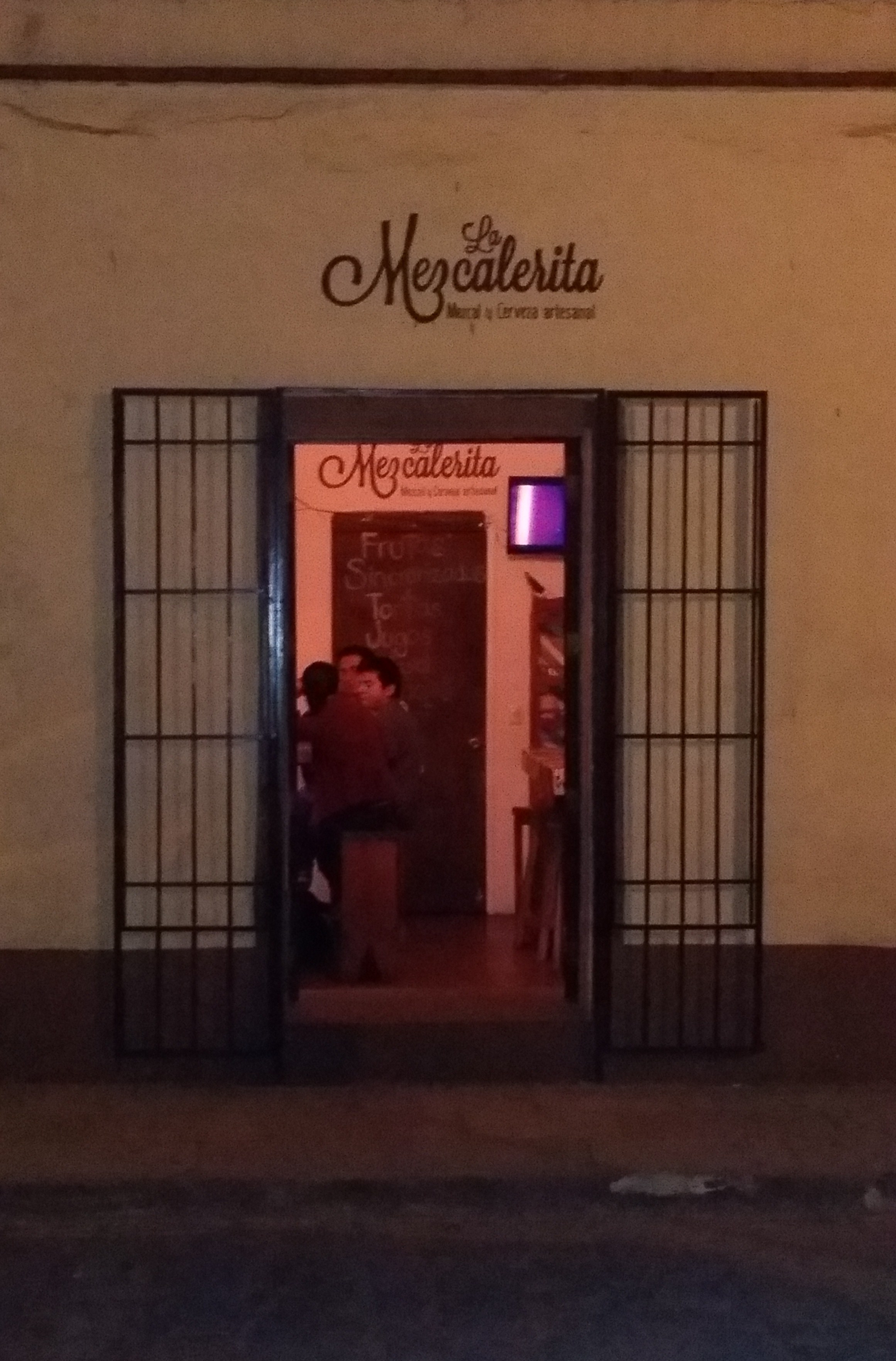
There are many little tasting spots called "mezcalarita's" around town
Many little tasting spots  (mezcalerilas) around town

which is made from dozens of types of agave (unlike tequila, which is made exclusively from blue agave).  Another thing is that you don’t want to have too much of that.  Don’t ask me how I know that…somebody told me. I think it can make you hallucinate.

So I don’t know everything about Mexico but I’m willing to learn.  This is a place I’d like to further explore with a side trip to Huatulco. Not to mention brush up on my Español .  Hasta la próxima vez!


Have you been?


Photos: d. king (double click to enlarge)

*SchoolOaxaca Spanish Magic

Link to my Oaxaca board for more photos on PINTEREST (which I will keep adding to):

http://www.pinterest.com/intrigueimports/oaxaca-mexico/