

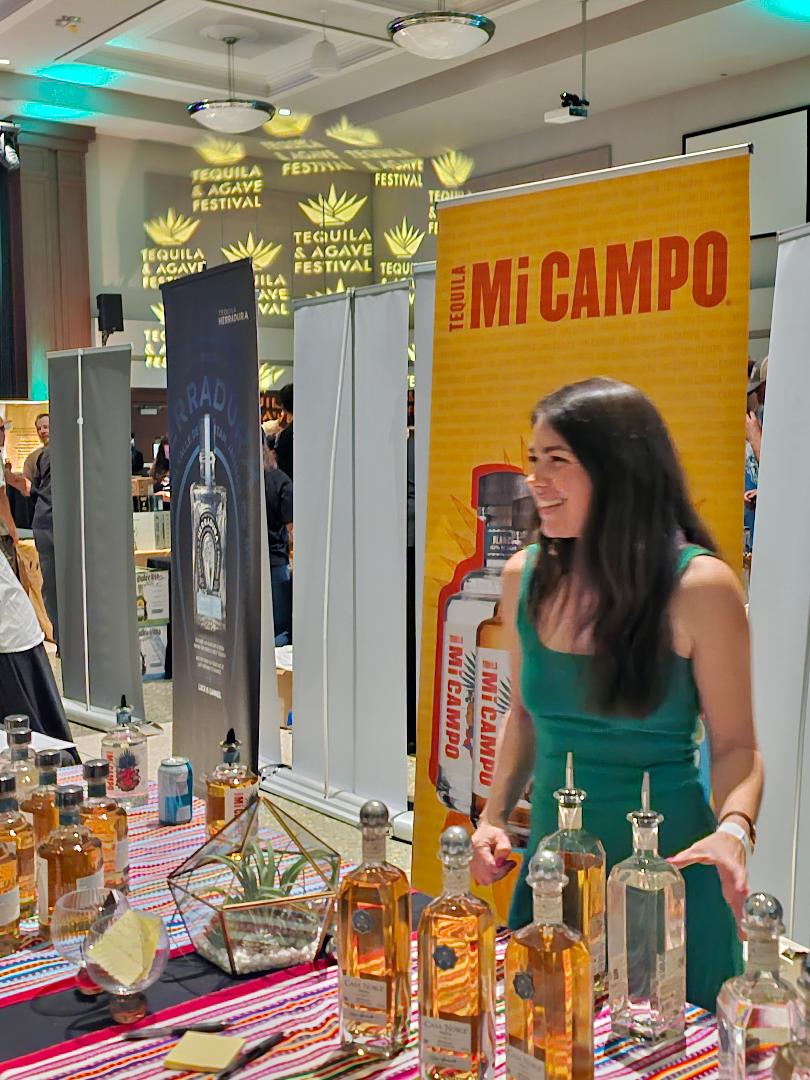
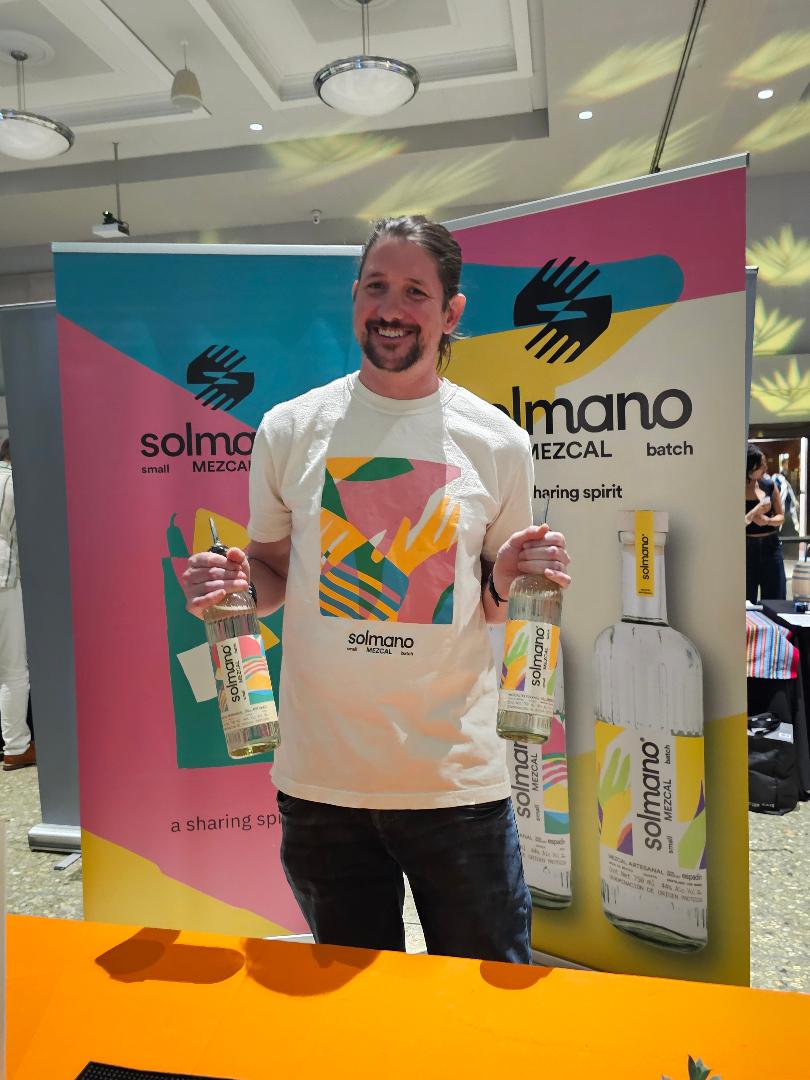
When it comes to hard liquor I’m not a huge fan. I enjoy a good vodka martini and I certainly enjoy a good margarita. When it comes to sipping tequila on its own, it better be smooth preferably with a squeeze of fresh lime. Last Saturday I got to sample my fair share of top-notch sipping tequilas (with a few mexcals thrown in for fun) at the second Tequila & Agave Festival which took place at the Italian Cultural Center in Vancouver. I took my friend Rosario whom I met 35 years ago when she first moved to Vancouver, and couldn’t speak a word of English. Now she talks nonstop and has her own business. We had a blast.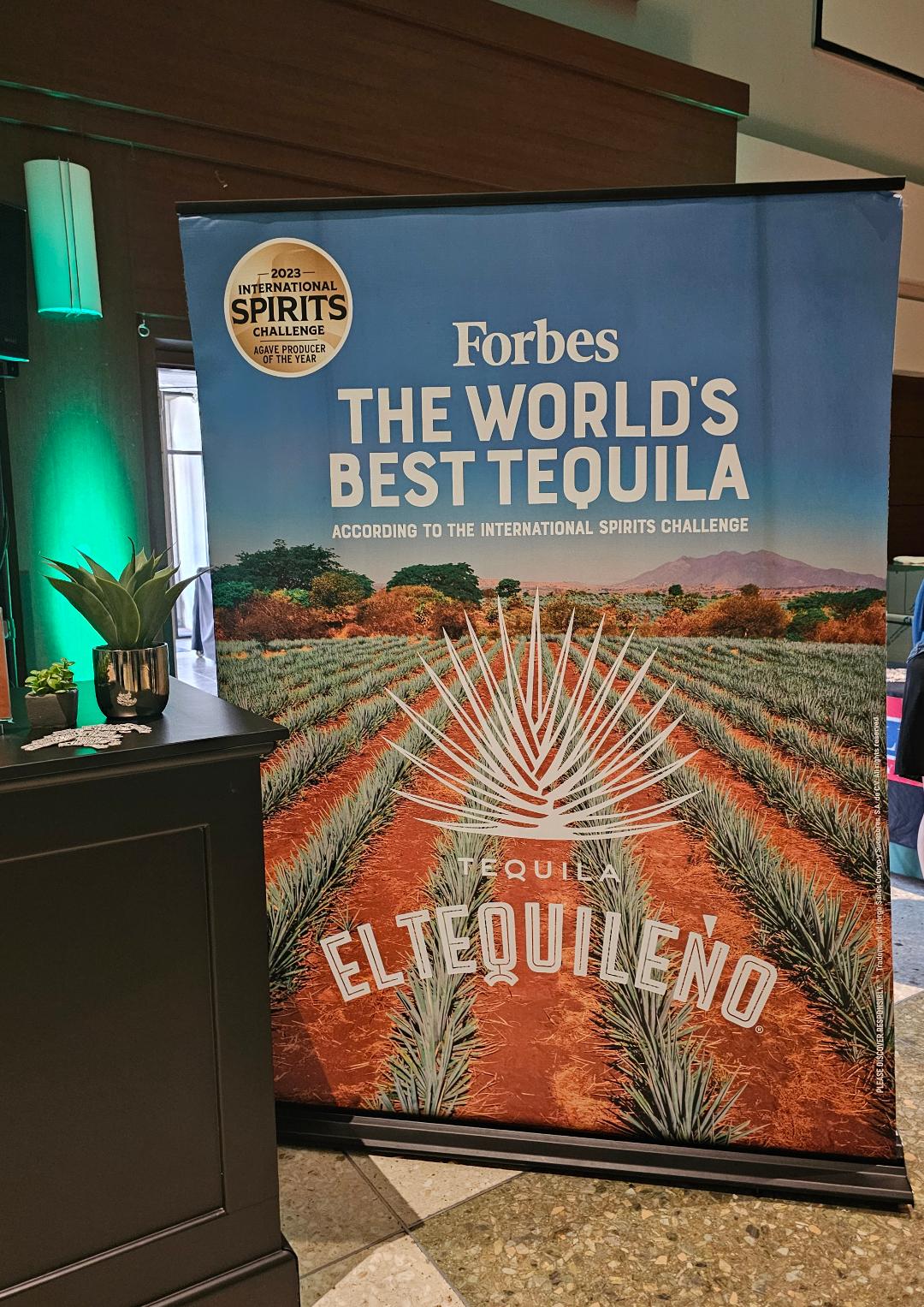
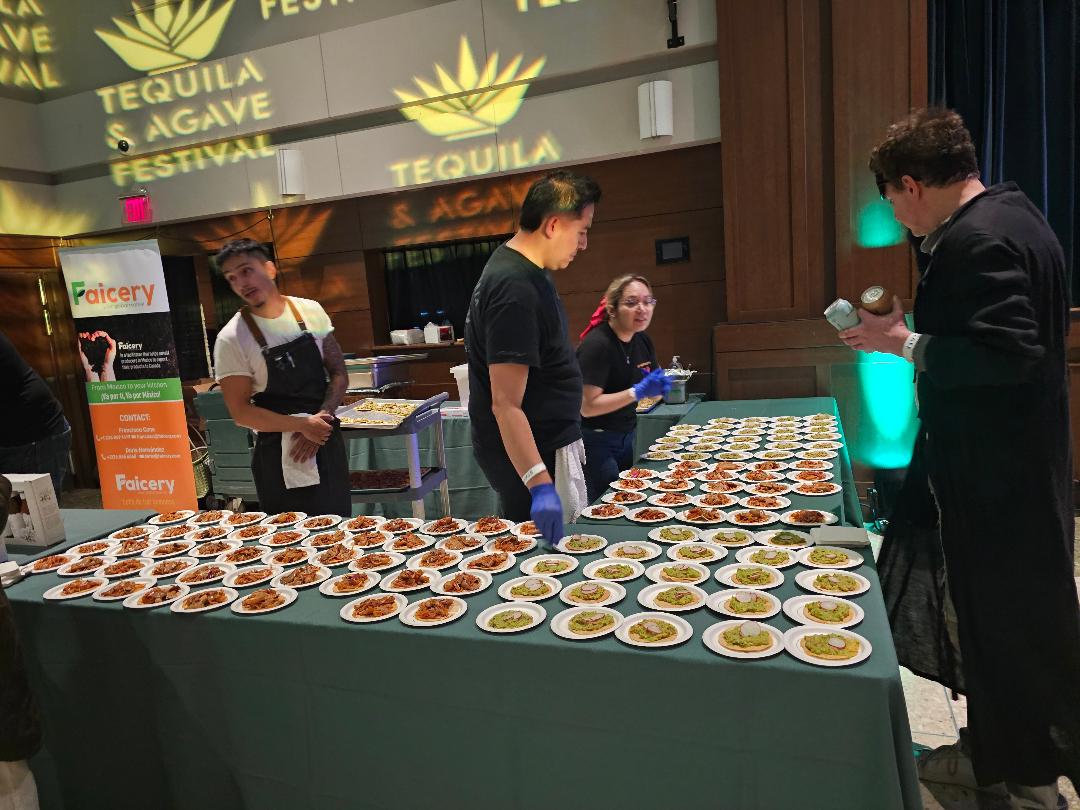
Luckily there were lots of bites being passed around and food stations with yummy tacos, tostados, guacamole and even burgers. Smart move to fill up on food while sampling. The mariachi band was as authentic as they come.
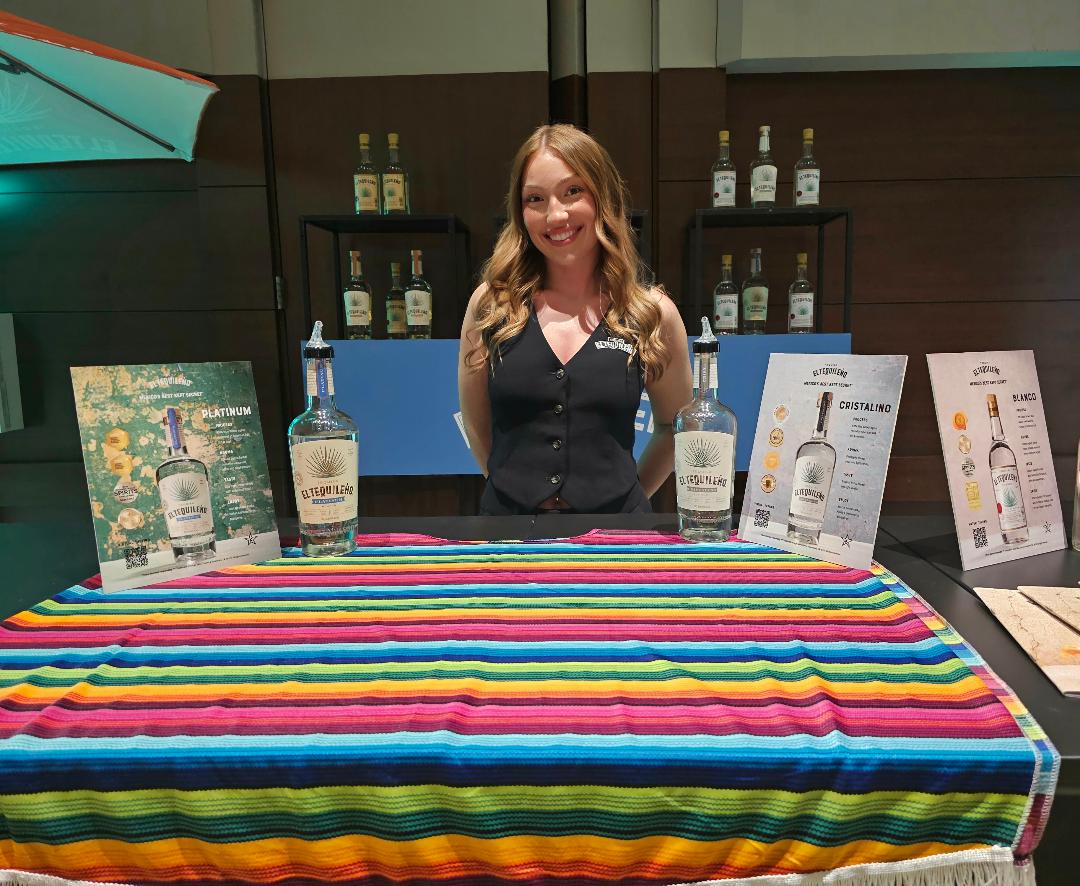
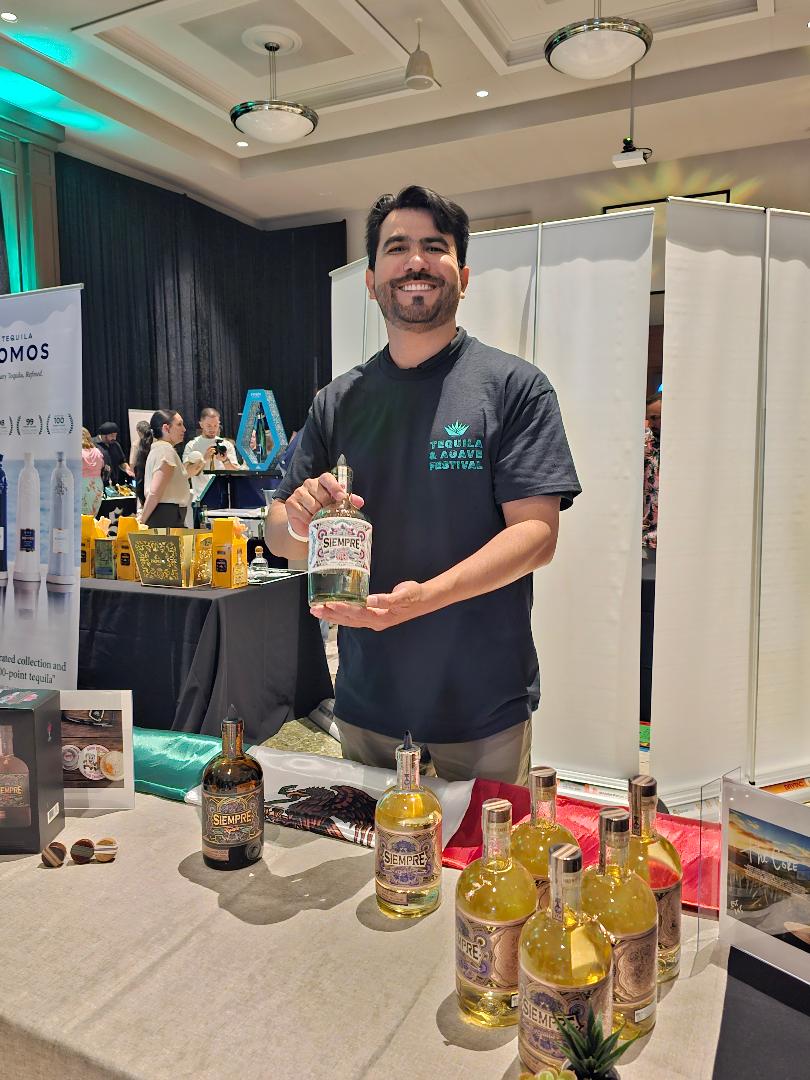
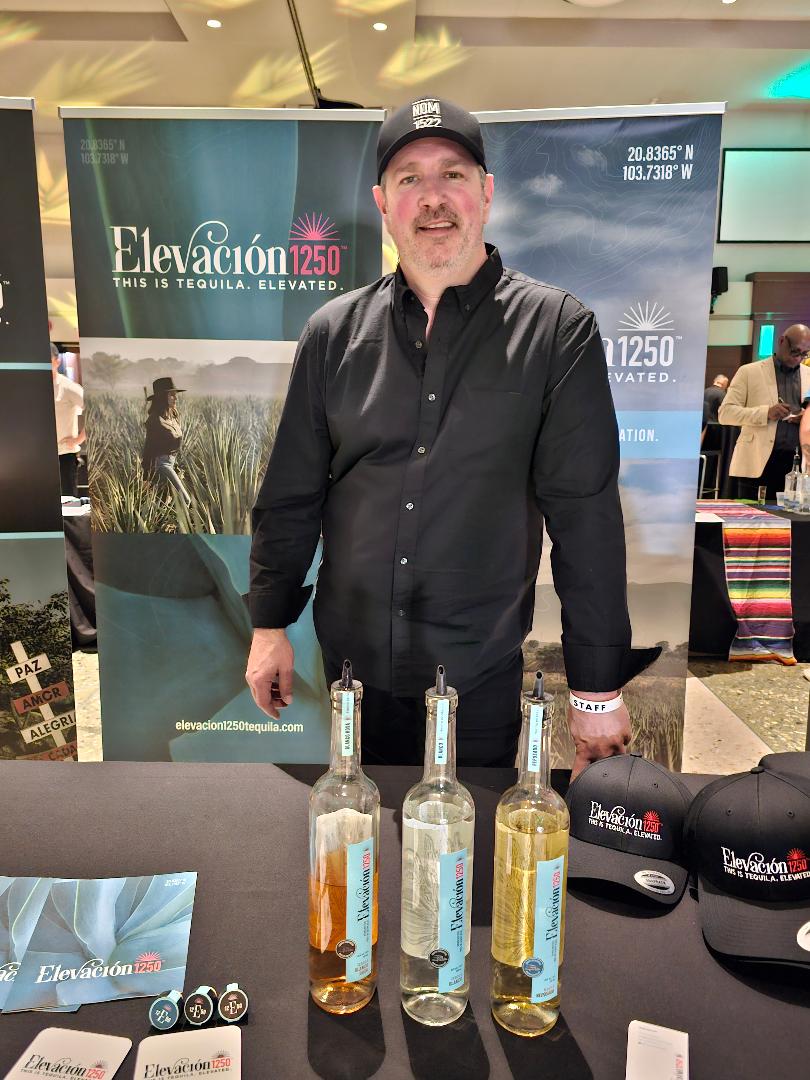

More than just a party drink – Tequila is steeped in history, tradition, and some surprising facts!
Here are a few:
· Ancient Origins: Tequila’s predecessor, pulque, was enjoyed as early as 150 B.C. by the inhabitants of Teotihuacan, a civilization that predates the Aztecs.
· Not a Cactus: Despite its spiky appearance, the agave plant used to make tequila is actually a succulent, closely related to the lily plant.
· Aged to Perfection: Blue agave, the key ingredient, takes 8 to 12 years to mature before it can be harvested.
· Geographical Exclusivity: Like Champagne, tequila has an appellation of originin; it can only be produced in five regions in Mexico, with Jalisco being the largest producer.
· No Worms Here: Contrary to popular belief, real tequila never contains a worm in the bottle; that’s a mezcal tradition.
· Terroir Matters: The soil where agave is grown influences the taste of tequila. Highland tequilas tend to be sweeter, while Lowland varieties have earthier, mineral-rich flavors.
So if you missed out, here’s the link for next time: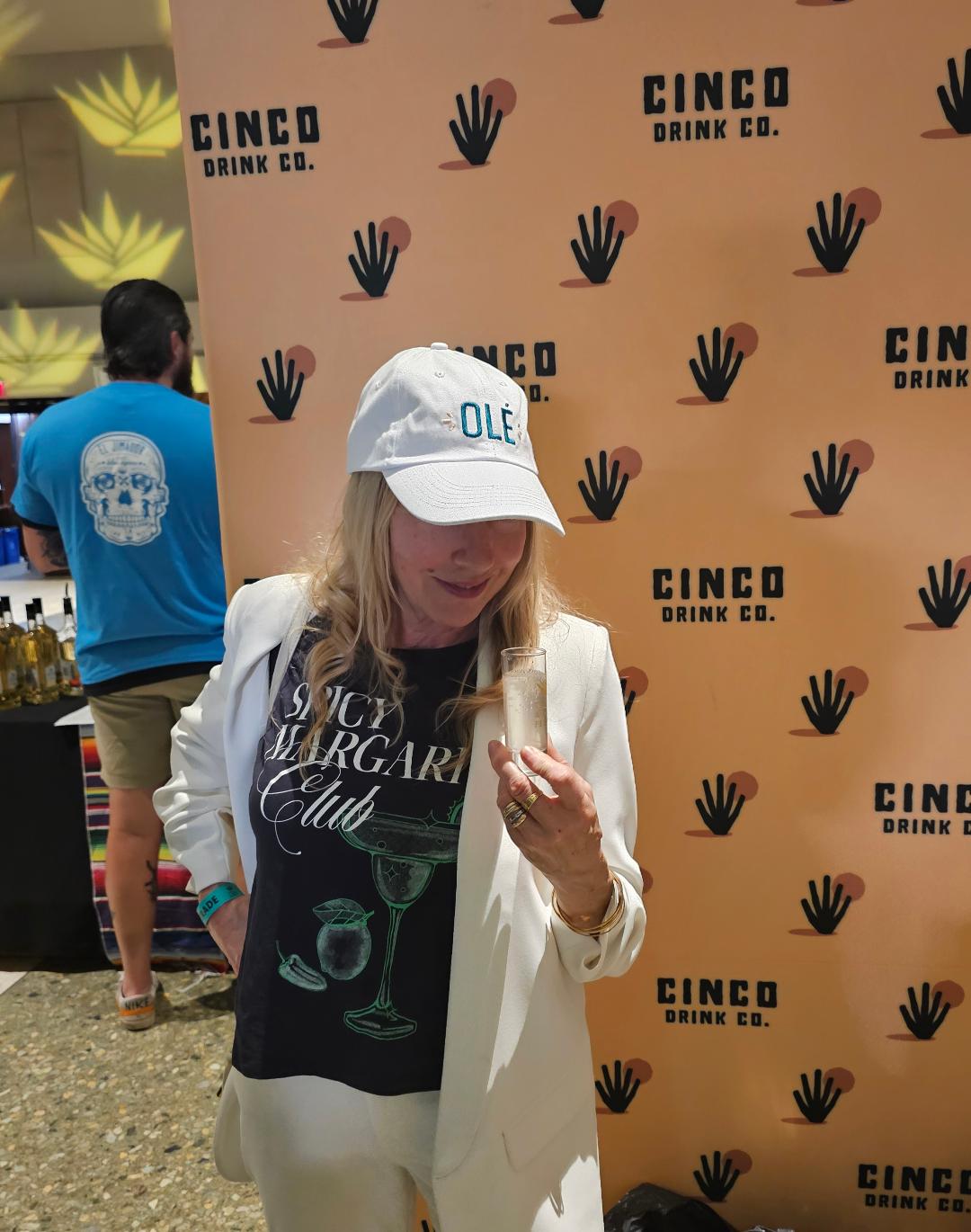
 Girl Who Would be KING on Life, Style and INSPIRATION.
You must be logged in to post a comment.