
It pays to be informed. Discovering what’s really in your glass will make you more aware of what goes from vineyard to bottle.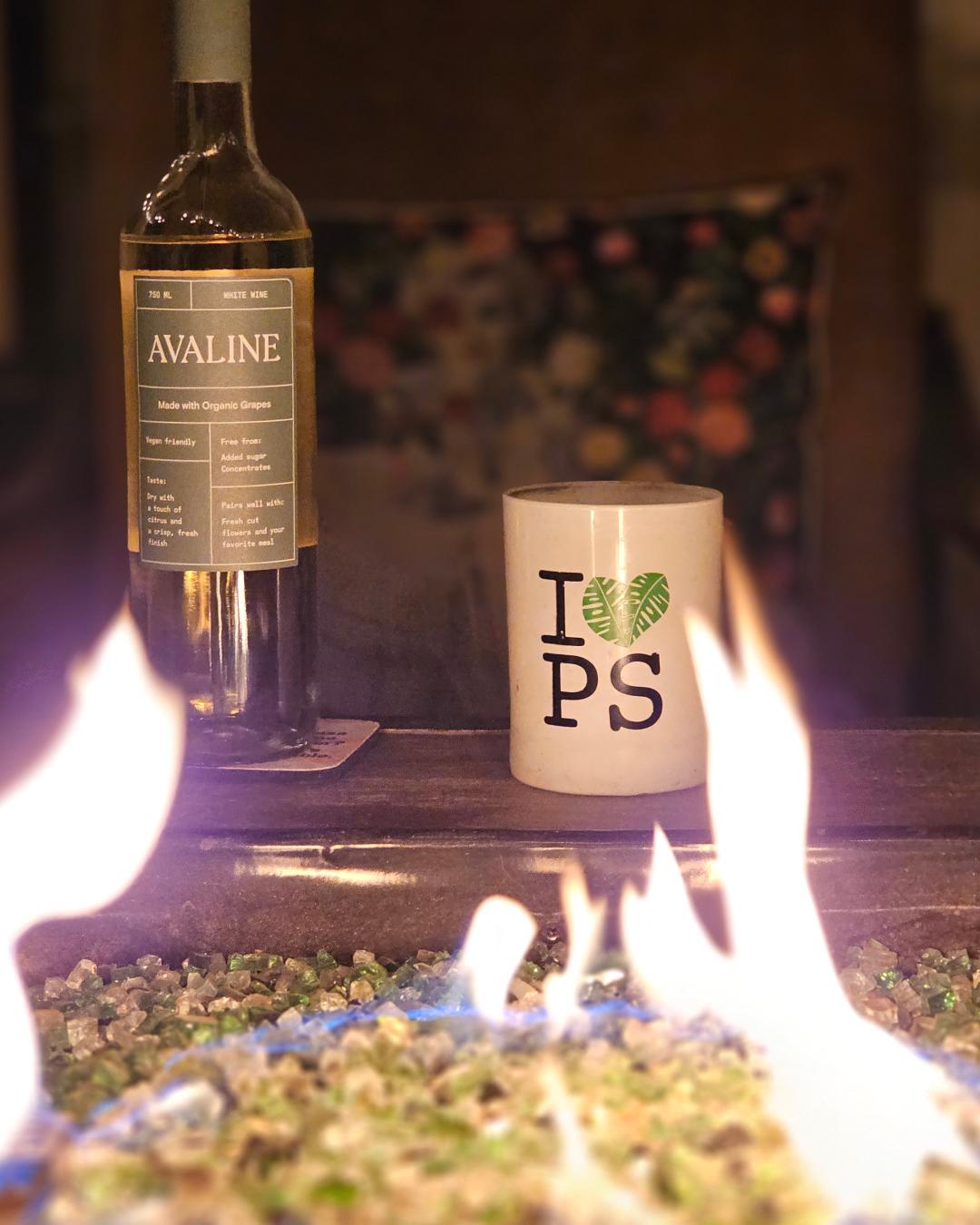
Since I’m in California for 5 months a year, I’ve sampled a lot of wine from here. Over time I’ve discovered that there’s something like 70 additives (such as sugar, concentrates, color, tannins, etc.) that can be legally added to wine because U.S. regulations allow over 60 approved additives in winemaking, and vineyards frequently use herbicides like glyphosate to control weeds. These practices aim to stabilize, preserve, and standardize wine, but they also introduce residues and additives that natural or “clean” wine brands avoid.
Wellness is very important now, and consumers care what they put in their bodies. There should be more transparency. People are starting to drink less, but they can also drink better.
The U.S. Alcohol and Tobacco Tax and Trade Bureau (TTB) authorizes more than 60 substances for winemaking. These include stabilizers, preservatives, clarifying agents, and flavor enhancers such as sulfur dioxide, albumen (egg whites), and other compounds. Many consumers are unaware of these chemicals because wine labels don’t list additives. Advocates of “clean wine” argue that these substances compromise health and authenticity.
Glyphosate, the active ingredient in Roundup, is widely used in California vineyards to control weeds. Studies have found glyphosate residues even in organic-labeled wines, due to drift from nearby conventional farms.
Large-scale, commercial wineries almost always use labs. Small-scale natural winemakers often skip lab testing.They rely on traditional methods, sensory evaluation (taste, smell, sight), and minimal intervention. Large-scale producers often rely on additives to ensure consistency across batches. This includes chemicals for color correction, tannin adjustment, and preventing spoilage. Smaller “natural” winemakers typically avoid these interventions.
Even when vineyards try to minimize chemical use, surrounding agricultural activity can lead to contamination. Glyphosate and arsenic residues have been detected in multiple California wine brands.
So there you go. Better to be informed than clueless.
If you’re looking for wines with the least chemicals, focus on organic and biodynamic producers in Europe (France, Italy, Spain) & South America (Chile, Argentina), plus New Zealand.
These regions combine tradition, regulation, and climate advantages to produce wines with fewer additives and cleaner profiles.
In Canada, we’re lucky to have Summerhill/Pyramid winery in Kelowna (Okanagan), British Columbia. Probably the “cleanest” wine you can drink (link below).
After doing my research, I recently bought a bottle of Avaline white wine. Although it’s bottled in California, I was impressed to find out that the founders traveled to France and Spain to meet with the wine producers who were using organically certified grapes, no additives and were vegan friendly.
Avaline was created to make organic, delicious wine more accessible and transparent to consumers. Bonus is it tastes good and the price point is very reasonable. None of their still wines contain sugar, plus they list all the *ingredients. I’ll be purchasing more. It might even become my go-to while here. At present, their wine is not available in Canada.
Fun Fact: the brand is owned by actress and author Cameron Diaz, and entrepreneur, Katherine Power when they discovered they had something in common – a love of good wine. At the same time, they also learned they had a common frustration – the lack of transparency on wine labels. Forbes article below:
*Avaline Ingredients: https://drinkavaline.com/pages/ingredients
Canadian award-winning winery:
Aren’t you curious to know what’s in your wine?
 Girl Who Would be KING on Life, Style and INSPIRATION.
You must be logged in to post a comment.