

From OLIVE to COCONUT to FLAX, it’s no secret that oils are having a major culinary moment.
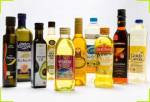
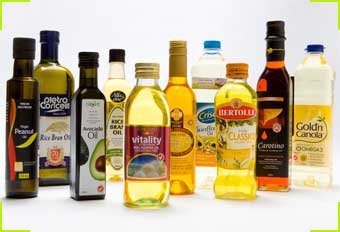
Good thing, too, since most of them are rich in unsaturated fats that’ll help keep your heart in tip-top shape. But what’s the smartest way to fit all of these different lipids into your kitchen repertoire? And which oils hold up to each kind of cooking? Confusing, no? I just added three more to my vast collection – avocado, rice bran & black truffle. The first two are for cooking over high heat & the third is for finishing purposes only.
READ ON to learn the best (and worst) oils for eight everyday cooking methods.
 Stir-frying
You can’t go wrong with safflower or canola oil. But if you’re looking to add an Asian-inspired flavor, try toasted sesame oil. All stand up to stir-frying’s hot temperatures because of their high smoke point, the temperature at which an oil starts to burn and emit (you guessed it!) smoke. When oil smokes, it’s actually oxidizing and turning rancid, and oxidized oils are carcinogens. You can try Rice Bran too with a smoke point of 430F. If you opt for canola, make sure it’s organic and certified non-GMO: In the US, nearly 90% of canola is genetically engineered.
What not to use: Olive oil. With a smoke point that tops out at around 325 degrees, it can’t stand up to the high temps required for stir-frying.
Sautéing
Rich in heart-healthy fats, olive oil of any kind works well for this medium-heat, stove top cooking method. Refined or light olive oil is paler in color and more neutral in flavor than its extra virgin cousin, making it a good choice for all-purpose sautéing. Go for the greener, grassier (and often more expensive) extra virgin stuff in dishes where you want a more pronounced olive oil flavour, like marinara sauce.
What not to use: Steer clear of oils that break down in the presence of heat, like flaxseed or wheat germ.
Dips, sauces, and dressings
When making uncooked items like hummus, pesto, or vinaigrette, reach for rich, flavorful extra virgin olive oil. Looking for something a little different? Try avocado oil. Though you can cook with it at high temperatures, its buttery essence really shines when used raw. I can’t wait to try it. Grape Seed Oil works well for salad dressings.
What not to use: Canola or safflower oil. Though perfectly safe, the neutral flavor will leave your food tasting lackluster.
Baking
Refined coconut, organic canola, grapeseed or safflower all fare well in medium temperatures typically used for baking. Among those, the one you pick depends on the taste you’re looking for: Coconut oil’s distinct, nutty flavor will stand out in baked goods, while canola or safflower will fade into the background. I use organic virgin coconut oil for making granola in a low-heat oven.
What not to use: Flaxseed or wheat germ oils. Though you might think they’ll give muffins and quick breads an extra boost of omega-3s, “these oils are fragile and break down in the presence of heat.
Roasting
Your oil here depends on the temperature at which you’ll be cooking. If you’re roasting higher than 325 degrees, pick a heat-stable oil, like organic canola. Cooking low and slow? Regular olive oil is a good choice.
What not to use: Just like you’d skip flaxseed or wheat germ oil for baking, avoid them for roasting, too.
Grilling
Consider organic canola or safflower oil your kings of the grill. Able to withstand temperatures reaching close to 500 degrees, these sturdy fats are the least likely to oxidize in the presence of flames or hot coals.
What not to use: Olive oil. Even though tons of recipes call for brushing proteins and veggies with the stuff before slapping them on the grill, the heart-healthy fat can’t take the heat.
Frying
A high oil temperature is key to turning out fried fare that’s crisp–not soggy–which means the food has absorbed too much fat. With smoke points of up to 450 degrees, peanut, safflower, certain types of avocado (check label) and soybean oils get the job done. If you choose soybean oil, though, be sure to pick an organic variety to avoid GMOs. I tend to taper the oil to the dish. For instance, for Indian or Thai I prefer using peanut & for Mexican, Avocado.
What not to use: Olive oil. Tempted though you might be to make your fried foods feel slightly more virtuous, its smoke point is too low for this type of cooking.
Flavoring or Finishing
For extra nutrition and depth of flavor, try nutty flaxseed or wheat germ oil in smoothies or drizzled over cooked dishes (like whole grains or roasted vegetables) right before serving. Toasted sesame oil, too, can make a finished dish even more delicious. I love drizzling white or black (a bit stronger) truffle oil over regular pasta, eggs or rice dishes.
What not to use: Canola, safflower, or regular olive oil. They won’t do anything except make your food taste oily!
Other specialty (not so common) oils – we see them, we buy them & then we’re not exactly sure how to best use them.
Walnut oil is at its most valuable in cold dishes such as salad dressings, where it lends its flavour to best advantage.
Hazelnut oil is not for the meek. Not only is it pricier than olive or vegetable oil, it is also more delicate and flavourful. It brings great taste and health advantages despite this. Some may have difficulty deciding what to do with their hazelnut oil. Drizzle Hazelnut Oil on desserts, particularly ice cream and rich chocolate cakes.
Now get cooking, baking….
Credit: Marygrace Taylor, Prevention & yours truly

 Girl Who Would be KING on Life, Style and INSPIRATION.