
I finally got to see HAMLET last night with my friend Rosa at Vancouver’s “Bard on the Beach.”
This one tops the list as being Shakespeare’s most performed, and greatest play of all. Its soliloquies are also the most famous compared to the other tragedies.
So happy that I read the synopsis before the play started, if only to refresh myself with the story outline. I was surprised to find out that the infamous line “to be or not…..blah, blah you know the rest was mentioned in the opening few minutes. Rosa, on the other hand; had a teacher in high school in Mexico, very well versed with Shakespeare and taught her students in-depth details about the plays. So much so, that Rosa remembered almost everything about the play. She should really be the one writing this review. However, this is not so much a review, as an overview of the evening.
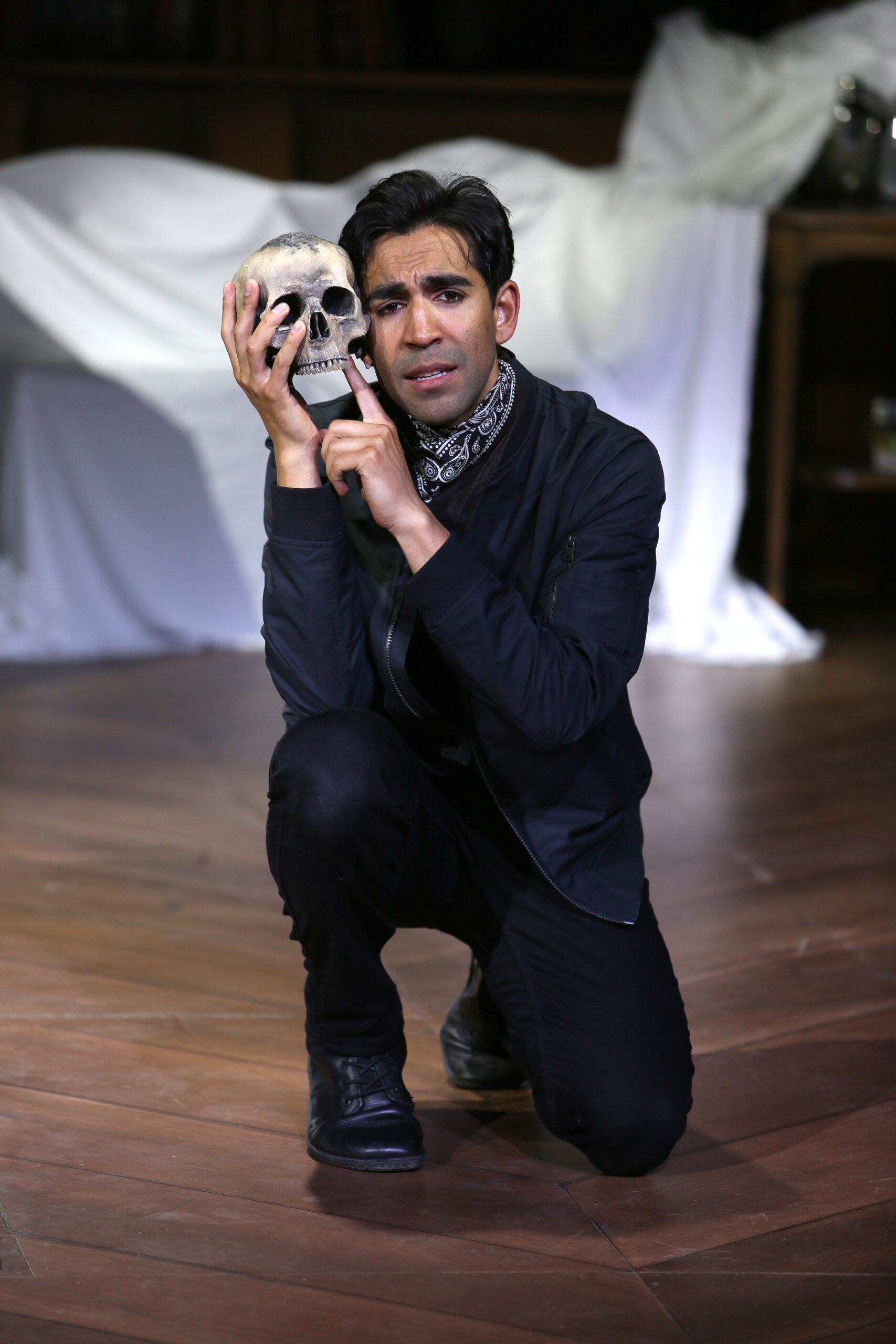
No play by Shakespeare has more meaningfully captivated us than Hamlet. A young prince returns home to mourn the death of his father only to uncover a dark secret he can’t ignore. His struggle to move forward with purpose awakens deep questions about life, existence, and if it’s better “To be or not to be.” As he attempts to make sense of a world that has shifted beneath him, we are invited to see ourselves in Hamlet and to consider the blurry lines around loyalty, self, and all the things that are in heaven and earth. – (this paragraph taken from the website).
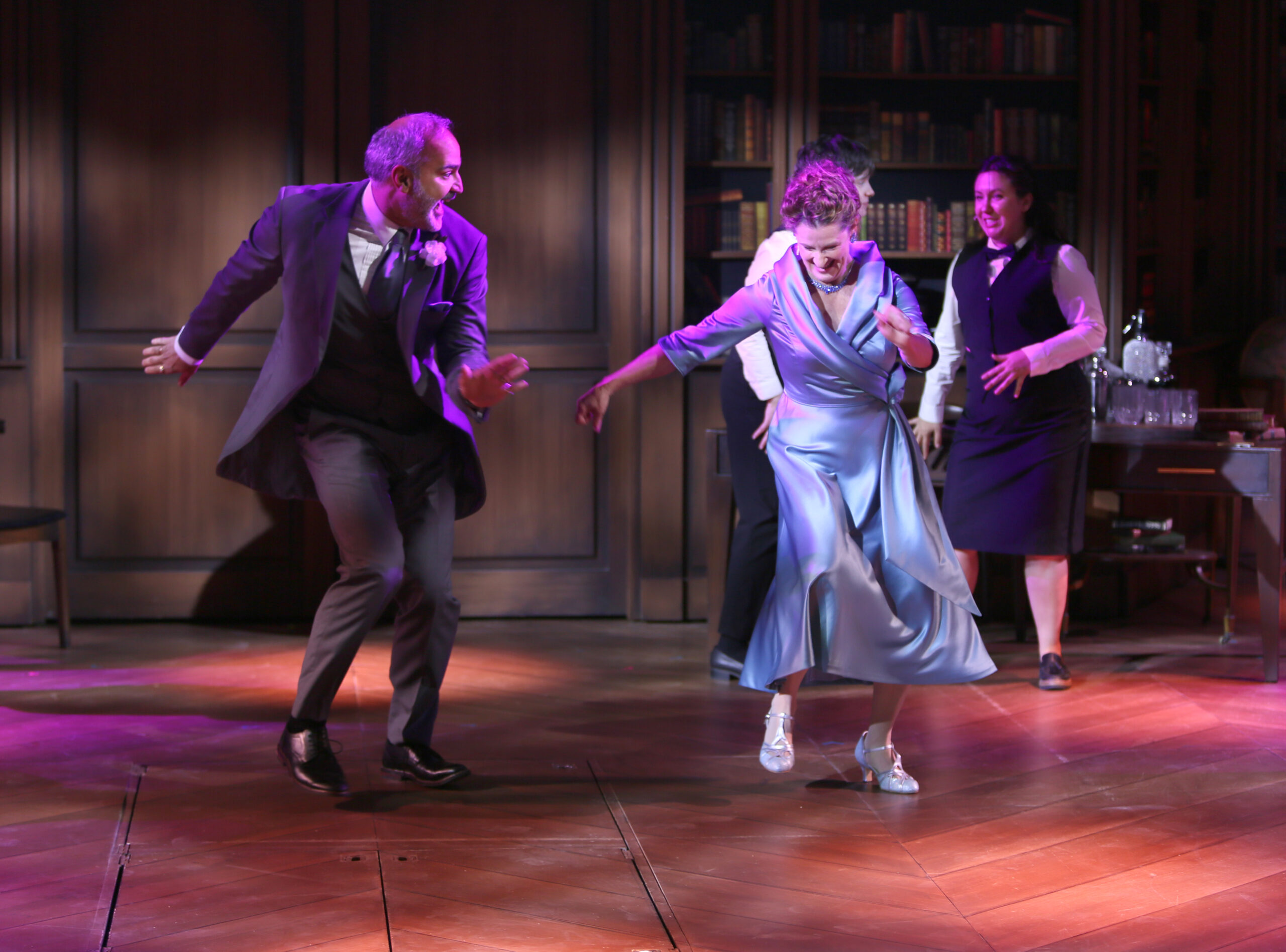
Vancouver’s “Bard on the Beach” has a very talented cast and crew. We’re so lucky to have them. What they tend to do is take a classic (such as this one) and put a modern twist on it, so that it’s a lot more relatable to today’s audience. Don’t forget, this was written somewhere between 1599 and 1602; towards the end of Queen Elizabeth’s rule when the English people were nervous about succession. Queen Elizabeth’s long reign represented a time of peace after lengthy turmoil. So this play probably hit home much harder at that time.
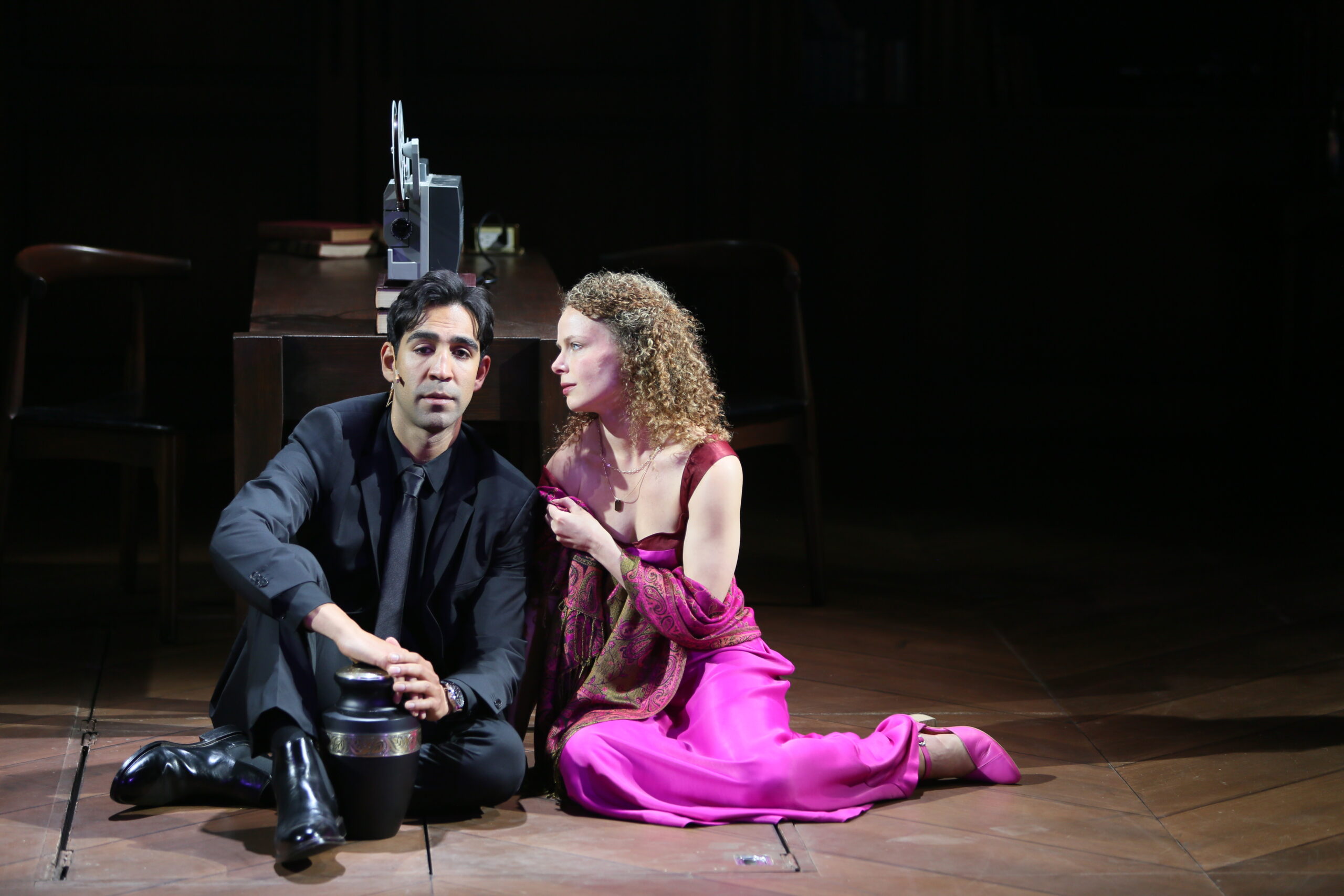
Hamlet is significant because it embodies the complexities of human psychology. His internal struggles, including grief, anger, and indecision, serve as a study in the human condition. We can learn about the consequences of overthinking and the importance of taking action.
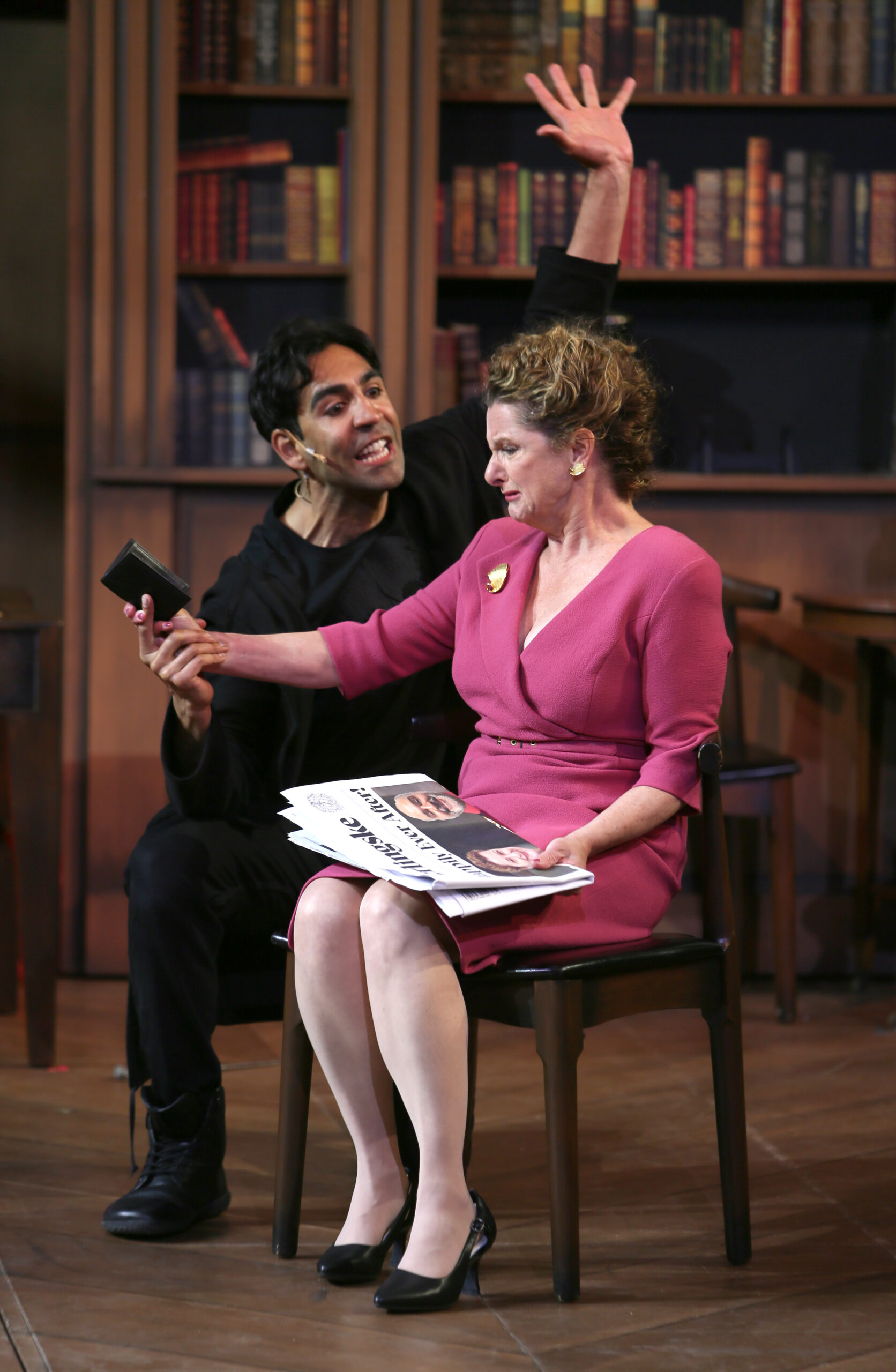
We were really impressed by the talented cast and set design. It takes a village (literally) to put something like this together.
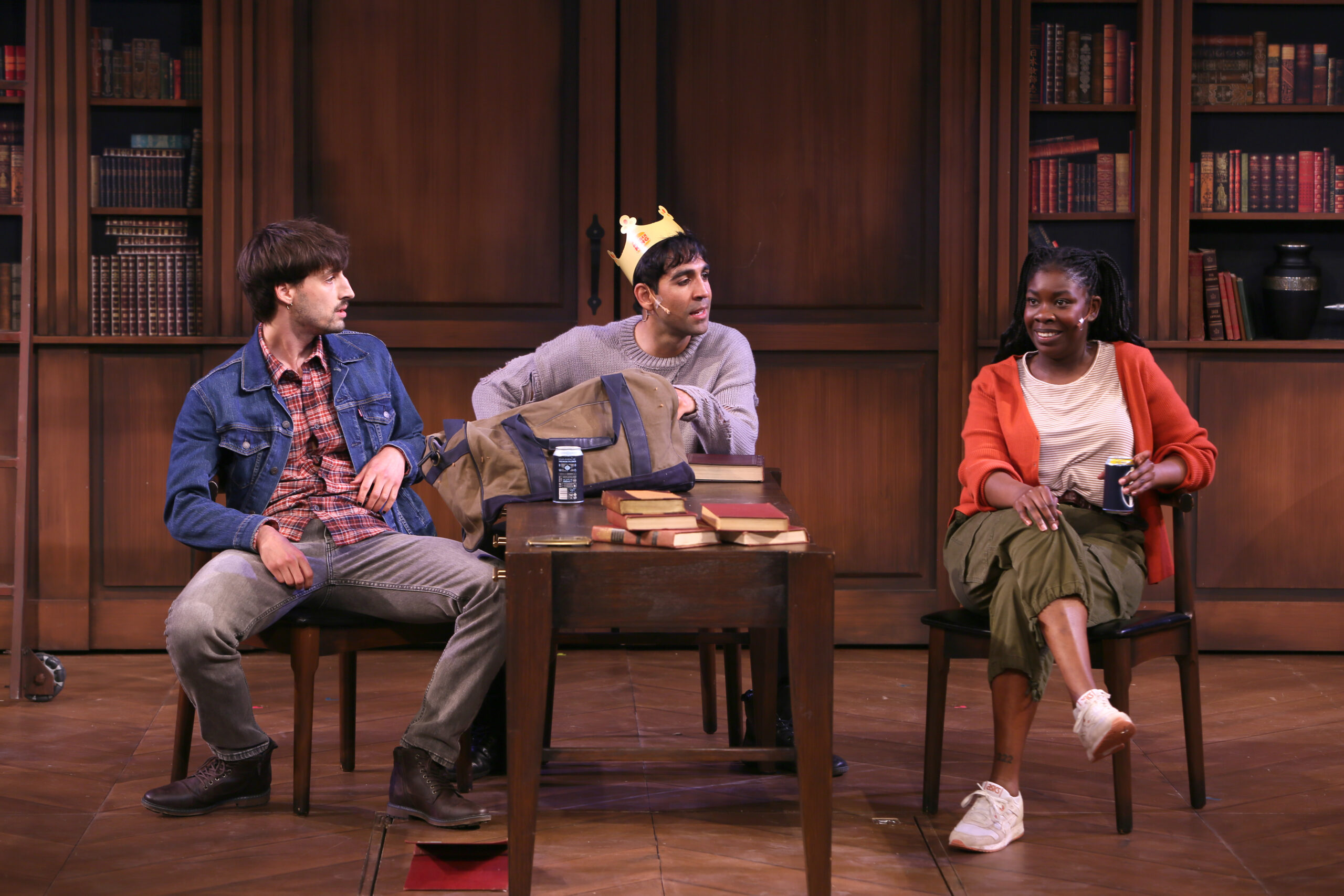
Below is the story – taken from the Bard booklet. For tickets see bottom of page.
THE STORY
“ADIEU, ADIEU, HAMLET. REMEMBER ME”
Hamlet, Prince of Denmark, has returned home to Elsinore for his father’s funeral, only to learn that his mother, Gertrude, has married his uncle Claudius—and that Claudius is now King of Denmark. Disturbed by this turn of events, a melancholic Hamlet continues to mourn the loss of his father, much to the concern of King Claudius and Queen Gertrude.
When his friend Horatio brings news of a ghost that resembles the late King Hamlet wandering the grounds of Elsinore, Hamlet starts to realize that things may not be exactly as they seem. Hamlet resolves to try and catch a glimpse of the ghost for himself.
Elsewhere, Laertes, the son of Polonius, speaks with his sister Ophelia while preparing to return to France. He warns Ophelia to steer clear of Hamlet’s affections, and when Polonius overhears this and learns that Hamlet has been courting his daughter, he forbids Ophelia from spending any more time with Hamlet.
That evening, Hamlet, Horatio, and the watchman Marcellus wait outside, where the ghost reveals himself to Hamlet as his father’s spirit. He tells Hamlet that he was not killed in an accident, but rather, murdered by his brother Claudius, and asks Hamlet to avenge his death. Hamlet vows to seek revenge on Claudius and advises Horatio and Marcellus that he will “put on an antic disposition” and feign madness while he carries out his plan.
“MADNESS IN GREAT ONES MUST NOT UNWATCHED GO”
The next day, Hamlet’s two former school friends Rosencrantz and Guildenstern arrive at Elsinore. Claudius has sent for them so that they can watch over Hamlet, whose strange behaviour has been noted by both Claudius and Gertrude, as well as by Ophelia and Polonius. Almost immediately, a group of musicians also arrive at Elsinore and Hamlet sees an opportunity to set his plan in motion. Hamlet asks the musicians to perform a song that mimics the events of his father’s murder, so he can watch Claudius’ reaction. When Claudius storms out in the middle of the performance, Hamlet believes that he has all the proof he needs of his uncle’s guilt.
What happens next is a tragic saga of betrayal, murder, political intrigue, and revenge that has captivated audiences for generations.
 The play takes place until September 20th. For tickets:

 Girl Who Would be KING on Life, Style and INSPIRATION.