
Last week I was invited to participate in a Master Class to try to distinguish the different varieties and taste of ITALIAN PROSECCOS. What’s not to love about anything Italian?

This took place downtown Vancouver at the swanky Paradox hotel (formerly the Trump hotel). What better way to spend a rainy Monday afternoon I might add. 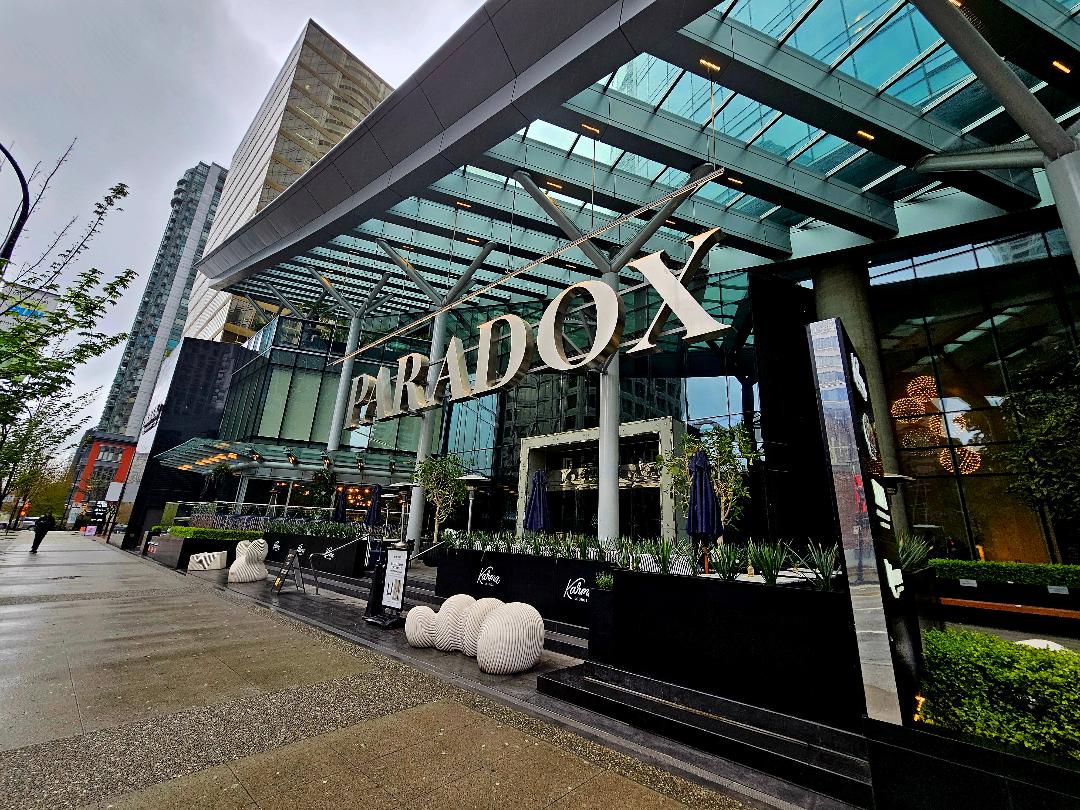
While I’m no Pro, I did enjoy sampling a bunch I really liked. It’s also personal taste as in drinking wine, where some like it drier or sweeter. It was a fun afternoon and my first time at this hotel.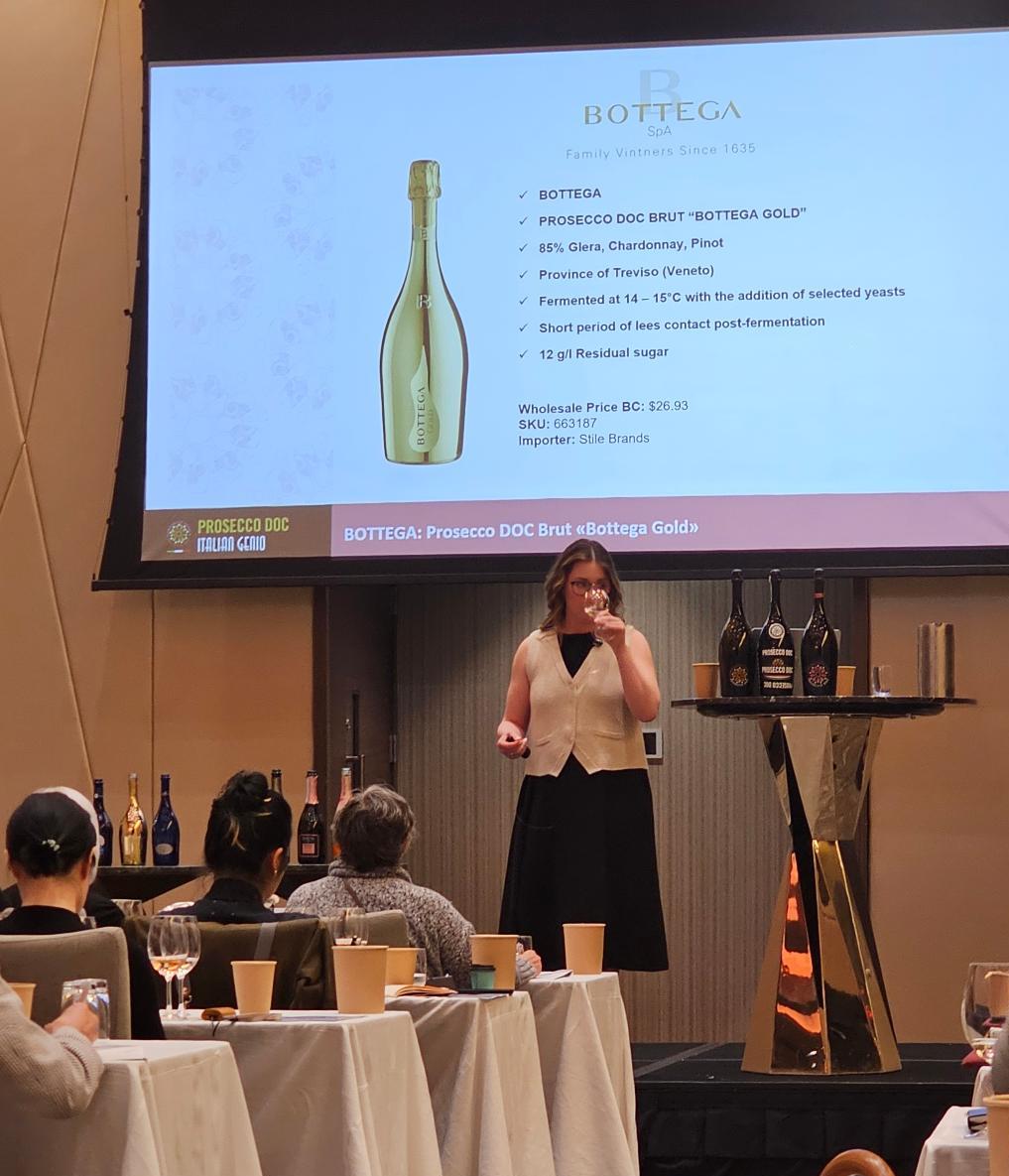
I’ve always liked Prosecco. A glass before dinner is always a pleasant start to the evening. Prosecco is a wonderfully versatile sparkling wine that pairs well with a variety of foods like most appetizers, sushi, cheese (especially the soft kind like brie and gorgonzola that work beautifully with Prosecco’s fruity notes), seafood, and many fried foods. It’s also more affordable than champagne. Win, Win!

 I wasn’t really aware and never thought to ask about what kind of grape Prosecco is made from or which part of Italy makes Prosecco. So this afternoon I learned a few things. For starters, The Glera grape, the backbone of Prosecco, dates back to Ancient Rome. Prosecco DOC was officially established in 2009, ensuring quality and authenticity. If a wine isn’t made from Glera grapes grown in the designated area, it can’t be called Prosecco. I now realize that the Prosecco gummy bears I bought are not the actual thing. Beware of fakes!
The Prosecco DOC region in Northeastern Italy boasts 11 UNESCO sites, highlighting its rich cultural and historical significance.
See video:



Here’s how Prosecco DOC stands apart from other sparkling wines:
Prosecco vs. Champagne: The biggest difference is in the production method. Champagne undergoes secondary fermentation inside the bottle (Traditional Method), while Prosecco uses the Charmat Method, fermenting in large steel tanks which is more efficient. This also makes Prosecco more affordable but also keeps the quality. Champagne is richer and toastier, while Prosecco is light, fresh, and fruit-forward.
Region Matters: Champagne comes exclusively from the Champagne region in France, while Prosecco DOC is crafted in Northeastern Italy – around Venice. The terroir (soil, climate, and altitude) gives each wine its distinct character.
Champagne blends Chardonnay, Pinot Noir, and Pinot Meunier, while Prosecco DOC is primarily made from Glera grapes, giving it those signature notes of green apple, pear, and white flowers.
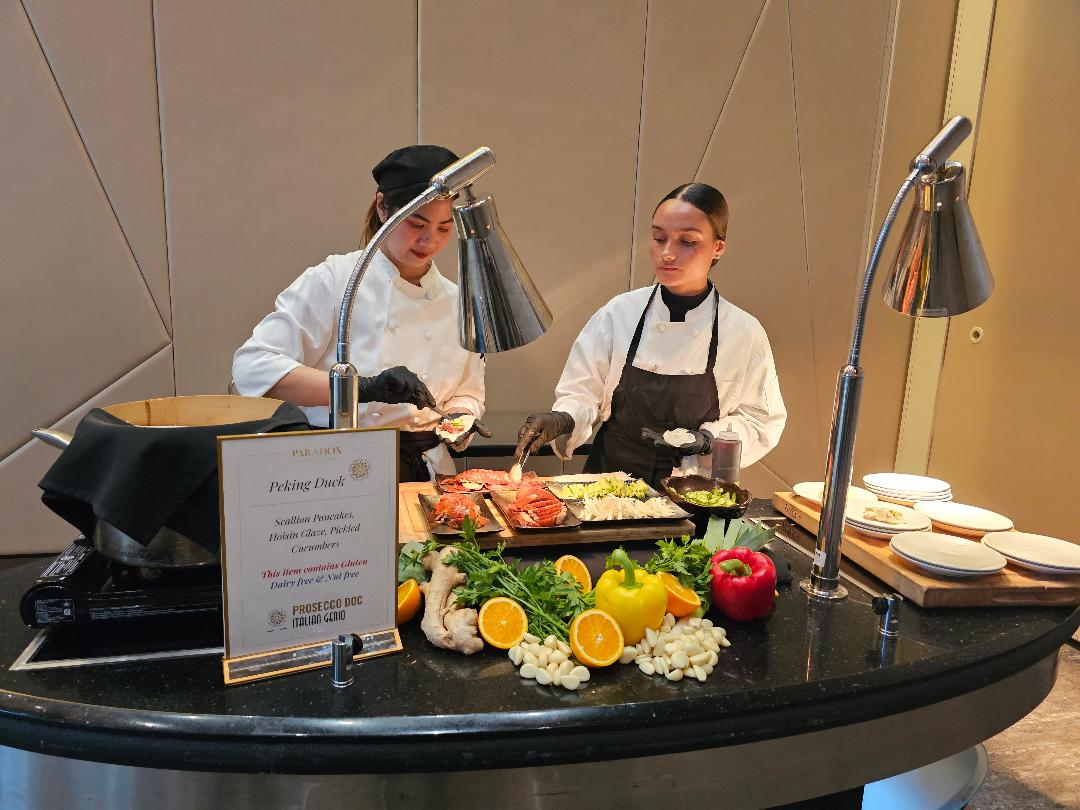
What was really nice after the Master class was walking around and sampling dozens more, and grazing the excellent selection of appetizers on hand. The sushi was some of the best I’ve tasted.
Below is a Crash Course for you:
Prosecco comes in several varieties, categorized by effervescence, sweetness, and quality levels. Here’s a breakdown:
- Types by Effervescence:
- Spumante: Fully sparkling and the most common type.
- Frizzante: Semi-sparkling with lighter bubbles.
- Tranquillo: Still wine, with no bubbles
Sweetness Levels:
- Brut Nature (0-3 g/l sugar) – Bone dry.
- Extra Brut (up to 6 g/l sugar) – Very dry.
- Brut (0-12 g/l sugar) – Dry but slightly more approachable.
- Extra Dry (12-17 g/l sugar) – A touch of sweetness.
- Dry (17-32 g/l sugar) – Noticeably sweet.
- Semi-Secco/Demi-Sec (32-50 g/l sugar) – Quite sweet.
- Dolce (50+ g/l sugar) – Dessert-level sweetness
- Quality Levels:
- Prosecco DOC: Standard quality, widely available.
- Prosecco Superiore DOCG: Higher quality, from specific regions.
- Cartizze: The most prestigious and luxurious variety.
- Prosecco Rosé: A newer addition, blending Glera grapes with Pinot Nero for a pink hue.
Personally, I think my favourite might be a frizzante Brut to extra dry. I love the higher quality ones but enjoy the standard types too. I don’t like extra sweet or overly dry. I like to see some bubbles.
How about you? Do you have a favourite?

 Girl Who Would be KING on Life, Style and INSPIRATION.