
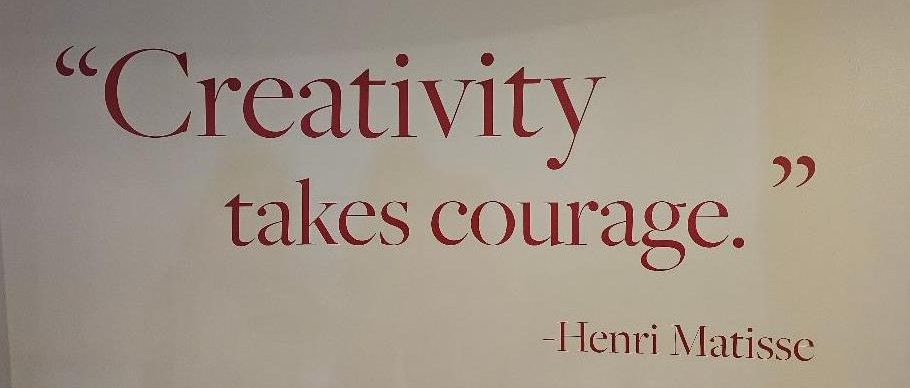
I think I found mine.
It has not gone unnoticed that every coffee shop in Vancouver is going green; literally. Matcha (tea) has become mainstream in North America.
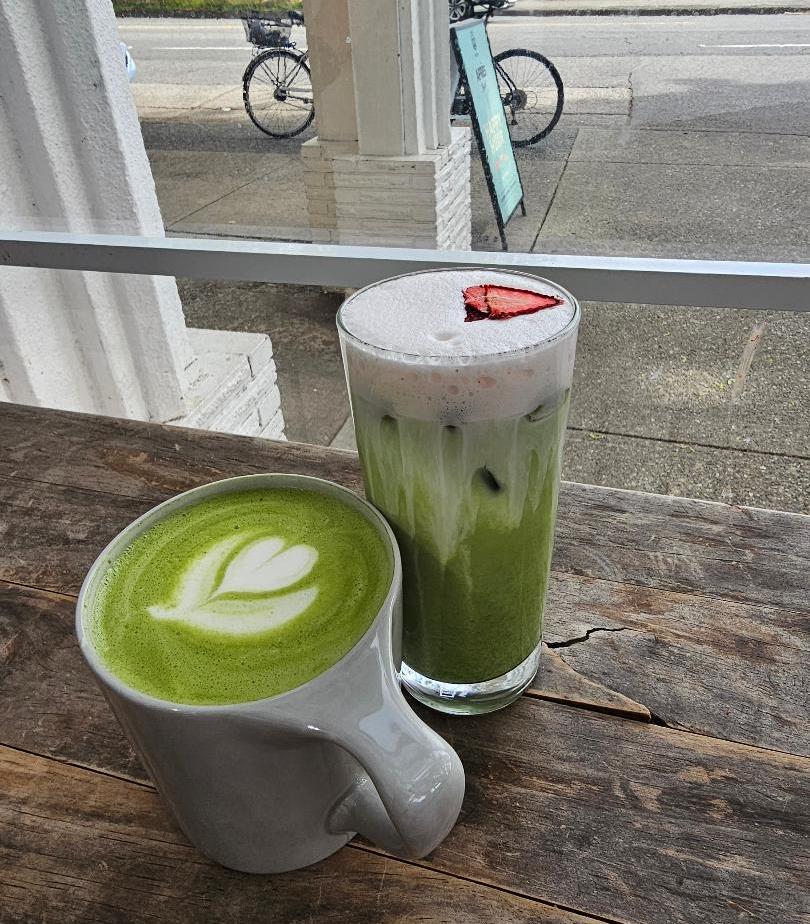
That’s a good thing because Matcha is rich in antioxidants, especially EGCG, and contains L-theanine, which promotes calm focus without the jittery crash of coffee. That combo has made it a darling of the wellness crowd.
While I love to start my morning with a daily dose of java (one perfect cup, made in a French press and sweetened with French vanilla almond milk and a touch of cream), by mid-afternoon I’m looking for another pick-me-up other than coffee. Something healthier.
Matcha is something I discovered (of course I was not the first one to discover it) while living in Japan when I was invited to a tea ceremony. I always liked the idea of ceremony, and was excited to attend one. I love the setting, the ritual and the meaning.
I’ve since looked for ways to incorporate this bright green powder into my day by putting a little into a smoothie and so on. I’ve even used it for baking – white chocolate bark drizzled with matcha is divine (although I haven’t made this in years).
My friend Riyo is here visiting from Japan. When I phoned to ask her if she could bring me back a high grade matcha, it turns out that when I called, she was on a train heading for Kyoto. Uji, in Kyoto Prefecture, is a region renowned for its long history of matcha cultivation and is known for producing some of the highest quality matcha in Japan. So here I am now with some really nice ceremonial matcha (as well as some unceremonial matcha) to incorporate into my day.
There’s something profoundly grounding about preparing tea with intention (other than the intention of drinking it). It becomes a small act of self-care, a pocket of peace in a noisy day. Plus; the health aspect. It’s known to support healthy blood vessels, improve cholesterol levels and lower blood pressure. It is heart-friendly as long as you don’t overdo it. 1–2 cups per day is generally considered safe and beneficial.
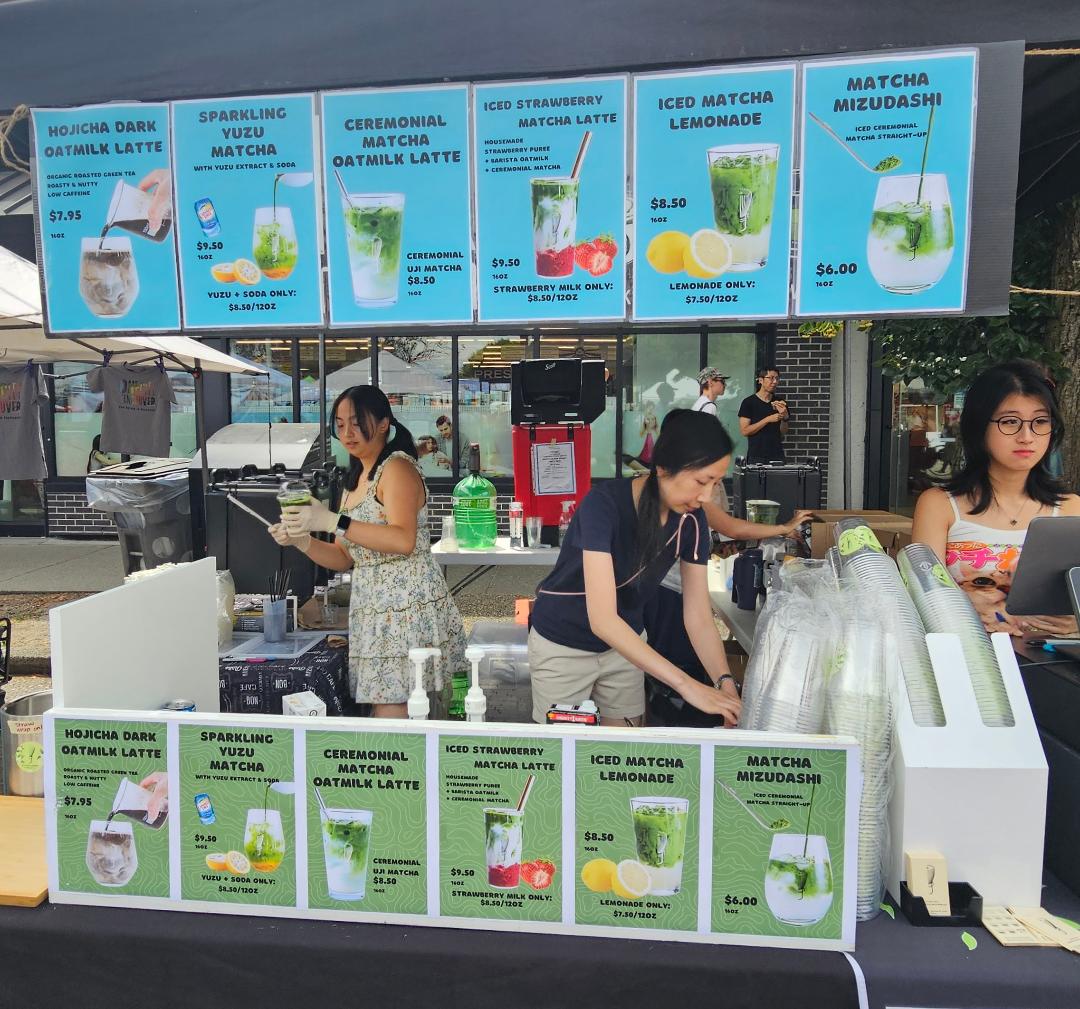
Where does Matcha originate?
Matcha tea has been enjoyed in Japan for roughly 800 years, having been introduced in the late 12th century. It was initially brought from China by the Zen Buddhist monk Eisai. Initially used for religious purposes, matcha later became a symbol of luxury and a part of the warrior class traditions.
What does the tea ceremony symbolize?
The Japanese tea ceremony, (or chanoyu) symbolizes harmony, respect, purity, and tranquility, reflecting a deep connection to Zen Buddhist philosophy. It’s a meticulously choreographed ritual aiming to foster inner peace and appreciation for the present moment, encompassing aspects of hospitality, aesthetics, and spirituality.
What is Ceremonial Grade Matcha?
- Made from the youngest, first-harvest tea leaves
- Grown in shade longer, which boosts chlorophyll and L-theanine
- Higher in antioxidants like EGCG
- Has a smoother, sweeter flavor and vibrant green color
- Best enjoyed whisked with hot water with no milk or sweeteners needed
- Ideal for mindful rituals, stress relief, and mental clarity
What about Culinary (regular) grade Matcha?
- Made from older leaves, often second or third harvest
- Slightly lower in nutrients, but still rich in antioxidants and caffeine
- More bitter and robust in flavor
- Perfect for lattes, smoothies, baking, and everyday use
- More affordable and versatile for frequent consumption
Which is Better?
- Ceremonial matcha is more nutrient-dense and ideal for sipping straight.
- Culinary matcha is still beneficial and great for recipes or energy boosts.
If you’re looking for a calm, focused energy and a traditional tea experience, ceremonial is your go-to. But if you’re blending it into a smoothie or baking matcha cookies, regular matcha will do just fine, and still give you a healthy kick. Time to start baking again.
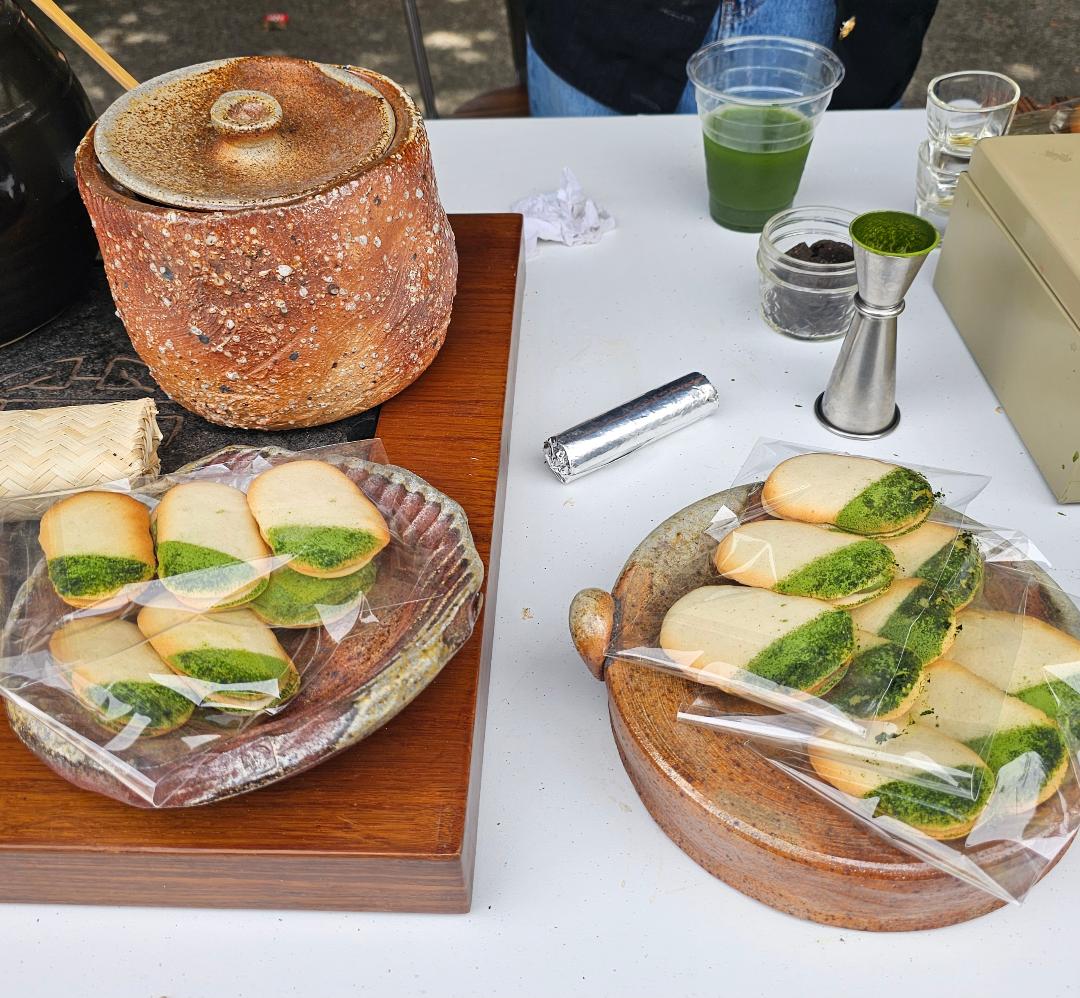
Have you tried making your own? I’m still experimenting with the right water temperature along with using my bamboo whisk and milk frother. With the right procedure, practice and presentation, it will soon be perfect!

 Girl Who Would be KING on Life, Style and INSPIRATION.
….I’m a convert. As my friends down their various coffee favourites, I am sipping my heart friendly Matcha. At $5.00 its competitive with most morning choices.
🙂 Rob
On Sun, Jul 6, 2025 at 5:02 AM Girl Who Would be KING on Life, Style and
Good for you. Where do you get one for $5? Sadly, that’s a deal.