Old World Italian Valpolicella

“In vino veritas” (in wine there is truth) goes all the way back to Roman Times!

In Italy it is simply not possible to drink too much wine, otherwise there would be an Italian equivalent for the English word ‘hangover’ which there is not!
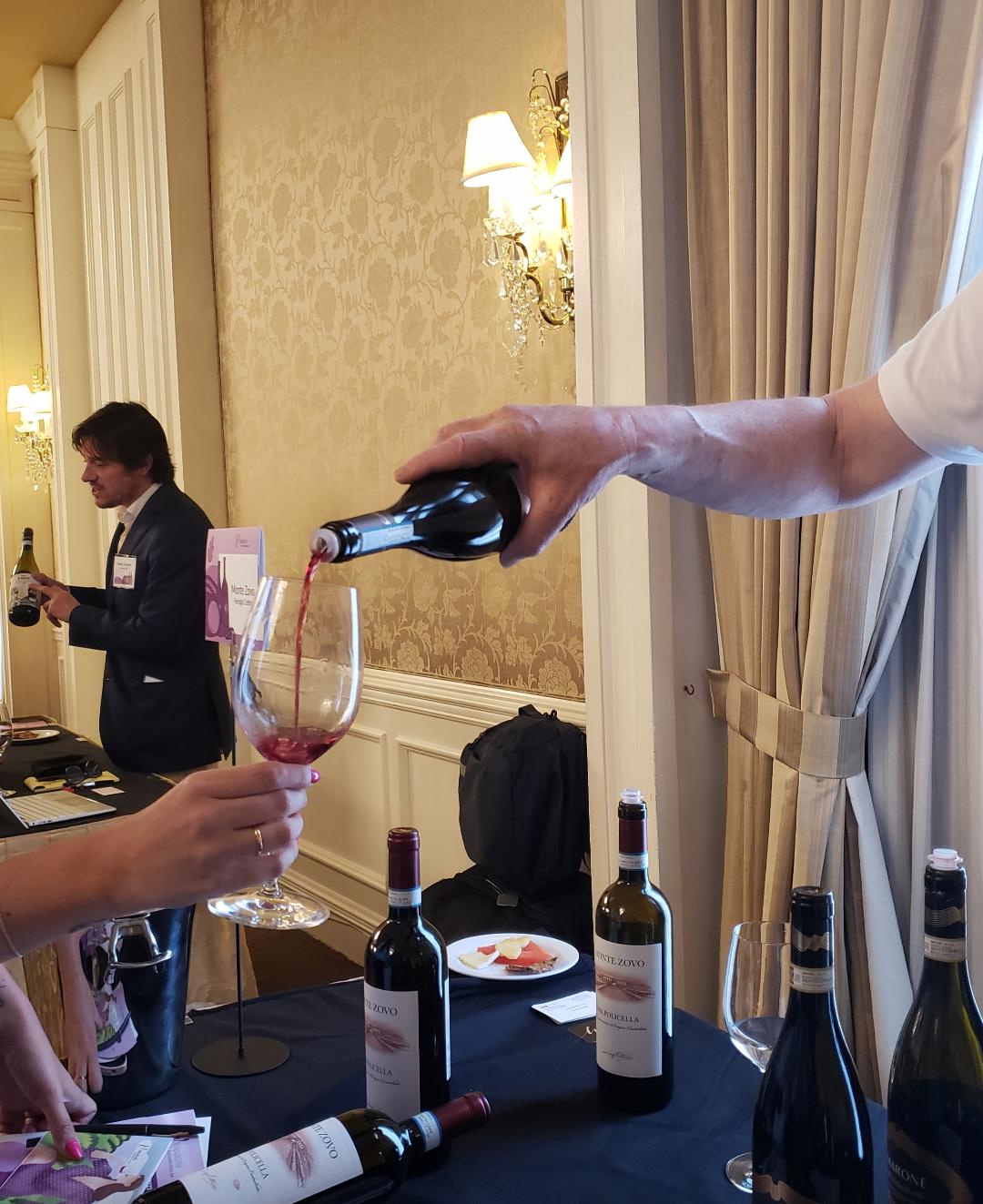
Being a connoisseur of wines takes a lot of patience, repetition and practice.  You have to attend many tastings, differentiate between grape varietals from various wine growing regions and distinguish the difference through smell and taste.  It’s a lot of work!  But hey; who’s complaining!
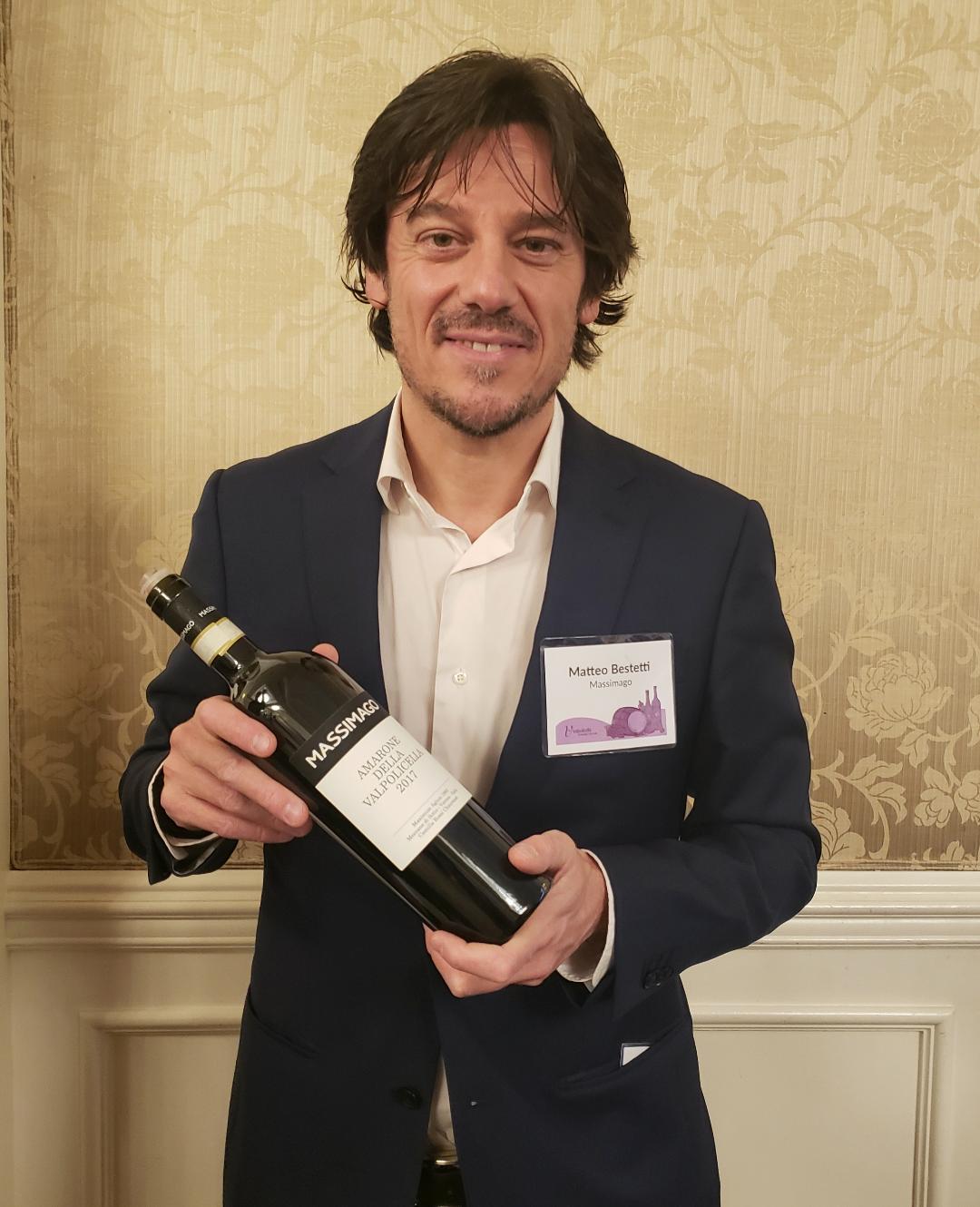
I’m by no means a connoisseur, however I do consider myself a wine enthusiast. I love drinking wine and I’m keen to dive into a bottle or two trying wines from many regions and learning about what makes them unique although later I might forget.
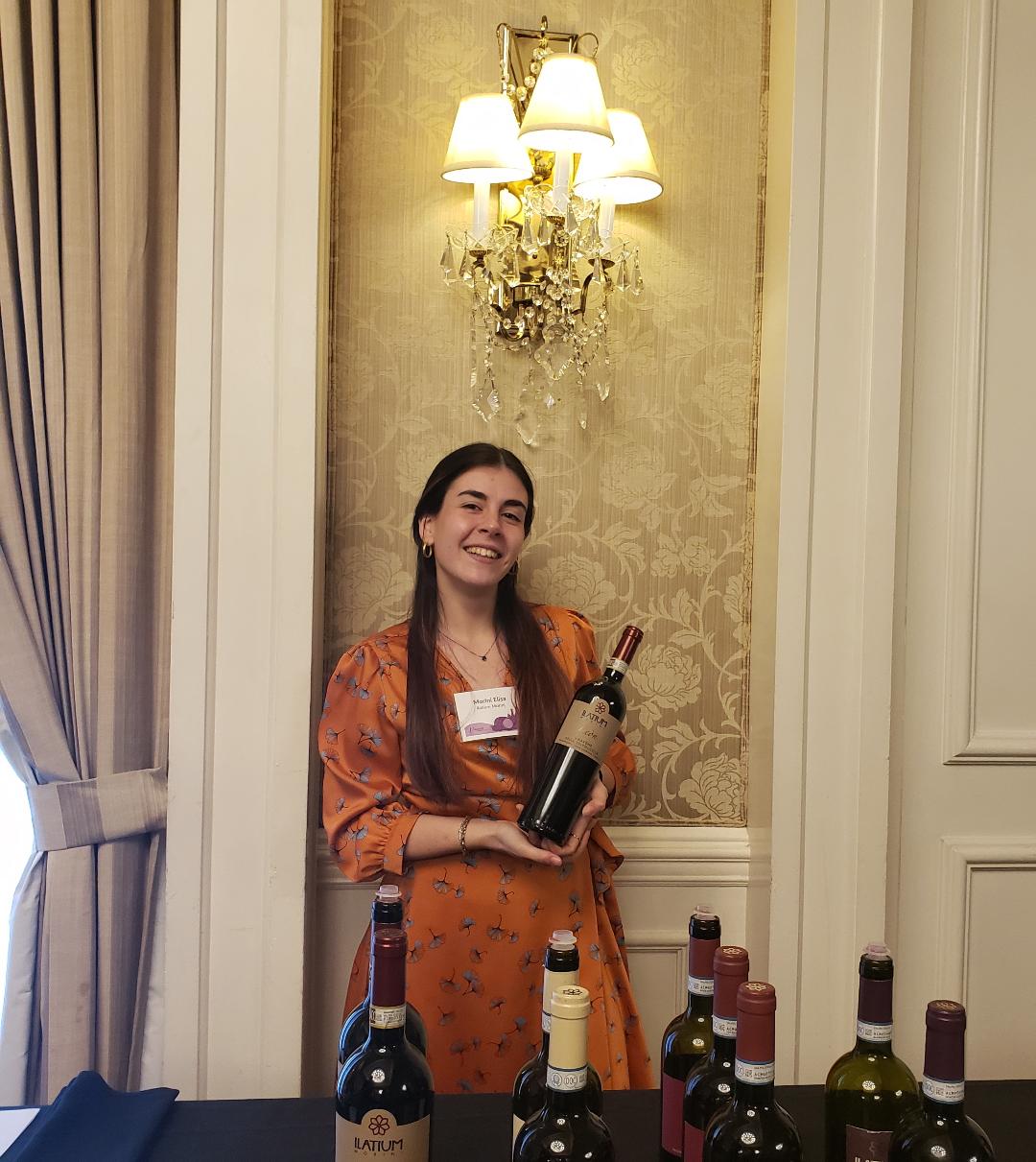
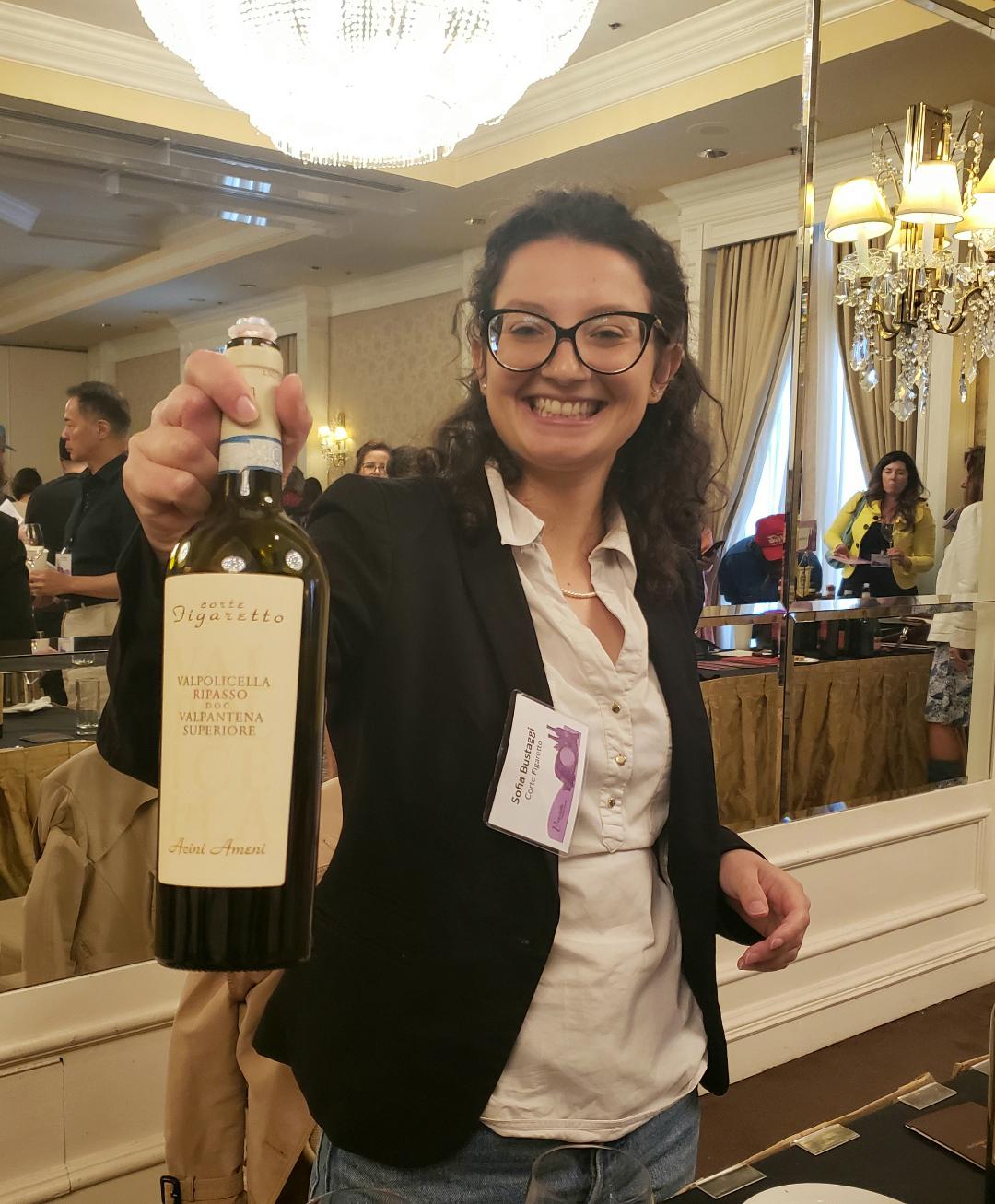
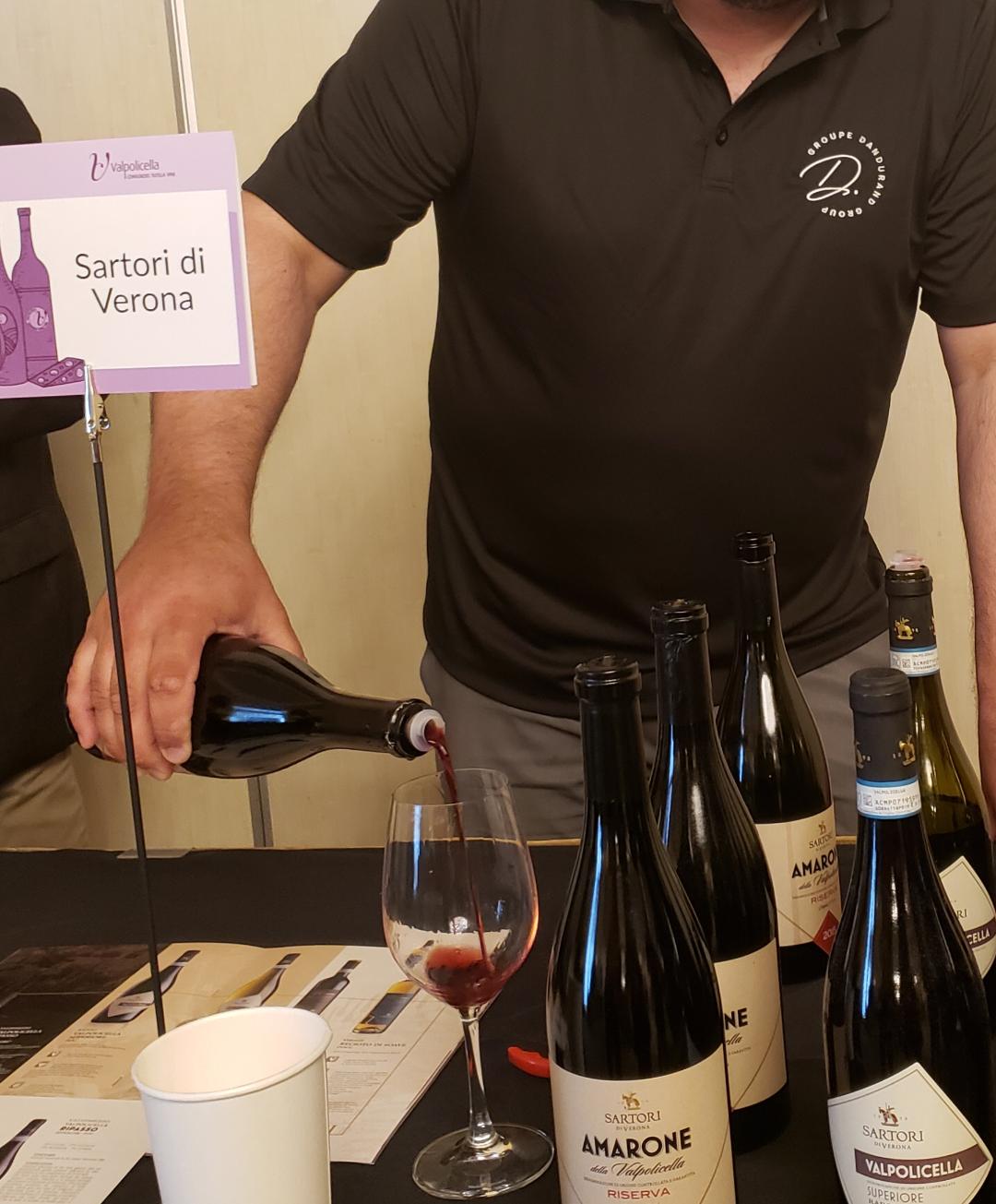
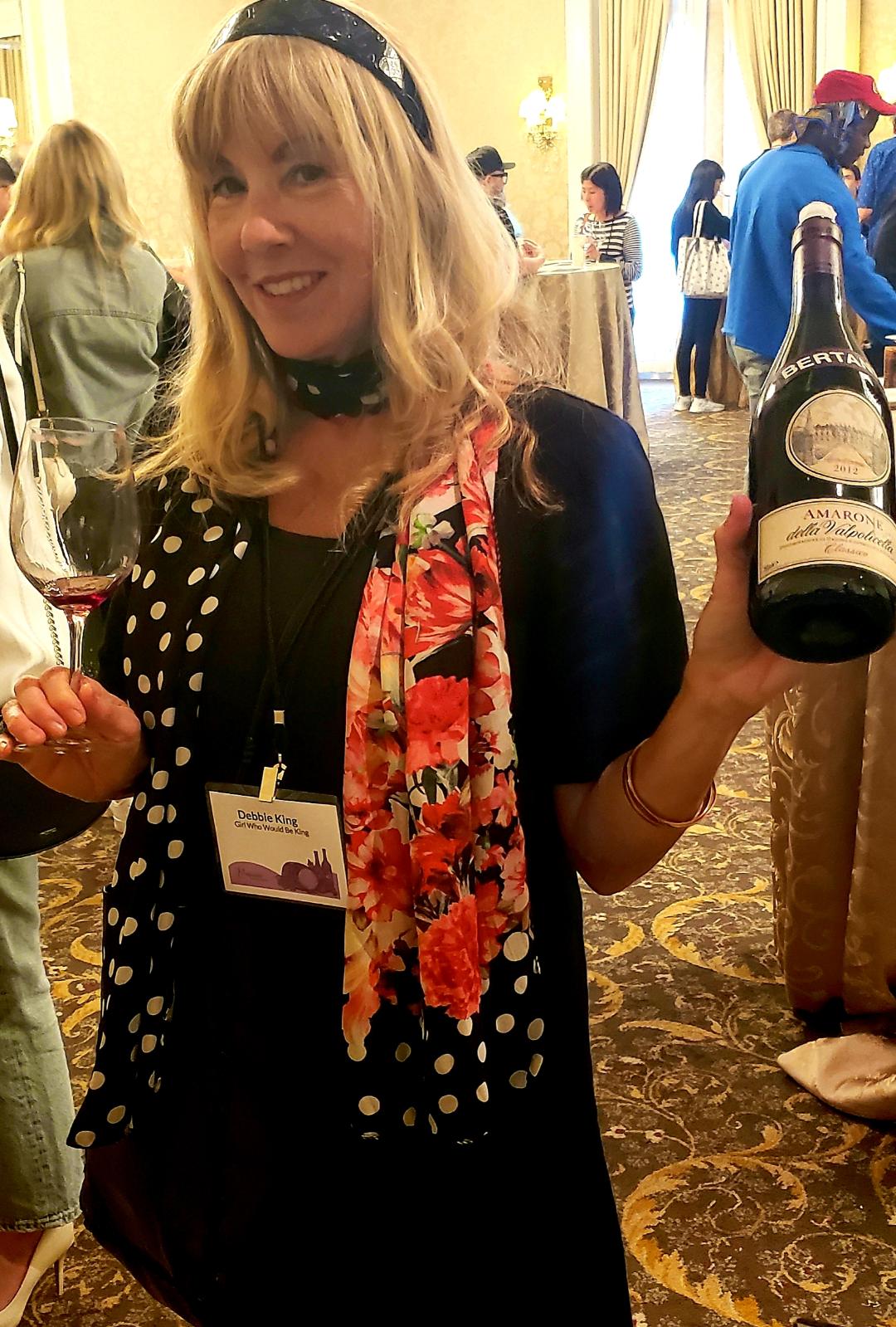
Yesterday I was invited to attend a walk around tasting of world famous Valpolicella wines open to media and wine critics at the Sutton Place Hotel in Vancouver.  Valpolicella is the world-famous wine district in northeastern Italy.

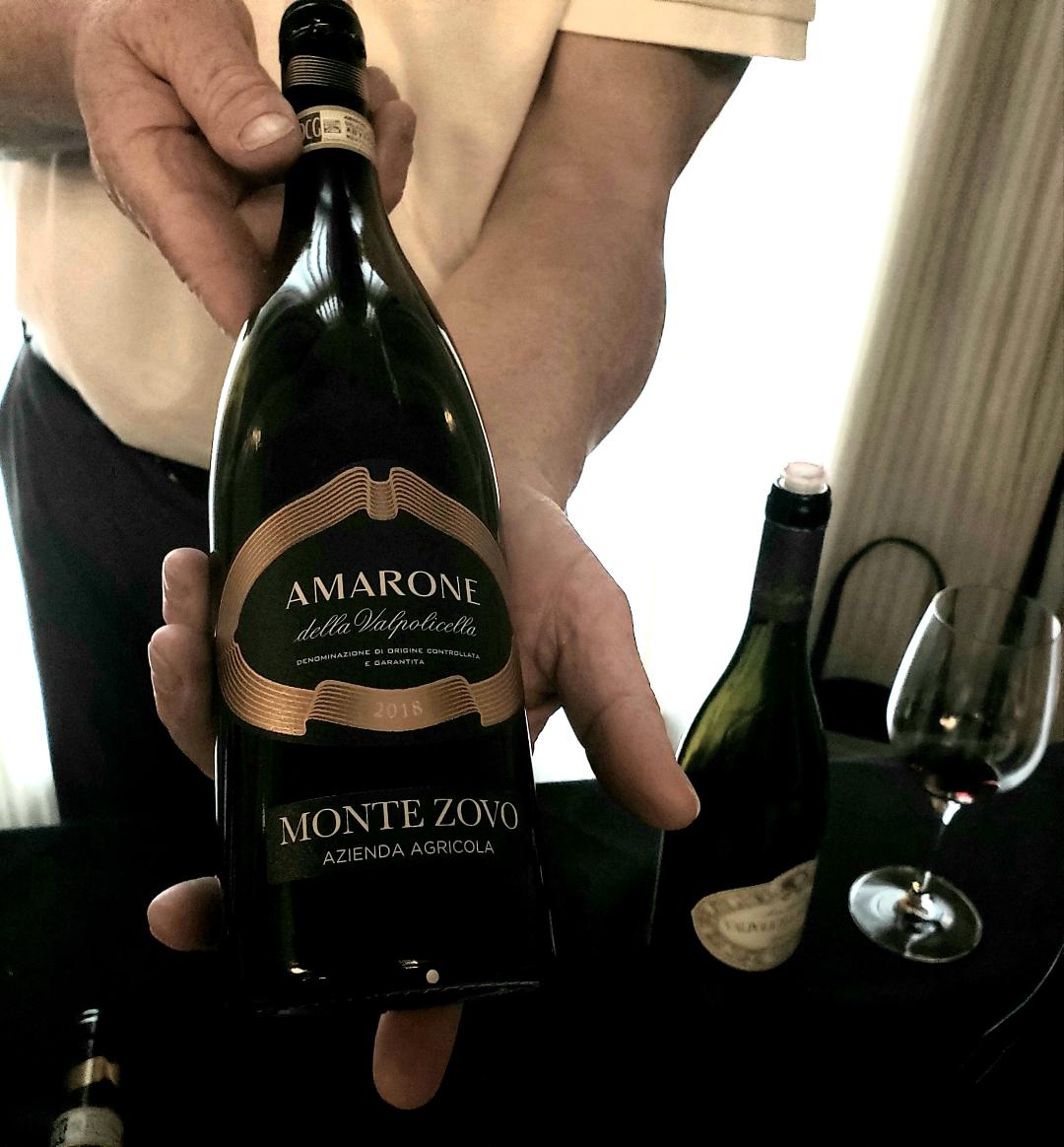
There was also on hand an abundance of Amarone (a personal favourite).  I observed the wine critics and writers closely.  I confessed to some of the wine reps that it would not be an easy task to rate some of these wines – as each tasting was as exceptional as the last. They agreed that being a critic is based on personal taste as much as the quality and taste of the wine.
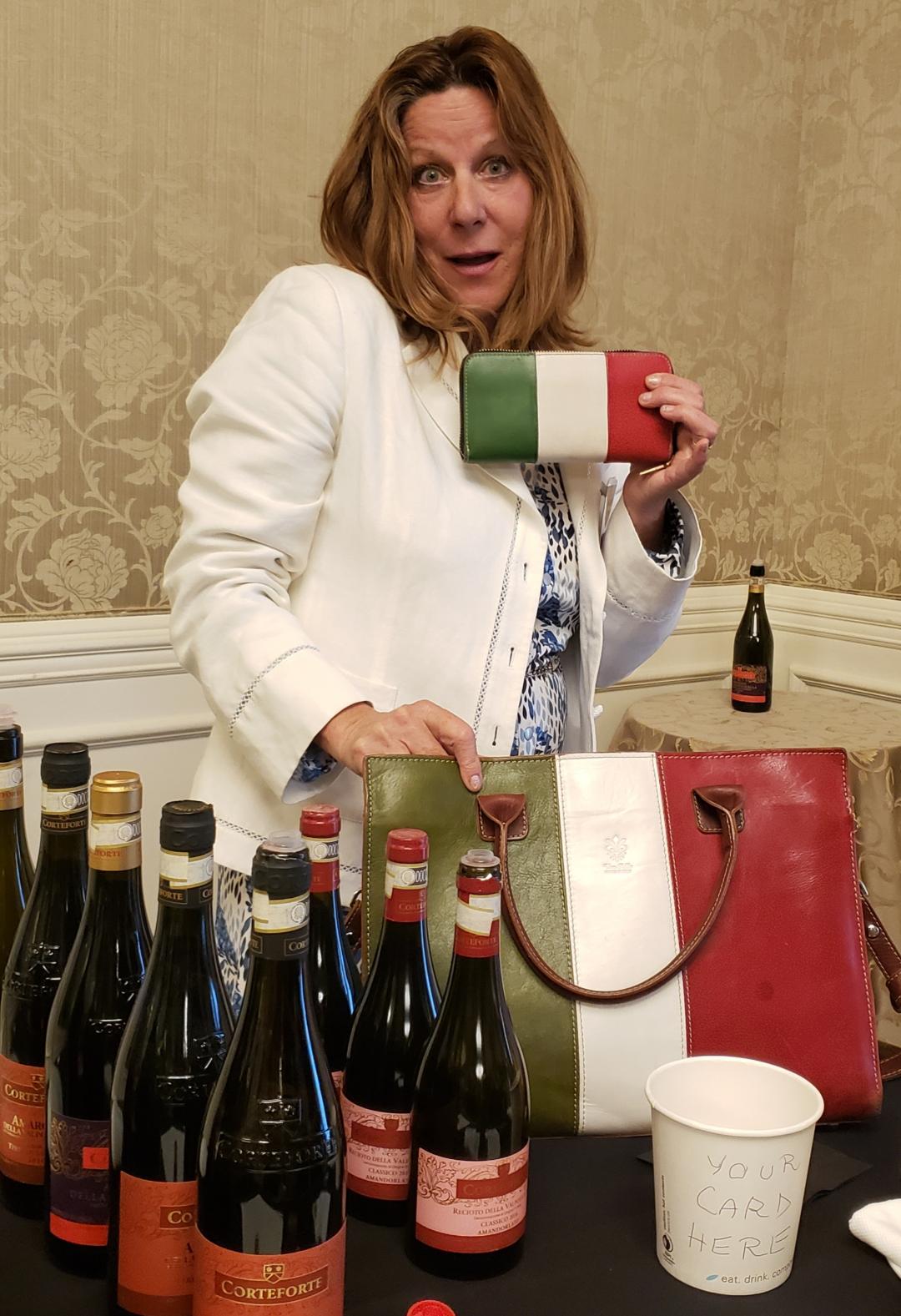
So for the purpose of this post I won’t go into too much detail. Here’s an example why:

I really enjoyed a 93 Points (by Gilbert & Gaillard) Amarone Della Valpolicella D.O.C.G 2017 from Cantine Riondo – produced in Veneto, Italy. The wholesale price of this wine is around $30. Here are the tasting notes:
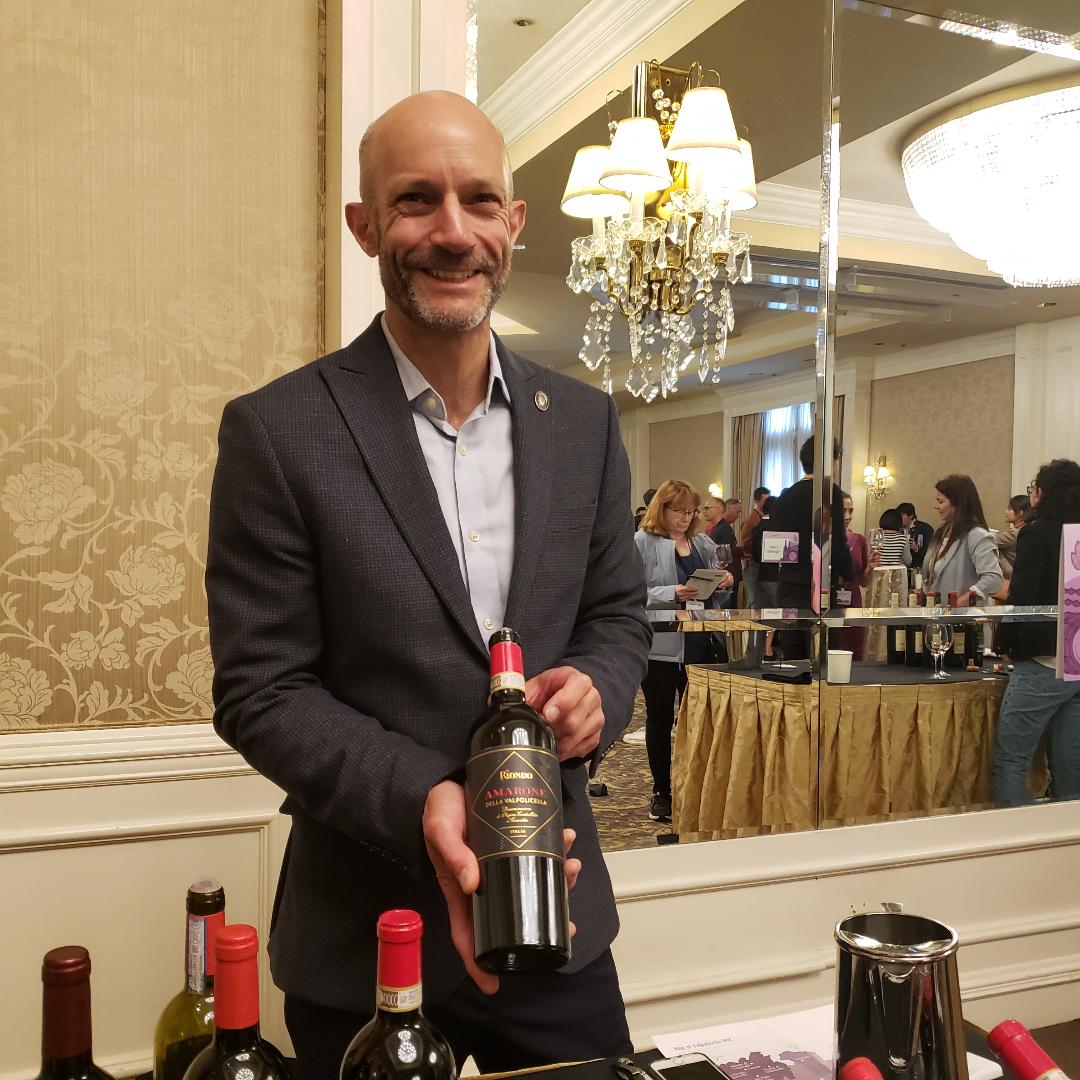
An elegant, full-bodied, complex wine.  A flavour of black cherry on the palate, with spicy notes of vanilla and a coffee finish.  A complex bouquet of cinnamon, cherry jam, preserved fruit and walnut on the nose.

Now…doesn’t that sound enticing?  Who wouldn’t want to try this wine?

The wine critic must evaluate and describe the wine with a numerical rating, a tasting note, or a combination of both. A critic should have a background as a sommelier (course study in wine, spirits, and sake) or palate training through tasting classes at wineries or agricultural institutions.  The writer or reviewer has to have a general understanding of the subject at hand.
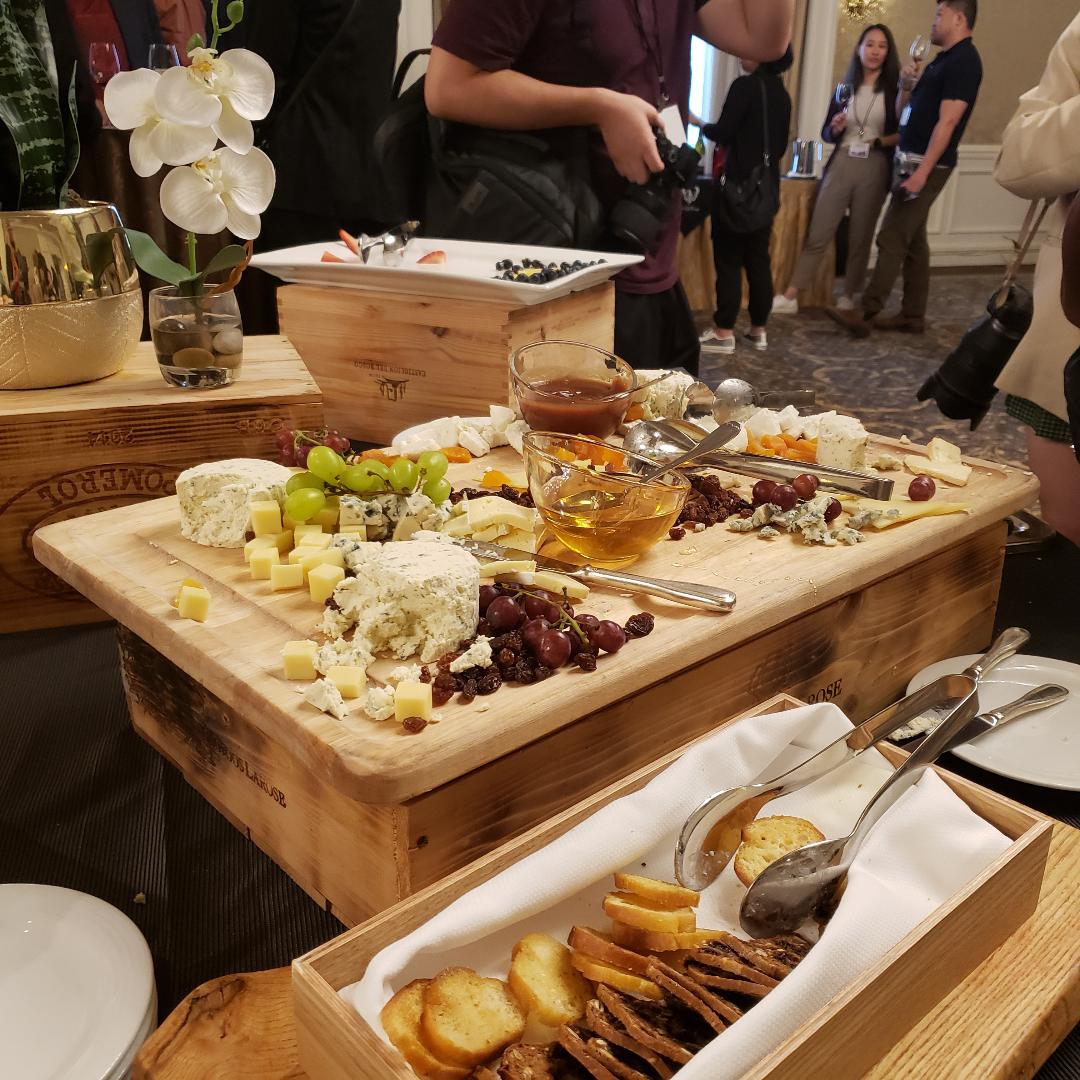
Personally I like to think I have good taste in figuring out what wines are barely drinkable to the ones that are exceptional.

It was nice to go back to old world wines for a change.  Especially since I’ve been focusing on wines from British Columbia when in Vancouver and wines from California when in Palm Springs.
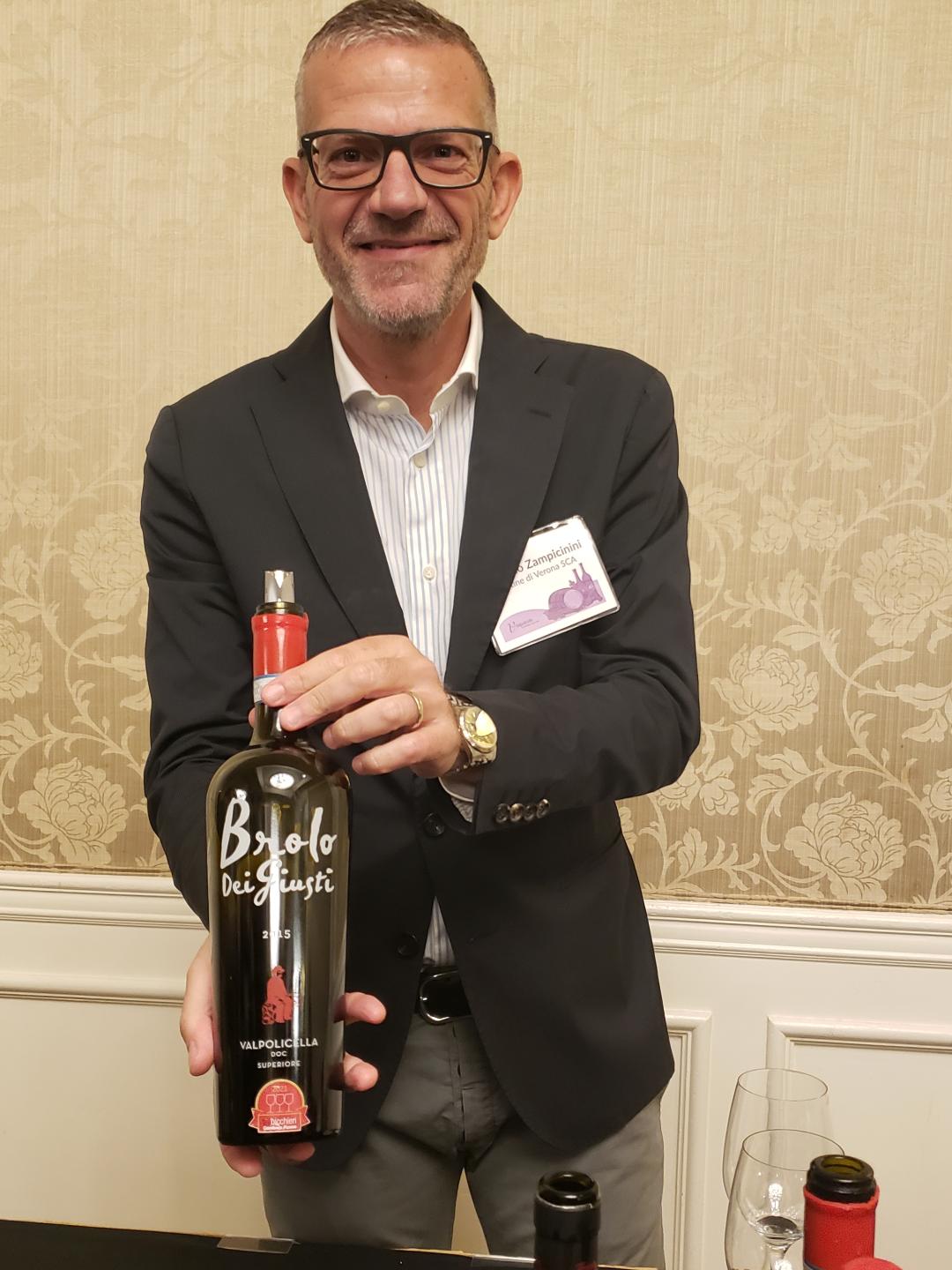
The tasting was conducted by the Consorzio Tutela Vini which was founded in 1924.  It’s an association of grapevine growers, wine makers and bottlers of Valpolicella wine production areas, that include 19 municipalities of Verona province. The Consorzio represents more than 80% of the producers using “Valpolicella” appellation.  It promotes activities to enhance the value of the whole territory, takes care of promotion, value and general information about Valpolicella wines.

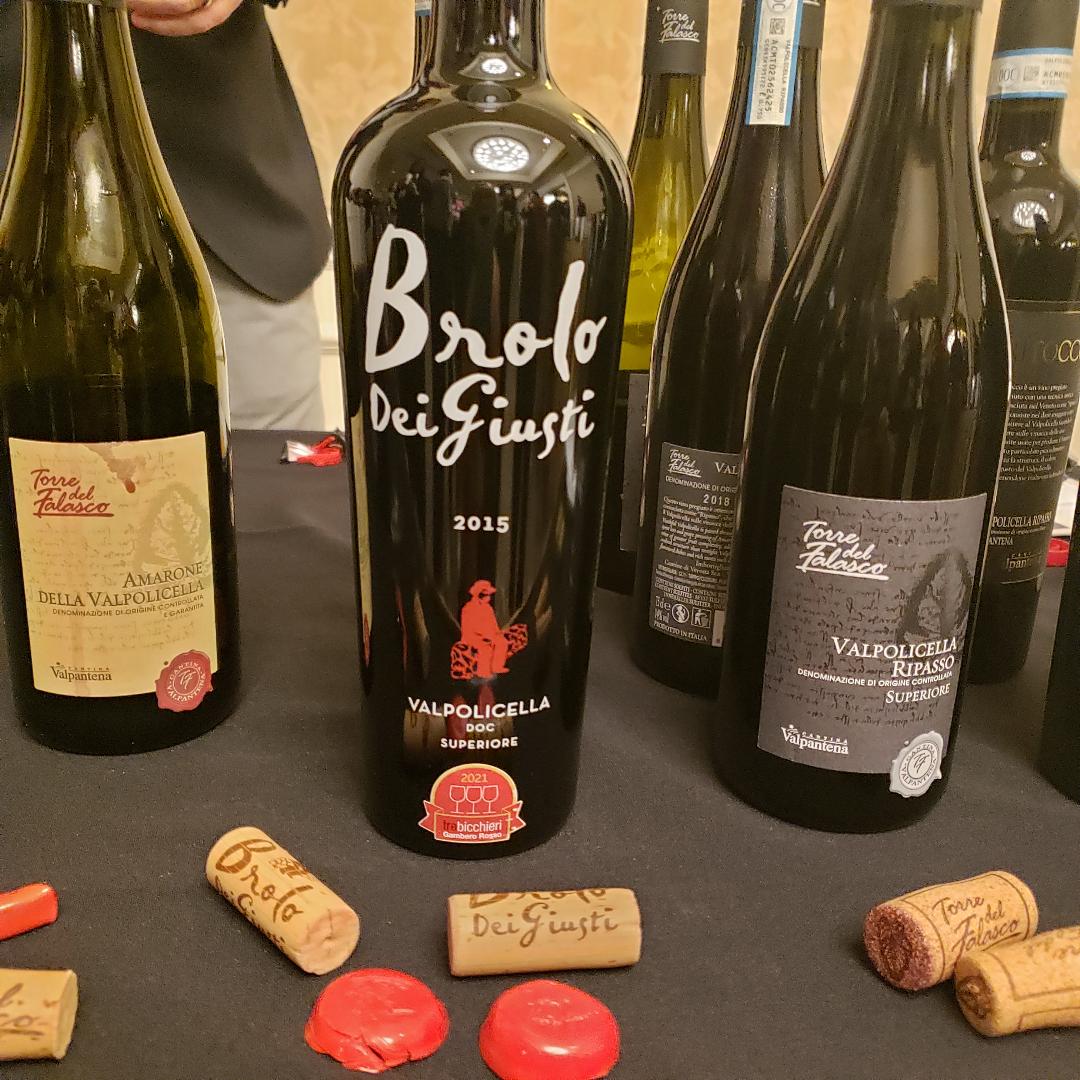
You’ll notice on the bottles: DOC, DOCG & Ripasso.  In short:

DOC is the second highest quality level – with Denominazione di Origine Controllata meaning “designation of controlled origin”. In order to achieve this classification, there are still very strict rules which need to be followed regarding quality and authenticity.

DOCG is the highest classification Italian wines can be awarded. DOCG are the best of Italian wines. The classification means that there are controlled production methods (controllata) and guaranteed wine quality (garantita) with each bottle.
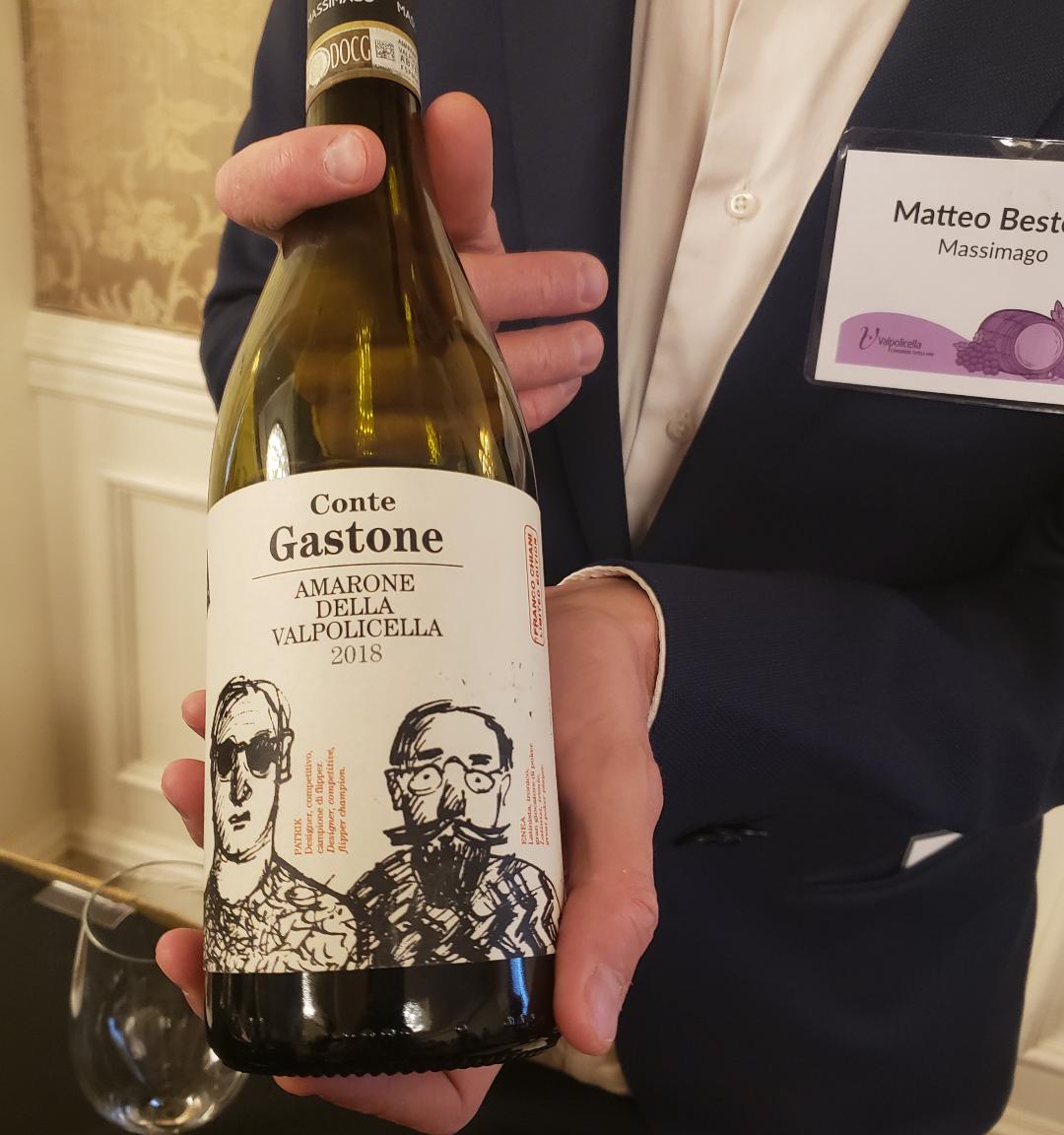
Ripasso is a red wine from the Valpolicella zone located north of Verona in the Veneto region of Italy. Ripasso is generally less well known than Valpolicella and Amarone wines, also from this area, even though it shares some features of both wines.

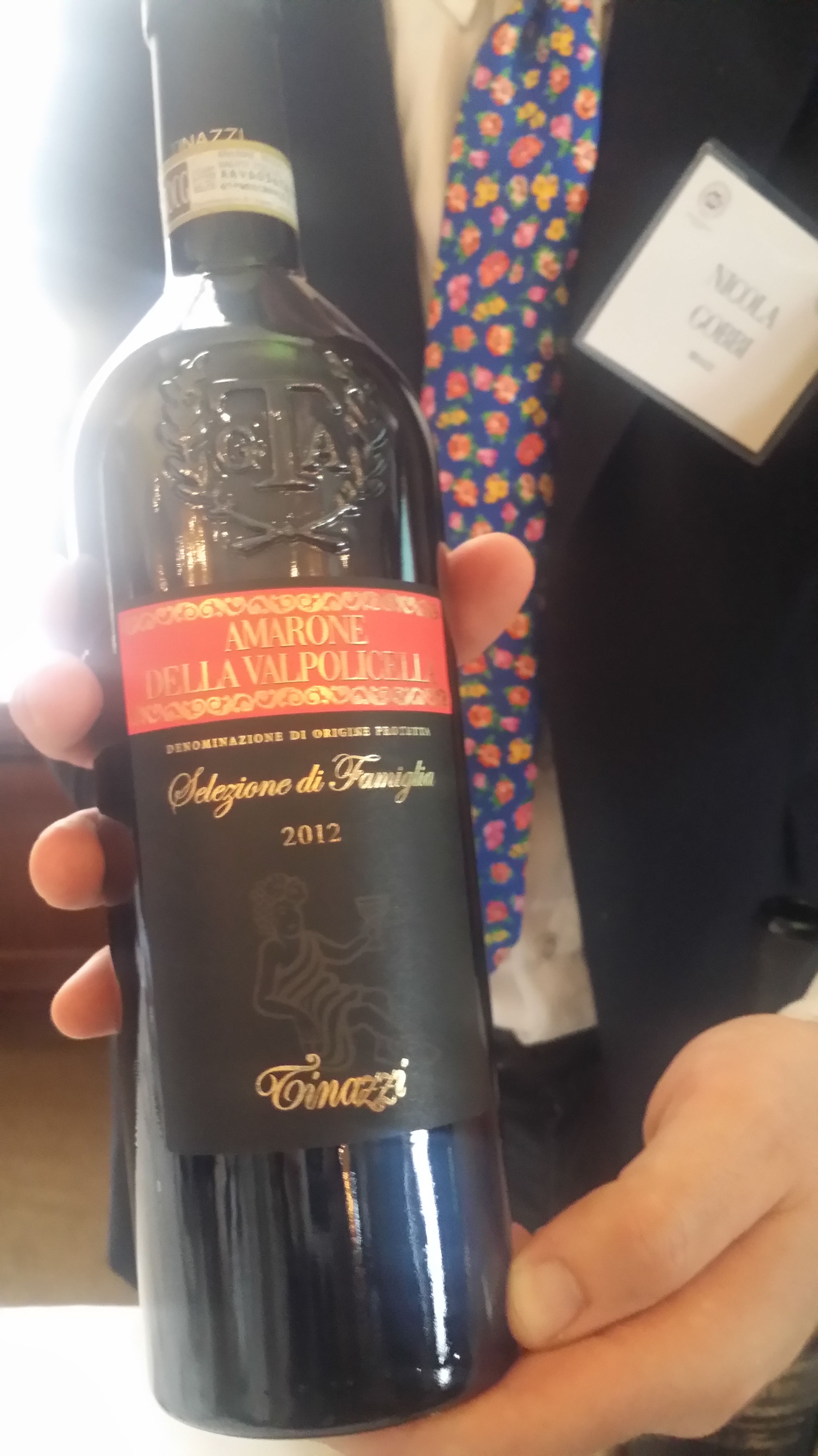
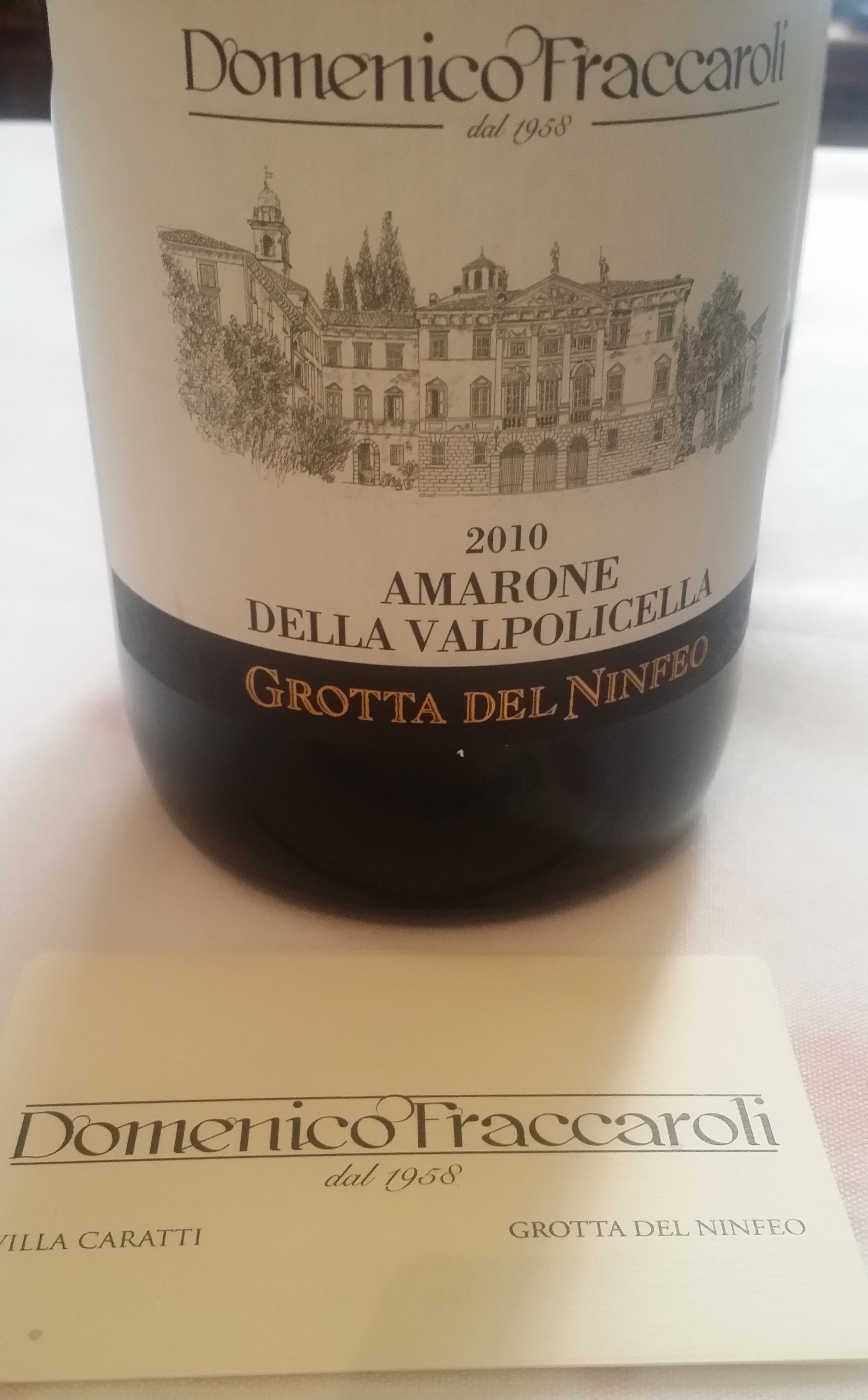
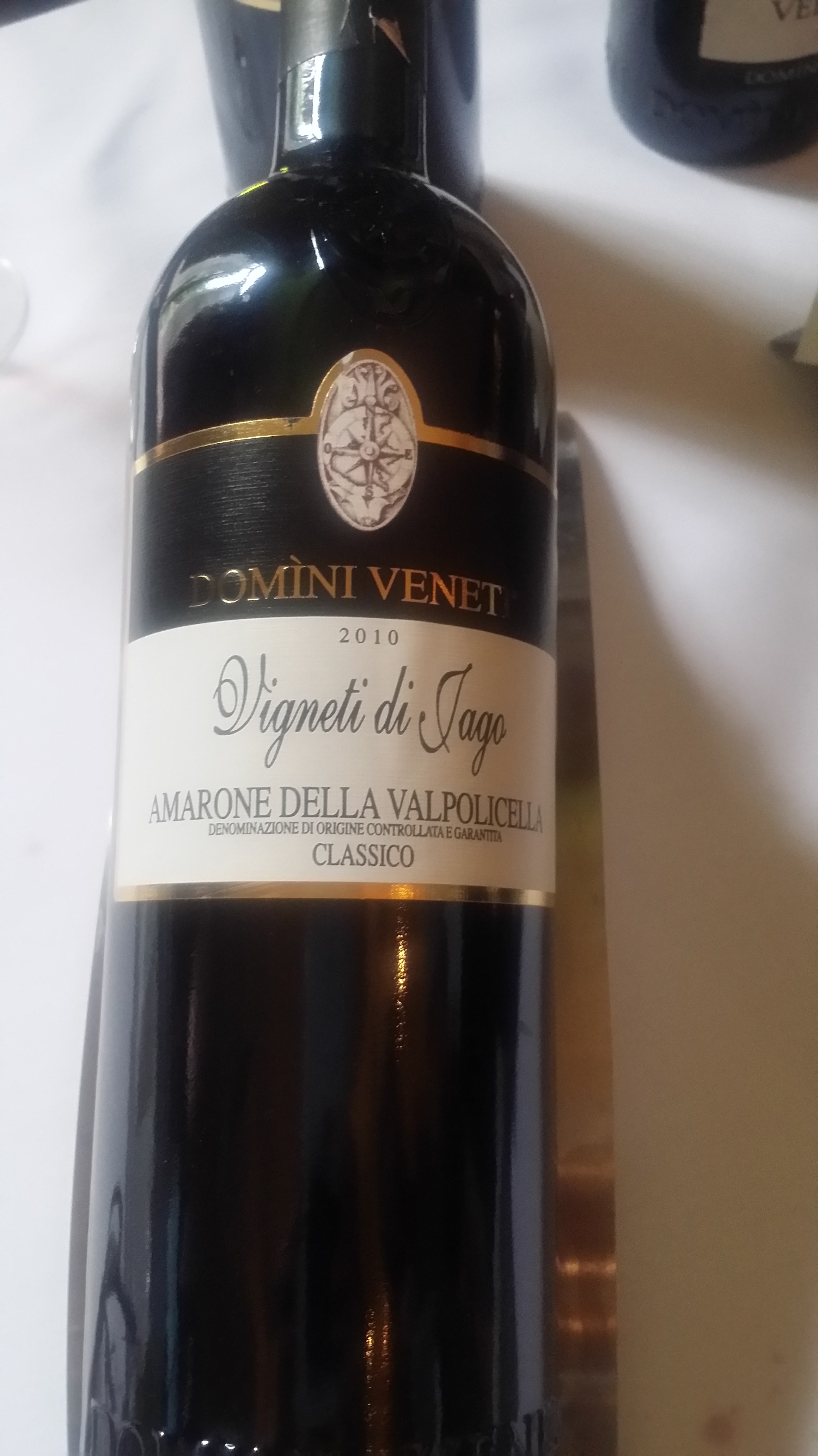
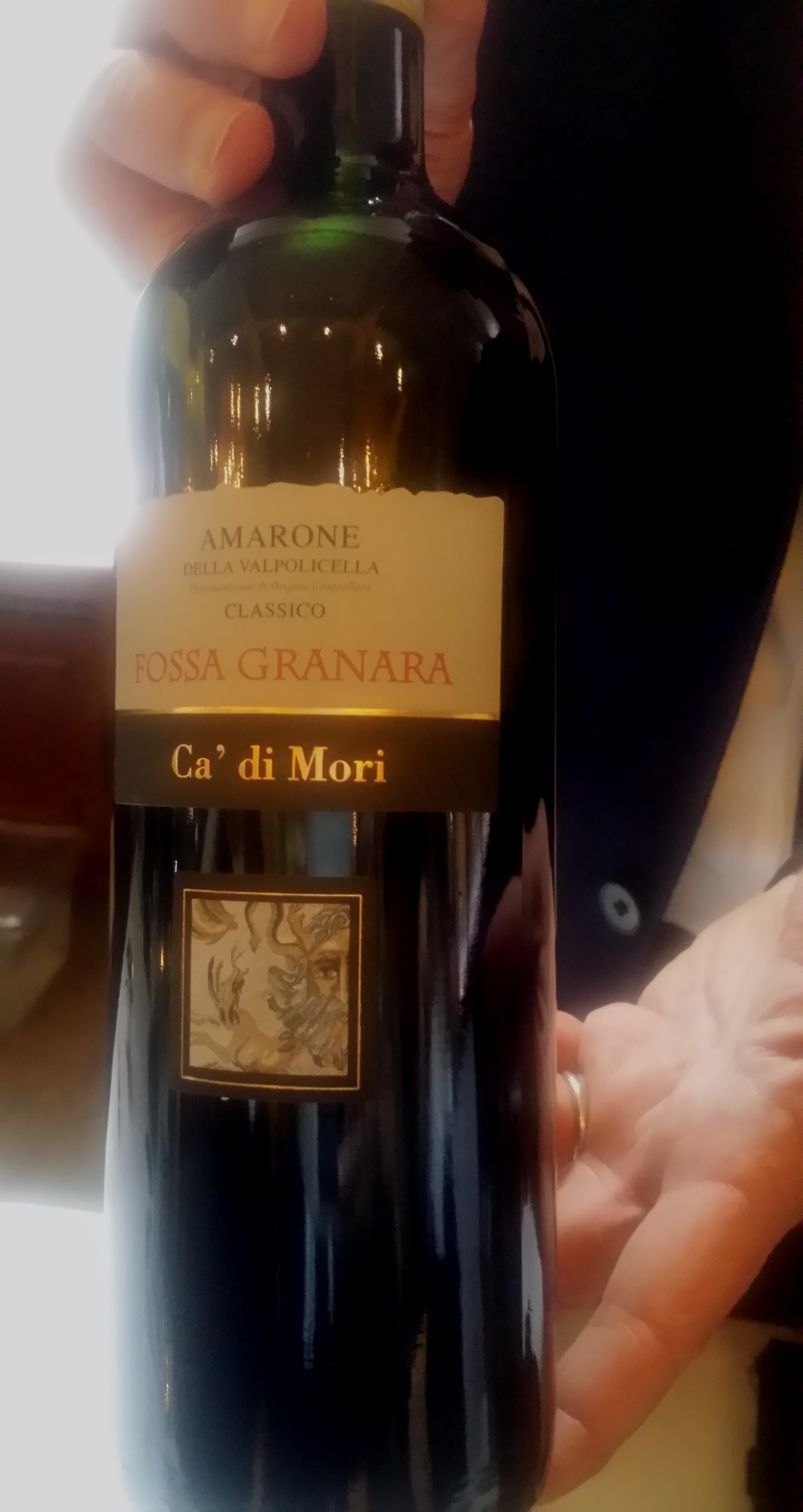
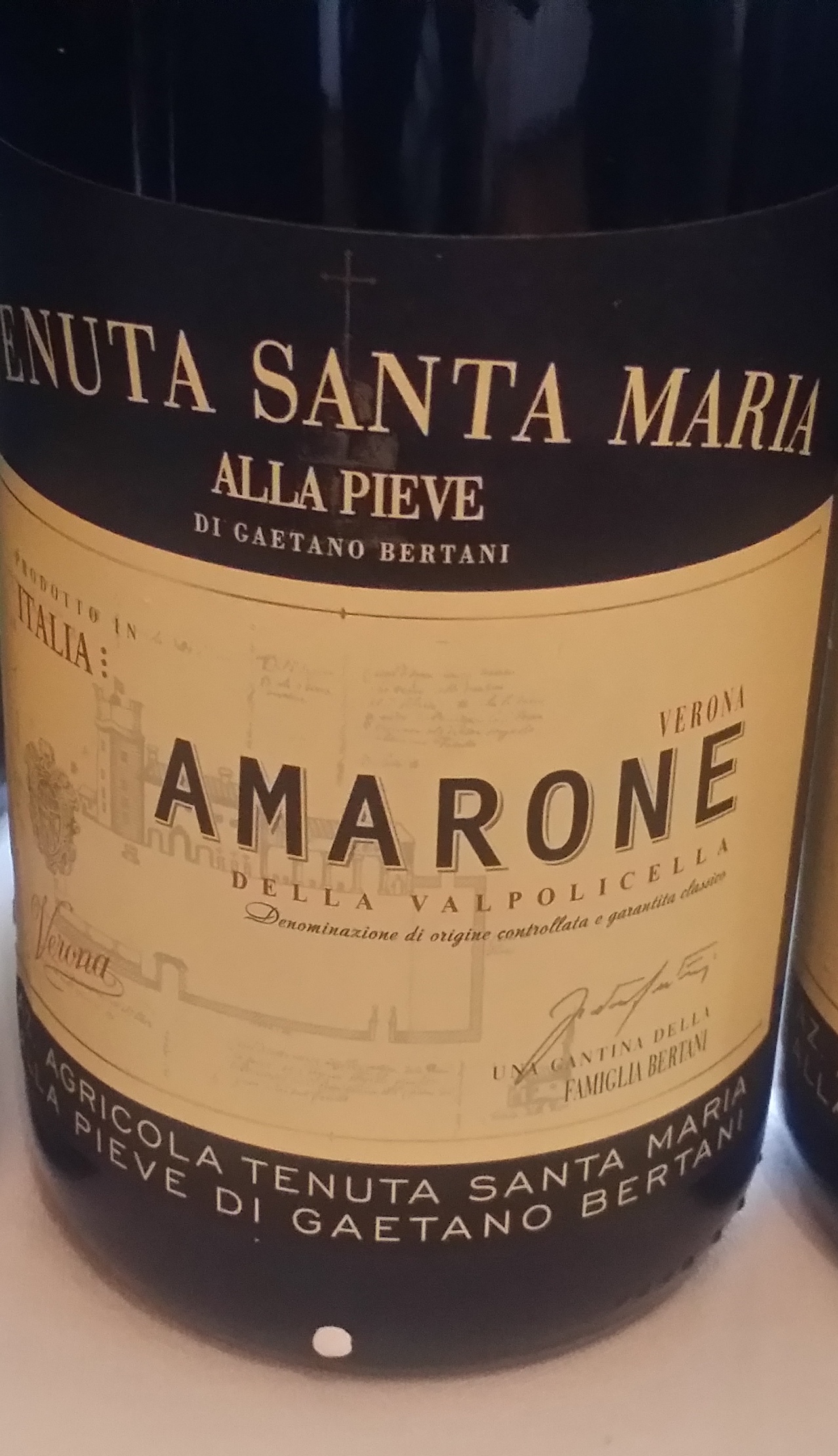
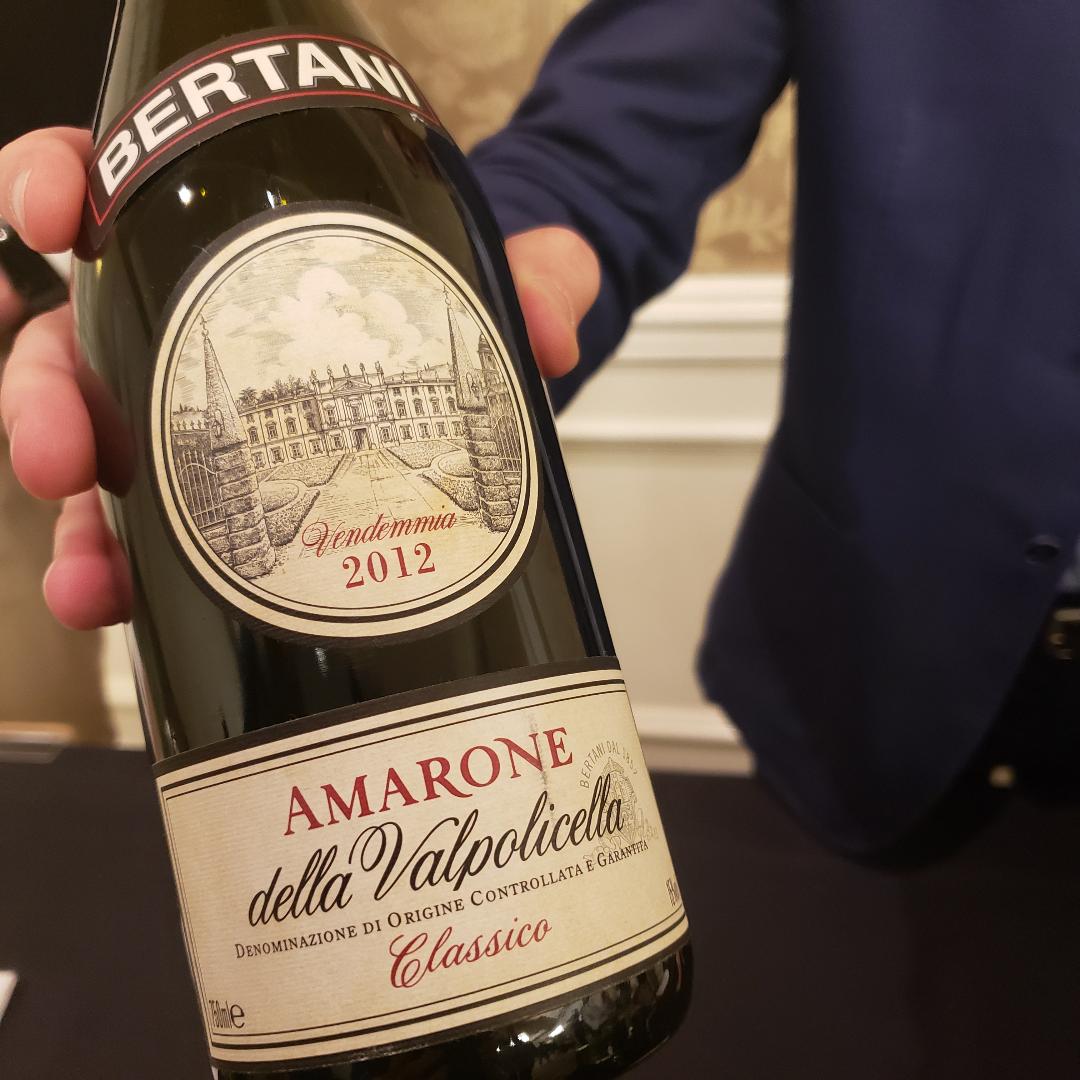
Amarone is a rich, expressive red wine from the Veneto region of northeastern Italy. Its full name is Amarone della Valpolicella, and it’s produced from a blend of grapes including Corvina, Corvinone and Rondinella. The concentrated nature of Amarone wine, coupled with longer fermentation and ageing processes, makes for a luxuriously rich, powerful, and full-bodied wine. Its vibrant, complex flavour and velvety texture make Amarone a decadent wine that deserves your full attention when drinking it. In Italian, the name Amarone literally means “Great Bitter”; originally, this was to distinguish it from the Recioto produced in the same region, which is sweeter in taste.
And finally; the real spirit of Italy is embodied in this sentence: Age and glasses of wine should never be counted.

This might sound like an excuse to drink one more glass of wine but, indeed, it is also an invitation to fully enjoy life. Forget about your age, stay young, and enjoy the company of good friends and good wine.Saluti!
Photos: d. king

Food+Drink: Italian Days 

Land of Art, Charm, History, Tradition and Wonderful Wines.

Italian Days on the Drive
Italian Days on the Drive.  Photo: d. king

rosesauce2rosesauce3For three days in a row I enjoyed little Italian touches and some major ones, not in a physical sense but in other gratifying ways.

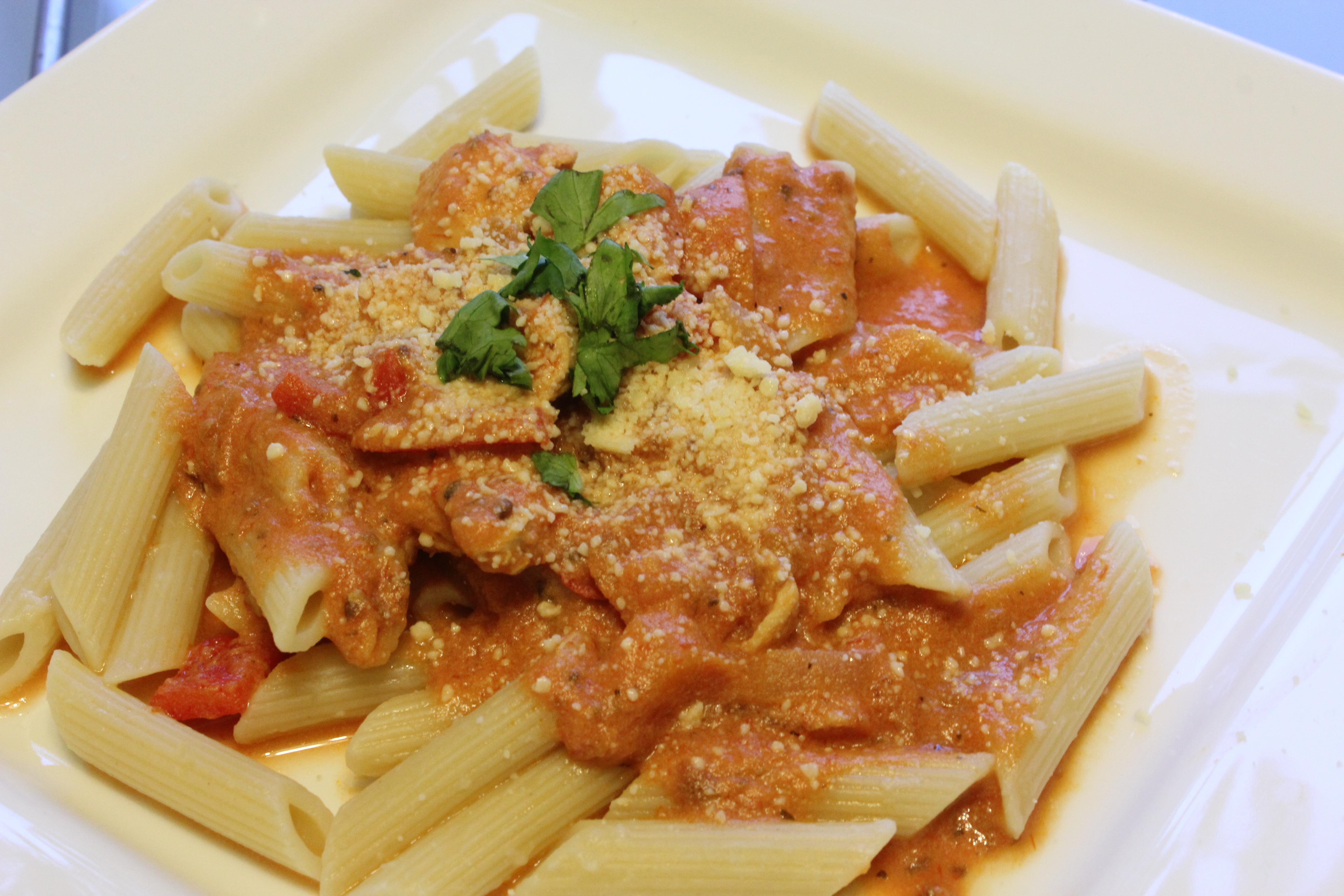
I made a typical Italian Rosé Sauce on Saturday.  The kind I’ve been craving for ages; nicely rich & full of flavour.  Simple and satisfying.

Because I wasn’t sure if I’d be eating
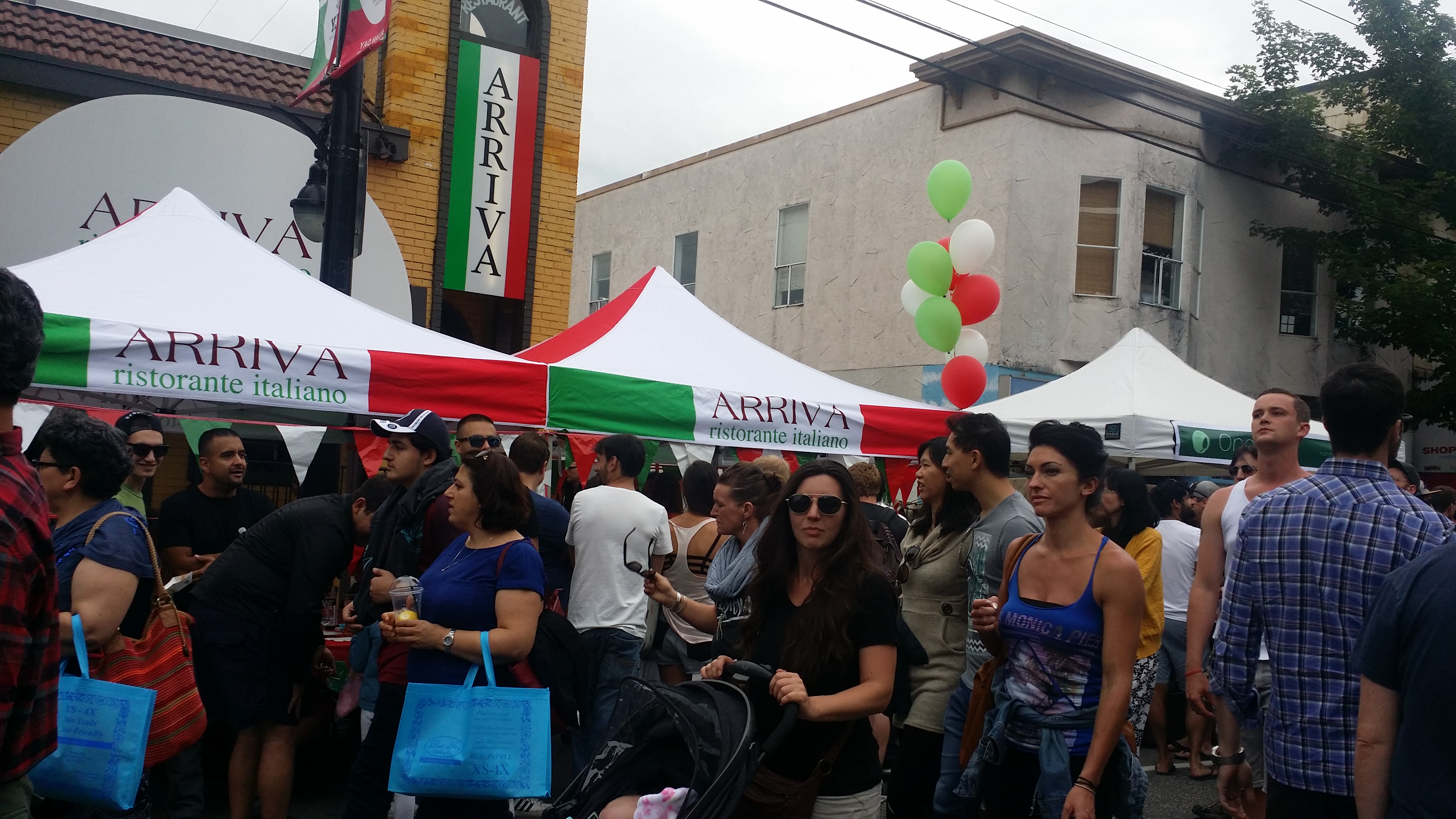
Italian on “Italian Days” the following day, Sunday.  They have Italian Days in many cities across North America where they close the streets to traffic, put up white tents to sell odds ‘n ends by storefronts, have staged live music, many food vendors and crowds where you can hardly walk without bumping into someone and wait in line forever to get something you can normally get on any other given day.  Anyway, in Vancouver it took place on Commercial Drive (aka “the Drive” on the East side of town ) in what used to be a mainly Italian neighbourhood but now houses an International variety of cuisine.  I think I did notice a few Italians here and there but most of them probably left for the day. It was fun for a few hours especially from where I sat, comfortably under a heat lamp on a side street enjoying a glass of wine while watching the passersby and a plate of calamari. The real Italians were elsewhere, sitting inside one of the many Cafés sipping espresso.

italiandays3italiandays2

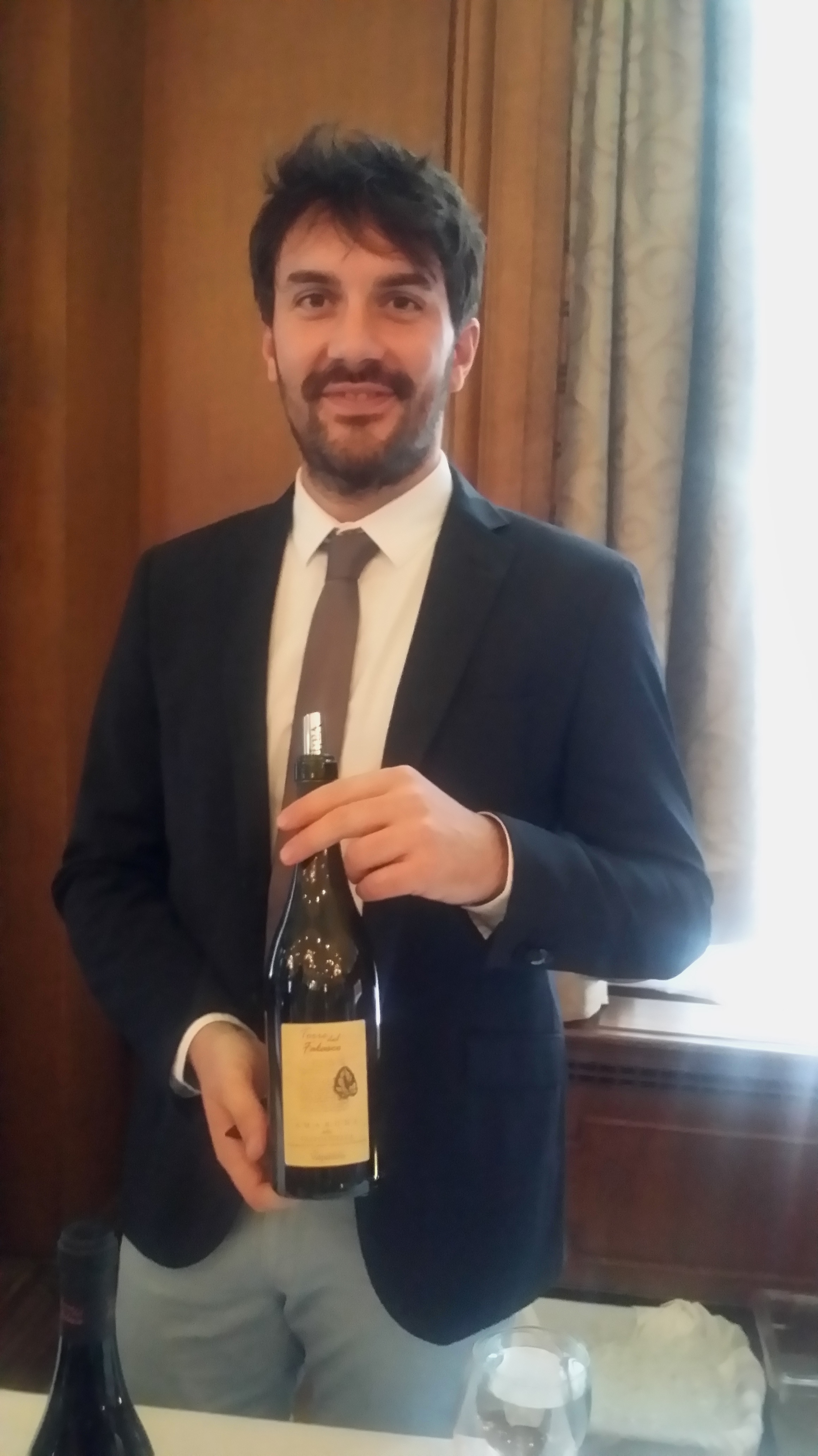
Then yesterday (Monday) I spent part of the afternoon at the Vancouver Club with real Italians flown in fresh from Italy especially to educate the trade about the wonderful ancient wine growing regions for Prosecco & Valpolicella and of course to promote the wines.

A short history of Old World Wine Country:

italiandays10The VALPOLICELLA territory has ancient origins, natural beauty and artistic value.  In Roman times it was known for its fascinating landscape and its tranquility.  Ancient palaces and noble villas are among the most attractive historical monuments in the area.  During the rule of the Most Serene Republic of Venice, large land tenures were established: country houses turned into splendid villas, decorated by the best artists of that period, and became the place where aristocracy and intellectuals had their cultural gatherings.  There are architectural jewels in the valley of Valpantena. Rural and town churches are spread all over the territory, enriching Valpolicella building panorama, made of small villages, courts, towers, capitals, fountains and dry stone walls.  All these monuments were built by local peasants, whose technical mastery turned country labour into ART.italiandays11Valpolicella “Superiore” is made from selected grapes grown in the best locations. It is aged for a year minimum thus obtaining its characteristic ruby-red colour with garnet shades; the nose is slightly ethereal with hints of vanilla.  Its flavour fine, harmonious, dry and velvety.  Especially fine when paired with second courses of red meat and medium seasoned cheeses.

Prosecco: not just a name.

chilled Prosecco bottles

Prosecco with friends: when I have a special occasion (which almost everything is a special occasion) I like to start the evening off with an Italian Prosecco. I never think too much about it, just that I like a nice tasting, tall cool glass of bubbly.  But now I know a bit more about Prosecco Superiore and realize the refinement of the region it comes from. Apparently it makes a difference between various types of soil, climate and the skill of men (yes, men) who have passed down the art of their hand-crafted labour from one generation to the next. It is thanks to this experience that they can cultivate the steep slopes of the hills that they have adorned with manicured vineyards, creating an environment so spectacular that it is now a candidate to become a UNESCO World Heritage Site.  So there is a “Superiore” for every occasion in three versions that vary in their residual sugar content. Brut, the driest style, Extra Dry, the most traditional version, and  Dry.  The sparkling wine also differs according to where it comes from within the region.  So the best advice I can give is to try them all and find out which one(s) you love best.

Amarone Amore:

(ps: the individual bottles shown in photos are my picks for this week)italiandays5

Amarone Wine: The Patriarch of Valpolicella
italiandays6amarone3Many wine lovers know Amarone on a first name basis, though relatively few are personally acquainted. This is most likely due to the high entrance fee. Perhaps you’ve seen him lingering at the bottom of a wine list next to other recognizable stars such as Brunello di Montalcino or Barolo and wondered:italiandays9

What is the story on this dude? Is he worth it?

Yes.  Amarone is worth the minimum $50-$60 ++ bottle price. While some wine prices are artificially inflated, there’s a practical explanation as to why Amarone is one of Italy’s top red wines. – and one of mine too.  It comes with a good story: To tell it properly, we must begin at the end, with Amarone’s family name: Valpolicella. Like Romeo and Juliet – it is in fair Verona where we lay our scene…

Verona is a jewel of a city in northeastern Italy, an hour and a half due east of Venice by car. The town is home to an immaculate, picture-perfect medieval center, as well as one of the most untouched Roman amphitheaters in the world, where concerts and events are still held.amarone4amarone2

The 5 Levels of Valpolicella Wine

  • Tier 1:Valpolicella Classico
  • Tier 2:Valpolicella Superiore
  • Tier 3:Valpolicella Superiore Ripasso
  • Tier 4:Amarone della Valpolicella
  • Tier 5:Recioto della Valpolicella

amarone1amaroneWhy is Amarone Wine so Expensive?

After harvesting the grapes for ‘Tier 1’ Valpolicella Classico, they are immediately crushed and fermented. This is a light, high acid red wine; it generally sees no oak aging and provides a perfect match for the traditional local appetizers.  In Verona, everything tastes  amazing when accompanied by delicious Valpolicella.

By contrast, the fruit destined to become Amarone takes quite a different journey before reaching the bottle. He is, after all, the family Patriarch – most wineries will select their older, more mature vines for this wine. Grapes are picked a bit later to ensure ripeness – usually in mid-October. Then, they are left all winter to dry into raisins.

What goes into Amarone:

  • 2x as many grapes as normal wine
  • 45+ day slow fermentations
  • Long term aging at winery (similar to Rioja)
  • Expect to spend $50-$80

Viva Italia!

Photos: d. king

Source for Amarone: Winefolly.com