There have been murals on walls throughout the world for as long as there have been people on Earth. People scratched them, carved them, etched them and painted them.
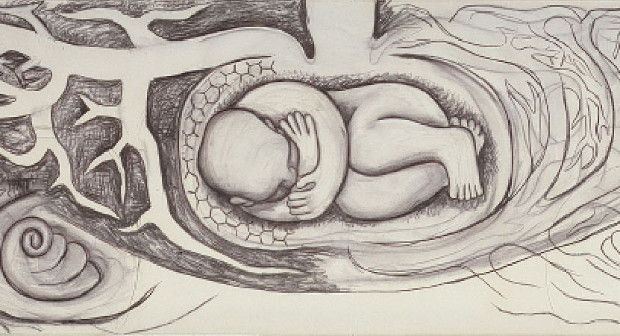
Infant in the Bulb of a Plant (Detroit Industry east wall), 1932, by Diego Rivera
The history of murals and mural painting is rich and varied, from the prehistoric cave paintings at Lascaux, France, to the celebratory and ceremonial murals of ancient Egypt, Rome, Mesopotamia, Greece and India. They are presumed to be the oldest human art form, as cave paintings at numerous ancient human settlements suggest, and can be found all over the world. A wide variety of artistic styles are used in mural painting, and some incorporate the use of techniques which create a sense of dramatic scale and amazing depth.
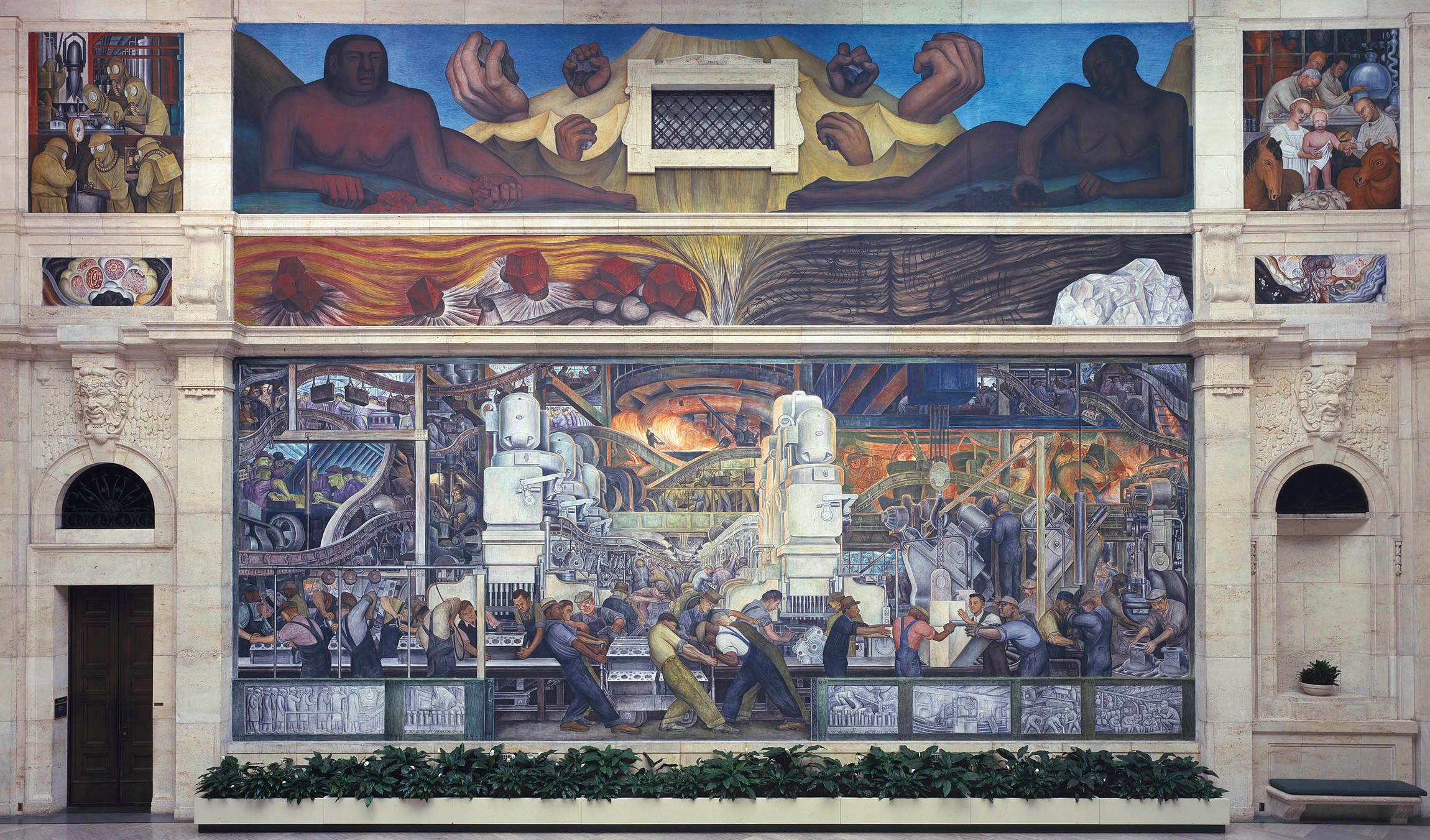
Diego Rivera (the Mexican painter who was married to Frida Kahlo) is a perfect example. One of his most significant murals, his 1933 Detroit Industry (see below) is brimming with assembly line workers, blast-furnace scenes, fertility figures, and even a portrait of Edsel Ford, who commissioned it. Come September 6 through January 4, 2014 it’s the subject of an exhibition at the neighboring Museum of Contemporary Art Detroit, Curated by Jens Hoffman.
“The Past is Present” will showcase murals by 14 artists invited to respond to events that have shaped Detroit in the 80 years since Rivera completed his masterpiece. The far-ranging themes include the 1937 Ford Motor Company strike, the history of Motor City music, and Detroit’s urban farmingrevolution. “My idea is that you wander from one mural to another, so it’s almost like walking through the city, if you could travel in time,” says Hoffman.
Vaccination (Detroit Industry north wall), (1932) by Diego Rivera
There can be few works of art so closely associated with America’s great industrial age than Diego Rivera’s Detroit Industry murals. These large-scale frescos that adorn the city’s Institute of Arts were created in 1932 and 1933 by the left-wing Mexican artist, and focus on the workers at the city’s Ford car plant. Yet their subject and scope is actually far wider, taking in medical production, race, weaponry, faith, and the predominant managerial structure of the day. Upon their unveiling, the works were thought of in some quarters as anti-American; today they’re regarded as one of the masterpieces of 20th Century public art.
Diego Rivera’s Detroit Industry (partial view) 1933

They are presumed to be the oldest human art form, as cave paintings at numerous ancient human settlements suggest, and can be found all over the world. A wide variety of artistic styles are used in mural painting, and some incorporate the use of techniques which create a sense of dramatic scale and amazing depth.
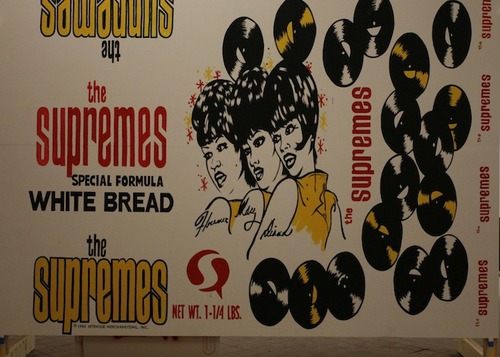
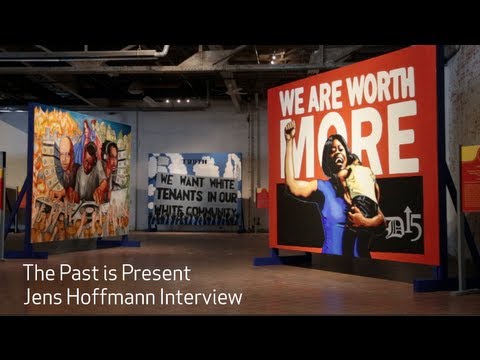 “The Past is Present” will showcase murals by 14 artists invited to respond to events that have shaped Detroit in the 80 years since Rivera completed his masterpiece. The far-ranging themes include the 1937 Ford Motor Company strike, the history of Motor City music, and Detroit’s urban farming revolution. “My idea is that you wander from one mural to another, so it’s almost like walking through the city, if you could travel in time,” says Hoffman.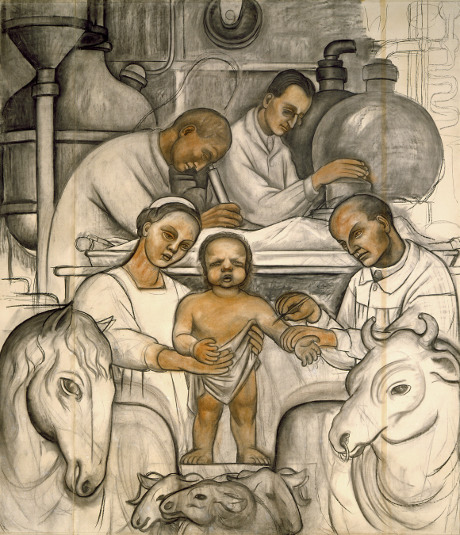

 Girl Who Would be KING on Life, Style and INSPIRATION.