

What to do when you don’t have the right chile.
You know the drill. You’ve clipped or printed out a recipe that’s supposed to be tonight’s dinner. Except, the grocery store betrays you—not having those few essential items you need – specifically a certain CHILE. The people at Chile Pepper magazine have substitutes for recipes calling for chili peppers that may be difficult to find. For example, in certain regions, some chiles like cayenne are impossible to find fresh.
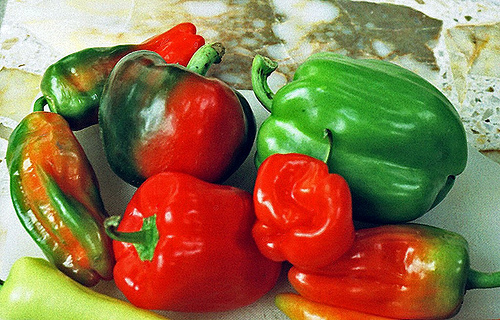
The key to finding an adequate chile replacement is knowing its heat level, sweetness, and smokiness. We pooled our resources to come up with a substitution guide for whole chiles. While it focuses on whole fresh or dried chiles, you can always use a hot sauce in lieu of ground chile.
Anaheim: A mild green chile named after the California city, this pepper also goes by the name “California chile” and is often used for chile rellenos; the red strain is called Chile Colorado. Substitution: Canned green chiles or fresh Poblano chiles.
Banana Pepper: The sweet pepper, shaped like its namesake fruit, is also called yellow wax pepper. Substitution: Any mild chile like Anaheim or even bell peppers.
Bhut Jolokia: Also known as Naga Jolokia or ghost chile, this is the world’s hottest chile. Substitution: Red Savina Habanero (lots of them).
Cayenne: A bright red, hot pepper, usually sold dried. Substitution: Chile de Arbol or Guajillo. Crushed red pepper flakes are from cayenne, so it would be the easiest substitute, along with ground cayenne powder.
Chipotle chiles in adobo: The smoked incarnation of the jalapeno that’s mixed with adobo sauce. Substitution: One tablespoon ketchup + 1/2 teaspoon liquid smoke + 1 jalapeno.
Habanero: A small, lantern-shaped chile that’s intensely hot. Substitution: Scotch Bonnets or double the dose of jalapenos.
Jalapenos: Smooth, dark green chiles that can vary from medium-hot to hot. Substitution: Half the amount of Serrano chiles.
Pasilla chile: The dried, medium-hot chile also goes by chile negro. Substitution: Ancho chile (sweeter) or Mulato chile (earthier flavor).
Scotch Bonnets: They belong to the same chile variety as the habanero. Used for jerk chicken in Jamaica. Substitution: Habaneros.
Serrano chiles: A hot, slightly-pointed chile available in various colors. Substitution: Habanero or jalapeno chiles.
Thai chiles: A thin-skinned chile typically found in red and green, popular in numerous Asian dishes. (Bird chile is the name of the dried form; drying the chile gives it the hook shape, similar to a bird’s beak.) Substitution: Fresh or dried cayenne peppers or serrano chiles.
Also, Gourmet Sleuth has a magical solution: just plug in the missing ingredient and the website will spit out a substitution.
Source: Andrea Lynn, senior editor of Chile Pepper magazine.

 Girl Who Would be KING on Life, Style and INSPIRATION.

You must be logged in to post a comment.