WAITRESS

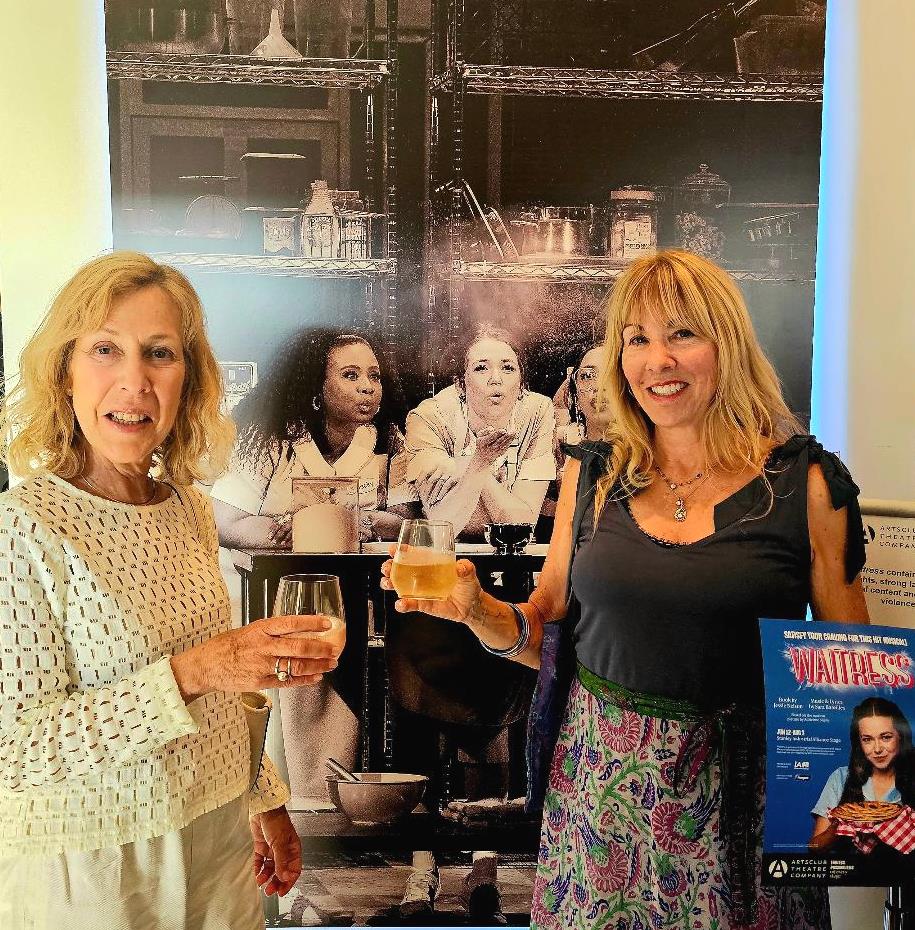
My friend Rosa and I had the pleasure of watching a very well baked musical last night.  The whole cast did an amazing job.

Ashanti J’Aria, Sarah Cantuba, and Rachel Drance in Waitress, 2025; set and costume design by Cory Sincennes; lighting design Michelle Ramsay; photo by Moonrider Productions for the Arts Club Theatre Company.

WAITRESS; the hit Broadway Musical by Sara Bareilles, is playing in Vancouver at the Arts Club Theatre Company’s Stanley Stage – Presented through special arrangement with Music Theatre International (MTI).

Based on the motion picture by Adrienne Shelly, WAITRESS is the first Broadway musical with an all-female creative team which is a landmark moment in theatre history.

The show adds depth and warmth through song.  At its core, WAITRESS follows Jenna, a gifted pie-maker trapped in an abusive marriage and an unexpected pregnancy. She works at a small-town diner and dreams of a better life.

Her journey unfolds through a bonded friendship with fellow waitresses Becky and Dawn, and a complicated affair with her gynecologist, Dr. Pomatter, who is also married.

Kamyar Pazandeh and Rachel Drance in Waitress, 2025; set and costume design by Cory Sincennes; lighting design Michelle Ramsay; photo by Moonrider Productions for the Arts Club Theatre Company.

It’s light hearted and a little crazy in parts, however; Jenna’s growth is the heart of the show; her self discovery is about learning to reclaim her voice, her dreams and her independence.

It’s not just about romantic love; it’s about choosing yourself, finding joy in small things, and baking your way through pain.

Rachel Drance and Jacob Woike in Waitress, 2025; set and costume design by Cory Sincennes; lighting design Michelle Ramsay; photo by Moonrider Productions for the Arts Club Theatre Company.

It’s a show that leaves you feeling full in every sense.  But I’d be lying if I said that I wasn’t craving a piece of pie after the show.

Cheers to good theatre!

It’s here in Vancouver only until August 3rd, 2025 – link for tickets from only $39 here:  https://artsclub.com/shows/


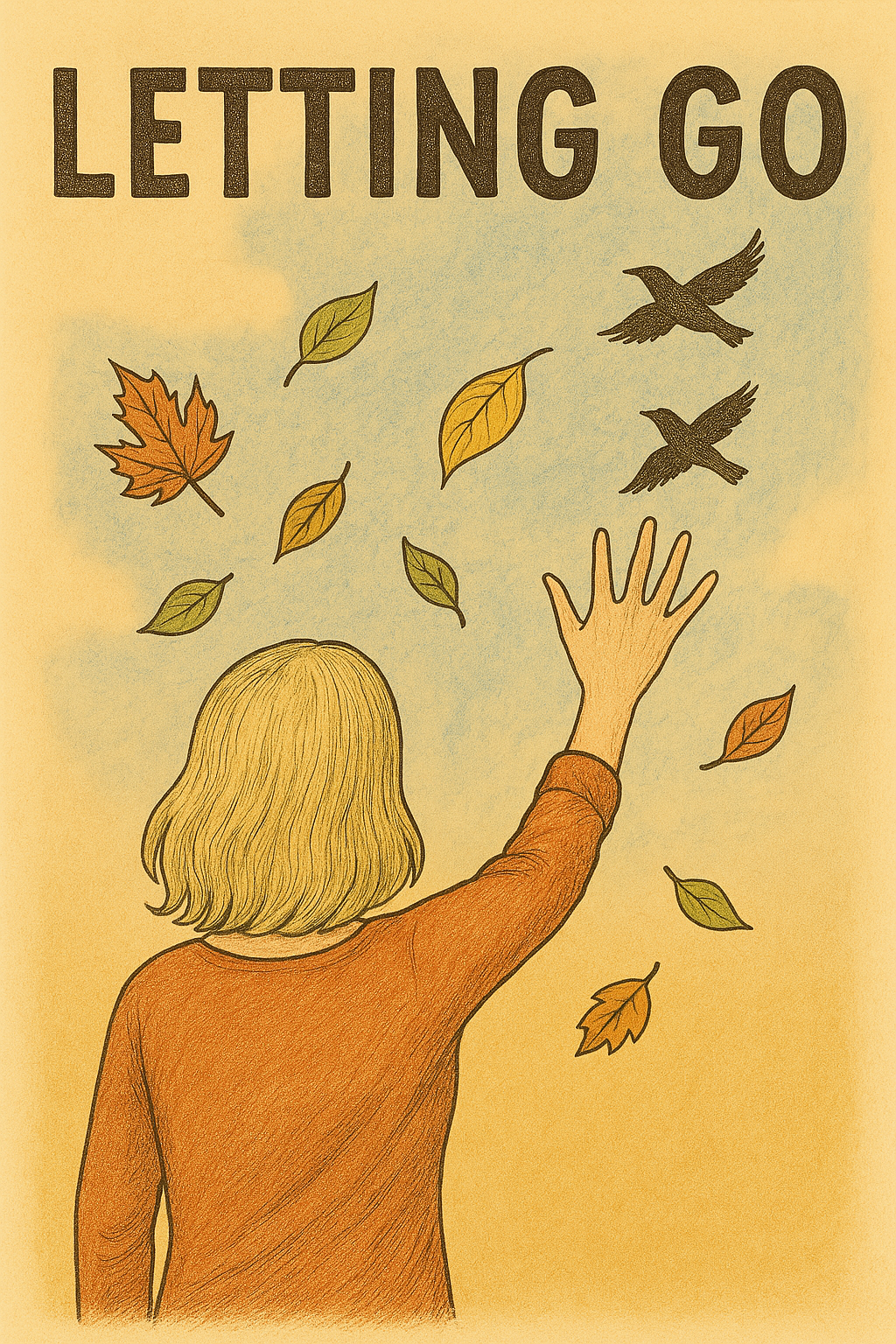
Musings…Letting Go

Letting go… those two words feel like a slow exhale after holding your breath for too long.
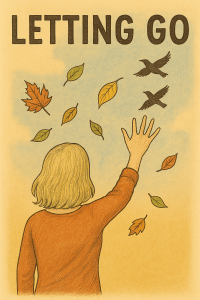
They conjure up images that are both luminous and ominous. We can experience both simultaneously and it isn’t always graceful.

We’ve all been there… about the many things we choose to let go of, and the many things we must let go of. That balance between the deliberate and the inevitable produces two very different kinds of release. I believe that depending on the circumstance, one teaches us to act, and the other to learn to accept. Deliberate letting go is a choice. Inevitable letting go arrives uninvited. Balance is found in the grace to move forward whether with intention or acceptance, and to trust that either way, we’re being reshaped for what’s next.

Letting go of old grudges and resentments once we realize they cost us peace of mind is a good thing.  Also; habits we’ve outgrown, and of course, relationships that no longer align with our values. It comes with ambiguous moments when it’s not always clear whether letting go is right, or whether we’re abandoning something too soon.

Then life hands us endings we didn’t choose.  People we lose through passing, change or distance. Losing someone you love through death is the worst kind of ending. There’s no controlling that outcome and no turning back. Sometimes it’s health related, although I’m a firm believer of being able to control our health to a large extent through diet and a stress-free lifestyle.  There are the opportunities that vanish before we have a chance to change the outcome. The only things beyond our control are youth and time. Everything else is negotiable.

Sometimes letting go feels like being pulled apart, only to be stitched together again with completely different threads. But it’s almost always a kind of rebirth, even when it’s messy.  The feelings of estrangement and unfamiliar clarity that come with new changes can also open doors to resilience and reinvention.

Through all the letting go in my life that has come from either a great loss or the relief of a welcomed new beginning, I’ve always had a knack for re-inventing myself to accommodate the new circumstances. Some people are better at this than others.  It doesn’t take away the pain, it just gives you an opportunity for a different kind of freedom.

For me personally, for where I’m at right now, letting go is about making space. It’s about making room for something better aligned with who I am at this moment in time.

Space for new people, fresh ideas, clothes growth.  An overall feeling of lightness and freedom.  I want my inner world to feel as rich as my outer one. I feel like I’m stepping into a new version of myself.  A stronger, healthier version, albeit with a quiet acceptance that doesn’t need fixing or forcing. There’s more of a flow and a trust that life will unfold the way it’s supposed to organically, rather than trying to bend it to my will. That’s what I’m telling myself and since repeated thoughts can form beliefs, and beliefs influence actions, over time they become reality.

Here’s something that resonated with me because it’s not always easy to let go of something beyond our control (I’ve had it for a while but cannot remember where I found it).

We spend our lives trying to anchor our transience in some illusion of permanence and stability. We lay plans, we make vows, we backbone the flow of uncertainty with habits and routines that lull us with the comforting dream of predictability and control, only to find ourselves again and again bent at the knees with surrender to forces and events vastly larger than us. In those moments, kneeling in a pool of the unknown, the heart breaks open and allows life; life itself, not the representation of life, that comes from control, to rush in.

Let your heart be broken: Life and Music from a classical composer – Tina Davidson

Notes:

“If you’re already familiar with my blog, thank you for checking in. I do appreciate it.   These “musings” from the margins of my mind, give me an opportunity to share a deeper side of myself that does not always (or ever) come through in my regular blog posts revolving around style, food and fun.  This is, after all, a Life and Style blog. From the in-betweens of everyday life, this space holds thoughts that wander, questions without answers, and reflections on what it means to simply be. It’s unpolished, personal, and often quietly profound.  I hope you enjoy exploring the challenging depths we all carry.  On another note:

In my Vancouver book club, we were all on the same page (pun intended) so to speak, by choosing books that would help provide some grounding wisdom and direction when life felt uncertain or overwhelming. We were going through similar feelings and it was good to share thoughts and pages with like-minded people.

For instance; our first book BITTERSWEET by Susan Cain – helped to get us through a grief period.  Next came LETTING GO: The Pathway of Surrender” by Dr. David R. Hawkins – to help seek emotional healing.  The book blends clinical insight with spiritual depth, making it useful for everyday challenges like stress, relationships, and self-worth.  It was a great follow-up after “Bittersweet.”

One of its most quoted lines is: “Letting go involves being aware of a feeling, letting it come up, staying with it, and letting it run its course without wanting to make it different or do anything about it.”  (Easier read than done).

Then we had enough of all that self growth re moving forward.  We graduated to a book that explains us all: SAPIENS: A Brief History of Humankind by Yuval Noah Harari – a fast-paced journey through human history; from ancient foragers to modern-day tech. It’s a mix of history, science, and philosophy, all wrapped in a thought-provoking narrative.

Now on to the next chapter…

How about you? Is there something you’ve had to move on from recently?

Pop-Up Picnic at the Parq

THIS was no Picnic in the Park…

The Eiffel Tower was not in view…although you could almost hear Édith Piaf singing  from a nearby vintage radio. 

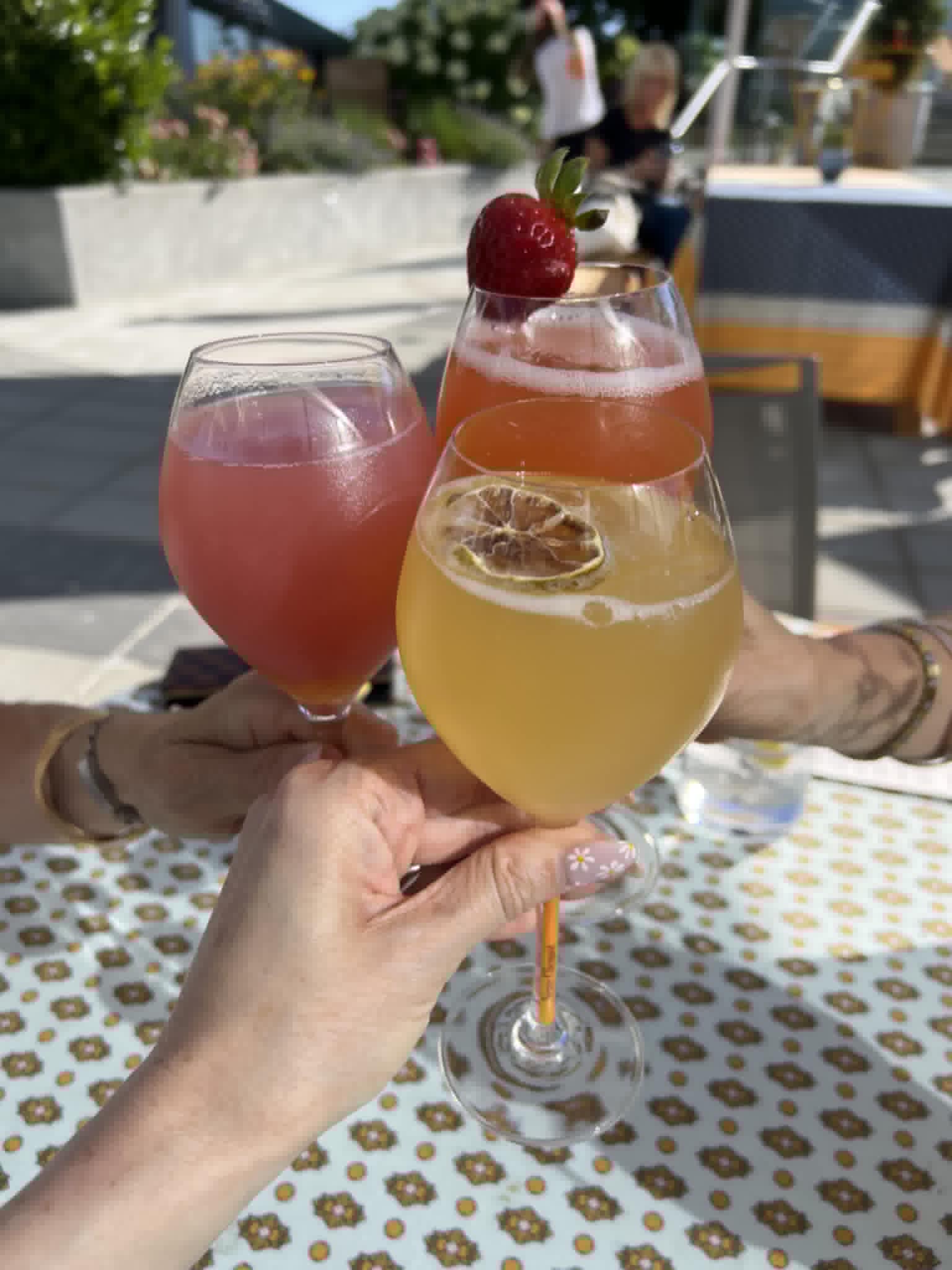
When our waiter popped the cork, it echoed briefly between buildings before being absorbed by laughter. THIS was more of an experience than an actual picnic.

It was a leisurely outdoor afternoon wrapped in beauty and bubbles. The scent of lavender was everywhere.

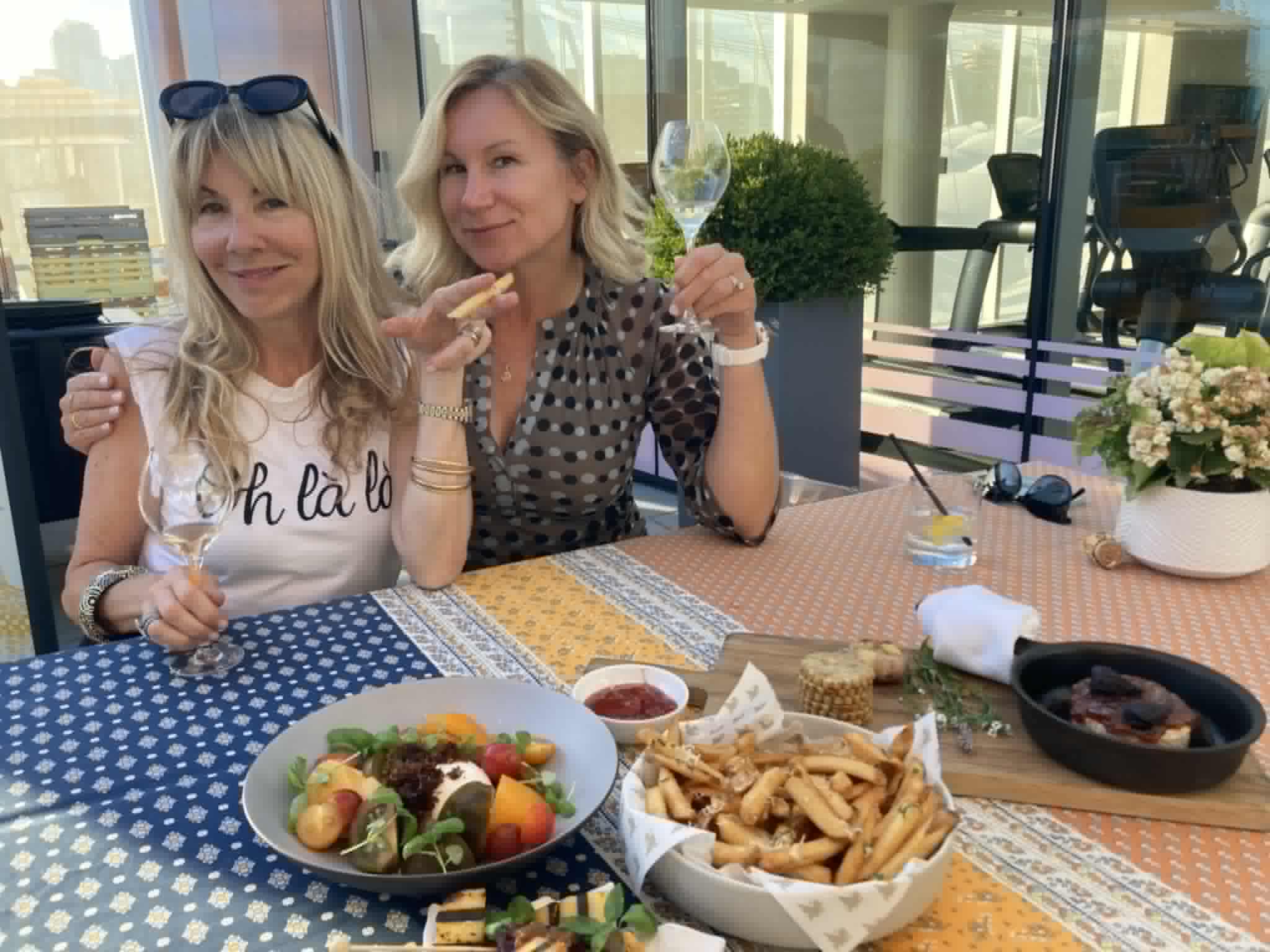
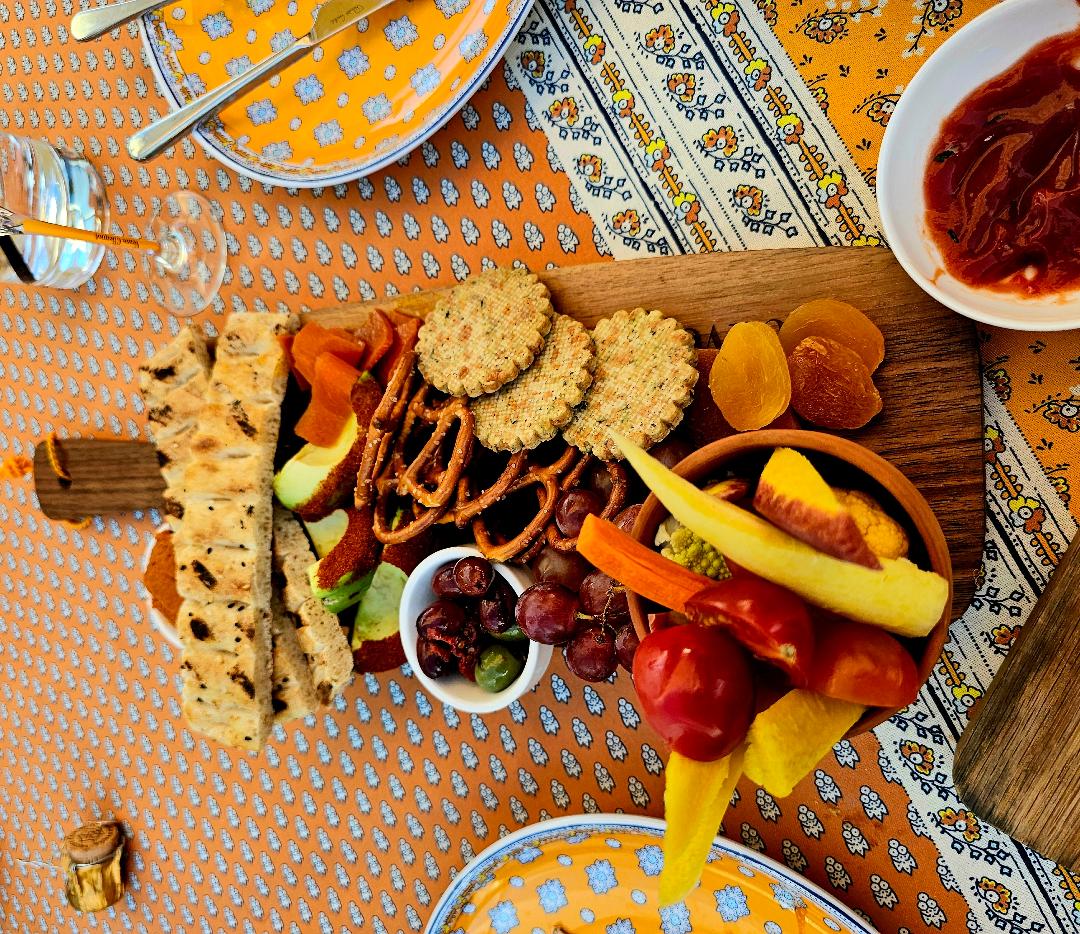
I always like to have at least one picnic in the summer time.  One that involves spreading out a blanket under a tree on a grassy area, along with my dogs.  But this time I elevated the experience to having a French picnic on a rooftop with a few friends.  One that involved beautiful champagne, soft brie with figs, truffle frites, charcuterie and other bites.

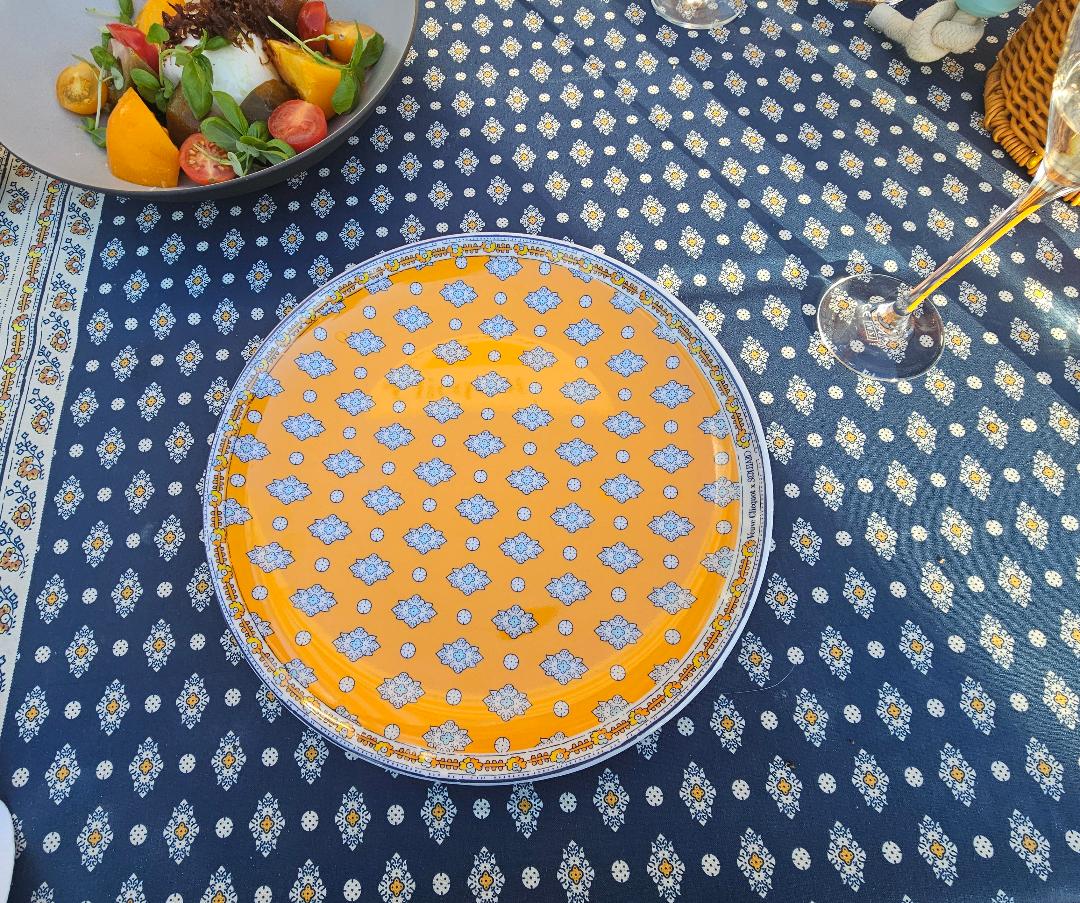
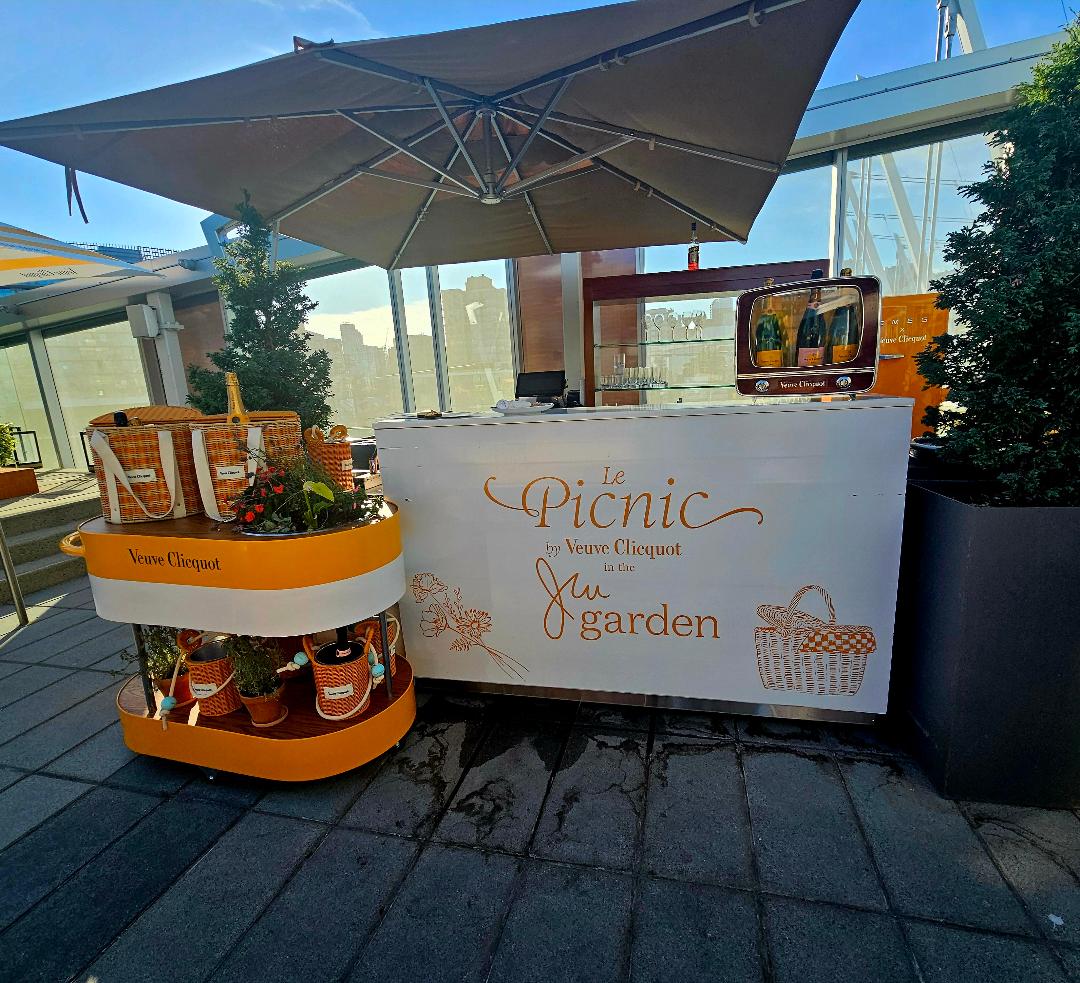
The JW Marriott Parq Hotel Vancouver has turned the 17th floor rooftop into a Va-Va-Va-Veuve detail oriented happening. The instantly recognizable famous champagne’s yellow label was not only on the champagne bottles, but also in the ambiance with décor like tablecloths, champagne flutes and umbrellas.  Even a fridge!

The VEUVE CLICQUOT story has a tale as effervescent as the champagne itself.

Veuve Clicquot isn’t just a Champagne brand; it’s a legacy of innovation, resilience, and elegance.  But it didn’t start out that way.  Here’s a little history off the top of my head (like you believe that!).

Founded in 1772 by Philippe Clicquot-Muiron, the house originally dealt in banking and textiles, alongside wine.  His son, François Clicquot, officially took over the champagne business in 1801, when Philippe retired.

Madame Clicquot, born Barbe-Nicole Ponsardin, was a 27-year-old widow in 1805 when her husband François Clicquot died suddenly. At a time when women couldn’t legally run businesses unless widowed, she boldly took over the struggling family wine company and transformed it into a global champagne empire.

In 1810, she created the first known vintage champagne, daring to bottle wine from a single exceptional harvest year – a radical move that elevated champagne’s prestige. She also pioneered Rosé Champagne: In 1818, she blended red wine with her Yellow Label to create the first blended rosé Champagne.  Thank you Ms. Clicquot – we’re so happy that your little experiment worked out so well, for so many of us.

The brand also had a cultural impact. Veuve Clicquot helped make Champagne the drink of celebration, thanks in part to Russian soldiers who adored it during the Napoleonic wars.  No wonder we always think of champagne for everything Anniversaries, Weddings and to make a toast on New Year’s Eve.

The brand hosts the Veuve Clicquot Polo Classic, a celebrity-studded event in New York and Los Angeles.  

For the first time, JW Marriott Parq Vancouver and Veuve Clicquot have opened their rooftop pop-up to the public, not just hotel guests. LePicnic Patio: 12 p.m. to 8 p.m. daily, now through August 30th.  Located on the 17th floor of JW Marriott Parq Vancouver, rooftop Aqua Lounge and JW Garden. Live music on Fridays and Saturdays from 3 p.m. to 7 p.m.

How to book:

For non-hotel guests, bookings are available online.
Hotel guests can access the 17th floor Aqua Lounge directly, across from the Spa by JW.
  

Je te souhaite bonne santé et bonne chance!

Lisa + Tammy 


Folk Music Festival

This quote sums it up: “It’s a folk singer’s job to comfort disturbed people and to disturb comfortable people.” – Woody Guthrie; legendary folk singer and activist. This is a profound quote which captures the spirit and two faces of Folk music: one that soothes those struggling with turmoil, and another that shakes those settled in complacency. Wow! I love it.

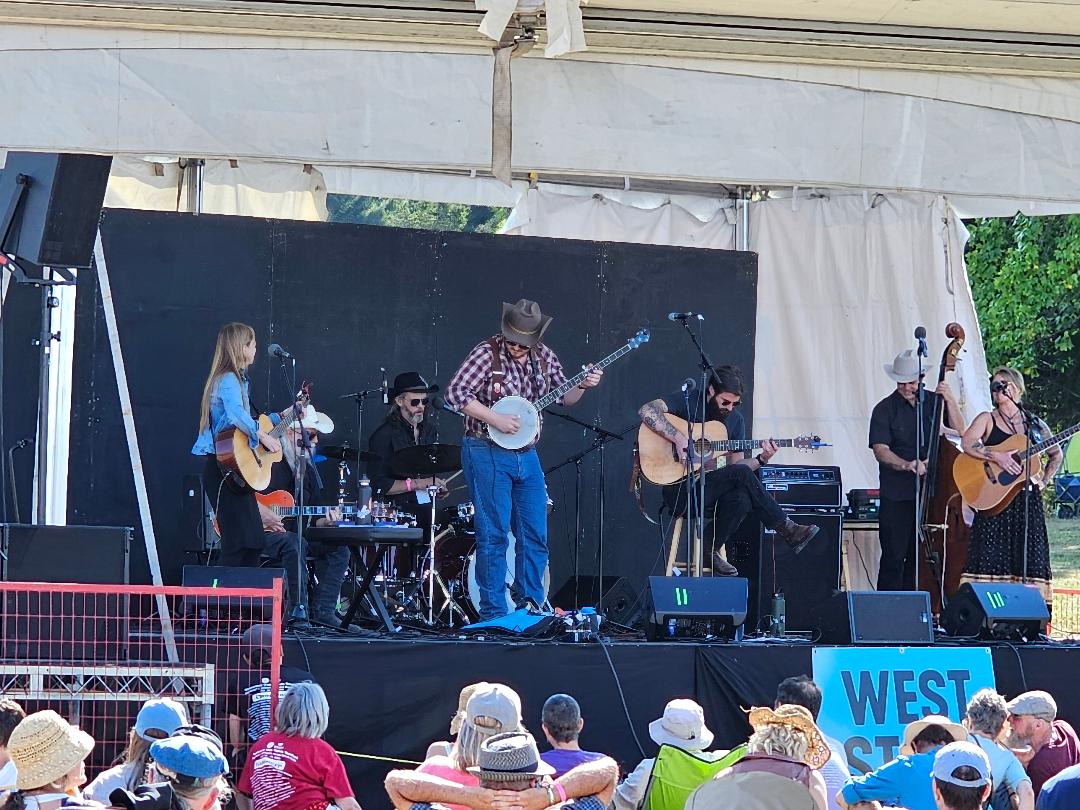
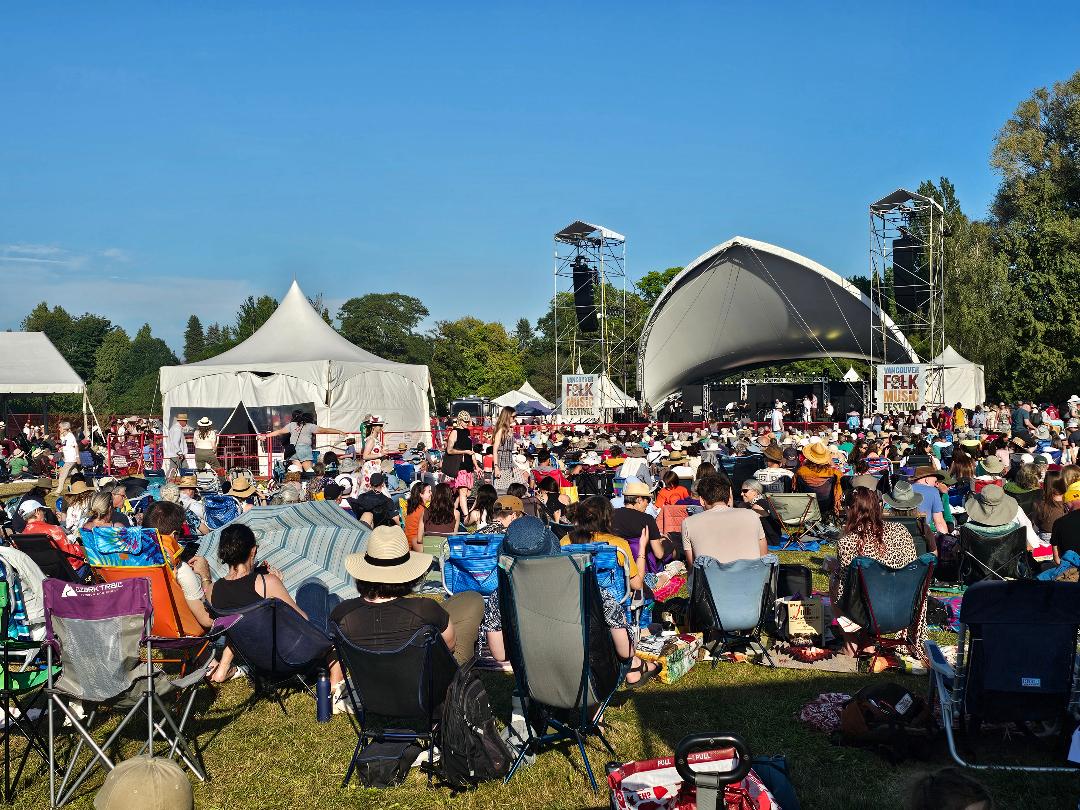
The Main Stage. Photo: d. king

Nothing brings people together quite like the shared language of food and music.  One nourishes the body and the other, the soul.  It started off with a shindig on Friday night just before the music started.

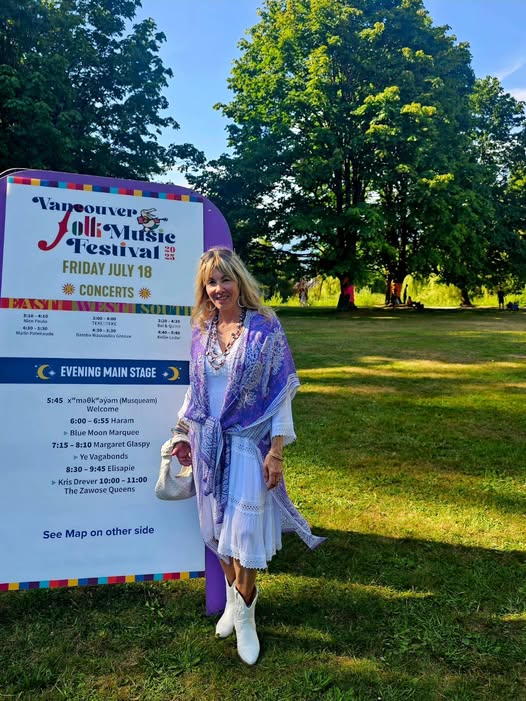
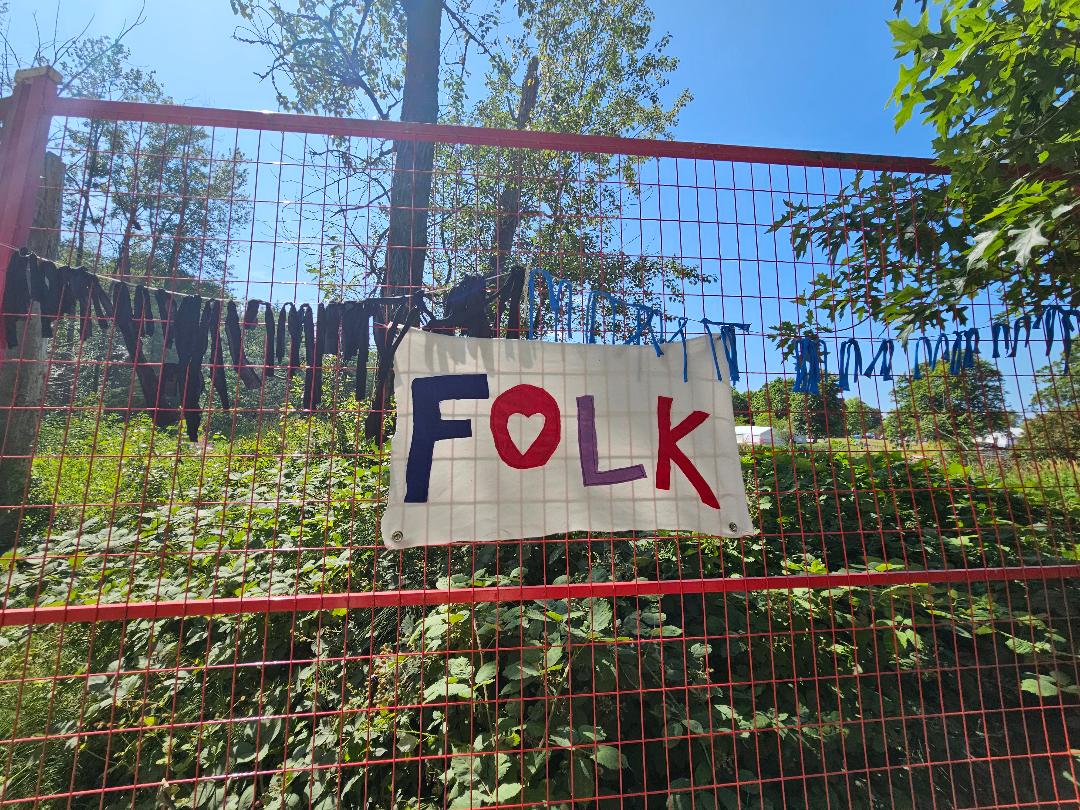
The Vancouver Folk Music Festival is taking place all weekend long from Friday, July 18th to Sunday, the 20th.  It’s an annual event held at Jericho Beach Park in Vancouver, B.C. celebrating folk and roots music.  The festival, now in it’s 48th year, aims to foster community, connect people through music, and support emerging artists. It’s a fantastic celebration of “world class” music.

It features a diverse range of international, national, and local artists, along with activities like dancing, food and local artist vendors, and children’s areas.

Many people are confused as to what Folk Music represents.

Folk Music has evolved over the years. In the early days it relied heavily on acoustic instruments like banjos, fiddles and harmonicas with simple melodies, relatable lyrics and themes from everyday life. Artists like Bob Dylan and Joan Baez used folk as a tool for protest and social change. Traditional Folk Music has always been about connecting people to their cultural roots.

“Hurts So Good” group. Photo: d. king

Now, artists from all over the world incorporate folk elements, creating a hybrid of traditions. Folk now often mixes in with pop, rock, electronica, even hip-hop. It can be more bluesy or jazzy and even have a Middle Eastern bent. However, its soul of storytelling, authenticity and human connection remains intact. Every region has it’s own folk traditions. Be it Irish, Indian, Appalachian and West African to name a few…but each region is wildly different in sound and purpose.

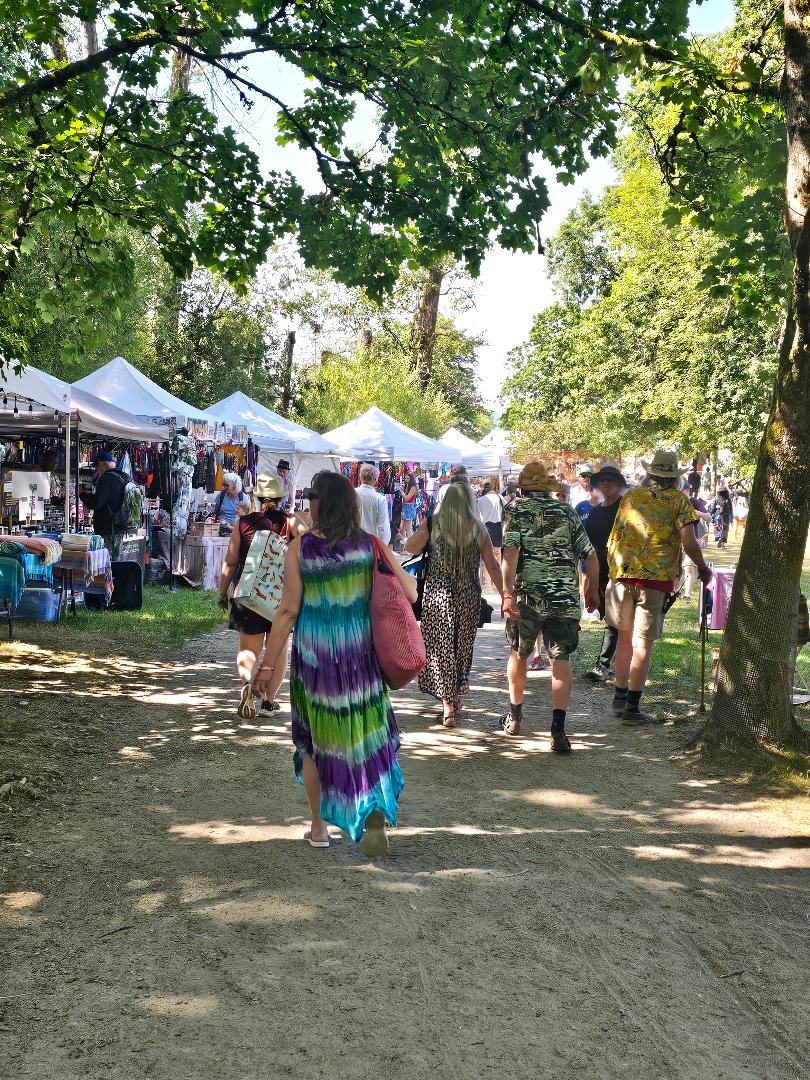
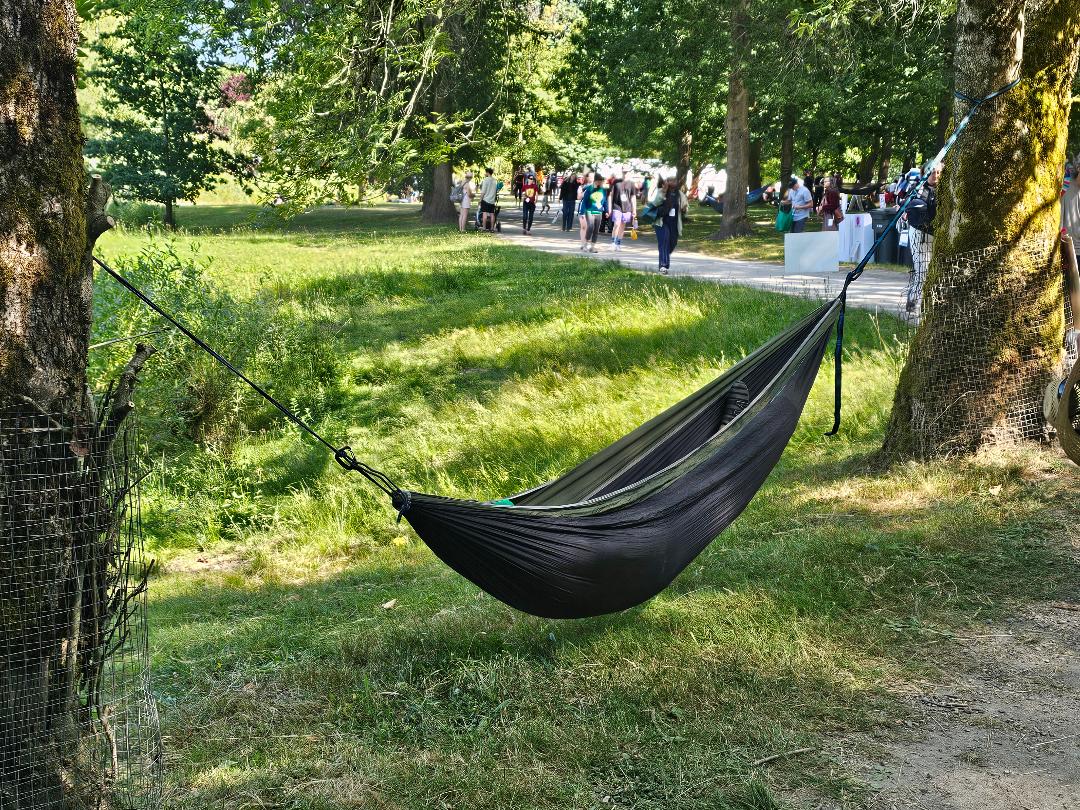
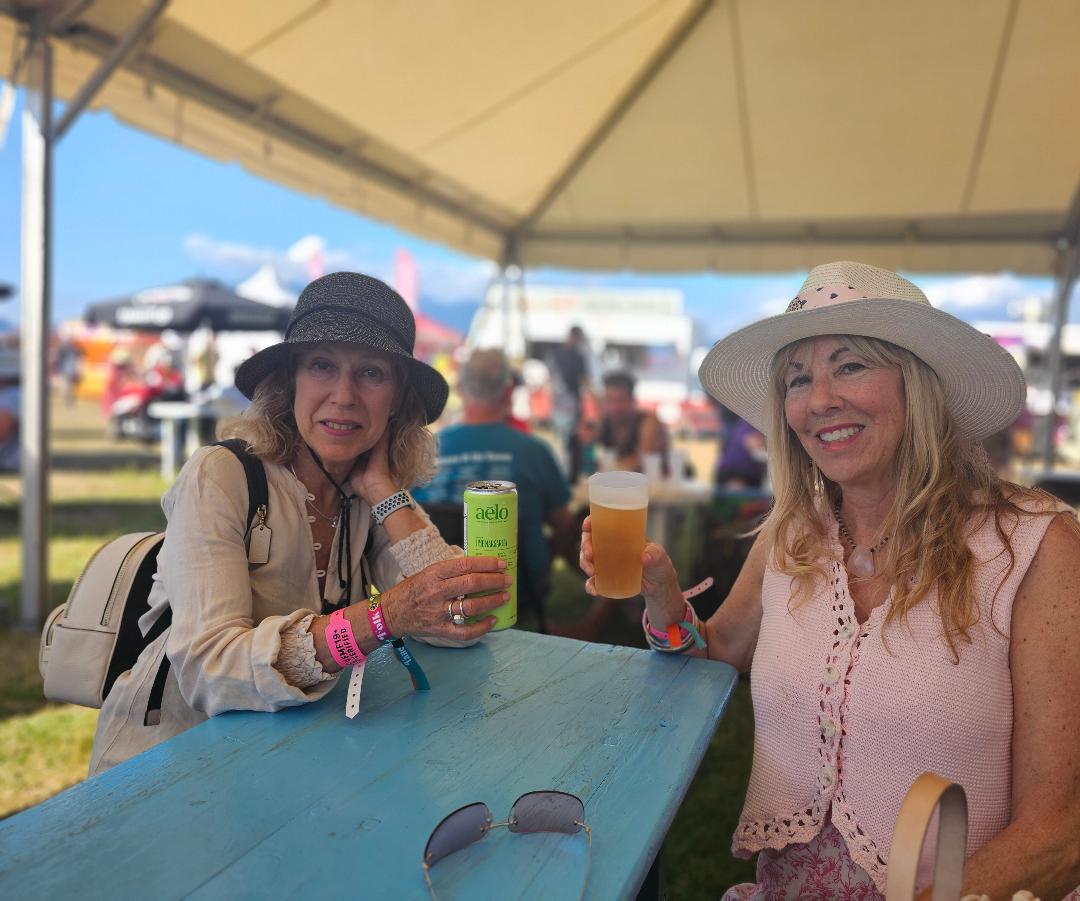
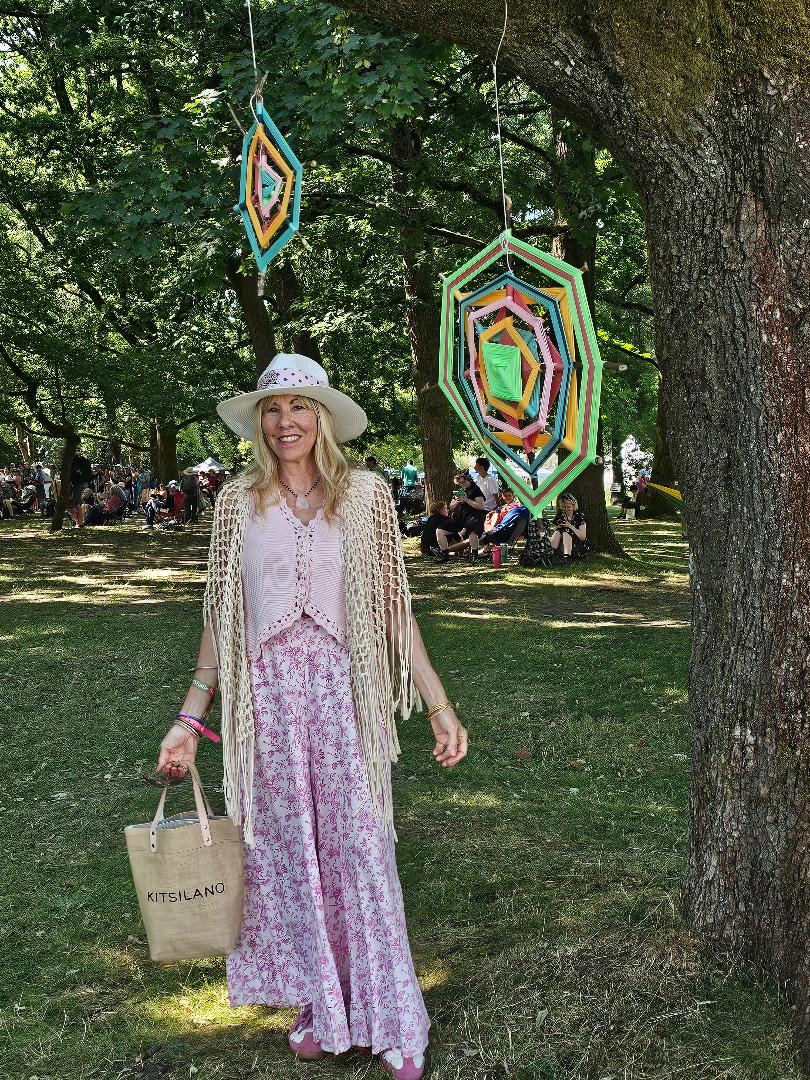
I thoroughly enjoy attending this event every year.  The outdoor space is large and lush.  There are several stages set up in various locations and always something happening throughout.  You can wander around and visit the local vendors, go to the beer garden or grab a bite from a handful of local and ethnic food trucks.  You can also walk out of the gate and sit on the beautiful beach for a bit.  No shortage of things to do and see.

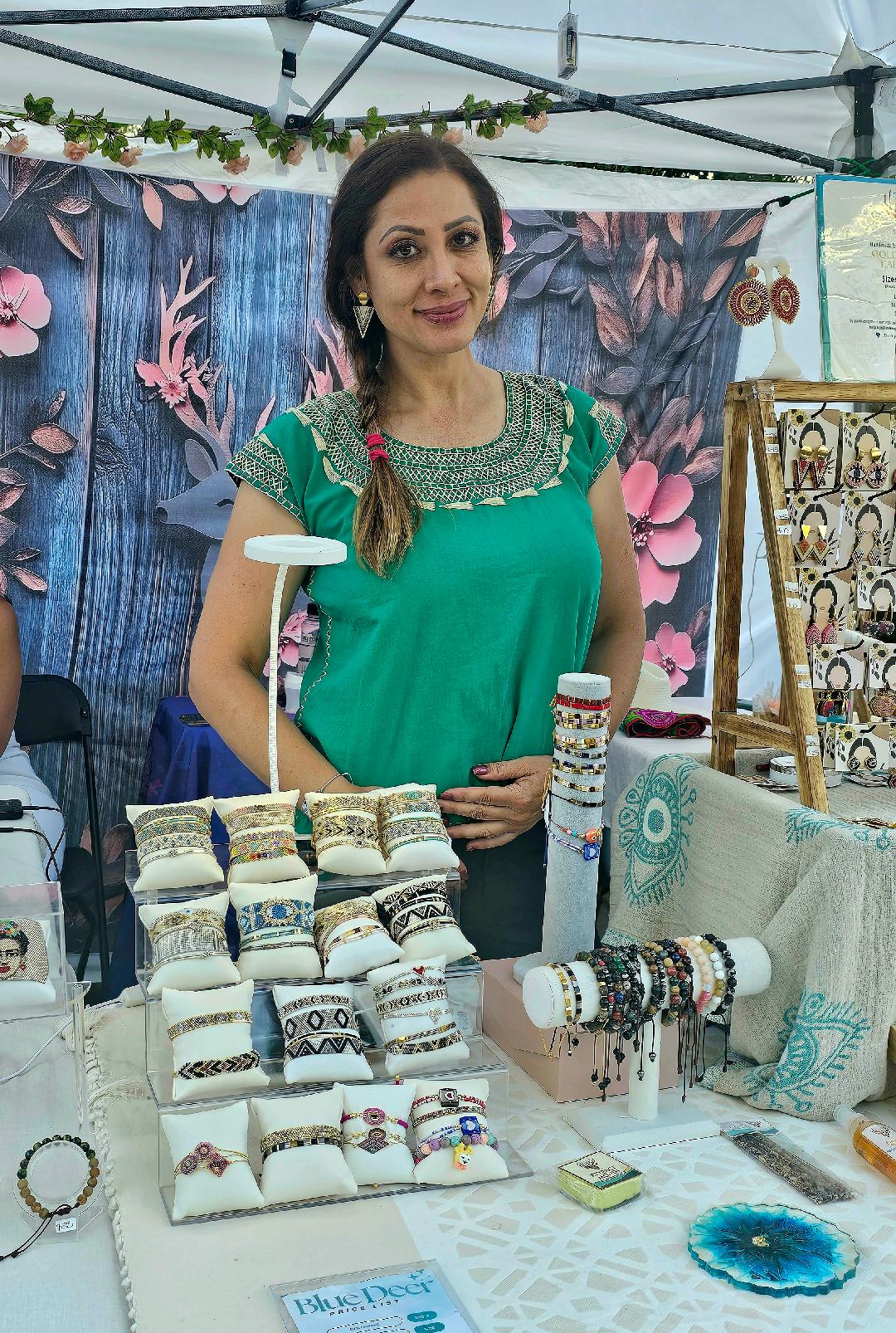
Edith Marin makes gorgeous beaded art jewelry. Each piece tells a story. “Blue Deer” huichol art.

For tickets and information please visit:

https://thefestival.bc.ca/

Donations, especially monthly contributions, help ensure the festival can continue its tradition of bringing “world-class” music to Vancouver. If you would like to donate to this well thought out, well organized and amazing festival here’s the link:

A playful reminder that music is made by people, for people is this witty quote from Louis Armstrong: “All music is folk music. I ain’t never heard a horse sing a song.

When you hear about Folk Music, what kinds of images or feelings come to mind for you?

Summer Story

Summer always seems to whiz by so quickly.

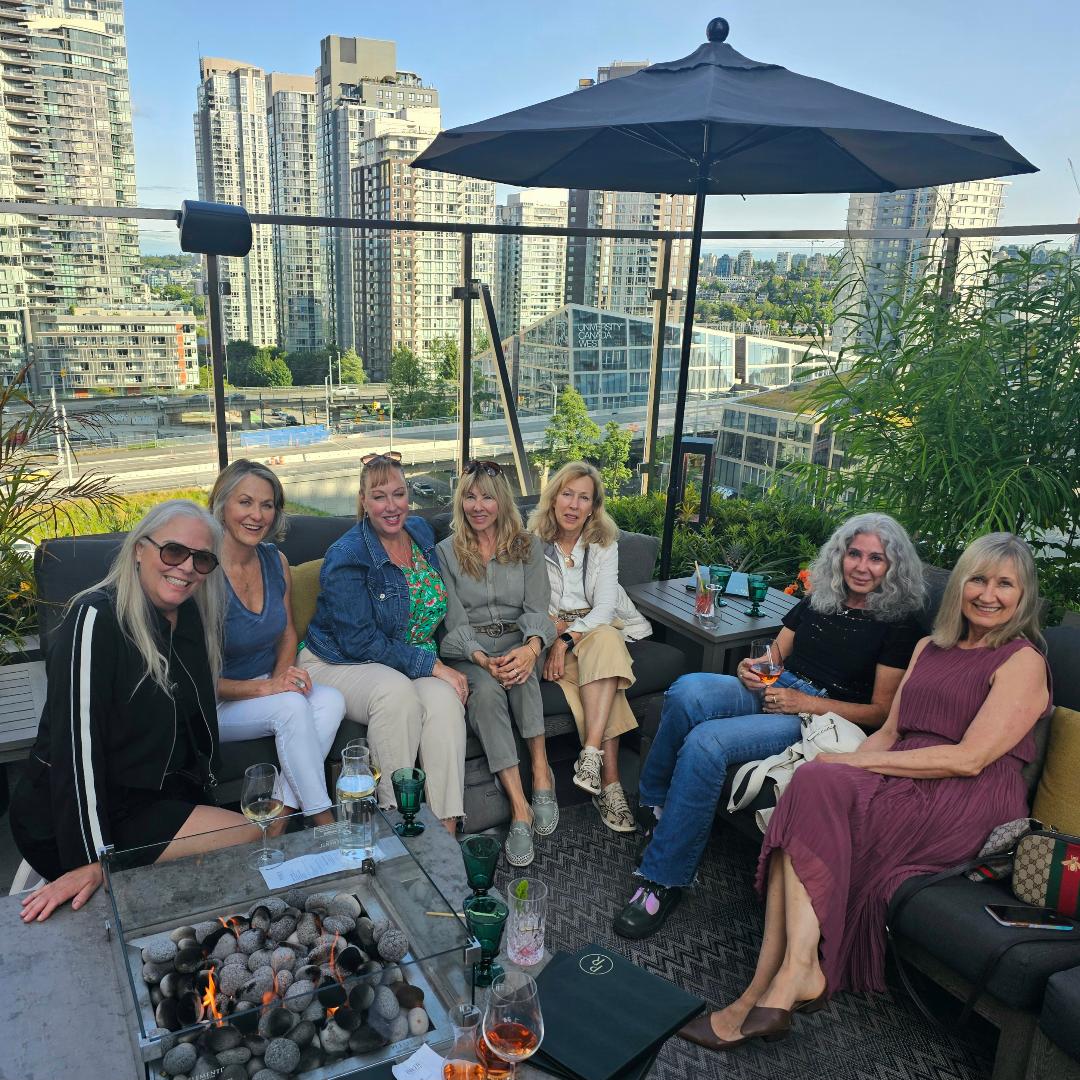
Happy Hour meet-up with a group of fascinating women. On a rooftop of course.

Slowly creeping up on us, and then with a bang – all the activities happen. It’s like summer gets impatient – waiting all year behind the scenes, then bursting onto the stage with fireworks, beach trips, and backyard BBQs like it’s got something to prove.

The days are longer, but somehow feel shorter because we’re racing to make the most of each one. Social calendars fill up fast – everyone seems to want to squeeze in reunions, road trips, festivals, and patio nights before the season fades.

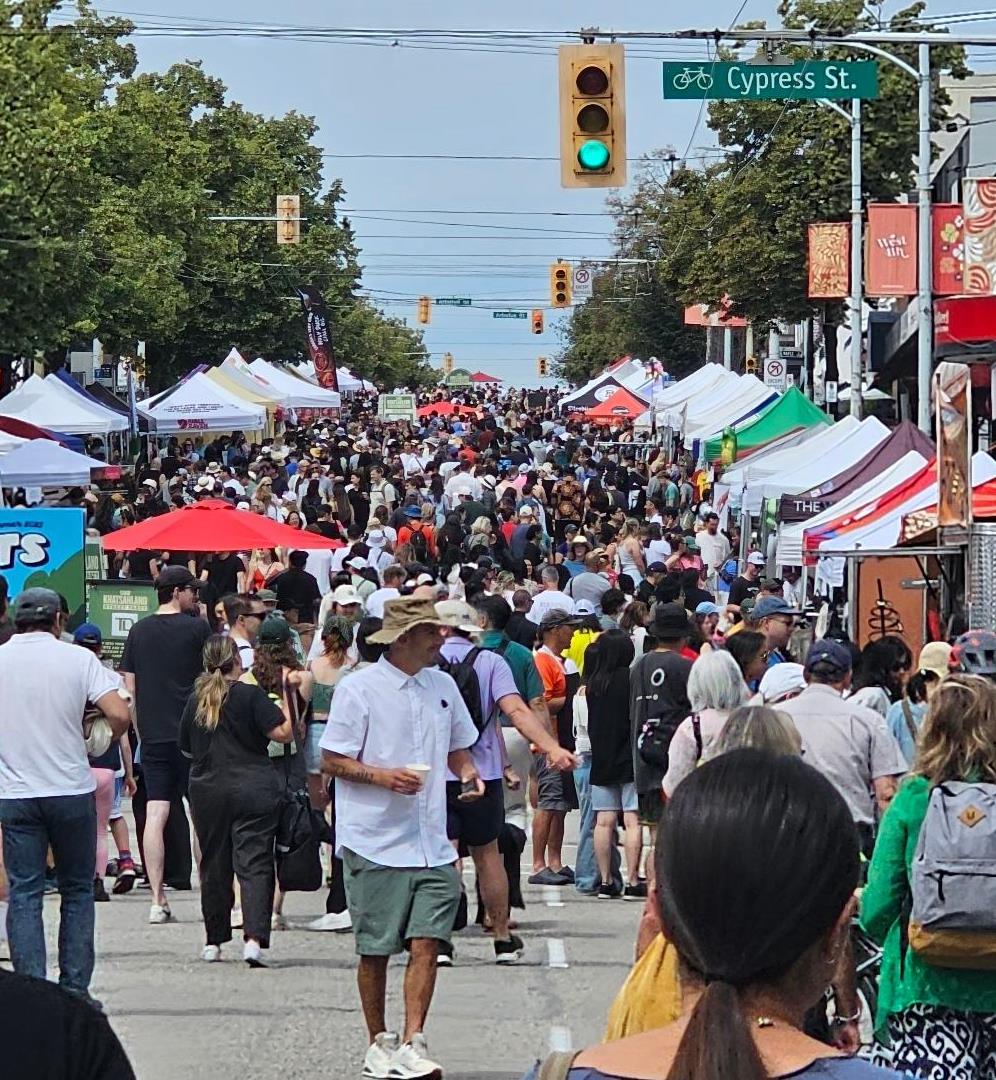
Khatsahlano Street Party 2025.  This is what happens in July when we Vancouverites have a Juneuary.

We take it all in because just like a summer romance, something in us knows it’s fleeting. Summer carries this golden-hour magic that we chase because we know it won’t stay. It’s like we’re trying to bottle the sunlight, laughter, and late-night breezes before the rhythm of routine and colder days creep back in.

Speaking of Festivals…

Looking forward to Folk Fest this weekend.

Do you feel like you’re getting enough out of this summer? Or does it feel like it’s flying past too fast for you to catch?

Musings…Textpectations

Texting has changed the way we communicate.  Think about it! 

Once upon a time, we made phone calls, using those boxy, bulky things that we had to speak into and said “hello”when we answered, and a human responded… out loud. We used to talk. Then texting happened.

Now we Type. And somehow we all agreed that communicating in cryptic abbreviations, passive-aggressive punctuation, and emojis was more efficient.  So entire conversations started happening without a single full sentence.  I have some grievances around it.  For instance:

Lost in Transmission

We say “lol” when we’re not laughing. We send thumbs-ups to end conversations we don’t know how to finish. Just the letter“K” can mean “cool,” “okay,” or “you’ve just ended this relationship.” And don’t forget to read through your text before sending, because auto-fill does some weird things. This happens a lot.  One small typo can summon up quite the unexpected meaning.

Text: “Running late! Be there soon, just kidnapping some coffee.” Translation: “just grabbing some coffee.” Autocorrect had… darker plans. Not meaning to start my morning with caffeine and a felony.

“I had a long day… can’t wait to get home and seduce on the couch.” (meant; snooze)

All this compressed form of language prioritizes speed over meaning, which changes how we express feelings or resolve misunderstandings. Without vocal tone or facial cues, texts can be misinterpreted. Emojis have become crucial tone indicators so what used to be grammar, is now emotional context.

I detest texting for that reason. Many times I’ve made errors in judgment and have been confused (and have confused others) via texting.

Oh; and how about those awful looking ear buds that I still refuse to wear?  The ones where you forget that people don’t really talk to themselves (although some do) and where people don’t pay attention anymore. I just said hello to an acquaintance twice and he didn’t even respond because he was deep in earbud mode.

Then there’s the expectation for instant replies.  Silence gets interpreted as disinterest. Can You Hear My Silence? Relationships can feel more connected, or more exhausting because of constant availability.

Sure, it’s faster. But is it better?

Texting has made us more available than ever, but strangely, it also feels like we’re more alone together. We edit ourselves mid-thought. We avoid discomfort by ghosting. Even our deepest feelings come with a character limit now.

I’m not anti-text. I’m just more pro-connection. I just wonder if we’re trading clarity for convenience and if someday, we’ll look up from our screens and realize we’ve forgotten how to really talk.

Don’t get me wrong; I text like everyone else. It’s convenient. It’s fast. Sometimes, it’s even sweet.

But I do wonder if we’re editing ourselves into oblivion. If we’re saying less and interpreting more. If being “reachable” 24/7 is making us feel more distant, not less.

Just things I’ve noticed. Through the tiny glowing rectangle we all keep glued to our palms. Apparently, as a collective, we seem to be all fine with this.

Have you any pet peeves of your own regarding this?

Still searching for your perfect Matcha?

I think I found mine.

It has not gone unnoticed that every coffee shop in Vancouver is going green; literally.  Matcha (tea) has become mainstream in North America.

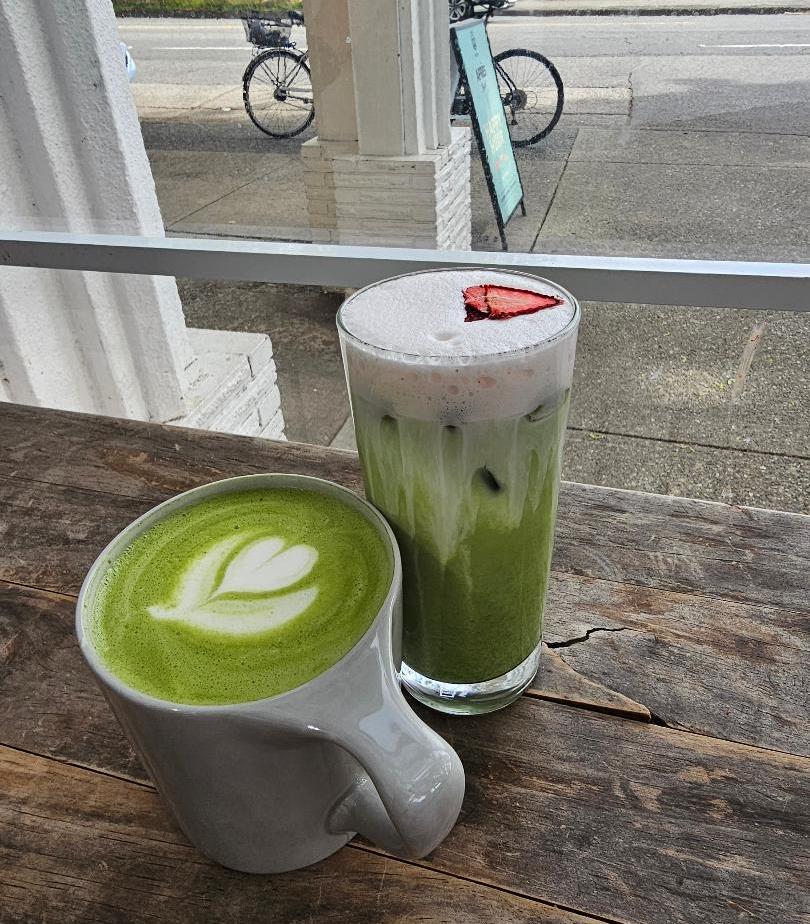
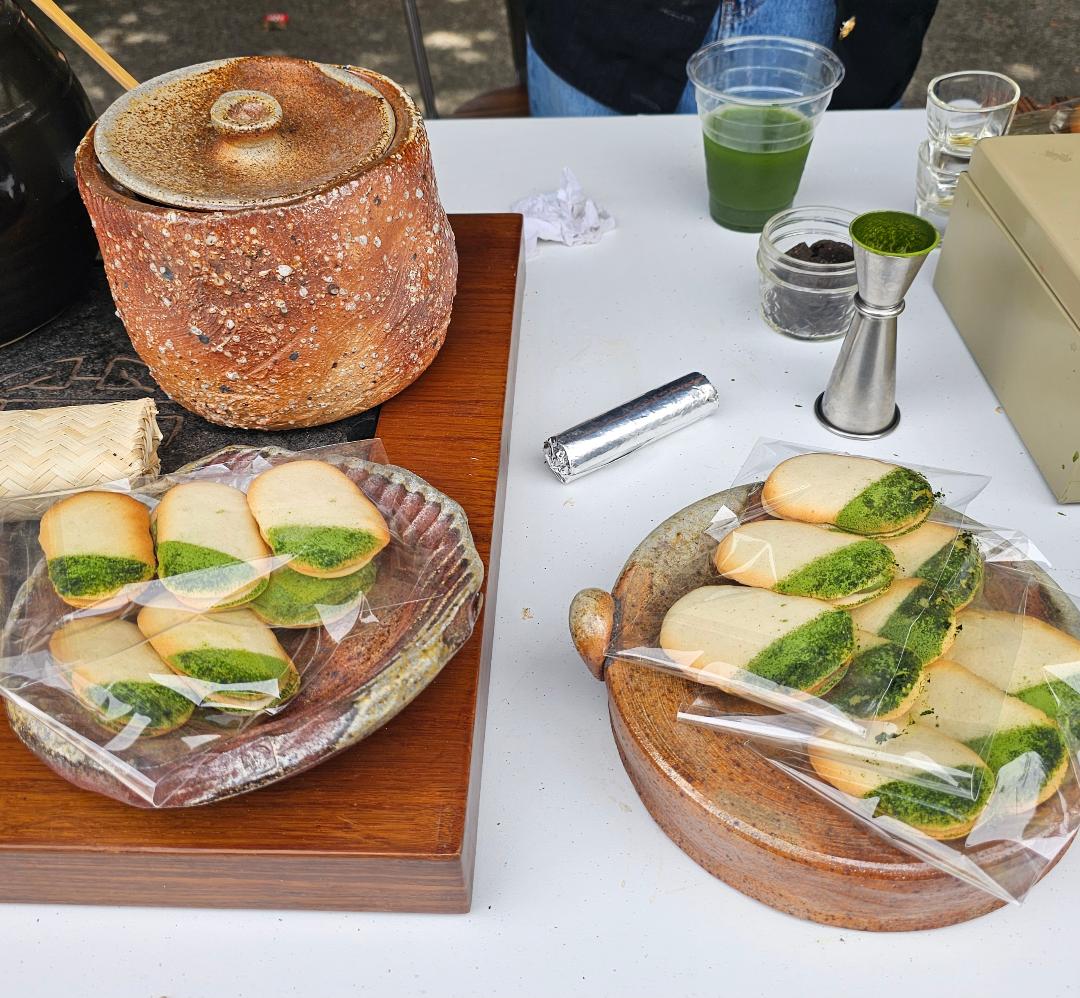
Hot or Cold – it’s all in the way of how it’s prepared. Photo: d. king

That’s a good thing because Matcha is rich in antioxidants, especially EGCG, and contains L-theanine, which promotes calm focus without the jittery crash of coffee. That combo has made it a darling of the wellness crowd.

While I love to start my morning with a daily dose of java (one perfect cup, made in a French press and sweetened with French vanilla almond milk and a touch of cream), by mid-afternoon I’m looking for another pick-me-up other than coffee.  Something healthier.

Matcha is something I discovered (of course I was not the first one to discover it) while living in Japan when I was invited to a tea ceremony. I always liked the idea of ceremony, and was excited to attend one. I love the setting, the ritual and the meaning.

I’ve since looked for ways to incorporate this bright green powder into my day by putting a little into a smoothie and so on.  I’ve even used it for baking –  white chocolate bark drizzled with matcha is divine (although I haven’t made this in years). 

My friend Riyo is here visiting from Japan.  When I phoned to ask her if she could bring me back a high grade matcha, it turns out that when I called, she was on a train heading for Kyoto.  Uji, in Kyoto Prefecture, is a region renowned for its long history of matcha cultivation and is known for producing some of the highest quality matcha in Japan. So here I am now with some really nice ceremonial matcha (as well as some unceremonial matcha) to incorporate into my day.

There’s something profoundly grounding about preparing tea with intention (other than the intention of drinking it).  It becomes a small act of self-care, a pocket of peace in a noisy day.  Plus; the health aspect. It’s known to support healthy blood vessels, improve cholesterol levels and lower blood pressure.  It is heart-friendly as long as you don’t overdo it. 1–2 cups per day is generally considered safe and beneficial.

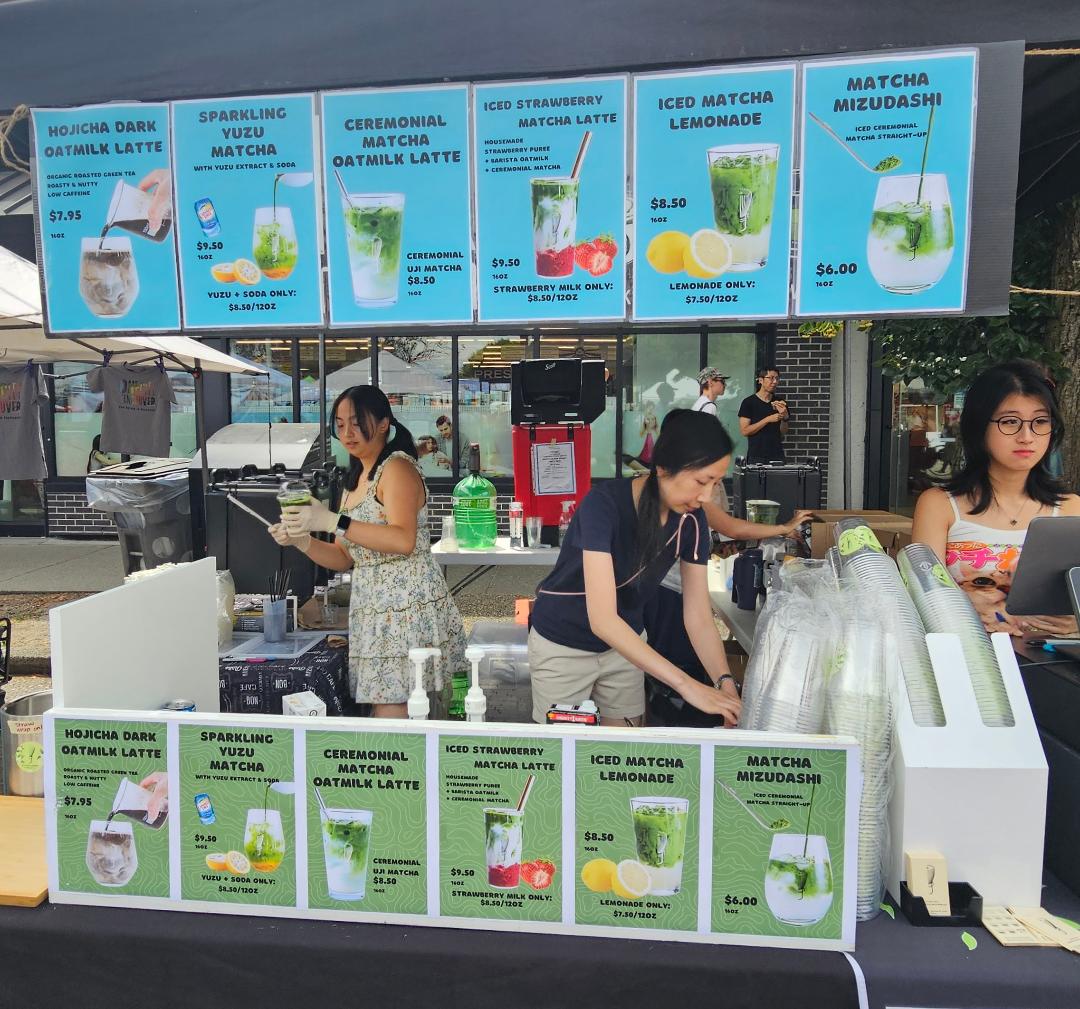
Photo taken at Khatsahlano Street Festival – d. king

Where does Matcha originate?

Matcha tea has been enjoyed in Japan for roughly 800 years, having been introduced in the late 12th century. It was initially brought from China by the Zen Buddhist monk Eisai. Initially used for religious purposes, matcha later became a symbol of luxury and a part of the warrior class traditions. 

What does the tea ceremony symbolize?

The Japanese tea ceremony, (or chanoyu) symbolizes harmony, respect, purity, and tranquility, reflecting a deep connection to Zen Buddhist philosophy. It’s a meticulously choreographed ritual aiming to foster inner peace and appreciation for the present moment, encompassing aspects of hospitality, aesthetics, and spirituality.

What is Ceremonial Grade Matcha?

  • Made from the youngest, first-harvest tea leaves
  • Grown in shade longer, which boosts chlorophyll and L-theanine
  • Higher in antioxidants like EGCG
  • Has a smoother, sweeter flavor and vibrant green color
  • Best enjoyed whisked with hot water with no milk or sweeteners needed
  • Ideal for mindful rituals, stress relief, and mental clarity

What about Culinary (regular) grade Matcha?

  • Made from older leaves, often second or third harvest
  • Slightly lower in nutrients, but still rich in antioxidants and caffeine
  • More bitter and robust in flavor
  • Perfect for lattes, smoothies, baking, and everyday use
  • More affordable and versatile for frequent consumption

Which is Better?

  • Ceremonial matcha is more nutrient-dense and ideal for sipping straight.
  • Culinary matcha is still beneficial and great for recipes or energy boosts.

If you’re looking for a calm, focused energy and a traditional tea experience, ceremonial is your go-to. But if you’re blending it into a smoothie or baking matcha cookies, regular matcha will do just fine, and still give you a healthy kick. Time to start baking again.

Matcha Cookies

Have you tried making your own?  I’m still experimenting with the right water temperature along with using my bamboo whisk and milk frother.  With the right procedure, practice and presentation, it will soon be perfect!

THE MOUSETRAP

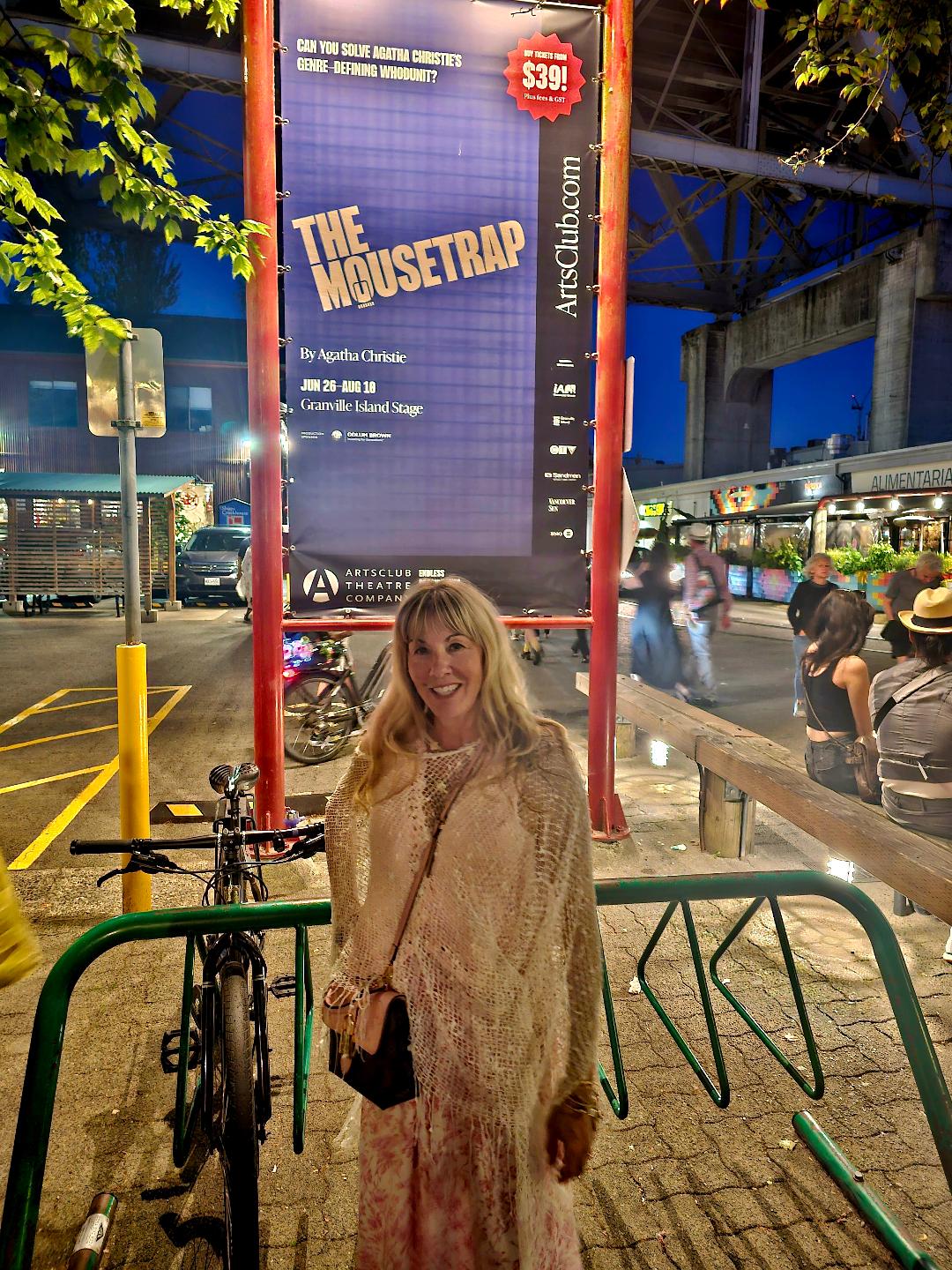
Last night I saw The Arts Club Theatre Company’s production oF THE MOUSETRAP at the Granville Island Stage, Vancouver. This classic Agatha Christie murder mystery play has captivated audiences since its West End debut in 1952. It’s the world’s longest-running play, and for good reason. It’s a master class in suspense, misdirection, and tightly wound tension. My friend and I enjoyed the dark humor and witty dialogue very much. The characters were great.

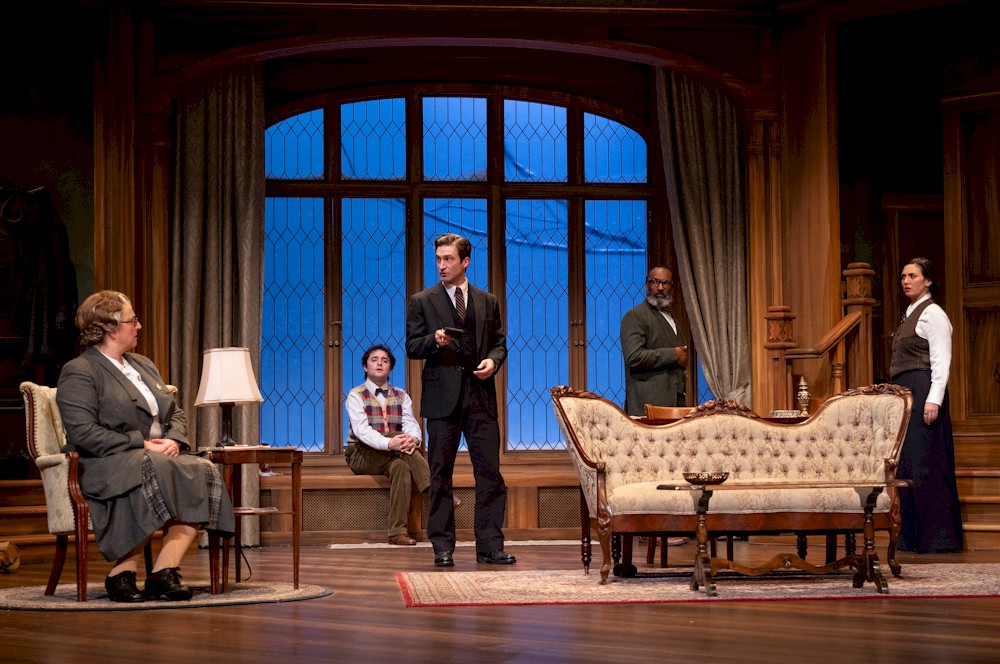
The setup is a group of quirky strangers who are stranded by a snowstorm at Monkswell Manor, a remote English guesthouse.  The guests include an eccentric architect, a grumpy magistrate that reminded me of “Mrs. Doubtfire,” a retired military man, a mysterious foreigner, and a few others with secrets to hide.

Photo courtesy of The Arts Club, Vancouver.

News breaks of a murder in London, and soon a police sergeant arrives on cross-country skis, warning that the killer may be among them. When one of the guests is murdered, the tension skyrockets. Everyone becomes a suspect, and the audience is left guessing until the final twist.

The play is famous for its surprise ending, and audiences are traditionally asked not to reveal the killer’s identity after the show to help preserve the mystery for future viewers.  Although my companion guessed it right, halfway through the second act.

THE MOUSETRAP began as a radio play, titled Three Blind Mice, and was written at the request of the BBC for Queen Mary. Christie then expanded Three Blind Mice from a twenty-minute radio play into a full-length stage play, adding some characters and a fuller background to create The Mousetrap. It is currently playing its 73rd year in London’s West End, where it has completed over 30,000 performances. Due to the play’s longevity and success, there has never been a film adaptation. Audiences have been asked to keep the secret locked in their hearts and preserve the tradition of THE MOUSETRAP.

I will keep my mouth shut.  For tickets until August 10th, 2025:

Check out the Trailer:

https://artsclub.com/shows/2024-2025/the-mousetrap

CAST Jay Clift (Giles), Zander Eke (Christopher Wren), Charlie Gallant (Detective Sergeant Trotter), Brett Harris (Standby for Giles, Christopher Wren, Major Metcalf & Detective Sergeant Trotter), Ming Hudson (Mollie), Andrew McNee (Mr. Paravicini), Melissa Oei (Miss Casewell), Carly Pokoradi (Standby for Mollie, Miss Casewell, Mrs. Boyle), Anthony Santiago (Major Metcalf & Understudy Mr. Paravicini), Beatrice Zeilinger (Mrs. Boyle)

Have you seen this play?

“Sorry…not sorry…We’re Canadian!”

HAPPY CANADA DAY!

The one day we’re extra proud to be the only nation where two people bump into each other and both apologize. We Canadians apologize like it’s a competitive sport.‘Sorry,’ ‘No; I’m sorrier!’ We can’t help it if politeness is one of our traits. But there are so many others…

Oh, where to begin! Canada has so many brag-worthy qualities, we could fill a canoe with them. Here are a few highlights:

Stunning landscapes and open spaces: from the Rockies to the Maritimes, Canada offers wild beauty in every province and territory. Lakes, forests, prairies, tundra; you name it, we’ve got it.

Cultural richness: with a deep Indigenous heritage and vibrant multiculturalism, Canada is a mosaic of languages, traditions, and stories that help shape its identity.

Social values: Canadians are known globally for kindness, inclusivity, and that famous “sorry” reflex. It’s a place that strives toward equity and care for its people.

Innovation and talent: from insulin to Canadarm, and from Joni Mitchell to Drake, Canadians have made waves in science, arts, and pop culture. A rich Canadian legacy of discoveries and inventions that have shaped the world in ways both big and small. Here are just a few highlights:

  • Insulin – As you already know, this life-saving treatment for diabetes was discovered by Canadian researchers in 1921.
  • The pacemaker – Canadian electrical engineer John Hopps developed the first external pacemaker in the 1950s, paving the way for modern cardiac care.
  • IMAX – That immersive movie experience? Born in Canada in the late 1960s.

  • Canadarm – A robotic arm developed for NASA’s space shuttle program, it became a symbol of Canadian innovation in space exploration.
  • Standard time zones – Introduced by Canadian Sir Sandford Fleming in the 19th century to solve railway scheduling chaos.
  • The snowmobile – Invented by Joseph-Armand Bombardier, it revolutionized winter travel in snowy regions.
  • Walkie-talkies – Created by Donald Hings during WWII to improve battlefield communication.
  • Hawaiian pizza (yes, with pineapple!) was invented by a Greek-Canadian in Ontario.

Healthcare and safety – Universal healthcare is a big point of pride, as is a strong sense of community.

Not sorry for MY PERSONAL CANADIAN EXPERIENCES:

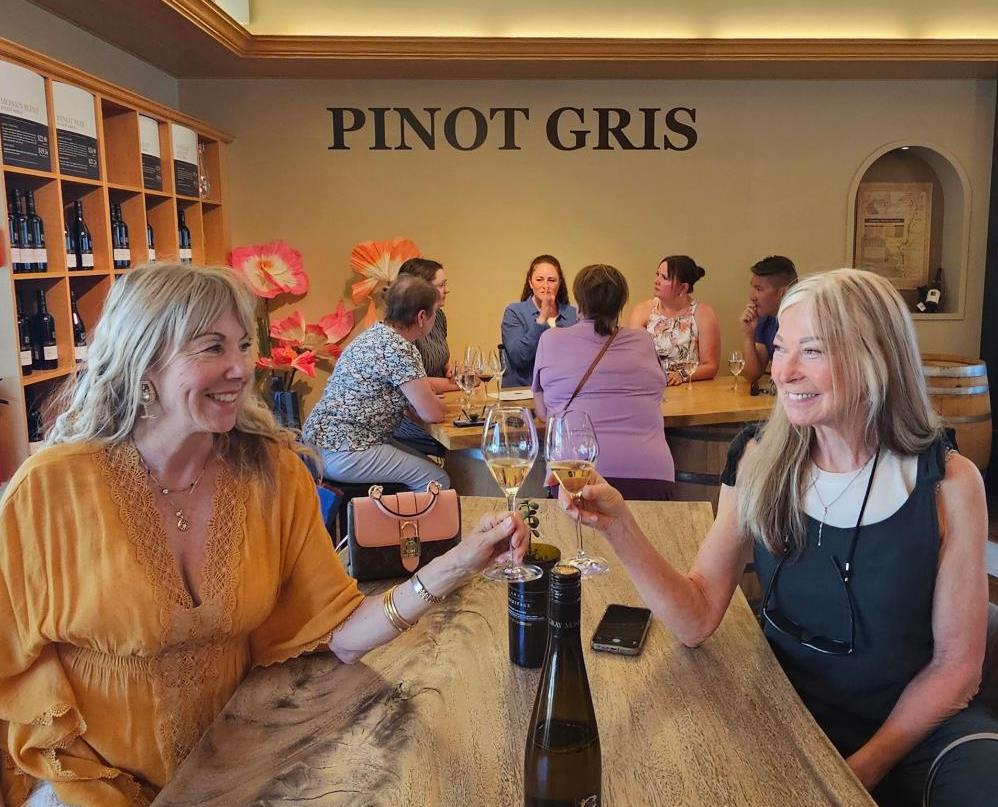
Earlier this month in the Okanagan, B.C. – visiting local wineries.   British Columbia and Ontario are the largest wine-producing provinces.

I got my fashion sense from growing up in Montreal, a business sense from having lived/worked in Toronto, and an appreciation for outdoor sports from making Vancouver my home. I’ve visited every single Province in Canada. Some famous visitations have included Niagara Falls, Banff National Park, the scenic Cabot Trail in Cape Breton Island, whale watching in Tofino, walking along The Bay of Fundy when the tide was way out, camping at Gros Morne National Park in Newfoundland and eating fresh scallops right off the boat in Digby, Nova Scotia. Eating seafood in every Maritime Province, actually. I’ve visited the Yukon (which is considered a Territory; not a Province).

I’ve stayed at some of the most iconic resorts/hotels in Canada. Among them; a turret room at Le Château Frontenac in Quebec City overlooking the St. Lawrence River, The Algonquin Resort at St. Andrews by the Sea, New Brunswick (occupied the same room that Joan Collins had just checked out of and where we accidentally proceeded to start an electrical fire during our stay). Ritz Carlton in Montreal (where Elizabeth Taylor married Richard Burton), some very nice lodges like The Bluenose & the Keltic Lodge in Nova Scotia and a few dives in between.

I love my Vancouver location; it’s a neighbourhood feel that truly feels like home. I’m within walking distance to everything I need; not just grocery stores and transit, but also the little indulgences like cafés, bakeries, boutiques, parks and a bench with a view. That’s what makes a place quietly extraordinary. I don’t like to get in my car except when necessary and wouldn’t survive living in the suburbs.  I’ve joked that if need be, I’d much rather live in a small condo in Kits than a mansion in Mission. I’m lucky that I have the kind of lifestyle that makes every day errands feel like part of a vibrant, joyful routine. Walkability is one of life’s underrated luxuries. It really is a dream. I’ve liked other cities for other reasons, but nothing beats the stunning natural scenery, outdoor lifestyle, and milder weather of Vancouver.

So on Canada Day, we celebrate not just the birthday of a country, but all the things that make Canada genuinely worth cheering for.

As for being unapologetically Canadian, on Canada Day, amid the festivities, I’m sure there will be far more of us singing “O Canada” than the Connie Francis 1958 hit song “Who’s Sorry Now?

What do you find special about Canada?