Couture & Conversation

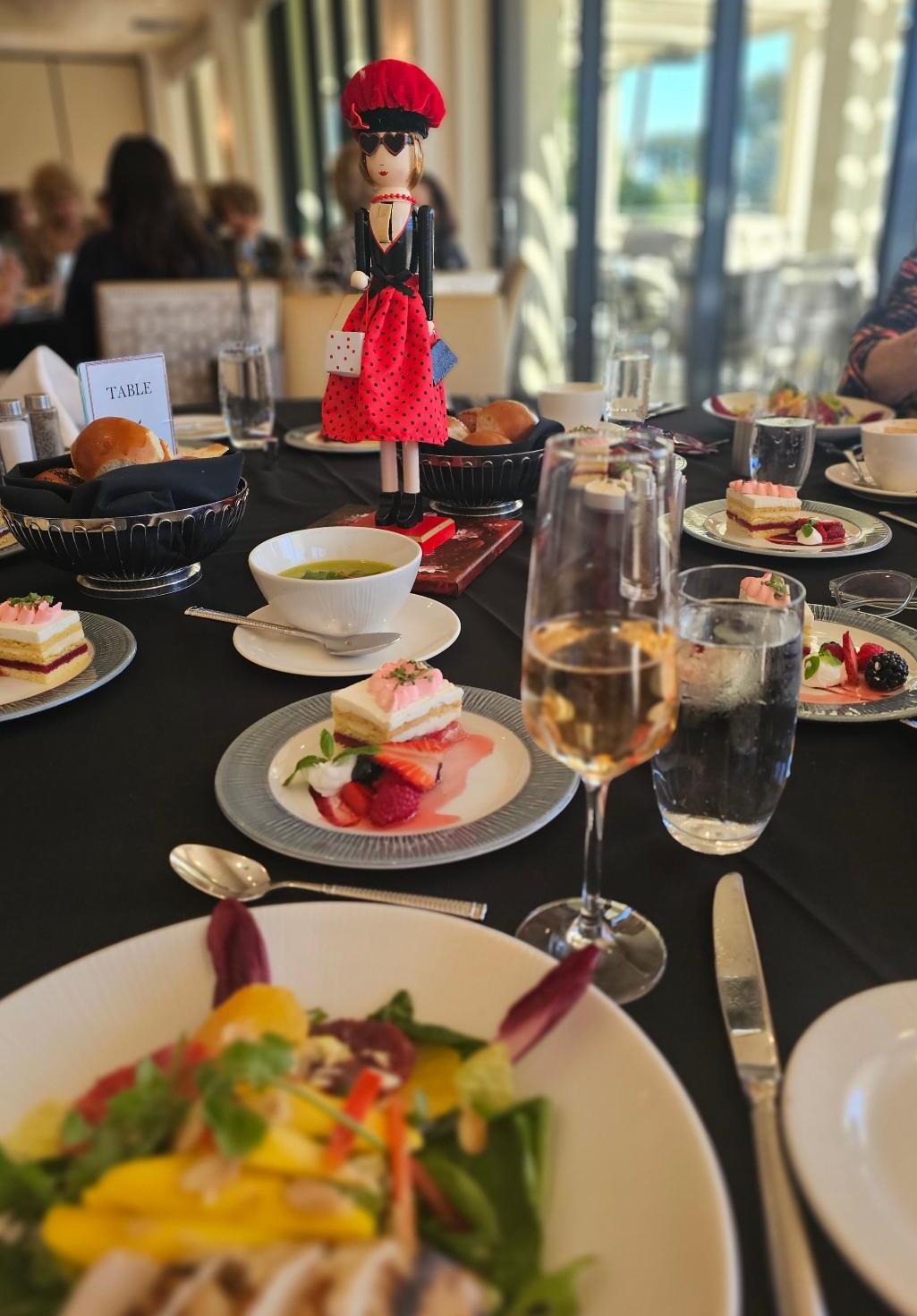
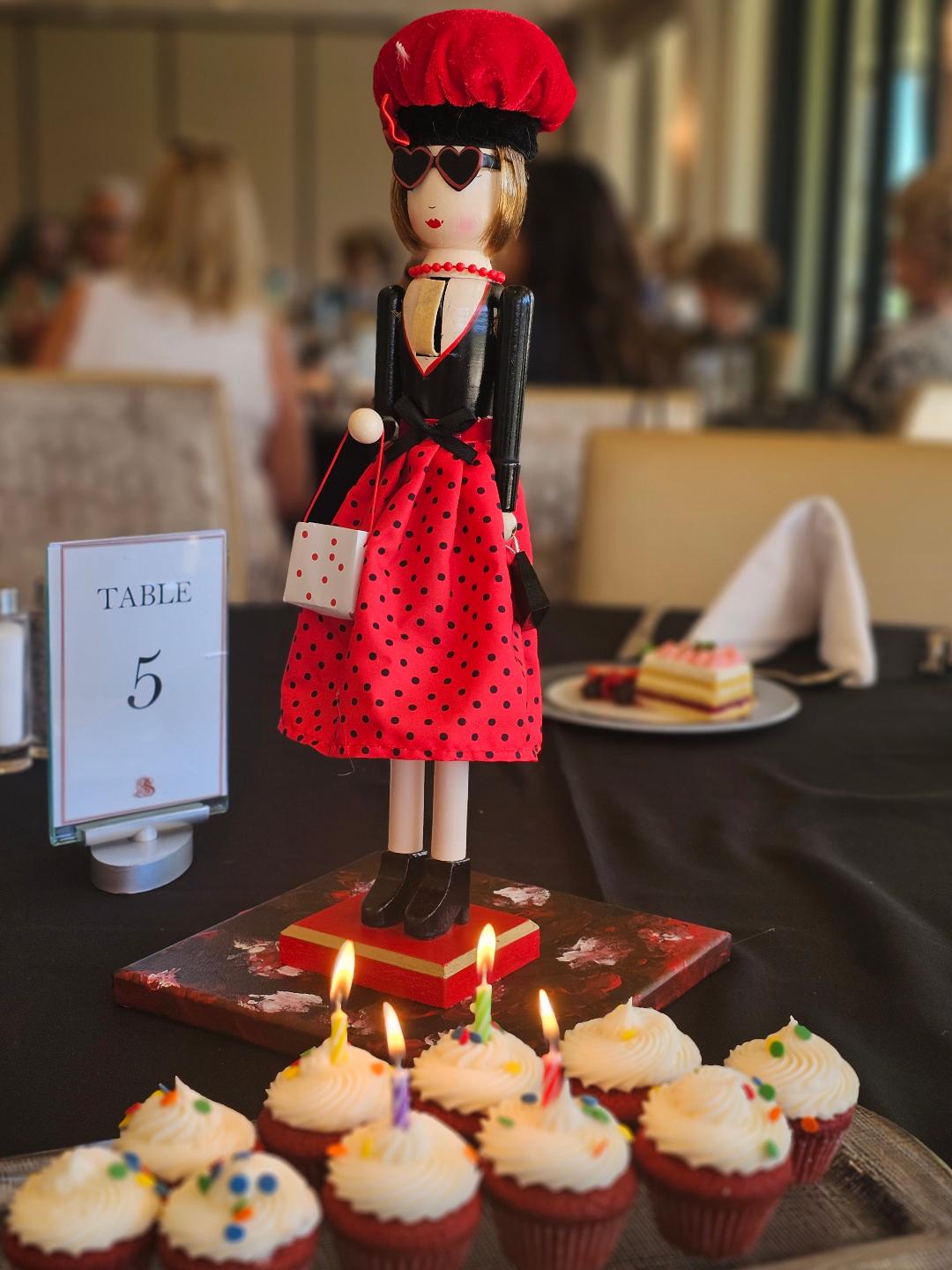
Recently, I attended a chic luncheon at a private golf and country club in Rancho Mirage. Presented by Susan Stein – creative director and consultant for Fashion Week El Paseo, Fashion Director/Scene Editor for Palm Springs Life Magazine, and artist.

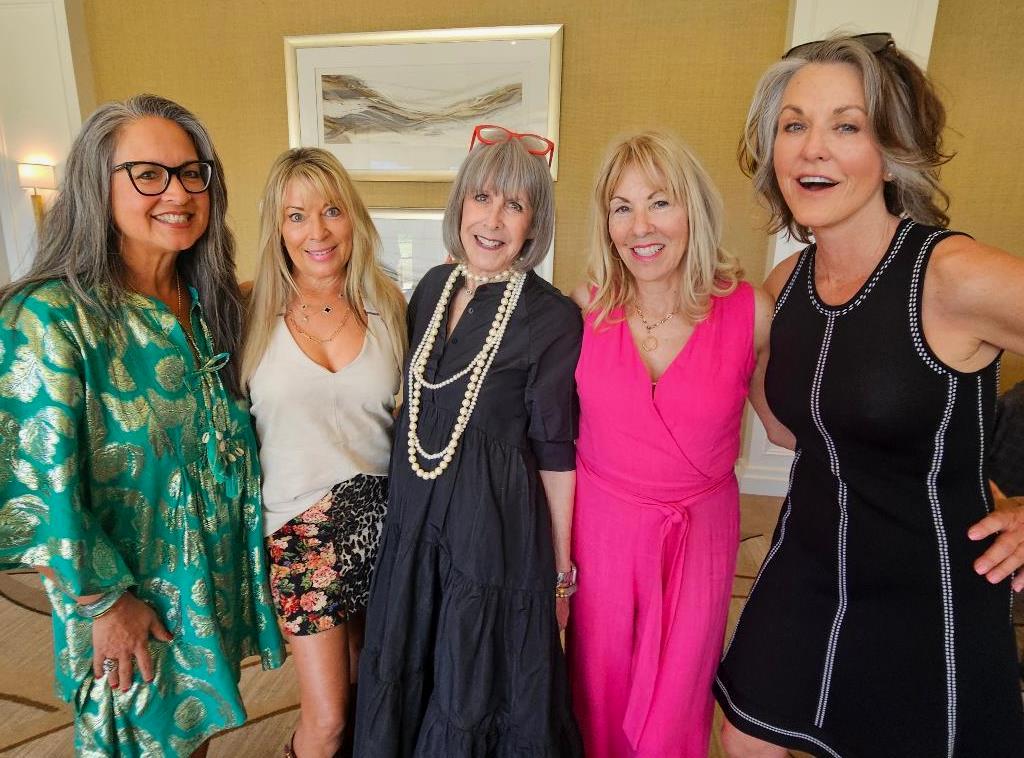
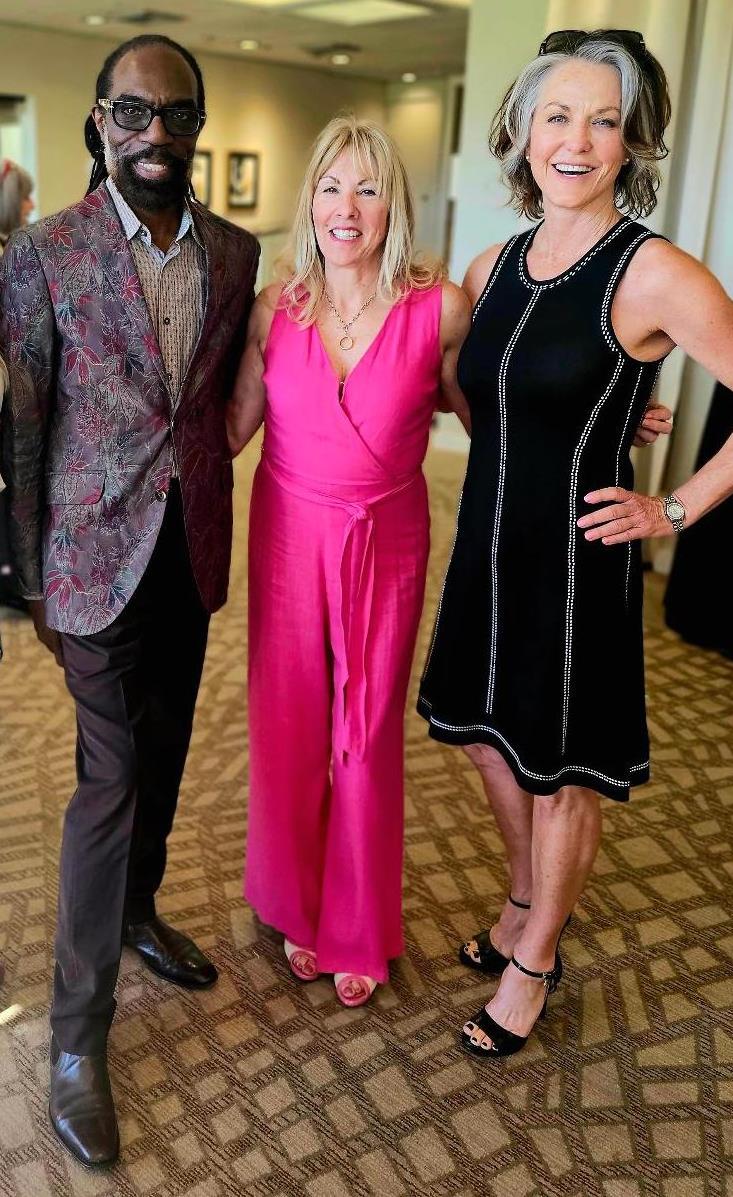
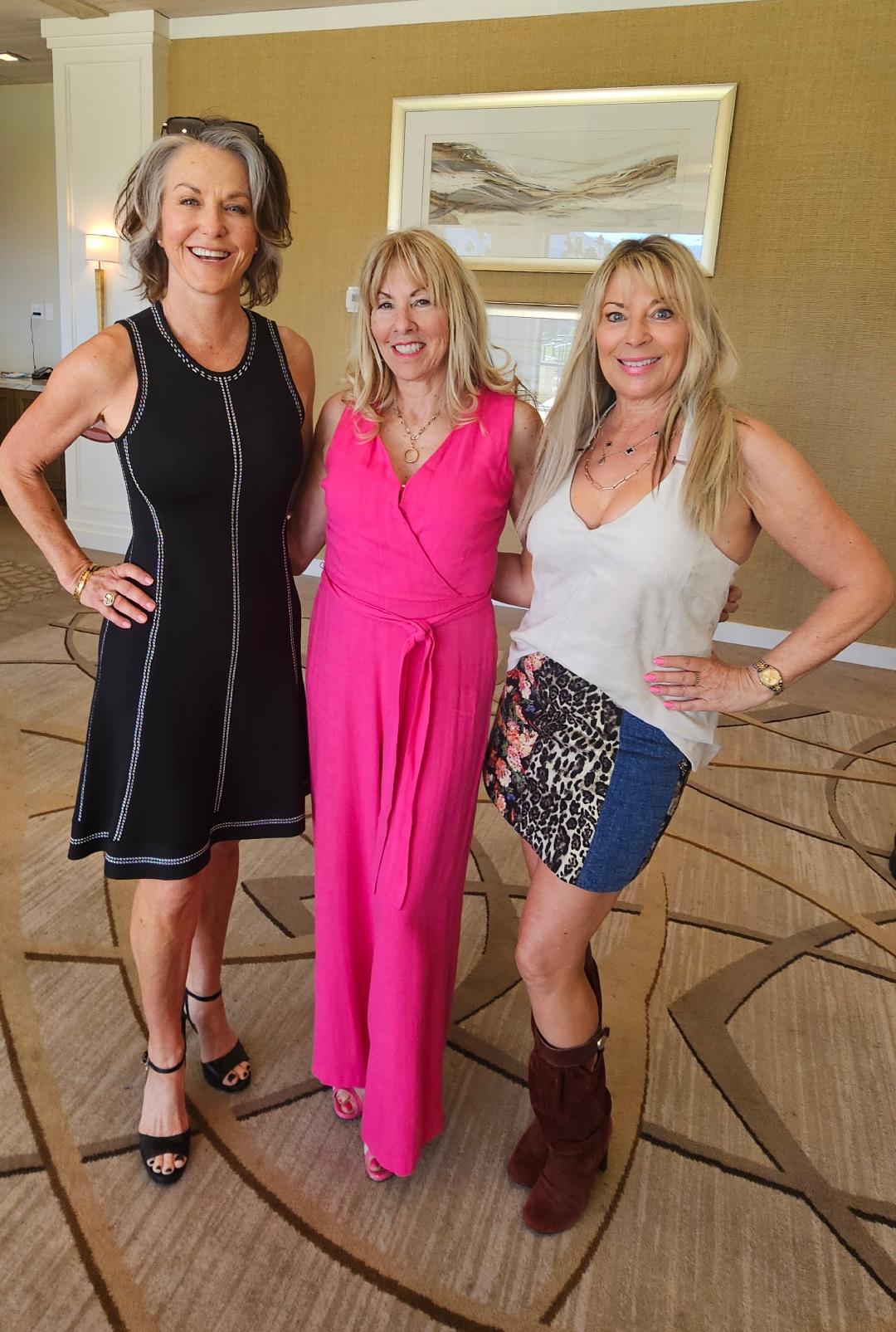
L-R: Candy, Kathy, Susan, Debbie, Tammy.

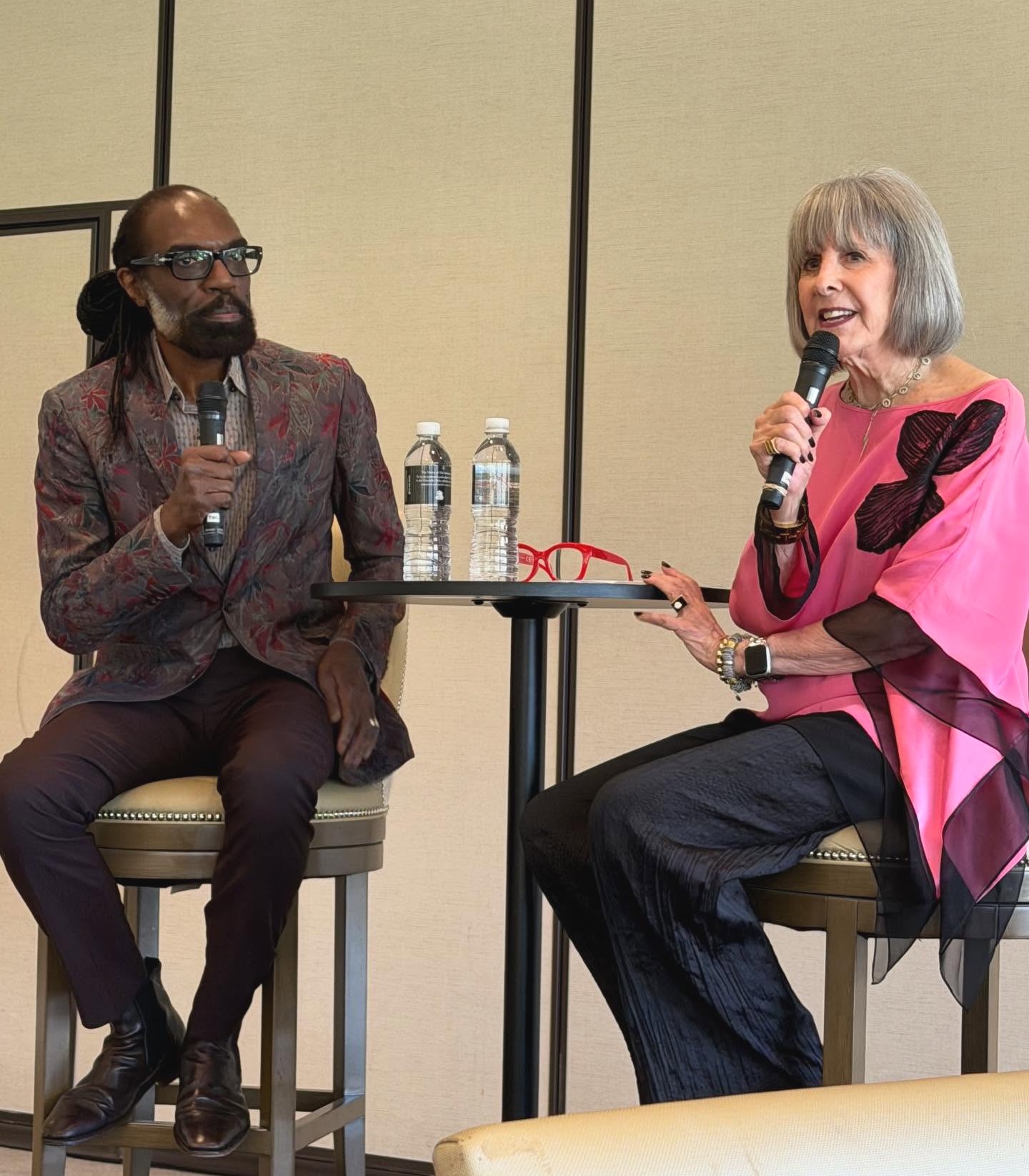
The event offered a fun and fabulous afternoon of fashion, conversation, gossip, humor, and red-carpet-style with award-winning L.A. designer Kevan Hall.

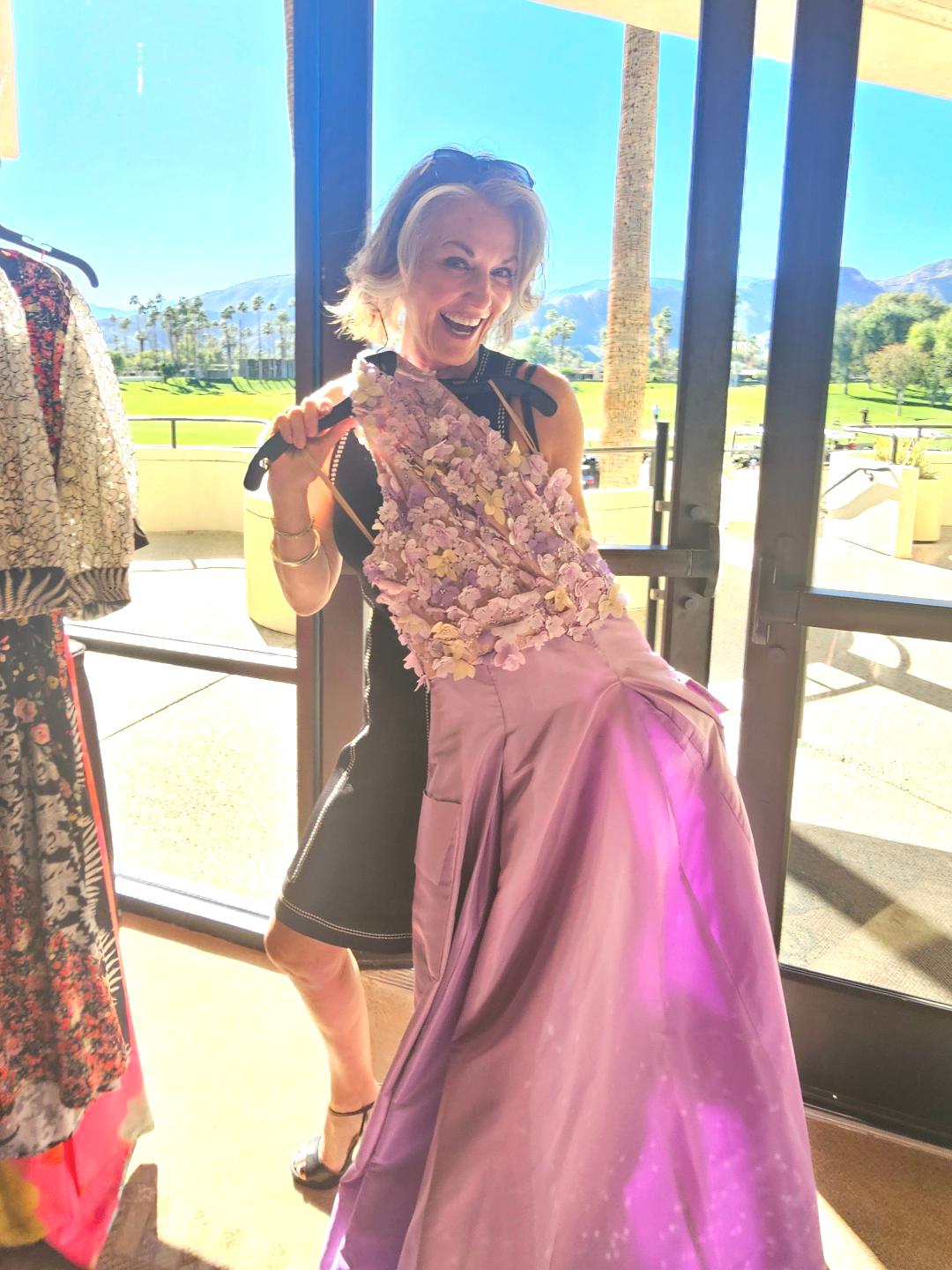
Photo of Kevan & Susan taken by Kathy Wright

Champagne greeted us on arrival, followed by a fashion show, a delicious lunch, and a pop‑up shop showcasing many of Hall’s couture designs. It was the perfect setting to mingle with fellow fashion lovers and meet the designer himself.

If every afternoon looked like this one, life would be a runway, and I’d be front row every time.

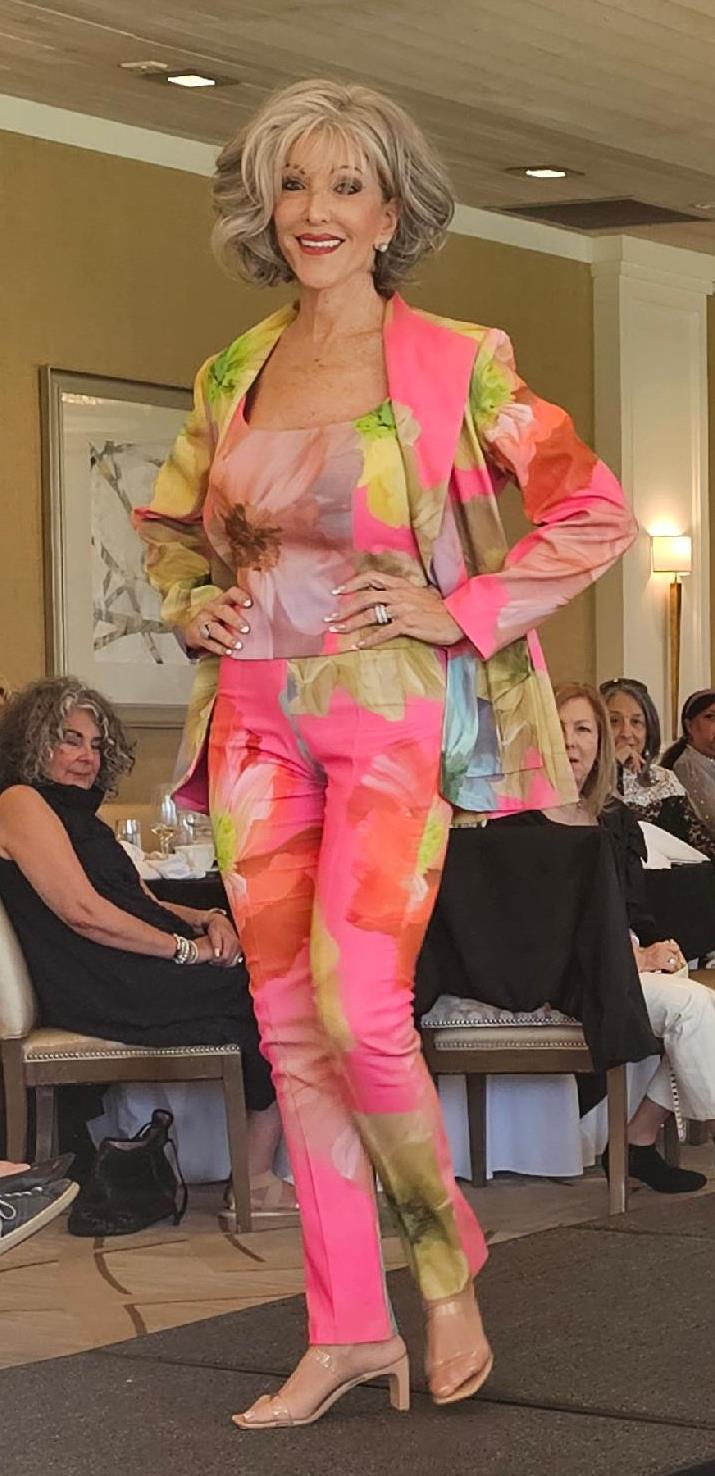
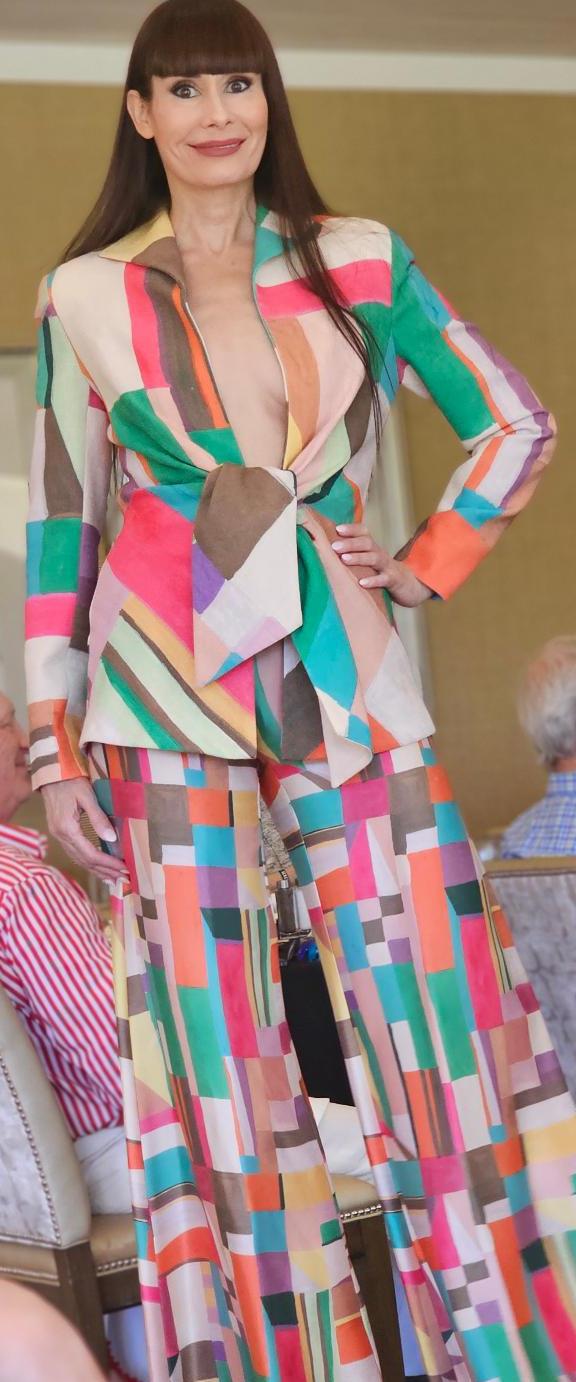
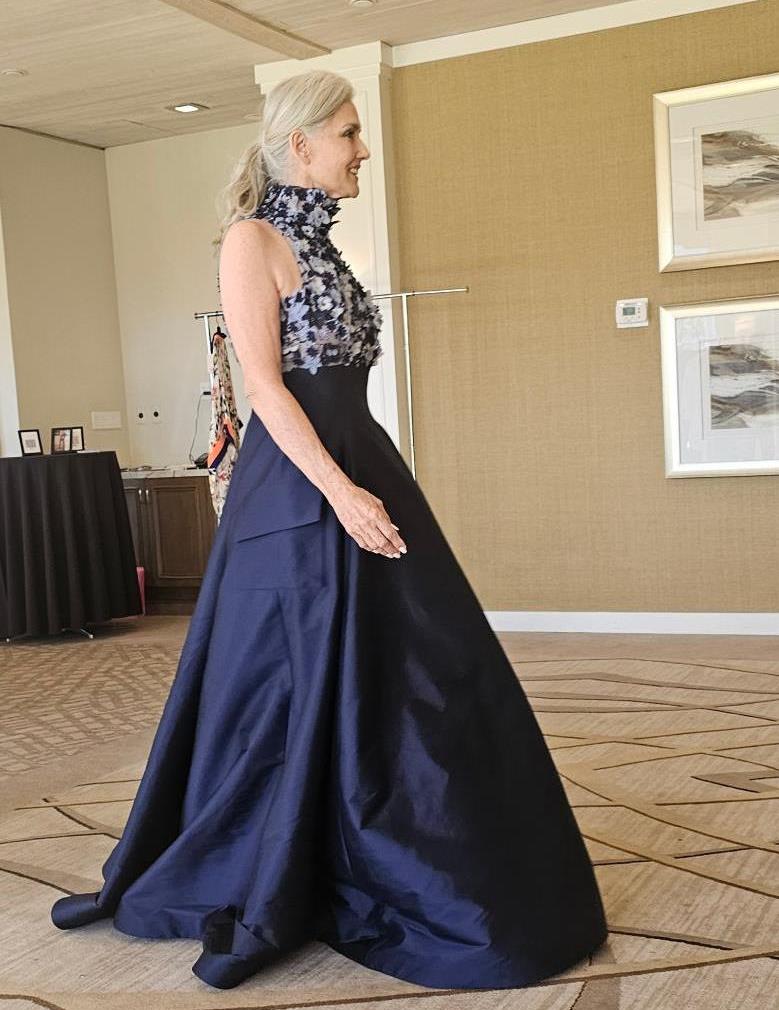
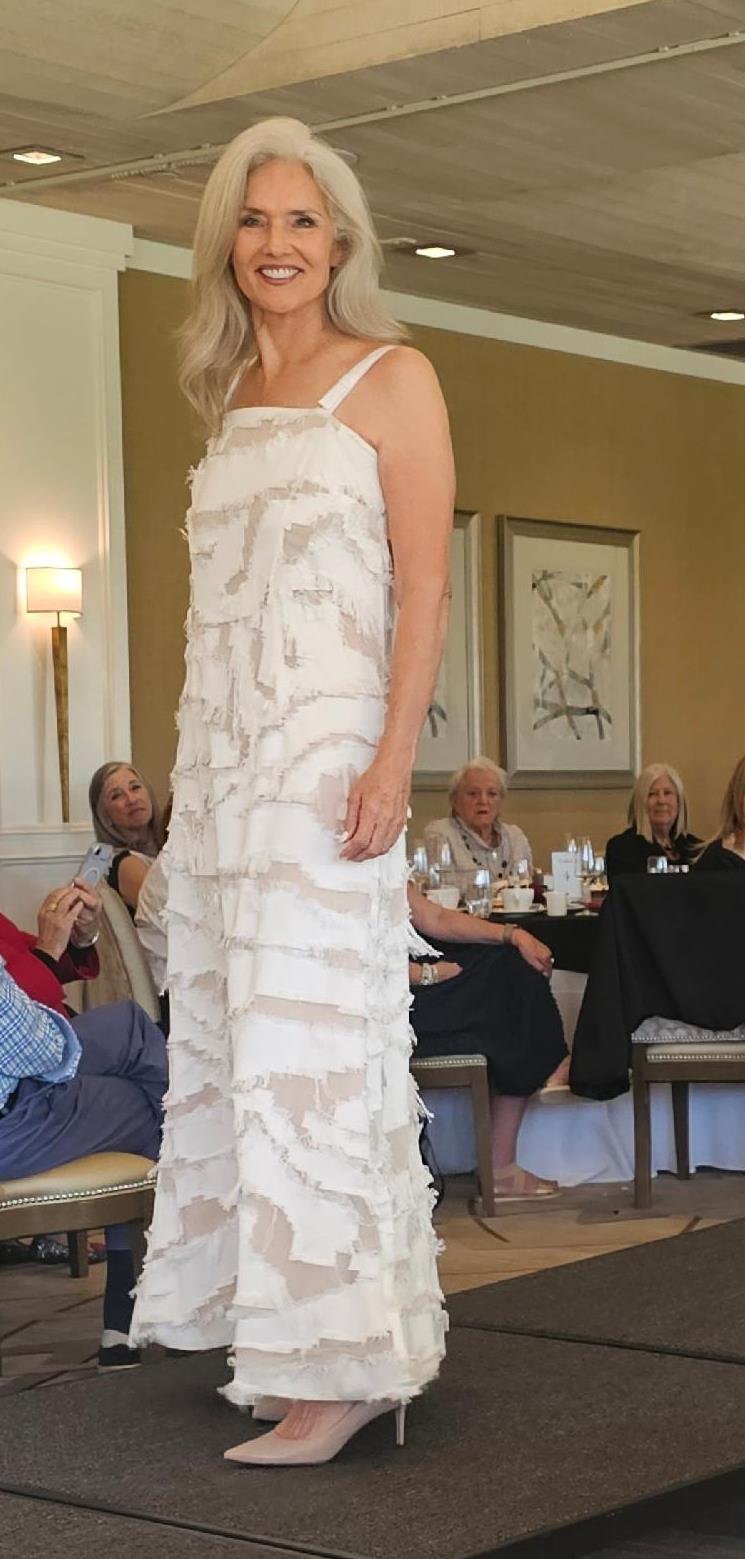
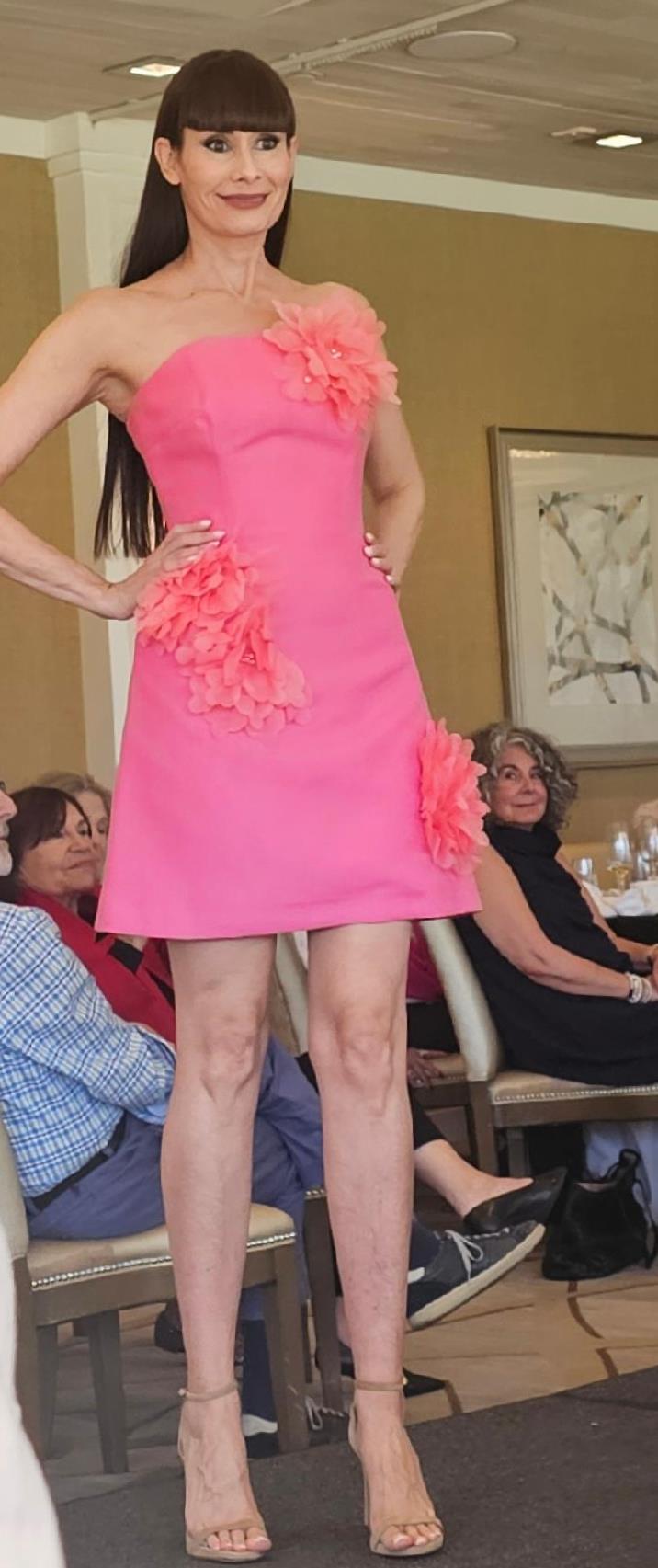
Kevan, originally from Detroit, is known for sleek glamour and precision tailoring. He became the first Black designer to lead a major American fashion house when he served as Design & Creative Director of Halston from 1997–2000, before launching his own label. He has dressed some of the most influential women in Hollywood. His creations have graced countless red carpets, worn by Celine Dion, Charlize Theron, Naomi Campbell, Michelle Obama, Viola Davis, Salma Hayek… the list goes on.  A few samples I took from the show:

It was a lovely and unique afternoon. Hopefully Susan will host more of these – if she does, I’m absolutely in.

Some designs from the pop-up:

Triple Trouble  (fyi – I’m not used to wearing such a head-to-toe bright color, but I thought this linen jumpsuit was perfect for an event like this – and it did garner some attention).  The room was a mish-mash of women wearing all kinds of fashion choices. Which proves that anything goes, as long as you’re comfortable wearing it.

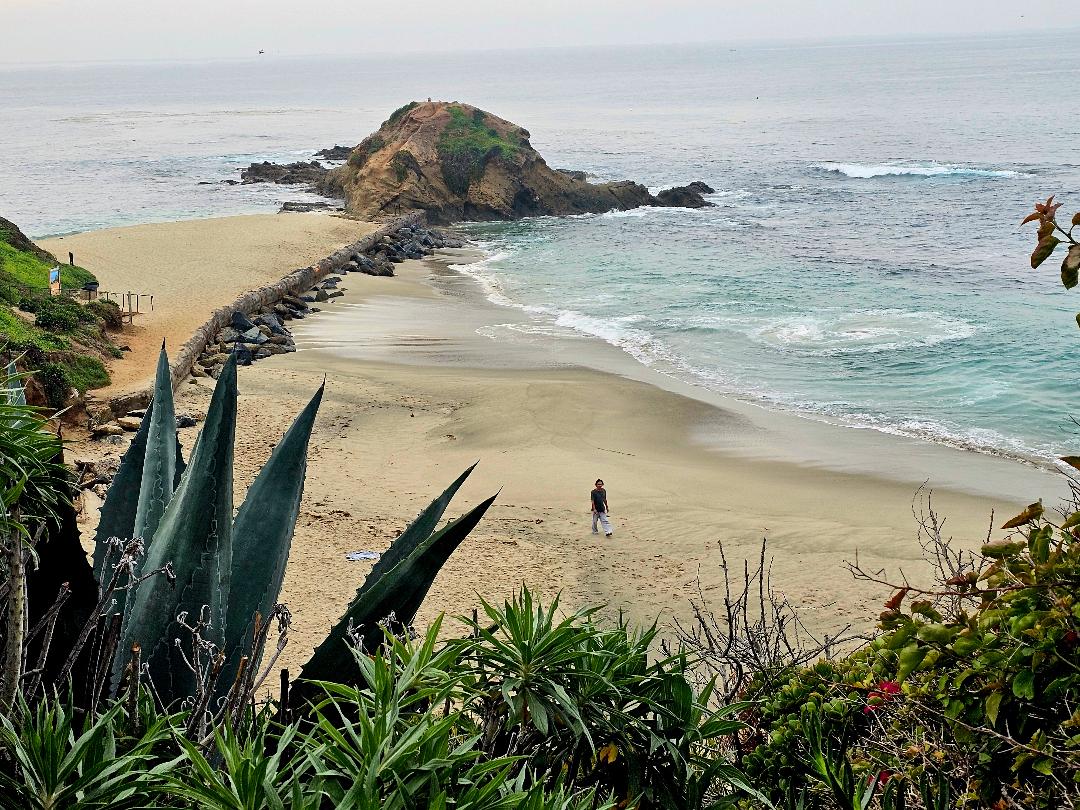
Laguna Beach Reset

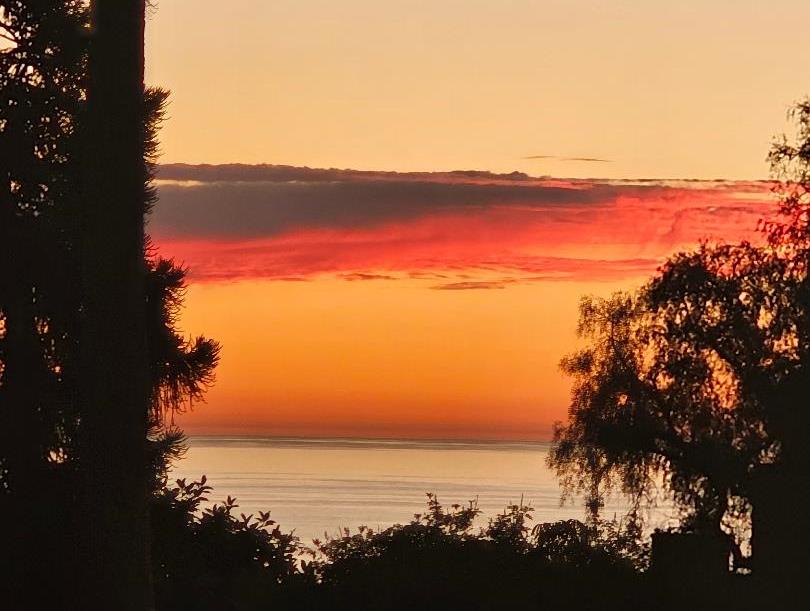
There’s something almost transformative about stepping away from your usual environment for a few days, and the ocean amplifies that effect in a way few places can. It’s good for the soul.

The ocean naturally pulls you into the present moment. Watching waves, walking the shoreline, or just sitting with your feet in the sand slows your internal clock.

A new environment forces your mind to slow down, notice things, and reset its rhythm. Even a short staycation removes the logistics, planning, and stress of a big trip. You get all the benefits of escape without the exhaustion of airports or itineraries.

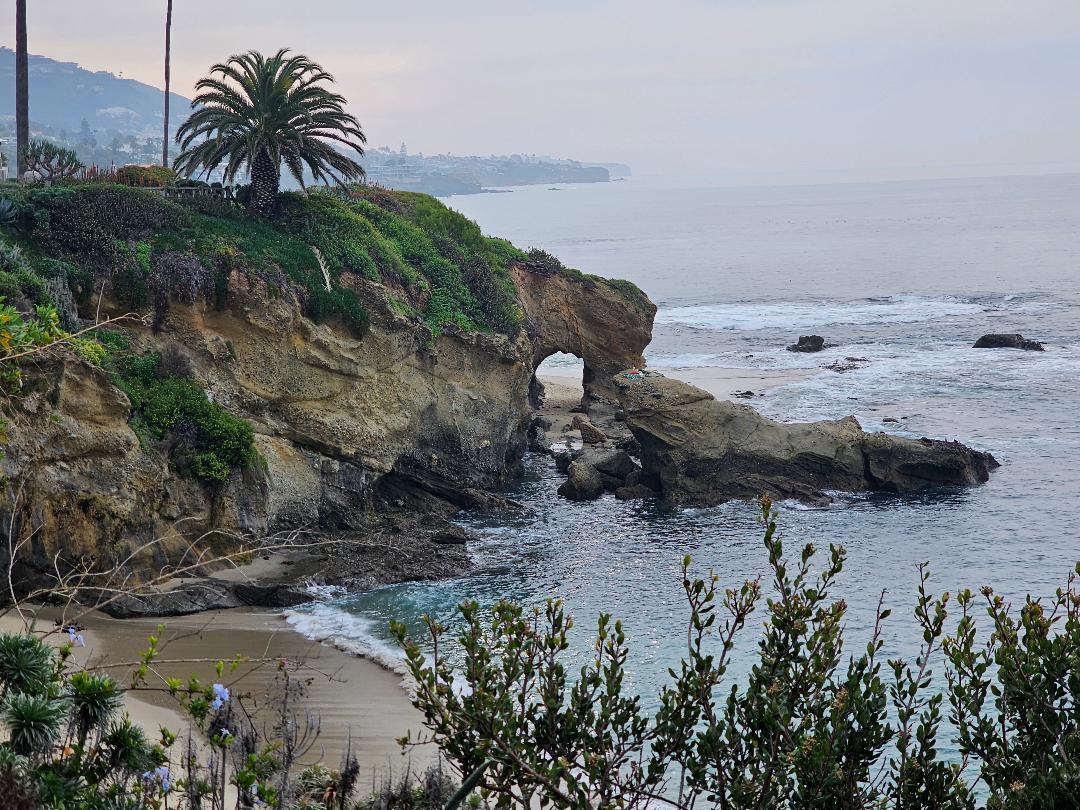
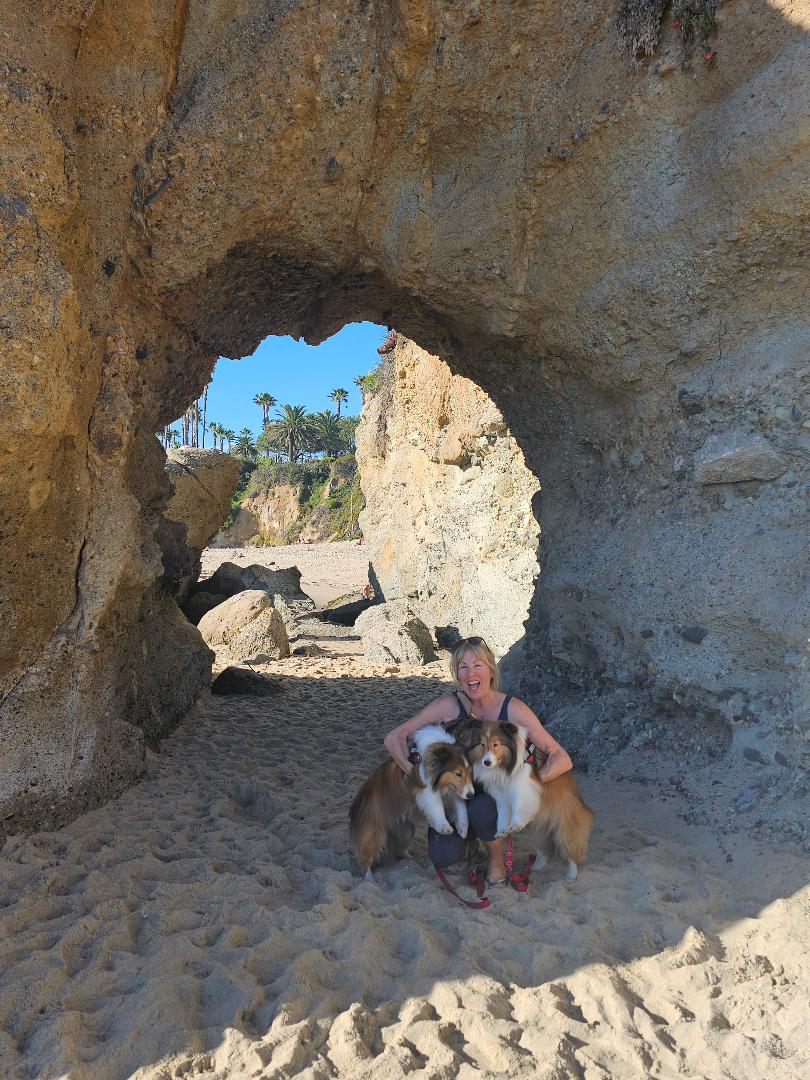
Along with my two girls, I drove the two hour (a bit more on the way there) from Palm Springs to beautiful Laguna Beach, Ca.  The last time I was here was about ten years ago.  I loved it then and I love it now. It has everything I like from the laid-back coastal vibe of seven miles of shoreline with dramatic cliffs and hidden coves to a thriving art scene, galleries, cool boutiques and great dining.

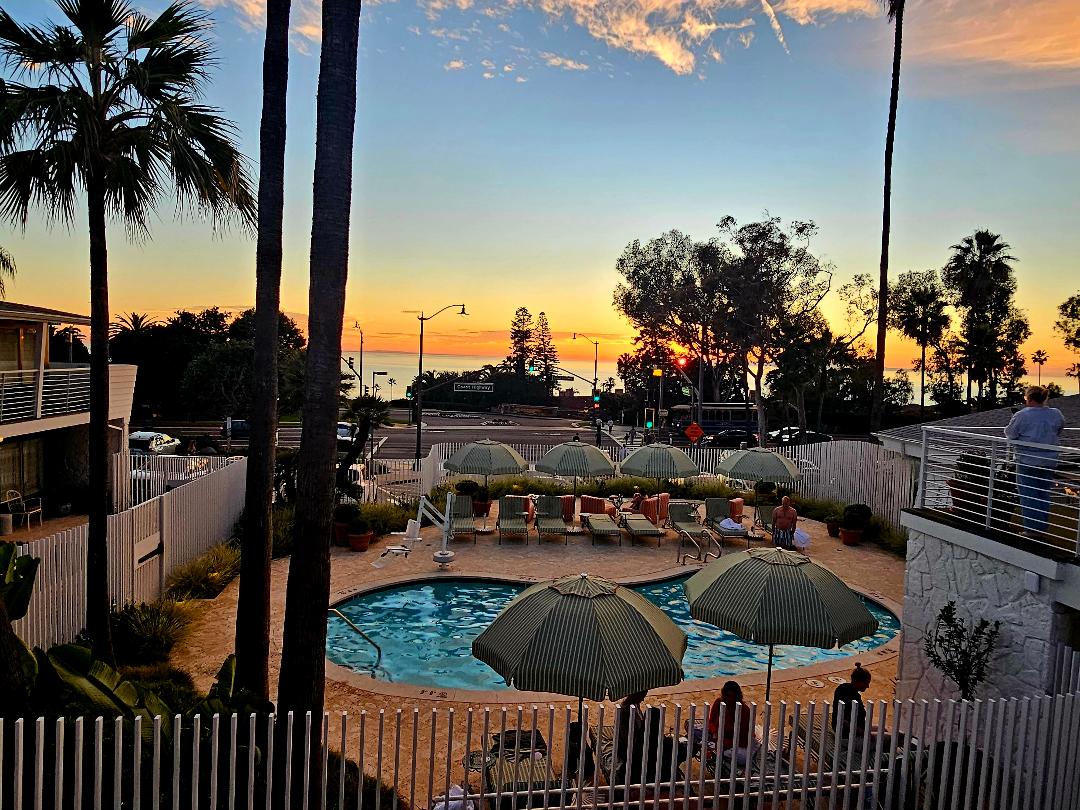
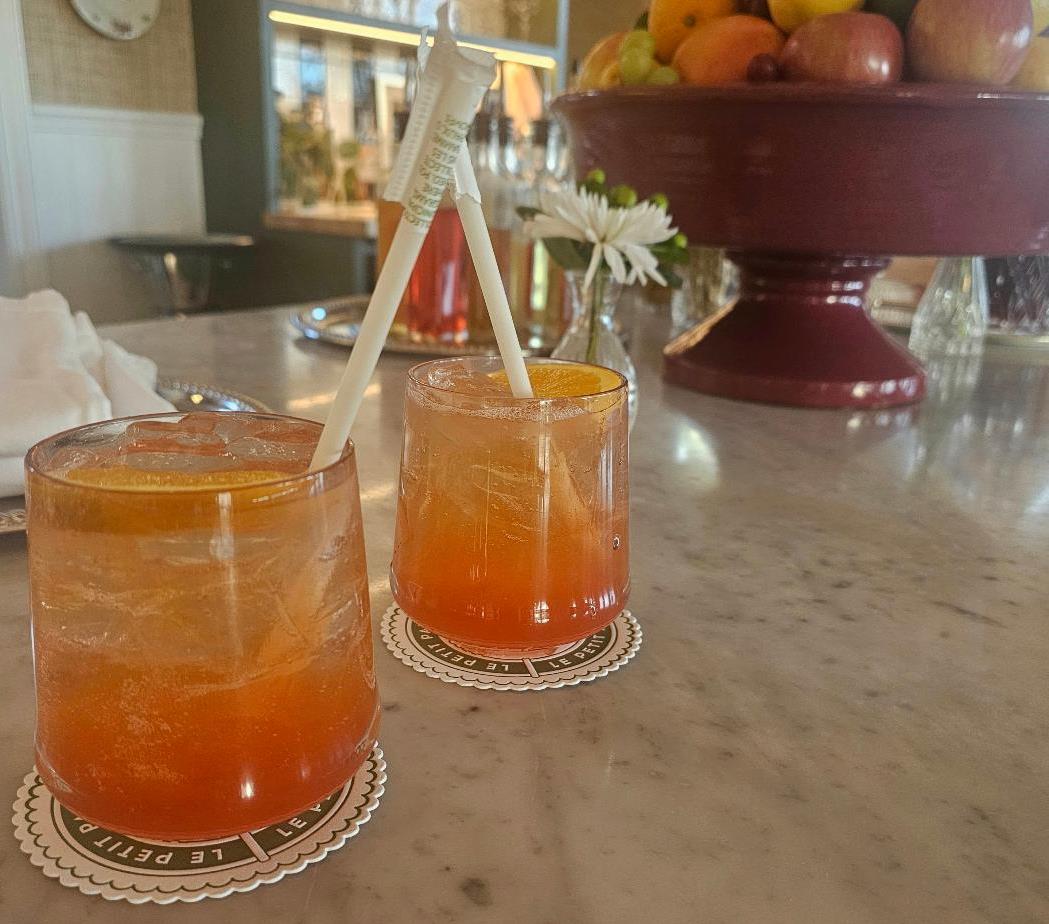
We stayed at a charming boutique hotel called Le Petit Pali.  Its prime location was right across from Treasure Beach – one of the nicest beaches in Laguna.  Not crowded at all.

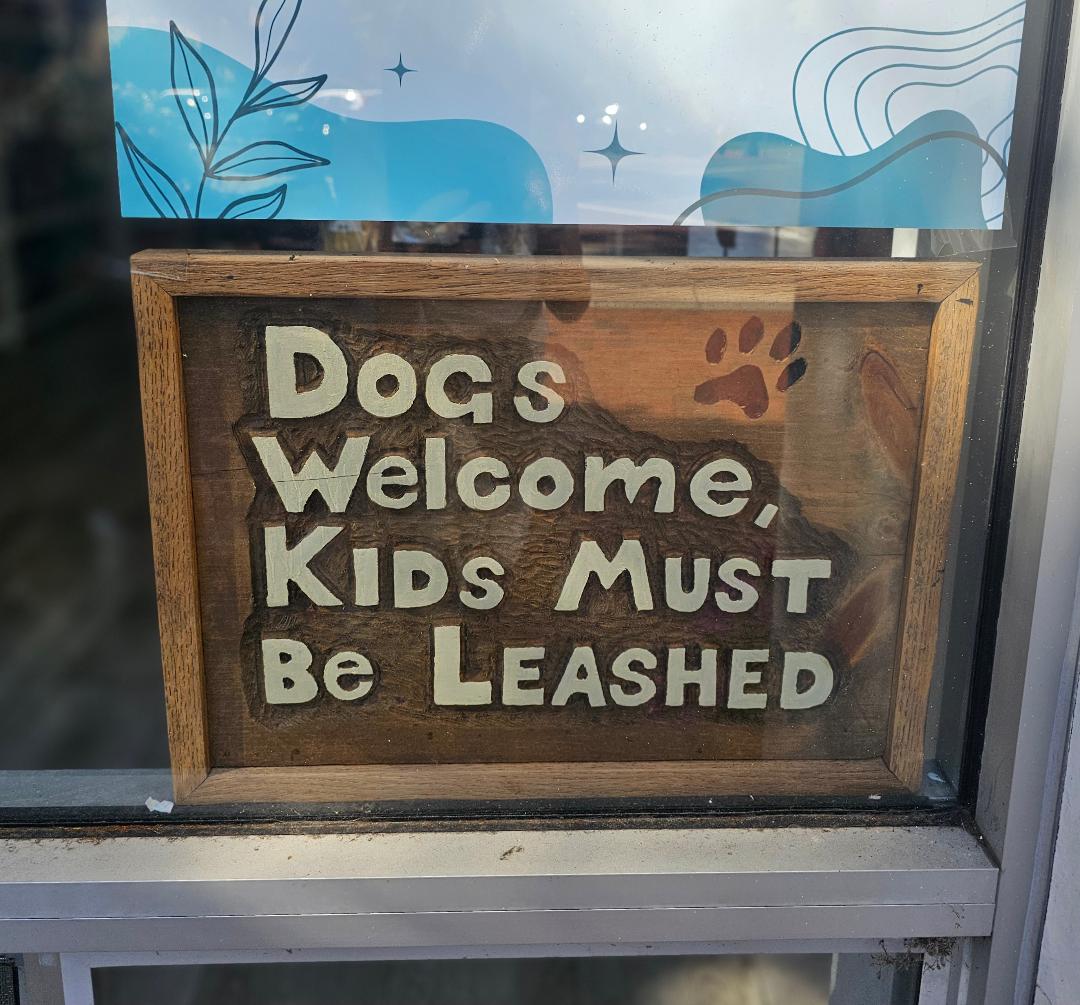
What I loved about this hotel is the touch of European style, warm service, beautiful design and friendly staff. They really paid attention to detail with gorgeous linens on a super comfy king-size bed, SMEG min-fridge, well stocked bar, excellent complimentary continental breakfast with yummy pastries, great coffee, mimosas, O.J. and green juice. Even fresh baked cookies delivered daily. A big comp glass bottle of antipodes artesian water on arrival. The little touches that make a huge difference. Oh; and the dog bed with treats and a toy they put in our room was extra special.

I would definitely stay here again.  It was a super way to spend my birthday especially with an amazing Japanese restaurant right around the corner called “Starfish.” Excellent lychee martinis, sushi and other dishes.

Laguna reminded me how good it feels to pause, breathe, and come back to myself – exactly the reset I didn’t know I needed.

Pics: d. king

Aside from Laguna, they have a few other locations in Napa Valley, Carmel-by-the -Sea and Los Angeles (Brentwood).

To book:
PSIFF: Dead Man’s Wire
 The Palm Springs International Film Festival has now come to a close.

My movie choices this time explored themes of resilience, legacy, homelessness, pride, prejudice, power, relationships, and bureaucracy. One film in particular added another layer: desperation – the kind that pushes a person past the point of reason.

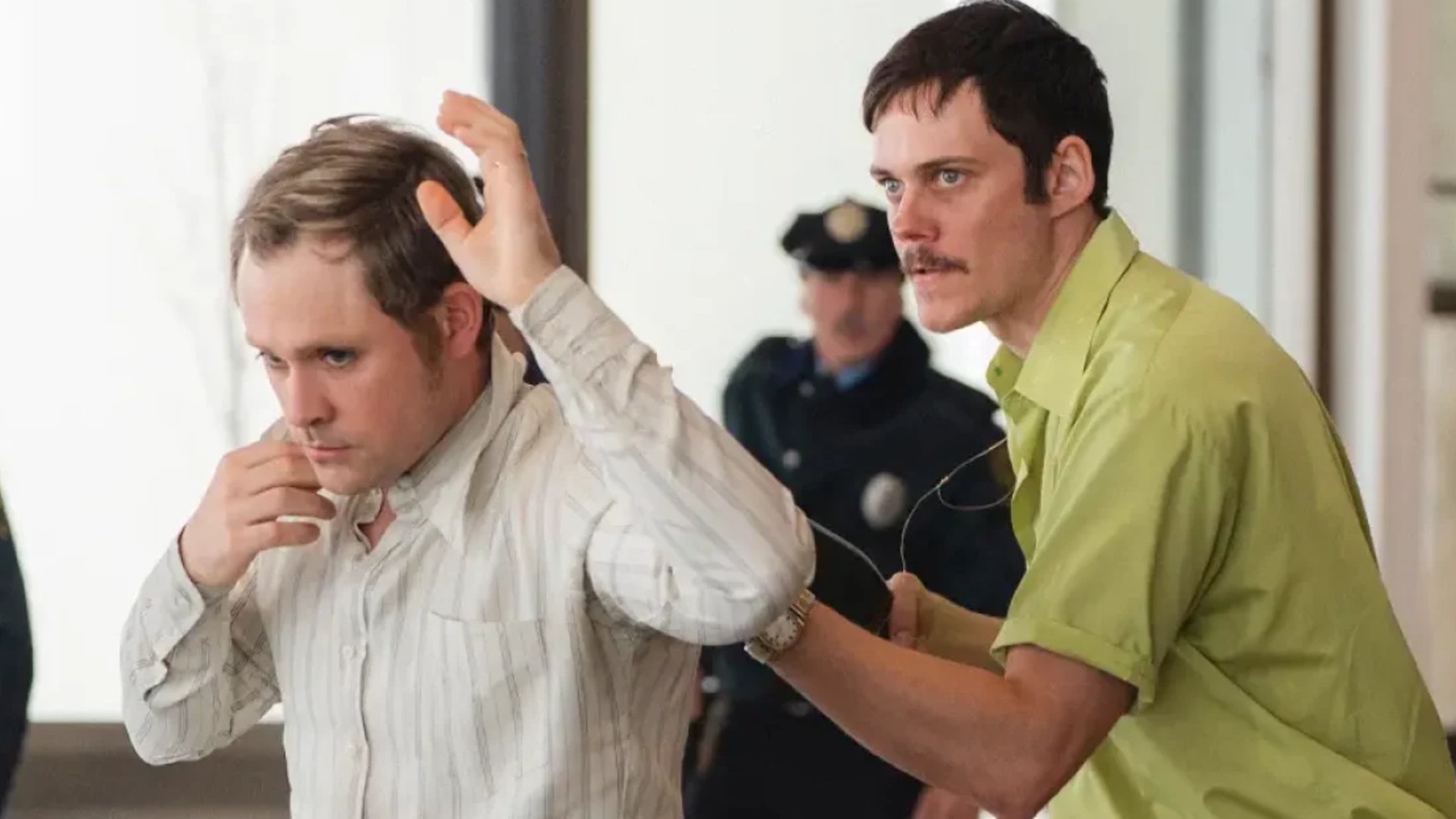
Photo courtesy of Palm Springs International Film Festival.

That film was Dead Man’s Wire, a true‑crime thriller directed by Gus Van Sant (Good Will Hunting), starring Bill Skarsgård and Dacre Montgomery, with Al Pacino in a small but influential role.

The film dramatizes a real 1977 hostage crisis in Indianapolis, one of the most shocking and televised standoffs of its time.  It shows what happened when a distressed man, Tony Kiritsis, took a mortgage company executive hostage and wired a sawed-off shotgun to the man’s neck – a device rigged to fire if anyone tried to intervene.  Any sudden movement would kill him. The film keeps you on the edge of your seat, and it certainly kept the hostage on his.

Kiritsis, a frustrated landowner facing foreclosure, stormed into Meridian Mortgage Company believing the business had sabotaged his development deal and pushed him into financial ruin.

The 63‑hour standoff ended in a live televised press conference, something almost unheard of at the time.

Bill Skarsgård delivers an intense, unsettling performance as Kiritsis, portraying him not as a monster, but as a man spiraling under pressure.  The film blends period detail with a modern sense of psychological tension.

Ultimately, Dead Man’s Wire exposes the thin line between grievance and violence, and what can happen when someone feels pushed too far – even though Kiritsis took things far beyond any acceptable boundary.

You can understand his frustration, yet you’re appalled by the extreme lengths he went to in an attempt to “set things right.” The film leaves you thinking about the volatile mix of frustration, powerlessness, and fear, and how easily those forces can ignite.

It circles back to the same question that ran through other films I saw this year: what happens when people feel they’ve run out of options, and who pays the price when they break?

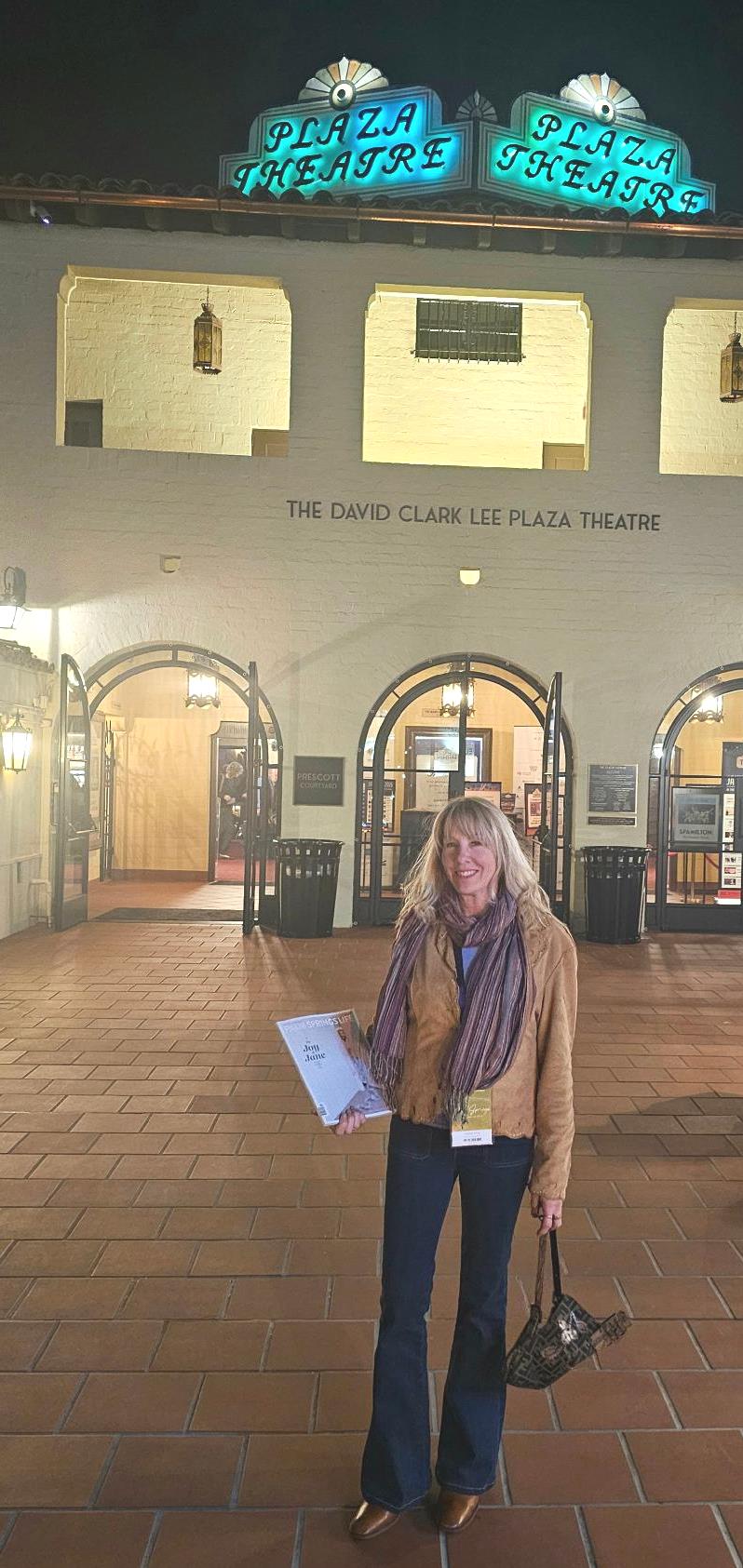
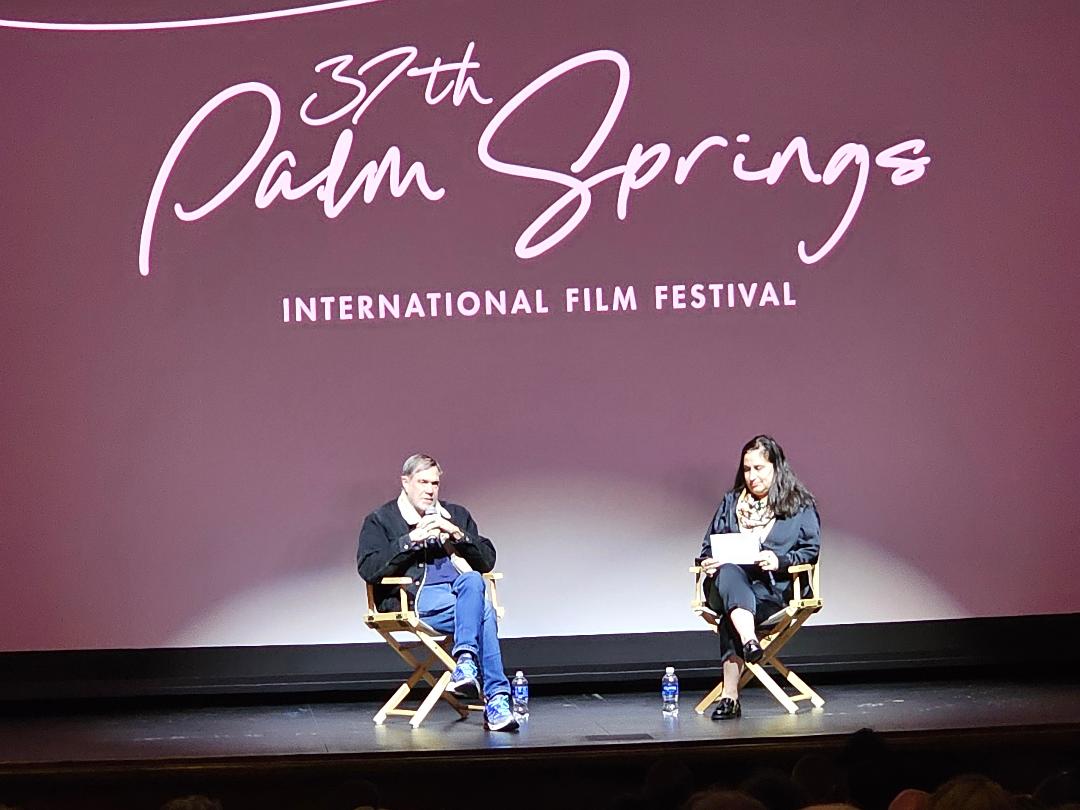
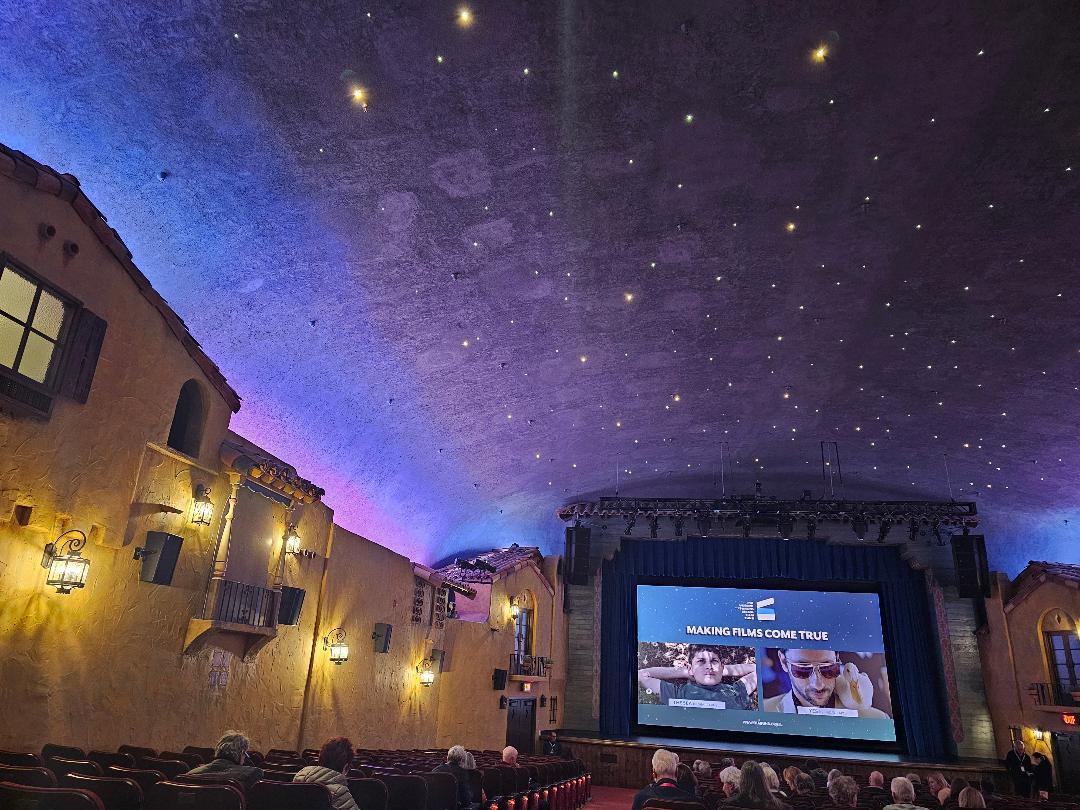
The Plaza Theatre is where the movie screening took place. After its 34-million dollar renovation.

Director Gus Van Sant was here for a Q&A after the screening.

Photo: d. king

Best of the Fest:

https://www.psfilmfest.org/film-festival-2026/festival-events/best-of-fest-2026


PSIFF: Dreams

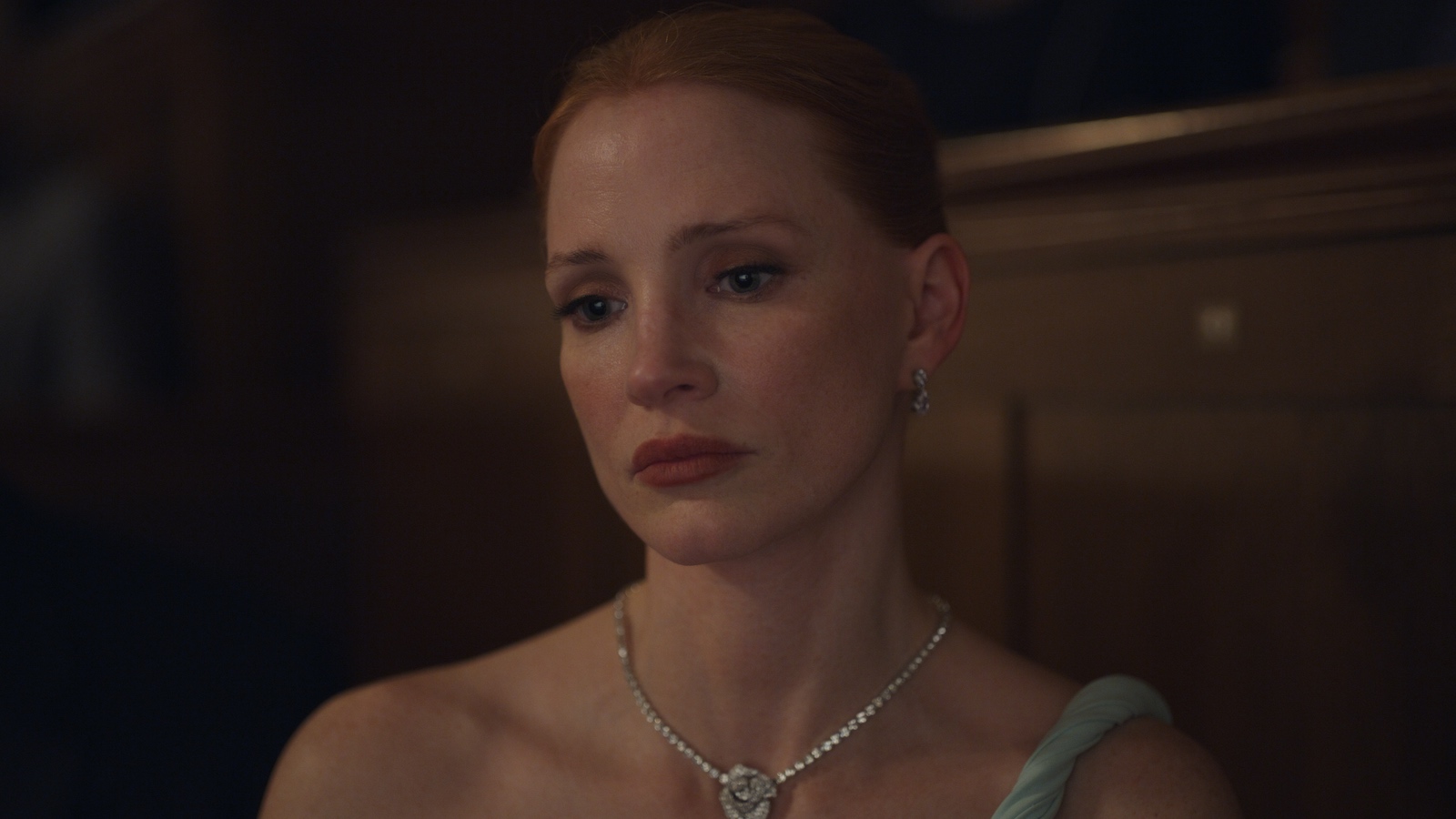
Dreams offers a revealing look at the imbalances that often exist in relationships. Sometimes those dynamics work, and sometimes they don’t, depending on the nature and scale of the disparity.

Photo courtesy of The Palm Springs International Film Festival – 2026.

In this film, the imbalance is extreme: a wealthy philanthropist becomes involved with a much younger ballet dancer who is also an undocumented immigrant. The power gap is enormous, and the story explores what happens when one person holds far more control than the other. It raises uncomfortable questions about fairness, agency, and the blurry line between generosity and possession.

The movie stars Jessica Chastain (who won an Oscar for The Eyes of Tammy Faye) and Isaac Hernández, the acclaimed Mexican ballet dancer. After performing with the San Francisco Ballet, Dutch National Ballet, and English National Ballet, Hernández became a principal dancer at American Ballet Theatre in 2025. He is superb in his first acting role, and Chastain, as always, delivers a nuanced, magnetic performance.

What stayed with me most was the reminder that even the most beautiful connections can fracture when one person holds all the power. Dreams captures that tension with a quiet intensity that’s hard to shake, leaving you thinking about the relationships we choose, the ones we fall into, and the ones we outgrow, and how power shapes them all.

Dreams is expected to be released into theatres nationwide in a few weeks from now.


Film Synopsis (taken from the website): after their prize-winning collaboration, Memory (PSIFF 2024), director Michel Franco and actress Jessica Chastain reunite for this intimate love story/chilly drama that goes to places that a love story shouldn’t—and that plays as a powerful metaphor for the relationship between the U.S. and Mexico. Chastain plays Jennifer, a wealthy American philanthropist who funds the Mexican ballet school where prodigy Fernando (Isaac Hernández) trains. She also takes him as her lover and keeps him in her home in Mexico. But when Fernando crosses the border illegally and arrives unannounced at Jennifer’s luxury San Francisco mansion, the relationship imbalances show in an ominous light.

Director/Writer/Producer Michel Franco was here in person for Q&A after the screening for his very thought-provoking feature.

PSIFF: Kim Novak’s Vertigo

Do you ever wonder what became of some of Hollywood’s biggest stars? Are they still alive? What are they doing now? Even if they were before your time, their stories still echo through film history.

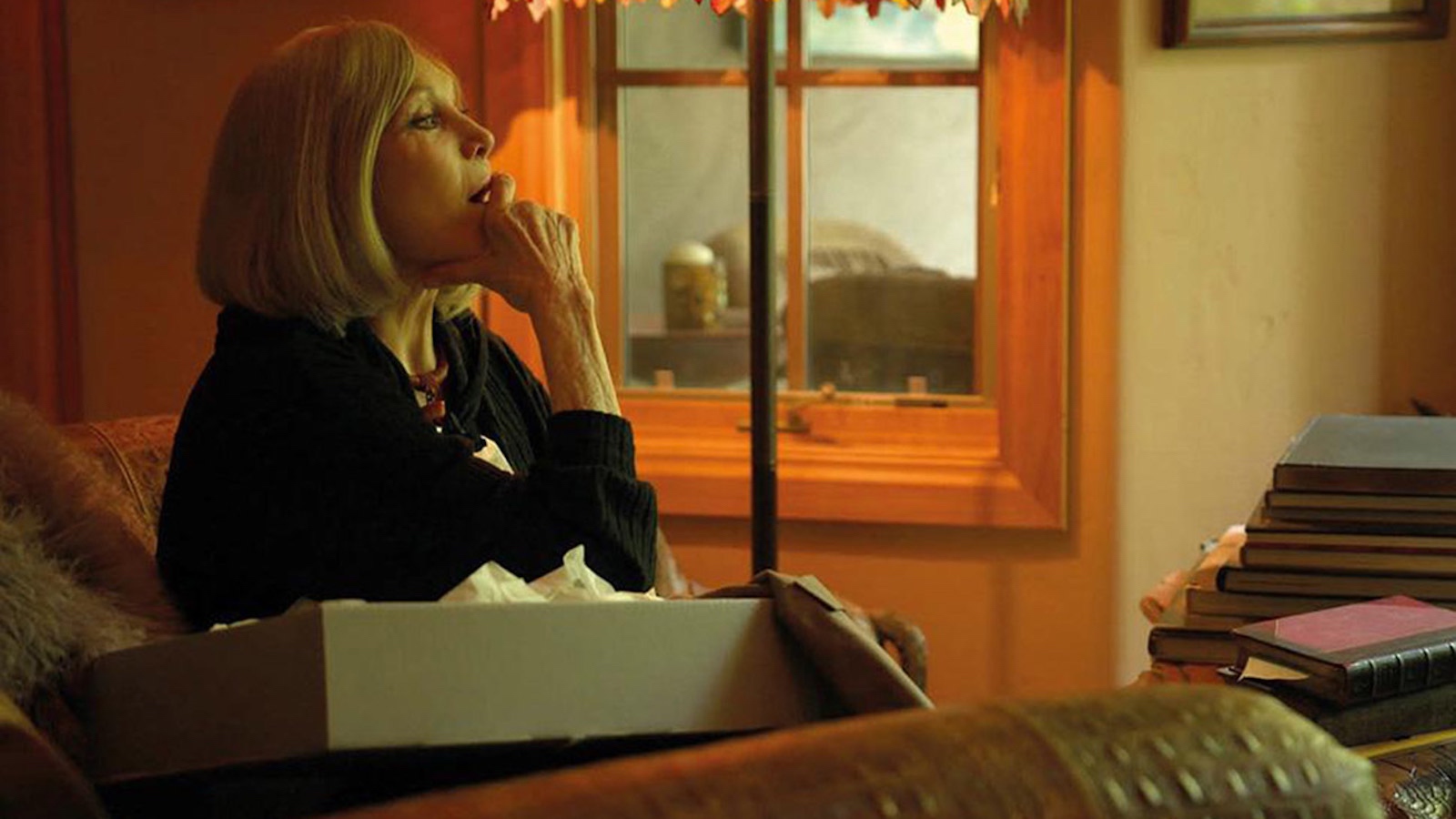
Courtesy of the Palm Springs International Film Festival.

I grew up watching old movies with my dad, so I’ve always had a soft spot for the stars of earlier eras. Today, it feels like younger generations don’t have the same connection to these films, which makes discovering a great documentary about them even more special.

I love documentaries about interesting, multi‑faceted people. Some are actors, some are not.

I saw Bombshell: The Hedy Lamarr Story, about the famous actress and brilliant inventor who co‑patented a “Secret Communication System” during WWII that used frequency hopping – the basis for modern Wi‑Fi, Bluetooth, and GPS. Her scientific contributions weren’t recognized until later in life. I think it’s because of her that I was able to navigate my way from Vancouver to Palm Springs in my vehicle – so I thank her for that.

Another amazing documentary is My Mom Jayne, about Jayne Mansfield directed by her daughter, actress Mariska Hargitay, who was only 3 years old and survived in the backseat of the car that took her mother’s life.  Who knew that Mansfield was a highly intelligent and musically gifted polyglot, fluent in five languages (English, German, Italian, Spanish, Hungarian), a classical pianist and violinist, who performed on The Ed Sullivan Show, and a self-proclaimed genius with a reported IQ of 160+?  When she was in Hollywood, the studio was more interested in her physical measurements than her IQ.

Which brings me to the U.S. premiere of a documentary I just saw at the Palm Springs International Film Festival called Kim Novak’s Vertigo.

Like Lamarr and Mansfield, Kim Novak was far more complex than the studio system allowed her to be. Unlike them, she’s very much alive.

For those not familiar with the name, Novak was a major Hollywood star in the 1950s, and for a few years she was Columbia Pictures’ top box‑office draw.  She was Columbia’s answer to Marilyn Monroe, and the studio groomed her as their glamorous blonde star. She headlined major films like Picnic (1955), The Man with the Golden Arm (1955), and Pal Joey (1957).

She became iconic for Hitchcock’s *Vertigo (1958), which is now considered one of the greatest films ever made. In fact, her dual role is still studied in film schools.

She stepped away from Hollywood in the mid‑1960s, saying she wanted to protect her sense of self and avoid the pressures that had consumed other stars of her era.

This poignant film, directed by Alexandre O. Philippe (who was in attendance and whose childhood memory includes the same wallpaper seen in Vertigo), shows Novak looking back on her life as an actress, poet, and painter in an intimate portrait. Novak left at the top of her game. She bought a beautiful home, sight unseen – perched on a cliff overlooking the ocean. She now lives a secluded life surrounded by many animals. She’s 92.  She’s an extraordinary painter (link below).

She recently received The Golden Lion for lifetime achievement at the Venice International Film Festival.  

In the end, what moved me most was seeing a woman who chose peace over fame, art over applause, and authenticity over expectation. Her story lingers  quietly, like a final frame that stays with you long after the credits roll.

It made me wonder how many other stars from Hollywood’s golden age have stories we’ve never heard.

If you’ve seen any great documentaries about classic film icons, I’d love to hear your recommendations.

*Vertigo – Here’s the official synopsis:

As the mysterious Madeline (and her doppelgänger Judy) in Alfred Hitchcock’s Vertigo, Kim Novak delivered one of the most mesmerizing and enigmatic performances in Hollywood history – cementing her legacy as one of her generation’s most independent and iconic talents. Shortly thereafter, she left it all behind to pursue a quieter, more purposeful life in the Pacific Northwest. It’s here that filmmaker Alexandre O. Philippe finds her: at home, ready to share the swirling, singular memories of her life as an actress, poet, painter, and person. This intimate portrait of artistic resilience and personal reflection is a stream-of-consciousness stunner.

Director Alexandre O. Philippe was in attendance for a Q&A after the screening.

PSIFF: Natchez

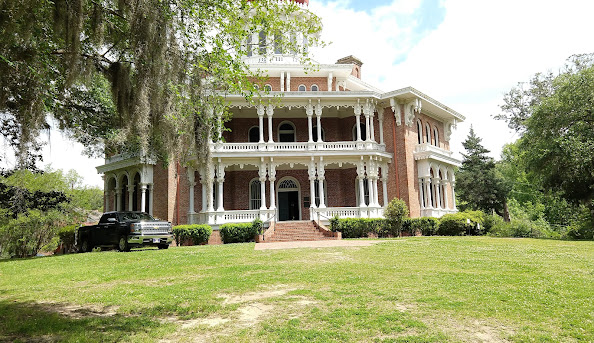
An excellent and eye opening documentary about a charming city in Mississippi, once home to more millionaires than anywhere in the U.S.  Natchez is the home of modern Southern hospitality. Lots of history here, y’all.

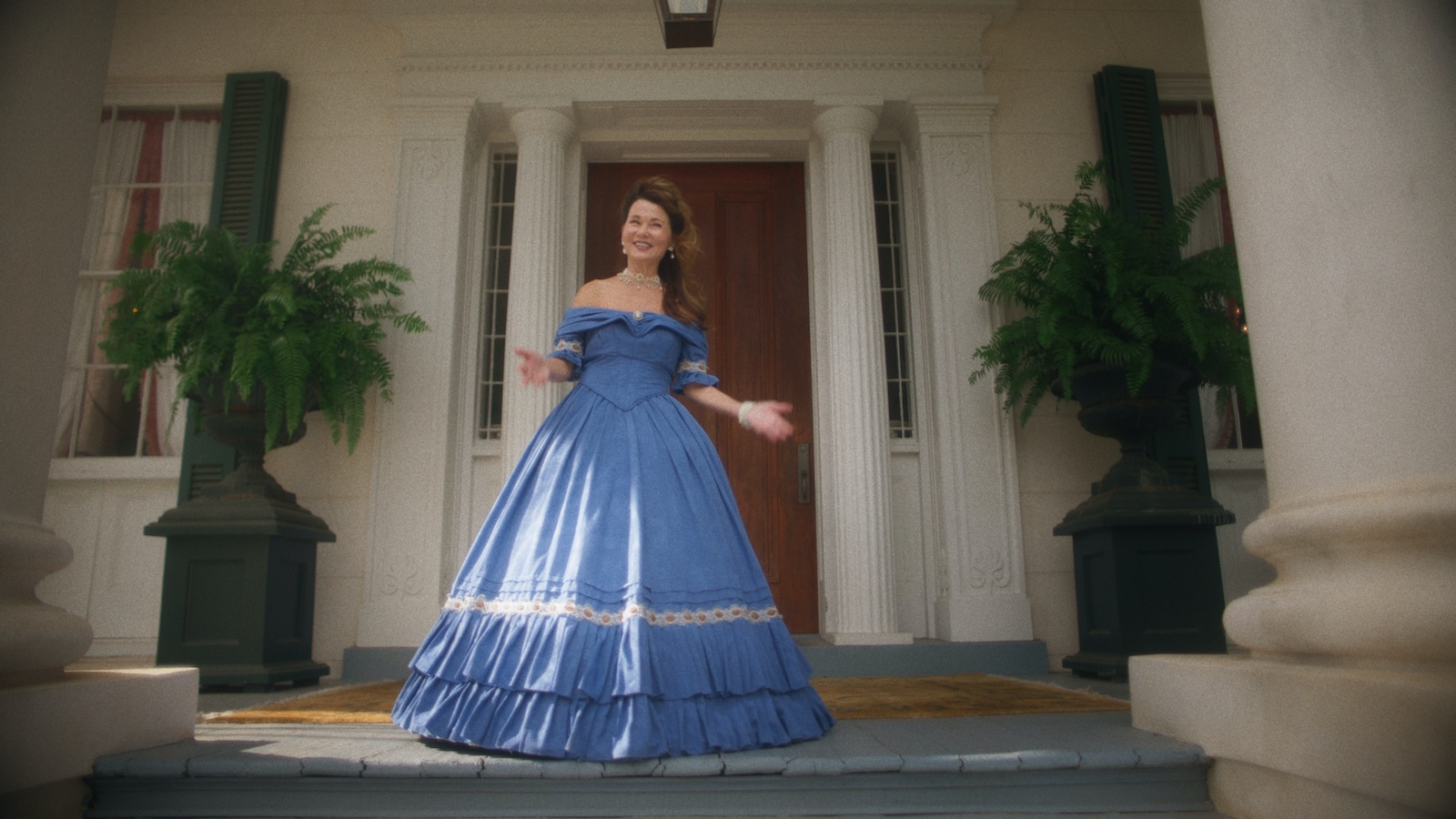
Photo courtesy of Palm Springs International Film Festival – 2026

I’ve always loved the dreamy architecture and manicured gardens of the American South. When I visited a friend living in Savannah, Georgia, I made sure to take a homes‑and‑gardens tour. Same in Charleston, South Carolina. I admired the 18th‑century Creole cottages in New Orleans and the Spanish‑influenced wrought iron that defines the French Quarter, especially those lacy balconies. It all takes you back to a bygone era.

Natchez is famous for its breathtaking antebellum mansions -grand, columned estates that seem frozen in time. The history of this place is rich, as rich as the labour of the enslaved people who built it brick by brick. It’s kind of like Beauty and the Beast: if you’re going to tell a story, at least tell the whole story.

There’s a truth the city doesn’t always make visible, even as the beauty of these homes draws visitors from around the world. 

To walk through Natchez is to feel both the elegance and the weight of that past existing side by side. The film intentionally captures this beauty in a way that feels nostalgic, almost seductive – the South as many want to remember it. But it also shows how the city’s prosperity was built on exploitation, and how that legacy still shapes its present.  

A community deeply divided over how to tell its own story, with some wanting to preserve the romantic myth, others demanding truth and accountability.

Natchez wasn’t just a pretty river town; it was once one of the wealthiest cities in the United States because of cotton. The entire local economy revolved around it. Before the Civil War, the region’s rich soil and access to the Mississippi River made it a prime location for large plantations, and cotton became the engine that drove everything. But that prosperity came at a devastating human cost. The cotton industry in Natchez depended on the forced labour of enslaved people who planted, tended, and harvested the crops under harsh conditions. Their labour created the wealth that built the grand homes the city is now known for. That’s the part Natchez often glosses over – the beauty of the architecture is inseparable from the exploitation that funded it.

Taken from Images

Many of the families who open their doors for tours do so for practical reasons as much as pride. Maintaining these enormous homes with their aging foundations, sprawling gardens, and intricate architectural details is extraordinarily expensive, and tourism helps keep them standing. But it’s not just about money. For many locals, sharing these homes is a way of preserving a story they’ve inherited, even if that story includes chapters the city has long been reluctant to confront. The tours become a kind of living archive: part preservation, part performance, and part economic necessity.

I think as long as you can at least acknowledge the past, you can enjoy the present.

* Antebellum literally means before the war – in the U.S., it refers specifically to the period before the Civil War. In architecture and tourism, it’s still widely used to describe homes, estates, and design styles from that era. In places like Natchez, the term is often used to highlight beauty while downplaying the brutal labour by what they refer to as workers  (actually, slaves chained by ankle, wrists and neck) that made that beauty possible.

PSIFF: TOW

Rose Byrne is one of those rare performers who seems to have no weak spots, and the more you look at her career, the clearer that becomes.

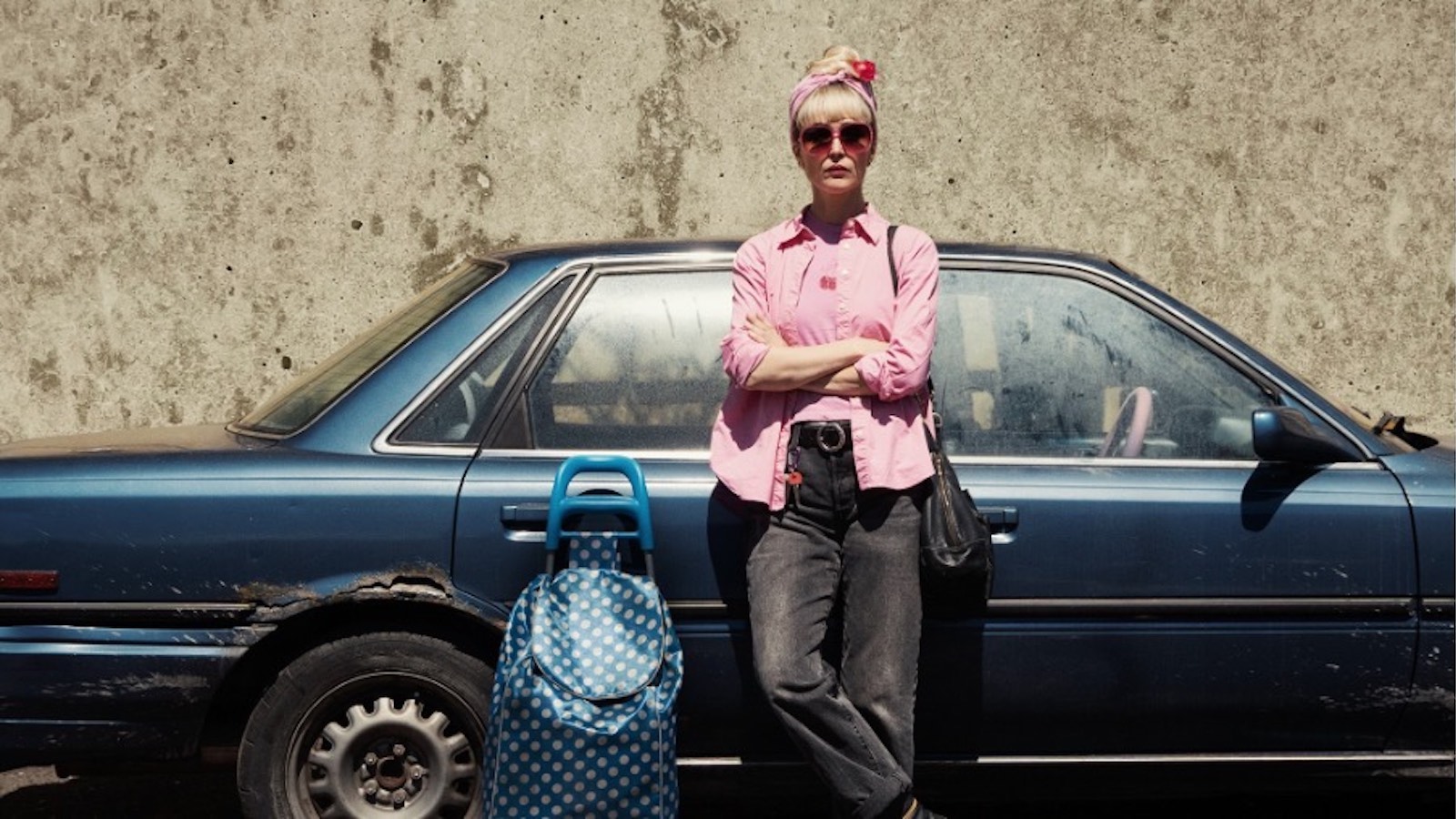
Courtesy of Palm Springs International Film Festival – 2026.

She can move between drama and comedy with ease, as witnessed in movies such as “Bridesmaids” and “If I Had Legs, I’d Kick You.”

I just saw “Tow” at the Palm Springs International Film Festival.  “Tow” is based on the very real story of Amanda Ogle, an unhoused Seattle woman living in her aging Toyota Camry. The movie premiered at the 2025 Tribeca Film Festival, and stars Byrne as the main character.

The story is based on Ogle’s real 2017 ordeal, when her car, containing all of her belongings, was stolen, recovered, and then towed. She spent over a year fighting the system to get it back.  The car was not just her transportation, it was her home.

Byrne did a powerful performance in portraying Ogle’s battle against bureaucracy. She not only starred in it, she also produced the film, showing how personally invested she was in getting the story out there. The film was shot in just 19 days on a very small budget, which Byrne said added to its raw, realistic feel.

This movie really makes you think about how unfair the system can be. It was unnerving to watch the struggle to get the car back. Bureaucracy doesn’t bend for people who fall outside its assumptions of things like a home address, job, savings and ability to take time off to go to court.

Ogle had to deal with a maze of agencies that don’t talk to each other.  They included the police, the towing company, municipal courts, city departments and storage facilities. She had to live in a woman’s shelter while doing so. At least there was that.

When the car was eventually recovered by police, instead of being returned to her, it was impounded. And because she was unhoused and had no stable address or resources, she couldn’t easily navigate the system to get it back. The towing company presented her with a bill of $21,634 for storage and fees over time, which of course, she could not pay. The system creates the problem, then makes it nearly impossible to fix.

This wasn’t a case of someone ignoring a ticket – it was a person trapped in a system that treated her car as property but ignored the fact that it was also her shelter. 

Rose Byrne has said she was drawn to the project because Amanda’s story exposes how ordinary people can be crushed by systems that are supposedly neutral.  And let’s also say that her appearance does not fit the typical stereotype, challenging our assumptions about “what homelessness looks like.”

The emotional undercurrent is the quiet realization that someone’s entire life can be uprooted because of a dramatic mistake. With a “there but for the grace of God go I” kind of feeling.

Homelessness has reached levels in the U.S. that are hard to ignore, and one of the most striking, and often invisible parts of the crisis is the rise in people living in their cars.

The festival is on until January 12th, 2026.  For films and available tickets:

Elvis, Rocky and Me: The Carol Connors Story.

The world premiere of a remarkable documentary was last night – part of the Palm Springs International Film Festival.  I, and the audience, loved Elvis, Rocky and Me: The Carol Connors Story.

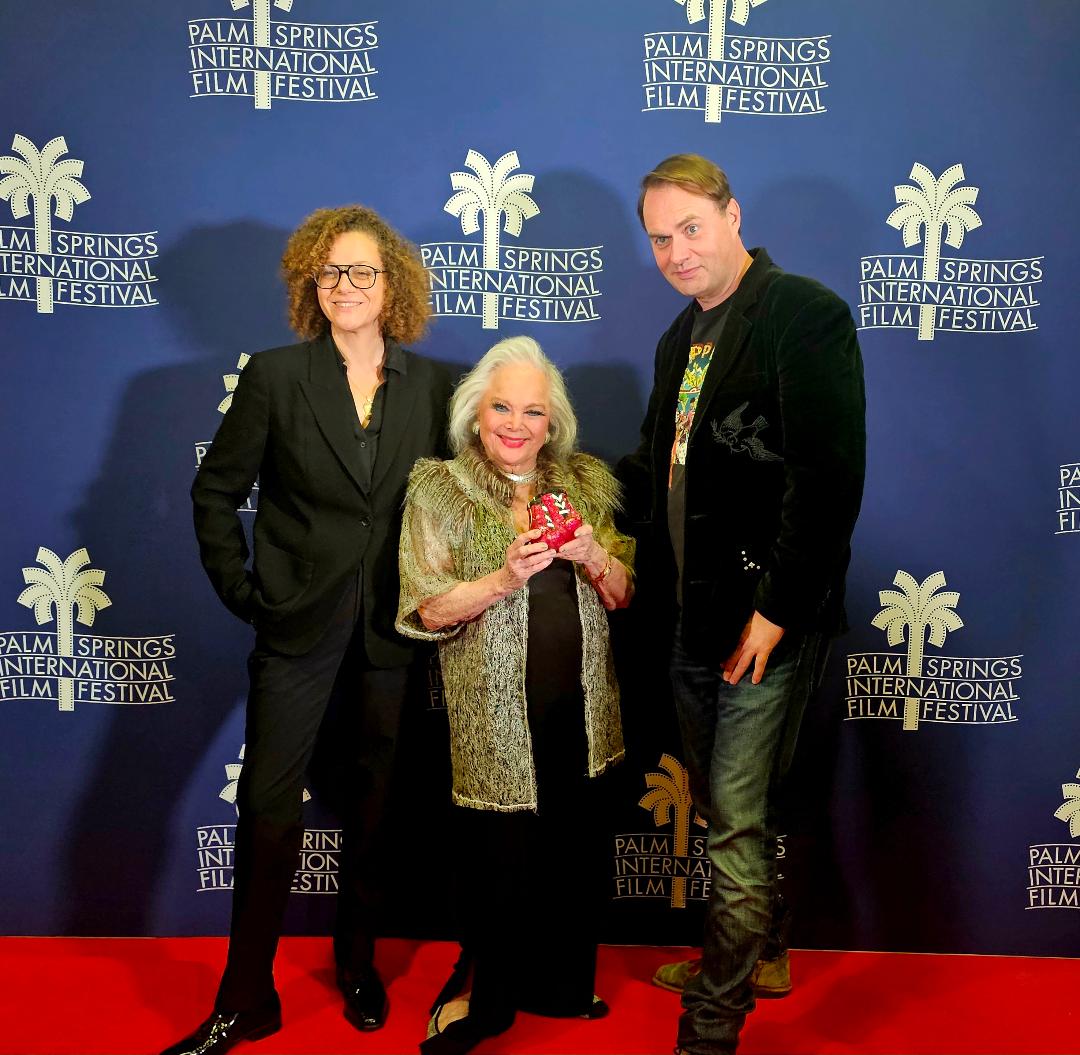
Carol (and her boxing gloves) with Screenwriter: Dahlia Heyman and Director/Producer/Screenwriter: Alex Rotaru

The documentary is based on her blockbuster memoir by the same name (the audiobook was recently nominated for a Grammy). Watching this documentary felt like opening a time capsule packed with charisma, chaos, and the unmistakable spark of a woman who refuses to dim.

Carol Connors is the kind of dynamo who could write a hit, charm a legend, and still get herself kicked out of a studio by Dionne Warwick – all before lunch.

To know her, is to love her – say all of Carol’s friends.

I heard the name before, but admittedly I didn’t know a lot about Carol Connors, other than she dated Elvis Presley (after he co-starred with Ann-Margret in “Viva Las Vegas”), co-wrote the iconic Rocky theme song (minimalist but powerful lyrics to “Gonna Fly Now” – which was nominated for an Academy Award) and had a #1 hit single (“To Know Him Is to Love Him”) recorded by The Teddy Bears, which became a major hit, reaching number one on the Billboard Hot 100 in late 1958, where it stayed for three weeks and launched producer Phil Spector’s career. It went on to have several renditions after that – my favorite sung by Dolly Parton, Linda Ronstadt and EmmyLou Harris (their version became a #1 country hit and was featured on their Grammy-winning album “Trio). 

I guess that alone seems like enough right? However, there’s so much more that I wasn’t sure where to begin writing this post because…

Before the documentary even begins, you realize Carol Connors didn’t just witness pop culture history…she helped write it, one hook, one heartbreak, and one heavyweight anthem at a time. 

I did a bit of research beforehand, but had no idea of the scope of her legacy. Some people live a life. Carol Connors lived a soundtrack.  One that starts with Phil Spector, flirts with Elvis Presley, and punches its way into the Oscars with Rocky.

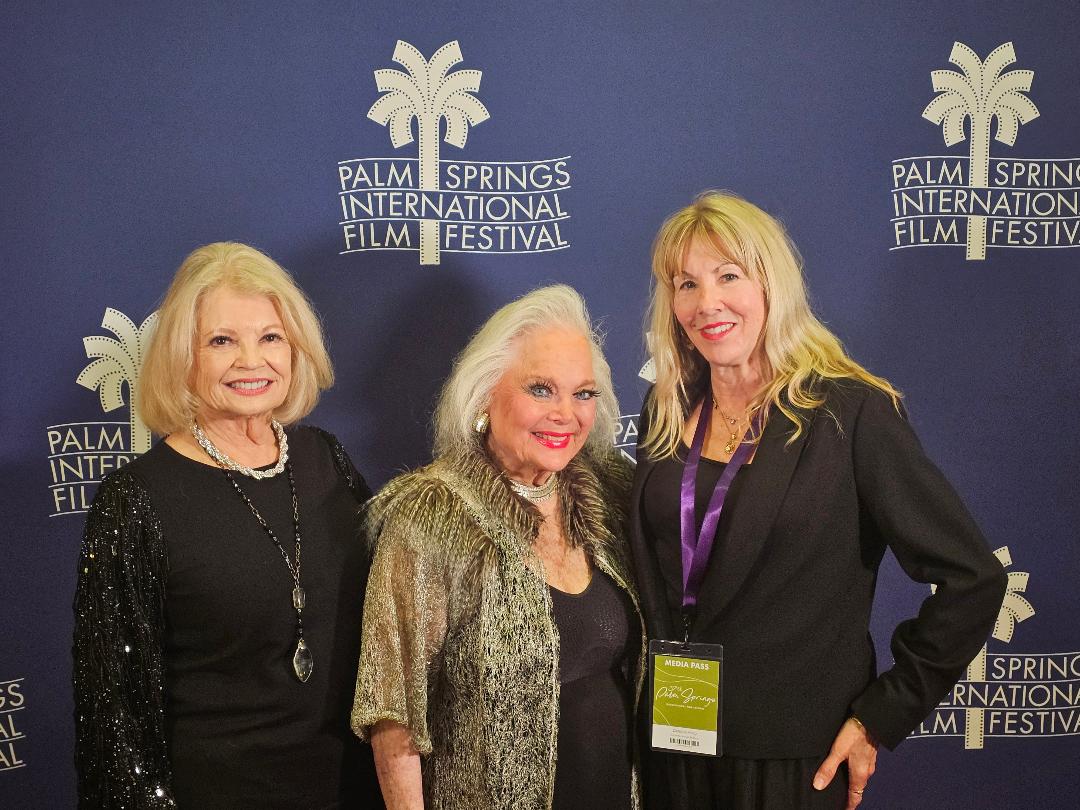
With Kathy Garver (from Family Affair, an author and voice for Carol’s memoir audio book – see links of where to buy below.

The documentary is interspersed with interviews on major talk shows and snippets of conversations she’s had with Hugh Hefner, Mike Tyson and O.J. Simpson.

Believe me, I’m still not giving too much away. Remember the legendary Shelby Cobra roadster designed by Carroll Shelby? Connors wrote “Hey Little Cobra.” Here’s the fun part: she didn’t just write it about the car – she wrote it for Carroll Shelby himself, after he told her that if she wrote him a hit, he’d give her a Cobra. And he actually did. The song became a major hit, reaching No. 4 on the Billboard Hot 100. 

Only Carol Connors could turn a conversation with Carroll Shelby into a chart‑topping hit, and drive away in the car she wrote about.

At the end of the documentary, there was a Q&A followed by Carol singing a song called “You Loved My Night Awaythat she wrote (music & lyrics) on the day Elvis Presley died.  They stayed friends up until the end.  She still has a beautiful voice and the song is also beautiful.

 What a glamorous, fabulous life.

Director/Producer:  Alex Rotaru

Executive Producer:  Julian Warshaw. 

Screenwriters: Dahlia Heyman, Alex Rotaru

Cast: Carol Connors, Bill Conti, Talia Shire, Mike Tyson, Diane Warren, Dionne Warwick, Barbi Benton, Irwin Winkler.

The Film Festival is on until January 12th, 2026.  Film Finder and Tickets:

https://www.psfilmfest.org/film-festival-2026/film-finder/elvis-rocky-and-me-the-carol-connors-story

*You can buy Carol Connors’ memoir Elvis, Rocky and Me from major online retailers like Amazon, Walmart, and Target, or directly from the publisher BearManor Media, with options for paperback, hardcover, and Kindle e-book, plus an audiobook narrated by Kathy Garver.