When Barneys Ruled Madison Avenue

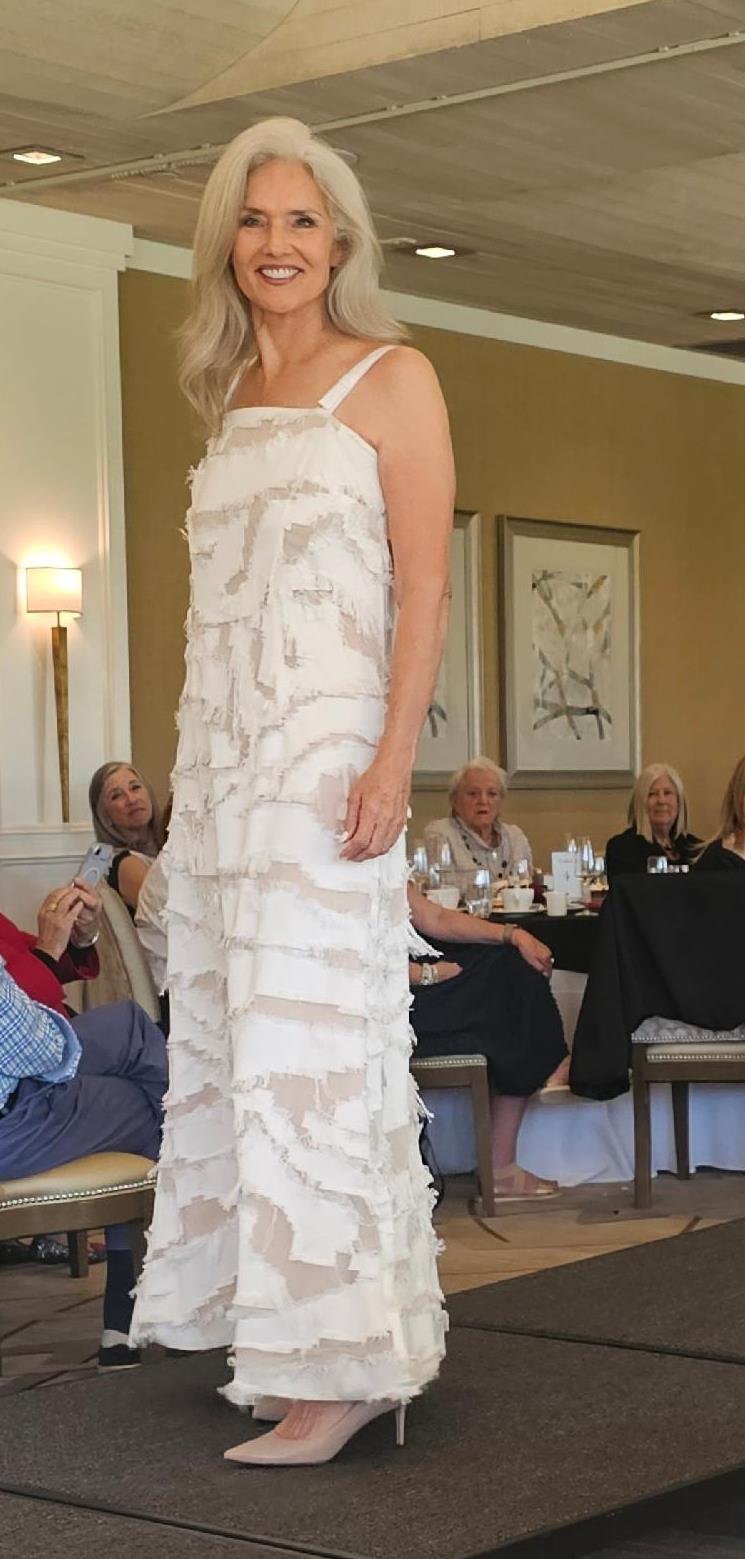
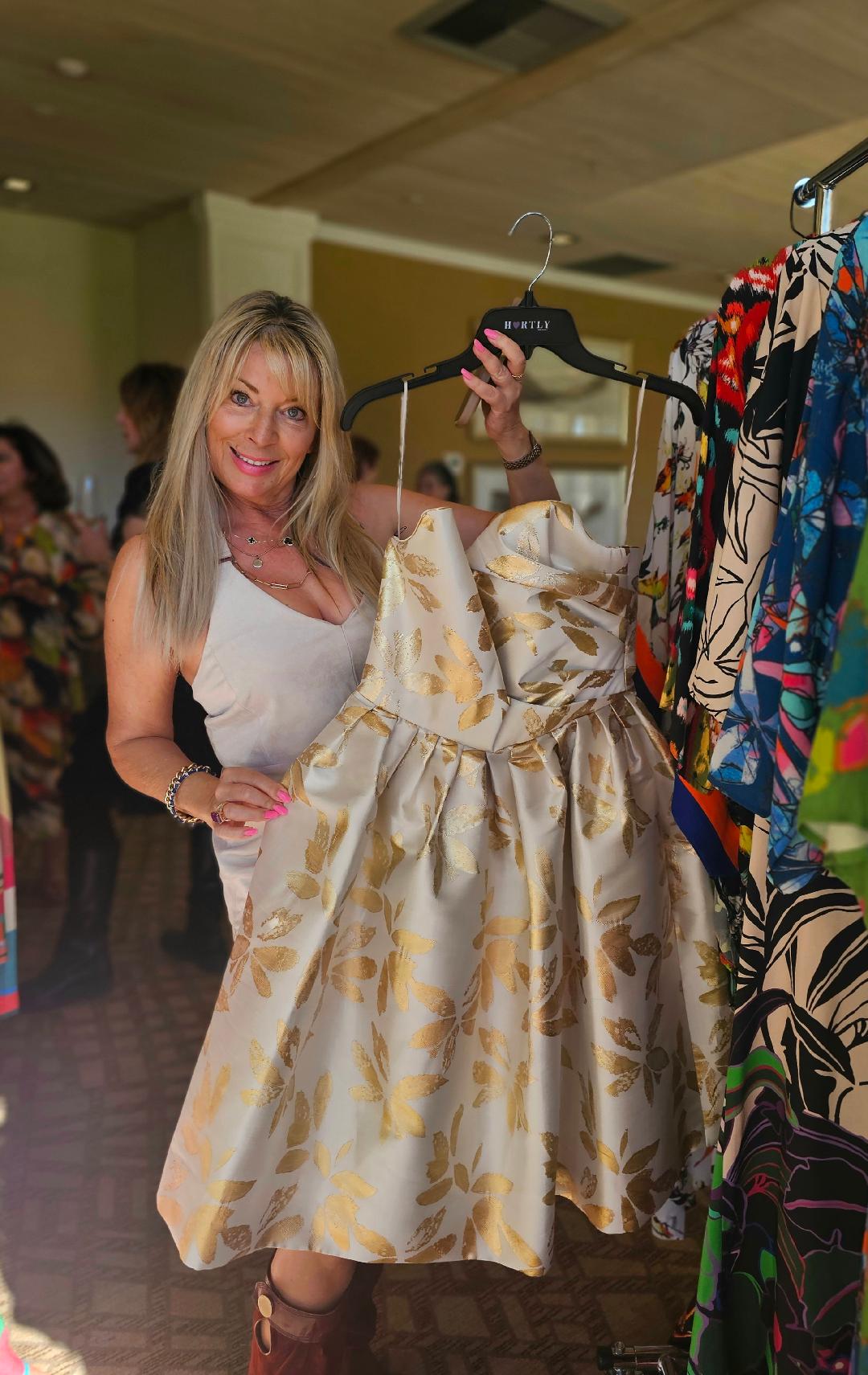
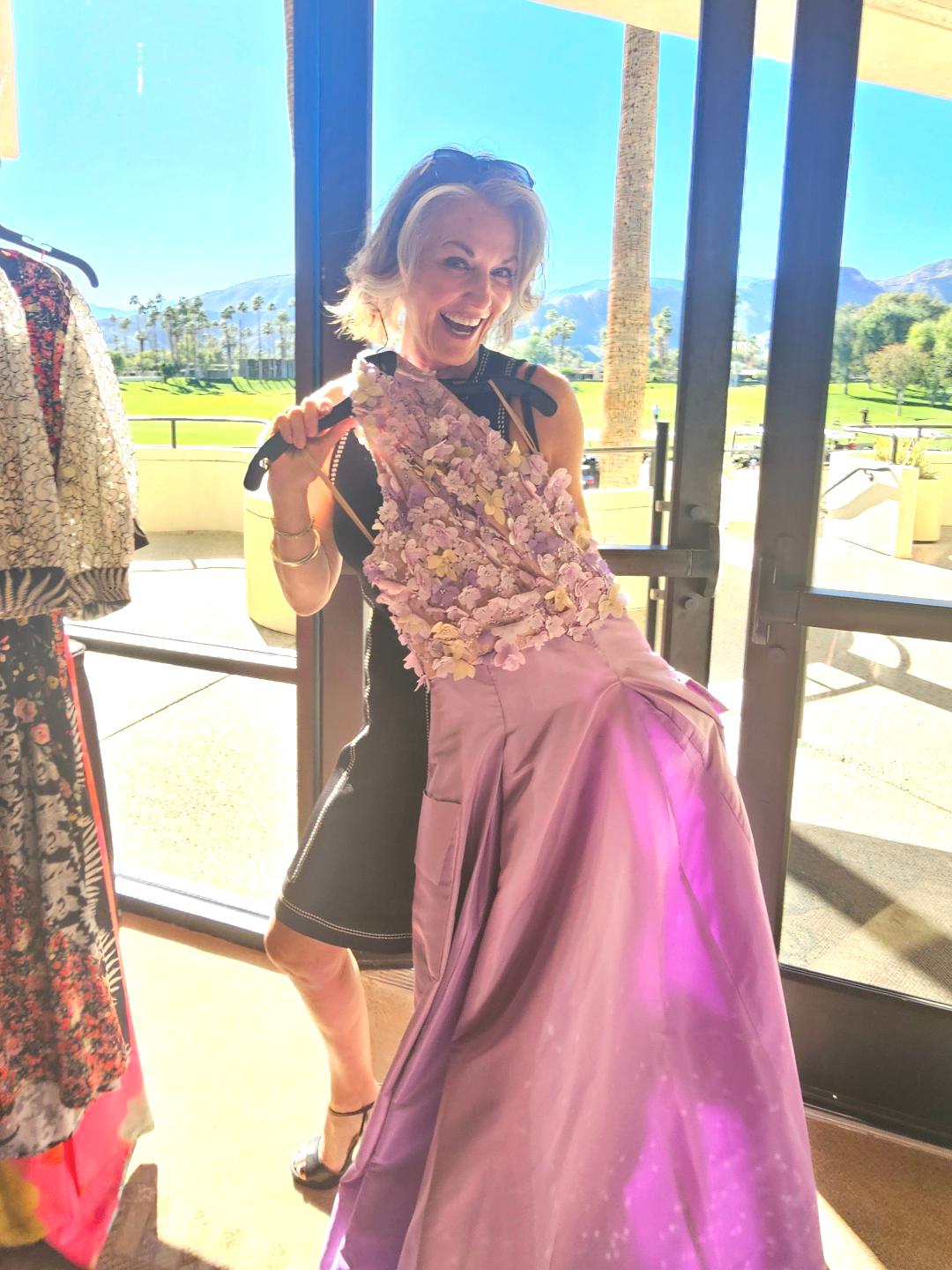
Barneys was the embodiment of “when shopping meant something.” The flagship store was on Madison Avenue and anyone visiting New York with style in her DNA would never skip a stop at Barneys.  It was considered a rite of passage.

During the greatest, most exciting years in the world’s greatest, most exciting city, Barneys New York was a place where fashion made culture and made history. Barneys New York was more than a store – it was a cultural institution that redefined luxury, creativity, and cool in retail. Even the window displays were considered avant-garde and curated collections felt like gallery exhibits.

Barneys wasn’t about necessity – it was about possibility. It introduced Americans to designers they’d never heard of, gave downtown edge to uptown elegance, and made fashion feel like culture. It was where you went to find the unexpected, to be surprised, to feel seen.

The clothes…oh, the clothes, were artfully arranged like museum pieces waiting to be discovered. You didn’t just shop at Barneys. You wandered, you lingered, you fell in love with the perfect ensemble. If you were lucky enough, you could buy it.

Founded in 1923 by Barney Pressman, Barneys began as a men’s discount clothing store in Manhattan. Pressman famously pawned his wife’s engagement ring to fund the lease.

The store’s early motto No Bunk, No Junk, No Limitations reflected its commitment to quality at bargain prices. Bargain prices you say? That was way before I stepped inside.

By the late 1970s, Gene Pressman, Fred’s son, infused Barneys with high fashion and avant-garde flair, bringing in designers like Versace, Alaïa, and Yamamoto. Madonna and Iman’s “diva-off” at a charity fashion show in 1986 exemplified the store’s blend of glamour and spectacle.

Celebrities like Andy Warhol, Diane Keaton, David Bowie (he was married to Iman), and Sarah Jessica Parker were regulars. Parker once said, “If you’re a nice person and you work hard, you get to go to Barneys. It’s the decadent reward.”

The fall of Barneys came In 2019, when Authentic Brands Group acquired Barney’s intellectual property, and has licensed the brand to Saks Fifth Avenue for specialty departments within their flagship stores. But it’s obviously not the same vibe.

FYI: the name Barneys New York does not have an apostrophe; the company dropped it in 1981. The original store, which opened in 1923, was once called Barney’s, but the apostrophe was removed in a rebranding effort.  
WHERE HAVE ALL THE GOOD DEPARTMENT STORES GONE? 

Sadly in Canada, they’ve all but disappeared.  Luckily we still have Holt Renfrew.  Hopefully it’s not a matter of time before that goes too.

They’ve either closed or drastically downsized due to shifting consumer habits, rising costs, and the dominance of e-commerce. The most recent and symbolic closure was Hudson’s Bay Company in June 2025, marking the end of a 355-year legacy. Very sad but if truth be told, I tend not to frequent department stores either. I prefer unique boutiques or vintage shopping (or of late, no shopping at all – I’m shopping my own closet). I was also responsible for the closures of these once convenient one-stop conglomerates. I hated to see The Bay go though, because that was a sure sign of the times they are a changing.

Even Ogilvy (my favourite), originally founded in 1866 in Montreal, was one of Canada’s most iconic luxury department stores. In 2011, Holt Renfrew’s parent company, Selfridges Group, acquired Ogilvy. Now it’s known as Holt Renfrew Ogilvy, combining Ogilvy’s heritage with Holt Renfrew’s upscale brand portfolio.

On another note: After viewing a bunch of films I’m now turning to books. Here’s one on my radar:

A new fashion book that became an instant New York Times Bestseller is “THEY ALL CAME TO BARNEYS.”

The Man Who Turned Barneys Into the Coolest Store in the World. Gene Pressman, the New York institution’s former co-CEO, reminisces about introducing America to Armani and Comme des Garçons, working with the great Glenn O’Brien, and designing that iconic black Barneys bag.

In “They All Came to Barneys,” Gene Pressman tells his story for the first time, capturing the unprecedented rise and unimaginable fall of his family’s multimillion-dollar fashion retail empire as only he can: from the inside.

How about you? What was the greatest department store for you?

VIFF: The Secret Agent

This film was a special presentation as part of the Vancouver International Film Festival (VIFF).  In Portuguese with English subtitles, most of the story is set in Recife, Brazil, which was the main reason I wanted to see this movie. I spent a year living in Brazil with very fond memories of Recife.

I took this from the balcony of our hotel room in Recife. The beach was amazing.  The carts along the beach were unlike anything I’ve seen before – people selling everything from suntan lotion and seafood to hard liquor.

I loved the locals for their vibrant spirit, warmth, and deep love for life – a cultural energy that pulses through everything from their music and food to their festivals and everyday interactions. It’s infectious. It can be referred to as “alegria” a kind of joyful resilience that’s woven into the national identity, despite facing economic and political challenges.

However, I have one not very fond memory of the kind of corruption that I had only heard about.  My late husband was waiting for me in the car outside a store in Rio while I quickly went inside to purchase a few postcards.  A police officer came by and said he wasn’t allowed to wait there and immediately issued a ticket for $1,000 usd.  I called the concierge of the Copacabana Palace Hotel where we were staying, to find out if he could talk to the officer and reduce the ticket.  The concierge ended up coming to where we were and after some back & forth with the officer, the ticket was then reduced to about $400 – which I believe the concierge and the cop ended up splitting between them. He said “you realize that we have families right?”

Then there was the time when my young Portuguese instructor was escorted to her bank by an officer and told to withdraw all her money – at gunpoint.  This was real life – not a movie.

The Secret Agent” synopsis from the VIFF guide:

Photo courtesy of VIFF

Having run afoul of an influential bureaucrat working inside of Brazil’s military dictatorship circa 1977, Marcelo (Narcos’ Wagner Moura) decamps to Recife to live under an assumed name and reconnect with his young son. Bedding in with a cadre of political dissidents and refugees while finding work in the state identification archives, the former university researcher comes to understand precisely how insidious and all-encompassing the country’s corruption has become.

GWWBK: The movie overall was interesting, but way too long. “The Secret Agent” clocks in at nearly 3 hours, with a runtime of 2 hours and 52 minutes. That extended length gives director Kleber Mendonça Filho room to explore the film’s layered themes of political paranoia, memory, and identity in meticulous detail.

Too meticulous if you ask me.  I made my Secret Exit at around the 2 hr mark.

Note to self: 1) Always check the length of the film.  2) Don’t go see a film based on the fact they you’ve either visited or lived where it was filmed (btw, in this film you won’t see anything like the photo I posted here along the beautiful beach). 3) Do more research.

Best Director, Best Actor, Cannes 2025; Oscar Submission: Brazil

Missed it at VIFF? Catch it at the VIFF Centre after the festival.


VIFF: JAY KELLY

Oh, what to say about this movie which is a musing on fame, regret, and identity.

Image courtesy of VIFF

You know that I tend to see movies that I hope to write a good review about.

This one is marketed as a bittersweet comedy about a good looking world-famous actor, not unlike George Clooney.  Oh my, it is George Clooney!  Clooney plays a fading movie star in “Jay Kelly”, which is ironic, because by the end I felt like I was fading too.

Not to worry – my little review won’t hurt his career. And I like Clooney in other things, just not this one.

The film tries to be profound by showing a movie star questioning his fame, but ends up feeling like a celebrity’s therapy session we didn’t ask to attend. I don’t always know a lot in advance about the movies I choose to see at festivals.  The title might initially intrigue me and I might like the actors and know a bit about the story, but what I’m seeing a lot of is dysfunctional family drama in almost every movie no matter what the storyline is. It gets tiring.

With Adam Sandler, Laura Dern, and a European road trip, it had all the ingredients for charm. Instead it lacked spontaneity, realism and failed to captivate. Humour is all about surprise….and this one, at least for me, held no surprises.  Imagine “Eat Pray Love” without the eating, praying, or loving. Or “Marriage Story” without the story.

The film is directed by Noah Baumbach – known for introspective dramas such as “Marriage Story” and “White Noise.”

Director’s Statement: “Jay Kelly: is about a man looking back at his life and reflecting on the choices, the sacrifices, the successes, the mistakes he’s made. When is it too late to change the course of our lives? Jay Kelly is an actor and as such the movie is about identity. How we perform ourselves. Who are we as parents, children, friends, professionals? Are we good? Are we bad? What is the gap between who we’ve decided we are and who we might actually be? What makes a life? Jay Kelly is about what it means to be yourself.

This is the last weekend for VIFF.  You can enjoy movies all year long though at the Viff Centre.

Musings: The Rise of the Single Heroine

Life doesn’t always wrap up with a “happily ever after.”

Gabriel Ogulu for Unsplash.com

I couldn’t help but notice that two of my favourite TV/Movie heroines over the recent years have ended their series with something in common.

I’m talking about Carrie Bradshaw (Sarah Jessica Parker) from “Sex and The City” (SATC) & the follow up series “And Just Like That” and Lady Mary (Michelle Dockery) from “Downton Abbey” the series and subsequent movies.

They couldn’t be more different in appearance and circumstance but one thing they did have in common was style, confidence, social standing, strength of character and that most men were attracted to them. But as we know in real life, situations change. 

I unabashedly watched every episode of “SATC” back in the day as well as the movies. I very ashamedly watched the cringe-worthy follow up “And Just Like That” because like most everyone else who watched it too, we wanted to know how these women’s lives turned out.

Same with “Downton Abbey The Grand Finale” which I just watched on the big screen. It’s as if we cannot get enough of these people.  I watched and loved every episode of “Downton” the TV series, and the movies as well.

Most of us identify (or try to) with Carrie Bradshaw and Lady Mary.  We don’t want to see them end up alone.  The normal happy ending is that they end up with the perfect partner (or, as perfect as possible)!  Why did the writers make the endings…so….solitary?

We’re not used to seeing them that way.  We prefer to think that their situation is only a temporary state between relationships.  But what if it isn’t?

Many women find themselves single not because they planned it, but because life unfolded that way. Yet within that necessity, some discover strength, freedom, and clarity they never expected.  Being alone doesn’t mean being lonely.  Having a partner is nice for sharing the good times and complaining about the bad.  For me, a big part of connection with affection is having someone who has my back and vice versa, with good strength of character.

Men (or partners in general) don’t complete who we are as a whole.   They should “complement” not  only”compliment” us.  The whole point of having or being someone in someone’s life is to supplement, not supplant one’s life. Tom Cruise in “Jerry Macguire” should’ve said “you complement me” instead of “you complete me.”

So the writers have chosen to end the story with the heroines alone to reflect realism and shift away from traditional romantic tropes. The rise of the single woman isn’t just about empowerment or independence; it’s also about navigating the reality of solitude, sometimes chosen, sometimes circumstantial.

It challenges the outdated notion that a woman’s story must culminate in coupledom. Instead, it celebrates autonomy and self-worth.  These endings resonate with audiences who’ve experienced heartbreak, ambiguity, or have chosen solitude themselves or had it thrust upon them.  


VIFF: THE ART OF ADVENTURE

Chasing the Unknown…

Image courtesy of VIFF

This exceptional documentary, with original 1957 restored footage, captures the essence of mid-century exploration in its purest form. Two men, one outfitted range rover and a lust for adventure through untamed landscapes, offers a rare glimpse into a world before greed and chaos upset everything. It’s a film that doesn’t just show you some wild places, it invites you to feel it.

The men in question are renowned Canadian wildlife artist and naturalist, Robert Bateman, and Bristol Foster, a prominent biologist and the first director of BC’s Ecological Reserves Program. What makes it even more special is that these men are lifelong friends.

I think this film will appeal to anyone who loves travel and adventure in general. It will especially appeal to those, who like me, have been to Africa and were lucky enough to see wildlife in their natural habitat and meet local people such as the Maasai with their rich culture, pastoral lifestyle, and deep connection to the land in Kenya and Tanzania.

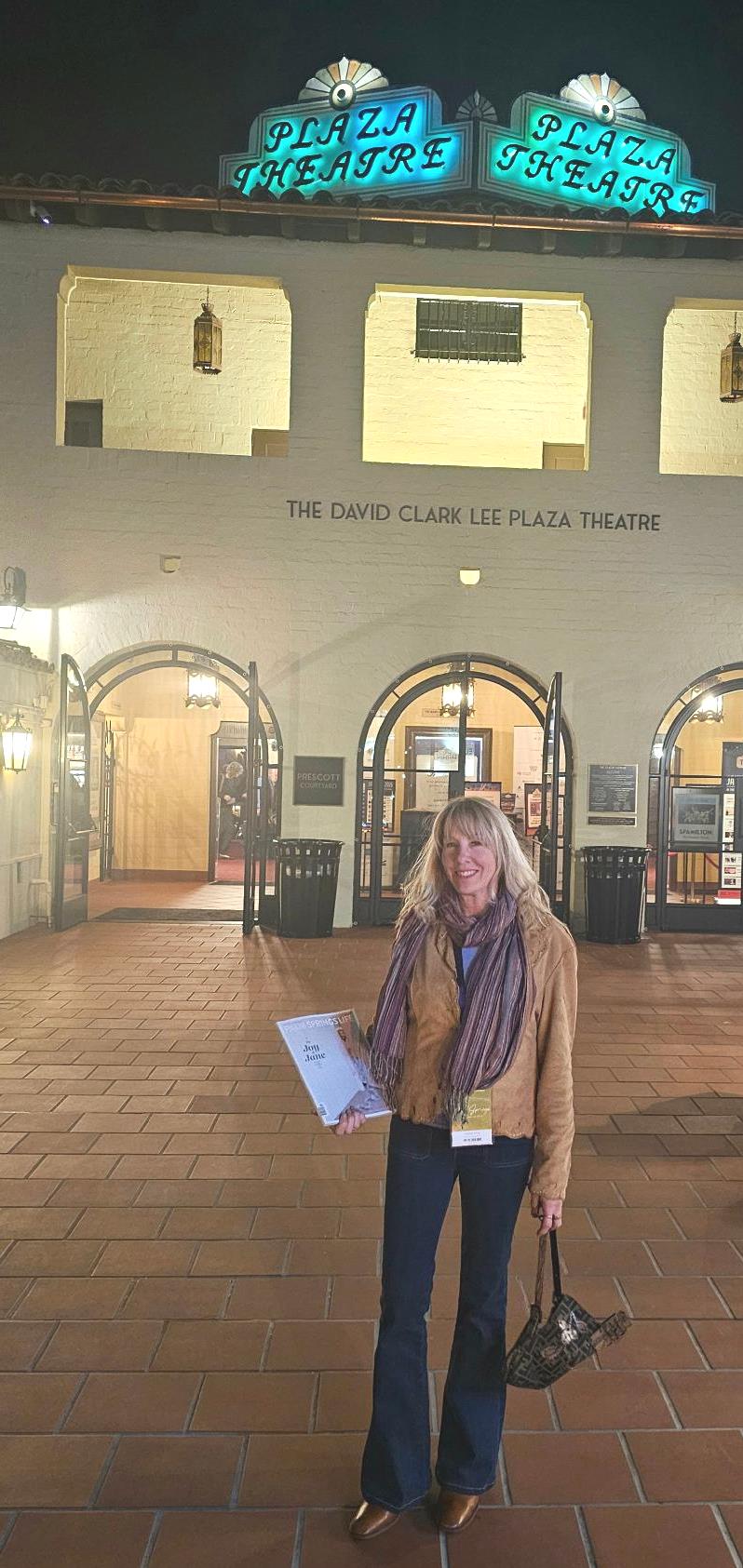
Taken outside the Vancouver Playhouse.

Although the difference here is that these men traveled to Africa at a time when it was very unusual to see foreign people, especially Caucasians. And they took chances off the beaten path. Young and fearless, but extremely smart and capable.  They’re lucky they avoided any harm along the way, sometimes coming close to possible disaster.

The Range Rover (aka “the Grizzly Torque”) ran 30,000 kilometres across Africa, India, Southeast Asia, and Australia.

Foster made sure to acquaint himself beforehand on every aspect of fixing the vehicle.  Bateman sketched animals and people along the way and painted a mural of every place they visited along the Grizzly Torque.

With Robert Bateman who is 95 years old now.

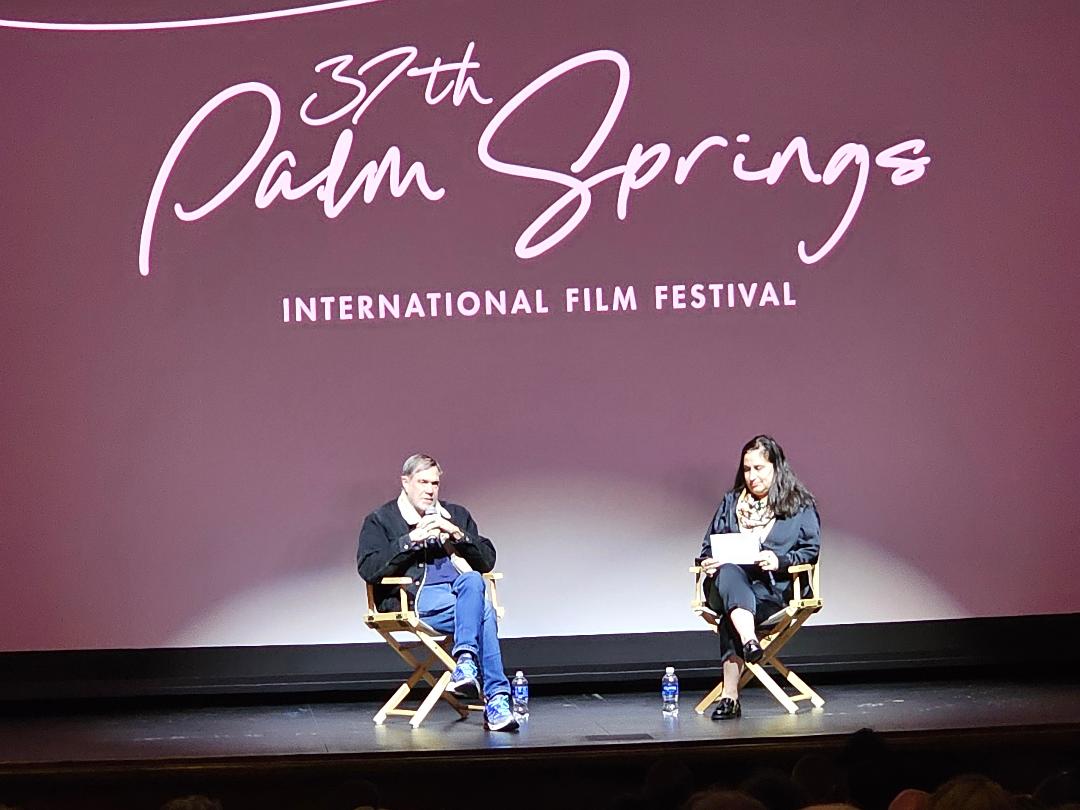
Director Alison Reid (the woman who loves giraffes), Robert Bateman and Bristol Foster were there for a Q&A after the showing. I went with a friend who knew the Bateman family from growing up in Ontario.  She told me that when Bateman was a teacher, he would take the kids on nature walks and she credits him with having given her a love of nature.

From the VIFF guide:

Through in-depth interviews with friends and family and the original 16mm film footage of their incredible journey, Reid shows how the trip expanded the pair’s knowledge of the physical world while deepening their spiritual and emotional connection to it.

A heartwarming, inspirational love letter to the adventure of life itself.

Photo: d. king – taken in Tanzania

The October 12 screening is a Relaxed Screening.  For Tickets: 

VIFF: Nouvelle Vague

ALL YOU NEED TO MAKE A MOVIE IS A GIRL AND A GUN  – Jean-Luc Godard.  Paris, 1959.

Still courtesy of VIFF

There are some things I will never understand.  This movie may be one of them.  But some things I cannot fully make sense of will still stand stand out as being innovative, artistic and surreal.  This movie was the opening film at VIFF…about a film…that’s a bit vague (for lack of a better word). Visually it is stunning, filmed in all black and white.  It’s also a true story and the original film Breathless went on to win several awards.

Nouvelle Vague stands for French New Wave, which was an influential film movement in France from the late 1950’s to the early 1960’s that rejected traditional filmmaking conventions through experimental techniques like jump cuts, location shooting, and handheld cameras. A direct response against the formulaic and studio-controlled films of the time, which focused on strong, easy-to-follow narratives. This type of filmmaking is a “go with whatever flow” method and has a kind of film noir imaging – creating a more immediate and spontaneous feel. 

The low-budget, documentary-style approach of this film speaks to me, because now I don’t feel so bad about my trial and error, guerrilla-style, unprofessional YouTube (not telling you about it right now) channel where I am director, etc.

Directed by Richard Linklater (included in Time Magazine’s 100 most influential people in the world),  it is fresh and compelling. It follows the true story of Swiss intellectual Jean-Luc Godard as he makes a movie starring American starlet Jean Seberg (who speaks French with an American accent) and boxer Jean Paul Belmondo.

The primary pioneers of the French New Wave were film critics and future directors François Truffaut, Jean-Luc Godard,  Éric Rohmer, Claude Chabrol, and Jacques Rivette.  

He’ll write it as they make itA bout de souffle… Breathless… will change everything (from the VIFF guide).

Don’t think about getting any clarity in this one and forget about continuity – it is what it is! Love it or hate it – it will leave you feeling a little breathlessSee original trailer below:


VIFF: Sentimental Value

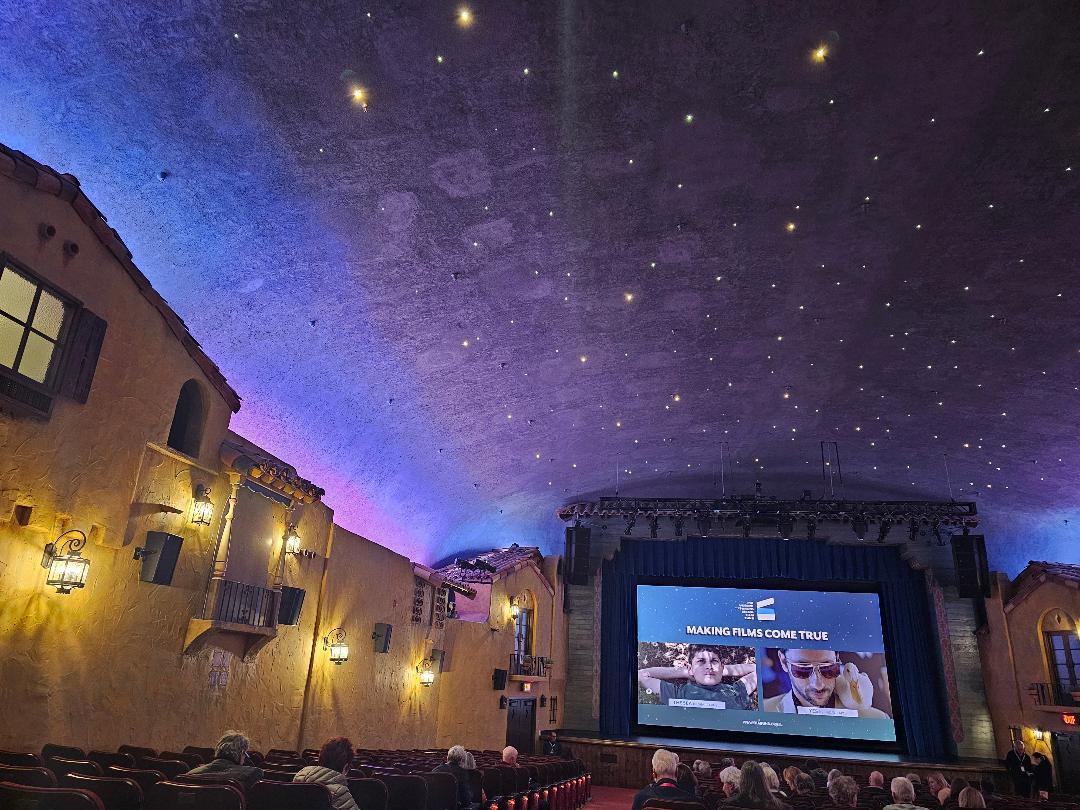
Right on the heels of the Toronto International Film Festival is The Vancouver International Film Festival (VIFF) which is in full swing right now.  What I love about going to these film fests is that you have an opportunity to see movies that you may otherwise never get to see.

My first film was one I missed seeing at TIFF and that won the Grand Prix at Cannes 2025 – the second most prestigious prize.  Sentimental Value is cinema (self) – referencing cinema.

Photo Courtesy of VIFF. Nora (Renate Reinsve) + her sister Agnes (Inga Ibsdotter Lilleaas).

Some movies don’t just tell a story; they ask you to feel it from the inside out.

Such as the hauntingly beautiful opening scenes where you hear the voice of one of the main characters as a little girl wondering if the house she grew up in had feelings.  It got me in the way she wondered whether the house felt better empty or full, or if it could feel pain. It made the story feel deep, like her house wasn’t just a setting but part of the emotion. I was more moved by the emotional significance the house held for her than the emotional significance the people had for her.

And that’s where the movie lost its charm for me.  I think there’s a distinction between movies made primarily for audiences and those crafted with filmmakers or actors in mind.  The style and emotional resonance of this one made me think that actors would love it and regular filmgoers would not.  I’m neither an actor anymore, or a regular filmgoer – so I left feeling mixed about this movie in general, a movie where the main players are creative emotional wrecks.

Yes, the acting was great.  But, the main reason you go to the movies is for the story, right?  If you’re okay with the main characters all coming from a dysfunctional place then you’ll probably really like it.  If you’re looking for feel-good clarity and entertainment, then this is not the film for you.

A film where parents fight, the father (played by the amazing Swedish actor Stellan Skarsgård) packs up and leaves, only to come back years later with a movie script he’s written (oh yeah, he’s a once-revered film director by the name of Gustav who hasn’t made a movie for a number of years) in which he offers his stage actress daughter Nora (Renate Reinsve) who, now has a series of her own, the main part, which she turns down because she’s still hurt over him leaving.  He drinks way too much. The part is then offered to a well-known American actress (played by Elle Fanning) who becomes his new muse. She’s adorable and questions his choice of her in the lead and ends up feeling uncomfortable in the part. Did I mention the mother (Gustav’s wife) who worked as a therapist, committed suicide?

Directed by Joachim Trier.  The VIFF overview says “Trier mines both humour and heartbreak from these damaged souls’ attempts to mend their frayed family ties.”  I didn’t see much humour in it.

Bottom line is this movie is more chaotic than my take on it. But it has a somewhat happier ending, which is nice.

The Festival is on until October 12th.  For Tickets:

Musings: Character vs Personality

Some shine and some suck; but everyone has a personality. It’s how we show up.  Character, on the other hand, is who we are when it counts.

Something I’ve been thinking about is people’s character. We’re all familiar with the difference between character vs personality – this is just a reminder to pay attention.

I’ve noticed some changes lately in a few people who I’ve lost respect for over their apparent lack of character, which led me to write this post. It’s such a disappointment when that happens, but reveals a lot about the person. While both personality and character are distinct aspects that make us who we are; character is very different than personality and overall, more important. Personality can show up quickly but shift depending on mood.  Character is more stable, revealed over time and loyal.

Knowing the difference between character and personality is as important as knowing the difference between saying and doing, between doing the talk and doing the walk (which too many of us ignore or overlook, especially when judging character and intentions).

It’s easy to tell someone that you care, but if you don’t show it, it’s just words. Having strength of character is being mindful.  It’s about having backbone and knowing instinctively what is right.  Character doesn’t show right off the bat – it takes some time to realize a person’s moral compass.

A playful comparison on this is when we get dressed. We create a sort of armour or how we want to show up for that day. Your outfit is what people notice first, just like your personality which is your social signature.  But what is the fabric made of?  Quality? Durability? Character is the fabric that holds up over time.

Character is your inner compass – values, ethics, and moral backbone.

It’s revealed in how you treat others. Traits like honesty, integrity, and kindness fall under character.

Here’s another thing I’ve noticed and maybe you have too.  Sometimes the person you least expect to show up in a time of need is the one who surprises you the most by showing up first and going beyond expectations.  And that’s when a depleted faith in humanity is restored. Because there are a lot of characters the other kind out there!

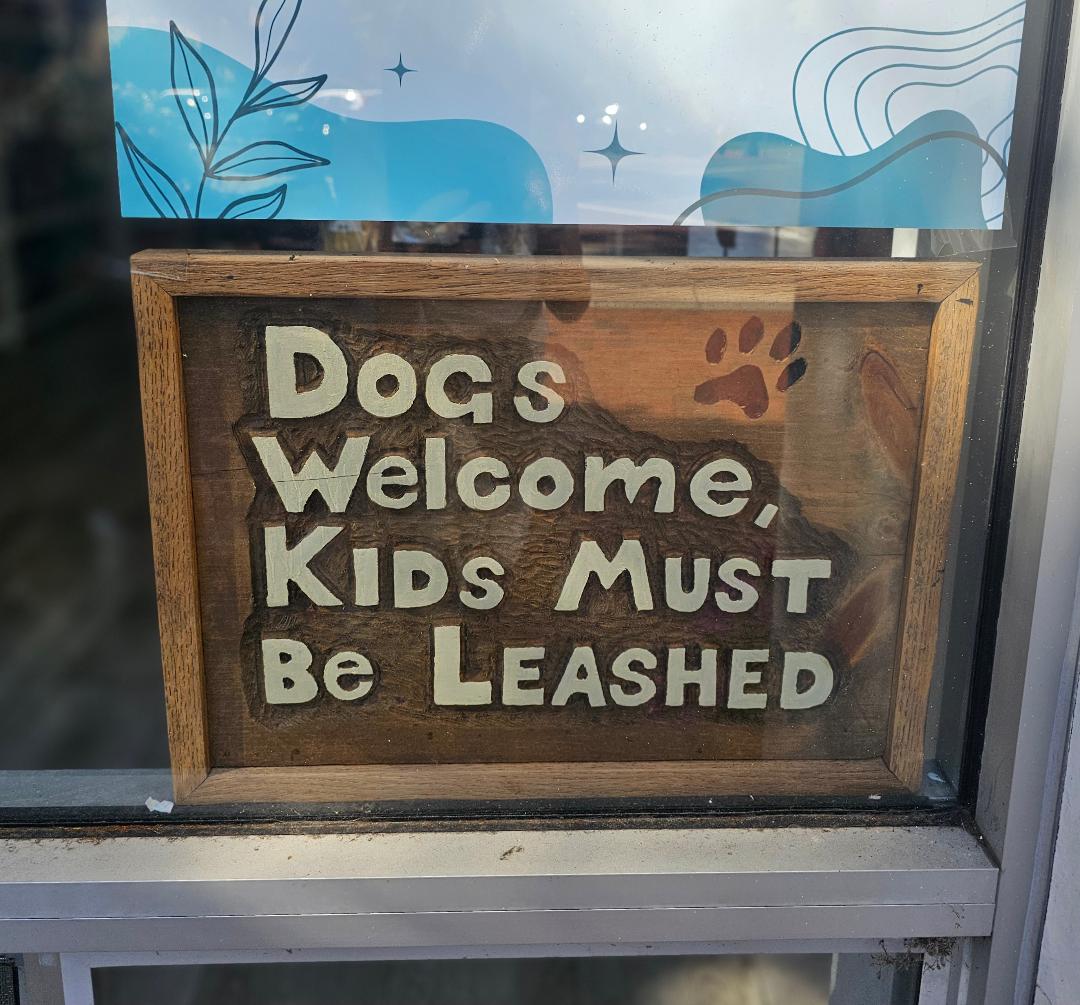
Be someone even a dog would trust.  That’s the true measure of character.

What do you think?

ARTS CLUB: A DOLLS HOUSE

The Arts Club Theatre Company’s production of A DOLLS HOUSE is a reimagining of Henrik Ibsen’s classic – adapted by acclaimed playwright Amy Herzog and presented in partnership with Theatre Calgary.  I just watched it Thursday night with my friend Rosa.

With happy children, a pristine house, and a husband secure in a lucrative job, beautiful Nora Helmer appears to have it all. But a secret is bubbling under the surface that threatens to alter her reality.

Herzog’s take brings a contemporary edge to Ibsen’s 1879 drama, sharpening its themes of autonomy, societal pressure, and personal awakening.

The set design is a minimal and whimsical pastel-toned dollhouse. The main character Nora (played by a feisty Alexandra Lainfiesta) evokes a Barbie-like figure trapped in a surreal domestic space. Her portrayal anchors the emotional weight of the production.

Photo courtesy of The Arts Club Theatre.

Ibsen’s original play was revolutionary for its time, challenging gender roles and societal expectations. This Arts Club production honours that legacy with its reinvention.

Directed by Anita Rochon, the staging doesn’t soften the play’s iconic ending with Nora’s dramatic exit which still lands with liberating and intense force, nearly 150 years after it first shocked audiences.

Here’s something interesting I just learned about:  A Doll’s House, Part 2 by Lucas Hnath, premiered in 2017 at the South Coast Repertory before transferring to Broadway. It imagines Nora returning years later, confronting the consequences of her departure. The tone, language, and pacing are starkly different from Ibsen’s original, but that rupture is the point – it forces us to reckon with how far (or not) society has come.

In my opinion, the flow suffers, but the thematic resonance of freedom, independence and societal roles is amplified and relevant.

When a reinvention doesn’t “flow,” it might not be a flaw – it could be a deliberate choice to provoke, unsettle, or reframe.  I had to sit with it for a while.  The audience had mixed reviews.

For tickets from $29 – https://artsclub.com/shows/2025-2026/a-dolls-house

September 4–October 5, 2025

Stanley BFL CANADA Stage

By Henrik Ibsen


A New Version by Amy Herzog
Presented in Partnership with Theatre Calgary

Cast

  1. Daniel Briere Torvald Helmer
  2. Max Cannon* Ivar Helmer
  3. Cecilia Carlson* Emmy Helmer
  4. Azriel Dalman* Ivar Helmer
  5. Elinor Holt Anne-Marie
  6. Alexandra Lainfiesta Nora Helmer
  7. Ron Pederson Nils Krogstad
  8. Nova Scout* Emmy Helmer
  9. Carmela Sison Kristine Linde
  10. Marcus Youssef Doctor Rank

*Two actors alternate in this role.

Canceled: The Paula Deen Story

From Southern Stardom to Scandal

CANCEL CULTURE was in its early stages when it took down Savannah based celebrity chef, cookbook author and restaurateur Paula Deen. Deen was right up there with Anthony Bourdain; infact, they had a bit of a feud going on which is re-ignited in this doc. Bourdain had famously called Deen the “worst, most dangerous person to America” for promoting unhealthy food, leading Deen to retaliate by criticizing his exotic and sometimes strange culinary choices.

This was one of the best documentaries I’ve ever seen. Any person with a keen and passionate interest in food, along with watching the Food Network knows, or at least has heard about Paula Deen and her show “Paula’s Home Cooking” which was cancelled in 2013.

I watched this one because on a recommendation from a friend living in Savannah, I had been to the famous “The Lady & Sons;” restaurant that she owned along with her sons, Jamie and Bobby Deen. I remember having a delicious Southern meal there and chatting with Bobby Deen. He told me that his mom had just been on Oprah.  Since then, she’s been on almost every talk show.  With her funny, gregarious personality, everyone liked her!

Her story is a real rags to riches tale. Deen’s journey from humble beginnings in Savannah, Georgia to Food Network royalty is chronicled in this documentary. That in itself is quite uplifting and fascinating.

Her downfall, triggered by a deposition in which she admitted to using racial slurs was one of the earliest high-profile examples of a celebrity losing endorsements, TV deals, and public favour almost overnight. It happened in the early days of social media’s rise, when public backlash could spread rapidly and brands were just beginning to respond to online outrage.

However, this documentary isn’t just about Paula Deen – it’s a case study in how fame, race, and media intersect in the age of cancellation. It asks tough questions: Can someone truly come back from public disgrace? Who gets to tell the “real” story? And what does accountability look like when reputations are built on charm and nostalgia?

Within 24 hours, I lost every job,” said Paula Deen while giving an interview ahead of the premiere of the documentary.

Bombshell Revelations highlight shocking details previously unknown to the public.

Deen and her sons speak candidly about the emotional toll and their belief that the full truth was never told. She claims the scandal was fueled by misinformation and media sensationalism.  If you watch it (and I highly recommend that you do), you’ll find out the shocking details of what lead up to her fall from grace.  Only then, can you decide for yourself if this was the right move.  And you’ll also find out how things are twisted to look worse than they are.

Canceled: The Paula Deen Story is a provocative deep dive into the rise, fall, and attempted redemption of one of America’s most polarizing celebrity chefs. Directed by Billy Corben, it premiered at the Toronto International Film Festival and has stirred up renewed debate about cancel culture, media narratives, and personal accountability.

And it makes you realize that until we all hear the full story, maybe we shouldn’t be so judgmental.

CN tower is behind me and the CBC Broadcast Centre (with red cross windows) – where I once worked.  I was able to walk there from where I lived on King St. W.

I give this one *****5/5

ONE MORE documentary that I thoroughly enjoyed watching at TIFF was JOHN CANDY: I LIKE ME.  NO controversy here-even though Bill Murray tries hard to dig up some dirt.  By all accounts, the guy was likeable.

This is a heartfelt documentary directed by Colin Hanks (son of Tom) that explores the life and legacy of beloved Canadian actor and comedian John Candy. Through rare archival footage, personal home videos, and interviews with friends, family, and collaborators; including Bill Murray, Dan Aykroyd, and Catherine O’Hara.  It paints a portrait of Candy as a generous, deeply relatable figure whose warmth and humor touched millions.  

It’s not just a celebration of his career in classics like Uncle Buck and Planes, Trains and Automobiles (which was probably my favorite of all his films), but also a tender look at the man behind the laughs, shaped by early loss and driven by love for his family and craft.  Gone too soon!

Ryan Reynolds (Producer), Eugene Levy (longtime friend & collaborator) and his two kids Jennifer & Chris, were in attendance for this world premiere.

Exclusively on Prime Video – October 10, 2025.  *****5/5