
Sipping Smarter – uncorking the truth about wine.

It pays to be informed. Discovering what’s really in your glass will make you more aware of what goes from vineyard to bottle.
Since I’m in California for 5 months a year, I’ve sampled a lot of wine from here.  Over time I’ve discovered that there’s something like 70 additives (such as sugar, concentrates, color, tannins, etc.) that can be legally added to wine because U.S. regulations allow over 60 approved additives in winemaking, and vineyards frequently use herbicides like glyphosate to control weeds. These practices aim to stabilize, preserve, and standardize wine, but they also introduce residues and additives that natural or “clean” wine brands avoid.

Wellness is very important now, and consumers care what they put in their bodies. There should be more transparency. People are starting to drink less, but they can also drink better.

The U.S. Alcohol and Tobacco Tax and Trade Bureau (TTB) authorizes more than 60 substances for winemaking. These include stabilizers, preservatives, clarifying agents, and flavor enhancers such as sulfur dioxide, albumen (egg whites), and other compounds. Many consumers are unaware of these chemicals because wine labels don’t list additives. Advocates of “clean wine” argue that these substances compromise health and authenticity.

Glyphosate, the active ingredient in Roundup, is widely used in California vineyards to control weeds. Studies have found glyphosate residues even in organic-labeled wines, due to drift from nearby conventional farms.

Large-scale, commercial wineries almost always use labs. Small-scale natural winemakers often skip lab testing.They rely on traditional methods, sensory evaluation (taste, smell, sight), and minimal intervention. Large-scale producers often rely on additives to ensure consistency across batches. This includes chemicals for color correction, tannin adjustment, and preventing spoilage. Smaller “natural” winemakers typically avoid these interventions.

Even when vineyards try to minimize chemical use, surrounding agricultural activity can lead to contamination. Glyphosate and arsenic residues have been detected in multiple California wine brands.

So there you go.  Better to be informed than clueless.

If you’re looking for wines with the least chemicals, focus on organic and biodynamic producers in Europe (France, Italy, Spain) & South America (Chile, Argentina), plus New Zealand.

These regions combine tradition, regulation, and climate advantages to produce wines with fewer additives and cleaner profiles.

In Canada, we’re lucky to have Summerhill/Pyramid winery in Kelowna (Okanagan), British Columbia.  Probably the “cleanest” wine you can drink (link below).

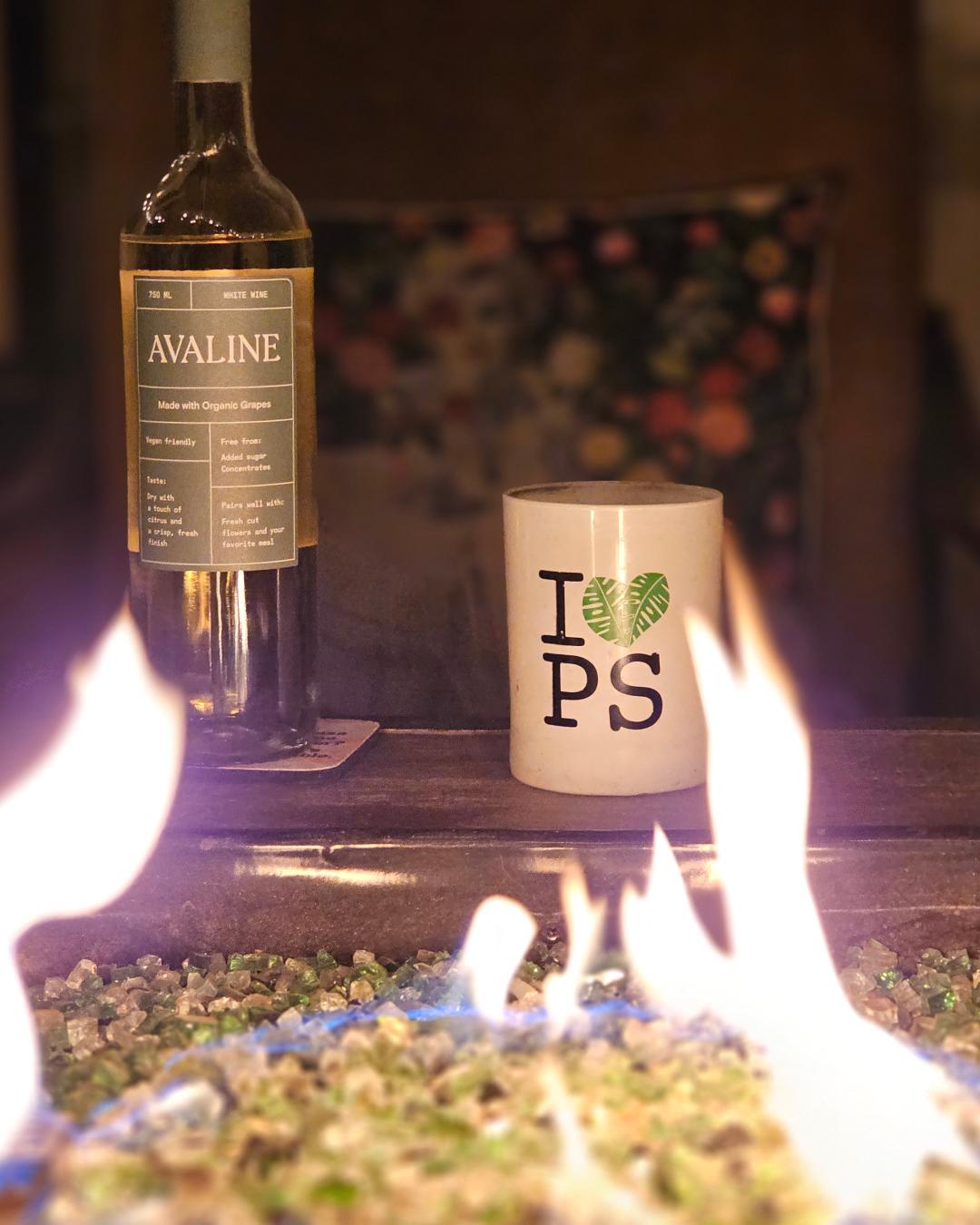
After doing my research, I recently bought a bottle of Avaline white wine.  Although it’s bottled in California, I was impressed to find out that the founders traveled to France and Spain to meet with the wine producers who were using organically certified grapes, no additives and were vegan friendly. 

Avaline was created to make organic, delicious wine more accessible and transparent to consumers. Bonus is it tastes good and the price point is very reasonable. None of their still wines contain sugar, plus they list all the *ingredients. I’ll be purchasing more. It might even become my go-to while here.  At present, their wine is not available in Canada.

Fun Fact: the brand is owned by actress and author Cameron Diaz, and entrepreneur, Katherine Power when they discovered they had something in common – a love of good wine. At the same time, they also learned they had a common frustration – the lack of transparency on wine labels. Forbes article below:

*Avaline Ingredients: https://drinkavaline.com/pages/ingredients

Canadian award-winning winery:

Aren’t you curious to know what’s in your wine?
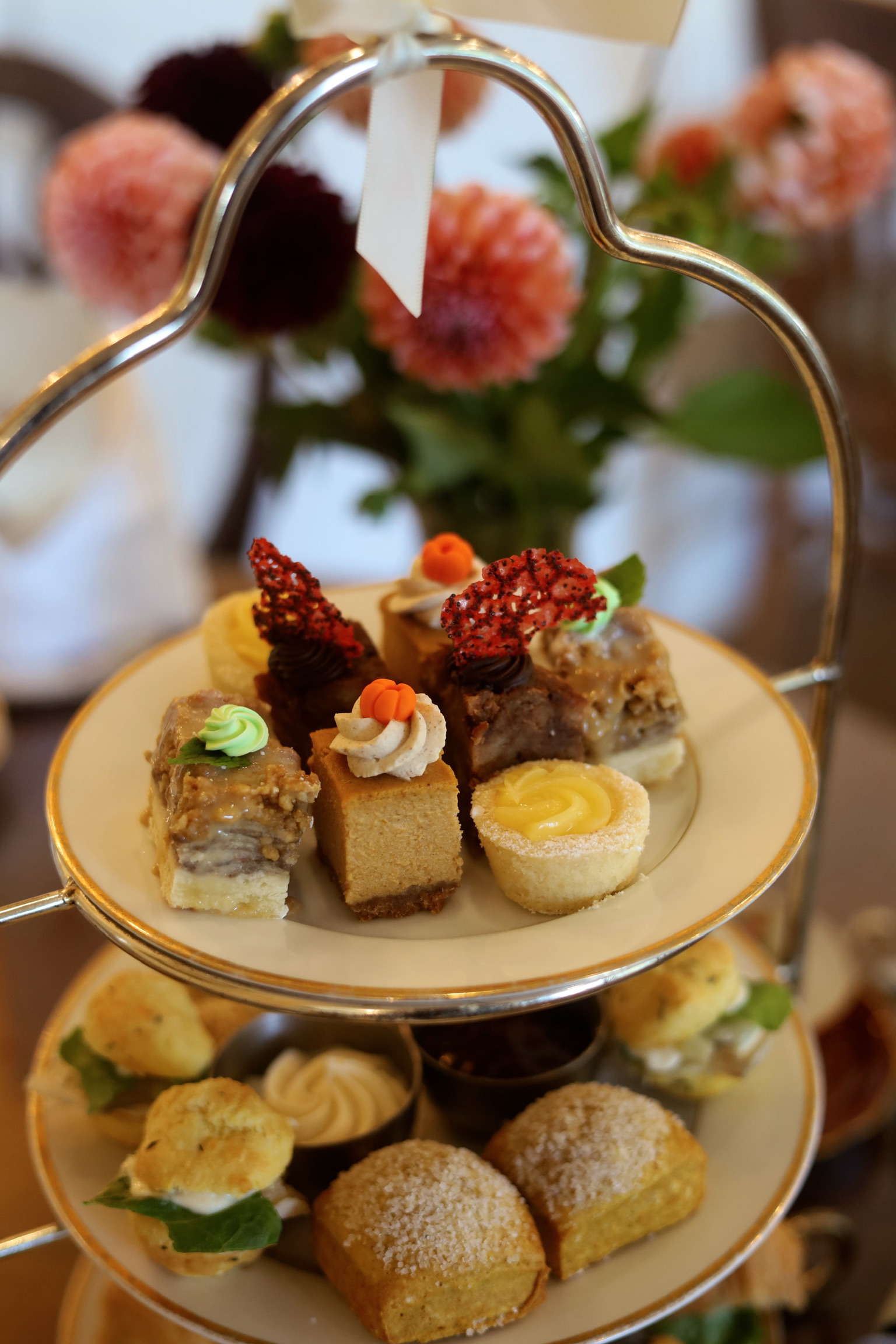
High Time for High Tea

It was just a passing fancy.

Taken from The Secret Garden Website

All of a sudden out of the blue I was craving to go somewhere nice for high tea. And after asking a handful of my friends if they’d like to go, I see that it’s not everyone’s cup of tea (pun intended – couldn’t help myself). I never thought of high tea as being a required taste but apparently that is the case.

It’s not that high tea has gone completely out of fashion (how can food go out of fashion?), it’s just that it’s not your normal lunch fare. But I was craving a variety of little treats. Luckily I got my sister at a moment when she was so hungry she wanted to go almost anywhere.  I grabbed that moment. We were lucky to get a table at The Secret Garden.

Taken from The Secret Garden website.

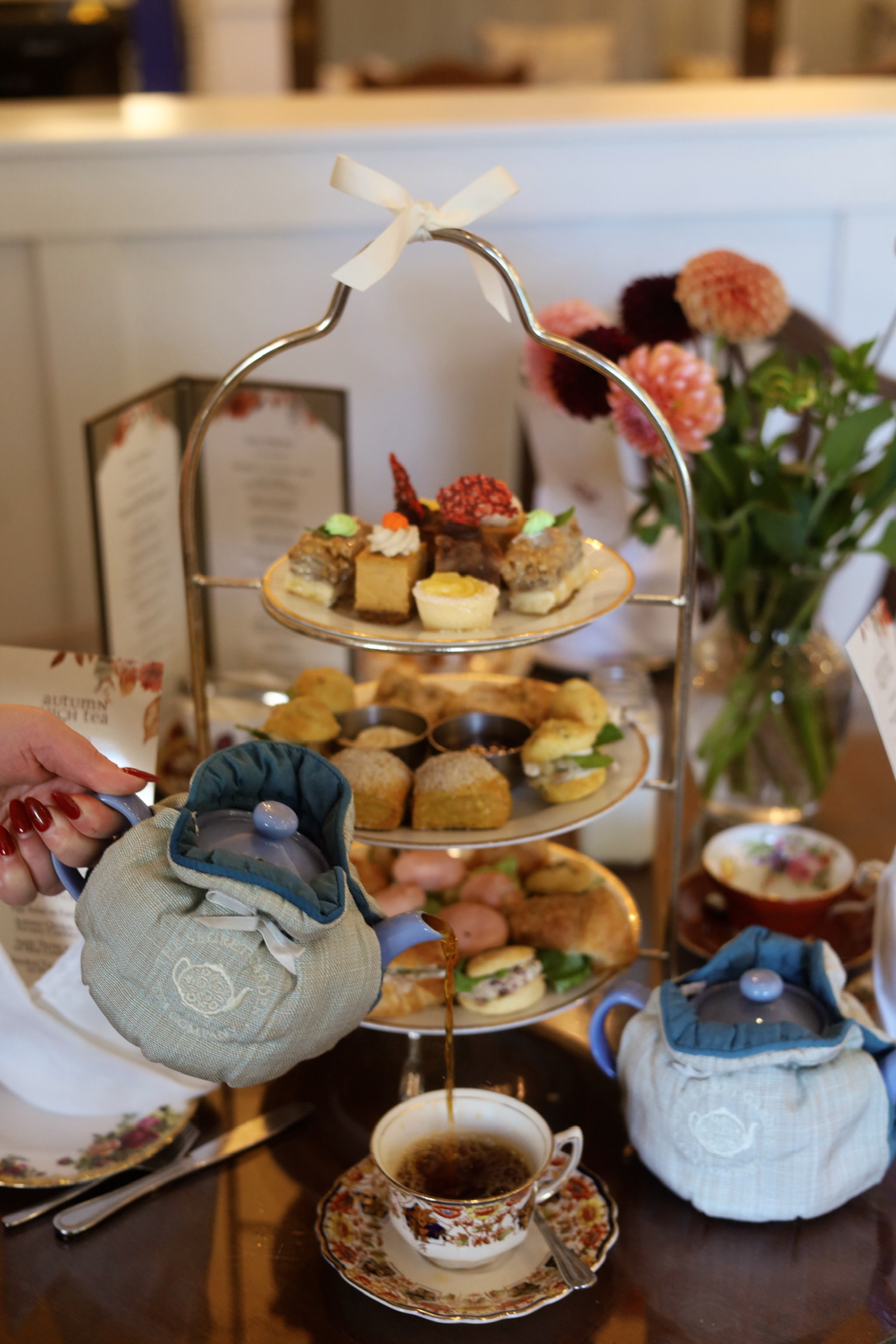
Maybe it’s because I watched too many episodes of Downton Abbey. But I believe it’s mostly to do with the presentation and I was missing presentation.  An elegantly arranged variety of goodies is always a win-win. And I find drinking tea has more of a lingering effect than drinking coffee.  You tend to sip slowly and savour the moment. Plus the change in weather.

What is it about autumn that makes me want to indulge in beautifully arranged tiers of little finger sandwiches, scones with clotted cream and pastries served on fine china with an excuse to sip Earl Grey in style? It’s an occasion that is no longer about etiquette – it’s about intention.

We went through a variety of specialty teas served in proper tea pots covered in cozies (the British spell it with an “s” which becomes cosies).  But the whole experience (because it is more of an “experience” is pretty cozy).

A little history lesson: you thought high tea was all upper crust society? Nah! It began in the Industrial Revolution, where the only thing high about it was the table.

The term “high” referred to the high-backed chairs and full-sized tables, not high society. It was the kind of tea that came with calloused hands, muddy boots, and zero patience for dainty pastries. Miners, mill workers, and factory hands made tea time a full-on meal. They didn’t invent elegance, but they sure knew how to eat.

But like all good things, high tea got a makeover. Hotels and posh venues rebranded it as a luxurious affair with champagne on the side. The coal dust was swept away, and suddenly, high tea was the darling of bridal showers and birthday brunches.

One thing is for sure – the spirit of this ritual is to slow down, steep deeply, and savour the moment, which so few of us do these days.

The Secret Garden Tea Company is located in Kerrisdale.  They also have a high tea “to go” (if you prefer having it in the comfort of your own home) and the menu changes with the season. This place has a more traditional English feel. Make sure to make reservations.

https://secretgardentea.com/

Neverland Tea Salon on W Broadway – they have a whimsical Mad Hatter’s High Tea.  For the little ones they have a Mad Hatter’s Tinkerbell’s High Tea.

Home

La Petite Cuillère is located in the Mount Pleasant neighbourhood.  It has vintage custom interior and an innovative menu.

https://www.lapetitecuillere.ca/

A very nice place to take someone visiting from out of town is The Teahouse in Stanley Park.  They serve a formal afternoon tea with a variety of teas, sandwiches, and pastries. A bit pricier than the others, but the location is beautiful.  Book the conservatory if you can.

Teahouse


Pop-Up Picnic at the Parq

THIS was no Picnic in the Park…

The Eiffel Tower was not in view…although you could almost hear Édith Piaf singing  from a nearby vintage radio. 

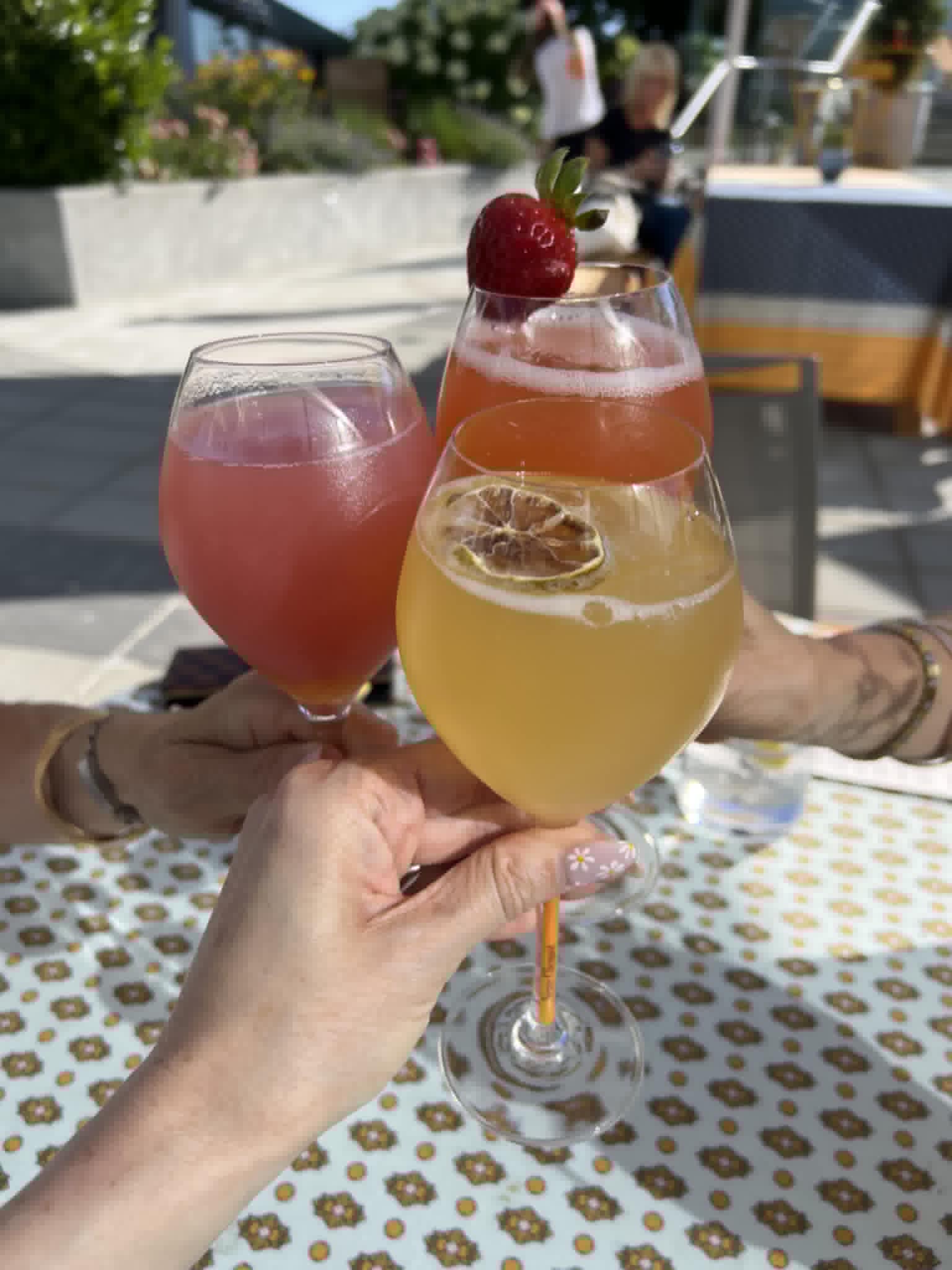
When our waiter popped the cork, it echoed briefly between buildings before being absorbed by laughter. THIS was more of an experience than an actual picnic.

It was a leisurely outdoor afternoon wrapped in beauty and bubbles. The scent of lavender was everywhere.

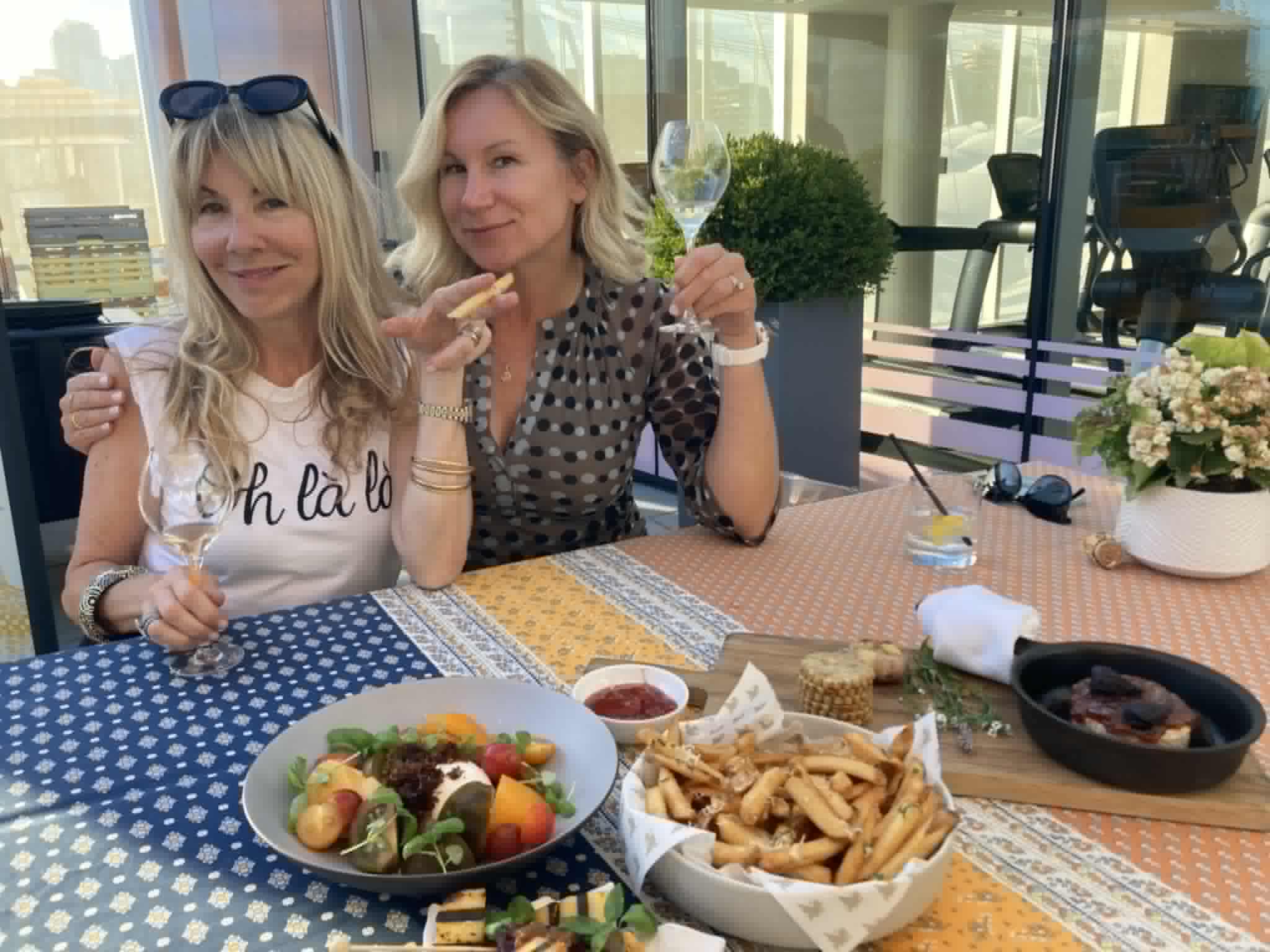
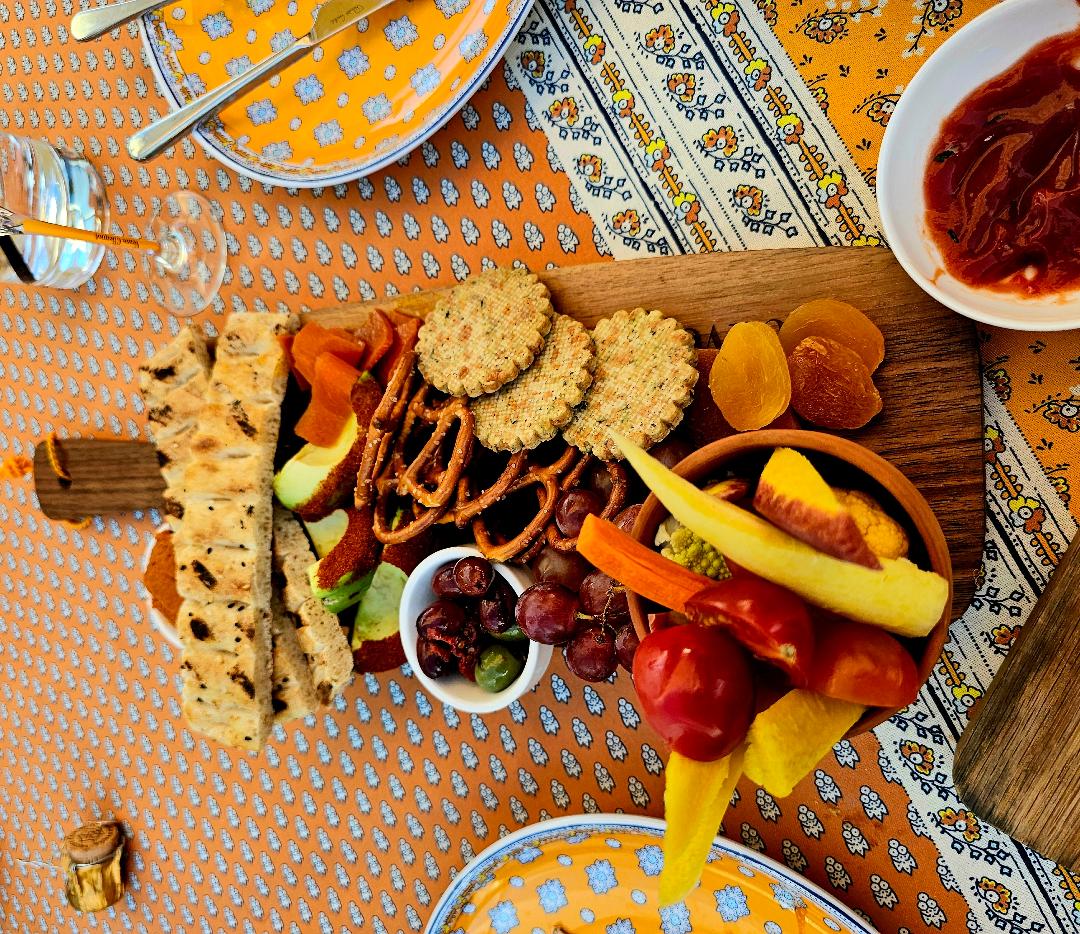
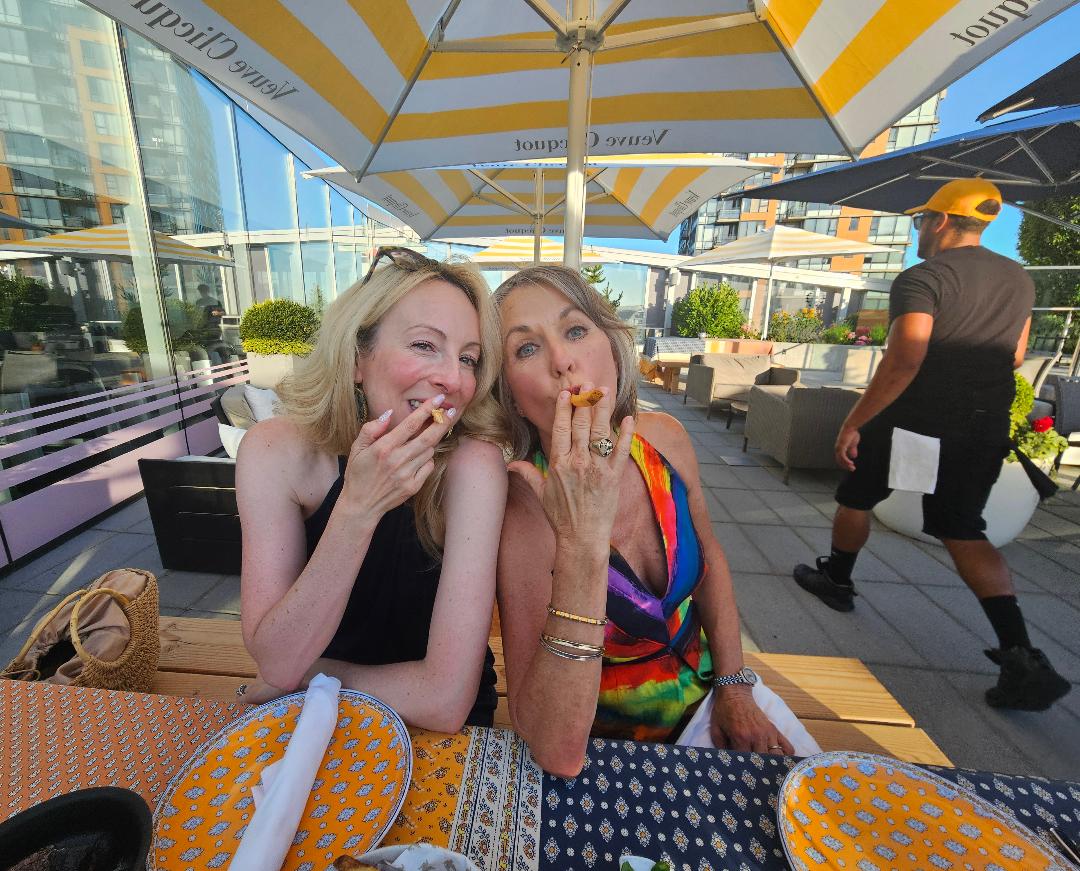
I always like to have at least one picnic in the summer time.  One that involves spreading out a blanket under a tree on a grassy area, along with my dogs.  But this time I elevated the experience to having a French picnic on a rooftop with a few friends.  One that involved beautiful champagne, soft brie with figs, truffle frites, charcuterie and other bites.

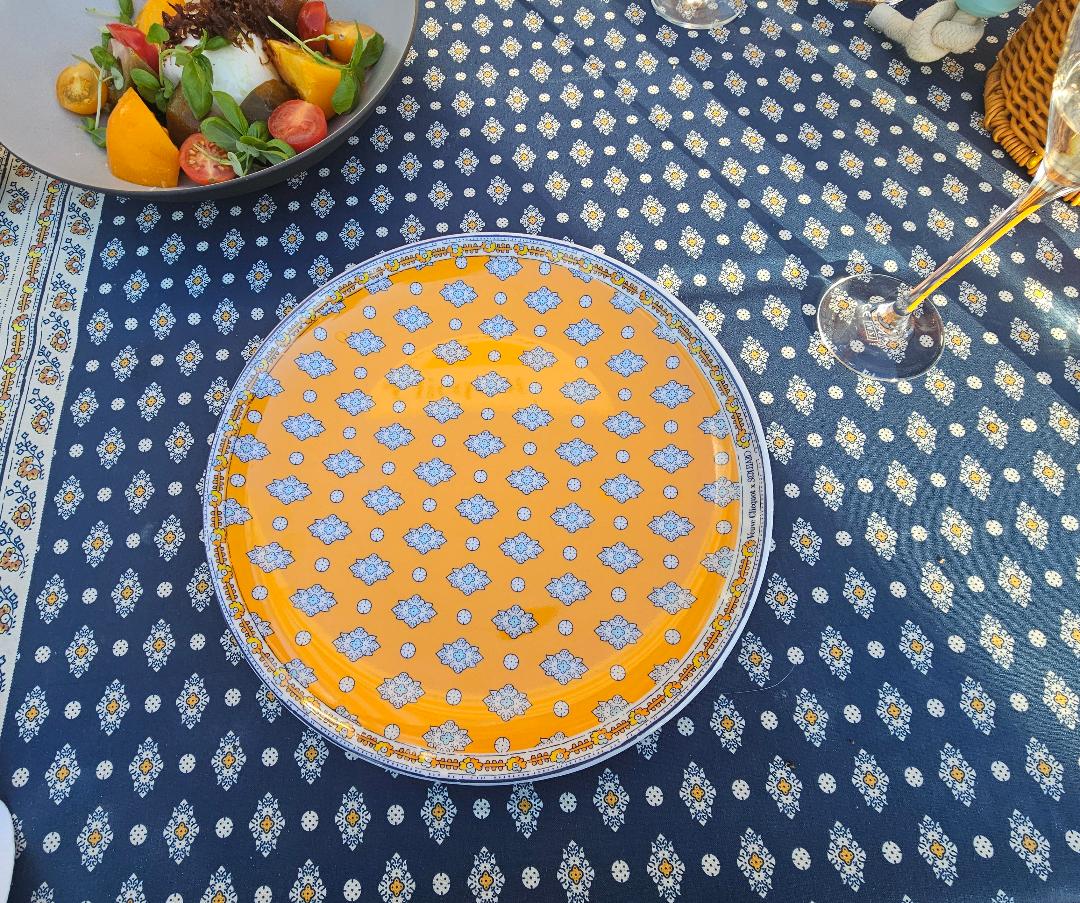
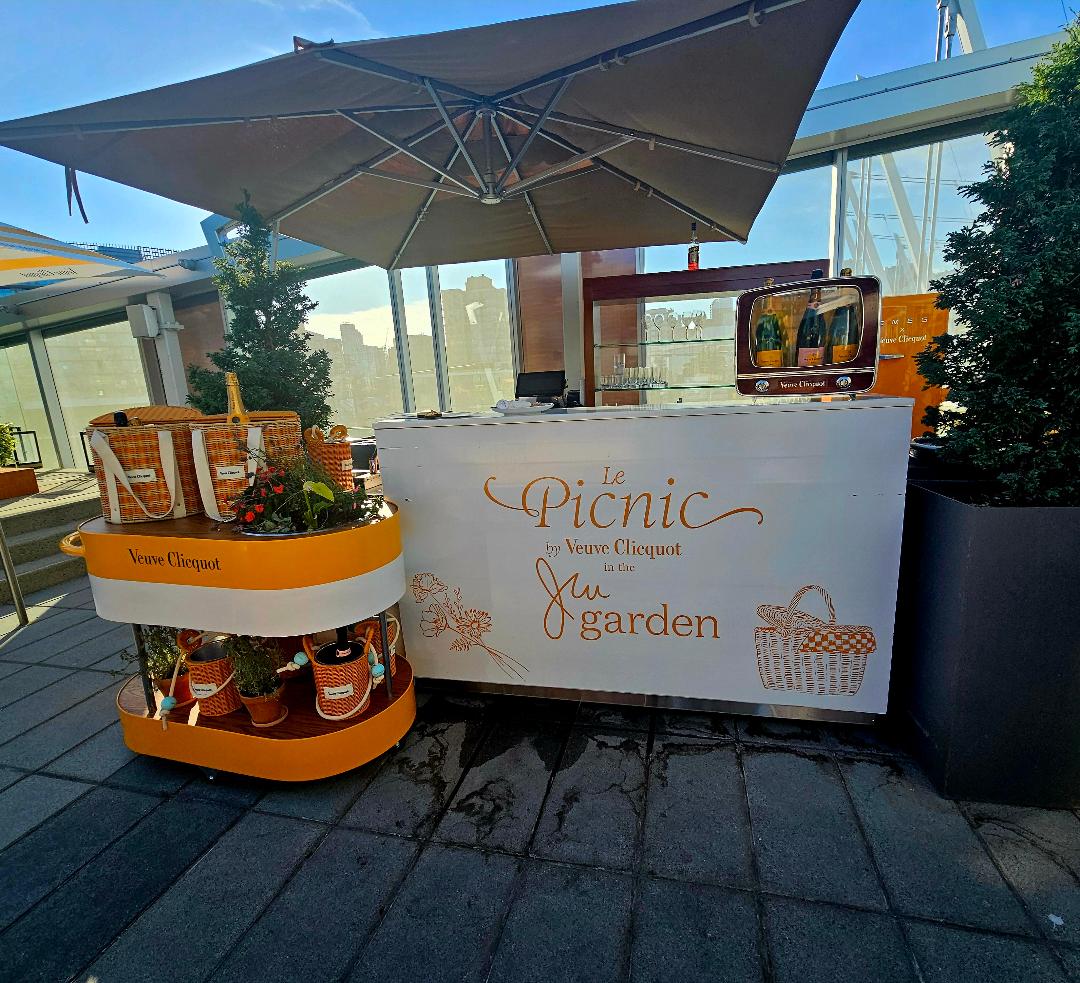
The JW Marriott Parq Hotel Vancouver has turned the 17th floor rooftop into a Va-Va-Va-Veuve detail oriented happening. The instantly recognizable famous champagne’s yellow label was not only on the champagne bottles, but also in the ambiance with décor like tablecloths, champagne flutes and umbrellas.  Even a fridge!

The VEUVE CLICQUOT story has a tale as effervescent as the champagne itself.

Veuve Clicquot isn’t just a Champagne brand; it’s a legacy of innovation, resilience, and elegance.  But it didn’t start out that way.  Here’s a little history off the top of my head (like you believe that!).

Founded in 1772 by Philippe Clicquot-Muiron, the house originally dealt in banking and textiles, alongside wine.  His son, François Clicquot, officially took over the champagne business in 1801, when Philippe retired.

Madame Clicquot, born Barbe-Nicole Ponsardin, was a 27-year-old widow in 1805 when her husband François Clicquot died suddenly. At a time when women couldn’t legally run businesses unless widowed, she boldly took over the struggling family wine company and transformed it into a global champagne empire.

In 1810, she created the first known vintage champagne, daring to bottle wine from a single exceptional harvest year – a radical move that elevated champagne’s prestige. She also pioneered Rosé Champagne: In 1818, she blended red wine with her Yellow Label to create the first blended rosé Champagne.  Thank you Ms. Clicquot – we’re so happy that your little experiment worked out so well, for so many of us.

The brand also had a cultural impact. Veuve Clicquot helped make Champagne the drink of celebration, thanks in part to Russian soldiers who adored it during the Napoleonic wars.  No wonder we always think of champagne for everything Anniversaries, Weddings and to make a toast on New Year’s Eve.

The brand hosts the Veuve Clicquot Polo Classic, a celebrity-studded event in New York and Los Angeles.  

For the first time, JW Marriott Parq Vancouver and Veuve Clicquot have opened their rooftop pop-up to the public, not just hotel guests. LePicnic Patio: 12 p.m. to 8 p.m. daily, now through August 30th.  Located on the 17th floor of JW Marriott Parq Vancouver, rooftop Aqua Lounge and JW Garden. Live music on Fridays and Saturdays from 3 p.m. to 7 p.m.

How to book:

For non-hotel guests, bookings are available online.
Hotel guests can access the 17th floor Aqua Lounge directly, across from the Spa by JW.
  

Je te souhaite bonne santé et bonne chance!

Lisa + Tammy 


Still searching for your perfect Matcha?

I think I found mine.

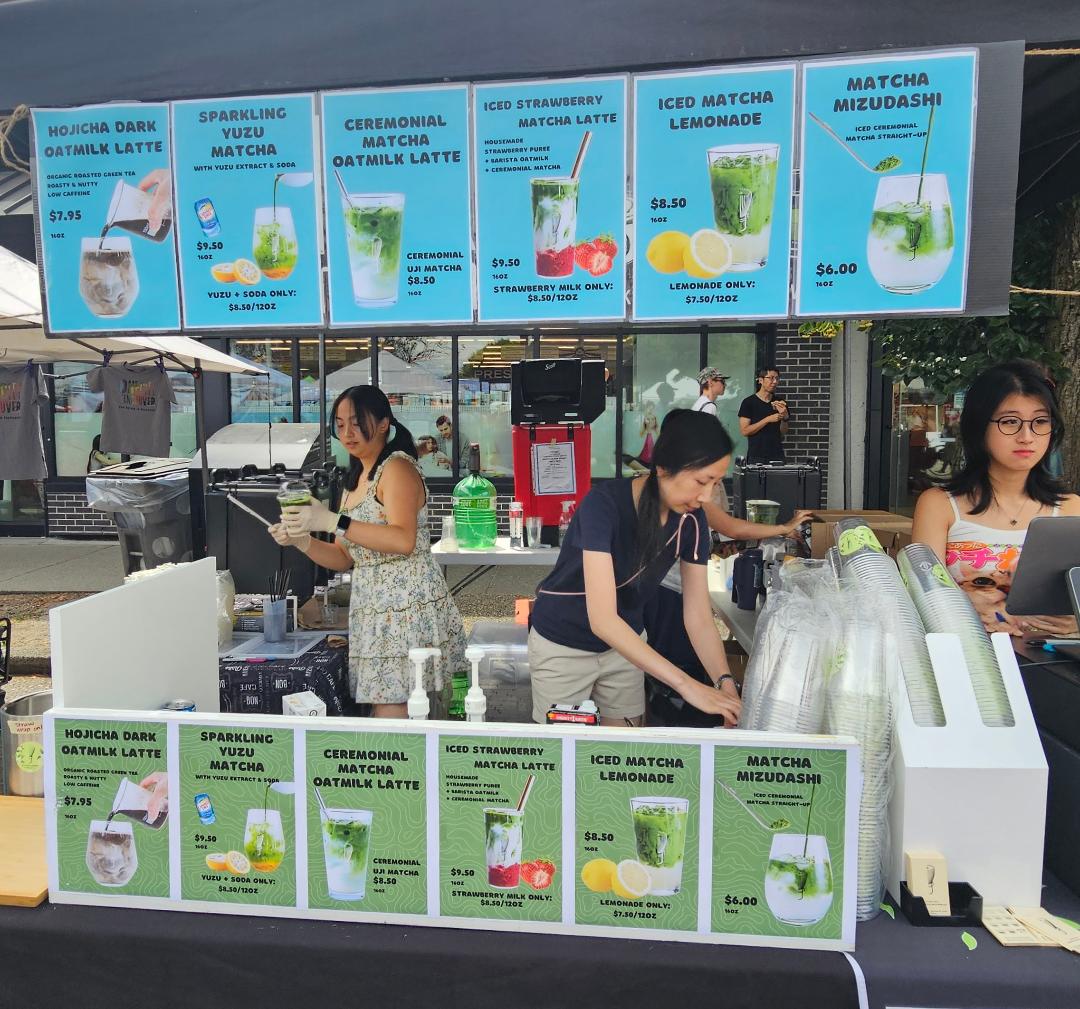
It has not gone unnoticed that every coffee shop in Vancouver is going green; literally.  Matcha (tea) has become mainstream in North America.

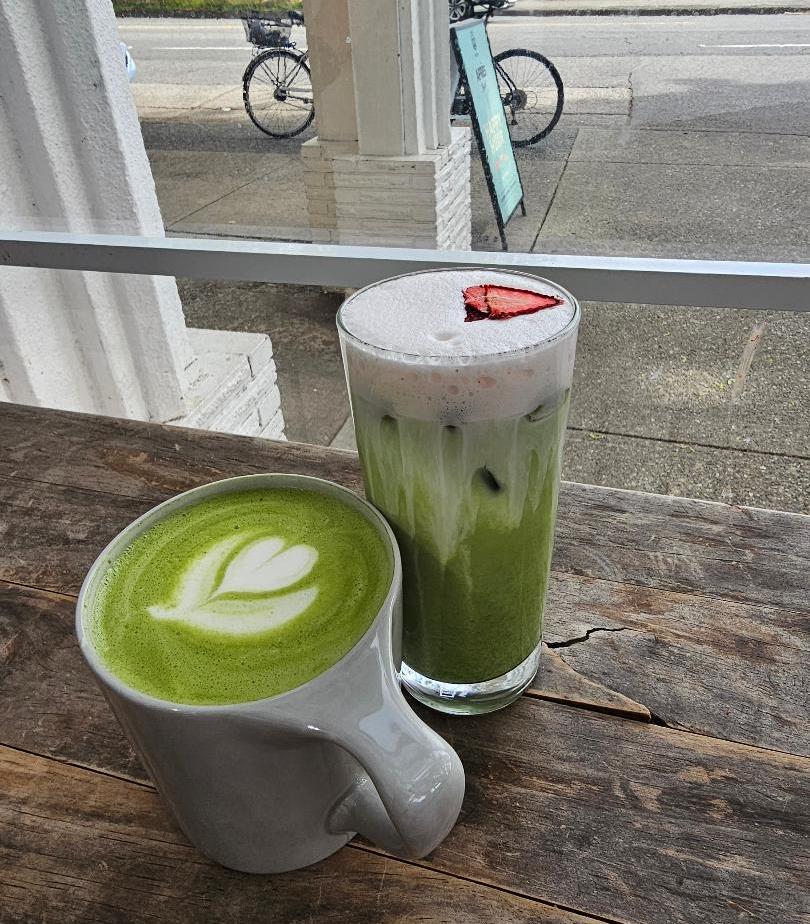
Hot or Cold – it’s all in the way of how it’s prepared. Photo: d. king

That’s a good thing because Matcha is rich in antioxidants, especially EGCG, and contains L-theanine, which promotes calm focus without the jittery crash of coffee. That combo has made it a darling of the wellness crowd.

While I love to start my morning with a daily dose of java (one perfect cup, made in a French press and sweetened with French vanilla almond milk and a touch of cream), by mid-afternoon I’m looking for another pick-me-up other than coffee.  Something healthier.

Matcha is something I discovered (of course I was not the first one to discover it) while living in Japan when I was invited to a tea ceremony. I always liked the idea of ceremony, and was excited to attend one. I love the setting, the ritual and the meaning.

I’ve since looked for ways to incorporate this bright green powder into my day by putting a little into a smoothie and so on.  I’ve even used it for baking –  white chocolate bark drizzled with matcha is divine (although I haven’t made this in years). 

My friend Riyo is here visiting from Japan.  When I phoned to ask her if she could bring me back a high grade matcha, it turns out that when I called, she was on a train heading for Kyoto.  Uji, in Kyoto Prefecture, is a region renowned for its long history of matcha cultivation and is known for producing some of the highest quality matcha in Japan. So here I am now with some really nice ceremonial matcha (as well as some unceremonial matcha) to incorporate into my day.

There’s something profoundly grounding about preparing tea with intention (other than the intention of drinking it).  It becomes a small act of self-care, a pocket of peace in a noisy day.  Plus; the health aspect. It’s known to support healthy blood vessels, improve cholesterol levels and lower blood pressure.  It is heart-friendly as long as you don’t overdo it. 1–2 cups per day is generally considered safe and beneficial.

Photo taken at Khatsahlano Street Festival – d. king

Where does Matcha originate?

Matcha tea has been enjoyed in Japan for roughly 800 years, having been introduced in the late 12th century. It was initially brought from China by the Zen Buddhist monk Eisai. Initially used for religious purposes, matcha later became a symbol of luxury and a part of the warrior class traditions. 

What does the tea ceremony symbolize?

The Japanese tea ceremony, (or chanoyu) symbolizes harmony, respect, purity, and tranquility, reflecting a deep connection to Zen Buddhist philosophy. It’s a meticulously choreographed ritual aiming to foster inner peace and appreciation for the present moment, encompassing aspects of hospitality, aesthetics, and spirituality.

What is Ceremonial Grade Matcha?

  • Made from the youngest, first-harvest tea leaves
  • Grown in shade longer, which boosts chlorophyll and L-theanine
  • Higher in antioxidants like EGCG
  • Has a smoother, sweeter flavor and vibrant green color
  • Best enjoyed whisked with hot water with no milk or sweeteners needed
  • Ideal for mindful rituals, stress relief, and mental clarity

What about Culinary (regular) grade Matcha?

  • Made from older leaves, often second or third harvest
  • Slightly lower in nutrients, but still rich in antioxidants and caffeine
  • More bitter and robust in flavor
  • Perfect for lattes, smoothies, baking, and everyday use
  • More affordable and versatile for frequent consumption

Which is Better?

  • Ceremonial matcha is more nutrient-dense and ideal for sipping straight.
  • Culinary matcha is still beneficial and great for recipes or energy boosts.

If you’re looking for a calm, focused energy and a traditional tea experience, ceremonial is your go-to. But if you’re blending it into a smoothie or baking matcha cookies, regular matcha will do just fine, and still give you a healthy kick. Time to start baking again.

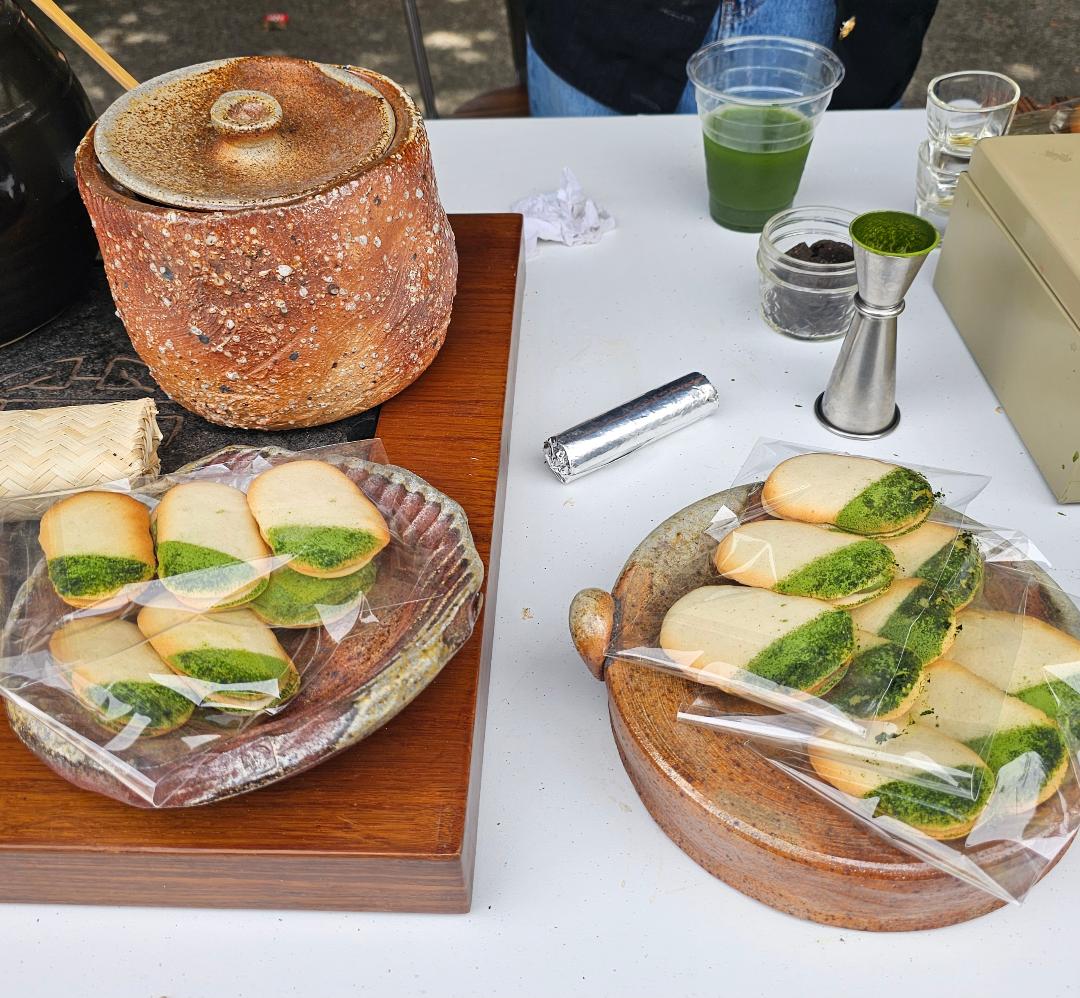
Matcha Cookies

Have you tried making your own?  I’m still experimenting with the right water temperature along with using my bamboo whisk and milk frother.  With the right procedure, practice and presentation, it will soon be perfect!

Vini d’Abruzzo

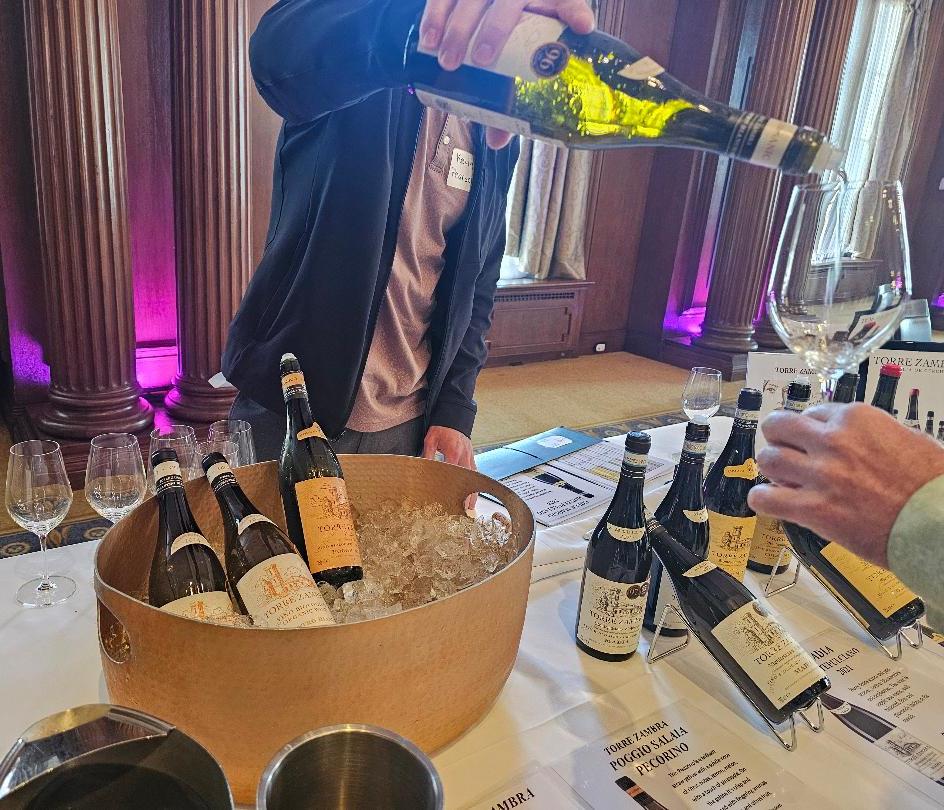
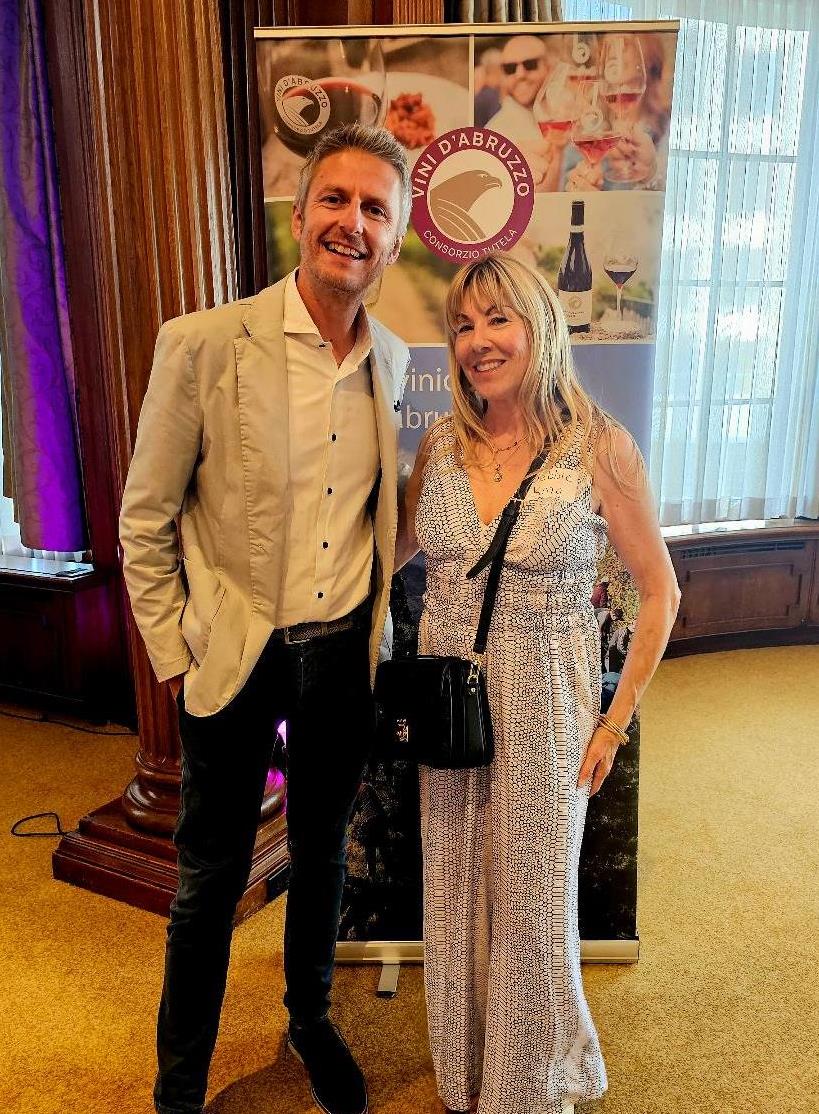
This past Wednesday, I was invited to an exclusive tasting event at The Vancouver Club put on by The Consortium of wines from Abruzzo, Italy.

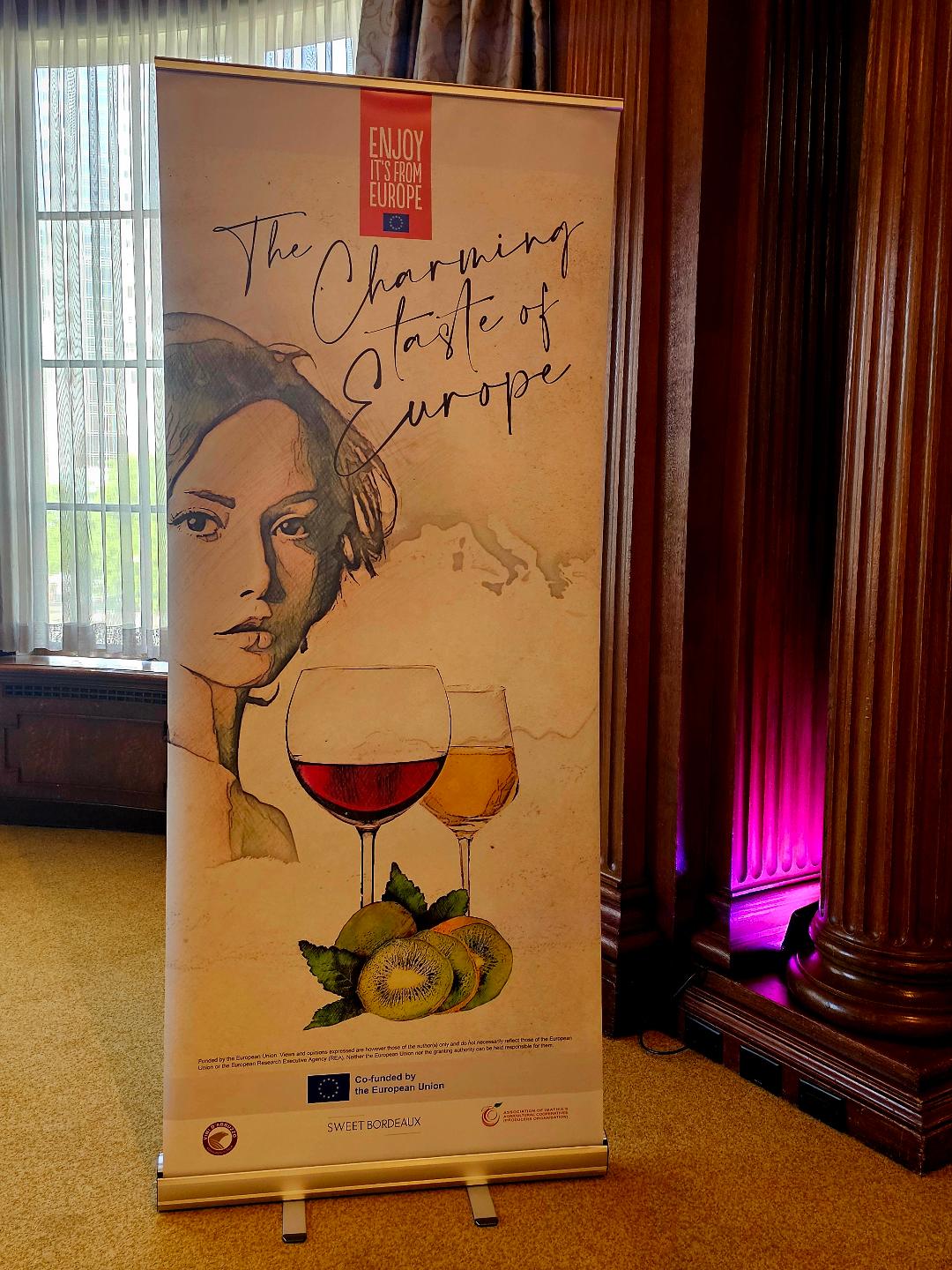
Since the responsibility of having two dogs, I have not made a trip to Italy in quite some time.  These little experiences bring me back to THE CHARMING TASTE OF EUROPE.

I was among a few sommeliers, agents/importers, restaurateurs, wine educators and licensed shop owners, where we had the opportunity to explore the unique characteristics of Abruzzo wines, and deepen our knowledge of this renowned appellation to discover the quality and elegance of their wines.

The Abruzzo wine region is located in central Italy, along the Adriatic Coast. It is considered the greenest region in Europe, with nearly half of its land designated as national parks and nature reserves. This unique geography contributes to the distinct character of its wines.

With David, the Director of Marketing for the Consortium of wines from Abruzzo.

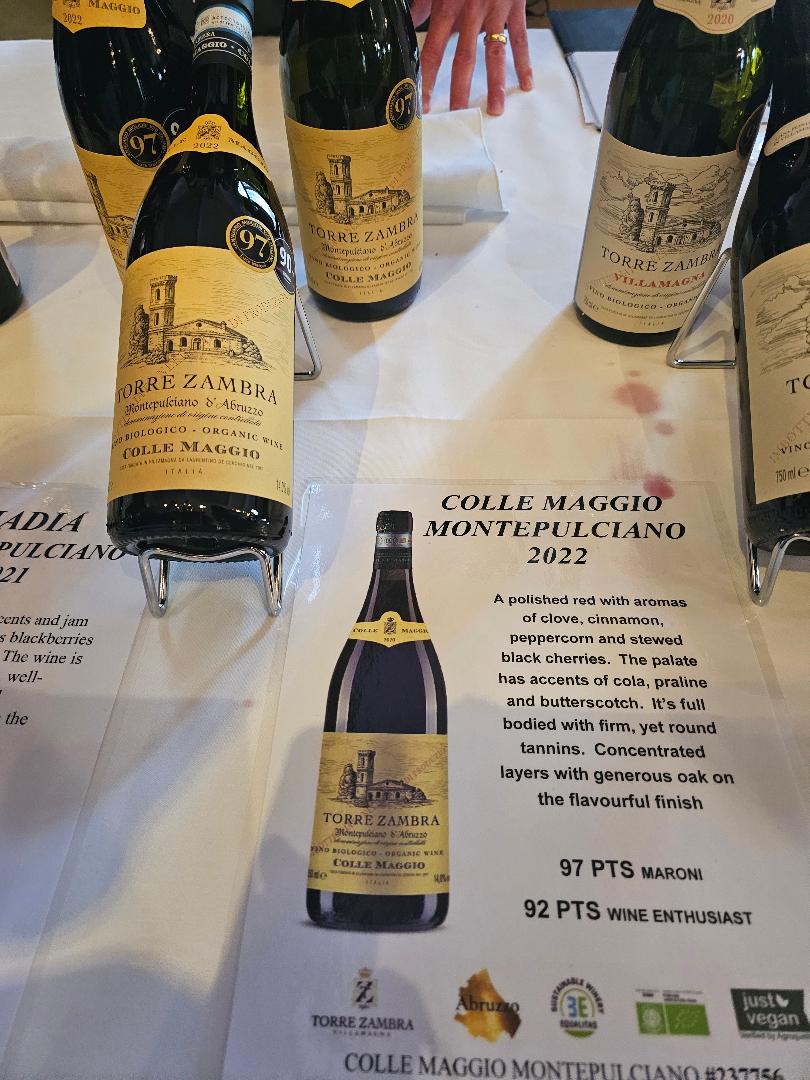
This area is famous for its *Montepulciano d’Abruzzo, a bold red wine that dominates production.  At the walk around tasting we got to sample some with as high as 97 pts. Also, lovely,

With Leeann, owner of “Town Hall Brands” – the PR company.

naturally organic wine as well.

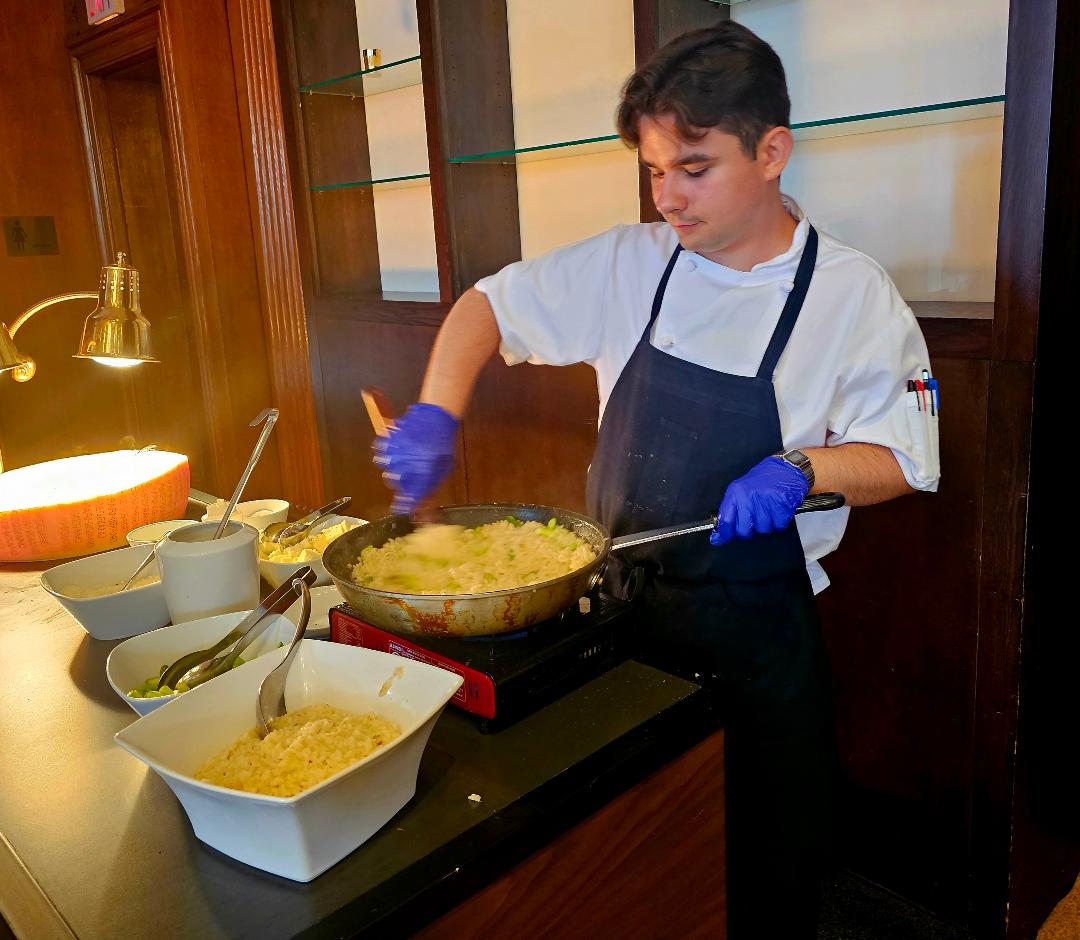
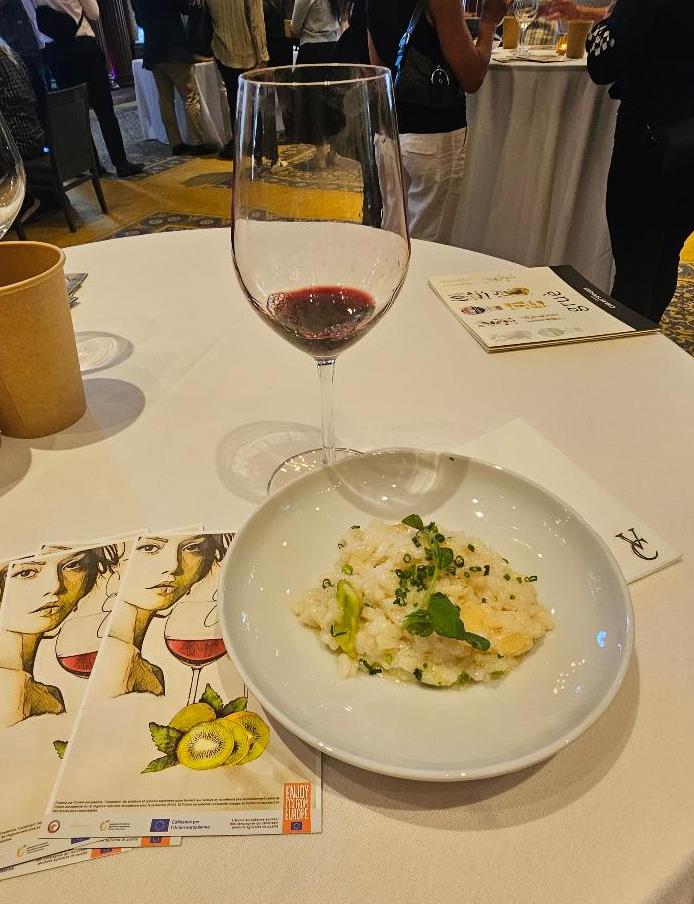
This event featured wine pairings with carefully selected finger foods which were amazing, and a risotto station with a young gentleman making it there on the spot with lemon, asparagus, fresh herbs and parmesan.

*A few interesting facts:

The Montepulciano grape has been cultivated in Abruzzo for centuries, with historical references dating back to 1792.

Legendary Healing Powers: A legend claims that Hannibal (the general renowned for his role in the Second Punic War (218-201 BC), where he famously led his army, including war elephants, across the Alps to invade Italy and challenge the Roman Republic) used Montepulciano wine to heal his horses from scabies! Lately, with the recent articles claiming that wine is no good for you, how do you like them grapes?

Abruzzo’s wines are a delightful mix of tradition and innovation. Have you ever tried one?  If so, do you have a favourite?
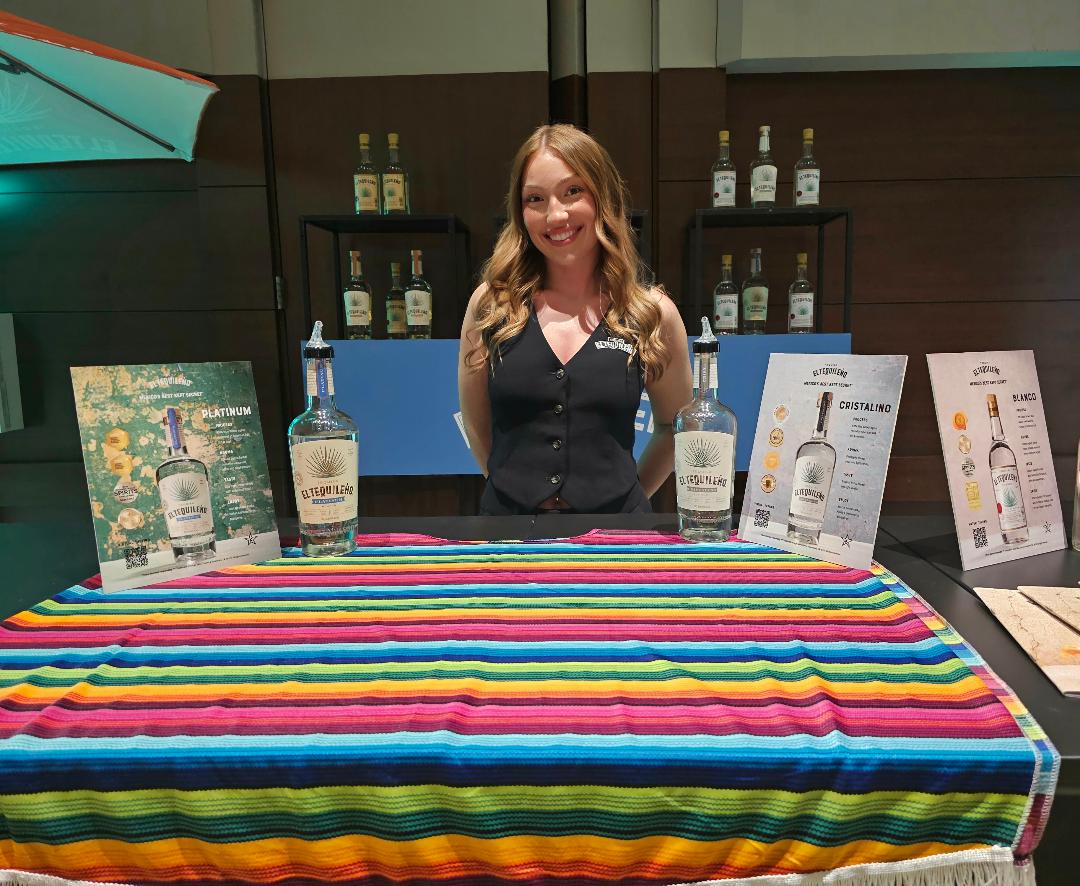
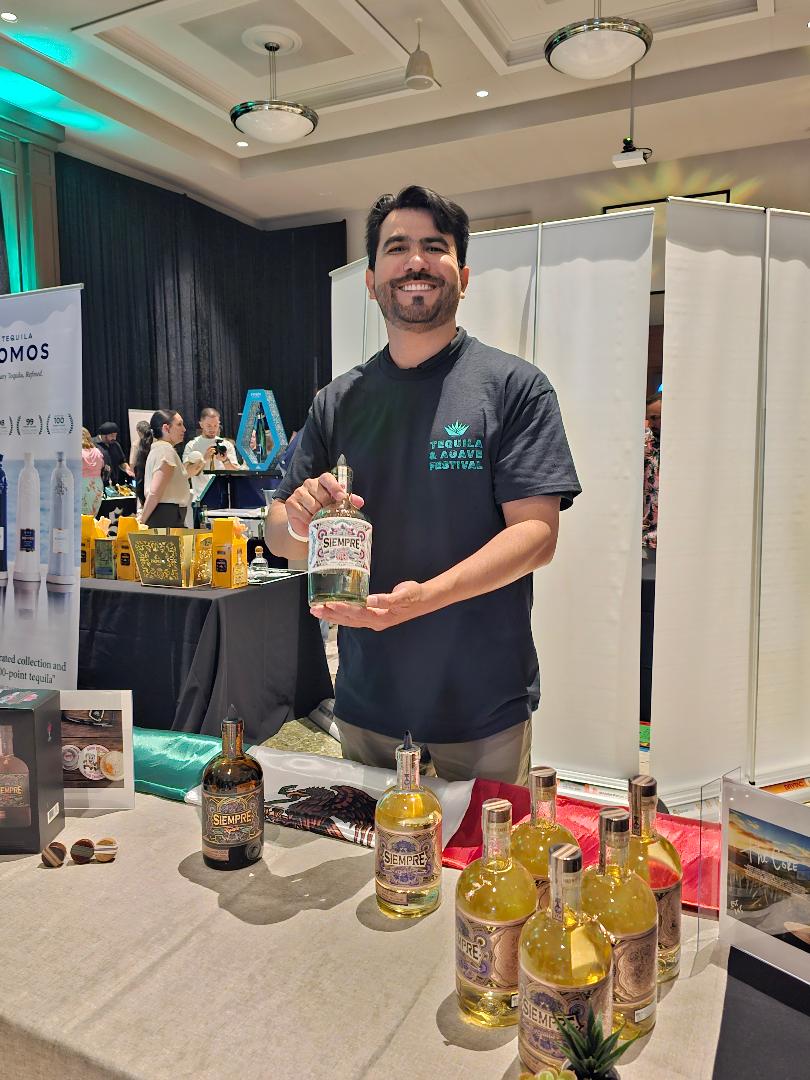
Photos: d. king

Tequila & Agave Festival

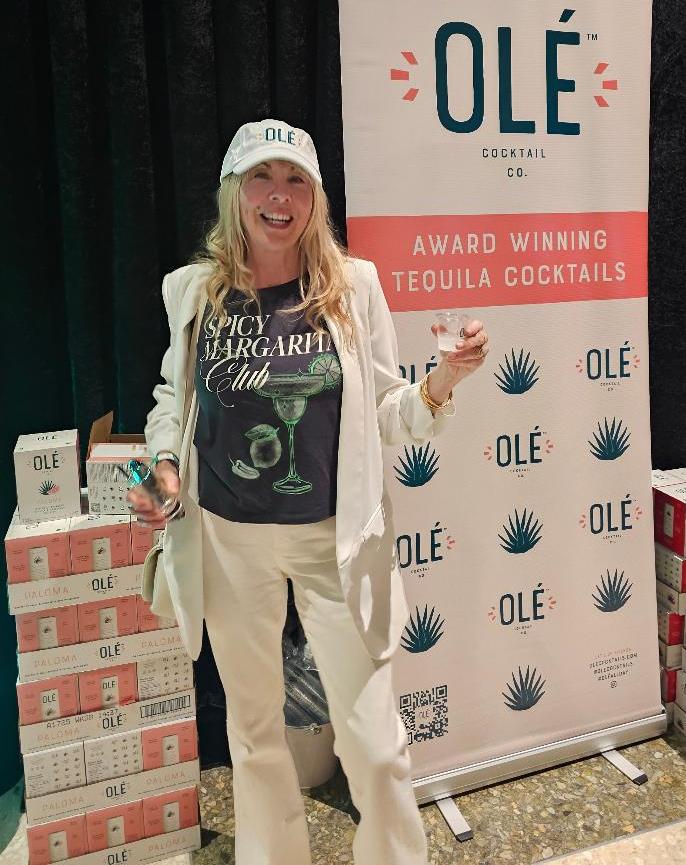
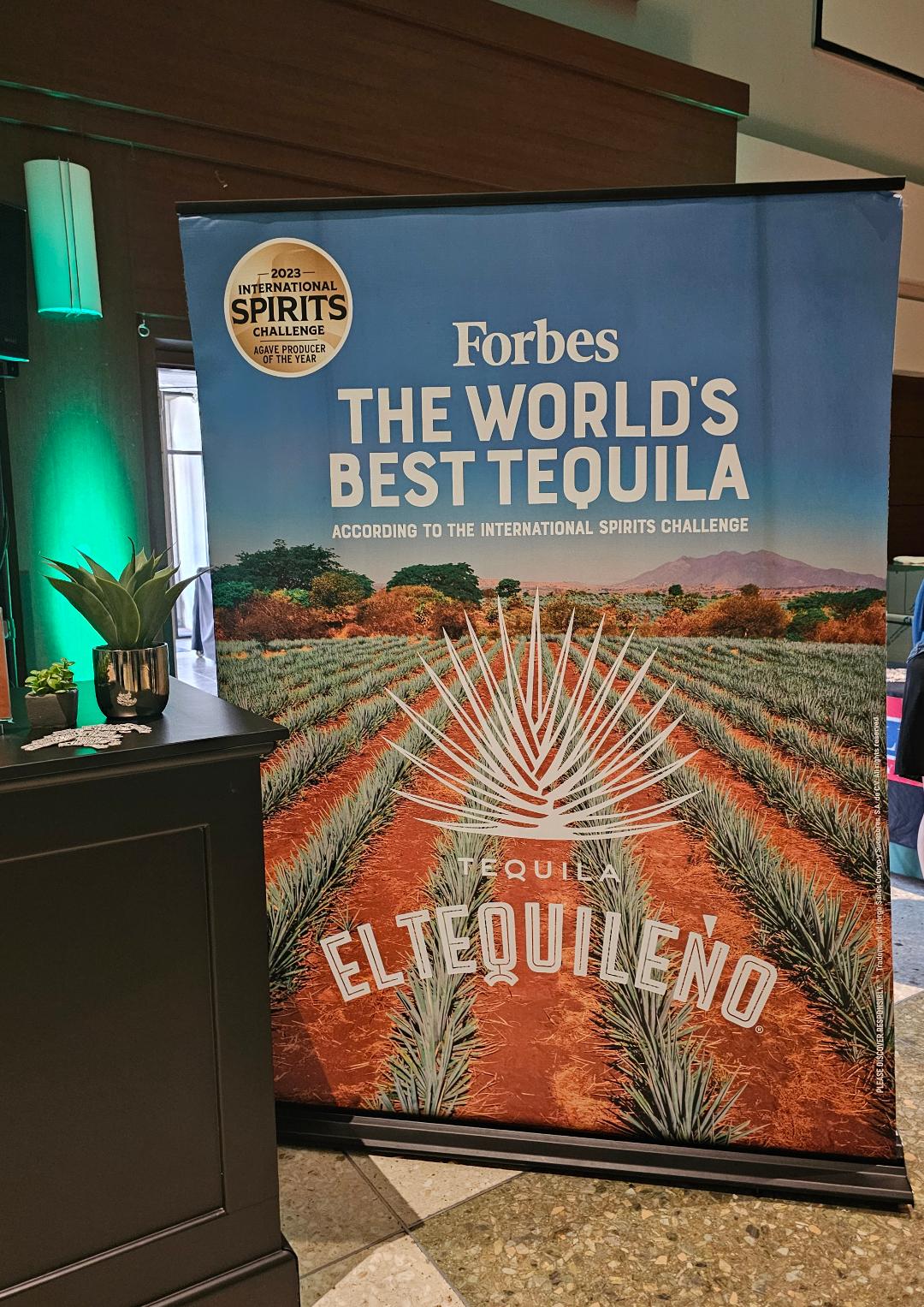
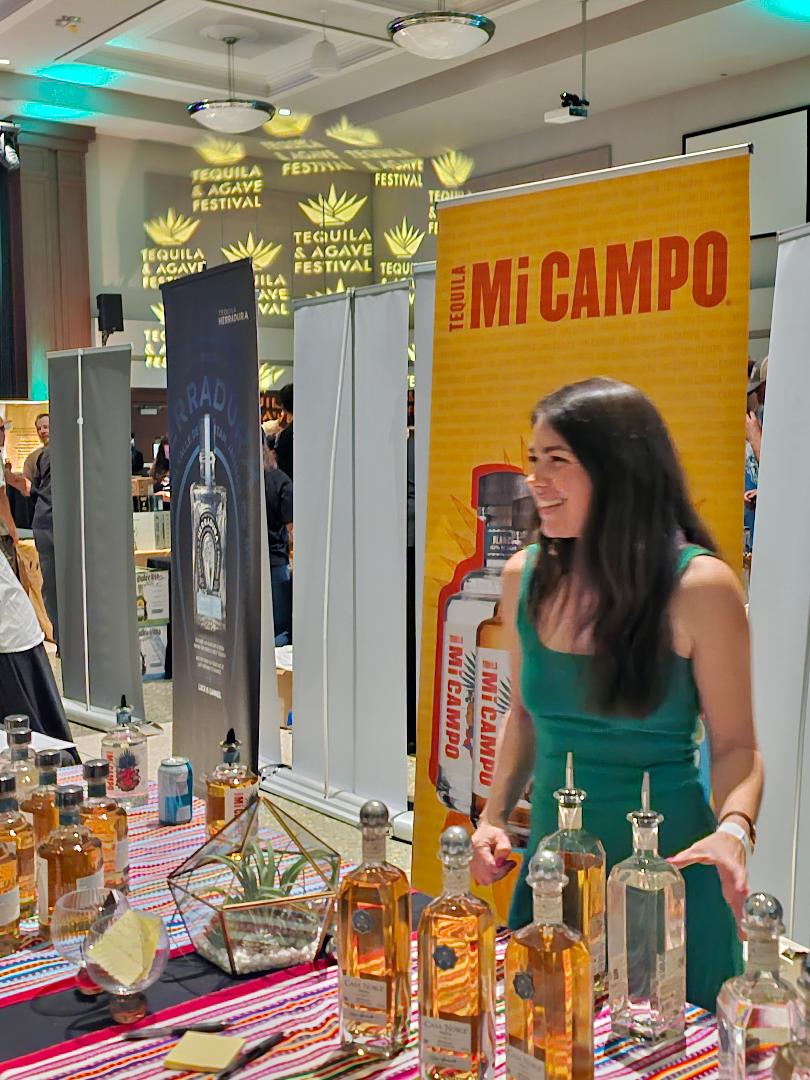
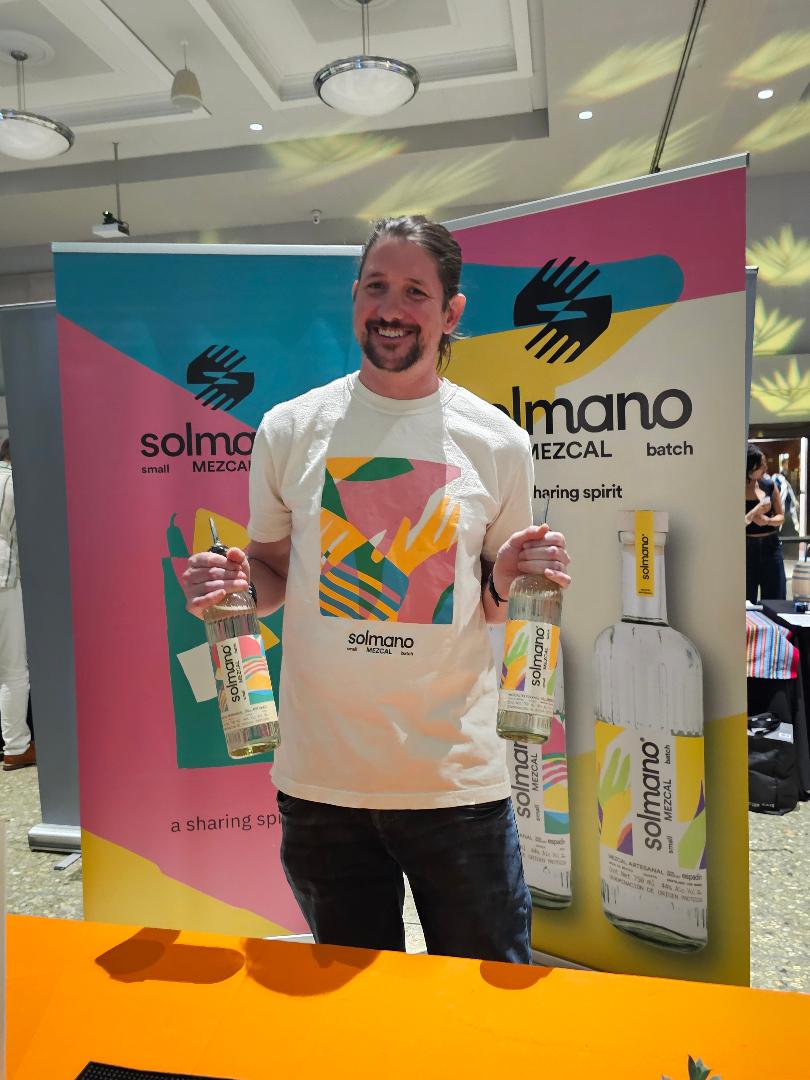
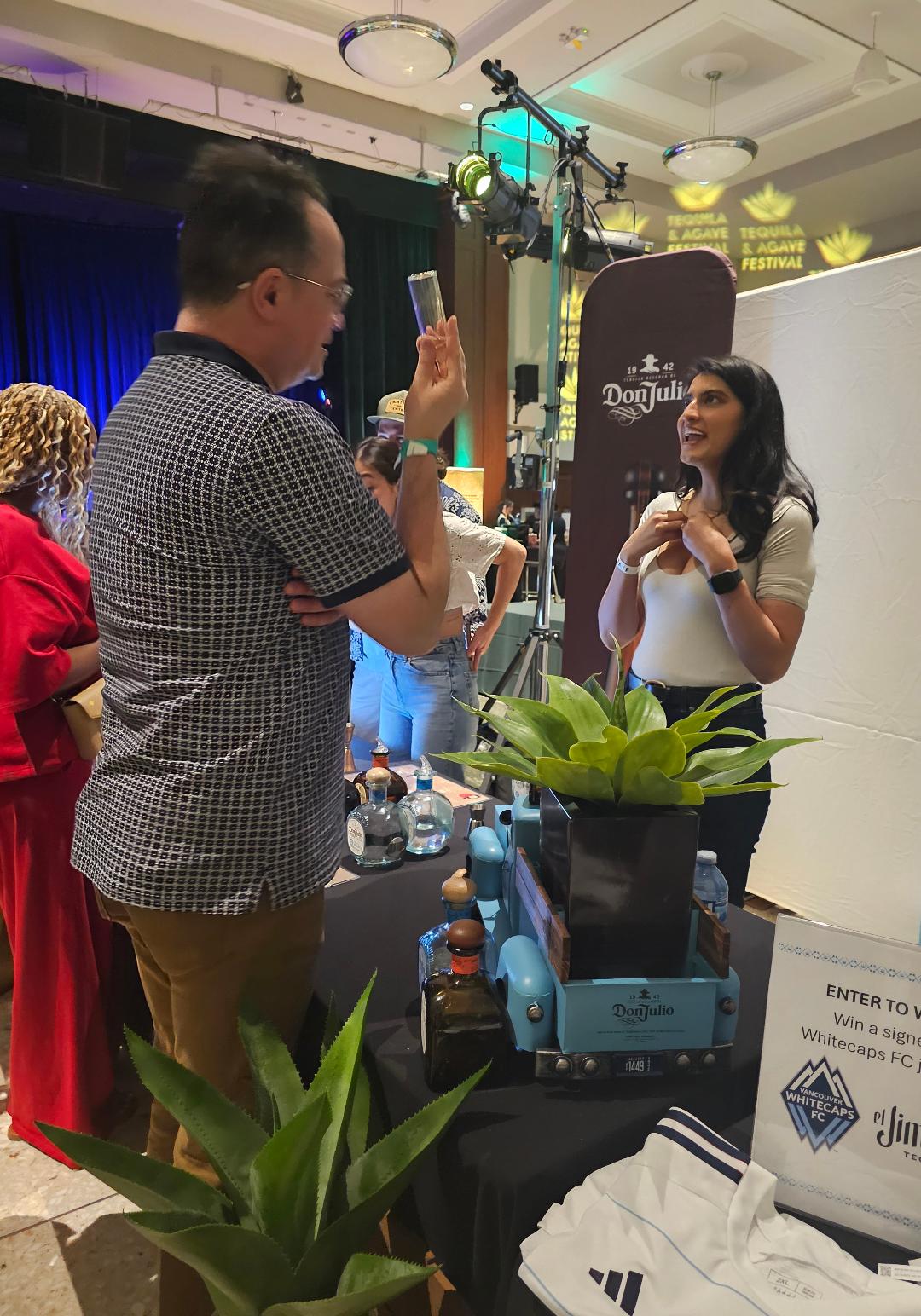
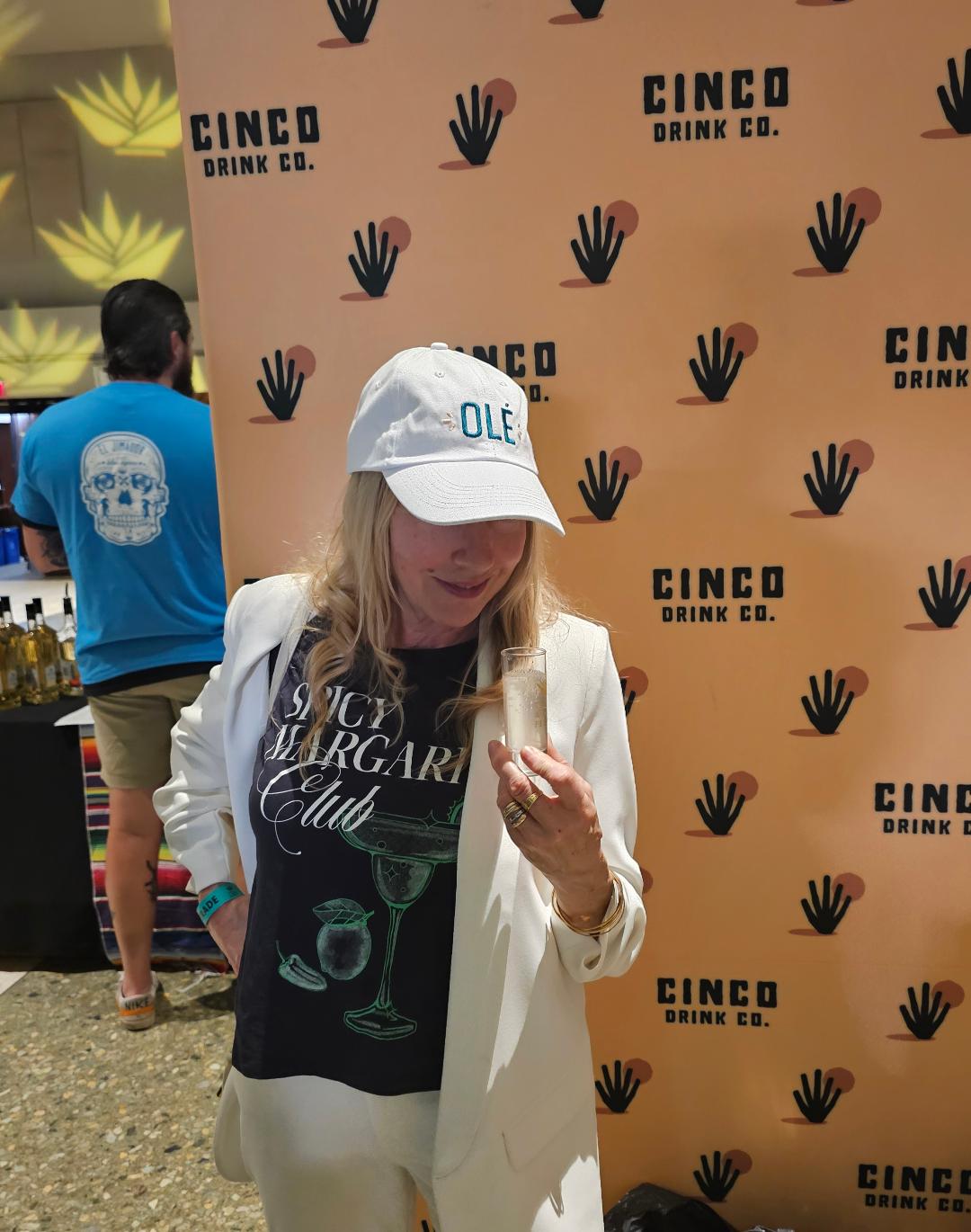
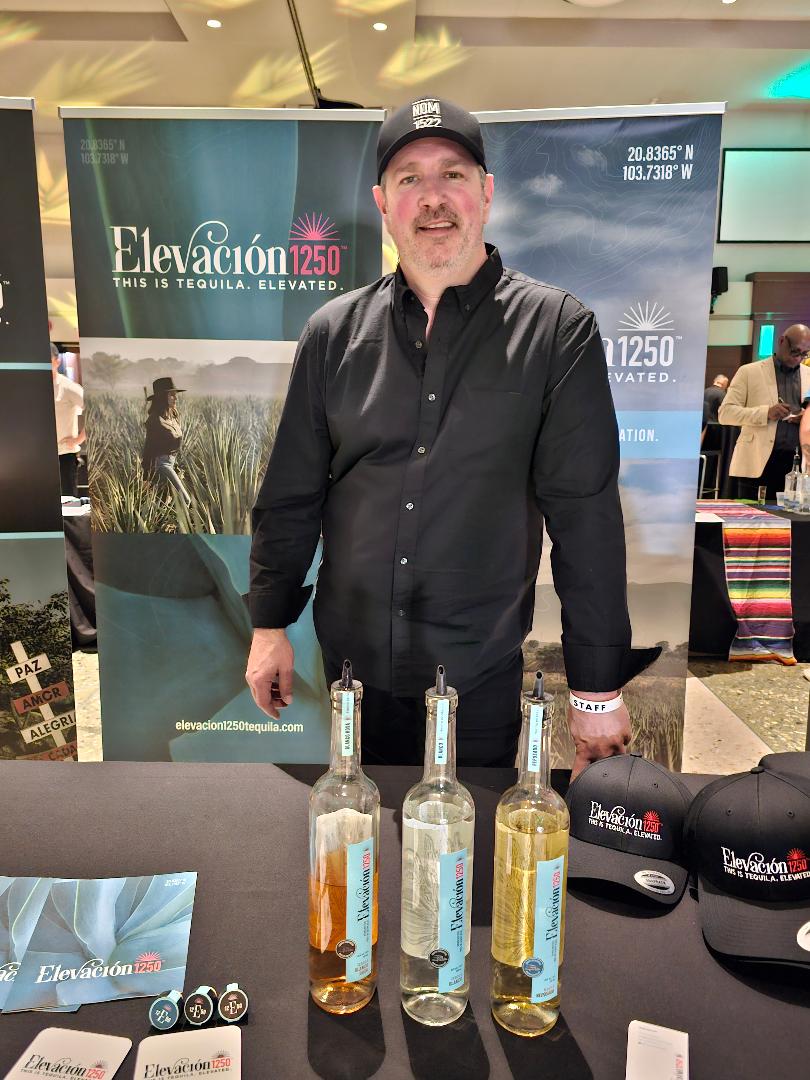
When it comes to hard liquor I’m not a huge fan.I enjoy a good vodka martini and I certainly enjoy a good margarita.  When it comes to sipping tequila on its own, it better be smooth preferably with a squeeze of fresh lime.  Last Saturday I got to sample my fair share of  top-notch sipping tequilas (with a few mexcals thrown in for fun) at the second Tequila & Agave Festival which took place at the Italian Cultural Center in Vancouver.   I took my friend Rosario whom I met 35 years ago when she first moved to Vancouver, and couldn’t speak a word of English.  Now she talks nonstop and has her own business. We had a blast.

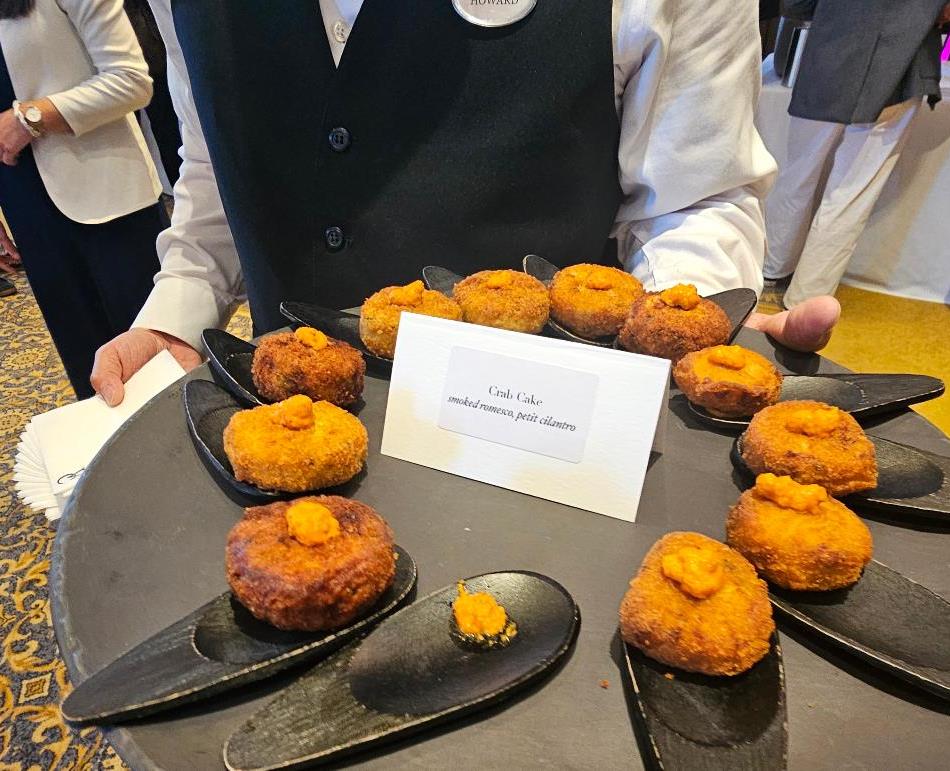
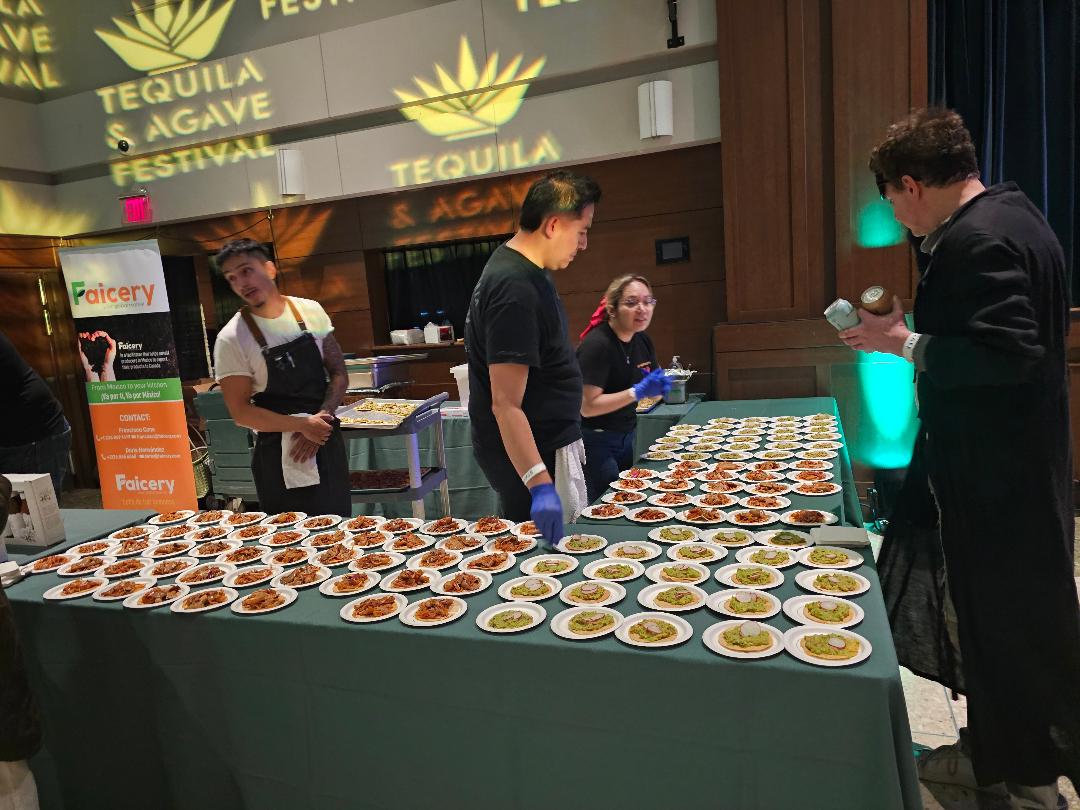
Luckily there were lots of bites being passed around and food stations with yummy tacos, tostados, guacamole and even burgers.  Smart move to fill up on food while sampling. The mariachi band was as authentic as they come.

More than just a party drink – Tequila is steeped in history, tradition, and some surprising facts!

Here are a few:

·  Ancient Origins: Tequila’s predecessor, pulque, was enjoyed as early as 150 B.C. by the inhabitants of Teotihuacan, a civilization that predates the Aztecs.

·  Not a Cactus: Despite its spiky appearance, the agave plant used to make tequila is actually a succulent, closely related to the lily plant.

·  Aged to Perfection: Blue agave, the key ingredient, takes 8 to 12 years to mature before it can be harvested.

·  Geographical Exclusivity: Like Champagne, tequila has an appellation of originin; it can only be produced in five regions in Mexico, with Jalisco being the largest producer.

·  No Worms Here: Contrary to popular belief, real tequila never contains a worm in the bottle; that’s a mezcal tradition.

·  Terroir Matters: The soil where agave is grown influences the taste of tequila. Highland tequilas tend to be sweeter, while Lowland varieties have earthier, mineral-rich flavors.

So if you missed out, here’s the link for next time:

Cinco, but who’s counting!
Photos: d. king   (photos of me taken by someone else but I don’t remember who).

PROsecco

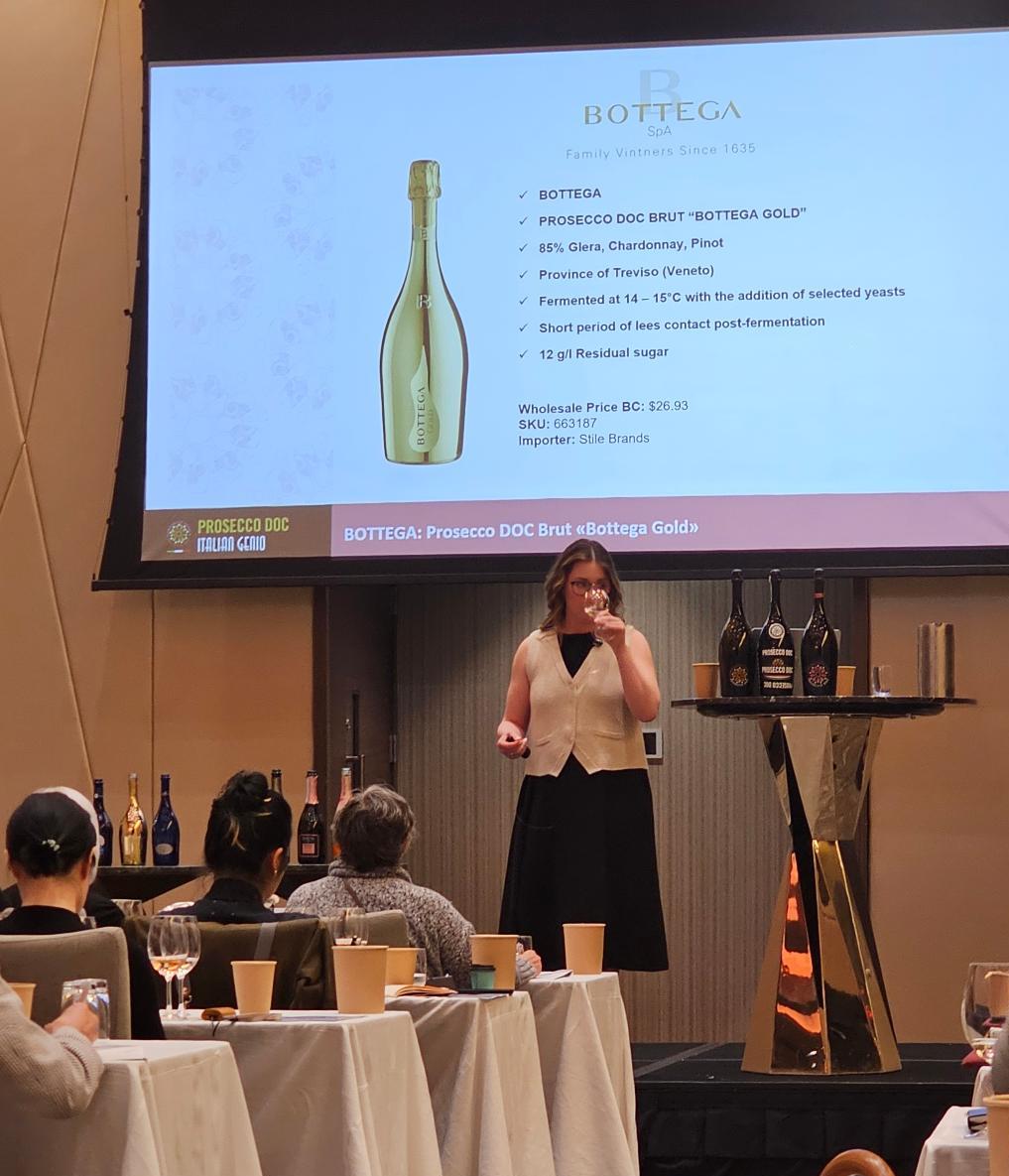
Last week I was invited to participate in a Master Class to try to distinguish the different varieties and taste of ITALIAN PROSECCOS.  What’s not to love about anything Italian?
The first six out of twelve tasters – before going into another room with dozens more.

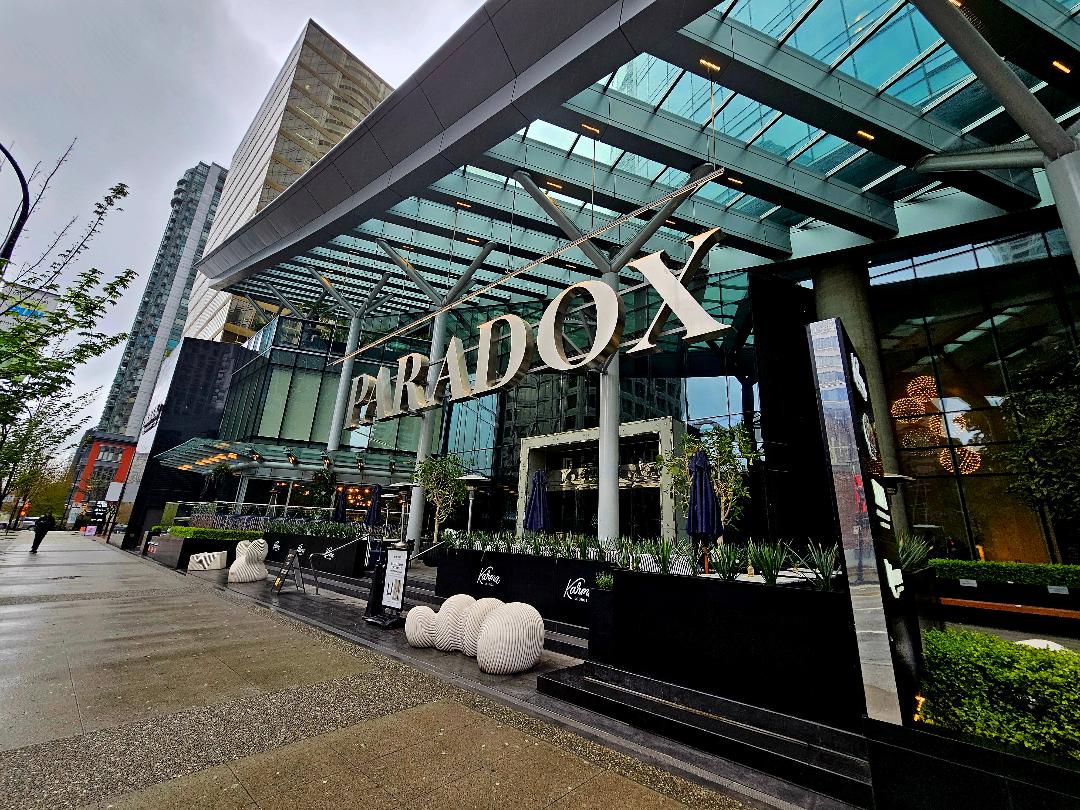
This took place downtown Vancouver at the swanky Paradox hotel (formerly the Trump hotel). What better way to spend a rainy Monday afternoon I might add.

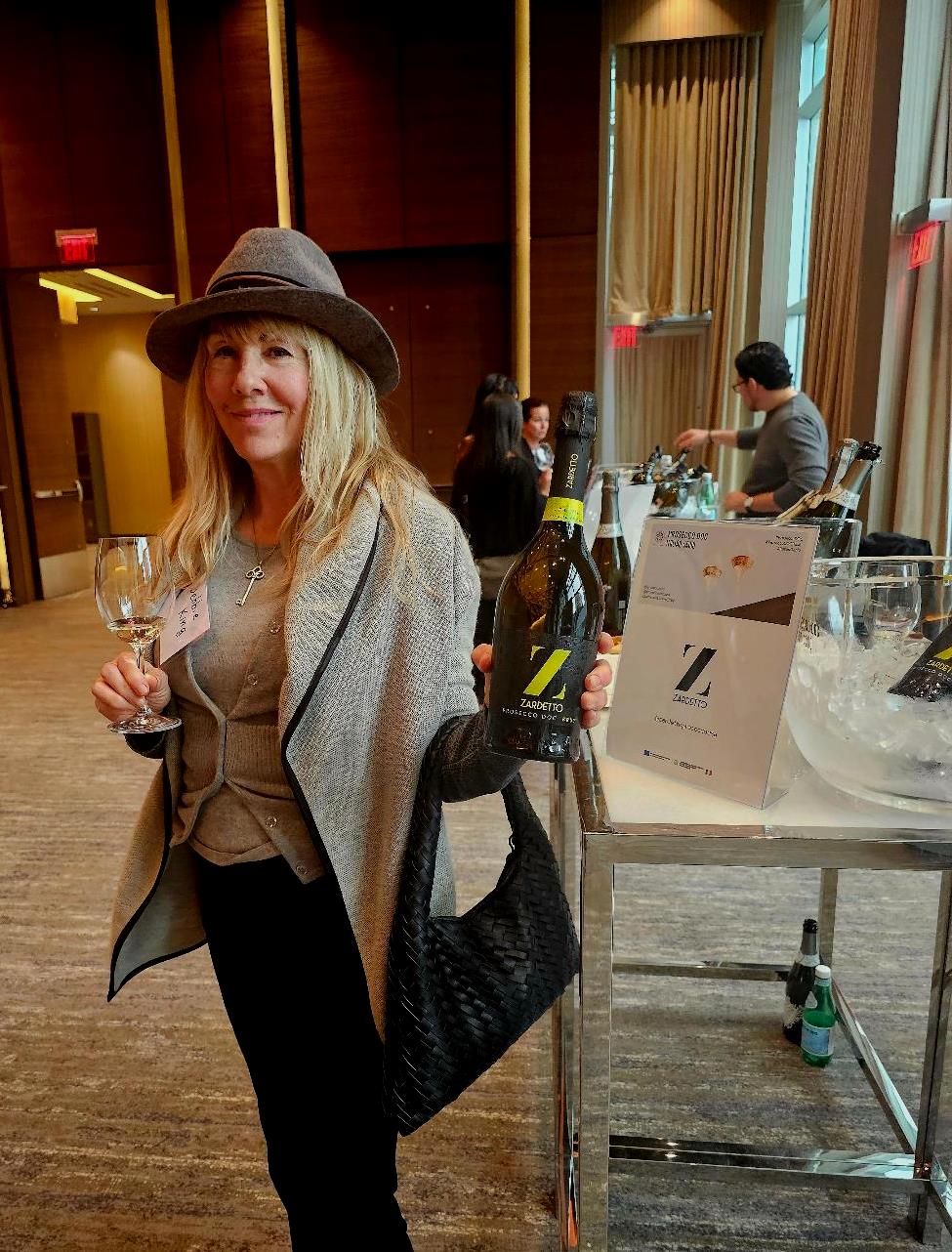
While I’m no Pro,  I did enjoy sampling a bunch I really liked. It’s also personal taste as in drinking wine, where some like it drier or sweeter.  It was a fun afternoon and my first time at this hotel.

I’ve always liked Prosecco.  A glass before dinner is always a pleasant start to the evening.  Prosecco is a wonderfully versatile sparkling wine that pairs well with a variety of foods like most appetizers, sushi, cheese (especially the soft kind like brie and gorgonzola that work beautifully with Prosecco’s fruity notes), seafood, and many fried foods. It’s also more affordable than champagne. Win, Win!

I took a pic of all the bottles we sampled in the class. I’m a top student.

I wasn’t really aware and never thought to ask about what kind of grape Prosecco is made from or which part of Italy makes Prosecco.  So this afternoon I learned a few things. For starters, The Glera grape, the backbone of Prosecco, dates back to Ancient Rome. Prosecco DOC was officially established in 2009, ensuring quality and authenticity. If a wine isn’t made from Glera grapes grown in the designated area, it can’t be called Prosecco.  I now realize that the Prosecco gummy bears I bought are not the actual thing. Beware of fakes!

The Prosecco DOC region in Northeastern Italy boasts 11 UNESCO sites, highlighting its rich cultural and historical significance.

See video:

It was a Grey Day. This bottle turned out to be a favourite (I didn’t drink the whole bottle).  The food was delicious.

Here’s how Prosecco DOC stands apart from other sparkling wines:

Prosecco vs. Champagne: The biggest difference is in the production method. Champagne undergoes secondary fermentation inside the bottle (Traditional Method), while Prosecco uses the Charmat Method, fermenting in large steel tanks which is more efficient. This also makes Prosecco more affordable but also keeps the quality. Champagne is richer and toastier, while Prosecco is light, fresh, and fruit-forward.

Region Matters: Champagne comes exclusively from the Champagne region in France, while Prosecco DOC is crafted in Northeastern Italy – around Venice. The terroir (soil, climate, and altitude) gives each wine its distinct character.

Champagne blends Chardonnay, Pinot Noir, and Pinot Meunier, while Prosecco DOC is primarily made from Glera grapes, giving it those signature notes of green apple, pear, and white flowers.

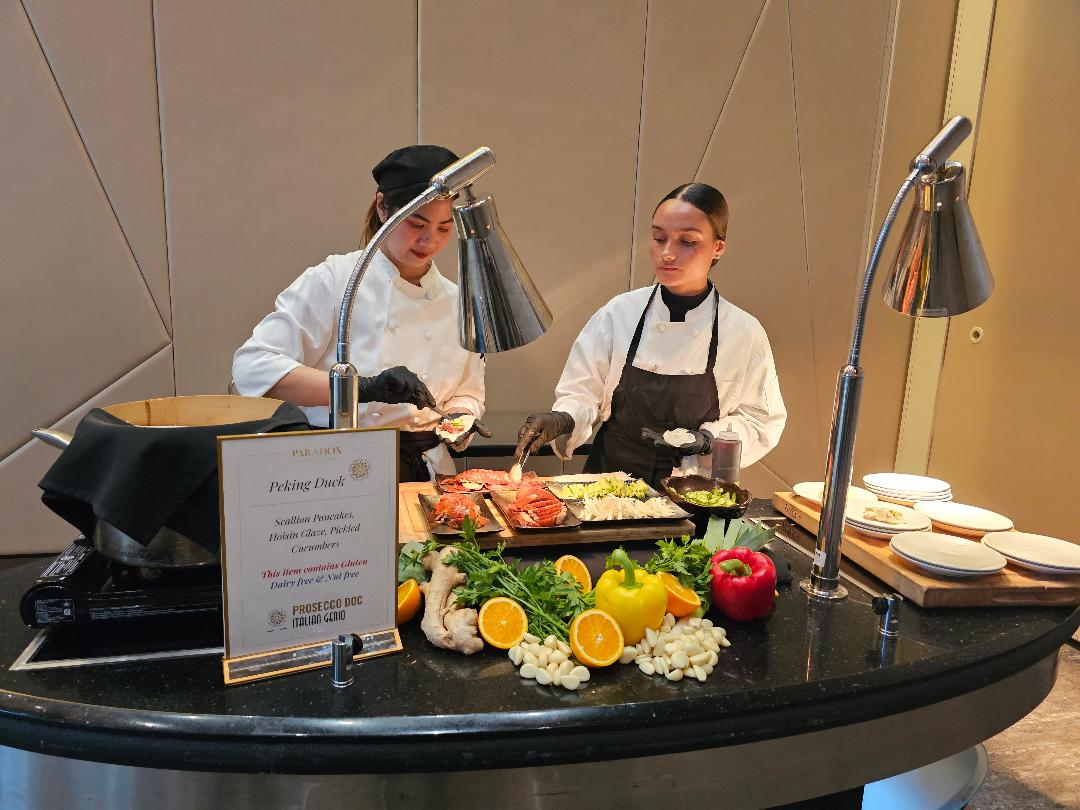
What was really nice after the Master class was walking around and sampling dozens more, and grazing the excellent selection of appetizers on hand.  The sushi was some of the best I’ve tasted.

Below is a Crash Course for you:

Prosecco comes in several varieties, categorized by effervescence, sweetness, and quality levels. Here’s a breakdown:

  1. Types by Effervescence:
    • Spumante: Fully sparkling and the most common type.
    • Frizzante: Semi-sparkling with lighter bubbles.
    • Tranquillo: Still wine, with no bubbles

Sweetness Levels:

  1. Brut Nature (0-3 g/l sugar) – Bone dry.
  2. Extra Brut (up to 6 g/l sugar) – Very dry.
  3. Brut (0-12 g/l sugar) – Dry but slightly more approachable.
  4. Extra Dry (12-17 g/l sugar) – A touch of sweetness.
  5. Dry (17-32 g/l sugar) – Noticeably sweet.
  6. Semi-Secco/Demi-Sec (32-50 g/l sugar) – Quite sweet.
  7. Dolce (50+ g/l sugar) – Dessert-level sweetness
  • Quality Levels:
  • Prosecco DOC: Standard quality, widely available.
  • Prosecco Superiore DOCG: Higher quality, from specific regions.
  • Cartizze: The most prestigious and luxurious variety.
  • Prosecco Rosé: A newer addition, blending Glera grapes with Pinot Nero for a pink hue.

Personally, I think my favourite might be a frizzante Brut to extra dry.  I love the higher quality ones but enjoy the standard types too.  I don’t like extra sweet or overly dry.  I like to see some bubbles.

How about you? Do you have a favourite?


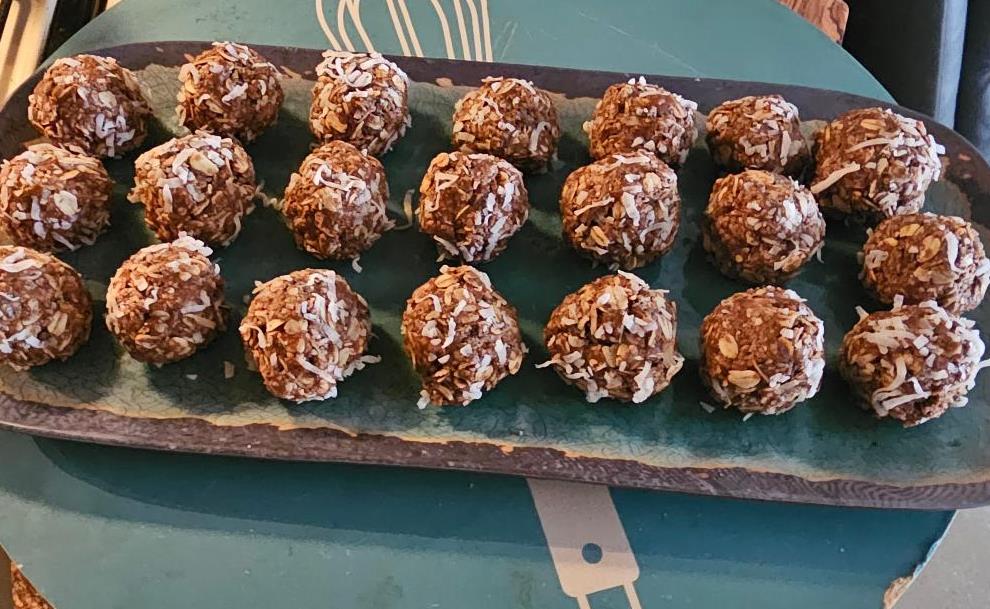
No-Bake Chocolate, Peanut Butter, Coconut Balls

Sound yummy?  They are! 

When you crave something sweet but don’t care to ingest crappy ingredients, these energy balls are packed with sweet goodness with their satisfying combo of cacao, peanut butter and coconut.

This simple, guilt-free recipe could be called a triple-crown delight just made that up because of being 1) easy to assemble 2) delicious and, best of all 3) they’re healthy!  The only down side is that it can get messy…but in a finger lickin good way.

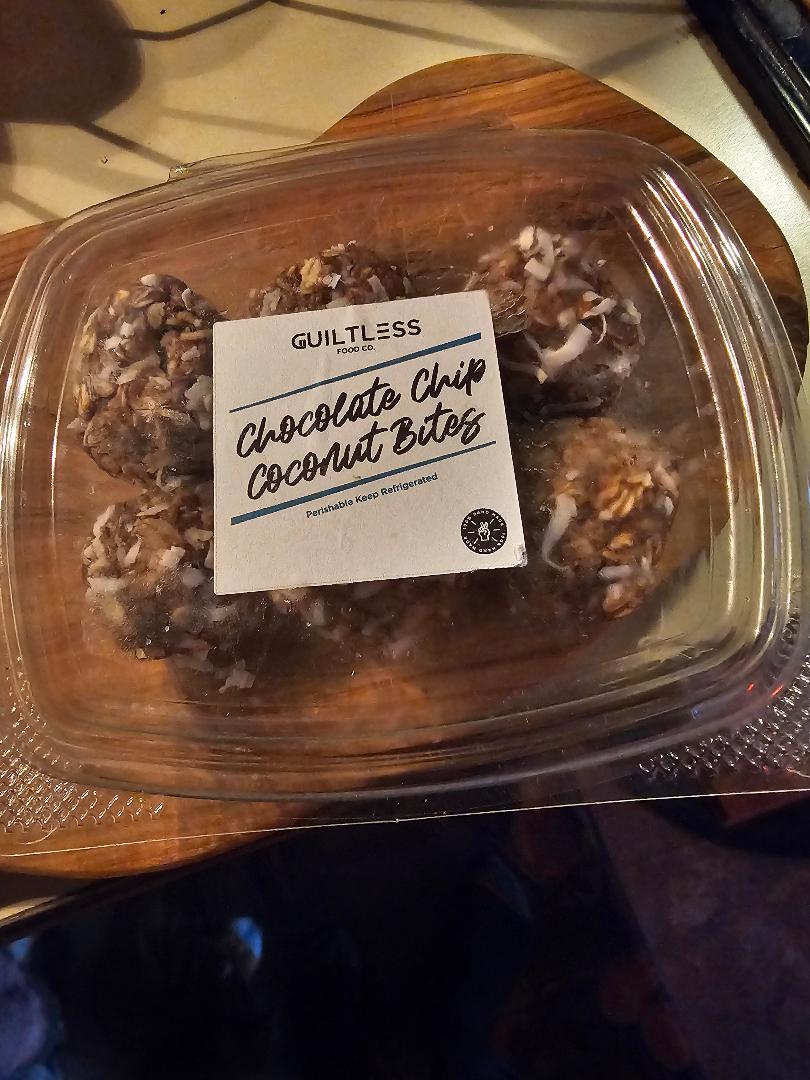
I bought a package recently at a health food store when I was feeling low energy and craving something sweet. You wouldn’t believe how many things I wanted to have but ended up putting back before I bought these. Because when you start reading labels in the dessert isle, you’ll probably end up being turned off of eating that piece of cake or pie you just put into your food basket. I tell you, reading about the ingredients spoils all the fun. But choosing wisely will end up making you feel better, literally. When I got home and looked at the ingredients on the packaging again, I thought “I can make these.”  So I looked up recipes and used *cacao instead of chocolate chips (although you can decide to use those if you prefer).

The recipe I followed with a few tweaks:

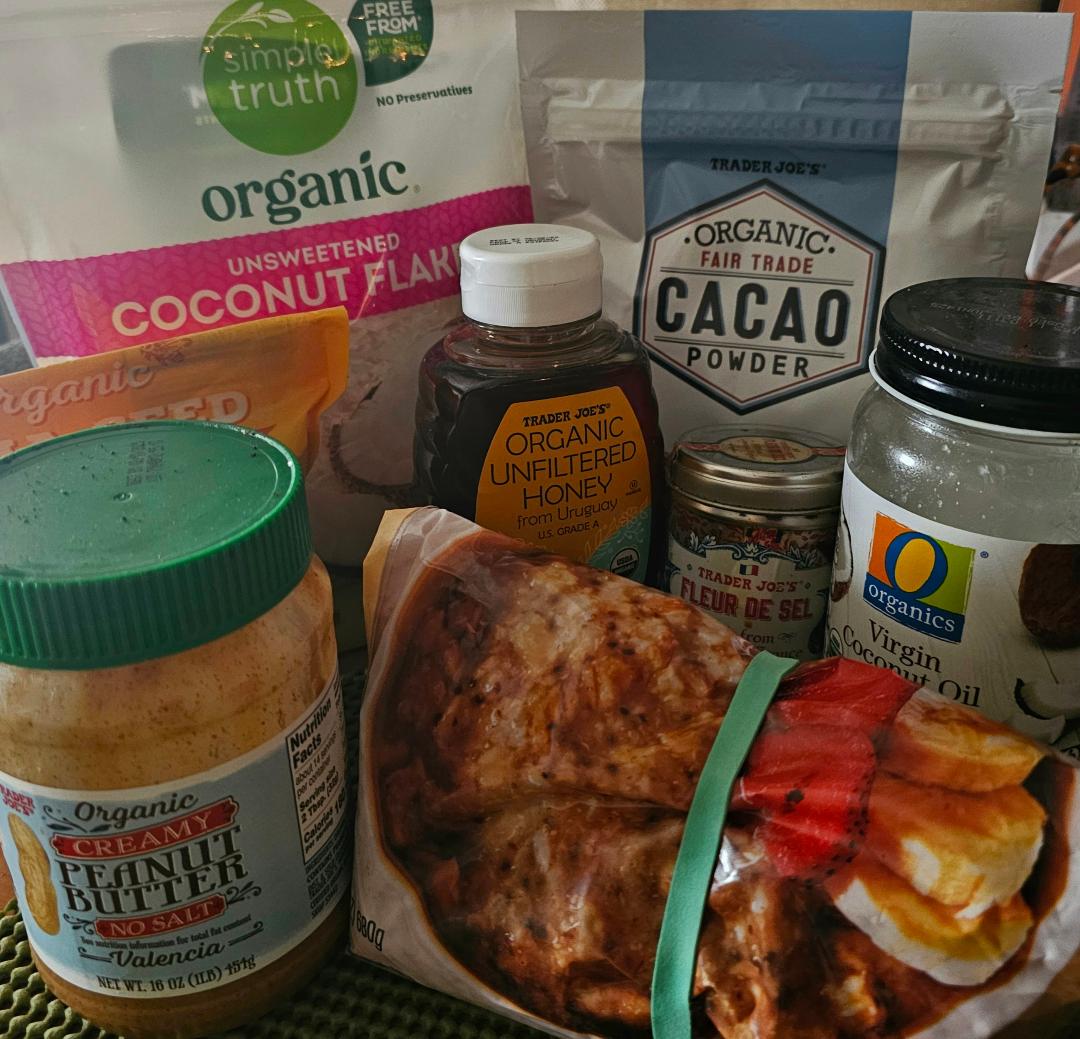
getting it together

My tweaks:

Instead of using only rolled oats, I used a combo of organic, old-fashioned whole grain rolled oats & Trader Joe’s organic rolled oats with ancient grains  (amaranth flakes, quinoa flakes, chia seeds, and ground flax seeds) for a chewier consistency. 

Instead of using only peanut butter, I mixed organic creamy peanut butter with “Artisana OrganicsCashew Cacao Spread (has organic coconut MCT oil).  Even this alone on a piece of toast is scrumptious.

kept the packaging from what I bought and put some of mine inside

*The difference between “Cacao” and “Cocoa

“Cacao” refers to the raw, unprocessed beans from the cacao tree, while “cocoa” is the result of processing those beans, typically involving roasting and grinding them into a powder, meaning cocoa is a more processed form of cacao; essentially, cacao is the starting material and cocoa is the finished product after processing. 

Photos (including header): d. king

Enjoy and send feedback if you make them.  


Cauliflower Steak

Cauliflower; the Cruciferous Chameleon

In between going out to certain functions or get-togethers where we tend to not always eat the healthiest, at home I do my best healthwise by choosing organic as much as possible, phasing out red meat and keeping it simple, but always tasty.  Rarely do I follow a recipe unless it’s to do with baking.

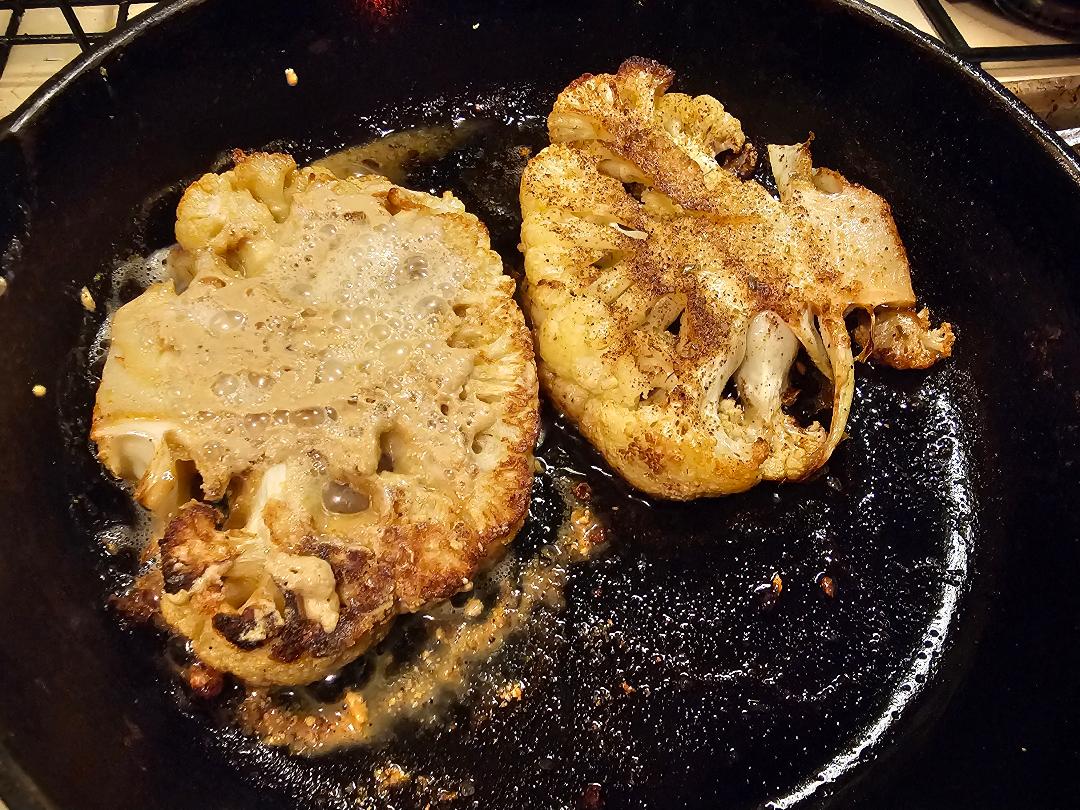
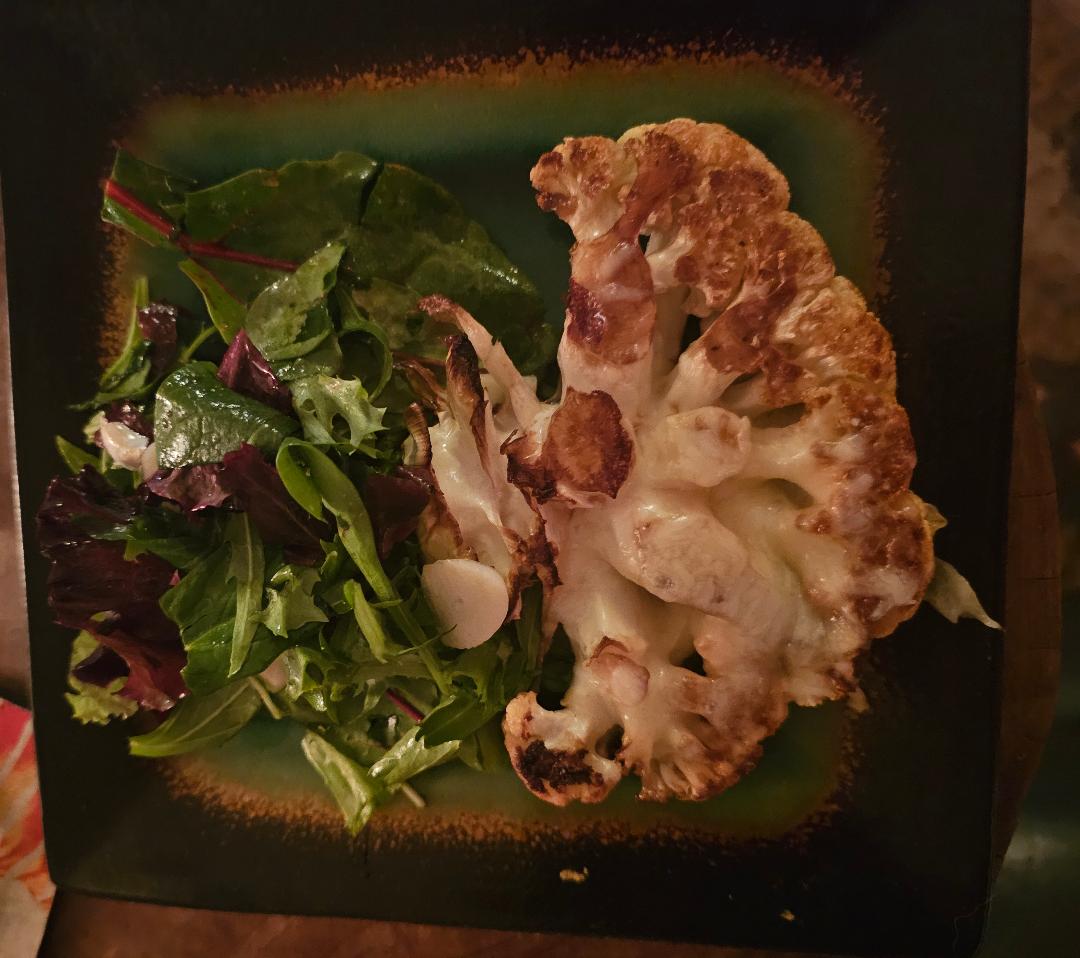
Here’s something I never thought I’d make – Cauliflower Steak!  Are you kidding me? I heard about it, but only experienced eating it recently at a health food store for lunch, and it was surprisingly delicious, so I decided to try making it at home.  I never even used to like cauliflower.

love cooking with a cast iron pan.

Of all the vegetables out there, cauliflower has probably been my least favourite.  When assembled as part of a veggie/dip tray, I usually bypass it. I find the taste on its own very bland, but I know it’s good for me.  It’s packed with antioxidants like sulforaphane (which help protect cells from damage caused by free radicals) and essential nutrients, including vitamins C, K, and B6, as well as folate, potassium, and magnesium.  Who knew it was such a powerhouse?  Certainly not me.  It’s not even green coloured!

So off to Clarks Nutrition (I love this family-owned store) I go, and pick up a nice organic head of Cauliflower. Then located a site called healthyrecipesblogs.com (link to recipe below) and found out that there is not exactly a recipe per se, but more of variations on a theme, which I love.  I followed the directions for cutting the cauliflower as such:

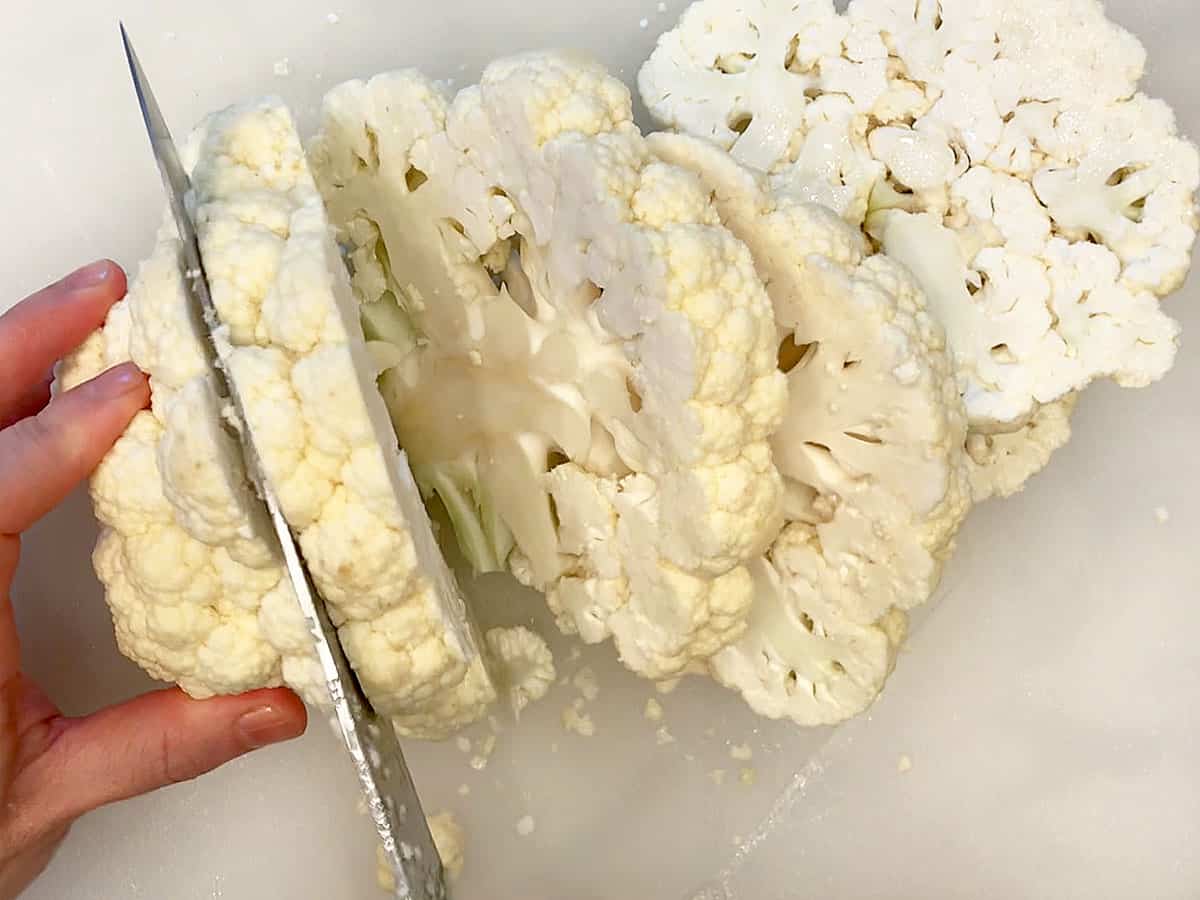
Wash the cauliflower heads, remove the outer leaves, and trim the very bottom of the core, keeping it intact. Slice each cauliflower head into ¾-inch-thick slices.  It’s normal for some florets will fall off.

OK; so you cut it to resemble the look of a steak as close as possible, considering it’s nothing like an actual steak. Image from “healthyrecipesblog”

But wow; can it morph into so many different flavours when cooked.  I didn’t want to try making it just one way; so I tried three variations and they were all delicious. You can season them any way you like so it’s fun experimenting.  I did one with only olive oil + balsamic vinegar. The balsamic ends up caramelizing which is great.  Another way was with fresh lemon juice + tahini.  Another had smoked paprika as a main spice.  I enjoyed all three ways.

Goes like this:

Preheat your oven to 425°F. Line a large, rimmed baking sheet with nonstick foil or high-heat-resistant parchment paper and spray it with olive oil.  I prefer parchment paper.

Arrange the steaks in a single layer on the baking sheet. Scatter the florets (that have fallen off from cutting) around them. Drizzle some olive oil and sprinkle them with half the seasonings.

Bake the cauliflower slices for 15 minutes. Remove them from the oven, carefully flip them using two wide spatulas, add more oil, and sprinkle them with the remaining spices.

Return the cauliflower to the oven and bake it until browned and fork-tender, 10-15 more minutes. Serve immediately.

A nice side salad and dinner is served!

Have you tried it?  Have a recipe you’d like to share?

https://healthyrecipesblogs.com/cauliflower-steaks/


The San Diego Food  + Wine Festival

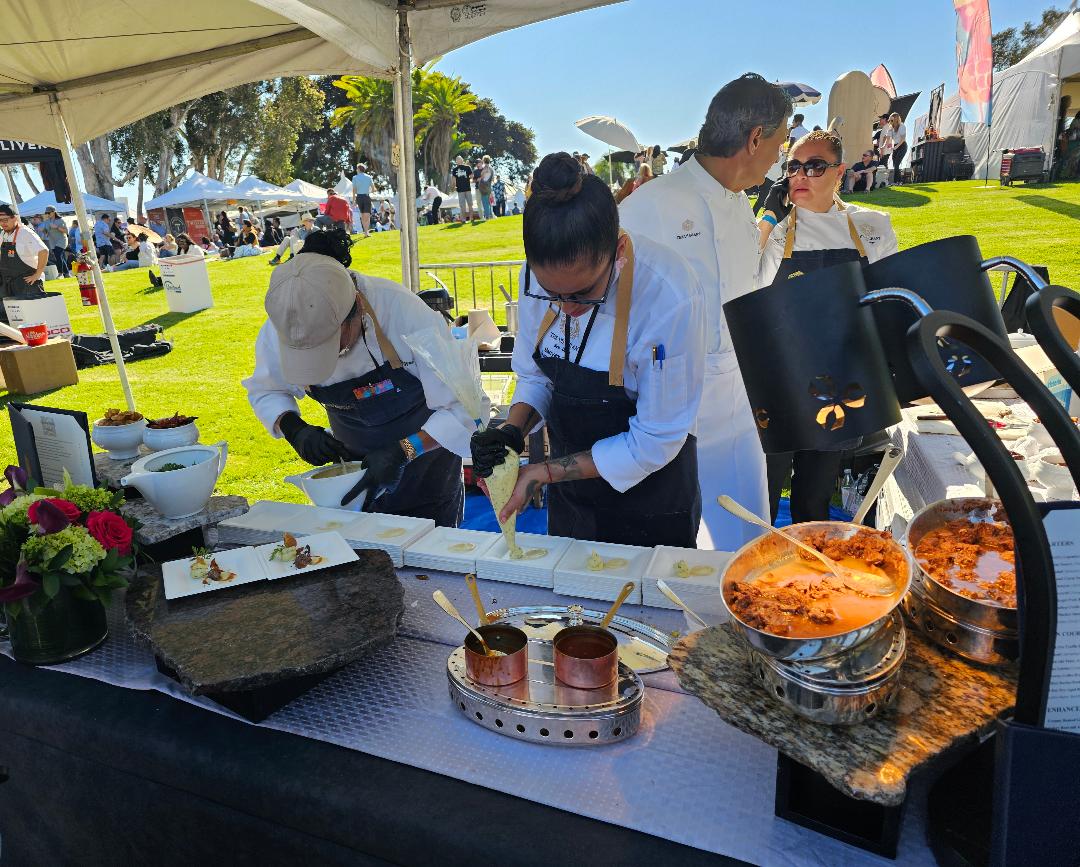
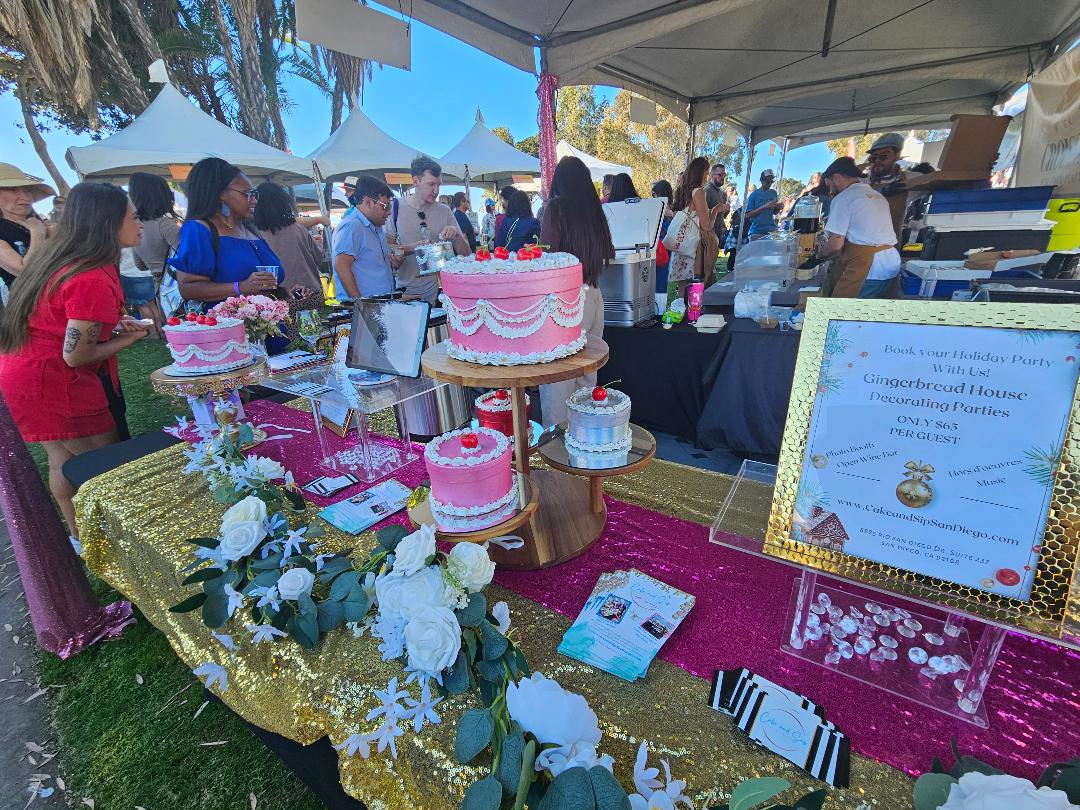
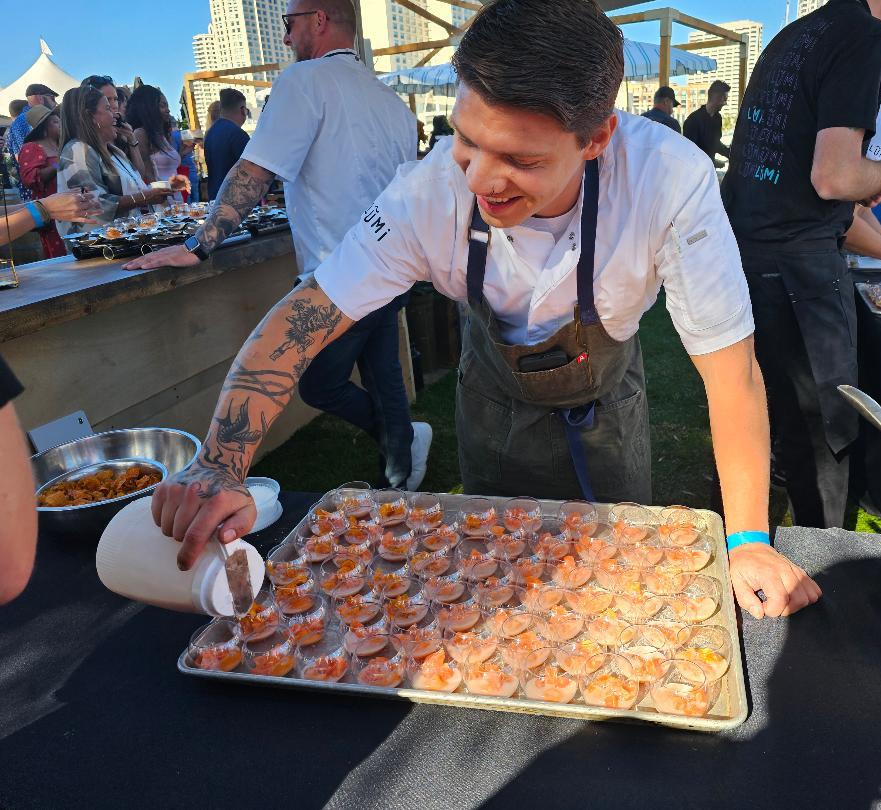
What can be better than sampling and sipping from more than 300 amazing purveyors of all things decadent (and decanted) alongside the San Diego Bay? Not much, I tell you.  A Grand afternoon it was!

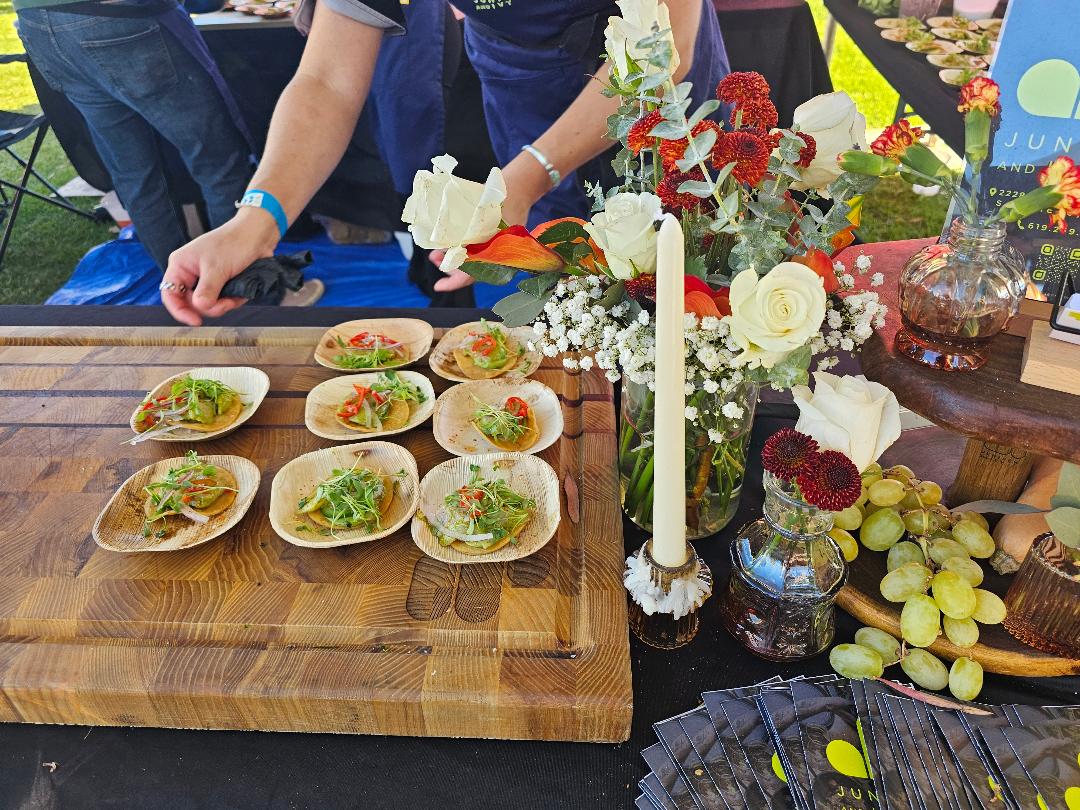
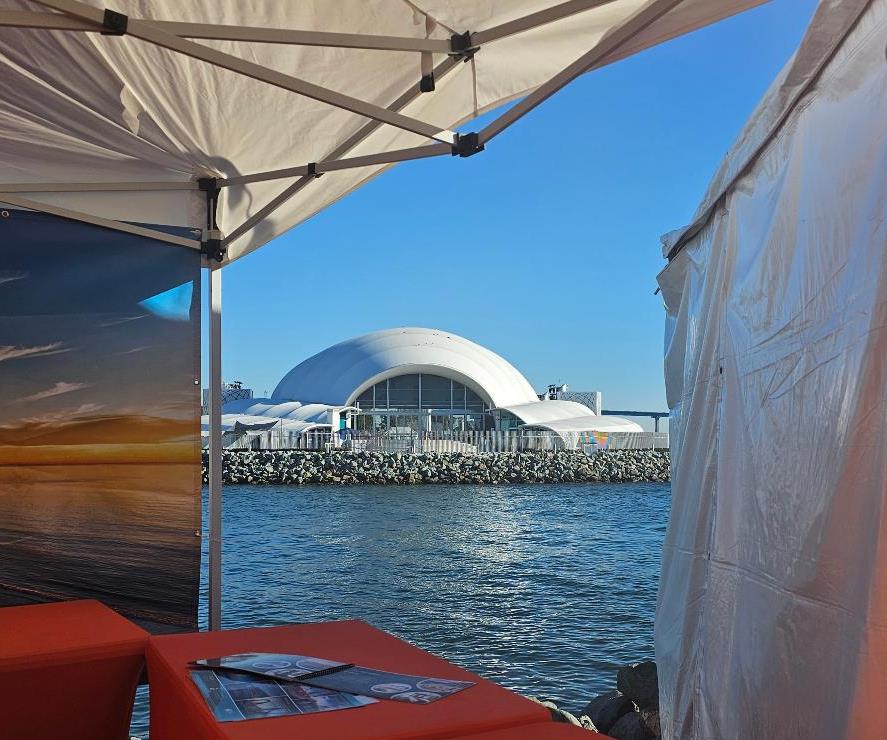
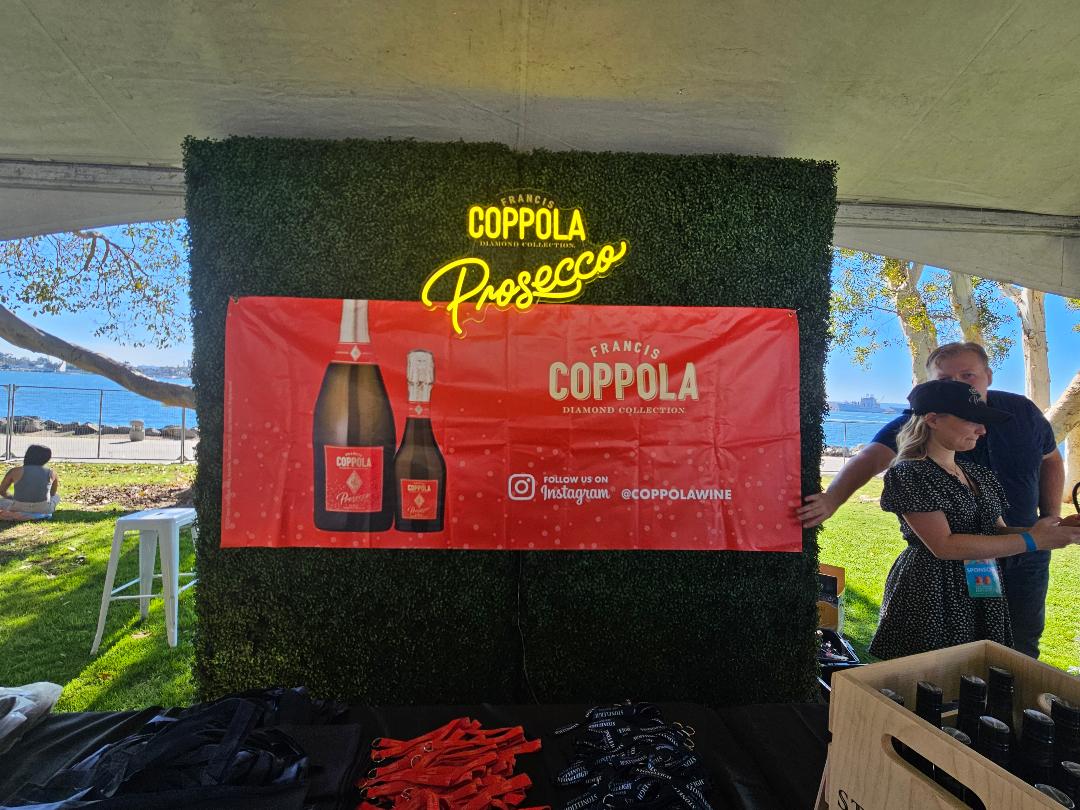
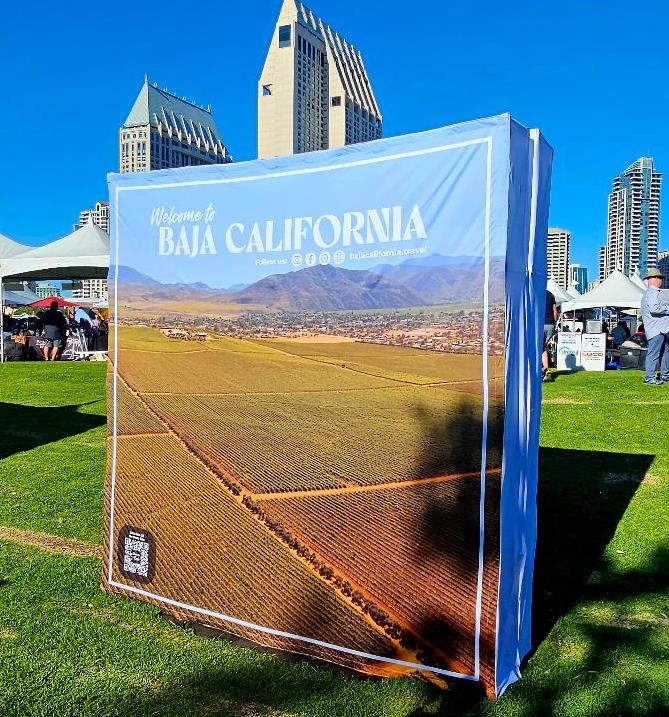
The San Diego Food + Wine Festival is one of the largest food and wine festivals in the United States.  It features over 800 wines, beers, and spirits from around the world. Plus, you cannot beat the setting. Of all the wine festivals I’ve been to (and there are plenty) this is the fairest of them all. They’re celebrating their 20th Anniversary! Some photos from the event:

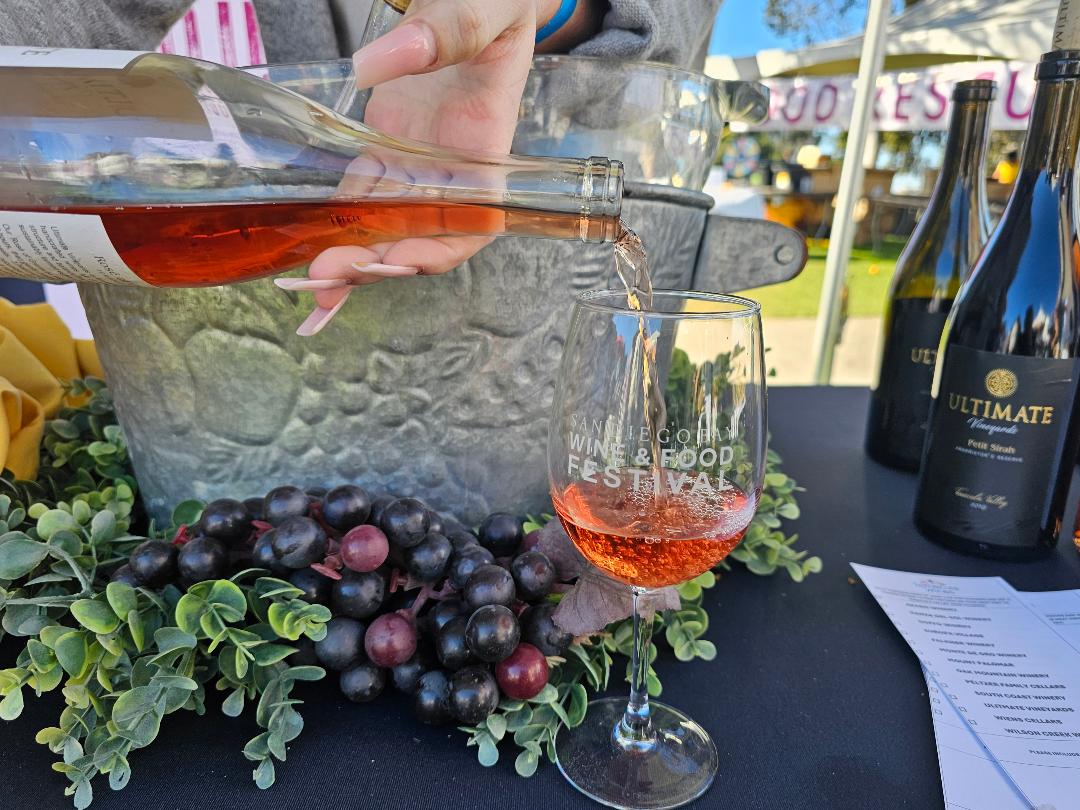
I loved this Ultimate (that’s the name) Rosé wine from Temecula. I started with that.

One of the best things about the day was that I was able to take Layla & Adele with me.

With my friend Stephen and my two beasties.

The festival was held over three days from the 8th – 10th of November.

The first day was the James Beard Foundation Opening Night featuring a Grand Decant. I didn’t get there in time to go to that, but it was described as a star-studded tasting experience featuring luxury wines and spirits & favorite award-winning chefs.  OK; next year put me on the list!

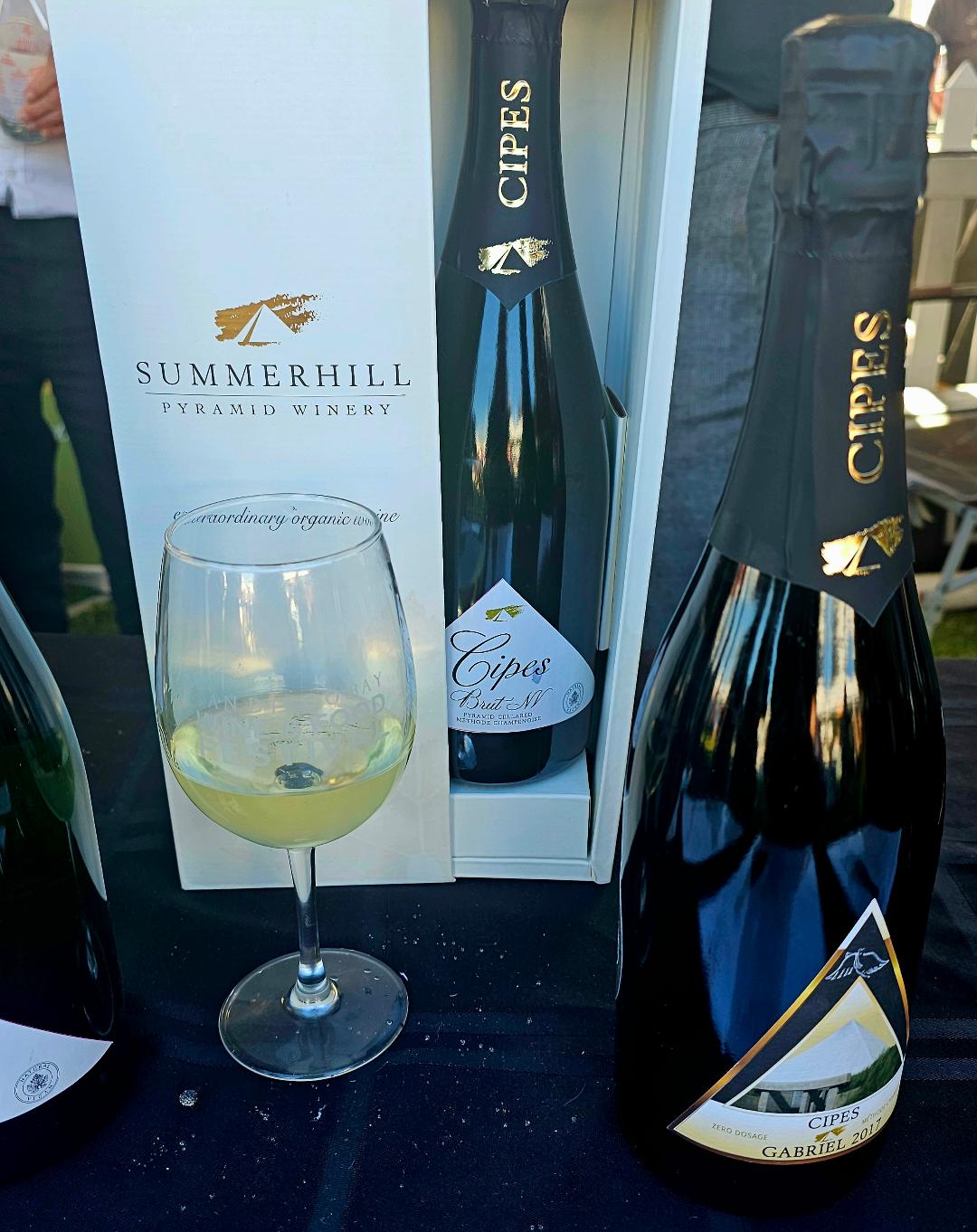
I went to the Grand Tasting at the Port of San Diego the following day. This is apparently the event that started it all.  It was absolutely amazing.  Superb examples of food and wine and the samples were generous.  Our friend Stephen Cipes (who owns the award-winning Summerhill/Pyramid Winery in Kelowna, British Columbia, Canada) had a booth there. I think his was the only Canadian winery if I’m not mistaken, and we’re psyched that his wines are finally making it into California. More of that to come later.  I might have some exciting news of how I can become involved with them.

These are award-winning wines.  They have a very special way of cellaring these wines. https://www.summerhill.bc.ca/

The last day was held at the Liberty Station Ingram Plaza.  It was the “Grand Fiesta”- a vibrant celebration of the rich cross-border culinary and cultural influence of Latin America on Southern California.

Peek-a-Boo to the opera house from one of the vendors.

I highly recommend this festival for a destination outing if you love Food, Wine, Sunshine, Sea and gorgeous Surroundings.  

Photos: d. king