There’s a lot more to Australian wine than Penfolds, Wolfblass and Lindeman’s…
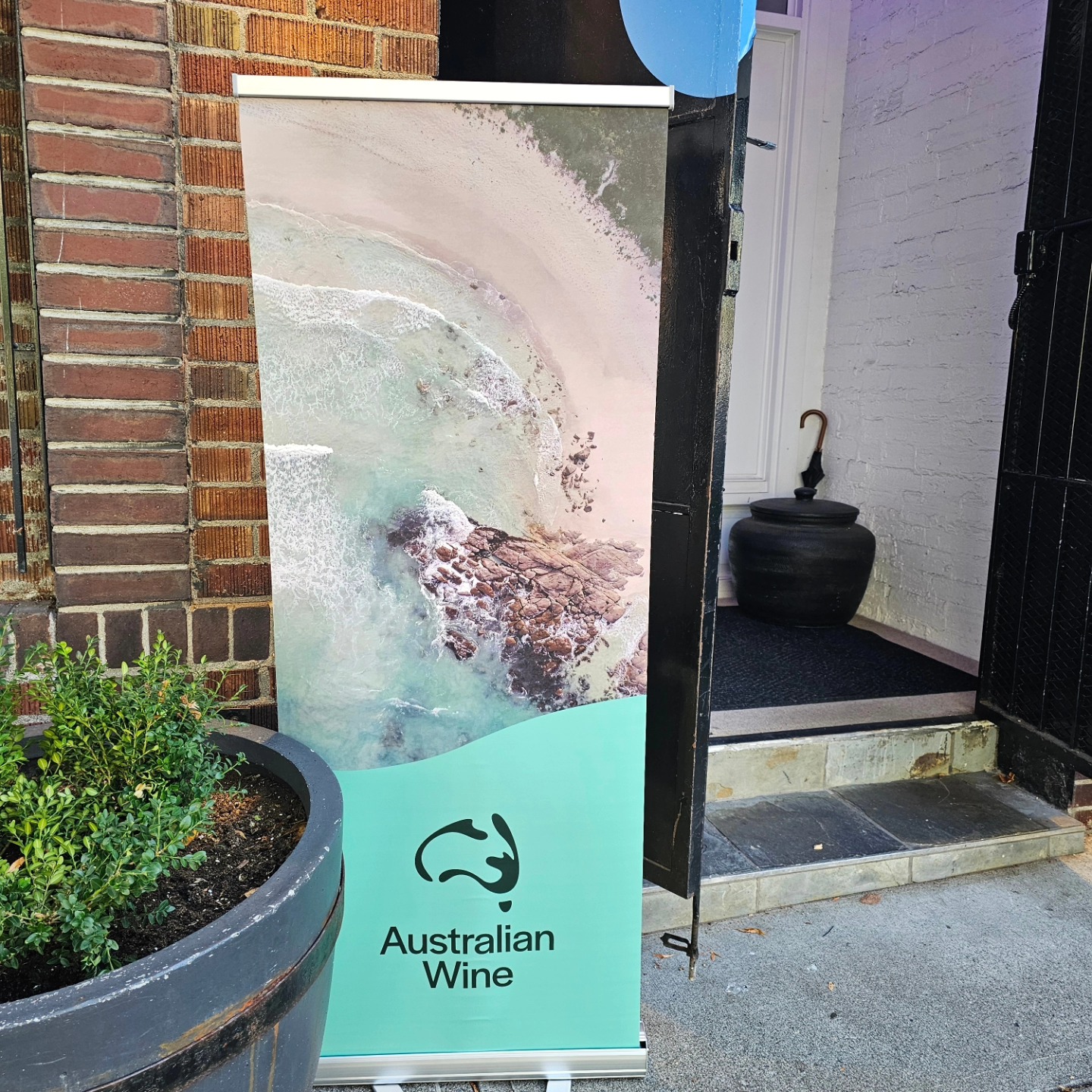
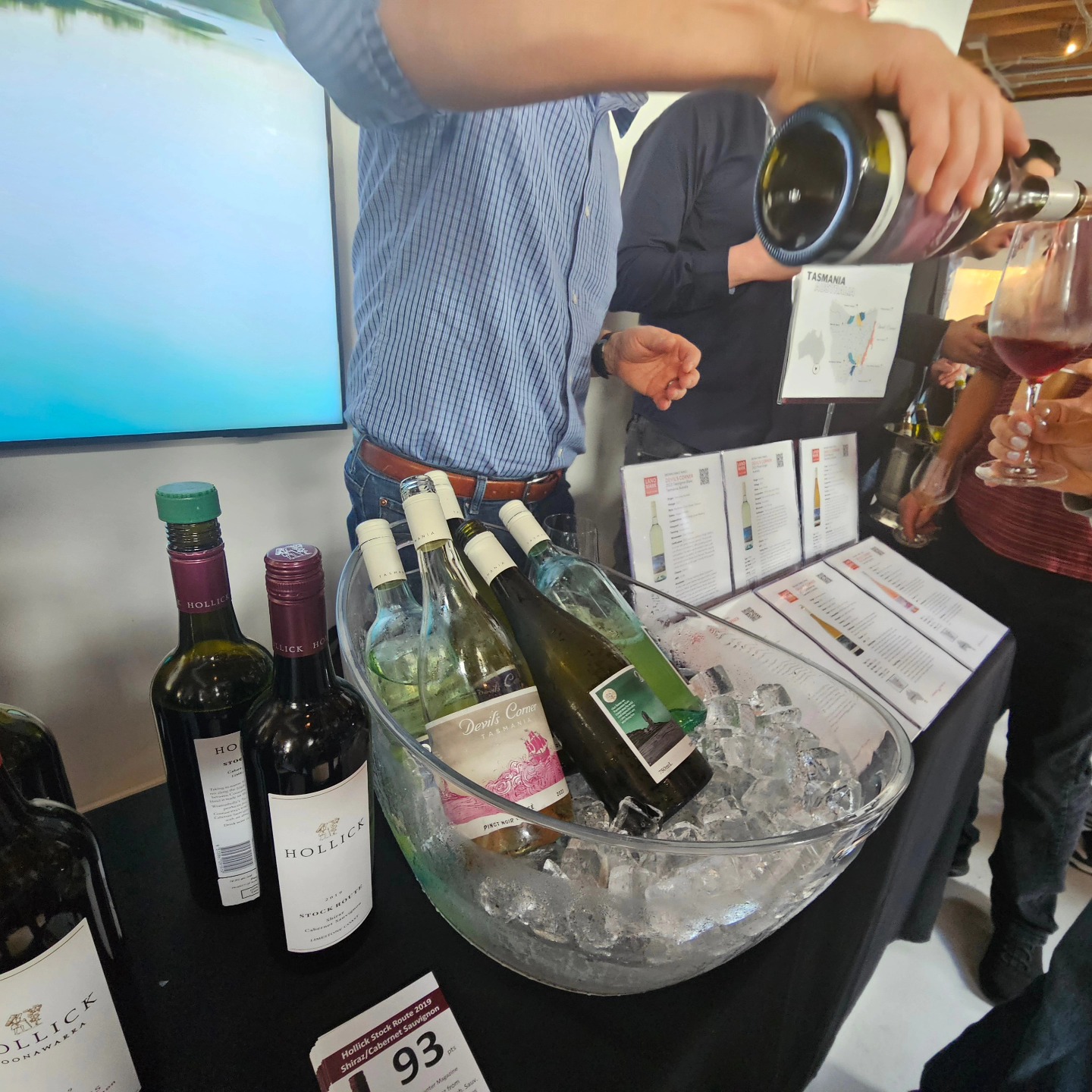
I recently went to an Australian wine tasting trade and media event in Vancouver. The wines I mentioned above are some of the oldest and most familiar wines from Australia that are sold in Canada. They’re readily available in almost all wine and liquor stores. It was so nice to see an abundance and sample an abundance some very nice, less familiar brands at “The Kent” – a new venue downtown for art exhibits and wine tastings. The catering, provided by The Kent, was excellent too. It was the first trade event that Wine Australia hosted since 2019.
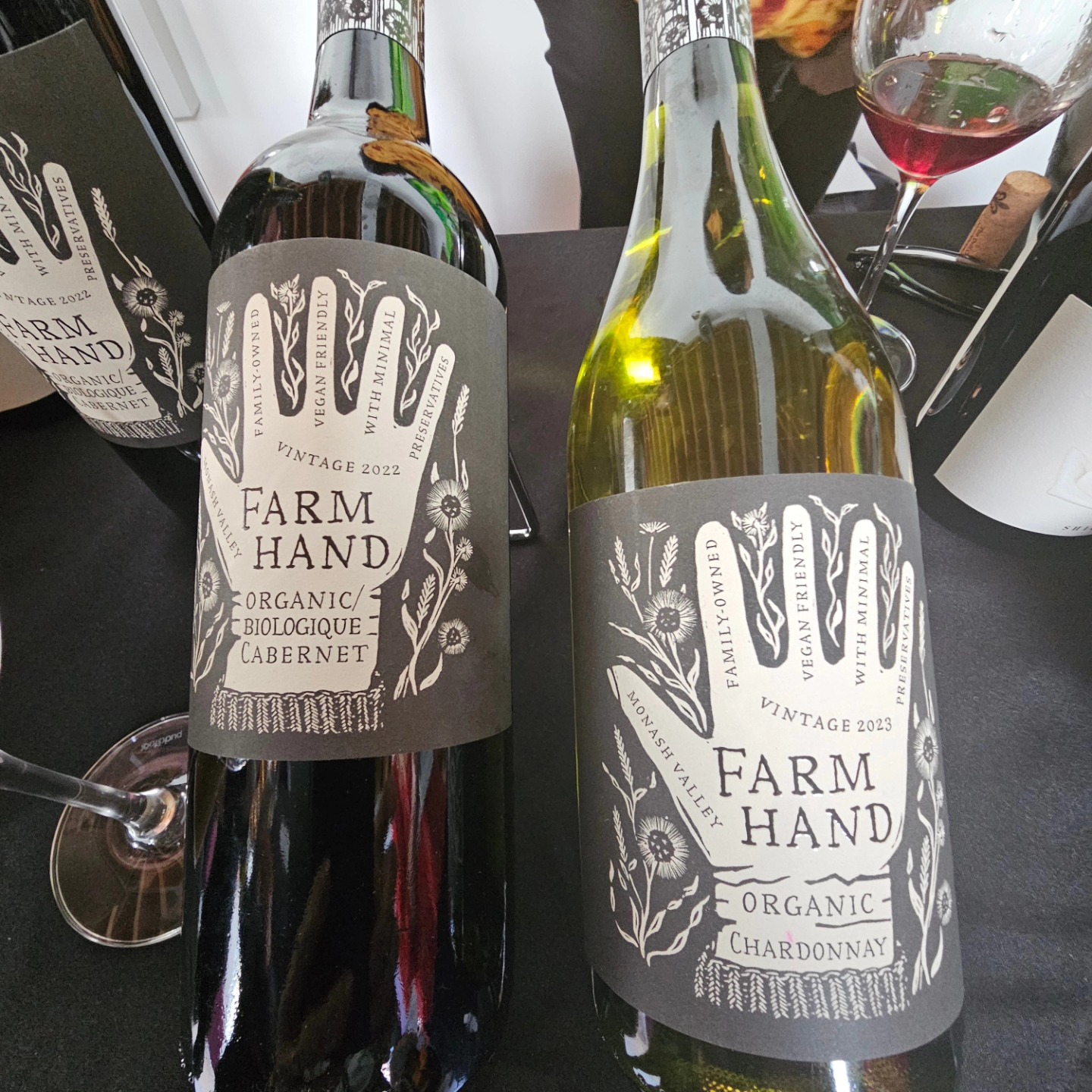
They presented selections from wineries big and small, showcasing the diversity and quality that Australian wine has to offer.
Australia Boasts Some of the Oldest Vines Globally. One of the primary reasons Australia has some of the best wines is that most of their vineyeards are in suitable locations, with the right climate. Some vineyards have grown their grapes and have made wine in their specific regions for generations.
The most popular wine growing region is the Barossa Velley, which prides itself on producing some of the world’s best wines as well as superb gourmet food. Scenic McLaren Vale is the birthplace of wine in South Australia. Drive just 45 minutes south of Adelaide to taste the region’s innovative drops at its many world-renowned wineries such as d’Arenberg.
But if you take a trip to the other side of the world, you may hear boxes of wine called by their local nickname: goon sacks. This illustrious term may come from the Queensland Aboriginal word gun, meaning water, which later morphed into goom, an English term for water or booze. If you’re going to drink boxed wine, Australia makes some of the best drinkable selections.
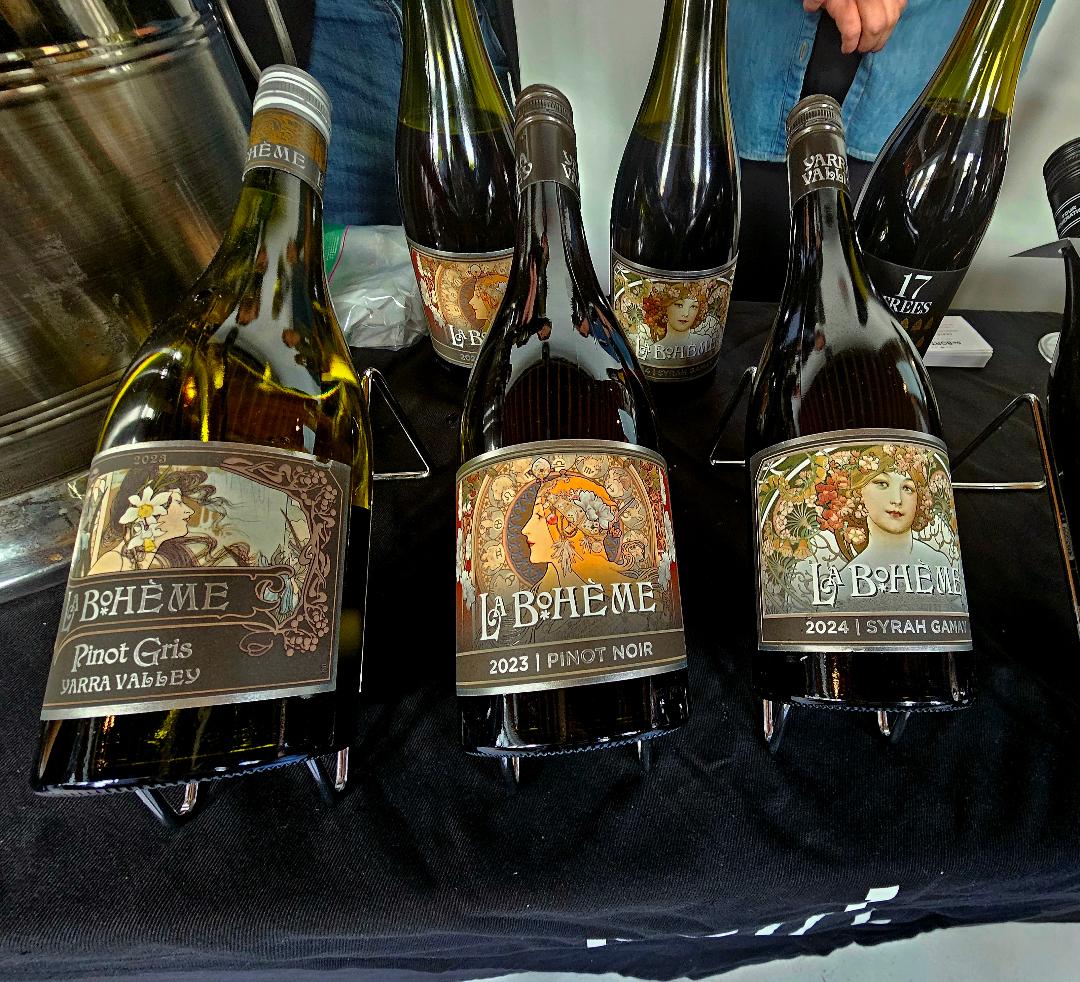
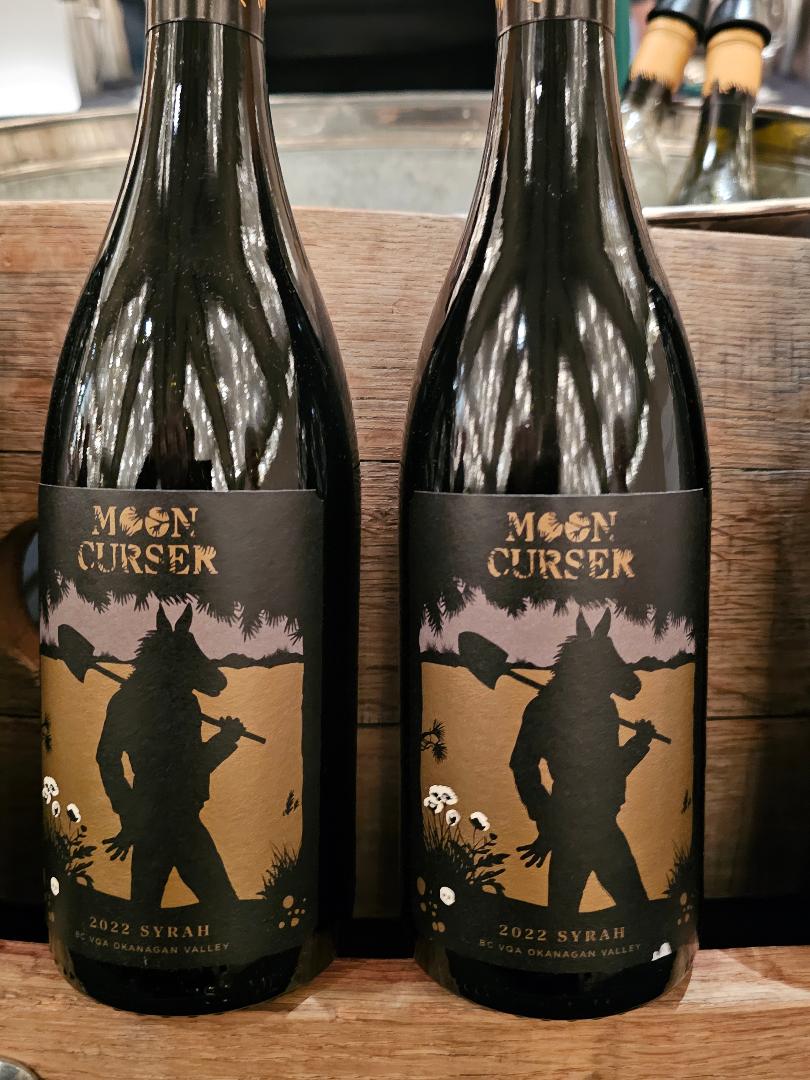
THIS LABEL spoke to me.
I believe Wines of Australia achieved their desired result of igniting a deeper interest, understanding and appreciation for Australian wine. Aussies know how to enjoy life.
Cheers!
Sidenote: I’m starting to think that my “Food & Drink” category should be changed to “Wine & some Appies.” Right?
This was part of the Vancouver International Film Festival 2024
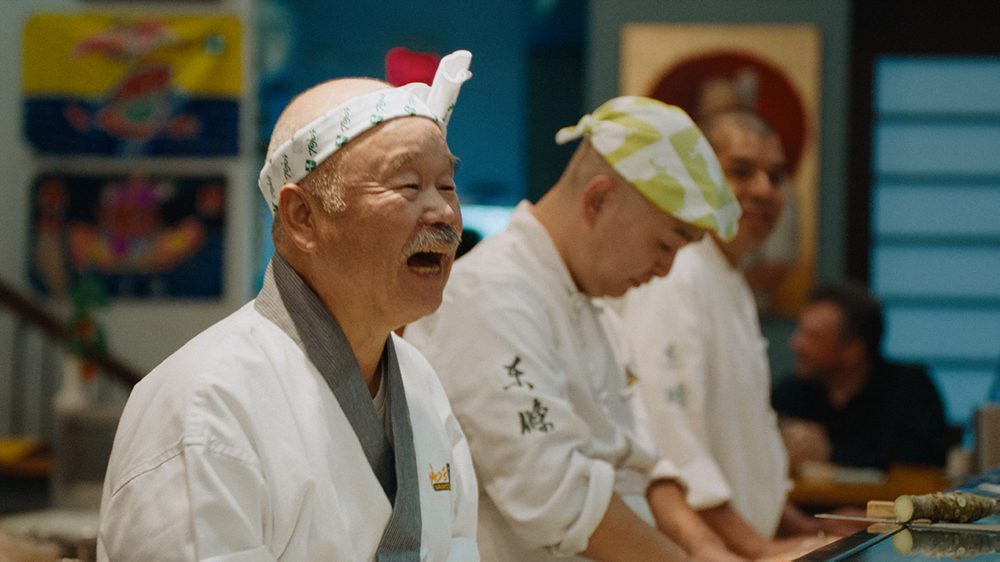
Words that represent Vancouver’s Japanese-Canadian Celebrity Chef Hidekazu Tojo.
I loved everything about this world premiere documentary except telling a friend of mine that I’d meet her next door to the theatre for Italian, when I was actually craving sushi. Especially after watching Tojo prepare his mouth-watering dishes on screen. Tojo is more than a sushi chef. He’s an Artist. He started out working at restaurants in his home town of Kagoshima, Japan before becoming a chef at various restaurants in Vancouver, until opening his eponymous “Tojo’s” in October, 1988. There, he was able to have control over putting his signature spin on everything. After 18 years at the same location, in 2007 Tojo moved his restaurant to a new custom-designed setting a few blocks east of its original location. The place has been packed since day one.
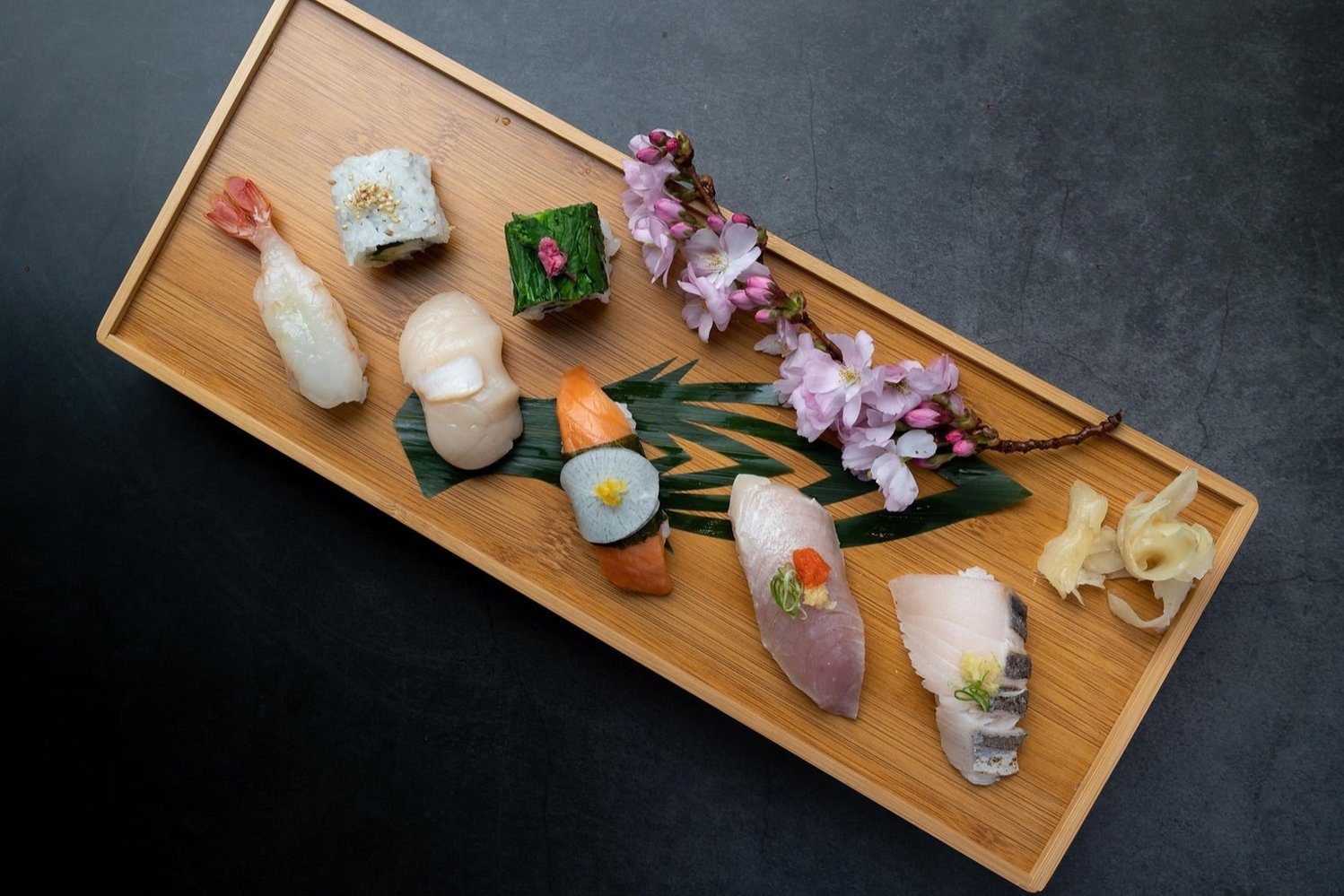
Good food is always memorable. Great food is unforgettable. I was once treated to an extraordinary birthday dinner sitting at the counter at Tojo’s with Tojo preparing all the dishes himself; carte blanche. The dinner included sake too. That’s when I realized that there’s sushi and then there’s sushi. There’s also many other dishes that are delicious that don’t include raw or cooked fish. Tojo does it “His Way.” It’s not so much a restaurant as it’s an experience. His food is elegant, modern and fresh –using local ingredients. He’s a weekly regular at the Farmers Markets.
Tojo’s has earned admiration along with a cult following over the years. The restaurant has become a foodie destination. Photos with celebrities like Harrison Ford, Robin Williams, Martha Stewart, Anthony Bourdain and countless others who’ve enjoyed his creations line the walls. but none with me..so far
He’s credited with inventing the California Roll when one of Tojo’s regular customers mentioned that his wife didn’t like to each raw fish. Always aiming to please, Tojo tried to Westernize the roll by adding the non-traditional ingredient of avocado and turning the roll inside-out to hide the nori (seaweed). Not only did he succeed in creating a new popular roll, it’s become a mainstay pretty much everywhere since then. He’s a true pioneer.
However, this documentary doesn’t only focus on food. It also talks about Tojo’s life and legacy, his upbringing, Japanese culture in general and an interesting and unsettling look at Canadian-Japanese history.
I always like to personalize my blog posts (if I can). In this case, I lived in Japan for six months in my mid 20’s and that’s where I reluctantly tried sushi for the very first time. There were very few restaurants in Vancouver that served sushi then. I embraced the culture and the food immediately. Aside from sushi, I also loved the noodle houses. I took a sushi making class and was super excited to share my talent for making it for my parents when visiting them in Montreal. They never ate raw fish before, so I started out with making California Rolls (including the more challenging inside out rolls) using semi-cooked tuna (baby steps) and my trusty sushi roller and the sharpest knife in the drawer. They appeared to be very impressed with the presentation but I don’t think they enjoyed the taste. It’s taken a while for Westerners to get accustomed to eating raw fish. Now there’s so many Japanese restaurants in Vancouver, but not all are created equal.
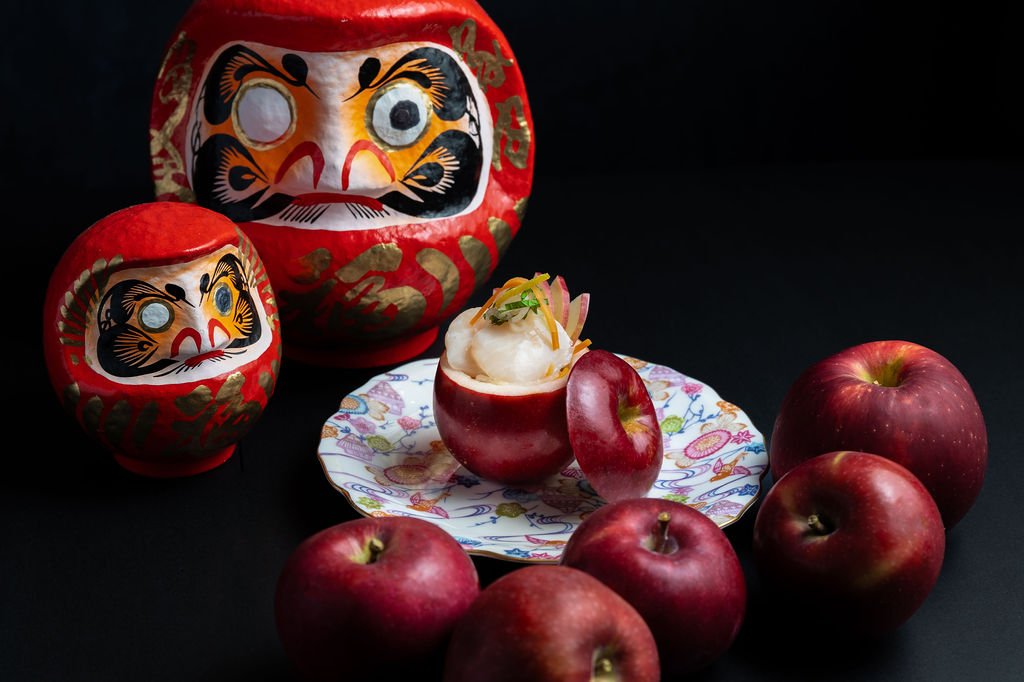
Where does theDarumacome it, and what does it represent? There are references throughout this documentary about those little round dolls you’ve seen before with the missing eyes. They sometimes topple over but get right back up. There’s a message here. The Daruma is seen as a symbol of good luck, happiness and endurance. People traditionally buy these lucky dolls at the start of the year, make a wish as they color in the doll’s left eye, and then work towards their goal. Once the goal is achieved, they fill in the other eye. The Daruma is modeled after the famed Buddhist monk Daruma, who founded the Zen sect 1,500 years ago.The doll has also become commercialized by many Buddhist temples as a setting of new goals. It’s really a symbol of gratitude. Tojo always has a Daruma to show his appreciation for setting and accomplishing goals . I think I’m going to get one too. My first goal will be to get the doll and my second goal will be to start setting new goals. So that should mean that I can color in both eyes right away. So easy!
World Premiere at Fifth Avenue Cinemas
Taken from the VIFF Website:
For 36 years, Tojo’s has been a mainstay in the Vancouver food scene, beloved by critics, foodies, and a plethora of celebrities.A pioneer of Japanese cuisine in the West, chef Hidekazu Tojo helped bring sushi to the mainstream and is known as the inventor of the California Roll. Still working in his seventies, chef Tojo is inspired to look back on his life and ponder the legacy he will leave behind. He recalls his early years as a Japanese immigrant, coming to Canada at the age of 21, and his ambition to create a singular culinary path. We also accompany the chef on a return trip to Japan, where he connects with locals and explores new food trends.
Shot in Vancouver, Vancouver Island, and Japan, The Chef & the Daruma is a mouth-watering film tracing a journey of immigration, identity, and reinvention. Mads K. Baekkevold, in his first feature documentary, creates a loving tribute to a man who has devoted his life to sharing food.
You can still find Tojo at the counter. Here’s a link to a Limited-time special Fall menu at Tojo’s restaurant:
As a wine aficionado or oenophile(because I like using these words that basically means a lover of wine in more simple terms), it’s always nice to be invited to these tasting events. This one was held in the crystal ballroom at the Pan Pacific Hotel. Sidenote: I worked at this hotel right after (and even before) it opened, and freshly back from having lived in Tokyo – it was Japanese owned at the time. We had everyone from Stevie Wonder and Princess Diana to Jay Leno and a Saudi Prince staying there. I worked there all through Expo ’86 which was an exciting time. I have lots of stories some exposés that should not be told but I disgress; so let’s stick to wine for now. Although this is another Expo…of sorts.
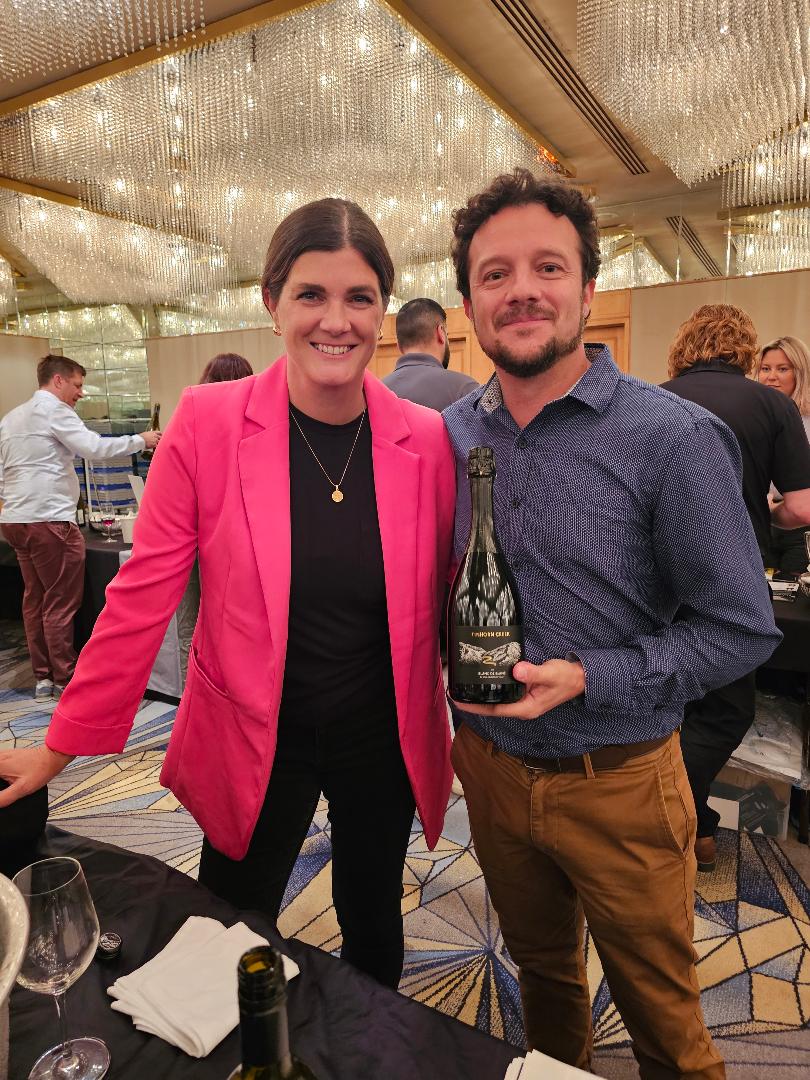
Tinhorn Creek. Photo: d. king
I like to support our BC wineries and purchase mostly local BC wines. As most of you already know, I’ve visited many of these wineries it’s almost embarrassing how many and yet; there are always new ones popping up and ones I’ve never been to, although I’ve enjoyed their wines. I always meet new people and discover new wines at the tastings. Always something new. I love to blog about the experience.
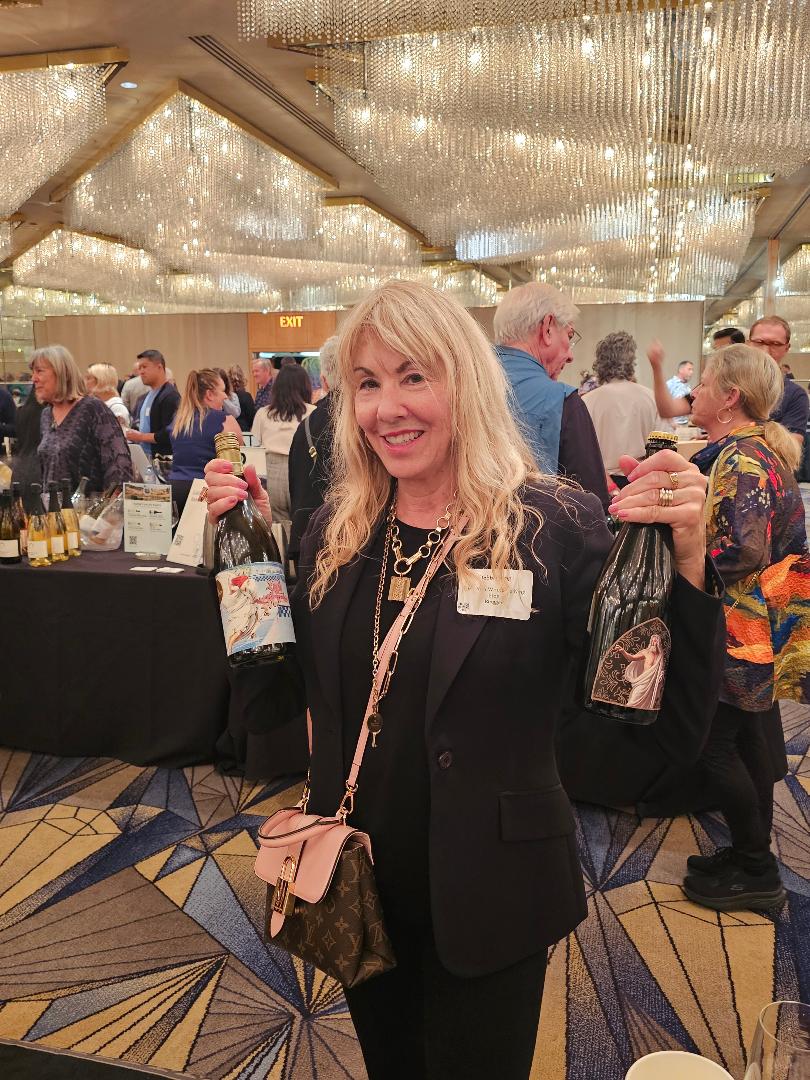
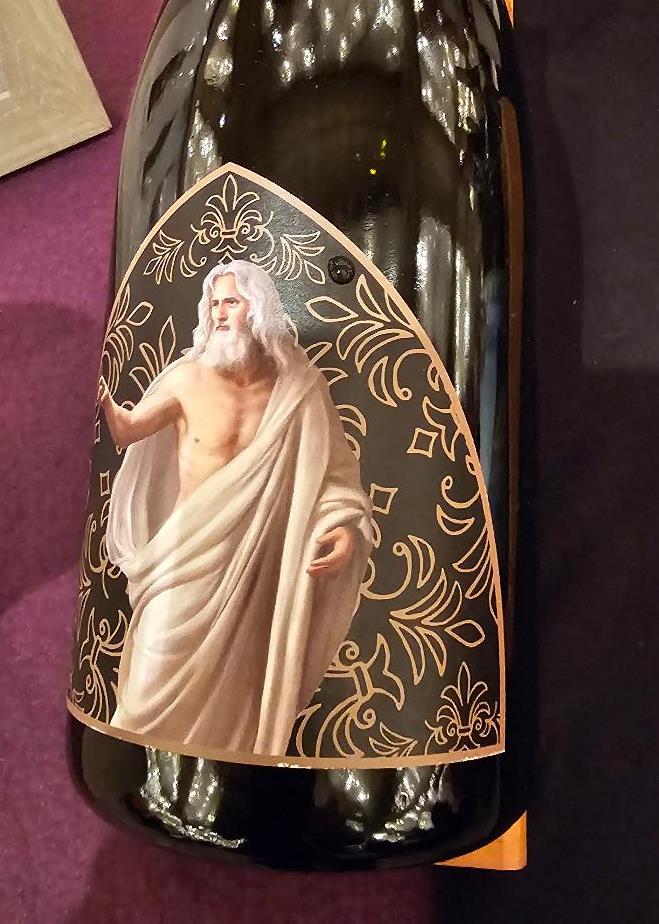
Holding Blasted Church BottlesOMG what a label.
This is my first time at the newly revamped Swirl Around BC Wine Expo: a day-long celebration of BC wine, including the latest releases and in-depth discussions with the diverse and talented producers who crafted them from grape to glass. Many of the wine makers and owners were here yesterday. This year, Swirl worked with the talented team at This is WineSchool to develop 4 seminars to complement the walk around trade tastings that featured more than 45 BC wineries participating from 4 different BC wine regions.
One of the seminars was to do with ‘brand identity’ and what it means. A round-table discussion on why certain wineries speak to certain consumers. The seminar about The Possibilities of Pinot (Pinot Noir is a favourite of mine) was sold-out in minutes. I’m sorry to have missed this one; hopefully next year I’ll register on time.
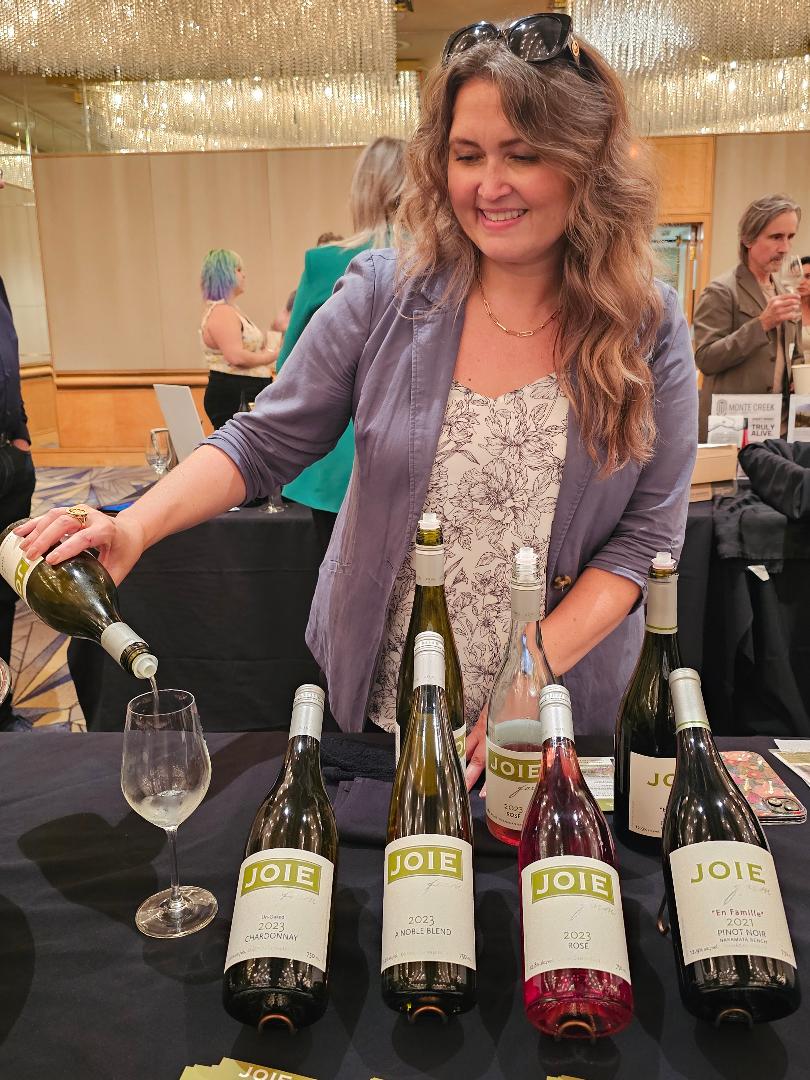
Joie de Vivre. Photo: d. king
For this post; I want to feature four outstanding and diverse wineries. Starting with:
and speaking of attention-grabbing labels; BLASTED CHURCH VINEYARDS. They have a wide selection of wines for all of your sacred occasions. Plus, they put farmers first, which is especially important to know.
Great wine starts in the dirt, in the living earth. But it must be guided by caring, focused, and calloused hands in their love for the soil, and their love for people. I enjoy their wine and the labels are conversation starters.
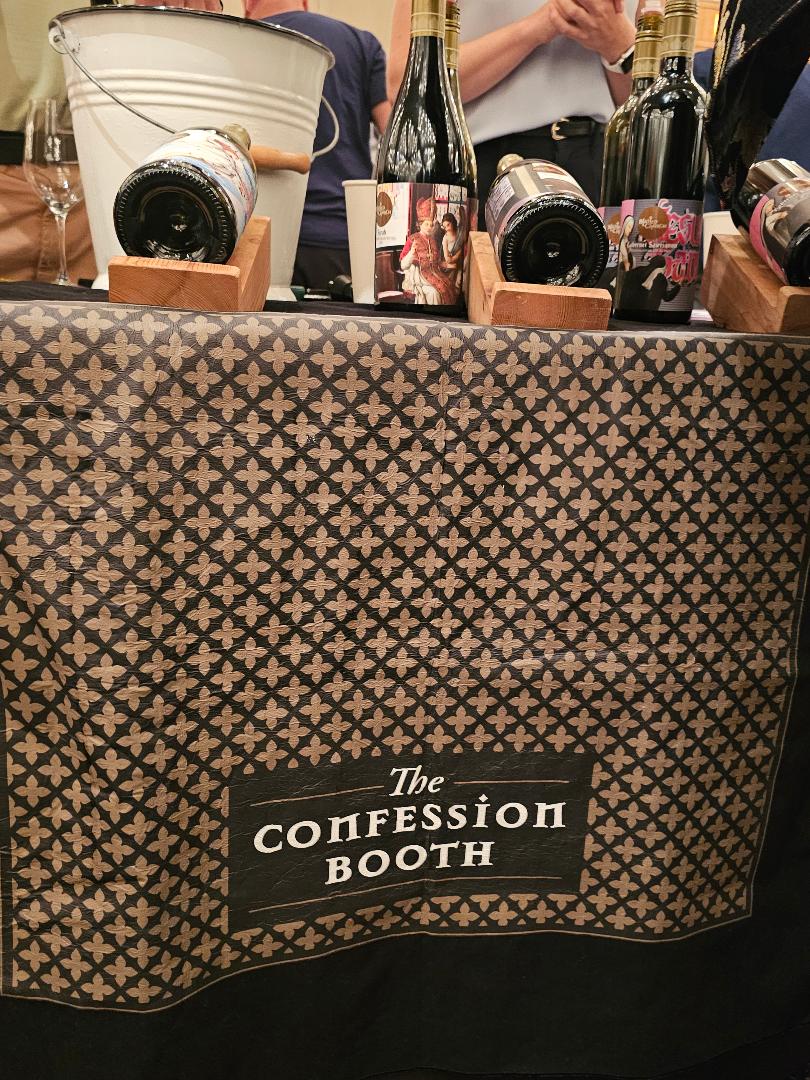
Blasted Church Table. I confess to liking their wines. Photo: d. king
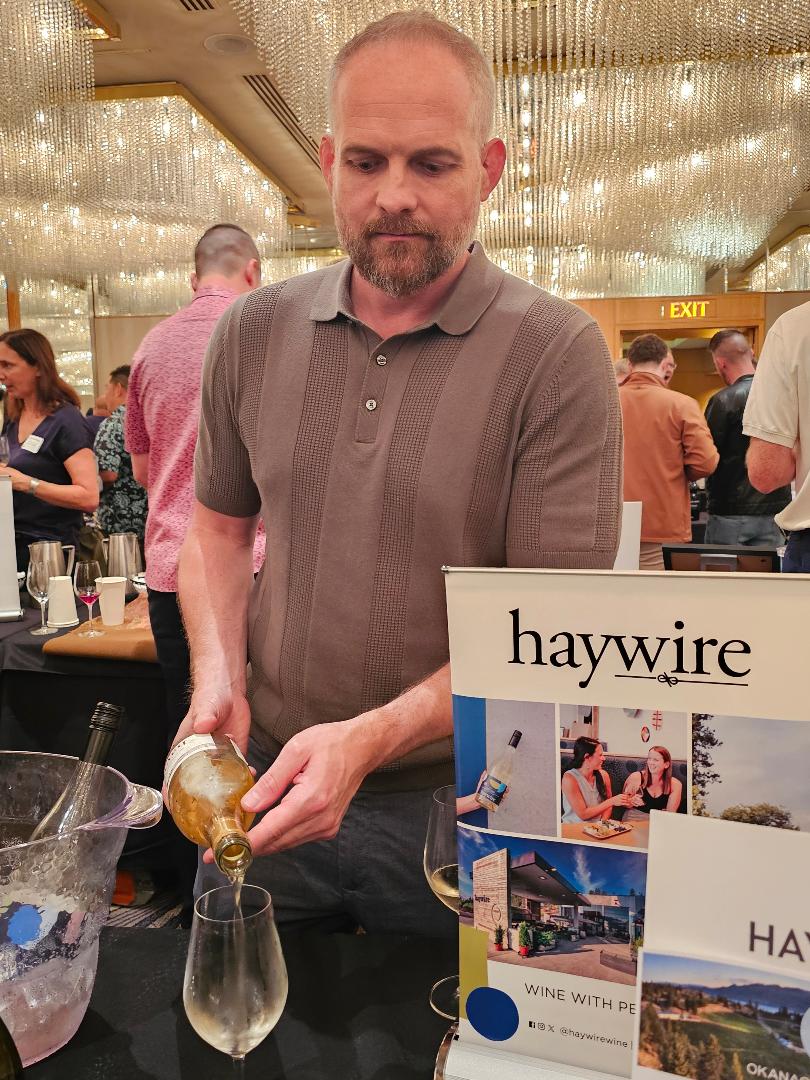
HAYWIRE ORGANIC VINEYARDS:
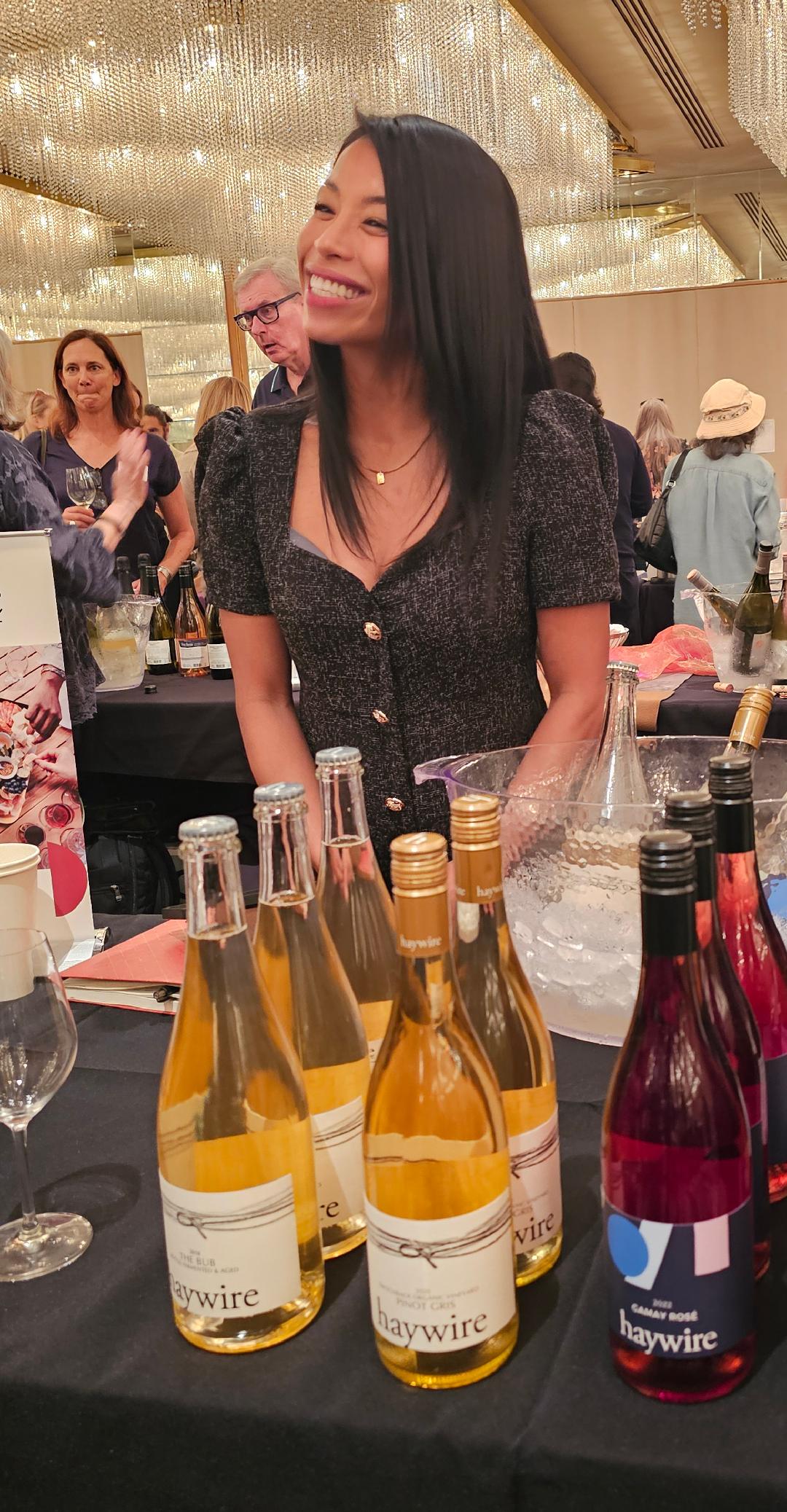
Haywire Wines. Photo: d. kingPhoto: d. king
From my experience, when you drink organic, you feel better. With a farming policy that includes leaving the land in a better condition than it was when they purchased it, the team places high value on sustainability and stewardship. HAYWIRE employs the precision viticulture model supported by specialist Pedro Parra. The goal is to optimize vineyard performance by deeply exploring the terroir to discover the variables that affect vine growth, grape ripening, plant health and longevity. They use compost and seaweed as fertilizer, which helps nourish the vines and build soils. Their vineyards are where chickens and ducks roam, providing fresh eggs, insect control and daily wake up calls.
Doesn’t that make you want to try their wines? Plus, their wine tastes great.
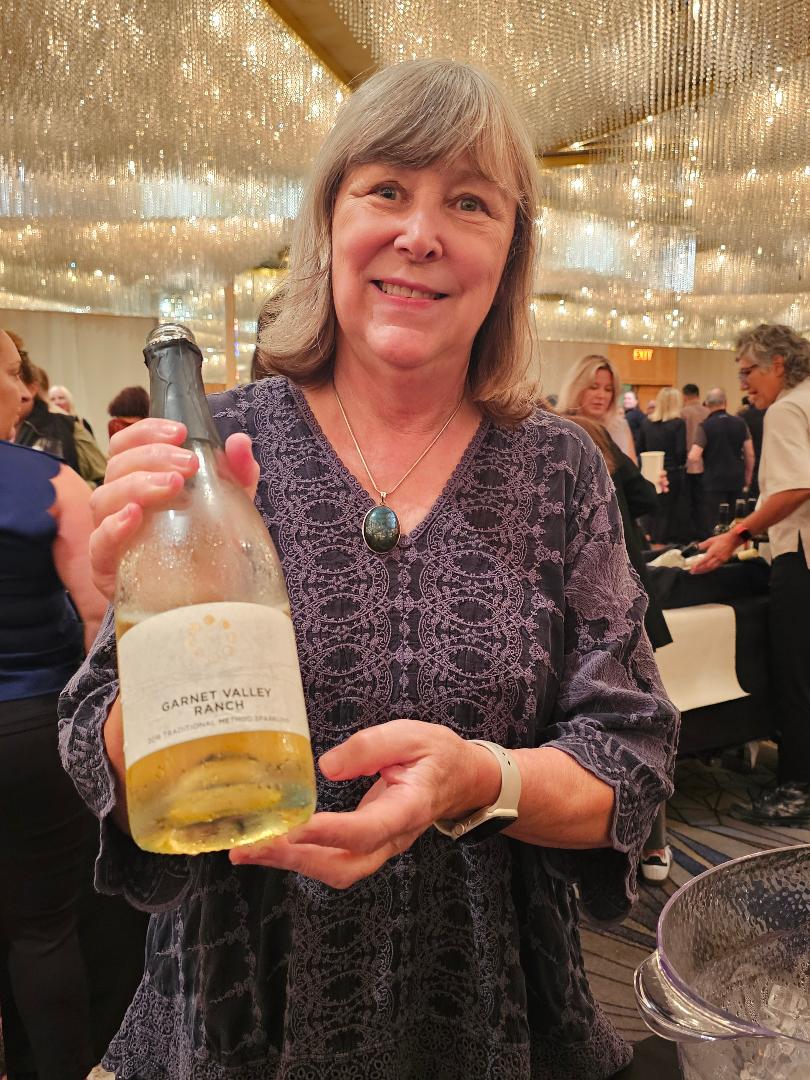
GARNET VALLEY RANCH:
Hidden on the back roads of Summerland, BC, this rare place was discovered in 2012 in a lucky twist of fate and a chance visit with endless possibilities in sight. Today, GARNET VALLEY RANCH is a certified organic site, home to vineyards, field crops, a lavender farm, a bustling beehive, a small winery and The Outlook visitor center.
The ranch is a rare, unspoiled site that has been carefully and thoughtfully designed to integrate with the wild natural landscape that envelops it. The ranch is located in Summerland, BC, on a 320-acre (130 ha) site that was purchased by Okanagan Crush Pad Winery at the urging of Chilean terroir consultant Pedro Parra.
To date, a handful of low intervention organic wines under the Free Form label have been released with the first three limited-edition GARNET VALLEY RANCH wines released in summer 2023. The property is open by appointment only.
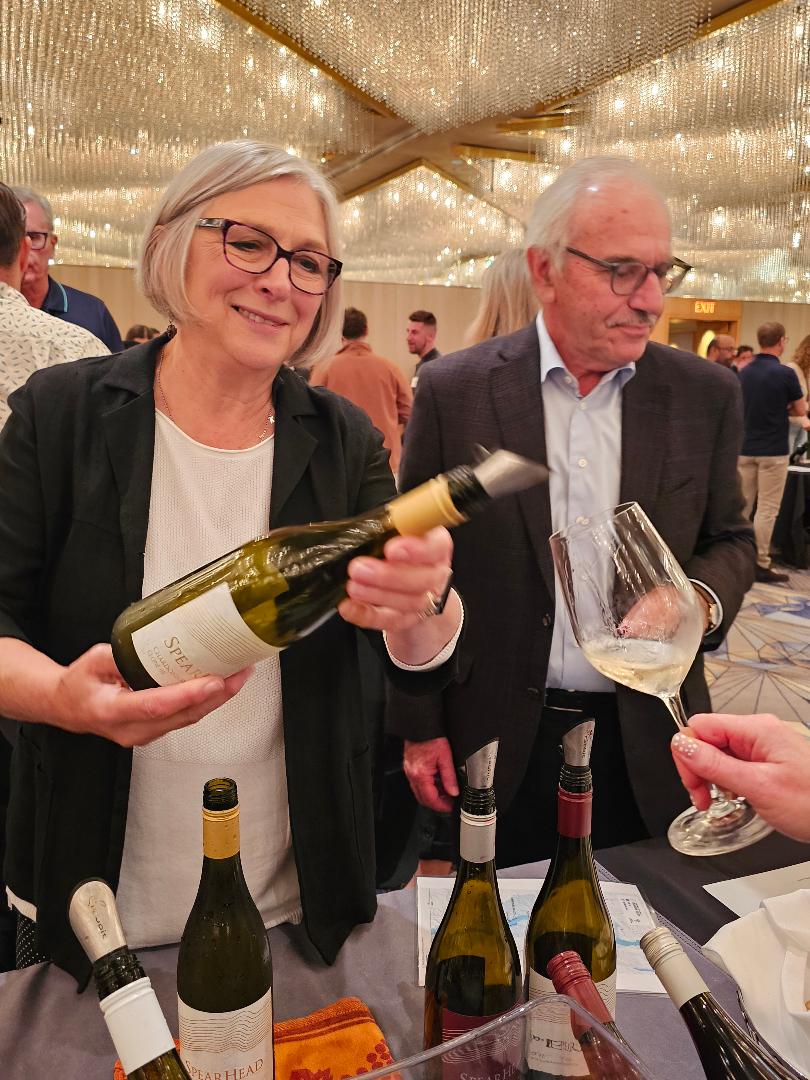
SPEARHEAD WINERY:
SPEARHEAD is located on the bench lands of South East Kelowna. Their focus is on premium quality wine which is produced from grapes grown on their estate vineyard and from selected Okanagan Valley vineyards. The hand harvested grapes are sorted at the winery and fermented in small lots.
Spearhead Wines. Photo: d. king
Of Note: these wines display the unique attributes of the Okanagan vineyards that they were sourced from. They also produce blended Pinot Noirs which combine the characteristics of different vineyards, including their benchmark Cuvee. They’ve extended this exclusive approach to winemaking to other varietals including Chardonnay which is made from a single clone.
If I had to choose only one favourite white it would be Chardonnay and if I had to choose only one favourite red it would be Pinot Noir. Why do I have to be so difficult?
HOME BLOCKRestaurant at Cedar Creek Estate Winery is elevated comfort food with a wine forward finesse.
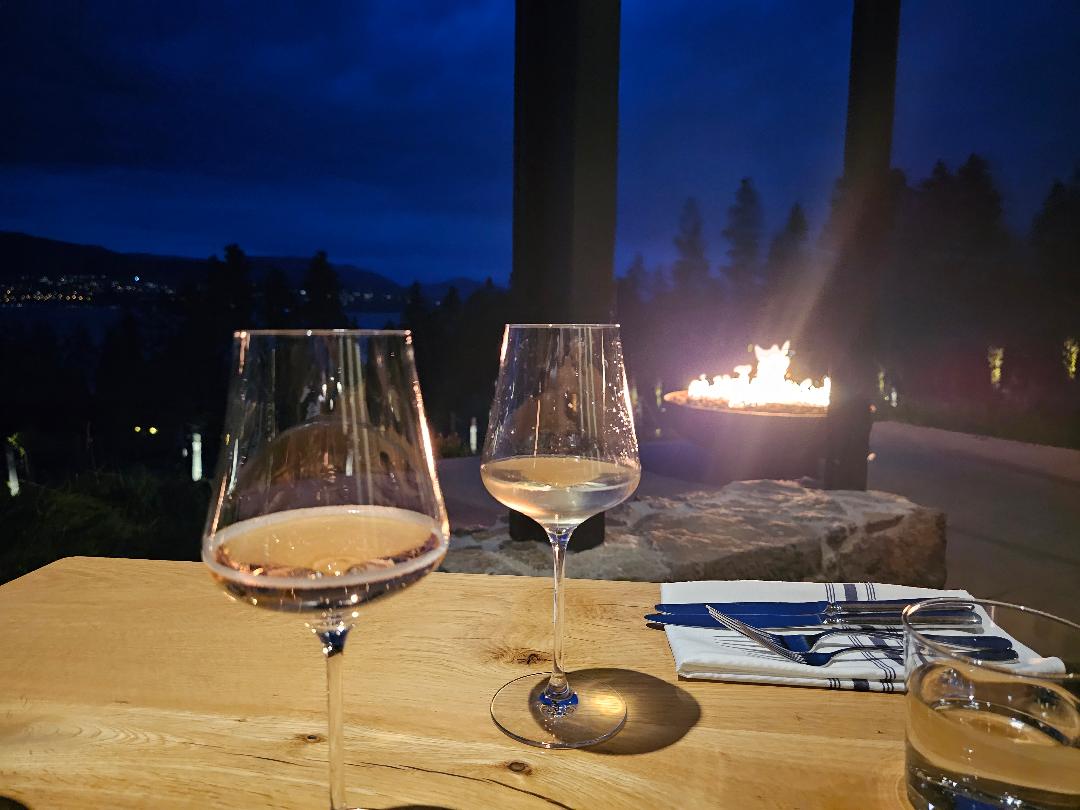
A start to a perfect evening at Cedar Creek includes a view with a firepit + some wine. Photo: d. ,king
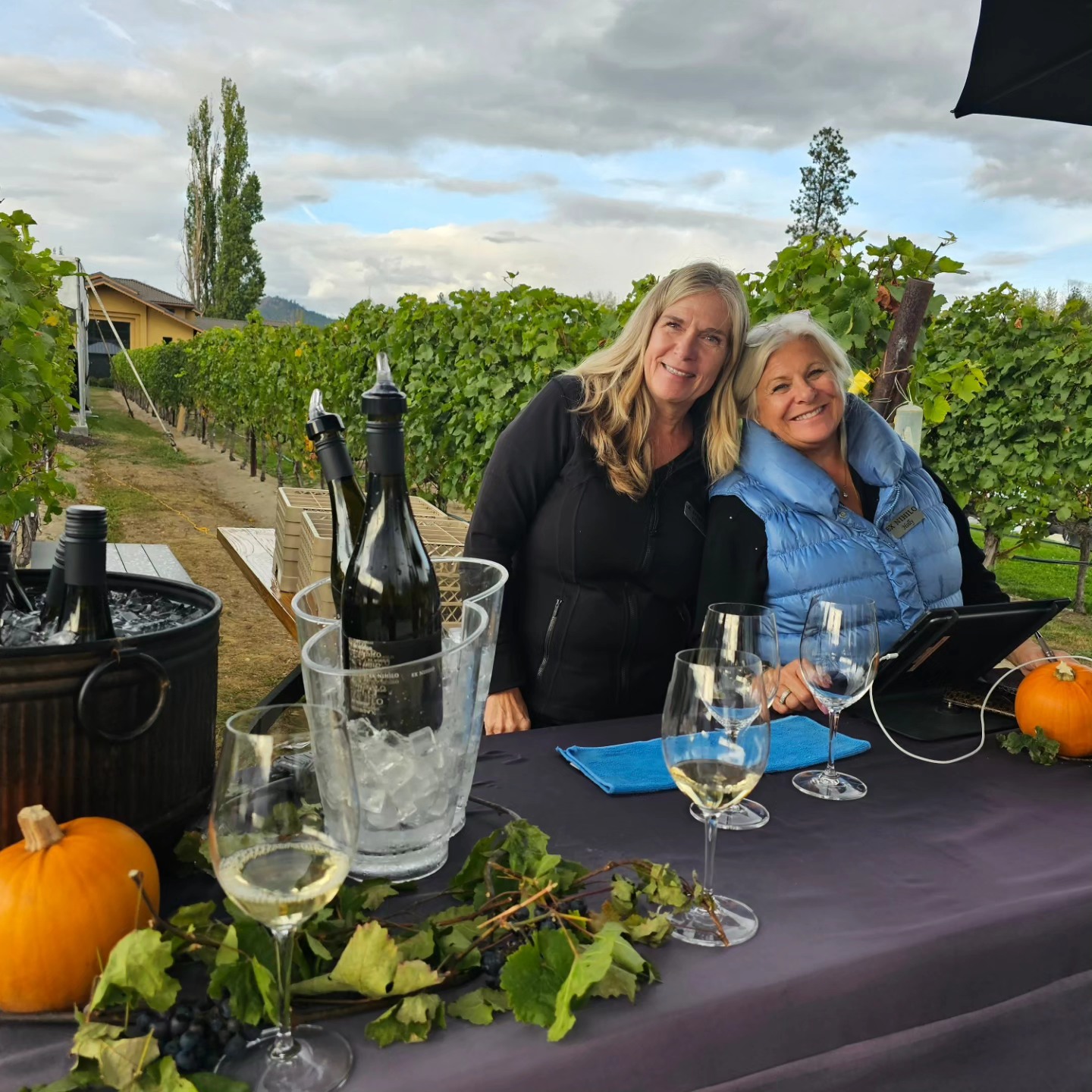
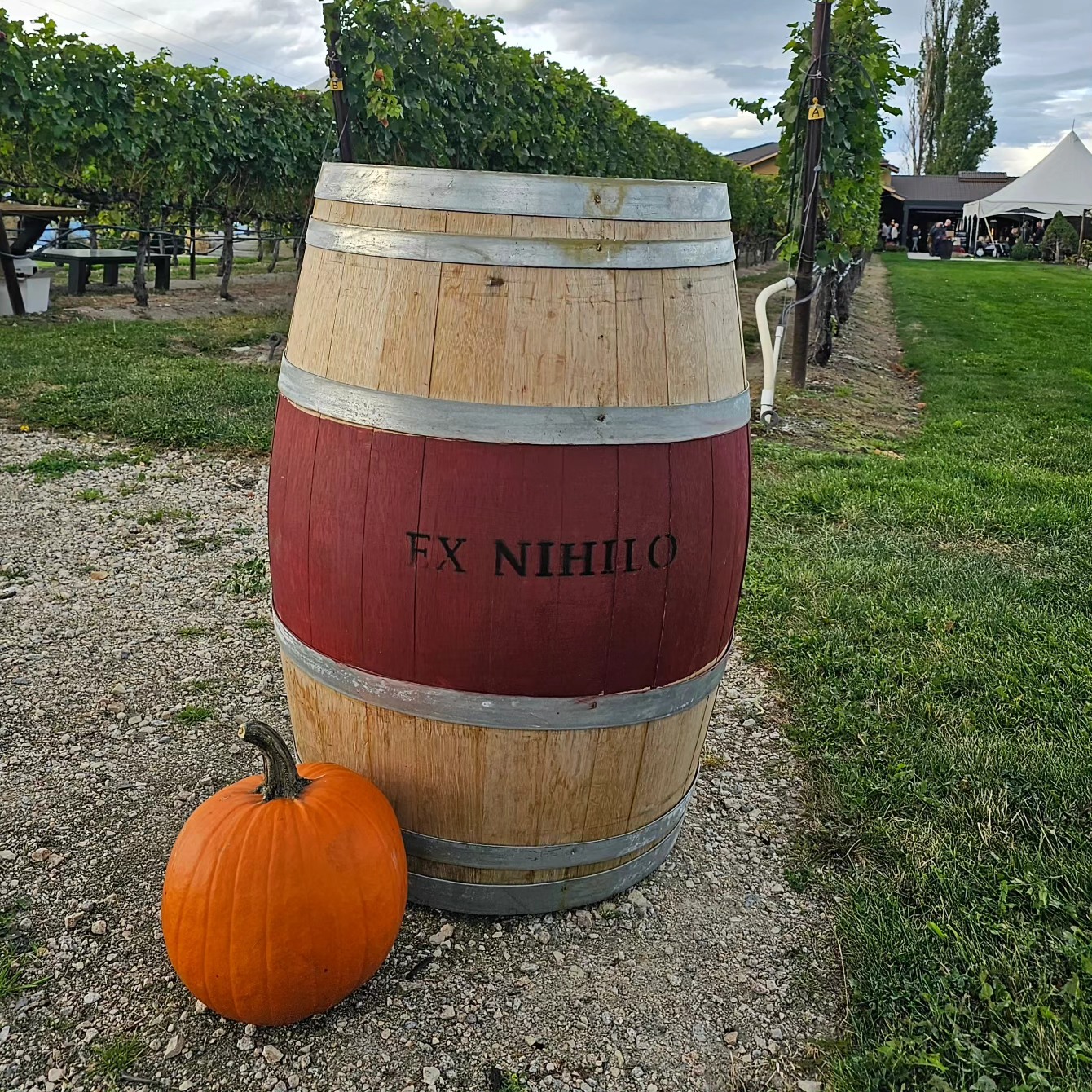
This past weekend I indulged maybe over indulged in some amazing food and wine in British Columbia’s lakeside wine country. Along with my very good longtime friend Margeaux, we started off late-afternoon at Ex Nihilo Vineyards wine club members pick up party.
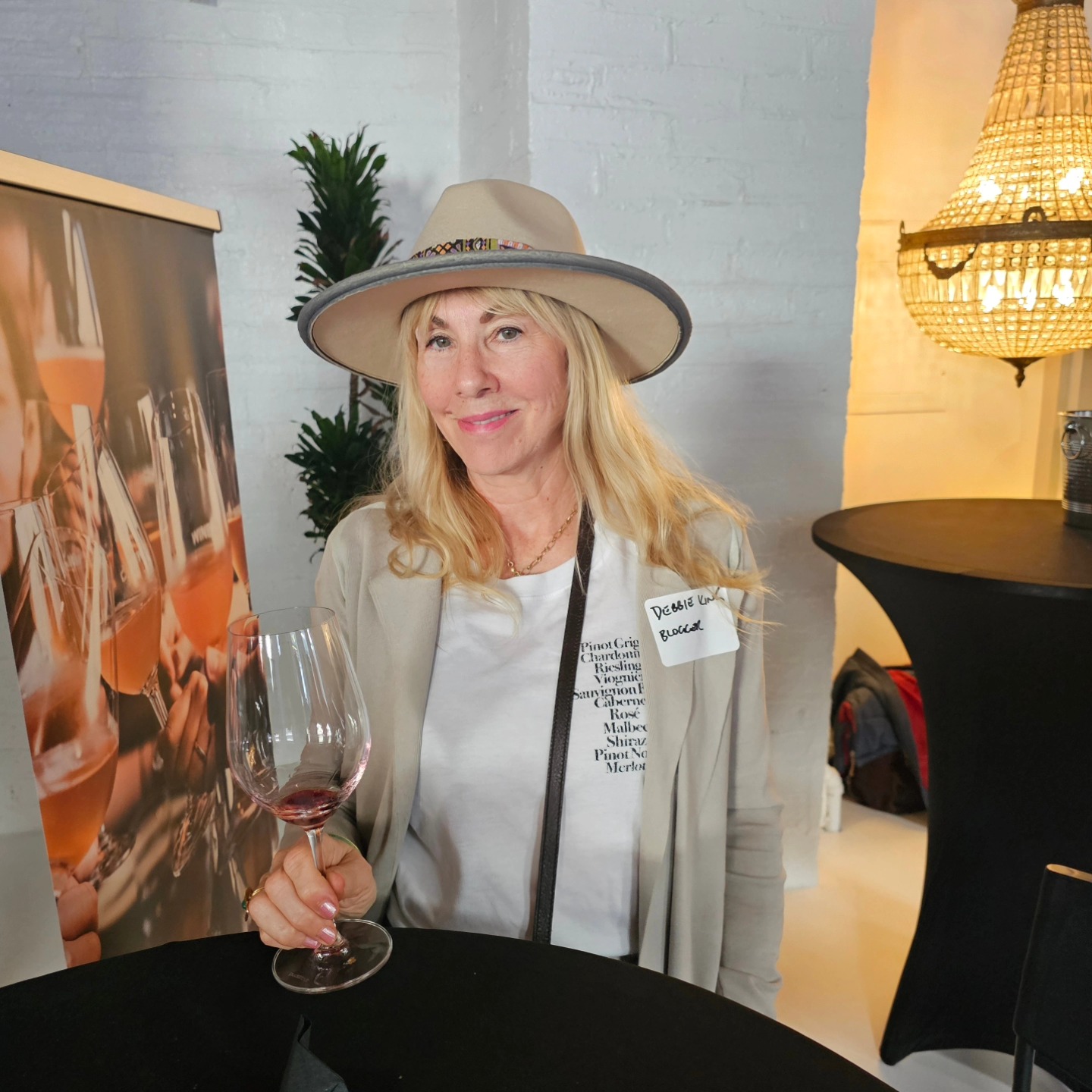
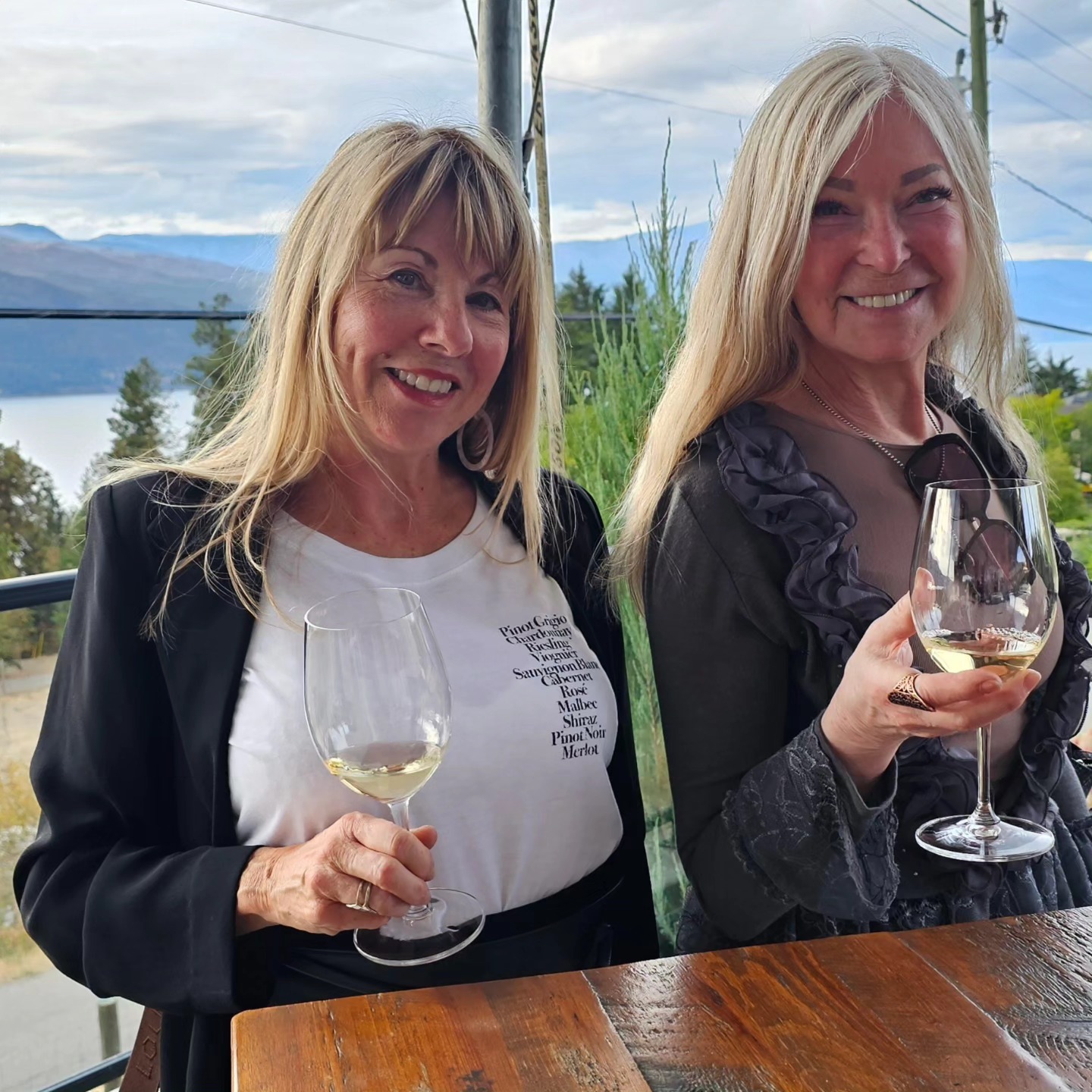
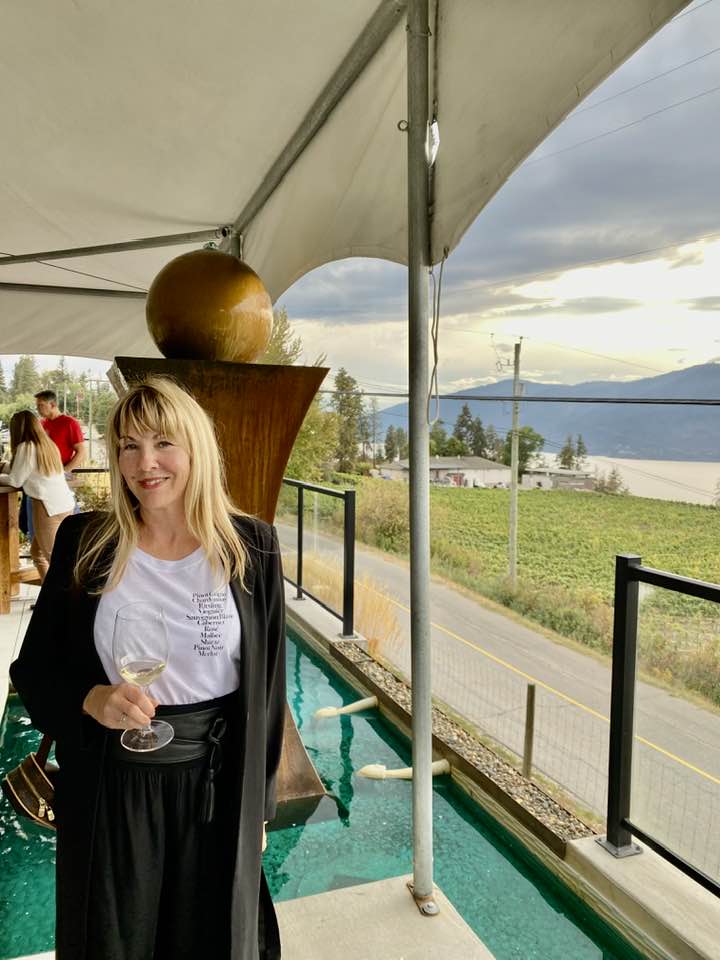
At Ex Nihilo Winery. My t-shirt names the various wines we’ll be tasting.
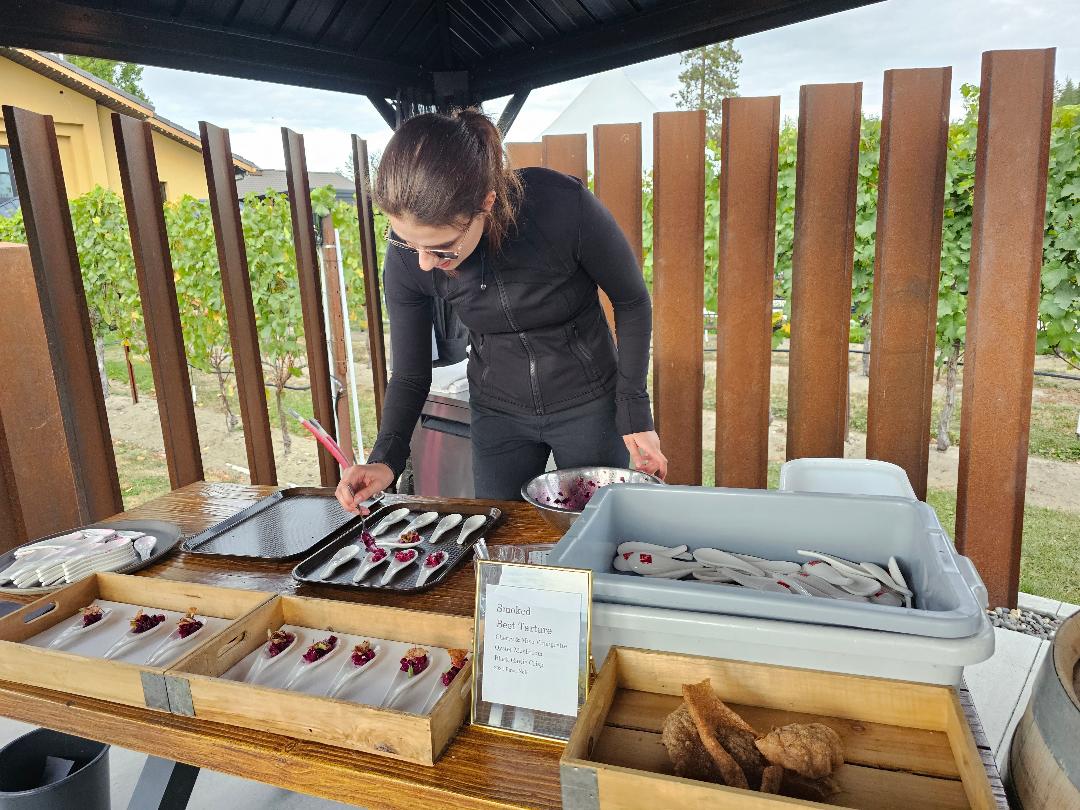
It was an outdoor event on the winery property with different wine tasting stations that were set up with delicious appetizers to go along with the tastings. We met some interesting people and sampled some nice selections before leaving with a case of wine between us.
Last time we were in the Okanagan together we stayed in Oliver, British Columbia and visited several local vineyards in that area. This time we stayed in Kelowna. Kelowna is about a 4 ½ hour drive from Vancouver (depending on traffic) and for Margeaux, about 3 ½ hours (depending on traffic) from Castlegar where she resides and owns Kootenay Valley Water Supply Company (providing premium bottled water and water dispensers for home and business for the West Kootenays as well as being an authorized dealer of Arctic Spas® hot tubs & pools).
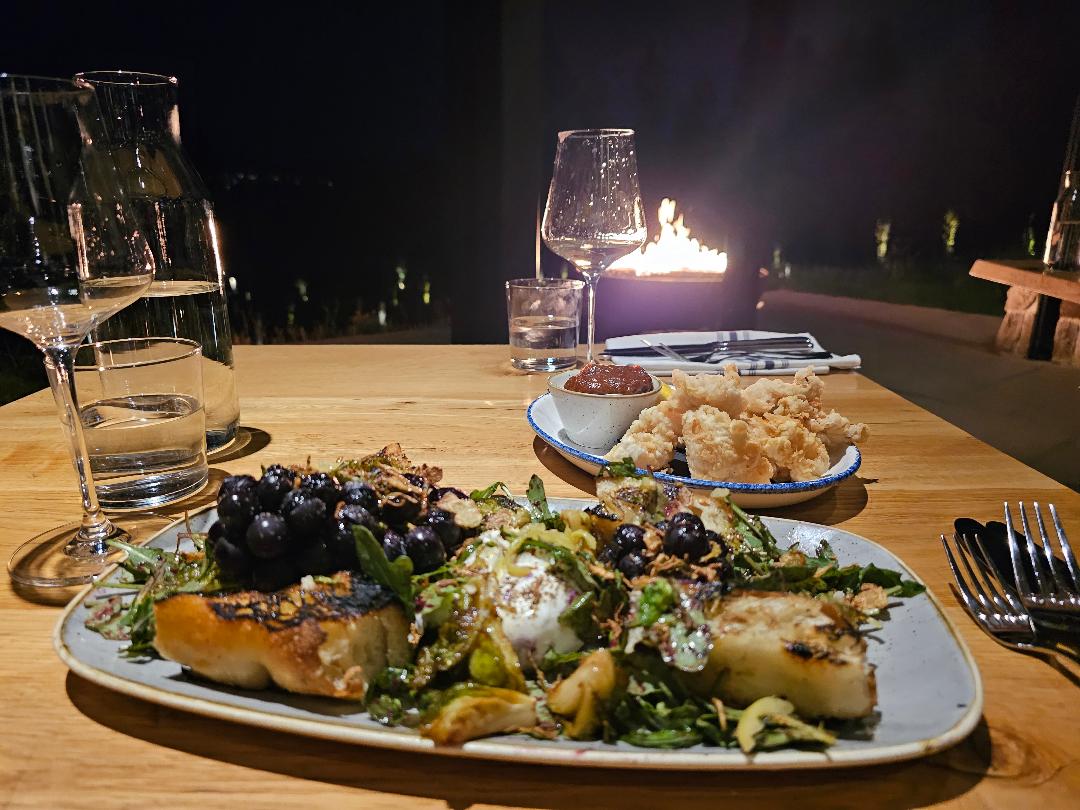
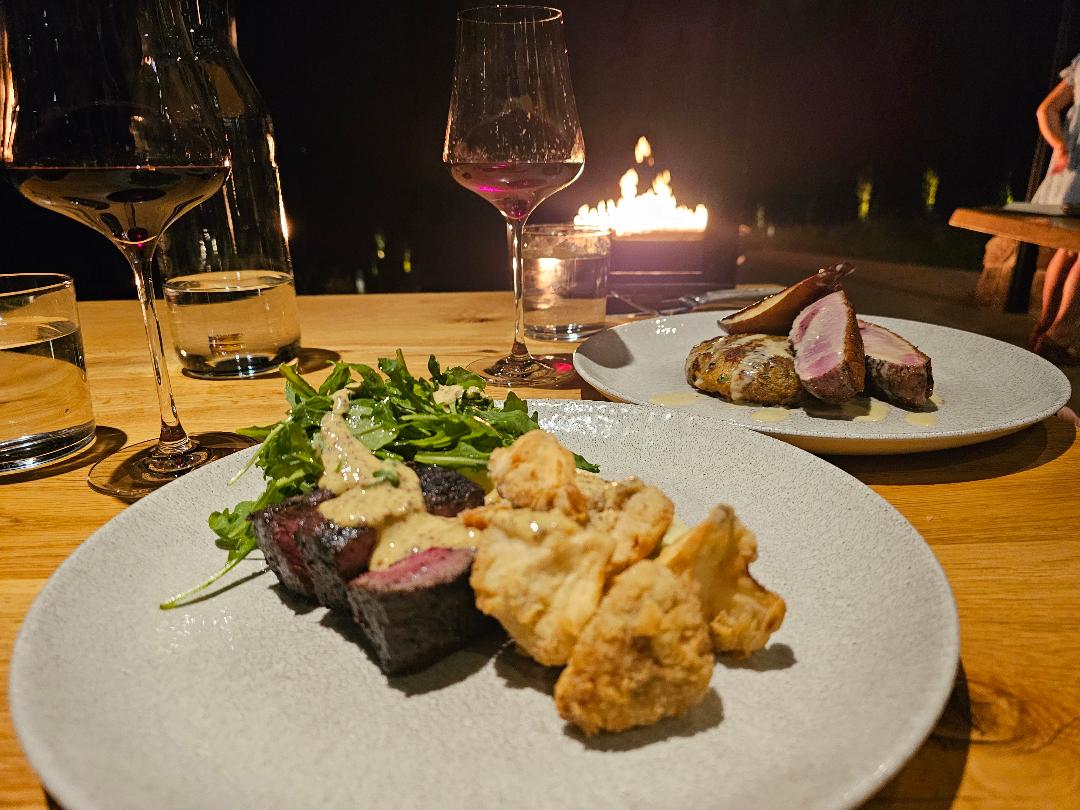
In the evening we had a reservation at “HOME BLOCK” the award winning restaurant at CEDAR CREEK ESTATE WINERY. On account of already having had some wine and appetizers a few hours earlier, we chose the 3-course tasting menu. It was fabulous. Plus we got to sit outside which is always great especially in September when it starts to get a bit chilly.
Chef Neil Taylor offers a Terroir to Table tasting adventure. HOME BLOCK pays homage to the natural elements that surrounds the property with sustainable estate-grown fruit and ingredients sourced from their own gardens or those from local farmers. Always with a wine first philosophy where the dishes are created with the wines in mind.
First course: ITALIAN BURRATA (share plate) – grilled green onions, raw porcini, parmesan & wild watercress. Wine: 2020 Platinum Pinot Noir. Other Plate: Crispy Squid w chili jam, crème fraîche. 2022 Estate Reisling.
The restaurant is housed in a contemporary farmhouse building crafted from fieldstone and 100-year-old reclaimed barn wood, and the cuisine draws on those elemental roots through natural cooking methods like a wood-fired grill. The result is authentic, welcoming organic, local fare.
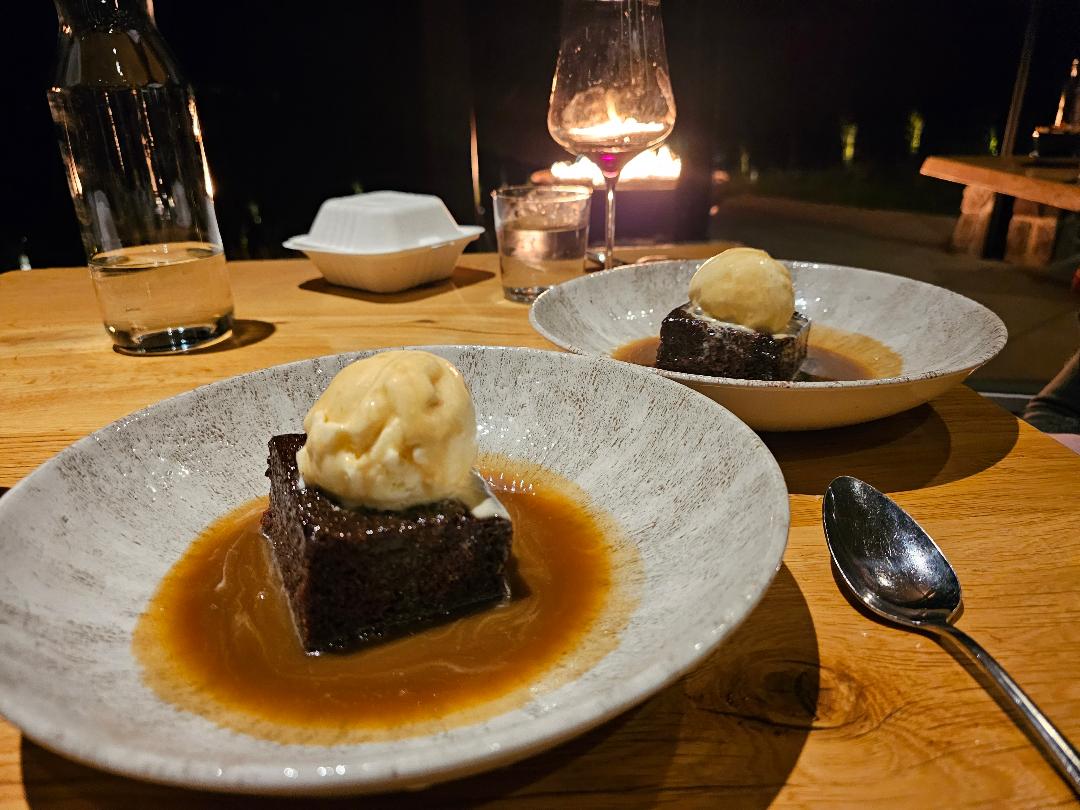
CHAR GRILLED 63 ACRES FLAT IRON w broccolini, salt baked onion, horseradish & aged balsamic. Paired with 2019 ESTATE MERITAGE.The STICKY TOFFEE PUDDING with vanilla ice cream & butterscotch sauce was outstanding. We took half of it back to the hotel.
Sourced – 3 Course Wine-Paired Experience created by Executive Chef Neil Taylor for *$95 wine-paired with 2 hand-selected wines (4oz pairings).
*– a few of the dishes on our pairings had an additional $12 charge either for size or ingredients. I sometimes wish they can just set the price so there’s no surprises with extra charges. Having said this, it was well worth the splurge because of the whole experience. We don’t do this every day.
For Next time (if no tasting beforehand):
An immersive 5-course wine-paired experience built around their Platinum Collection of wines. This experience highlights some of the best wines produced at Cedar Creek, thoughtfully paired with a locally-inspired, chef-curated menu and includes rare library-wine vintages for $185 per person.
**you can advise them of any dietary restrictions or allergies in advance.
I know the French are crazy but what’s the deal with France destroying wine?
And I’m not talking about a few cases. After I heard about France destroying gallons of wine, I made sure to buy some French wine while it’s still around. Although there is truth to this story, I remain a bit confused as to what the real deal is. Apparently there are two sides to the story and neither one is good.
This massive destruction of approximately 80 million gallons of wine is due in part to wine being more expensive to produce during a time of reduced demand. Yes, in what is arguably the wine capital of the world, fewer and fewer people are drinking the stuff.
A fall in demand for wine has led to over-production, a sharp fall in prices, and major financial difficulties for up to one in three winemakers in the Bordeaux region, according to the local farmers’ association.
Pouring red wine into the glass, Barrel outdoor in Bordeaux Vineyard, France
According to the Washington Post, over 80 million gallons of wine will be destroyed, and the alcohol left behind will be used in other products, like cleaning supplies, hand sanitizer, or perfumes. Okay; well at least they’re not completely wasting it… but who would’ve thought?
They’re drinking less? Why not make the surplus more affordable than completely destroying it?
Destroying enough wine to fill more than 100 Olympic-size swimming pools may sound crazy, but France thinks it makes economic sense. Especially since they say it is getting more costly to produce wine and the French are consuming less of it than in years past.
French drinkers are turning to other, more refreshing beverages such as beer. While high-end Bordeaux bottles such as grand cru still easily find buyers, demand for entry-level mass red wines has been dropping.
According to Bloomberg Report, wine consumption all across Europe is deceasing. High inflation with increasing food and drink prices are a contributing factor, leaving consumers to buy fewer bottles while production remains strong.
While drinking too much wine is never a good thing; not being able to afford to drink some wine is never a good thing either.
And for another twist…
Here’s a story involving a large scale WINE CRIME taken from Winespector.com:
In January, Bordeaux’s tribunal handed down sentences for five wine professionals found guilty in the largest wine fraud case in recent memory. Tribunal president Marie-Elisabeth Boulnois passed out ankle bracelets for the worst infractions, on top of heavy fines all around. But both defendants and plaintiffs are claiming that justice has not been served.
The elaborate multimillion-dollar fraud involved trucking hundreds of thousands of cases worth of cheap Spanish bulk wine north to France, changing the official paperwork to reflect a French origin, and bottling it and selling it as more valuable Bordeaux appellations, including Margaux and Médoc.Feb 16, 2023
Jean-Sebastien Laflèche, owner of négoce Defivin in St.-Loubès, and Michel Gilin, formerly in sales at major cooperative Celliers Vinicoles du Blayais (CVB), received the harshest sentences, “due to the seriousness of the acts, the nature of the facts, their durations, the quantities involved and previous convictions,” said Boulnois.
Both men will serve their prison sentences under house arrest. Laflèche, sentenced to two years, had assets worth €253,000 seized, including his Mercedes, and Gilin, sentenced to 20 months, was fined €200,000. They were the only two convicted of deception (consumer fraud). Both are banned from working in the wine trade for five years.
Their three accomplices, Daniel Banchereau, Sylvie Bernard and Fabien Figerou, received more lenient sentences. Banchereau and Bernard received suspended prison sentences and €12,000 fines. Figerou, who ran the Bégadanet cellars in the Médoc where the bottling took place, was found guilty of transporting undocumented wine.
All five were held mutually responsible for a €670,000 fiscal fine for putting irregular merchandise into circulation, putting the total fines over €1 million.
Sophie Benayoun, defense lawyer for Laflèche, denounced the decision, saying “These fiscal fines are totally out of proportion.” She argued that the five were “lampistes“—junior employees taking the blame for more powerful criminals. “You have to ask, who profited from the crime? They were the pawns.”
Gilin’s defense lawyer, Lucas Tabone, concurred. “They were employed by companies to find suppliers. These people were never the ones who made money in this affair. The ones who made money thanks to this affair weren’t here [in court].”
The civil plaintiffs, which receive small compensations in the vicinity of €12,500, included the Bordeaux Wine Council (CIVB), Federation of Grands Vins de Bordeaux, Federation of Négociants of Bordeaux and Libourne and Confederation Paysanne.
Dominique Techer, spokesperson for the Confederation Paysanne, expressed disappointment that the investigation had not made clear who had given the orders. “Everyone knows how it works. In 2013, 2014, there was a wine shortage, and people gave orders, saying, ‘Find me some wine.'” Nevertheless, he emphasized, “When you buy a bottle of Bordeaux or even Vin de France, you shouldn’t have to wonder whether it’s ‘real’ or not.”
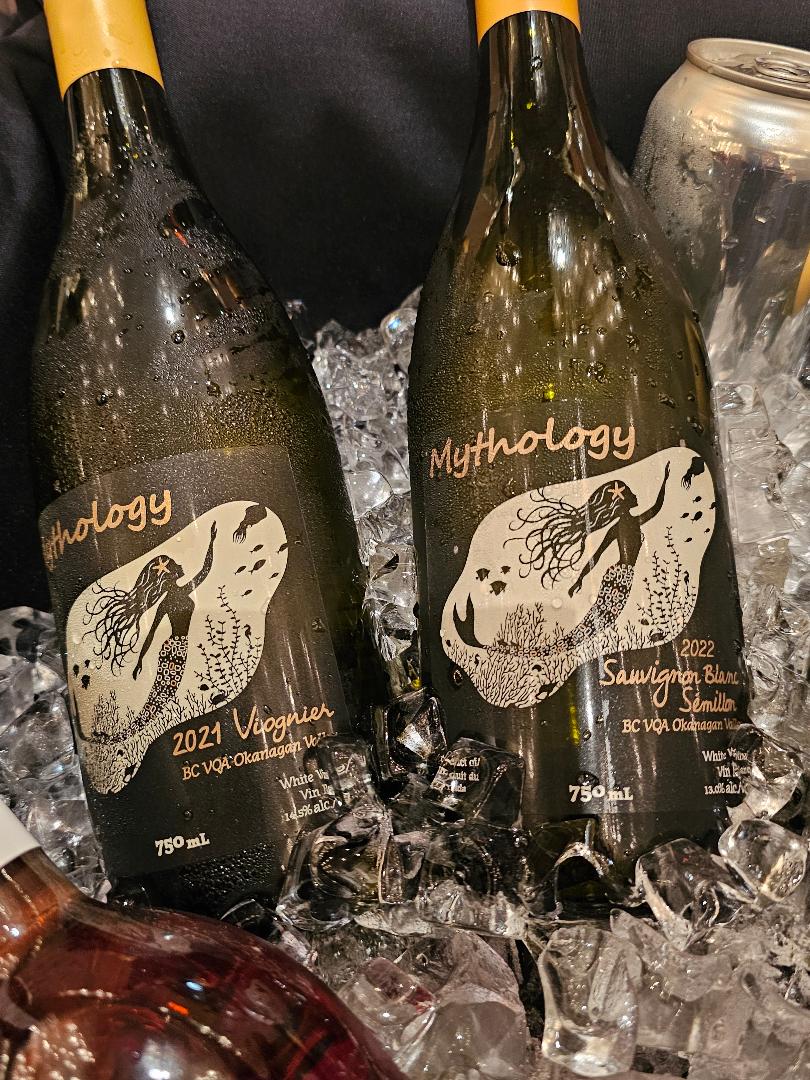
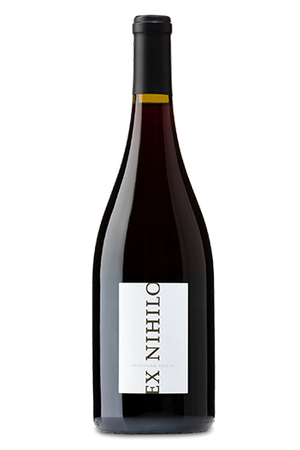
Another Okanagan Valley Vineyard worth checking out. The LATIN meaning: out of nothing, from nothing. However, I would say that their wines taste like something else.
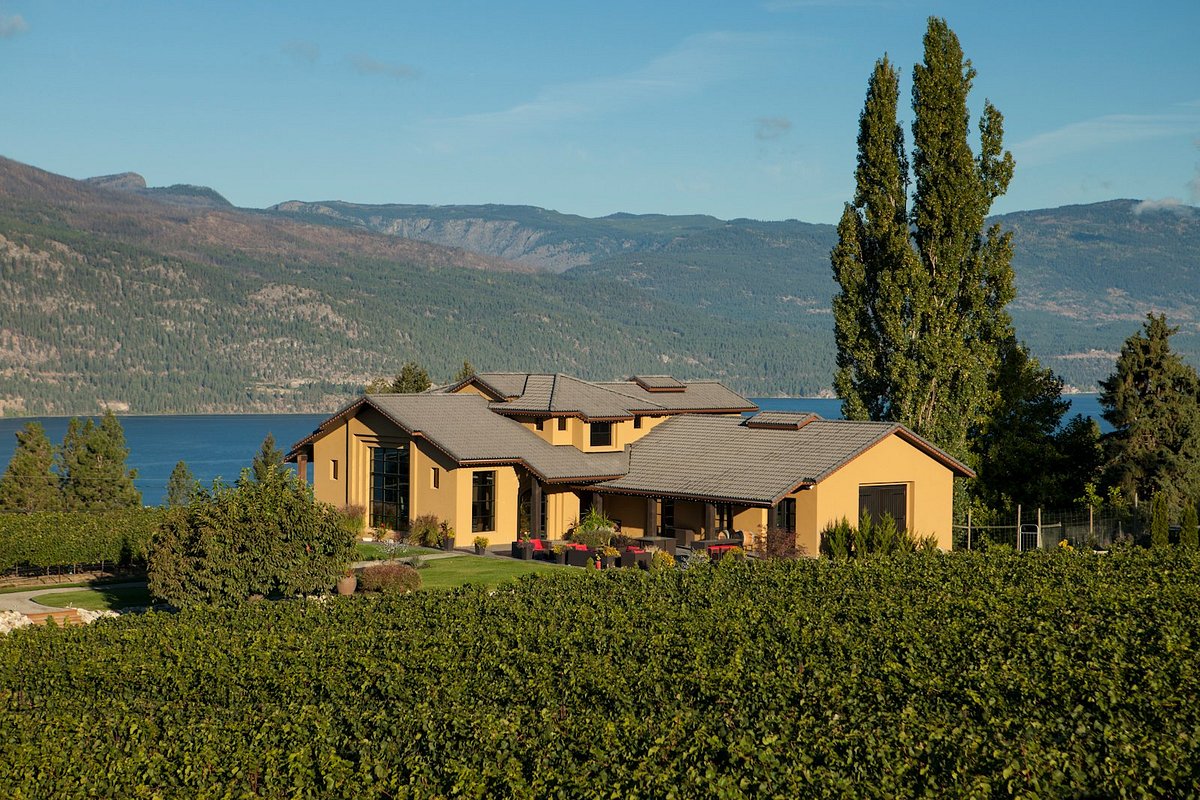
Ex Nihilo is the last and latest winery I visited in Kelowna, Okanagan, British Columbia for an exceptional tasting experience. It’s located in lake wine country and offers extraordinary small lot craft wines which are all family run.
Ex Nihilo sculpture by Fredrick Hart
“Our offering is wine, our strength is people. What comes ‘out of nothing’ endures.” – Mike and Janet Azhadi (owners). Their journey began with nothing but a dream and passion inspired by Fredrick Hart’s sculpture, ExNihilo; a depiction of the creation of mankind, which originally came from out of nothing.
My tasting included a perfectly balanced bubbly (2021 sX IMAGINE) with a blend of 3 varietals I really like: Riesling, Pinot Gris & Gewurztraminer made in a fresh Prosecco style.
The Vampata Rosé was produced with Pinot Noir and Syrah grapes. Crisp and lush, with an explosion of rosehip on the nose and hints of rose petals.
I tried their Pinot Gris, an unusual for the Okanagan Viognier(vee-ohn-yay) which was not on the list; nice and fresh with tropical notes. I bought a bottle to take home. Two elegant Pinot Noirs and lastly; NIGHT– a Big Bordeaux style red made with Merlot, Malbec, Cab Franc, Cab Sauvignon and Petit Verdot. Quite special.
After my tasting I became a Silver Key wine club member. Members are entitled to six bottles of Ex Nihilo wines delivered to your door three times a year. You fill out a form to let them know what types of wines you prefer and if you don’t customize the order before the delivery date, they make the choices on your behalf from your notes.
You also get a complimentary wine tasting experience for two each time you visit the winery. Tastings cost $20 per visit but are waived.
Other perks are exclusive availability of their XXX reserve and library wines, invitations to “members only” events, an annual VIP wine/cheese tasting experience for up to four people (which has to be booked in advance) and 17% off retail, online and club releases year round. They also have a gold membership which is the same except you get twelve bottles instead of six.
I used to share a wine club membership with a friend that was placed with MarquisWineCellars right here in downtown Vancouver. Our shipment would include wines from all over the world and it was always exciting to see what was included. This was over a few years and it was great until we decided to call it quits. It was getting difficult to plan our get togethers to share in the tastings, so we decided to split the cases but no one got the same so it was hit and miss. If we wanted the same bottle we’d have to toss a coin. It worked for a long time until it didn’t. I hadn’t joined another wine club membership until now. I usually order either from the website or buy directly from the wine shop in person. Looking forward to seeing how this works out.
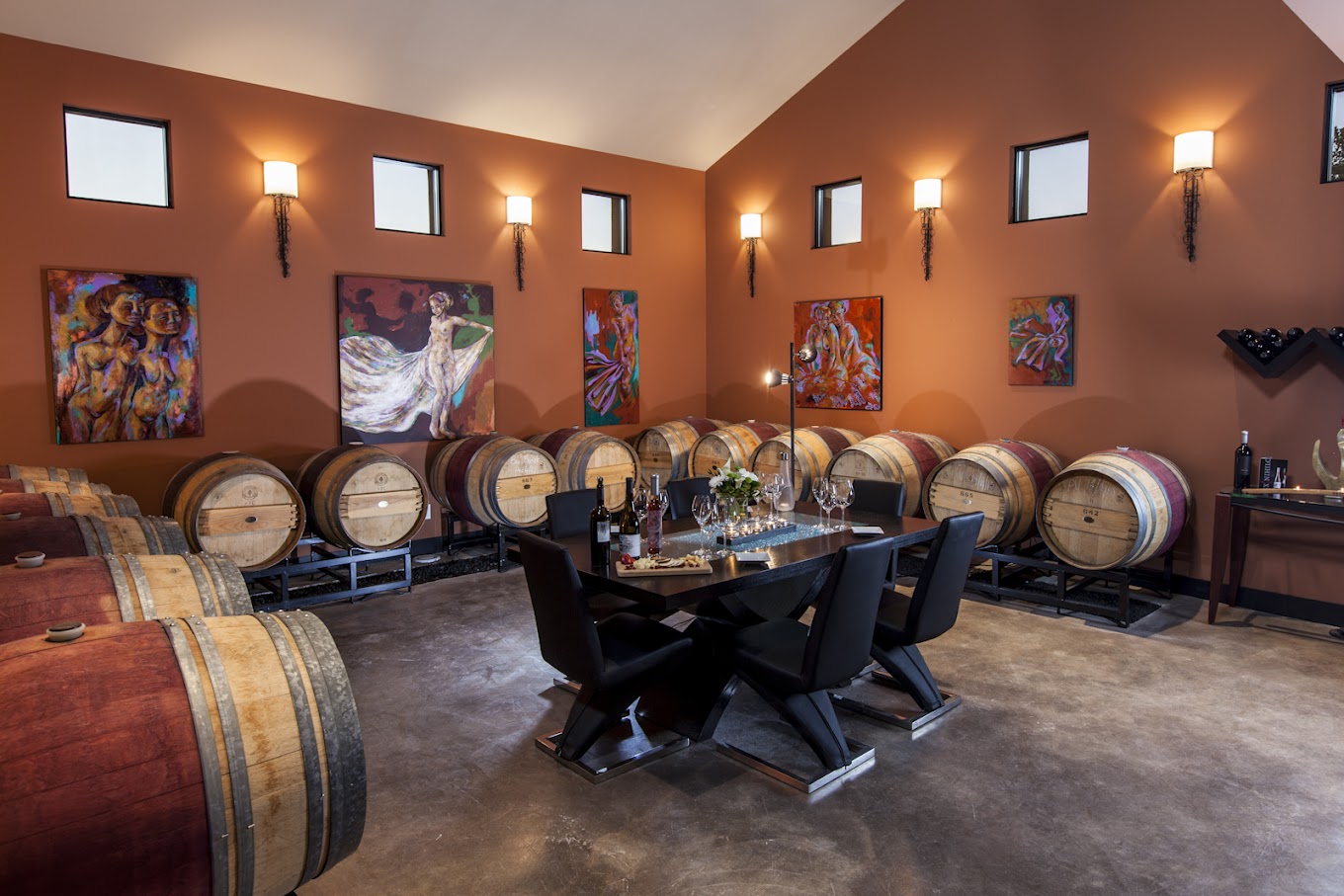
The Ex Nihilo bistro is called Chaos – where they offer the best quality, fresh, local and natural ingredients while using a unique method to produce clean flavours that compliment the food experience.
A nice touch is their summer concert series, the latest being talented Chantal Kreviazuk, which was accompanied by a sensational multi-course dining experience prepared by Executive Chef Danny Tipper. You can never go wrong with good food, music and wine to accompany it.
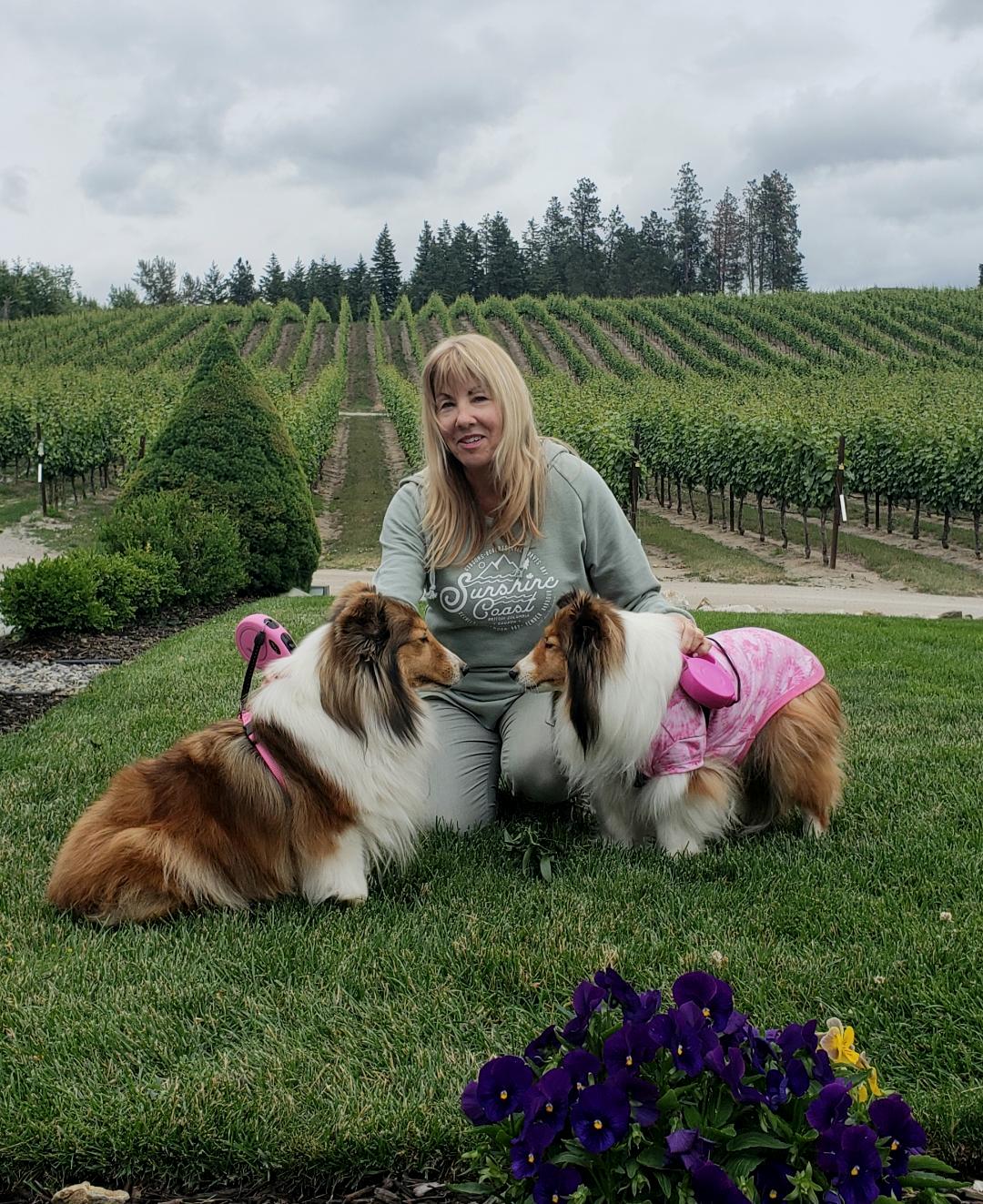
This is also the area where I got to pick up my Adele; Layla’s litter mate and little companion.
At the winery with Adele (l) and Layla (r) before heading back to Vancouver.
Have you ever been a member of a wine club? If so; did you find it enjoyable and worthwhile?
Sometimes, just by accident, you come across a restaurant that you’ve never heard of before, and you end up being pleasantly surprised with the quality of the food, the type of food and the service.
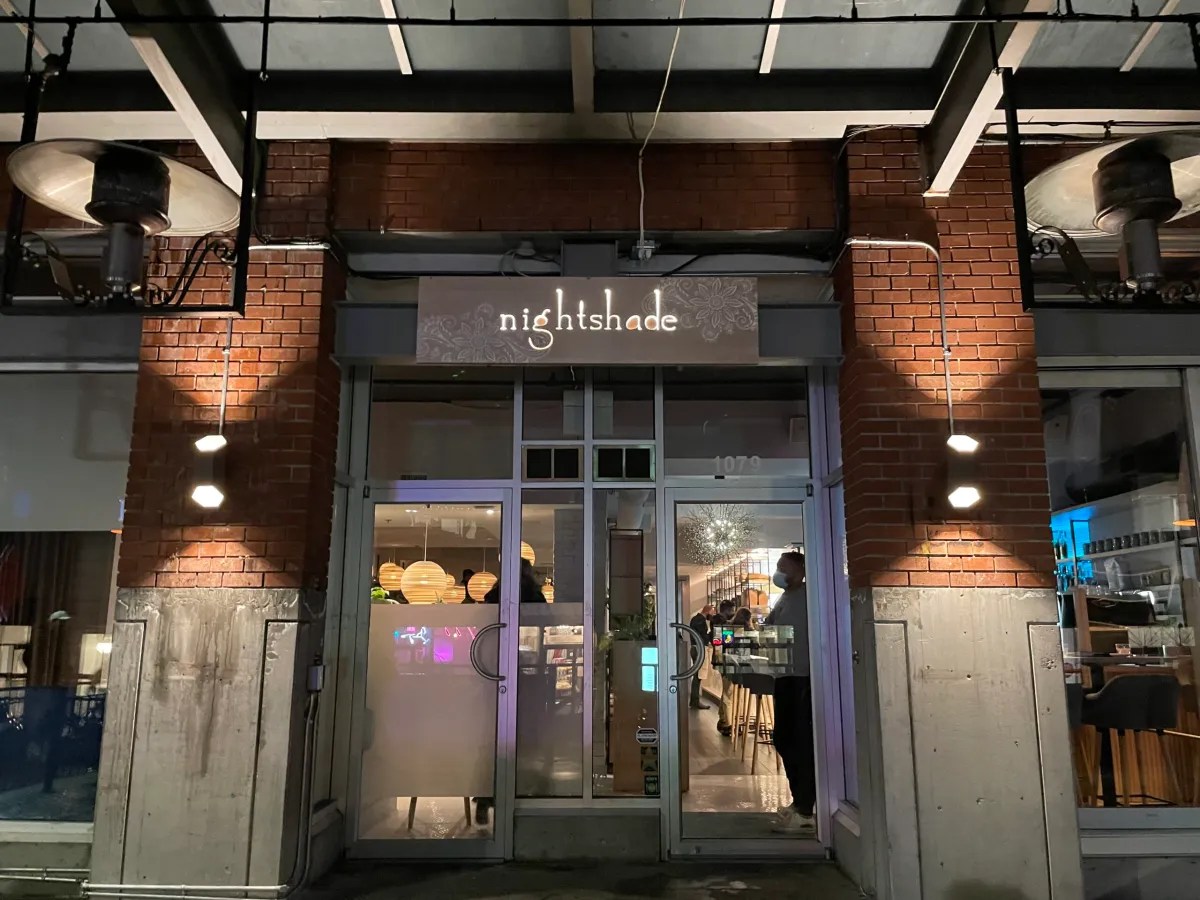
Nightshade, located in Vancouver’s trendy Yaletown neighbourhood, turned out to be a welcome accident just waiting to happen.
On the way back from Underground Comedy Club in Gastown, my friend and I were looking for a bistro to have a late night snack. We weren’t too picky by this point and parking isn’t easy to find in this popular part of town, especially on a Friday night. However, we ended up getting a parking spot directly in front of this restaurant called Nightshade so we decided to give it a try.
A few things to note:
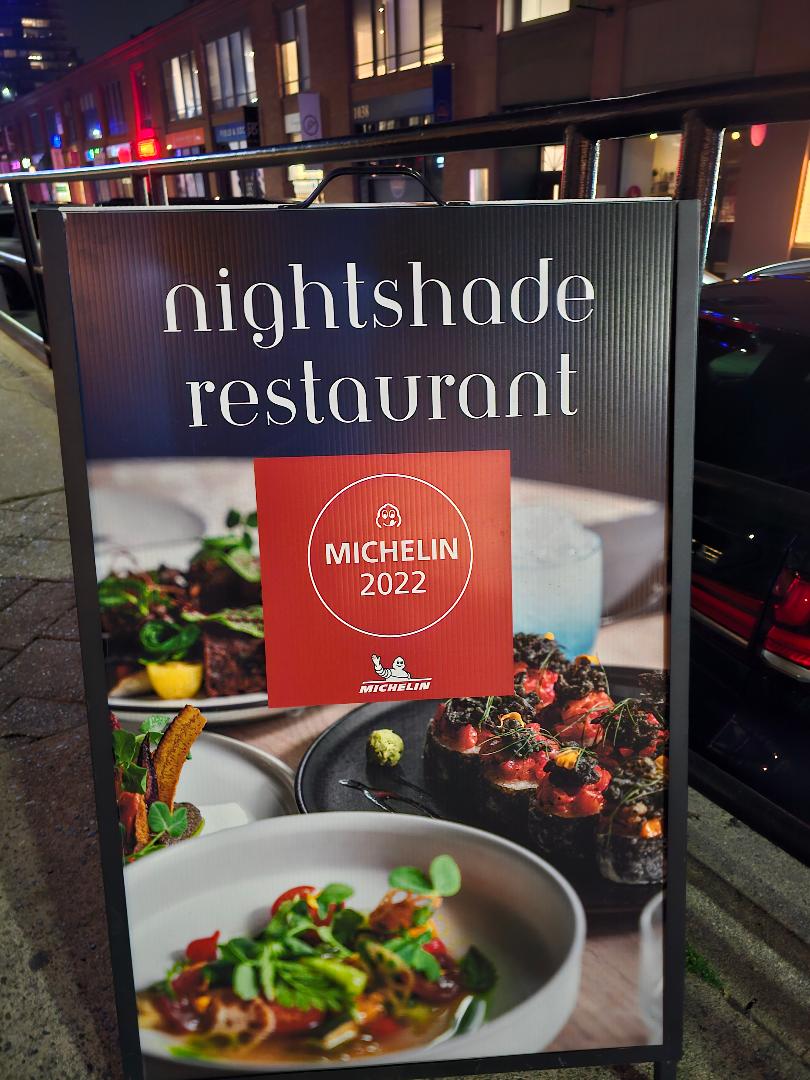
1) Nightshade restaurant has received the Bib Gourmand Award for excellence given by The MICHELIN Guide in Vancouver 2022. For more info refer to link at bottom of page.
2) Surprise..it’s completely vegan. But just like you don’t have to be Jewish to enjoy eating bagels, you don’t have to be vegan to enjoy this type of food. Taking a break from eating meat is a good thing. What I’ve discovered about the few vegan restaurants I’ve been to, is that they rely on using mostly fresh local ingredients with artfully plated, unexpected exceptional flavour. Any good chef should be able to grill a perfect steak, but how many can elevate a common vegetable to taste like something else?
Nightshade fills a void by bringing vegan and vegetarian food into the fine dining arena. Remember when the only vegetarian restaurants were buffet-style? Well, gone are those days! Although I must admit that I do miss a few of those fill-up-your- plate buffets.
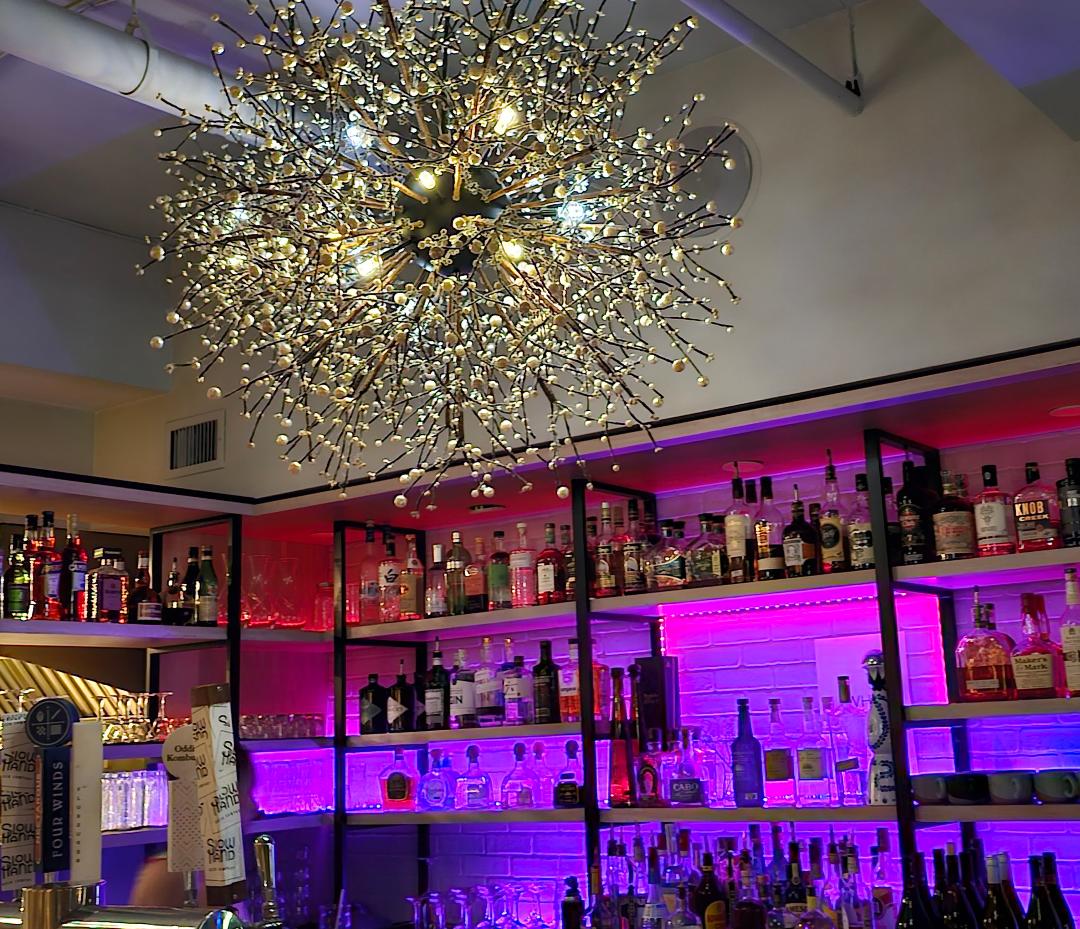
Nightshade prides itself on being globally inspired in a warm yet elegantly floral dining setting with flavours inspired from all around the world.
The restaurant brings an elevated plant-based experience to the table, featuring local ingredients with international flair.
A few of the delicious dishes I tried:
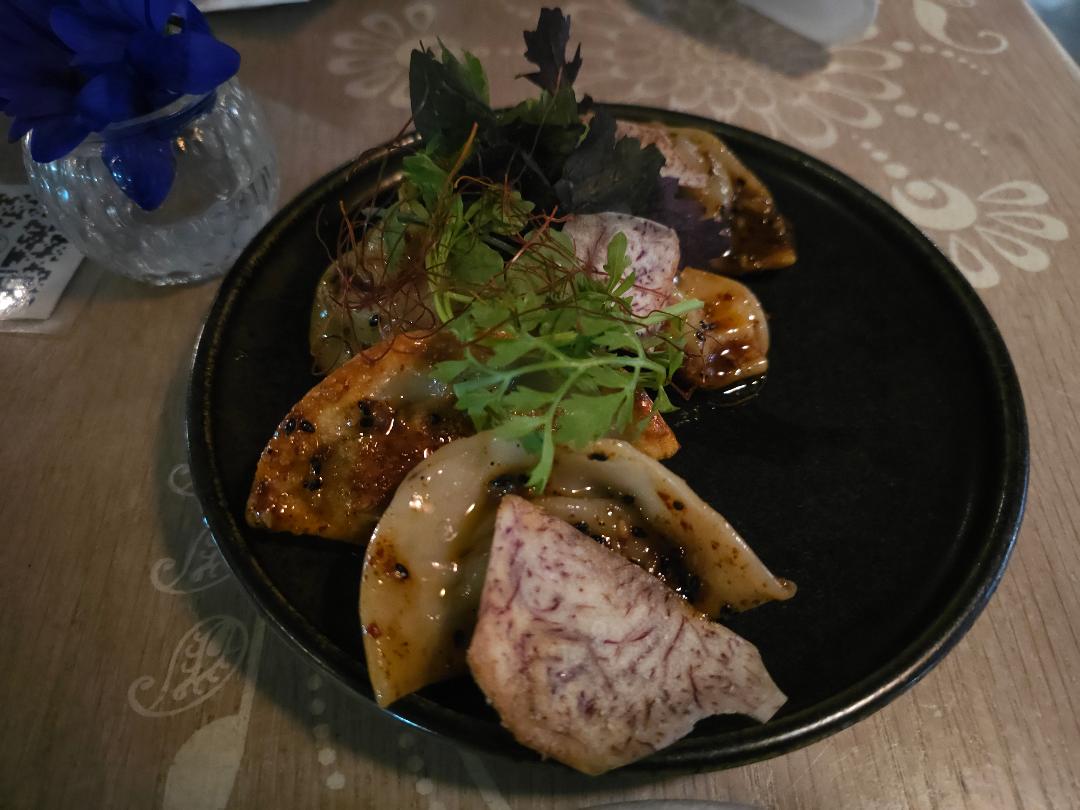
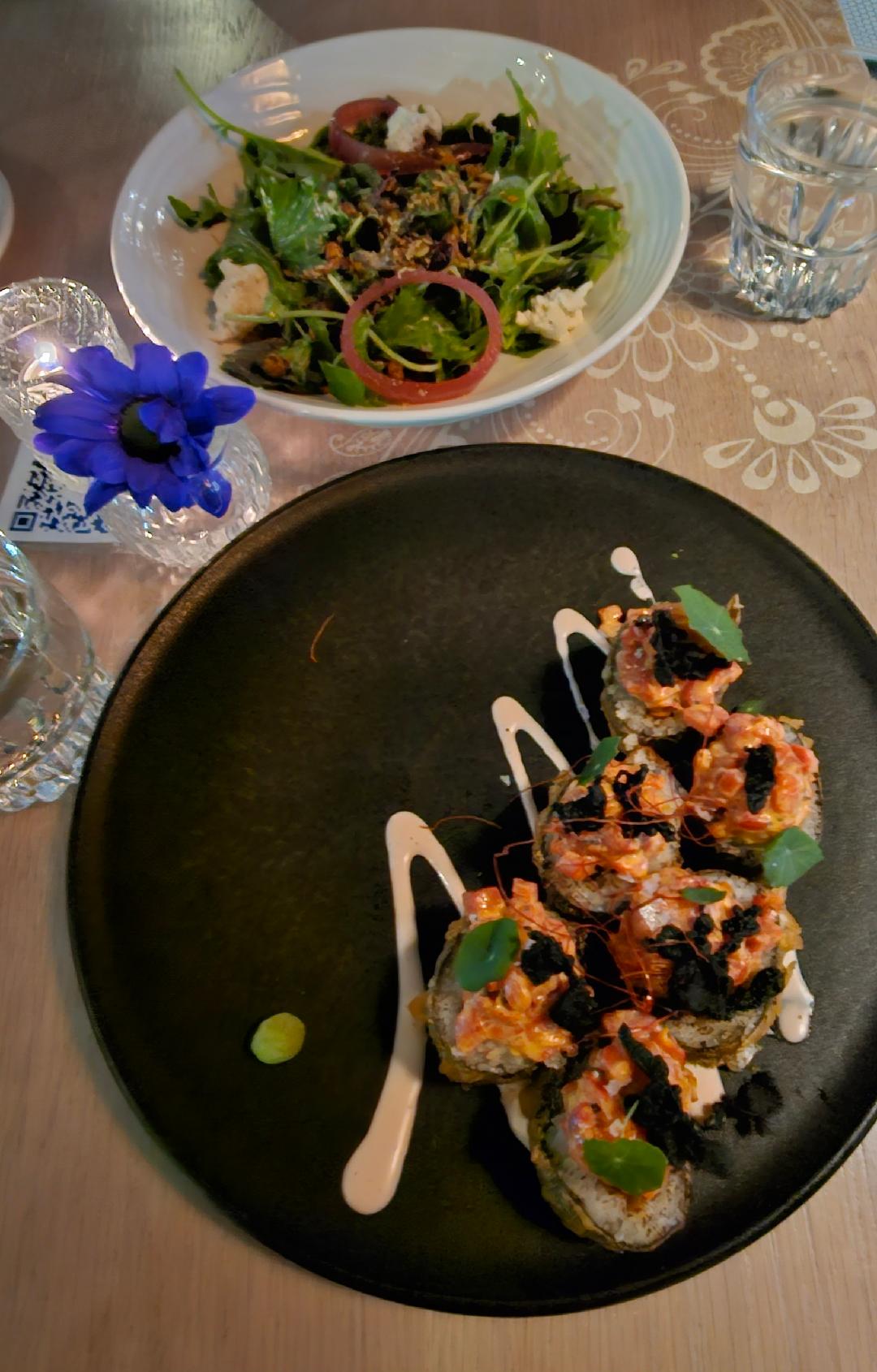
Truffle Gyoza with mushrooms, water chestnuts and rayu sauce (a Japanese sesame chilli oil) with taro chips on the side. I liked it so much that I went back the next day when in Yaletown (again) for Pet-a-Palooza – North America’s largest festival dedicated to pets (but mostly dogs).Tempura crunch sushi roll with 7 spices, smoked tofu by oomé (a locally made in Vancouver premium smoked tofu company that uses organic, non-GMO tofu), Sweet Potato & Shoyu Pepper. Very yummy; and don’t forget I love sushi with tuna and wild salmon the best.
Garden Salad: Mixed Greens from the Farm, Feta Cheese, Toasted Pecans, Rainbow Radishes, with Sherry and Sweet Onion dressing.
Goes to prove that anything fresh and well thought out will satisfy your craving and it doesn’t mean always having to come from animals, including dairy products and eggs.
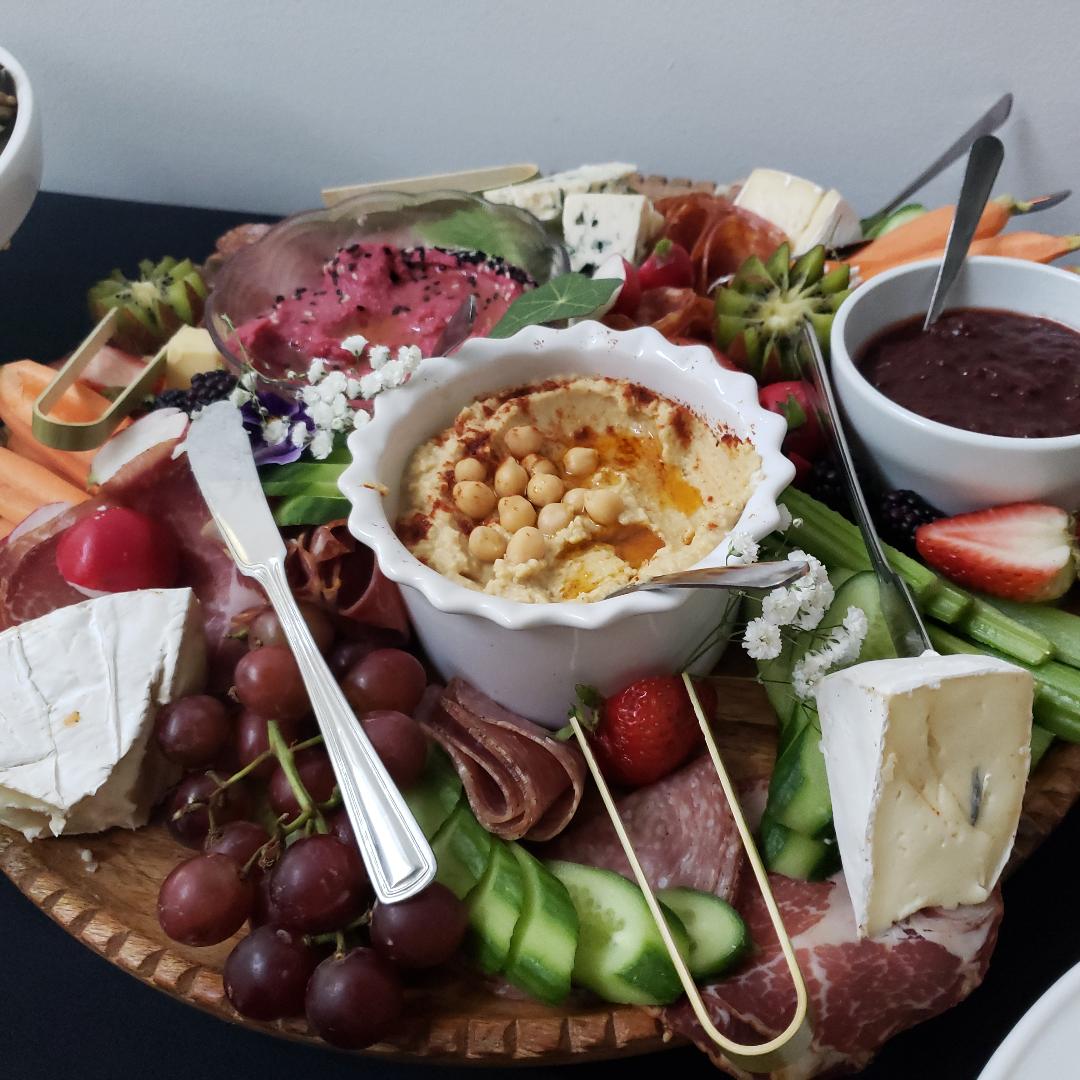
These people will make your catering dreams come true!
The Rooted Table is a one stop bespoke personal chef service in Vancouver, BC. A small but happy team of chefs, nutritionists and food artists who help their clients feel their best through the creation of beautifully plated, healthy, delicious food.
this pic taken from Rooted Table website
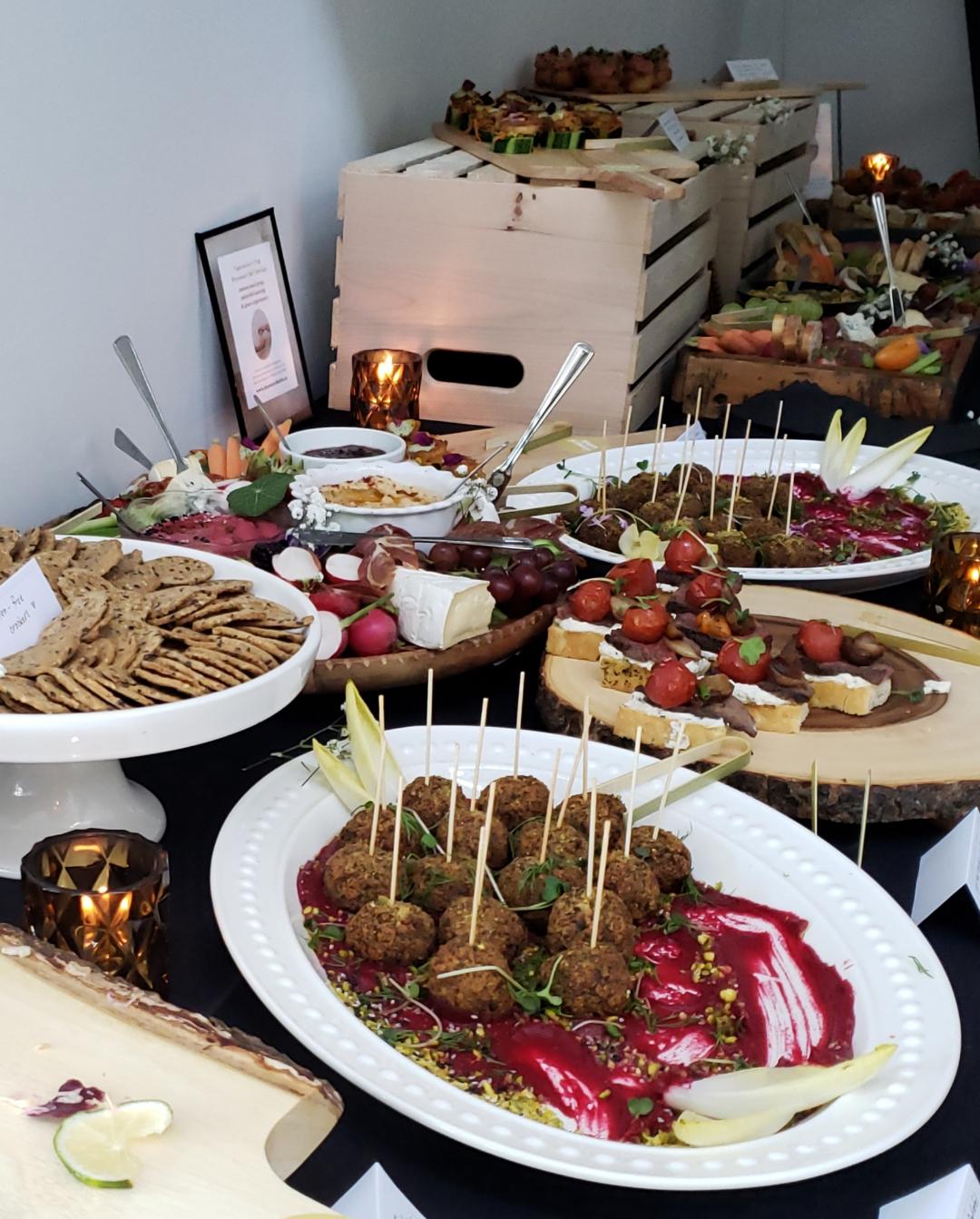
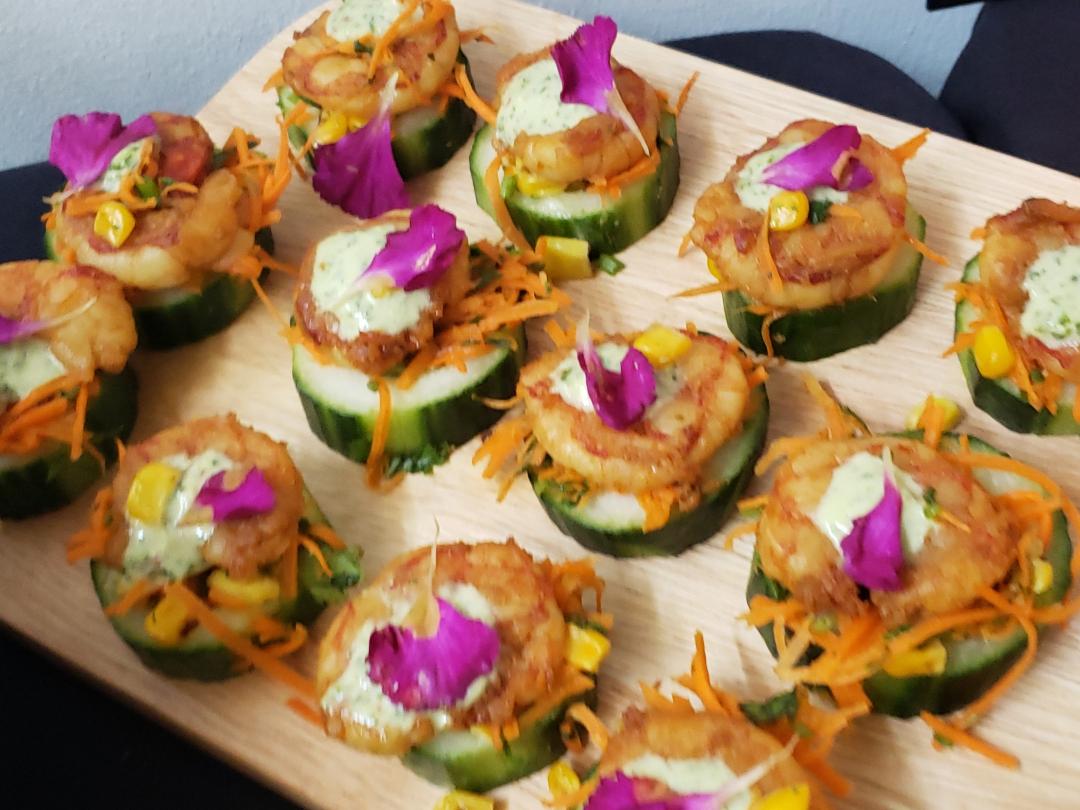
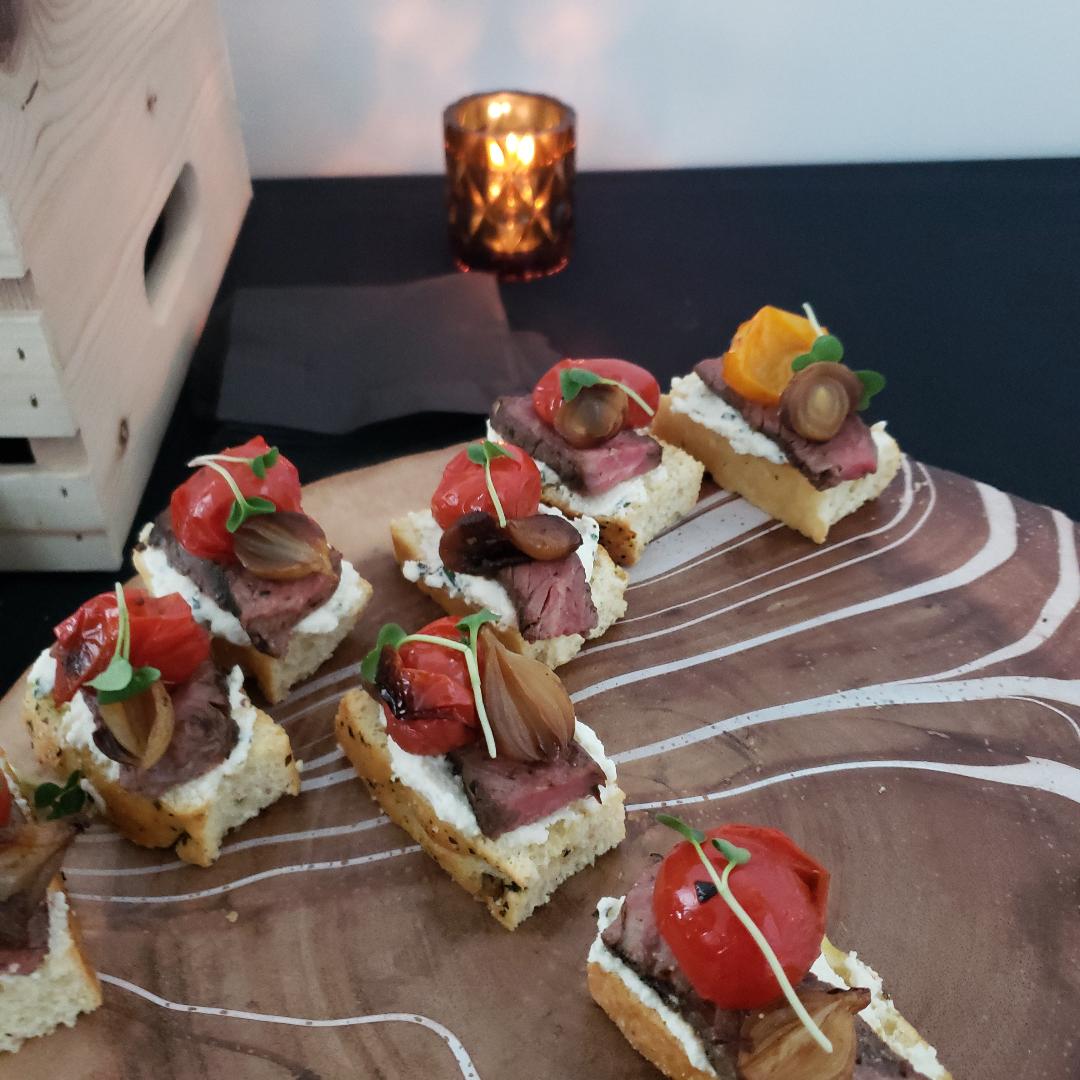
One of the recent wine tastings I attended hired “The Rooted Table” to cater their event. I have never before at any casual wine tasting seen such a wide variety of scrumptious looking platters with attentive detail to design, healthy ingredients and taste. Everything was super delicious and as soon as one platter was empty they came back with more.
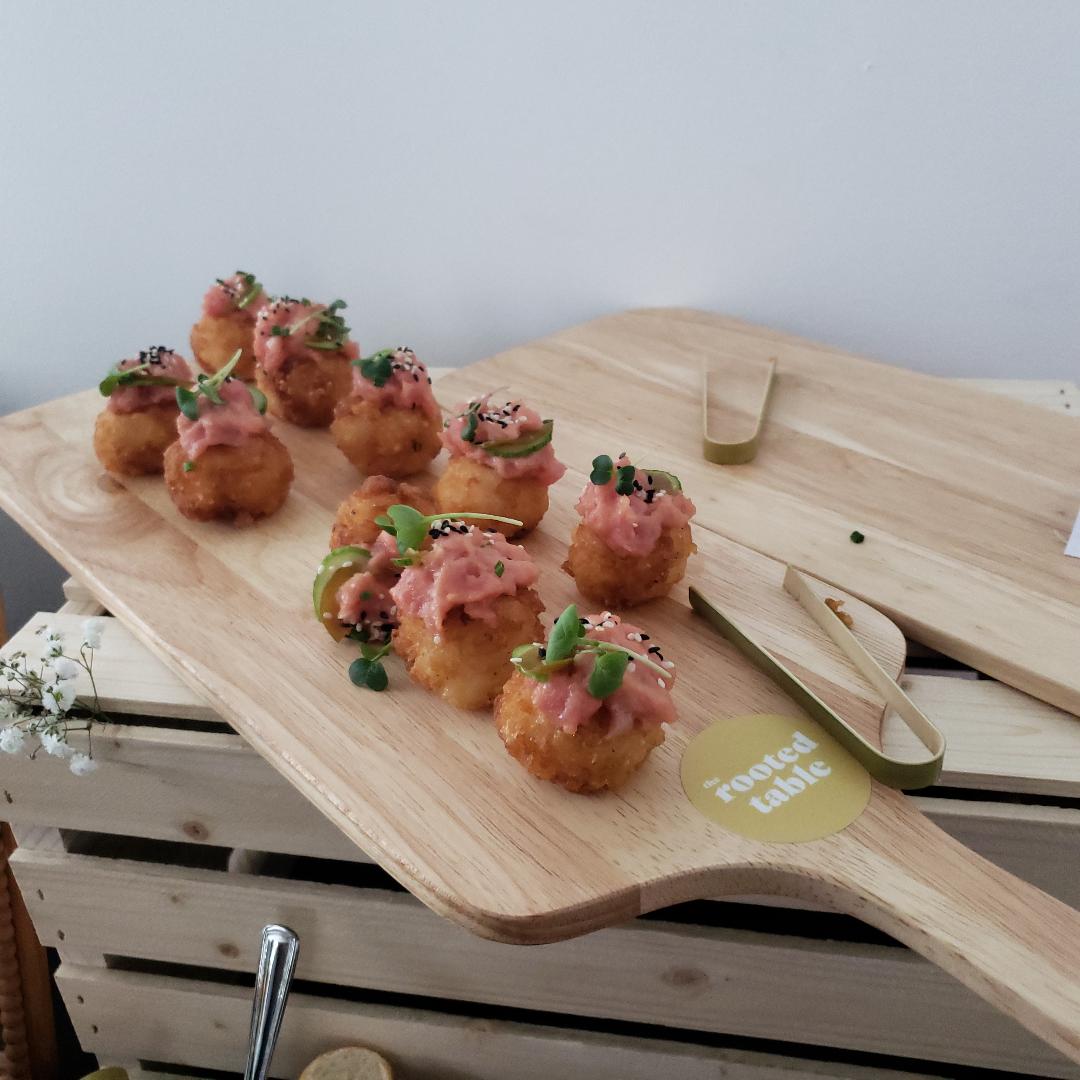
seared shrimp on cucumber, with grilled corn slaw, chimmichurri, edible flower.grilled sirloin on focaccia, whipped herby ricotta, balsamic pearl onion _ jammy tomato.Crispy sesame rice balls with spicy ahi tuna, pickled jalapeno + cucumber.
I was there to blog about a certain region of Portugal known mostly for white and sparkling wines but these special caterers deserved a separate shout out for their hard work which I found out is really a “labour of love.”
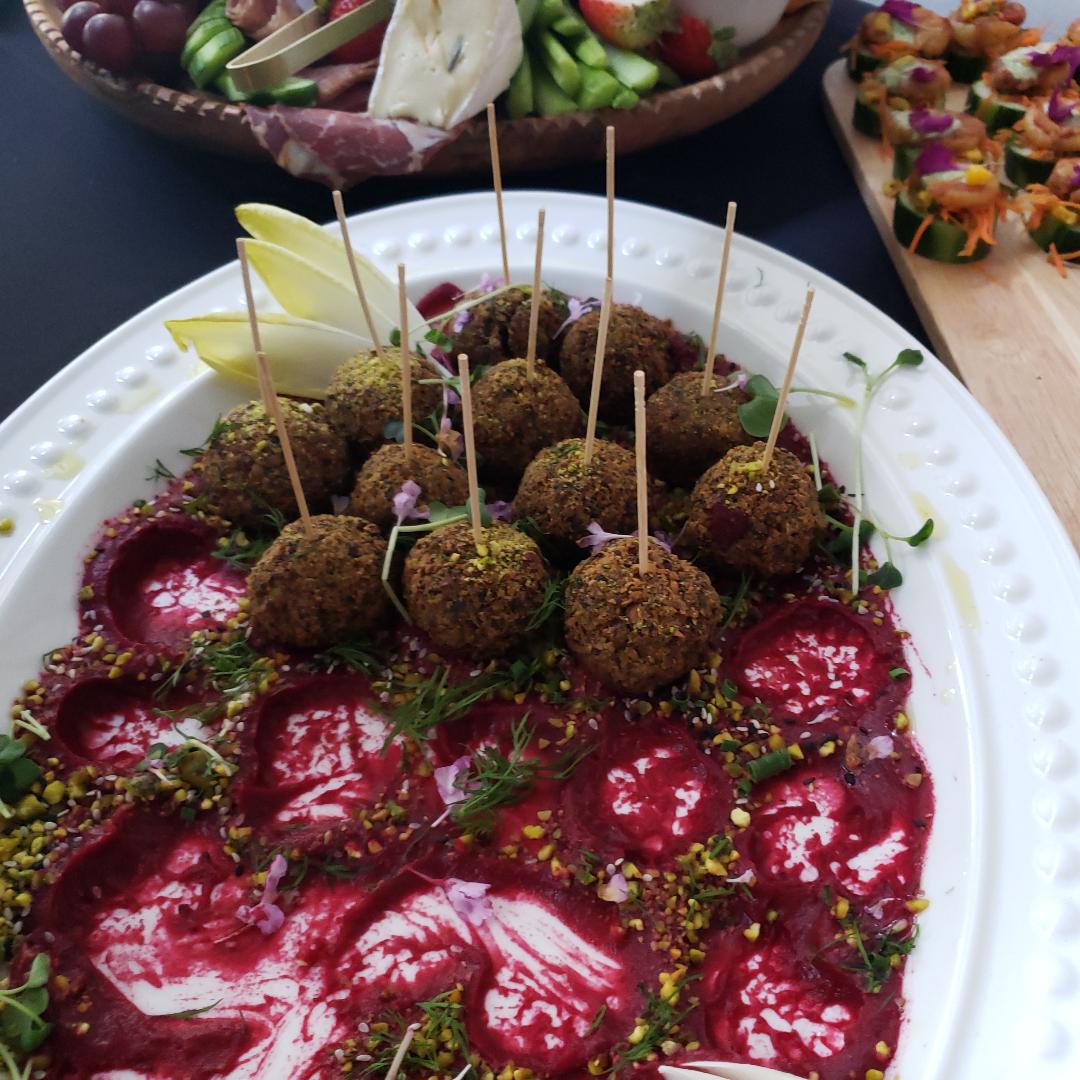
super green falafal on maple beet puree with crushed pistachio (vegan).
“Our team takes the stress of cooking off of our clients plates so that they can spend more time doing the things that light them up. At Rooted, we offer a wide range of services that help transform our clients’ lives including a personalized approach to custom meal prep, colourful catering for events and gatherings and gorgeous graze experiences.” – Hilary, Magnus and Paige – aka the team.
Hilary launched The Rooted Table after graduating from the Institute of Holistic Nutrition.
Magnus is a holistic nutritionist with a passion for food. He began his journey with an apprenticeship at a Michelin Restaurant in Germany.
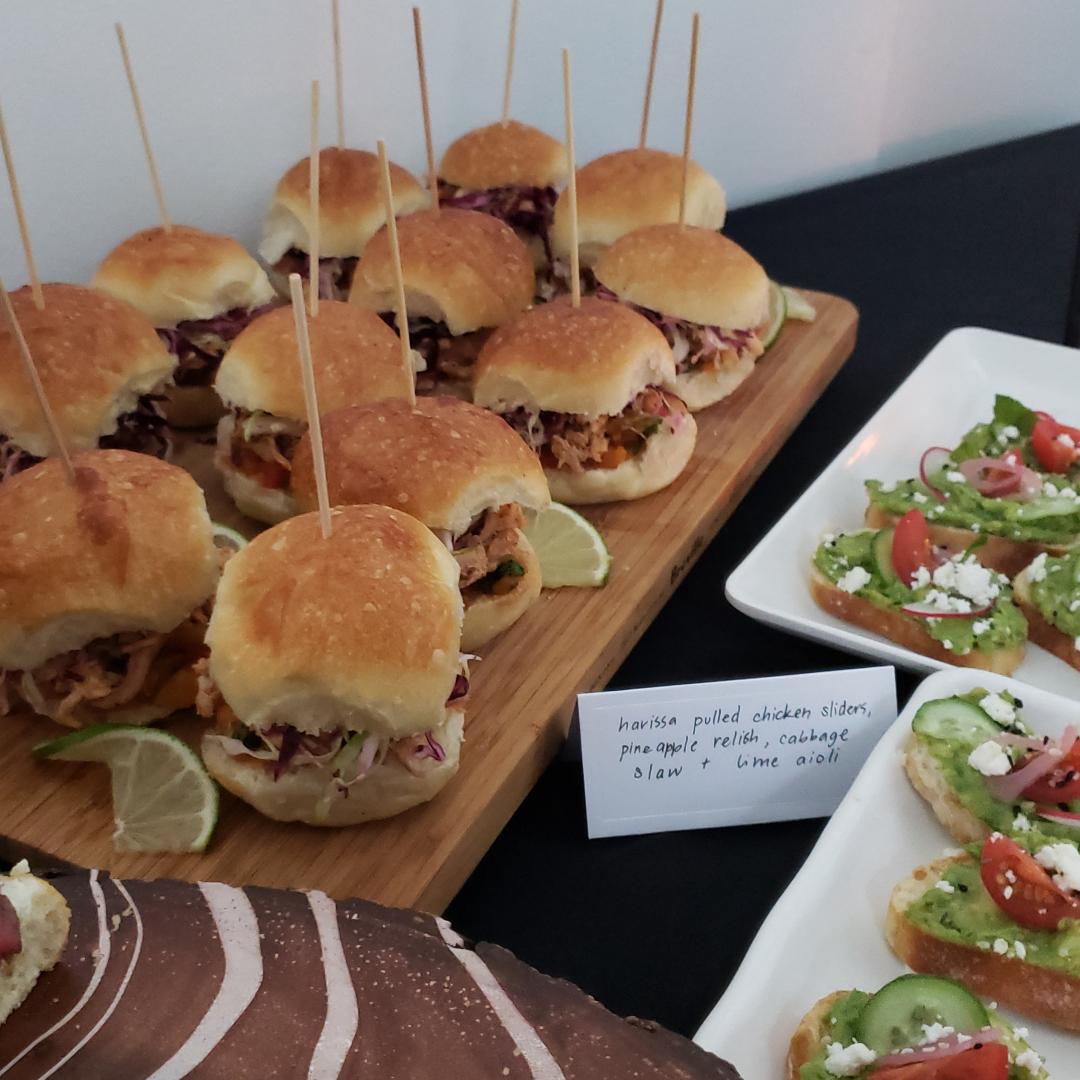
harissa pulled chicken sliders, pineapple relish. cabbage slaw & lime aioli. Next to mini avocado toasts with tomato, radish, cucumber, pickled shallot + feta.
Paige turned her love of throwing fancy dinner parties into a full fledged catering business. Paige moved to Vancouver to attend Northwest Culinary Academy.
but you can drink it even if you don’t have a pool
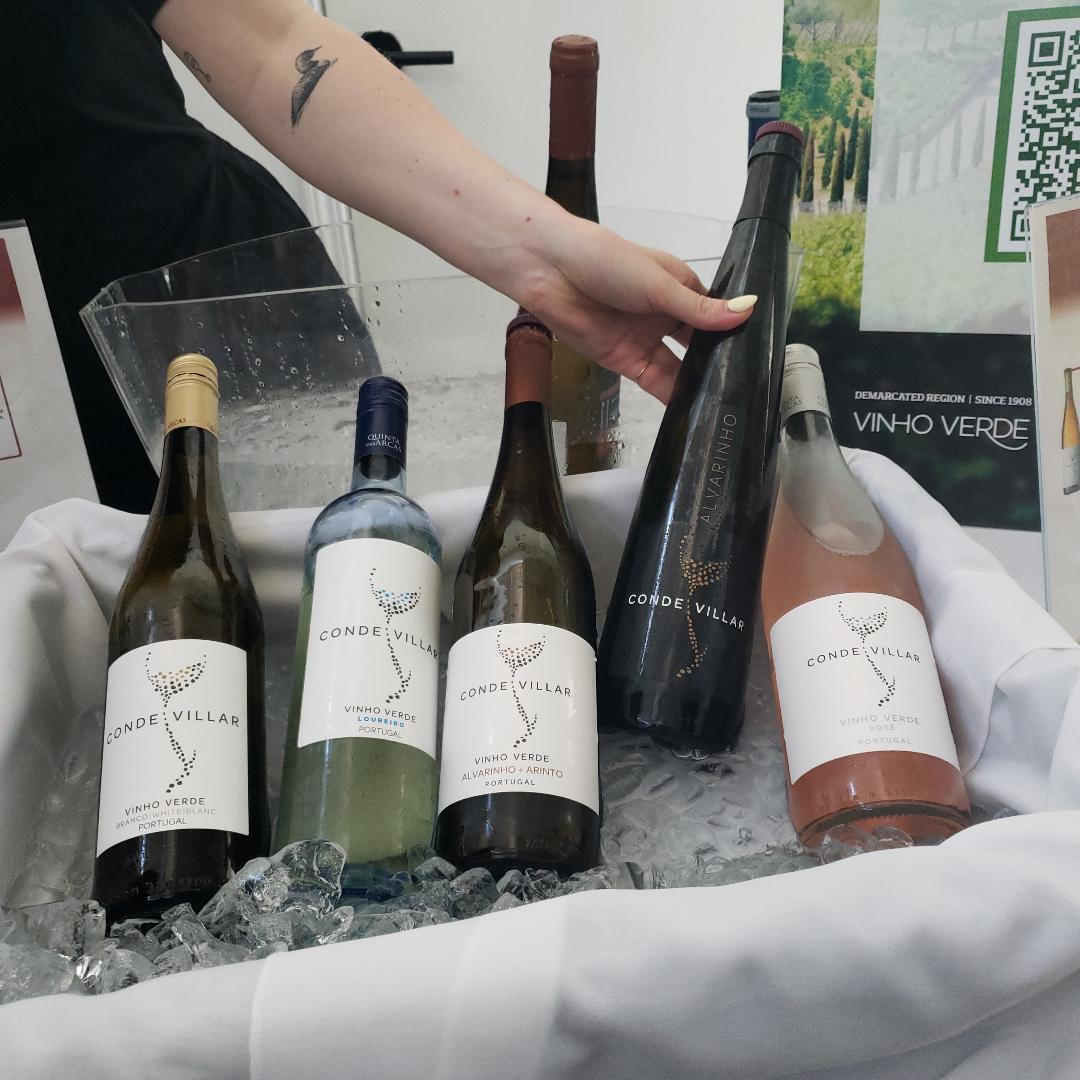
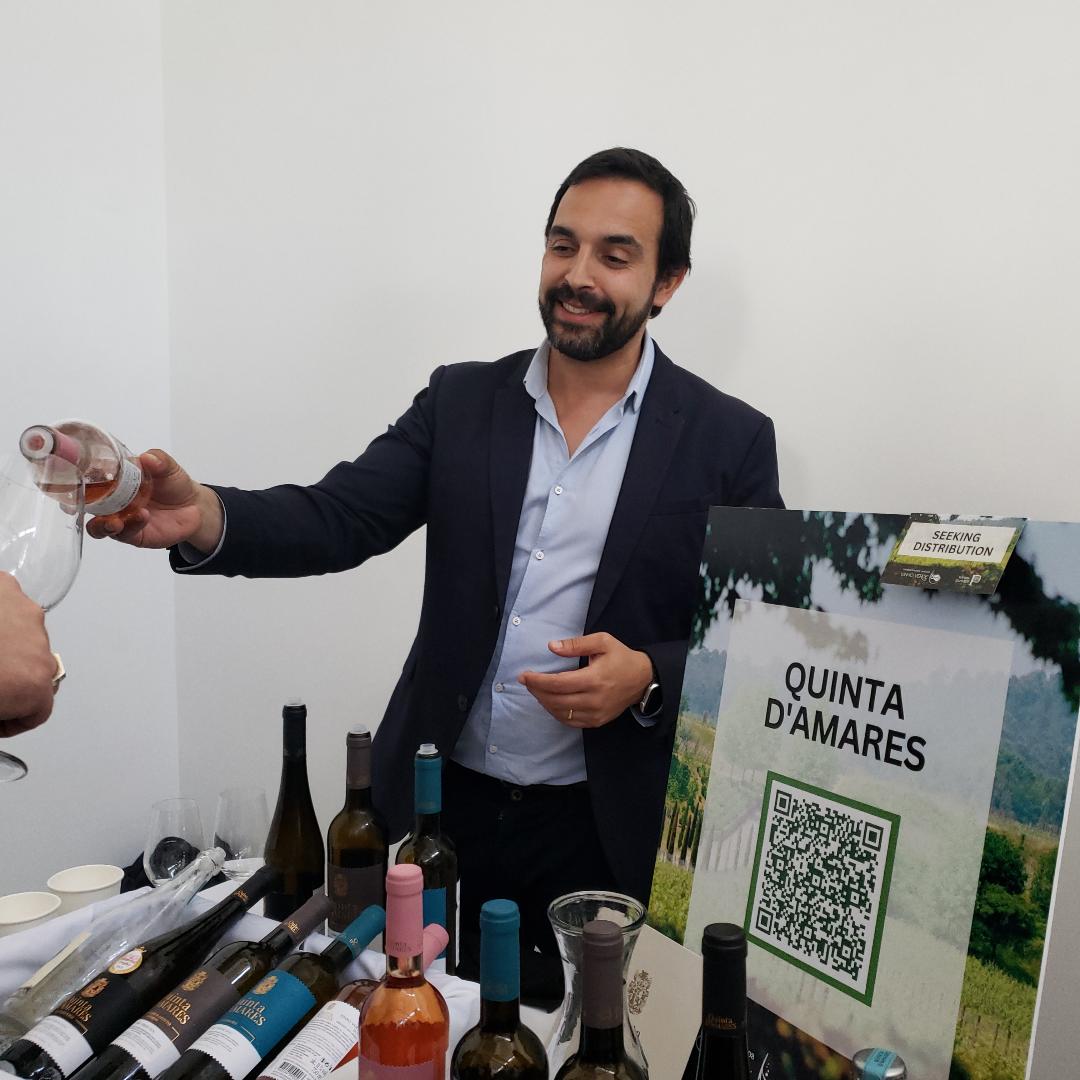
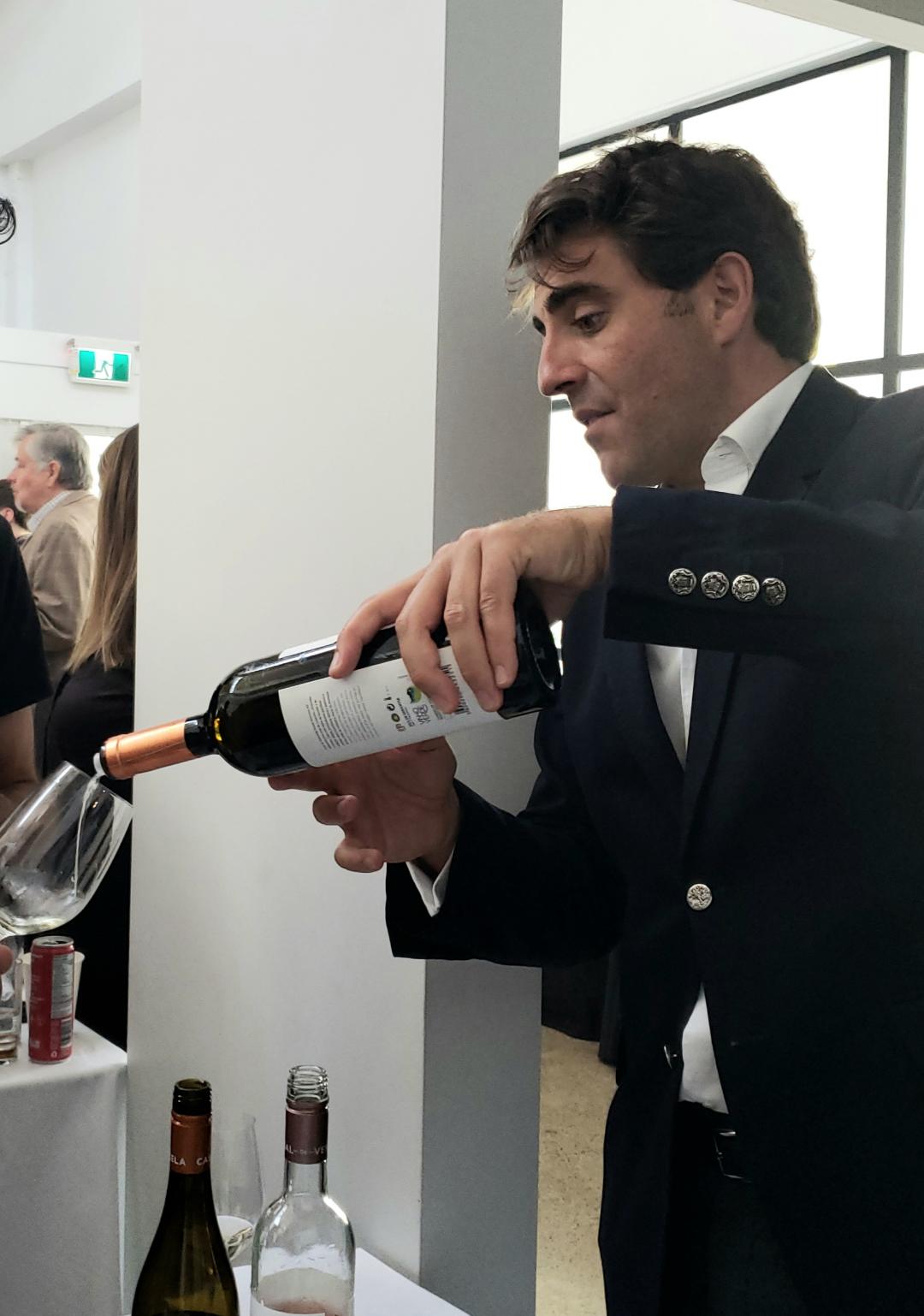
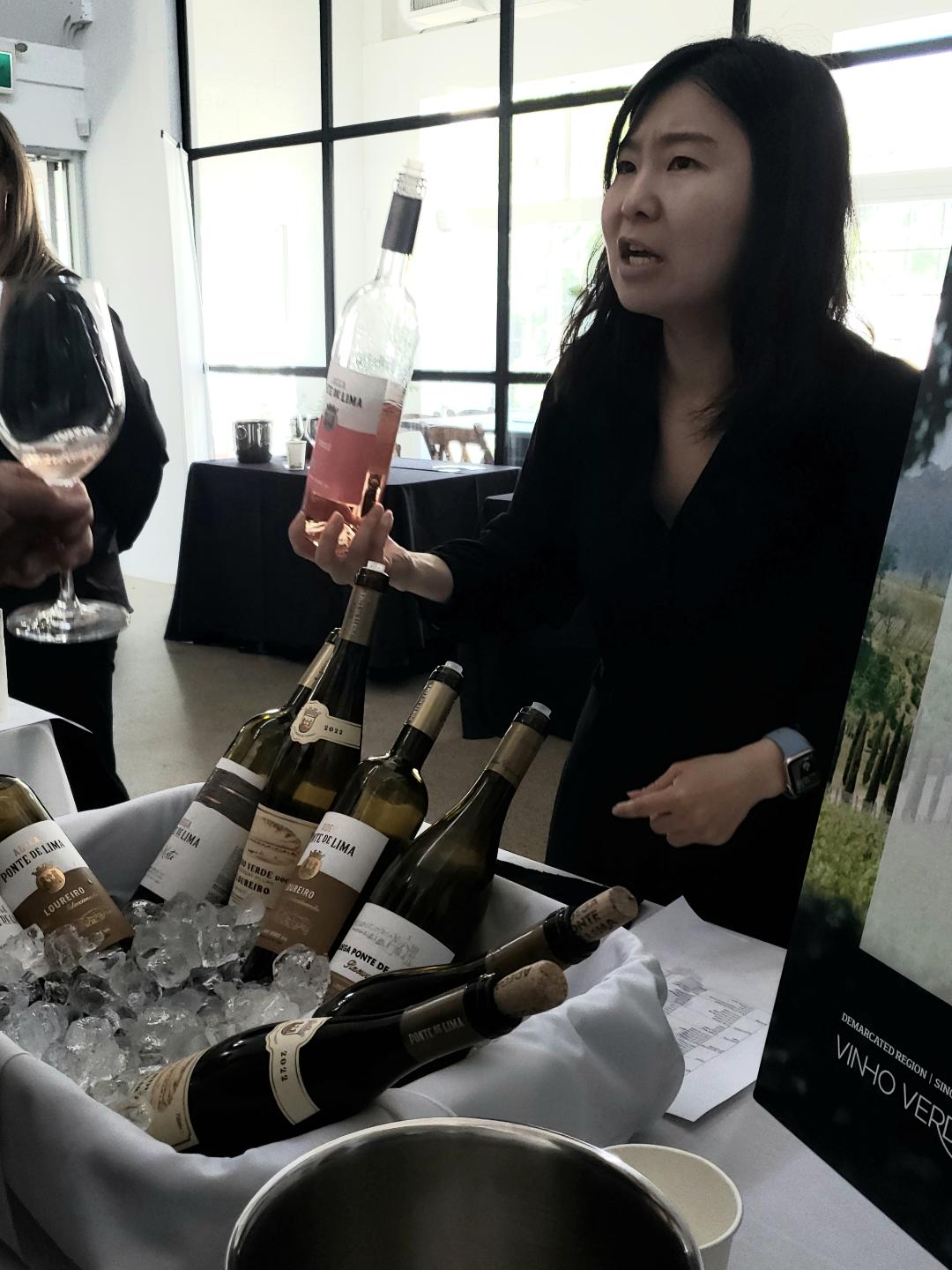
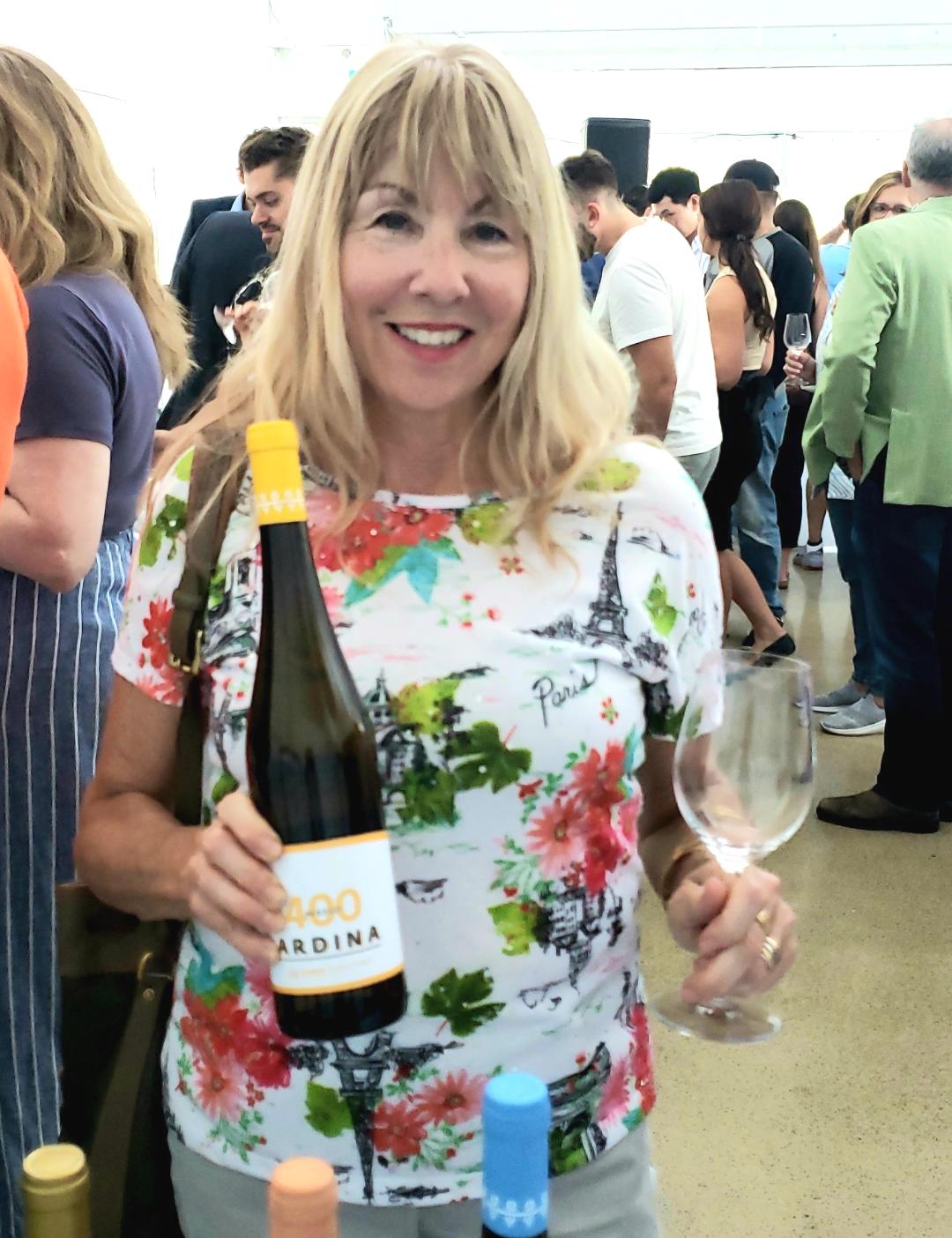
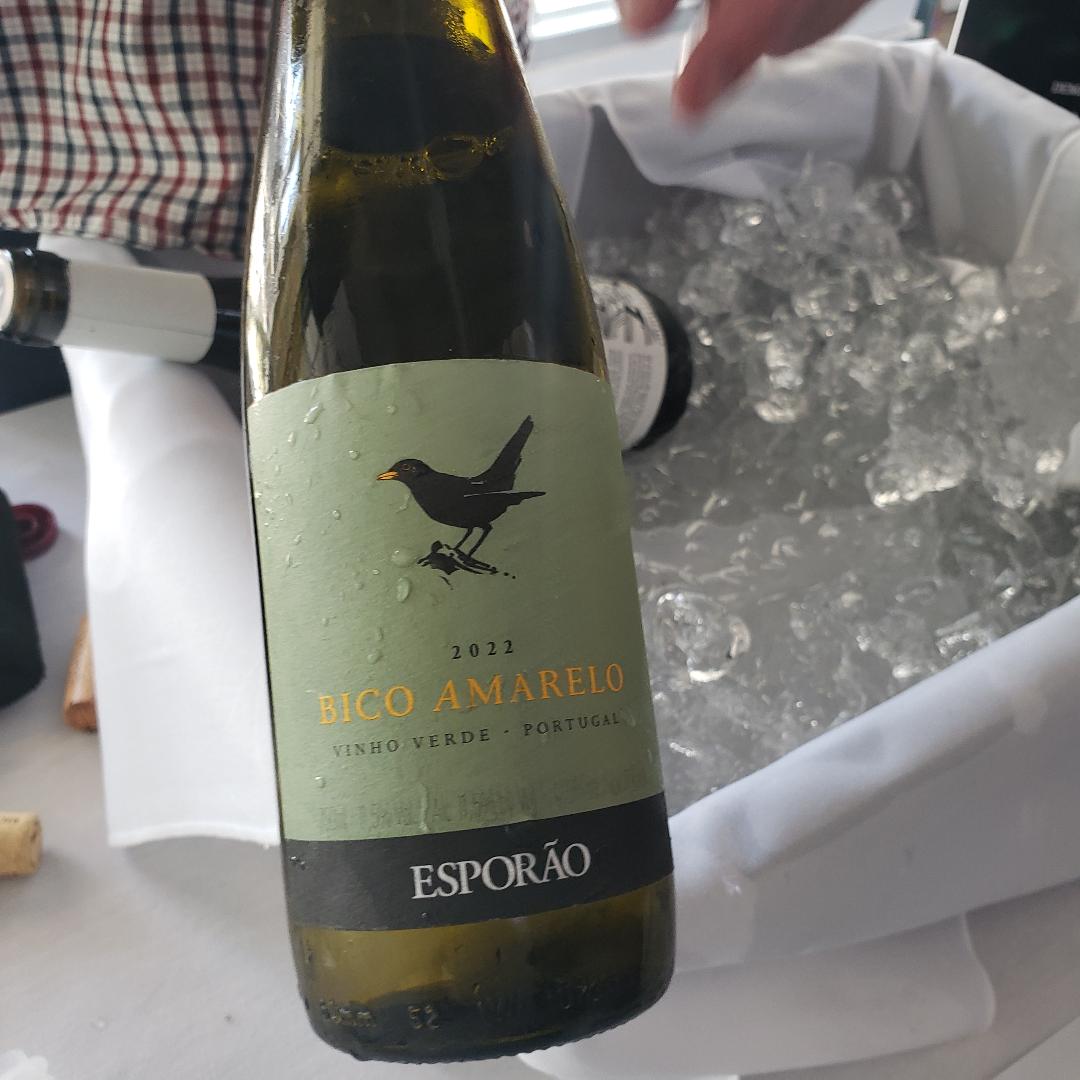
I went to my first Vinho Verde wine tasting recently. I didn’t really know what to expect from these wines which come from the Northwest part of Portugal. The name translates to “green wine” although the wine I’m happy to report, is not green; it’s the area where it originates that is green and there’s green fruit notes on the nose.
These reps and wine makers traveled to Vancouver from Portugal to showcase their distinctive wines that are made primarily from six Portuguese grapes of which the vast majority are white. Their names are Alvarinho, Arinto, Azal, Avesso, Loureiro and Trajudura (see below for their individual descriptions). Vinho Verde wines range slightly in style, but most are a touch fizzy and mostly dry.
The wines are easy drinking, fresh tasting with a higher acidity and lower alcohol content than what we’re normally used to. The wines are usually not allowed to mature as they’re commonly consumed soon after bottling. Now I can see why!
The mostly all white, sparkling and some rare rosé wines are great to pair with most food but especially summer dishes.
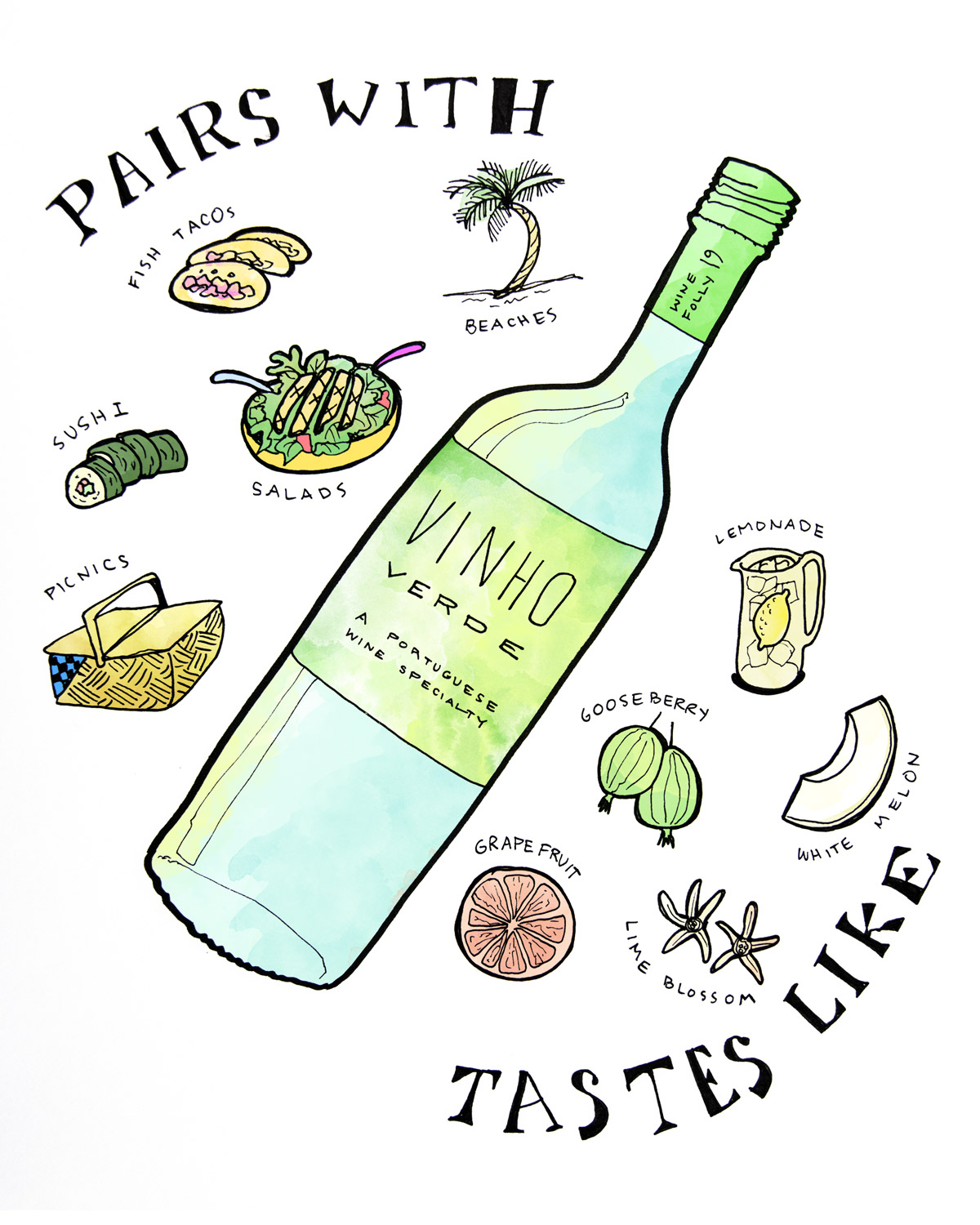
Azal: This is the highest-acid grape of them all. Lemonade flavors abound!
Arinto: Also called “Pederna,” it is arguably Portugal’s finest white grape. Expect juicy melon and citrus with some bitter notes on the finish. Great examples can age 7+ years!
Alvarinho: The same grape as Spain’s Albariño and produces wines with grapefruit and floral notes. This is another serious grape to watch.
Avesso: Similar to Alvarinho in its flavors of grapefruit and peach, but with a subtle green almond bitter note there is added complexity.
Loureiro: If there were such a thing as “The Riesling of Portugal” this would be it. Look up winemaker Anselmo Mendes for shocking single-varietal wines from the coastal regions.
Trajadura: This grape is a popular blender with Alvarinho. It adds richness and aromas of pear and citrus blossom.
Photos (including header): d. king
Illustration + Grape Descriptions taken from winefolly.com
“In vino veritas” (in wine there is truth) goes all the way back to Roman Times!
In Italy it is simply not possible to drink too much wine, otherwise there would be an Italian equivalent for the English word ‘hangover’ which there is not!
Being a connoisseur of wines takes a lot of patience, repetition and practice. You have to attend many tastings, differentiate between grape varietals from various wine growing regions and distinguish the difference through smell and taste. It’s a lot of work! But hey; who’s complaining!
I’m by no means a connoisseur, however I do consider myself a wine enthusiast. I love drinking wine and I’m keen to dive into a bottle or two trying wines from many regions and learning about what makes them unique although later I might forget.
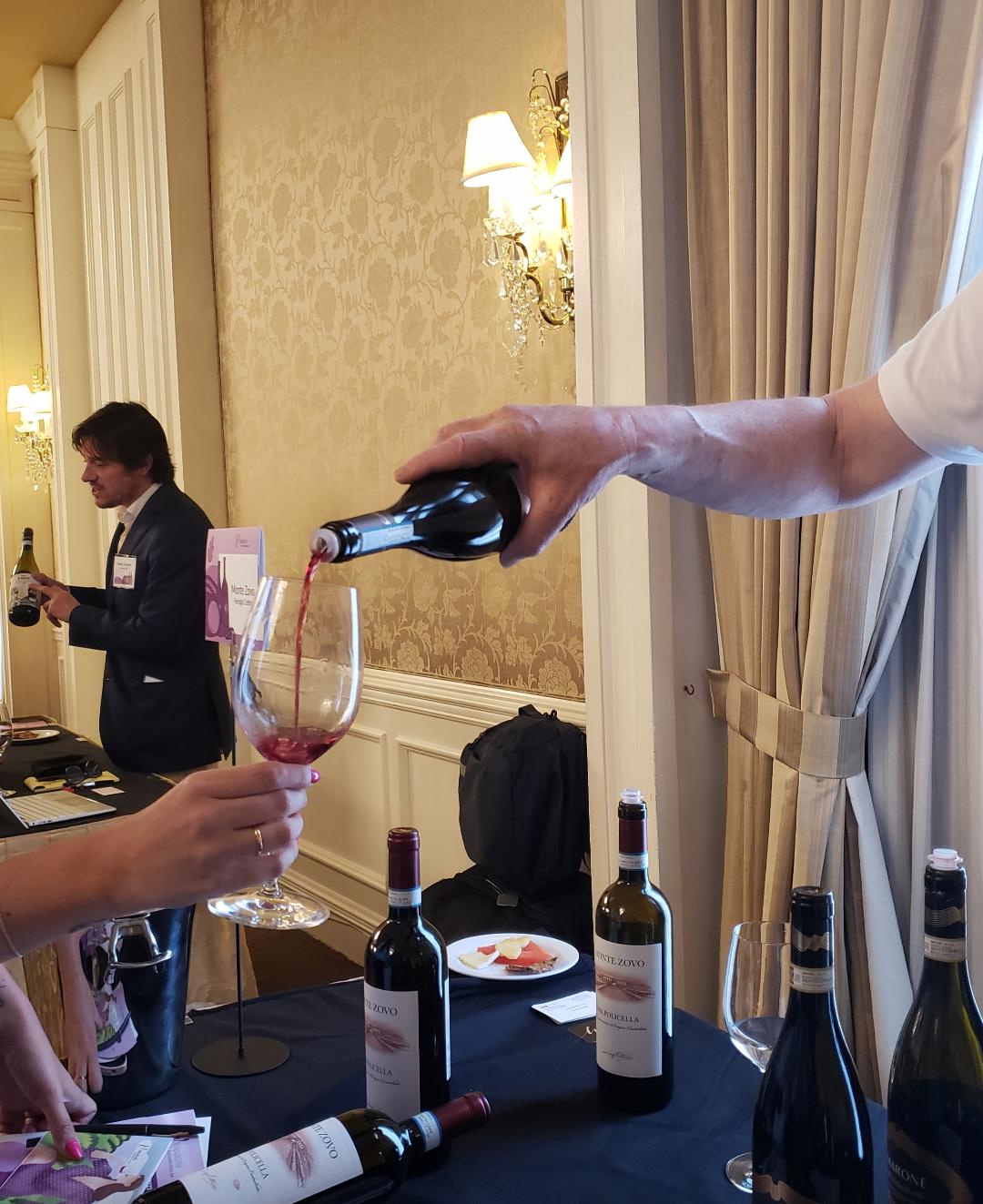
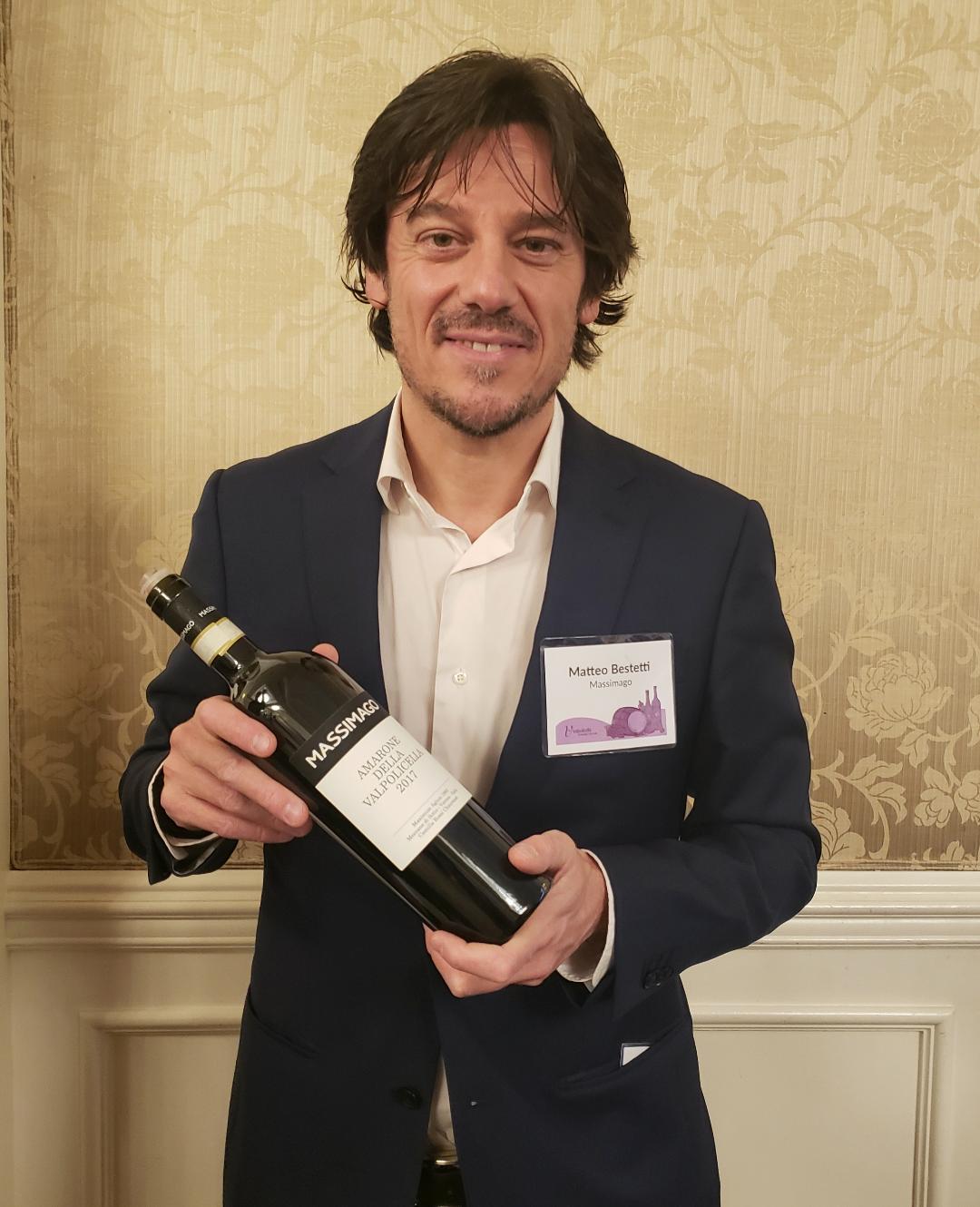
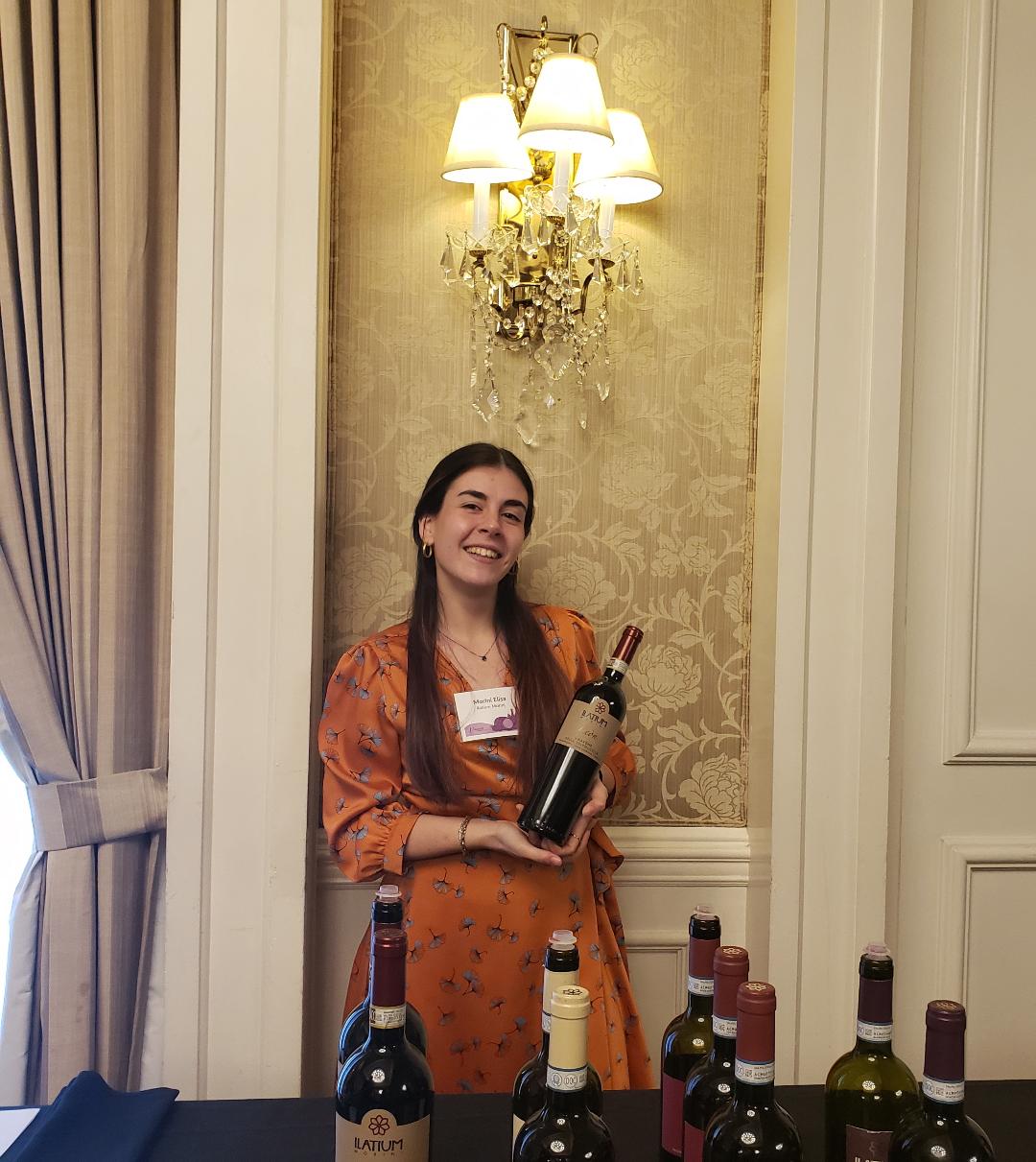
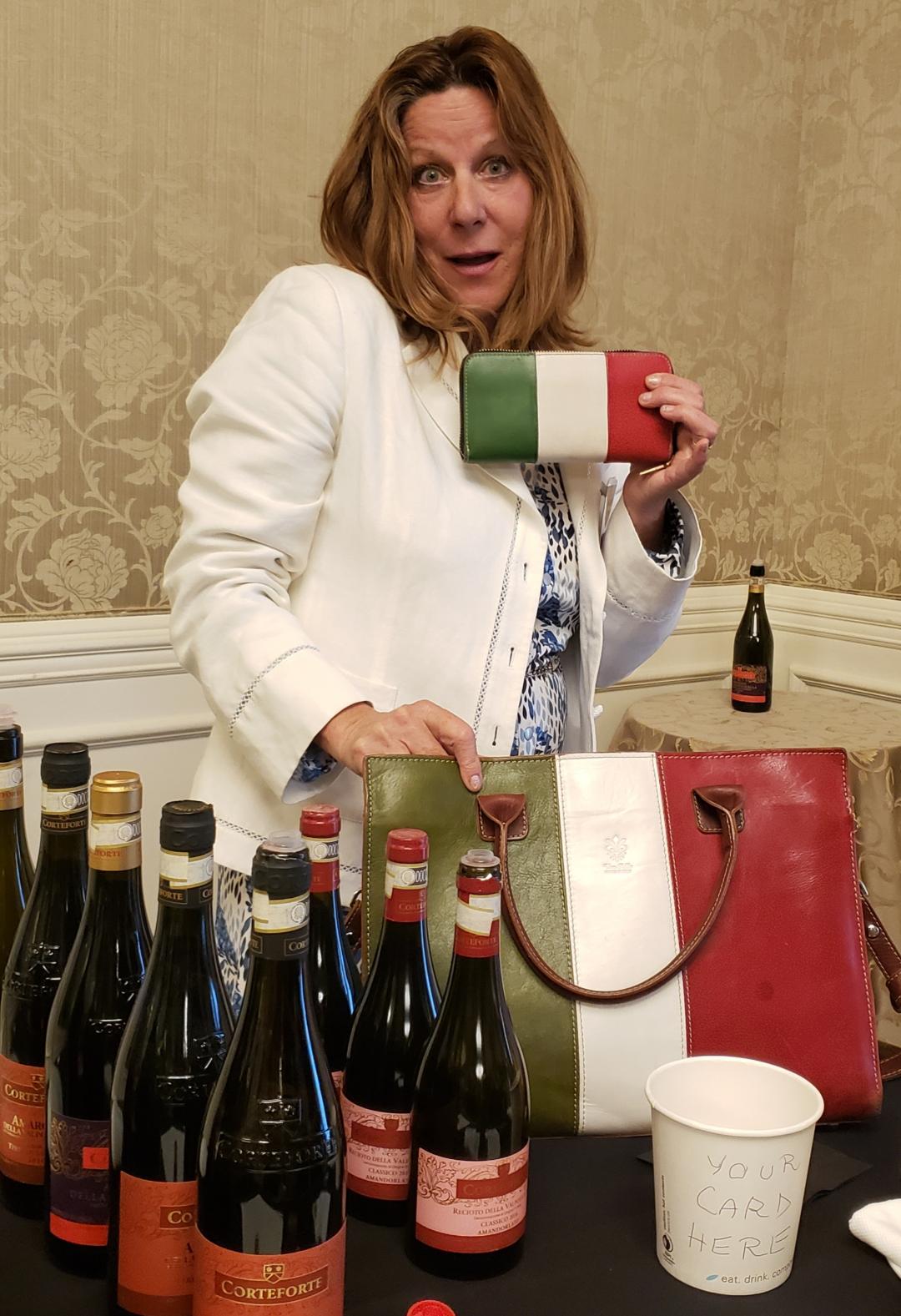
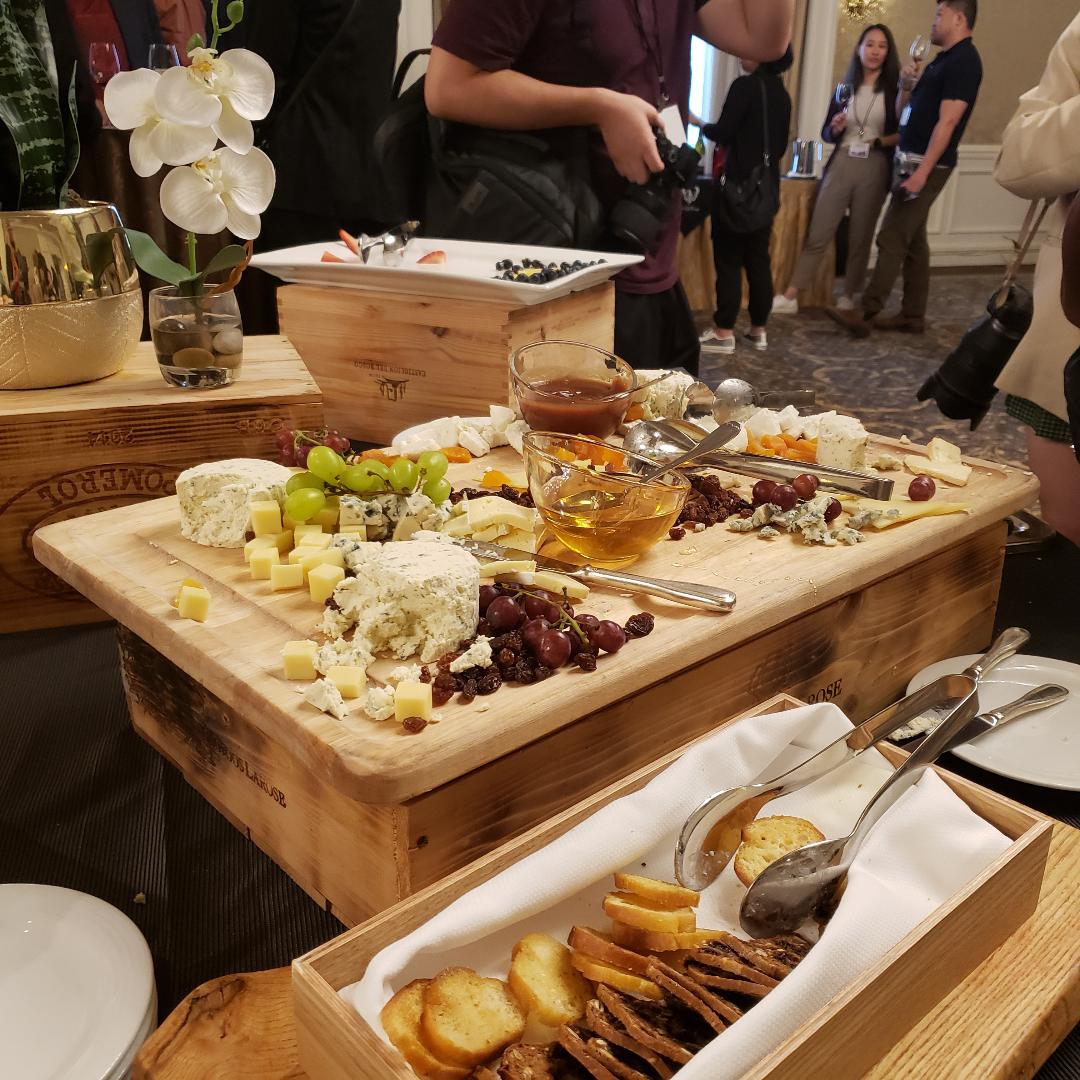
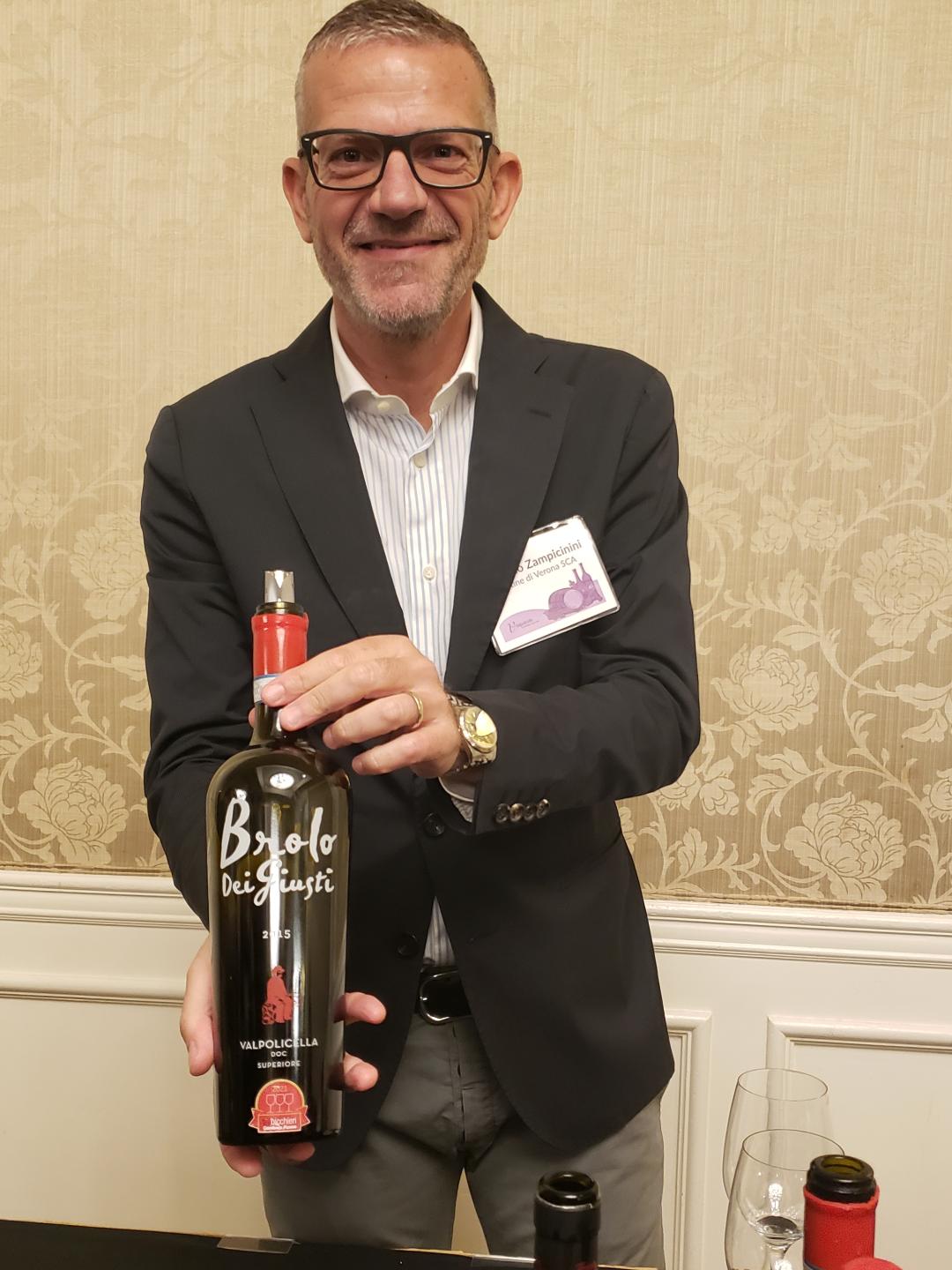
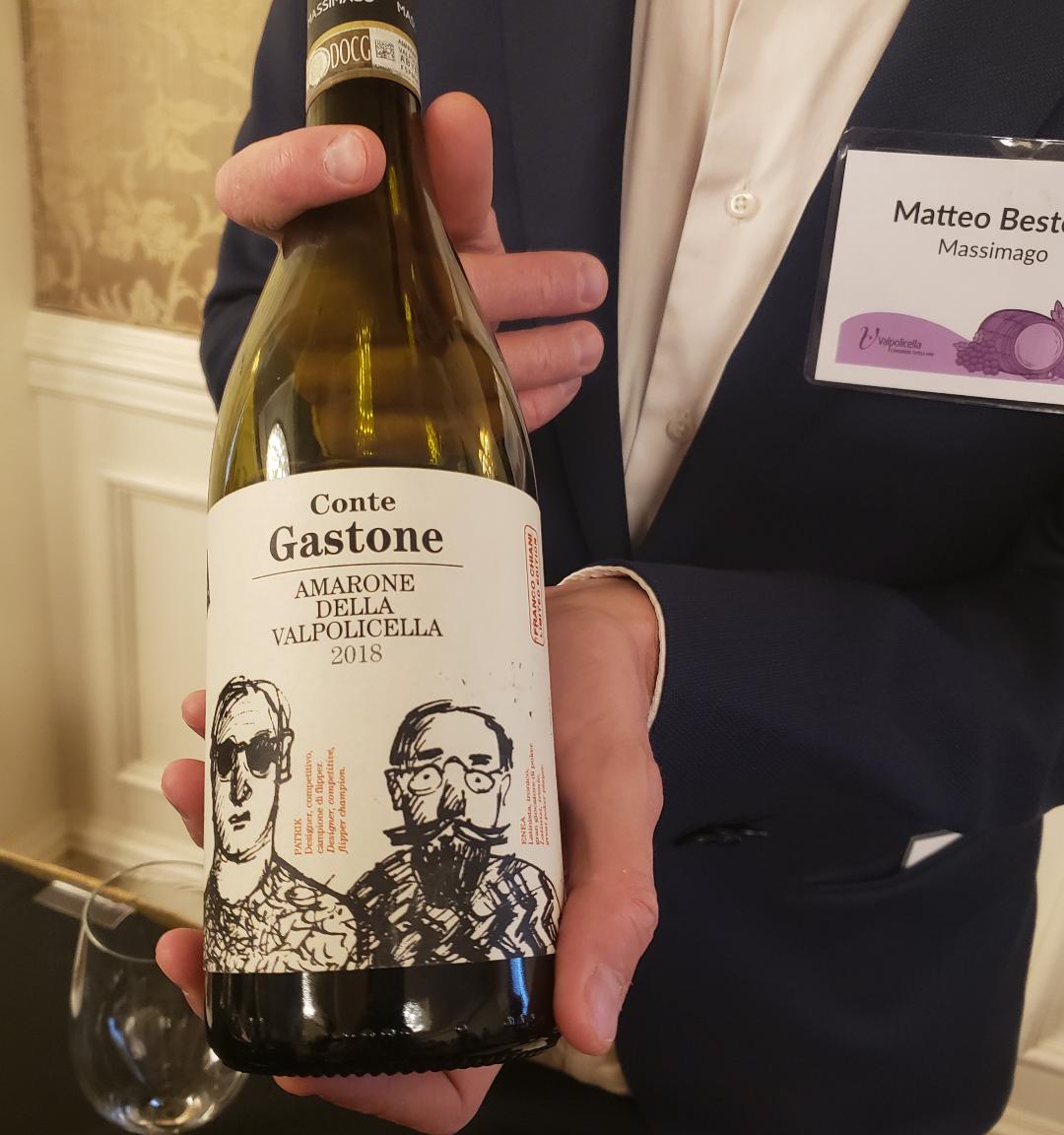
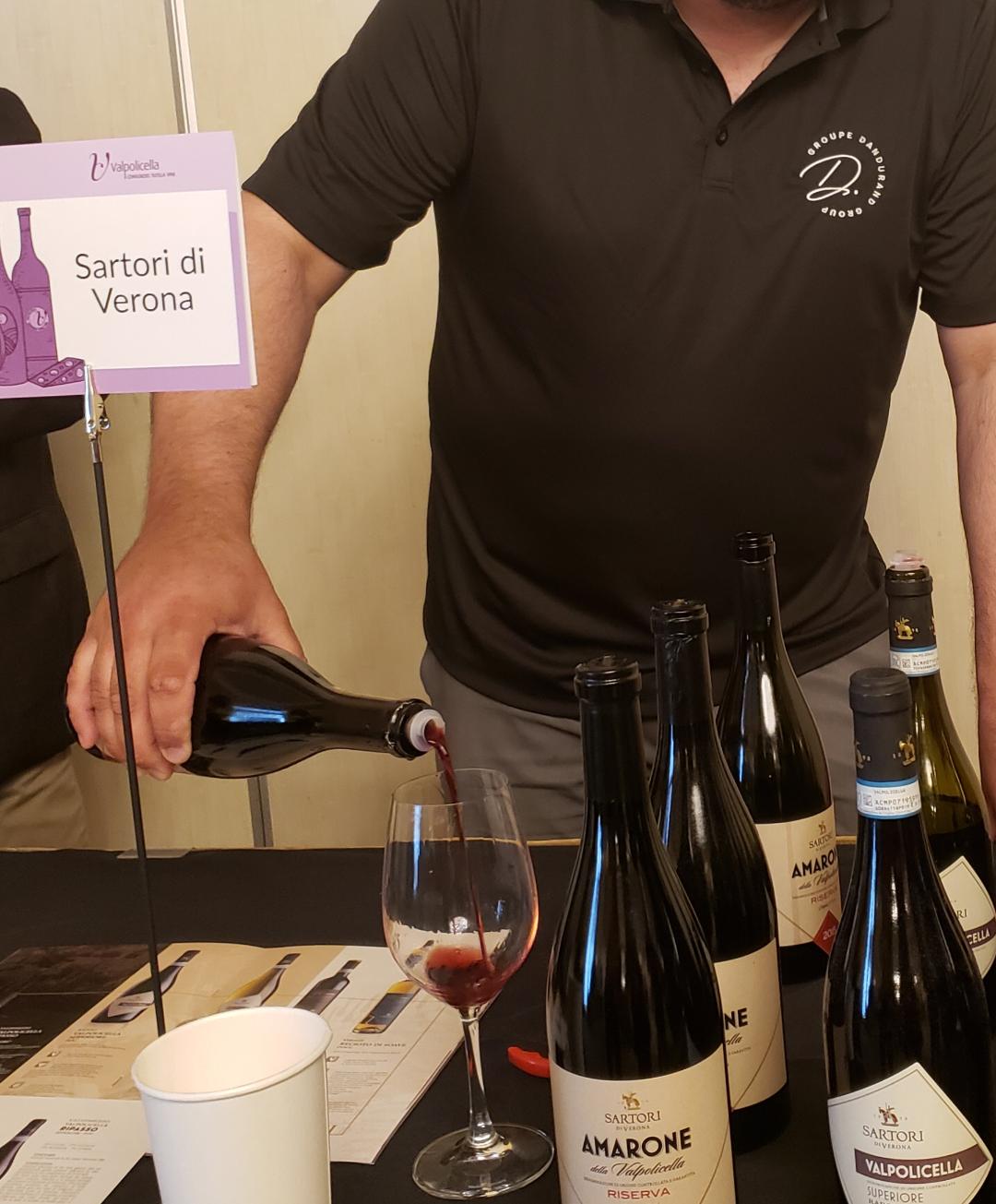
Yesterday I was invited to attend a walk around tasting of world famous Valpolicella wines open to media and wine critics at the Sutton Place Hotel in Vancouver. Valpolicella is the world-famous wine district in northeastern Italy.
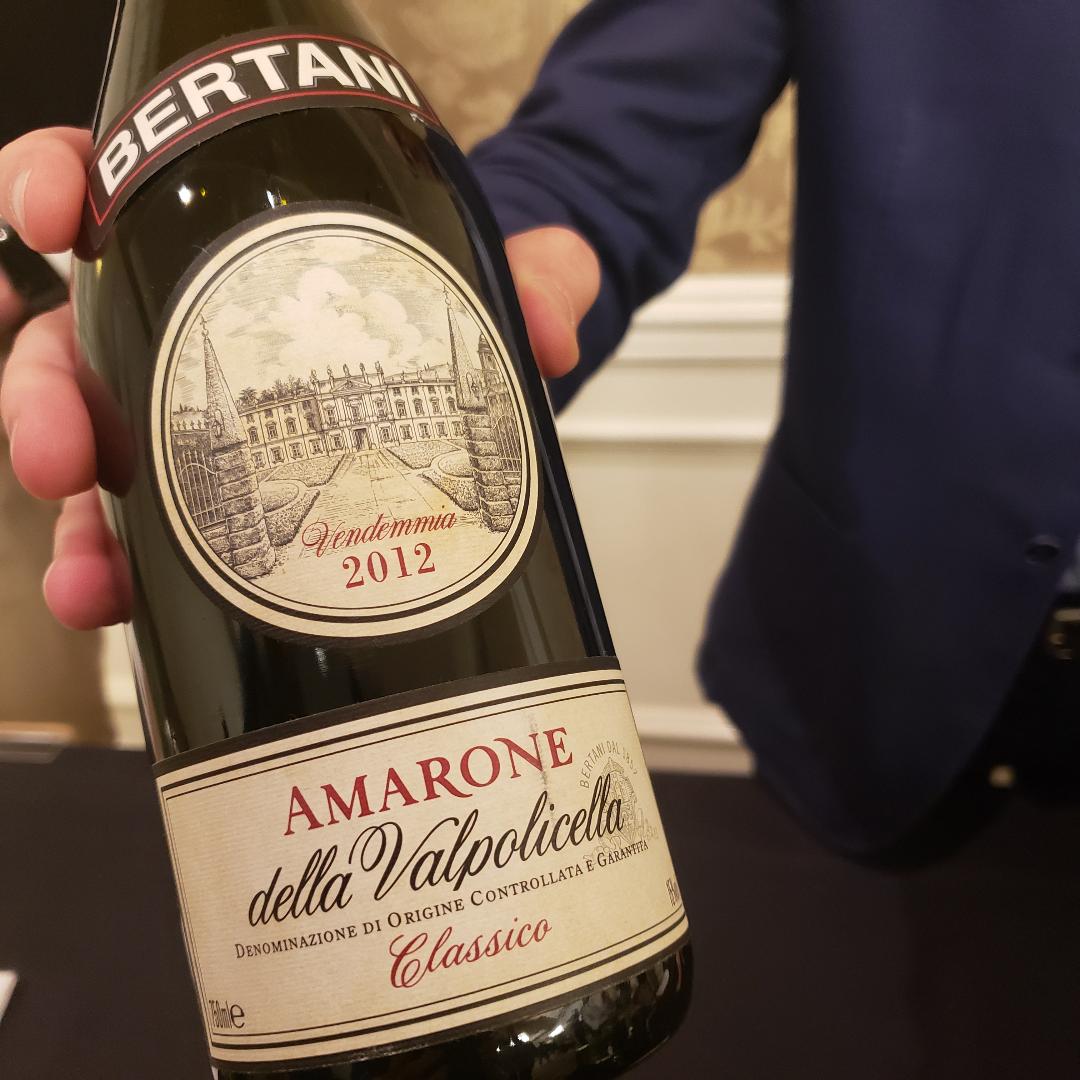
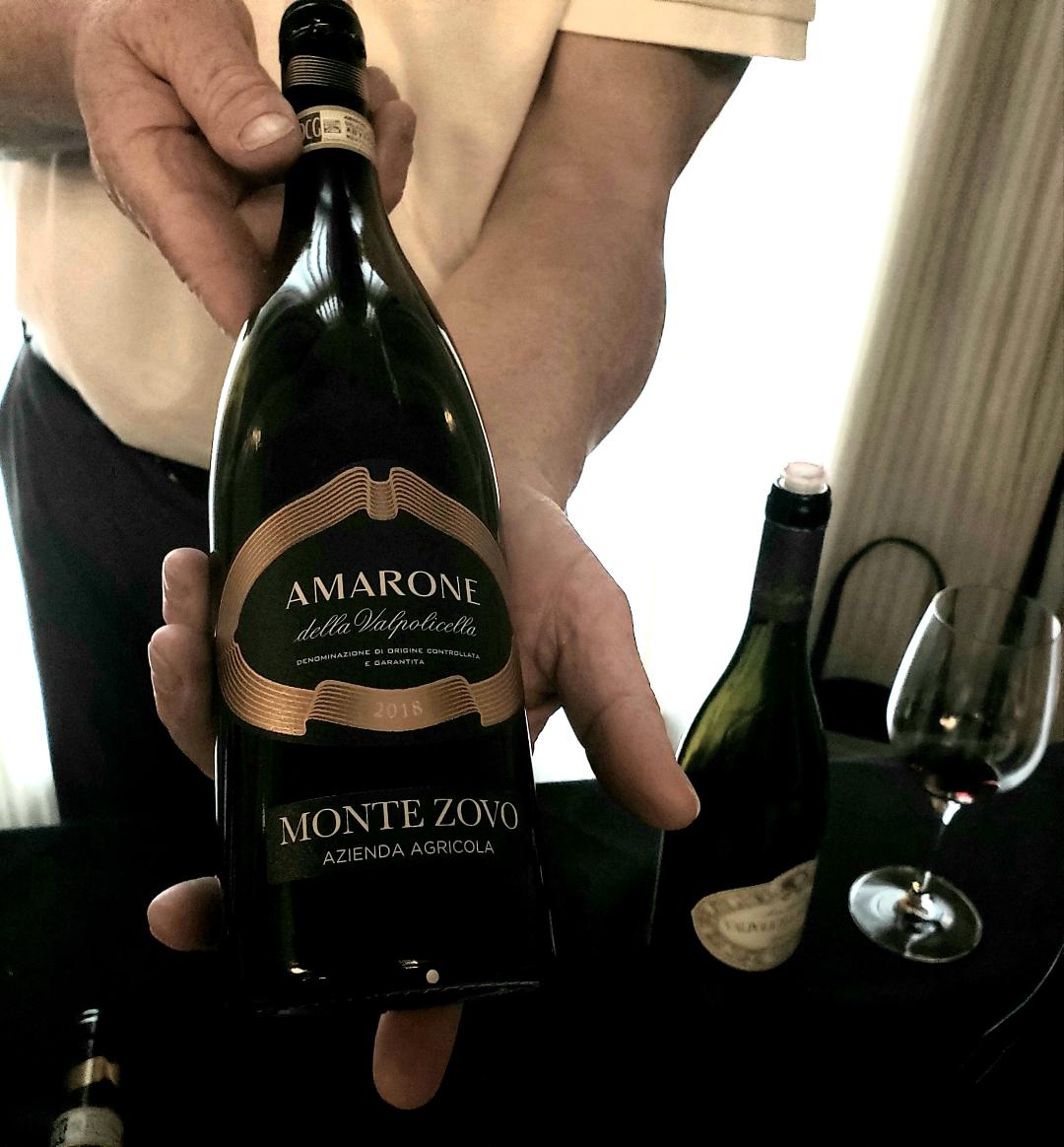
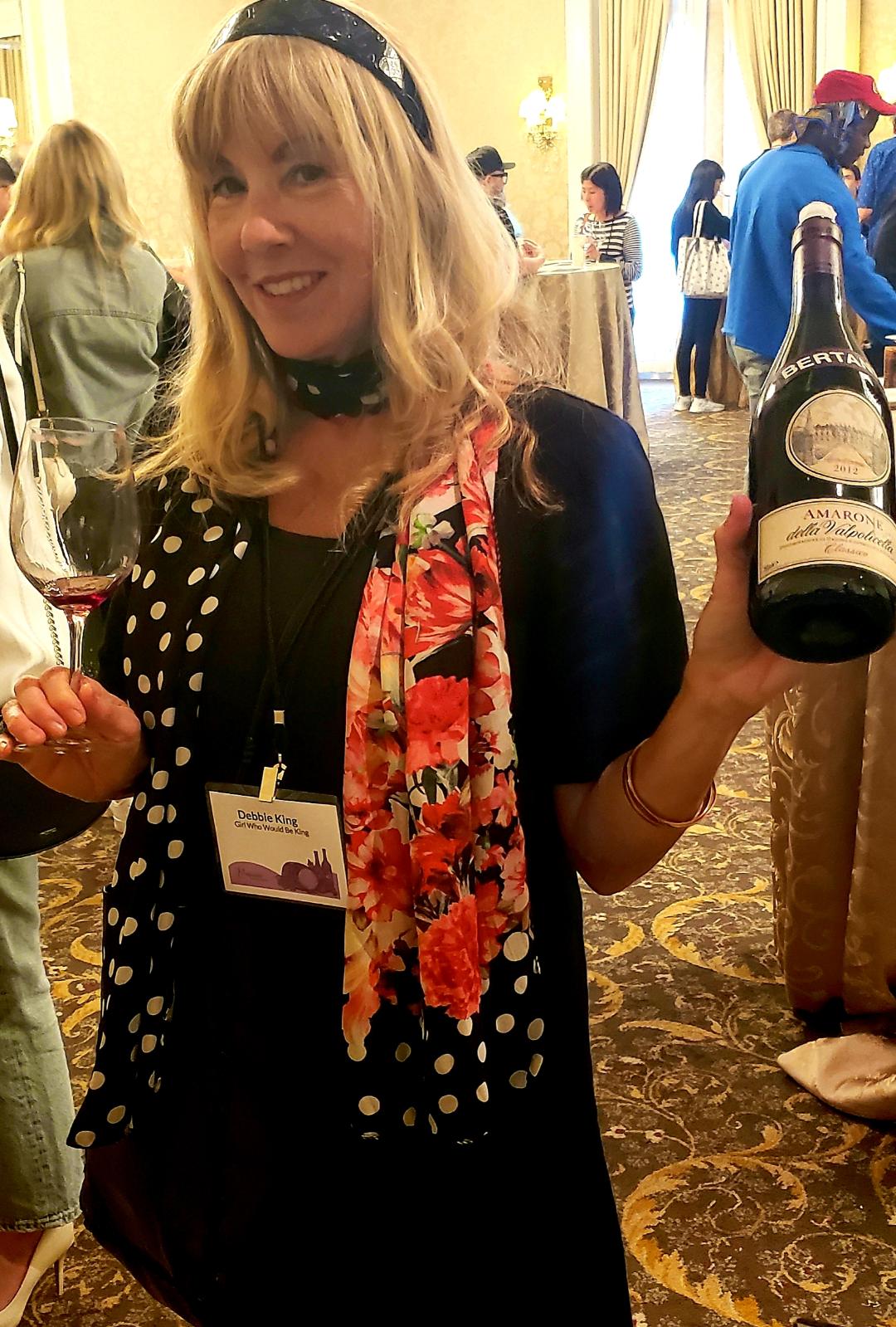
There was also on hand an abundance of Amarone (a personal favourite). I observed the wine critics and writers closely. I confessed to some of the wine reps that it would not be an easy task to rate some of these wines – as each tasting was as exceptional as the last. They agreed that being a critic is based on personal taste as much as the quality and taste of the wine.
So for the purpose of this post I won’t go into too much detail. Here’s an example why:
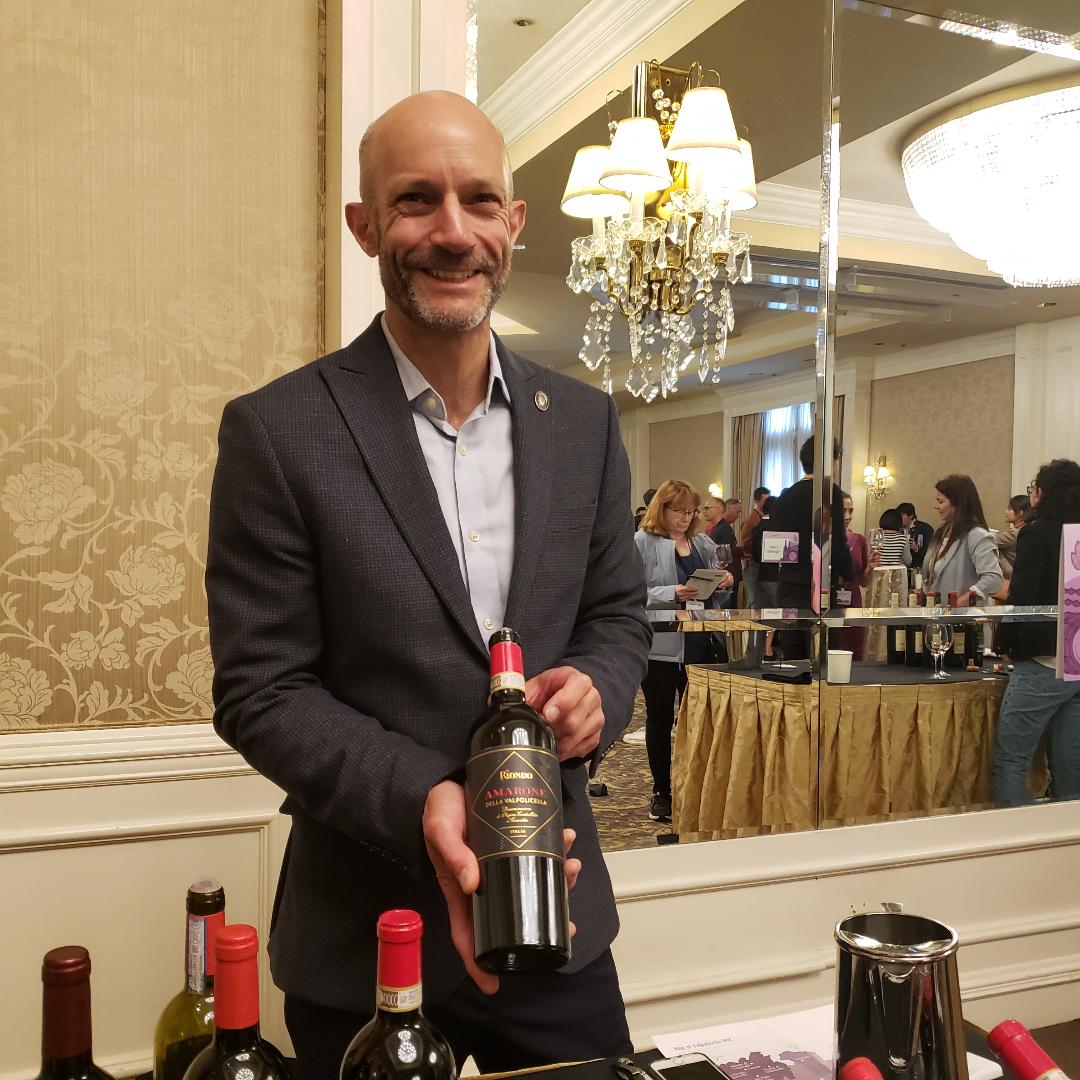
I really enjoyed a 93 Points (by Gilbert & Gaillard) Amarone Della Valpolicella D.O.C.G 2017 from Cantine Riondo – produced in Veneto, Italy. The wholesale price of this wine is around $30. Here are the tasting notes:
An elegant, full-bodied, complex wine. A flavour of black cherry on the palate, with spicy notes of vanilla and a coffee finish. A complex bouquet of cinnamon, cherry jam, preserved fruit and walnut on the nose.
Now…doesn’t that sound enticing? Who wouldn’t want to try this wine?
The wine critic must evaluate and describe the wine with a numerical rating, a tasting note, or a combination of both. A critic should have a background as a sommelier (course study in wine, spirits, and sake) or palate training through tasting classes at wineries or agricultural institutions. The writer or reviewer has to have a general understanding of the subject at hand.
Personally I like to think I have good taste in figuring out what wines are barely drinkable to the ones that are exceptional.
It was nice to go back to old world wines for a change. Especially since I’ve been focusing on wines from British Columbia when in Vancouver and wines from California when in Palm Springs.
The tasting was conducted by the Consorzio Tutela Vini which was founded in 1924. It’s an association of grapevine growers, wine makers and bottlers of Valpolicella wine production areas, that include 19 municipalities of Verona province. The Consorzio represents more than 80% of the producers using “Valpolicella” appellation. It promotes activities to enhance the value of the whole territory, takes care of promotion, value and general information about Valpolicella wines.
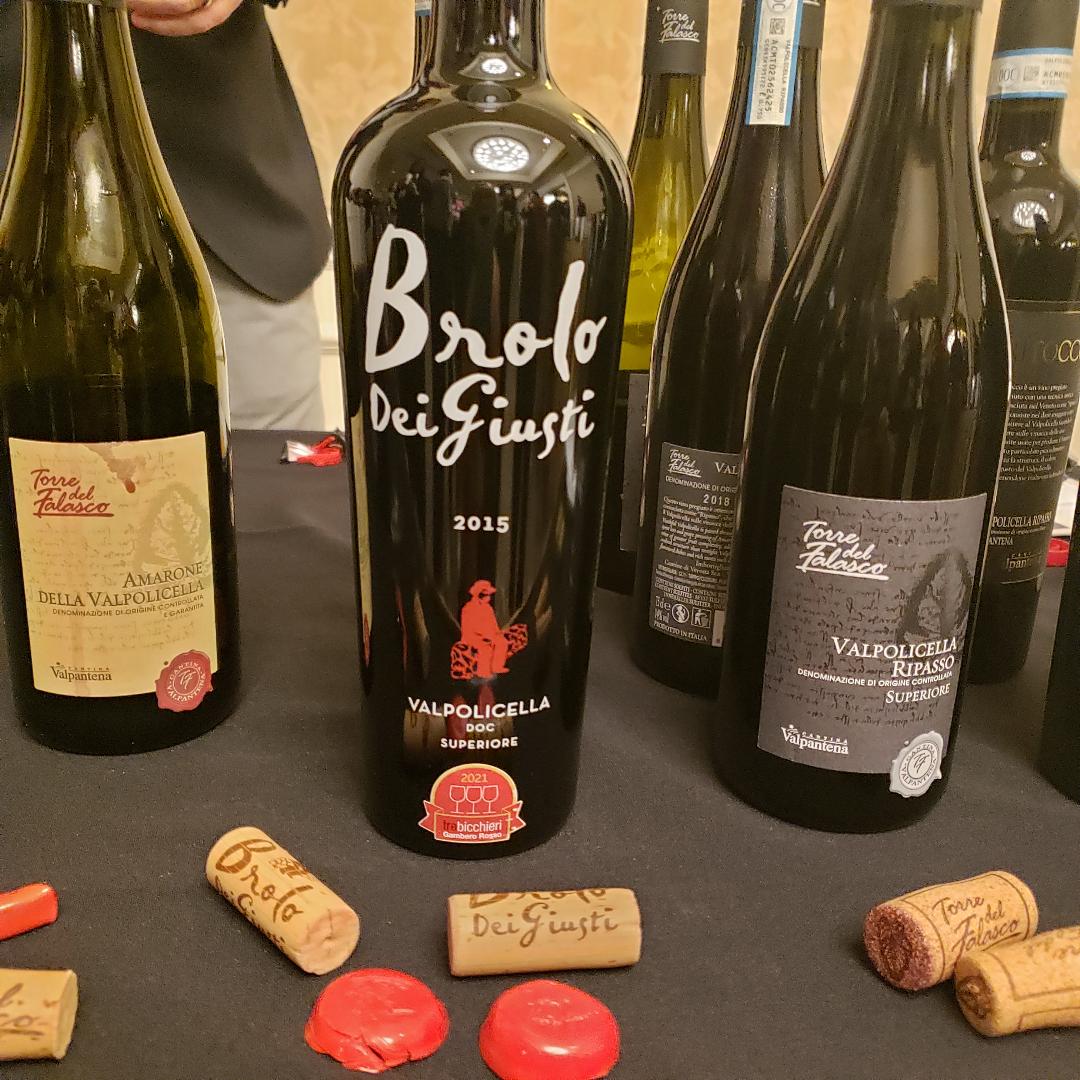
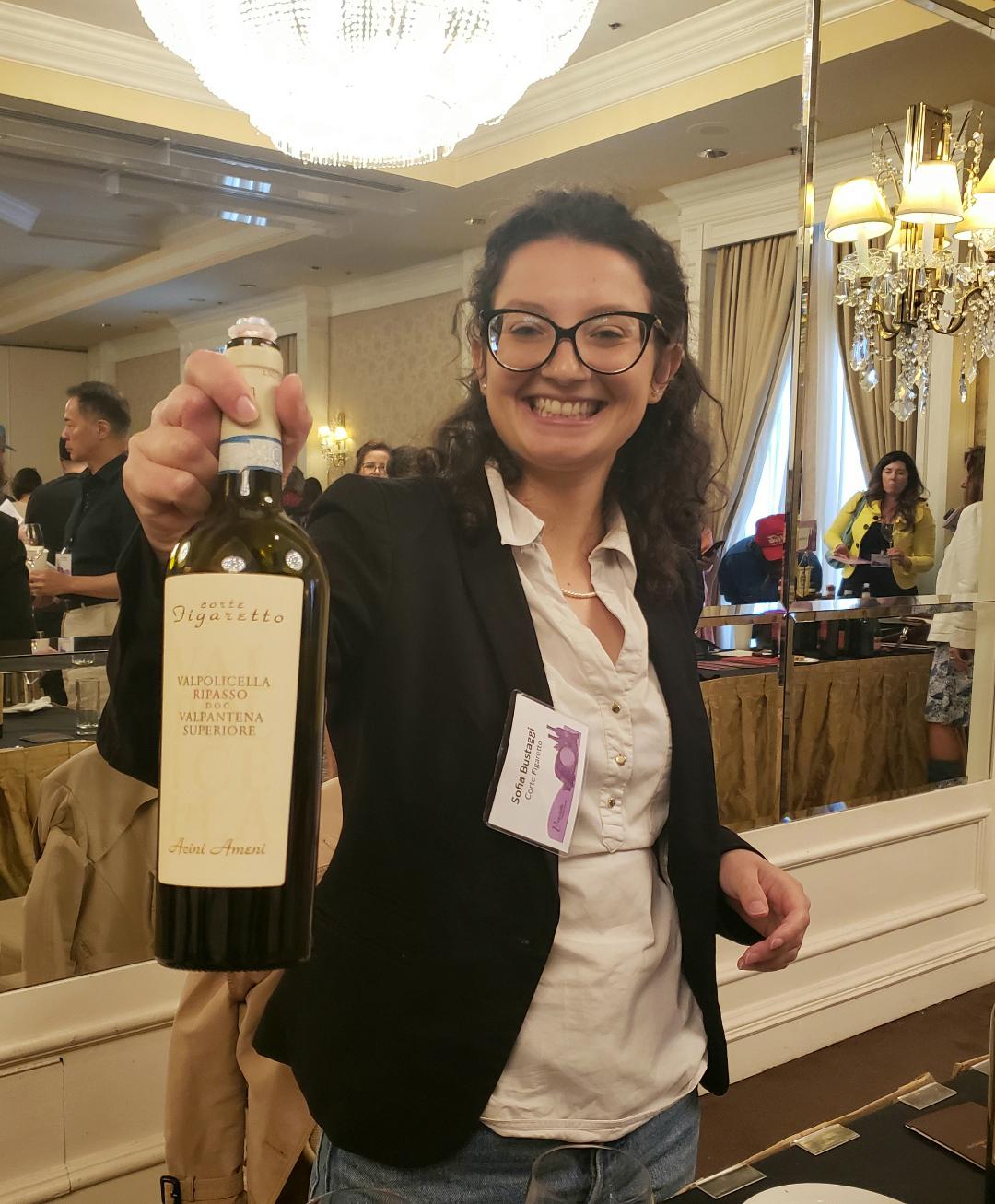
You’ll notice on the bottles: DOC, DOCG & Ripasso. In short:
DOC is the second highest quality level – with Denominazione di Origine Controllata meaning “designation of controlled origin”. In order to achieve this classification, there are still very strict rules which need to be followed regarding quality and authenticity.
DOCG is the highest classification Italian wines can be awarded. DOCG are the best of Italianwines. The classification means that there are controlled production methods (controllata) and guaranteed wine quality (garantita) with each bottle.
Ripasso is a red wine from the Valpolicella zone located north of Verona in the Veneto region of Italy. Ripasso is generally less well known than Valpolicella and Amarone wines, also from this area, even though it shares some features of both wines.
Amarone is a rich, expressive red wine from the Veneto region of northeastern Italy. Its full name is Amarone della Valpolicella, and it’s produced from a blend of grapes including Corvina, Corvinone and Rondinella. The concentrated nature of Amarone wine, coupled with longer fermentation and ageing processes, makes for a luxuriously rich, powerful, and full-bodied wine. Its vibrant, complex flavour and velvety texture make Amarone a decadent wine that deserves your full attention when drinking it. In Italian, the name Amarone literally means “Great Bitter”; originally, this was to distinguish it from the Recioto produced in the same region, which is sweeter in taste.
And finally; the real spirit of Italy is embodied in this sentence: Age and glasses of wine should never be counted.
This might sound like an excuse to drink one more glass of wine but, indeed, it is also an invitation to fully enjoy life. Forget about your age, stay young, and enjoy the company of good friends and good wine.Saluti!


 I recently went to an Australian wine tasting trade and media event in Vancouver. The wines I mentioned above are some of the oldest and most familiar wines from Australia that are sold in Canada. They’re readily available in almost all wine and liquor stores. It was so nice to see an abundance and sample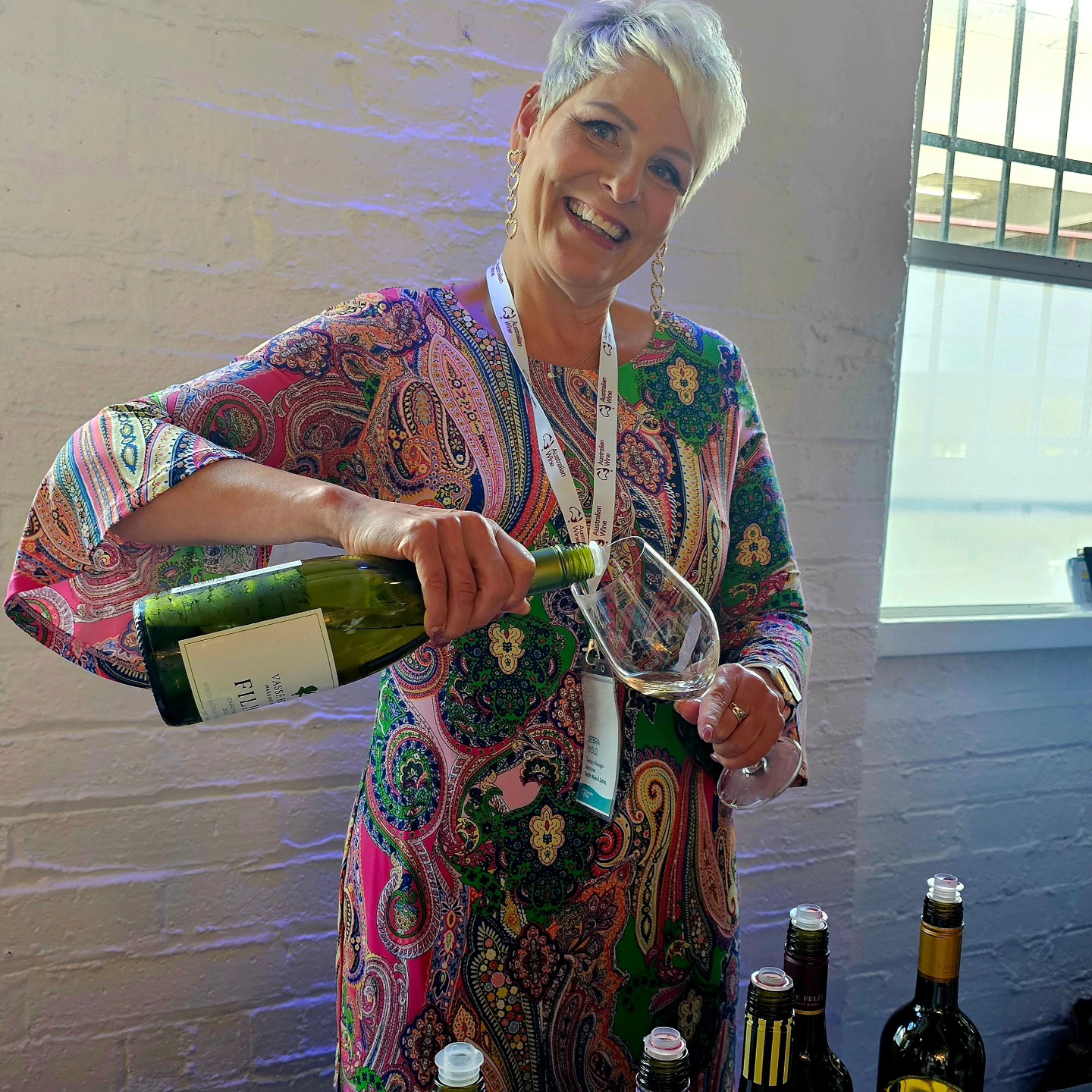





 Girl Who Would be KING on Life, Style and INSPIRATION.
You must be logged in to post a comment.