The Power of ART THERAPY –  dealing with trauma through art.                                


veterans4Aside from a proper diet, enough exercise and less stress there is the process of creating art, which in itself is proven to be very therapeutic and therefore healthy.  It keeps the mind busy and helps fight depression. veterans6 It could be ART for Arts sake or you can tell a story through your art.  This is exactly what young Canadian veterans in Afghanistan have been doing to help tell their story and bring something positive out of a traumatic situation.

A friend of mine first told me about this because she took her son to an opening at the Foster Eastman Art Gallery downtown Vancouver in early February to view works from different mediums such as paper mâché, watercolour & photography diaries by these veterans.  They were very moved with the work and the project.

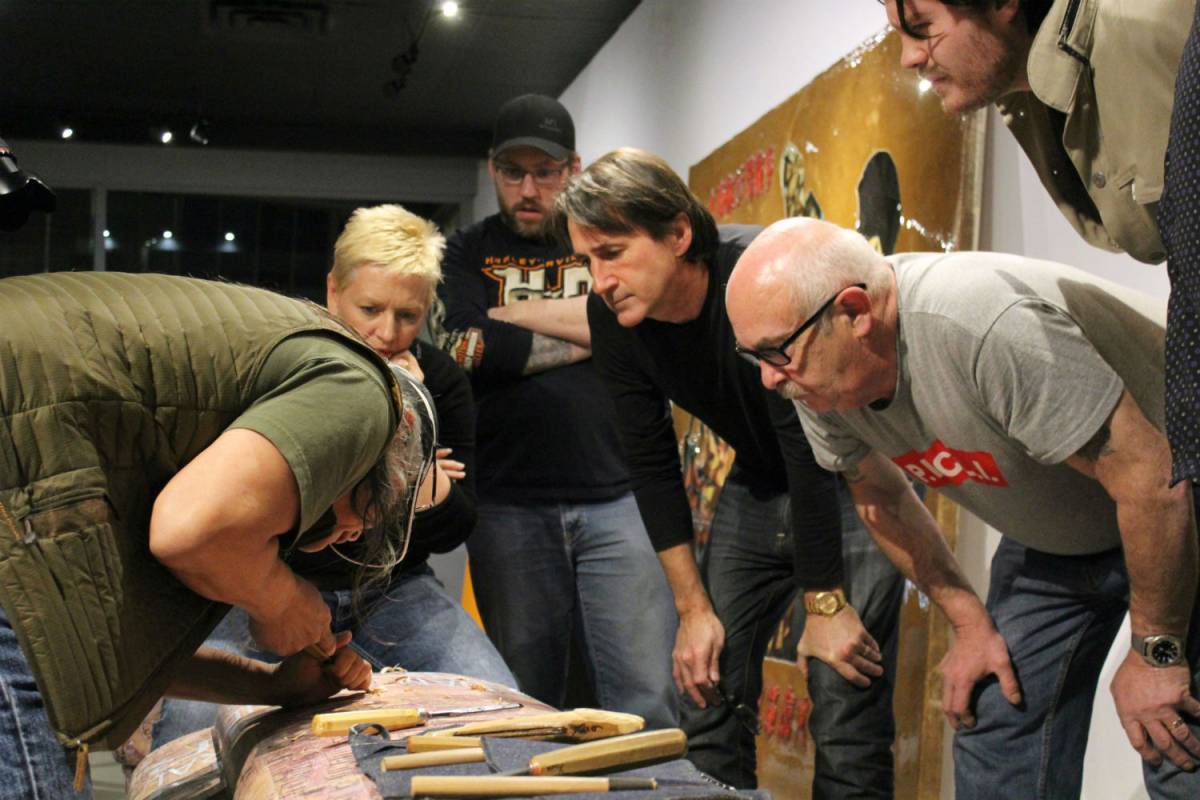
Helping them heal along the way…Squamish master carver Xwalacktun (Rick Harry) helps young veterans carve a Vancouver Tribute Totem Pole.   It’s part of a project aimed at telling the stories of the veterans—their tours in Afghanistan and the challenges they face once they return home.

Xwalacktun leads a carving lesson as participants in the veterans tribute-pole project observe. Photo: YOLANDE COLE
Xwalacktun leads a carving lesson as participants in the veterans tribute-pole project observe.  Photo: YOLANDE COLE

“With men, if they’re busy with their hands, they tend to talk more,” local businessman *Foster Eastman tells the Straight in an interview at his studio. “I mean, we’re not here to offer therapy, but I think if it happens, great. It’s almost like a side effect.”

Xwalacktun has been leading the veterans through the traditional First Nations process of creating a totem pole, beginning with the healing song he performed before they began carving. But the materials of this monument aren’t exactly conventional—the tribute pole consists of two coffins.

The caskets symbolize the 158 Canadian soldiers who died in Afghanistan, and the fact that many people who struggle with depression feel like they’re “trapped in a box”, according to Eastman.

Tim Laidler carves the surface of a tribute pole being created by veterans. Photo: YOLANDE COLE
Tim Laidler carves the surface of a tribute pole being created by veterans.                                  Photo: YOLANDE COLE

This isn’t the first time the artist has worked with veterans. His previous project resulted in the creation of the Lest We Forget CANADA! mural last year. The 162-panel tribute to Canadians killed in Afghanistan, which raised $120,000 for the Veterans Transition Network, will be kept by the Canadian War Museum as part of its permanent collection.

The process of creating the mural became very therapeutic for the veterans involved, Eastman notes, as the soldiers began to talk about their experiences to civilians who participated in the project.

“The doctors that were treating a lot of the veterans noticed great improvement in their mental well-being,” Eastman says. “So of course it became therapeutic, but that’s not what our intention was. We were just doing art. But it did kind of happen naturally.”

The success of the mural led to Eastman’s current initiative, which is part of a project funded by the Movember Foundation. In addition to the tribute pole, a group of veterans is working on a theatre production with UBC professor George Belliveau.veterans3

Once the pole is raised at the end of April, it will tell the stories of the veterans through the carved military ranks across the front, such as captain, lieutenant, and private.

The pole will also display a tribute to the soldiers who didn’t return, with each of their first names carved into the surface of the caskets.

This is a great project to really bring forward to people to understand where these young people came from in their journey in wartime,” says Xwalacktun. “This is bringing people out and being able to share while they’re working, so it’ll help them grow and heal.”

The tribute pole will be raised at Studio 1398 on Granville Island on April 30, May 1, and May 2.

*Foster Eastman is a local businessman who enjoyed an unlikely debut as an artist last summer at the Gordon Smith Gallery of Canadian Art with his exhibition inspired by Mao and the Cultural Revolution.

Other Eastman works to be on display: ghostly silhouettes of Afghan women in burkas cut out of Canadian “guerilla advertising” posters, a series of AK-47s cut from Archie comics—a transformation of familiar objects into sinister instruments that brings the war home in a visceral way. The mural, to be unveiled on April 16, encompasses photographic prints showing Afghan widows in mourning, a funeral procession for a Canadian soldier and a poignant image of a soldier holding a young Afghan boy’s hand, as well as the Pams.

SourceMaclean’s Magazine & Georgia Straight – From Kandahar to Canada: 

Other previous blog posts to do with natural therapies for the soul:

https://girlwhowouldbeking.com/2013/11/17/cultureart-therapy-for-the-soul/

https://girlwhowouldbeking.com/2014/04/24/personally-laughter-will-save-you-in-therapy-bills/


health MATTERS: how to BOOST your IMMUNE system

LAUGHTER is the best medicine and MUSIC soothes the soul. Life is all about healthy BALANCE.  I truly believe that.  First and foremost there’s FUN and then there’s a real serious side the side I try to suppress as much as possible. What it all comes down to:

healthy1Over the last four days I’ve been listening to a podcast on my tablet called “the truth about Cancer.”  It’s a 12-part series lasting approximately 1 ½ hours in length for each webisode that has a lot to say and is a lot to take in.  Interviews with 28 doctors, 11 scientists, 9 survivors and 1 FDA dragon slaying attorney that break their code of silence and expose the supposed truth about Cancer and exactly how to prevent, treat and beat it 100% naturally.

enjoy the outdoors and exercise at the same time
enjoying the outdoors and exercising at the same time is a great stress reliever

  I have known and unfortunately now know enough people with this horrible disease to want to pay extra attention to what each have to say, all with keeping an open mind of course.  Because the fine print says that any product mentioned or described on their website is not intended to diagnose, treat, cure, or prevent any disease.  Also, much of it is reinforcement of what you may already know if you follow health protocols which I’m sure many of you do.  It is still thought-provoking to hear what each have to say and especially the individual survivor stories which I find the most inspiring.  The bottom line is that according to the argument, your immune system has to be already compromised in order to get cancer in the first place.  So,

How to boost your immune system

WHAT CAN WE DO?

On the whole, your immune system does a remarkable job of defending you against disease-causing microorganisms. But sometimes it fails: A germ invades successfully and makes you sick. Is it possible to intervene in this process and make your immune system stronger? What if you improve your diet? Take certain vitamins or herbal preparations? Make other lifestyle changes in the hope of producing a near-perfect immune response?

The idea of boosting your immunity is enticing, but the ability to do so has proved elusive for several reasons. The immune system is precisely that — a system, not a single entity. To function well, it requires balance and harmony. There is still much that researchers don’t know about the intricacies and interconnectedness of the immune response. For now, there are no scientifically proven direct links between lifestyle and enhanced immune function.

But that doesn’t mean the effects of lifestyle on the immune system aren’t intriguing and shouldn’t be studied. Quite a number of researchers are exploring the effects of diet, exercise, age, psychological stress, herbal supplements, and other factors on the immune response, both in animals and in humans. Although interesting results are emerging, thus far they can only be considered preliminary. That’s because researchers are still trying to understand how the immune system works and how to interpret measurements of immune function. The following sections summarize some of the most active areas of research into these topics. In the meantime, general healthy-living strategies are a good way to start giving your immune system the upper hand.

Make loving connections
make loving connections

Adopt HEALTHY-LIVING strategies:

Your first line of defense is to choose a healthy lifestyle. Following general good-health guidelines is the single best step you can take toward keeping your immune system strong and healthy. Every part of your body, including your immune system, functions better when protected from environmental assaults and bolstered by healthy-living strategies such as these:

  • Don’t smoke.
  • Eat a diet high in fruits, vegetables, and whole grains, and low in saturated fat.
  • Exercise regularly.
  • Maintain a healthy weight.
  • Control your blood pressure.
  • If you drink alcohol, drink only in moderation.
  • Get adequate sleep.
  • Take steps to avoid infection, such as washing your hands frequently and cooking meats thoroughly.
  • Get regular medical screening tests for people in your age group and risk category

Be SKEPTICAL:

  • Many products on store shelves claim to boost or support immunity. But the concept of boosting immunity actually makes little sense scientifically. In fact, boosting the number of cells in your body — immune cells or others — is not necessarily a good thing. For example, athletes who engage in “blood doping” — pumping blood into their systems to boost their number of blood cells and enhance their performance — run the risk of strokes.
  • Attempting to boost the cells of the immune system is especially complicated because there are so many different kinds of cells in the immune system that respond to so many different microbes in so many ways. Which cells should you boost, and to what number? So far, scientists do not know the answer. What is known is that the body is continually generating immune cells. Certainly it produces many more lymphocytes than it can possibly use. The extra cells remove themselves through a natural process of cell death called apoptosis — some before they see any action, some after the battle is won. No one knows how many cells or what kinds of cells the immune system needs to function at its optimum level.
  • Many researchers are trying to explore the effects of a variety of factors — from foods and herbal supplements to exercise and stress — on immunity. Some take measures of certain blood components like *lymphocytes or **cytokines. But thus far, no one really knows what these measurements mean in terms of your body’s ability to fight disease. They provide a way of detecting whether something is going on, but science isn’t yet sufficiently advanced to understand how this translates into success in warding off disease.
  • A different scientific approach looks at the effect of certain lifestyle modifications on the incidence of disease. If a study shows significantly less disease, researchers consider whether the immune system is being strengthened in some way. Based on these studies, there is now evidence that even though we may not be able to prove a direct link between a certain lifestyle and an improved immune response, we can at least show that some links are likely.

AGE and IMMUNITY:

  • While some people age healthily, the conclusion of many studies is that, compared with younger people, the elderly are far more likely to contract infectious diseases. Respiratory infections, influenza, and particularly pneumonia are a leading cause of death in people over 65 worldwide. No one knows for sure why this happens, but some scientists observe that this increased risk correlates with a decrease in T cells, possibly from the thymus atrophying with age and producing fewer T cells to fight off infection. Thymus function declines beginning at age 1; whether this decrease in thymus function explains the drop in T cells or whether other changes play a role is not fully understood. Others are interested in whether the bone marrow becomes less efficient at producing the stem cells that give rise to the cells of the immune system.

WHAT ABOUT DIET?

  • Like any fighting force, the immune system army marches on its stomach. Immune system warriors need good, regular nourishment. Scientists have long recognized that people who live in poverty and are malnourished are more vulnerable to infectious diseases. Whether the increased rate of disease is caused by malnutrition’s effect on the immune system, however, is not certain. There are still relatively few studies of the effects of nutrition on the immune system of humans, and even fewer studies that tie the effects of nutrition directly to the development (versus the treatment) of diseases.
  • So what can you do? If you suspect your diet is not providing you with all your micronutrient needs — maybe you don’t like vegetables or you choose white bread over whole grains — taking a daily multivitamin and mineral supplement brings health benefits of many types, beyond any possibly beneficial effects on the immune system. Taking megadoses of a single vitamin does not. More is not necessarily better. Researchers are investigating the immune boosting potential of a number of different nutrients.
  • Some studies have suggested that people with low selenium levels are at greater risk of bladder, breast, colon, rectum, lung, and prostate cancers. A large-scale, multiyear study is currently in progress to look at the effects of combining selenium and vitamin E on prostate cancer prevention.
  • Vitamin A.Experts have long known that vitamin A plays a role in infection and maintaining mucosal surfaces by influencing certain subcategories of T cells and B cells and cytokines. Vitamin A deficiency is associated with impaired immunity and increased risk of infectious disease. On the other hand, according to one study, supplementation in the absence of a deficiency didn’t enhance or suppress T cell immunity in a group of healthy seniors.
  • Vitamin B2.There is some evidence that vitamin B2 enhances resistance to bacterial infections in mice, but what that means in terms of enhancing immune response is unclear.
  • Vitamin B6.Several studies have suggested that a vitamin B6 deficiency can depress aspects of the immune response, such as lymphocytes’ ability to mature and spin off into various types of T and B cells. Supplementing with moderate doses to address the deficiency restores immune function, but megadoses don’t produce additional benefits. And B6 may promote the growth of tumors.
  • Vitamin C.The jury is still out on vitamin C and the immune system. Many studies have looked at vitamin C in general; unfortunately, many of them were not well designed. Vitamin C may work in concert with other micronutrients rather than providing benefits alone.
  • Vitamin D.For many years doctors have known that people afflicted with tuberculosis responded well to sunlight. An explanation may now be at hand. Researchers have found that vitamin D, which is produced by the skin when exposed to sunlight, signals an antimicrobial response to the bacterium responsible for tuberculosis, Mycobacterium tuberculosis. Whether vitamin D has similar ability to fight off other diseases and whether taking vitamin D in supplement form is beneficial are questions that need to be resolved with further study.
  • Vitamin E.A study involving healthy subjects over age 65 has shown that increasing the daily dose of vitamin E from the recommended dietary allowance (RDA) of 30 mg to 200 mg increased antibody responses to hepatitis B and tetanus after vaccination. But these increased responses didn’t happen following administration of diphtheria and pneumococcal vaccines.
  • Zinc is a trace element essential for cells of the immune system, and zinc deficiency affects the ability of T cells and other immune cells to function as they should. Caution: While it’s important to have sufficient zinc in your diet (15–25 mg per day), too much zinc can inhibit the function of the immune system.

HERBS and other SUPPLEMENTS:

  • Walk into a store, and you will find bottles of pills and herbal preparations that claim to “support immunity” or otherwise boost the health of your immune system. Although some preparations have been found to alter some components of immune function, thus far there is no evidence that they actually bolster immunity to the point where you are better protected against infection and disease. Demonstrating whether an herb — or any substance, for that matter — can enhance immunity is, as yet, a highly complicated matter. Scientists don’t know, for example, whether an herb that seems to raise the levels of antibodies in the blood is actually doing anything beneficial for overall immunity.
  • But that doesn’t mean we should discount the benefits of all herbal preparations. Everyone’s immune system is unique. Each person’s physiology responds to active substances differently. So if your grandmother says she’s been using an herbal preparation for years that protects her from illness, who’s to say that it doesn’t? The problem arises when scientists try to study such a preparation among large numbers of people. The fact that it works for one person won’t show up in the research data if it’s not doing the same for a larger group.
  • There are hundreds of different species of bacteria in your digestive tract, which do a bang-up job helping you digest your food. Now researchers, including some at Harvard Medical School, are finding evidence of a relationship between such “good” bacteria and the immune system. For instance, it is now known that certain bacteria in the gut influence the development of aspects of the immune system, such as correcting deficiencies and increasing the numbers of certain T cells. Precisely how the bacteria interact with the immune system components isn’t known. As more and more intriguing evidence comes in to support the link that intestinal bacteria bolster the immune system, it’s tempting to think that more good bacteria would be better. At least, this is what many marketers would like you to believe as they tout their probiotic products.
  • Probiotics are good bacteria, such as Lactobacillus and Bifidobacterium, that can safely dwell in your digestive tract. You’ll now find probiotics listed on the labels of dairy products, drinks, cereals, energy bars, and other foods. Ingredients touted as “prebiotics,” which claim to be nutrients that feed the good bacteria, are also cropping up in commercially marketed foods. Unfortunately, the direct connection between taking these products and improving immune function has not yet been made. Nor has science shown whether taking probiotics will replenish the good bacteria that get knocked out together with “bad” bacteria when you take antibiotics.
  • Another caution is that the quality of probiotic products is not consistent. Some contain what they say they do; some do not. In a 2006 report, the American Academy of Microbiology said that “at present, the quality of probiotics available to consumers in food products around the world is unreliable.” In the same vein, the FDA monitors food packages to make sure they don’t carry labels that claim the products can cure diseases unless the companies have scientific evidence to support the claims. Does this mean taking probiotics is useless? No. It means the jury is still out on the expansive health claims. In the meantime, if you choose to take a probiotic in moderation, it probably won’t hurt, and the scientific evidence may ultimately show some benefit.

The STRESS CONNECTION:

  • Modern medicine, which once treated the connection between emotions and physical health with skepticism, has come to appreciate the closely linked relationship of mind and body. A wide variety of maladies, including stomach upset, hives, and even heart disease, are linked to the effects of emotional stress. But although the relationship between stress and immune function is being studied by a number of different types of scientists, so far it is not a major area of research for immunologists.

Studying the relationship between stress and the immune system presents difficult challenges. For one thing, stress is difficult to define. What may appear to be a stressful situation for one person is not for another.

Many researchers report that stressful situations can reduce various aspects of the cellular immune response. A research team from Ohio State University that has long worked in this field suggests that psychological stress affects the immune system by disrupting communication between the nervous system, the endocrine (hormonal) system, and the immune system. These three systems “talk” to one another using natural chemical messages, and must work in close coordination to be effective. The Ohio State research team speculates that long-term stress releases a long-term trickle of stress hormones — mainly glucocorticoids. These hormones affect the thymus, where lymphocytes are produced, and inhibit the production of cytokines and interleukins, which stimulate and coordinate white blood cell activity. This team and others have reported the following results:

  • Elderly people caring for relatives with Alzheimer’s disease have higher than average levels of cortisol, a hormone secreted by the adrenal glands and, perhaps because of the higher levels of cortisol, make fewer antibodies in response to influenza vaccine.
  • Some measures of T cell activity have been found to be lower in depressed patients compared with non depressed patients, and in men who are separated or divorced compared with men who are married.
  • In a year-long study of people caring for husbands or wives with Alzheimer’s disease, changes in T cell function were greatest in those who had the fewest friends and least outside help.
  • Four months after the passage of Hurricane Andrew in Florida, people in the most heavily damaged neighborhoods showed reduced activity in several immune system measurements. Similar results were found in a study of hospital employees after an earthquake in Los Angeles.

In all of these studies, however, there was no proof that the immune system changes measured had any clear adverse effects on health in these individuals.

Does being cold make you sick?

Almost every mother has said it: “Wear a jacket or you’ll catch a cold!” Is she right? So far, researchers who are studying this question think that normal exposure to moderate cold doesn’t increase your susceptibility to infection. Most health experts agree that the reason winter is “cold and flu season” is not that people are cold, but that they spend more time indoors, in closer contact with other people who can pass on their germs.

A group of Canadian researchers that has reviewed hundreds of medical studies on the subject and conducted some of its own research concludes that there’s no need to worry about moderate cold exposure — it has no detrimental effect on the human immune system. Should you bundle up when it’s cold outside? The answer is “yes” if you’re uncomfortable, or if you’re going to be outdoors for an extended period where such problems as frostbite and hypothermia are a risk. But don’t worry about immunity.

EXERCISE: Good or bad for immunity?

Regular exercise is one of the pillars of healthy living. It improves cardiovascular health, lowers blood pressure, helps control body weight, and protects against a variety of diseases. But does it help maintain a healthy immune system? Just like a healthy diet, exercise can contribute to general good health and therefore to a healthy immune system. It may contribute even more directly by promoting good circulation, which allows the cells and substances of the immune system to move through the body freely and do their job efficiently.  Does it help keep the immune system healthy? For now, even though a direct beneficial link hasn’t been established, it’s reasonable to consider moderate regular exercise to be a beneficial arrow in the quiver of healthy living, a potentially important means for keeping your immune system healthy along with the rest of your body.

*Lymphocytes, an alternative name for white blood cells, are one of the cell types of the immune system of vertebrates. These cells protect the body from becoming infected by bacteria and viruses and also fight off bacterial and viral infections.

**Cytokines are a broad and loose category of small proteins that are important in cell signaling. They are released by cells and affect the behavior of other cells, and sometimes the releasing cell itself.

Source: Harvard Health Publications – Harvard Medical School  “trusted advice for a healthier life”


.


Health MATTERS – the nontraditional approach

Health and Lifestyle Choicesmedicine1 Do you ever get mixed up between the different types of non traditional health approaches such as alternative vs complementary vs integrative?

Dr. Oz says yes, but it’s subtle so people tend to use the words interchangeably and incorrectly.  Your simple shortcut guide to what’s what according to Oz:

ALTERNATIVE MEDICINE –  any type of non-mainstream therapy or medication used in place of conventional Western treatment.  Example: Acupuncture may be used instead of a prescription pain med for, say, chronic migraines, or in place of hormone therapy for menopause symptoms.medicine2 - Copy

COMPLEMENTARY MEDICINE (does not mean free) – Nontraditional treatments that are used in tandem with – non in place of – conventional Western medicine therapies. Example: A cancer patient gets acupuncture to alleviate the nausea caused by chemotherapy.

INTEGRATIVE MEDICINE (IM) – A comprehensive plan that combines approaches (both Western and non-Western) to care for a patient’s overall well-being – body, mind, and spirit.  IM plans are generally designed to help the body prevent illness or heal itself. Example: At the Cleveland Clinic’s Center for Integrative & Lifestyle Medicine, for instance, practitioners use a range of therapies, from Chinese herbs and acupuncture to traditional Western medicine.

Have you tried any of these approaches?  Care to share?

Source: doctorozmag.com

health MATTERS: Anger can literally break your heart

Sometimes it can be difficult not to get angry.  But anger can hurt you more than who or what you direct your anger towards.  If your anger is left unchecked it can wreak serious havoc on your health and well-being.???????????????????????????????You will not be punished for your anger, you will be punished by your anger – Buddha

Decades of research has shown that angrier people ted to have more heart problems than calmer ones.  Explosive anger – those moments in which you may lose control and throw something or scream – can have especially negative effects.  You’re more than twice as likely to have a heart attack during the two hours after a big blowup, according to a study published in the American Journal of Cardiology. That’s because changes in a ticked-off person’s heart rate can lead to high blood pressure and clots.  Other research has connected sky-high rates of ire with an increased risk of stroke.  But suppressing your anger is bad for you too.  In fact, bottling it up can spike your blood pressure levels even more than letting go.

One study from a group of researchers at Harvard University found that study subjects who got angry regularly were 43% more likely to have gum disease than a calmer ones. Other studies have shown that those who have high levels of anger are at a greater risk of breathing problems and chronic pain.  Part of the head-to-toe health damage could be due to the widespread inflammation that results from the frequent flood of stress hormones (like epinephrine) which are also involved in the anger response.

Sometimes anger is just a momentary reaction to a passing situation. But other times, it’s a signal that there’s a threat to something you care about deeply.  So when anger strikes, don’t fight it – ponder it.  Use it to help you identify what’s being threatened.

Have you tried crying instead?
anger2

Source: The Good Life – Inner Life


Health MATTERS: the Psychology of Eating

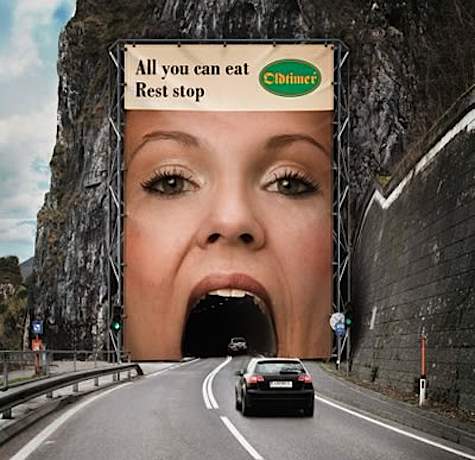
When you eat is as important as What you eat!  Did you know that by learning to master rhythm, you can master your metabolism?all-you-can-eat-buffet

How?

Our life pulsates to a rhythmic beat.  From lungs breathing to our heart pumping it’s all a rhythm, and when these rhythms are interfered with disease and death may follow. This according to Tricia Williams, a lifestyle nutrition and eating psychology coach who is also the owner of Healthy Inspirations in Atascadero & Paso Robles.

Too often we are more concerned with WHAT we eat rather than WHEN we eat.  Do you often skip breakfast thinking you’re not really hungry?  Then grab coffee to keep you awake?  Or plow through lunch while working only to be ravenous at 3 or 4pm?  Then the snacking begins only to continue through the night?  Understanding eating rhythms (bio-circadian nutrition) can help to curb your cravings and more importantly put you in the optimal state of metabolism and calorie burning.

Think of your body as a wood burning fireplace.  During the early morning hours and during the evening when we sleep, your body temperature drops just like logs that are now burned to embers.  As we sleep our body is in a fasting state.  Upon waking in the morning, your body temperature starts to rise.  Starting your day with a nutritious breakfast breaks your fast and is similar to stoking the fireplace with another log.  Body temperature continues a slow, steady rise and subsequently peaks around noon.

According to Marc David, founder of the Institute for the Psychology of Eating, “the body is designed to optimally digest and calorie burn when the sun is at its apex in the sky.  This is a little known but fascinating scientific fact.  By not putting fuel in the furnace at this time, or simply by not eating enough, you miss your peak metabolic window of opportunity, which is approximately 12:00 to 1:30pm in the afternoon.”

It would make sense, therefore, that lunch would be our most significant meal of the day for optimal metabolism, digestion and calorie burning capacity.  After our metabolic peak our body temperature will dip between 2:00 – 5:00pm, when most of us may feel tired.  This is normal & natural and is due to the body’s natural process of digestion. (A lot of cultures have adopted the practice of siestas or naps as a way of acknowledging this natural rhythm).  We like to encourage conscious relaxing for 20 minutes while consuming a nutrition bar, protein or fat.

At about 4:00 – 6:00pm body temperature starts to rise again, energy increases, it’s time for another log on the fire.  This is where you would ideally have your dinner meal.  Ideal…because a four-hour time period is sufficient for most people to metabolize a meal, thereby allowing you a restful sleep.  By consuming a big meal right before bed, much of the metabolic energy is spent on digestion, instead of need maintenance, detoxification & repair.

 Does this make sense to you?

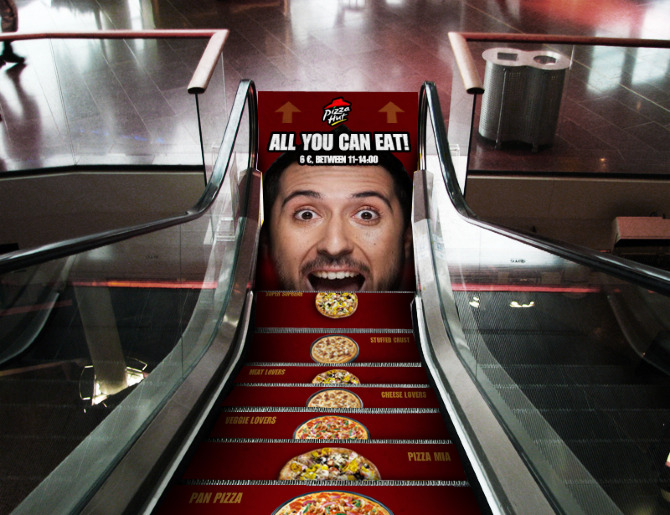
Do you get influenced by Advertising?
Does Advertising influence you?

Source: Paso Robles Press.  Photos taken from “Images”


Health MATTERS: myths about the G word  

I must have gluten intolerance because I’m so sick of hearing the word gluten-free. It’s a dirty word and people are using it almost as much (or more) than the “F” word. Gluten1gettyimages

It feels like everybody’s going gluten-free these days, but there is quite a bit of misinformation about the g-word.  Some people -– even those who claim to follow gluten-free diets -– don’t even know what gluten is.  And if you’re one of them, that’s OK. We won’t tell anyone your secret.

We’ll even help you out: Gluten is a word used to describe the proteins found in wheat, rye and barley. You’re welcome!

Here are a few myths that have been circulating lately.

Gluten makes you fat.

The number one myth registered dietitian Kristen Kirkpatrick hears in her office is that cutting gluten will help people lose weight.

“Gluten does not make you fat,” said Kirkpatrick, who manages wellness and nutrition services at the Cleveland Clinic. “Calories make you fat regardless of where those calories are coming from, whether they’re coming from brown rice, which is gluten-free or a wheat bagel.” In fact, sometimes gluten-free bread can have 30 more calories than regular bread, Kirkpatrick said. And if you eat more calories in a day than you use, the extra calories will be stored as fat, she said.

“Some gluten-free foods contain extra sugar or calories to make them more palatable – to make up for the loss of the gluten,” said Dr. Kelly Thomsen, a gastroenterologist at Vanderbilt University Medical Center.

That said, since people who go gluten-free need to do some extra label-reading, it can help them make better choices overall and ultimately lose weight, Kirkpatrick said. But it’s a secondary factor.

Gluten is not part of a “clean” diet.

First of all, “clean” eating is subjective, Kirkpatrick said. The Food and Drug Administration has no official definition for it. But to her, it means something along the lines of eating foods that are as whole and unprocessed as possible.  As such, you can eat a clean diet that includes gluten or a clean diet that cuts it out, she said. Gluten doesn’t make a diet clean or unclean.

“You can be on a horrible gluten-free diet, just like you can be on a horrible vegetarian diet,” Kirkpatrick said.  Remember, French fries are gluten-free and vegetarian.

Gluten is bad for you.

Thomsen says she often hears people say that they want to reduce the amount of gluten in their diet, but she says that’s a useless (and expensive) choice for anyone who hasn’t been diagnosed with celiac disease.  “There’s nothing inherently unhealthy about gluten,” Thompsen said.

Gluten alone doesn’t have many health benefits, but foods that contain gluten – like whole grains – tend to be higher in fibre and have a lot of vitamin B, zinc and iron, she said. As a result, cutting gluten could actually result in nutritional deficiencies.

That’s why people with celiac disease often meet with a nutritionist to make sure there are no holes in their diets, Thomsen said.

You personally can’t eat gluten because you just know it.

It’s true that there are people who can’t eat gluten, but they’re a minority of the population. These people have celiac disease.  “Most people don’t have celiac disease, so they don’t need to remove gluten from their diets,” Thompsen said.

When someone with celiac disease eats gluten, it damages the tiny finger-like protrusions that line their small intestines, keeping them from absorbing nutrition from food, according to the National Institutes of Health. The disease affects about 1 percent of the population, and can be diagnosed with a blood test. If that’s inconclusive, a doctor may perform additional tests, like a biopsy.

Symptoms of celiac disease vary and can include fatigue and diarrhea as well as fertility problems, joint pain and seizures. The only treatment is a lifelong, gluten-free diet.

If you think you have celiac disease, do not stop eating gluten before seeing your doctor, Thompsen said. If you stop eating gluten before getting tested for celiac, it could result in a false negative diagnosis.

There are also people who have a gluten intolerance, which Thompsen said is a diagnosis that comes only when all other possible diagnoses have been ruled out. These people do not have celiac disease, but their doctors have determined that they can’t eat gluten. Again, she said people who suspect they have a gluten intolerance should not stop eating gluten before seeing their doctors.

Finally, a gluten allergy is when someone experiences signs of allergic reaction when they eat gluten, Thompsen said. They may have swollen lips, difficulty breathing or diarrhea. Again, people should not self-diagnose or self-treat.

Gluten causes cancer.

Thompson says this one is a myth for the majority of the population.

“For the average person, eating gluten in their diet does not increase the risk of cancer,” Thompsen said.

Long-term complications of untreated celiac disease, however, can include intestinal cancers, she said. Again, if you think you have celiac disease, make an appointment with your doctor before making any dietary changes, she said.

gluten3gettyAs for me, I will continue enjoying French bread and all types of baked goods…in moderation.  Moderation: being within reasonable limits; not excessive or extreme.  Okay then.

gluten4getty

Source: Sydney Lupkin – a health reporter for ABCNews.com.  Photos: Getty Images

Health MATTERS: how to ADD YEARS to your life

eating2With aging, scientists have always seemed to study things that decline, but how about those lucky individuals who seem to stay vital well into their 80s and beyond?  Here’s some of their latest research advice & six ways how you can add years to your life.

#1 is no surpise – STOP EATING SO MUCH

exception for holidays
exception for holidays…please.

This is something I personally have a hard time adhering to.  But…young1

In Okinawa, Japan—home to some of the world’s oldest people—centenarians stop eating when they’re 80 percent full, says The Blue Zones author Dan Buettner, who studies longevity all over the planet.

They’re onto something: Scientists at St. Louis University found that, while both exercising and eating less led to weight loss in the study’s volunteers, cutting calories also lowered production of T3, a thyroid hormone that slows metabolism. The researchers believe that lower T3 levels may also slow the aging process.

#2 – MORE SEX

This might be easier and more fun to follow.  And who doesn’t want to live longer? This does not apply to the ones who don’t enjoy it.  Just skip to #4. Women who enjoy sex live longer says Mehmet Oz, MD, professor and vice chairman of surgery at New York Presbyterian–Columbia University and co-author of YOU: Being Beautiful. In fact, doubling your amount of satisfying sex can add up to three years to your life, he says. “Sex gives you the Zen moment you can’t find throughout the day otherwise.”

And you know what they say….more Zen, more Men! (No, I just made that up).

#3 – USE YOUR BRAINeating4

Dr. Geula, who has studied 80-year-olds who perform at the same level as people in their 50s on neuro­psychological tests, has found that the superaged have fewer brain tangles—deposits of protein linked to Alzheimer’s—suggesting that their brains have some sort of protection that normal brains don’t. While scientists puzzle this out, there’s a lot you can do to keep your own synapses firing. Learn Italian, take up the cello—even driving a new route to work can wake up sleepy brain cells.

Darn, I’ve been learning the wrong language! I’m in trouble because I don’t even drive to work.  Hope walking counts for something because you can walk so many different routes.

#4 – POUR YOUSELF SOME MERLOT

Now we’re talking – something I can follow! You’ve probably heard a lot about resveratrol, a compound in red wine and grape juice that seems to slow aging. One recent study found that resveratrol-fed mice had stronger bones and better motor coordination, and showed fewer “old age” problems like heart disease, inflammation, and cataracts. The jury is still out on whether resveratrol has the same effect on humans, but nutritionists say drinking red wine in moderation (and grape juice for those who can’t) does have heart-healthy benefits. The question is, what is moderation?? Pour me!

#5 – LOSE THE MUFFIN TOP

In one large study published in 2009, researchers who tracked 6,583 people for more than 30 years found that having significant belly fat in midlife can nearly triple your risk of dementia. No wonder so many people suffer from it.

#6 – EAT MORE PLANTS

They should have specified.  I tried eating my fern and got sick.

In his study of centenarians, Buettner found the longest-living people tend to eat less meat and more beans, soy, and nuts (but no ferns).  This is where it’s good to be a vegetarian.

AND no matter what your age there's no excuse for not being STYLISH!
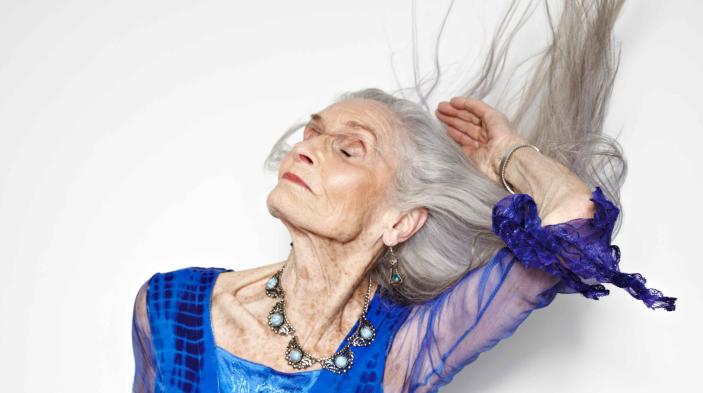
AND no matter what your age there’s no excuse for not being STYLISH!

Source: Health.com


Personally….keeping up with the Pack

Natural born Runners – are they born that way?

Nike Women's Half & Full Marathon - San Francisco
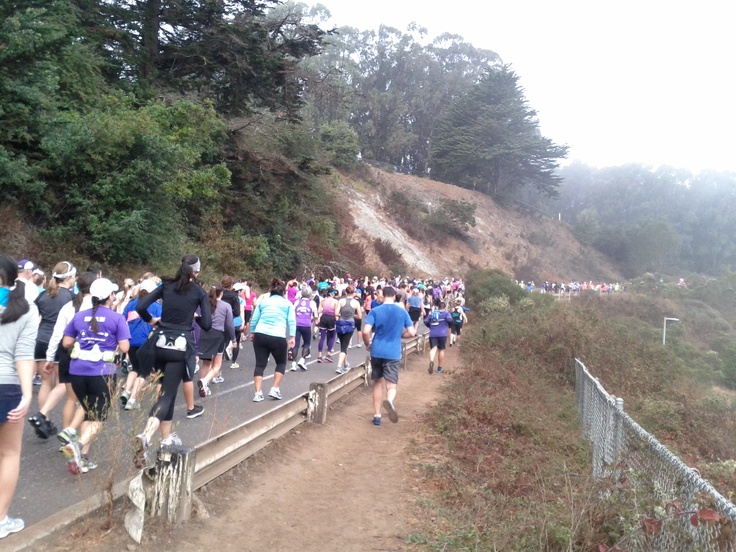
Nike Women’s Half & Full Marathon – San Francisco

In April I signed up for the Lululemon Seawheeze half marathon with my sister. Good thing we were fast because it sold out in minutes.  Part of the attraction is that you get a cute pair of booty shorts and it seems more like a party than an actual run.  Anyway, we started training last month but I just had to take two weeks off due to an annoying asthmatic cough (and a slight back injury) which happened all an once. I managed to re-join the Running Room group last Sunday where we did a manageable 8K run (reluctantly chosen over the 10K group). While I was secretly happy that it wasn’t much longer than that, I did wonder if I should have pushed myself for the extra 2K. I just didn’t want to chance wheezing my way through the Seawheeze run in  August.  Then it occurred to me that maybe I’m not a natural born runner.  Some people just seem to keep up the steady pace without falter.  Others like me are unpredictable – sometimes I have tons of energy and feel like I can go even longer than the actual planned run and at other times I’m done after about 10 minutes.  What gives?

Starting out:

Practice patience, grasshopper. Rome wasn’t built in a day, and neither is a happy runner.

If you want to become the kind of runner who can’t wait for the next workout, it’s going to take time to get there. Truth is, the most common mistake new runners make is running too much too soon. For example, some new runners set a lofty goal to go couch to marathon in three months. Don’t get me wrong, it can be done. But these runners are more likely to spend their time in the “bite-me zone” of hurt and pain. Just because you can do something doesn’t mean you should.

I’ve seen way too many runners cross the finish line only to toss their shoes in the closet to collect dust because they’ve burned out by overzealous goals. Invest in running. Take your time to find the joy, and you’ll be a runner for life. If you are about to take your first steps, think about running 30 minutes straight in a few months (or a 5K event). With the pressure gone, all you need to focus on is putting one foot in front of the other. Set a smaller goal for your first running session. For example, aim to finish and go a little farther than you have to and complete your workout in a good mood. Set another goal for your second workout and so on, and so on.

50,000 people runners can't be that stupid can they?
50,000 people runners can’t be that stupid can they?  The Annual largest 10K run in N. America.

Consistency is the secret to success. It’s all about creating momentum.

I use to play with dominoes when I was a young girl, and I’d line them up on a table close enough together that when I knocked over the first one, the rest came falling down in a breathtaking sequence. This is exactly how running works as well. You want to maintain the momentum from one run to another to maintain a consistent progression. If you space the workouts too far apart, you begin to lose the wonderful effects of consistency (improvement). If you find yourself in a bind and unable to get in your normal 30-minute session, head out for a quick 15 minutes of running (or even a walk). A shorter workout is better than none at all.

Running is like life. It will have its ups and downs. Ultimately, it will come down to what you do on the down days that truly pays off in the long run. Be prepared to edit, tweak and modify to ebb and flow with life’s running interruptions. It’s not about perfection, but rather keeping your running momentum flowing.

I learned to run from a course - of course I did
I learned to run from a course – of course I did!

I like to get high: It’s the best part of running and it doesn’t happen all the time. It’s a euphoric state that is experienced by not only runners, but by anyone engaged in a vigorous workout.  Boxers and bikers have reported similar states of being, as have weight lifters, cross country skiers and rugby players.  The high itself is described as a feeling of well-being, to being one with the world or to a total out of body experience. It is typically related to longer periods of vigorous exercise rather than shorter, easier workouts, possibly due to the stress the body undergoes as the major muscle groups begin to run short on glucose. The experience of the high also seems to rely on the individual makeup of the runners themselves, with some experiencing it at 5 miles, while others must run 20 before the euphoric feelings kick in.

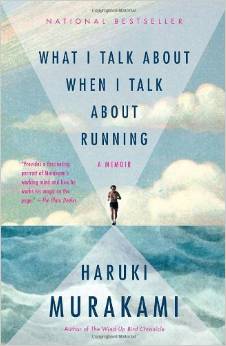
run1 (2)What I Talk About When I Talk About Running.    An intimate look at writing, running, and the incredible way they intersect, from the incomparable, bestselling author Haruki Murakami.While simply training for a New York City Marathon would be enough for most people, Haruki Murakami’s decided to write about it as well. The result is a beautiful memoir about his intertwined obsessions with running and writing, full of vivid memories and insights, including the eureka moment when he decided to become a writer. By turns funny and sobering, playful and philosophical, relevant both for fans of this masterful yet guardedly private writer and for the exploding population of athletes who find similar satisfaction in athletic pursuit.

Available at Amazon.com

I won’t talk about what I talk about when I talk while running.  So there will be no book.

Souce: Active.com


Health MATTERS – use your common SENSES

 To Outsmart STRESS

Stress is here to stay so we need every tool we have to help our bodies deal with it.

The latest research uncovers some surprising new ways to see, sniff, hear, taste and touch your way to better sleep, reduced blood pressure, even lower stress – all backed by real science.

Here’s a sense-by-sense guide.

SMELL

essential oils
essential oils

Aromatherapy aficionados have long touted Lavender’s relaxation benefits.  It now has company in the feel-good department.  A study published in Stress and Health reveals people who regularly breathe in peppermint essential oils are even less stressed (with lower cortisone levels) than those who use lavender.  And don’t forget the uplifting scent of citrus.  Japanese researchers discovered that inhaling the smell of lemon is an instant mood booster.

TASTEstress3

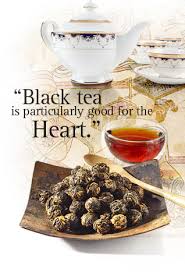
Ever found yourself at the bottom of a tub of Haagan-Dazs after an intense day?  People eat chocolate and candy during times of stress.  But if you’re going to indulge, do it mindfully.  Of course there are foods that can help you to manage stress without the extra calories.  Try combining complex carbs (fruits, veggies, whole grains), lean protein (beans, chicken, fish, eggs) and healthy fats (olive oil, grape-seed-oil, avocado, seeds and nuts) for snacks and meals to balance out blood sugar and stabilize energy levels.  A new study from University College London, in the U.K. showed that a daily dose of black tea reduces stress hormones.

HEARstress4

Brain imaging shows certain music stimulates areas of the brain responsible for emotions.  A U.K. sound therapist has used this information to develop the most relaxing music ever recorded (it even slowed listeners’ heart rates).  Research at the University of Montreal stressed people out by making them do math in front of an audience.  Then they were sent to a silent room while others got to listen to Enya.  Only the music listeners didn’t experience a spike in cortisol levels.

SEE

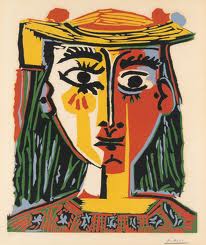
Picasso and Plant
Picasso and Plant

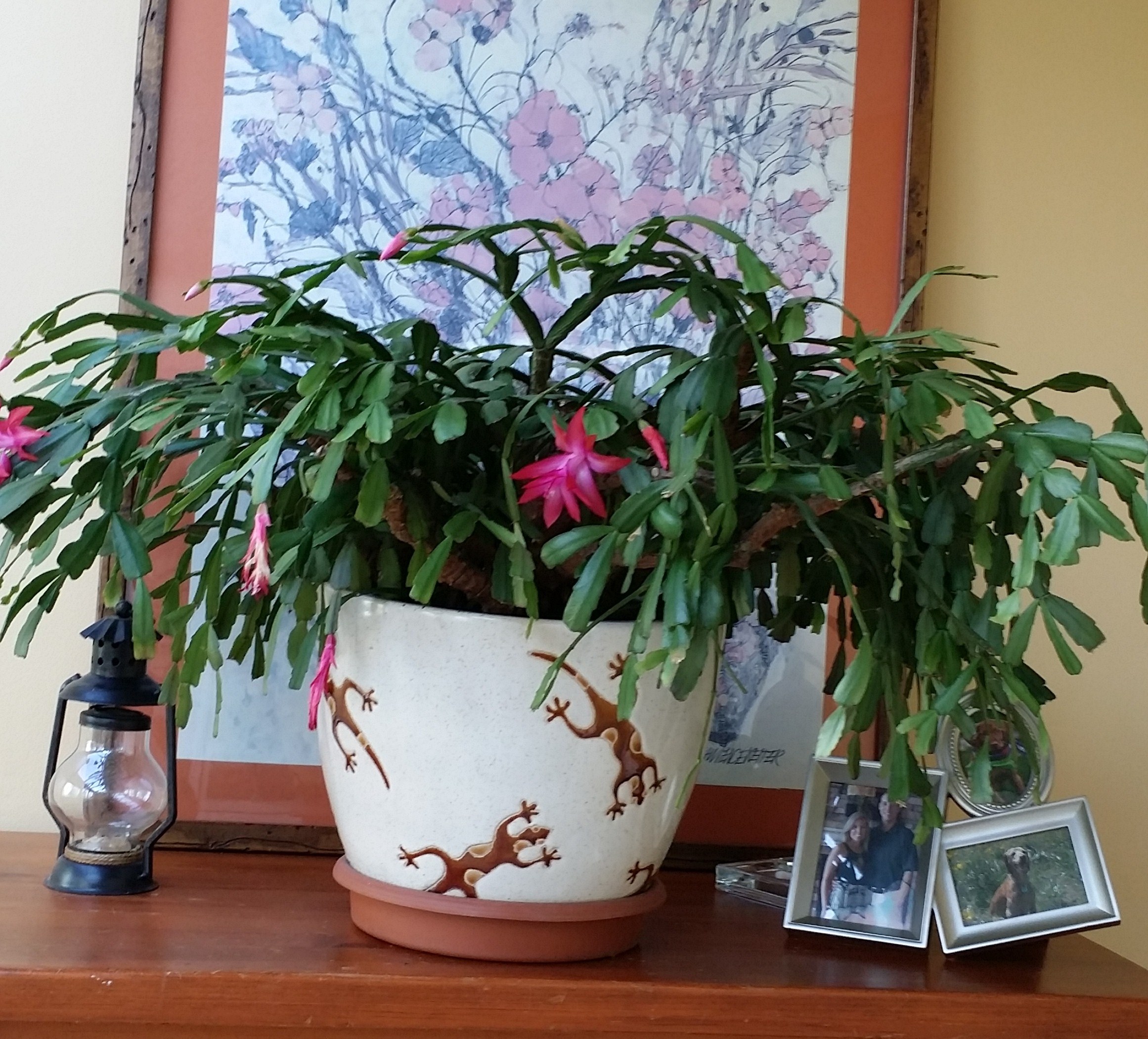
20140409_155610 - CopyEnvironmental surroundings can definitely make a big difference to our stress levels.  A lot of clutter in your home or office can represent chaos.  But it’s not just about tidying up your room -hang a nice picture or paint the walls in your favourite color.  Even looking at something as small as a potted plant can help lower stress.  A study found out that workers became more productive, had lower blood pressure and felt more focused with a little flora.  Another study tracked stress levels in London city workers before and after they went to an art gallery.  After soaking up some Matisse and Picasso, the workers returned to their jobs and reported feeling less frazzled.  Tests confirmed their cortisol levels dropped.

TOUCH

yes, I'm due for another
yes, I’m due for another of these.

There’s a good reason so many of us book time at the spa when our stress levels max out.  The touch of massage has definite relaxation benefits. It also helps when we take a break and make time for ourselves as we tend to carry stress in our neck, shoulder and upper back. Even soothing textures can help – the feel of something soft on our skin (like a plush scarf) can have a calming effect.


How do you relieve STRESS?

Credit – Laura Bickle for Chatelaine


Health MATTERS – How to Maximize your Diet for your Age

health3

health1 Getting older may not always be fun but it’s a part of life and you should make the most of whatever age you happen to be right now. Mistakes made in your 20’s can affect you later on but with a healthy lifestyle of exercise and eating correctly you can turn it around to become the BEST YOU possible – isn’t that what we all strive for?

Our nutritional needs change throughout the years; and depending at what stage of life we’re at, we may want to avoid certain food-related missteps and find out what foods we should be eating more of.

These tips come from dietitians (who specialize primarily in women’s health) on how to make the most of your diet for your specific age group. Of course you can take some of it with a grain of salt – but make it a tiny grain because no matter what age you’re at – too much salt intake  is never a good idea.

 In your 20s and 30s:  work, partying a little (or a lot), thinking of having kids, or chasing after young children – all while trying to fit in a social life.  Your energy needs are high, so protein should be a vital component to your diet.  Make choices now to lay the foundation for your future health.  Get lots of whole grain breads, quinoa and rice; they have been shown to slash the risk of heart disease later.  It’s vital that you reach the highest bone density possible during this stage – which means consuming dairy, and other calcium sources.  IDEAL FOODS: bananas for magnesiaum (also helps with PMS and to counter sugar cravings).  Oranges for vitamin C and to help build collagen in the bones, cartilage, muscle and blood vessels, and helps with the absorption of iron.  Spinach for folate, but if you don’t like spinach then any other leafy green vegetable.  Fatty fish, Plain Yogurt (helps your body absorb Vitamin D), Protein and Whole Grains which provide stamina and help maintain stable blood sugar levels. MISTAKES TO AVOID: consuming too much caffeine, pop and alcohol (all of these diminish calcium).  Not eating regularly throughout the day and cutting out necessary food groups (for example, not eating carbs in an effort to lose weight, or cutting out dairy).

my brain says right but my heart says left

In your 40’s: this is prime time for preventing health issues in later life.  You’re probably busier than ever, but you may not be as physically active as you once were.  Good-for-you fats found in high-quality mono and polyunsaturated oils (like olive and canola) are great choices.  Try to eat more fish, and boost your grain and fibre intake.  IDEAL FOODS: lemons for detoxifying, purifying effect on your skin and organs.  You can toss slices into a glass of water or hot tea.  Fish with the omega-3 fatty acids for helping your skin stay hydrated and they have an anit-inflammatory effect. Eggs which are high in protein and zinc which help the body absorb Vitamin A.  Almonds are a “good” fat as they contain vitamin E and calcium.  Apples as a source of fibre and protein.  MISTAKES TO AVOID: eating too much (change portion sizes), not eating enough protein, eating too many takeout or convenience foods (high in fat & salt) and eating low-fat foods that are high in sugar (read the label and check the amount of sugar).  You do need some fat in your diet (it keeps you looking younger) but the right kind.

In your 50’s: Iron becomes less of an issue once you stop having periods so it’s okay to eat protein sources other than red meat.  However, you still need plenty of calcium to protect your bones, so load up on dairy and other souces of calcium.  The onset of menopause brings a host of changes that can be mildly annoying (body shape, hot flashes, sleeplessness) to debilitating. Now is a good time to boost your intake of antioxidants in order to prevent common chronic conditions that can occur later (cardiovascular disease and the big “C”).  Eating plenty of fibre and water are essential for healthy bowels.  IDEAL FOODS: Soy contains high levels of phytoestrogens (helps to balance hormones) and tofu is a protein that has been shown to have a positive effect on bone density.  Lentils (plant-based proteins) can help to regulate hormones.  Fresh vegetables are high in natural fibre and will help prevent fat from being deposited around your stomach. Watermelon and other fruit with a high water content (like apples, grapes) keep up the natural hydration levels in your body.  MISTAKES TO AVOID: eating too much as your metabolism slows down, eating mindlessly, drinking too much coffee or alcohol (they worsen sleep and any sleeplessness, anxiety or depression you may be experiencing.  Too much spicy food can exacberate hot flashes.

In your 60’s and beyond: Unfortunate as it sounds, the older you are, the more likely you are to develop a chronic ailment like high blood pressure, diabetes, arthritis, etc.  Low-salt, nutrient-rich foods are essential for your continued good health.  Try to get more omega-3 and 6 such as nuts and seafood as these have been shown to combat memory loss, depression, cancer and Alzheimer’s disease.  I know this all sounds pretty depressing but it’s in the numbers – you can help prevent a lot of the ailments or at least help postpone them.   Eat  yogurt regularly and maintain a high-fibre diet.  IDEAL FOODS:  blueberries are packed with antioxidants and great for circulation and for healthy brain function. Fatty fish, Macadamia nuts for preventing high cholesterol, Spinach is one of the highest sources of lutein (an antioxidant that can help stave off macular degeneration, a leading cause of visual impairment.  MISTAKES TO AVOID: eating too much salt, not drinking enough water, not eating regularly enough (5 small meals throughout the day is better than 3 big meals), eating too much saturated and trans fat which make circulation sluggish and affect brain function.  Nobody wants that at any age!

This is my idea of an ideal healthy meal - all in good taste
This is my idea of an ideal healthy meal – all in good taste.

 And remember, exercise is important for all ages.

Also, while I’m at it:

*Don’t miss listening to “Transforming Healthwith host Brad King for the most evocative and informative up-to-the-minute interviews with leading health professionals – Live every Wednesday @ 12PM-PST/3PM-EST on VoiceAmerica.com – #1 internet radio station in North America.  Here’s the link: http://www.voiceamerica.com/show/1686/transforming-health