

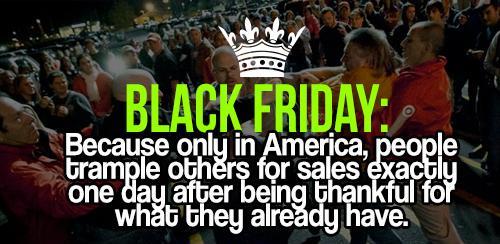
It’s a cult world after all. Have you seen the signs? I mean,someone just asked me if I did all my Christmas shopping. Shopping is no longer my Religion.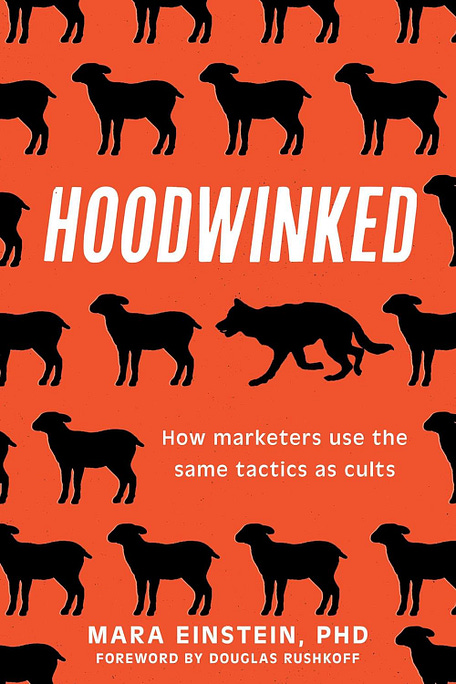 Advertising is targeting the most vulnerable by creating urgency, excitement, and a sense of scarcity and making us feel like we’ll miss out if we don’t buy now.
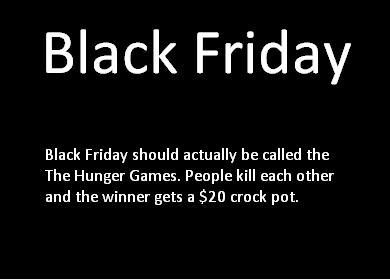
Unfollowing social cues is hard for a lot of people because it has been so ingrained in us that the day after Thanksgiving, you go to the stores and you go shopping. Same with Boxing day – day after Christmas in Canada and other commonwealth countries.
Ads emphasize limited-time offers, doorbusters, and while supplies last messaging. This psychological trigger makes people act quickly, fearing they’ll lose the deal.
Brands start promoting weeks in advance with “sneak peeks” and countdowns. This builds anticipation and conditions shoppers to plan purchases around the event. I mean, you can almost go broke with all the money you end up saving!
I’ve been a victim of this too. I’ve recently ordered a few things online during way-too-early Black Friday sales (isn’t Black Friday supposed to follow Thursday Thanksgiving??). Anyway, I’m very careful not to get carried away. I purchased only a few items that I would’ve purchased anyway. A little discount and saving on shipping in some instances is okay so I was happy to not have gone overboard spending too much. One item is actually practical. But I’m very aware of the pull to spend, spend and I’m pretty much over it okay…I’m getting there. I’m tired of the constant bombardment of advertising.
So…funnily enough I came across this interview on the subject. A new book called *Hoodwinked is about how brands mirroring cults stems from our lack of community. People are not finding community and belonging in religion, for instance, or in their workplaces. So they’re turning to brands.
Amy Odell interviews Dr. Mara Einstein on how marketers use the same tactics as cults. (YouTube video at bottom).
Brands came in to fill this void [because] we don’t have the cultural and social institutions that we used to have that became means for us to form our identity. Religion used to be something that people connected to and that was very much a part of who they were. Every Sunday you went to church or Saturday you went to temple or you went to mosque. Or your job – people worked for IBM for 30 years.
Most people don’t have that anymore. And so brands came in to fill the void. They [started] purpose marketing, right? Brands began to connect themselves to causes. Some companies do it better than others. Patagonia is very much connected to sustainability. Rihanna’s brand Fenty is very much connected to this idea of being all-inclusive. When people go to the store they think, Do I want to connect myself with Fenty and Rihanna and this idea of being part of a group of people, or do I want to buy a product by a brand like Maybelline that doesn’t mean anything? (FYI – I like Fenty eyebrow pencil and lipstick – bought without realizing the brand belonged to Rihanna…just saying).
How exactly are brands like cults?
Cults lure people in with deception. So what cults do is invite you to have a free dinner, have a free meditation class. You start to connect with the people and you come for another dinner and another yoga class, then they upsell you to take another class, and eventually you become part of the group.
Before digital spaces, cults had to be in far off places, like Guyana for Jonestown. But because of digital, we are separated from people who disagree with us, and so we have cult-like spaces now online. This replicates what we talk about as the marketing funnel – at the top of the marketing funnel, you introduce your product to people, you make them aware of it. Then the next part of the funnel is to convert. It’s really funny that we use the word convert when you buy because of the connection to religion.
Hermès has this whole racket with Birkin bags, which you see talked about online endlessly. People make videos of trying to go and buy bags and getting rejected. Hermès sells bags to people who spend a certain amount on other stuff. Sometimes when they offer you a bag, it might not be the bag that you want – it might be a big red bag. They’re like, “Well, this is the bag I have for you today.” You can take it or leave it, and maybe they’ll call you again or maybe they won’t. Hermes is like a cult, right?
Sidenote from GWWBK – The Bag that Got Away: years ago in Toronto I placed an order for a Birkin bag at Holt Renfrew. It was a medium size black leather. I forgot all about it until over a year later the store called to tell me my bag had arrived. They said they can only hold it for 24 hours before they call next in line to purchase. I started to get anxiety around it as the bag at that time was around 6K (what a deal! – compared to now it was). I ended up going into the store, held the bag for a few minutes before handing it back to the seller. It wasn’t that I couldn’t afford to buy the bag at that time – it was the pressure that I had to buy it right then and there, and also, I was told how fortunate I was to get the exact bag I originally wanted because people take what they can get. I was turned off by my conclusion that it appeared easier to adopt a baby in a foreign country than to adopt a birkin bag. Also; if I’m being totally honest – I know that Hermès is a quality brand. It emits luxury and status. But I also know that I can buy a beautiful leather handbag and also take a trip to Europe for a lot less. My new bag might not convey the same status but I really, really thought the birkin was not worth that amount of cash. Really! It’s a beautiful bag, but the brainwashing around it was (and still is) disgraceful. I was ashamed that I almost fell prey to the “it bag of the century.” Fast forward to today: you can sell a used Birkin bag for a lot more 6K – they’re still in demand and retain their value. But actually, I was never planning on selling it. Like a house, you only sell if you keep one for yourself!
*The term “hoodwink” dates back to the 16th century. Originally, “hoodwink” literally meant to cover someone’s eyes with a hood or blindfold. Over time, it shifted to a figurative meaning: to blind someone to the truth – hence, to deceive. Yup people – pay attention!
Black Friday: How Fashion Brands Use Cult Tactics on You. Amy Odell interviews Dr. Mara Einstein (on Marketing, Religion and Advertising). Full interview here:
Not totally relevant but I like this quote and was looking for an opportunity to use it somewhere: We are all like penguins on an ice floe, enjoying the view and companionship, until a seal in the water grabs one of us, and the awareness of the danger we all face sets in.
 Girl Who Would be KING on Life, Style and INSPIRATION.
You must be logged in to post a comment.