
THE CHEF AND THE DARUMA

Thoughtfulness, Timing, Tradition, Taste…Tojo’s…
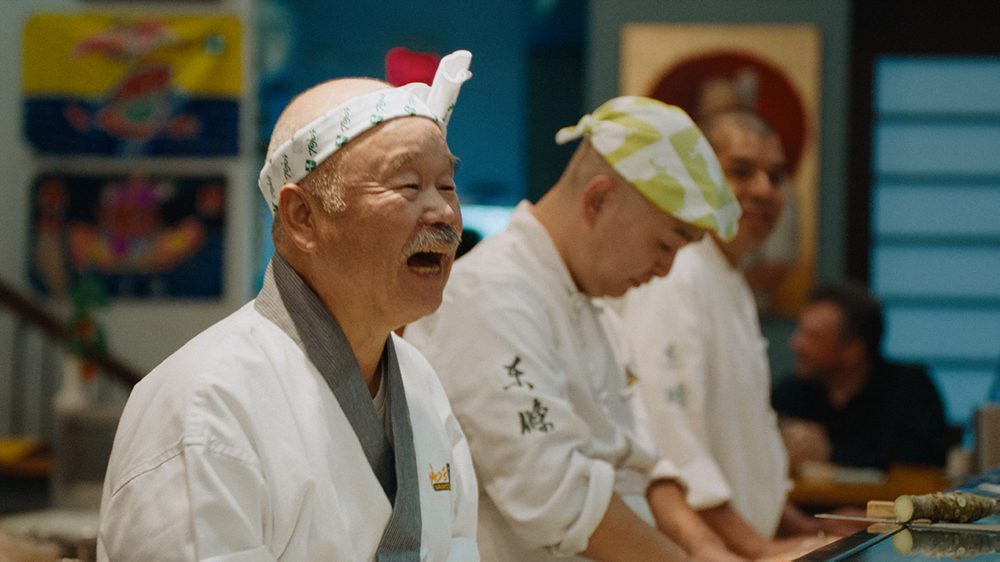
Photo: Courtesy of VIFF

This was part of the Vancouver International Film Festival 2024

Words that represent Vancouver’s Japanese-Canadian Celebrity Chef Hidekazu Tojo.  

I loved everything about this world premiere documentary except telling a friend of mine that I’d meet her next door to the theatre for Italian, when I was actually craving sushi.  Especially after watching Tojo prepare his mouth-watering dishes on screen. Tojo is more than a sushi chef. He’s an Artist. He started out working at restaurants in his home town of Kagoshima, Japan before becoming a chef at various restaurants in Vancouver, until opening his eponymous “Tojo’s” in October, 1988. There, he was able to have control over putting his signature spin on everything. After 18 years at the same location, in 2007 Tojo moved his restaurant to a new custom-designed setting a few blocks east of its original location. The place has been packed since day one.

Good food is always memorable.  Great food is unforgettable. I was once treated to an extraordinary birthday dinner sitting at the counter at Tojo’s with Tojo preparing all the dishes himself; carte blanche.  The dinner included sake too.  That’s when I realized that there’s sushi and then there’s sushi. There’s also many other dishes that are delicious that don’t include raw or cooked fish. Tojo does it “His Way.” It’s not so much a restaurant as it’s an experience. His food is elegant, modern and fresh –using local ingredients.  He’s a weekly regular at the Farmers Markets.

Tojo’s has earned admiration along with a cult following over the years. The restaurant has become a foodie destination. Photos with celebrities like Harrison Ford, Robin Williams, Martha Stewart, Anthony Bourdain and countless others who’ve enjoyed his creations line the walls. but none with me..so far
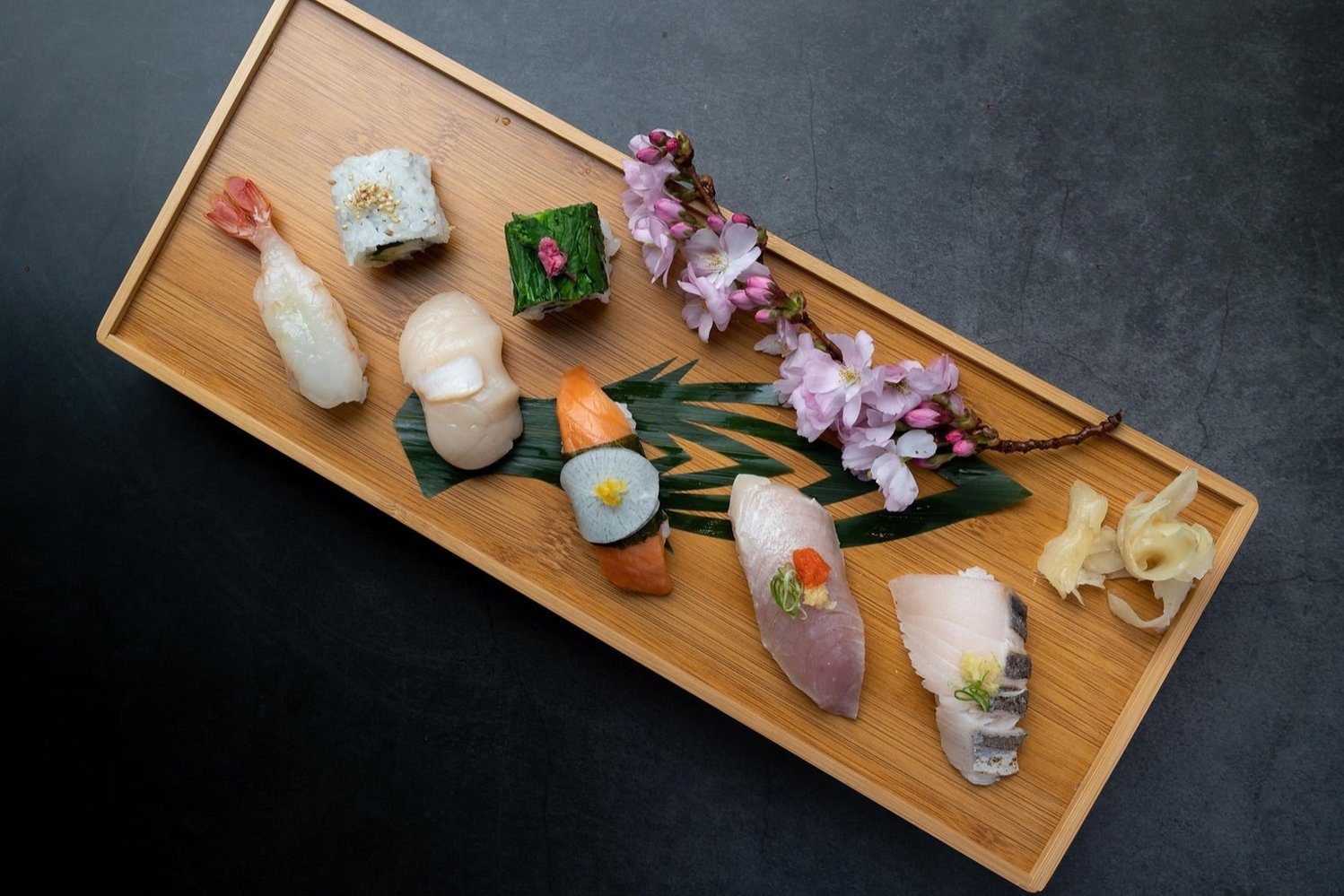
He’s credited with inventing the California Roll when one of Tojo’s regular customers mentioned that his wife didn’t like to each raw fish.  Always aiming to please, Tojo tried to Westernize the roll by adding the non-traditional ingredient of avocado and turning the roll inside-out to hide the nori (seaweed).  Not only did he succeed in creating a new popular roll, it’s become a mainstay pretty much everywhere since then. He’s a true pioneer.

However, this documentary doesn’t only focus on food.  It also talks about Tojo’s life and legacy, his upbringing, Japanese culture in general and an interesting and unsettling look at Canadian-Japanese history.

I always like to personalize my blog posts (if I can).  In this case, I lived in Japan for six months in my mid 20’s and that’s where I reluctantly tried sushi for the very first time.  There were very few restaurants in Vancouver that served sushi then.  I embraced the culture and the food immediately.  Aside from sushi, I also loved the noodle houses. I took a sushi making class and was super excited to share my talent for making it for my parents when visiting them in Montreal.  They never ate raw fish before, so I started out with making California Rolls (including the more challenging inside out rolls) using semi-cooked tuna (baby steps) and my trusty sushi roller and the sharpest knife in the drawer.  They appeared to be very impressed with the presentation but I don’t think they enjoyed the taste.  It’s taken a while for Westerners to get accustomed to eating raw fish. Now there’s so many Japanese restaurants in Vancouver, but not all are created equal.  

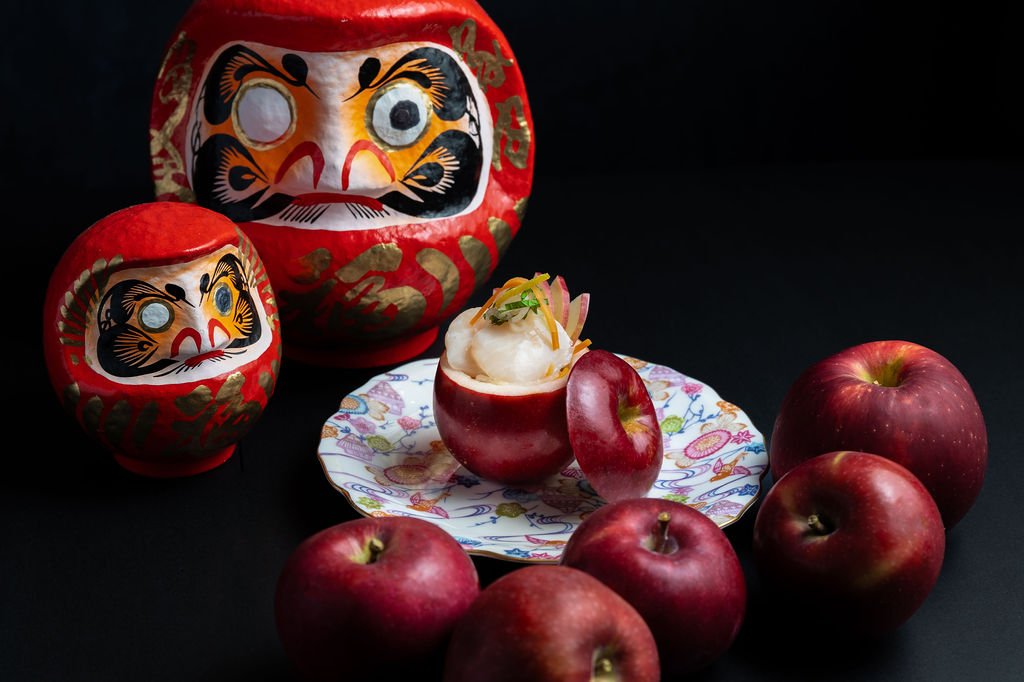
Where does the Daruma come it, and what does it represent?  There are references throughout this documentary about those little round dolls you’ve seen before with the missing eyes.  They sometimes topple over but get right back up.  There’s a message here.  The Daruma is seen as a symbol of good luck, happiness and endurance. People traditionally buy these lucky dolls at the start of the year, make a wish as they color in the doll’s left eye, and then work towards their goal. Once the goal is achieved, they fill in the other eye. The Daruma is modeled after the famed Buddhist monk Daruma, who founded the Zen sect 1,500 years ago. The doll has also become commercialized by many Buddhist temples as a setting of new goals.  It’s really a symbol of gratitude. Tojo always has a Daruma to show his appreciation for setting and accomplishing goals .  I think I’m going to get one too.  My first goal will be to get the doll and my second goal will be to start setting new goals.  So that should mean that I can color in both eyes right away. So easy!

World Premiere at Fifth Avenue Cinemas

Taken from the VIFF Website:

For 36 years, Tojo’s has been a mainstay in the Vancouver food scene, beloved by critics, foodies, and a plethora of celebrities. A pioneer of Japanese cuisine in the West, chef Hidekazu Tojo helped bring sushi to the mainstream and is known as the inventor of the California Roll. Still working in his seventies, chef Tojo is inspired to look back on his life and ponder the legacy he will leave behind. He recalls his early years as a Japanese immigrant, coming to Canada at the age of 21, and his ambition to create a singular culinary path. We also accompany the chef on a return trip to Japan, where he connects with locals and explores new food trends.

Shot in Vancouver, Vancouver Island, and Japan, The Chef & the Daruma is a mouth-watering film tracing a journey of immigration, identity, and reinvention. Mads K. Baekkevold, in his first feature documentary, creates a loving tribute to a man who has devoted his life to sharing food.

You can still find Tojo at the counter.  Here’s a link to a Limited-time special Fall menu at Tojo’s restaurant:
https://tojos.com/daruma

Join VIFF News

Get the latest updates on our Festival, year-round programming and more – and get $5 off two VIFF Centre year-round film tickets.  Sign up here:

https://viff.us20.list-manage.com/subscribe?u=3344b76c6b5bdf78e58637067&id=2f28b8d64f

Sushi Photos taken from Tojo’s Restaurant Website
 

FOOD: What’s new with Nori?

If the only time you tend to eat NORI (dried seaweed) is with sushi, you’re missing out.

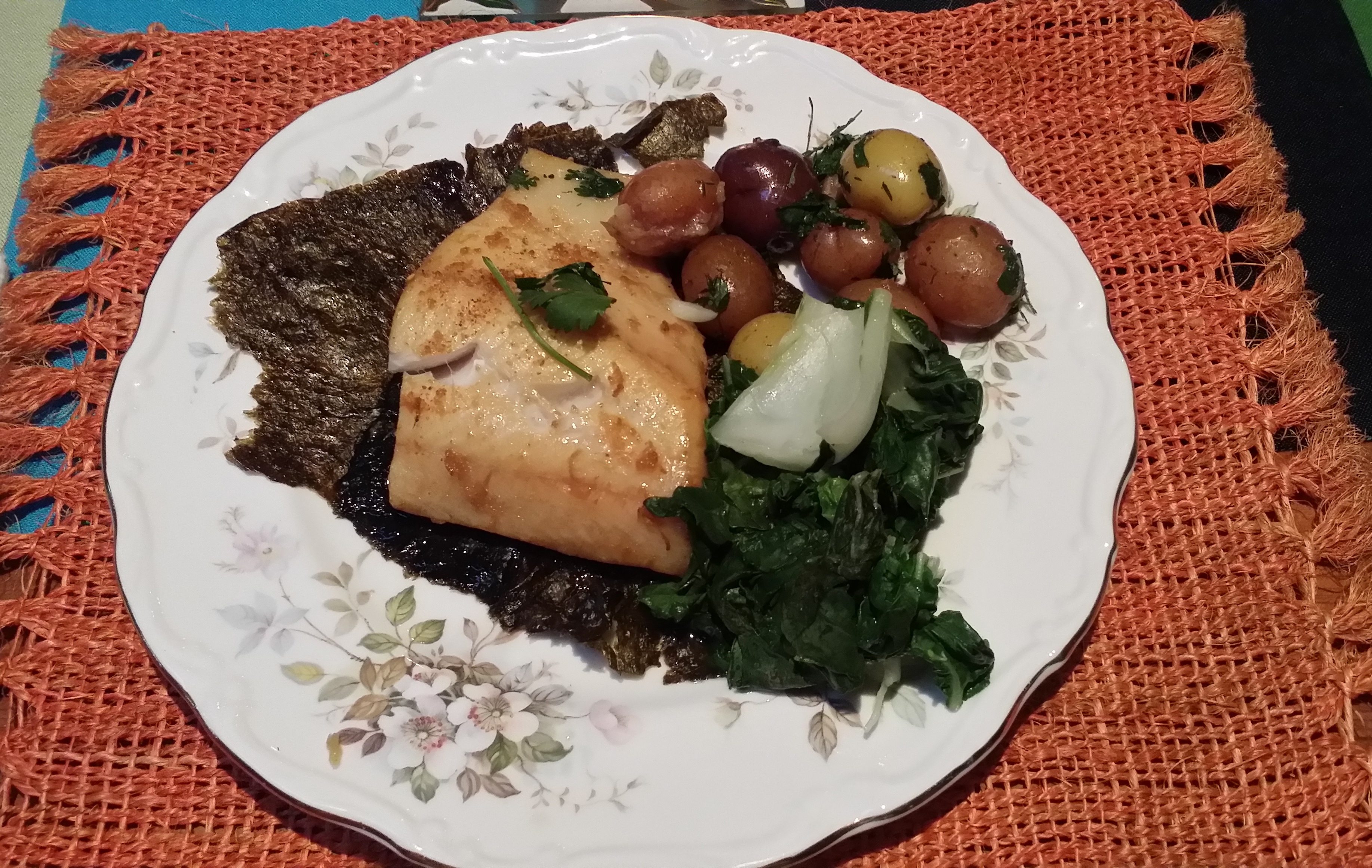
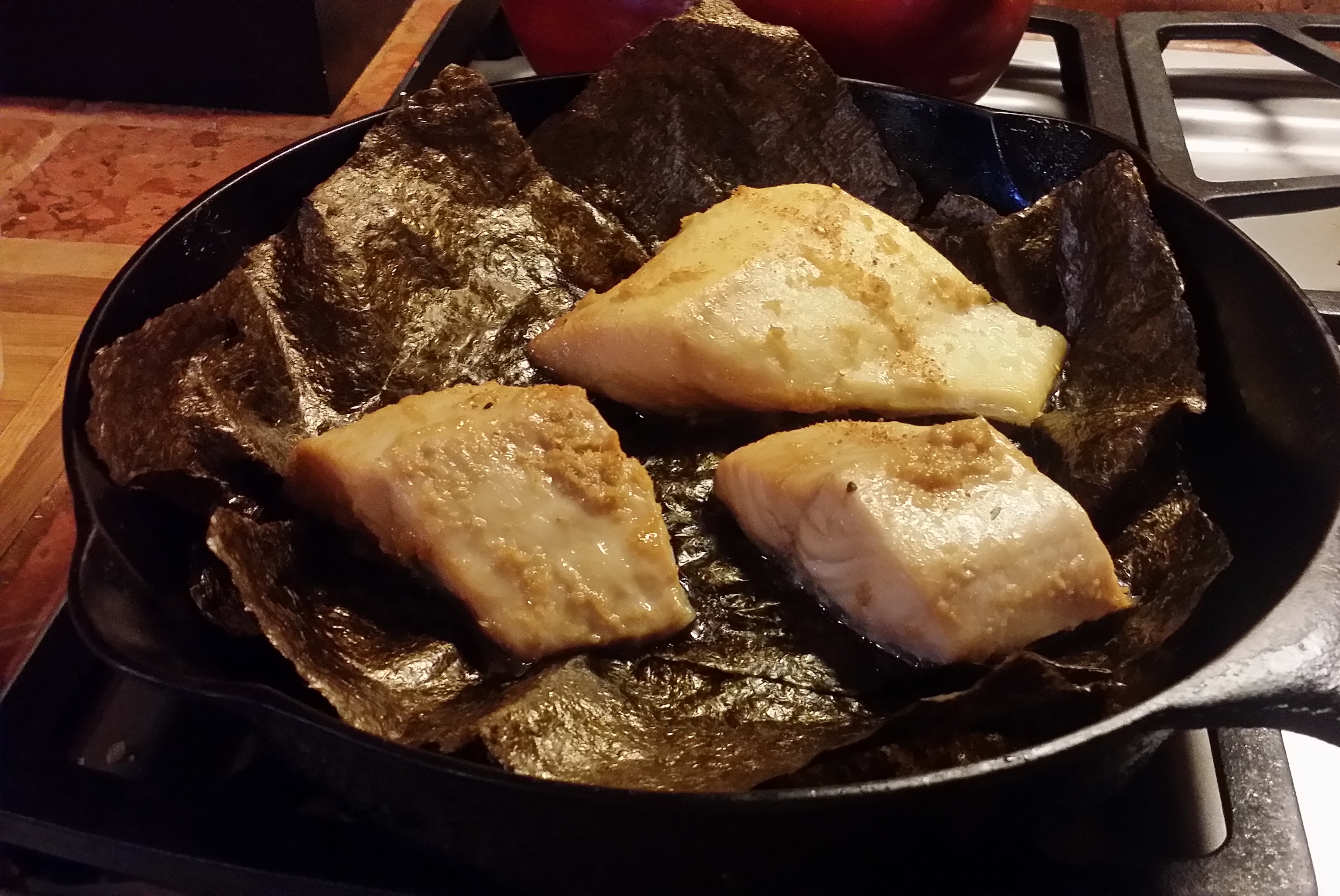
Sablefish over Nori
Sablefish (marinade is my own recipe) over Nori in cast iron pan

You probably know nori best as the paper-like dark green wrapping that keeps pieces of sushi neatly — and deliciously! — contained.

There was a time when I made sushi from scratch (not the seafood part, but the assembling of it all with rice, nori & wasabi and then rolling and cutting it to make California rolls or tuna maki, etc.  It was a way of being artistic as top sushi chefs are artists of a sort.  Also I wanted to impress my parents after living in Tokyo by making them sushi…..which at the time, they weren’t used to at all.  My mom hated raw fish and spit it out when I wasn’t looking.

However in Vancouver Japanese sushi restaurants are a dime a dozen plus it was costing me more to make it, so I stopped. The other day I marinated Sablefish overnight.  The next day as I was preparing to cook it I realized I had some sheets of Nori that were unopened. Hmmm…..what can I use them for now that I no longer make sushi? Without using any specific recipe I decided to place the Sablefish over top of a few Nori sheets and bake it in the oven.  I knew from toasting nori in the past over a stovetop that it would probably toast in the oven too.  But I wasn’t completely sure of the outcome.  End result: nice & tender perfectly cooked fish with Asian Marinade and crispy seaweed.  The combo was quite yummy and my two guinea pigs were very pleased.

Asian Marinade of
Asian Marinade of soy, sake, mirin, sesame oil, chopped fresh ginger, garlic & a bit of honey, patted dry before baking. Side of steamed baby bok choy & little boiled potatoes with fresh herbs & butter.

So I decided to check into how to use Nori for other recipes.

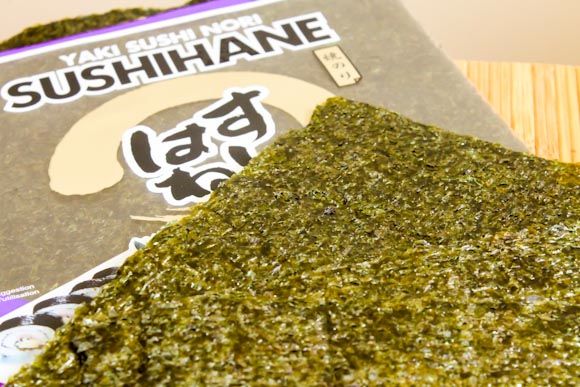
Nori Sheet
Nori Sheet

How long does it keep, How is it made & Where can you buy it?

These crisp sheets of mild grassy-tasting seaweed last forever in the pantry packaged in an airtight container or ziplock bags and can come in handy when you just need “a little something extra” to perk up a weeknight meal. If they start to lose their crispness, you can re-toast them (carefully!) over the flame on a gas stove (as I have done in the past).

Nori is made by shredding edible seaweed and then pressing it into thin sheets — much like the process for making paper. You can find packages of it at any Asian grocery store, Whole Foods, and more and more frequently these days, regular grocery stores. Nori that is sold as “plain” or “toasted” is the most versatile sort for our cooking purposes.

It also comes with a whack load of healthy benefits.  (I will post this separately – ups).

Other ways to use it:

  1. Crispy Nori Snacks: Crisp those sheets of nori a little more, and by golly, you have yourself some nori chips!
  2. Furikake Seasoning: This blend of nori and sesame seeds makes a simple rice dish taste like it came straight from a restaurant kitchen. It’s *easy to make yourself at home.
  3. Soup and Rice Bowl Topper: Add a little extra crunch to your next bowl of soup or rice. Toasted Nori – These thin sheets of pressed seaweed crisp up beautifully after a few minutes in a low oven or toaster oven, then you can crumble them on top of a bowl of soup. Brush the top with water for even crispier sheets! Slice nori into thin ribbons and sprinkle away. Also try using it over omelets, baked fish, salads, steamed vegetables, and anywhere where you might like nori’s crisp texture.

*Vegetarian Furikake Rice Seasoning

2 sheets toasted nori seaweed
1/4 cup toasted white and/or black sesame seeds.(You can just use whole sesame seeds, but I like to include both whole and ground for added texture).
1/2 teaspoon coarse sea salt
1/2 teaspoon sugar

Toast the nori over a low flame or burner, waving each sheet over the burner until it crisps and the color changes. Using scissors, cut into small pieces.

With a mortar and pestle or coffee grinder, combine 1/8 cup sesame seeds, salt, and sugar.

Combine nori with ground sesame seed mixture and remaining 1/8 cup whole sesame seeds. Store in an airtight container.

To serve, sprinkle over or mix into rice or noodles.

What other ways do you like to use nori?

Source (for other ways): thekitchn.com

Photos: d. king


Food – Sizzling Sukiyaki

SUKIYAKI is the perfect nutritious dish for cooler weather to share among close friends.
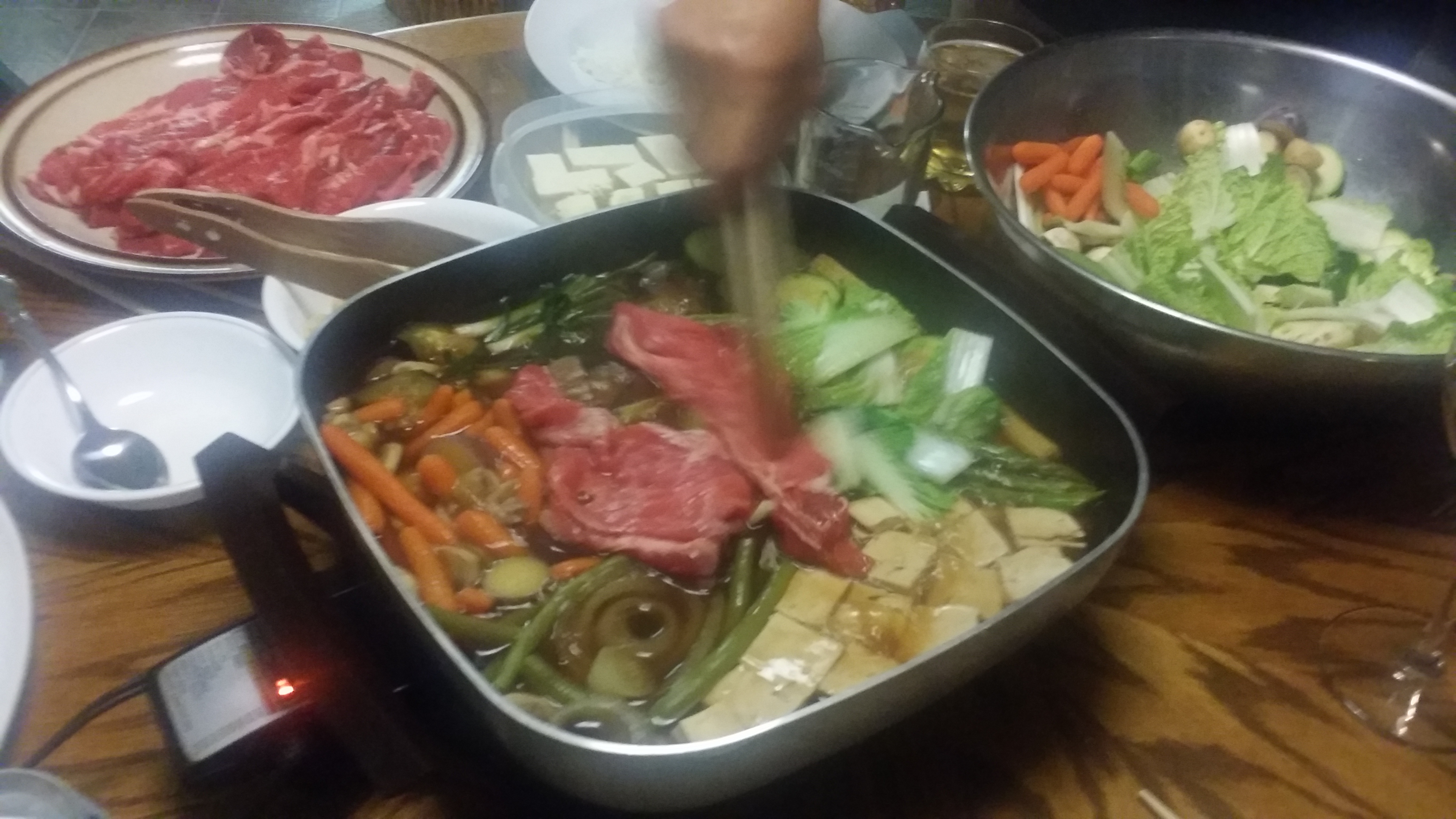
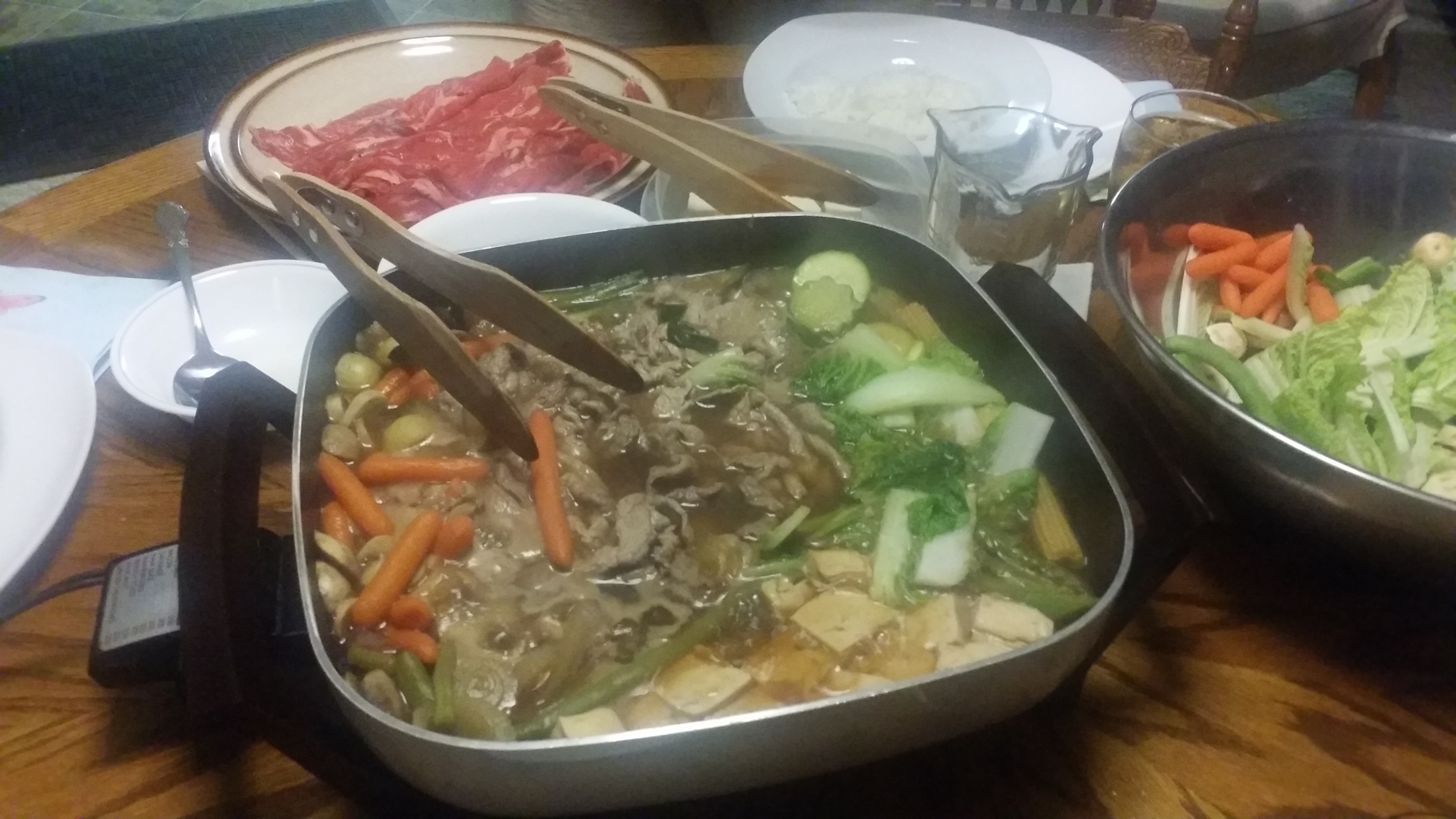
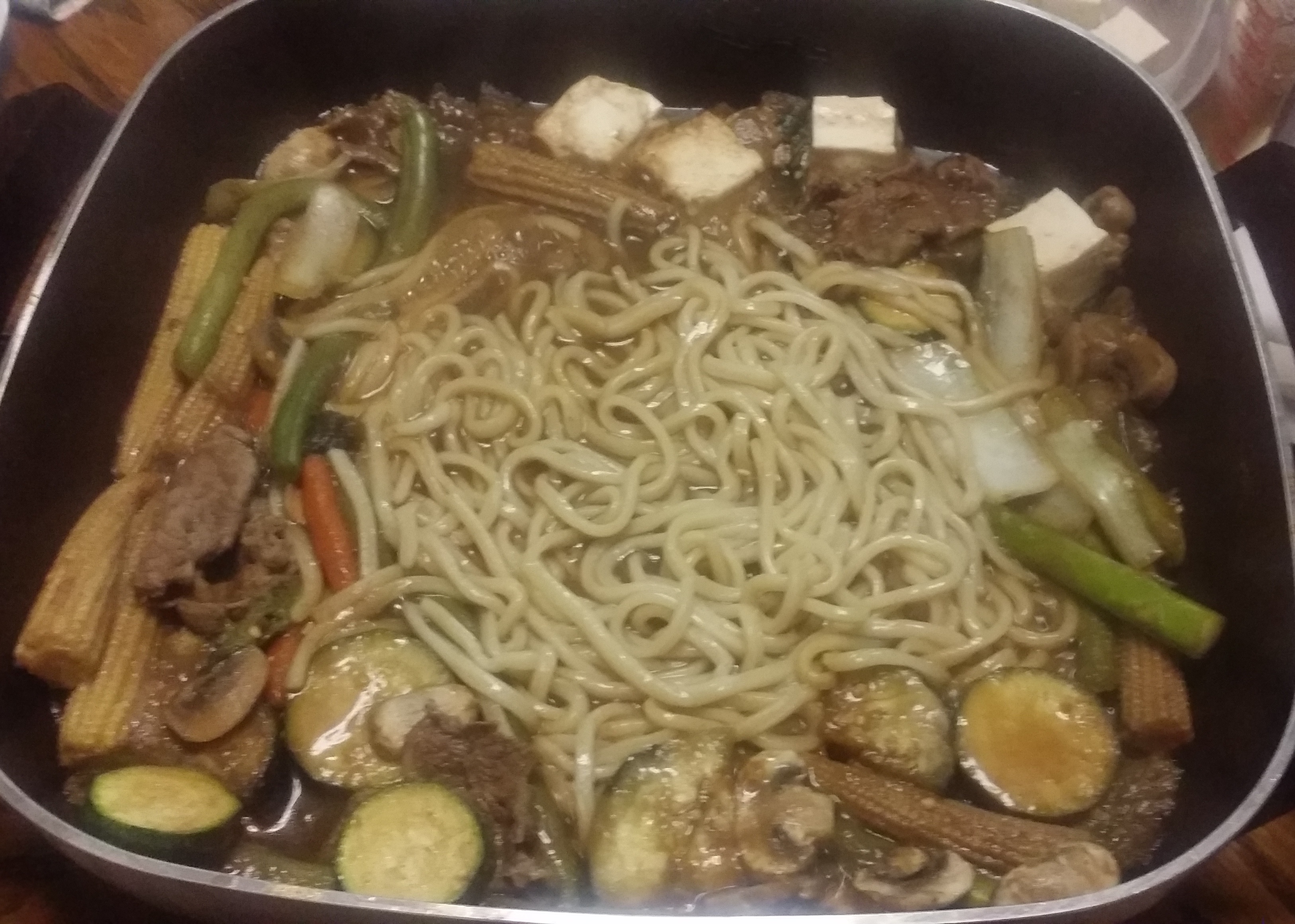
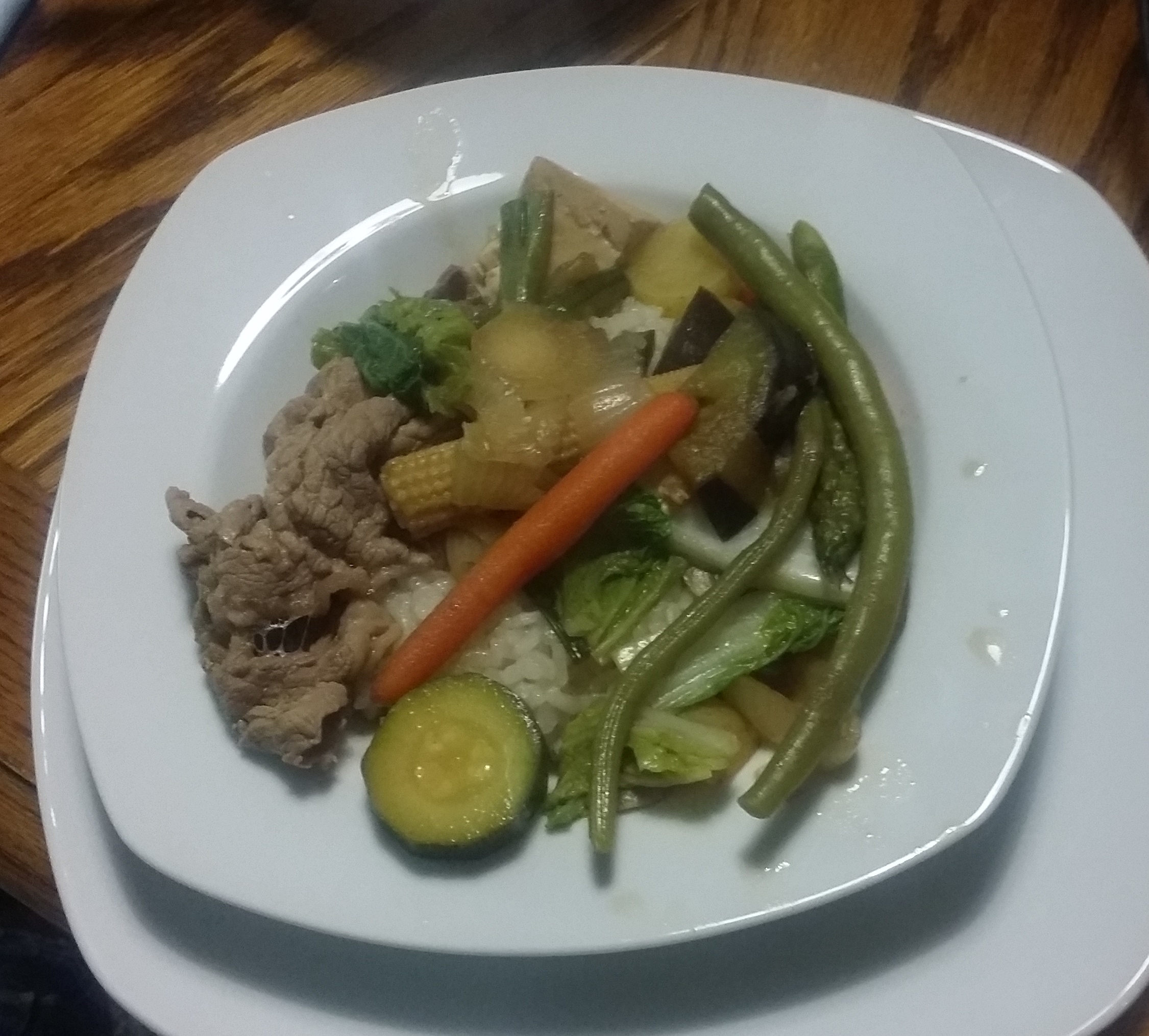
sukiyaki3sukiyaki4My friend Ryoko makes the most wonderful Sukiyaki.  Being from Japan it comes naturally to her, and I’m so glad that she showed me how to make it.  We sat at her counter while talking and chopping the veggies.  She explained that the meat you use is very important.  She gets it sliced thinly from a butcher and prefers rib eye – the thinner the better for fast results. You can’t buy readily cut meat for sukiyaki otherwise, and it’s almost impossible to slice it yourself.

You could cook it on the stove although an electric skillet is the simplest and best thing to use since all the ingredients are served at the table.  It’s actually quite easy to make if you chop and assemble everything beforehand. Just add what you like and noodles are optional – but since I love noodles I prefer adding them at the very end.

?

Noodles she uses
Type of noodles used for this dish

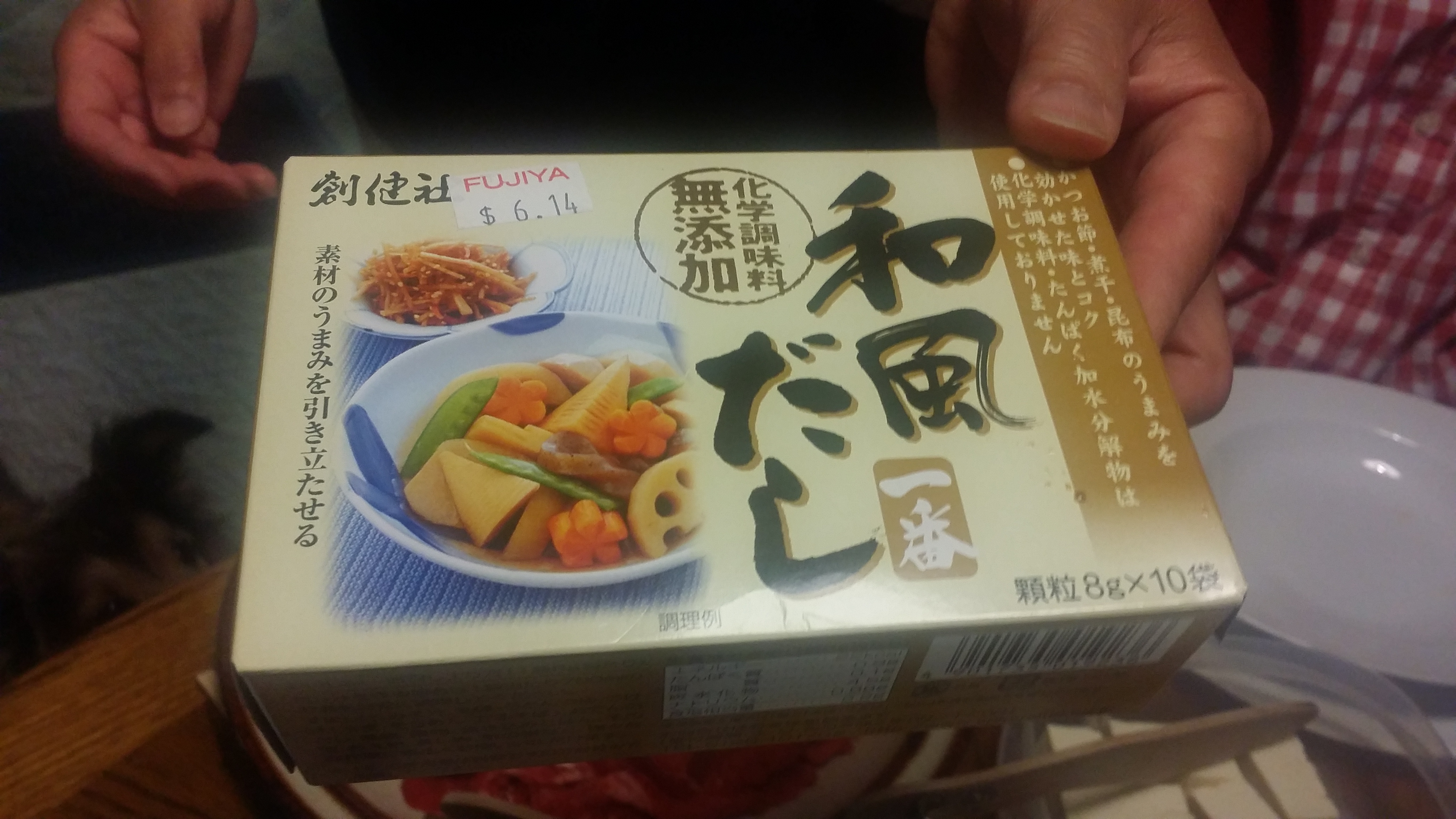
Add a little *dashi of this and a little **mirin and soy sauce to taste.  If you’re not used to using these condiments you can go to any Japanese grocery store and ask someone that works there.  They’ll know what you need.

Ryoko never uses a specific recipe but if you’ve never made it before I found an easy one online that you can adapt to suit your taste.

?

What you need:

Common ingredients include beef,tofu, negi (green onion), leafy vegetables, shiitake mushrooms and shirataki noodles. Have fun cooking and eating at-the-table!

Ingredients (serves 4):

  • 1 lb. thinly sliced beef (she buys paper-thin rib-eye. You must get the butcher to cut it for you otherwise it will be too thick.
  • 1 cube tofu
  • 1/2 head nappa cabbage
  • 2 carrots
  • 1 bunch green onions
  • 2 medium onions
  • 7-8 shiitake mushrooms
  • 7-8 white button mushrooms
  • 1 Tbsp. oil
  • 1 package frozen *udon noodles (optional)

Sukiyaki Sauce:

  • 1/3 cup soy sauce (I prefer low-sodium)
  • 3 Tbsp. sake (Japanese rice wine)
  • 3-5 Tbsp. sugar (to taste)
  • 3/4 cup water

Cut all ingredients into bite-sized pieces. Arrange all ingredients on a large plate for a beautiful display.

Mix ingredients for sukiyaki sauce in a separate bowl.

Add a little vegetable oil to an Electric Skillet, and set the temperature to high. Once the surface is hot, sauté some of the beef slices until brown. Add other ingredients.

Pour half the sukiyaki sauce in the pan, and close the lid. Simmer until the ingredients are cooked through.

Everybody should take as much as they’d like to eat. Keep adding more ingredients and sauce as they disappear from the pan. Feel free to add more or less sugar, soy sauce and water to adjust the flavor of the sauce.

If you can find frozen udon noodles in your supermarket, add it to the sauce to enjoy a whole new meal.

楽しみます= Tanoshimimasu = ENJOY!

*What is Dashi?

Dashi is a flavouring stock used in Japanese cuisine, giving that quintessential Japanese flavour to your favourite foods. It all starts with something called “umami”, which when translated from Japanese to English, “savoury” is probably the closest word. Umami was discovered as one of the five senses to accompany sweet, sour, bitter and salty and is a more friendly name for the taste of glutamates.

**What is Mirin?

Mirin is a common staple used in Japanese cooking. It’s a type of rice wine, similar to sake, but with a lower alcohol and higher sugar content.

Have you ever made it?

Photos: d. king

Source for recipe: http://www.zojirushi.com/