The incredible lightness of being – that’s THE HUMMINGBIRD.
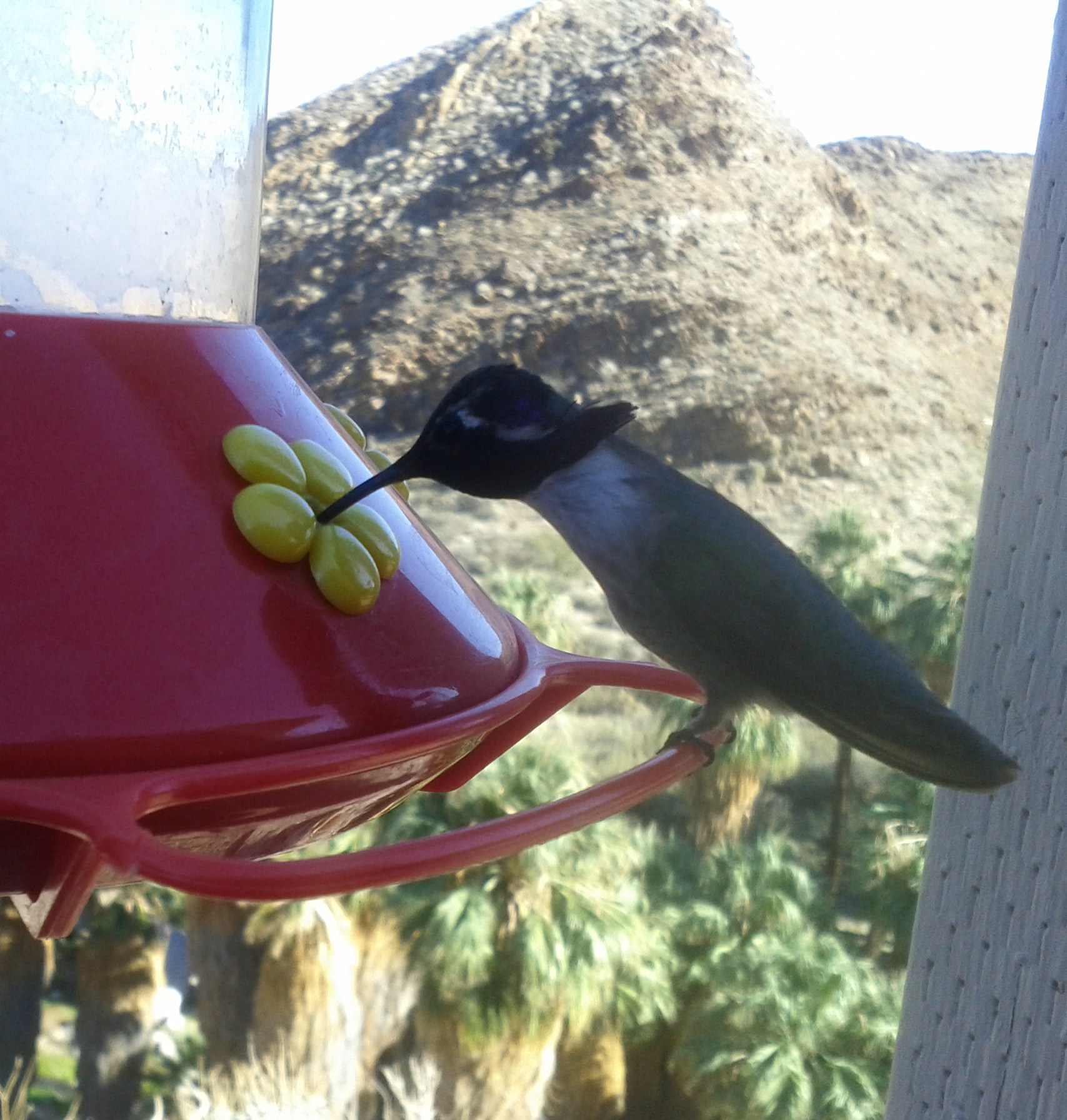
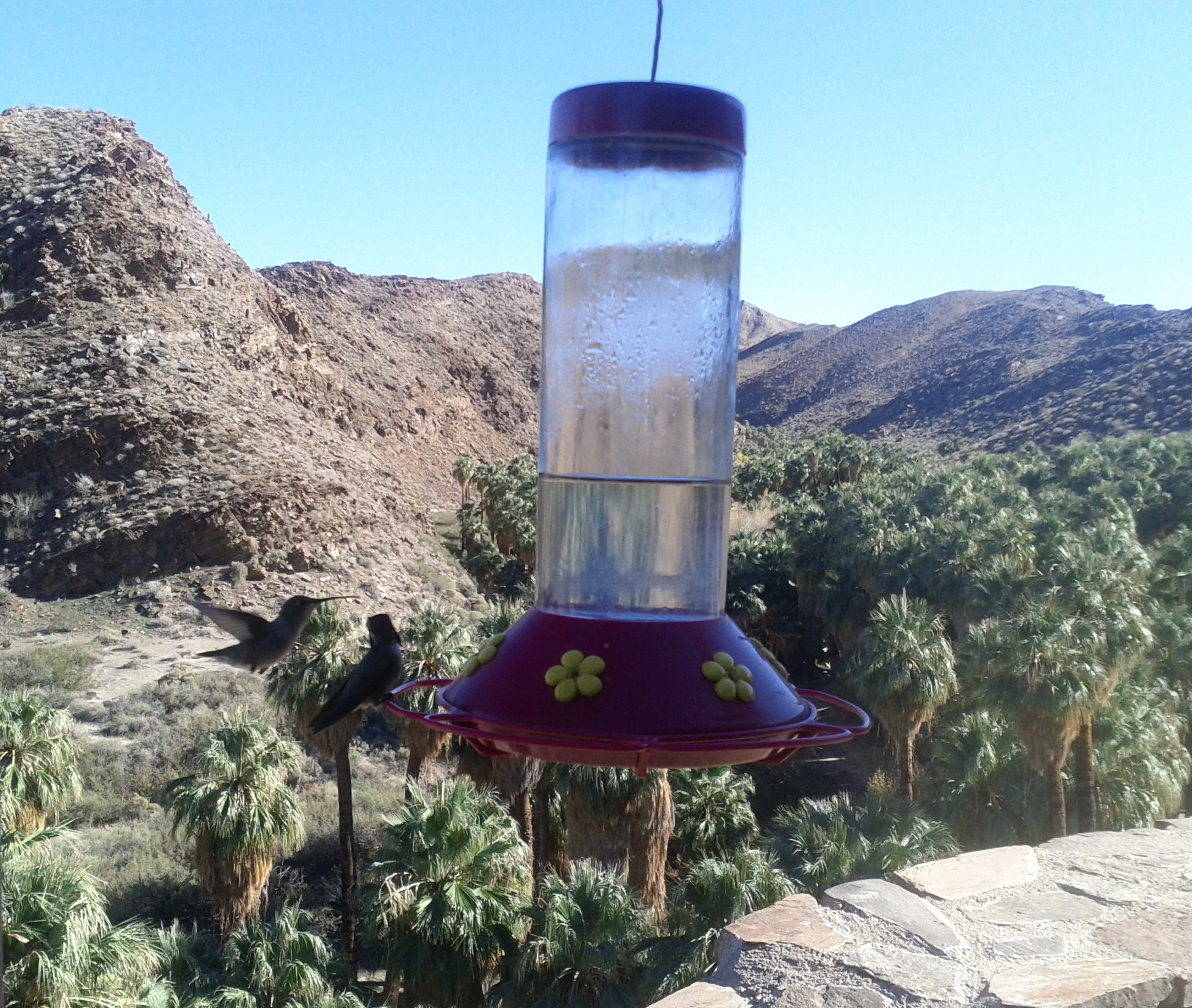
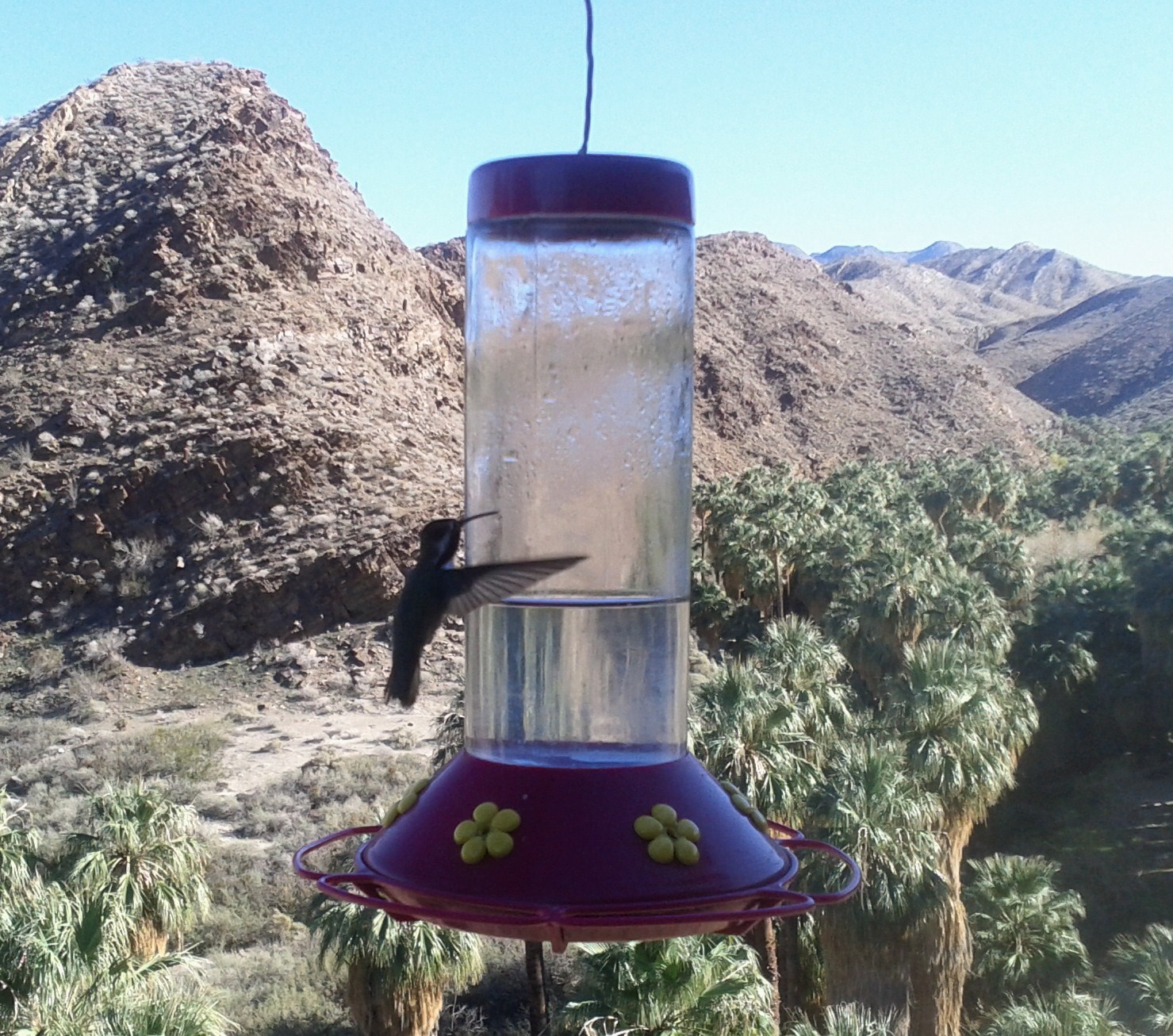
Beautiful, delicate, swift, changing direction quickly and smoothly, gliding seemingly from one place to another. I’ve always loved hummingbirds and they’ve entered into my life from time to time when my spirit is in need of a little lift. You can’t help but enjoy their presence, everything seems light and bright whenever they appear. I have been drawn to them, and they to me. They have emerged in some strange places (like right inside my camper van in the desert at Dead Horse Canyon, Utah) and in strange ways (flapping around my head in Jamaica with no nest or feeder in sight) and more recently to some feeders in Palm Canyon, California. I decided to look up the spiritual meaning of hummingbirds.
Hummingbird Meaning
The Hummingbird is the joyful messenger and a symbol of health. When a hummingbird appears, healing will follow.
The hummingbird generally symbolizes joy and playfulness, as well as adaptability. Additional symbolic meanings are:
Lightness of being, enjoyment of life
Being more present
Independence
Bringing playfulness and joy in your life
Lifting up negativity
Swiftness, ability to respond quickly
Resiliency, being able to travel great distances tirelessly
When the hummingbird shows up in your life, it may be an invitation to flex your path, perhaps even bending backward or forward, in order to accommodate life’s circumstances. You may be required to adapt to a situation that is a bit more demanding than usual. The wisdom carried by this spirit animal emphasizes flexibility and lightness in your approach to the unexpected. Oh; I get it.
The Flamingo may be the most Fabulous of all the bird species. Think about it.
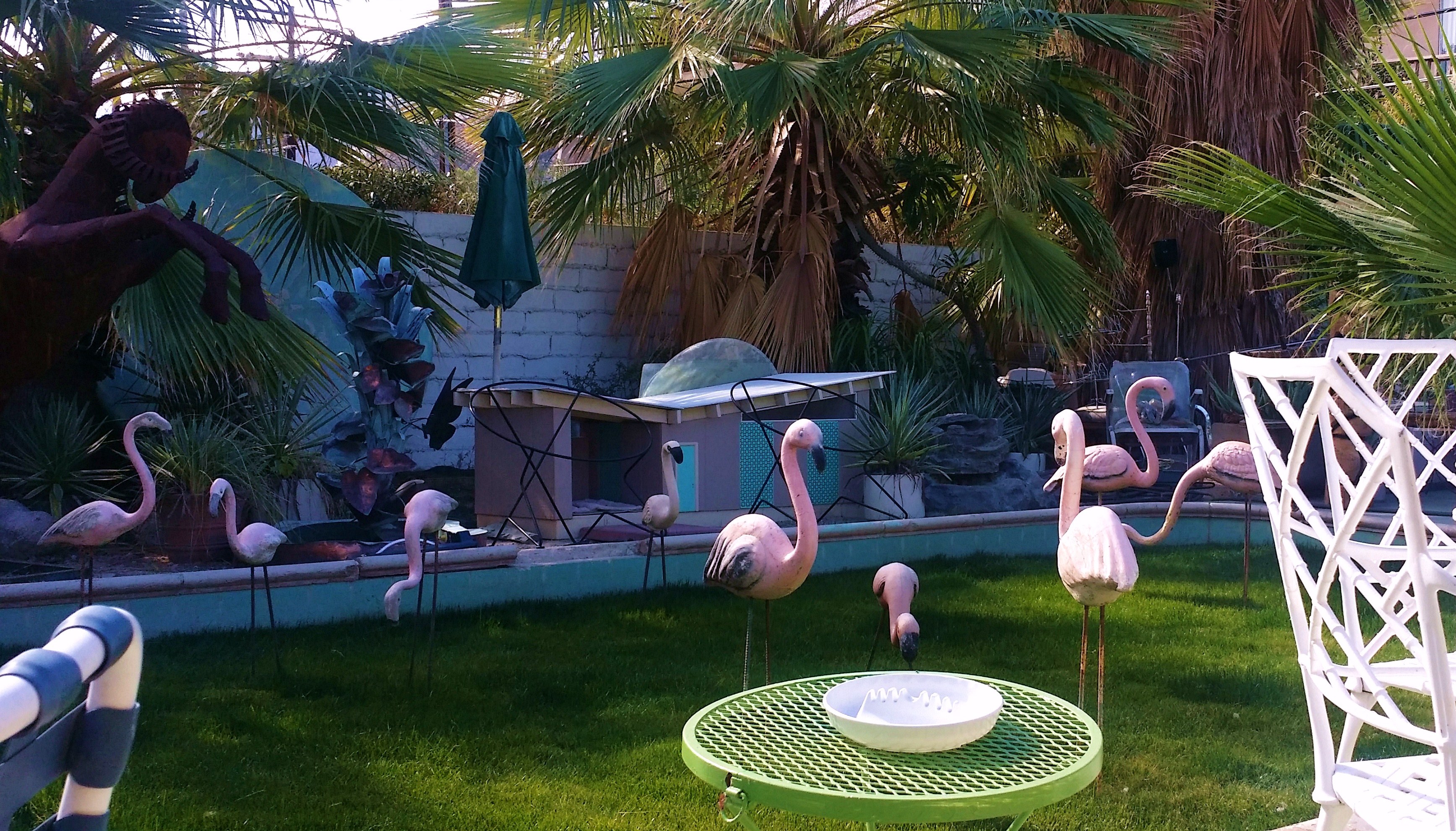
100% natural – at the Marriott Resort Palm Desert.
They’re the bird of choice for *gracing peoples lawns since 1957. Other birds would be tickled pink to be so long legged and curvaceous. They look cool and live in “hot” places like Miami and the Flamingo Hilton in Vegas. They look good wearing sunglasses and move gracefully. It wouldn’t be so bad to be a Flamingo.
DID YOU KNOW?
The word “flamingo” comes from the Spanish and Latin word “flamenco” which means fire, and refers to the bright color of the birds’ feathers.
Flamingos are strong but rare swimmers and powerful fliers, even though they’re most often seen just wading.
When flying in a flock, the top speed of a flamingo can be as high as 35 miles per hour.
Flamingos hold their bills upside down while feeding, often for several hours a day, so they can filter out their food while skimming the water.
A flamingo chick’s bill is small and straight, but will develop the distinct “break” curve after a few months.
Flamingos are monogamous birds that lay only a single egg each year. If that egg is lost or damaged, they do not typically lay a replacement.
Flamingo chicks are born gray or white and take up to three years to reach their mature pink, orange or red plumage.
The pink, orange or red color of a flamingo’s feathers is caused by carotenoid pigments in their food, and a flamingo’s diet includes shrimp, plankton, algae and crustaceans.
A adult flamingo’s legs can be 30-50 inches long, which is longer than their entire body.
A flock of flamingos is called a stand or a flamboyance.
Flamingos have a wild lifespan of 20-30 years, but in captivity have been recorded as living up to 50 years or longer.
The most prominent threats to flamingos include predators, habitat loss and poaching for decorative feathers as well as humans hunting flamingos to gather eggs as food or to harvest their tongues as meat.
100% plastic. At “dazzles” courtyard Palm Springs
*In case you are dying to know…Don Featherstone of Massachusetts is the inventor of the pink plastic lawn flamingo. You’re welcome.
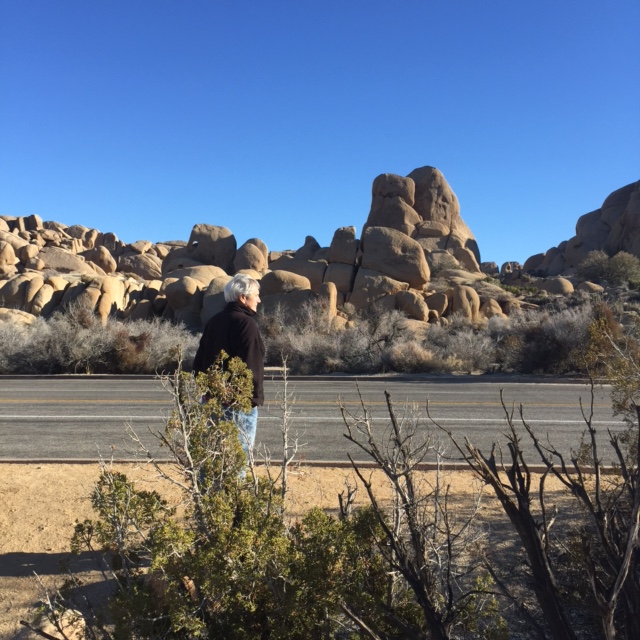
Joshua Tree National Park is a wildlife refuge with close to 800,000 acres of protected environment and unspoiled desert scenery only a one hour drive from Palm Springs.
Venus and the Moon at Sunset
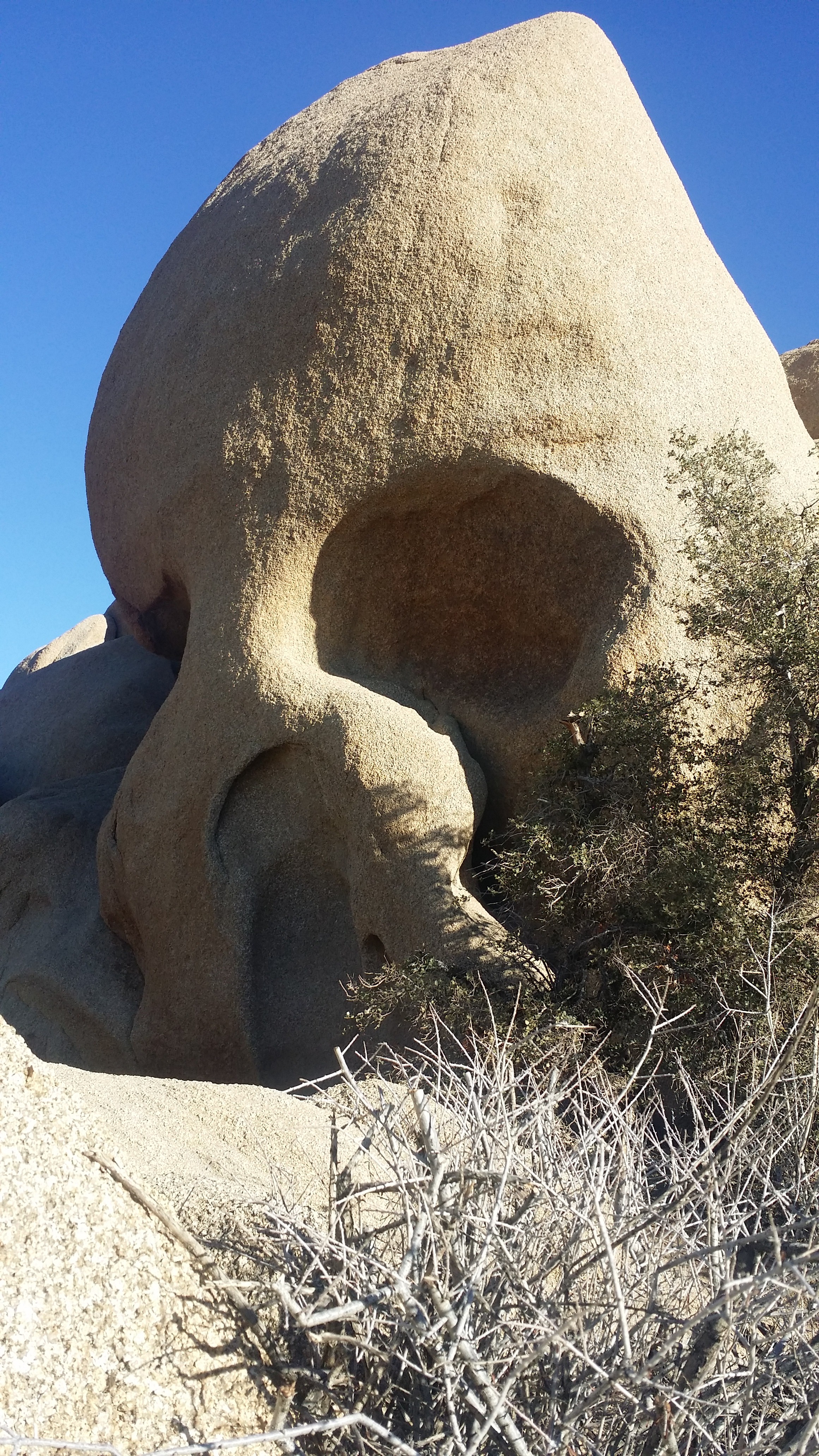
Skull Rock
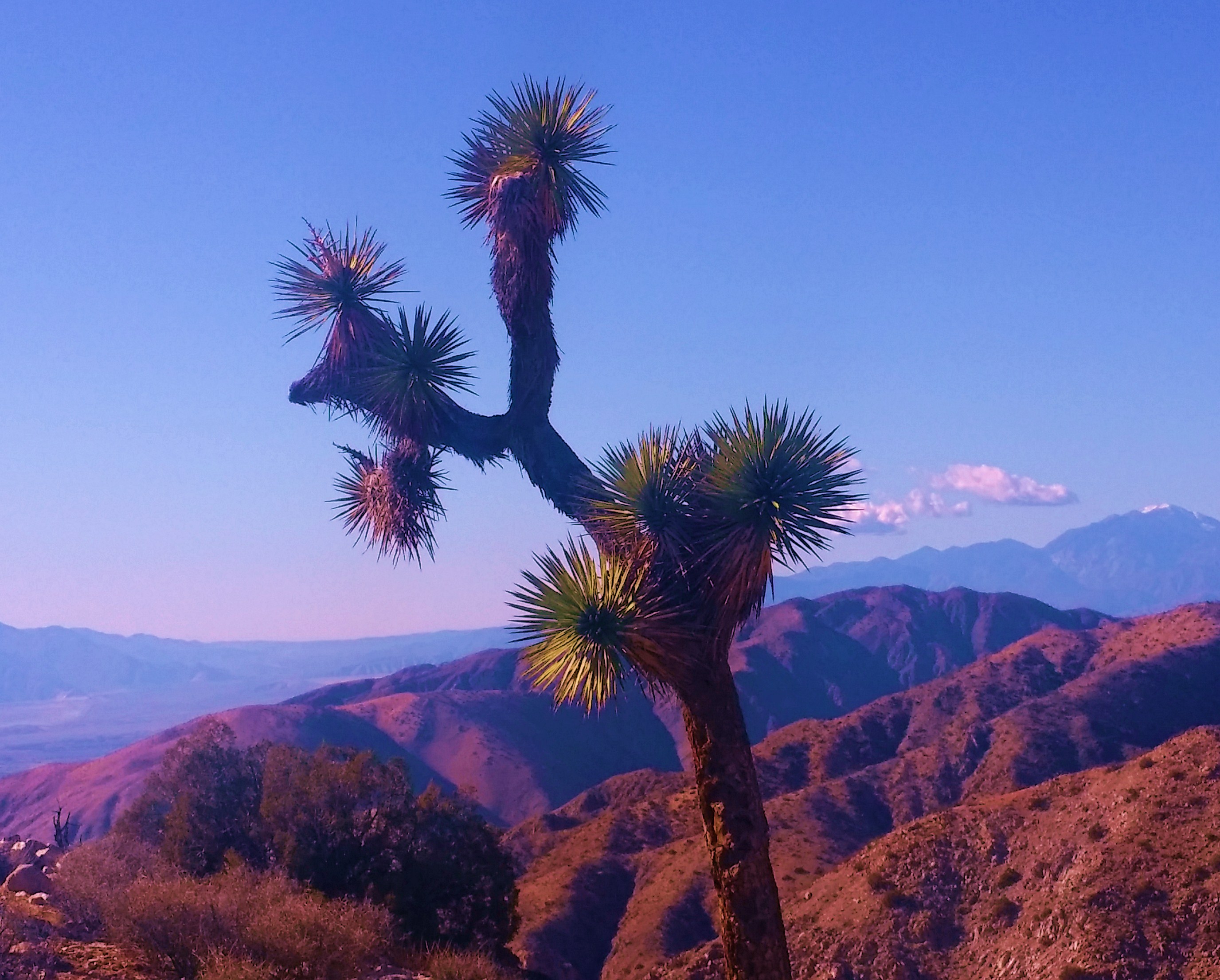
It’s pretty breathtaking and I’m not sure the pictures do it justice.
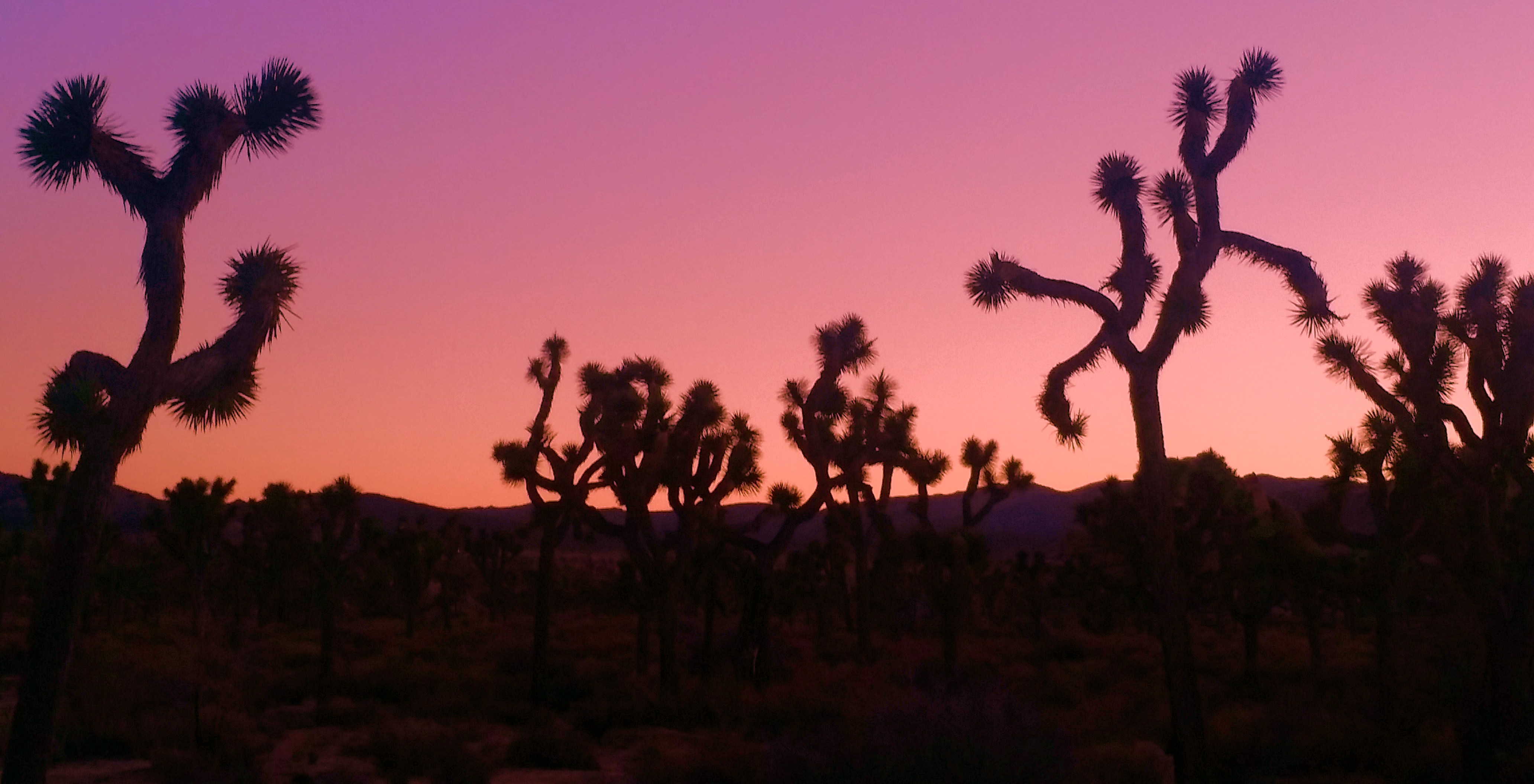
Two factors make the park special; the eerie, spiky Joshua trees which grow densely in the western half, and the extensive outcrops of huge granite boulders, up to 100 feet high, which line the mountain ranges scattered over the whole area.
On a clear day you can see the San Andreas Fault Line from this location. On a really clear day you can see all the way to Mexico.
Other prime attractions are six oases where California fan palm trees grow in their natural surroundings, all reachable by trail. This is not a place just to drive through, instead visitors should explore for a while away from the roads – climb some rocks or walk amongst the trees and cacti, but most of all spend a night here and watch the sun set. It was quite windy and cold a few days ago when three of us had a picnic lunch and enjoyed exploring the area.
The Joshuas are especially atmospheric and spooky at dusk, when their stark, irregular outlines become quite menacing.The iconic Joshua tree, the namesake of the California park, is actually a member of the lily family. Interesting since it looks nothing like a lily.
A majestic bald eagle sits on top of a totem pole in kitsilano overlooking the doggy beach on a morning run.This is what I LOVE about living where I live! This is what he was looking at. This is where I run.
PETRA might be thousands of years old but it was recently selected as one of the “New 7 Wonders of the World”! A well deserved honour.
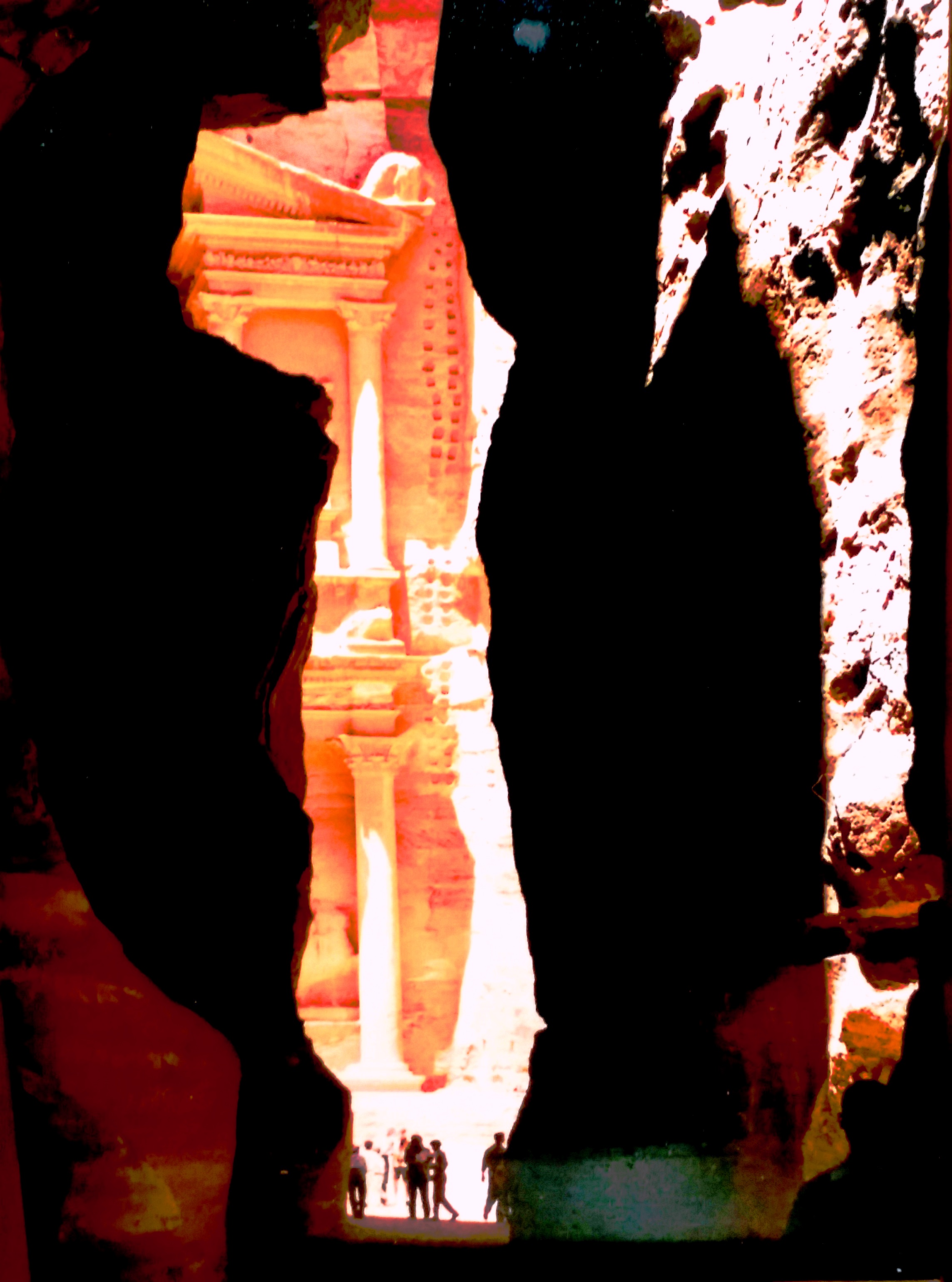
If the photograph looks familiar it’s because you’ve seen it before in the last scenes of Indiana Jones and the Last Crusade. The “treasury” serves as a secret temple lost for hundreds of years. In the film’s climactic final scenes, actors Harrison Ford and Sean Connery burst forth from the Siq (the narrow gorge passageway leading in) and walk deep into the labyrinths of the Treasury in their quest to find the Holy Grail. But, as usual, archaeological fact bowed to Hollywood fiction when Indy came to Petra.
Photo: d. king
Making the trek to Petra infact feels like you could be in an Indiana Jones movie as the lead up is mysterious but once you’re there it is truly an amazing sight to behold. Hidden deep in the mountains, one has to be there in person to really witness it as the ancient place is impossible to capture in normal still photographs. Literally carved directly into vibrant red, white, pink, and sandstone cliff faces, the prehistoric Jordanian city of Petra was “lost” to the Western world. The City was rediscovered by a young Swiss explorer by the name of Johan Ludwig Burckhardt in 1812.
I made the trek crossing over from the Sinai Peninsula in Egypt (where I was staying) to Eilat in Israel and then over to Petra, in Jordan. The borders are actually fairly close to each other so it didn’t take as long as it seems – maybe 3 hours. From Ammn in Jordon we took a bus ride for about two hours along nothing but sand tracks in the desert. Then the fun began; we rode on horseback until we reached the ancient red city carved in rock. We left our horses there and entered through the very narrow gorge (the Siq, shown in photo above) with a breathtaking view of the building called the “Treasury”.
It is called the “rose red city” for a good reason. Temples, tombs and other buildings are all carved out of the red sandstone cliffs. I’ve never seen anything like it before or since.
At its peak the city of Petra was home to some 20,000 Nabataeans who, in the midst of the desert, built an ingenious system of waterways to provide their city with the precious liquid.
Since the early 1800s, when it was “rediscovered,” clues to daily life in this “lost city of stone” are being unearthed and today we are beginning to see once again what Petra looked like 2,000 years ago.
Situated between the Red Sea and the Dead Sea, Petra was an important crossroads between Arabia, Egypt and Syria-Phoenicia. Petra is half-built, half-carved into the rock, and is surrounded by mountains riddled with passages and gorges. It is one of the world’s most famous archaeological sites, where ancient Eastern traditions blend with Hellenistic architecture.
I feel incredibly lucky that I had the opportunity to make this trek and witness in person the physical splendour of this ancient city.
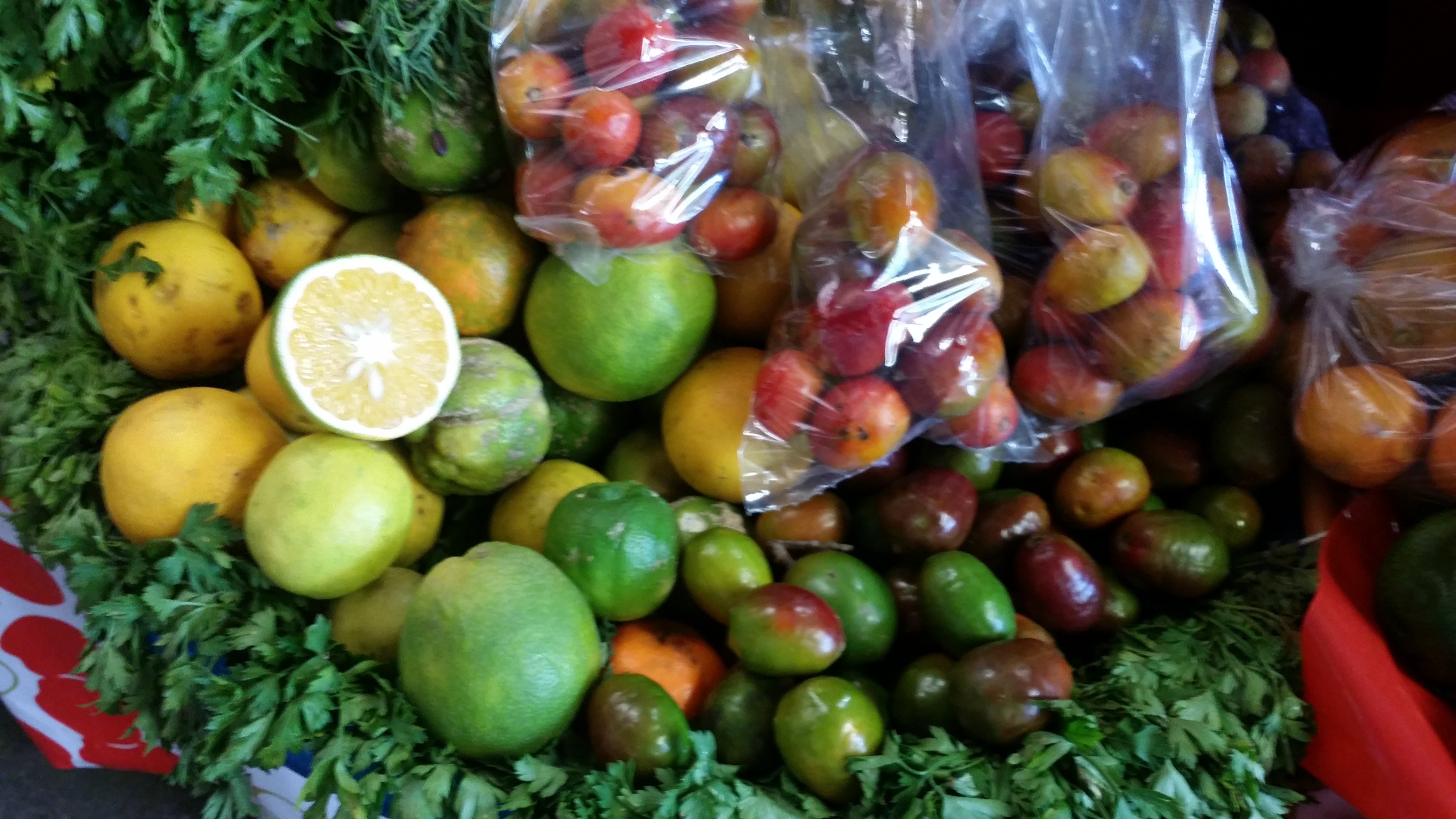
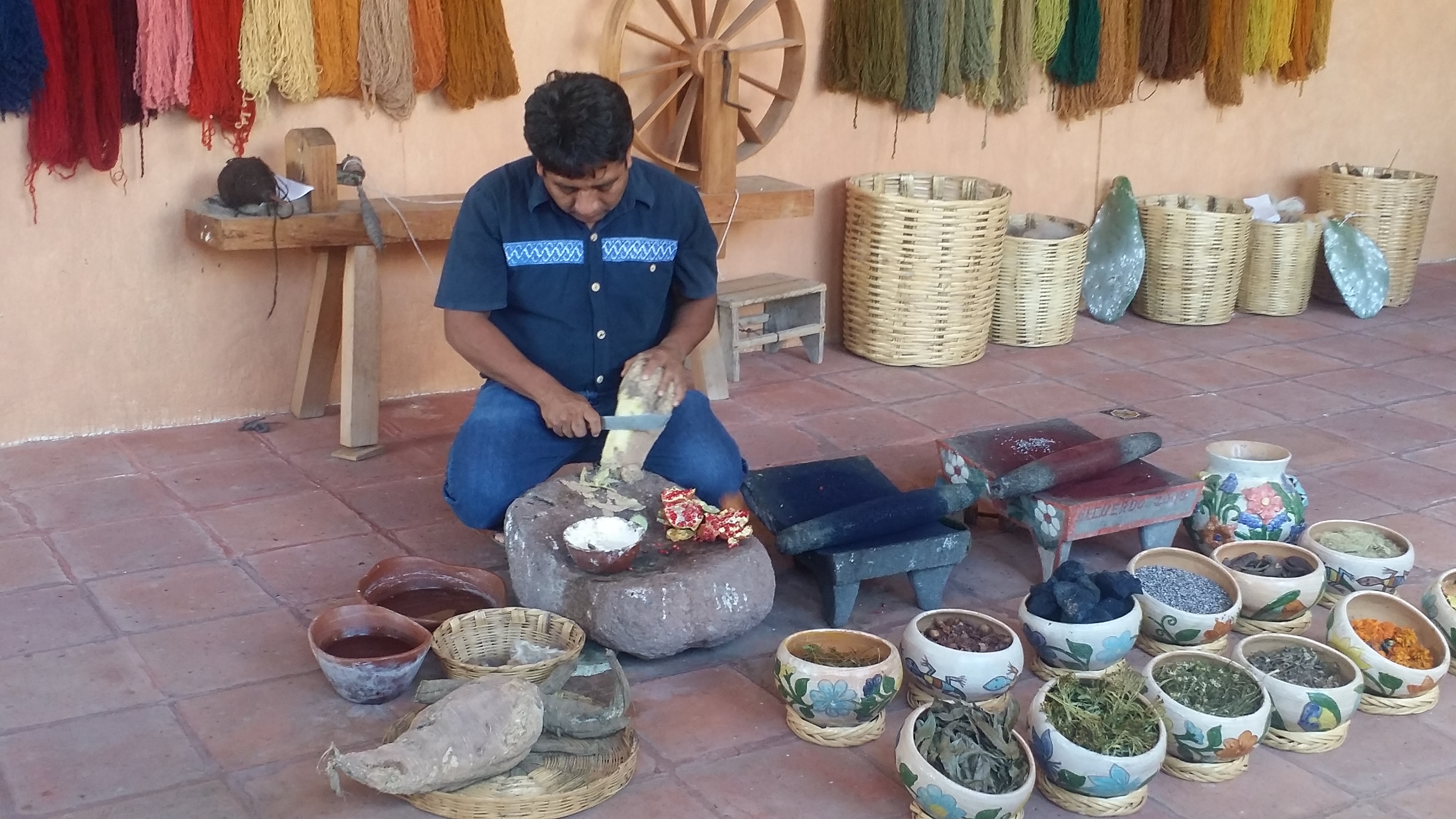
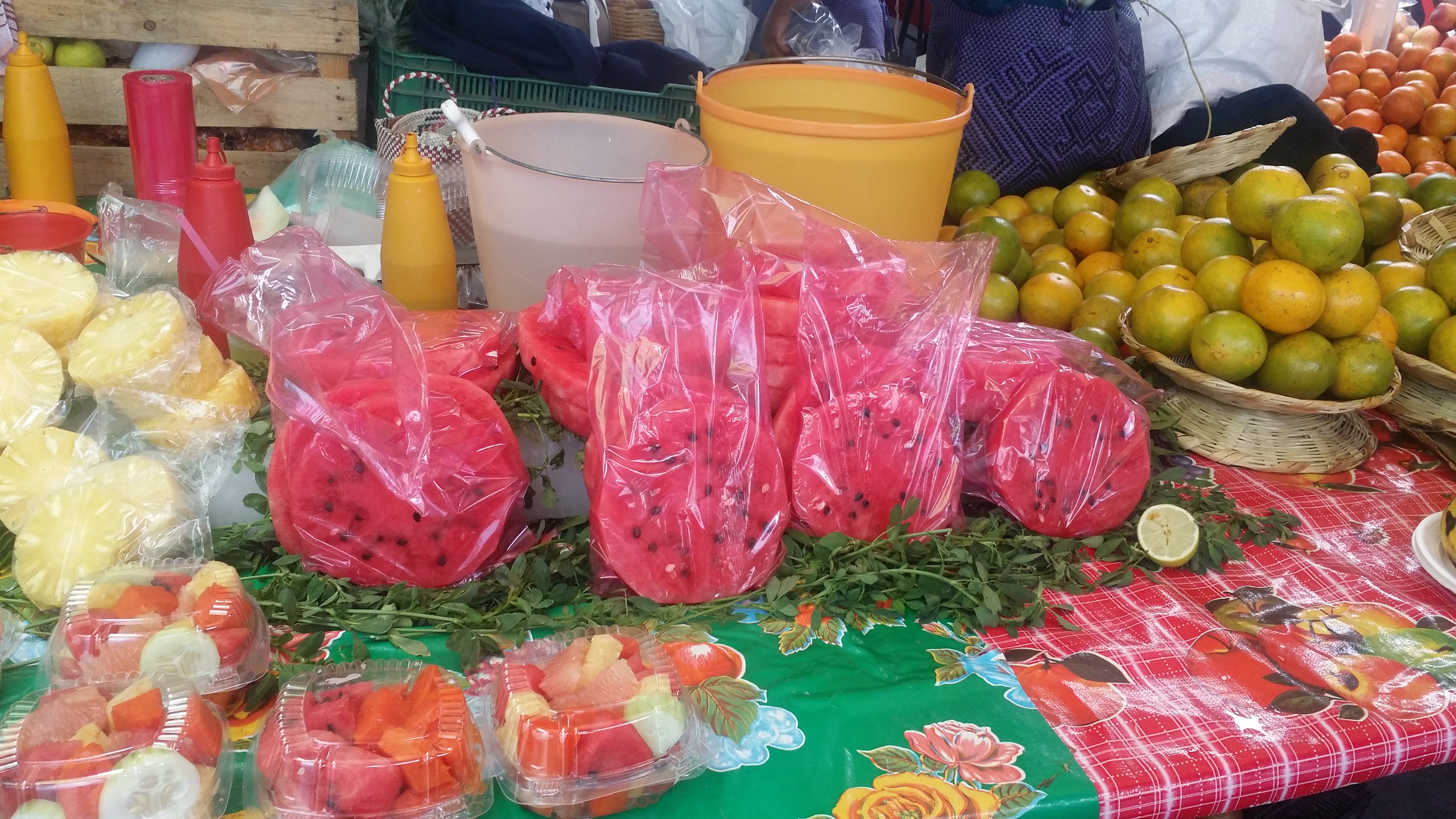
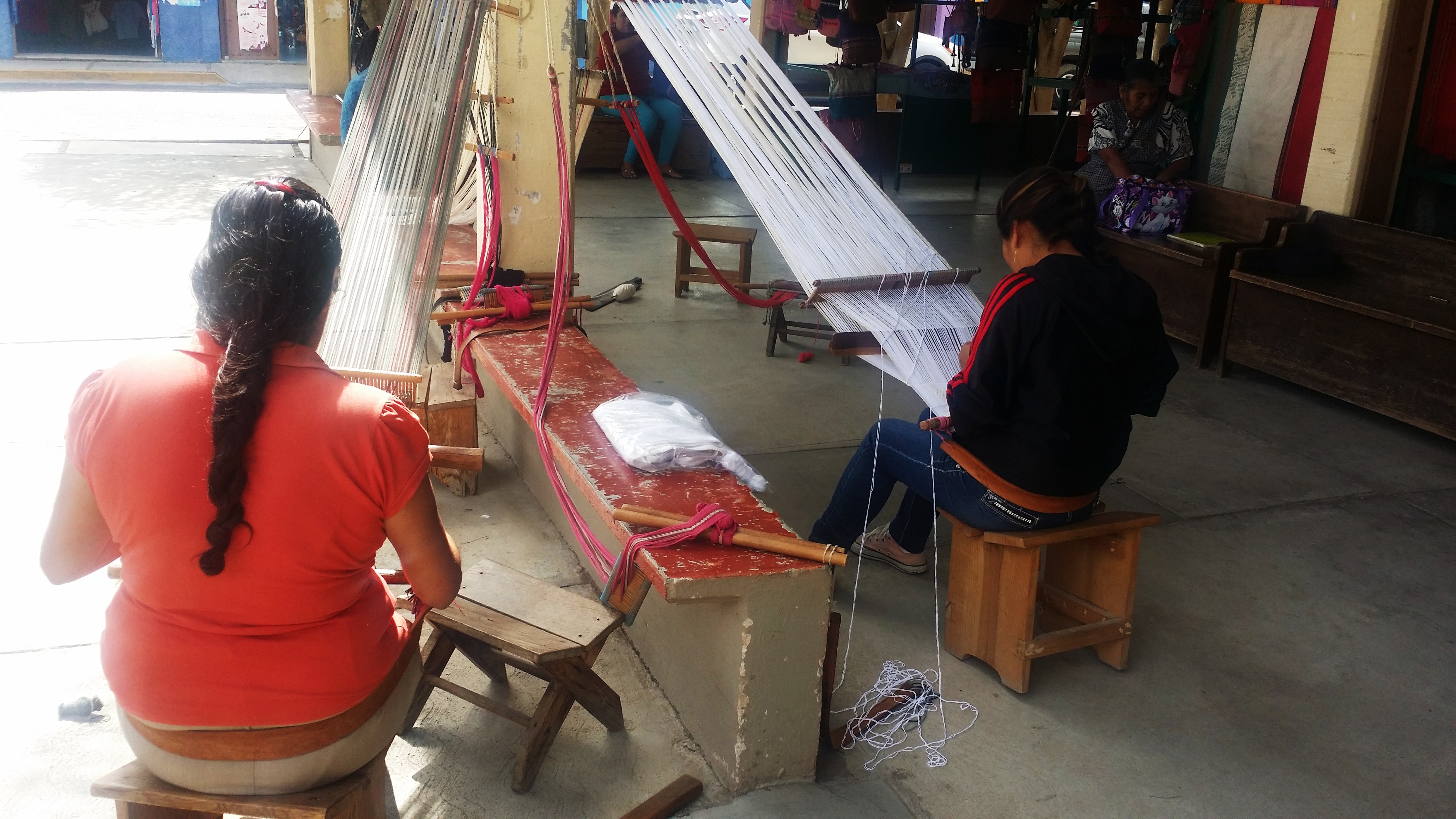
Whenever traveling to a new place I always look for the marketsto see the variety of foodstuff they offer and what kind of handiwork they produce. As you can see from these photos there was no shortage of either in Oaxaca.
Making the Zapotec Rug is a long process.
On one trip to Arizona I came home with six Zapotec rugs not realizing that I would be in the birthplace of the Zapotec here in Oaxaca.Making black pottery at San Bartolo Coyotepec.To produce these lovely vases among various other things. You cannot carry these on board.women weaving on back strap looms
To produce these beautiful shawls and runners.The making of Alebrijes (hand made wooden figues) in Arrazola.One example of a finished Alebrije.


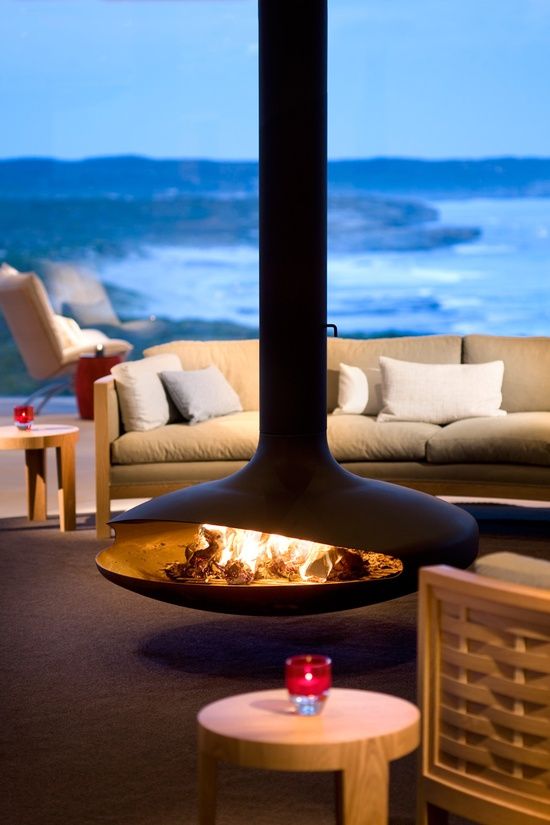
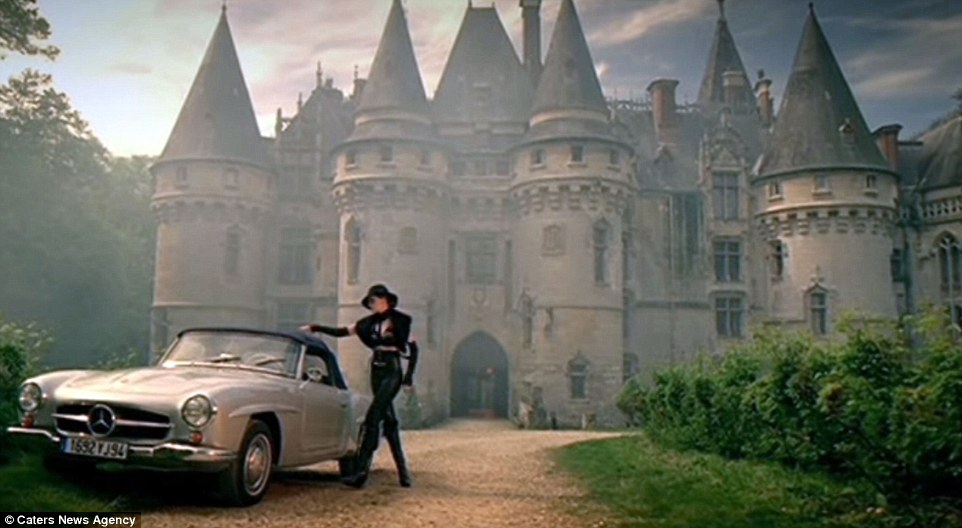 In my Dreams. But part of this is not so far fetched, because dreams really do come true.


















 Girl Who Would be KING on Life, Style and INSPIRATION.


You must be logged in to post a comment.