GOOD GOURD. Winter squash comes in a wide range of shapes, sizes and tastes.
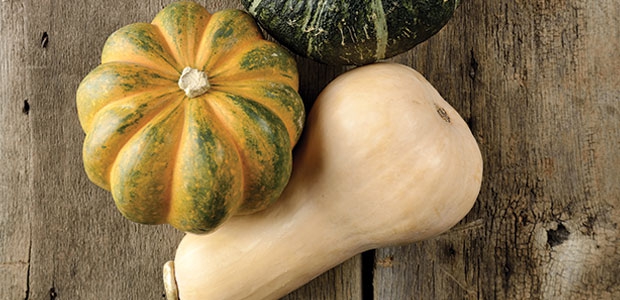
Acorn & Butternut – 2 favourites
It’s always fun to incorporate a new variety into your winter menu. No matter which gourd you gravitate toward, make sure that it is heavy for its size, with taut skin and no soft spots or cracks.
Low-calorie winter squash contains an impressive slew of nutrients, including potassium, magnesium, vitamin C, fibre, and beta carotene. Beyond its function as a potent antioxidant, beta carotene can be converted to vitamin A in the body to boost immunity and eye health. A recent study also found that higher intakes of beta carotene could help reduce the risk for atrial fibrillation, a potentially dangerous irregular heartbeat.
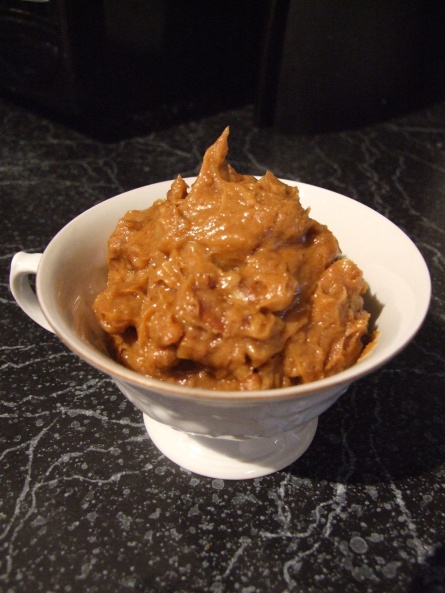
Pecan Squash Butter
Ridiculously Easy Recipe:
Use this healthy & heavenly spread on your morning toast, slices of apple, or pieces of dark chocolate.
2 cups (500 ml) pecans
2 Tbsp (30 ml) melted coconut oil or other oil of choice
2 Tbsp (30 ml) honey
1 Cup (250 ml) squash puree
1/2 tsp. (2 ml) cinnamon
1/4 tsp. (1 ml) nutmeg
Place pecans, oil, and honey in container of food processor or high-powered blender and blend on high until mixture becomes creamy, about 2 to 5 minutes, depending on the machine you are using. Wipe down sides as needed during blending. If mixture is not becoming smooth enough, add a little extra oil to help smooth it out.
Place squash, cinnamon, and nutmeg in container and blend until smooth. Store in refrigerator for up to 2 weeks. Serves 12
Selecting a Squash:
Acorn This guise of squash gleans its name from the tree nut it resembles and has mostly dark green skin, with yellow-orange flesh that has subtle taste notes of black pepper and hazelnuts.
Try it: Roasted acorn halves are perfect for stuffing with various grain salads. Adorn acorn slices with syrup reduction sauces, such as balsamic or pomegranate.
Buttercup This squash has a hard green skin with creamy orange flesh and turbanlike shape. It’s one of the sweetest tasting varieties.
Try it: Buttercup’s natural sweetness is a welcome addition to soups and other purées, such as baked goods or dips.
Butternut Hourglasslike butternut is blessed with a silky texture and taste reminiscent of sweet potato bathed in butter.
Try it: Roast or steam into cubes for a nutritious and tasty addition to salads, frittatas, and tacos. Or mash it and use as a stuffing for ravioli, a spread for sandwiches, or even as a pizza sauce.
Delicata The oblong delicata has a pale yellow skin and is not too shy to show off its green strips. The pulp is creamy and tastes a bit like a love child of corn and sweet potatoes.
Try it: Slice in half lengthwise and use as a squash boat for all sorts of stuffings. Roasted slices with a butter maple syrup glaze will quickly turn into a favourite winter side dish. Unlike other squash, delicata’s thinner skin is edible once cooked.
Hubbard
This giant of the squash world is available in blue-grey, green, or orange-red varieties, all with warty skin and grainy, mildly sweet flesh.
Try it: Cut into cubes and string onto kebab skewers or toss with other seasonal items such as parsnips and rutabaga for a roasted vegetable medley.
Spaghetti Watermelon-shaped with golden yellow rind, this squash is aptly named—once cooked, the flesh pulls apart into slightly nutty, spaghetti-like strands.
Try it: Toss strands with pesto or top with meat sauce for a twist on pasta night.
Taken from alive – Canada’s Natural Health and Wellness Magazine.


 Girl Who Would be KING on Life, Style and INSPIRATION.
You must be logged in to post a comment.