

Winter Vitamins and Minerals! Flu season is here, and combined with the holidays, does not make for a great combination. To avoid getting sick maybe we can consider adding a few supplements to our list of what we ‘should’ do to keep from getting colds, etc.
Medical experts recommend that, first and foremost, you meet all your nutritional needs by eating a healthy diet. But that’s not always possible, especially when the chilly weather’s got you craving macaroni and cheese guilty in lieu of fish and salad. Combine winter’s shorter days with less fresh and diverse produce, and chances are you’re just not getting enough of a few key vitamins and minerals. Here are a few important ones that you may be missing out on. Always ask your doctor whether you should consider adding these supplements to your diet.
VITAMIN D – on average only 68% of Canadians have blood concentrations of vitamin D that are sufficient for bone health, according to stats Canada. But in winter, that drops to 60%. This is because Canadians need to be exposed to sun for the body to produce the vitamin, and we simply can’t make enough of it in winter. Vitamin D is a key nutrient that helps the body use calcium and phosphorous to produce strong bones and teeth. It improves the function of muscles and may help to lower the risk of cancer and diabetes. Aside from taking a Vitamin D supplement, also consider boosting your intake with fortified foods such as milk, yogurt and some calcium-fortified orange juices.
CALCIUM – important for keeping our bones and teeth healthy and also helping support muscle and nerve functions. Like vitamin D, calcium is needed to keep bones and teeth strong and to reduce the risk of osteoporosis and fractures. Aside from taking a supplement, try to eat foods rich in calcium which include milk or milk alternatives such as yogurt, cheese, fortified soy beverages and dark green veggies such as broccoli and spinach.

IRON – an important mineral to help carry oxygen to all parts of the body. A low iron count can make you look pale and feel weak and irritable, along with many other unwanted symptoms. Our bodies cannot make it so we require it from our diet. Without iron, our body cannot make healthy red blood cells that carry oxygen to our tissues and vital organs. Foods rich in iron include fish and seafood (such as shrimp and scallops), lentils, beans, and meats such as duck, liver and beef.
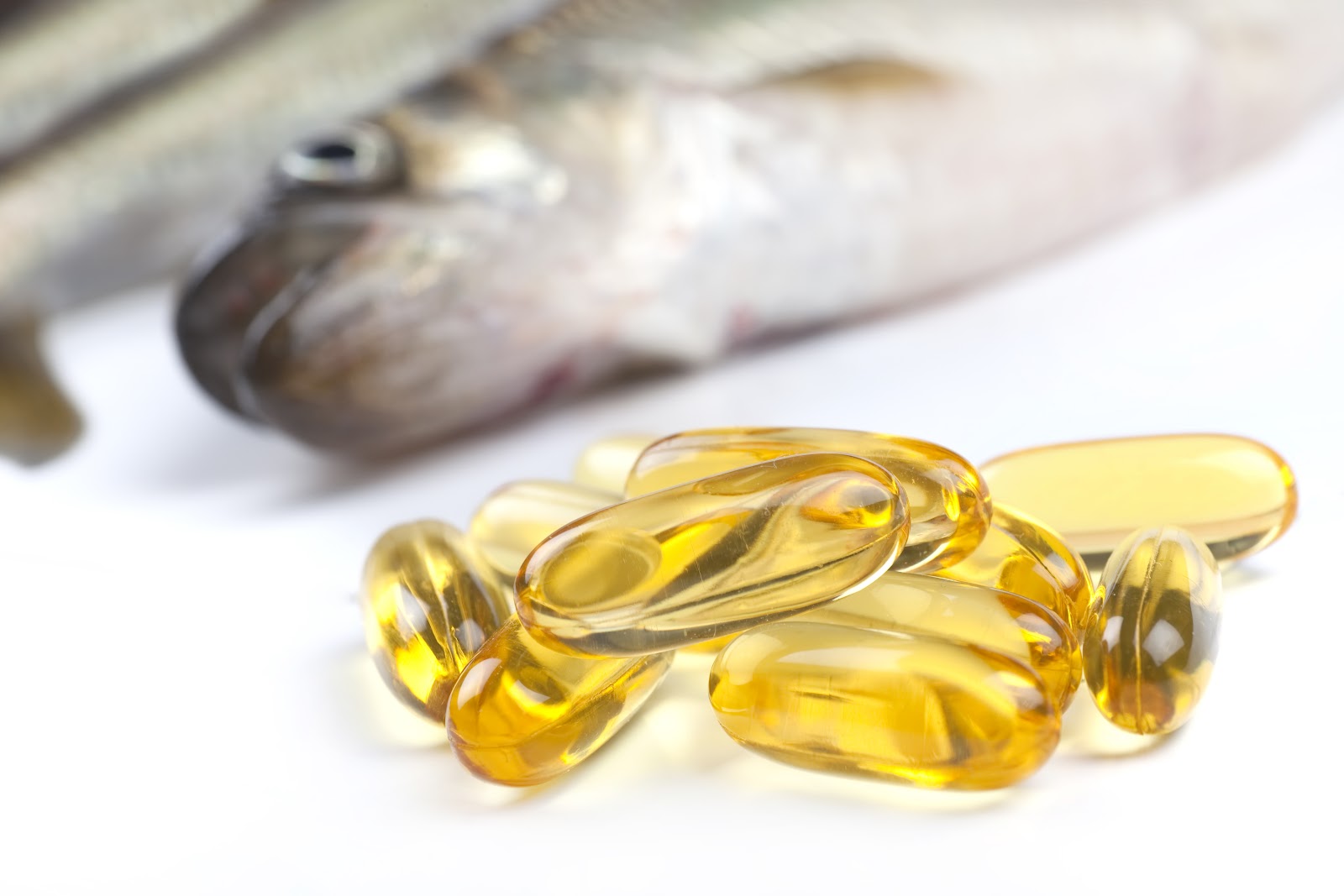
FISH OIL (omega-3 fatty acids) – are healthy fats that cannot be made by the body. We benefit from omega-3 healthy fats for our brain, nerve, and eye development. They also lower the risk of heart disease. Research is being conducted on whether omega-3 fats also play a role in lowering the risk of cancer, dementia, Alzheimer’s disease and depression.
The best source? Fatty fish like salmon, mackerel, arctic char (similar to salmon) including all the ones I don’t like….like anchovies, sardines, herring and trout. Look for a mercury-free fish oil supplement with a Natural Product Number (NPN). You can also add flax seeds, walnuts, soy products and omega-3-enriched foods such as eggs and milk to your list. AND if you want to have a healthy treat at the office, this seems like an un-messy way to eat an orange for that extra dose of Vitamin C – which can’t hurt either. Of course you need to keep a knife at your desk.

 Girl Who Would be KING on Life, Style and INSPIRATION.
You must be logged in to post a comment.