

If you’re feeling exhausted is it because of a low Iron count or something else? How can you be sure that you’re getting enough?
You might be surprised to learn that low iron is the most common nutritional deficiency in the U.S. Almost 10% of women are iron deficient, according to figures from the Centers for Disease Control and Prevention.

Let’s look at why iron is so important to your body, what can happen if you’re not getting enough of it, and when you need to take an iron supplement.
WHY DO YOU NEED IRON?
Iron is an essential mineral. “The major reason we need it is that it helps to transport oxygen throughout the body,” says Paul Thomas, EdD, RD, a scientific consultant to the National Institutes of Health, Office of Dietary Supplements.
Iron is an important component of hemoglobin, the substance in red blood cells that carries oxygen from your lungs to transport it throughout your body. Hemoglobin represents about two-thirds of the body’s iron. If you don’t have enough iron, your body can’t make enough healthy oxygen-carrying red blood cells. A lack of red blood cells is called iron deficiency anemia.
Without healthy red blood cells, your body can’t get enough oxygen. “If you’re not getting sufficient oxygen in the body, you’re going to become fatigued,” Thomas says. That exhaustion can affect everything from your brain function to your immune system’s ability to fight off infections. If you’re pregnant, severe iron deficiency may increase your baby’s risk of being born too early, or smaller than normal.
Iron has other important functions, too. “Iron is also necessary to maintain healthy cells, skin, hair, and nails,” says Elaine Chottiner, MD, clinical assistant professor and director of General Hematology Clinics at the University of Michigan Medical Center said in an email interview.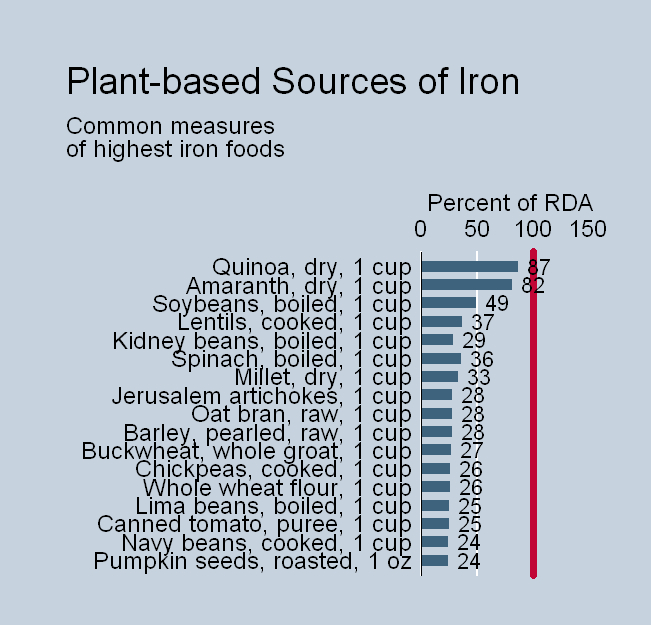
HOW DO YOU KNOW IF YOU’RE IRON DEFICIENT?
“People often don’t know they have anemia until they have signs or symptoms — they appear pale or ‘sallow,’ are fatigued, or have difficulty exercising,” Chottiner says.
If you’re low in iron, you may also:
- Feel short of breath
- Have a fast heartbeat
- Have cold hands and feet
- Crave strange substances such as dirt or clay
- Have brittle and spoon shaped nails or hair loss
- Sores at the corner of the mouth
- A sore tongue
- Severe iron deficiency can cause difficulty in swallowing
HOW MUCH IRON DO YOU NEED?
How much iron you need each day depends on your age, gender, and overall health.
Infants and toddlers need more iron than adults, in general, because their bodies are growing so quickly. In childhood, boys and girls need the same amount of iron — 10 milligrams daily from ages 4 to 8, and 8 mg daily from ages 9 to 13.
Starting at adolescence, a woman’s daily iron needs increase. Women need more iron because they lose blood each month during their period. That’s why women from ages 19 to 50 need to get 18 mg of iron each day, while men the same age can get away with just 8 mg.
After menopause, a woman’s iron needs drop as her menstrual cycle ends. After a woman begins menopause, both men and women need the same amount of iron — 8 mg each day.
DO YOU NEED TO TAKE AN IRON SUPPLEMENT?
If your iron is low, eating a diet that is high in iron-rich foods such as fortified cereals, red meat, dried fruit, and beans may not be enough to give you what you need. Your doctor might recommend that you take an iron supplement.
Prenatal vitamins usually include iron, but not all prenatal vitamins contain the recommended amount. Check with your doctor before taking any supplement.
While you are taking iron supplements, your doctor should test your blood to see if your iron levels have improved.
CAN IRON SUPPLEMENTS CAUSE SIDE EFFECTS?
Iron supplements can cause side effects, usually stomach upset. Adding extra fiber to your diet can help relieve this symptom. Starting with a low dose of iron and then gradually increasing the dose to the daily recommended amount may help minimize side effects. If your iron supplements are bothering your stomach, your doctor can adjust the dose or form of iron you use. You can also try taking the supplements with food.
Getting more iron from you food– pair up foods rich in vitamin C (like broccoli) with souces of iron (chicken stir-fry for example) to boost the iron your body is able to absorb.
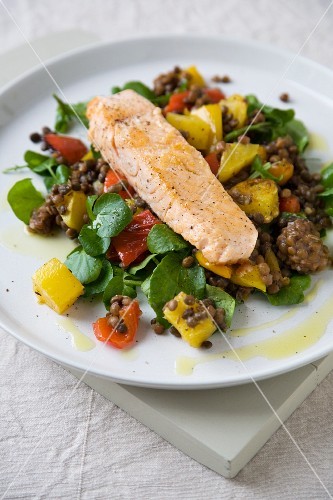
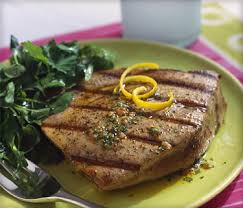
How many of you take supplements?
| Taken from WebMD.com |
**Don’t miss listening to “Transforming Health” with host Brad King for the most evocative and informative up-to-the-minute interviews with leading health professionals – Live every Wednesday @ 12PM-PST/3PM-EST on VoiceAmerica.com – #1 internet radio station in North America.
Here’s the link: http://www.voiceamerica.com/show/1686/transforming-health

 Girl Who Would be KING on Life, Style and INSPIRATION.