Curious about Creatine?

I used to do a supplement Sunday post on vitamins I was either taking or curious about, because most people I know have a supplement plan that helps fill nutritional gaps, enhances wellness, or targets specific concerns like energy, immunity, or cognitive function.

There are always products out there designed to improve your body, your mind or your mood. We can all use improvements. But when we navigate the vitamin aisle it can definitely get overwhelming and confusing. You have to be mindful not to get swayed into taking something you don’t really need.

Which brings me to creatine – something I only recently started taking.

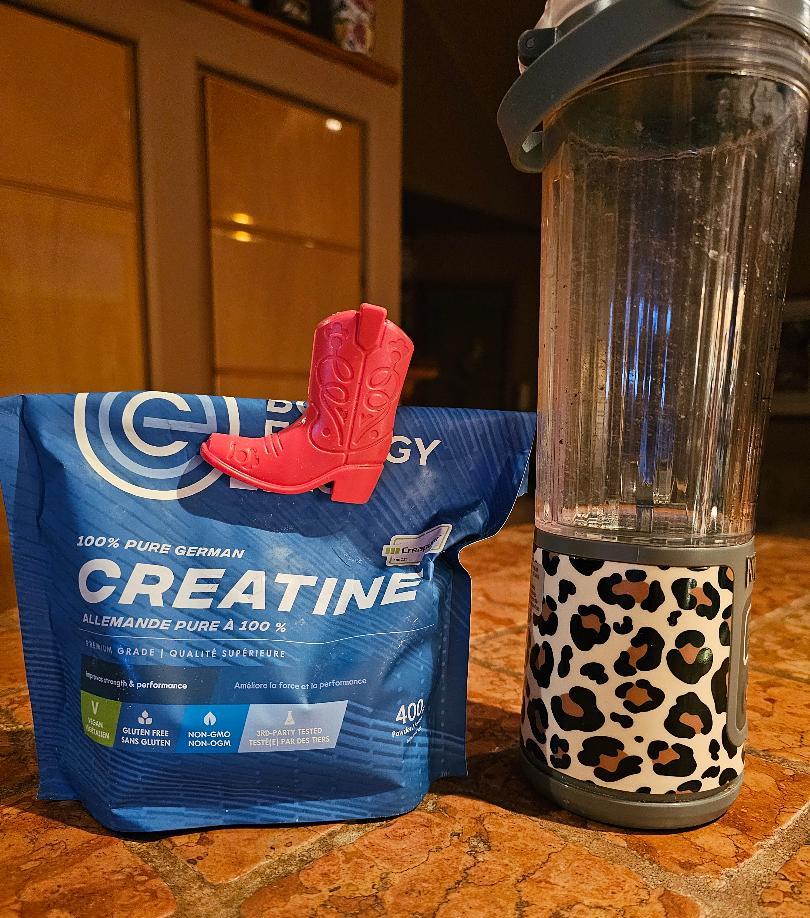
I love my little Ninja personal blender. Makes a perfect smoothie for one.

I used to think creatine was just for guys lifting heavy weights at the gym. But lately, I’ve been hearing more about how it might benefit women too, whether you’re into strength training, staying energized, or just curious about supplements. I’m not a nutritionist or a fitness pro, but I wanted to share what I’ve learned so far and why I’ve recently added it to my routine.

When it comes to taking vitamins in general I believe less is more. I like a simple routine and always take a good multi, vitamin D3+2, omega-3, magnesium and now berberine (for another post). But no matter what, it’s quality above quantity – always (which is a good rule of thumb for everything in life). 

I never take something without looking into the pros and cons. I was curious about creatine and how it might help women like me. So I did some digging to find out the benefits.

The main selling features for me is that it’s supposed to be especially good for muscle strength, brain health, and hormonal support. I went to Body Energy (Vancouver supplement + smoothie store) and bought the powder form (good thing it has no flavour) so it’s perfect for adding to smoothies. I bought a German brand and made sure that it said *monohydrate on the package. 

Here’s what I found based on current research (from what I’ve read – taken from other sources):

Creatine *monohydrate is widely considered the most beneficial and effective form of creatine, backed by decades of research for safety, performance, and affordability.

Most studied: It’s the gold standard in creatine research, with hundreds of studies confirming its ability to boost strength, muscle mass, and exercise performance.

Improved muscle strength and tone: especially helpful for resistance training and maintaining lean mass.

Support during hormonal shifts: Creatine may help stabilize energy and mood during menstrual cycles, pregnancy, or menopause.

Enhanced brain function: Some studies suggest creatine supports cognitive performance, memory, and mental clarity.

Bone health: Creatine may contribute to better bone density, which is especially important as women age.

Faster recovery: It can help reduce fatigue and muscle soreness after workouts.

Creatine draws water into your muscle cells: When you take creatine, it increases the water content inside your muscles. This is part of how it helps with performance and recovery – it creates a more hydrated, energized environment for muscle function. Because creatine shifts water into your muscles, it can slightly reduce water in other parts of your body. To stay balanced and avoid dehydration, it’s smart to increase your water intake, especially if you’re working out hard or sweating a lot.

A few cautions:

Elevated Creatine Levels: Creatine supplementation can increase serum creatinine, a marker used to assess kidney function. This may lead to false positives for kidney impairment in lab tests, complicating clinical assessments.

Fluid Retention and Weight Gain: Creatine may cause water retention in muscles, leading to weight gain – a concern for some CVD patients where fluid balance is critical.

Potential Gastrointestinal Side Effects: Some users report bloating, nausea, or diarrhea, especially when taking high doses or loading phases.

Interaction with Other Medications: Creatine may interact with diuretics or nephrotoxic drugs, so it’s essential to consult a healthcare provider before starting supplementation.

What do you think?  Are you taking creatine as part of your supplement routine? If so, have you noticed a positive difference?

Sources:

Here’s a smoothie recipe I’ve been making that’s really delicious. This combo hits a sweet spot between refreshing and functional. The mango and banana bring natural sweetness, kefir adds tang and probiotics, matcha gives a gentle energy lift, and creatine supports your fitness goals. It’s a great pre- or post-workout option, or even a midday pick-me-up:

1 cup mango chunks (or a bit less – Rich in vitamin C, beta-carotene, and antioxidants)

1/2 a banana (potassium and fiber)

1/2 cup of strawberry kefir  (Probiotic-rich for gut health)

1/2 cup of almond milk  (Light, dairy-free base – keeps smoothie from getting too thick)

1 scoop of creatine (Supports muscle energy and recovery)

1-2 tsps of green matcha powder  (Boosts focus and energy with L-theanine + caffeine.  Also antioxidants and a subtle earthy note).

A little honey to taste (optional)


The Spa at Séc-he

The place to refresh and awaken your mind, body, and spirit.

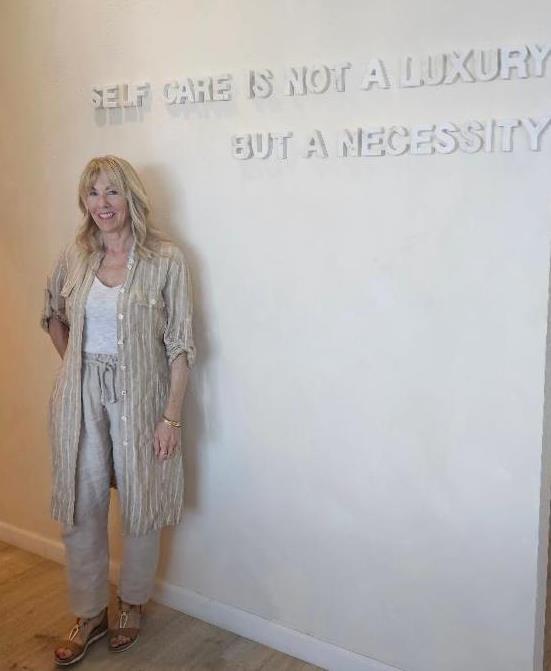
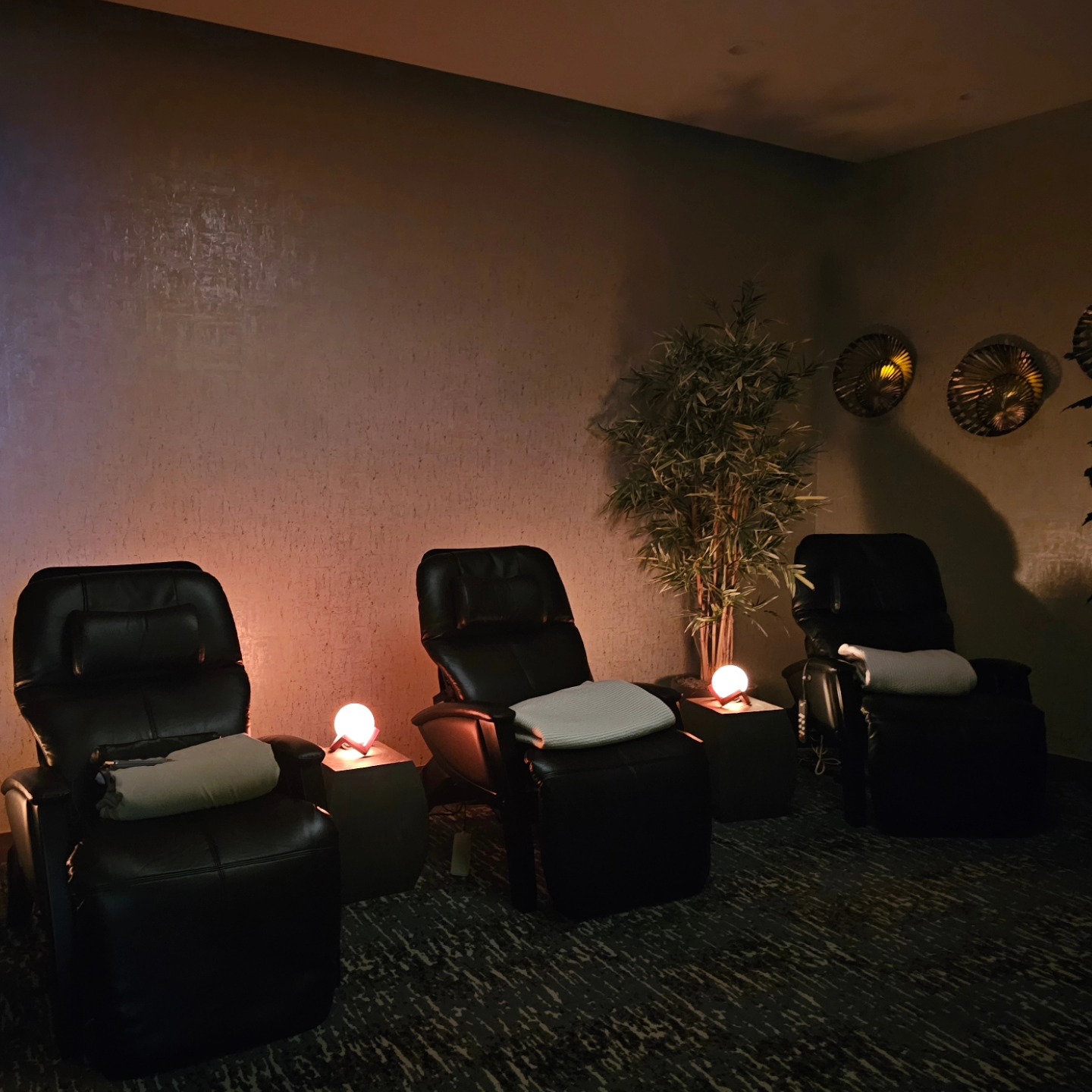
Last month I met a friend from my past who was visiting another friend here in Palm Springs.  We had a spa day like no other we’ve ever had before. At a genuine day spa – because you need at least one full day to enjoy the various mineral pools, jacuzzi’s, halotherapy salt caves, grounding room, eucalyptus steam room, acoustic wellness lounge, fitness room (if you so choose to work out – we did not) and food from health-forward on-site Málmal Café.  I arrived there at 10:00 am – left at 6:00 pm – almost closing time. 
My personal treatment – an aromatic 90-minute powerful warm quartz scrub/massage which felt like lying on a bed of heated desert sands.  I lay on a zero-gravity bed that had crushed quartz stones underneath and a massage roller.  At some point there was an infrared-light dome that went over my body as I lay on my back while getting a neck/scalp massage.  The best!

The Spa at Séc-he provides a wellness experience unlike any other in the Coachella Valley.  The setting is serene and inspired by the healing powers of sacred mineral hot springs which it is built around.  For centuries, Séc-he has been the center of Tribal life for the Agua Caliente people, imbued with cultural and spiritual significance.

Séc-he is one of the most important cultural resources cared for and protected by the Agua Caliente Band of Cahuilla Indians. Located in the heart of downtown Palm Springs, Séc-he (“the sound of boiling water”) is an ancient hot mineral spring that is remarkable in both form and function. Here, rainwater and mountain snow melt naturally, collect underground and emerge from the ground at a rate of 26 gallons per minute. 

Geologic surveys have revealed the unique nature of this ancient hot mineral spring, which is not connected to any other water source in the Coachella Valley. It exists in a chamber 8,000 feet below the surface, where the earth heats it to temperatures nearing 180 degrees. Unlike other natural sources of geothermal energy, which typically make their way to the surface through fissures created by seismic activity, Séc-he travels up a unique, natural pipeline, absorbing minerals such as calcium, magnesium and sodium on its 1.5-mile journey and cooling to about 105 degrees as it reaches the desert floor.

I don’t remember being that relaxed ever in a long time.

Photos: d. king

To book a treatment and to find out more:


Home


Feeling Fabulous at Two Bunch Palms

Try as I may, I cannot think of another word as Fabulous to describe the word “Fabulous” as Fabulous as this one.  There just isn’t another word.  Even superlative doesn’t cut it.

Your ability to generate power is directly proportional to your ability to relax.” – David Allen, author of Getting Things Done: The Art of Stress-Free Productivity.

Stress-Free Productivity is exactly what took place this past Wednesday with a fun group of powerful women – all part of “The Fabulous Woman’s Club” of Palm Springs.

FWC Website:  https://thefabulouswoman.club/

FWC INSTAGRAM:  https://www.instagram.com/thefabulouswoman.club/

The club consists of a supportive group of women entrepreneurs (or former entrepreneurs) and creatives that meet up monthly to catch-up, network and/or just hang out.  Usually over cocktails at a swanky venue. Of late, we’ve switched it up a bit to include private shopping events and local excursions (which may expand to exotic destinations at a later date).  So exciting.

Our fabulous founder Dylan Dray, is an entrepreneur herself, with a background in the fashion, music and real estate industry.  She’s also a licensed realtor.

Dylan

Originally from Australia, she moved to Los Angeles 15 years ago to work in music licensing as a songwriter, and several of the songs she wrote ended up in prominent TV series  like “Breaking Bad”,“Grimm” and “Pretty Little Liars.” In 2016 she swapped the fast paced life of Hollywood for the gentler pace of Palm Springs.  Although, I would venture to say that her life here is nothing short of exciting.  She’s on the scene and is a sought after model at various fashion events.

Some of Dylan’s passions include meditation, pilates, felines, looking glamorous and eating chocolate croissants!  If she wasn’t so nice you could easily hate her (just kidding!).

Her idea to take an excursion to the famous Two Bunch Palms wellness retreat in Desert Hot Springs was met with many “yesses” from our crew   This special retreat features several pools and a grotto featuring mineral waters from natural springs on their property, over 600 years old.

The spa offers treatments from world renowned healers.  One of the women in our group ended up getting a massage which she then raved about. The rest of us spent time in the healing waters and took in the tropical scenery.  Then we lunched.  It was all very productive.

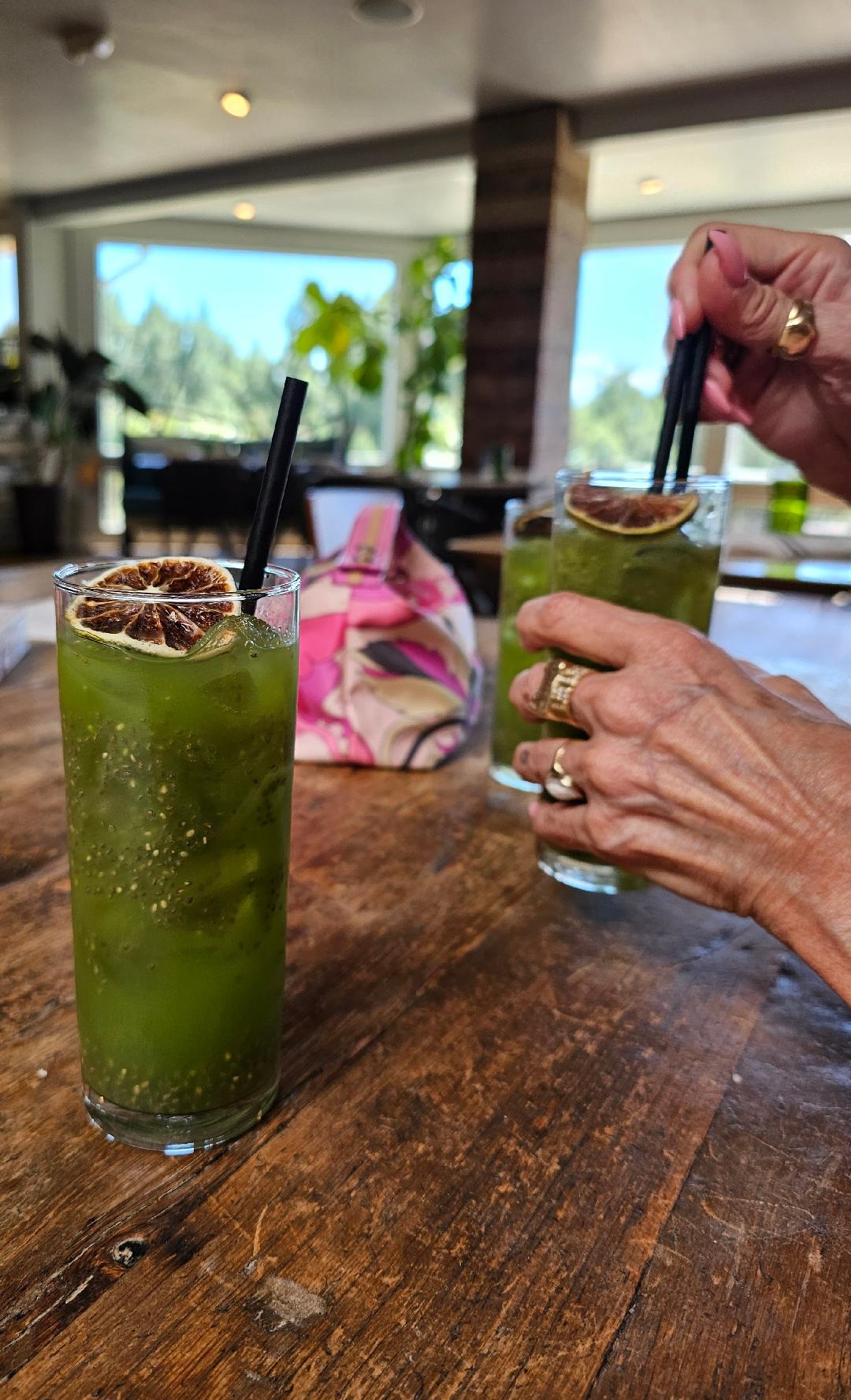
Our day started with a golf cart ride from the gated entrance to our private change room where we met up.  We then soaked in several of the mineral pools and grotto (which we shared with a duck) and a toast with champagne (thank you Kathy), before having lunch in the So-Cal inspired restaurant on the premises.  We started with an amazingly refreshing non-alcoholic drink made with cucumbers, chia seeds, fresh squeezed lemon juice and agave necter.  Everyone loved it and everyone wants to make it now.  You could easily turn it into a cocktail by adding… you guessed it; tequila!

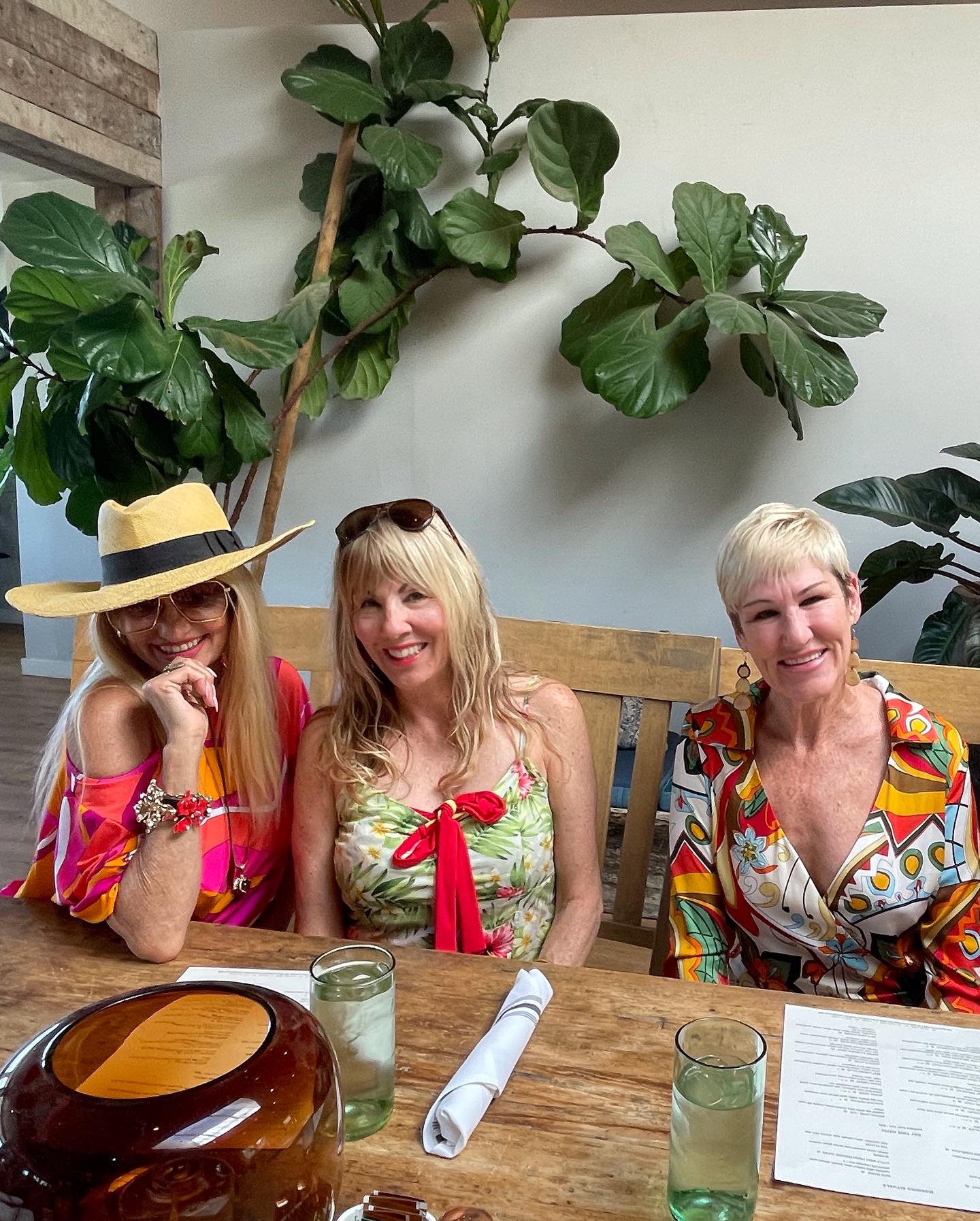
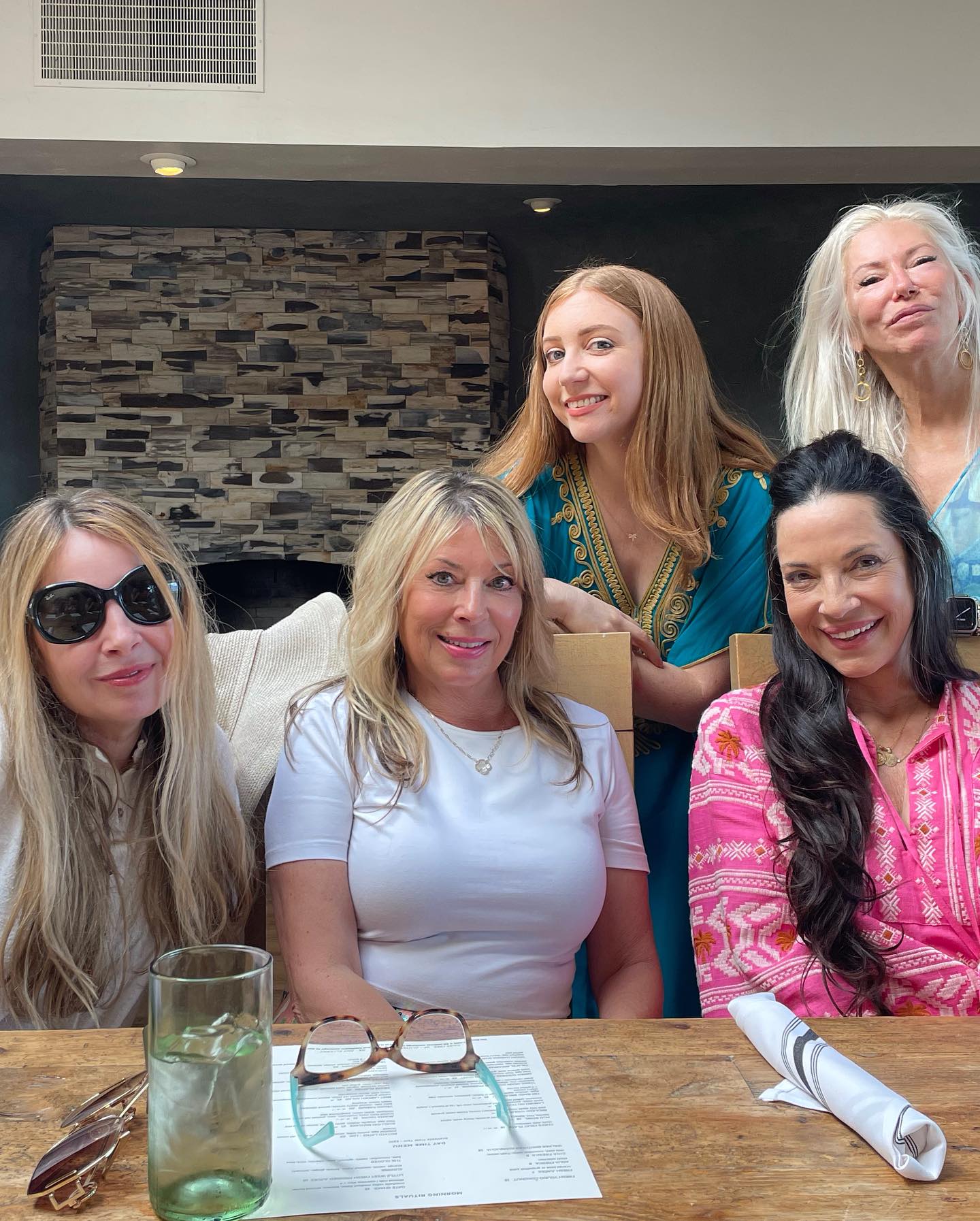
These photos give you a little idea of the scenery surrounding this ideal location and our fabulous meetup.  Thank you Dylan.

See Two Bunch Palms Website Below:

TO BOOK A SPA TREATMENT OR STAY:

https://www.twobunchpalms.com

Every now and then go away and have a little relaxation. To remain constantly at work will diminish your judgment. Go some distance away, because work will be in perspective and a lack of harmony is more readily seen.” —Leonardo da Vinci

FYI – the last time I visited Two Bunch Palms and learned about the fascinating history here was in 2015 with my late husband Don, and my late best friend, Colleen (who passed away 8 months after Don).  I posted about the visit here: https://girlwhowouldbeking.com/2015/02/22/travelhealing-spa-two-bunch-palms/


Feel-good Festival

“Always make time for the things that make you feel happy to be alive.”

Heads up for a blissful one day celebration taking place in Desert Hot Springs this November – something to nourish your soul and rejuvenate your spirit.

Why Desert Hot Springs? Desert Hot Springs is a healing oasis to some of the purest hot and cold mineral springs in the world thanks to an underground aquifer beneath the city. At the festival you can participate in body and mind wellness while immersing yourself in a one-day celebration of nature, wellness, art, and sustainable fashion. 

The Feel Good Festival was born from the hearts and minds of 3 desert locals who saw an opportunity to share all the things that they love about Desert Hot Springs. The rich natural beauty, the vibrant and rare wildlife, the sacred hot water, and the beautiful fresh air that abounds here in this secret hidden nook of the Coachella Valley… it truly is the perfect backdrop for people to get together and celebrate all things feeling good. 

Jenn Kubat

Founded by Kathy Murphy (of Hampton Flea & Very Vintage, Palm Desert) and Jenn Kubat (Muse, the shop), and led by Angelina Padron (House of Energy), The Feel Good Festival is proud to present their debut show celebrating wellness and sustainability in Desert Hot Springs happening on Saturday November 11th, 2023.

Kathy Murphy

“We welcome you to take a step back from the daily grind of modern life and join us at the beautiful Cabot’s Pueblo Museum for a day of healing, wellness and community, and experience what it means to Feel Good in Desert Hot Springs!”

Angelina Padron

Updates on this site:

https://www.desertfeelgoodfestival.com/

Planted Expo – Plant Based Eating

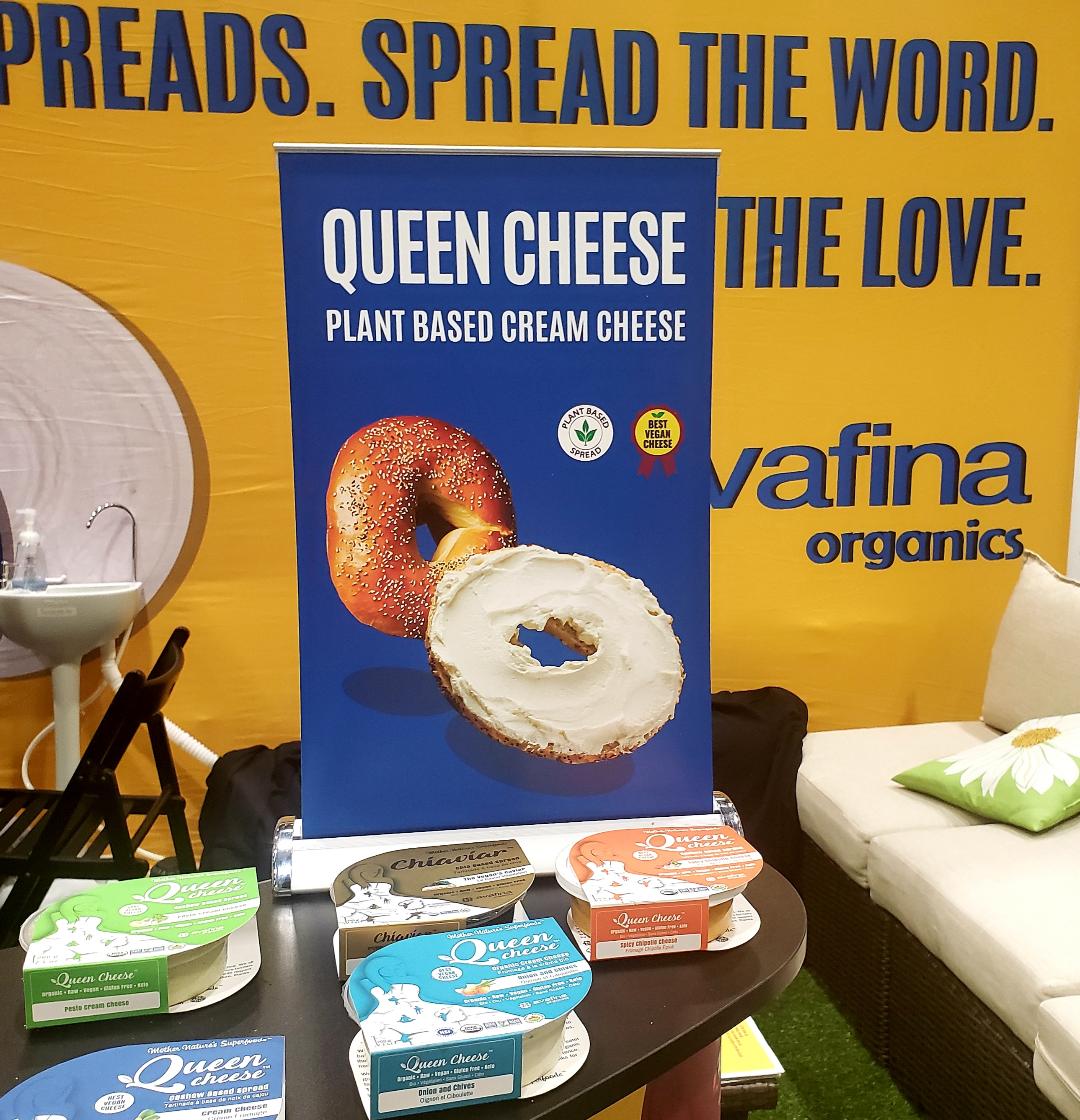
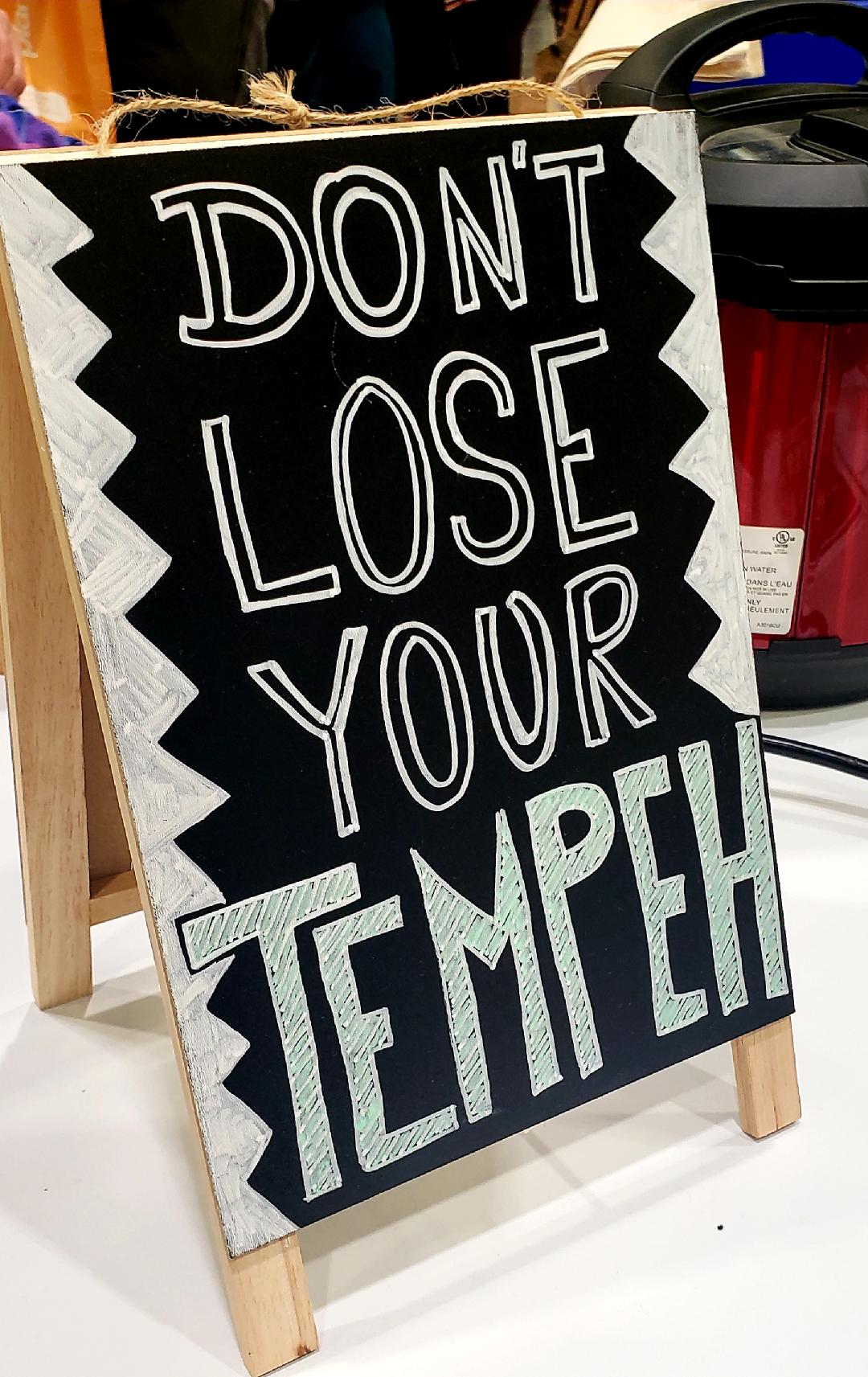
You can also call it mindful eating. Plant based eating has become very popular and even though I’m not really vegan, I prefer to incorporate more veggies and an overall healthful eating regime into my daily life.  I have several completely vegan friends though.  And let me say that it is more challenging to accommodate them.  For instance I love cheese and I’ve had a hard time (until now) finding a cheese that isn’t really cheese as we know it, but tastes like it.  Do you know what I’m talking about?

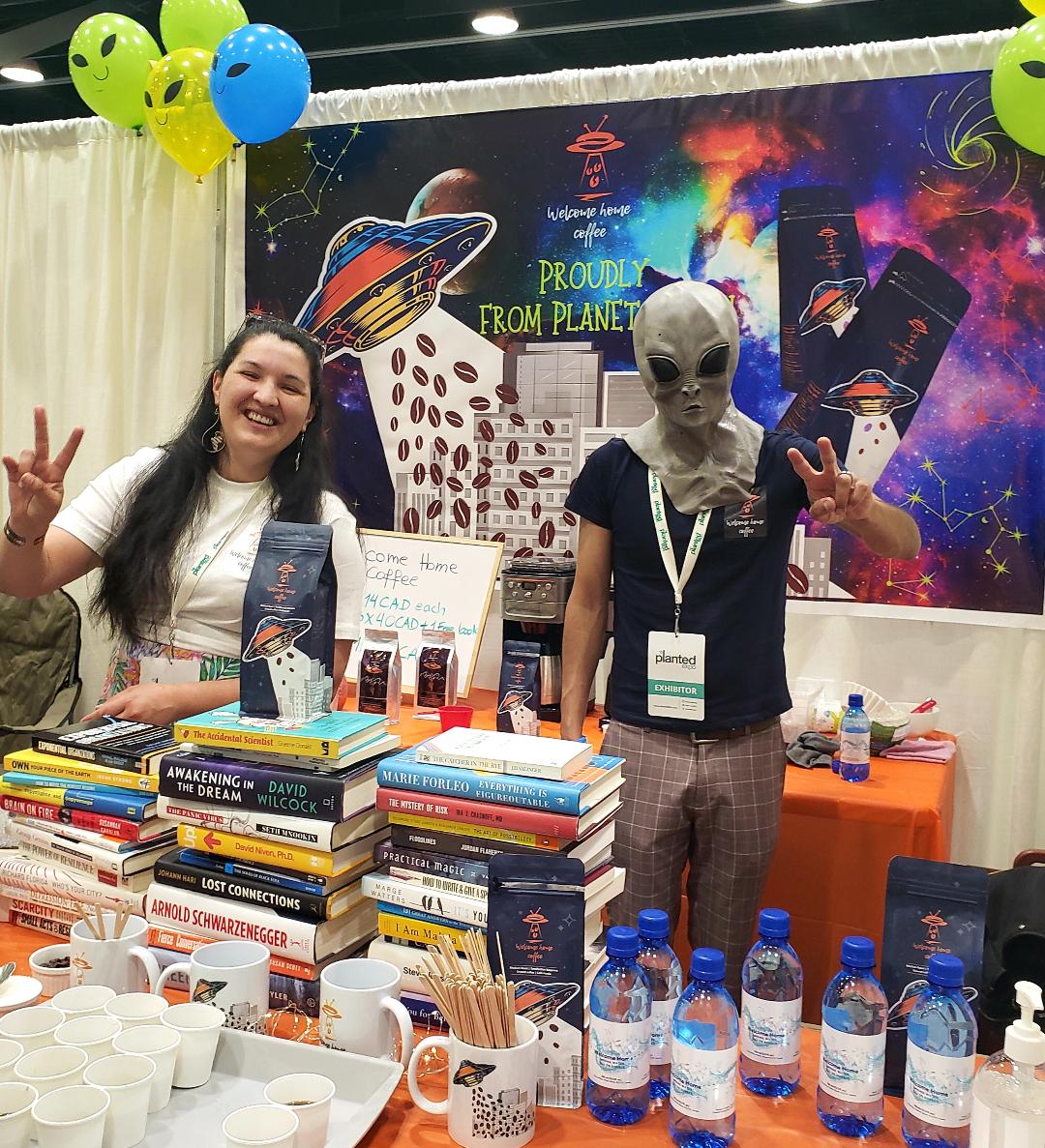
Made on Planet Earth – out of this world!

But as of only yesterday I’ve discovered a world of wonderful substitutes that are as tasty as they are non-dairy.  It was a bit overwhelming to say the least with all the various vendors and not knowing which way to turn or what to eat first.  That’s not to say that I’m going to give up on buying my regular weekly grab bag of French/Swiss/German/Canadian/Worldly cheese from Les Amis de Fromage anytime soon.  It’s just that I’m willing to adapt and experiment with plant based types of foods which keep getting better and better as they merge into the mainstream food chain.

The foods we eat have a significant impact on the health of the planet. 

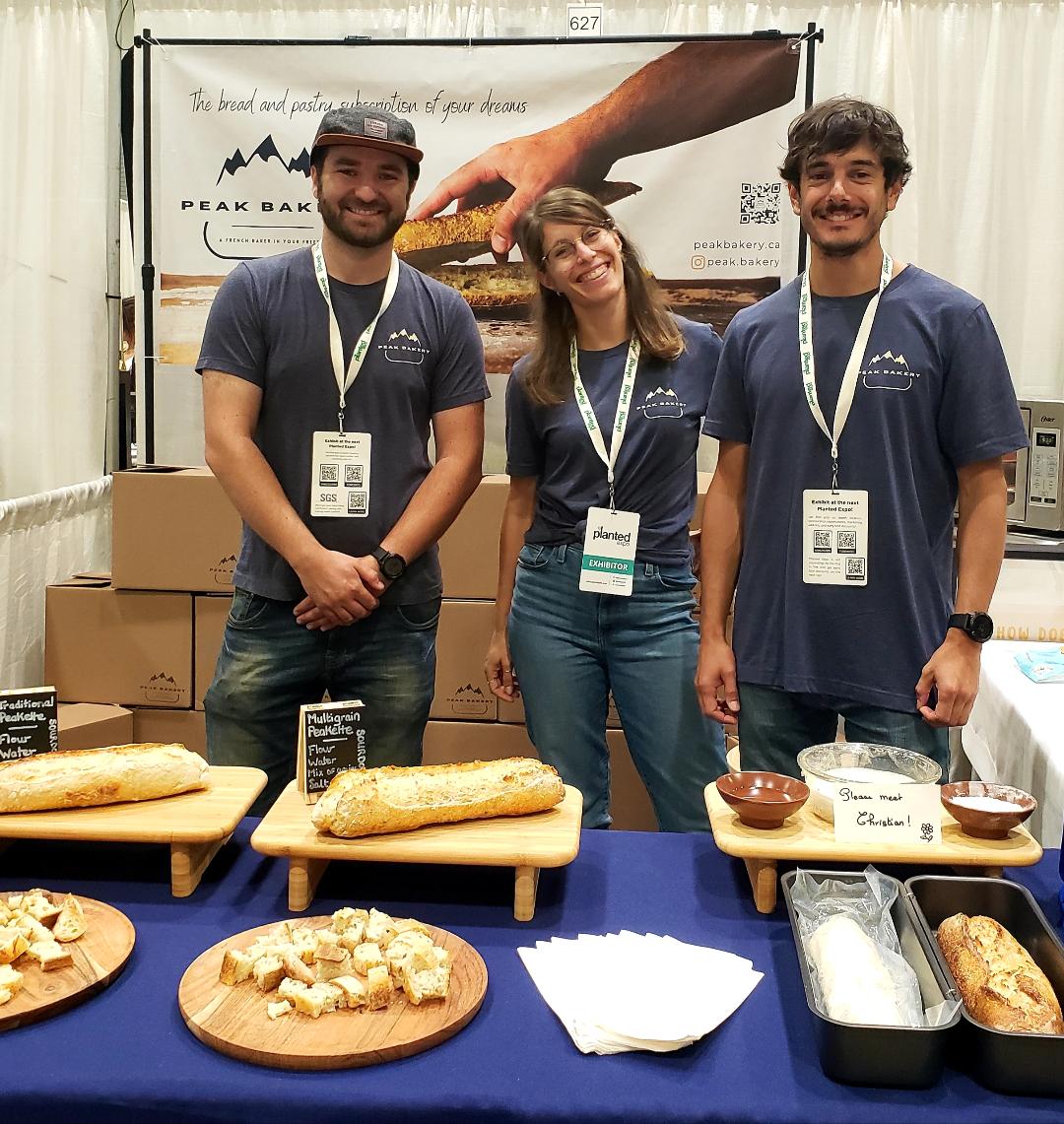
Peak Bakery is like having a French Baker in your freezer. Your can order at peakbakery.ca

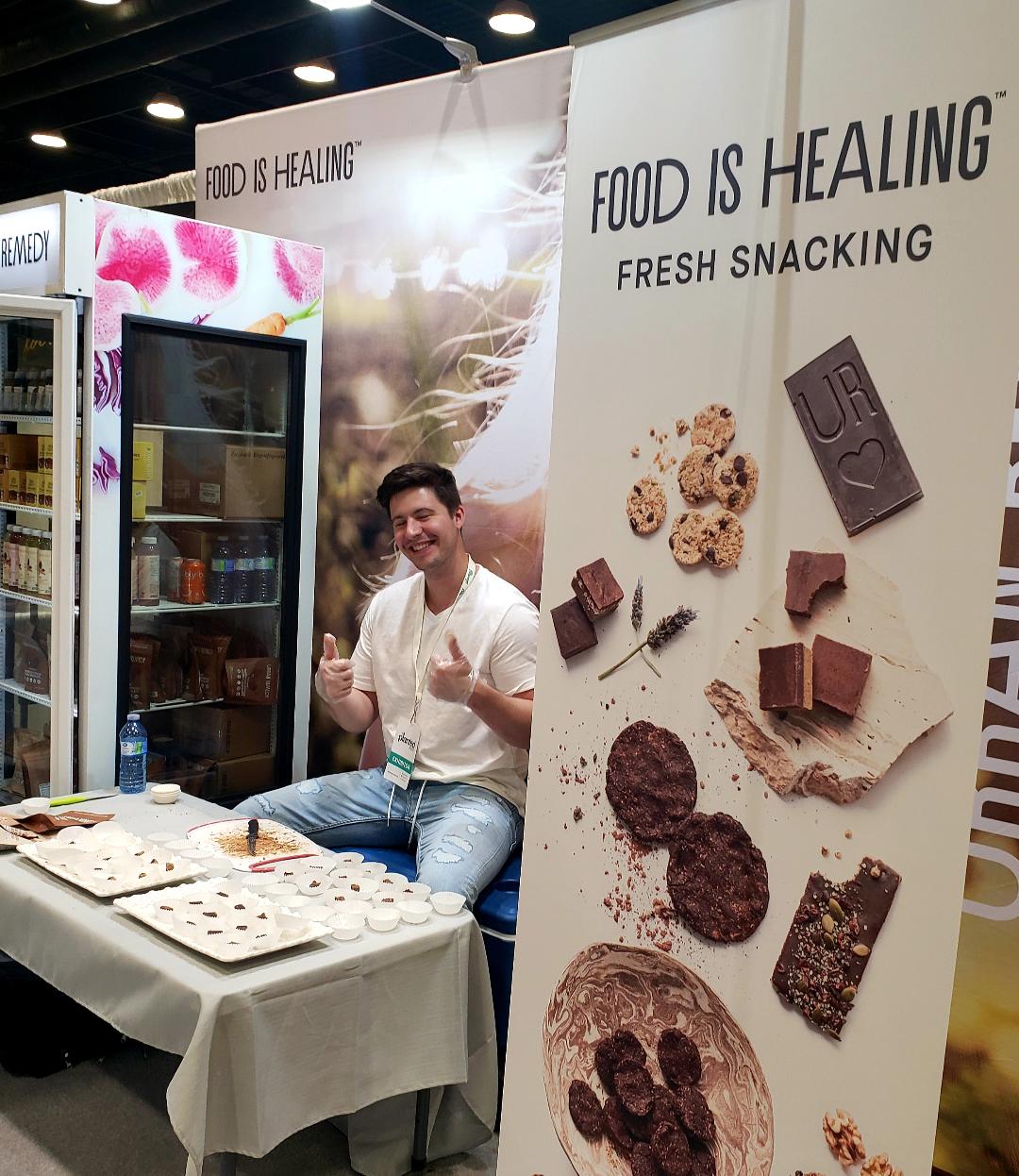
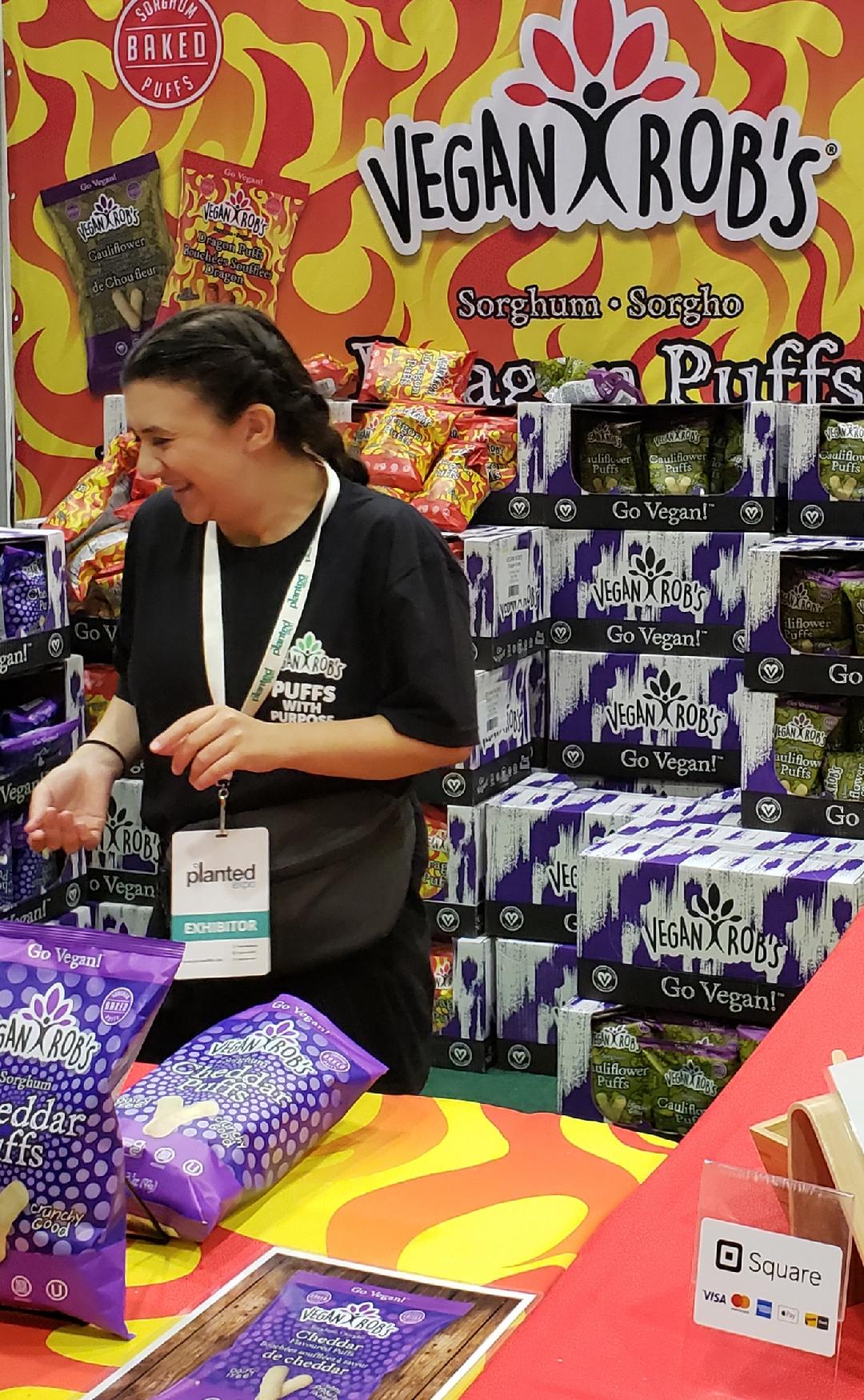
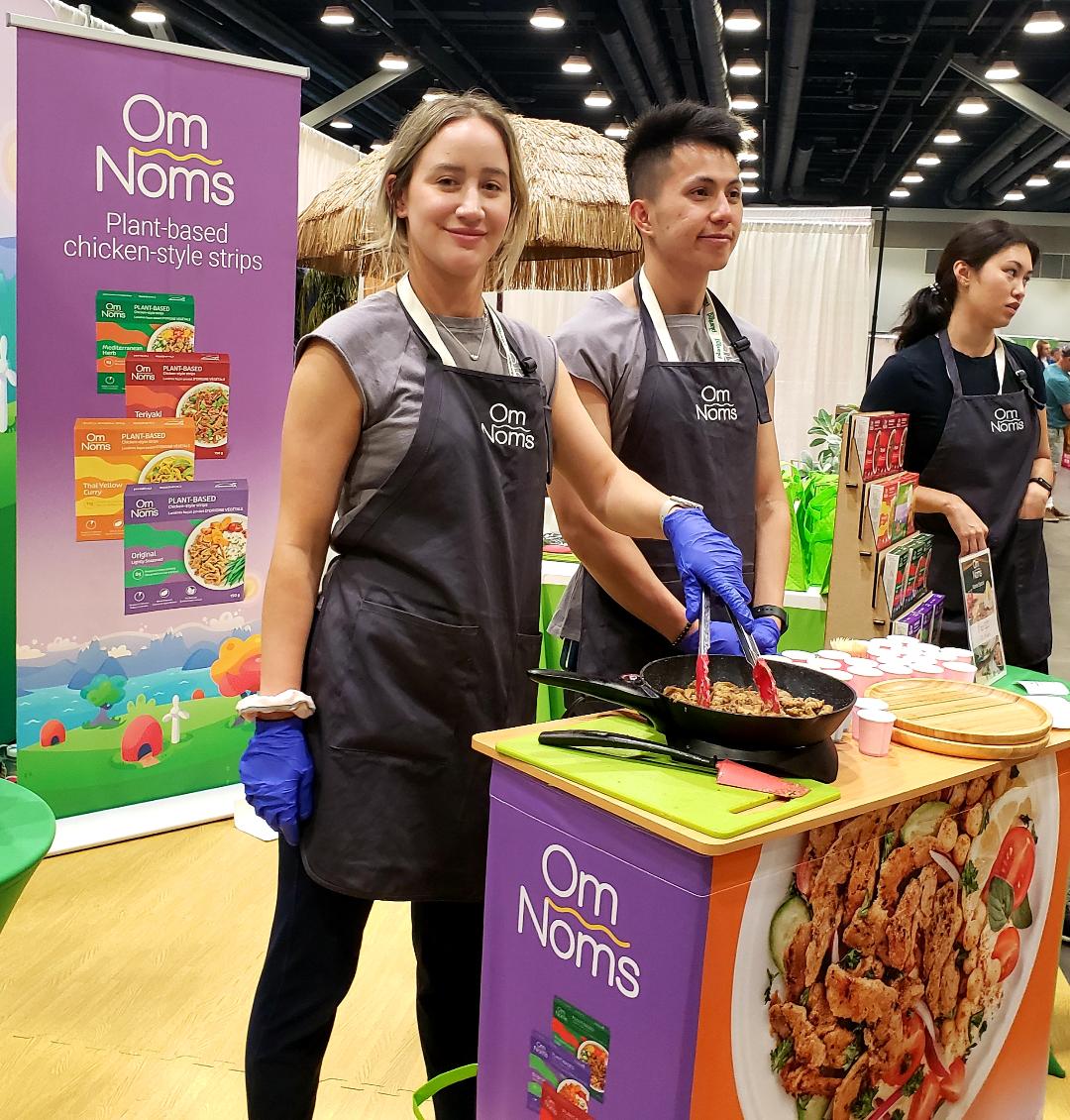
I just attended the second annual Planted Expo here in Vancouver which took place over the past weekend at the Convention Centre West downtown – the place for large events.  This event was much larger than I expected.  Infact, it’s the largest event of its kind in Canada. 

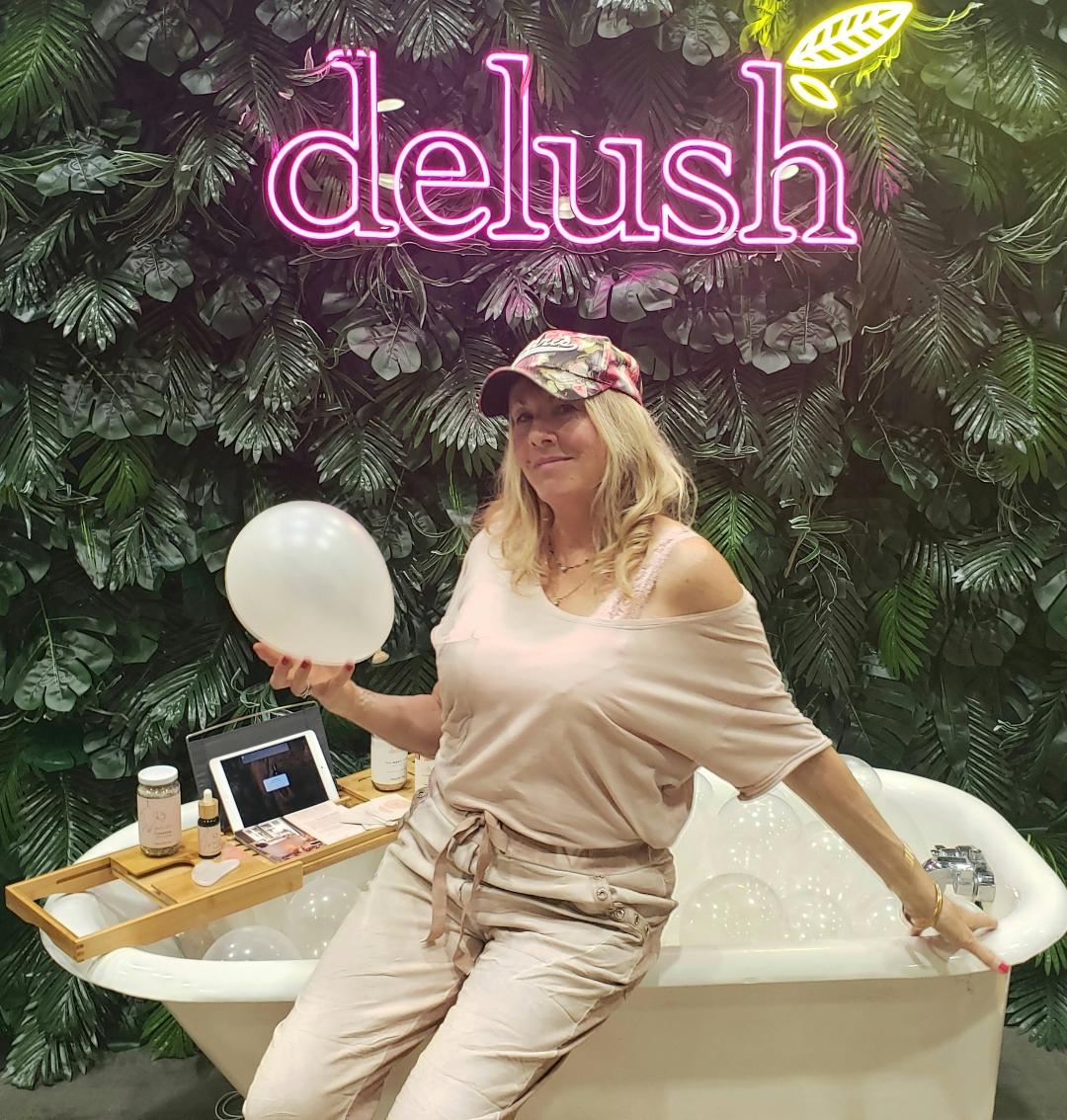
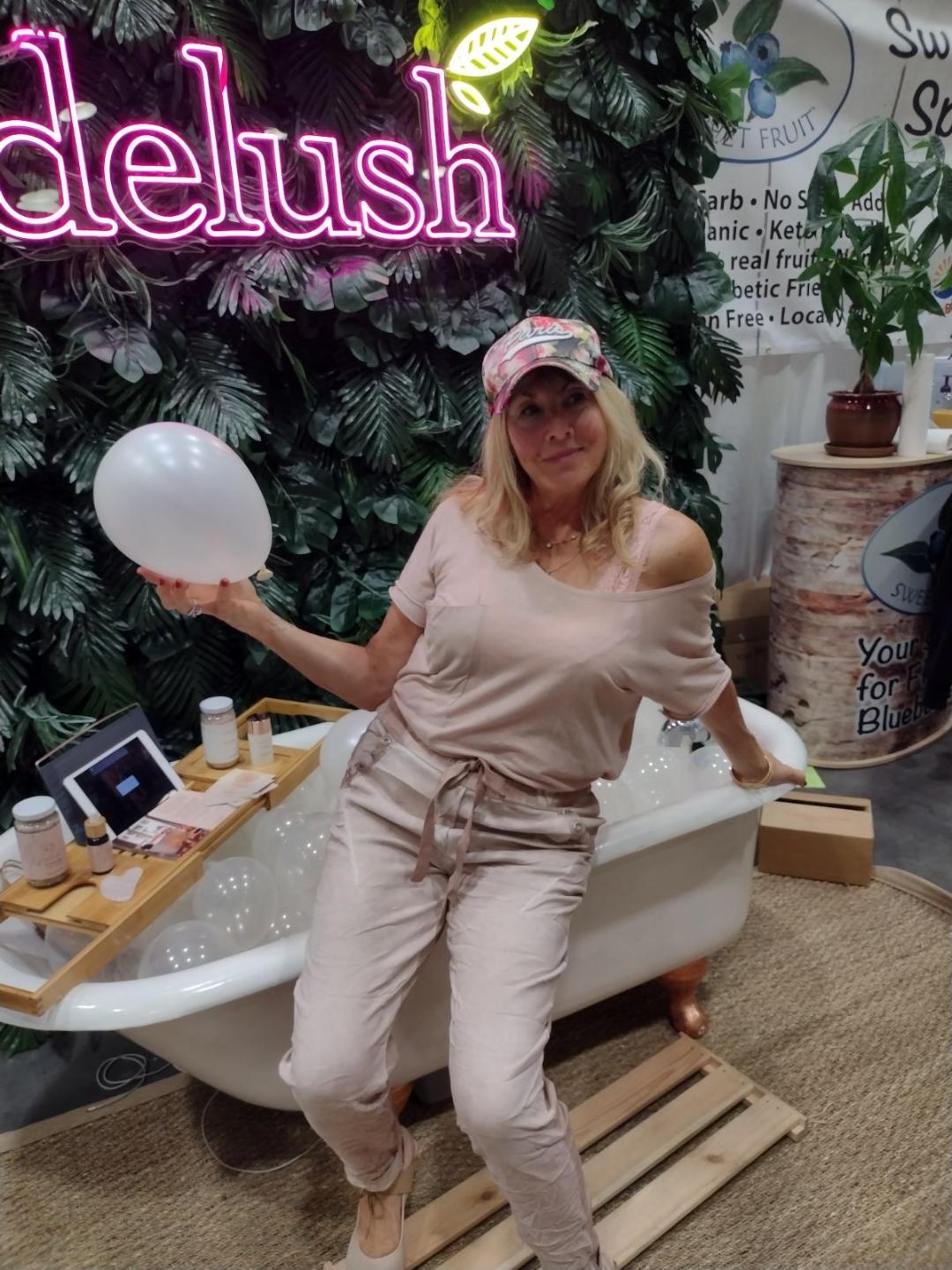
And I tried to take a bath.  delush is a magic stick to take away your aches and pains. https://www.delush.co/shop/skin-body/the-magic-stick/

The need to talk about the benefits of eating a plant-first diet is at its peak. British Columbia is the province with the highest share of vegetarians and vegans and we know meat and dairy alone account for 14.5 percent of global annual greenhouse gas production—so it’s no surprise that for a while now, Canadians have shown interest in cutting back on meat. Committing to eating less meat however is easier said than done. It’s time-consuming to figure out how to best create a well-balanced, nutritious meal.

A few examples below taken from vendors at the show and from the blog of plantedlife.com

Ready made meals for everyone (not only Vegans):

Marie Grapé is co-founder of Manna Sacred Meals. As a Filipino-Canadian woman, she grew up being used to a heavy animal-based diet. When she was diagnosed with an autoimmune disease, she decided to take a step back to consider how her food habits were affecting her health. “I felt compelled to defy traditional medicine and normalize my disorder so that everyone moving to a plant-based diet for health reasons can do so easily while enjoying the same breadth of variety in flavours and textures as everyone else.”

“The first challenge is that the change seems really daunting when the majority of us have been conditioned to have meat with each meal. A second challenge is a process by which people shift. Often people shift overnight and end up blaming the lack of nutrients on the plant-based lifestyle. This is why we launched Manna, we take the burden away and allow people to fall in love with the benefits and flavour of great plant-first meals!”

Sustainable Snacking:

The team at Kove (Silver Sponsor at Planted Expo) is developing the tastiest, most delicious foods made with Cascadia Seaweed, seaweed grown in the pristine waters of the Pacific Ocean in partnership with First Nations. By simply cultivating seaweed in the ocean, Cascadia and Kove are working to solve some of the biggest challenges humanity is facing today; climate change, economic instability and food security. Kove’s first product powered by Cascadia Seaweed is its furikake style signature seaweed seasoning SEA SPICE which is available in retail stores and online. We put the sea in seasoning, so you can put it on EVERYTHING you love to eat. Salty, crunchy, garlicky, sea-weedy, and absolutely yummy. Good for the Planet, Good for the Community, Good for You. The sustainable way to snack.

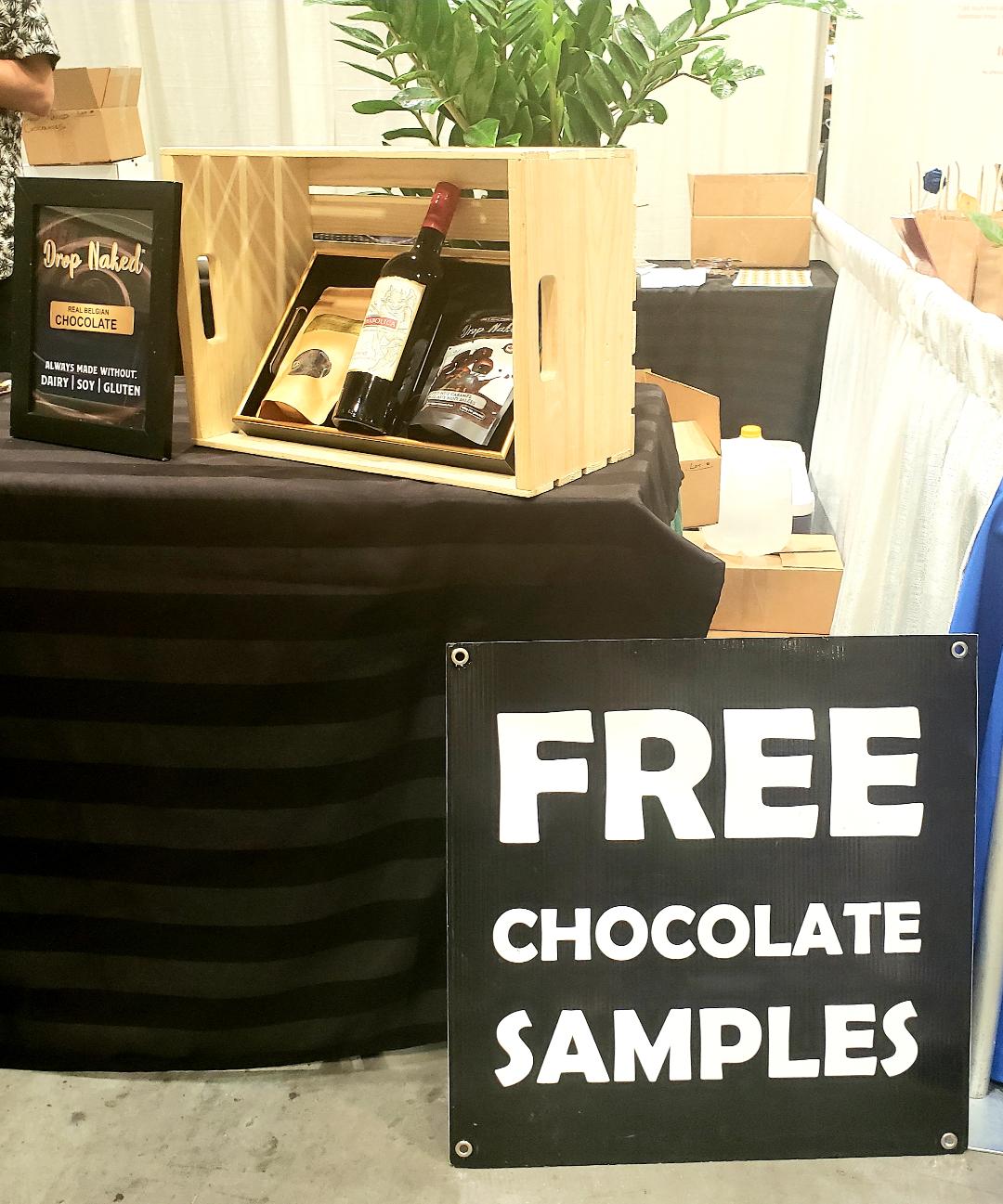
Guilt Free (and “Free”) Chocolate:

I bought the last bag of Drop Naked Salted Nut Caramel Chocolates.  

Not only delicious but hand made with limited ingredients like dates, cocoa butter, Madagascar vanilla, hazelnuts and raw cane sugar.  Made by Matan Volach.  matan@dropnaked.com

At the time I didn’t realize that I’d be eating a satisfying lunch with dessert there.  My friend Lynda accompanied me and she ate just as much.

Photo: Lynda Carroll
Met this little charmer named Boglin (I’m talking about the dog who spent 4 years in a crate in China before being rescued by this very nice girl). His name comes from a movie called “The Boglins” – a powerful character.

Photos: d. king

https://www.plantedlife.com/

Mindful Eating

Intermittent Fasting is gaining popularity among those who want to lose weight and burn fat. Anyone here want to burn fat?It’s a much healthier option than going full on starvation mode, and a lot easier than you think.
I’ve never been one to fast, however, without even realizing it, I’ve been intermittent fasting (IF for short) for the past several weeks and feel so much better for doing so.  All I’m doing is not eating breakfast first thing in the morning and eating dinner earlier than usual.  Except for maybe a weekend night, I try to finish my last meal no later than 7:00 pm and have breakfast mid morning. Makes for a much better sleep too having those extra hours before bedtime with no snacking after dinner.

As I love eating, I don’t do well with diets, however I’ve tried several diets in the past. Many diets focus on what to eat, but intermittent fasting is all about when you eat. Technically you’re fasting for 16 hours every day, and restricting meals to an 8-hour eating window. This is the most popular form of intermittent fasting, known as the 16/8 method. 

Here’s a good beginner’s guide to Intermittent Fasting:
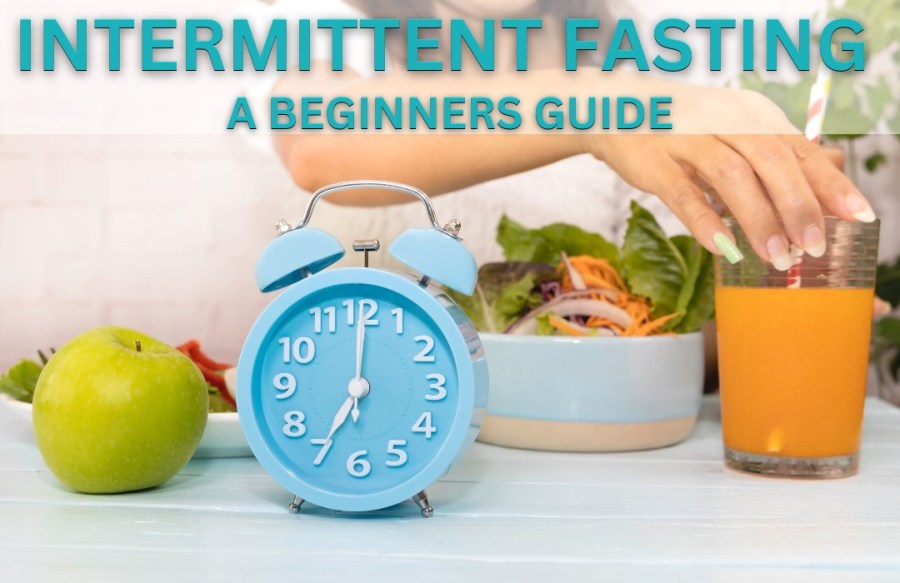
Intermittent Fasting – A Beginner’s Guide

 by Brad King February 16, 2023

There is so much interest surrounding the topic of intermittent fasting or IF these days, however there is also a great deal of confusion surrounding IF. I hope to clear up much of this confusion and in the process, give you more clarity on the subject and a quick starter guide for those who wish to try it out for yourself.

 IF 101

 IF is a dietary strategy in which a person avoids the intake of food for many hours each day. The actual time varies depending on a person’s goals, individual needs and health profile, however research indicates that most health benefits occur during a fasting period of at least 14 hours each day, and optimally 16 hours or more. As an example, this would equate to a person ending their last meal at 7PM each night and starting their first meal of the day at 11AM the next morning. So, in effect, you would be eating for a time period of 8 hours each day.

Many people begin IF for weight loss, as there is often a calorie deficit experienced with this type of program, but the real benefits in terms of weight loss actually come from IF’s ability to control excess blood sugar levels. Every time we eat—especially high carbohydrate foods—we experience elevated blood glucose, which places our bodies into a fat storage mode for many hours afterwards.

When we fast, our bodies shift from using glucose as its primary energy source to releasing and burning stored fat. Fasting allows insulin levels to drop, and when the body is in a fasted state long enough, the body enters a state of ketosis, where stored fat breaks down into fatty acids, which are then transported to the liver and converted into ketone bodies (beta-hydroxybutyrateacetoacetate, and acetone), which can then be used as a healthy form of energy for the body and brain.

Obviously weight loss (coming primarily from our fat stores) is a great reason for many to start IF, but IF has the ability to increase our overall health in many more ways than trimming our waistlines. For instance, research suggests that IF can also improve our cellular health, and the promotion of biological longevity.

IF seems to attain better health by activating a process known as autophagy. Autophagy is the body’s natural cleansing process in which old, worn or damaged cells are broken down and removed from the body. Autophagy is necessary for optimal health, and has been shown to exert numerous health enhancing effects, help us look and feel better and even reduce the risk of chronic diseases such as cancer, Alzheimer’s, and Parkinson’s.

Aside from enhancing ones health profile through autophagy, IF has also been shown to increase the production of one of our most powerful pituitary hormones called human growth hormone (HGH), which has documented anti-aging properties and is responsible for better skin, bone, muscle mass, enhanced sleep cycles and also fat loss.

Finally, IF has also been shown to help lower the incidence of metabolic disorders like type 2 diabetes and heart disease by improving overall insulin sensitivity, and lowering blood pressure and cholesterol.

Brad’s 5-step plan for getting started with intermittent fasting

Begin slowly: It’s critical to ease into intermittent fasting. Begin with shorter fasting periods and gradually lengthen them as your body adjusts. Start by eliminating snacking between meals and not eating anything after 7PM.

Choose the appropriate fasting method: There are several types of intermittent fasting (IF), including time-restricted feeding, in which you fast for a set number of hours each day, and alternate day fasting, in which you fast every other day. Select the method that best fits your lifestyle and schedule.

Stay hydrated: It is critical to drink plenty of water during a fast in order to stay hydrated and flush out toxins. Sugary and artificially sweetened drinks should be avoided because they can disrupt the fasting process and negate any benefits by raising glucose and insulin.

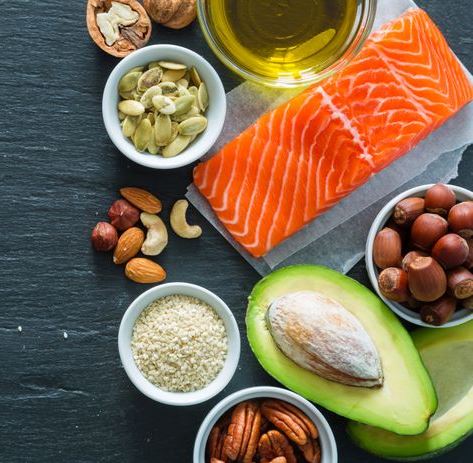
Eat healthy: IF should not be used as an excuse to consume unhealthy foods. Focus on eating whole, nutrient-dense foods such as fruits, vegetables, lean protein, and healthy fats during non-fasting periods and stay away from excess carbs—especially processed ones—as much as possible.

Consult a medical professional: Before embarking on any new dietary regimen, it is critical to consult with a doctor or a nutritionist to determine whether IF is safe and appropriate for you. Fasting may be contraindicated in people with certain medical conditions, such as type 1 diabetes.

To summarize, IF is a dietary approach with numerous health benefits, including weight loss, improved cellular health, and biological longevity. It is possible to reap the benefits and improve overall health and wellness by following a healthy and well-planned IF program.

Link to Full Article:

https://buyleafsource.ca/blogs/news?_kx=Hc2_cFwwU–X5lSQnK3gf4cqq4wfbd8sAdE7nHPSCik%3D.TqVu9R

Disclaimer: Of course there are some who should stay away from IF – Children and teens under age 18. Women who are pregnant or breastfeeding. People with type 1 diabetes who take insulin.

Virchew signalling – can dogs go vegan?

But first…

Photo: d. king

Let me preface this by asking – did you know that one of the oldest living dogs was a border collie named Bramble who was vegan and lived to be 25?

There’s a book “Bramble; The dog who wanted to live forever” that documents the care regime, diet and the people who looked after her. The book also demonstrates how to circumvent the pet food industry which in many cases contributes to greenhouse gasses and animal abuse via intensive farming.

I know I’ve been appalled at some of the ingredients I’ve noticed on many pet food packages, many of which are on the shelves for sale at your veterinarian. Kudos to anyone trying to improve the industry…but that’s not to say that I would jump in and rapidly change my dog’s diet, which I believe is pretty healthy as is.  As with almost everything else, you must do the research yourself.

Photo: d. king

Here’s what I found: Dogs can thrive without meat, but only if they are fed a properly balanced vegetarian diet. As is true with people who prefer vegetarian diets, protein or vitamin deficiency can occur in dogs who eat strictly vegetarian diets if they are not properly supplemented.

I also found: dogs are omnivores, which means that they eat both meat and plant products. While it is theoretically possible, the British Veterinary Association does not recommend giving a dog a vegetarian or a vegan diet as it is much easier to get the balance of essential nutrients wrong than to get it right. Feb 1, 2022

Vegan diets are healthier and safer for dogs than conventional meat-based diets, according to the largest study to date, as long as they are nutritionally complete. The diet and health of more than 2,500 dogs were followed over a year using surveys completed by their owners. Apr 13, 2022

KEY WORDS: NUTRITIANALLY COMPLETE

Photo: d. king

Meet Laura Simonson. She’s a local entrepreneur and the founder of “Virchew,” a complete plant-based nutritionally balanced food (along with treats) for dogs.  Based in Vancouver, BC, Virchew is powered by trail-blazing veterinary nutrition programs – with a dogged focus on skin, digestive and preventative solutions. 

FAR FROM YOUR TYPICAL DOG FOOD.

Unlike most dog foods, Virchew is not a kibble.  Meals are a convenient dry blend that is jam-packed with clean, green proteins, essential fats (omegas and DHA), complex carbs, healthful fiber, essential vitamins, minerals, amino acids, and nutrients. You simply dish it up to your dog’s bowl, stir it up with warm water and serve it up! Complete ingredients are on the website.  They also deliver and ship to your door.

I walked by her shop a few weeks ago and got hooked by the colourful posters and ambience so went inside to check it out and ask a few questions. I left with some love bowl samples.  I like the idea behind the name and believe she’s concocted a healthy plant based formula, however I’m continuing to feed Layla a combo of meat + veggies as this is a new concept for us. We’ll continue with her regular routine. I always add several drops of a cellular formula called “rejeneril” (see link below) to her kibble in the morning. In the evening I mix either cooked ground turkey, chicken or wild salmon with mixed veggies (carrots, peas, green beans, a little squash or sweet potato) and rice. I add a tsp of coconut or ultra fish oil to the mix.  She never gets bored.  I also give her a bit of plain yogurt, but not everyday.
Let’s consider Laura’s story…taken from her website profile page:

Photo: d. king
Photo: d. king

One day in 1989, Laura went to a natural health bookstore in Saskatoon, SK. It was a highly unusual store for its time and so was a book she happened upon. The self-published book title eluded to “vegetarian dogs.” (The word ‘vegan’ was not yet mainstream).  Since she was a bona fide natural health foodie, competitive bodybuilder, athlete, passionate animal lover, and considering vegetarianism herself, Laura was intrigued and the idea stuck.”

Fast forward to 2001, now a vegetarian and after several years as a top-selling realtor and sales manager, Laura pursued one of her first entrepreneurial business ideas: to open the first health & fitness studio of its kind, supported by personal growth programs, and vegetarian catering. Laura created the programs and personally provided the catering each week. It was during that same year she found her dream dog, Shanti, a border collie.

“She had already planned Shanti’s vegetarian diet, and after consulting a veterinarian friend, she decided on a home-cooked diet combined with a veterinary, vegetarian formula. Shanti quickly became the studio’s living mascot as she delighted clients and friends alike with her boundless energy.”

Photo: d. king

“In 2008, through a fortuitous event, Laura met Gord Espeseth, an entrepreneur, innovator, and businessman who was also a vegetarian. With a background as a farmer, bush pilot, social worker, international food broker, owner of a food production company, and inventor of TRAK Kayaks (National Geographic dubbed TRAK the world’s ultimate kayak), Gord was the perfect match to play a support role for Laura’s next BIG idea: a vegetarian food company with a social venture foundation.” 

One day in December 2009, while assisting a friend with a food demo at a West Vancouver Whole Foods store, Laura took a break to walk down the dog food aisle. As she scanned the shelves and saw the absence of a vegetarian or vegan option, it was at that moment that the inspiration lightbulb went off! She knew what needed to be done and quickly linked this new idea all the way back to that moment in the book store in Saskatchewan and that glimpse of the vegetarian dog book.”

From that day forward, the idea was complete and Virchew was born.

https://www.virchew.com/aboutvirchew

So…food for thought – would you consider feeding your dog a completely plant based formula?

Veggie Dogs anyone?

Mentally Mindful

R U OK?

Our mental health: It’s on everyone’s mind…no pun intended.  And with good reason.  With so many uncertainties coming to us all at once, how do any of us manage to stay sane in today’s world?

I like this image from healthline.com

Among various causes for concern, the COVID-19 pandemic has certainly not helped.  It has negatively affected many people’s mental health and created new barriers for people already suffering from mental illness and substance use disorders. During the pandemic, about 4 in 10 adults in the U.S. have reported symptoms of anxiety or depressive disorder, a share that has been largely consistent, up from one in ten adults who reported these symptoms from January to June 2019.
The good news is that people are becoming more open to discussing this previously taboo personal issue.  Especially since famous people like Prince Harry and Meghan Markle bring it into the open to try to raise awareness and help end the stigma related to this problem. The reasoning being that no-one should keep a stiff upper lip at the expense of their own well-being.

We know that blocking emotions for any length of time is not healthy.  It can result in severe psychological effects. So aside from talking to anyone from a professional to a friend, what else can we do?

Aside from a good night’s sleep (not always the easiest to accomplish if you have anxiety) can nutrition help?

According to Inspire Health (a Canadian leader in integrative cancer care with medical doctors, clinical counselors, dietitians and exercise therapists all working together to help support people dealing with cancer) it can have a positive effect.

My husband and I were regulars at Inspire Health in Vancouver when he was going through his cancer journey.  While they sadly to say could not save him, for many months they were very helpful in helping to raise spirits by offering classes on everything from group meditation to acupuncture, counselling and healthy eating classes.  All with people going through similar circumstances in a safe, peaceful and nurturing environment.

After almost four years I still receive e-mails from Inspire Health.  Here is the latest which I’m happy to share with you:

From INSPIRE HEALTH Blog:

Our mental health and emotional well-being are not always the easiest topics to discuss — and this may be one of the reasons why these topics are not always explored in a medical appointment. Strategies for managing anxiety, depression, and other mental health conditions often include medications, stress reduction, and counselling. But, excitingly, there is new and emerging evidence showing that nutrition can also play a significant role in supporting our mental health.

You may have heard of the amazing neurotransmitter called serotonin, which helps to regulate sleep, appetite, and mood, and also helps to inhibit pain. Did you know that 95% of our serotonin is produced in our intestinal tract? This production is influenced by the kinds and amounts of different bacteria that live in that gastrointestinal tract, also known as the microbiome.

The gut is connected directly to brain processes via the gut-brain axis. This axis includes the vagus nerve and nervous system, chemicals called neurotransmitters, the immune system, and the chemicals produced by the microbes and bacteria living in the gut. Think of the microbiome as an amazingly diverse forest system where we want various species of trees, fungi, moss, grasses, and other plants to thrive.

We have been hearing about probiotics for at least the past decade, and we are now realizing the importance of not only eating foods rich in probiotics (e.g.: yogurt, kefir, sauerkraut, miso) but also feeding these bacteria with fibre. In addition to fibre, there are also specific nutrients in our foods that support our mental health, which include our B vitamins, vitamin D, and omega-3 fatty acids.

Keeping blood sugars relatively stable can also be supportive for our mental well-being. We can keep these sugars stable by creating a balance of protein, carbohydrates, fats and fibre in our meals and snacks.

So, can nutrition support mental health? Yes, and in many ways!

Here are a few practical tips:

  1. Feed the bacteria in the gut with a good amount of fibre each day. Aim for 20-30 grams per day, unless you have been advised differently by your physician.
    • Ground flax in your morning cereal
    • Top your yogurt with berries and bran bud type cereal
    • Swap your white or whole wheat bread product for whole grain or sprouted grain
    • Incorporate more beans and lentils into your meals and snacks
  1. Get your nutrients from whole foods as much as possible and include foods with B vitamins, vitamin D, and omega-3 fats.
    • B Vitamins: salmon, leafy greens, eggs, legumes
    • Vitamin D: salmon, sardines, herring, mackerel, eggs, fortified foods
    • Omega 3: flaxseed, chia, walnuts, salmon, sardines, hemp hearts
  1. Create balance in meals and snacks.
    • Like a smoothie for breakfast? Make sure there is enough protein by including foods such as nuts, seeds, nut butter, yogurt, or soft tofu.
    • Soup or salad for lunch? Make a soup creamier and full of protein by blending soaked cashews. Add nuts, seeds, beans, or another protein source to salads.
    • Balance your dinner. Try for half of your plate as veg/fruit, ¼ as your starch (rice, quinoa, potatoes, pasta) and the last ¼ as your protein source – fish, beans, tofu, poultry, etc.
    • Add to your snack. When having a piece of fruit, try adding some nuts or nut butter (e.g., apple slices with almond butter) or try one of our delicious snack recipes from our website such as the spiced carrot cake globes.

Can Nutrition Support Mental Health and Well-Being?

ON ANOTHER NOTE: I would like to give reference to a website of a personal friend who offers mentorship for mind, body and soul. Her name is Sabine. She comes highly recommended.  Sabine’s workshops and seminars are offered online or in person (if you happen to live in Vancouver or in Berlin when she’s there).    As an economist, published author, keynote speaker on wholeness and an expert in consciousness development and holistic marketing, her main focus is helping individuals, couples, and organizations in inner change processes.  Her spiritual initiations and retreats help to transform fears, blockages, resistances, doubts and traumas.  Well being at it’s core.

Human beings cannot solve current and future challenges on the same levels of consciousness on which they created them. Disbalances that show themselves individually, collectively, regionally and globally in the form of diseases, crises, conflicts and wars in all systems can neither be permanently controlled nor fought. They can, however, be completely transformed. Through higher levels of consciousness. Their attainment requires a whole transformation – Sabine Schneider – Founder


Remember; your life only gets better when you do!


Sources:

Forbes Magazine

KFF


Supplement Sunday: CoenzymeQ10

CoQ10: More than just Heart Health

Composition with food that contains Coenzyme Q10.

This article was written by Chancellor Faloon from Life Extension Magazine (the science of a healthier life).

I’ve been taking Life Extension Supplements which unfortunately are not available in Canada (although you can order them online) for over a year now and have had no issues whatsoever with asthma or otherwise.  The quality is top-notch and I’ve added CoQ10 to my repertoire of necessary supplements.  Their magazine offers so many interesting articles…so I thought it best to share a few from the experts – starting with CoQ10.  References are included at bottom of page.

While CoQ10 is best known for promoting heart health, research is continually showing a diverse range of body-wide applications.

  • CoQ10 Improves Metabolic Syndrome

    A meta-analysis was done of trials that tested coenzyme Q10 (CoQ10) on patients with metabolic syndrome. Compared to a a placebo, CoQ10 supplementation lowered inflammation markers and increased levels of a cell-signaling protein related to improved regulation of glucose and fatty-acid breakdown.1

  • CoQ10 Increases Blood Flow

    In a clinical trial, CoQ10 (ubiquinol) improved cardiovascular function, as shown by increased flow-mediated dilation2 (widening of an artery when blood flow increases) and levels of nitric oxide (which aids in dilation). Harmful LDL oxidation was reduced with a higher dose.3

  • CoQ10 Enhances Exercise Performance

    Exercise performance and several biomarkers related to fatigue were improved in mice and humans given CoQ10 (ubiquinol). Liver and muscle glycogen content increased, providing the body with more fuel for prolonged exercise.4-6

  • CoQ10 Increases Cellular Energy

    In a cell study, CoQ10 (ubiquinol) was able to prevent age-induced oxidative stress, increase the formation of new *mitochondria (the cells’ energy generators), and was associated with the removal of old, damaged *mitochondria.7

  • CoQ10 Protects Aging Heart Muscle

    A recent review shows supporting evidence that CoQ10 can benefit heart failure patients by preventing age-related reductions in myocardial (heart muscle) ATP, the powerhouse of our cells.8

  • CoQ10 Mediates Inflammation

    To see if CoQ10 could prevent damage that may occur with strenuous exercise, 100 firemen were randomized to receive CoQ10 (ubiquinol) or a placebo. The CoQ10 group had significantly improved hematological (blood) parameters, increases in beneficial growth factors and anti-inflammatory cytokines, and a decrease in pro-inflammatory cytokines.9

  • CoQ10 Protects Against Acetaminophen Liver Injury

    A study in mice found that CoQ10 protected against acetaminophen– (Tylenol®) induced liver injury. CoQ10 also enhanced removal of damaged *mitochondria.10

*Mitochondria (in the most simple terms I was able to find) are known as the powerhouses of the cell. They are **organelles that act like a digestive system which takes in nutrients, breaks them down, and creates energy rich molecules for the cell. The biochemical processes of the cell are known as cellular respiration.

An** organelle is a subcellular structure that has one or more specific jobs to perform in the cell, much like an organ does in the body.

If you have any questions on the scientific content of this article, please call a Life Extension® Wellness Specialist at 1-866-864-3027.

References

  1. Dludla PV, Orlando P, Silvestri S, et al. Coenzyme Q10 Supplementation Improves Adipokine Levels and Alleviates Inflammation and Lipid Peroxidation in Conditions of Metabolic Syndrome: A Meta-Analysis of Randomized Controlled Trials. Int J Mol Sci. 2020 May 4;21(9).
  2. Kelm M. Flow-mediated dilatation in human circulation: diagnostic and therapeutic aspects. Am J Physiol Heart Circ Physiol. 2002 Jan;282(1):H1-5.
  3. Sabbatinelli J, Orlando P, Galeazzi R, et al. Ubiquinol Ameliorates Endothelial Dysfunction in Subjects with Mild-to-Moderate Dyslipidemia: A Randomized Clinical Trial. Nutrients. 2020 Apr 15;12(4).
  4. Chen HC, Huang CC, Lin TJ, et al. Ubiquinol Supplementation Alters Exercise Induced Fatigue by Increasing Lipid Utilization in Mice. Nutrients. 2019 Oct 23;11(11).
  5. Cooke M, Iosia M, Buford T, et al. Effects of acute and 14-day coenzyme Q10 supplementation on exercise performance in both trained and untrained individuals. J Int Soc Sports Nutr. 2008 Mar 4;5:8.
  6. Orlando P, Silvestri S, Galeazzi R, et al. Effect of ubiquinol supplementation on biochemical and oxidative stress indexes after intense exercise in young athletes. Redox Rep. 2018 Dec;23(1):136-45.
  7. Niu YJ, Zhou W, Nie ZW, et al. Ubiquinol-10 delays postovulatory oocyte aging by improving mitochondrial renewal in pigs. Aging (Albany NY). 2020 Jan 20;12(2):1256-71.
  8. Di Lorenzo A, Iannuzzo G, Parlato A, et al. Clinical Evidence for Q10 Coenzyme Supplementation in Heart Failure: From Energetics to Functional Improvement. J Clin Med. 2020 Apr 27;9(5):1266.
  9. Diaz-Castro J, Moreno-Fernandez J, Chirosa I, et al. Beneficial Effect of Ubiquinol on Hematological and Inflammatory Signaling during Exercise. Nutrients. 2020 Feb 6;12(2).
  10. Zhang P, Chen S, Tang H, et al. CoQ10 protects against acetaminophen-induced liver injury by enhancing mitophagy. Toxicol Appl Pharmacol. 2021 Jan 1;410:115355.

Sunday Supplement: Something to Sleep On

Think I’ve solved my occasional sleepless nights with one tiny little supplement called Melatonin.

Taking 3-5mg of melatonin sublingually (I prefer dissolving a tablet under the tongue for faster absorption), along with two Magnesium Citrate softgels before bed has helped me tremendously to having a more restful sleep.

Most people know about melatonin and have most likely either taken it or have considered taking it.  But just in case… let’s have a look at the benefits vs risks.  In general it’s a lot safer than taking a regular sleeping pill if you’re having trouble dozing off.  Plus, it won’t leave you feeling listless the next day.

MELATONIN

Discovered in 1958, melatonin is a potent hormone naturally produced in the body to help regulate our circadian rhythm, or natural body clock. Light is the switch that controls it: As daylight fades, levels of melatonin begin to rise about 2 hours before bedtime, nudging us to become sleepy. In the morning, when light hits the eyes, it signals the brain to halt melatonin production, and we grow alert.

The hormone melatonin plays a role in your natural sleep-wake cycle. Natural levels of melatonin in the blood are highest at night. Some research suggests that melatonin supplements might be helpful in treating sleep disorders, such as delayed sleep phase, and providing some relief from insomnia and jet lag.

Melatonin is a sleep regulator, not a sleep initiator,” explains Michael Breus, author of “Good Night: The Doctor’s 4-week Program to Better Sleep and Better Health.”

Since the 1980s, dietary supplement makers have billed melatonin made in a lab as a promising sleep aid. But its effects on occasional insomnia are not significant.

Take caution (as with taking any supplements in general):

While short-term use (a few months or less) of melatonin is thought to be safe in healthy adults, it can boost blood sugar, so it is not recommended for people with diabetes, Goldstein says. Taking too much can also lead to bad dreams and grogginess the next day, and it can make many drugs less effective, including high blood pressure medications, seizure medications, and birth control pills, Breus says.

Because dietary supplements are not regulated as much as prescription drugs, quality can vary wildly from bottle to bottle. One recent study found that 71% of melatonin supplements surveyed did not contain exactly what they said on the label. Some had more than four times as much melatonin as indicated, and 26% contained the powerful neurotransmitter serotonin, a chemical found in many antidepressant medications.

Like I mentioned above, I think that taking magnesium (and you can also consider Gaba) along with starting with 3mg. of Melatonin will complete your night cycle.  Trust me; I’ve had many sleepless nights.

Melatonin is generally safe for short-term use. Unlike many other sleep medications, with melatonin you are unlikely to become dependent, have a diminished response after repeated use (habituation), or experience a hangover effect.

No; no hangover effect – that comes from something else.

If melatonin for sleep isn’t helping after a week or two, stop using it. And if your sleep problems continue, talk with your health care provider. If melatonin does seem to help, it’s safe for most people to take nightly for one to two months. “After that, stop and see how your sleep is. Be sure you’re also relaxing before bed, keeping the lights low and sleeping in a cool, dark, comfortable bedroom for optimal results.

One more thing.  “Never go to bed mad.  Stay up and fight” – Phyllis Diller.

Sources:

Web MD

Mayoclinic.org/healthy-lifestyle

Hopkinsmedicine.org