Personally speaking – we should respect boundaries

“Good fences make good neighbors” – Robert Frost

Don't cross the line

 Recognize this sign?  It protects a border and when that border (or boundary) is crossed there can be consequences. It’s easy to understand this type of border because you can clearly see the sign and the area it protects. Personal boundaries can be harder to define because the lines are invisible, can change, and are unique to each individual.

Enforcing a healthy boundary for yourself with friends and other relationships can be empowering. It doesn’t mean you aren’t available or don’t want to do something for another person but by recognizing the need to set and enforce some limits, you protect your self-esteem & maintain self-respect.  The person will get the picture that they can only push so far. One great benefit of setting a boundary will be to get freedom from bad behaviour.

 We can be good friends but we need to be good friends to ourselves too.

We’ve all had the experience when our personal space has been invaded. Personal boundaries, just like the “No Trespassing” sign are determined by the amount of physical and emotional space you allow between yourself and others. Personal boundaries help you decide what types of communication, behaviour, and interaction are acceptable.  Sadly, a few of us just don’t get it!

It is impossible to have a healthy relationship with someone who has no boundaries.

We need to be able to tell other people when they are acting in ways that are not acceptable to us.  A first step is starting to know that we have a right to protect and defend ourselves.  That we have not only the right, but the duty to take responsibility for how we allow others to treat us.

Why do we have trouble establishing and/or protecting our boundaries?  One reason is that we might not know where our boundaries are.  Another is that we are afraid of the consequences of protecting our boundaries (ie. others will be angry, hurt or rejected.) Sometimes we don’t assert our boundaries because we want to keep the peace and avoid any conflict.  Other times we have difficulties because we did not have the opportunity as a child to learn how to create healthy boundaries.

GENEROUS PEOPLE SET BOUNDARIES.  If you don’t set boundaries you are giving yourself away.  With boundaries you only give what you want, which means you can afford to be generous to more people over a longer period of time.

Do you agree?


Personally speaking: it’s best not to think too much when learning a new language

The Ups and Downs of Learning a New Languagelanguage books2I don’t mean never try to learn a new language; just that it’s better not to put too much thought into learning a new language, if that makes any sense to you.

Think about it! This actually makes perfect sense, IF you already have a handle on the language – as in not being a total beginner in the first place.  Then you can start to get comfortable conversing if you don’t rack your brains trying to always come up with the right word or sentence every time. This is because we’re always afraid of making mistakes and not saying the correct thing as opposed to just giving it a shot, not making perfect sense but knowing people will still understand you or at least get the drift & failing that there’s always signlanguage. But honestly, it’s easier than it seems.

My weekly Spanish group ‘Spanish over beer + winecoffee‘ is a casual setting with little to virtually no pressure.  Sometimes we even play games (in Spanish of course). I had a breakthrough recently in this class when finally after several years months something finally made sense. It felt empowering. You can be a fast learner or a slow one but at some point it will all start to make sense and when that happens it’s a great feeling.language books

A foreign language instructor offers some TIPS:

1.      Conversation, Conversation, Conversation. If there’s a “secret” or “hack” to learning a new language, it’s this: hours and hours of awkward and strenuous conversation with people better than you in that language. An hour of conversation (with corrections and a dictionary for reference) is as good as five hours in a classroom and 10 hours with a language course by yourself.

2.      The second reason is that language is something that needs to be processed, not memorized. I’m no expert on language learning, but in my experience staring and memorizing a word in a book or with flashcards 100 times does not stick the same way being forced to use a word in conversation a mere two or three times does.

3.      You’re going to say a lot of stupid things. Accept it. When I was first learning Spanish, I once told a group of people that Americans put a lot of condoms in their food. Later, I told a girl that basketball makes me horny. Um, yeah… It’s going to happen. Trust me.

4.    “How do you say X?” is the most important sentence you can possibly learn. Learn it early and use it often.

  1. Most people are helpful, let them help. If you’re in a foreign country and making a complete ass out of yourself trying to buy something at the grocery store, ask random people for help. Point to something and ask how to say it. Ask them questions. Most people are friendly and willing to help you out. Learning a language is not for shy people.

6.    Intentions can be easily misconstrued. Nuanced conversations over important matters will likely require double the effort to nail down the exact meaning for each person than it would between two native speakers. No matter how good you are in your new language, you’re not likely to have a complete grasp over the slight intuitive differences between each word, phrase or idiom that a native speaker does without living in the country for years.

7.      These are the phases you go through. First, you’re able to speak a little and understand nothing. Then you’re able to understand far more than you speak. Then you become conversational, but it requires quite a bit of mental effort. After that, you’re able to speak and understand without conscious mental effort (i.e., you don’t have to translate words into your native tongue in your mind). Once you’re able to speak and listen without thinking about it, you’ll begin to actually think in the foreign language itself without effort. Once this happens, you’re really hitting a high level.

8.      Finally, find a way to make it fun. As with anything, if you’re going to stick to it, you have to find a way to make it fun. Find people you enjoy talking to. Go to events where you can practice while doing something fun. Don’t just sit in a classroom in front of a book, or you’re likely to burn out fairly quickly. Talk about personal topics which you care about. Find out about the person you’re talking to. Make it a personal, life experience, or else you’re going to be in for a long, unenjoyable process which will likely end up in you forgetting everything you learned.

Any other suggestions or tips?

Let’s Talk – Body Talk. How influenced are you by the media?

It seems that so many woman, young women especially, are getting THE WRONG IMAGE.

media-body-image

 This post came about after hearing Amanda de Cadenet (The Conversation) ask her viewers if they feel that the media affects how they perceive their bodies? Her alternative web based TV series is about women who have stories & experiences to share, for women to empower women. It got me thinking.  Is seems unhealthy to constantly compare yourself, your life, etc. to others yet how many times have we done so?

Please do not buy into this. Especially do not buy.
Please do not buy into this.

The physical images presented in media programming and advertising can be unhealthy and difficult, if not impossible, for most women to achieve. They frequently portray young women in a sexual manner. This can lead adolescents to think that their own bodies are not attractive or acceptable and that their value depends on how they look.

Growing numbers of young women risk their health, and life, trying to imitate the body images presented by the media. The wrong media messages also can harm mental self-image and self-esteem.

The media generally show underweight women as the ideal body type. The average model today is 25% thinner than the national average weight and actually only represents 5% of females in the country.

Almost 54% of American young girls and women aged 12–23 years are unhappy with their bodies.

Five to ten million women and girls have eating disorders that harm their health, including anorexia nervosa (starving themselves) and bulimia nervosa (binge eating and purging).  Some teens who think they are not pretty enough resort to cosmetic plastic surgery. They also tend to have unrealistic and negative expectations concerning sexuality.

How do we overcome this short of never looking at another magazine or watching TV?

For starters: try to make yourself aware of the media messages aimed at women and young people. Assess your own use of media and reactions to messages about attractiveness and self-worth. Don’t forget that while we don’t come with an airbrush it’s still worthwhile to eat a healthy diet and exercise to maintain good overall health. Young women as early as possible should be encouraged to participate in positive family, peer & school activities to enhance self-esteem based on their abilities and character rather than their appearance.  You will automatically appear more attractive by doing so.

Since when did character not count for anything?  What is a pretty face & perfect body without personality? Yes, let’s agree that we would all prefer to have it all Giselle?but why not try to accentuate all the other great attributes we either have or can attain?

And realize that you DO NOT have to drink a certain brand of beer, use a precise product, carry a specific IT bag or “anything” else as the commercials say, to have more fun or be beautiful.

What are your thoughts?

B well – while living it up

Finally….my kind of advice!

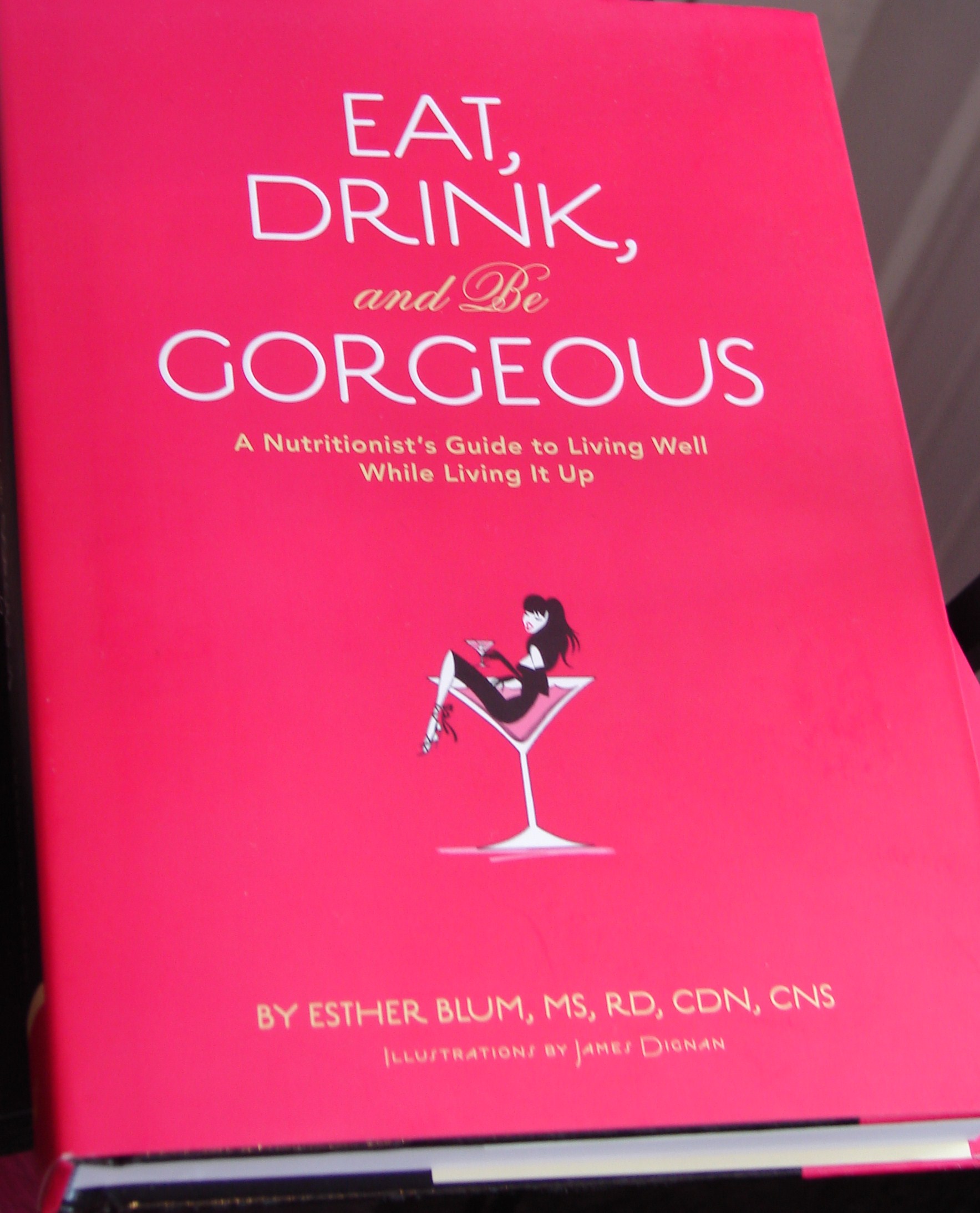
Eat, Drink and be Gorgeous - CopyEat, Drink, and Be Gorgeous: A Nutritionist’s Guide to Living well While Living It Up

From *Esther Blum, an expert nutritionist at Dr. Perricone’s flagship Manhattan store, comes the breakthrough news that, yes, you can eat and drink what you love and still look and feel gorgeous. Esther reveals the secrets to beautiful skin, a fantastic figure, and peace of mind all while living the good life.

It’s about knowing how to make the right choices: Which cocktails cause the least damage, is a Merlot better than a Margarita? What natural supplements combat out-of-control hormones? With a troubleshooting section on treating specific ailments, delicious recipes, and fast fixes, Eat, Drink, and Be Gorgeous makes it possible to have that piece of cake and eat it, too.  Sounds good to me.

*Esther Blum is a Registered Dietitian and Holistic Nutritionist practicing in Connecticut

On a similar note:

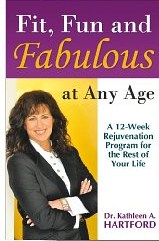
**Don’t Miss:  Brad King discusses the FIT, FUN and FABULOUS Lifestyle with Kathy Hartford, author of “Fit, Fun and Fabulous at Any Age” (along with its companion journal and cookbook) on “Transforming Health” at VoiceAmerica.comfitfun

Here’s the Link:  http://www.livinggorgeous.com/

I love these new age lifestyle programs!

Personal Post – thinking inside & outside the BOX

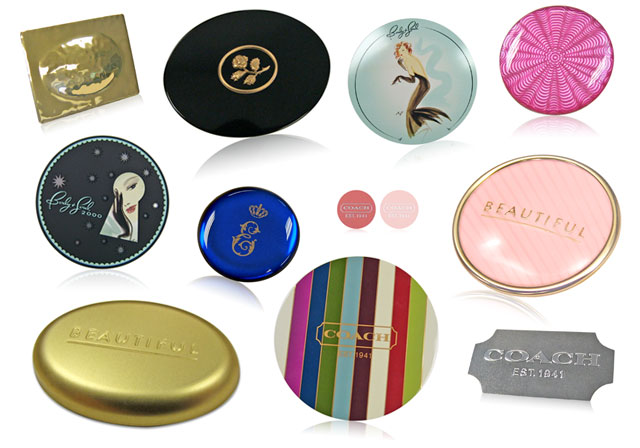
coach hermes spoiled package tiffany-boxOn PRODUCTS & PACKAGING – namely BRANDING!

I’ve been thinking about this a lot lately – how much value do we place on the packaging of a product?

How do you feel about skimping on product ingredients if the packaging looks exceptional?  Would you buy something that is deemed incredible except that the packaging is very plain?  Can we have both?  There should be a balance between the packaging and the quality of the product but many times there is not and the packaging alone sells the product – good or bad!

For instance, that tiny blue tiffany box with the white satin ribbon represents something special without even knowing what’s inside.  It could be just a keychain but the box alone is what makes it distinctive and meaningful.  Branding is when someone says she’s wearing “tiffany blue” and we immediately symbolize it with the company and know exactly what color in the spectrum of “blues” that person is wearing.

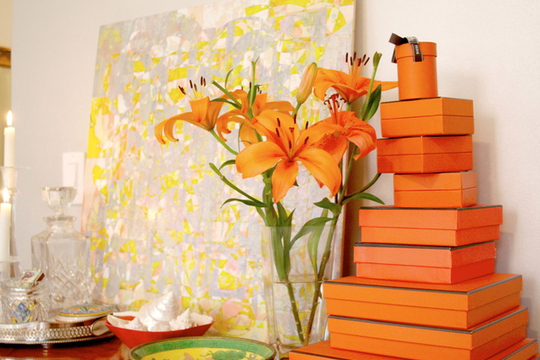
Take the incomparable orange Hermes box containing those luxurious silk scarves.  The branding is so familiar that we can say “I’m wearing an Hermes orange dress”, or “Kelly green” blouse (for one of their bags) to describe the exact color.

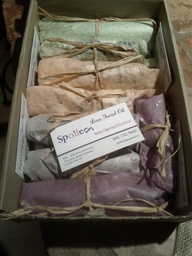
I recently bought a personal care product that a salesperson told me was “superior” to others but had she not told me that I would never have gravitated towards it – based on the skimpy (& basically cheap looking) packaging it came in.  The product itself was not “cheap” but I did wonder why the company didn’t make it more appealing.  Packaging can be expensive is most likely the reason why, but even so…put it this way – it’s not something I would display on my bathroom shelf which is reserved for only pretty looking bottles.  EXCEPTION: a lot of natural skin care products that I love & work amazingly do not come in  fancy packaging.

In general it seems that customers are tempted and pampered by sensual impressions.  It makes sense.  We acknowledge additional benefits and appeal to nice packaging and are even willing to pay an extra price for it. There is evidence confirming a central conviction held by the packaging industry: that the shopper appreciates and in fact explicitly wants to receive stimulation for the buying decision he is making when standing in front of even a supermarket shelf.  With so many products on display your eyes will definitely gravitate to the splashiest looking product first.  It doesn’t mean it’s the best so that’s where reading comes into play.

In the meantime if you’re interested: here are the TOP TEN requests about packaging:

1.      Eye-catching appearance: A distinctive, unmistakable and eye-catching appearance is a signal at the POS to which all consumers and particularly the younger ones respond positively. Whatever stands out clearly in the monotonous competitive environment, whatever is surprising scores points with the consumer. Special effort makes a special impression – and is allowed to cost more too.

2. Design, shape and colour: The purpose of well-considered design, creative printing and finishing is to entice the consumer to devote attention to the pack and its contents at the POS. Aesthetics and attractiveness are major distinctive features – and are in fact essential in some product segments: beautiful packaging design is of central importance in the cosmetics and confectionery product groups. Consumers like to buy agreeably designed and decorative products!

3. Functionality: Functional aspects are the basis for all successful packaging and for thus greater product success too. Product and aroma protection, hygiene and tightness, environmental responsibility and practical handling (in both use and storage) are just as important here as ideas that improve comfort: closure mechanisms, portioning, see-through windows, for example.

4. Innovation: Novelty has exceptionally strong appeal. An innovative pack can even make “new products” out of familiar ones. Unusual solutions, functional new developments and originality not only set design trends but also boost sales!

5.  Material: What is printed on board is read particularly willingly, while what is packaged in board sells particularly well. Sustainability, easy disposal and, above all, great design variety and potential are particular features of the material. Popular with consumers, particularly high appeal and many other advantages too.

6. Efficient communication: The packaging is the credible medium at the point of sale and is consulted willingly and intensively (see “Material”). This makes it an efficient means of communication and, in addition, one that gets closer to the consumer than all others. If several of his senses are appealed to as well, he can be persuaded particularly successfully.

7. Multisensory appeal:  Anyone who approaches consumers via several of his senses attracts greater attention, intensifies perception and stimulates interest in buying. Packaging that can be felt, smelled and heard as well as looked at wins the customer’s favour. So much so that he is willing to pay a higher price for this multisensory appeal.

8. Appropriateness for the product: Packaging is considered to be an important indicator of quality. The quality of the product therefore has to be communicated by good packaging and not just by promises of quality made in the text on the packaging. A credible “overall work of art” is created as a result, in which the contents and the packaging are coherent and the consumer is convinced by their consistency.

9. Value: Packaging is an excellent way to communicate sophistication, class and value. This makes it an ideal strategic option for expressing premium positioning – as well as being the instrument of choice when a product needs to be upgraded or a brand needs to be revitalised. Products in classy packaging are particularly popular presents too.

10. Additional benefits: Successful packaging not only combines what is pleasant with what is functionally useful but also provides additional benefits. For example, as a gift or for presentation, with entertaining components or simply by *making it possible to continue using the packaging for something else after the product has been consumed.

*AHA – I’m definitely accountable for using what I deem as exceptional packaging for something other than what it was originally intended for.  I’m not one to throw away a lovely box.  For instance I use a “Fauchon” chocolate box from Paris and a cigar box from Cuba to store jewellery and vintage hat boxes to store various accessories.  Or am I just a package rat?

Do you do the same?