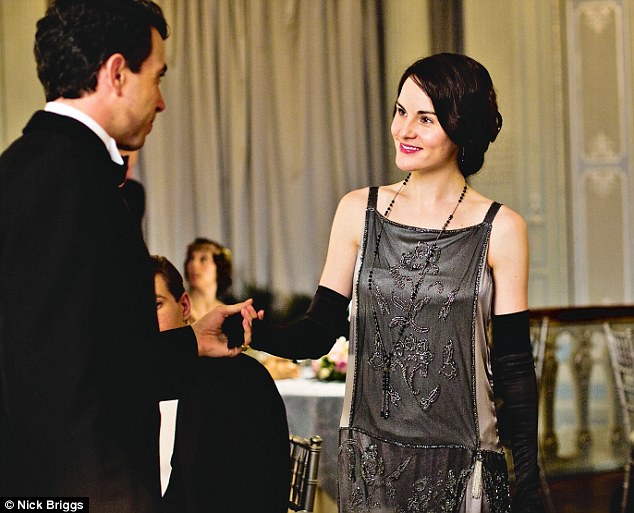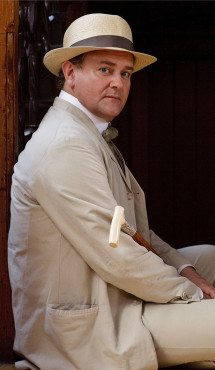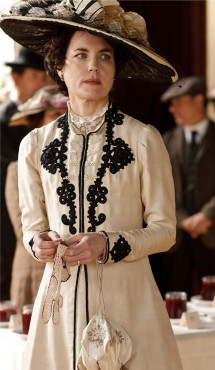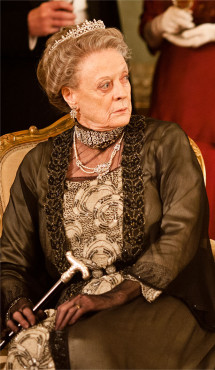
There is something very exciting about the first Monday in May.
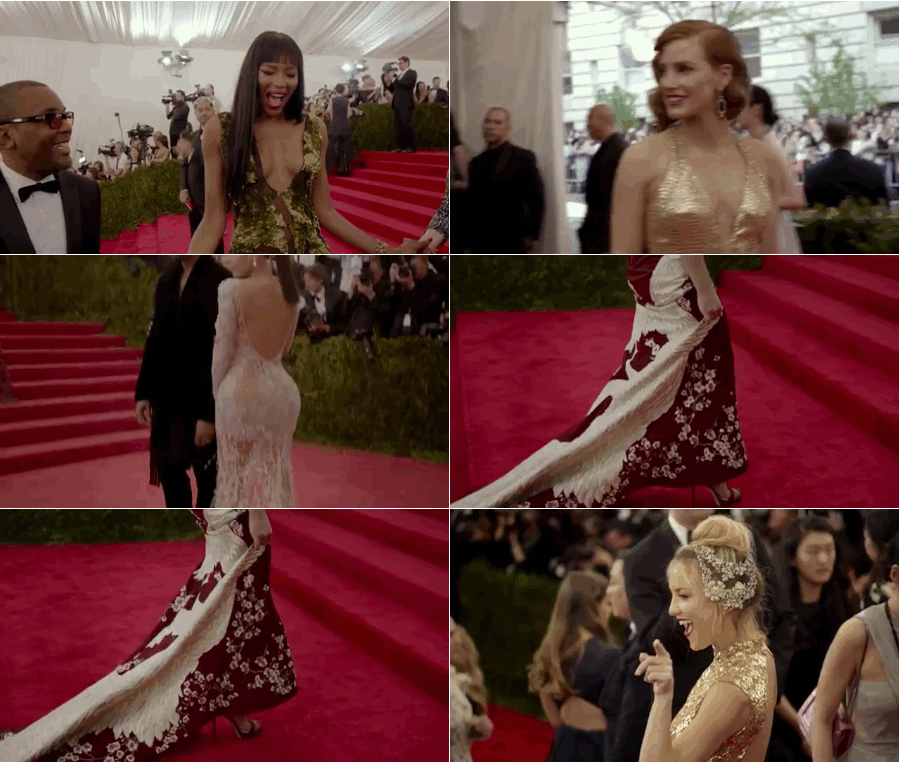
The Met Gala takes place and if you don’t know what that is shame on you – it’s the Superbowl of social fashion events. Bar none! By special invitation.
A splashy fundraiser featuring costumes, couture, socialites, A-listers, icons and influential people in fashion, film, art and music.
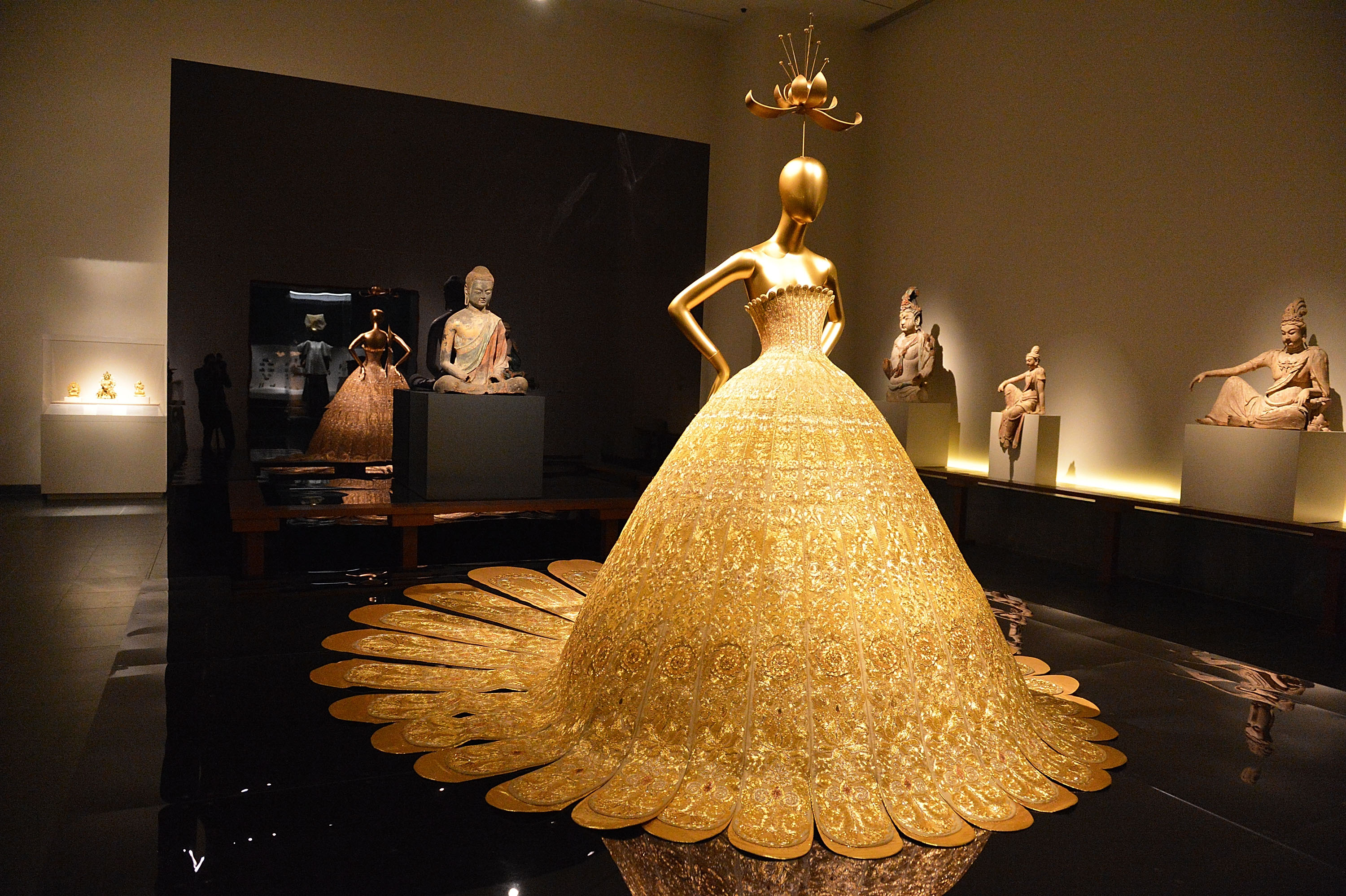
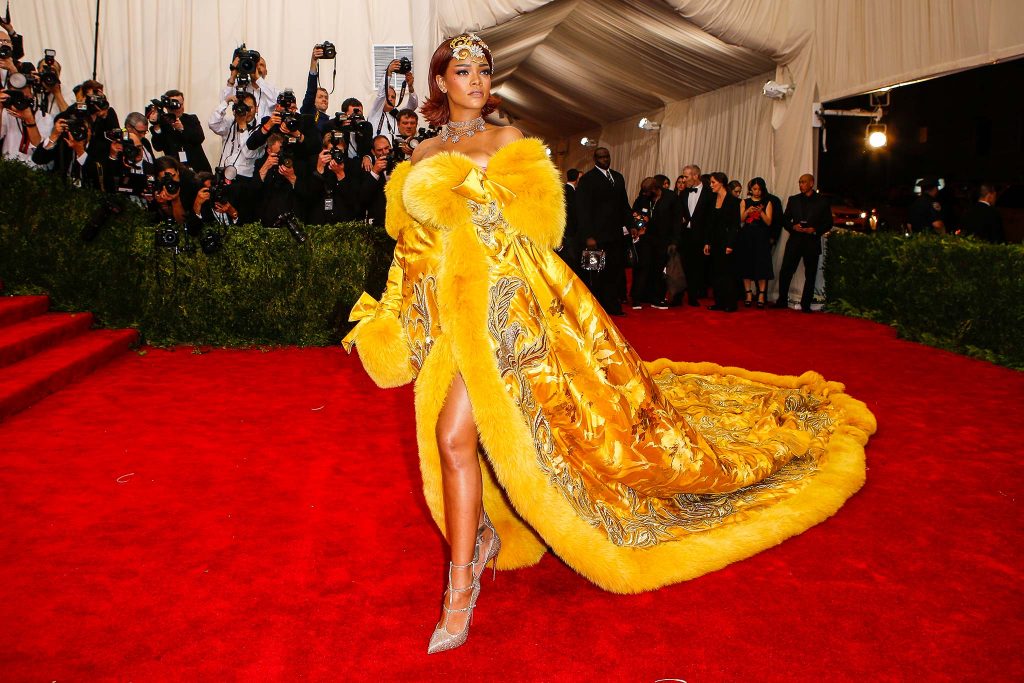
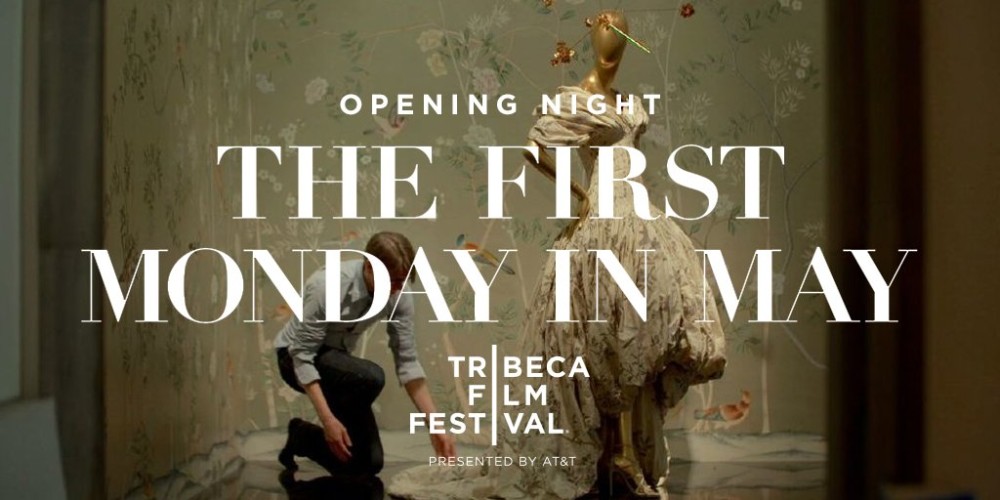
The First Monday in May is a new documentary film directed by Andrew Rossi. It follows the creation of The Metropolitan Museum of Art‘s most attended fashion exhibition in history, “China: Through The Looking Glass,” an exploration of Chinese-inspired Western fashions by Costume Institute curator Andrew Bolton. With unprecedented access, filmmaker Andrew Rossi captures the collusion of high fashion and celebrity at the Met Gala, one of the biggest global fashion events chaired every year by Vogue editor in chief Anna Wintour.
NEW YORK, NY : A view of atmosphere at “China: Through The Looking Glass” Costume Institute Benefit Gala – Press Preview at Metropolitan Museum of Art on May 4, 2015 in New York City. (Photo by Slaven Vlasic/Getty Images)
The movie dives into the debate about whether fashion should be viewed as art.
As Karl Lagerfeld describes, “it is applied art”
Rihanna
Art or not, The First Monday in May is worthwhile seeing if you’re into fashion, glamour, culture and……style. Yes please!
magnolia pictures (in Vancouver – playing at Cineplex Odeon Cinemas)
What will I wear????
The theme for this year’s Met Gala is Manus x Machina: Fashion in an Age of Technology. Sounds like we’re going to be seeing some cutting edge fashion this year!
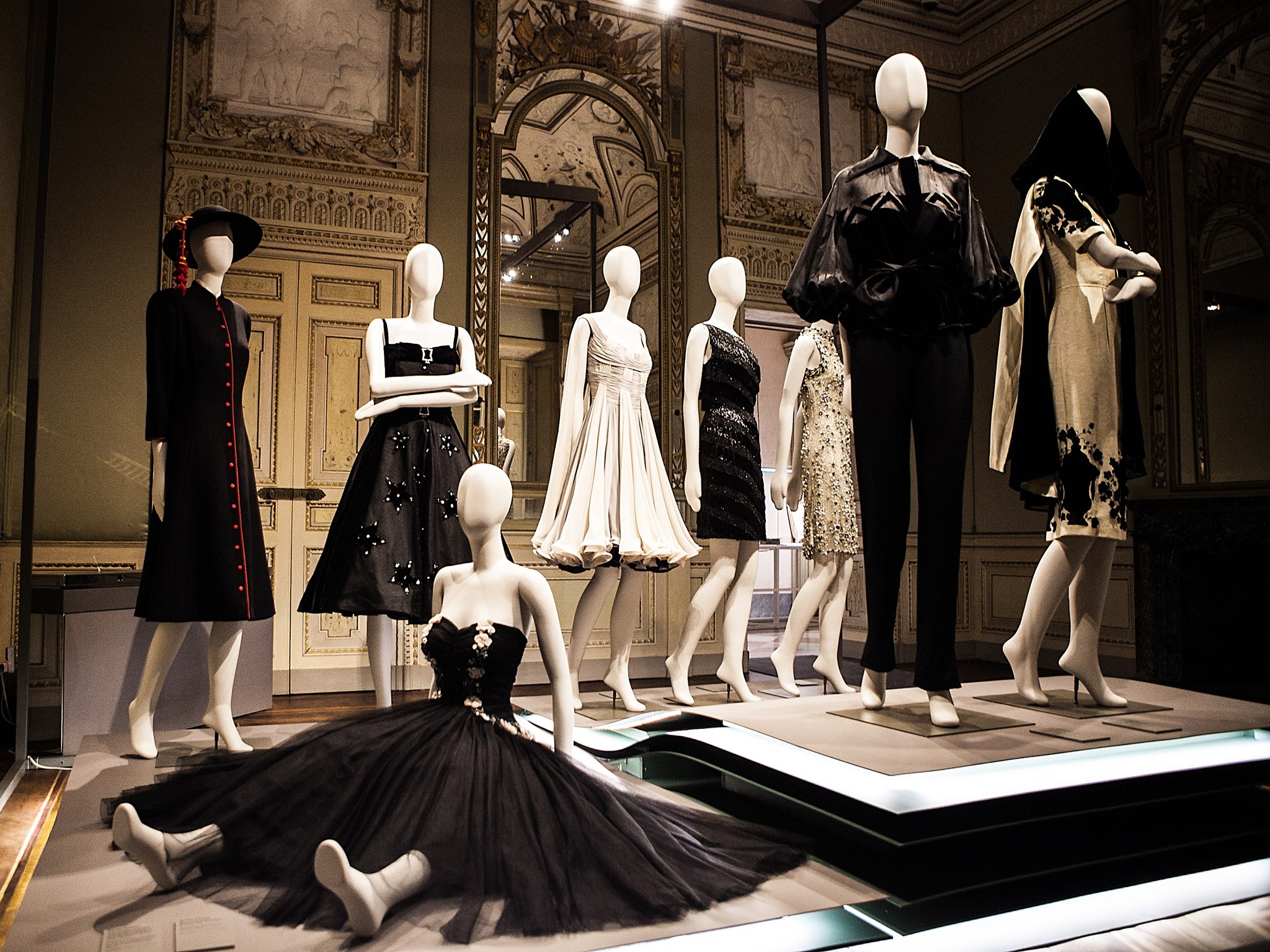
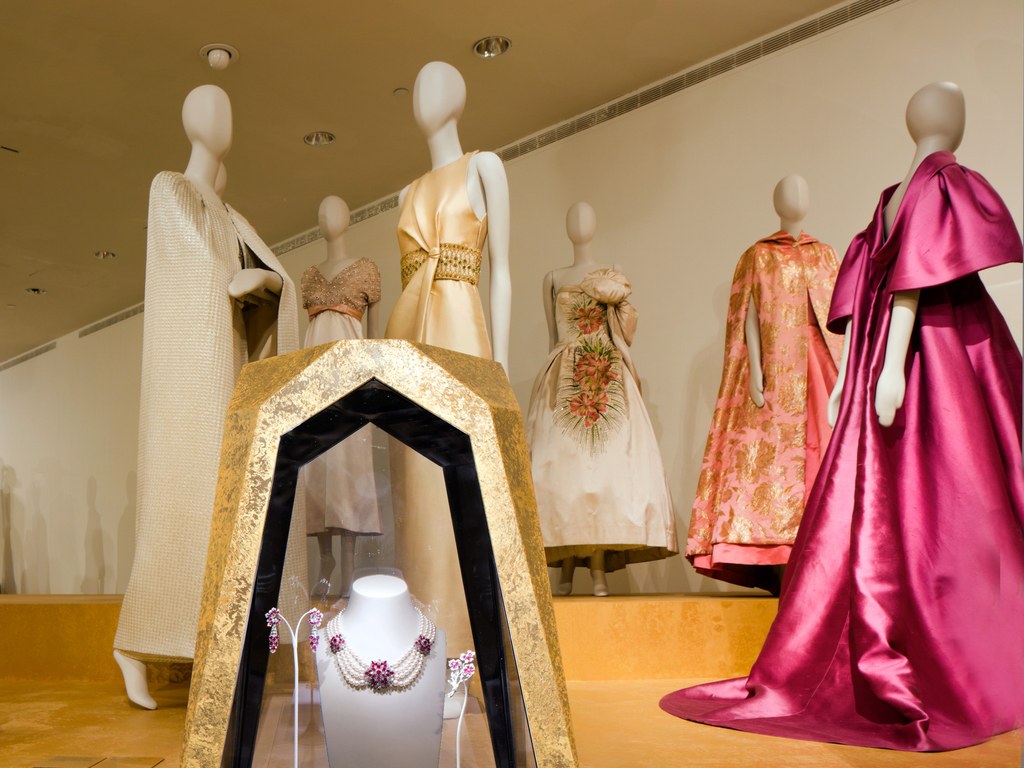
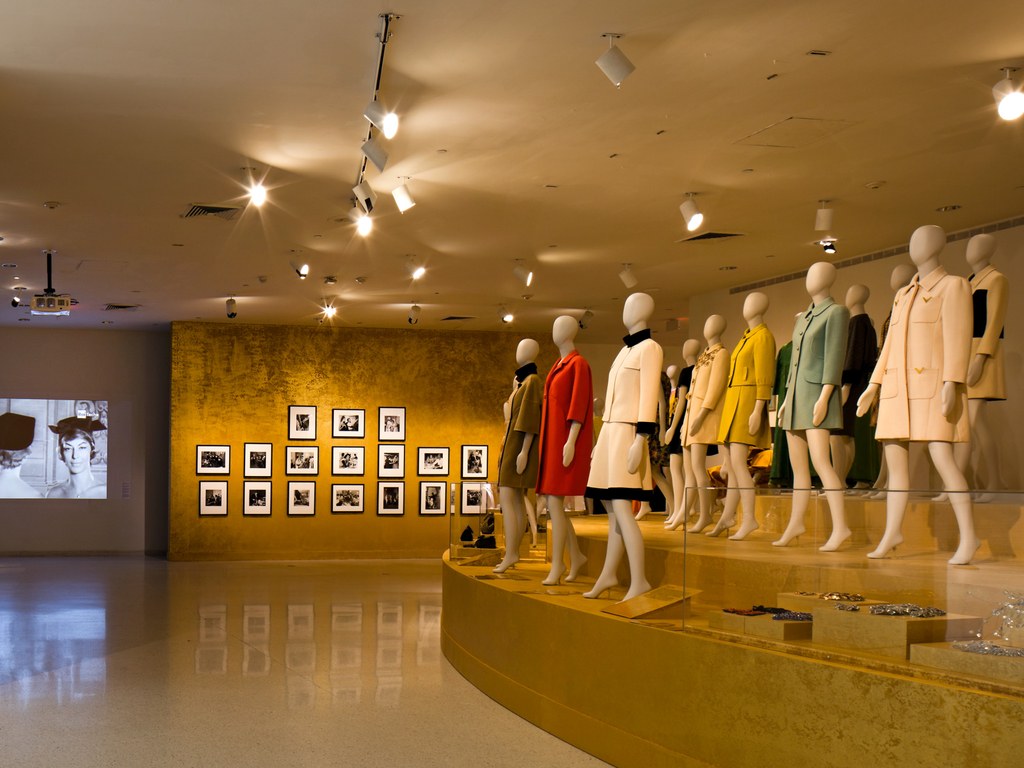
Italy High Fashion 1945 – 1968. Okay, if you must know…this to me is emozionante.
A new exhibit offers an up-close look at dresses, handbags, and jewelry from some of Italy’s most iconic fashion houses. How can I not find this exciting?
Photo by Steven Brooke Jewelry from Bulgari is shown alongside elegant gowns.Photo by Steven Brooke Italian design gets the front row in Fort Lauderdale.
Didn’t make it to Milan for Fashion Week? Good news: “Bellissima,” an exhibit focusing on Italian style, will make its sole American appearance at the NSU Art Museum in Fort Lauderdale. Bellissima highlights looks from the 1945–1968 period of groundbreaking Italian design and features pieces from houses like Pucci, Fendi, Valentino, and Simonetta. And the big names aren’t only represented on labels: one of the exhibit’s curators is W magazine editor Stefano Tonchi, and the whole project is a partnership with Maxxi, the buzzy Rome contemporary art museum designed by Zaha Hadid. Of the 230 garments on display, many were custom pieces handmade for movie stars like Ingrid Bergman and Ava Gardner. And because no Italian fashion exhibit would be complete without them, there will also be handbags and leather goods in the show, plus plenty of jewels from corporate sponsor Bulgari. (It’s not just necklaces and earrings—be on the lookout for a gem-encrusted cigarette case.) Many of the looks will be displayed alongside film clips, fashion magazine spreads, or gorgeous black-and-white photos of Elizabeth Taylor to give a sense of context.
“This moment in history laid the foundation for Italy’s future ready-to-wear fashion, and the exhibition traces its beginnings within the social and cultural context,” Tonchi said in a statement. “The high fashion of that time was grounded in a strong sense of reality: They were luxury creations, but nonetheless practical; precious, embroidered textiles that had a certain simplicity; short cocktail dresses that allowed for movement; and warm, roomy coats accompanied by oversized handbags. This awareness of reality created an opportunity for a fashion system that truly served its patrons, with garments designed for the life of the modern woman.” The post-World War II period was crucial in Italy, as the country built its economy back up largely by encouraging manufacturing, especially for textiles—which gave the country’s emerging design stars plenty of local goods to work with.
Relive the era of Alta Moda at NSU Art Museum, Ft. Lauderdale, Florida until June 5th.
Tonight (April 25th) join me at the fun annual Arts Club California Wine Fair taking place at the Vancouver Convention Centre.
Rounding out the rich array of 400 premium wines is an extensive silent auction featuring premium California wines, luxury goods, and entertainment and travel packages.
As the Arts Club’s signature spring fundraiser, all proceeds from event ticket sales and auction packages go toward the development of new Canadian plays and staging world-class theatre created by Vancouver artists.
A few tickets are still available. Price: $90 To purchase please visit: http://artsclub.com
“Art completes what nature cannot bring to a finish” – Aristotle
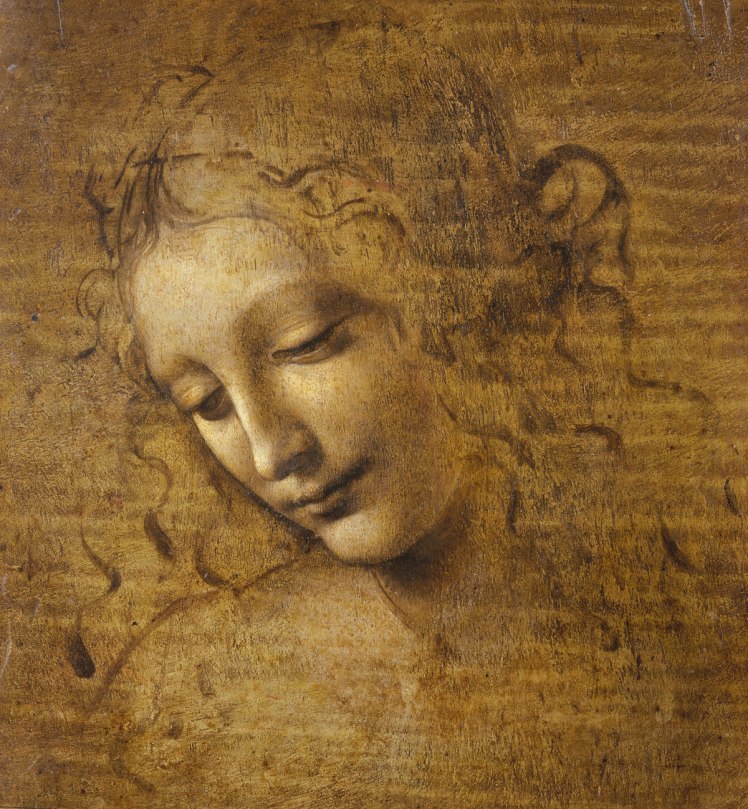
Leonardo da Vinci is credited with the catchy quote, “Art is never finished, only abandoned.”
Leonardo da Vinci (Italian, 1452–1519) Head and Shoulders of a Woman (La Scapigliata) ca. 1500–1505 Oil, earth, and white lead pigments on poplar 9 3/4 × 8 1/4 in. (24.7 × 21 cm)
But I say….”along with our perception for beauty, art is in the eye of the beholder.”
Intriguing, as a new exhibit features famous artists who’ve left works of art undone. But to an untrained eye how are we to know the difference? Even unfinished works are breathtakingly beautiful and you have to wonder what they’d look like complete. Or at least what would the artist have liked us to see, feel and think?
With the Whitney now at home in the Meatpacking District, the old building has become an extension of the Metropolitan Museum and a chance for them to expand their contemporary collection. Now called the Met Breuer, the first exhibit is called “Unfinished: Thoughts Left Visible” which is a compilation of unfinished work from artists throughout history.
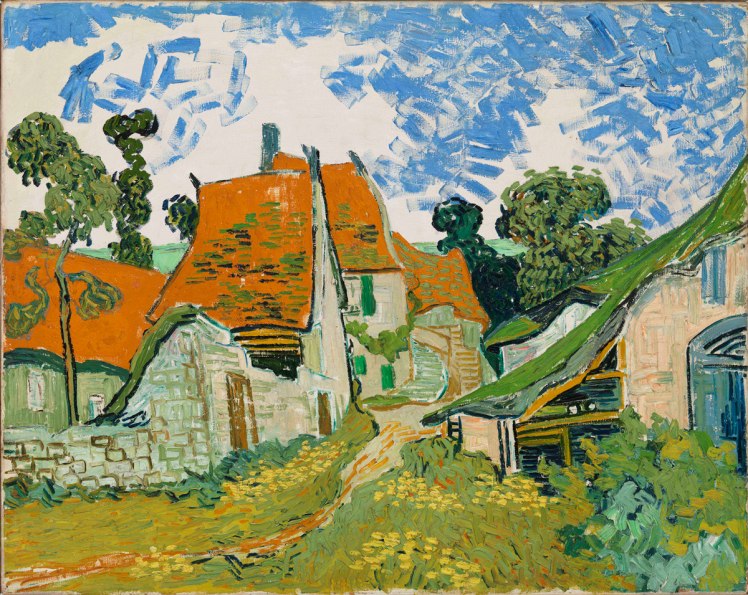
Vincent van Gogh (Dutch, 1853–1890) Street in Auvers-sur-Oise 1890 – Oil on canvas 29 × 36 3⁄8 in. (73.5 × 92.5 cm)
My question is how do they know they’re unfinished unless it’s really obvious? I guess we’ll leave that to the experts and take their word for granted. I’m so curious. Even surviving works of Leonardo da Vinci that look finished to modern eyes (above) in some cases were apparently not. I find this fascinating.
Running until September 4, 2016, the Unfinished: Thoughts Left Visible exhibition assembles 197 works spanning the Renaissance to the present, with the goal of exploring the notion of what it is for a work of art to be “finished.” As the show organizers put it:
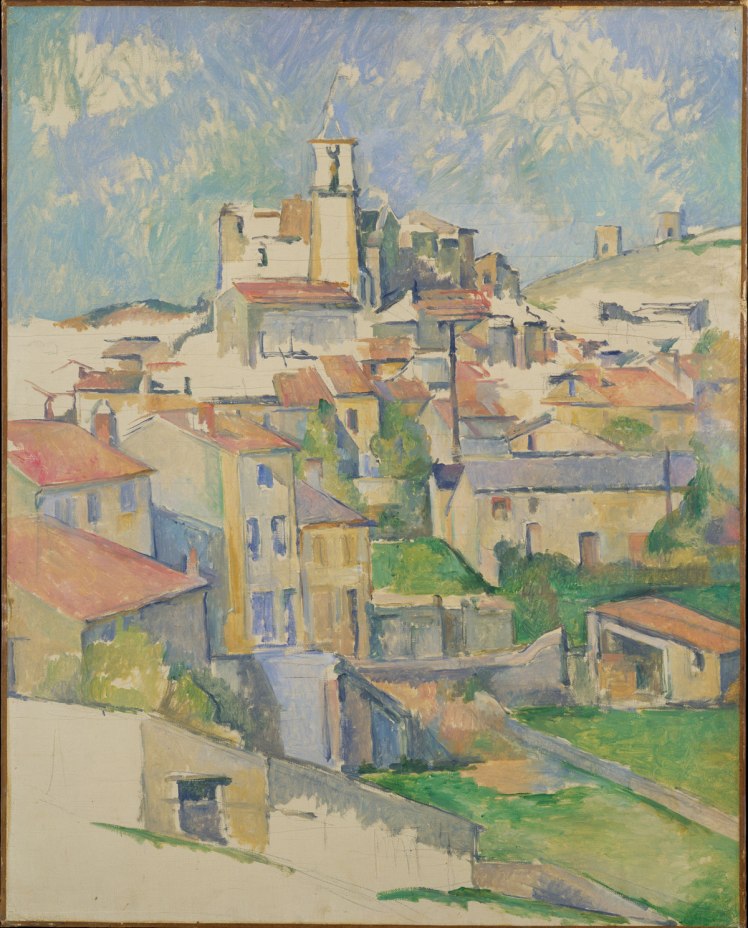
“Beginning with the Renaissance masters, this scholarly and innovative exhibition examines the term ‘unfinished’ in its broadest possible sense, including works left incomplete by their makers, which often give insight into the process of their creation, but also those that partake of a non finito—intentionally unfinished—aesthetic that embraces the unresolved and open-ended. Some of history’s greatest artists explored such an aesthetic, among them Titian, Rembrandt, Turner, and Cézanne.
Paul Cézanne (French, 1839–1906) Gardanne 1885–1886, Oil on canvas – 31 1/2 x 25 1/4 in. (80 x 64.1 cm)
I never want projects to be finished; I have always believed in unfinished work. I got that from Schubert, you know, the ‘Unfinished Symphony.‘ Yoko Ono
Vancouver Opera’s Company Premiere of Tim Rice and Andrew Lloyd Webber’s Tony Award winning smash hit EVITA will open at the Queen Elizabeth Theatre on April 30th.
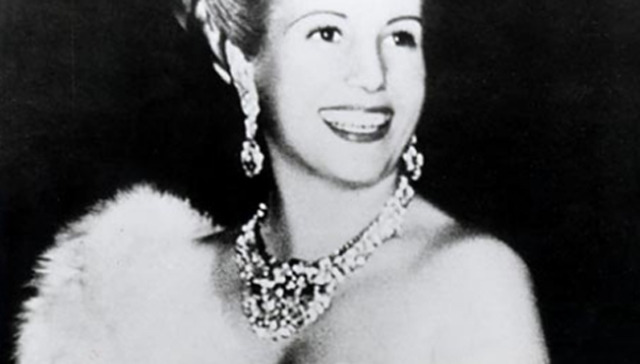
Few women in history have had the allure of Eva Perón, She once said “My biggest fear in life is to be forgotten.” Her legend lives on….
A very brief bio because the musical will explain everything in about 2 hours and 45 minutes including a short intermission:
*Don’t cry for me Argentina
Maria Eva Duarte de Perón was born out of wedlock on May 7, 1919, in Los Toldos, Argentina. Eva (commonly known as Evita), left school when she was 16 and went to Buenos Aires in the 1930s to pursue her dream of becoming a star. She had reasonable success as an actress before marrying Juan Perón in 1945, who became president of Argentina the following year. Eva Perón used her position as first lady to fight for women’s suffrage and improving the lives of the poor, and became a legendary figure in Argentine politics. She died in 1952.
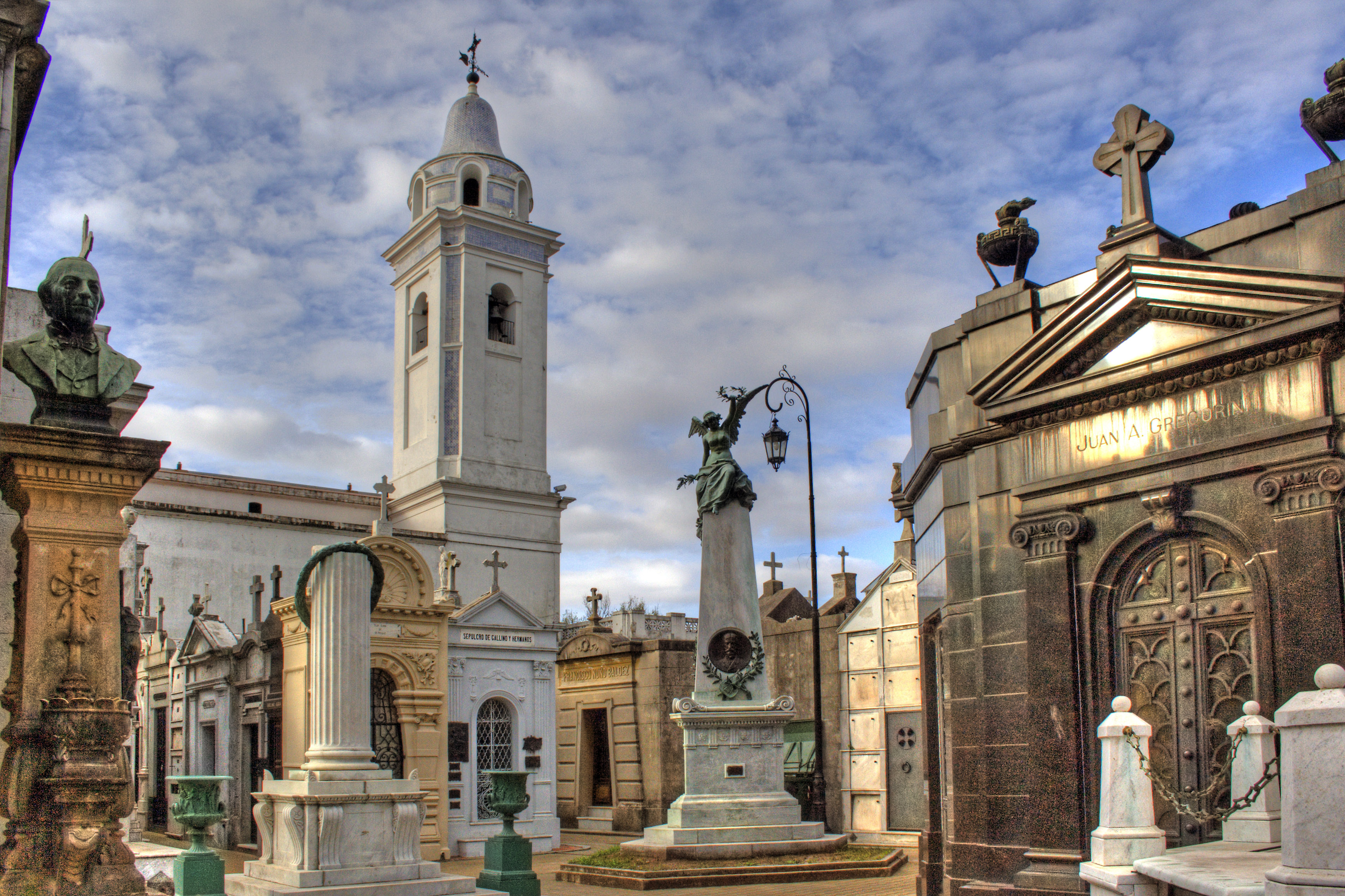
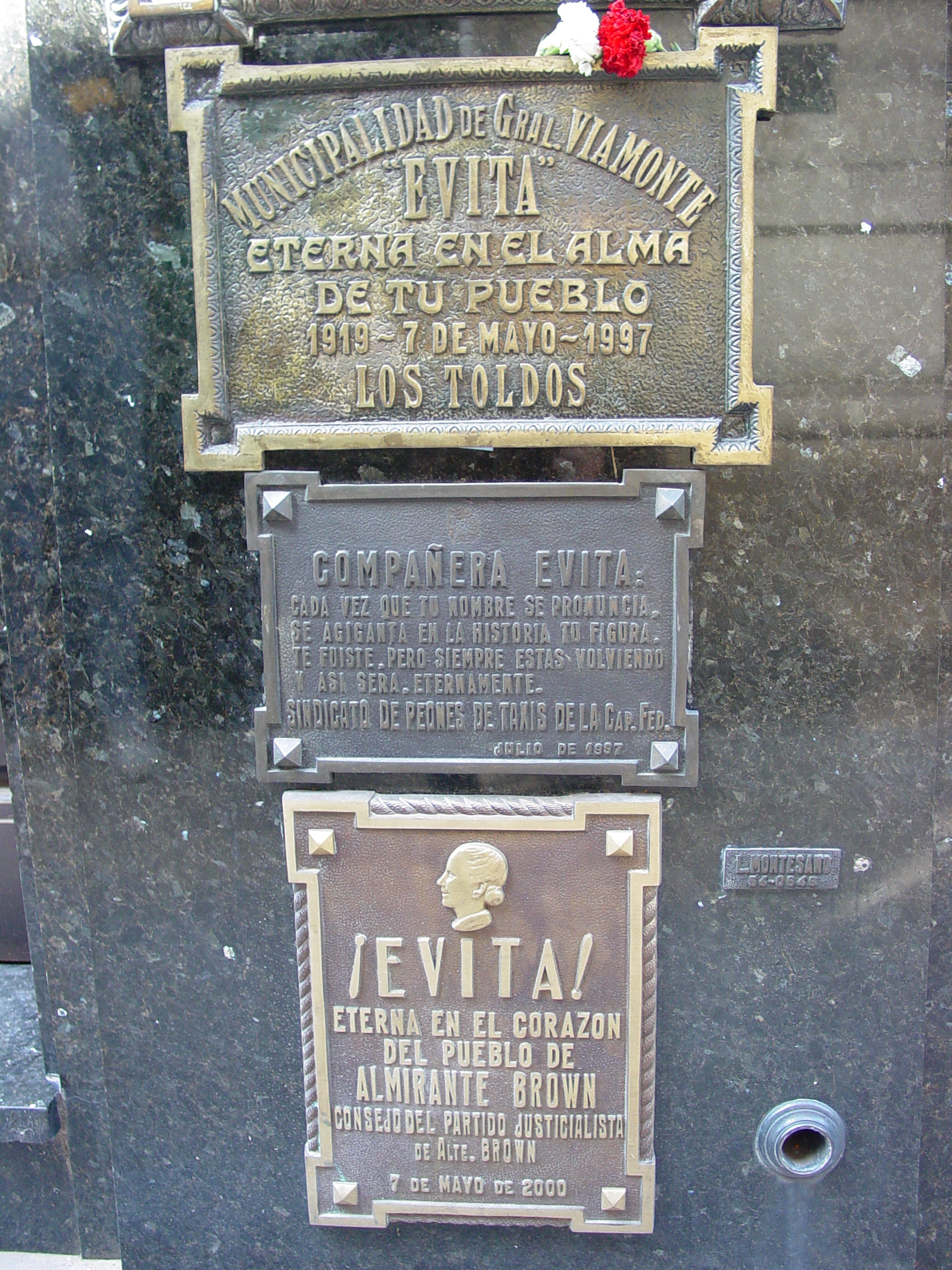
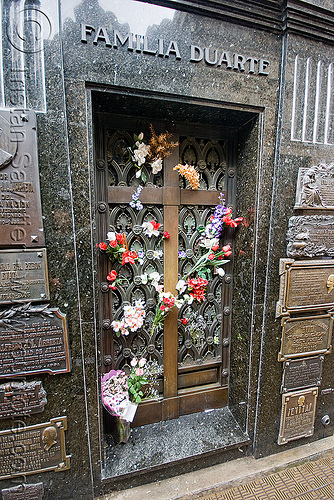
I’m really looking forward to this musical especially having been to Buenos Aires and since visiting the mausoleum of Evita in La Recoleta Cemetary. It is most definitely one of the most amazing cemeteries I’ve ever seen.
Tickets are selling out for the VO’s brand new full-scale production taking place at the Queen Elizabeth Theatre with only 6 performances, from April 30th – May 8, 2016. It has won 7 Tony Awards.
La Recoleta Cemetary – CNN listed it as one of the 10 most beautiful cemeteries in the world.
VO’s Evita will star three seasoned Broadway stars with international followings.
Ramin Karimloo will star as Che. Mr. Karimloo has played both Jean Valjean (Les Misérables) on Broadway and The Phantom (Phantom of the Opera) in London’s West End. He was personally selected by Andrew Lloyd Webber to star in the London World Premiere of the Phantom sequel, Love Never Dies. This will be his first appearance as Che.
Caroline Bowman will play Evita, a role she has also played in the Broadway revival and on tour in the United States. She also starred in the Broadway productions of Wicked (as Elphaba) and in Kinky Boots.
John Cudia will play Perón. Mr. Cudia is the first and only performer to have played the roles of The Phantom and Jean Valjean on Broadway. Equally at home on opera, theatre and concert stages, Mr.Cudia is a lyric tenor who has also sung Alfredo in La traviata with Lyric Opera of the North.
“I have one thing that counts, and that is my heart;it burns in my soul, it aches in my flesh, and it ignites my nerves: that is my love for the people and Peron.” – Evita
She will not be forgotten
*Don’t Cry for me Argentina is a song composed by Andrew Lloyd Webber with lyrics by Tim Rice. It was first recorded by Julie Covington on the 1976 concept album Evita, and was later included in the 1978 stage musical of the same name. It appeared at the opening and near the end of the show, initially as the spirit of the dead Eva exhorting the people of Argentina not to mourn her, and finally during Eva’s speech from the balcony of Casa Rosada.
From practicality to provocation, one of our most everyday objects tends to attract interest, debate and sometimes controversy.
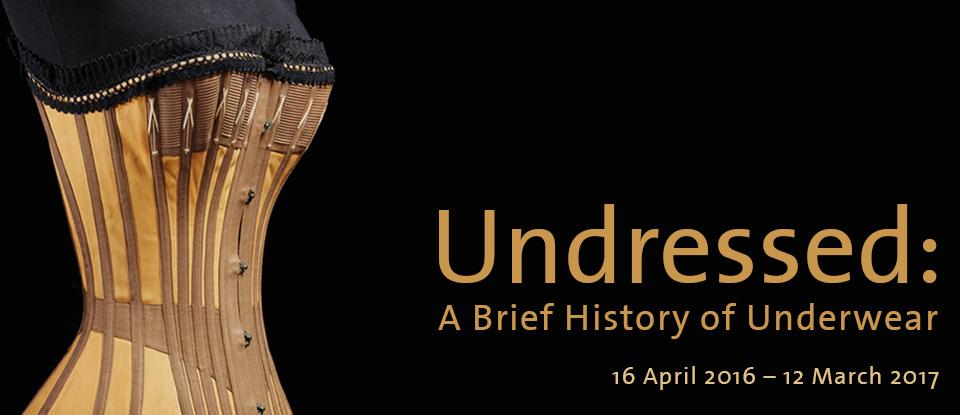
Every fashion maven knows there is an art to well-made undies. And for those of us who appreciate them a new exhibit (CN Traveler Magazine calls it one of the ten best fashion exhibits) at the Victoria & Albert Museum in London from 16 April 2016 – 12 March 2017.
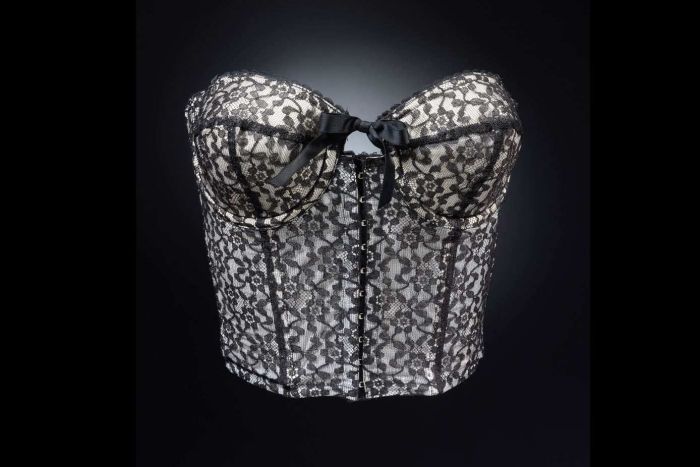
This exhibition will address the practicalities of underwear and its role in the fashionable wardrobe whilst highlighting its sensual, sexual appeal. The exhibition will explore dress reformers and designers who argued for the beauty of the natural body, as well as entrepreneurs, inventors and innovators who have played a critical role in the development of increasingly more effective and *comfortable underwear.
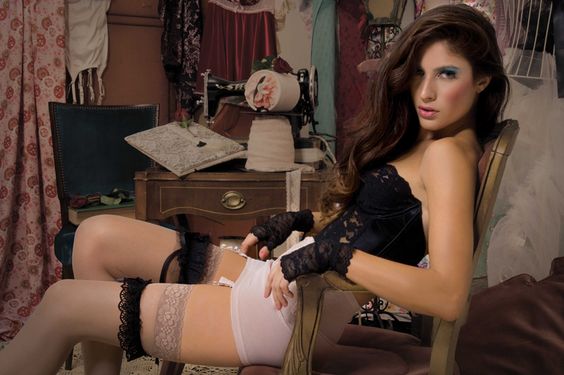
jesus fernandez lingerie – the line I represented and sold in Canada after meeting my match in a Buenos Aires shoppe window
Undressed:
A Brief History of Underwear will display more than 200 examples of men’s and women’s underwear from about 1750 to the present day. In particular, it will investigate how underwear design combines the practical and personal with the sensory and fashionable, in the process both protecting and enhancing the body. The exhibition will map developments in underwear design and explore the ways in which fashion designers have transformed underwear into outerwear.Curating an exhibition is a process built on collaboration, between conservators, researchers, designers and other specialists.
The exhibition, Undressed: A Brief History of Underwear, will be on display at the V&A from 16th April 2016 to 12th March 2017. V&A Museum: Cromwell Rd, London SW7 2RL, United Kingdom
Sponsored by Agent Provocateur and Revlon – two brands who aim to celebrate and empower women.
Agent Provocateuris delighted to partner with the V&A to be the leading lingerie sponsor for the Undressed Exhibition. Founded in 1994 Agent Provocateur’s unique brand image is renowned for being provocative while empowering women.
Revlon: With over 80 years’ experience revolutionizing the beauty industry and allowing women to express their most glamorous selves, Revlon are thrilled to be a sponsor of the exhibition Undressed: A Brief History of Underwear.
A word from an undergarment connoisseur know-it-all:*Like most women I love a “no show” so I say hurrah for the invisible comfortable seamless pretty and practical (no VPL) every day wear brands like Commando and Cosabella . Then there’s all the others………….let’s face it, G-strings and some bustiers are not the most comfortable undergarments. But like high heels they make you feel sexier and in my opinion, necessary options to the fashionable woman’s wardrobe.
He had me at “Some Women” – a hauntingly breathtaking book celebrating female beauty with more than eighty photographs of his friends, fellow artists and celebrities. I bought this to use for a coffee table from a used book store years ago because the images moved me and I also know a few of the women featured in it.
This month, Robert Mapplethorpe will take over Los Angeles, with a major two-part retrospective on view at LACMA (Los Angeles County Museum of Art) and the J. Paul Getty Museum from March 20–July 31, 2016.
The Perfect Medium will present the full scope of the artist’s work, from his earliest collage-based works, through his early Polaroids, to late floral still-lifes and portraits and seldom-seen moving image works. With such rich visual and archival resources on display, visitors will have an unprecedented opportunity to reflect on Mapplethorpe’s legacy, which has been both social and aesthetic.
I love a leather jacket:
Robert Mapplethorpe (Self-Portrait, 1980)
He sought what he called “perfection in form” in everything from acts of sexual fetishism to the elegant contours of flower petals. The exhibition also highlights the artist’s relationship to New York’s sexual and artistic undergrounds, as well as his experimentation with a variety of media.
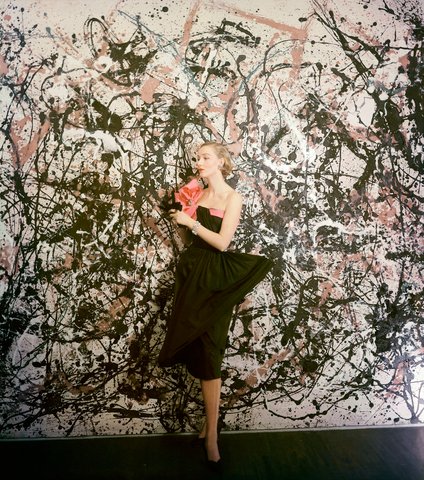
And it’s such a drip….figuratively speaking, because I’m talking about Jackson Pollock in this post.
Photographed by Cecil Beaton, Vogue, March 1951
A survey of Pollock’s works is at the Museum of Modern Art (MoMA) covering early experiments with primal themes and loosely figurative forms from the years 1934 to 1954. The exhibition also features the highly recognizable drip paintings which made him famous the world over.
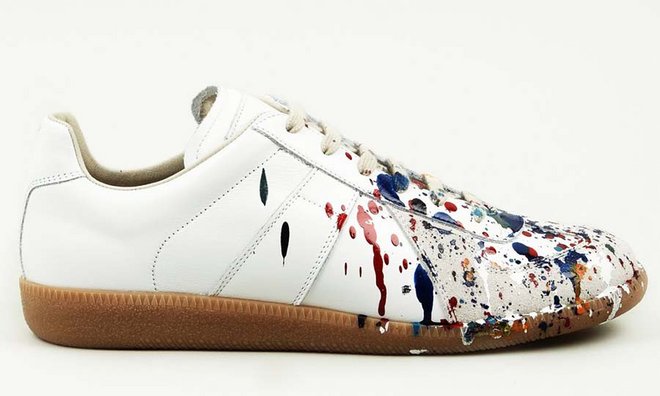
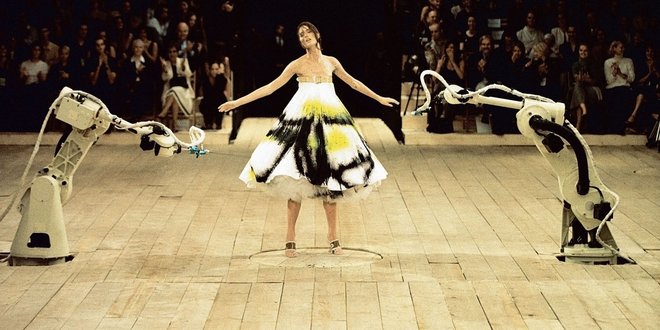
These drippings have caught on with fashion designers big time who have been inspired by them and have incorporated Pollock-print paint splatterings on everything from sneakers to ball gowns.
While designers have referenced many artists over the years, there are few so synonymous with Pollock’s style.
Maison Margiela’s popular “Pollock” sneaker Photo: Courtesy of Maison Margiela
Perhaps the first fashion world adoption of Pollock’s art came in a 1951 issue of Vogue (in photo above), where a model showed off the season’s chicest gowns standing in front of a Pollock painting on view at the Betty Parsons Gallery.
Since then, his signature splashes have infiltrated the runways in many forms. The most unmatched tribute to Pollock’s art, however, came courtesy of Alexander McQueen, who positioned model Shalom Harlow in the center of paint-shooting robots that streaked her ivory gown black and acid green as she rotated on a platform.
Alexander McQueen Spring 1999 Photo: Courtesy of Alexander McQueen
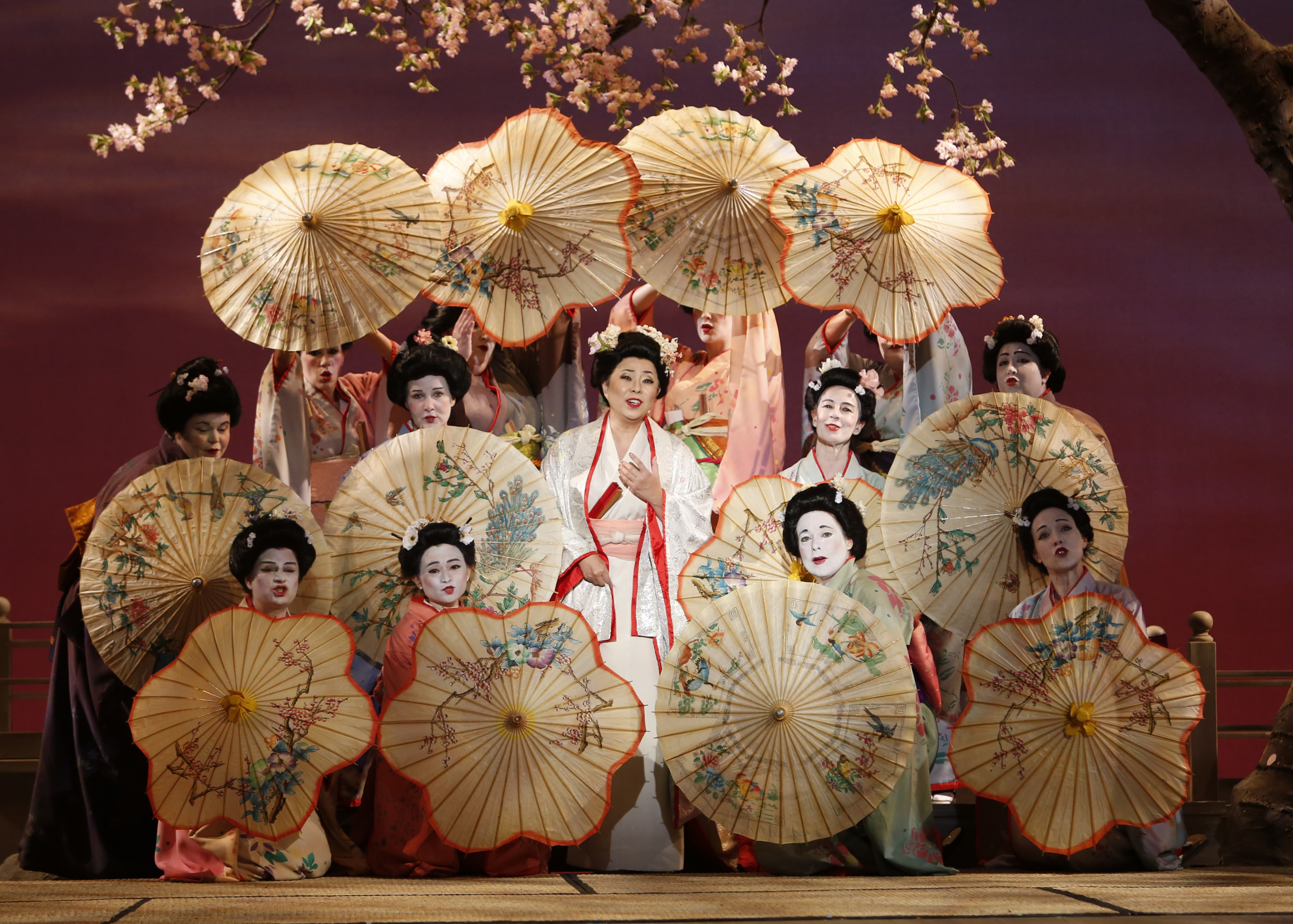
Don’t miss Vancouver Opera’s gorgeous production of Puccini’s MADAMA BUTTERFLY – a beautiful story of honour, love, heartbreak and sacrifice.
As they say;Fall in love at the OPERA.
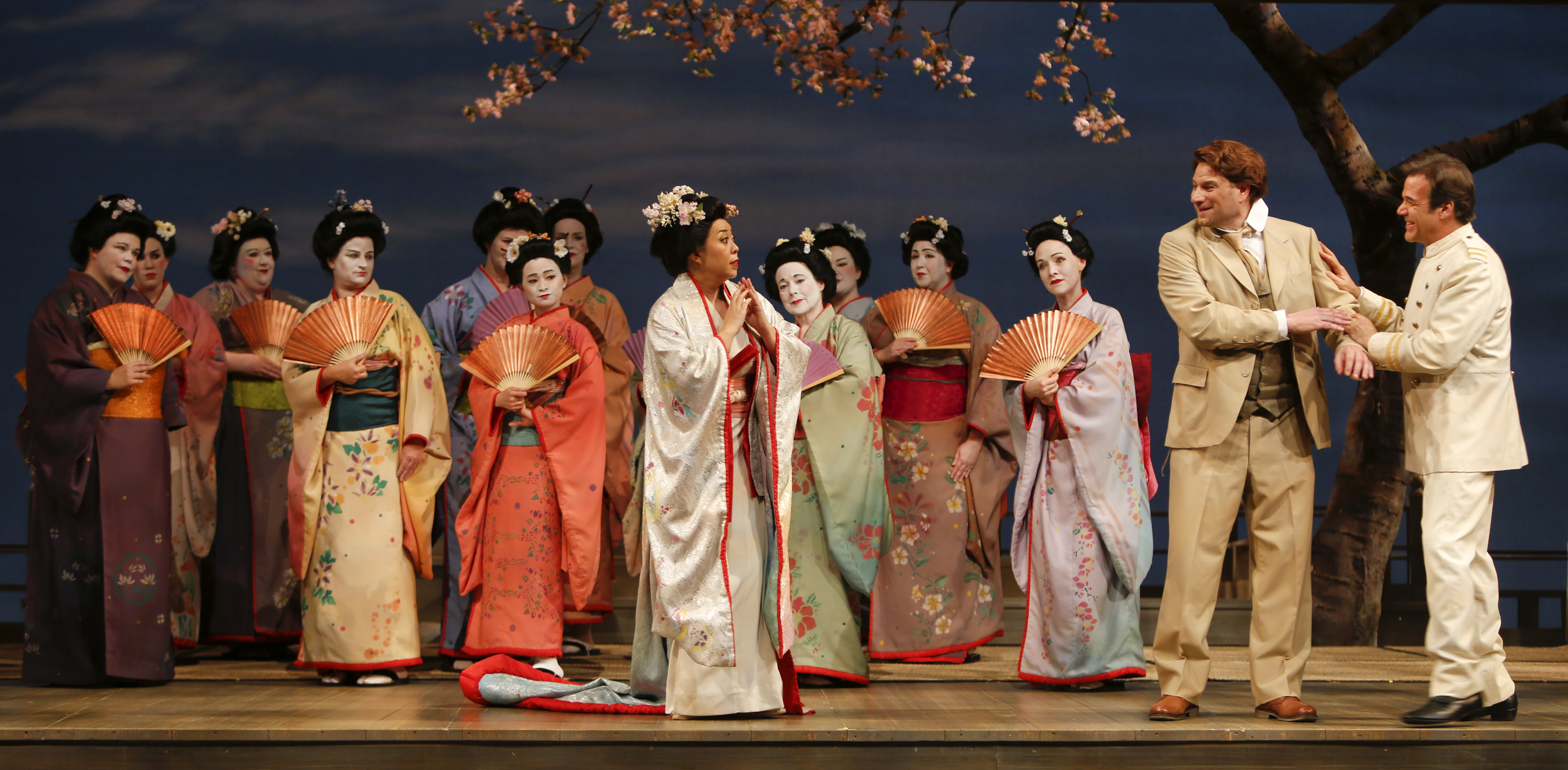
Middle: Mihoko Kinishita as Cio-Cio-San (Butterfly). Photo: Tim Matheson
I went to the opening last night and thoroughly enjoyed the gorgeous set, incredible voices and achingly beautiful music brought to life by two of the world’s most in demand sopranos. There were many women fittingly dressed up in stunning Kimonos.
Mihoko Kinoshita as Cio-Cio-San (butterfly), Gregory Dahl as Sharpless, Richard Trotell as Pinkerton. Photo: Tim Matheson
About the Performers:
Sharing the role of Cio-Cio-San (Butterfly) for alternating performances will be Jee-Hye Han and Mihoko Kinoshita. Jee-Hye Han will be making her VO début. Mihoko Kinoshita was last seen in VO’s 2010 production of Madama Butterfly. Tenors Adam Luther and Richard Troxell will sing opposite them, sharing the role of Pinkerton.
Madama Butterfly is onstage at the Queen Elizabeth Theatre, corner of Georgia and Hamilton Streets,Vancouver, B.C. for only 6 performances, March 5 – 13, 2016.
Good seats still remain but are selling quickly for all performances, with the best availability at the Friday, March 11 and Sunday March 13 performances.
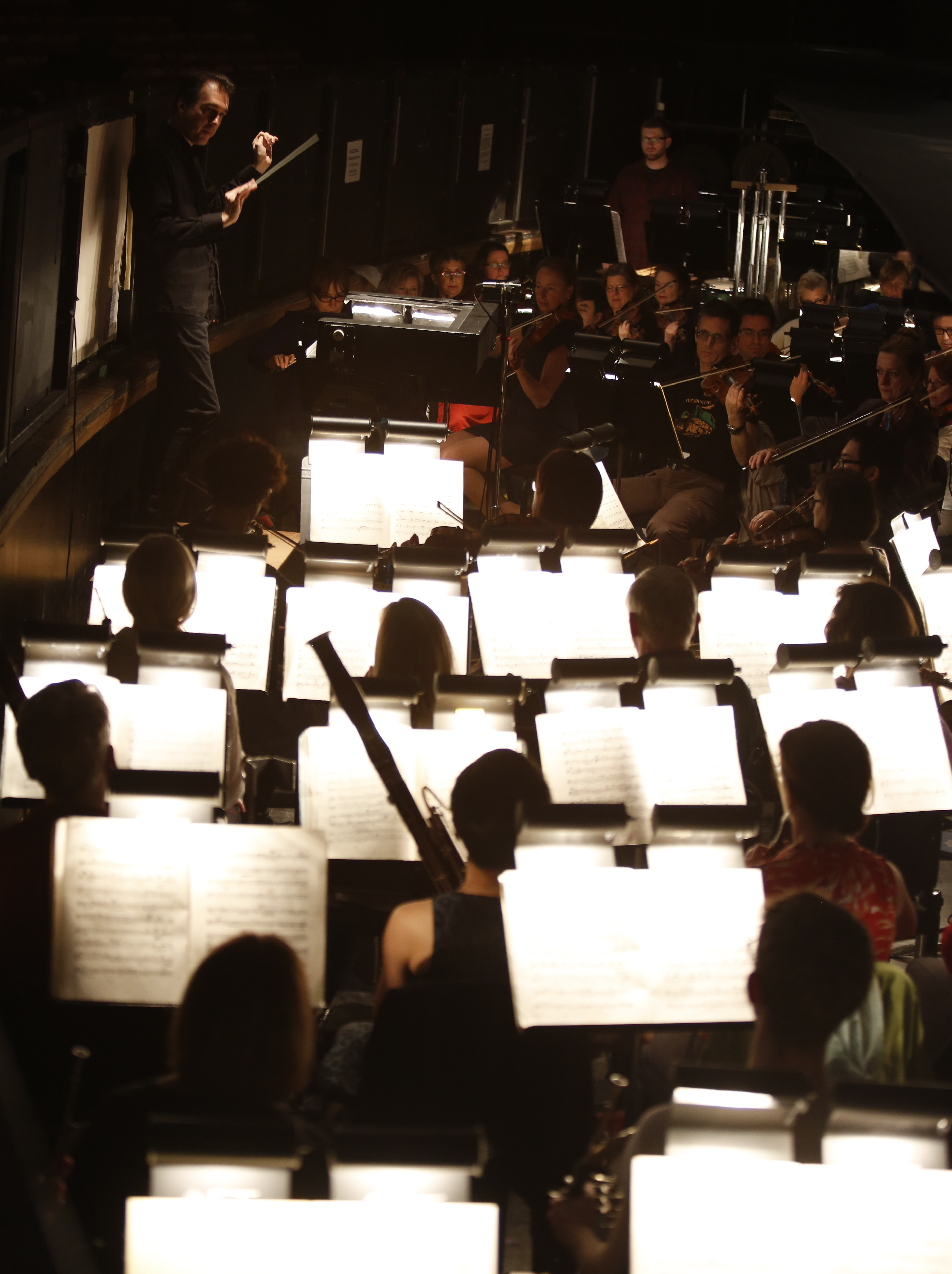
Not a kimono but at least it was colourful.The Vancouver Opera Orchestra conducted by Leslie Dala. Photo: Tim Matheson
Dates:
Sunday, March 6 • 2:00pm matinée
Thursday, March 10 • 7:30pm
Friday, March 11 • 7:30pm
Saturday, March 12 • 7:30pm
Sunday, March 13 • 2:00pm matinée
Madama Butterfly will be sung in Italian with English translations projected above the stage.
Approximate running time: 2 hours and 40 minutes, including 1 intermission.
Tickets are available exclusively through the Vancouver Opera Ticket Centre: 604-683-0222 or www.vancouveropera.ca. Visa, MasterCard and American Express are accepted. Special pricing for groups of at least 10, and for families, is available by phone.
Follow Vancouver Opera on Twitter and Facebook for exclusive offers such as VO’s Get O.U.T (Opera Under 35) program, with $35 tickets for patrons aged under.
“Degas’s focus on dance is part of his engagement with depicting the subjects, spaces, rhythms, and sensations of modern life,” says Jodi Hauptman, senior curator in the department of drawings and prints at New York’s Museum of Modern Art, where an exhibition that explores Degas’s extensive work in monotype, “Edgar Degas: A Strange New Beauty,” opens up next month. “His vision wanders and focuses, taking note of what usually is overlooked and honing in on what best reflects the conditions of his time.”
I found the article below INSPIRING. It encompasses the perfect ménage à trois of Style: Art, Dance & Fashion.
As she channels the artist Edgar Degas’s most famous ballet works ahead of this new exhibition, dancer Misty Copeland opens up about what it feels like to make history.
Ballet dancers, Misty Copeland says, like to be in control. It’s something about ballet itself—the painstaking quest to achieve the appearance of a kind of effortless athleticism, fluidity, and grace—that makes it hard to let go. “I think all dancers are control freaks a bit,” she explains. “We just want to be in control of ourselves and our bodies. That’s just what the ballet structure, I think, kind of puts inside of you. If I’m put in a situation where I am not really sure what’s going to happen, it can be overwhelming. I get a bit anxious.”
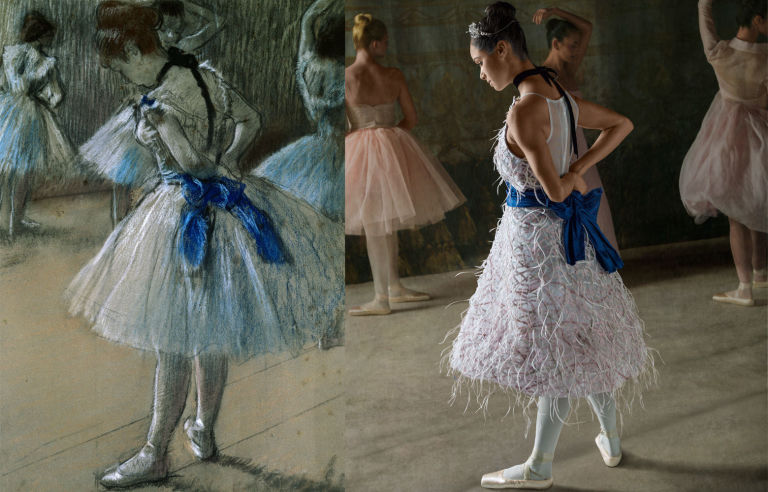
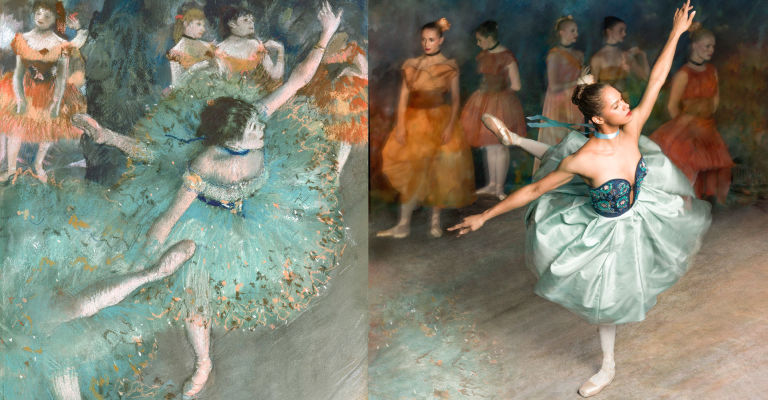
Copeland says that’s part of the reason she found posing for the images that accompany this story—which were inspired by Edgar Degas‘s paintings and sculptures of dancers at the Paris Opéra Ballet—a challenge.
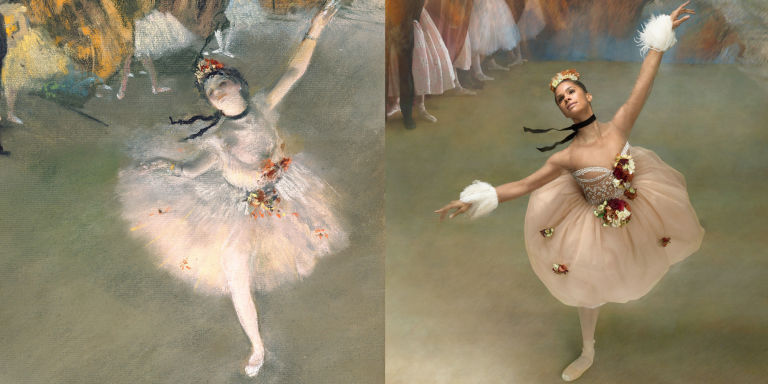
Copeland re-creates Degas’s The Star; Valentino dress, $15,500, 212-355-5811; Wilhelm headpiece, $495, and corsages,$135, wilhelm-nyc.com; Mokuba ribbon, $11 per yard, 212-869-8900.
“It was interesting to be on a shoot and to not have the freedom to just create like I normally do with my body,” she says. “Trying to re-create what Degas did was really difficult. It was amazing just to notice all of the small details but also how he still allows you to feel like there’s movement. That’s what I think is so beautiful and difficult about dance too. You’re trying to strive for this perfection, but you still want people to get that illusion that your line never ends and that you never stop moving.”
Copeland as Degas’s Dancer; Carolina Herrera top, $1,490, skirt, $4,990, 212-249-6552; Hatmaker by Jonathan Howard headpiece, $750, hatmaker.com.au; Mokuba ribbon, $11 per yard, 212-869-8900; Mood Fabrics fabric (worn as a belt), 212-230-5003.
It should probably come as no surprise that Copeland would have trouble conforming to someone else’s idea of what a ballerina should look like; she gave that up a long time ago. At 33, she’s in the midst of the most illuminating pas de deux with pop culture for a classical dancer since Mikhail Baryshnikov went toe-to-toe with Gregory Hines in White Nights. Last June, she was named a principal dancer at American Ballet Theatre, the first African-American woman to hold that distinction. She was also the subject of a documentary, Nelson George’s A Ballerina’s Tale, which chronicled her triumph over depression and body-image issues, as well as her comeback from a career-threatening leg injury in 2012. The story of her rise from living in a single room in a welfare motel with her mother and five siblings to the uppermost reaches of the dance world has become a sort of 21st-century parable: the unlikely ballerina, as Copeland referred to herself in the subtitle of her 2014 memoir, Life in Motion, who may be on her way to becoming the quintessential ballerina of her time.
Copeland as Swaying Dancer (Dancer in Green); Oscar de la Renta dress, $5,490, 212-288-5810; Mokuba ribbon, $11 per yard; Hatmaker by Jonathan Howard headpiece corsage, $70,hatmaker.com.au.
Degas’s ballet works, which the artist began creating in the 1860s and continued making until the years before his death in 1917, were infused with a very modern sensibility. Instead of idealized visions of delicate creatures pirouetting onstage, he offered images of young girls congregating, practicing, laboring, dancing, training, and hanging around studios and the backstage areas of the theater. Occasionally, portly men or dark figures appear, directing or otherwise coloring the proceedings. “People call me the painter of dancing girls,” Degas is said to have once told his Paris art dealer Ambroise Vollard, the Larry Gagosian of the day. “It has never occurred to them that my chief interest in dancers lies in rendering movement and painting pretty clothes.” It’s an unsentimental place, Degas’s ballet, and his representation of the dancers is far from sympathetic. But it’s a space where he discovered not only a freedom for himself as an artist but also a kind of beauty that existed behind all the beauty of the performance and in the struggle of his subjects to become something.
WHEN: 26 Mar — 24 Jul 2016 at the Museum of Modern Art (MoMA) in New York
Not to be missed if you’re in New York City
Source: photography by Ken Browar & Deborah Ory of the NYC Dance Project.Written by: Stephen Mooallem; Fashion Editor: Michelle Jank Magazine: Bazaar Edited: by d. king
You must be logged in to post a comment.