Did you know….that many of the plants that are popular at this time of year can be harmful and even poisonous to cats and dogs? Here’s a rundown of some to keep them away from:
Poinsettia – The flowers and leaves can upset your pet’s stomach but it’s an urban myth that this Christmastime staple is deadly. You do not have to banish it from your home for fear of pet fatality. That said, try to keep it out of the reach of prying paws.
Mistletoe– consuming a few leaves or berries causes mild gastritis. But store bought mistletoe often has plastic berries, and if large quantities of plastic are ingested, your vet may need to induce vomiting. If the plastic remains in the digestive tract, your pet may require surgery.
American Holly – This plant contains potentially toxic compounds that can cause gastrointestinal irritation. Make sure to keep it out of reach as well.
Amaryllis– All parts of this plant are toxic. Eating the flower or the stem can cause vomiting. But consuming the bulb is most harmful, resulting in hemorrhagic gastroenteritis and neurological issues.
Kalanchoe – If ingested, this flowering succulent can lead to gastrointestinal issues. Place it up high so your pet cannot reach it, or in a room your pet cannot access.
This will help in knowing that you can still enjoy your merry plants.
While we’re on the subject sometimes I’ve been confused between these two plants but I do like the representation….the holly, with its green leaves and red berries, reflects a passion for new life and fresh beginnings. mistletoe symbolize romance and the immortal values that society preserves in its rituals.
Little healthful tidbits that go a long way – what to do when it comes to your pup’s extra poundage & what you need to know to help Rover get back in shape.
From time to time I will include a health section for pet owners – because a fluffy little friend who is also healthy will make you feel good too – and we all know that feeling good is a healthy thing for us humans too.
I would love to receive a basket like this
When that wagging tail greets us at the front door after a long day, stress fades away in a slobbery instant. And all the love we get from our loyal companions makes us want to reciprocate – often with food. But showing affection with bones or biscuits can lead to extra weight gain – and extra pounds pose weighty issues. “Dogs may suffer many of the same diseases as humans as a result of too much weight,” says Ernie Ward, a veterinarian and senior veterinary editor of the Pet Health Network (pethealthnetwork.com) – think arthritis, joint damage, blown knee ligaments, high blood pressure, breathing problems, and, in some cases, type 2 diabetes. The following is a road map for keeping your dog at a healthy weight.
Weigh In – Getting an accurate scale reading requires a trip to the vet, but there are indicators that you can check for at home. “You should be able to feel but not see your dog’s ribs; if you can’t, it’s likely over-weight,” says Louise Murray, a veterinary internal-medicine specialist and vice president of the ASPCA Bergh Memorial Animal Hospital, in New York City. Chubby dogs may also have a saggy belly, visible from the side. If your dog shows any of these warning signs, schedule an appointment with the vet.
Treat Lightly – People tend to blame canine weight gain on lack of exercise, but over-feeding, particularly of treats, is usually the culprit. “Treats are silent saboteurs of good health, and account for a tremendous amount of calories, salt and fat,” says Ward. He recommends nutrient-rich alternatives like small pieces of veggies (broccoli, green beans, carrots) or lean cooked meat, which taste better than processed treats. Single-ingredient store-bought treats, like salmon flakes or freeze-dried fruits and meats, are also good options. Treat within reason. If you notice weight gain, scale back.
Chat about Chow – how much to feed at mealtime depends on the type of food, the dog’s metabolism, and other variables like activity level, age and gender. (Note: spaying and neutering can slow metabolism). Portion guidelines on dog-food labels may be unreliable – they’re calculated to meet the most demanding canine lifestyles of active unspayed or un-neutered dogs. As a result, people are over feeding their dogs by 25 to 50 percent each day. Check with your vet to see what kind of food your specific dog needs and how much.
Get Moving – Dogs, like humans, may benefit from daily aerobic exercise. Half an hour each day is recommended.
Until one has loved an animal, a part of one’s soul remains unawakened –Anatole France
Just the other day one of my dearest friends in the whole wide world lost her #1 best friend & dog Milo, after 13 loving years. This is for you, my SS#1 (between us) girlfriend! You were the bestest mom ever + Milo was one very lucky dog! Thinking of you…..
Pets are beloved members of the family and not “just a dog” or “just a cat.” When they die a part of us dies too and we feel a significant, even traumatic loss, given the intense bond most of us share with them. It’s natural to feel devastated by feelings of grief and sadness when a pet dies but never feel guilty or ashamed about grieving for an animal friend.
If you lived alone and the pet was your only companion, coming to terms with his loss can be even harder. If you were unable to afford expensive veterinary treatment to prolong the life of your pet you may even feel a profound sense of guilt. Like grief for humans, grief for animal companions can only be dealt with over time, but there are healthy ways to cope with the pain. Here are some suggestions:
Don’t let anyone tell you how to feel, and don’t tell yourself how to feel either. Your grief is your own, and no one else can tell you when it’s time to “move on” or “get over it.” Let yourself feel whatever you feel without embarrassment or judgment.
Create a legacy: Preparing a memorial, planting a tree in memory of your pet, compiling a photo album or scrapbook, or otherwise sharing the memories you enjoyed with your pet, can create a legacy to celebrate the life of your animal companion.
Look after yourself: The stress of losing a pet can quickly deplete your energy and emotional reserves. Looking after your physical and emotional needs will help you get through this difficult time. Eat a healthy diet, get plenty of sleep, and exercise regularly to release endorphins and help boost your mood.
If you have other pets: try to maintain your normal routine. Surviving pets can also experience loss when a pet dies, or they may become distressed by your sorrow. Maintaining their daily routines, or even increasing exercise and play times, will not only benefit the surviving pets buy may also help to elevate your outlook too.
Remembering Milo
He was just THE BOY
Not a dog toy.
He was a human friend.
Brilliant & funny
Right to the end.
Milo was part of my Heart
That is now gone, but will never
be forgotten.
He brought us such Joy. Such happiness…
His Daddy will miss his co-pilot on drives across the country.
His Mommy. I’ll just miss My BOY.
– Angela Pucci
I was there 2 yrs. ago when Angie took this pic in Florida.
For Angie….remember it’s always better to have loved & lost an animal than never to have loved one at all.
Don’t Cry for Me When I’m Gone
So, though I give you all my heart
The time will come when we must depart
But all around you, you will see
Creatures that speak to you of me;
A tired horse, a hunted thing
A sparrow with a broken wing…
Pity – and help (I know you will)
And somehow, I will be with you still;
And I shall know, although I’m gone
The love I gave you lingers on.
– Anonymous-
Separate Lifetimes
We who choose to surround ourselves with lives even more temporary than our own,
Live within a fragile circle, easily and often breached.
Unable to accept its awful gaps, we would still live no other way.
We cherish memory as the only certain immortality, never fully understanding the necessary plan….


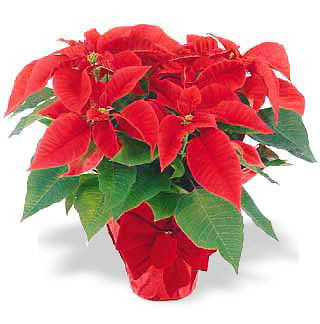 Poinsettia – The flowers and leaves can upset your pet’s stomach but it’s an urban myth that this Christmastime staple is deadly. You do not have to banish it from your home for fear of pet fatality. That said, try to keep it out of the reach of prying paws.
 – consuming a few leaves or berries causes mild gastritis. But store bought mistletoe often has plastic berries, and if large quantities of plastic are ingested, your vet may need to induce vomiting. If the plastic remains in the digestive tract, your pet may require surgery.
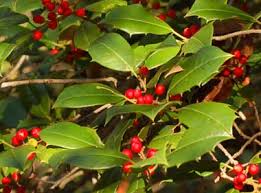 American Holly – This plant contains potentially toxic compounds that can cause gastrointestinal irritation. Make sure to keep it out of reach as well.
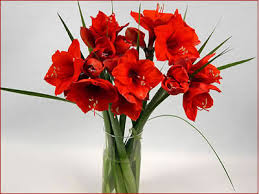 – All parts of this plant are toxic. Eating the flower or the stem can cause vomiting. But consuming the bulb is most harmful, resulting in hemorrhagic gastroenteritis and neurological issues.
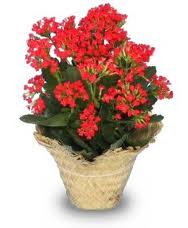 Kalanchoe – If ingested, this flowering succulent can lead to gastrointestinal issues. Place it up high so your pet cannot reach it, or in a room your pet cannot access.




 Girl Who Would be KING on Life, Style and INSPIRATION.
You must be logged in to post a comment.