Your sense of humor is one of the most powerful tools you have to make certain that your daily mood and emotional state support good health.
Laughter makes you feel good. And the good feeling that you get when you laugh remains with you even after the laughter subsides. Humor helps you keep a positive, optimistic outlook through difficult situations, disappointments, and loss.
Laughter is a powerful antidote to stress, pain, and conflict. Nothing works faster or more dependably to bring your mind and body back into balance than a good laugh. Humor lightens your burdens, inspires hopes, connects you to others, and keeps you grounded, focused, and alert.
With so much power to heal and renew, the ability to laugh easily and frequently is a tremendous resource for surmounting problems, enhancing your relationships, and supporting both physical and emotional health.
Laughter is good for your HEALTH:
Laughter relaxes the whole body. A good, hearty laugh relieves physical tension and stress, leaving your muscles relaxed for up to 45 minutes after.
Laughter boosts the immune system.Laughter decreases stress hormones and increases immune cells and infection-fighting antibodies, thus improving your resistance to disease.
Laughter triggers the release of endorphins, the body’s natural feel-good chemicals. Endorphins promote an overall sense of well-being and can even temporarily relieve pain.
Laughter protects the heart.Laughter improves the function of blood vessels and increases blood flow, which can help protect you against a heart attack and other cardiovascular problems.
Best of all, this priceless medicine is fun, free, and easy to use
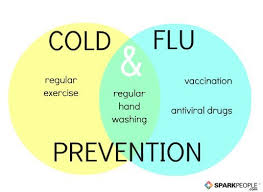
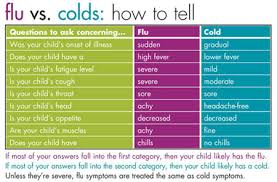
Springtime is a time you really don’t want to get sick – but let’s face it, no one wants to get sick any time of the year. You feel a tickle in your throat, then a headache coming on, start to sniffle or sneeze, and suddenly you feel really tired. You know you’re coming down with something – but is it a cold, or do you have the flu?
With both conditions your symptoms can include a sore throat, runny nose, headache, body aches, chills, fatigue and nausea. The main difference is that with the flu, you’ll have a temperature above 37.8C (a normal temperature is about 37C but can fluctuate from 36.1 to 37.2 depending on the time of day and physical activity).
Flu symptoms tend to come on suddenly, are more severe and are at their worst for the first three or four days; after that, it can take up to two weeks before you feel better. A cold can linger anywhere from a few days to a few weeks, although one week is typical.
Viruses are the culprits behind both of these illnesses. Did you know that there are more than 200 viruses that can cause cold-like symptons? In contrast, there are just two influenza viruses – A and B, which continually mutate, requiring the flu vaccine to be updated each year in order to protect against the latest strains.
Cold viruses are infectious up to two days before symptoms appear and remain infectious until they’re gone. Influenza, however, is infectious one day before it appears and remains so for up to six days after symptoms develop.
The possibility of science finding a cure for the common cold “just a catch-all phrase for the many different viruses that circulate” is unlikely. Researchers at MIT are working on a drug that kills cells that are infected by all types of viruses, including rhinoviruses (the most common for colds) and influenza, but it will be at least 10 years before it can even be tested on humans.
So, unless you have a pre-existing condition that requires medical attention, “once you get sick with a cold or the flu, you just have to get through it,” says pharmacist Valerie Kalyn, owner of a Shoppers Drug Mart in Calgary. Your best bet is to avoid getting sick in the first place. How easy is this?
A prevention strategy:
Wash your hands often with soap and water for at least 20 seconds at a time, says Marianne Trevorrow, a naturopathic doctor in Victoria and a director at the British Columbia Naturopathic Association. If soap and water aren’t available, a hand sanitizer with at least 60 percent alcohol is the next best thing. Supplementing with vitamin D may also help since a recent study found that people with low levels of D are the most likely to catch colds and flu. Get proper sleep, try to improve your stress levels (easier said than done), the old drink lots of fluids & chicken soup rule seems to hold true and if you must, take an over the counter remedy.
An old-school FIX for the Common Cold : even though over-the-counter decongestants and cough medicines help to relieve symptoms, they won’t speed recovery.
in raw formelderberry syrup
New-School REMEDY: Elderberry Extract. The purplish extract has been shown to be effective against ten strains of influenza virus, likely by increasing the production on chemical messengers that stimulate the immune system. When adults were given elderberry syrup or a placebo within the first 48 hours of feeling flu symptoms, those who took the elderberry (one tablespoon of the antivaral syrup four times a day) felt better on average four days sooner. Bonus: it tastes a little like blueberry candy.
Stress is here to stay so we need every tool we have to help our bodies deal with it.
The latest research uncovers some surprising new ways to see, sniff, hear, taste and touch your way to better sleep, reduced blood pressure, even lower stress – all backed by real science.
Here’s a sense-by-sense guide.
SMELL
essential oils
Aromatherapy aficionados have long touted Lavender’s relaxation benefits. It now has company in the feel-good department. A study published in Stress and Health reveals people who regularly breathe in peppermint essential oils are even less stressed (with lower cortisone levels) than those who use lavender. And don’t forget the uplifting scent of citrus. Japanese researchers discovered that inhaling the smell of lemon is an instant mood booster.
TASTE
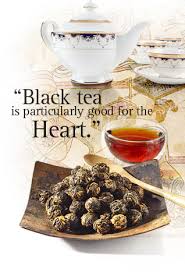
Ever found yourself at the bottom of a tub of Haagan-Dazs after an intense day? People eat chocolate and candy during times of stress. But if you’re going to indulge, do it mindfully. Of course there are foods that can help you to manage stress without the extra calories. Try combining complex carbs (fruits, veggies, whole grains), lean protein (beans, chicken, fish, eggs) and healthy fats (olive oil, grape-seed-oil, avocado, seeds and nuts) for snacks and meals to balance out blood sugar and stabilize energy levels. A new study from University College London, in the U.K. showed that a daily dose of black tea reduces stress hormones.
HEAR
Brain imaging shows certain music stimulates areas of the brain responsible for emotions. A U.K. sound therapist has used this information to develop the most relaxing music ever recorded (it even slowed listeners’ heart rates). Research at the University of Montreal stressed people out by making them do math in front of an audience. Then they were sent to a silent room while others got to listen to Enya. Only the music listeners didn’t experience a spike in cortisol levels.
SEE
Picasso and Plant
Environmental surroundings can definitely make a big difference to our stress levels. A lot of clutter in your home or office can represent chaos. But it’s not just about tidying up your room -hang a nice picture or paint the walls in your favourite color. Even looking at something as small as a potted plant can help lower stress. A study found out that workers became more productive, had lower blood pressure and felt more focused with a little flora. Another study tracked stress levels in London city workers before and after they went to an art gallery. After soaking up some Matisse and Picasso, the workers returned to their jobs and reported feeling less frazzled. Tests confirmed their cortisol levels dropped.
TOUCH
yes, I’m due for another of these.
There’s a good reason so many of us book time at the spa when our stress levels max out. The touch of massage has definite relaxation benefits. It also helps when we take a break and make time for ourselves as we tend to carry stress in our neck, shoulder and upper back. Even soothing textures can help – the feel of something soft on our skin (like a plush scarf) can have a calming effect.
Why eating certain power foods can help you avoid the disease-causing condition.
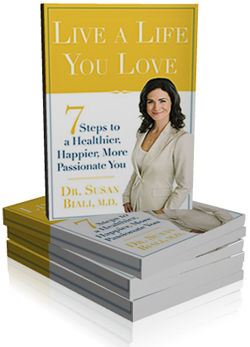
Susan Biali (a practicing GP, wellness expert and life coach) explains the connection between food and inflammation. She is also the author of Live a Life You Love: 7 steps to a Healthier, Happier, More Passionate You.
Biali first learned about this connection a decade ago when she visited a dermatologist about her acne condition at the time. This specialist was way ahead of his time: instead of prescribing medication, he asked her what she was eating. He explained that angry, red pimples are a manifestation of inflammation in the body, and that eating certain foods makes acne worse or better. When she took his advice and changed her diet, her skin changed dramatically. Of course, there are different causes for acne so food isn’t always the cure, but as a rule an anti-inflammatory diet should improve redness, inflammation and the overall look of your skin.
Sometimes chronic inflammation is obvious, as with a painful arthritic knee, but it’s typically much more subtle. Inflammation that contributes to heart disease happens at a microscopic level in your arteries. You’ll never notice it or feel it until the condition is severely advanced. The various triggers responsible for this can be stress related, depression, smoking and poor sleep.
You probably heard long ago that eating a Mediterranean-style diet reduces the risk of heart disease. What you might not know is that it’s also a textbook “anti-inflammatory diet” packed with whole foods and low in refined sugars, refined flours, trans fat and red meat – all of which are believed to lead to inflammation. Here are some of the power foods that reduce inflammation, protect you from disease and slow the aging process.
Fatty Fish – like mackerel, salmon, trout and sardines are powerfully anti-inflammatory. In addition to eating fish a couple times a week, taking a high-quality wild fish oil supplement daily is also recommended.
Fruit and Vegetables – deep red berries, broccoli, sweet potatoes, and red & orange peppers are potent anti-inflammatories.
Extra Virgin Olive Oil – this is one of the cornerstones of the Mediterranean diet. Use it in salads, in cooking and for dipping whole grain breads. Don’t go overboard, though; one Tbsp. has about 119 calories and 14 grams of fat! Yes, it’s a good fat,….but can still be fattening.
High-Fibre Whole Grains – refined white flours convert quickly into sugar in your blood, which is inflammatory. Fibre, in contrast, is anti-inflammatory and digests more slowly, avoiding damaging spikes in sugar. A test: if you can easily squish a piece of bread – crusts removed – into a pea size ball, it’s not high fibre. Look for four to six grams of fibre content on the label before buying a “whole-grain” product.
Tumeric – a superstar! It’s active ingredient (this was mentioned in my beauty post) curcumin, comes in supplement form and has been shown to be as potent for easing aches and pains as OTC painkillers such as ibuprofen. I love turmeric rich curries and keep a bottle of the spice in my cupboard.
The scientific support for whole foods just keeps growing. The better you eat, the better you’ll look and feel, and the more likely you’ll enjoy a healthy, inflammation-free life.
An excellent book on the subject:
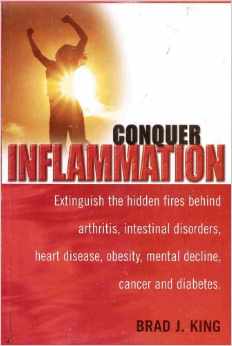
Conquer Inflammation will give you clear and concise details on exactly how inflammation is generated by your immune system or your fat cells and how it continuously creates havoc in your heart, your brain, your joints, your skin, and your soft tissues. This book will show you how you can end the inflammatory activity in your body without resorting to drugs that may have harmful side-effects. Lifestyle changes, nutritional strategies, and natural supplements can stop the inflammation process without causing more harm to your body. Available on Amazon.com
You can also try a product called “Leaf-Source”LeafSource mineral products are derived from a 100% natural, organic, prehistoric sea-bed deposit dated at about 120 million years old. Agricultural civilizations have long relied on sea beds as vital sources of fertilizer that enrich soils and provide the nutrients in our foods.
We now know that this intricate matrix of naturally occurring organic acids and alkalizing minerals can have a direct beneficial effect on the body ultimately helping the body run more efficiently. http://www.leafsource.com/
If you have other recommendations for fighting inflammation please pass them along.
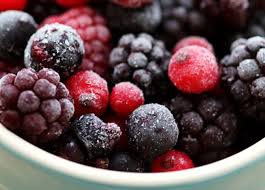
Even though it’s home to ice cream and many other convenience foods, don’t race past the frozen-food section thinking it’s filled with only unhealthy foods. Frozen fruit and vegetables are a great alternative to fresh. If they’re flash-frozen at their peak, they retain their nutrients. A neighbour picked fresh wild blueberries last summer and we quickly froze them at their peak and have used them regularly throughout the winter in smoothies & desserts like winter fruit crumble.
Wild caught frozen fish and shrimp are alright too if sodium levels are low and they haven’t been breaded.
As for frozen pizzas, yes, they are quick, but usually one sixth of this kind of pizza contains 40 percent of your daily sodium, and 20 percent of your fat! How many of us can eat just one sixth of this pizza? Instead, buy fresh or frozen whole-wheat crusts or dough, and add your own healthy toppings. That way, you control the amount of cheese and meats you use.
It’s hard to eat healthy all the time because people work and everyone has a different schedule. It is possible though if you go for lean meats, and buy organic or free-range if you can afford it. Boost the flavour of lean meats with rubs and marinades. “Free-range” means they have had room to move around, as opposed to factory animals kept in closed conditions. Organic means they haven’t been treated with antibiotics or hormones.
Carefully reading through labels in the frozen food section will help you choose what you need, and as long as you’re not eating from this section all the time, you should be just fine. A bit of frozen (like peas, for instance) is totally acceptable. Remember, balance is key.
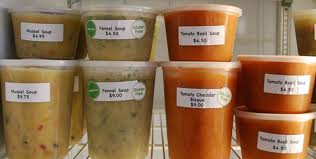
some frozen sauces & soups are very good
How many of us have succumbed to trying the new & improved selection of frozen pizzas? Guilty!
Getting older may not always be fun but it’s a part of life and you should make the most of whatever age you happen to be right now. Mistakes made in your 20’s can affect you later on but with a healthy lifestyle of exercise and eating correctly you can turn it around to become the BEST YOU possible – isn’t that what we all strive for?
Our nutritional needs change throughout the years; and depending at what stage of life we’re at, we may want to avoid certain food-related missteps and find out what foods we should be eating more of.
These tips come from dietitians (who specialize primarily in women’s health) on how to make the most of your diet for your specific age group. Of course you can take some of it with a grain of salt – but make it a tiny grain because no matter what age you’re at – too much salt intake is never a good idea.
In your 20s and 30s: work, partying a little (or a lot), thinking of having kids, or chasing after young children – all while trying to fit in a social life. Your energy needs are high, so protein should be a vital component to your diet. Make choices now to lay the foundation for your future health. Get lots of whole grain breads, quinoa and rice; they have been shown to slash the risk of heart disease later. It’s vital that you reach the highest bone density possible during this stage – which means consuming dairy, and other calcium sources. IDEAL FOODS: bananas for magnesiaum (also helps with PMS and to counter sugar cravings). Oranges for vitamin C and to help build collagen in the bones, cartilage, muscle and blood vessels, and helps with the absorption of iron. Spinach for folate, but if you don’t like spinach then any other leafy green vegetable. Fatty fish, Plain Yogurt (helps your body absorb Vitamin D), Protein and Whole Grains which provide stamina and help maintain stable blood sugar levels. MISTAKES TO AVOID: consuming too much caffeine, pop and alcohol (all of these diminish calcium). Not eating regularly throughout the day and cutting out necessary food groups (for example, not eating carbs in an effort to lose weight, or cutting out dairy).
my brain says right but my heart says left
In your 40’s: this is prime time for preventing health issues in later life. You’re probably busier than ever, but you may not be as physically active as you once were. Good-for-you fats found in high-quality mono and polyunsaturated oils (like olive and canola) are great choices. Try to eat more fish, and boost your grain and fibre intake. IDEAL FOODS: lemons for detoxifying, purifying effect on your skin and organs. You can toss slices into a glass of water or hot tea. Fish with the omega-3 fatty acids for helping your skin stay hydrated and they have an anit-inflammatory effect. Eggs which are high in protein and zinc which help the body absorb Vitamin A. Almonds are a “good” fat as they contain vitamin E and calcium. Apples as a source of fibre and protein. MISTAKES TO AVOID: eating too much (change portion sizes), not eating enough protein, eating too many takeout or convenience foods (high in fat & salt) and eating low-fat foods that are high in sugar (read the label and check the amount of sugar). You do need some fat in your diet (it keeps you looking younger) but the right kind.
In your 50’s: Iron becomes less of an issue once you stop having periods so it’s okay to eat protein sources other than red meat. However, you still need plenty of calcium to protect your bones, so load up on dairy and other souces of calcium. The onset of menopause brings a host of changes that can be mildly annoying (body shape, hot flashes, sleeplessness) to debilitating. Now is a good time to boost your intake of antioxidants in order to prevent common chronic conditions that can occur later (cardiovascular disease and the big “C”). Eating plenty of fibre and water are essential for healthy bowels. IDEAL FOODS: Soy contains high levels of phytoestrogens (helps to balance hormones) and tofu is a protein that has been shown to have a positive effect on bone density. Lentils (plant-based proteins) can help to regulate hormones. Fresh vegetables are high in natural fibre and will help prevent fat from being deposited around your stomach. Watermelon and other fruit with a high water content (like apples, grapes) keep up the natural hydration levels in your body. MISTAKES TO AVOID: eating too much as your metabolism slows down, eating mindlessly, drinking too much coffee or alcohol (they worsen sleep and any sleeplessness, anxiety or depression you may be experiencing. Too much spicy food can exacberate hot flashes.
In your 60’s and beyond: Unfortunate as it sounds, the older you are, the more likely you are to develop a chronic ailment like high blood pressure, diabetes, arthritis, etc. Low-salt, nutrient-rich foods are essential for your continued good health. Try to get more omega-3 and 6 such as nuts and seafood as these have been shown to combat memory loss, depression, cancer and Alzheimer’s disease. I know this all sounds pretty depressing but it’s in the numbers – you can help prevent a lot of the ailments or at least help postpone them. Eat yogurt regularly and maintain a high-fibre diet. IDEAL FOODS: blueberries are packed with antioxidants and great for circulation and for healthy brain function. Fatty fish, Macadamia nuts for preventing high cholesterol, Spinach is one of the highest sources of lutein (an antioxidant that can help stave off macular degeneration, a leading cause of visual impairment. MISTAKES TO AVOID: eating too much salt, not drinking enough water, not eating regularly enough (5 small meals throughout the day is better than 3 big meals), eating too much saturated and trans fat which make circulation sluggish and affect brain function. Nobody wants that at any age!
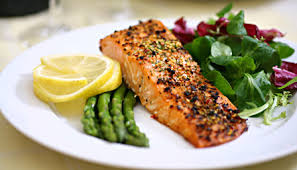
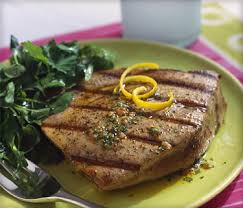
This is my idea of an ideal healthy meal – all in good taste.
And remember, exercise is important for all ages.
Also, while I’m at it:
*Don’t miss listening to “Transforming Health” with hostBrad King for the most evocative and informative up-to-the-minute interviews with leading health professionals – Live every Wednesday @ 12PM-PST/3PM-EST on VoiceAmerica.com – #1 internet radio station in North America. Here’s the link: http://www.voiceamerica.com/show/1686/transforming-health
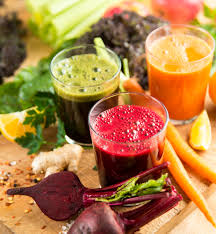
For ages I’ve been juicing. At first with a blender, then a George Foreman and finally a Vitamix. Then for no valid reason I took a break from juicing with the intention of getting back to it real soon. There’s something healthily satisfying about a morning routine of downing a concoction of fresh fruit and veggies. I’ve been told so many things over the years about the correct and incorrect way to juice properly to reap all the benefits. Someone told me years ago that I better drink up within the first 15 minutes otherwise all the vitamins will evaporate. Here’s answers to a few questions of late:
Does juice have to be consumed right away?
Answer: Stored in an airtight container, I’m now told that juice can be kept for up to three days. You can even make it the night before (although I prefer first thing in the morning) and have it for breakfast, or take it to work the next day.
What to do with all that pulp?
Answer: For every serving of juice, you get up to four cups of pulp. Right now I no longer worry about this as the Vitamix tends to process all of the pulp which is the main reason I bought it (also to make sorbets), so don’t just toss it – it may not look appealing, but it contains a lot of fibre and flavour. Try adding carrot, zucchini, beet or ginger pulp to muffins for a nutritious boost, or cucumber pulp to a veggie dip. You can even toss frozen pulp (I’ve frozen it in ice cube trays) into soups and stews.
Should you peel your produce first?
Answer: It’s best to leave peel on for most produce (especially organic) because that’s where a lot of the nutrients thrive. Did you know that the flavonoids found in apple peel can help with weight loss?
If you don’t have a juicer, will a blender suffice?
Answer: Blenders are great for making smoothies – not so much for making juice. A juicer is designed to extract and separate the liquid from the pulp of fruits and vegetables. A blender, on the other hand, will purée the entire mix.
What else should you incorporate with your juice?
Answer: How about fresh herbs? Toss immune-boosting garlic into a savoury veggie juice, or add basil or parsley for extra flavour. Or, fresh spices…a thumb-sized chunk of ginger root is a great way to add flavour while giving your immune system a quick pick-me-up. Fresh turmeric and cinnamon help with digestion. Chia Seeds – these omega-3-rich seeds don’t look like much dry, but when added to juice they absorb the liquid and become plump and full of flavour. Toss a couple of Tablespoons in for extra crunch.
AND:
**Don’t miss listening to “Transforming Health” with hostBradKing for the most evocative and informative up-to-the-minute interviews with leading health professionals – Live every Wednesday @ 12PM-PST/3PM-EST onVoiceAmerica.com – #1 internet radio station in North America. Here’s the link: http://www.voiceamerica.com/show/1686/transforming-health
We’ve all done it: overdosed on movie theater popcorn or pizza and woken up the next morning feeling bloated but what you don’t realize is that a sprinkling of pimples a few weeks later can be traced back to your onetime indiscretion.
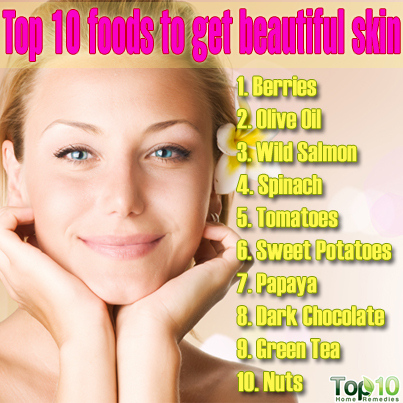
Now, armed with new research on the biochemical processes of digestion, scientists, clinicians, and dermatologists are revisiting the idea that a healthy diet is the key to a glowing, acne-free complexion. Save face by eating right. Here, experts tell us what foods to eat for a flawless visage.Be IN THE CLEAR:
Move over, MILK: the mix of growth hormones, proteins, and testosterone precursors like 5-alpha-androstanedione – the stuff that makes it an effective growth agent for babies – can tamper with adults’ hormone levels, which critics argue leads to acne and health problems like diabetes. The reason? Milk bumps up cell proliferation and sebum production, resulting in clogged pores. If you’re acne prone, Danby advises avoiding milk for at least six months, and trying unsweetened vitamin D – supplemented almond, rice, coconut, hemp or soy milks instead. I prefer a mix of almond & coconut with granola/ cereal.
Skip Starchy Carbs: Refined carbs increase insulin secretion, which is thought to promote acne by helping testosterone clog pores and ramp up oil gland secretion. An occasional croissant won’t hurt, but eat processed carbs daily and you’ll notice problems. So swap your lunchtime sandwich for a leafy green and lean protein.
Fill up on Fruit: Experts say that acne is a disease of post-industrial Westerners: In countries where natives eat just fruits, vegetables, nuts, and lean proteins, it hardly exists, thanks in part to the population’s low levels of free radicals and high concentrations of antioxidants. We’ve heard about the connection between free radicals and wrinkles, but a 2012 study published in the Journal of Drugs in Dermatology found that oxidative stress, or damaging cellular activity, in pores allows acne-causing bacteria to flourish. When cravings hit, try eating produce and drink green tea for its free-radical busting polyphenols.
Go with your Gut: Your skin and digestive tract are linked, says cardiologist and cleanse expert Dr. Alejandro Junger, author of the best-selling book Clean; your facial skin merges with your lips and mouth, which connect the esophagus, stomach, and intestines. “If you want beautiful skin,” says Junger, “you need a beautiful gut.” Take a probiotic daily to replenish healthy bacteria, like Lactobacillus acidophilus, or add natural sources, like tempeh, into your diet.
Get Fishy: The heart and brain health benefits of Omega-3 fatty acid DHA found in salmon, haddock, and sardines have gotten lots of attention. But according to a study published in the journal of Lipids in Health and Disease, another fatty acid, EPA, seems to inhibit pro-inflammatory compounds, like prostaglandins, which can act as a “starter gun” for acne. Aim for 6 ounces of fish a week, says naturopathic physician Dr. Alan Logan, co-author of Clear Skin Diet.
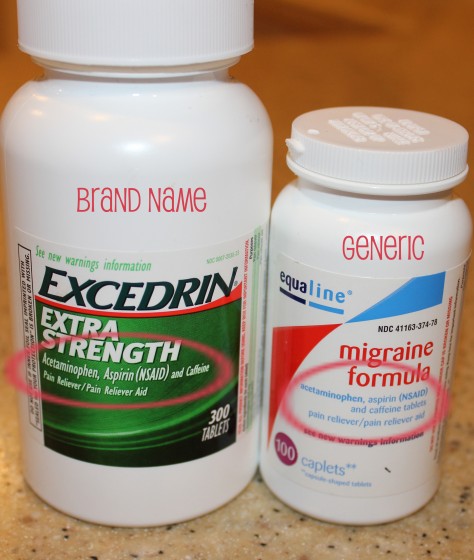
DO YOU EVER WONDER if a generic drug has the same effectiveness over a brand name when you’re trying to make a decision at the drugstore? The ingredients listed are exactly alike but the price difference is usually much less. If they’re both therapeutically equivalent, what gives?
In Canada, generic drugs must meet the same high standards and purity as brand name drugs. They are “bioequivalent,” a term that means that the same drug gets into the body and works the same way as the brand name drug. So, before a generic drug can be sold, its manufacturer must prove to Health Canada that it is as effective as the brand name. The generic manufacturer must also prove that the active ingredient dissolves at the same rate, is absorbed the same way, and is as pure as the brand name product. This has helped me when choosing allergy pills. I now buy a generic bottle that works equally as good as a well known brand with the same ingredients for considerably less money. Same goes for aspirin. Turns out that 40 to 60% of prescriptions in Canada are filled with a generic drug. Can you blame us?
A generic brand may look or taste slightly different from the brand name. While they have the same active ingredients, they may have different inactive ingredients such as flavours, colours, and fillers. Their manufacturers must prove that any differences in inactive ingredients don’t affect the product’s quality, safety or effectiveness.
Why does the generic drug have a different name:
Each drug has a specific active ingredient that makes it work. The active ingredient is referred to by the generic name. The generic name stays the same no matter which company makes the drug. The brand name is the name that a specific manufacturer gives to the product, and it can be used only by that manufacturer. When a brand name drug is no longer covered by patent protection, a generic manufacturer can make a generic alternative, but it can’t use the same brand name – it must choose a new brand name for its generic drug. This is the name that will appear on the generic label.
When filling your prescription, ask your pharmacist if there’s a generic alternative to your medication. You may find that you’re already receiving a generic drug and saving on the cost. Ask questions – this is one prescription for happiness.
If you’re feeling exhausted is it because of a low Iron count or something else? How can you be sure that you’re getting enough?
You might be surprised to learn that low iron is the most common nutritional deficiency in the U.S. Almost 10% of women are iron deficient, according to figures from the Centers for Disease Control and Prevention.
Let’s look at why iron is so important to your body, what can happen if you’re not getting enough of it, and when you need to take an iron supplement.
WHY DO YOU NEED IRON?
Iron is an essential mineral. “The major reason we need it is that it helps to transport oxygen throughout the body,” says Paul Thomas, EdD, RD, a scientific consultant to the National Institutes of Health, Office of Dietary Supplements.
Iron is an important component of hemoglobin, the substance in red blood cells that carries oxygen from your lungs to transport it throughout your body. Hemoglobin represents about two-thirds of the body’s iron. If you don’t have enough iron, your body can’t make enough healthy oxygen-carrying red blood cells. A lack of red blood cells is called iron deficiency anemia.
Without healthy red blood cells, your body can’t get enough oxygen. “If you’re not getting sufficient oxygen in the body, you’re going to become fatigued,” Thomas says. That exhaustion can affect everything from your brain function to your immune system’s ability to fight off infections. If you’re pregnant, severe iron deficiency may increase your baby’s risk of being born too early, or smaller than normal.
Iron has other important functions, too. “Iron is also necessary to maintain healthy cells, skin, hair, and nails,” says Elaine Chottiner, MD, clinical assistant professor and director of General Hematology Clinics at the University of Michigan Medical Center said in an email interview.
HOW DO YOU KNOW IF YOU’RE IRON DEFICIENT?
“People often don’t know they have anemia until they have signs or symptoms — they appear pale or ‘sallow,’ are fatigued, or have difficulty exercising,” Chottiner says.
If you’re low in iron, you may also:
Feel short of breath
Have a fast heartbeat
Have cold hands and feet
Crave strange substances such as dirt or clay
Have brittle and spoon shaped nails or hair loss
Sores at the corner of the mouth
A sore tongue
Severe iron deficiency can cause difficulty in swallowing
HOW MUCH IRON DO YOU NEED?
How much iron you need each day depends on your age, gender, and overall health.
Infants and toddlers need more iron than adults, in general, because their bodies are growing so quickly. In childhood, boys and girls need the same amount of iron — 10 milligrams daily from ages 4 to 8, and 8 mg daily from ages 9 to 13.
Starting at adolescence, a woman’s daily iron needs increase. Women need more iron because they lose blood each month during their period. That’s why women from ages 19 to 50 need to get 18 mg of iron each day, while men the same age can get away with just 8 mg.
After menopause, a woman’s iron needs drop as her menstrual cycle ends. After a woman begins menopause, both men and women need the same amount of iron — 8 mg each day.
DO YOU NEED TO TAKE AN IRON SUPPLEMENT?
If your iron is low, eating a diet that is high in iron-rich foods such as fortified cereals, red meat, dried fruit, and beans may not be enough to give you what you need. Your doctor might recommend that you take an iron supplement.
Prenatal vitamins usually include iron, but not all prenatal vitamins contain the recommended amount. Check with your doctor before taking any supplement.
While you are taking iron supplements, your doctor should test your blood to see if your iron levels have improved.
CAN IRON SUPPLEMENTS CAUSE SIDE EFFECTS?
Iron supplements can cause side effects, usually stomach upset. Adding extra fiber to your diet can help relieve this symptom. Starting with a low dose of iron and then gradually increasing the dose to the daily recommended amount may help minimize side effects. If your iron supplements are bothering your stomach, your doctor can adjust the dose or form of iron you use. You can also try taking the supplements with food.
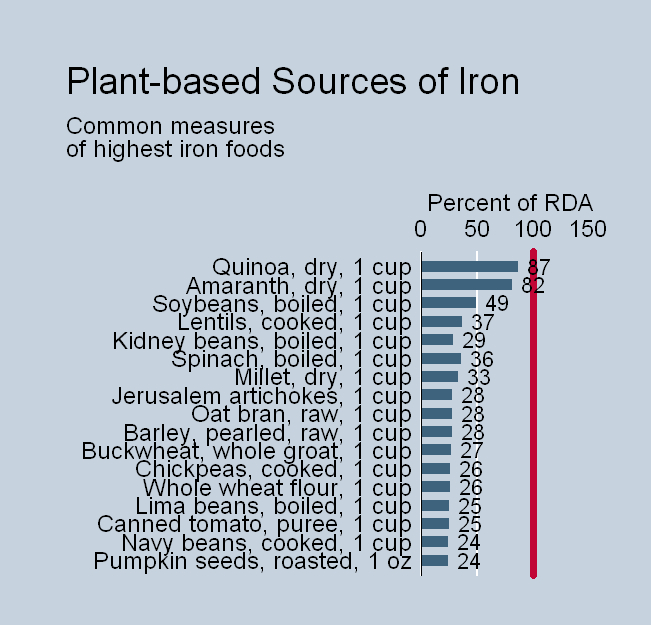
Getting more iron from you food– pair up foods rich in vitamin C (like broccoli) with souces of iron (chicken stir-fry for example) to boost the iron your body is able to absorb.
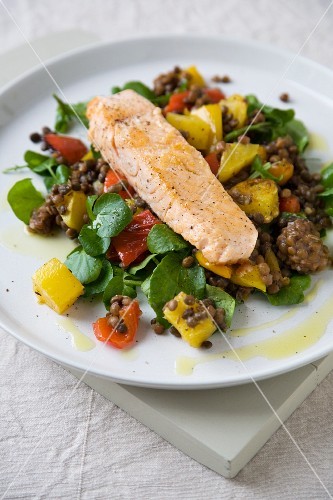
My preference is salmon with quinoa & veggies.Liver is a great source but I can’t stomach it anymore. My mom used to force us to eat it as kids.
How many of you take supplements?
Taken from WebMD.com
**Don’t miss listening to “Transforming Health” with host Brad King for the most evocative and informative up-to-the-minute interviews with leading health professionals – Live every Wednesday @ 12PM-PST/3PM-EST on VoiceAmerica.com – #1 internet radio station in North America.




















 Girl Who Would be KING on Life, Style and INSPIRATION.
You must be logged in to post a comment.