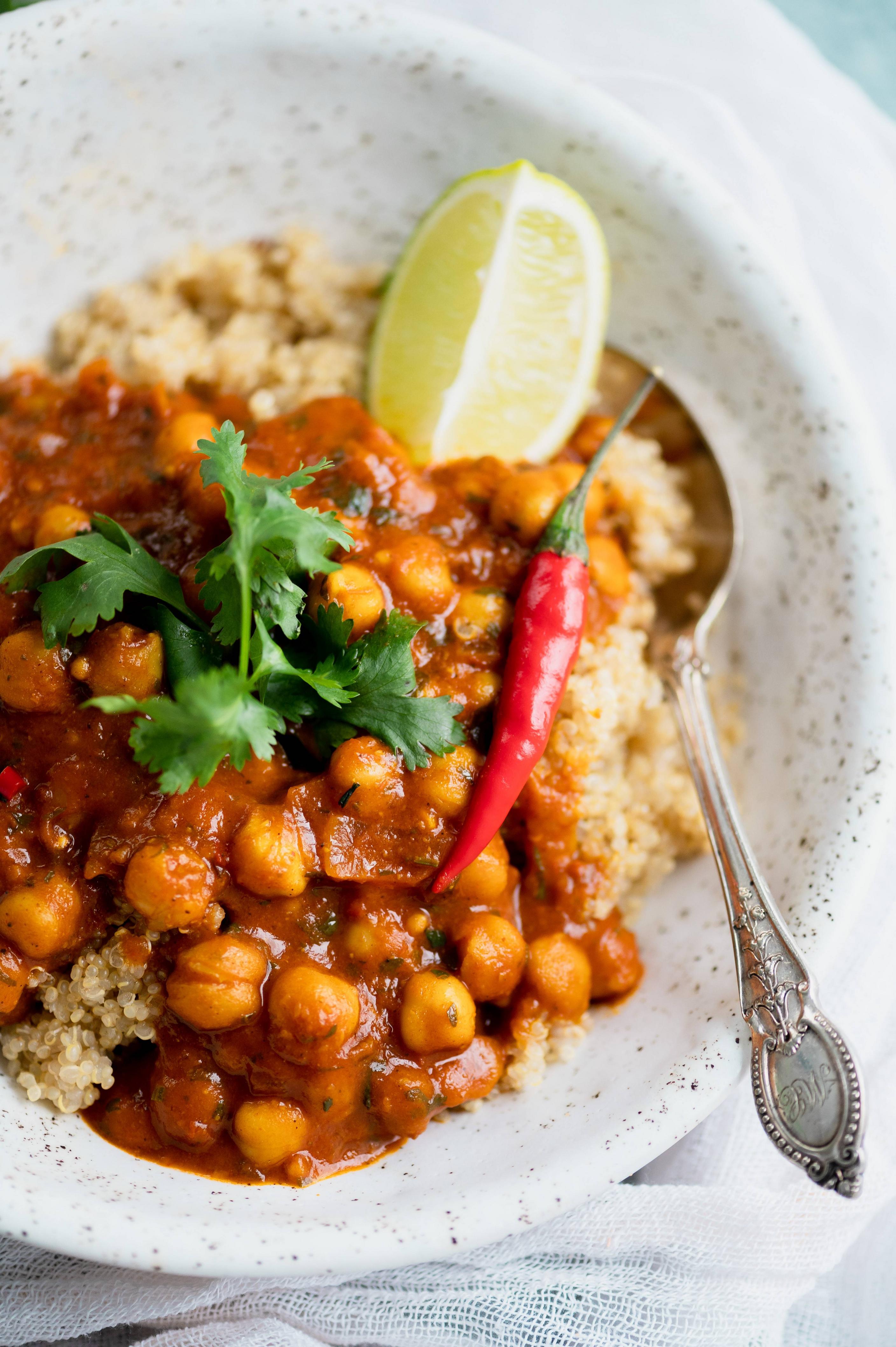
After going to the Planted Expo event here in Vancouver over the weekend I thought it would be a good idea to post my favourite vegetarian recipe.
This is a hand me down family recipe from a woman in India given to a friend of a friend and finally handed down to me. You won’t find this in any Indian Restaurant because it takes too long to cook. I like to keep things fairly simple these days but the extra effort is well worth the end result.
It takes some time to prepare it all, but once everything is in the pot you’ll find it most flavourful. Not only is it super delicious but it’s healthy too. A win-win for those who love Indian curry.
Follow these steps:
Soak 3 cups of organic dried chickpeas in water overnight (some of the water will absorb – the rest you use in the recipe). Put some fresh peeled ginger in with the water for flavour.
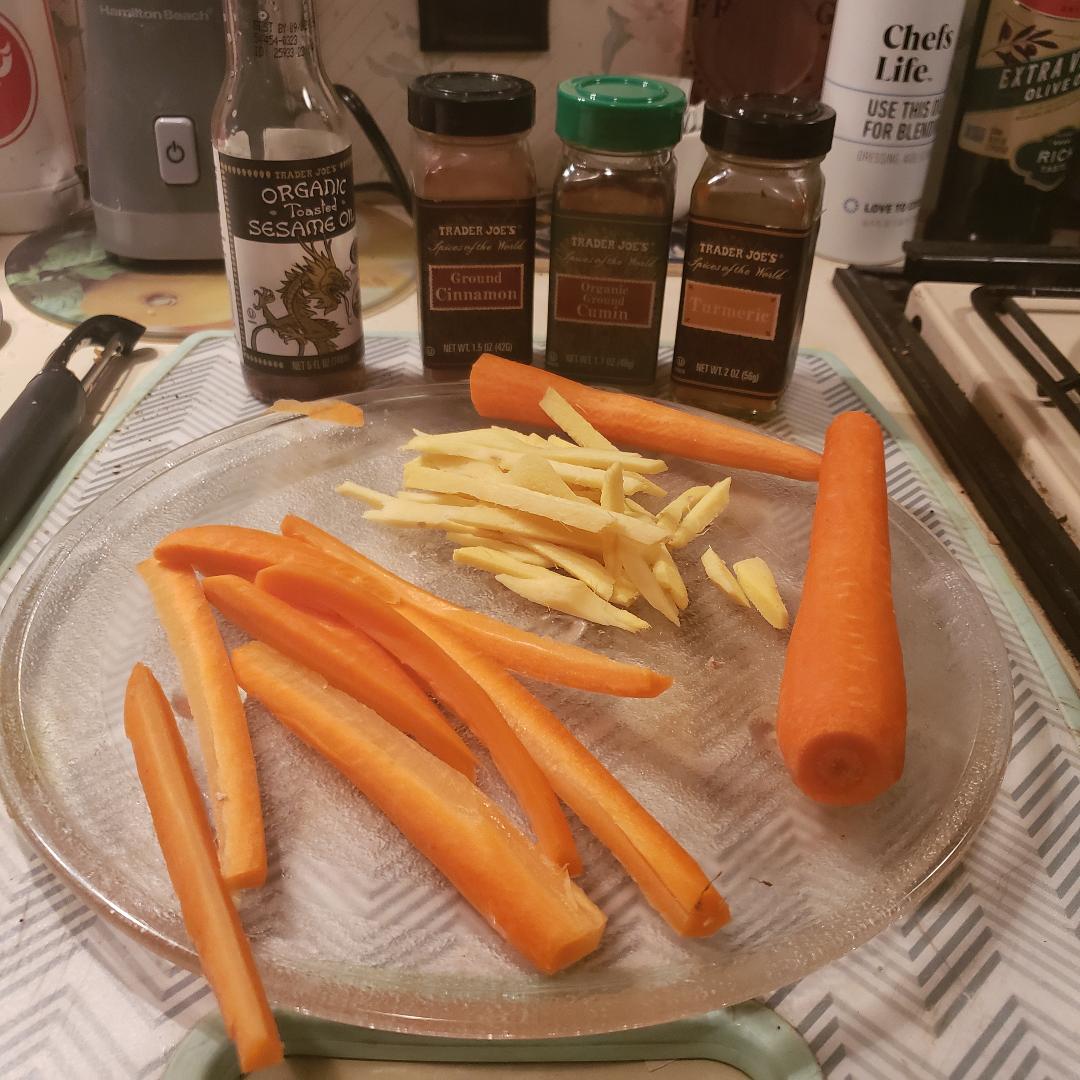
Preparing the sliced ginger and carrots (thin + lengthwise)
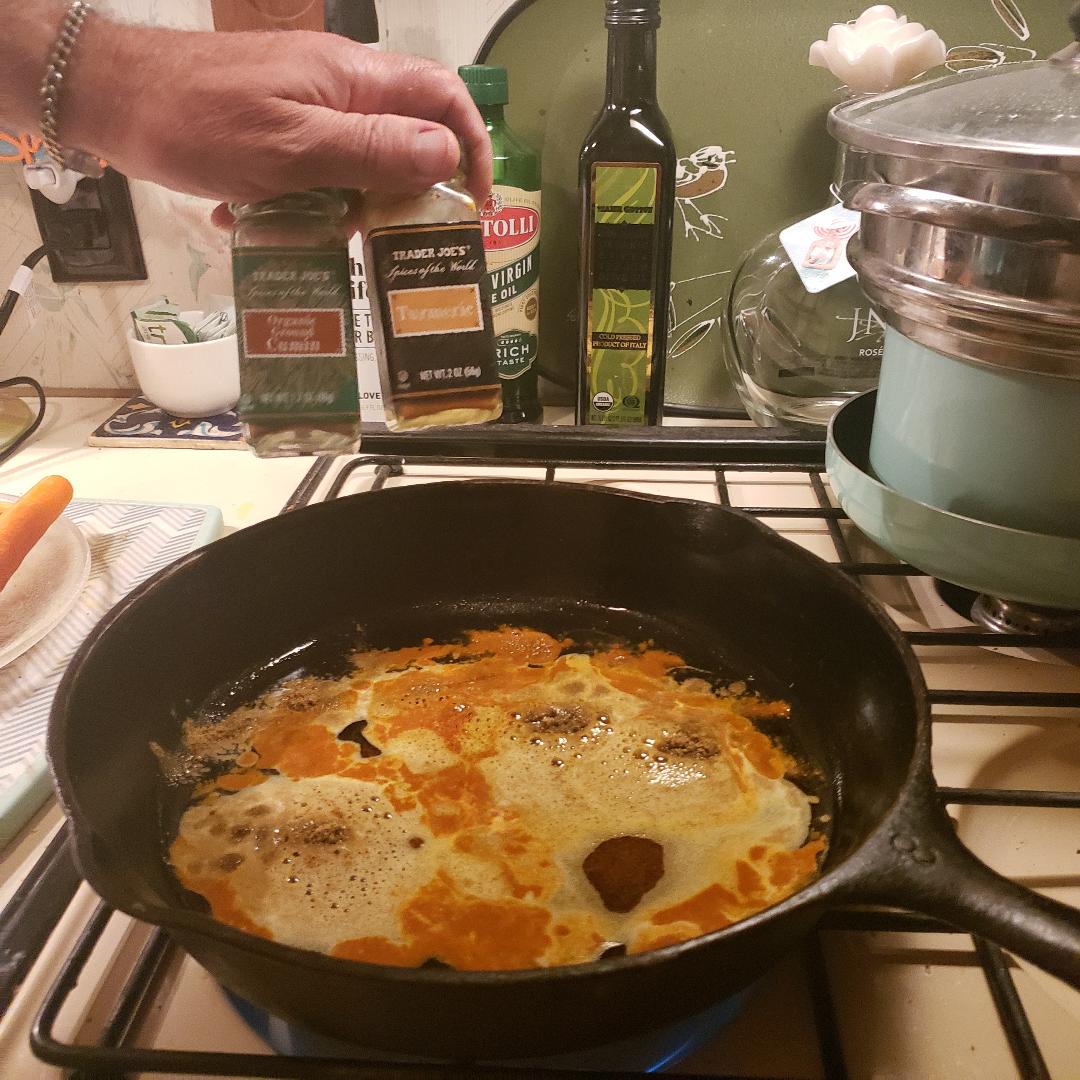
Two carrots, one mesh packet of ginger, 4 Tbsp of toasted sesame oil, for spices use 1 ½ teaspoons each of dried turmeric + ground cumin.
Sprinkling of cinnamon.
Squeeze 4 organic lemons (including pulp)
You can add fresh green chillies if you wish (fry them with the ginger).
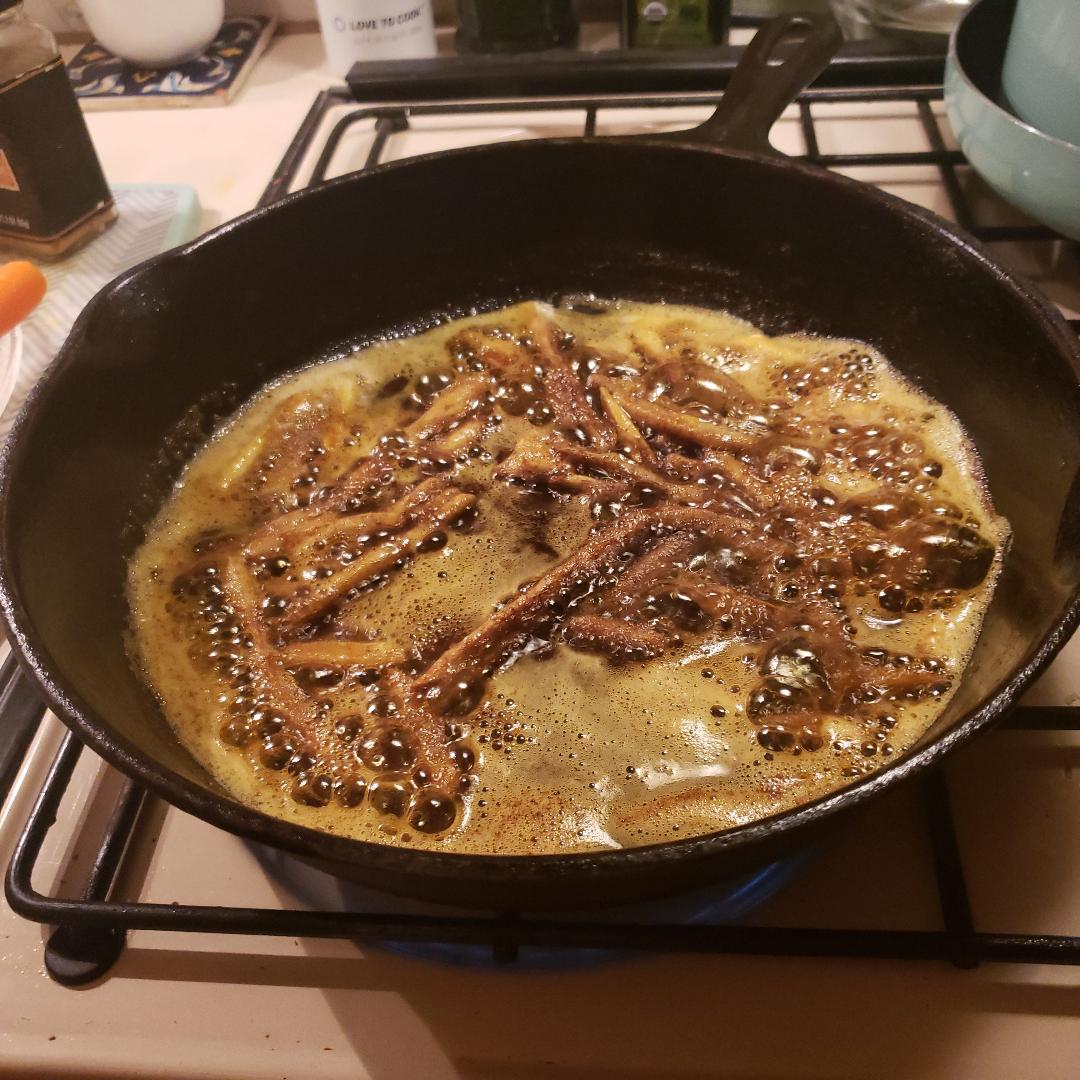
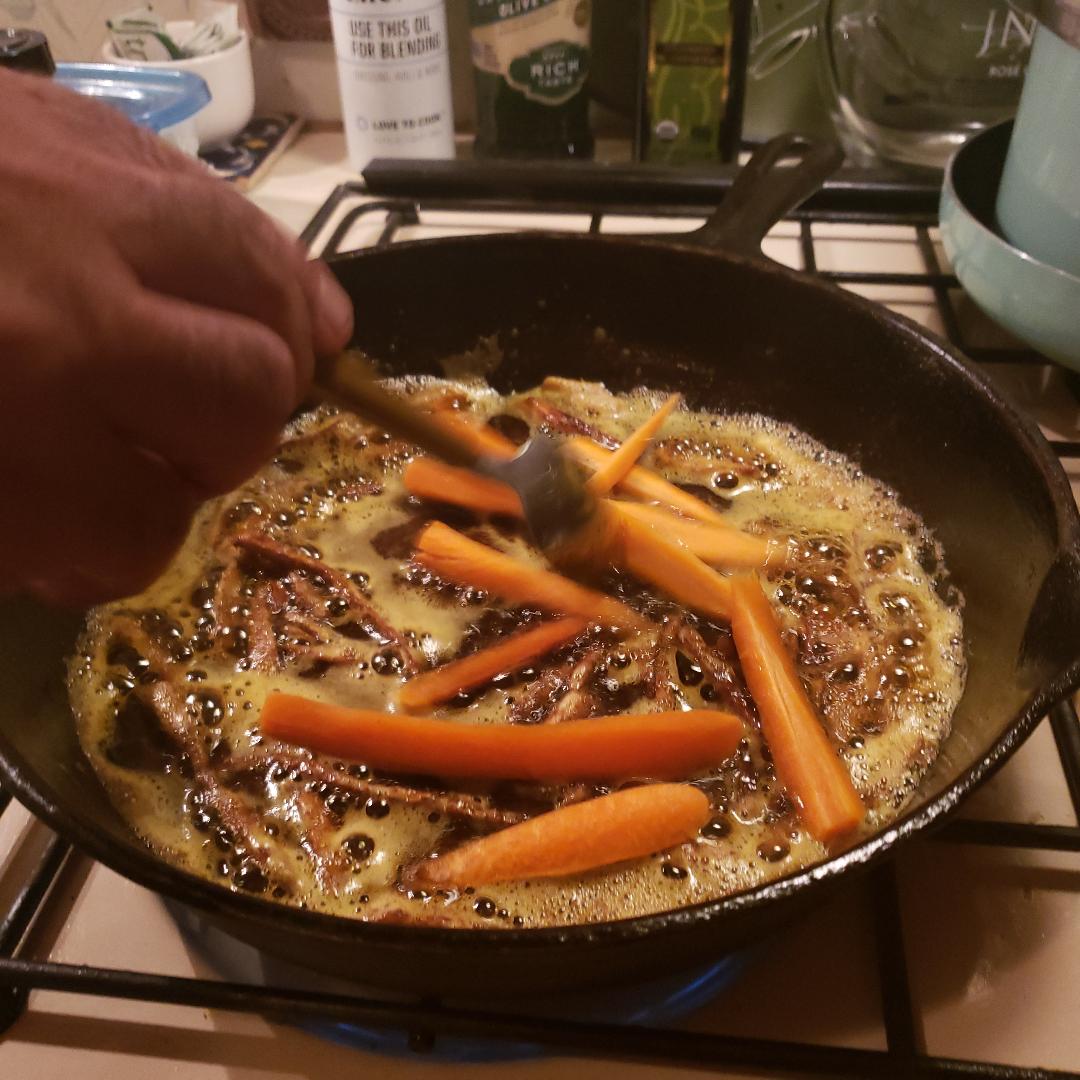
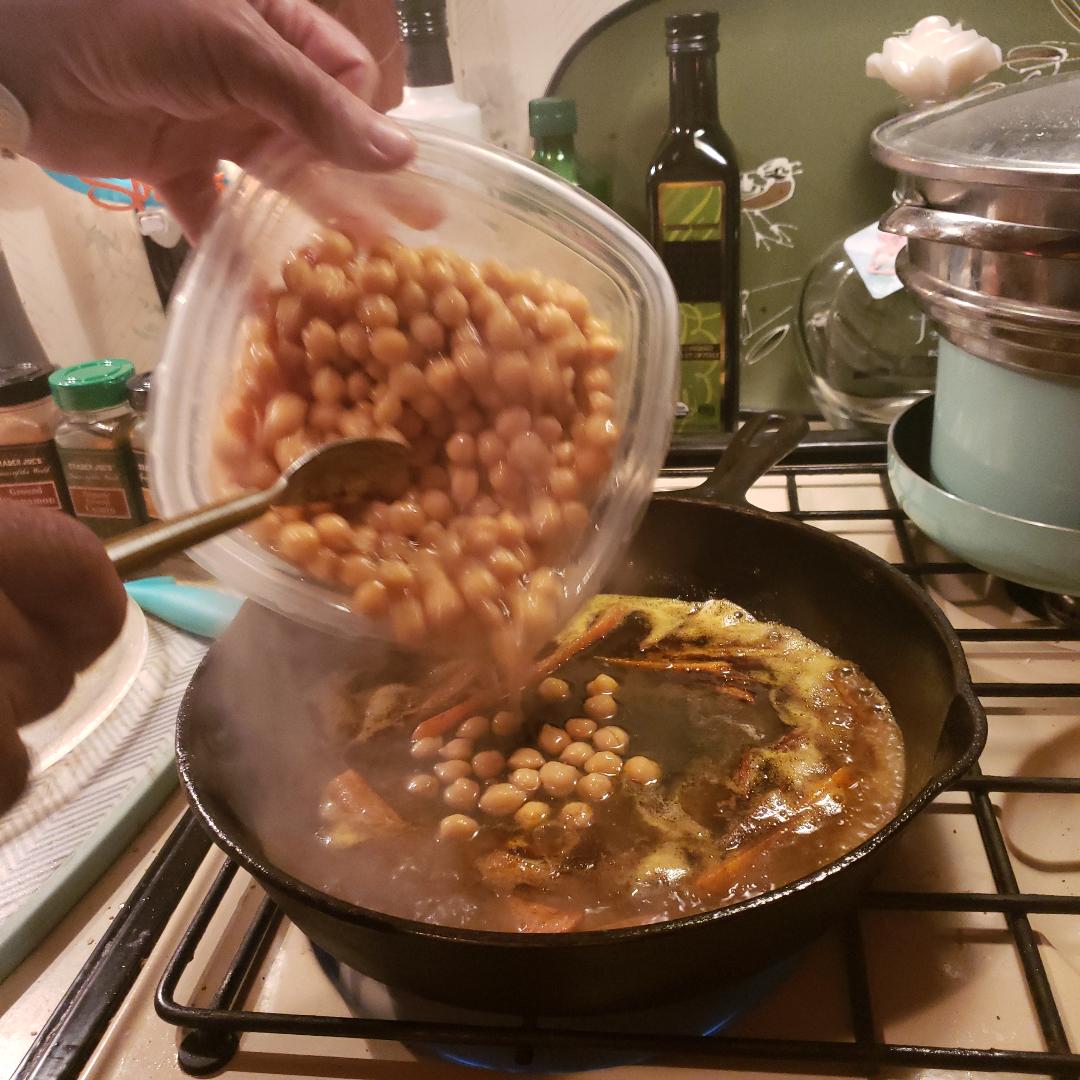
Get the oil hot then fry the spices in the oil first for a few minutes then fry the sliced ginger strips until they get a bit crispy – about 5 minutes. Then add half of the sliced carrots. Cook a few minutes more, then add the chickpeas with soak water.
ginger strips in oil
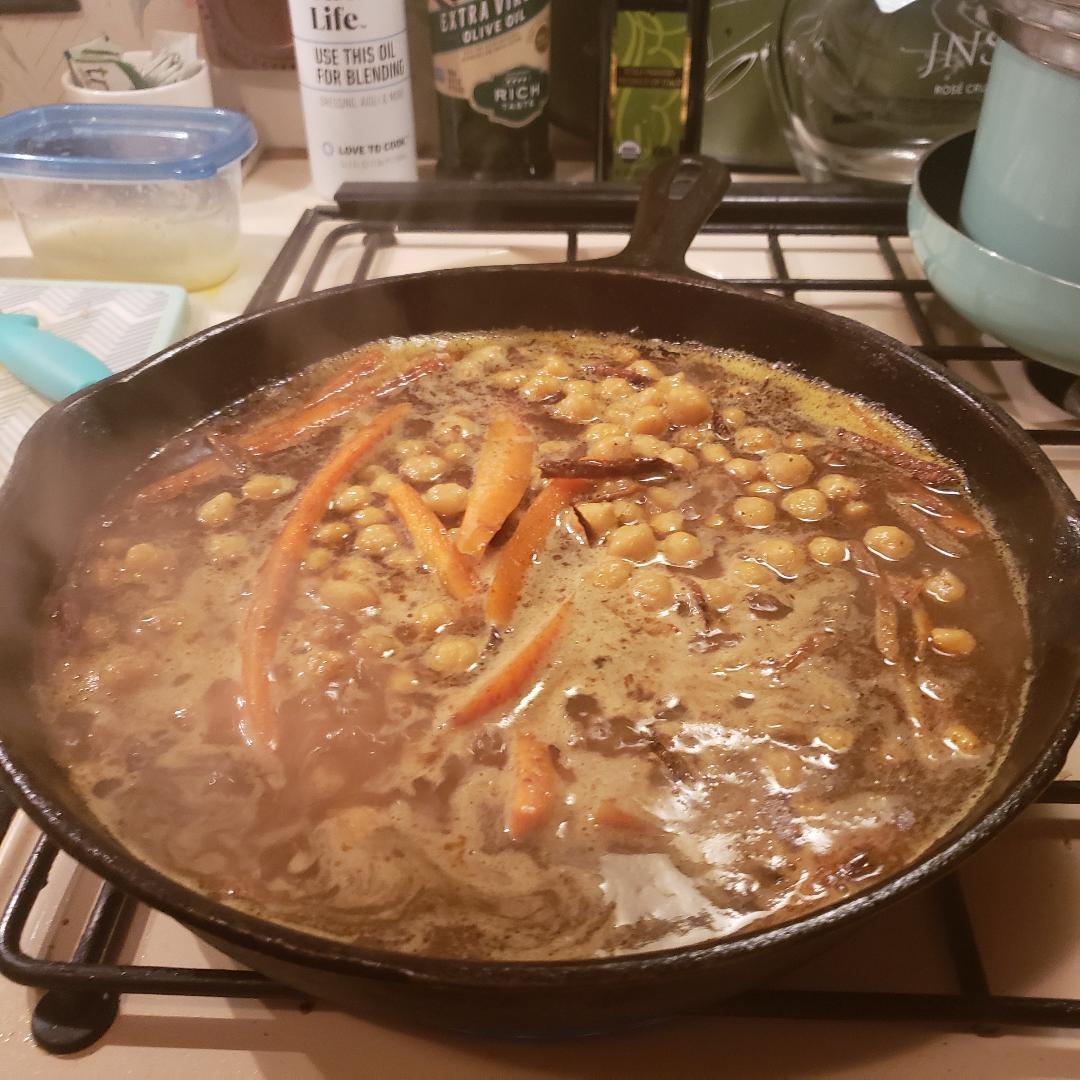
Cook over a boiling consistency for at least half an hour. The water has to reduce. When the water boils down you add the rest of the carrots until they’re cooked. You have to watch the dish so that the water doesn’t boil down too much so that you’re left with a nice tangy gravy.
When the chickpea curry is thickened but not boiled down all the way you can add the lemon juice. You put it in last because the lemon juice should not over cook. It’s to add flavour.
The end result should have a gravy like consistency.
Serve in bowls and add a sprinkling of pink Himalayan salt. Leftovers (if there’s any left) are always yummy.
Cooking Photos: d. king
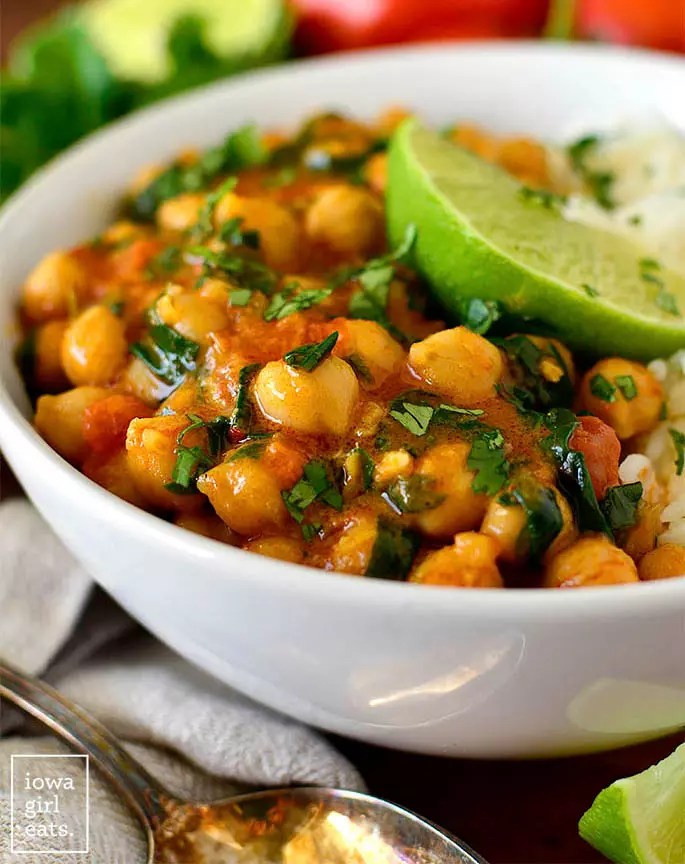
Add garnish if you like. Serve with rice if you want but it’s a satisfying dish on its own.
Isn’t it nice when a new month begins on Monday? Like another new beginning and a fresh start to the week and month ahead.
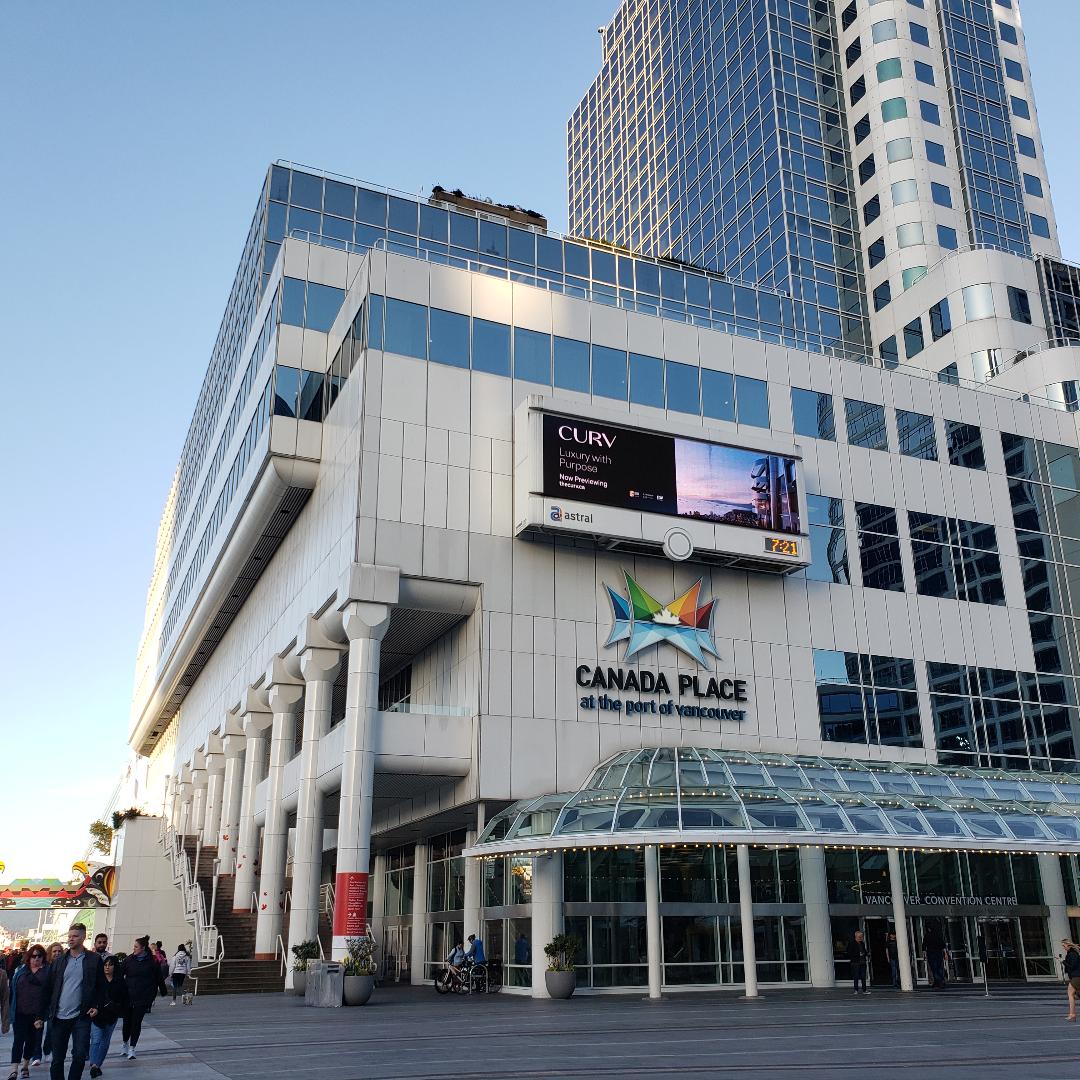
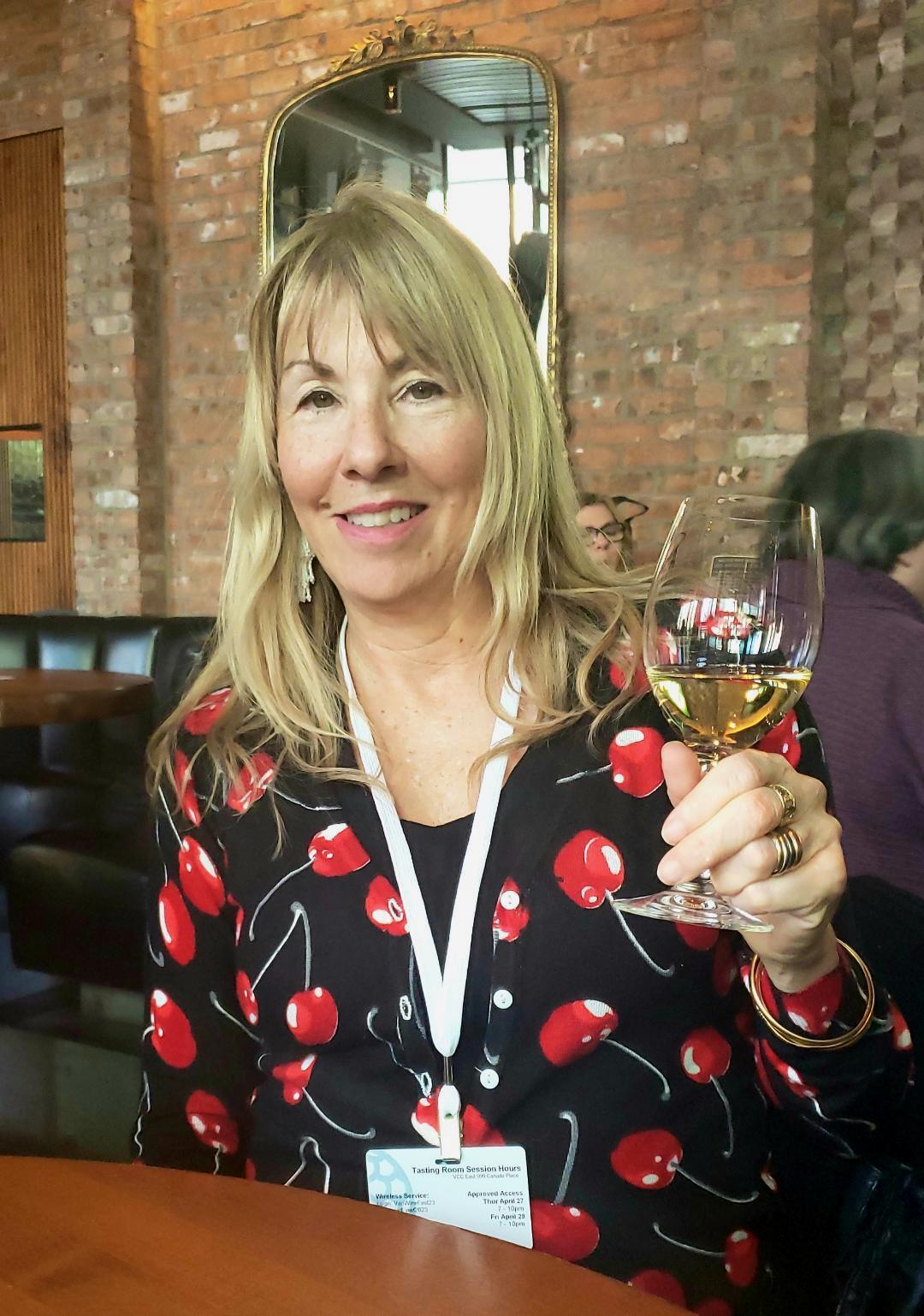
Speaking of fresh starts, I’m happy to be back in Vancouver again. This is the time when the weather starts to warm up. Well maybe not right now; but soon. Also, the timing is perfect because the Vancouver International Wine Festival (VIWF) is always around the time I return back from Palm Springs I’m sure they plan it that way and it’s all very interesting, educational and cheerful to say the least. Such a nice location too – Canada Place at the Port of Vancouver; Convention Centre
Aside from the International wine tasting itself and an exceptional wine pairing dinner to celebrate wines from Uruguay (the festival focus this year was on South American wines), this is the first time during VIWF that I attended two master classes to do with wine making. The first was called “Defining the Root of BC Terroir” and the second was “California Wines: An Era in the Making.” Very fitting since I spend my time divided between BC and California and enjoy wines from both places when in each location.
These classes were very educational because no matter how much you enjoy drinking the wines from the Province of British Columbia and the State of California, both areas are very different in the way they make wine because of factors like weather, location and what kinds of grapes are best to grow in each unique location. Congratulations to anyone becoming an actual sommelier. There’s just so much information to take in on every level if you’re so inclined.
The wineries in discussion are focusing on exceptional quality over quantity rather than mass produced wines.
Defining the Root of BC Terroir – a bit about the class
Being grounded is where it all begins. This masterclass featured 11 British Columbia wines from across the province. The professional panelists took a deep dive into the unique growing conditions of each wine growing region’s distinct terroir. The discussion touched on what BC winegrowers are doing in the face of climate change to continue making exciting quality wines with a sense of place; from terroir that cannot be found anywhere else in the world. The class was sponsored by Wines of BC. Our panelists were the individual wine makers and our moderators were Maude Renaud-Brisson (Apéro Mode) and Christina Hartigan (Wine Director at AnnaLena. AnnaLena Court of Master Sommeliers.)
Featured wines for tasting and analysis were:
Unsworth Vineyards (Cowichan Valley; Vancouver Island): Charme de L’ile Rosé NV
Bench (Naramata, Okanagan) 1775 Viognier 2021
Nk’Mip Cellars (Osoyoos) Pinot Blanc 2021
Ex Nihilo Vineyards (Okanagan Valley) Pinot Noir 2020
Chronos (Okanagan Valley) Cabernet Franc 2020
OsoyoosLarose (Osoyoos) Grand Vin 2012
Lake Breeze (Naramata) Reisling 2018
Moraine Estate Winery (Penticton) Syrah 2020
Laughing Stock Vineyards (Naramata) Syrah 2020
Corcelettes Estate Winery (Keremeos) Syrah 2020
Cedar Creek Estate Winery (Kelowna) Platinum Jagged Rock Syrah 2020
As you can see, we sampled three different syrahs from the exact same year but in different locations to taste the distinction between the three. In another post I’ll talk more about this.
California Wines: An Era in the Making
California’s unique geology, soil and climate combine to create multi faceted and expressive wines. Leading educator Elaine Chukan Brown unearthed secrets behind the region’s complex and distinctive wines. Sharing how California’s wine industry is committed to creating a sustainable future. She spoke about the science behind the soil, climate and geology. Some vines have a harder time searching for water; unlike BC. Fascinating! We tasted what makes California wines unique. As much as I favour Cali Chardonnay, there were none for the tasting. It is well known that California produces award winning chards but they preferred to focus on the lesser known Cali Sauvignon Blancs for our tasting. Which was a good thing because I’m familiar mostly with Sauvignon Blancs from New Zealand and these were right up there. In the couple hours we were there I scribbled down so much information that I’ll have to share some of it in another post down the road. Sponsored by California Wines. Featured wines:
RAENPinot Noir, Sonoma Coast 2019
*WALTPinot Noir, Gap’s Crown 2018
Gloria Ferrer Blanc de Blancs NV
Spottswoode(Napa) Sauvignon Blanc 2021
**Ridge VineyardsGeyserville Zinfindel 2019
Dry Creek Vineyard (Sonoma) Dry Creek Valley Sauvignon Blanc 2020
Black Stallion EstateWinery Limited Release Zinfindel, Napa 2019
***Robert Mondavi Winery to Kalon Reserve Cabernet Sauvignon 2019
*Gap’s Crown Vineyard is located in the heart of the Petaluma Wind Gap area of the Sonoma Coast Appellation. Gentle slopes, heavy fog, and rocky soils produce these exquisite wines of great depth and richness.
**Geyserville is home to the oldest vines farmed in California. The “Old Patch” section of the vineyard contains vines that are more than 130 years of age.
***Between Highway 29 and the western hills of Oakville, in the heart of Napa Valley, there is a vineyard called To-Kalon, “the place of highest beauty.” Two roadside signs signal arrival, but like all mythic places its exact shape is hard to define. FYI – Mondavi is leading the way with farming electric – already they have six Monarch Tractors.
In closing; I have to say that tasting the wine and loving wine in general is only part of the whole experience. As you can see from the notes above, no two wines are alike. I’m very fortunate to have been all over beautiful British Columbia stopping at wineries along the way in and around the Okanagan Valley, Lake Country, Osoyoos, Vancouver Island and Fraser Valley. Same for California: Napa, Sonoma & Sonoma County, Lodi, Paso Robles, Temecula and Santa Barbara. It’s all very breathtaking. And yes; I’ve sampled plenty.
I highly recommend taking master classes during any wine festival if they’re offering them. It was extremely educational and you get to sample a handful of outstanding wines.
Cheers!
One of the best wine festivals in the world is right here in Vancouver.
At the Vancouver International Wine Festival2023 – a world of wine awaits us, with a focus on South America.
It started with a launch at Joey’s and it’s not over yet. A few master classes, the festival tasting itself and about last night…
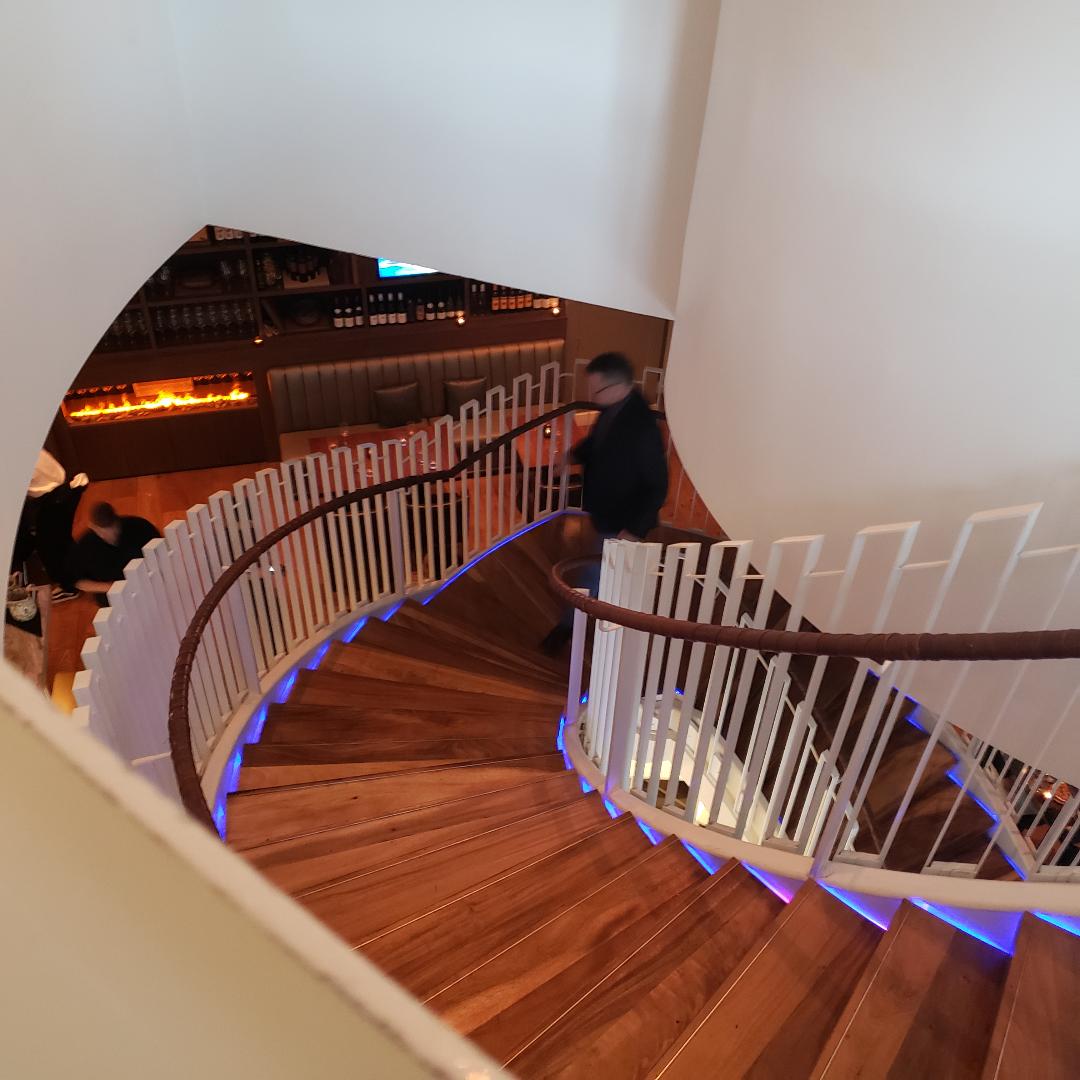
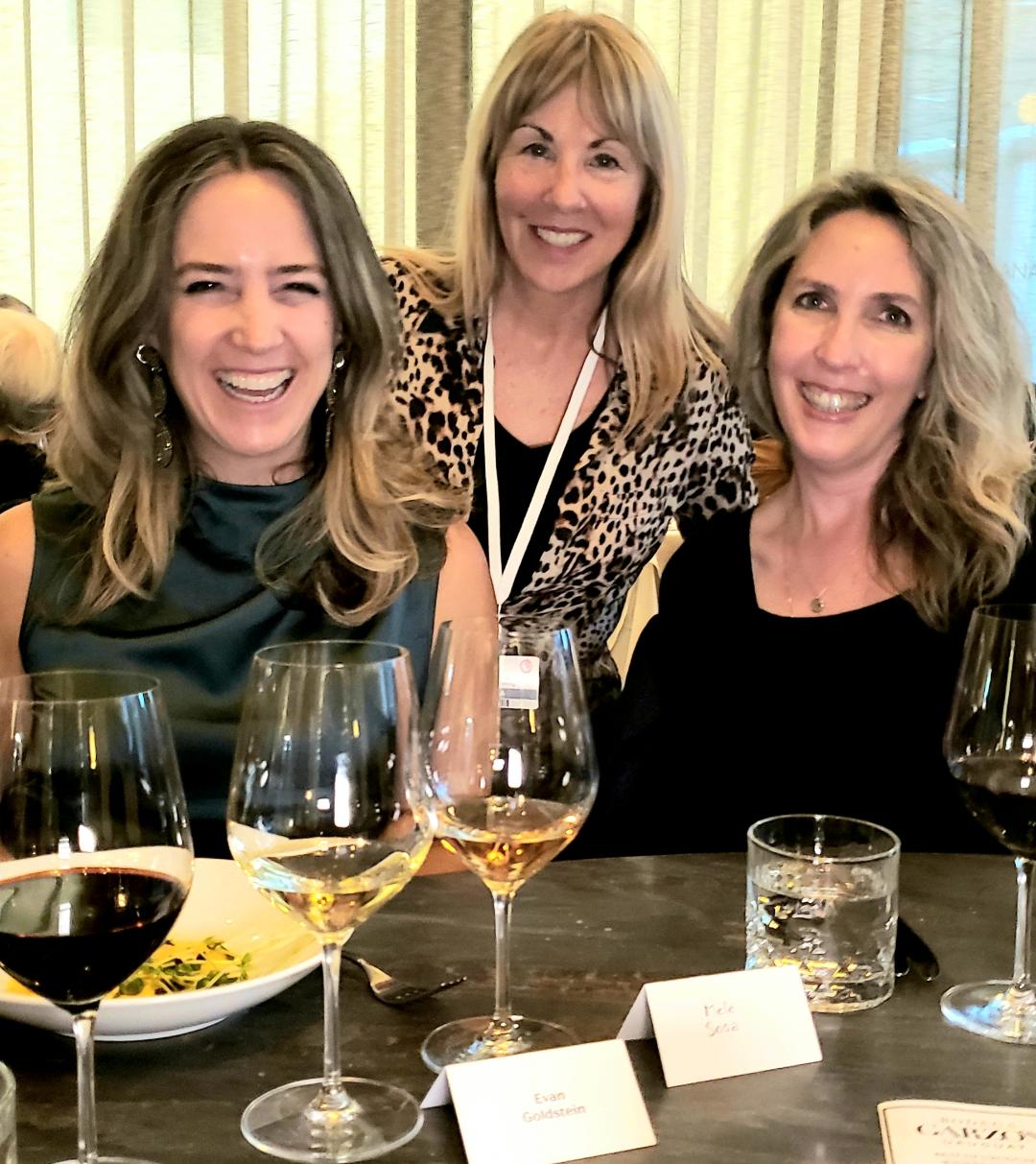
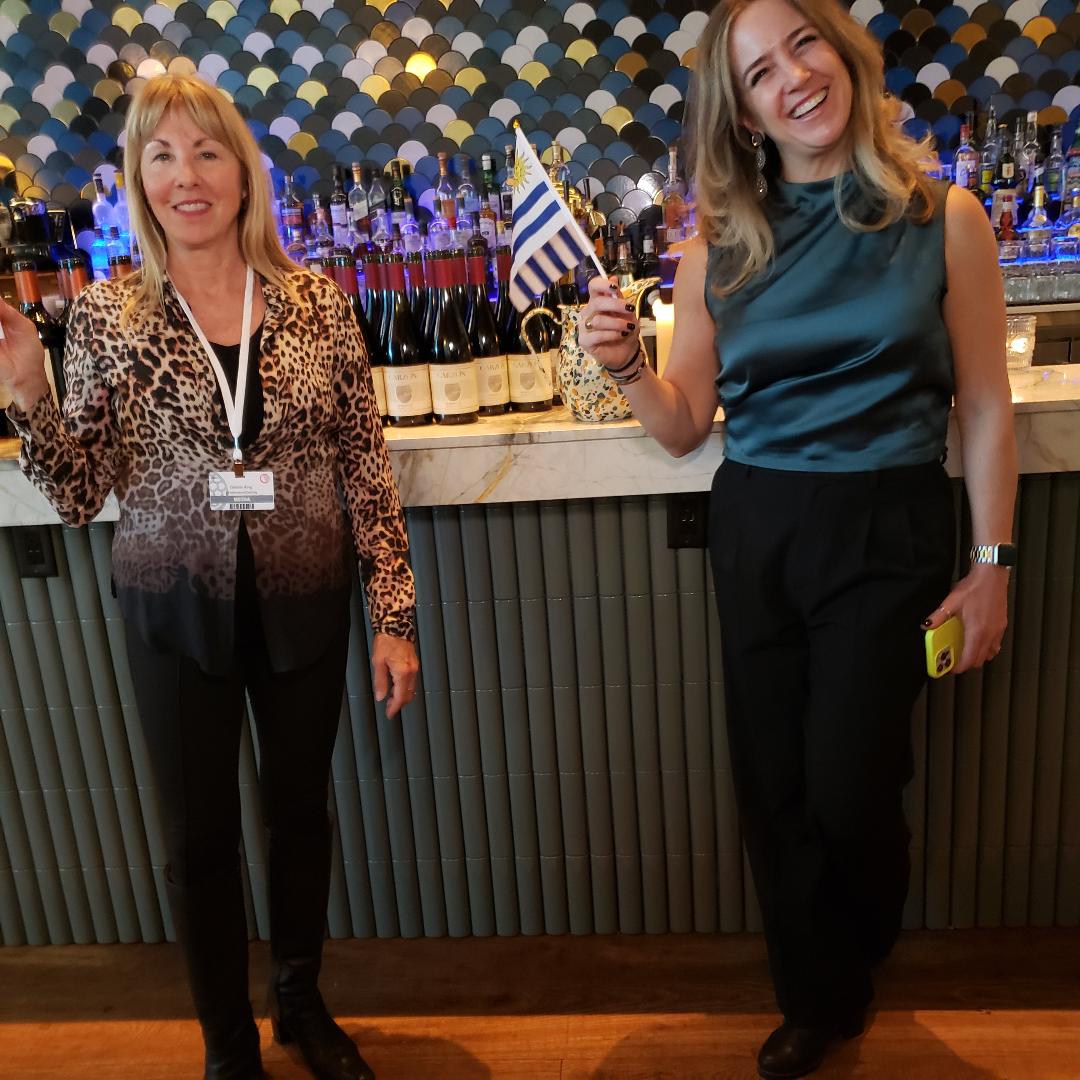
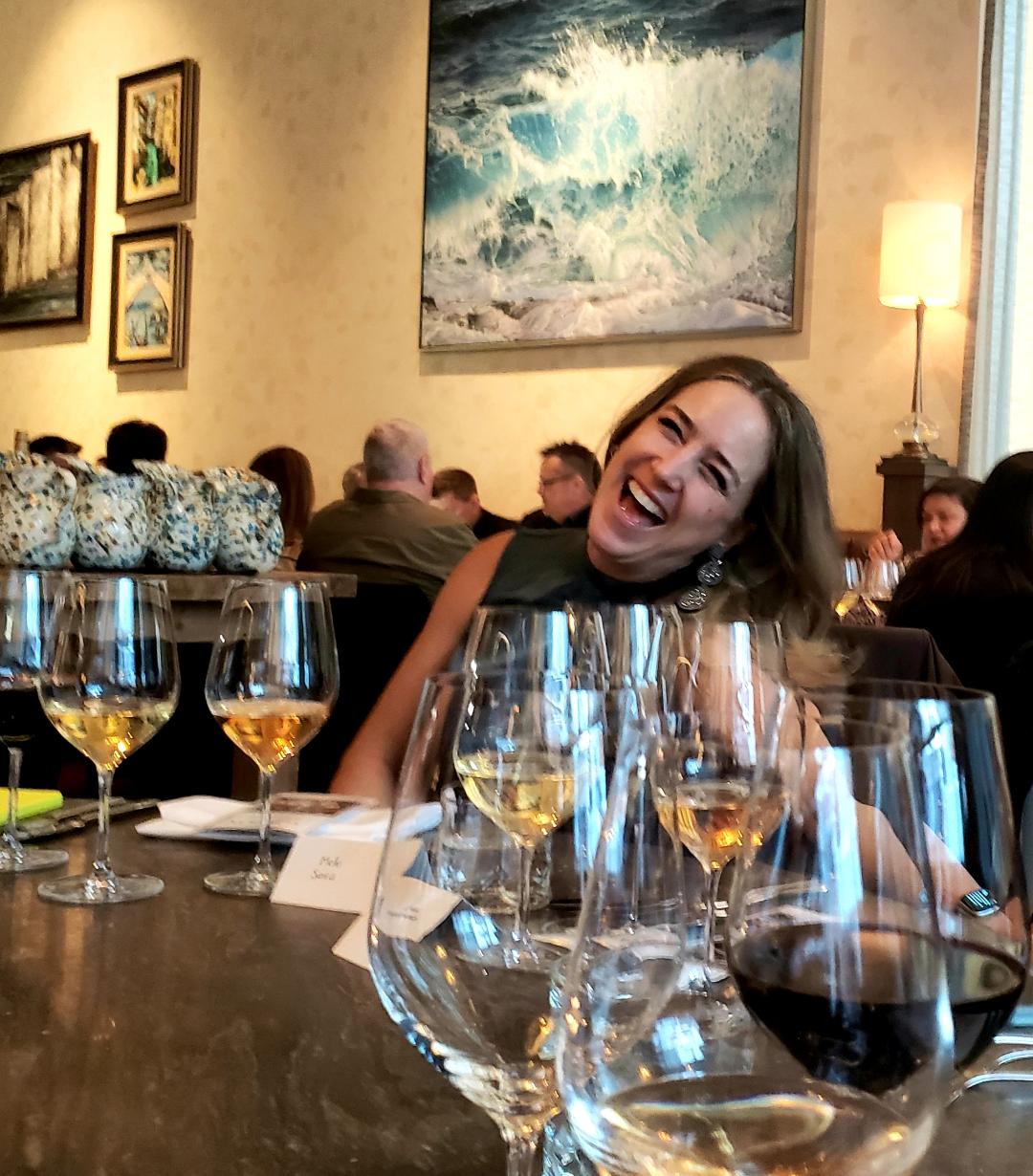
Up the winding staircase a surprise awaits usEnologist Mele (l) and Sommelier Jen (r) at Hydra, Vancouver.
If you’re a food/wine lover nothing can beat a wine pairing dinner.
And if you’re the adventurous type, you’ll travel to the ends of the earth to discover a unique wine in a unique location. That’s what we did last night – me and my new friends sitting around a round table at Hydra EstiatorioMediterranean restaurant downtown Vancouver. And what a magnificent restaurant (more on this later).
Mele & Craig (a wine writer/critic/judge)
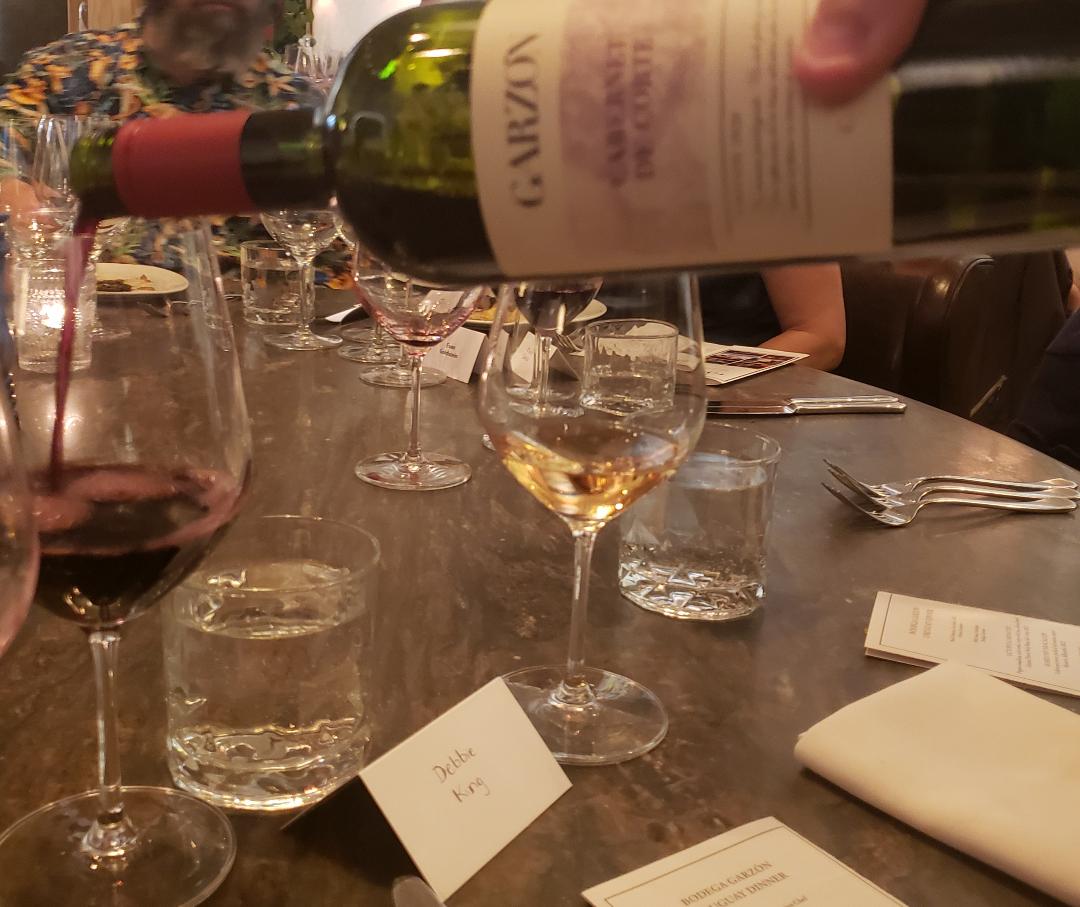
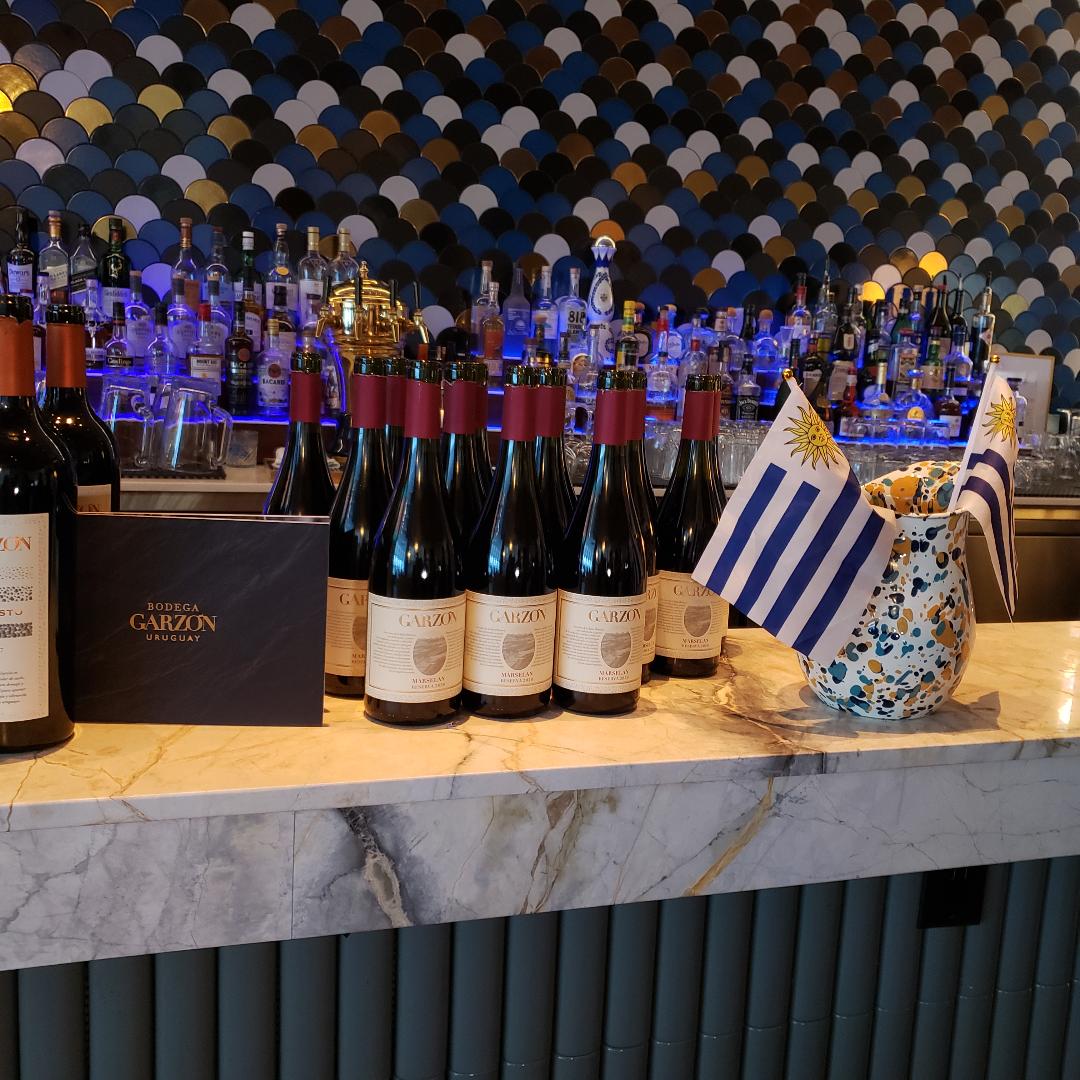
Okay, in truth we didn’t travel very far to discover this new finding. However, someone else did so that she could offer around 97 guests an exceptional 7 course dining extravaganza along with award winning wines from what was considered the Southern Hemisphere’s best kept secret – until now. I don’t like to give secrets away but I can’t hold it in any longer: I’m telling you it was the Best of Uruguay: from Bodega Garzón. Who knew? I certainly did not realize how excellent these wines from Uruguay are and in general I was not even aware of what kind of wines they produced, if any. Luckily I’m not alone.
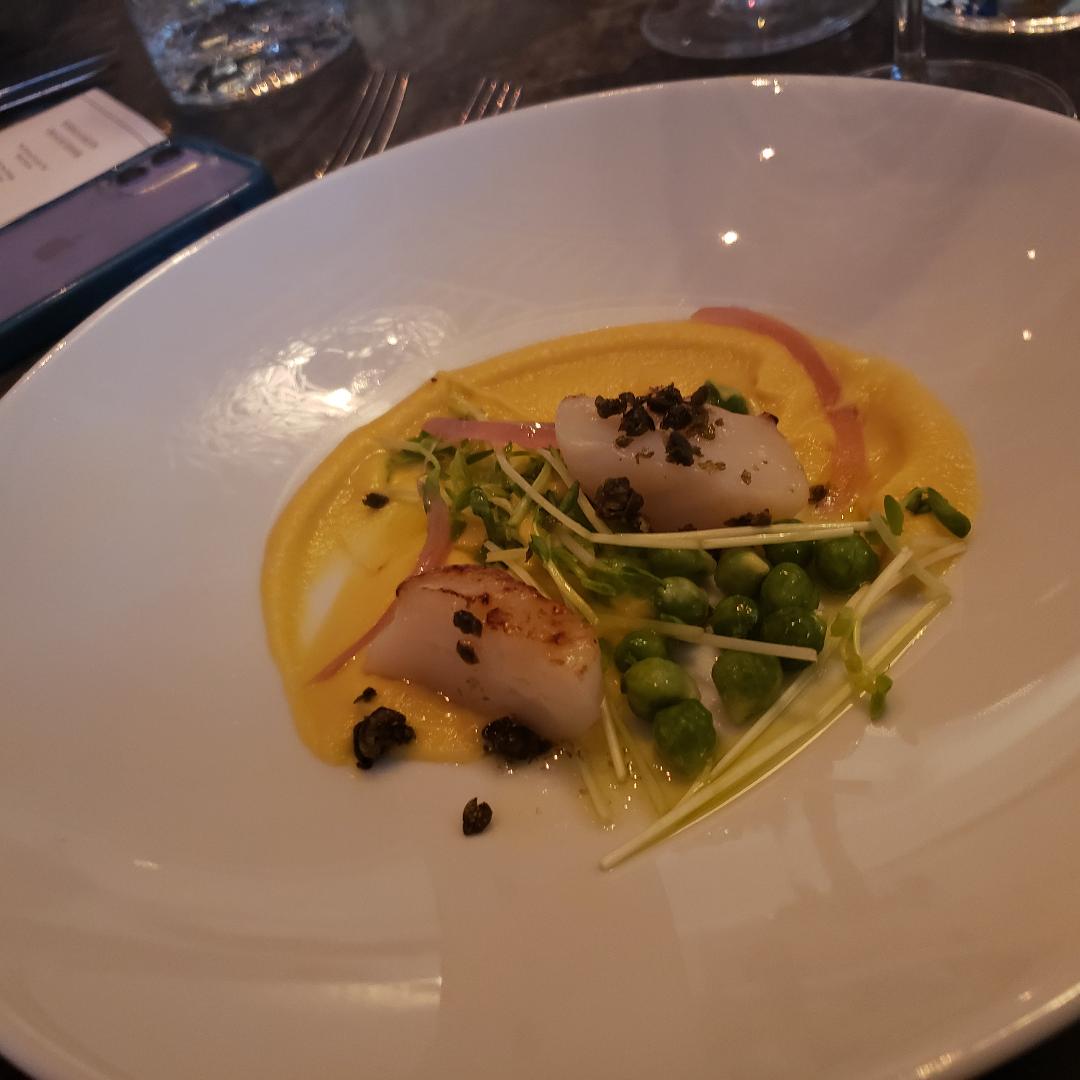
Starter: Seared Diver Scallops with yellow pea puree, picked red onion + capers
Having been to Argentina twice I was familiar with Mendoza wine region and Malbec wine. What a shame that I didn’t travel a little more distance to Uruguay to check this out for myself. I certainly wouldn’t bypass it next time. Not after last night!
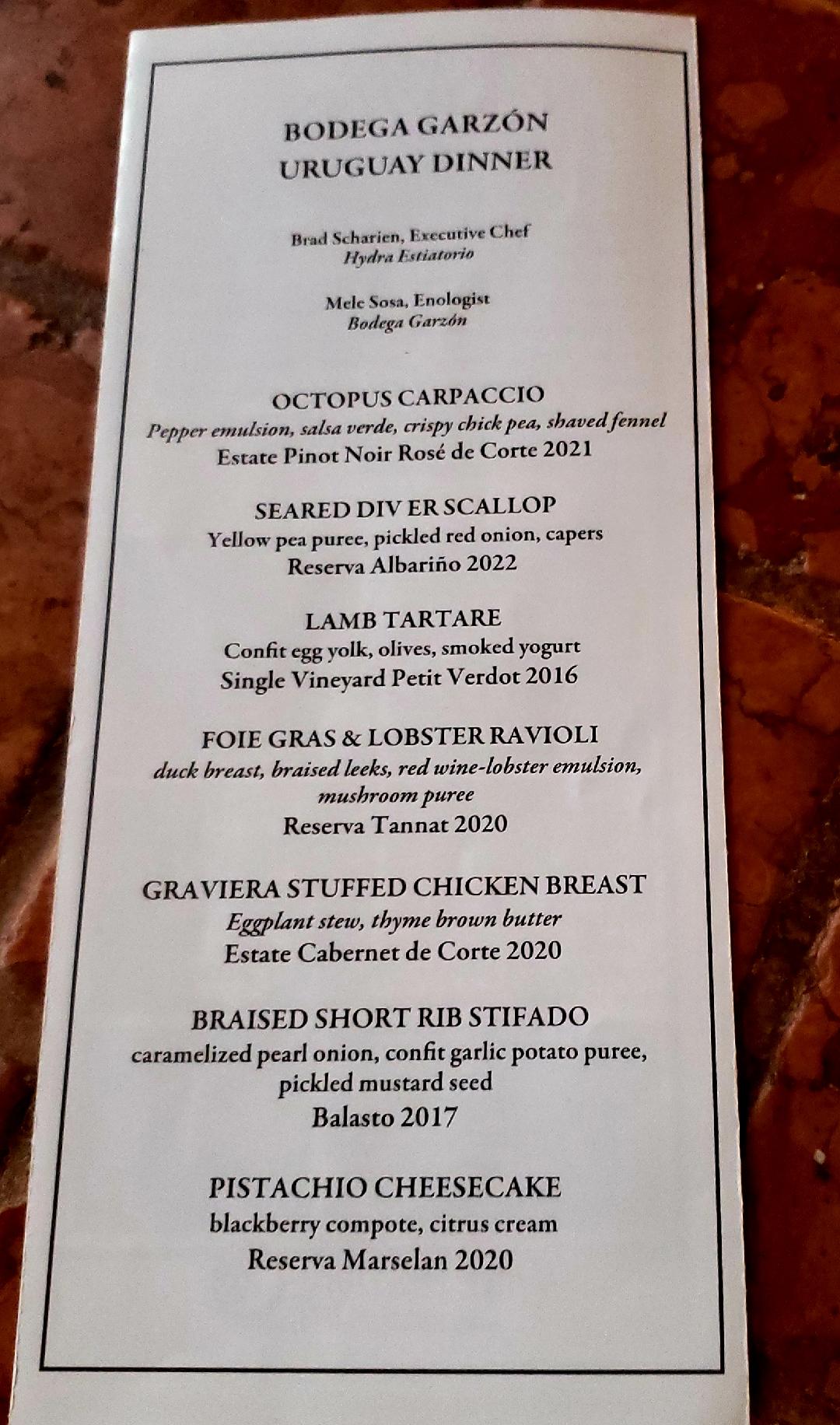
Each pairing was thoughtfully curated by Hydra’s Executive Chef Brad Scharien (formerly of Italian Kitchen & Coast) to wow guests. And that he did. It was amazing.
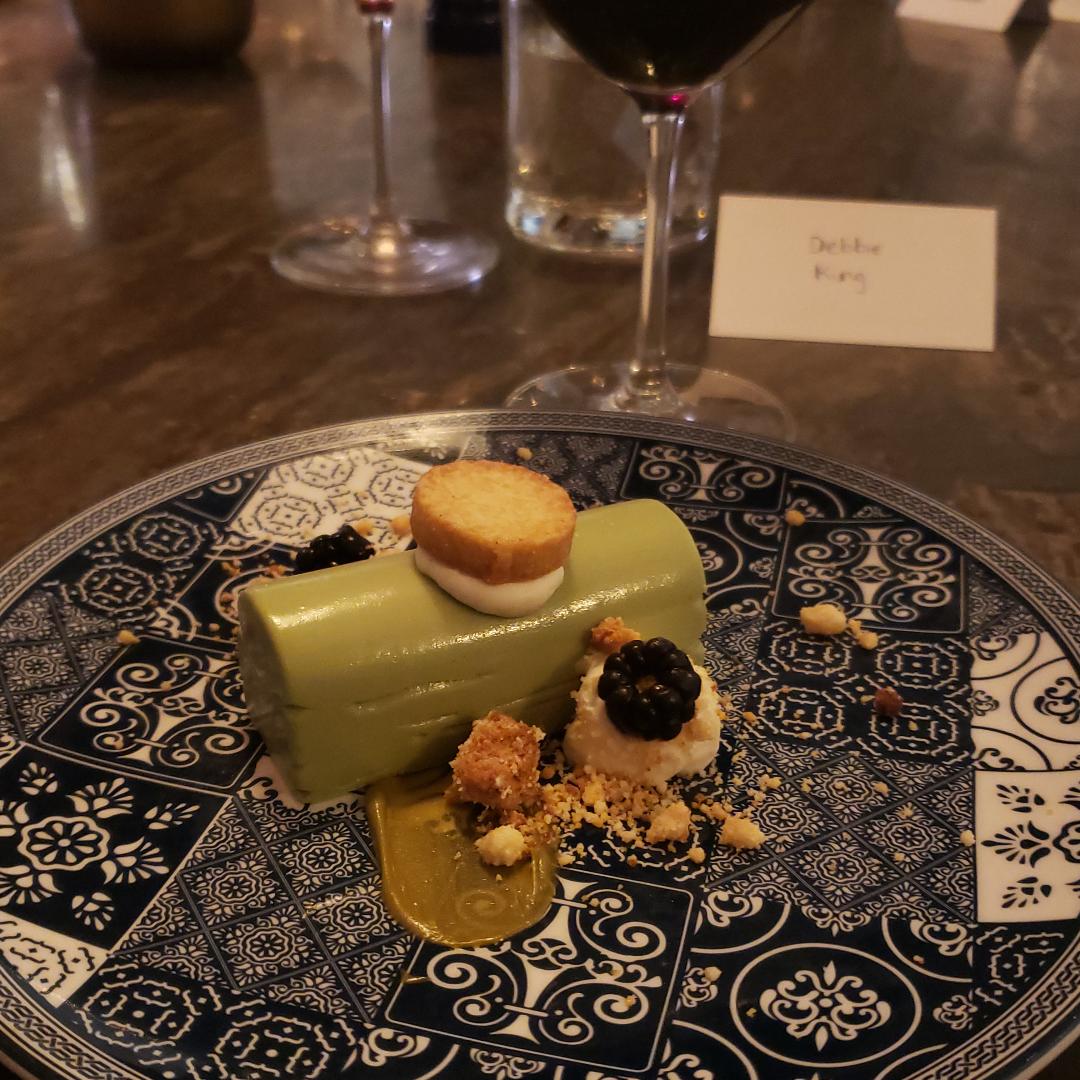
The MenuPistachio Cheesecake with blackberry compote, citrus cream.
Former wine maker and enologist Mele Sosa (born in Uruguay and raised in Uruguay and Chile) was our vivacious, charming, funny and knowledgeable host with the most. She was great with a mic while darting in and around tables explaining about all the fabulous wines we had the privilege of sampling and answering questions.
One of the wines is called Balasto – a 2017 iconic red wine made from Tannat (the national red grape), Cabernet Franc, Merlot, Petit Verdot grapes. This big, beautiful bold wine was paired with braised short rib stifado (which was a tasty dish of short rib with caramelized pearl onion, confit garlic potato puree + pickled mustard seed). As you can guess, it was wonderful. And the whole evening was like one big food and wine fest of its’ very own.
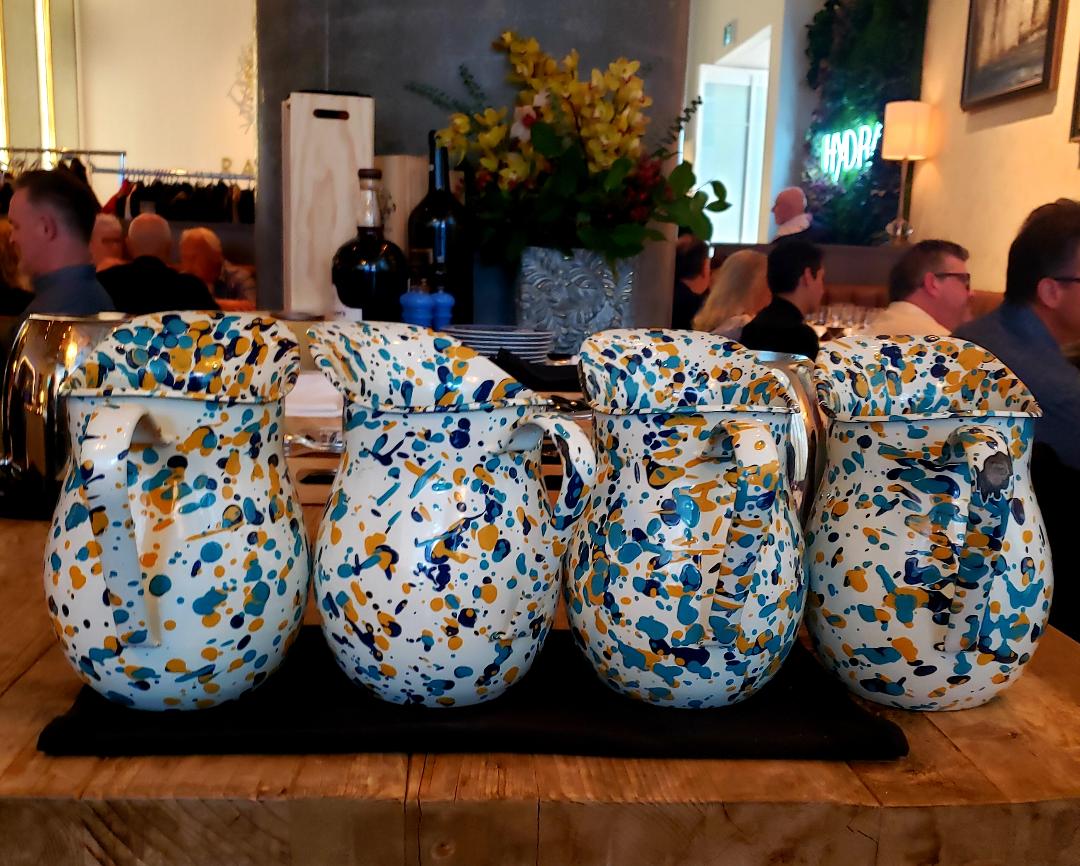
Nice Jugs
A little more about Mele: Mele’s role entails traveling through the United States and Canada, to champion Tannat (she even sang about it), Albariño and other wines produced by Bodega Garzón through media work, trade and distributor training, winemakers dinners and wine events.
After this evening I can say that my new favourite white is called Albariño and my new favourite reds are called Tannat and Balasto (also I love saying these new to me names). Also I’m quite picky with rosé but I loved their Estate Pinot Noir Rosé de Corte 2021 which was very elegant and expressive – not too sweet, not overly dry – just perfecto!
Here’s a bonus – they’re all available at Legacy liquor store in Olympic Village, Vancouver (link below).
Below is taken from the brochure
About Bodega Garzón; Uruguay:
When Alejandro Bulgheroni and his wife Bettina discovered Garzón, they had a family dream come true: to have the most emblemetic winery of modern viticulture in Uruguay and premium wines with an intense personality and a deep sense of belonging to the land. With the advice of international enologist Alberto Antonini, they apply their philosophy focused on producing wines that are a true expression of their origins. Experts on viticulture, environmental care, gastronomy, hospitality and tourism complete a team committed to this unprecedented project.
Named after the beautiful culinary Greek Island in the Aegean Sea, World Class Chef-driven Hydra Estiatorio Mediterranean & Bar is a Greek Seafood restaurant. Hydra applies Greece’s time-honored ingredients with traditional cooking styles, focusing on quality Mediterranean dishes such as vine-ripened tomato salad with flat parsley and feta, alongside exquisitely-tender grilled octopus garnished with lemon juice and olive oil, or lamb chops served straight from the grill with hints of garlic and oregano.
Our wonderful group of seven enjoyed a fabulous meal at Wally’s Desert Turtle in Rancho Mirage last Friday, while models wearing local designer wear from some of the shops on El Paseo walked around while we ate lunch and chatted.
There was also a little pop-up shop inside the restaurant where we could buy some of the fashions as well as local jewellery. Which of course, we did.
What a wonderful concept!
Especially at the most highly awarded restaurant in the desert, designed by famed interior designers Steven Chase and Randy Patton. With bevelled mirrored ceilings, Peruvian artefacts and hand-painted murals, the restaurant has a refined ambiance and a classically trained chef to enjoy all the special culinary creations.
Kathy ended up buying the dress that the model was wearing. It looked great on her.
In the evening there’s live music in the Sahara Lounge which has been enjoyed by countless celebrities from Frank Sinatra to Tom Hanks.
If you’re curious about the funny name it’s because Mr. Wally Botello was the Founder of the famed fine-dining Velvet Turtle chain. The restaurant is now owned and operated by Wally’s son Michael and granddaughter Maddy.
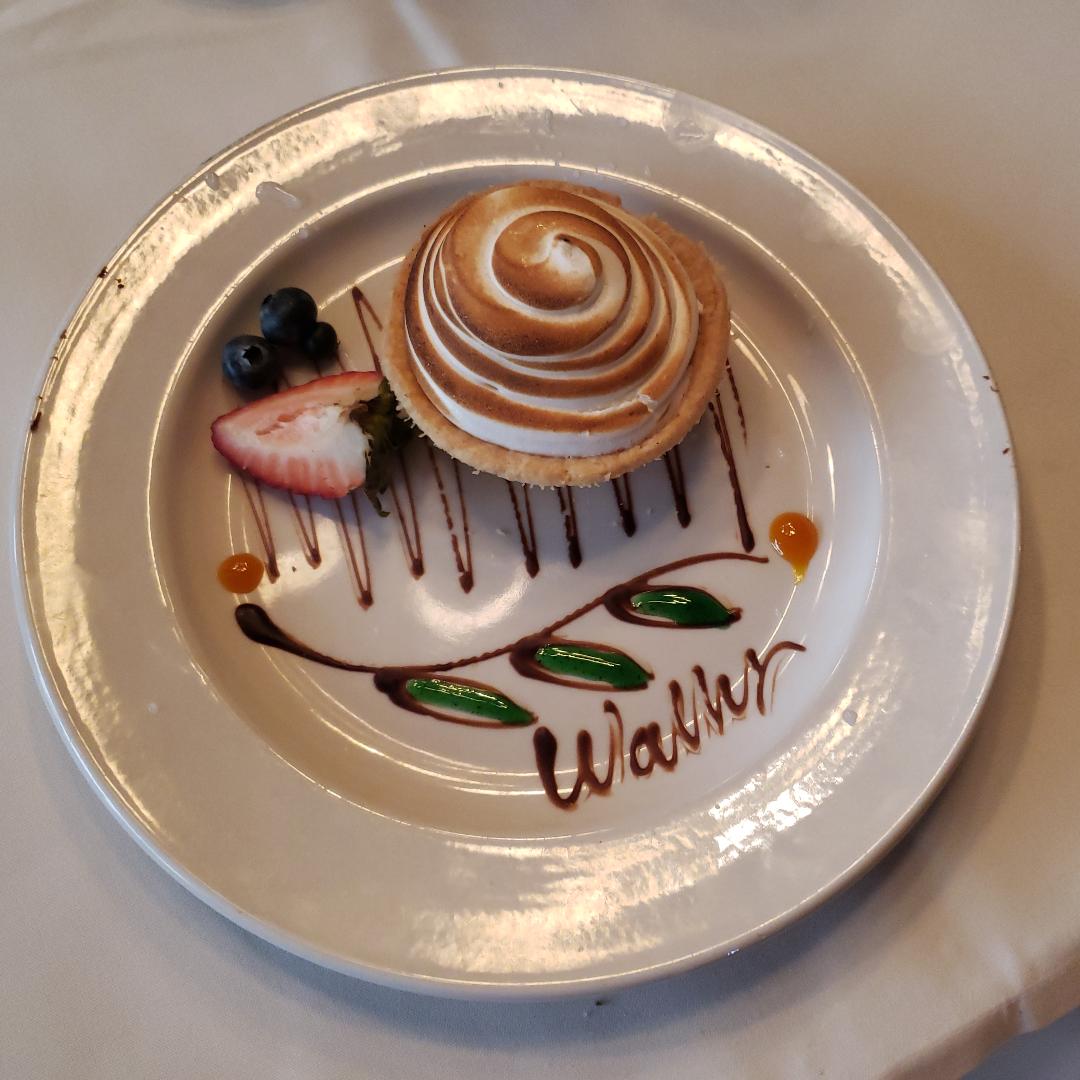
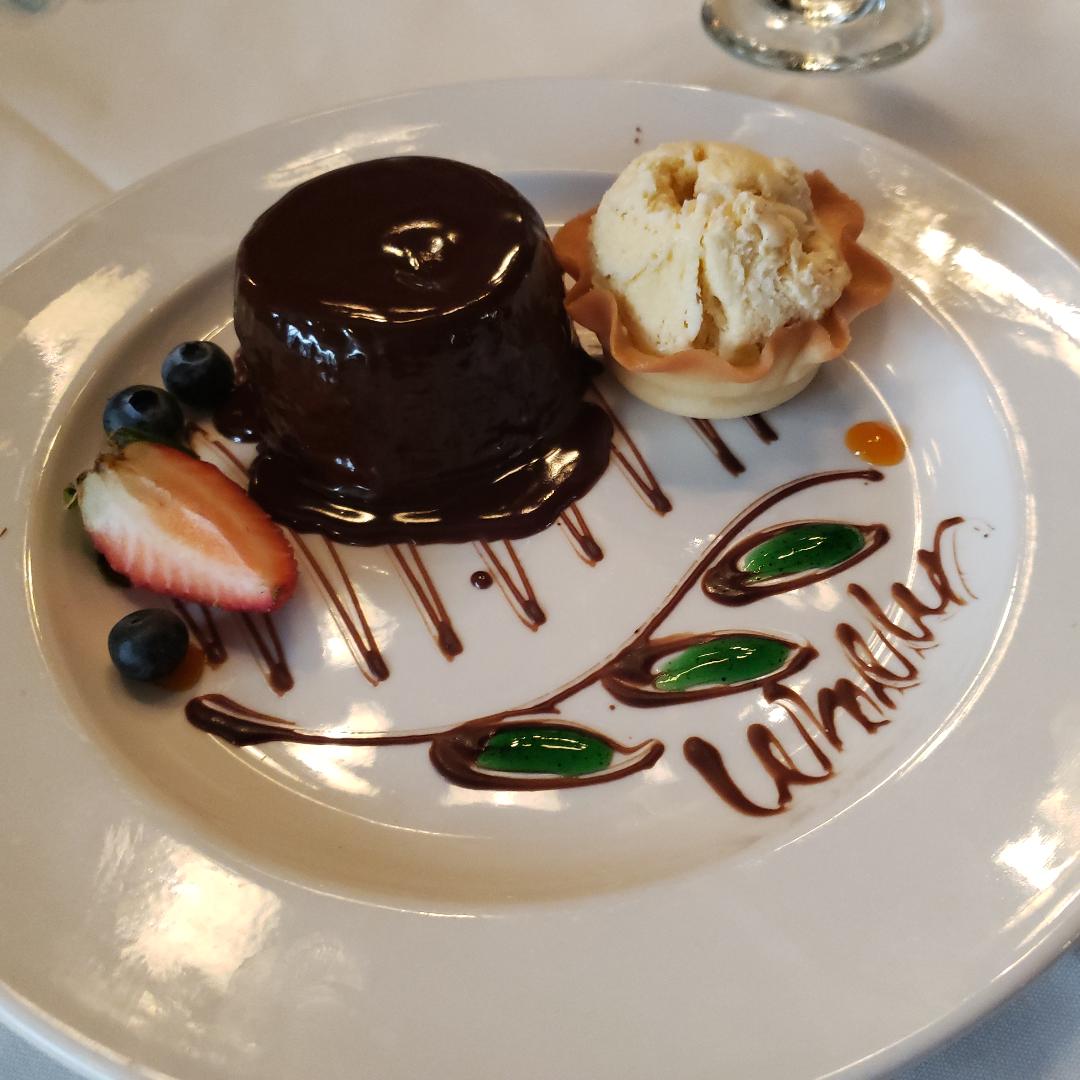
The third course was either a lemon meringue tart, carrot cake (sold out) or chocolate lava cake with vanilla ice cream (my choice shown here).
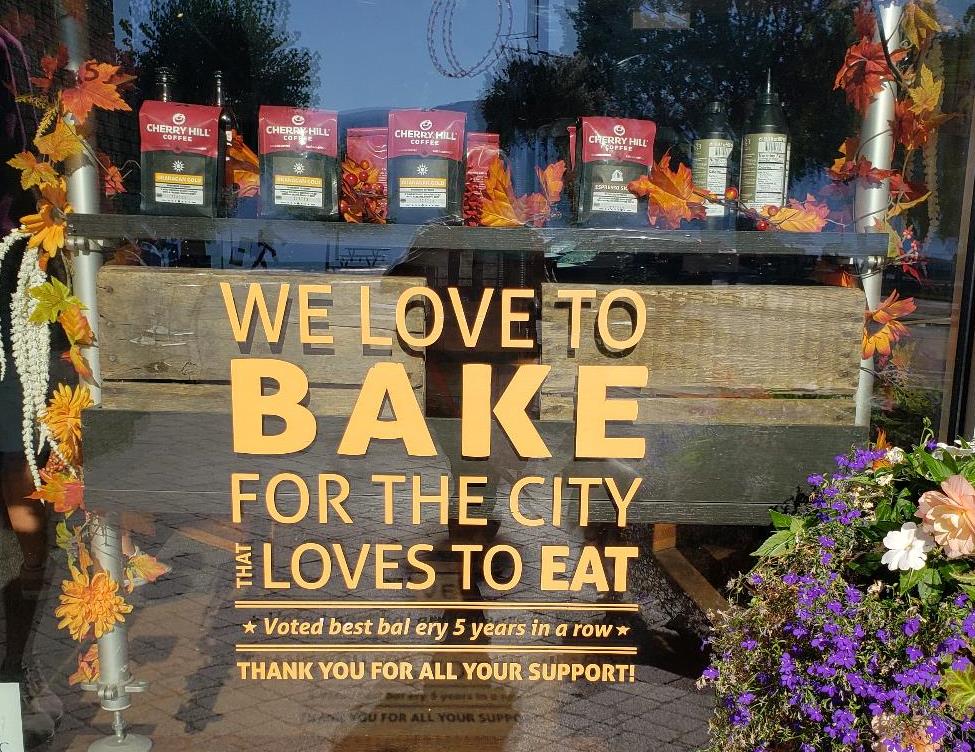
Bliss Bakery; Peachland, Okanagan, B.C. Photo: d. king
“Imagine a world where the craftsmanship of the baker, the fragility of our planet, the integrity of the organic farmer, the strength of community and the simplicity of real food are valued and nourished.” – True Grain Vision (True Grain Bakehouse; Summerland).
The Art of Artisan baking gets resurrected with three outstanding places I recently visited on my B.C. road trip to the Okanagan and Kootenays. Granted; the main focus was on visiting wineries and friends, however we can never overlook a good burger, sandwich or cinnamon bun. And cookies! And Brownies!
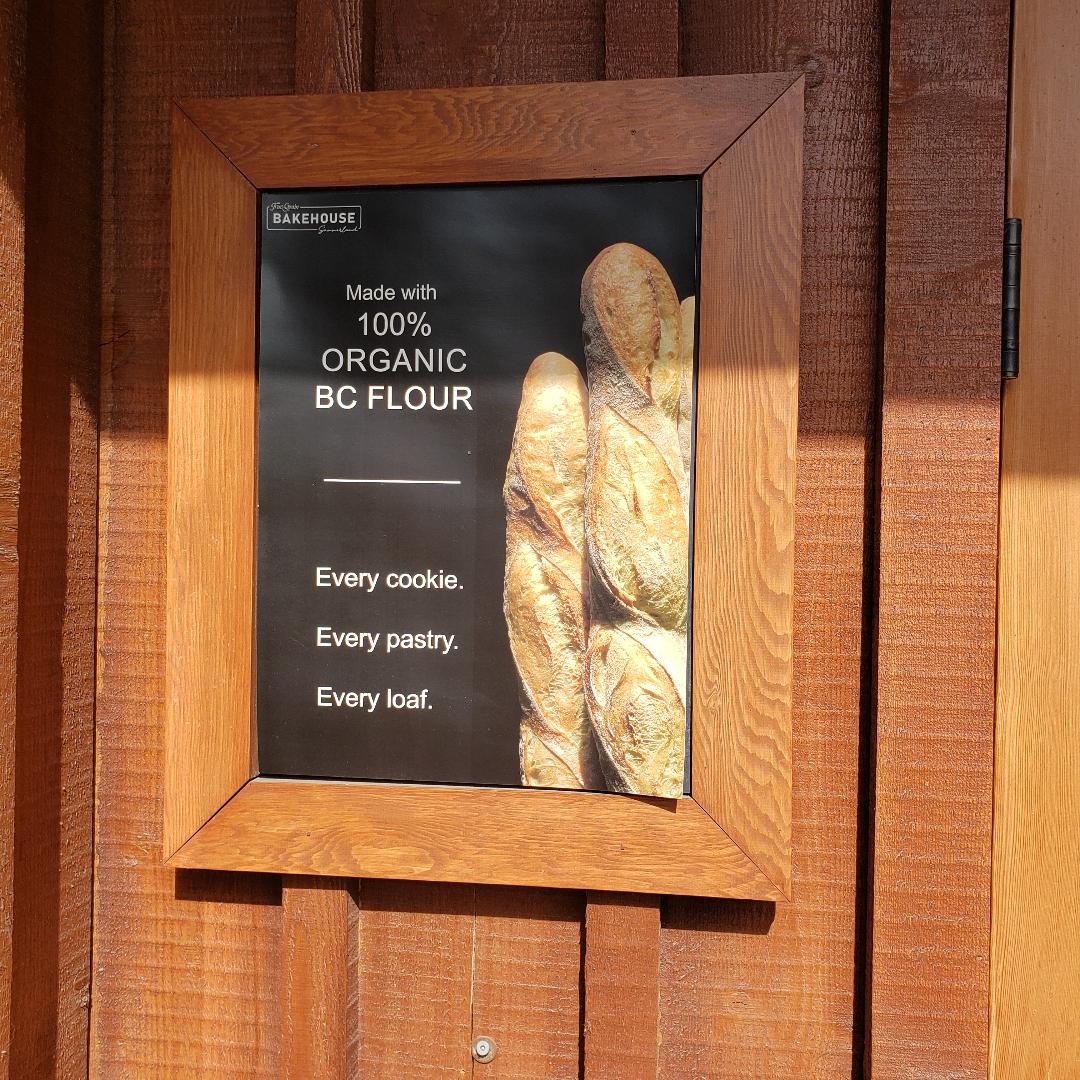
True Grain Bakehouse; Summerland, Okanagan, B.C. Photo: d. king
As Bliss Bakery says: “many people are unaware that so many bakeries today do not make their own products; rather they bring in mixes or sometimes even fully baked items and present it as their own – have you ever wondered why those Nanaimo Bars look so similar at all the different bakeries you go to?
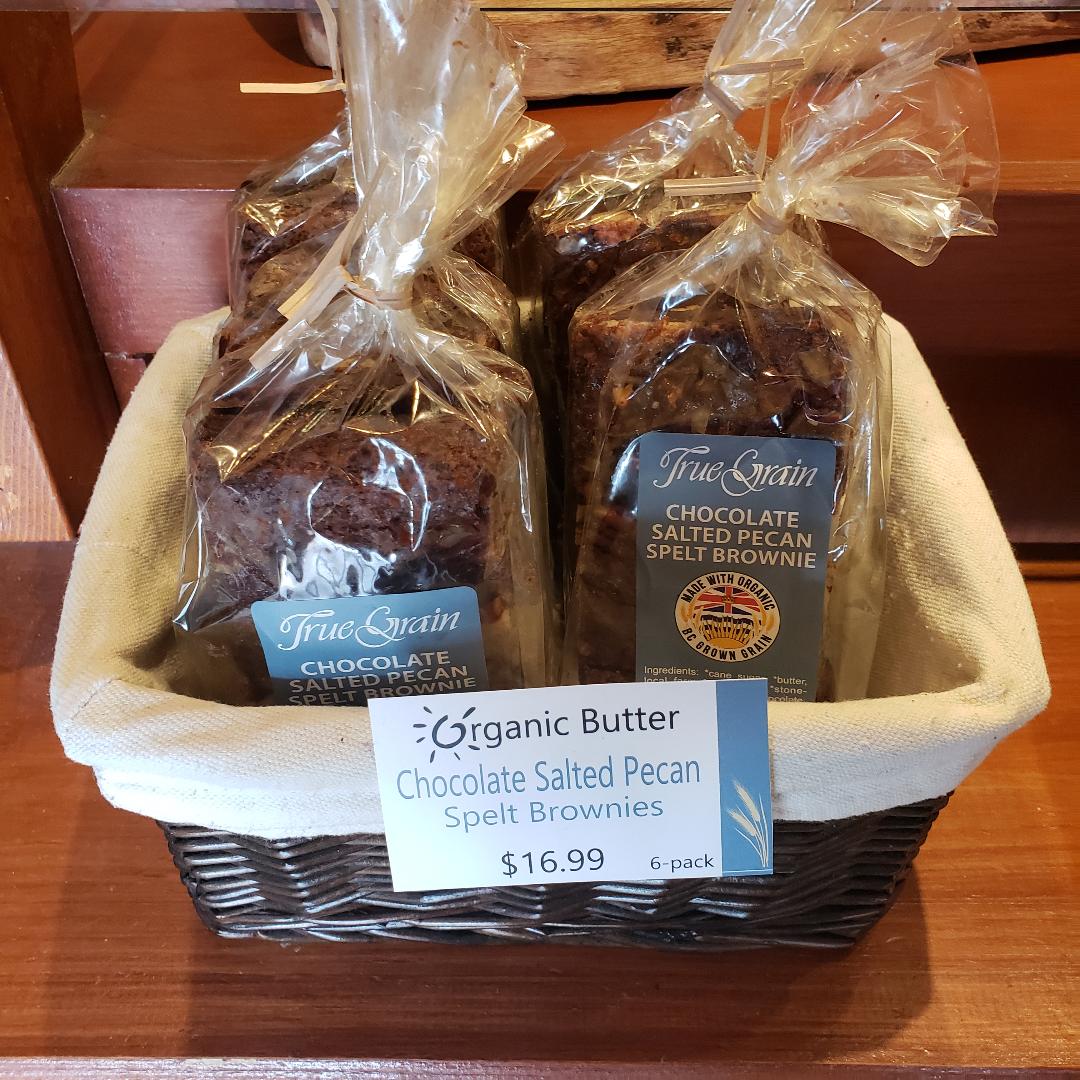
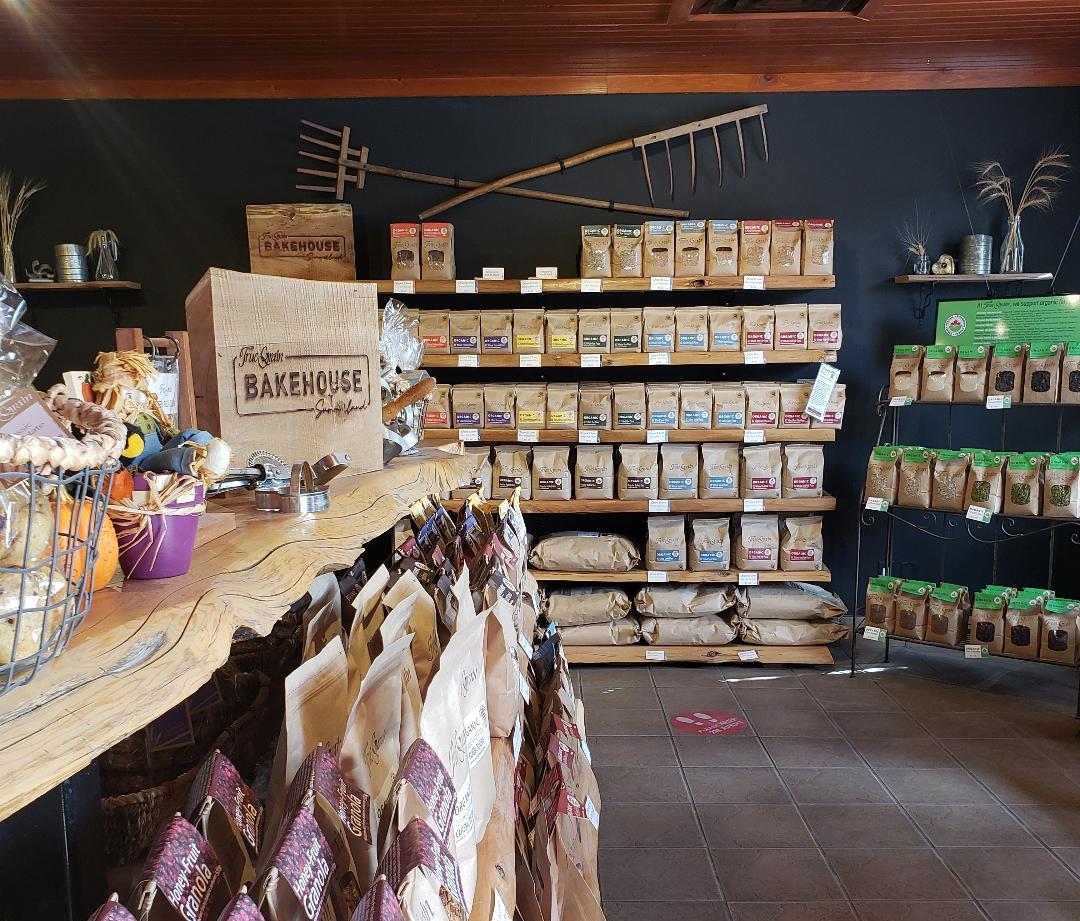
Staying True to the Grain: True Grain Bakehouse uses 100 % BC-farmed organic grain which they stone mill for everything. From ancient & heritage grains like Einkorn, Emmer, Rye, Khorasan and Spelt, to heritage wheat like Canada’s own Red Fife, they buy direct from organic farmers close to home.
Photo: d. king
“Each day our talented bakers make hundreds of loaves and pastries by hand, using tried and tested European-inspired recipes. We don’t skimp on quality, and we never cut corners. The result is bread that is wholesome, full of flavour, and is simply a joy to eat.”
I wasn’t planning on this but a woman in front of me convinced me to buy a package. I mean, if you’re going to indulge… make it worthwhile. Photo: d. king
Amazing Grains. Photo: d. king
Greener Pastures and a Community Lifestyle in Chilliwack, B.C.
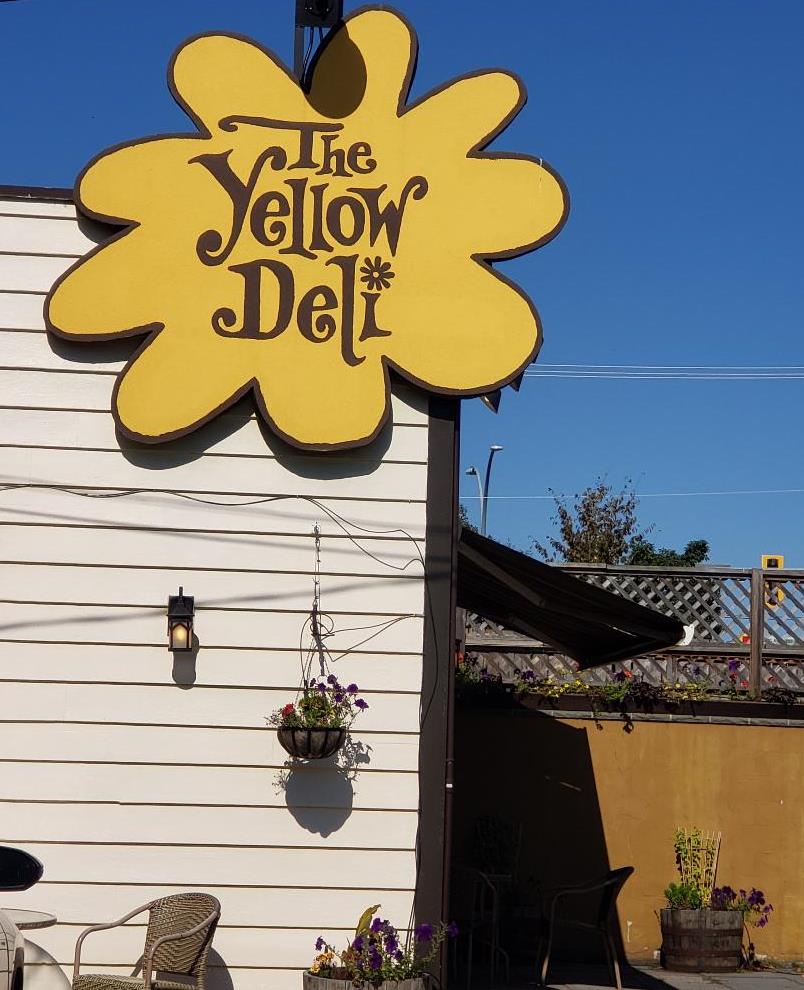
The Yellow Deli was orginally started in Chattanooga, Tennessee in 1973 and spread out to other countries. This place is not a 9-to-5 job for the people who work here. This is a true “group effort” as everyone lives and works together. They live communally on a nearby farm where all the food served at The Yellow Deli is from. Everything is so fresh and delicious.
From Farm to Table – literally. This is a place you don’t want to miss if you’re passing through Chilliwack whether it’s for a bowl of soup, sandwich or a salad. Photo: d. king
Taken from the website: their group is a part of the-first-century-church which in essence lives in the pattern of the original church of Jerusalem 30 AD. They are going back to the way it was originally. They hope to see many things that have gone off course be restored to the “way it was supposed to be.”
“Obviously our hope for this world goes far beyond what politicians are promising these days, but we have high hopes and we believe we’ll see them fulfilled.”
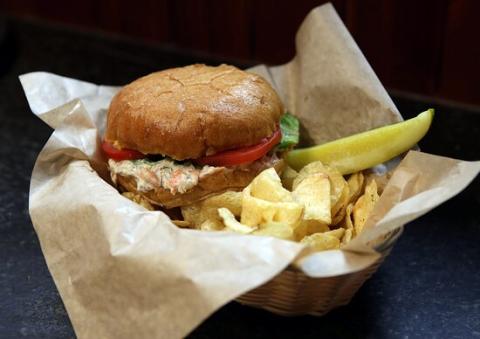
So as you can see, there’s a lot more to the Yellow Deli than a great looking sandwich. But if you want one, they have it!
Bristol Bay Sandwich
I had the veggie burger which was the best tasting ever (with Chilliwack corn as part of what was in it). Paul took out a cinnamon bun to which I had a bite and made sure to get one on the way back.
or maybe it’s because I’m going back to the Okanagan this week, but I wanted to check on the meaning behind some of the organic wine farming terminology. And I thought you might want to know too.
We’re all familiar with organic and how farming without pesticides is much healthier for everyone, with a very meaningful benefit to the environment.
Biodiversity plays a key role in organic farming and we’re hearing the word “Biodynamic” a lot…but what is it?
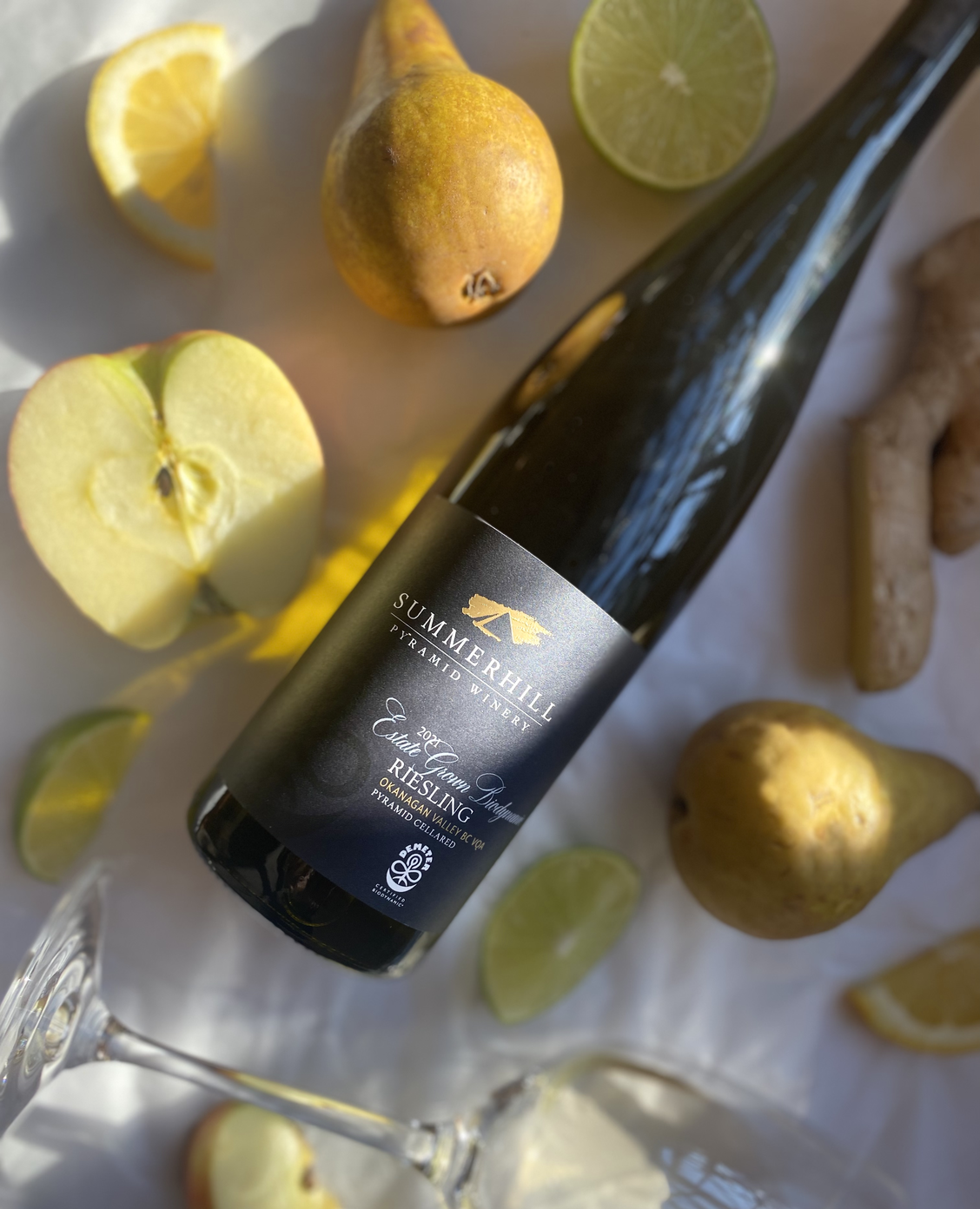
For our friends at Summerhill/Pyramid winery in Kelowna, these organic + biodynamic practices have been standard and an integral part of wine making since it was purchased by the Cipes family in 1986.
There’s always a riesling for everything! But hey; I’m not even a huge reisling fan and this is my favourite. Not too sweet with just the right balance. An off-dry experience of lemon-lime, peach and green apple.
Shared from their newsletter:
Biodynamic Farming Considered the grandfather to organics, was introduced by Rudolf Steiner in 1924. This concept encouraged a more holistic approach to agriculture, prioritizing sustainable soil health and encouraging biodiversity. By balancing the interrelationship of soil, plants, and animals, we create a closed system where nothing is wasted. Summerhill was certified by Demeter International in 2012 and remains British Columbia’s only certified biodynamic vineyard.
Taken from Summerhill/Pyramid website
At the core of biodynamic farming is living in harmony with nature, harvesting soulful, beautiful food and returning nutrient back to the earth.
Biodiversity plays a key role in organic farming. Since we don’t use any synthetics in our vineyards, we must encourage nature to fill ecological niches and maintain balance. By allowing flowering plants to grow between the rows, we provide a home for beneficial insects such as ladybugs and praying mantises. The natural flora also help to improve our soil life and water retention, important elements to growing quality grapes!
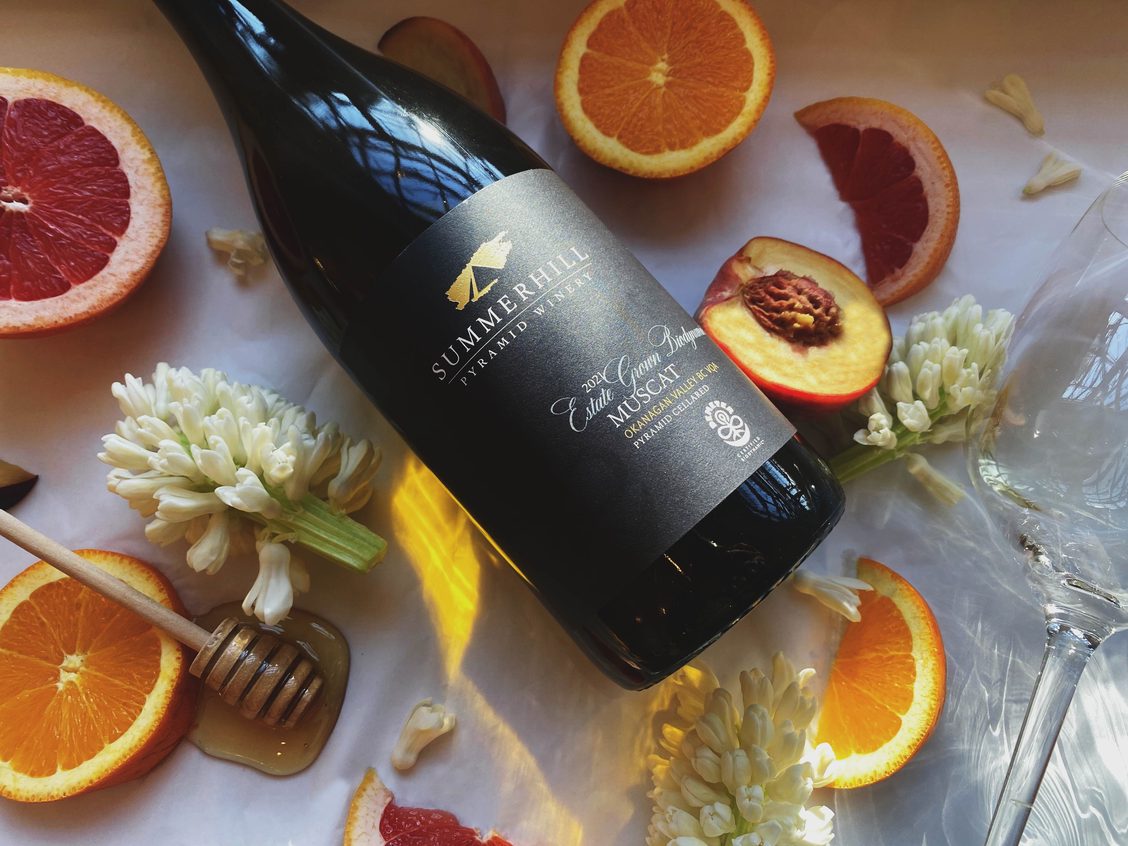
Anthony Gismondi on wine gave this 90 points. He has this to say: Muscat is not for everyone, but it can be alluring when it’s as right as this one. Fragrant and floral from jasmine to orange blossoms, this wine brings it all to the table. I tried it and totally agree.
Our home vineyard is 17 hectares where natural springs emerge on the property, and join with creeks to create a beautiful wetland nature sanctuary that supports a variety of species.
Summerhill is committed to producing 100% organic wine. Our Kelowna vineyard entered the certification program in 1988, and has received Demeter Biodynamic certification in 2012. In addition, our winemaking is also certified organic, allowing us to display the Canadian certified organic logo on our bottles, ensuring you can expect a high level of quality and purity.
Sidenote from Girl who would be King: might I add that their wine tastes better and doesn’t give you a headache (unless of course you really over indulge but that’s not what I’m talking about). That’s not to say that I drink “only organic” (although it is my preference to do so), however there is unfortunately not enough “all organic” wineries so I do try other wines and like many of them. My only hope is that all wineries follow suit and go the Summerhill route to a healthier way of living/drinking.
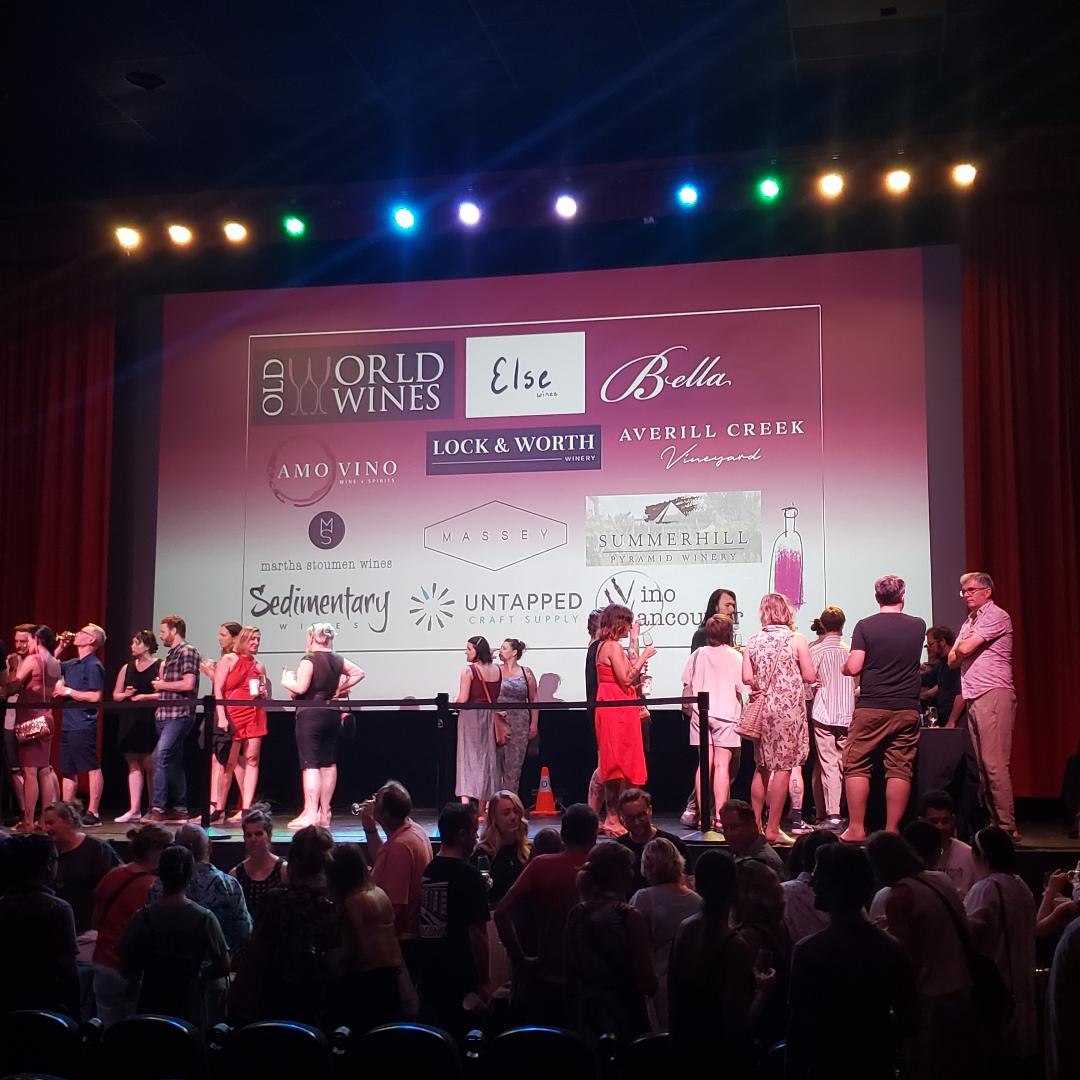
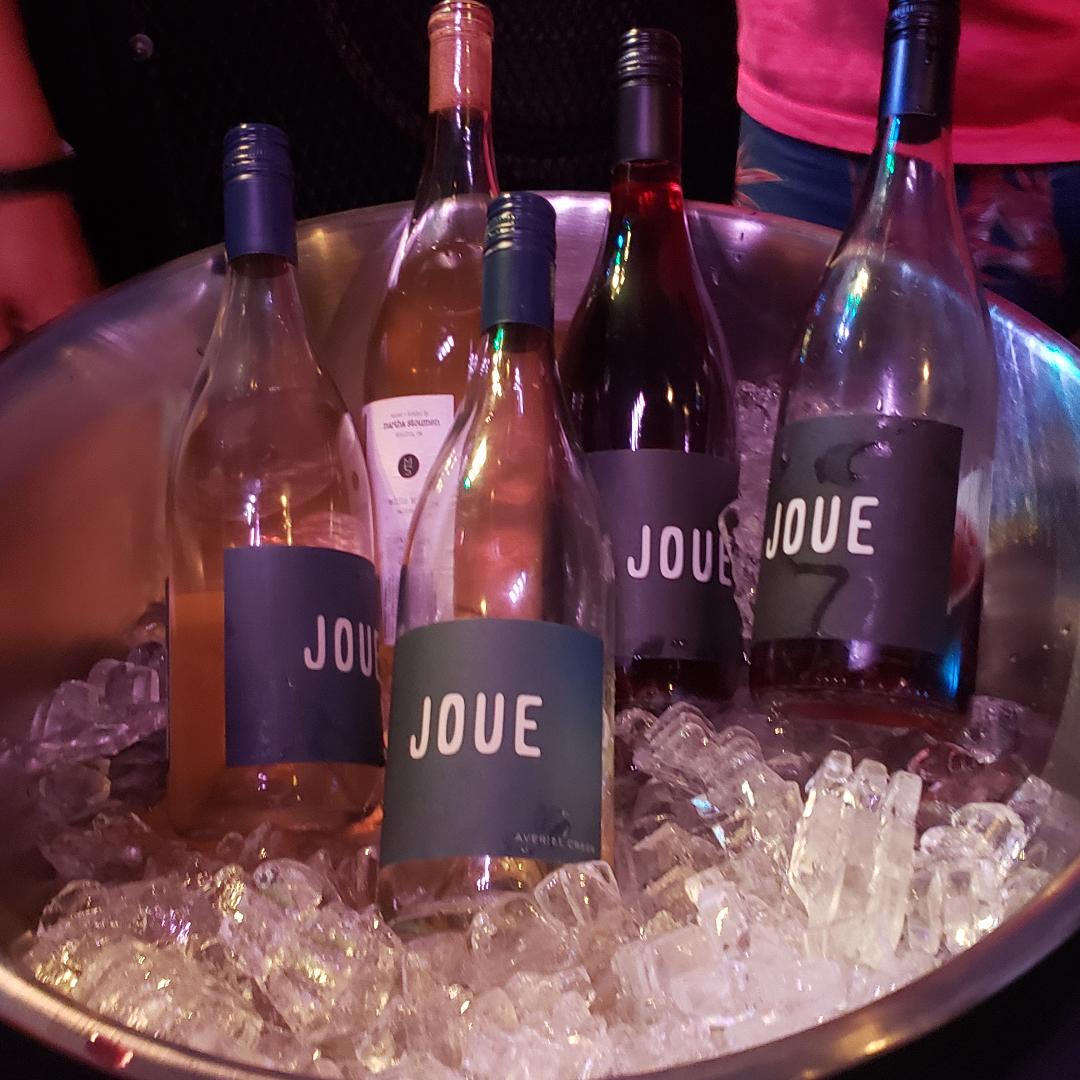
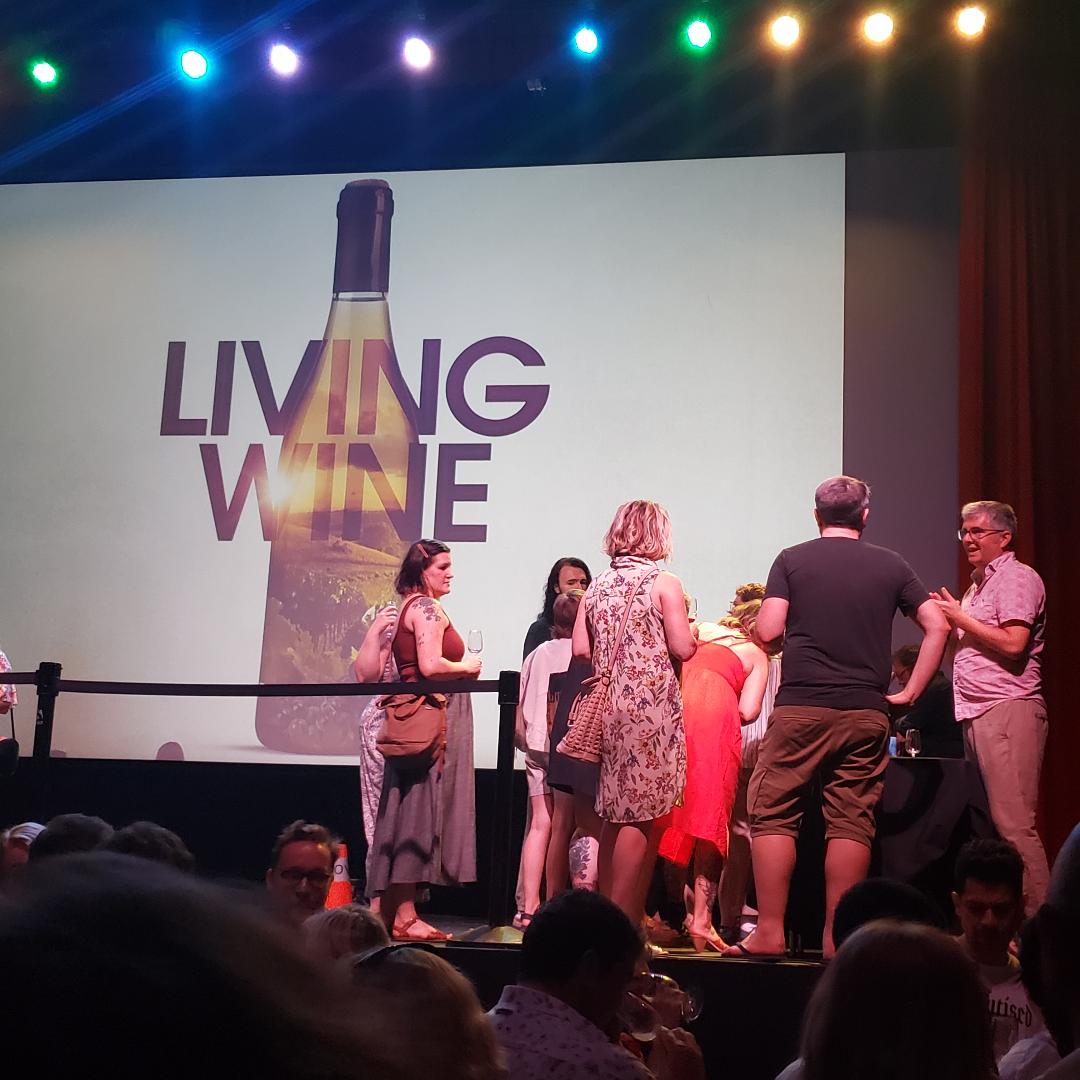
The Rio Theatre is alive and well. So is the Canadian “Living Wine” premiere I attended there last night with a delightful pre-show wine tasting.The VIP wine tasting experience highlighted a number of thoughtfully curated living, biodynamic, and organic wines from local producers and distributors. Plus a special glass of Else Wines’ ‘Muscat on Skins.’
You’ve got to hand it to the Rio. This multidimensional independent theatre is a Vancouver classic! It has it all. Although it was touch ‘n go for a while it’s now going stronger than ever. I just found out about the wine tasting/film combo by attending a movie there the week prior – Downton Abbey “A New Era” – which was fabulous.
SummerhillSelection – a few of my favourites shown here! Proprietor Stephen Cipes was instrumental in fighting for organic practices for wine making in the Okanagan, B.C. A true pioneer. It’s happening little by little.
There’s so many great things about the Rio. For starters it’s conveniently located steps away from the Commercial Drive/Broadway Skytrain Station if you want to leave your car behind. They show everything from Cult Classics to must-see feature films. They have live entertainment including comedy and burlesque festivals, local musicians and fashion shows. Also Live Satellite for Oscars, Grammys, UEFA Euro Soccer and other events.
They have the best concession in the city and they serve only real buttered popcorn – the absolute best!
“LIVING WINE” the documentary must-see for wine enthusiasts:
This documentary merges sweeping wine country footage with insightful interviews with wine makers. Filmmaker Lori Miller showcases the dynamic natural wine movement that is transforming a growing number of Northern California vineyards.
The natural wine movement in the U.S. is about 25 years behind the organic food movement, and “Living Wine” follows innovative natural winemakers in Northern California who stay true to their disparate and unique artistic and ecological visions, while managing to save their businesses during the worst wildfire season on record.
As we start to learn about farming grapes naturally – no chemical inputs of any kind – our experts: Dr. Tim LaSalle (Center for Regenerative Agriculture) and Elizabeth Candelario (Mad Agriculture) explain that chemicals used to make ammunition for bombs during World War II became repurposed as synthetic fertilizer after the war, and that agriculture is a major cause of climate change as the tilling of soil causes carbon release and soil degradation, and the use of chemical inputs (fertilizers pesticides, and herbicides) contaminate our waterways. We later learn about the processes used to make conventional wine – lots of additives and manipulation of flavors in the production process.
The doc delves into farming techniques, philosophies, and spirituality.A must-see for wine enthusiasts.
More ABOUT the Rio:
Built in 1938, the Rio has been fully restored with a state of the art digital projector, surround sound, a huge stage for live events, and 420 comfortable seats (with adjustable arms in case you’re on a date).
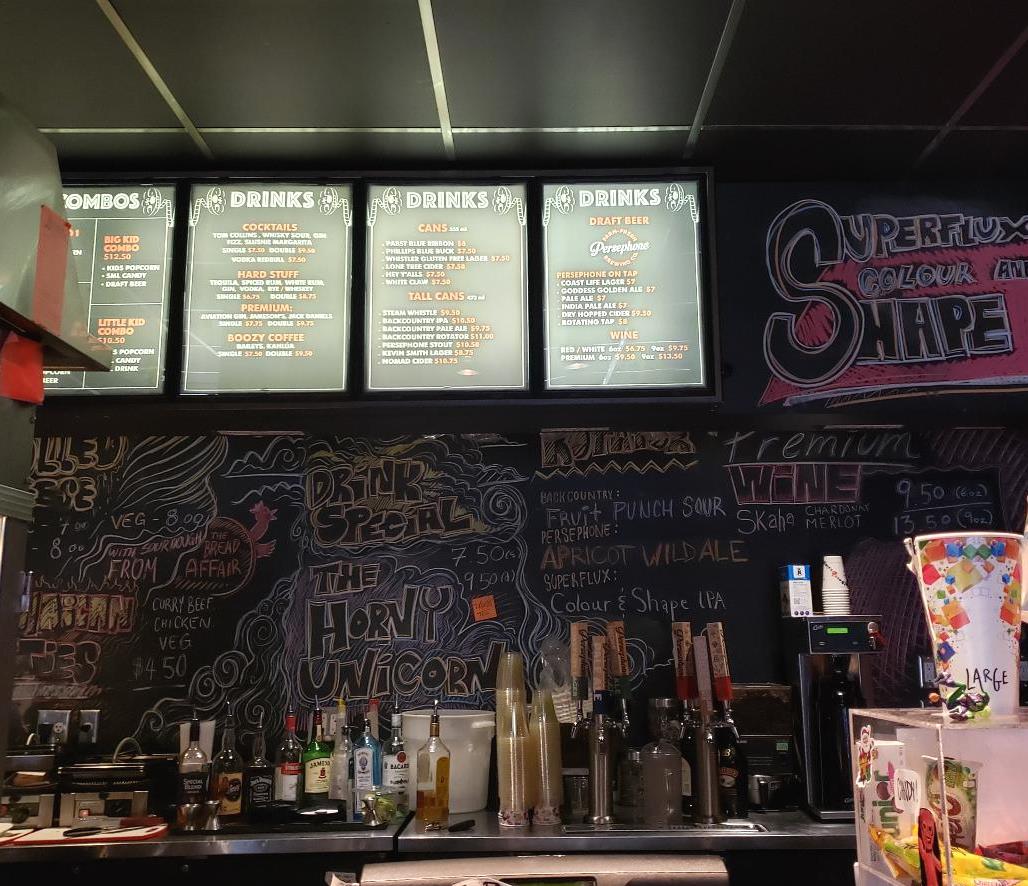
In 2012, The Rio won a hard fought battlewith the BC Liquor board, to change the liquor laws so that movie theatres could serve alcohol. Since the BC Liquor Laws were changed in 2012, The Rio has full bar service with a wide range of local Craft beer & cider, local organic wines, mixed drinks & cocktails, plus their signature artisan Grilled Cheese sandwiches! Pretty amazing, right?
I mean…c’mon!
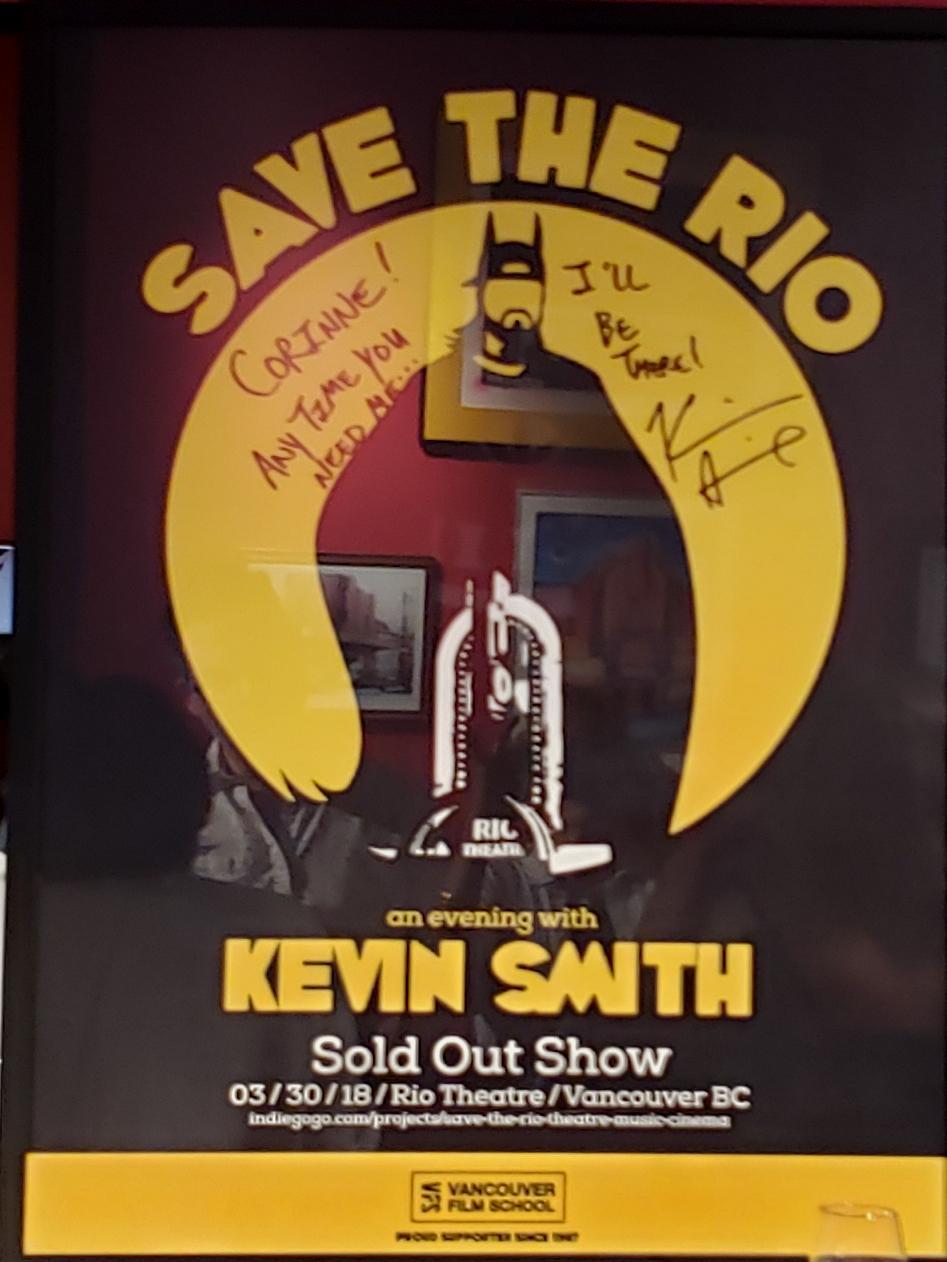
Local boy Ryan Reynolds helped save the Rio. The actor was a vocal supporter of ongoing efforts to secure funding for the historic venue and stave off a bid from a potential new owner that could have seen the demise of the theatre.
He tweeted: The Rio Theatre in Vancouver is legendary. Spoiler Alert: I plan to be buried there.
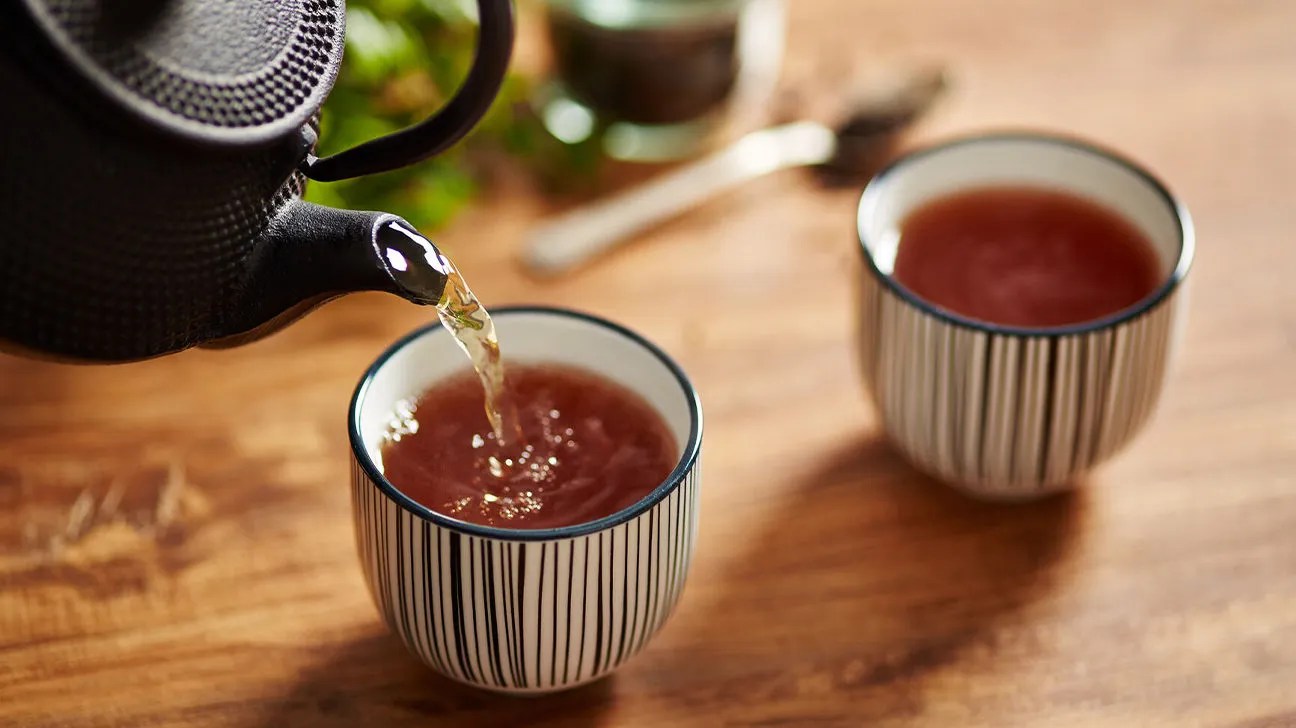
For me it’s definitely coffee first thing in the morning and if I have tea it’s always mid-afternoon.
It becomes a ritual more than anything. The preparation, the smell of fresh coffee beans and the perfect cup. Not to mention the daytime perk and a few other benefits.
After years of studies that seemed to swing between dire warnings and cheery promises about what our favourite caffeinated beverages do and don’t do, much of the recent science regarding coffee and tea is generally positive.
According to what some clinical dietitians have to say for tea vs coffee for health benefits: drinking tea has been linked to lower risks of cancer and heart disease, improved weight loss, and a stronger immune system. Meanwhile, studies point to coffee as a potential way to head off not just Parkinson’s but type 2 diabetes, liver disease, and heart problems.
Drinking too much of either can have an opposite effect. Iron deficiency is one of the most common nutrient deficiencies in the world, and if you have low iron levels, excessive tea intake may exacerbate your condition. Excess caffeine intake from tea may reduce melatonin production and disrupt sleep patterns.
For coffee it can be increased anxiety and poor sleep (especially if you drink it at night).
But let’s face it, almost anything in moderation is okay and almost everything in excessive amounts is not. Maybe the best thing is to have a little bit of both.
Of all the various types of teas we can choose green tea is often touted as the healthiest tea. It is chock full of polyphenols and antioxidants that help to boost brain and heart health. Green tea is considered one of the least processed true teas as it does not undergo oxidation. But it’s not always the best tasting. You have to go for high end Chinese green teas which are pan-fired or roasted featuring toasty and earthy flavors. Japanese green teas are steamed resulting in floral and vegetal tastes. I always ask my friend who lives in Tokyo to bring me back powdered matcha when she comes to visit. My neighbour has brought me back very nice green teas from China.
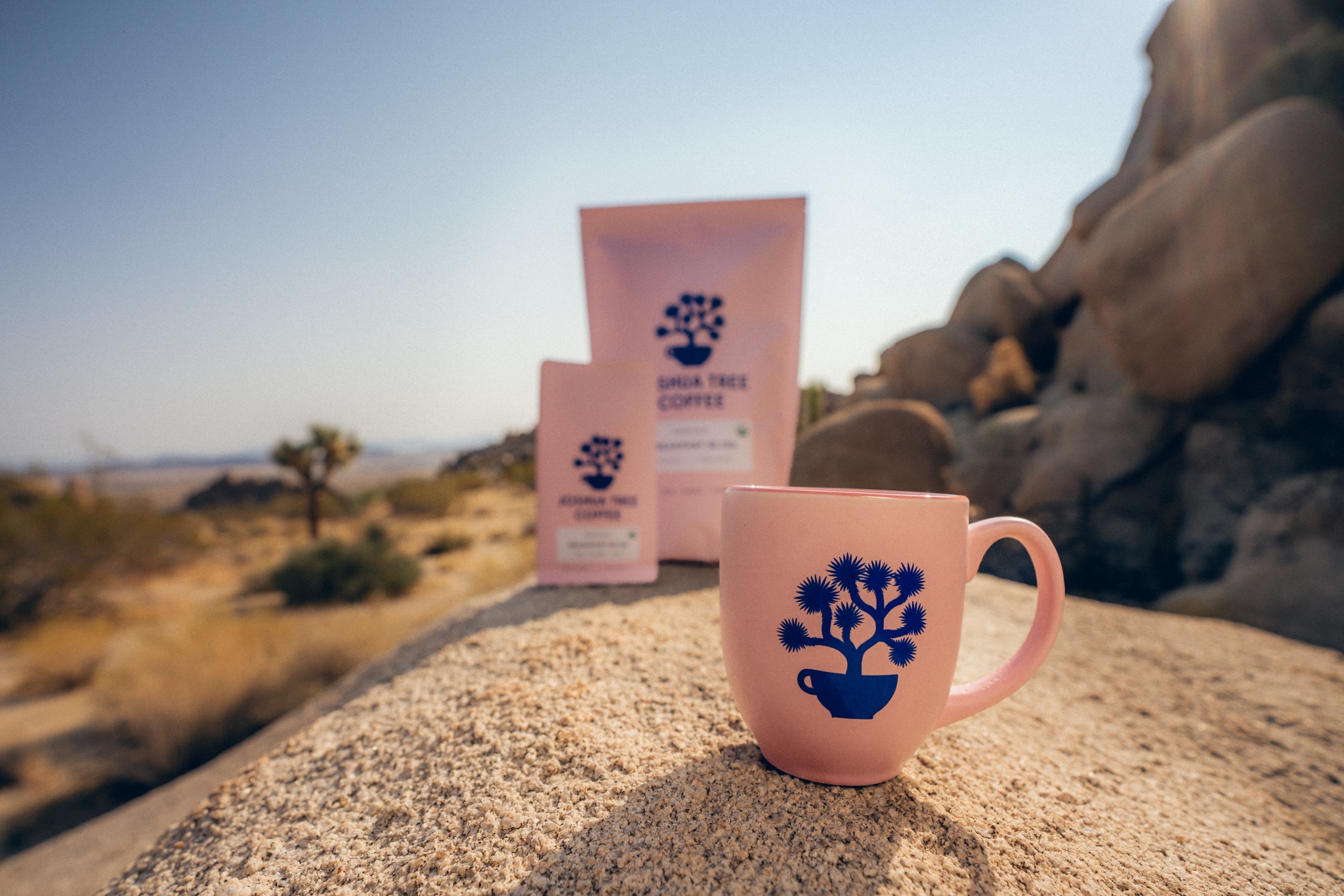
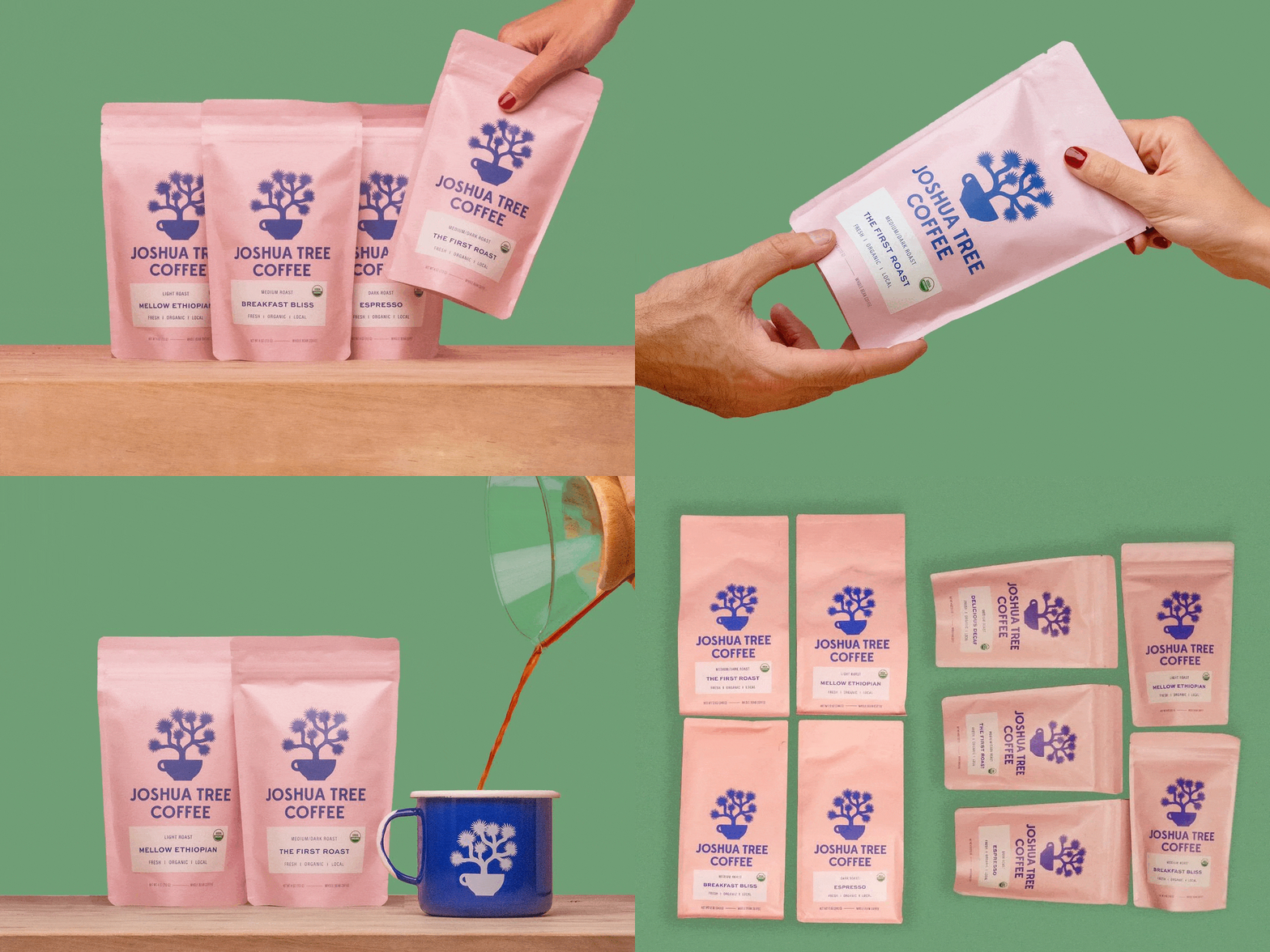
As far as coffee is considered, drinking it black is best because of the micronutrients, including potassium, magnesium, and niacin. The effects of coffee vary widely based on the type of bean, the brand of coffee, the roast, and the brewing method. I do French press and prefer an organic fair-trade brand the best but it’s the flavour that seals the deal. To my detriment I can only drink it with real cream and maple sugar ( therefore one cup is sufficient. Right now my favourite is “Joshue Tree” the first roast and their espresso – I buy the beans and sometimes mix them together as one is medium roast and the other is dark. They’re full bodied but not bitter. Second choice is “Peet’s” Major Dickason’s Coffee Blend – a rich, robust dark roast with full body. Unfortunately we cannot buy these in Canada. I brought several bags back but now they’re finished.
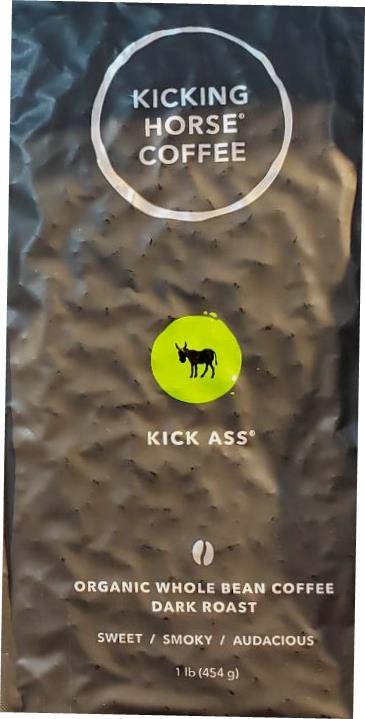
Canadian brand “Kicking Horse” Kick Ass is also high on the list. My latest purchase is Ethical Bean which is organic and fair trade – bought at Costco.
When back in Palm Springs I’ll be sure to buy Joshua Tree at the farmers market or when visiting Joshua Tree. In my opinion it’s still the best.
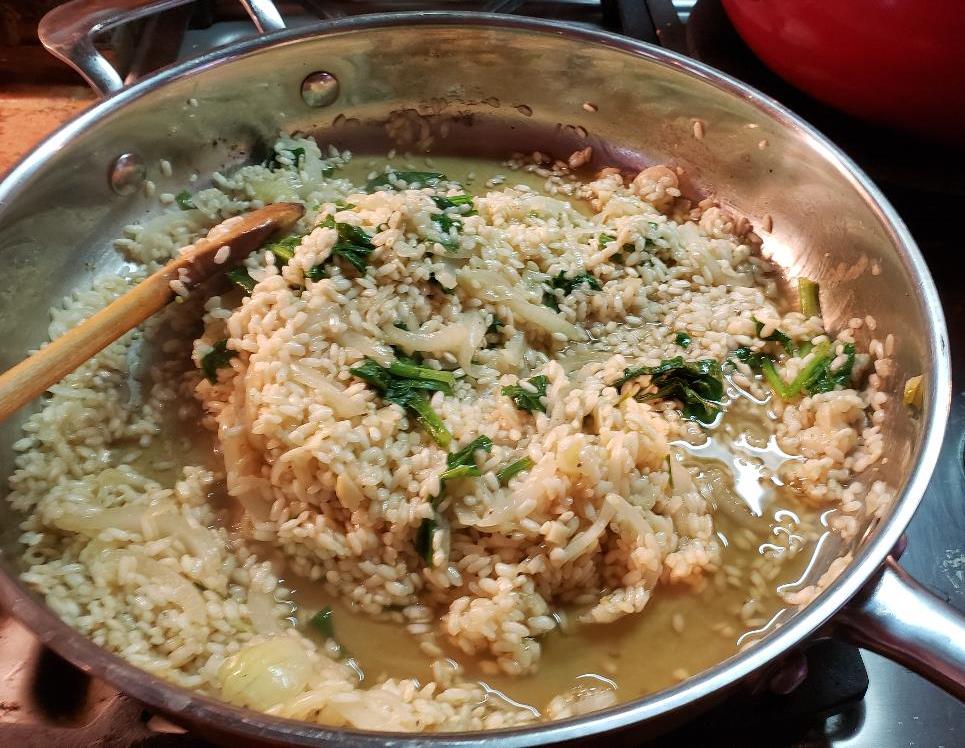
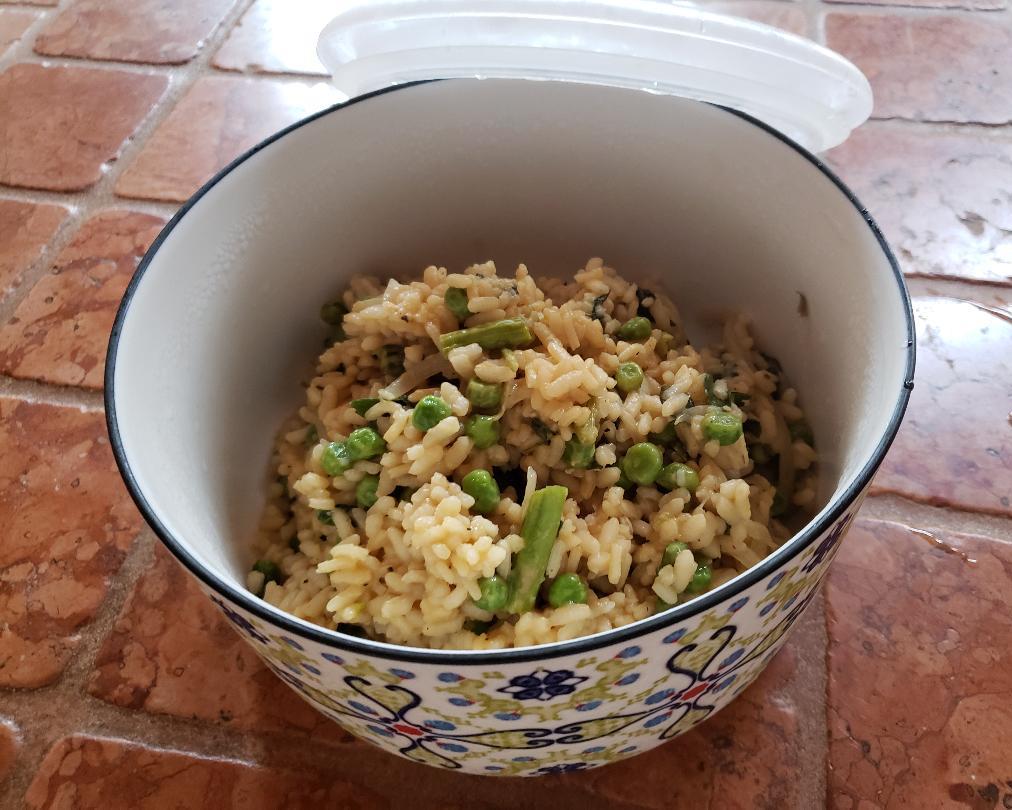
This recipe is random mostly because I wanted to use up what was on hand (as I so often do) blame it on the wine but also because I hadn’t made risotto in a long time.
In the past I made it using wild mushrooms and low-sodium chicken stock but this version is equally as yummy. Once plated I drizzle a bit of white truffle oil over top to further elevate the taste. For those who don’t like the taste of truffle you can drizzle a bit of plain or lemon flavoured olive oil instead. Sidenote: I usually don’t go for flavoured oils, however I found a great tasting stone-crushed olive & lemon oil product from Italy. The company is “Belazu” –it’s amazing.
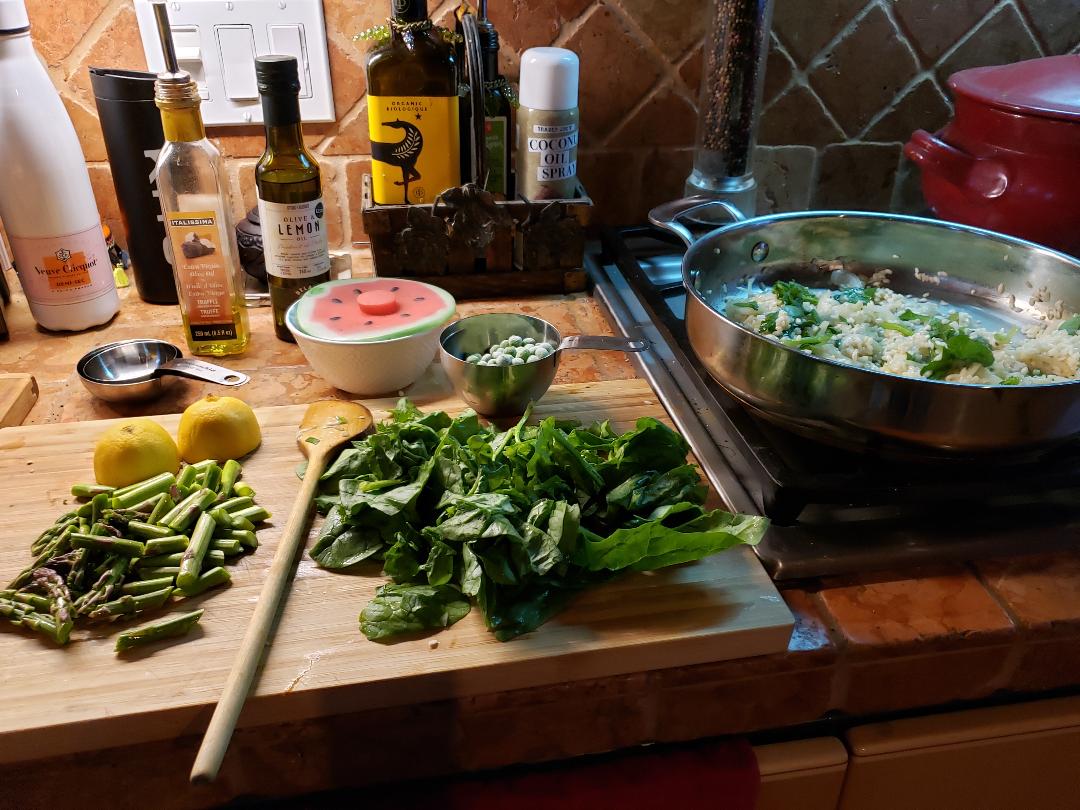
Photo: d. king Prepping for the Pot
For the wine I used a nice NZ sauvignon blanc but here’s the story: when having company over on Canada Day and knowing how quickly they go through wine I put a couple bottles of white wine in the freezer to get them cold quickly. Two days later I went to get something out of the freezer and Voilà..there was a forgotten extra bottle – frozen solid. Ahhh what a waste or so I thought. After researching what to do and finding many different suggestions I decided to leave it outside in a plastic bag just in case it exploded. So the next day it didn’t explode but there was only half a bottle left. Even unopened, it managed to seep through the twist top. Apparently you can drink wine that’s been frozen and thawed within a day or two. While it didn’t taste completely off, it didn’t taste quite so good either, therefore… not wanting to waste a good bottle of wine the risotto idea came about.
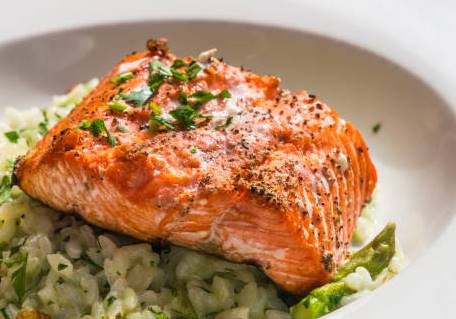
When making risotto you want to keep your eyes on the pan for the whole time – so whatever else you decide to serve alongside it should be easier to cook. I made baked salmon which was easier than having to watch the BBQ.
Ingredients
6 cups *vegetable broth
2 teaspoons olive oil
2-3 garlic cloves, minced
1 medium onion, thinly sliced
1 ½ cups Arborio rice (do not wash before; starch is needed here)
½ cup of dry white wine
¾ teaspoon salt
Freshly ground black pepper
Baby spinach leaves (approx. 3 cups; torn)
½ pound asparagus; cut into ¾-inch pieces
1 cup frozen peas
¼ freshly grated parmesan
*I use organic “better than bouillon” seasoned vegetable base (dissolve 6 tsps. of base to 6 cups of boiling water).
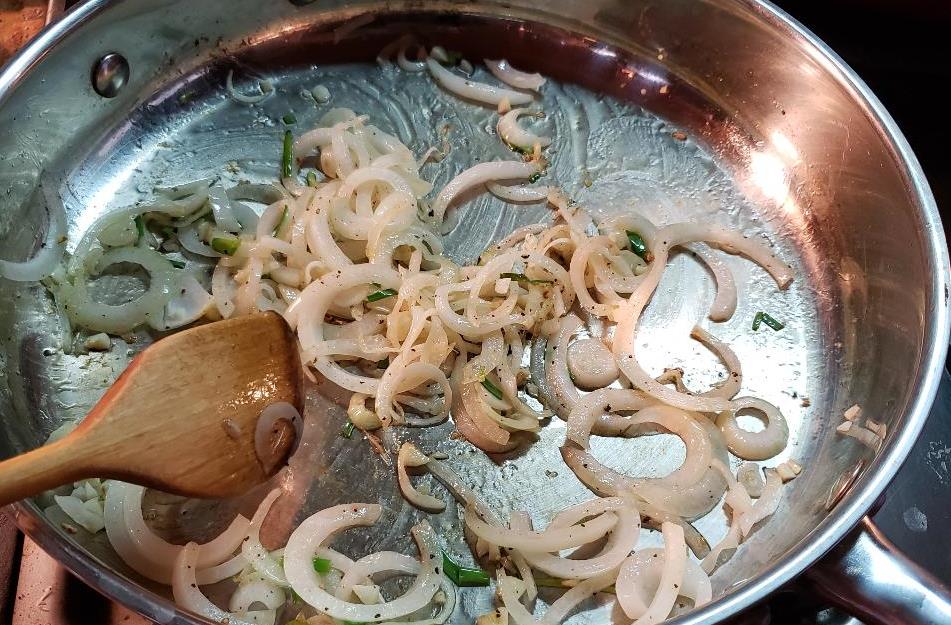
Bring the broth to a simmer in a medium saucepan. Heat the oil in a heavy saucepan over moderately low heat and cook the garlic + onion, stirring occasionally, until soft, 3 to 5 minutes. Add the rice and cook, stirring constantly, 1 minute. Add wine and simmer, stirring constantly, until absorbed, about 1 minute. Add 3/4 cup of the hot broth, the salt and a few grinds of fresh pepper and simmer, stirring constantly, until broth is absorbed. Continue simmering and adding hot broth, about 3/4 cup at a time, stirring constantly and allowing the broth to be absorbed before adding more, until rice is almost tender and creamy-looking, about 18 minutes. Careful not to let it dry out.
Add the spinach and asparagus and cook until the spinach is wilted. Add the frozen peas and cook just until the vegetables are hot. Stir in the Parmesan and more broth if the risotto seems too thick.
Garnish with fresh chopped parsley, some lemon + cracked pepper.
Try drizzling a little white truffle oil over top. Enjoy!
It only takes a few ingredients to make a fabulous meal – just ask the Italians.
Photo: d. king
The thing that makes something go from fine to fabulous is the freshness of the few ingredients. This is where less is more.
I mean look at minimalist cacio e pepe (love it) – it’s literally “cheese and pepper. ” Bon Appétit refers to it as a stripped-down mac and cheese.
In Italy a friend served homemade gnocchi with sage from her garden pan fried in butter to make it browned & crispy. It was excellent on its own served with parmesan.
Parsley is something I don’t use enough of and it’s so good for you. Except for making your breath fresher, on its own it’s kind of bland but when you marry it up with garlic, fresh lemon and reggiano parmesan it shines. I just used some in a ranch dressing and there was so much left over that I wanted to use it up. I don’t like throwing food away.
Often labeled as one of the most powerful disease-fighting plants, parsley provides great nutritional value and offers many potential health benefits. Over the years, parsley has been used to treat conditions like high blood pressure, allergies, and inflammatory diseases.
The herb is rich in many vitamins, particularly vitamin K, which is needed for blood clotting and bone health. Parsley is also a great source of vitamins A and C — important nutrients with antioxidant properties.
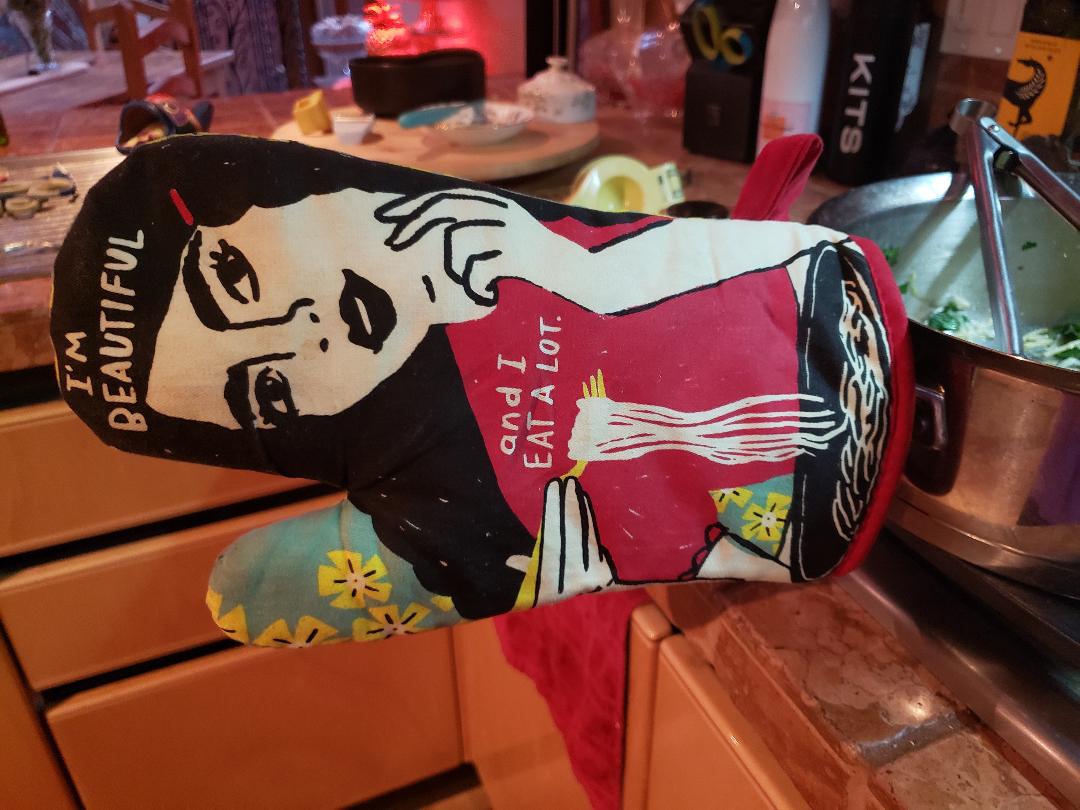
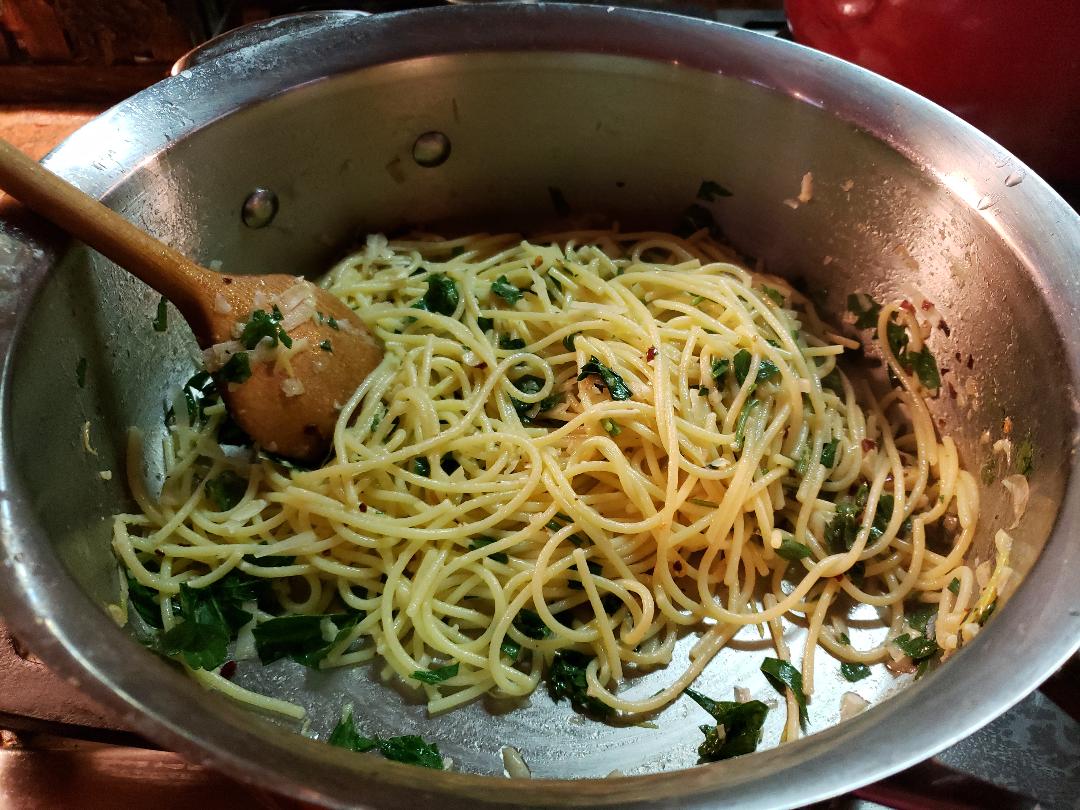
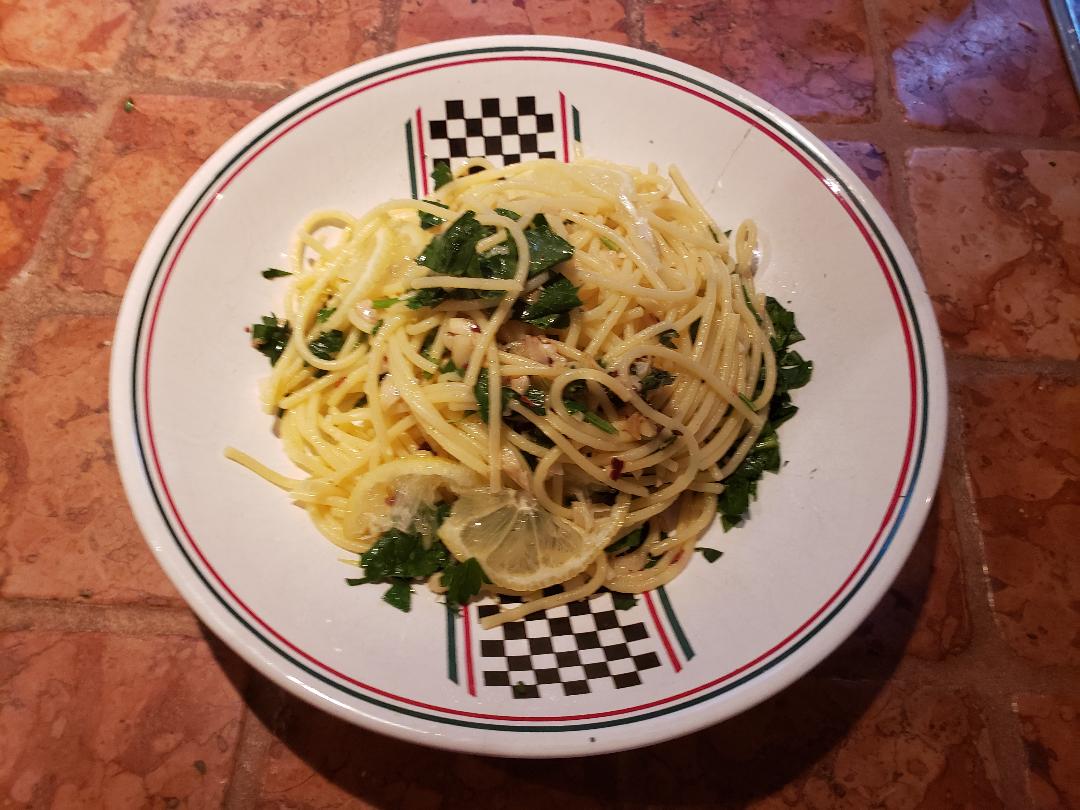
For this dish you need only spaghetti, fresh lemon (sprinkle some zest over top at the end), a few garlic cloves minced, chopped fresh parsley, olive oil, a little butter, parmesan cheese, cracked black pepper and course salt.
Cook the spaghetti to package directions (al dente is best). When it’s draining you can use the same pot to mix the rest and then put the spaghetti back into the pot. Serve right away. This can be a great side dish for chicken but works well on its own too.
I’m trying to eat more gluten-free as often as possible because it’s less bloating and you don’t feel overly stuffed. I’ve tried almost all the gluten free pasta varieties there are. Some are mushy, some fall apart and some taste just plain awful. Over time I’ve managed to find a few labels that taste good and cook like normal pasta. In the process I’ve wasted some good sauce on crappy tasting pasta.
I’ve tested chickpea, quinoa and lentil but the ones that come closest to old fashioned style is made with brown rice and corn. Even Barilla has gluten-free now.
End result. I usually say it tastes as good as it looks. In this case it tastes better than it appears.





















 Girl Who Would be KING on Life, Style and INSPIRATION.
You must be logged in to post a comment.