

I used to do a supplement Sunday post on vitamins I was either taking or curious about, because most people I know have a supplement plan that helps fill nutritional gaps, enhances wellness, or targets specific concerns like energy, immunity, or cognitive function.
There are always products out there designed to improve your body, your mind or your mood. We can all use improvements. But when we navigate the vitamin aisle it can definitely get overwhelming and confusing. You have to be mindful not to get swayed into taking something you don’t really need.
Which brings me to creatine – something I only recently started taking.
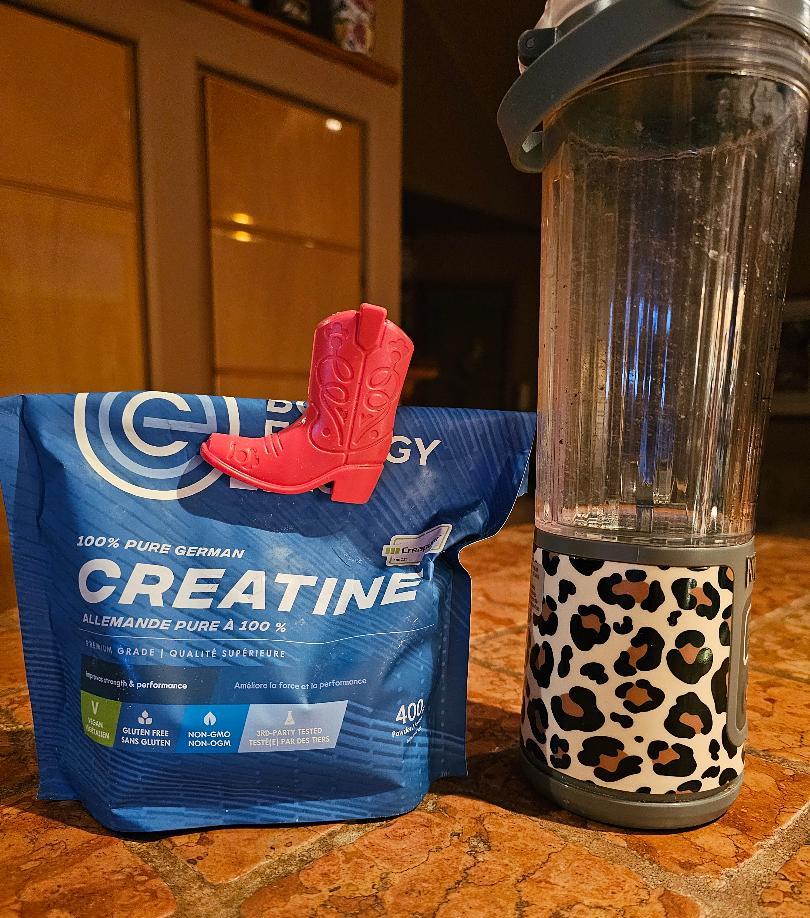
I used to think creatine was just for guys lifting heavy weights at the gym. But lately, I’ve been hearing more about how it might benefit women too, whether you’re into strength training, staying energized, or just curious about supplements. I’m not a nutritionist or a fitness pro, but I wanted to share what I’ve learned so far and why I’ve recently added it to my routine.
When it comes to taking vitamins in general I believe less is more. I like a simple routine and always take a good multi, vitamin D3+2, omega-3, magnesium and now berberine (for another post). But no matter what, it’s quality above quantity – always (which is a good rule of thumb for everything in life).
I never take something without looking into the pros and cons. I was curious about creatine and how it might help women like me. So I did some digging to find out the benefits.
The main selling features for me is that it’s supposed to be especially good for muscle strength, brain health, and hormonal support. I went to Body Energy (Vancouver supplement + smoothie store) and bought the powder form (good thing it has no flavour) so it’s perfect for adding to smoothies. I bought a German brand and made sure that it said *monohydrate on the package.
Here’s what I found based on current research (from what I’ve read – taken from other sources):
Creatine *monohydrate is widely considered the most beneficial and effective form of creatine, backed by decades of research for safety, performance, and affordability.
Most studied: It’s the gold standard in creatine research, with hundreds of studies confirming its ability to boost strength, muscle mass, and exercise performance.
Improved muscle strength and tone: especially helpful for resistance training and maintaining lean mass.
Support during hormonal shifts: Creatine may help stabilize energy and mood during menstrual cycles, pregnancy, or menopause.
Enhanced brain function: Some studies suggest creatine supports cognitive performance, memory, and mental clarity.
Bone health: Creatine may contribute to better bone density, which is especially important as women age.
Faster recovery: It can help reduce fatigue and muscle soreness after workouts.
Creatine draws water into your muscle cells: When you take creatine, it increases the water content inside your muscles. This is part of how it helps with performance and recovery – it creates a more hydrated, energized environment for muscle function. Because creatine shifts water into your muscles, it can slightly reduce water in other parts of your body. To stay balanced and avoid dehydration, it’s smart to increase your water intake, especially if you’re working out hard or sweating a lot.
A few cautions:
Elevated Creatine Levels: Creatine supplementation can increase serum creatinine, a marker used to assess kidney function. This may lead to false positives for kidney impairment in lab tests, complicating clinical assessments.
Fluid Retention and Weight Gain: Creatine may cause water retention in muscles, leading to weight gain – a concern for some CVD patients where fluid balance is critical.
Potential Gastrointestinal Side Effects: Some users report bloating, nausea, or diarrhea, especially when taking high doses or loading phases.
Interaction with Other Medications: Creatine may interact with diuretics or nephrotoxic drugs, so it’s essential to consult a healthcare provider before starting supplementation.
What do you think? Are you taking creatine as part of your supplement routine? If so, have you noticed a positive difference?
Sources:
Here’s a smoothie recipe I’ve been making that’s really delicious. This combo hits a sweet spot between refreshing and functional. The mango and banana bring natural sweetness, kefir adds tang and probiotics, matcha gives a gentle energy lift, and creatine supports your fitness goals. It’s a great pre- or post-workout option, or even a midday pick-me-up:
1 cup mango chunks (or a bit less – Rich in vitamin C, beta-carotene, and antioxidants)
1/2 a banana (potassium and fiber)
1/2 cup of strawberry kefir (Probiotic-rich for gut health)
1/2 cup of almond milk (Light, dairy-free base – keeps smoothie from getting too thick)
1 scoop of creatine (Supports muscle energy and recovery)
1-2 tsps of green matcha powder (Boosts focus and energy with L-theanine + caffeine. Also antioxidants and a subtle earthy note).
A little honey to taste (optional)












































 Celt Immuno-Care is a proudly Canadian patented supplement formulation that “up-regulates” the immune system when it’s under-performing, as so often occurs just before we get sick, while also “down-regulating” when it over-reacts, as occurs when we suffer from allergies. I’ve suffered from allergies my whole life but I can honestly say that since I started taking Immuno-Care just over a month now, I’ve noticed I’ve had fewer allergy symptoms.




 Girl Who Would be KING on Life, Style and INSPIRATION.
You must be logged in to post a comment.