B well – is your food loaded with toxins & chemicals?

toxic1On Tuesday I posted about the benefits of using Ghee in place of butter.  What I failed to point out was the importance of choosing the most beneficial kinds on the market – the ones that come from “grass-fedcows. (It was noted that butter and ghee that come from grass-fed cows are rich in healthful omega-3’s but it wasn’t made clear that you should buy only that one).  You should and I’ll tell you why!  Below are four nutritious foods (some of my favourites like salmon and popcorn) that may be more harmful than beneficial if you don’t choose them carefully.toxic2

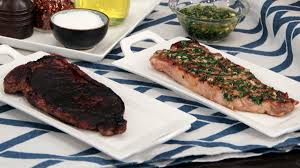
1. CORN-FED BEEF

Joel Salatin, co-owner of Polyface Farms and author of half a dozen books on sustainable farming, gives us the scoop:

The problem: Cattle evolved to eat grass, not grains. But farmers today feed their animals corn and soybeans, which fatten up the animals faster for slaughter. But more money for cattle farmers (and lower prices at the grocery store) means a lot less nutrition for us. A recent comprehensive study conducted by the USDA and researchers from Clemson University found that compared with corn-fed beef, grass-fed beef is higher in beta-carotene, vitamin E, omega-3s, conjugated linoleic acid (CLA), calcium, magnesium, and potassium; lower in inflammatory omega-6s; and lower in saturated fats that have been linked to heart disease. “We need to respect the fact that cows are herbivores, and that does not mean feeding them corn and chicken manure,” says Salatin.

The solution: Buy grass-fed beef, which can be found at specialty grocers, farmers’ markets, and nationally at Whole Foods. It’s usually labeled because it demands a premium, but if you don’t see it, ask your butcher.

Budget tip: Cuts on the bone are cheaper because processors charge extra for deboning. You can also buy direct from a local farmer, which can be as cheap as $5 per pound. To find a farmer near you, search eatwild.com.

2. MILK PRODUCED WITH ARTIFICIAL HORMONES

Rick North, project director of the Campaign for Safe Food at the Oregon Physicians for Social Responsibility and former CEO of the Oregon division of the American Cancer Society, gives us the scoop:

The problem: Milk producers treat their dairy cattle with recombinant bovine growth hormone (rBGH or rBST, as it is also known) to boost milk production. But rBGH also increases udder infections and even pus in the milk. It also leads to higher levels of a hormone called insulin-like growth factor in milk. In people, high levels of IGF-1 may contribute to breast, prostate, and colon cancers. “When the government approved rBGH, it was thought that IGF-1 from milk would be broken down in the human digestive tract,” says North. As it turns out, the casein in milk protects most of it, according to several independent studies. “There’s not 100% proof that this is increasing cancer in humans,” admits North. “However, it’s banned in most industrialized countries.”

The solution: Check labels for rBGH-free, rBST-free, produced without artificial hormones, or organic milk. These phrases indicate rBGH-free products.

Budget tip: Try Wal-Mart’s Great Value label, which does not use rBGH.

3. FARMED SALMON

David Carpenter, MD, director of the Institute for Health and the Environment at the University at Albany and publisher of a major study in the journal Science on contamination in fish, gives us the scoop:

The problem: Nature didn’t intend for salmon to be crammed into pens and fed soy, poultry litter, and hydrolyzed chicken feathers. As a result, farmed salmon is lower in vitamin D and higher in contaminants, including carcinogens, PCBs, brominated flame retardants, and pesticides such as dioxin and DDT. According to Carpenter, the most contaminated fish come from Northern Europe, which can be found on American menus. “You could eat one of these salmon dinners every 5 months without increasing your risk of cancer,” says Carpenter, whose 2004 fish contamination study got broad media attention. “It’s that bad.” Preliminary science has also linked DDT to diabetes and obesity, but some nutritionists believe the benefits of omega-3s outweigh the risks. There is also concern about the high level of antibiotics and pesticides used to treat these fish. When you eat farmed salmon, you get dosed with the same drugs and chemicals.

The solution: Switch to wild-caught Alaska salmon. If the package says fresh Atlantic, it’s farmed. There are no commercial fisheries left for wild Atlantic salmon.

Budget tip: Canned salmon, almost exclusively from wild catch, can be found for as little as $3 a can.

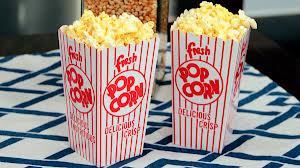
4. MICROWAVE POPCORN

Olga Naidenko, PhD, a senior scientist for the Environmental Working Group, gives us the scoop:

The problem: Chemicals, including perfluorooctanoic acid (PFOA), in the lining of the bag, are part of a class of compounds that may be linked to infertility in humans, according to a recent study from UCLA. In animal testing, the chemicals cause liver, testicular, and pancreatic cancer. Studies show that microwaving causes the chemicals to vaporize—and migrate into your popcorn. “They stay in your body for years and accumulate there,” says Naidenko, which is why researchers worry that levels in humans could approach the amounts causing cancers in laboratory animals. DuPont and other manufacturers have promised to phase out PFOA by 2015 under a voluntary EPA plan, but millions of bags of popcorn will be sold between now and then.

The solution: Pop natural kernels the old-fashioned way: in a skillet or use an air popping machine. For flavorings, you can add real butter or dried seasonings, such as dillweed, vegetable flakes, or soup mix.

Budget tip: Popping your own popcorn is dirt cheap.

Taken from Prevention.com

beautifully speaking – Think Dirty

Today’s post might have you jumping to clean out your bathroom cabinet.

the app

Don’t go throwing out ALL of your beauty products…

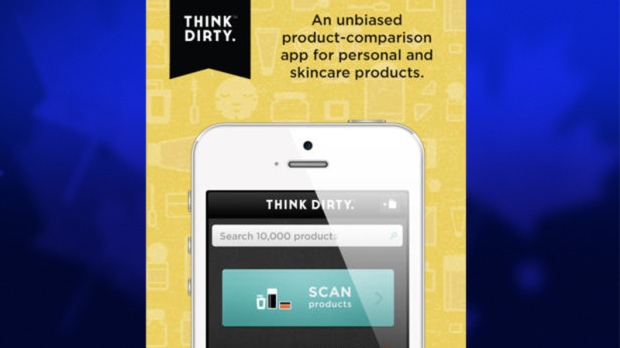
I’m usually good about reading product labels but after hearing about this new app I went home and read the labels on everything I used in a semi-state of panic – but before you toss anything, download this app, Think Dirty.

From lead-filled lipsticks to carcinogenic moisturizers, this app aims to help you find out what toxic chemicals you might be exposing yourself to on a daily basis through cosmetics and personal care products.

US health research and advocacy group Environmental Working Group (EWG) says that women are exposed to about 168 chemicals in beauty products each day. In 2004, the EWG launched its Skin Deep database, which lists potentially hazardous ingredients in some 78,000 products available in the US.

Think Dirty launched recently as a free iPhone app that also allows barcode scanning to find products, with ratings drawn from nonprofits like EWG, along with publicly available government databases in Canada, the US, and Europe. So far, the app contains a database of more than 12,000 cosmetic products.dirty1

The app allows you to scan the barcodes of your beauty and personal care products to get a breakdown of the ingredients and how they impact your health. The app also suggests other “cleaner” products to replace items you have that get a dirty rating.

Now the group plans to launch a new app, named Skin Deep, this autumn for both iOS and Android devices.

If you need me, I’ll be at Sephora…scanning…everything

In the meantime, check out the clean 100% mineral beauty products at MicaBeauty.  Available at: http://www.IntrigueImports.com

*(I first heard about this in Alex’s post for Garance Doré)

B well – let’s clarify something: what is ghee?

Do you know?

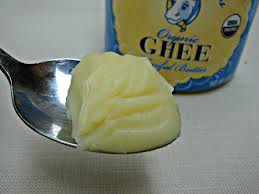
ghee1The only reason I know is because I was looking for a recipe to make butter chicken.  No where in this recipe does it call for regular butter, however the word “ghee” appears throughout my “the food of india” cookbook and so I decided to find out some info.  Of course the Indian grocery store had plenty in stock and it appears that ghee has been around for centuries and has many health benefits – always a bonus right?  For starters, ghee originated in India and is commonly used in South Asian (Indian, Bangladeshi, Nepali, Sri Lankan, and Pakistani) cuisine and ritual.  Here’s what I found out:

Long used in traditional Indian Ayurvedic medicine, ghee (pronounced with a hard ‘g’) may well be a healthier and lower cholesterol alternative to straight up butter.

Ghee, a better butter?

First off, what is ghee anyway?


Ghee is “clarified butter” made from raw unsalted butter from which the water and milk solids are removed. Ghee is a better choice of fat than butter and other saturated fats because it has a distinctive healing property not found in other fats. According to the Ayurveda tradition, ghee enhances the ojas, an essence that governs the tissues of the body and balances the hormones. Sufficient ojas in the body ensures a strong mind and body and resistance against disease, and is essential for longevity. The healing benefits of ghee are so high that Ayurveda deems it to be a pre-eminent healing food that helps in overall health and well-being.

Nutrition in Ghee and Butter

Ghee and butter contain all of the essential fatty acids, vitamins A, D, E and K, glycolipids that have anti-infective properties, butyric acid and conjugated linoleic acid, which is known to have anti-viral and anti-carcinogenic properties. Jonny Bowden, Ph.D., in his book ”The 150 Healthiest Foods on Earth,” says that butter and ghee that come from grass-fed cows are rich in healthful omega-3s. Also, the conjugated linoleic acid found in such fats may be promising in fighting weight gain, particularly around the abdomen. Since, ghee is a source of saturated fats, Dr. Ch. Murali Manohar, author of “Ayurveda for All,” recommends no more than 2 tbsp. of ghee per day with meals.

How is Ghee made:

Ghee is made in a similar way to clarified butter, but using a different kind of cream, and it’s cooked more slowly. Ghee is simmered until all the moisture evaporates and the milk solids begin to brown, giving the resulting butter a nutty, caramel-like flavour and aroma. This extra step also gives ghee a longer shelf life and a much higher burning point, making it practical for sautéing and frying.

When you melt butter and let it boil for a little while, the water will gradually evaporate and the milk protein and solids will settle down into the bottom and be strained away. The butter fat that is left will be solid at room temperature, and since the moisture content is very low and there are no more milk solids left in it, it can be kept for a long time without refrigeration.

This process was used primarily in the Middle East and South Asia to preserve dairy.

Types of Fats in Ghee and Butter

When comparing ghee to butter in terms of health, one reason for the more favorable past research record of ghee versus butter might be the increased amount of medium- and short-chain fatty acids in ghee. Butter contains about 12-15% of these medium-chain and short-chain fats, whereas ghee contains about 25%. (Our bodies metabolize medium-chain and short-chain fats differently than long-chain ones, and medium- and short-chain ones are not associated with cardiovascular problems in the same way as the long-chain ones are.)

Other benefits:

Ghee will last for a very long time without going rancid, although I do keep mine in the fridge to prolong its life. It should last as long as you need it to: months and months at least. You can use it as a cooking oil anywhere else you would use butter or oil: cooking vegetables, frying rice before steaming it, or searing meat. Since it doesn’t have the milk solids of butter, you can fry with it at higher temperatures without it smoking.

 It is very high in fat of course, so do use it with good judgment!

**Don’t miss listening to “Transforming Health” with host Brad King for the most evocative and informative up-to-the-minute interviews with leading health professionals – Live every Wednesday @ 12PM-PST/3PM-EST on VoiceAmerica.com – #1 internet radio station in North America.

Here’s the link: http://www.voiceamerica.com/show/1686/transforming-health

Taken in part from Livestrong.com


simply satisfying – Pecan Squash Butter

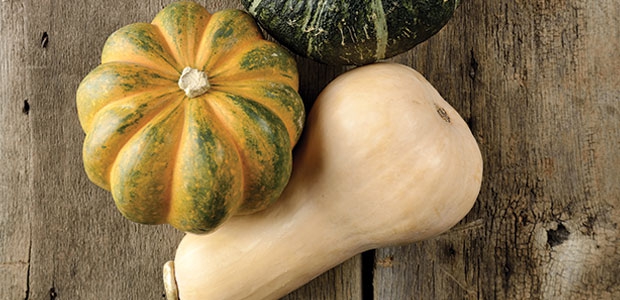
GOOD GOURD.  Winter squash comes in a wide range of shapes, sizes and tastes.

Acorn & Butternut
Acorn & Butternut – 2 favourites

It’s always fun to incorporate a new variety into your winter menu.  No matter which gourd you gravitate toward, make sure that it is heavy for its size, with taut skin and no soft spots or cracks.

Low-calorie winter squash contains an impressive slew of nutrients, including potassium, magnesium, vitamin C, fibre, and beta carotene. Beyond its function as a potent antioxidant, beta carotene can be converted to vitamin A in the body to boost immunity and eye health. A recent study also found that higher intakes of beta carotene could help reduce the risk for atrial fibrillation, a potentially dangerous irregular heartbeat.

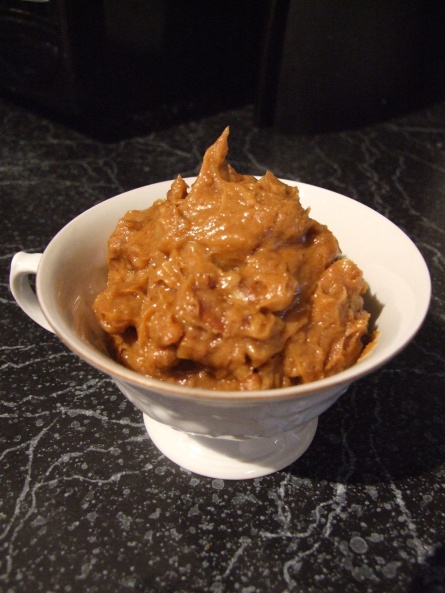
Pecan Squash Butter
Pecan Squash Butter

Ridiculously Easy Recipe:

Use this healthy & heavenly spread on your morning toast, slices of apple, or pieces of dark chocolate.

2 cups (500 ml) pecans

2 Tbsp (30 ml) melted coconut oil or other oil of choice

2 Tbsp (30 ml) honey

1 Cup (250 ml) squash puree

1/2 tsp. (2 ml) cinnamon

1/4 tsp. (1 ml) nutmeg

Place pecans, oil, and honey in container of food processor or high-powered blender and blend on high until mixture becomes creamy, about 2 to 5 minutes, depending on the machine you are using.  Wipe down sides as needed during blending.  If mixture is not becoming smooth enough, add a little extra oil to help smooth it out.

Place squash, cinnamon, and nutmeg in container and blend until smooth.  Store in refrigerator for up to 2 weeks.  Serves 12

Selecting a Squash:

Acorn
This guise of squash gleans its name from the tree nut it resembles and has mostly dark green skin, with yellow-orange flesh that has subtle taste notes of black pepper and hazelnuts.

Try it: Roasted acorn halves are perfect for stuffing with various grain salads. Adorn acorn slices with syrup reduction sauces, such as balsamic or pomegranate.

Buttercup
This squash has a hard green skin with creamy orange flesh and turbanlike shape. It’s one of the sweetest tasting varieties.

Try it: Buttercup’s natural sweetness is a welcome addition to soups and other purées, such as baked goods or dips.

Butternut
Hourglasslike butternut is blessed with a silky texture and taste reminiscent of sweet potato bathed in butter.

Try it: Roast or steam into cubes for a nutritious and tasty addition to salads, frittatas, and tacos. Or mash it and use as a stuffing for ravioli, a spread for sandwiches, or even as a pizza sauce.

Delicata
The oblong delicata has a pale yellow skin and is not too shy to show off its green strips. The pulp is creamy and tastes a bit like a love child of corn and sweet potatoes.

Try it: Slice in half lengthwise and use as a squash boat for all sorts of stuffings. Roasted slices with a butter maple syrup glaze will quickly turn into a favourite winter side dish. Unlike other squash, delicata’s thinner skin is edible once cooked.

Hubbard
This giant of the squash world is available in blue-grey, green, or orange-red varieties, all with warty skin and grainy, mildly sweet flesh.

Try it: Cut into cubes and string onto kebab skewers or toss with other seasonal items such as parsnips and rutabaga for a roasted vegetable medley.

Spaghetti
Watermelon-shaped with golden yellow rind, this squash is aptly named—once cooked, the flesh pulls apart into slightly nutty, spaghetti-like strands.

Try it: Toss strands with pesto or top with meat sauce for a twist on pasta night.

Taken from alive – Canada’s Natural Health and Wellness Magazine.

Do you have a squash fave?

B well – B diet savvy

Good Guys
Good Guys

Little healthful tidbits that go a long way.

Does it seem to you like weight-loss tips sometimes change on the regular?

The bad guys
The bad guys

Yeah, it can be a little overwhelming.  But the good news is that there are some diet strategies that are irrefutably backed by science…dietrules1which means there’s at least some sort of solid base for those of us feeling like we would like

to shed a few pounds.

3 Weight-Loss Lessons that Actually Work, According to Science

Forbes came up with a list of six of them, but these three to be especially intriguing.

Diet matters more than exercise. This isn’t to say that working out doesn’t matter…it does! But when it comes to weight loss, specifically, according to Samuel Klein, MD: “Decreasing food intake is much more effective than increasing physical activity to achieve weight loss. If you want to achieve a 300 [calorie] energy deficit you can run in the park for 3 miles or not eat 2 ounces of potato chips.” Experts say that it’s easy to binge after working out, so you end up taking in more calories than you had burned.

There’s no combination of foods that will magically make you lose weight. Low-fat, low-carb, vegetarian, no-sugar…experts say that it basically doesn’t matter what diet you follow, because there’s no real evidence that one particular diet will work better with your own metabolism. Basically, they say: Any diet will work if you follow it.

One calorie equals one calorie, even if it’s made up of nothing nutritious. Experts point to Mark Haub from Kansas State University, who lost 27 pounds eating nothing but junk food on the “Twinkie Diet.” Says Marion Nestle, Ph.D.: “A calorie is a calorie no matter what it comes from. You can gain weight eating too much healthy food as well as unhealthy. From the standpoint of health, it’s better to eat your veggies…. It’s just a lot easier to overeat calories from junk food than healthy food. But it can be done.”

What do you think of these weight-loss lessons?

Would you even consider something as crazy as a Twinkie Diet?

Does anything surprise you?

 **Don’t miss listening to “Transforming Health” with host Brad King for the most evocative and informative up-to-the-minute interviews with leading health professionals – Live every Wednesday @ 12PM-PST/3PM-EST on VoiceAmerica.com – #1 internet radio station in North America.

Here’s the link: http://www.voiceamerica.com/show/1686/transforming-health

Fill in the blanks – Let’s F–K CANCER!

The ‘C’ Word or the ‘F’ word – which is worse? Being told to fuck off, or that you have cancer?  Let’s combine the two nasty words together to make a statement.

fuck1Too many people I know have been, or are being diagnosed with cancer.  My dear mom and a good friend died from having it, a close cousin and one of my best friends survived having it – but I swear it’s time to say FUCK IT!  It feels good to say that. 

Well at least it gets the message across.  Another way is by using Social MediaFacebook vs. Cancer

From Vancouver Magazine:

We asked our community and pulled a list of the most messed-up things people have said or done that they thought were being helpful.  Just about everyone has told someone that they have breast cancer/brain cancer/whatever and that person says to them “Oh yeah, I had an aunt/uncle/spouse/dog who had that. They died.”  It’s terrible, but people are really just trying to connect. That’s Yael Cohen, 26, founder of a campaign that raises awareness (and eyebrows for its blunt name). 

Fuck cancer is something you hear on oncology wards, in hospitals – it’s the sentiment you hear from patients and caregivers,” says the Vancouver native.  When her mom was diagnosed with breast cancer in 2009, Cohen made her an expletive-blazoned T-shirt to articulate her grief and anger.  Response was massive.  “It was visceral, emotional.  People wanted so badly to talk about it, to hear her story and tell theirs or hug her or high-five her.”  It spawned a movement (Letsfcancer.com) pushing early detection (90 percent of cancers are treatable in Stage 1) and community involvement (“The support group is archaic; nobody wants to wait until 7 p.m. on a Wednesday to go to a church basement, so we’ve looked at technology – whether it’s Facebook or Twitter or a parking app or a sex app – to alter that code to benefit people”).  The wired generation is Cohen’s primary target, and they’re listening – the group’s Cancer Talk video had 55 million views in its first week, and celebrity endorsements come from KeSha and Perez Hilton. 

Next up; sharing the model: heart disease, poverty, who knows?  “We need to be the meta-leader who has an idea and gives it away to the community.  Giving it away is often the most powerful thing you can do.  Our generation gets that.”

Getting InvolvedOpen your mouth, not your wallet. Help us spread the word by sharing your social currency.  Re-blog this Post.

FOR THE FIRST TIME IN HISTORY, WE KNOW MORE THAN OUR PARENTS

Every kid thinks they know more than their parents, but for the first time in history, this might just be true. Because of the exponential growth in technology that has occured in our lifetime, Gen Y (Millennial Generation – birth years from the early 1980s to the early 2000s) teaches their parents more than any generation ever has. We teach them about social media, how to use their blackberries, and how to balance their diets.

SO WHY DON’T WE teach them something that can actually save their lives?  Visit website to find out more:

http://www.letsfcancer.com


inspiration – diets

I have a great diet.  You’re allowed to eat anything you want, but you must eat it with naked fat people.  ~Ed Bluestonediets2We’re the country that has more food to eat than any other country in the world, and with more diets to keep us from eating it – unknowndiets1The biggest seller is cookbooks and the second is diet books – how not to eat what you’ve just learned how to cook.  ~Andy Rooney

If you have formed the habit of checking on every new diet that comes along, you will find that, mercifully, they all blur together, leaving you with only one definite piece of information:  french-fried potatoes are out.  ~Jean Kerr

diets3My doctor told me to stop having intimate dinners for four.  Unless there are three other people.  ~Orson Welles

food4Stressed spelled backwards is desserts.  Coincidence?  I think not! 

be well – lose weight fast?

WAIT….not so fast! It sounded so good at first – EAT ALL YOU WANT…. just NOT when you want.  Is that the secret to staying thin and healthy?monday-dietRead this but remember to always consult your doctor before starting a diet and take everything with a grain of salt.  This may not be the diet for you. This is one of the most recent buzzed-about diet crazes of late – it’s called “Intermittent Fasting (or IF for short), and it’s different from any other diet you’ve ever read about.  IF lets you eat anything you want (see? –  It started off so good) just not when you want (so you must use some kind of self control).  And despite the “fasting” label you don’t ever have to go completely without food.  Confused?

Bill Gifford investigates the science behind the latest diet fad.

eat2The non-feeding frenzy has been fueled in part by The Fast Diet, a best-selling book from England. (The U.S. edition was released last February.)  The idea behind it is simple: You can eat normally on five days out of the week, but on two nonconsecutive days (you pick them) you are limited to two small meals totaling just 500 calories (600 for men). Coauthors Michael Mosley and Mimi Spencer, both journalists, insist that this 5:2 eating pattern not only helps you lose weight, it improves a range of metabolic and even cognitive function, and may even help delay aging. The good news is that their claim seems to be backed up by a growing body of scientific research.  Even better, the diet does not entail actual long-term fasting, you’re not going without food, you’re just going with less food.

Finally, intermittent fasting is almost infinitely flexible, and you can use it to design an eating program that fits your goals and your level of willpower.  Some scientists believe that by alternating our eating patterns, we more closely mimic the feast-or-famine cycles that our prehistoric ancestors knew, those cycles in turn, helped shape our DNA.  “Just like you need a good light/dark cycle to regulate your sleep, your body needs an eating/fasting cycle,” says Satchin Panda, a biologist in San Diego. Panda recently coauthored a study that found that mice on a high-fat diet gained far less weight when their eating hours were restricted to an eight-hour period than mice with 24-7 access to the same high-fat food – despite consuming the same number of calories.  Food for thought.

During the fasting part of the cycle, scientists believe, our cells gradually switch over to a kind of survival mode, activating chemical reactions that not only burn off excess fat but also have been shown to combat the effects of aging.  Studies have found that brief periods of fasting bring some of the same benefits of longer-term caloric restriction, such as increased insulin sensitivity, improved cholesterol profiles, better cognitive function, and, of course, weight loss. Animal studies have shown a reduced risk of cancer.  Why? Like exercise, fasting induces a mild stress, says Mark Mattson, a neuroscientist at the National Institute of Aging.  The cells are responsible for producing antioxidants.  In other words, it’s good stress.

Indeed, the most successful fasting diets have been done with obese subjects.  For normal weight people, the jury is still out.  Loren Greene, a New York endocrinologist, discourages fasting if you are already very thin, have struggled with an eating disorder, or are diabetic or (especially) pregnant.  It’s also important to stay well hydrated.eat1Moreover experts caution against the days-long juice fasts popular in Hollywood and the fashion world. People say, “I went on a long fast, and I lost all this weight,” but that’s because you’re burning muscle and you lost water weight.  It’s almost an illusion of success.

Forget illusions.  We’ll take real cheesecake anytime, even if we have to wait a few hours to eat it.

B well – is RAW food really better for you?

rawUnprocessed and uncooked organic produce has earned status as the gold standard in health food, but when it comes to vegetables, less (cooking time) isn’t always more. In fact, several varieties actually pack a bigger nutritional punch once they’ve been heated up above 115 degrees.

Taken from an article written by Jessica Chia

Compared to their raw counterparts, cooked tomatoes deliver more lycopene, an antioxidant that can lower the risk of prostate cancer, heart disease, and lung cancer. Likewise, heated carrots deliver a bigger dose of beta-carotene, a source of vitamin A. Spinach, mushrooms, asparagus, and cabbage also supply maximum antioxidants and nutrients when cooked, says Bonnie Taub-Dix, RD, author of *Read It Before You Eat It (this nationally recognized nutrition expert from New York tells shoppers exactly what should be going into their carts.) To lock in peak nutritional value, Taub-Dix recommends steaming vegetables to avoid overcooking, and adding flavor with fresh herbs and spices, rather than drowning them in rich sauces or fat-loaded batters. That means tempura is out and your easy, cheesy broccoli recipe was overdue for retirement, anyway.

Veggies that fare better fresh:  beets’ brain-boosting folate, broccoli’s cancer-combating myrosinase, and red peppers’ immunity-improving vitamin C are all at their highest levels in their natural state. Other raw standouts include coconut, cacao, lettuce, cucumbers, nuts, and seeds.

Eating slices of plain beets or a handful of unsalted nuts not your style? Taub-Dix suggests tossing vegetables, fruit, nut milk, and nut butter in a blender for a nutritious, protein-rich, and surprisingly satisfying smoothie. Drizzling raw veggies with a little oil-based dressing is another way to add flavor without defeating your clean-eating efforts.

Here, Taub-Dix shares her favorite smoothie recipe, a trio of refreshing fruit, cholesterol-lowering kale, and heart-healthy chia seeds.

Fruit, Kale, and Chia Smoothie
½ banana
½ apple
½ mango
Handful of kale leaves
2 tablespoons chia seeds
1 cup water
2 ice cubes

About the book:

There is a wealth of information on labels, but most people have no idea that products labeled “trans-fat free” can contain trans-fats or that “all natural” is a meaningless phrase. Readers can bring this handy guide to the supermarket to help them interpret labels like a pro. How much sodium is too much? Are all carbs the kiss of death? And what does “organic” really mean?  Taub-Dix clears up the confusion by showing readers how to make sense of the labels and sidestep tricky marketing ploys. She walks them through a typical grocery store and points out the best food choices to make in every aisle.

Also, **Don’t miss listening to “Transforming Health” with host Brad King for the most evocative and informative up-to-the-minute interviews with leading health professionals – Live every Wednesday @ 12PM-PST/3PM-EST on VoiceAmerica.com – #1 internet radio station in North America.

Here’s the link: http://www.voiceamerica.com/show/1686/transforming-health

B well – caring for your canine

or you might find yourself in the DOG house…Jia Jia

Little healthful tidbits that go a long way – what to do when it comes to your pup’s extra poundage & what you need to know to help Rover get back in shape.

From time to time I will include a health section for pet owners – because a fluffy little friend who is also healthy will make you feel good too – and we all know that feeling good is a healthy thing for us humans too.

I would love to receive a basket like this

When that wagging tail greets us at the front door after a long day, stress fades away in a slobbery instant.  And all the love we get from our loyal companions makes us want to reciprocate – often with food. But showing affection with bones or biscuits can lead to extra weight gain – and extra pounds pose weighty issues.  “Dogs may suffer many of the same diseases as humans as a result of too much weight,” says Ernie Ward, a veterinarian and senior veterinary editor of the Pet Health Network (pethealthnetwork.com) – think arthritis, joint damage, blown knee ligaments, high blood pressure, breathing problems, and, in some cases, type 2 diabetes.  The following is a road map for keeping your dog at a healthy weight.

pups2Weigh In – Getting an accurate scale reading requires a trip to the vet, but there are indicators that you can check for at home. “You should be able to feel but not see your dog’s ribs; if you can’t, it’s likely over-weight,” says Louise Murray, a veterinary internal-medicine specialist and vice president of the ASPCA Bergh Memorial Animal Hospital, in New York City. Chubby dogs may also have a saggy belly, visible from the side.  If your dog shows any of these warning signs, schedule an appointment with the vet.

Treat Lightly – People tend to blame canine weight gain on lack of exercise, but over-feeding, particularly of treats, is usually the culprit.  “Treats are silent saboteurs of good health, and account for a tremendous amount of calories, salt and fat,” says Ward.  He recommends nutrient-rich alternatives like small pieces of veggies (broccoli, green beans, carrots) or lean cooked meat, which taste better than processed treats. Single-ingredient store-bought treats, like salmon flakes or freeze-dried fruits and meats, are also good options.  Treat within reason.  If you notice weight gain, scale back.

Chat about Chow – how much to feed at mealtime depends on the type of food, the dog’s metabolism, and other variables like activity level, age and gender.  (Note: spaying and neutering can slow metabolism).  Portion guidelines on dog-food labels may be unreliable – they’re calculated to meet the most demanding canine lifestyles of active unspayed or un-neutered dogs.  As a result, people are over feeding their dogs by 25 to 50 percent each day.  Check with your vet to see what kind of food your specific dog needs and how much.

Get Moving – Dogs, like humans, may benefit from daily aerobic exercise.  Half an hour each day is recommended.

Milo was an active dog

By Jennifer Tzeses

Check out these dietary supplements for ultimate health & well-being for your pet at http://www.myultimatepet.com/

**Check out Ward’s canine-to-human treat equivalent at http://www.marthastewart.com/treat-cheat-sheet.)