B Well – with Alcohol

Booze.  How much is too much? 
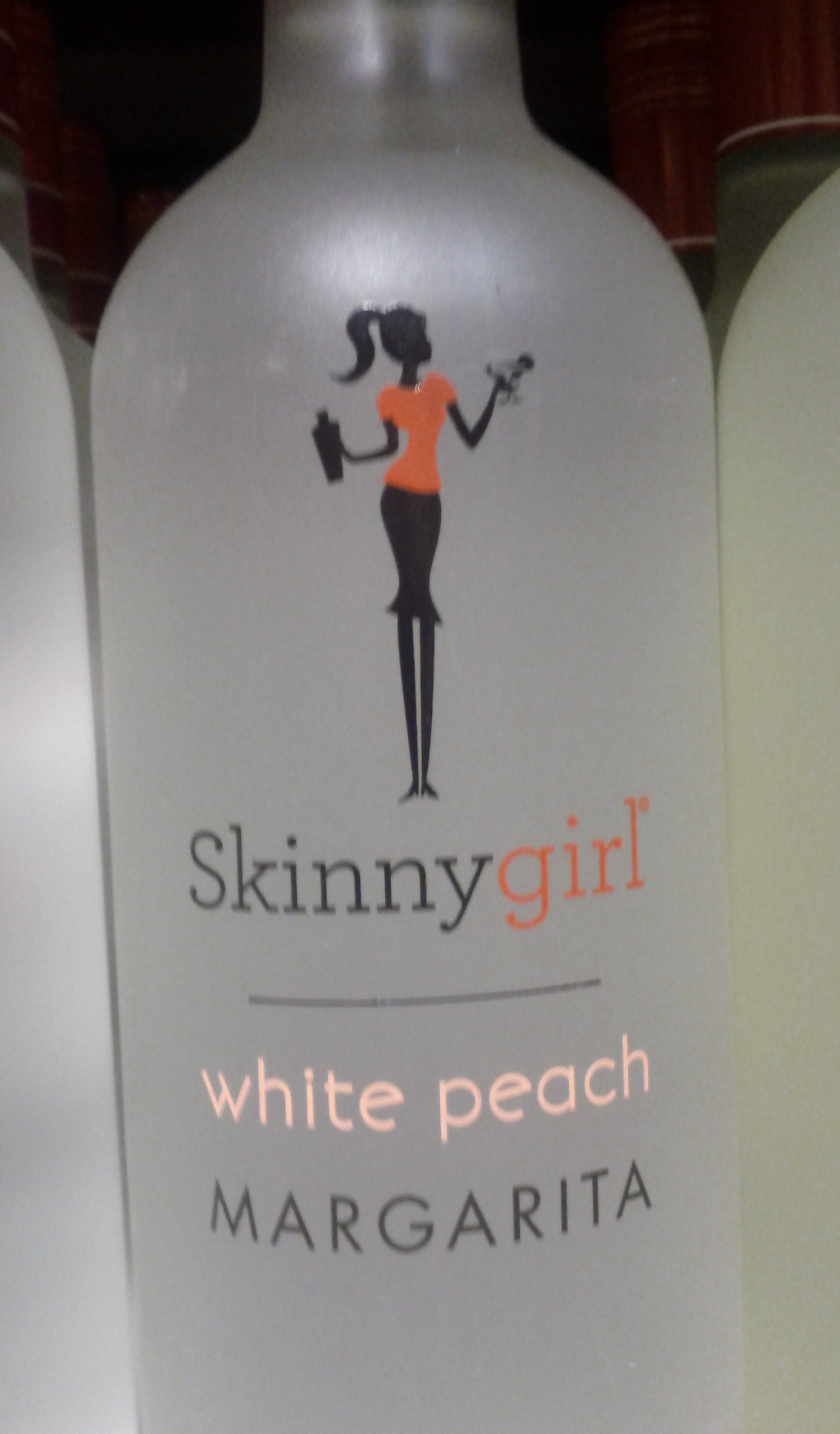
It seems that sticking with Tequila is the trick!

This posting came about after reading an entertaining article called “A life well lived includes the luxury of a perfectly poured cocktail” by Christine Lennon.  Of course it attracted my attention.  I like to live well.

Lennon quit her daily drinking (although never stating it was a problem) when she was pregnant with twins.  But then when they got a bit older & she knew they were asleep she transformed from mommy into mixologist.  How better a way to handle twins or kids in general I thought.  Lennon says…

“I love a Dark & Stormy in the summer, a crisp white wine after the beach, a glass of Tempranillo when there’s a steak on the grill and, as the holidays approach, a good whiskey on the rocks.  I rarely drink in daylight, unless the occasion calls for it, or it’s summer, or it’s someone’s birthday (and hey, isn’t it always someone’s birthday?).  I only have one, most of the time, unless I’m out, or in with company, or it’s Christmas, or I just had an ass-kicking kind of day.  I’m not going to sugar coat it:  A single drink before dinner, while I’m making dinner, or after dinner makes me a happier person.  And frankly, a reposado tequila on the rocks with lime makes me a superhero.  I’m not an alcoholic.  I’ve seen that up close, and I know that what I’m doing bears little resemblance.  But that doesn’t keep me from wondering if I’m drifting into some kind of undefined, gray area of casual dependency.  Even my delightfully childless friends who don’t have to face a five-year-old at 6 A.M. are beginning to question if drinking is the best idea:  Is it compromising their performance at work, their future as a size 6, the youth of their skin?  What are the long-term effects of this indulgence?

“It’s hard to say with any certainty how much is too much, because each individual metabolizes alcohol differently,” says New York internist Frank Lipman, a specialist in integrative medicine.  Depending on which research you read, moderate drinking may lower cholesterol levels, sink blood pressure, lower your risk of stroke, and increase bone density post-menopause.

For women, moderate means up to one drink per day; low-risk drinking, meaning the person imbibing is less likely to develop alcohol dependency, can be categorized by no more than three drinks in one day, and no more than seven in one week.  The bad news:  Studies show that regular drinking is linked to breast cancer because alcohol can tinker, unfavourably, with estrogen levels (with the exceptiion of tequila).  Alcohol can also inhibit your absorption of nutrients.  One study suggests that heavy drinking rewires brain circuitry, making people more sensitive to stress.

So are there ways to drink healthily and well?  Hopefully rumors still circulate about an active ingredient in milk thistle, though proof remains elusive.  “We know that it supports liver function, and the liver metabolizes alcohol.  So it couldn’t hurt,” says Lipman, who also advises drinking water in between cocktails and eating beforehand.  “And, anecdotally, I’ve found that evening primrose oil capsules help, both to coat the stomach and to soothe the liver.”

Finally this from Lennon:  “In defense of my drinking, it’s my last remaining vice, or at least my last remaining regular vice, or my last remaining regular vice suitable for print.  For the moment, I don’t see any reason to stop.  I have a lot to celebrate, a lot of people who want to celebrate with me, and the number of a reliable car programmed into my phone.  And if my bones are denser when I’m a sassy old lady as a result of all this celebrating, I’ll drink to that.”
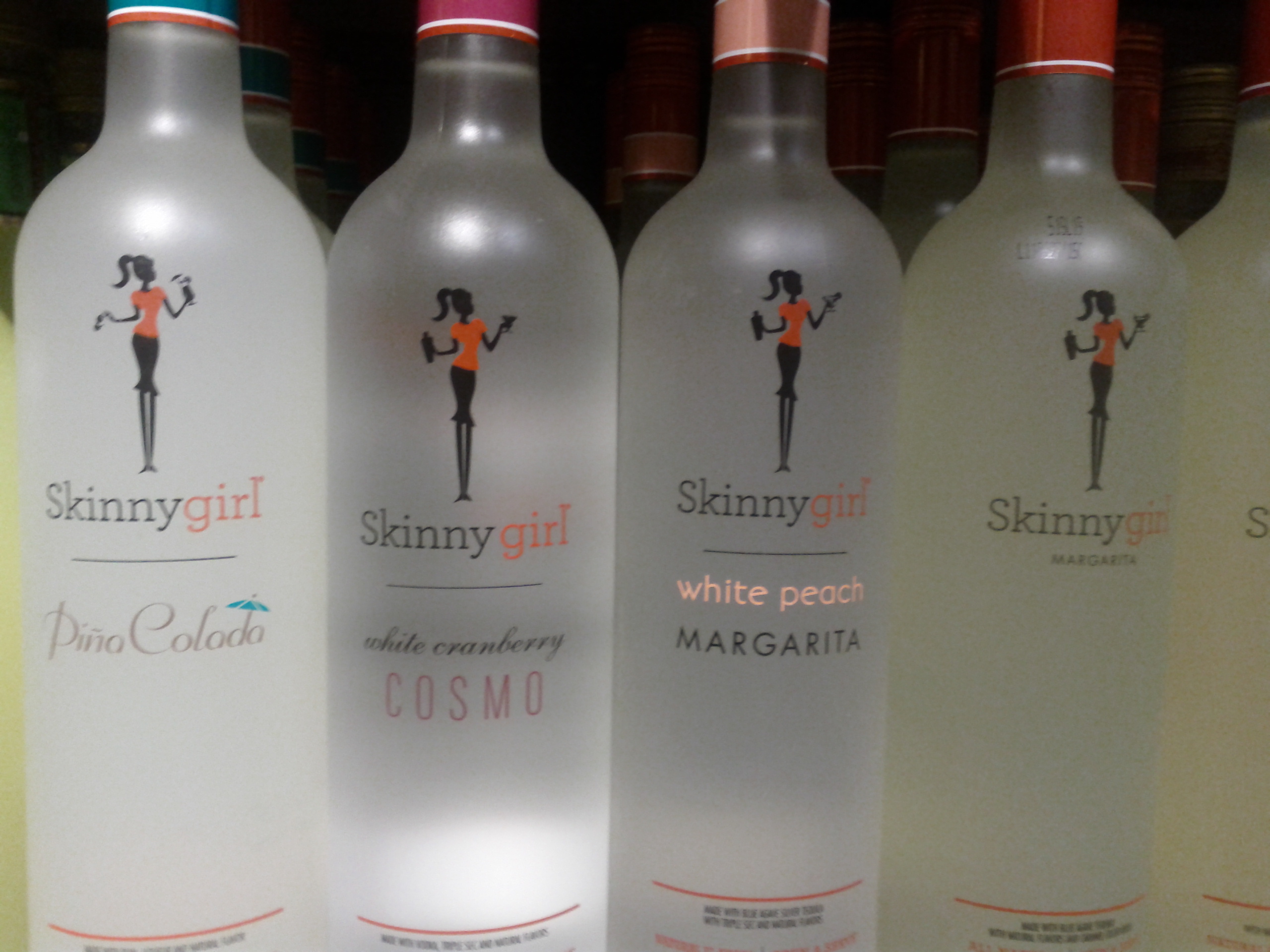
I want to be a SKINNY girl!
I want to be a SKINNY girl – for several different reasons!
Also…
**Don’t miss listening to “Transforming Health” with host Brad King for the most evocative and informative up-to-the-minute interviews with leading health professionals – Live every Wednesday @ 12PM-PST/3PM-EST on VoiceAmerica.com – #1 internet radio station in North America.
Here’s the link: http://www.voiceamerica.com/show/1686/transforming-health

B Well – other intriguing uses for Herbs & Spices.

tumeric
tumeric

Did you know…..

thyme
thyme
tarragon
tarragon
oregano
oregano
lavender
lavender
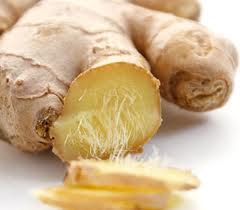
ginger
ginger
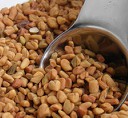
fenugreek
fenugreek
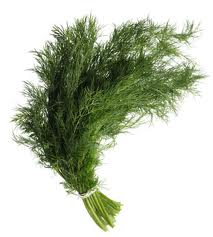
dill
dill
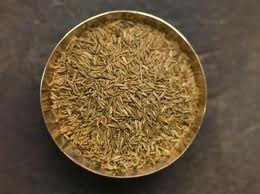
cumin
cumin
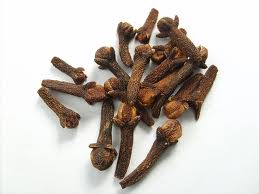
cloves
cloves
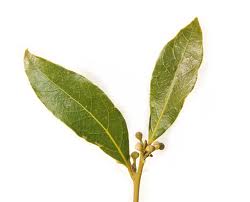
bay leaf
bay leaf
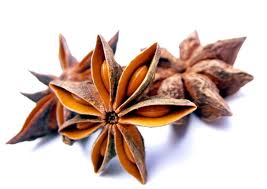
anise
anise

Ancient Romans hung Anise plants near their pillows to prevent bad dreams?

Pinning a Bay Leaf to your pillow on the eve of St. Valentine’s Day lets you see your future spouse in a dream.  This according to Elizabethan lore.

Clove oil is a natural pain killer, used for centuries.  In 17th century Britain, cloves were literally worth their weight in gold.  Unfortunately times have changed.

In the Middle Ages, Cumin was believed to keep lovers (and chickens!) from wandering.  **That’s why you should always use cumin in cooking.

Drinking Dill water removes a witch’s spell.  So happy to finally get that bitch witch off my back.

Studies have shown that Fenugreek can increase milk production in nursing mothers by up to 900%.

We all know that Ginger helps to cure a sore throat but ginger is also extremely effective for curing nausea.

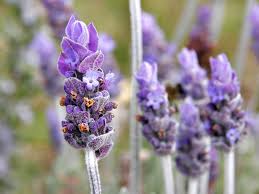
Cleopatra wore Lavender perfume while seducing Julius Caesar and Mark Antony.  In the 19th century it was used to cure vipor bites and swooning fits.

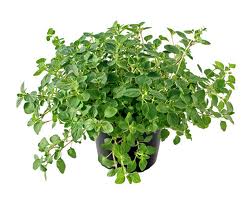
Hippocrates used Oregano as an antiseptic.  Ancient Greeks crowned brides and grooms with sprigs of oregano to banish sadness.

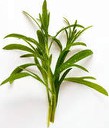
Tarragon was believed to cure snake bites.

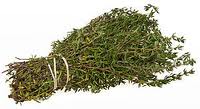
In the middle ages, Thyme was believed to bring courage to the bearer. Too bad the Lion from Wizard of Oz didn’t know about that.

Tumeric can be used to deter ants in the garden.  I suppose this can also be used in the house but only if you don’t mind your wood floor or carpets dyed a bright yellow.

It’s nice to know about these other ancient purposes but I’ll stick to using them mostly for cooking.

But does anyone know where I can get an Anise plant?

Also,
**Don’t miss listening to “Transforming Health” with host Brad King for the most evocative and informative up-to-the-minute interviews with leading health professionals – Live every Wednesday @ 12PM-PST/3PM-EST on VoiceAmerica.com – #1 internet radio station in North America.
Here’s the link: http://www.voiceamerica.com/show/1686/transforming-health

B Well – the health perks of bonding

I just picked up this book but I was sure it said “bondage.”

Daily Interactions with others – are they just as important to your health as eating well or going for a run?toasting

In her new book, Love 2.0: How Our Supreme Emotion Affects Everything We Feel, Think, Do, and Become, Barbara Fredrickson, Ph.D, suggests that true love isn’t about romance, companionship, or fondness; fundamentally it springs from something else she calls “micromoments of shared positive emotion.”  That the more loving you are in everyday life the healthier you could be.  She believes that such moments have the potential to lower our risk for disease and may even influence how our cells regenerate.

From the body’s point of view: when the brain registers love, it triggers the release of the hormone and neurotransmitter oxytocin.  Your emotions can trigger hormones that influence the way genes are expressed in the body.   We know this happens with negative emotions: stress releases adrenaline, which can prime cells for inflammation, causing disease.  She believes that positive feelings, which can trigger the release of oxytocin, have the opposite effect and set us up for a healthier life.  Makes perfect sense.

Simply get out and be more social.  Getting the benefits of love doesn’t require being in a romantic relationship or living near family or friends.  Just make sure you’re connecting with others, whether it’s through conversation or eye contact.  We tend to trivialize these interactions, but they’re important to our overall well being.

Or, get a rescue dog that you love and they’ll love you back tenfoldJia Jia

B Well – the healthy (thank you god) benefits of dark chocolate.

dark choCHOCOLATE AND YOUR HEALTH

The Basics:

It’s more than wishful thinking — chocolate can be good for you. Studies show that eating chocolate, primarily dark chocolate, may contribute to improved cardiovascular health. Packed with natural antioxidants, dark chocolate and cocoa sit in the same good-for-you category as green tea and blueberries. That’s because chocolate comes from cacao beans (or cocoa beans), which grow on the cacao tree and are full of natural plant nutrients. Most of the studies to date highlight dark chocolate’s health values because it has the highest percentage of cocoa solids, therefore more flavanol antioxidants.

My late afternoon snack will now consist of a cup of green tea with dark chocolate over blueberries.  What time is it?

An Antioxidant Powerhouse

Dark chocolate and cocoa are rich in cell-protecting antioxidants — natural compounds found in fruits, vegetables, grains and nuts. Read what scientists are studying regarding antioxidants and cardiovascular disease & premature aging.

Matters of the Heart

Recent studies have shown dark chocolate and cocoa may be good for your heart. In short-term clinical trials, dark chocolate has reduced blood pressure, improved blood flow, showed mild anti-clotting effects and may help prevent plaque formation in arteries.

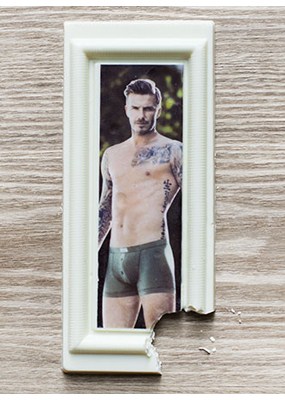
Okay so it's not dark but it's Beckham.  Try to take a bite out of that!
Okay so it’s not dark but it’s David Beckham. Try to take a bite out of that –  I’m sure he’s very good!

Sweet News For Managing Blood Sugar

Despite its sweet reputation, dark chocolate has a low glycemic index similar to that of oatmeal — meaning it does not send your blood sugar spiking. Find out more about the surprising chemistry behind your favorite treat.

Vital Minerals

Like any plant-based food, chocolate naturally contains an array of minerals.

Chocolate and Your Brain

Is it more than just the taste? Why does chocolate make us feel good? This is what they do know: chocolate contains more than 500 natural chemical compounds, some of which have been categorized as mood-elevating and pleasure-inducing.

Emerging Science

Buoyed by positive findings, more research is being conducted on chocolate’s health benefits, including potential cancer-fighting abilities and improved cognitive function. Learn about chocolate’s future in health studies.  Taken from allchocolate.com

**Don’t miss listening to “Transforming Health” with host Brad King for the most evocative and informative up-to-the-minute interviews with leading health professionals – Live every Wednesday @ 12PM-PST/3PM-EST on VoiceAmerica.com – #1 internet radio station in North America.  You can also listen to past episodes.  Here’s the link:
http://www.voiceamerica.com/show/1686/transforming-health

B Well – little healthful tidbits that go a long way

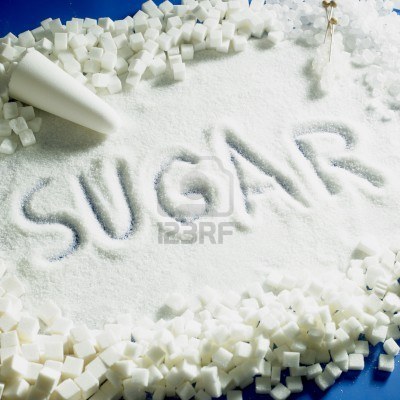
I love sugar so why won’t it love me back?

Try avoiding sugar and good luck to you!

SUGAR (even the natural kind) is currently getting a bad rap from best-selling books, diet gurus and even mainstream doctors.  Experts share what the real problems are and the smartest ways to cut back.

Take the following quiz below to find out if you’re hooked.  Answer True or False for each question.


1)      I crave something sweet after nearly every meal.                                                   2)      I have at least one soft drink (diet or regular) a day.                                                 3)      When I see something sweet, I have trouble passing it up.                                      4)      I almost always have some sort of chocolate or candy every day.                           5)      I sometimes feel out of control when eating sweets.

If you answered TRUE TO THREE OR MORE questions, you’re under sugar’s spell and it might be time to start curbing your intake.

Guilty to numbers 1, 3 and 4.  My correct score should really be 2 ½.  I struggled with answering yes to #1 because I don’t always eat sweets after breakfast or lunch.

WHAT’S SO BAD

It can add belly bulge. Ab fat anyone? What you eat matters – counting calories are not the only thing that counts.  Sugary foods are rapidly absorbed, precipitating insulin spikes that cause rebound hunger and elevated triglyceride levels (increasing your risk of heart disease).  Scarier still, surplus fructose can build fat deep in the abdomen, which is the worst place in terms of health risks.

IT AGES YOU

Excess suger in your diet can trigger the formation of advanced glycation end-products, which can cause premature lines and wrinkles.  WAIT: you can use sugar based products for your skin?  Sugar actually works well as a topical exfoliant, gently sloughing off dead layers to reveal smoother, brighter skin.  That’s great and all but will it still satisfy my craving for something sweet while it’s on my skin?  I don’t think so!  My question is can you eat sugar and then use wrinkle reducing products to wipe off the accumulated line damage after? – probably not!  We’ll do skincare in another post then.

DON’T BE A FAKER

Satisfying your cravings with artificial substitutes isn’t a smart swap.  People who drink diet sodas are more likely to gain extra pounds.  One possible explanation?  The faux stuff primes your palate to crave sweets, making it harder to scale back.  Plus the fake stuff is even worse for you in general.

SUGAR GETS BUSTED

Since it’s publication in February, the “Blood Sugar Solution” has been generating a buzz and landing on the best-seller list for at least 12 weeks.  Followers of Dr. Mark Hyman’s no-added-sugers edict are staving off what he calls “diabesity,” a cluster of symptoms that can lead to serious health issues.  (Little Brown, $28; amazon.com)

Slashing Sugar Made Simple:  some strategies to slowly step away from sweets without sacrificing taste or satiety.

Pick the finest fruit – few dietitians advise cutting out fruit entirely since it has fiber along with the natural sugars.  Focus on low-sugar, high-fiber, and phytonutrient-rich choices like blueberries and peaches over super-sweet fruits like pineapple.

Beware of breakfast cereals – even the seemingly wholesome varieties can be laden with the white stuff.  A serving of Kashi Go Lean Crunch has a  whopping 13 grams of sugar.  That is the main reason why I make my own granola.  The only additional sugars is with added dried fruit.

Avoid Hidden Sugar – sweeteners go by many names and can be lurking where you least expect them.  Common sources include breads, ketchup, pasta sauce, peanut butter, salad dressings and soups.  Read the labels carefully.  Bone up on the aliases you may find on labels, such as brown rice syrup, corn syrup, solids, dexrin, galactose, and malt syrup.

Sip Smarter – be wary of drinking too much juice.  Juice might seem health savvy -witness the juice-cleanse craze.  But most are high in sugar too.  Eating the whole fruit is more filling for fewer calories or dilute your juice with some water.  I love juicing but will add veggies like carrots, kale and cucumber to balance out the fruit intake.  Watch out for the sugar intake in energy shakes too. 

Only Irish coffee provides in a single glass all essential food groups: alcohol, caffeine, sugar and fat.”

*TIP:  It may not be chocolate but for a healthy take on something sweet try baked sweet potatoes sprinkled with cinnamon.

**If you can’t CUT OUT then at least CUT DOWN.  Eating sugar in desserts, ice cream, etc. is my guilty pleasure but I vow to cut down…..bit by bit (or bite by bite).

You might also be interested in:                                                                                          How YOU can become almost totally resistant to colds, influenza, and other infections with the bestselling author of SUPER IMMUNITY on Transforming Health with Brad King.            VoiceAmerica.com – #1 internet radio station in North America.  Listen to this and other health related issues with Brad King every Wednesday live at noon (pacific standard time) and 3:00 p.m. (EST).