
health MATTERS: how to BOOST your IMMUNE system

LAUGHTER is the best medicine and MUSIC soothes the soul. Life is all about healthy BALANCE.  I truly believe that.  First and foremost there’s FUN and then there’s a real serious side the side I try to suppress as much as possible. What it all comes down to:

healthy1Over the last four days I’ve been listening to a podcast on my tablet called “the truth about Cancer.”  It’s a 12-part series lasting approximately 1 ½ hours in length for each webisode that has a lot to say and is a lot to take in.  Interviews with 28 doctors, 11 scientists, 9 survivors and 1 FDA dragon slaying attorney that break their code of silence and expose the supposed truth about Cancer and exactly how to prevent, treat and beat it 100% naturally.

enjoy the outdoors and exercise at the same time
enjoying the outdoors and exercising at the same time is a great stress reliever

  I have known and unfortunately now know enough people with this horrible disease to want to pay extra attention to what each have to say, all with keeping an open mind of course.  Because the fine print says that any product mentioned or described on their website is not intended to diagnose, treat, cure, or prevent any disease.  Also, much of it is reinforcement of what you may already know if you follow health protocols which I’m sure many of you do.  It is still thought-provoking to hear what each have to say and especially the individual survivor stories which I find the most inspiring.  The bottom line is that according to the argument, your immune system has to be already compromised in order to get cancer in the first place.  So,

How to boost your immune system

WHAT CAN WE DO?

On the whole, your immune system does a remarkable job of defending you against disease-causing microorganisms. But sometimes it fails: A germ invades successfully and makes you sick. Is it possible to intervene in this process and make your immune system stronger? What if you improve your diet? Take certain vitamins or herbal preparations? Make other lifestyle changes in the hope of producing a near-perfect immune response?

The idea of boosting your immunity is enticing, but the ability to do so has proved elusive for several reasons. The immune system is precisely that — a system, not a single entity. To function well, it requires balance and harmony. There is still much that researchers don’t know about the intricacies and interconnectedness of the immune response. For now, there are no scientifically proven direct links between lifestyle and enhanced immune function.

But that doesn’t mean the effects of lifestyle on the immune system aren’t intriguing and shouldn’t be studied. Quite a number of researchers are exploring the effects of diet, exercise, age, psychological stress, herbal supplements, and other factors on the immune response, both in animals and in humans. Although interesting results are emerging, thus far they can only be considered preliminary. That’s because researchers are still trying to understand how the immune system works and how to interpret measurements of immune function. The following sections summarize some of the most active areas of research into these topics. In the meantime, general healthy-living strategies are a good way to start giving your immune system the upper hand.

Make loving connections
make loving connections

Adopt HEALTHY-LIVING strategies:

Your first line of defense is to choose a healthy lifestyle. Following general good-health guidelines is the single best step you can take toward keeping your immune system strong and healthy. Every part of your body, including your immune system, functions better when protected from environmental assaults and bolstered by healthy-living strategies such as these:

  • Don’t smoke.
  • Eat a diet high in fruits, vegetables, and whole grains, and low in saturated fat.
  • Exercise regularly.
  • Maintain a healthy weight.
  • Control your blood pressure.
  • If you drink alcohol, drink only in moderation.
  • Get adequate sleep.
  • Take steps to avoid infection, such as washing your hands frequently and cooking meats thoroughly.
  • Get regular medical screening tests for people in your age group and risk category

Be SKEPTICAL:

  • Many products on store shelves claim to boost or support immunity. But the concept of boosting immunity actually makes little sense scientifically. In fact, boosting the number of cells in your body — immune cells or others — is not necessarily a good thing. For example, athletes who engage in “blood doping” — pumping blood into their systems to boost their number of blood cells and enhance their performance — run the risk of strokes.
  • Attempting to boost the cells of the immune system is especially complicated because there are so many different kinds of cells in the immune system that respond to so many different microbes in so many ways. Which cells should you boost, and to what number? So far, scientists do not know the answer. What is known is that the body is continually generating immune cells. Certainly it produces many more lymphocytes than it can possibly use. The extra cells remove themselves through a natural process of cell death called apoptosis — some before they see any action, some after the battle is won. No one knows how many cells or what kinds of cells the immune system needs to function at its optimum level.
  • Many researchers are trying to explore the effects of a variety of factors — from foods and herbal supplements to exercise and stress — on immunity. Some take measures of certain blood components like *lymphocytes or **cytokines. But thus far, no one really knows what these measurements mean in terms of your body’s ability to fight disease. They provide a way of detecting whether something is going on, but science isn’t yet sufficiently advanced to understand how this translates into success in warding off disease.
  • A different scientific approach looks at the effect of certain lifestyle modifications on the incidence of disease. If a study shows significantly less disease, researchers consider whether the immune system is being strengthened in some way. Based on these studies, there is now evidence that even though we may not be able to prove a direct link between a certain lifestyle and an improved immune response, we can at least show that some links are likely.

AGE and IMMUNITY:

  • While some people age healthily, the conclusion of many studies is that, compared with younger people, the elderly are far more likely to contract infectious diseases. Respiratory infections, influenza, and particularly pneumonia are a leading cause of death in people over 65 worldwide. No one knows for sure why this happens, but some scientists observe that this increased risk correlates with a decrease in T cells, possibly from the thymus atrophying with age and producing fewer T cells to fight off infection. Thymus function declines beginning at age 1; whether this decrease in thymus function explains the drop in T cells or whether other changes play a role is not fully understood. Others are interested in whether the bone marrow becomes less efficient at producing the stem cells that give rise to the cells of the immune system.

WHAT ABOUT DIET?

  • Like any fighting force, the immune system army marches on its stomach. Immune system warriors need good, regular nourishment. Scientists have long recognized that people who live in poverty and are malnourished are more vulnerable to infectious diseases. Whether the increased rate of disease is caused by malnutrition’s effect on the immune system, however, is not certain. There are still relatively few studies of the effects of nutrition on the immune system of humans, and even fewer studies that tie the effects of nutrition directly to the development (versus the treatment) of diseases.
  • So what can you do? If you suspect your diet is not providing you with all your micronutrient needs — maybe you don’t like vegetables or you choose white bread over whole grains — taking a daily multivitamin and mineral supplement brings health benefits of many types, beyond any possibly beneficial effects on the immune system. Taking megadoses of a single vitamin does not. More is not necessarily better. Researchers are investigating the immune boosting potential of a number of different nutrients.
  • Some studies have suggested that people with low selenium levels are at greater risk of bladder, breast, colon, rectum, lung, and prostate cancers. A large-scale, multiyear study is currently in progress to look at the effects of combining selenium and vitamin E on prostate cancer prevention.
  • Vitamin A.Experts have long known that vitamin A plays a role in infection and maintaining mucosal surfaces by influencing certain subcategories of T cells and B cells and cytokines. Vitamin A deficiency is associated with impaired immunity and increased risk of infectious disease. On the other hand, according to one study, supplementation in the absence of a deficiency didn’t enhance or suppress T cell immunity in a group of healthy seniors.
  • Vitamin B2.There is some evidence that vitamin B2 enhances resistance to bacterial infections in mice, but what that means in terms of enhancing immune response is unclear.
  • Vitamin B6.Several studies have suggested that a vitamin B6 deficiency can depress aspects of the immune response, such as lymphocytes’ ability to mature and spin off into various types of T and B cells. Supplementing with moderate doses to address the deficiency restores immune function, but megadoses don’t produce additional benefits. And B6 may promote the growth of tumors.
  • Vitamin C.The jury is still out on vitamin C and the immune system. Many studies have looked at vitamin C in general; unfortunately, many of them were not well designed. Vitamin C may work in concert with other micronutrients rather than providing benefits alone.
  • Vitamin D.For many years doctors have known that people afflicted with tuberculosis responded well to sunlight. An explanation may now be at hand. Researchers have found that vitamin D, which is produced by the skin when exposed to sunlight, signals an antimicrobial response to the bacterium responsible for tuberculosis, Mycobacterium tuberculosis. Whether vitamin D has similar ability to fight off other diseases and whether taking vitamin D in supplement form is beneficial are questions that need to be resolved with further study.
  • Vitamin E.A study involving healthy subjects over age 65 has shown that increasing the daily dose of vitamin E from the recommended dietary allowance (RDA) of 30 mg to 200 mg increased antibody responses to hepatitis B and tetanus after vaccination. But these increased responses didn’t happen following administration of diphtheria and pneumococcal vaccines.
  • Zinc is a trace element essential for cells of the immune system, and zinc deficiency affects the ability of T cells and other immune cells to function as they should. Caution: While it’s important to have sufficient zinc in your diet (15–25 mg per day), too much zinc can inhibit the function of the immune system.

HERBS and other SUPPLEMENTS:

  • Walk into a store, and you will find bottles of pills and herbal preparations that claim to “support immunity” or otherwise boost the health of your immune system. Although some preparations have been found to alter some components of immune function, thus far there is no evidence that they actually bolster immunity to the point where you are better protected against infection and disease. Demonstrating whether an herb — or any substance, for that matter — can enhance immunity is, as yet, a highly complicated matter. Scientists don’t know, for example, whether an herb that seems to raise the levels of antibodies in the blood is actually doing anything beneficial for overall immunity.
  • But that doesn’t mean we should discount the benefits of all herbal preparations. Everyone’s immune system is unique. Each person’s physiology responds to active substances differently. So if your grandmother says she’s been using an herbal preparation for years that protects her from illness, who’s to say that it doesn’t? The problem arises when scientists try to study such a preparation among large numbers of people. The fact that it works for one person won’t show up in the research data if it’s not doing the same for a larger group.
  • There are hundreds of different species of bacteria in your digestive tract, which do a bang-up job helping you digest your food. Now researchers, including some at Harvard Medical School, are finding evidence of a relationship between such “good” bacteria and the immune system. For instance, it is now known that certain bacteria in the gut influence the development of aspects of the immune system, such as correcting deficiencies and increasing the numbers of certain T cells. Precisely how the bacteria interact with the immune system components isn’t known. As more and more intriguing evidence comes in to support the link that intestinal bacteria bolster the immune system, it’s tempting to think that more good bacteria would be better. At least, this is what many marketers would like you to believe as they tout their probiotic products.
  • Probiotics are good bacteria, such as Lactobacillus and Bifidobacterium, that can safely dwell in your digestive tract. You’ll now find probiotics listed on the labels of dairy products, drinks, cereals, energy bars, and other foods. Ingredients touted as “prebiotics,” which claim to be nutrients that feed the good bacteria, are also cropping up in commercially marketed foods. Unfortunately, the direct connection between taking these products and improving immune function has not yet been made. Nor has science shown whether taking probiotics will replenish the good bacteria that get knocked out together with “bad” bacteria when you take antibiotics.
  • Another caution is that the quality of probiotic products is not consistent. Some contain what they say they do; some do not. In a 2006 report, the American Academy of Microbiology said that “at present, the quality of probiotics available to consumers in food products around the world is unreliable.” In the same vein, the FDA monitors food packages to make sure they don’t carry labels that claim the products can cure diseases unless the companies have scientific evidence to support the claims. Does this mean taking probiotics is useless? No. It means the jury is still out on the expansive health claims. In the meantime, if you choose to take a probiotic in moderation, it probably won’t hurt, and the scientific evidence may ultimately show some benefit.

The STRESS CONNECTION:

  • Modern medicine, which once treated the connection between emotions and physical health with skepticism, has come to appreciate the closely linked relationship of mind and body. A wide variety of maladies, including stomach upset, hives, and even heart disease, are linked to the effects of emotional stress. But although the relationship between stress and immune function is being studied by a number of different types of scientists, so far it is not a major area of research for immunologists.

Studying the relationship between stress and the immune system presents difficult challenges. For one thing, stress is difficult to define. What may appear to be a stressful situation for one person is not for another.

Many researchers report that stressful situations can reduce various aspects of the cellular immune response. A research team from Ohio State University that has long worked in this field suggests that psychological stress affects the immune system by disrupting communication between the nervous system, the endocrine (hormonal) system, and the immune system. These three systems “talk” to one another using natural chemical messages, and must work in close coordination to be effective. The Ohio State research team speculates that long-term stress releases a long-term trickle of stress hormones — mainly glucocorticoids. These hormones affect the thymus, where lymphocytes are produced, and inhibit the production of cytokines and interleukins, which stimulate and coordinate white blood cell activity. This team and others have reported the following results:

  • Elderly people caring for relatives with Alzheimer’s disease have higher than average levels of cortisol, a hormone secreted by the adrenal glands and, perhaps because of the higher levels of cortisol, make fewer antibodies in response to influenza vaccine.
  • Some measures of T cell activity have been found to be lower in depressed patients compared with non depressed patients, and in men who are separated or divorced compared with men who are married.
  • In a year-long study of people caring for husbands or wives with Alzheimer’s disease, changes in T cell function were greatest in those who had the fewest friends and least outside help.
  • Four months after the passage of Hurricane Andrew in Florida, people in the most heavily damaged neighborhoods showed reduced activity in several immune system measurements. Similar results were found in a study of hospital employees after an earthquake in Los Angeles.

In all of these studies, however, there was no proof that the immune system changes measured had any clear adverse effects on health in these individuals.

Does being cold make you sick?

Almost every mother has said it: “Wear a jacket or you’ll catch a cold!” Is she right? So far, researchers who are studying this question think that normal exposure to moderate cold doesn’t increase your susceptibility to infection. Most health experts agree that the reason winter is “cold and flu season” is not that people are cold, but that they spend more time indoors, in closer contact with other people who can pass on their germs.

A group of Canadian researchers that has reviewed hundreds of medical studies on the subject and conducted some of its own research concludes that there’s no need to worry about moderate cold exposure — it has no detrimental effect on the human immune system. Should you bundle up when it’s cold outside? The answer is “yes” if you’re uncomfortable, or if you’re going to be outdoors for an extended period where such problems as frostbite and hypothermia are a risk. But don’t worry about immunity.

EXERCISE: Good or bad for immunity?

Regular exercise is one of the pillars of healthy living. It improves cardiovascular health, lowers blood pressure, helps control body weight, and protects against a variety of diseases. But does it help maintain a healthy immune system? Just like a healthy diet, exercise can contribute to general good health and therefore to a healthy immune system. It may contribute even more directly by promoting good circulation, which allows the cells and substances of the immune system to move through the body freely and do their job efficiently.  Does it help keep the immune system healthy? For now, even though a direct beneficial link hasn’t been established, it’s reasonable to consider moderate regular exercise to be a beneficial arrow in the quiver of healthy living, a potentially important means for keeping your immune system healthy along with the rest of your body.

*Lymphocytes, an alternative name for white blood cells, are one of the cell types of the immune system of vertebrates. These cells protect the body from becoming infected by bacteria and viruses and also fight off bacterial and viral infections.

**Cytokines are a broad and loose category of small proteins that are important in cell signaling. They are released by cells and affect the behavior of other cells, and sometimes the releasing cell itself.

Source: Harvard Health Publications – Harvard Medical School  “trusted advice for a healthier life”


.
 

Health MATTERS – the nontraditional approach

Health and Lifestyle Choicesmedicine1 Do you ever get mixed up between the different types of non traditional health approaches such as alternative vs complementary vs integrative?

Dr. Oz says yes, but it’s subtle so people tend to use the words interchangeably and incorrectly.  Your simple shortcut guide to what’s what according to Oz:

ALTERNATIVE MEDICINE –  any type of non-mainstream therapy or medication used in place of conventional Western treatment.  Example: Acupuncture may be used instead of a prescription pain med for, say, chronic migraines, or in place of hormone therapy for menopause symptoms.medicine2 - Copy

COMPLEMENTARY MEDICINE (does not mean free) – Nontraditional treatments that are used in tandem with – non in place of – conventional Western medicine therapies. Example: A cancer patient gets acupuncture to alleviate the nausea caused by chemotherapy.

INTEGRATIVE MEDICINE (IM) – A comprehensive plan that combines approaches (both Western and non-Western) to care for a patient’s overall well-being – body, mind, and spirit.  IM plans are generally designed to help the body prevent illness or heal itself. Example: At the Cleveland Clinic’s Center for Integrative & Lifestyle Medicine, for instance, practitioners use a range of therapies, from Chinese herbs and acupuncture to traditional Western medicine.

Have you tried any of these approaches?  Care to share?

Source: doctorozmag.com

Food: cookbooks – the next generation

We’re looking at a few ways of eating that are all the rage these days.

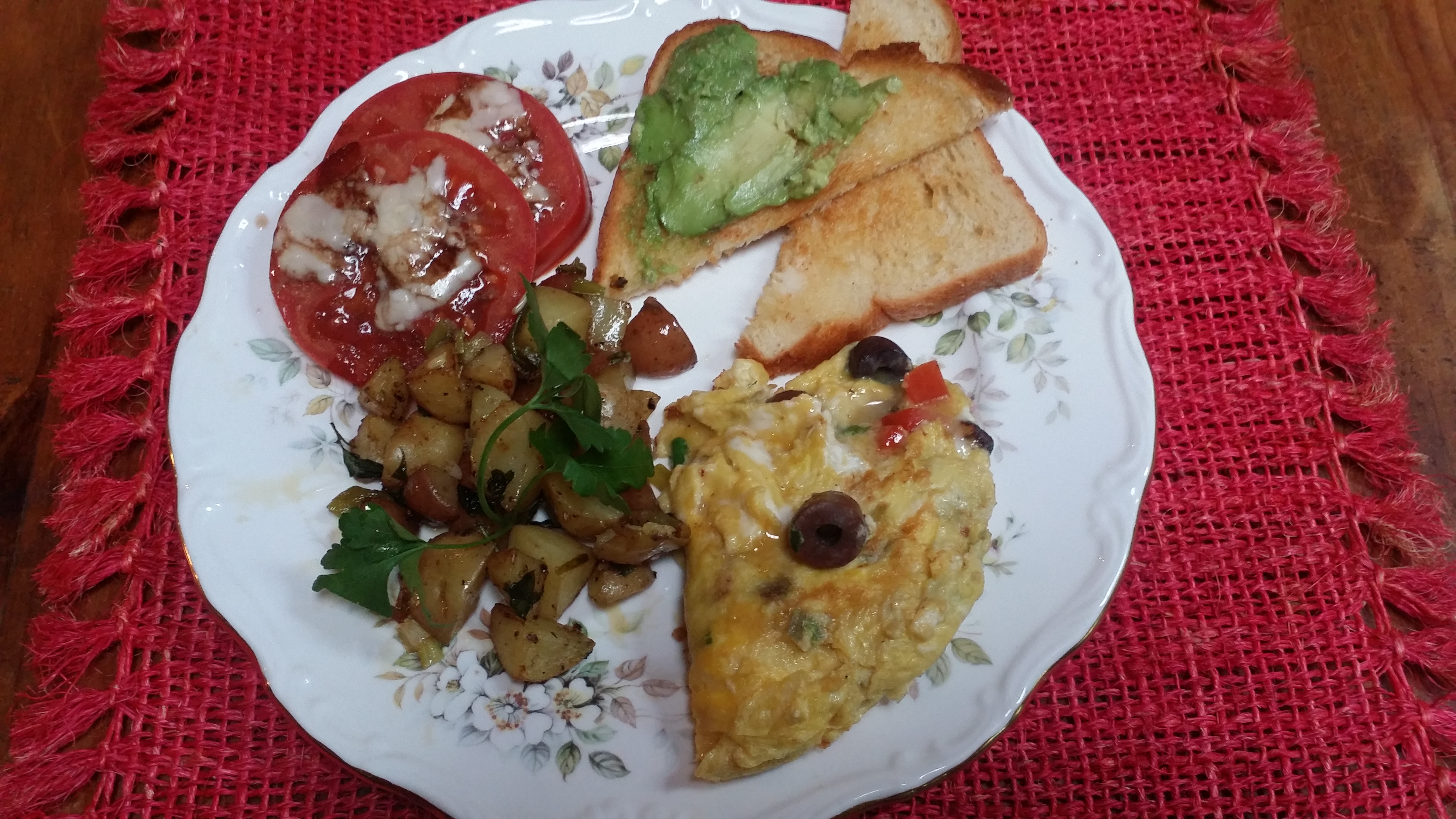
Classic cookbooks like Betty Crocker, Julia Child and The Encyclopedia of Creative Cooking are handed down through generations and are still unprecedented references to go by.  But our lifestyle has changed and along with it our ways of eating too.20150315_122106 - CopyI still enjoy a good old fashioned breakfast on occasion…like once a week.  A break from granola & yogurt.  Except now I spread avocado in place of jam on toast and fresh fruit on homemade waffles.  Well it’s a start.

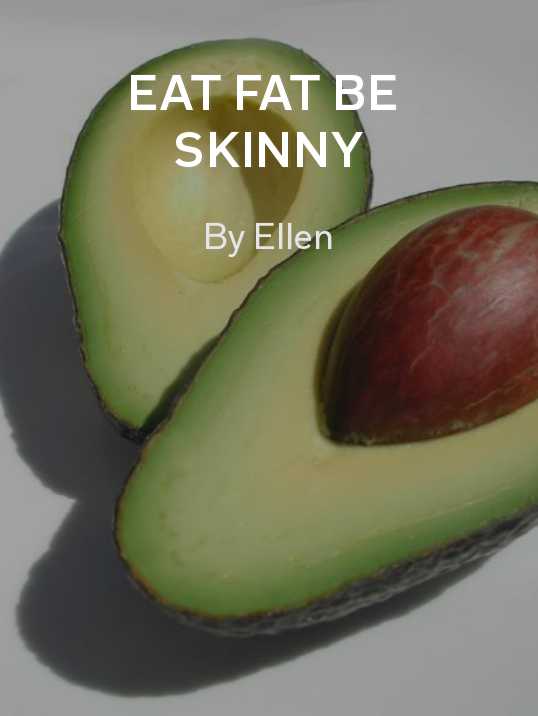
No longer banned from the food pyramid, (good) fats are now seen as keys to weight loss.

20150320_132823 - Copy - Copy

I don’t know what appeals to you but let’s have a look at some of the new age cookbooks as seen on Flipboard.

The paleo diet is also known as the caveman diet—i.e. food you might have foraged or killed.
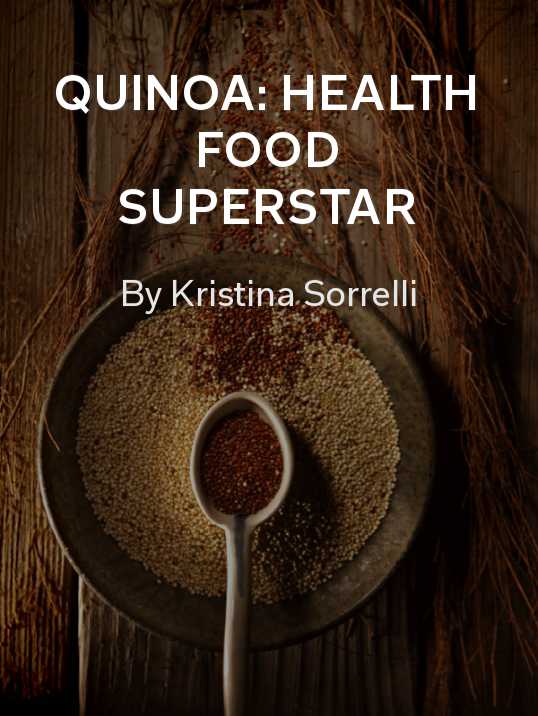
Move over, kale. There's a new darling on plates, and they call her quinoa.
Move over, kale. There’s a new darling on plates, and they call her quinoa.  (Keen-wah)
Health concerns aside, many people say a gluten-free diet just makes them feel better. Read
Health concerns aside, many people say a gluten-free diet just makes them feel better.
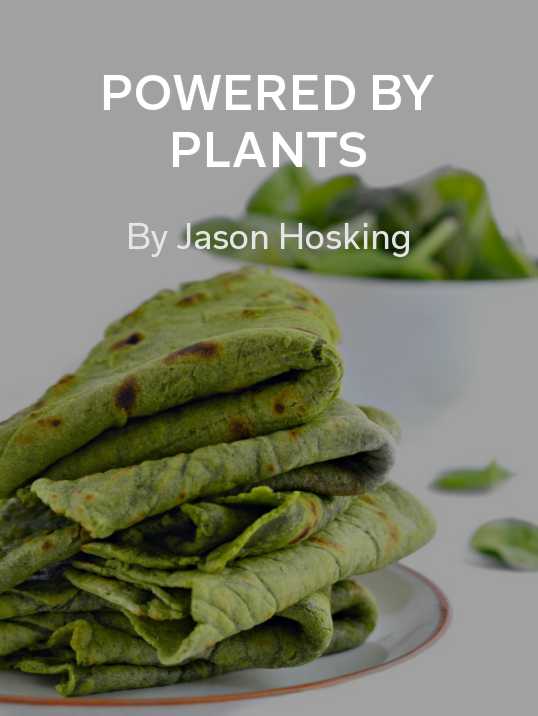
Over a thousand (!) articles and recipes about whole foods, vegetarianism and veganism.
 LOCAVORE A magazine that seeks to strengthen your connection with food, culture and the land.

LOCAVORE
A magazine that seeks to strengthen your connection with food, culture and the land.

A new study (ha!) out of California’s Loma Linda University found that vegetarians live longer and were especially less likely to die of heart disease than carnivores.  The studies found that the mortality rate of meat eaters was as much as 19 percent higher than that of self-identified vegetarians, and the effect was significantly greater for men than for women.  The Loma Linda studies showed an even longer lifespan for pesco-vegetarians, or those who included fish in their diets.

Until the verdict is in, meat eaters would do well to eat ample servings of fruits and veggies, limit intake of red and processed meats, eat fish often, and consume fewer calories overall.  Vegetarians should find ways to get plenty of protein, iron, calcium, zinc, B12 and omega-3 fatty acids, all of which are often lacking in meatless dishes.

So, which category do you fall into?

Source: Flipboard for cookbook photos & New study by Kellee Katagi for Natural Choices.

breakfast photos: d. king


..

Health MATTERS:  Vitamin D – too little, too much?

If you live where the sun don’t shine you most likely lack getting enough Vitamin D. 

Getty Images
Getty Images

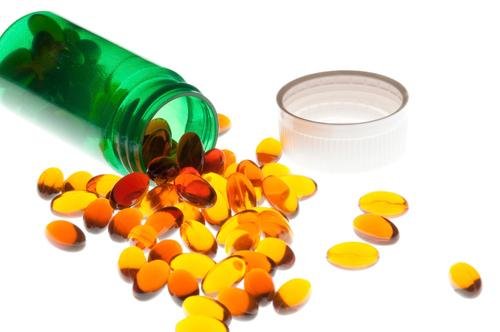
Many of us supplement with Vitamin D capsules to make up for the lack of sunshine. Up until recently I’ve been taking about 4,000 IU of D3 gel capsules daily.  That was increased from 1,000 units a few years back when a study showed we should really be taking up to 6,000 units.  I was working my way up but…

Here we go again….the newest new study is the first of its kind to show that there’s a very narrow window for healthy vitamin D levels.

  We’ve heard a lot about the benefits of vitamin D for issues like bone health and nutrient absorption, and even weight loss but there might be a hidden risk for those who frequent the supplement aisle for high doses of this superstar nutrient.

New research from the University of Copenhagen has found an association between cardiovascular deaths and both too-low and too-high levels of vitamin D in the blood.

So how much is too much and how little is too little?

Scientists and doctors have long determined that too-low  levels of Vitamin D can be harmful to overall health — and often recommend supplements, since vitamin D is generally obtained from sun exposure and isn’t readily available in the food supply. According to study author Peter Schwarz, MD, a professor in the Department of Clinical Medicine at the University of Copenhagen, the relationship between cardiovascular deaths and too-high Vitamin D levels is a new finding that’s worth our attention.

“We found this inverse J-shaped curve of mortality —which was surprising, as we expected that vitamin D should reach much higher levels to cause damage,” he tells Yahoo Health.

For the many who are told in their yearly checkup that their vitamin D levels are low and to take supplements indefinitely, this could be important news.

The study, published in the Journal of Clinical Endocrinology and Metabolism, tracked participants in the COPD-Study, which included data on follow-ups of 250,000 people over a wide range of ages from a period between 2004  to 2011. More than 16,000 of the participants were registered in the Danish Registry of Causes of Death, where researchers were able to determine mortality.

Mortality risk from a cardiovascular event or stroke seemed to jump roughly twofold when vitamin D levels fell below 50 nmol/L (nanomoles per litre) and increase by a 1 to 3 ratio when levels rose to over 100 nmol/L. Somewhere between 50 and 100 nmol/L seemed to be the optimum level, with roughly 70 nmol/L being the sweet spot.

To put those numbers into perspective, if you wanted to raise your Vitamin D levels from 40 nmol/L to 50 nmol/L, you’d have to take a 1,000 IU supplement each day for several months to achieve your desired level of D.

Since this is such a new discovery, Schwarz says he’d like to see other groups worldwide conduct research on various populations to help confirm the optimal upper level of vitamin D in the body. And he cautions against drawing too many conclusions. “This is an association between vitamin D and mortality by cardiovascular disease, stroke and heart attack and not causal explanation.”

In the meantime, doctors and consumers should be mindful of their supplementation.

If you have low levels of vitamin D, supplementation is not a problem to raise them up — but it’s generally not meant to be taken continually, for a long time period. “Based on our study we should recommend supplementation to a level between 50 and 100 nmol/L, but if the level [in the body] is higher, one must reduce supplementation,” Schwarz says. “Extensive supplementation with different vitamin D products cannot be recommended.”

That said, Schwarz insists it’s a long-term high level of D in the body that’s problematic — not a short-term increase in D, or taking a strong supplement for a short time.

Talk to your doctor about getting your vitamin D levels checked.

He can recommend the supplement strength and duration that’s right for you. The Institute of Medicine recommends roughly 400 IU per day of D and check out the Vitamin D Council for more on supplementation and getting D from natural sources.

Dosage of Vitamin D Needed To Achieve 35 to 40 ng/ml (90-100 nmol/L)

Historically, 400 IU (10 ug) of vitamin D was recommended for better health because it closely approximated the amount of vitamin D in a teaspoonful of cod liver oil. However, 800 to 1,000 IU is the dose that may have a better chance of giving a patient a normal vitamin D level. In some countries (I know, it gets confusing), vitamin D is listed in micrograms, and the relationship is as follows:

  • 2.5 mcg (micrograms) = 100 IU.
  • 5 mcg = 200 IU.
  • 10 mcg = 400 IU.
  • 15 mcg = 600 IU.
  • 20 mcg = 800 IU.

Source:  Jenna Birch | Yahoo Health


health MATTERS: Anger can literally break your heart

Sometimes it can be difficult not to get angry.  But anger can hurt you more than who or what you direct your anger towards.  If your anger is left unchecked it can wreak serious havoc on your health and well-being.???????????????????????????????You will not be punished for your anger, you will be punished by your anger – Buddha

Decades of research has shown that angrier people ted to have more heart problems than calmer ones.  Explosive anger – those moments in which you may lose control and throw something or scream – can have especially negative effects.  You’re more than twice as likely to have a heart attack during the two hours after a big blowup, according to a study published in the American Journal of Cardiology. That’s because changes in a ticked-off person’s heart rate can lead to high blood pressure and clots.  Other research has connected sky-high rates of ire with an increased risk of stroke.  But suppressing your anger is bad for you too.  In fact, bottling it up can spike your blood pressure levels even more than letting go.

One study from a group of researchers at Harvard University found that study subjects who got angry regularly were 43% more likely to have gum disease than a calmer ones. Other studies have shown that those who have high levels of anger are at a greater risk of breathing problems and chronic pain.  Part of the head-to-toe health damage could be due to the widespread inflammation that results from the frequent flood of stress hormones (like epinephrine) which are also involved in the anger response.

Sometimes anger is just a momentary reaction to a passing situation. But other times, it’s a signal that there’s a threat to something you care about deeply.  So when anger strikes, don’t fight it – ponder it.  Use it to help you identify what’s being threatened.

Have you tried crying instead?
anger2

Source: The Good Life – Inner Life


Health MATTERS: did you know that RICE has arsenic?

Neither did I. According to an article in the Globe and Mail, the level of arsenic in rice depends on the geographic region in which it is grown.

Photo: Getty Images
Photo: Getty Images

There are low levels of arsenic in most of the rice we eat.  Not surprisingly to chemists and food safety experts, trace amounts of arsenic actually are present in many foods, and rice is especially prone to accumulating it.  For consumers, this may come as a shock.  Arsenic is a naturally occurring element present in rock, soil, water and air that was once used in pesticides and, until 2009, by poultry farmers in medication targeting parasites in their birds.  Today, arsenic shows up as largely a byproduct of heavy metal industry.

It exists in two chemical forms: a less toxic organic form that we can ingest with virtually no risk and a slightly more toxic inorganic form that reacts to our bodies and can do damage.

In 2012, Consumer Reports conducted a study that found measurable levels of arsenic in almost all of the 60 rice variables and rice products they tested.  Further study showed that the inorganic arsenic levels found in rice varied across geographic locations and types of rice.  The breakdown:

White basmati rice from California, India and Pakistan, and sushi rice from the United States had half of the inorganic arsenic amount of most other types of rice;

Rice from Arkansas, Louisiana and Texas had the highest levels of inorganic arsenic;

White rice from California had 39 percent less inorganic arsenic than white rice from other parts of the United States;

Brown rice had 80 percent more inorganic arsenic on average than white rice of the same type (that is because it accumulates in the grain’s outer layers, which are removed to make white rice):

And rice that’s grown organically took up arsenic the same way as convention rice.

But how dangerous is arsenic and should we be limiting the amount of rice we eat?

“Essentially…you would need to eat three kilograms of rice a day to get noticeable toxic effects,” says Keith Warriner, a professor of food science at the University of Guelph.  He says Codex, an international group of food safety experts funded by the World Health Organization and the Food and Agriculture Organization of the United Nations, has recommended a maximum level for arsenic in rice of .02 milligrams per kilogram – which means most of us don’t come close to eating toxic levels.

 Whew!  I was worried because I love Japanese sushi (white over brown) rice, Chinese fried rice, Indian Basmati, Mexican and Thai Jasmine.  That could be a problem.

While Codex recommends adults limit their rice servings to four a week, and zero for children under five, Health Canada and the Canadian Food Inspection Agency say the trace amounts of arsenic found in food are not considered a safety concern for Canadians.

Warriner says that while the risk of arsenic exposure from eating rice is minimal, if you are really concerned you can opt for white rice over brown, soak it overnight prior to cooking (to eliminate inorganic arsenic by 30 to 60 percent), and choose rice from geographic regions known to have lower levels of arsenic in the soil.

Source: Kat Sieniuc for The Globe and Mail – Health Section


Health MATTERS: the Psychology of Eating

When you eat is as important as What you eat!  Did you know that by learning to master rhythm, you can master your metabolism?all-you-can-eat-buffet

How?

Our life pulsates to a rhythmic beat.  From lungs breathing to our heart pumping it’s all a rhythm, and when these rhythms are interfered with disease and death may follow. This according to Tricia Williams, a lifestyle nutrition and eating psychology coach who is also the owner of Healthy Inspirations in Atascadero & Paso Robles.

Too often we are more concerned with WHAT we eat rather than WHEN we eat.  Do you often skip breakfast thinking you’re not really hungry?  Then grab coffee to keep you awake?  Or plow through lunch while working only to be ravenous at 3 or 4pm?  Then the snacking begins only to continue through the night?  Understanding eating rhythms (bio-circadian nutrition) can help to curb your cravings and more importantly put you in the optimal state of metabolism and calorie burning.

Think of your body as a wood burning fireplace.  During the early morning hours and during the evening when we sleep, your body temperature drops just like logs that are now burned to embers.  As we sleep our body is in a fasting state.  Upon waking in the morning, your body temperature starts to rise.  Starting your day with a nutritious breakfast breaks your fast and is similar to stoking the fireplace with another log.  Body temperature continues a slow, steady rise and subsequently peaks around noon.

According to Marc David, founder of the Institute for the Psychology of Eating, “the body is designed to optimally digest and calorie burn when the sun is at its apex in the sky.  This is a little known but fascinating scientific fact.  By not putting fuel in the furnace at this time, or simply by not eating enough, you miss your peak metabolic window of opportunity, which is approximately 12:00 to 1:30pm in the afternoon.”

It would make sense, therefore, that lunch would be our most significant meal of the day for optimal metabolism, digestion and calorie burning capacity.  After our metabolic peak our body temperature will dip between 2:00 – 5:00pm, when most of us may feel tired.  This is normal & natural and is due to the body’s natural process of digestion. (A lot of cultures have adopted the practice of siestas or naps as a way of acknowledging this natural rhythm).  We like to encourage conscious relaxing for 20 minutes while consuming a nutrition bar, protein or fat.

At about 4:00 – 6:00pm body temperature starts to rise again, energy increases, it’s time for another log on the fire.  This is where you would ideally have your dinner meal.  Ideal…because a four-hour time period is sufficient for most people to metabolize a meal, thereby allowing you a restful sleep.  By consuming a big meal right before bed, much of the metabolic energy is spent on digestion, instead of need maintenance, detoxification & repair.

 Does this make sense to you?

Do you get influenced by Advertising?
Does Advertising influence you?

Source: Paso Robles Press.  Photos taken from “Images”


Travel/healing SPA/ – Two Bunch Palms

Find your “Better Self” at this famous spa/resort with healing waters that have been flowing for over 600 years.two1Nestled within 77 lush park-like acres is the legendary Two Bunch Palms, built in 1919.  A 70 room, hot mineral springs spa resort that offers healing waters, gourmet farm-to-table cuisine, movement & enrichment classes and an award winning spa that offers a “gangster wrap” spa treatment.  You’ll find out why when you read on.two3

two6It comes with panoramic desert and mountain views, meditation ponds, gardens and wildlife, labyrinth and relaxation pool.  But that’s not all…..

It also comes with a fabulous story

Nearly a century ago Two Bunch Palms Resort and Spa welcomed its most elusive visitor even more so than us – Al “Scarface” Capone.  Legend has it the infamous gangster long pursued by the Feds transformed the private Desert Hot Springs, CA property into his winter desert hideout, outfitting his “fortress west” with a network of hidden escape tunnels, a gambling hall, a brothel, and a stone sentry tower for machine gun-toting bodyguards. We saw the outside of a multi-bedroom suite where Capone once slept and narrowly escaped assassination, evidenced by a mysterious bullet hole in the mirror.

The "room" although the stained glass came later.
The “room” although the stained glass came later.

A security guard told us that every weekend for years a man by the name of John Walton, who is the illegitimate son of Al Capone and Gladys Walton, would give talks in the restaurant about his family.  He wrote the books “Gladys and Capone”and “Capone’s Fortress West”.  The books are filled with information about prohibition, the hideaway, action packed roaring 20’s and bootleggers.  Walton is still alive and living somewhere in California.  Perhaps he’s living at Two Bunch Palms although they won’t say for sure.

The resort continues to be a hideaway for the less conspicuous kind, not only for those escaping Chicago’s chilly winters like Capone, but also for business executives needing to unplug, Hollywood celebrities looking for anonymity and people like us, seeking a luxury escape

ducks, turtles and fish a plenty
also ducks, turtles and fish that like to relax

and a nice healthy lunch.

Classes
Classes

Photos: d. king

Health MATTERS – facts about mayonnaise

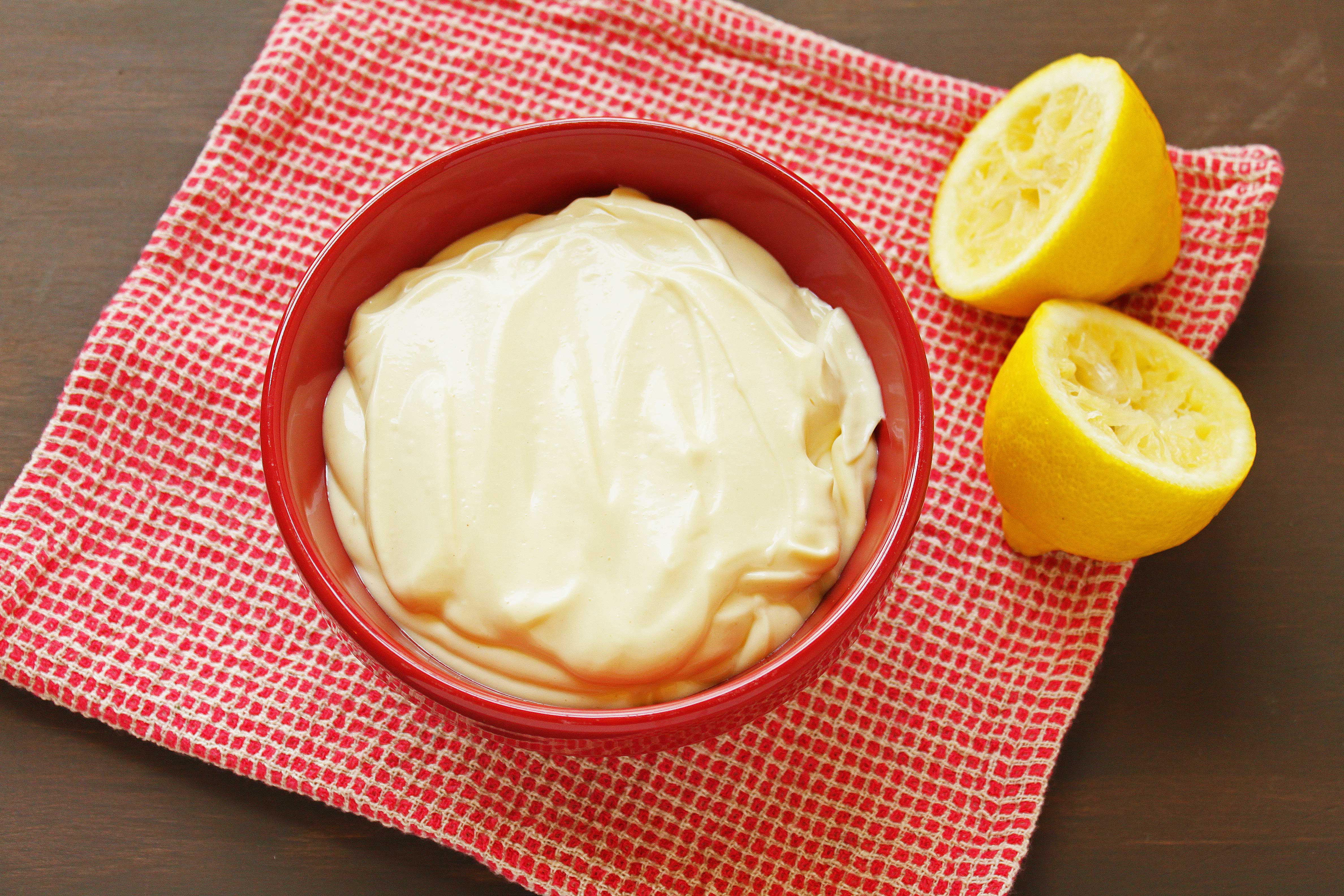
 Last Tuesday I posted a few simple DIY recipes for making mayo because I had a difficult time choosing a relatively healthy brand (as far as mayos go) from the grocery store. I saw many reduced-fat varieties that were not very good for you.  Too bad because we use it often to make dips & for sandwiches. In the end you have two choices: go to a health food store or make it yourself.

simplyfreshcooking.com

Whatever type of mayonnaise you eat, however, you should limit your intake as much as possible.  Here’s the deal:

Calories

One tablespoon of typical mayonnaise contains about 90 calories. That is roughly 4.5 percent of your daily recommended caloric intake in a single tablespoon. It can be easy to forget to factor into your diet calories like those from mayonnaise and similar foods. So, individuals who eat mayonnaise regularly may find themselves dramatically overshooting their daily caloric recommendation without realizing it, which can lead to weight gain and even obesity.

Fat

Each tablespoon of mayonnaise contains 10 g of total fat, which is 15.4 percent of your daily recommended intake, and 1.5 g of saturated fat, which is 7.5 percent of your daily recommended intake. Although limited fat consumption is acceptable for active individuals, many people regularly consume far more fat than is healthy — particularly saturated fat. According to the Harvard School of Public Health, eating too much saturated fat can drastically increase your risk of developing harmful health conditions, such as heart disease.

Cholesterol

A tablespoon of mayonnaise contains 5 mg of cholesterol, which is about 1.7 percent of your daily recommended cholesterol intake. According to the Centers for Disease control, excess cholesterol intake can lead to buildups in your arteries. This can also potentially lead to heart disease, stroke, and similar health problems.

Sodium

Each tablespoon of mayonnaise contains 90 milligrams of sodium — that is 3.8 percent of your recommended daily intake. According to the University of Maryland Medical Center, your body needs some sodium to help keep systems like your nerves and muscles functioning, but most people include far too much sodium in their diets; this can lead excessively high blood pressure and similar complications.

Hope I didn’t ruin your day.

DIY mayonnaise: https://girlwhowouldbeking.com/2015/02/09/food-making-mayo/

 Source for Facts: Livestrong.com


health MATTERS: a walk in the PARK

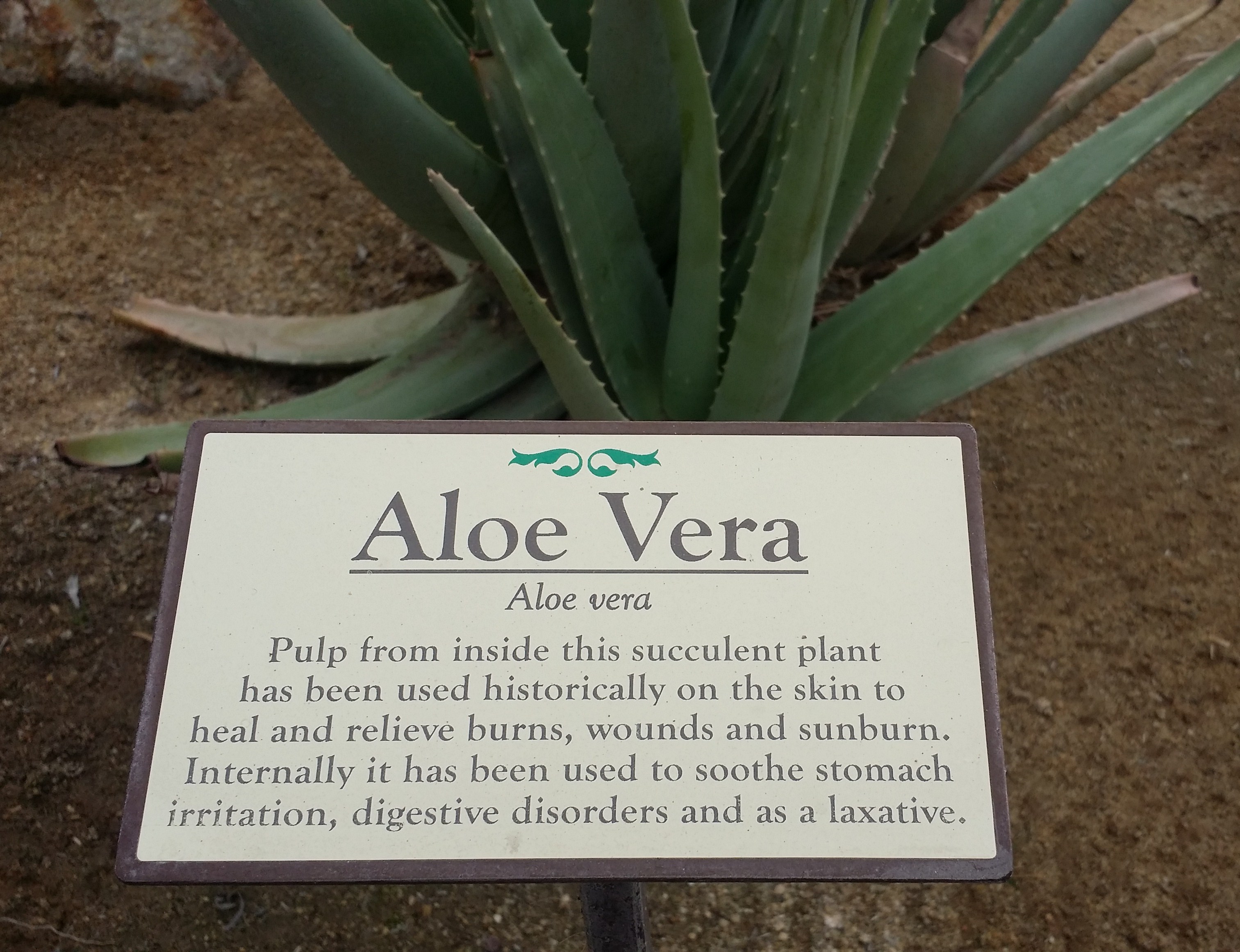
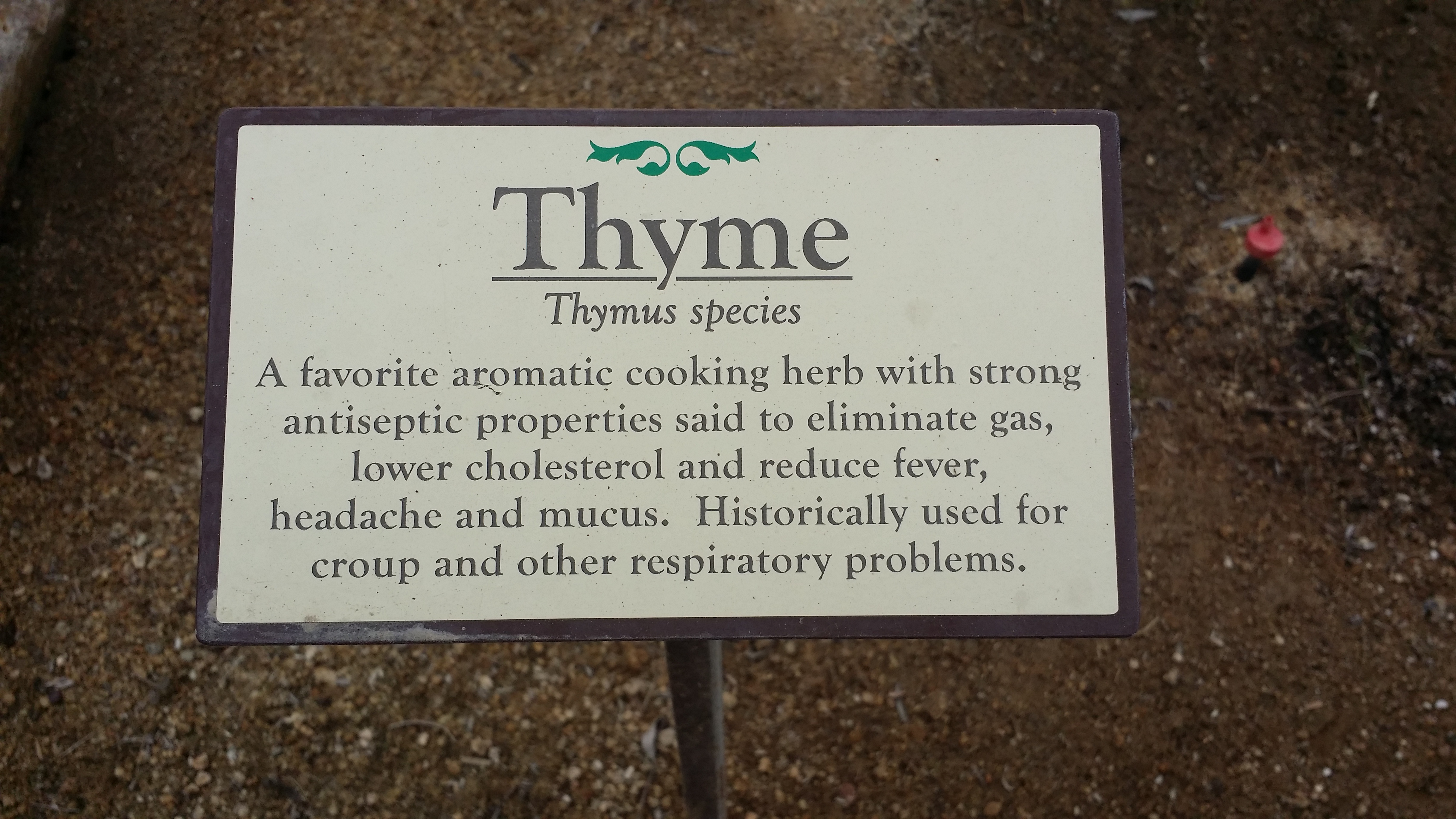
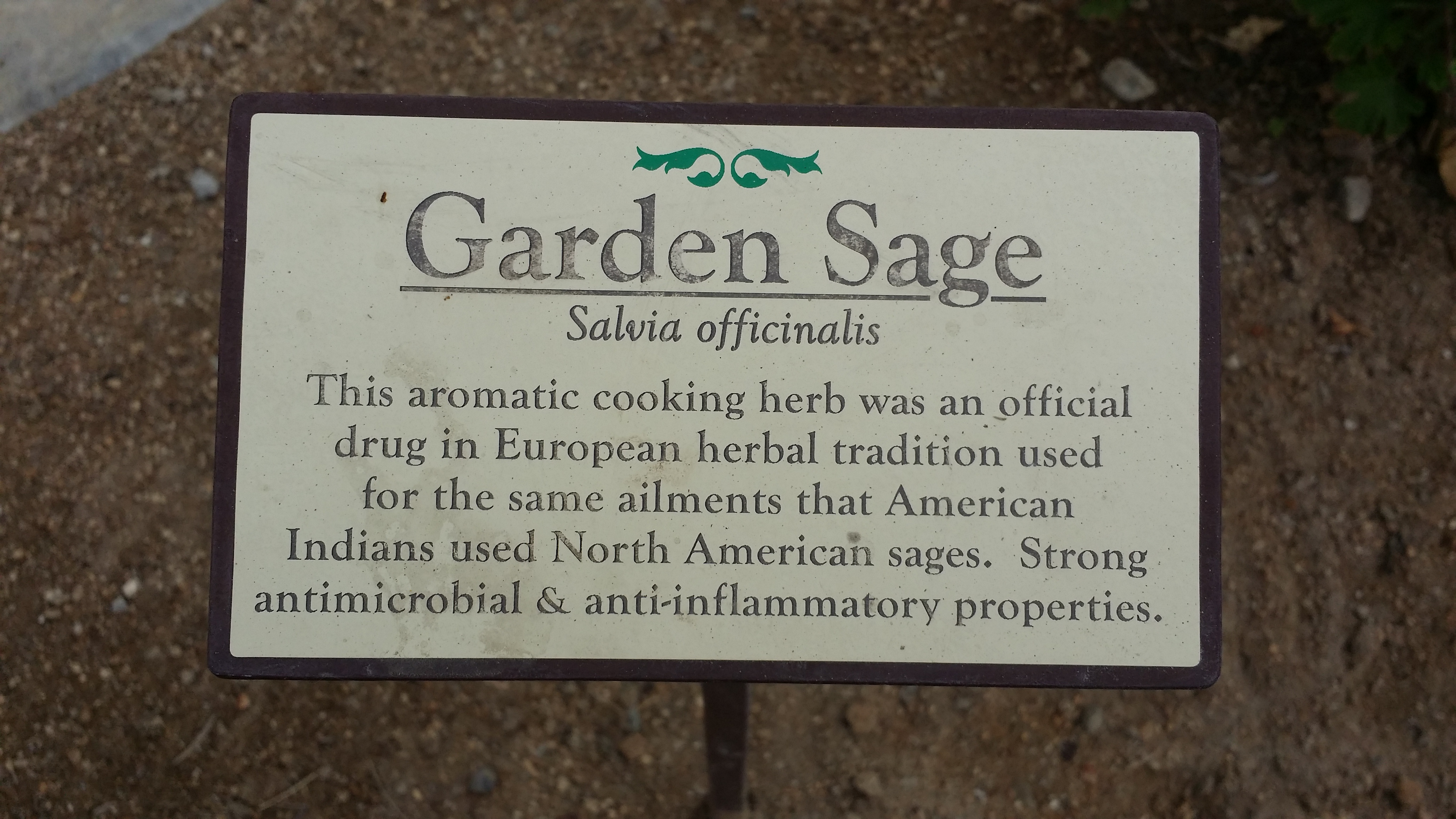
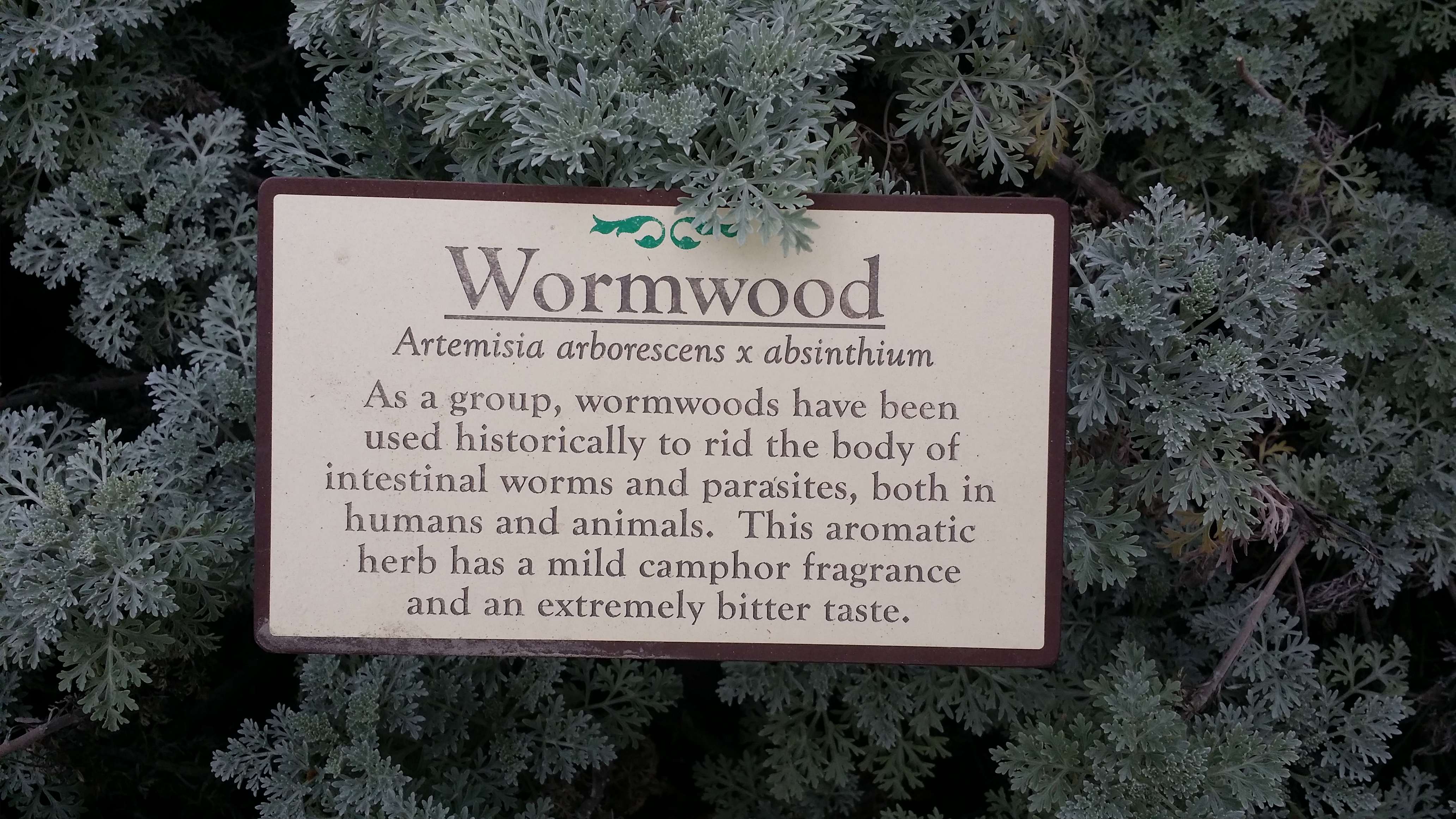
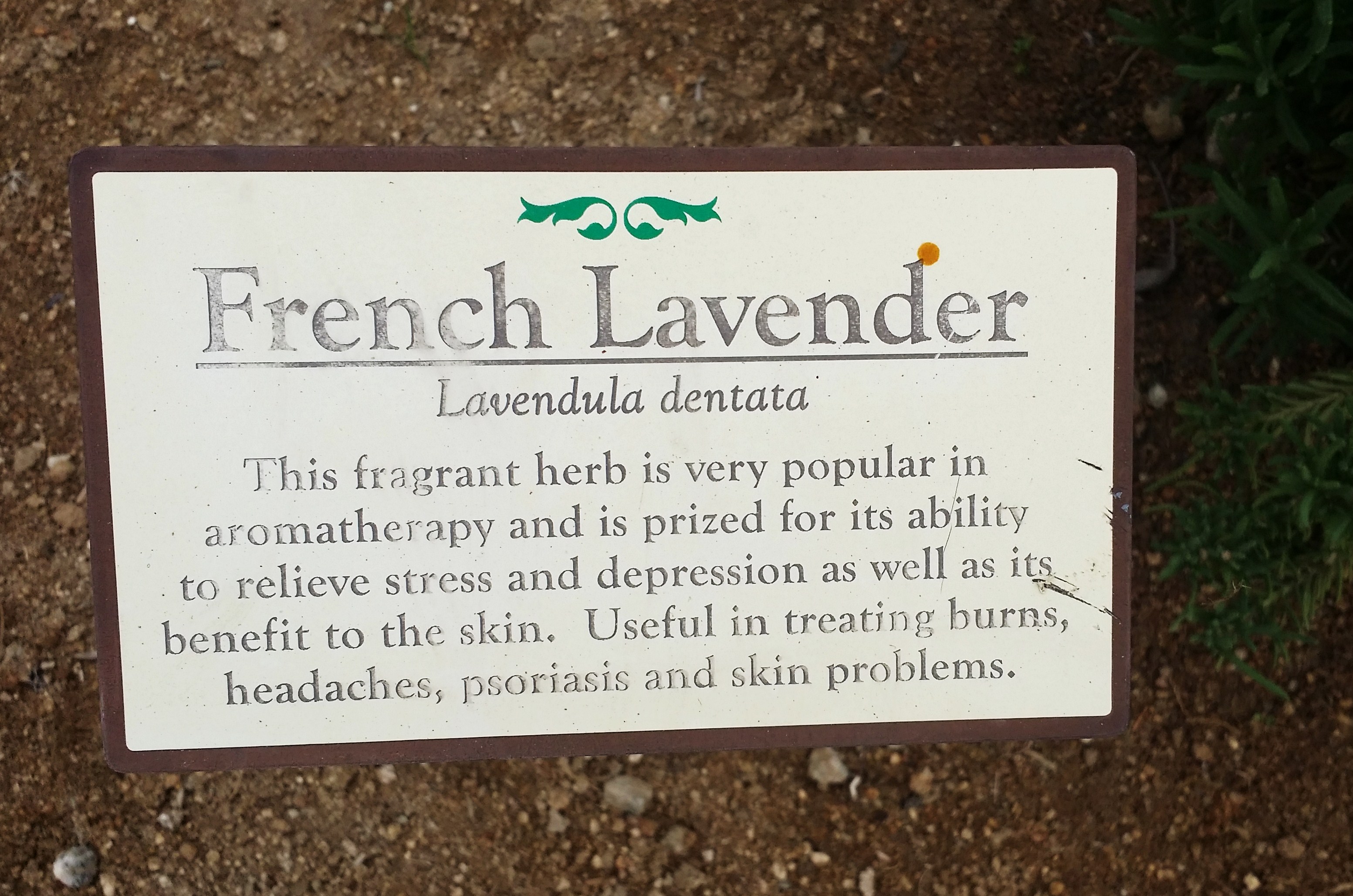
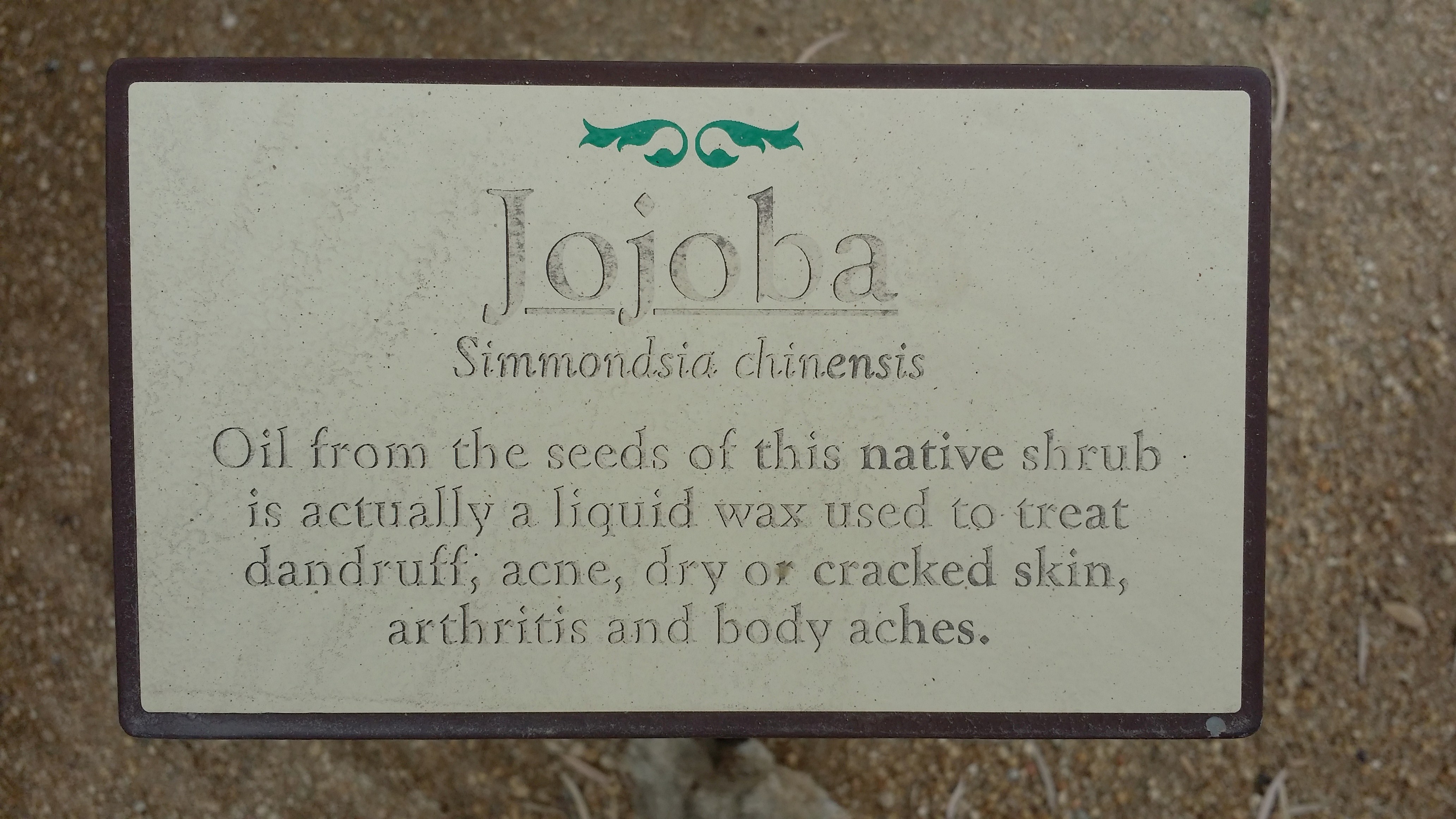
What a great idea!  I think there should be more parks like this one with exercise equipment sprinkled throughout, nice water fountains and especially a Healing Garden.herb01herb11fragrant & healing GARDENherb10  (double click to enlarge) to know about all the benefits of these historical herbs. Many are readily available at your local supermarket.


When life throws you a bunch of lemons, make the most of them!

herb1herb2herb4herb5herb6
herb3

this sign was a bit faded
Some signs are a bit faded

herb9

Jojoba & Lavender oils are used in my new natural skincare line.  I’ll tell you about it soon.

LIVE WELL!
LIVE WELL!
I guess just the smell alone will make you feel happier
I guess the smell alone will lift your spirits to make you feel better.


Photos: d. king


Do you have a favourite herb?