

A Moment, a Mood, and a Meal Series.
A new restaurant opened up in my neighborhood very recently, taking over a spot that has been sitting empty for quite some time. Walking by with a friend a few weeks ago, I was thrilled to discover that its focus is a completely different style of Indian food than what I am normally used to: South Indian cuisine.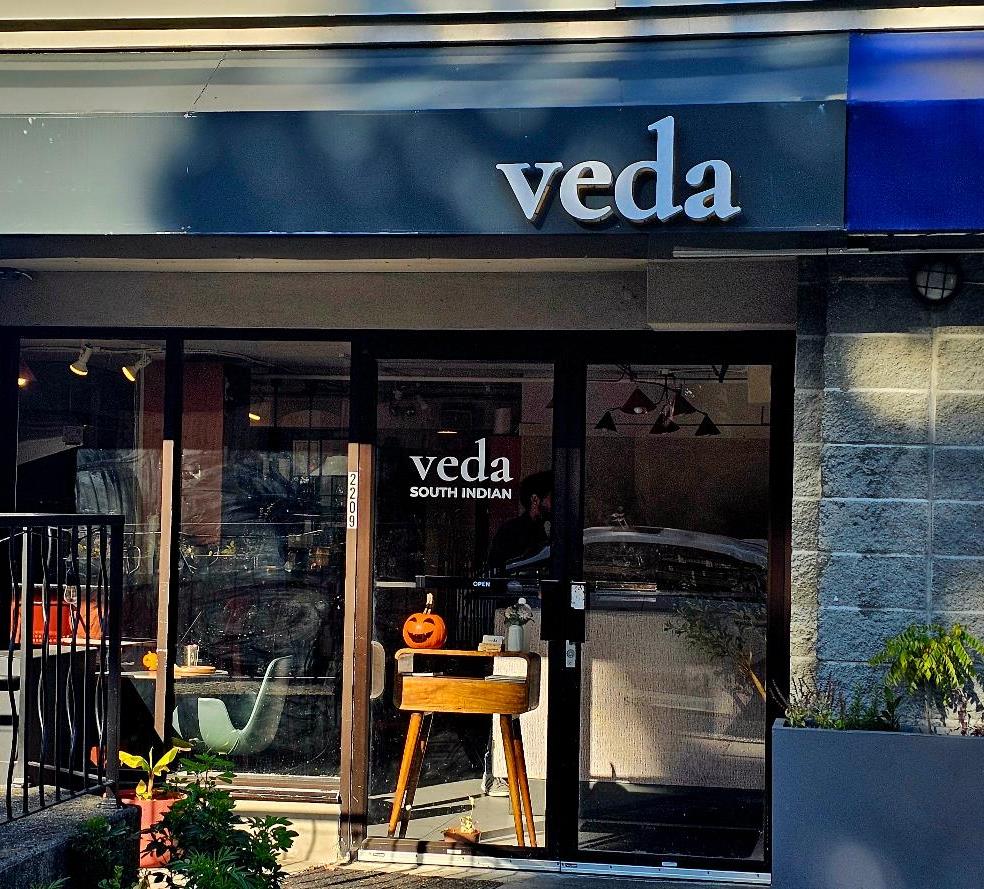
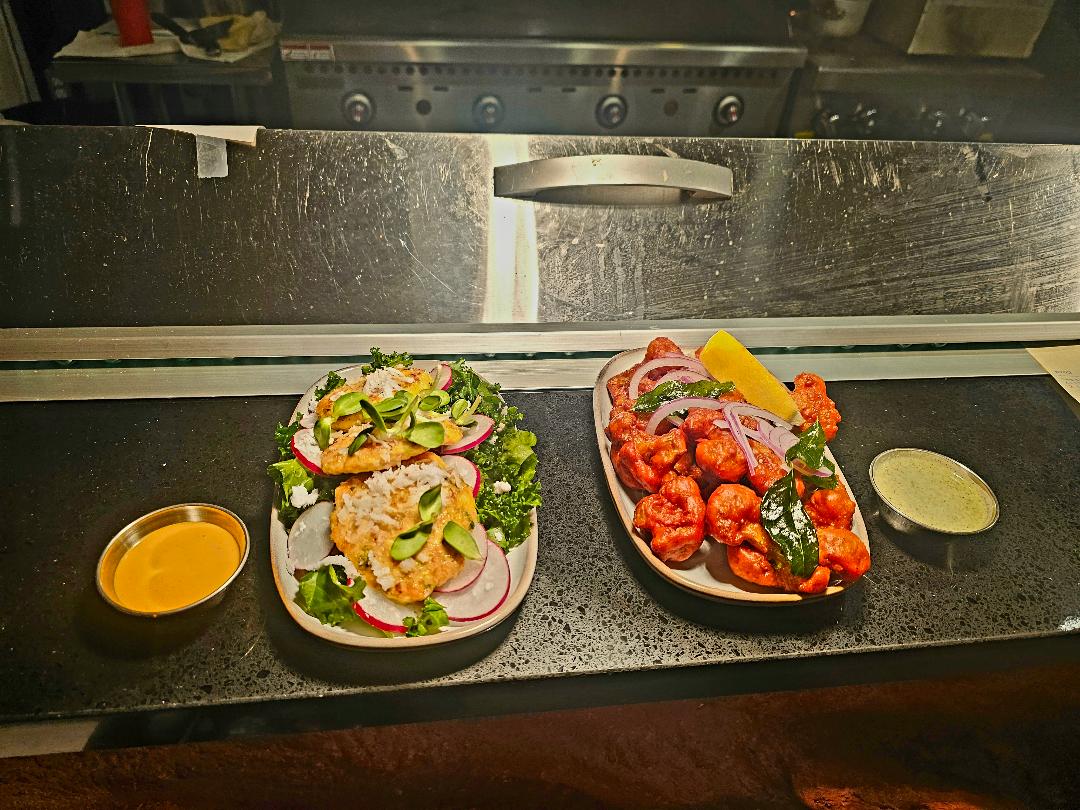
Intrigued, we stepped inside. The space is a cozy, intimate 20-seat neighborhood joint inspired by the vibrant cafés and homes of South India. We met the owner, who incredibly warmly welcomed us and invited us to try a generous tasting of several unique-to-us dishes.
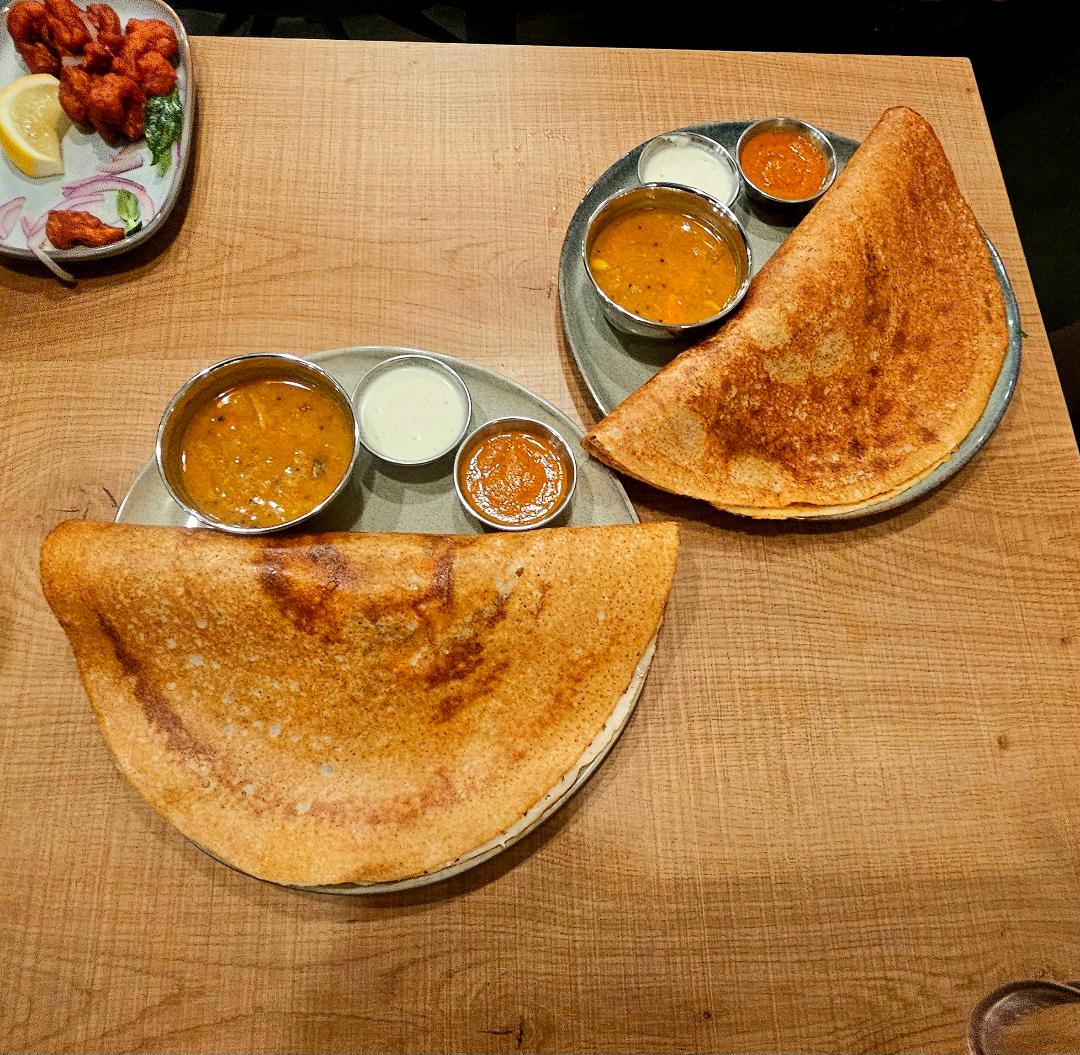
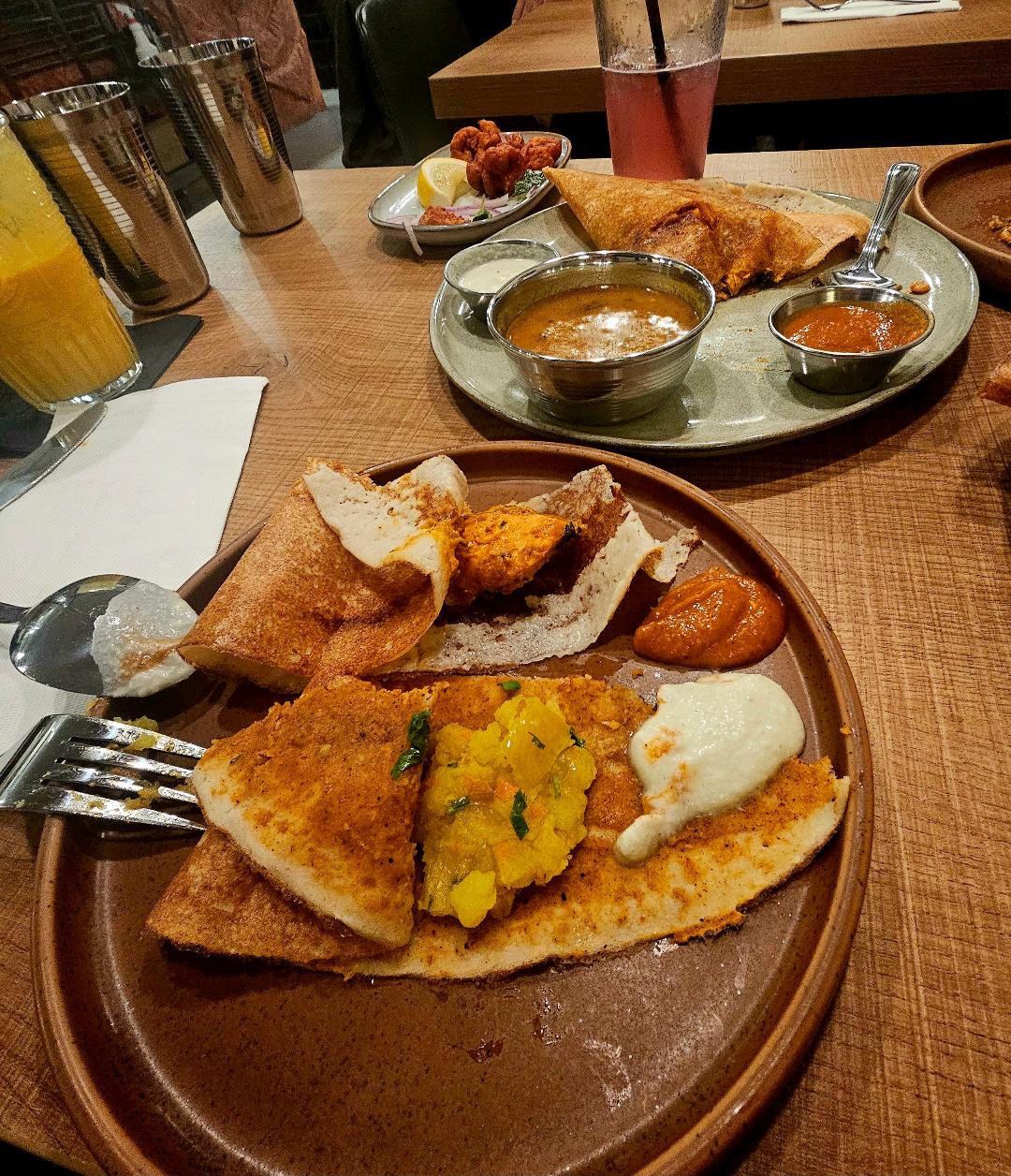
It was the perfect excuse to dive headfirst into the rich, aromatic world of South Indian culinary traditions.
Exploring the Vibrant World of South Indian Cuisine
For those who might be new to this side of the Indian subcontinent, South Indian cuisine offers a completely different experience from the heavy, cream-based North Indian dishes many of us grew up eating. Instead of rich, dairy-heavy gravies, the South offers a masterclass in using rice, lentils, coastal ingredients, and brilliant fermentation techniques to create bright, complex flavor profiles.
The Foundation: Rice, Lentils, and Fermentation
One of the most remarkable aspects of South Indian cooking is its reliance on simple pantry staples like rice and black lentils (urad dal). Through the magic of slow fermentation, these two humble ingredients are transformed into some of the region’s most iconic staples:
- Idli: Pillow-soft, fluffy steamed rice cakes that act as the perfect canvas for soaking up savory stews.
- Dosa: Thin, lacy, and incredibly crispy crepes that can be enjoyed plain or stuffed with a spiced potato mash (masala dosa).
Because these traditional batters are naturally fermented, the food carries a subtle, signature tanginess and a light texture that feels deeply comforting.
More Than Just Curries: Sambar and Chutneys
Instead of thick tomato-and-onion gravies, South Indian meals are heavily centered around Sambar – a wonderfully complex, tangy lentil and vegetable stew infused with a special spice blend. It is traditionally served alongside a variety of fresh, vibrant chutneys, with coconut, tomato, and mint being local favorites.
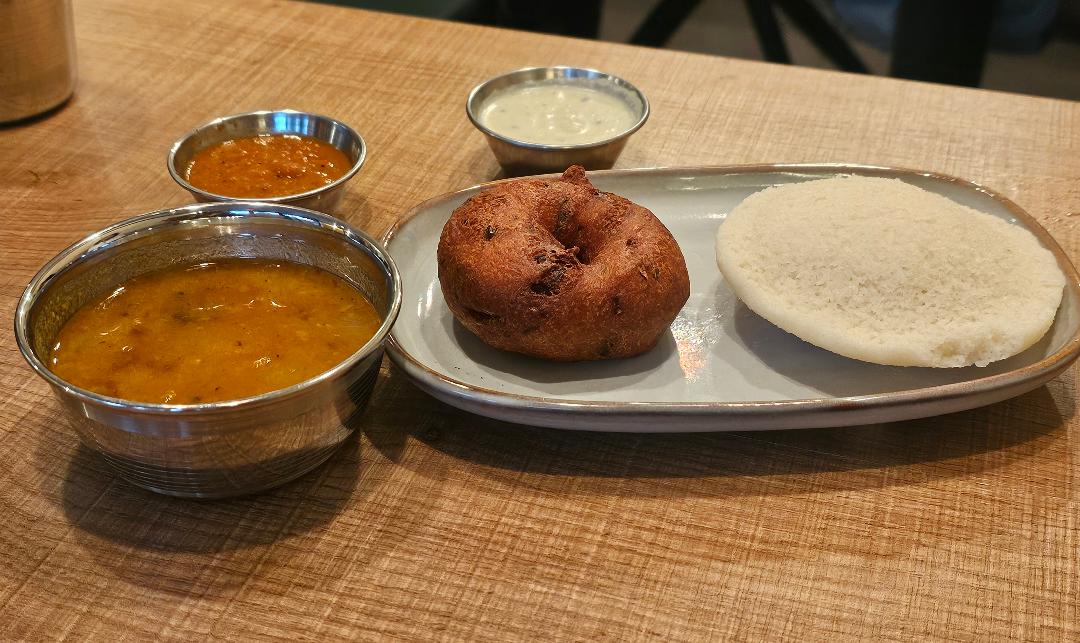
Whether you are enjoying a comforting bowl of Bisi Bele Bhath (a spicy, sweet-and-sour rice and lentil dish) or tearing off a piece of a crispy dosa, South Indian cuisine is a beautiful reminder of how complex, layered flavors can be built from simple, wholesome ingredients.
Welcome to the Neighborhood
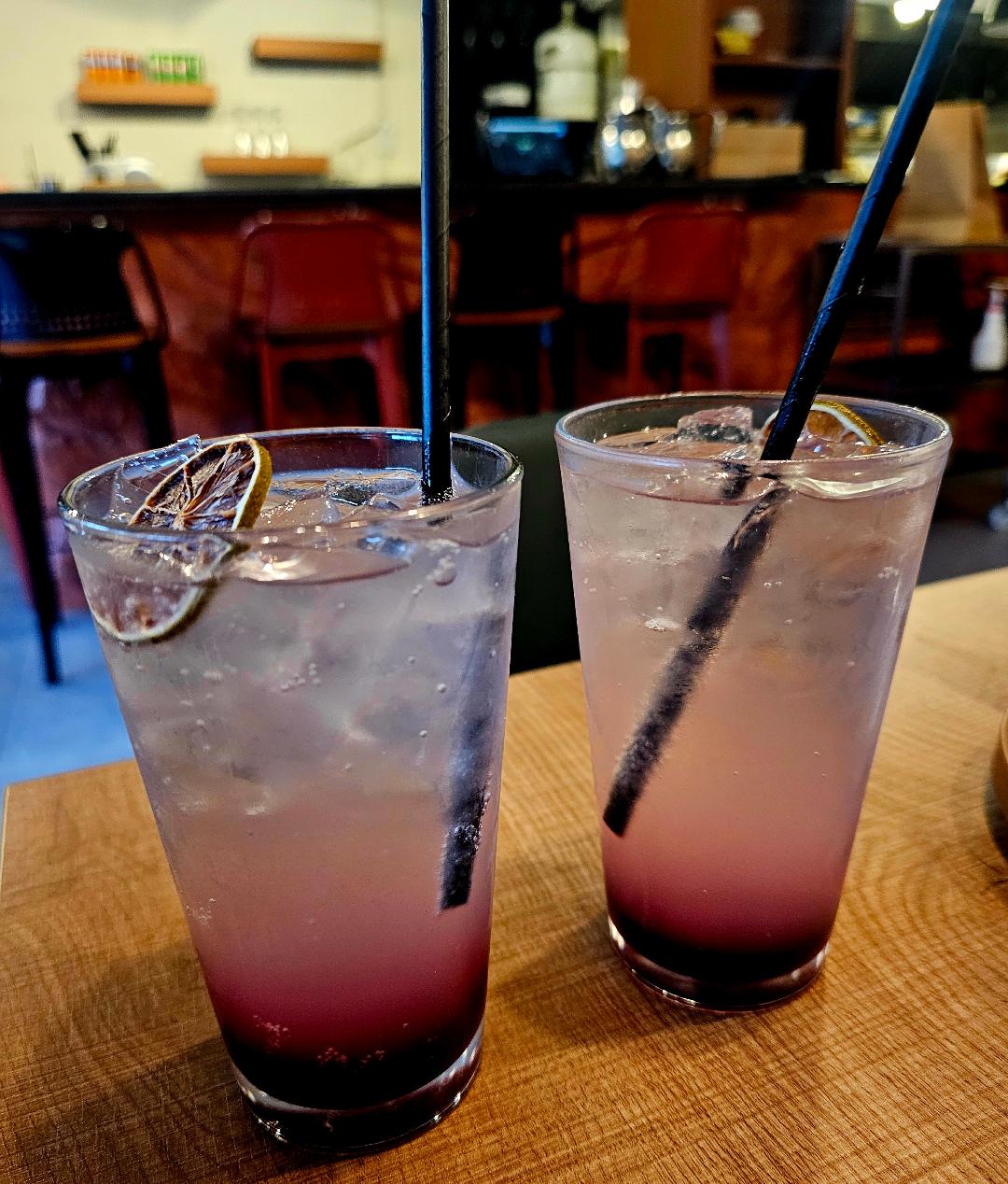
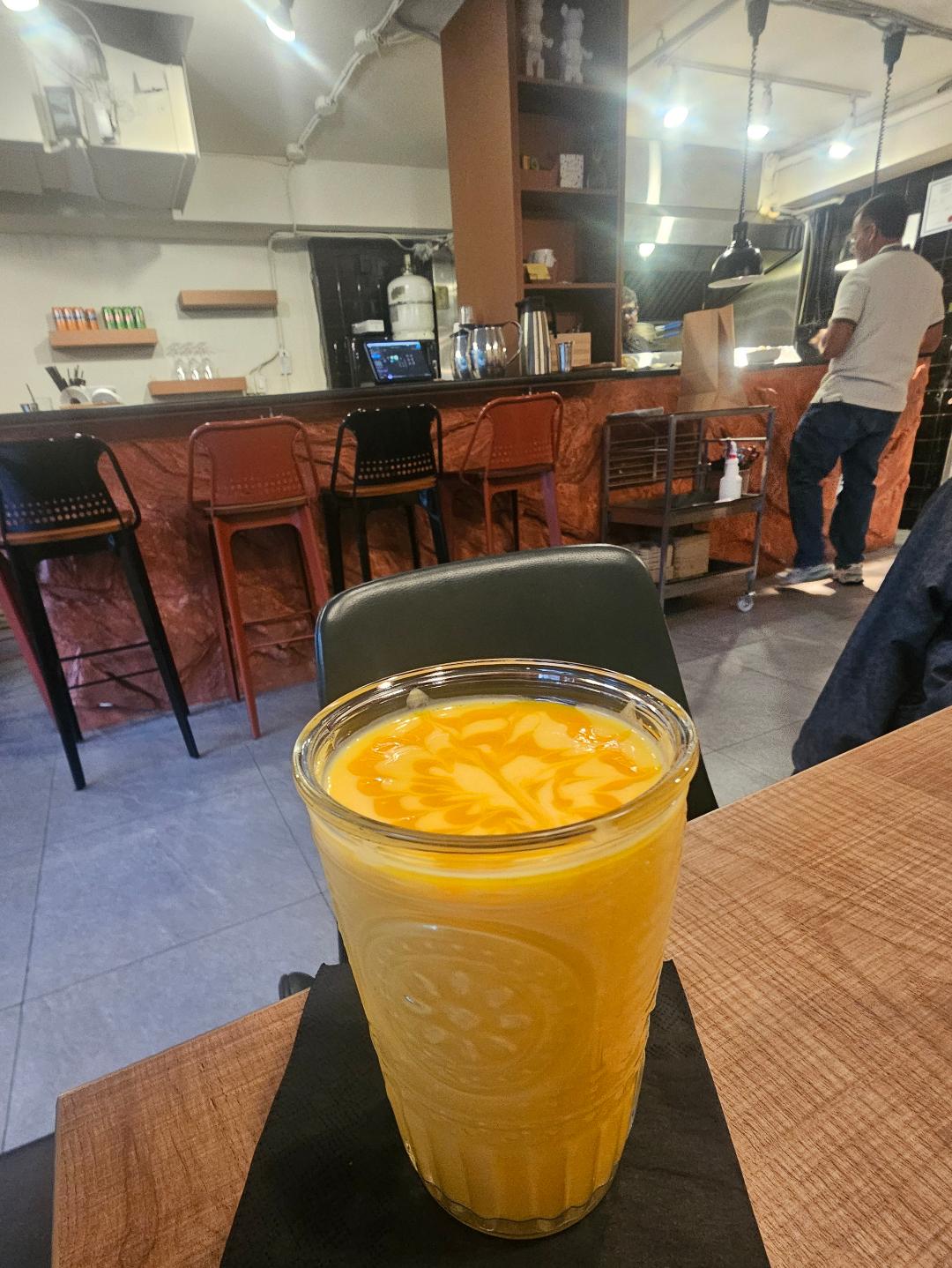
It is wonderful to see this space filled with such warm hospitality and unique flavors. If you are looking to explore these culinary traditions for yourself – or perhaps sit down for a traditional South Indian filter coffee after a beach stroll – you can find them right in the heart of the community.
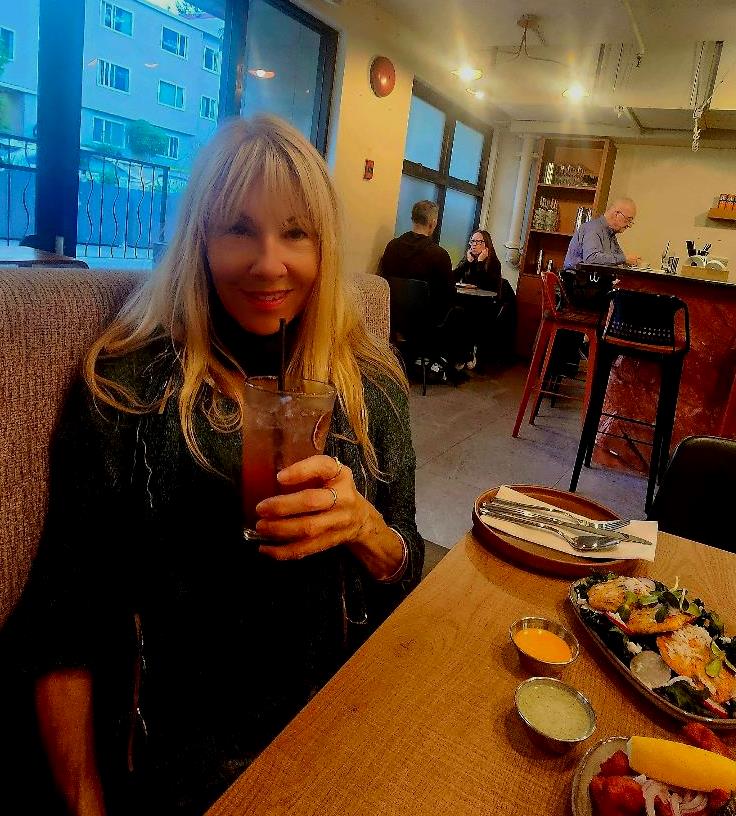 Veda is located at 2209 W 1st Ave., just a couple of blocks up from Kitsilano Beach. You can check out their hours and full regional menu on the Veda Kitsilano Website.


