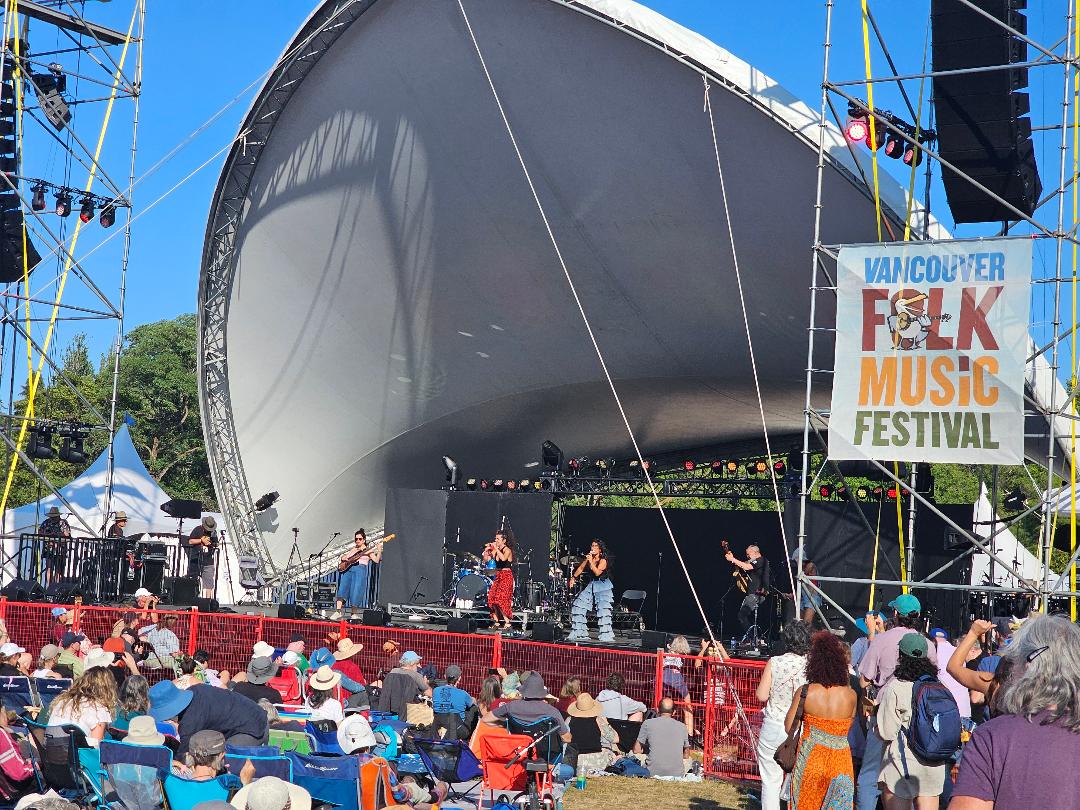
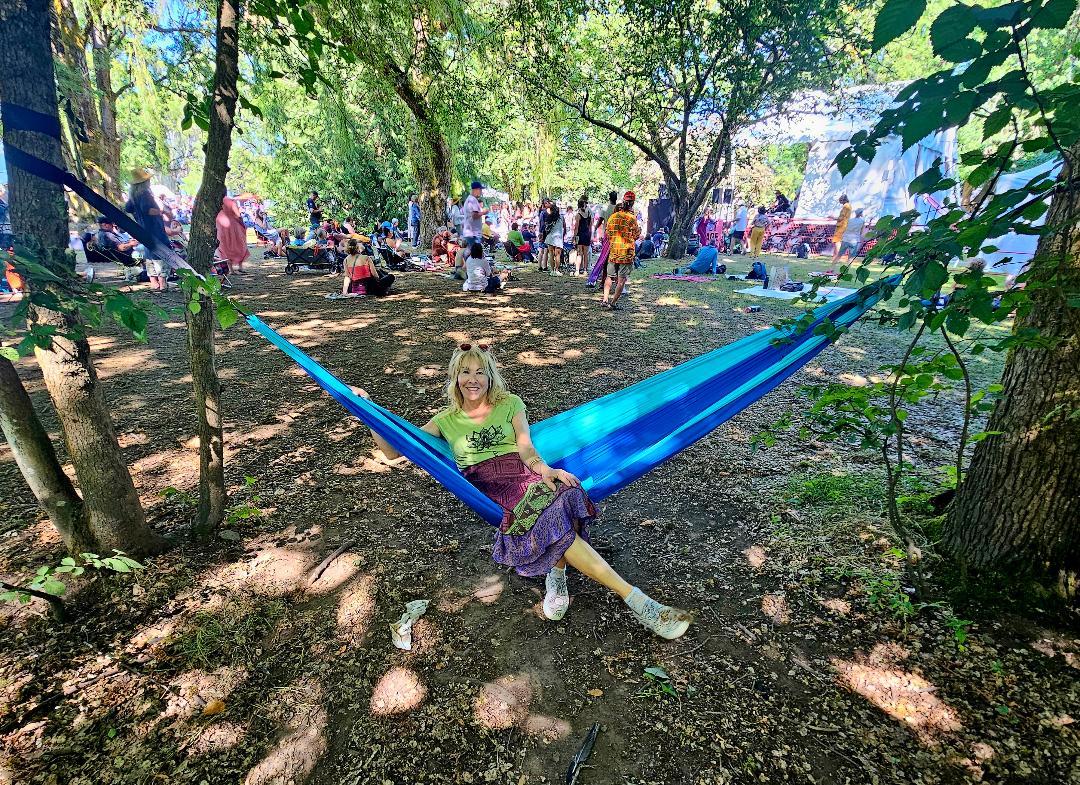
The Vancouver Folk Music Festival is one of those classic summer events that makes the city feel alive. Every third week of July, Jericho Beach turns into a mix of music, ocean air, food trucks, families, long‑time festivalgoers, and people discovering artists they’ve never heard of before.It’s been around since 1978, and there’s still something magical about hearing everything from folk and roots to world music and new singer‑songwriters, all with the mountains and beach as the backdrop.
It’s not just a music festival – it’s a community ritual that draws in thousands of people. People bring blankets, wander between stages, discover new artists, dance barefoot, browse artisan booths, and enjoy the ocean backdrop. After financial struggles post‑pandemic, the festival survived thanks to massive community support, which shows how deeply Vancouverites care about it.
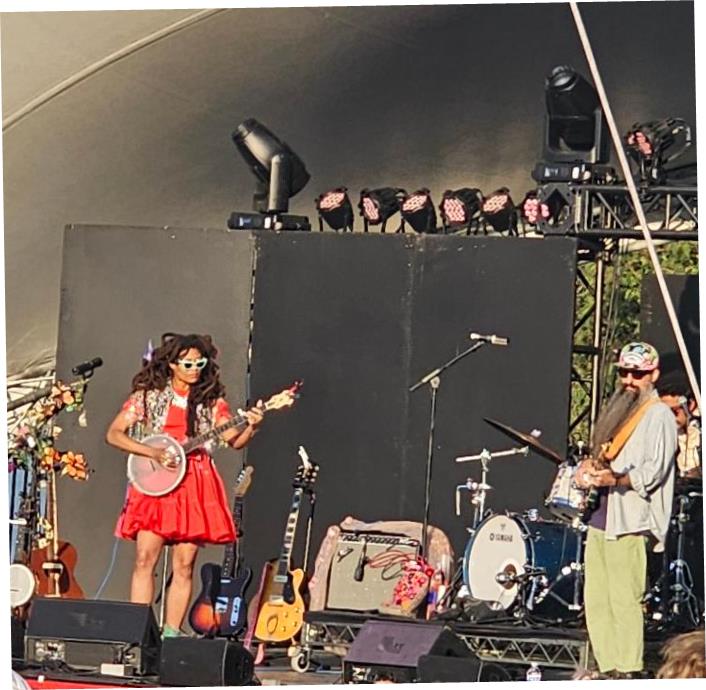
The 49th Annual Festival took place this past weekend (July 17–19, 2026) at Jericho Beach Park. The lineup included talented artists like Billy Bragg, Valerie June, Tami Neilson, Aysanabee, Ruby Waters, and more.
I had fun soaking it all in by wandering the stages, visiting vendors, eating from my favourite Dragon Bowl food truck, and snapping photos.
I ended my weekend listening to a group from Spain – which felt perfectly timed, since Spain had just won FIFA that same night. A little synchronicity to wrap up the festival.
Part of a healthy lifestyle – aside from eating well, moving your body, socializing a little, and getting a good night’s sleep – is taking vitamins. Not tons of vitamins, just the right kind.
Most of you know my brother, Brad King. He’s an award‑winning nutritional researcher and the author of several health books. Most of the vitamins I take now are ones he formulated himself under his company LeafSource®. These nutrients come from real plants – nothing synthetic.
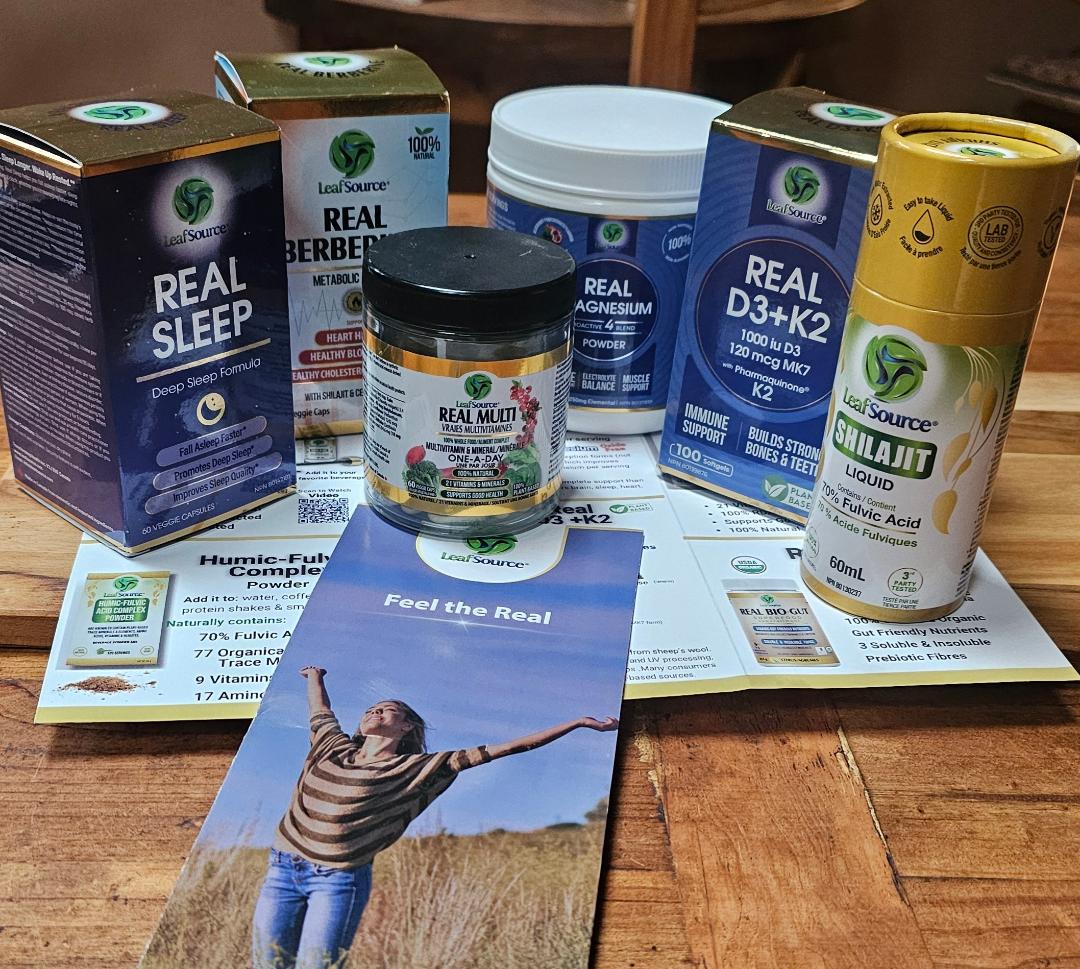
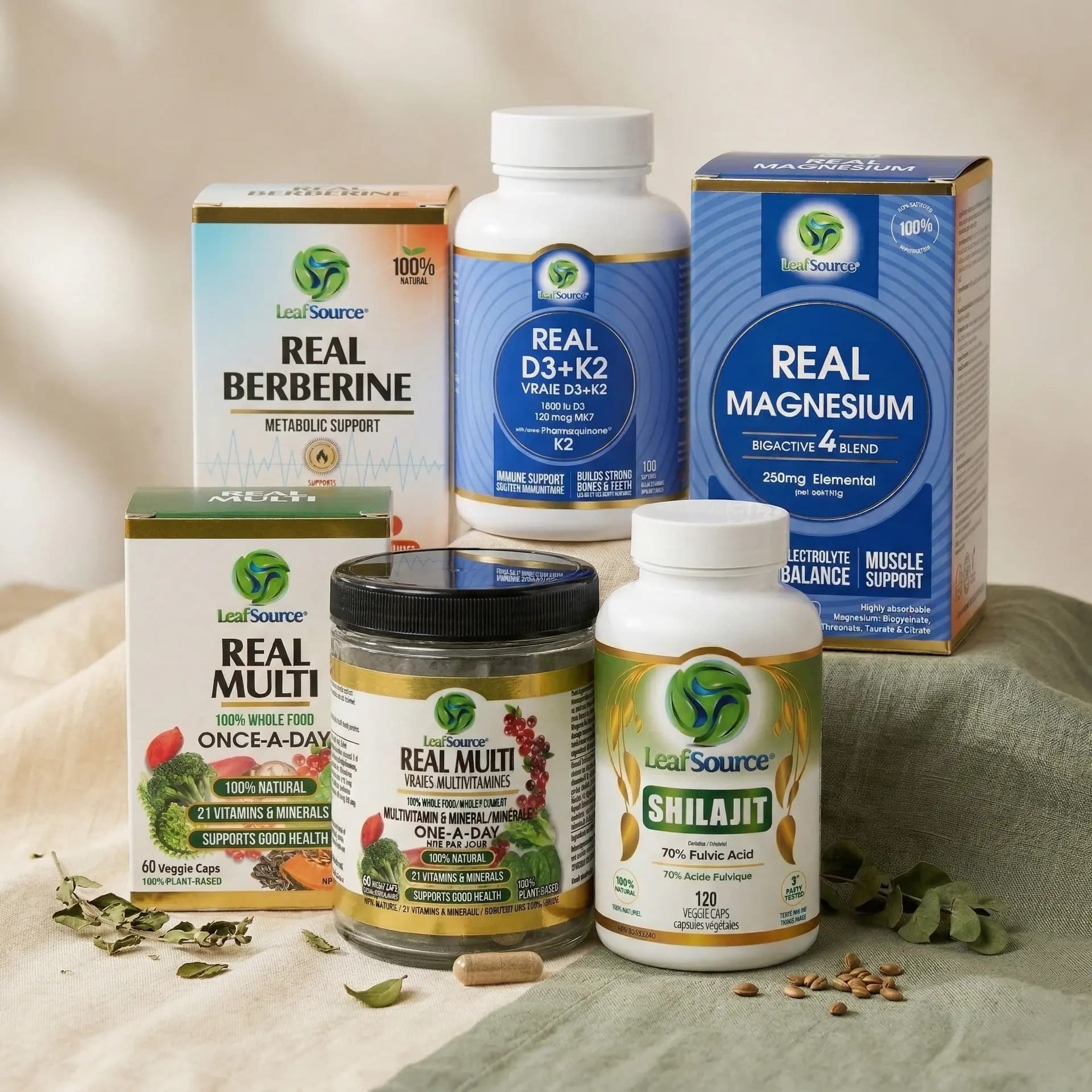
Here are the products I recently ordered. Real Berberine offers metabolic support -without the fillers or low‑grade extracts found in many berberine products. Shilajit is a mineral‑rich resin used for centuries in traditional wellness – people take it for energy and overall vitality. This one is purified, standardized, and tested – without the contaminants or variability found in many traditional shilajit products. Real Magnesium provides an easily absorbed form of a mineral the body can’t make on its own. I love the powder form because you just mix it with water and it tastes great. Real Multi is a whole‑food multivitamin made from real plant nutrients – simple, clean, and easy for the body to use. Real Sleep I cannot do without. Photo: d. king
With LeafSource®, every ingredient has a purpose: to be integrated into the role it plays, the dose, the form, and how it works in the body. Before a product is launched, published studies are carefully reviewed including ingredient data, traditional use, and bioavailability. I’ve learned that not all vitamins are created equal.
Take Vitamin D, for example.
If you’ve ever wondered how Vitamin D supplements are made, here’s something interesting:
Standard Vitamin D is not vegan.
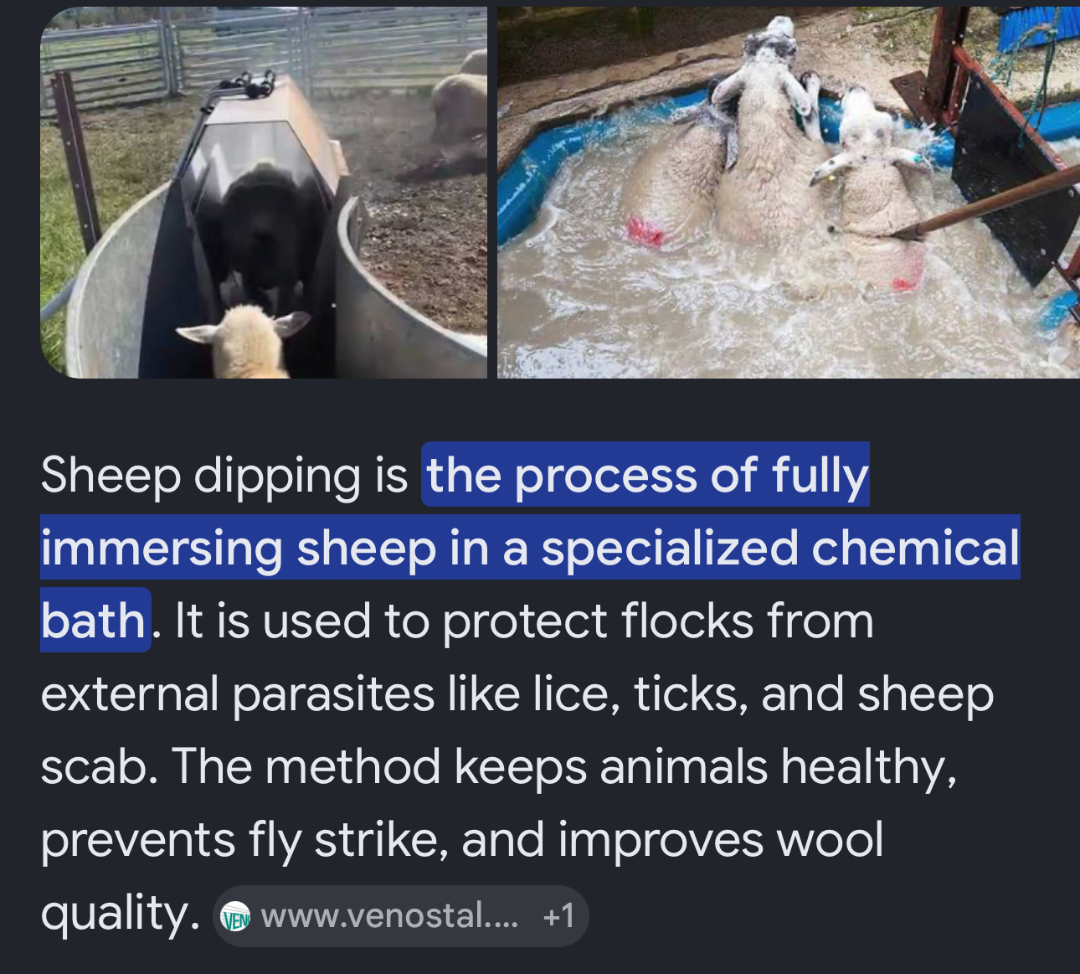
Most vitamin D3 supplements are made from lanolin, a greasy substance extracted from sheep’s wool. Sheep are routinely treated with chemical dips and agricultural pesticides to manage parasites and protect the wool. Because lanolin is a fat‑soluble wax, those chemicals can stick to the wool grease. Even though lanolin goes through multi‑stage purification, trace contaminants can still show up in testing.
The D3 in LeafSource® Real D3 + K2 comes from pine sterols instead. Even though the source is different, it’s still the exact same form of vitamin D3 the body uses – cholecalciferol. It’s the same molecule your skin makes from sunlight, but without animals and with zero chance of pesticide residue. You get the same effective D3, but from a clean, plant‑based source instead of sheep’s wool grease.
Vitamin K2 has its own story.
Most K2 (MK‑7) ingredients are made through fermentation of natto or chickpeas. During fermentation, different forms of MK‑7 can be created – both cis and trans. The body primarily uses the all‑trans form.
The K2 in LeafSource® Real D3 + K2 is made without fermentation, and it’s all‑trans MK‑7, the active form the body actually uses. That means a more consistent and stable form of K2, without the lower‑quality forms found in some other brands.
LeafSource® K2 comes from geranium essence, and it’s over 99% usable in the body. It acts like a “traffic controller,” guiding calcium into your bones and teeth and preventing it from settling in your arteries and soft tissues.
I’m no expert – but my brother is. And the more I learn, the more I realize how little most of us know about where our supplements come from.
LeafSource® products are sold in over 800 stores across Canada. In Vancouver, you can find them at Finlandia, and they’ll soon be in Choices Markets and Whole Foods. Their website ships to both Canada and the USA. Check out the rest of the products here:
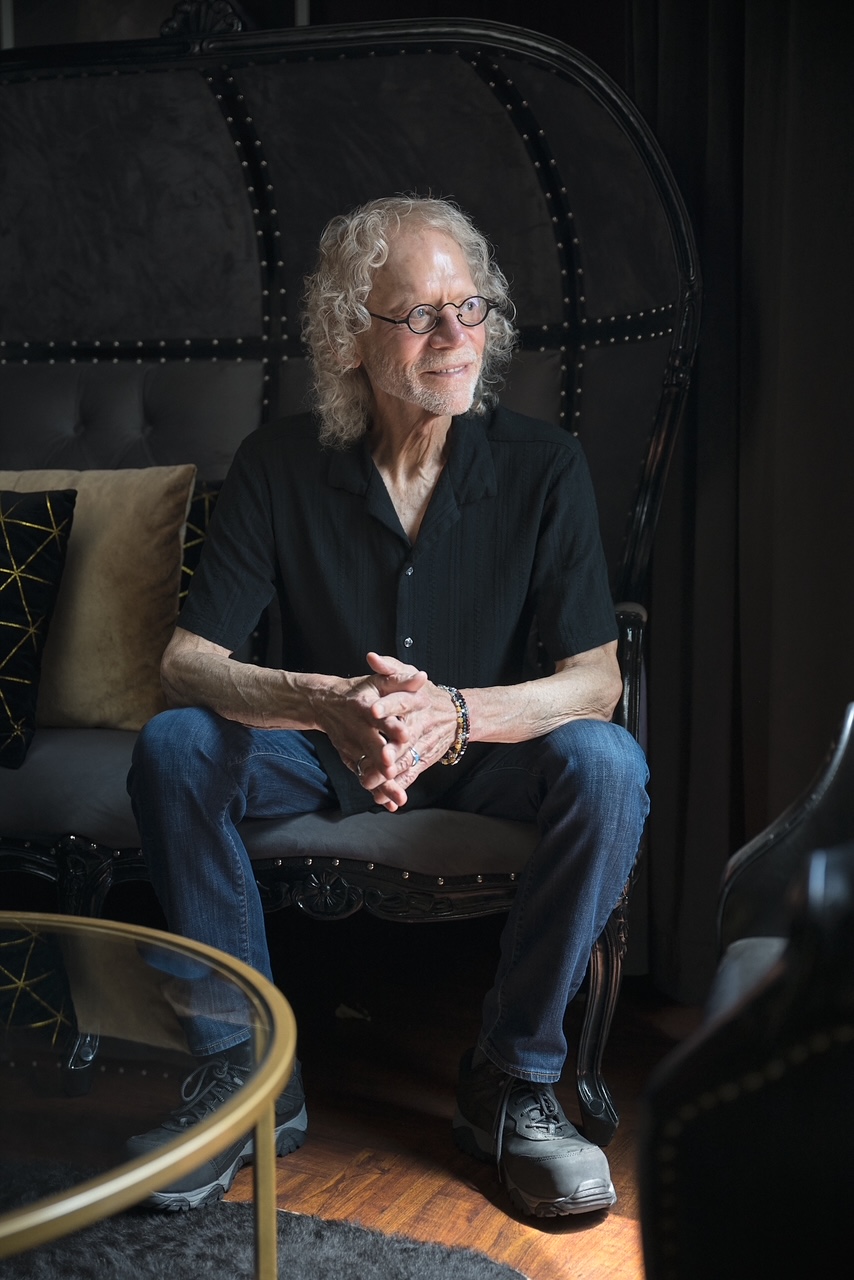
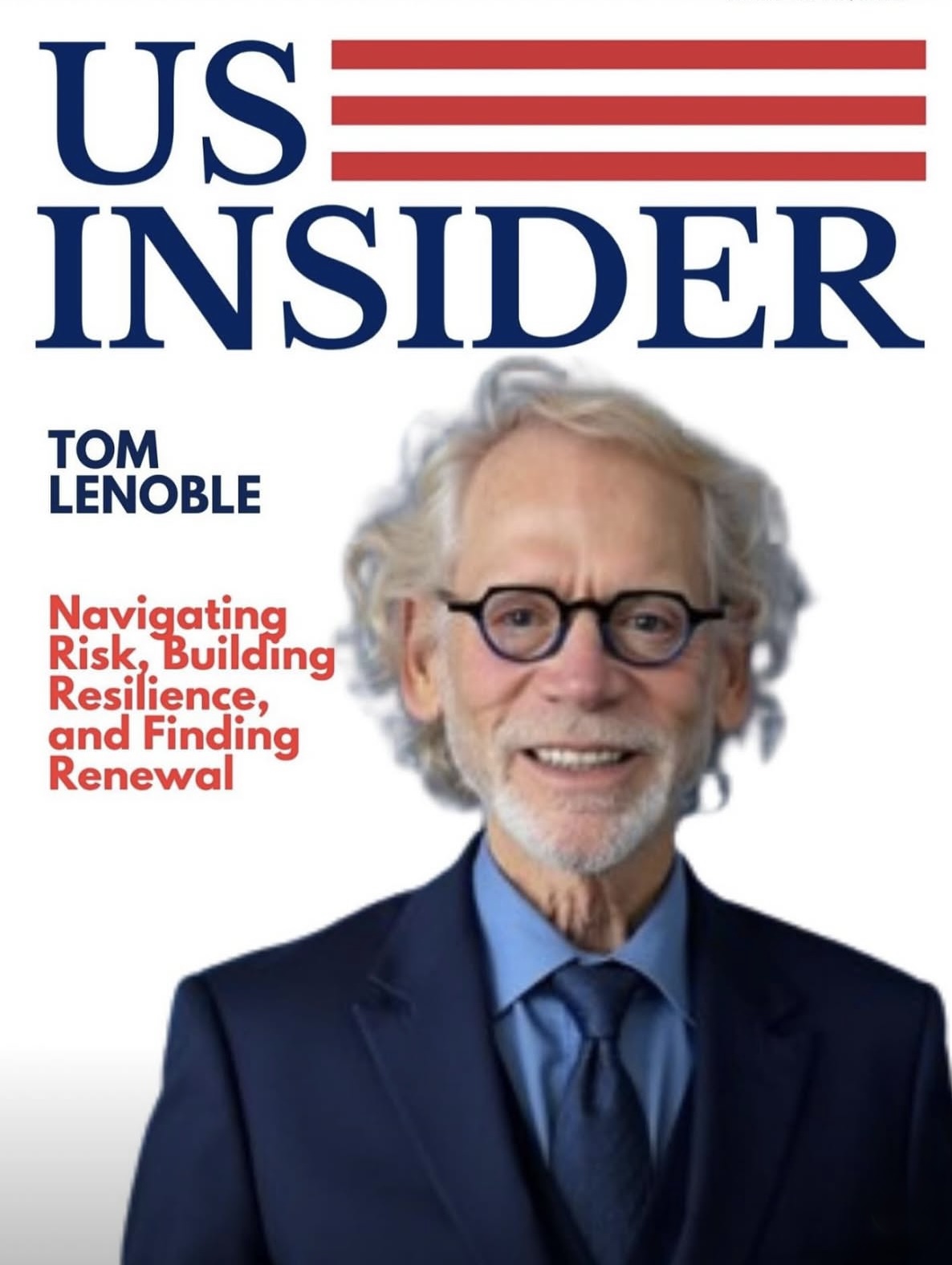
Most people live one life. Tom Lenoble seems to have lived three: one marked by success, one shaped by devastating setbacks, and one that took him somewhere he never expected.
I’ve always been drawn to people who refuse to fit into a single box – those whose lives take unexpected turns and whose identities evolve through circumstance, choice, and resilience. Tom is one of them.
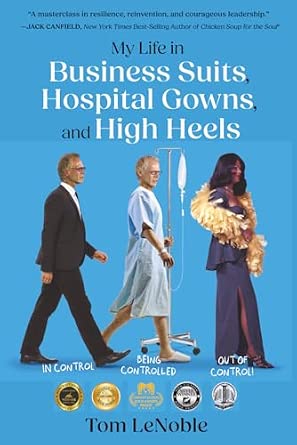
His journey moves through boardrooms, hospital rooms, and high heels. At first glance, those worlds couldn’t seem farther apart, yet each became part of the same remarkable life. Beneath them all runs a common thread: control – having it, losing it, fighting to regain it, and discovering who you are when life refuses to follow the script.
His memoir, My Life in Business Suits, Hospital Gowns, and High Heels, tells that story with honesty, humour, vulnerability, and grit.
After reading Tom’s intriguing memoir, I wanted to know more about the life behind the pages. I asked him six questions, and his responses are thoughtful, candid, and every bit as compelling as the memoir itself.
But first…an excerpt from the book:
“In my seventy years, “me” has meant a lot of different things.
I’ve been the poor little boy who grew up in a shack with no refrigerator or hot water.
The chubby, unathletic kid who didn’t fit in anywhere and was teased for being a sissy.
The churchgoing mama’s boy on a path into the ministry because it seemed like the proper thing to do.
I’ve been the misfit teenager who found his tribe among the theater kids.
The pothead college student who ditched the lecture hall for the lights of a drag bar.
I’ve been the gay man who lived the high life in the 1980s, until the AIDS epidemic came for those most dear to me.
A “gray hair” who, at age fifty-three, had a front seat to the dawn of social media as one of the first one hundred employees at Facebook.
And I’ve been an HIV and cancer patient who was told no less than three times that I had only six months to live. I’m still all those things. And I’m still here.”
The story behind the story:
1) What made you decide this was the moment to tell your story?
For years, I believed my story was simply my life. I did not realize it might become someone else’s roadmap. After being told three different times that I had six months to live, two life threatening illnesses, surviving careers that spanned companies like Facebook, Palm, Walmart.com, MCI, and high growth startups, and reinventing myself more than once, I began to see a common thread. Every chapter was teaching me something about risk, resilience, reinvention, and what it truly means to live.
I’m a very private man. The secrets have been shared. It has been liberating.
People often asked how I stayed hopeful or how I found the courage to keep starting over. I finally realized the answers were not meant to stay with me. They were meant to be shared. If someone closes the book feeling less alone, more hopeful, or more willing to take the next courageous step in their own life, then telling my story was worth it.
2) You’ve lived in worlds that don’t usually intersect, as a business executive, a patient fighting for your life, and as Rita Dayworth. Looking back, which of those experiences taught you the most about yourself?
Each one revealed a different part of me. The executive taught me discipline, leadership, and how to navigate complexity. The patient taught me humility. When you’re lying in a hospital bed, titles, salaries, and accomplishments disappear. You are simply another human being hoping for tomorrow.
Rita Dayworth may have taught me the most unexpected lesson. Through humor, performance, and self-expression, I discovered that authenticity often begins where fear ends. Rita gave me permission to be seen differently, to laugh at myself, and to recognize that confidence is not about pretending. It is about embracing every part of who you are.
Together, those three lives showed me that we are never just one identity. We are far more expansive than the labels we place on ourselves.
3) Was there a moment you hesitated to include something, and what made you decide to keep it in?
Absolutely. Vulnerability is easy to encourage in others and much harder to practice yourself. There were stories that exposed disappointment, fear, relationships, mistakes, and moments when I questioned everything.
I kept asking myself, “Does this serve the reader, or does it simply make me uncomfortable?” If the only reason I wanted to remove something was because it made me look imperfect, then it probably belonged in the book.
I have never wanted to write a memoir that polished my life into something it wasn’t. Real resilience is messy. It includes setbacks, uncertainty, and moments when you have no idea what comes next. Those are often the pages readers connect with the most.
The most difficult part was starting with 700 pages as the cuts began. In the last round of edits, I was asked to cut another swath. I wanted to scoop all those cuts and turn them into another book.
4) You’ve lived through extraordinary challenges. What kept you moving forward during the hardest times?
I stopped asking, “Why is this happening to me?” and started asking, “What is this trying to teach me?”
That shift changed everything.
I have always believed that hope is an action, not simply a feeling. Some days hope looked like making another doctor’s appointment. Other days it meant saying yes to an opportunity that scared me. Sometimes it meant helping someone else when I was struggling myself.
I also learned that resilience is rarely built in dramatic moments. It is built through ordinary decisions repeated over time. Get up. Take the next step. Make the next phone call. Love the people around you. Repeat.
Those small choices eventually become an extraordinary life.
5) Looking back, was there a chapter of your life that taught you something you never expected to learn?
Oddly enough, it was becoming seriously ill.
I would never wish those experiences on anyone, but they stripped away everything I thought defined success. They taught me that life is measured less by achievements and more by relationships. Less by what we accumulate and more by what we contribute.
When you believe your life may be ending, you become remarkably clear about what matters.
Ironically, facing death taught me how to live more fully. It made me a better leader, a better friend, a better coach, and I hope, a better human being. It also brought serving others to clarity and my desire to be a philanthropist. That, in turn, inspired me to create The Philanthropic Mindset. A framework to help others see that philanthropy is beyond a check, a gala, or name on a building. It can be found in a smile, a hello, or sitting with someone in need.
6) Is there any difference between the public perception of what you’ve accomplished and your own perception of your greatest accomplishments?
There is a tremendous difference.
People often introduce me by mentioning the companies I’ve worked for, the books I’ve written, the stages I’ve spoken on, or the fact that I survived multiple life-threatening diagnoses. I am grateful for all of those experiences, but they are not what I consider my greatest accomplishments.
What matters most to me are the lives I’ve had the privilege to influence. The executive who found the courage to lead differently. The entrepreneur who chose purpose over fear. The nonprofit leader who discovered they didn’t have to carry the weight alone. The reader who wrote to tell me they decided not to give up.
Success looks impressive on a resume. Significance is written in the lives we touch.
If I am remembered for anything, I hope it is not the companies I worked for or the obstacles I survived. I hope people remember that I helped them believe they were capable of more than they imagined, especially when life suggested otherwise. I want the initiatives I’ve started to carry forth long after I’ve left this physical existence.
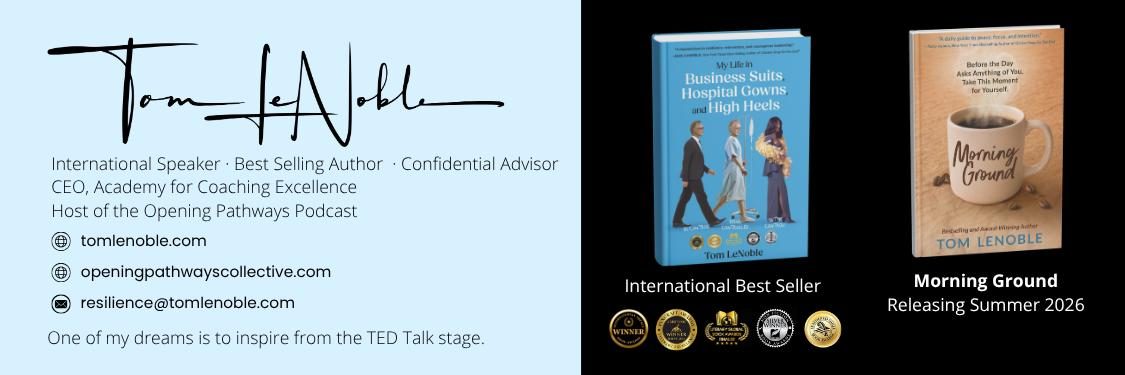
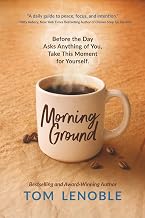
Tom’s story reminds us that life rarely follows the path we expect – and that sometimes our greatest challenges become the chapters that define us. If you’d like to continue the journey, you’ll find links to both his memoir and his newest book below.
“My Life in Business Suits, Hospital Gowns and High Heels”

 It’s been around since 1978, and there’s still something magical about hearing everything from folk and roots to world music and new singer‑songwriters, all with the mountains and beach as the backdrop.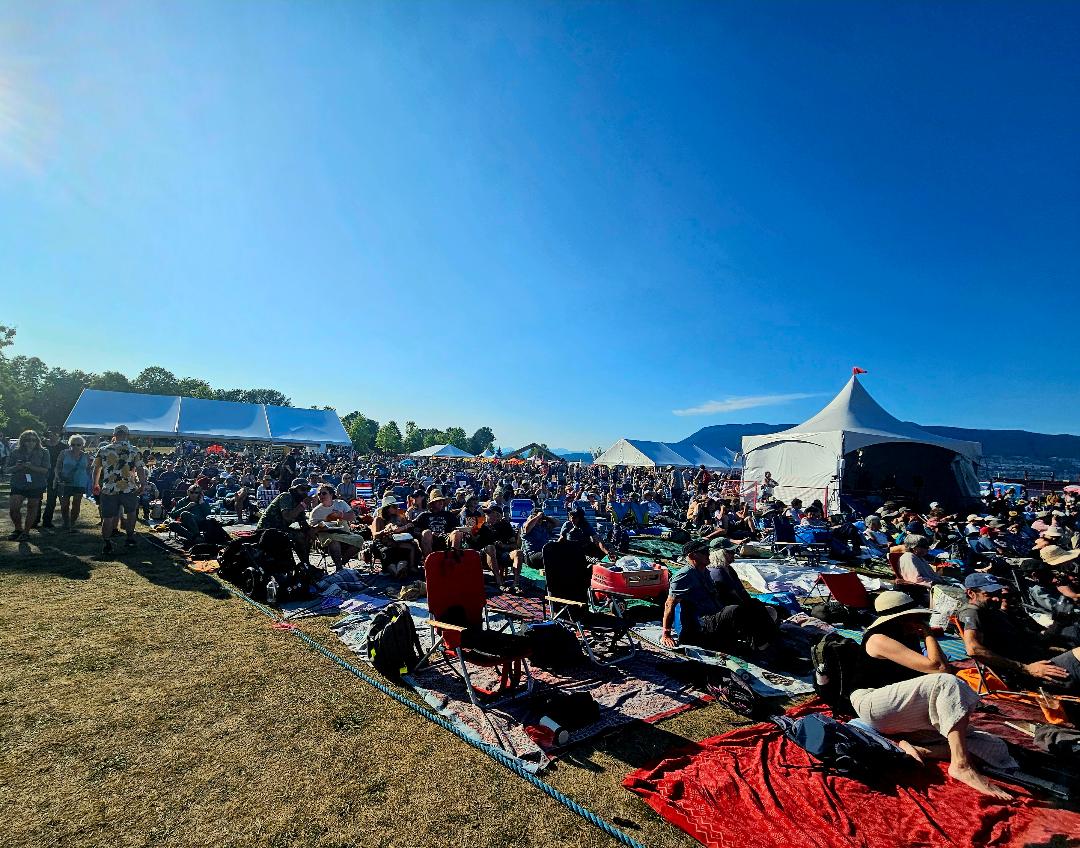


You must be logged in to post a comment.