I finally had my first cosmetic treatment – and it didn’t hurt a bit. No, it wasn’t Botox, but it was all about enhancing the lips.
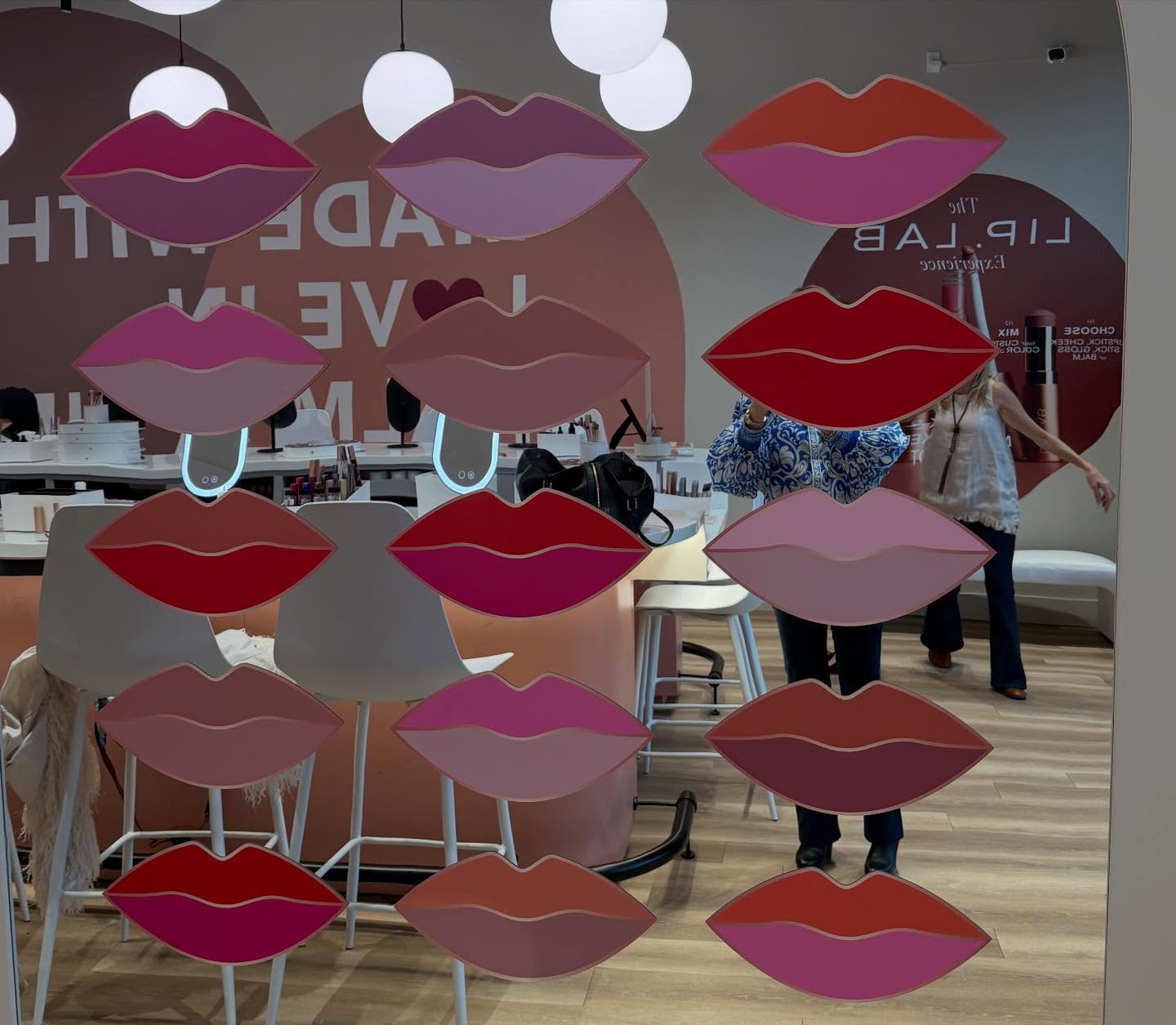
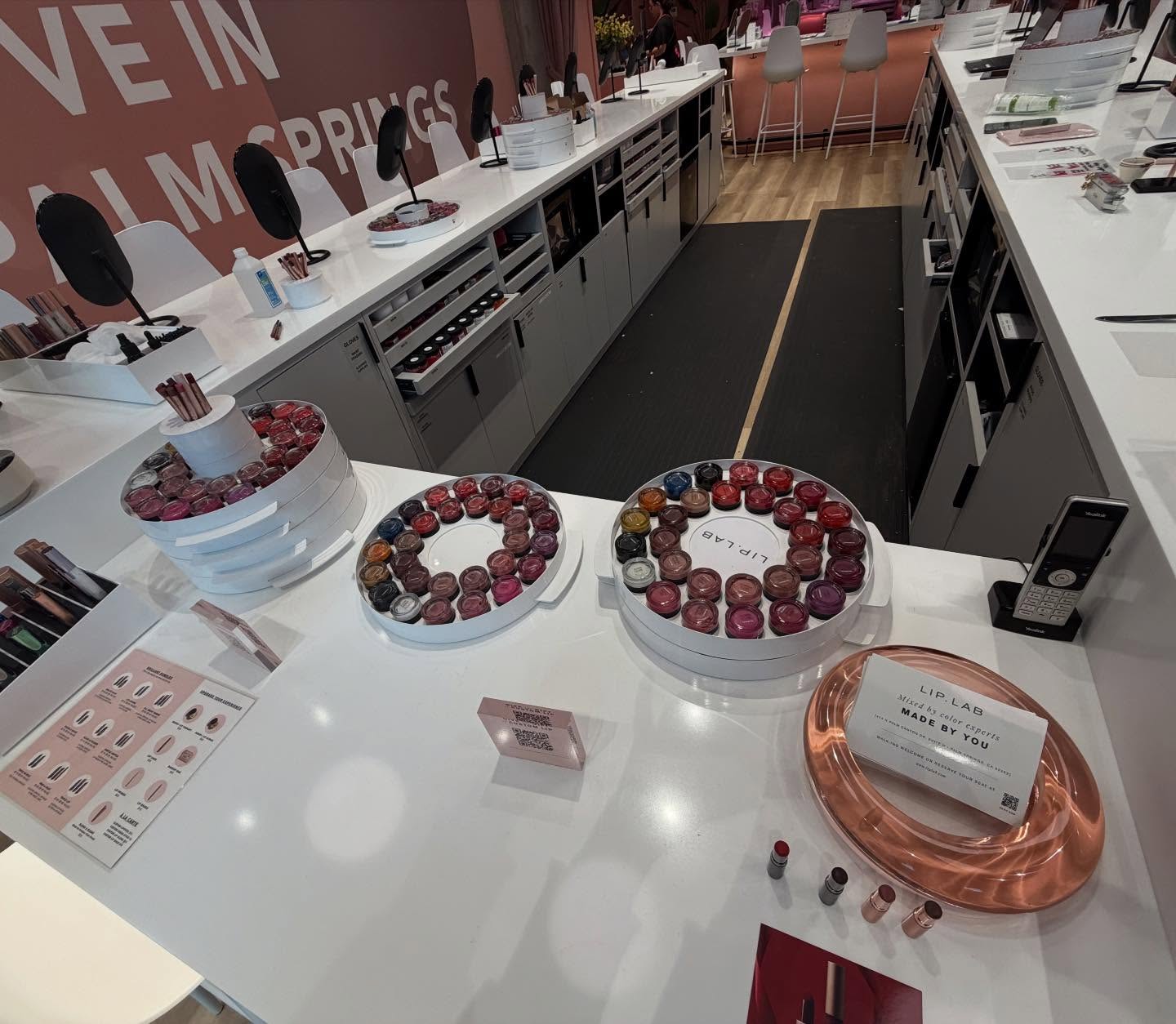
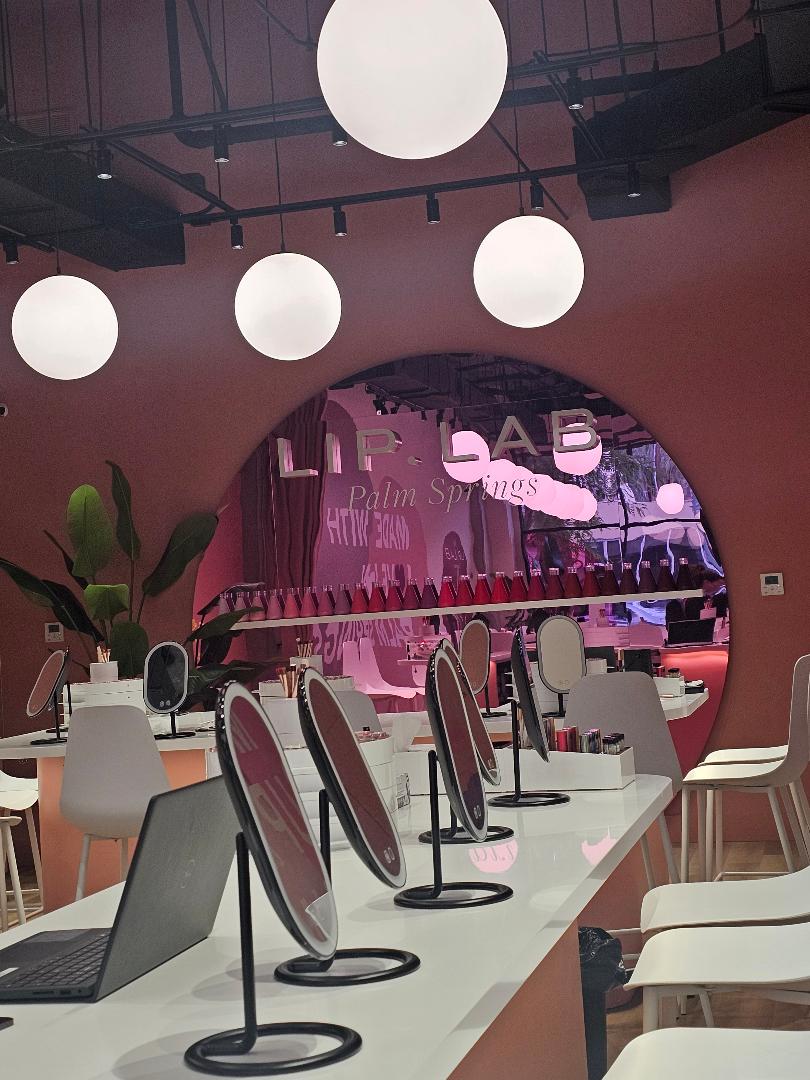
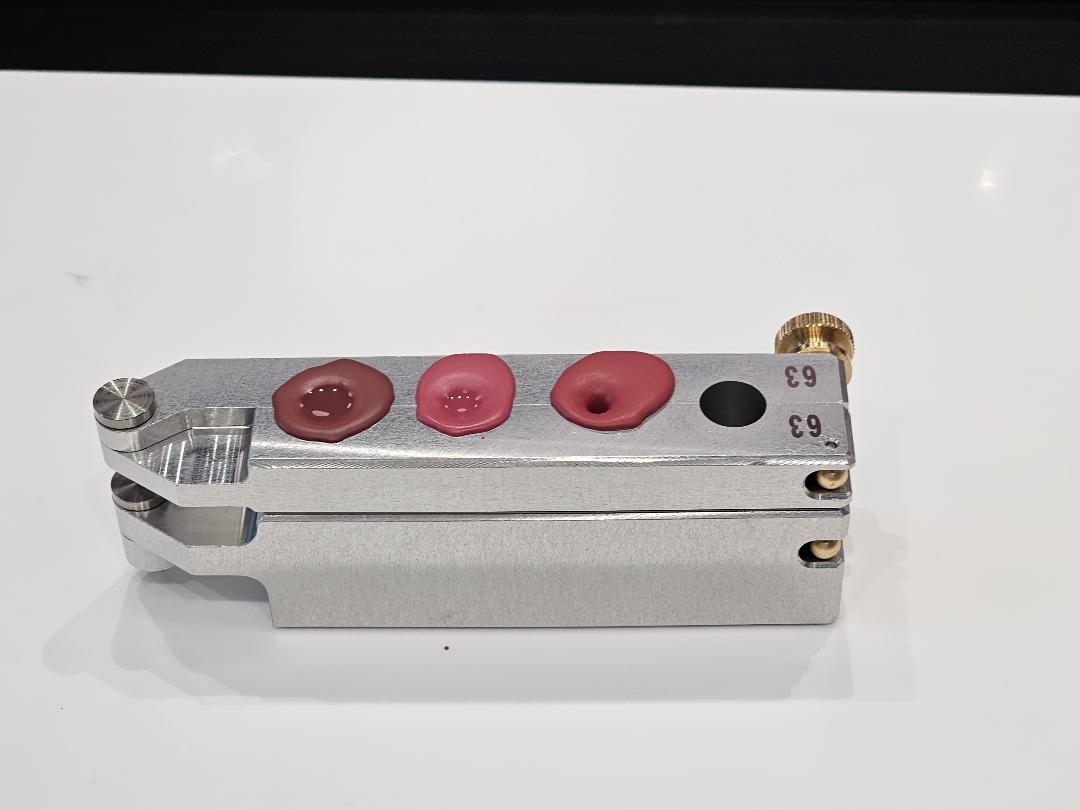
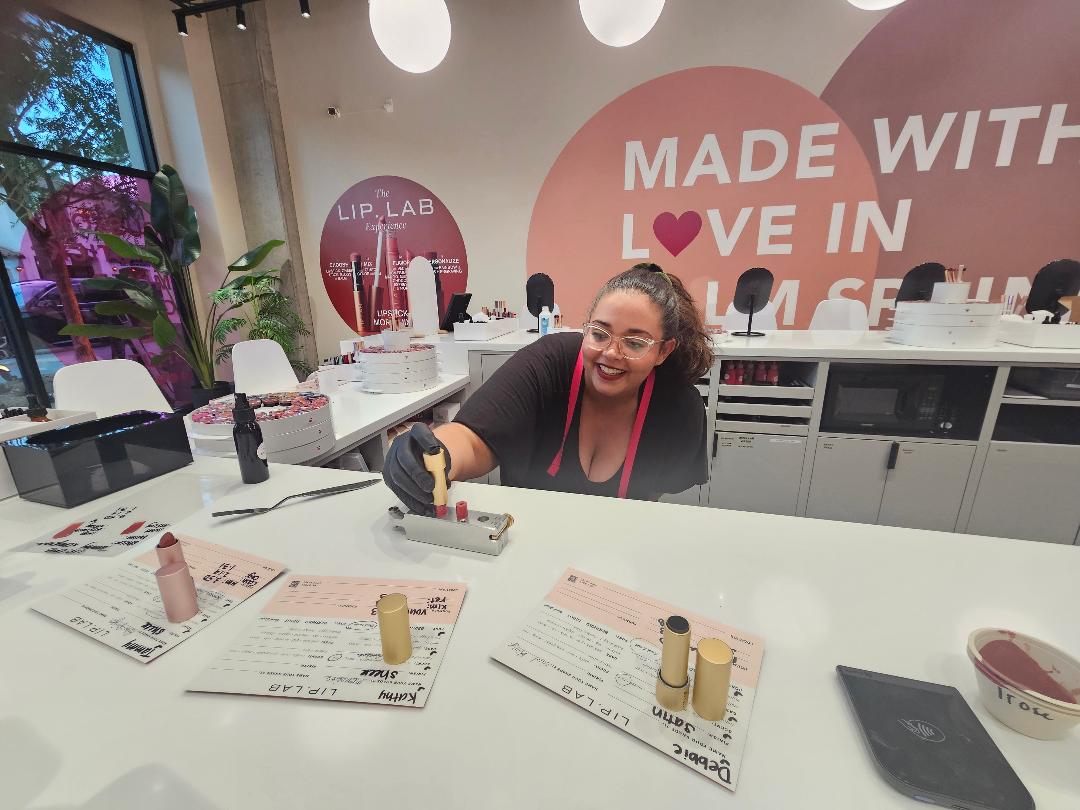
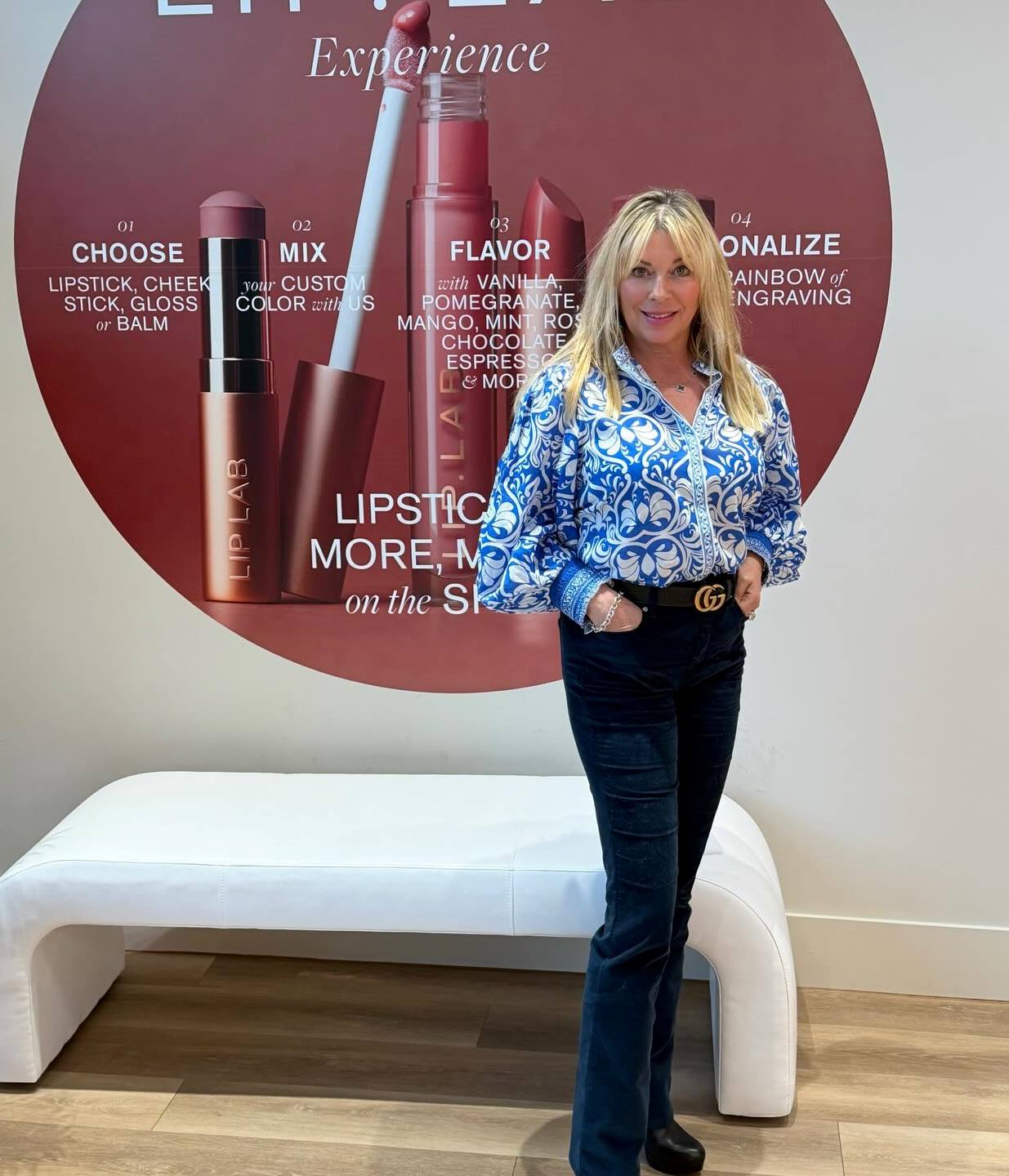
I spent the afternoon at Lip Lab in Palm Springs, where you can customize your own lip shades from scratch. Think of it as the grown‑up version of playing with crayons: you mix, test, tweak, and try again until you land on the color that feels most “you.”
I’d never heard of Lip Lab before, but they have locations in Austin, Boston, Napa, Vegas, Nashville, and Toronto’s Distillery District. The concept is simple but clever: a highly rated (and admittedly pricey – starting around USD $60) interactive experience where a color expert helps you create a custom lipstick, gloss, or balm. You choose the finish – matte, satin, or glossy, then the tube, the scent (or no scent), and even the engraving. We were like kids in a candy store.
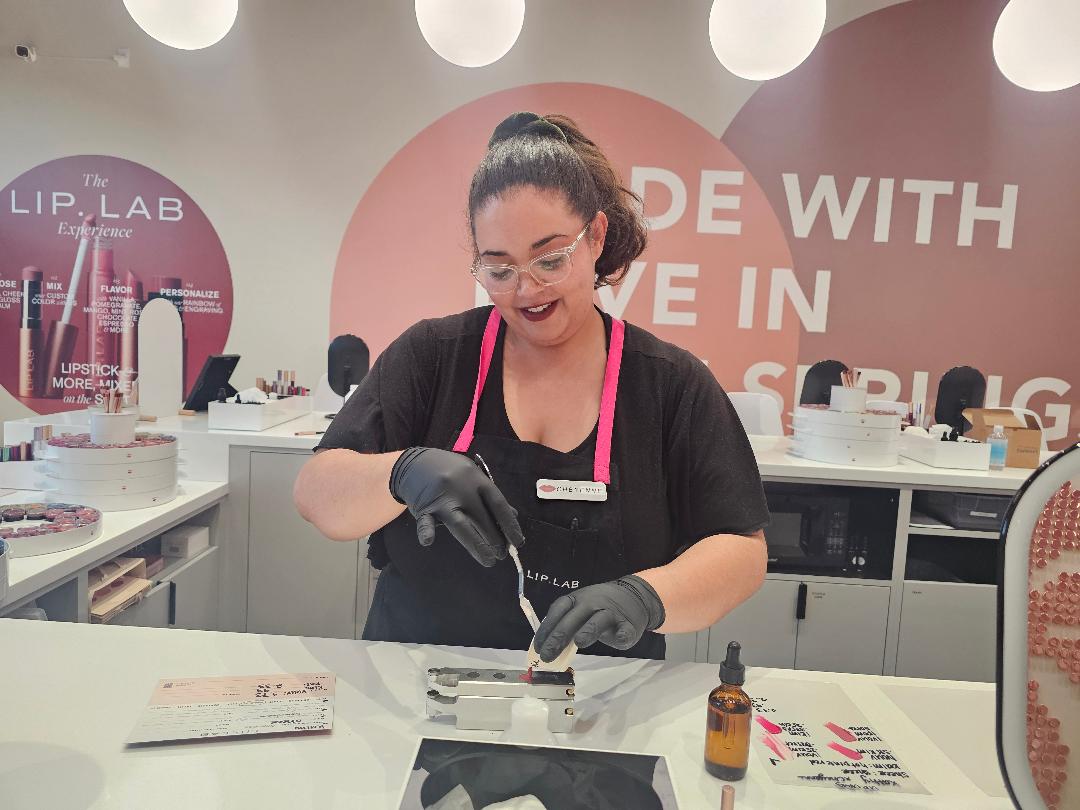
Mixing it upOur Shades L-R (Tammy, Kathy, Debbie)Putting it in the tube
I went with a satin shade in a gold case, rose‑scented (though pomegranate almost won), engraved in a brush script that reads girl king. They also offer bundle packages if you want to create more than one product.
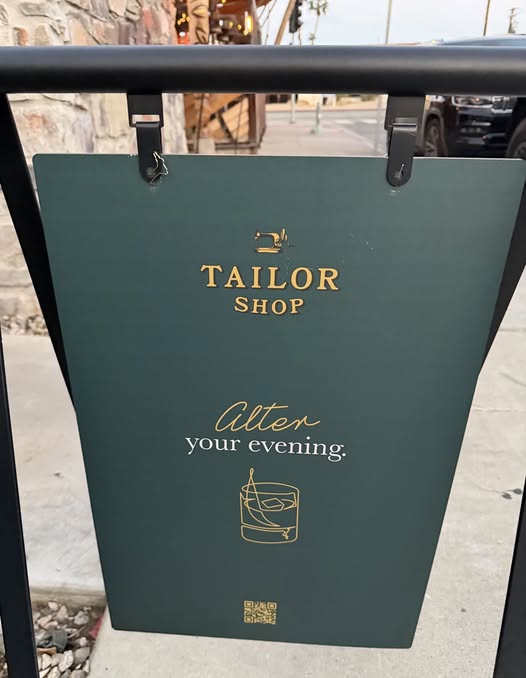
It made for a fun girls’ outing, and afterward we kept the theme going with tailor‑made cocktails at a spot called “Tailor Shop.”
Do you see where I’m going with this? Everything these days seems to be about personalization – beauty, drinks, experiences. We’re living in the era of the bespoke – made for you, not the masses.
Would I do it again? I’m not sure. But I do recommend trying it at least once.
If nothing else, it’s a reminder that sometimes the best shade is the one you mix yourself.
I never expected the word beauty and the words “donkey” milk to be in the same sentence; but why should it be any different than “goat” milk?
Plus, they’re just as cute. Have a look at that face – that’s a nice looking ass!
Since donkey milk soap and goat milk soap are both made with the high-fat milk of their respective animals, they are both known for their skin-nourishing, moisturizing, and protective properties. However, donkey milk for beauty purposes is new to North America.
It was while looking at all the different soaps at the lavender shop that the owner pointed out the donkey milk soap bar and told me that he’s getting more products that will either contain or be made entirely of donkey milk and how good it is for the skin. He said that the soap can be used on the face and there’s a whole list of beauty benefits that goes along with it. He mentioned it helps exfoliate, softens, fades scars, evens skin tone and reduces acne and wrinkles.
Hmmm….always something new to explore and learn about. I’m always open to new suggestions but I’m also aware how saturated the beauty market is and maybe they have to keep coming up with new ways (taken from old ways) to draw people in. Not saying that Donkey Milk is not beneficial, but I decided to do some research which I’m sharing here.
Right off the bat, Donkey milk is rich in vitamins and minerals: potassium, phosphorus, iron, zinc, sodium, calcium, magnesium, iodine, retinol, vitamin A, B1, B2, B6, D, C, E. All good! The negative point is that it’s supposed to be the most expensive milk in the world.
Donkey milk may sound like a trendy newcomer to the milk market, but in reality, it has been around for thousands of years.
It has become popular again recently, especially in parts of Europe, appealing both to adventurous foodies who want to try new foods and beverages, as well as those who aim to eat natural foods with health benefits.
Spurred by interest in using donkey milk for both cosmetics and culinary reasons, Europe is experiencing a donkey milk revival.
It has a long history of medicinal and cosmetic uses. Hippocrates reportedly used donkey milk as a treatment for arthritis, coughs, and wounds. Cleopatra is said to have maintained her soft, smooth skin with donkey milk baths. Apparently she added honey to it. According to Google, she had more than 700 donkeys. That makes for a lot of milk baths!
Compared with milk from other dairy animals like cows, goats, sheep, buffalo, and camels, donkeymilk most closely resembles human breast milk. In fact, it was first used in the 19th century to feed orphaned infants.
So another ancient beauty product has found its way here and is having a resurgence. I think we’ll be hearing more about this.
Let me know if you’ve tried it?
“Donkeys live a long time. None of you has ever seen a dead donkey.” ~ George Orwell
I came across this more in-depth blog post from Better Living about donkeys in general; including their milk:
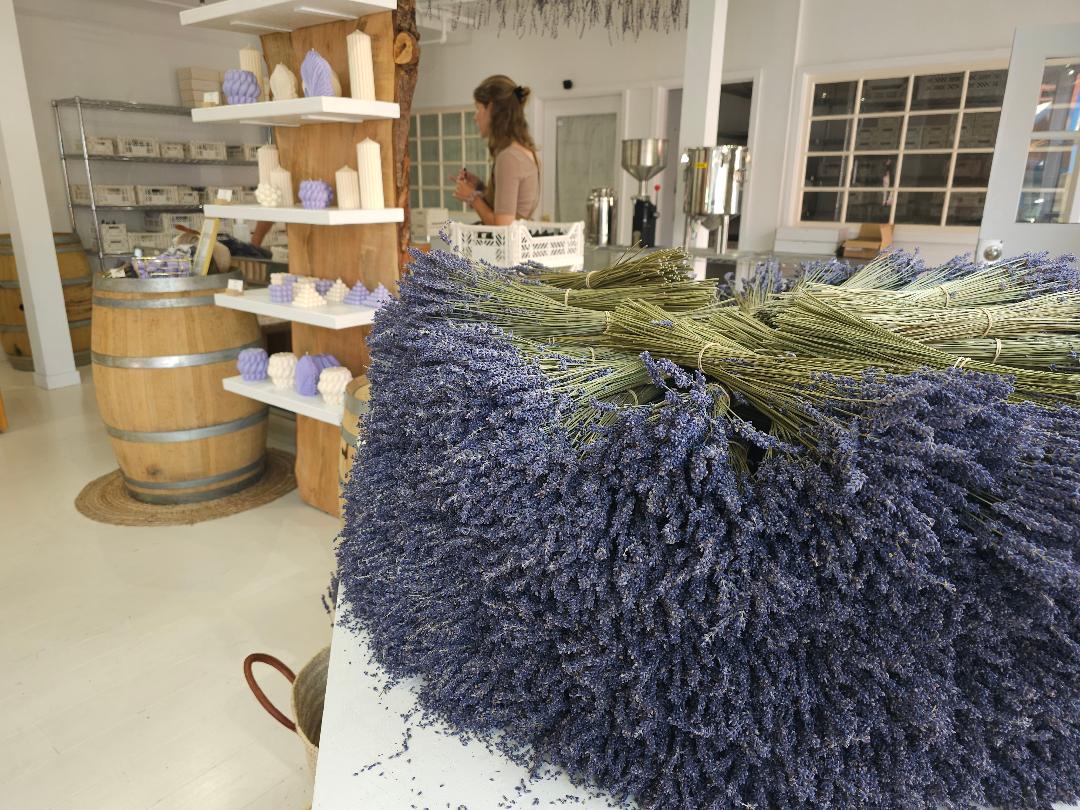
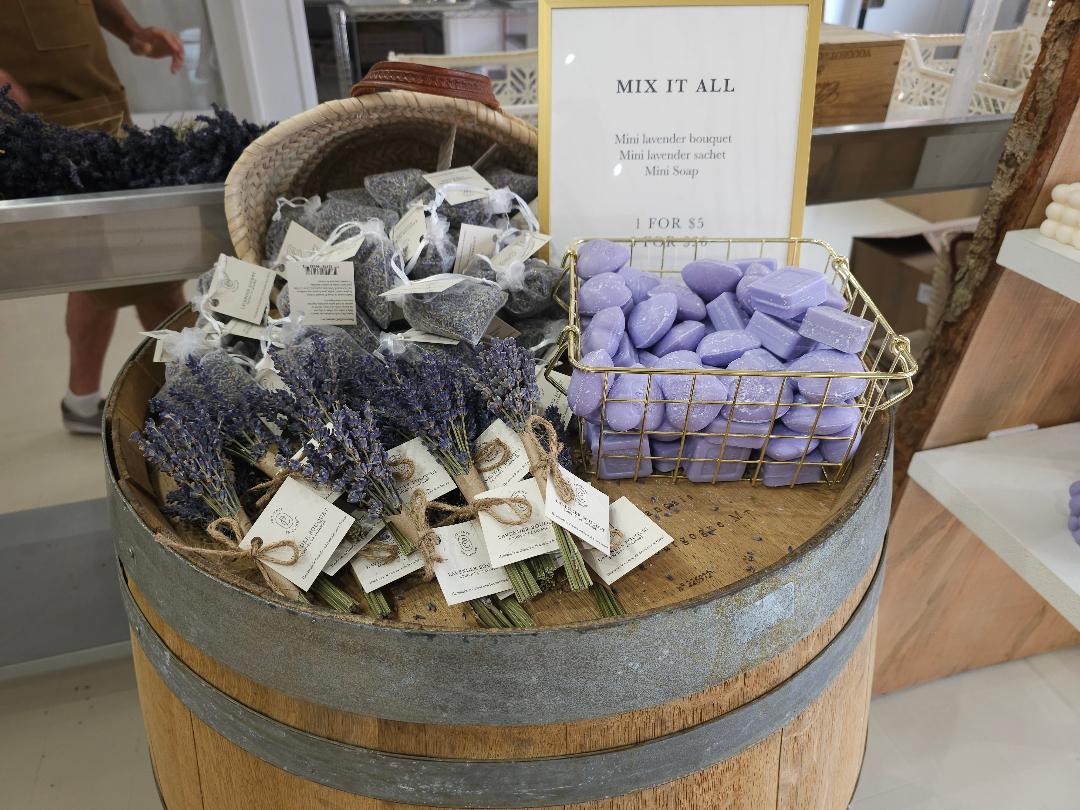
A bundle worth its weight in blue/gold. Photo: d. king
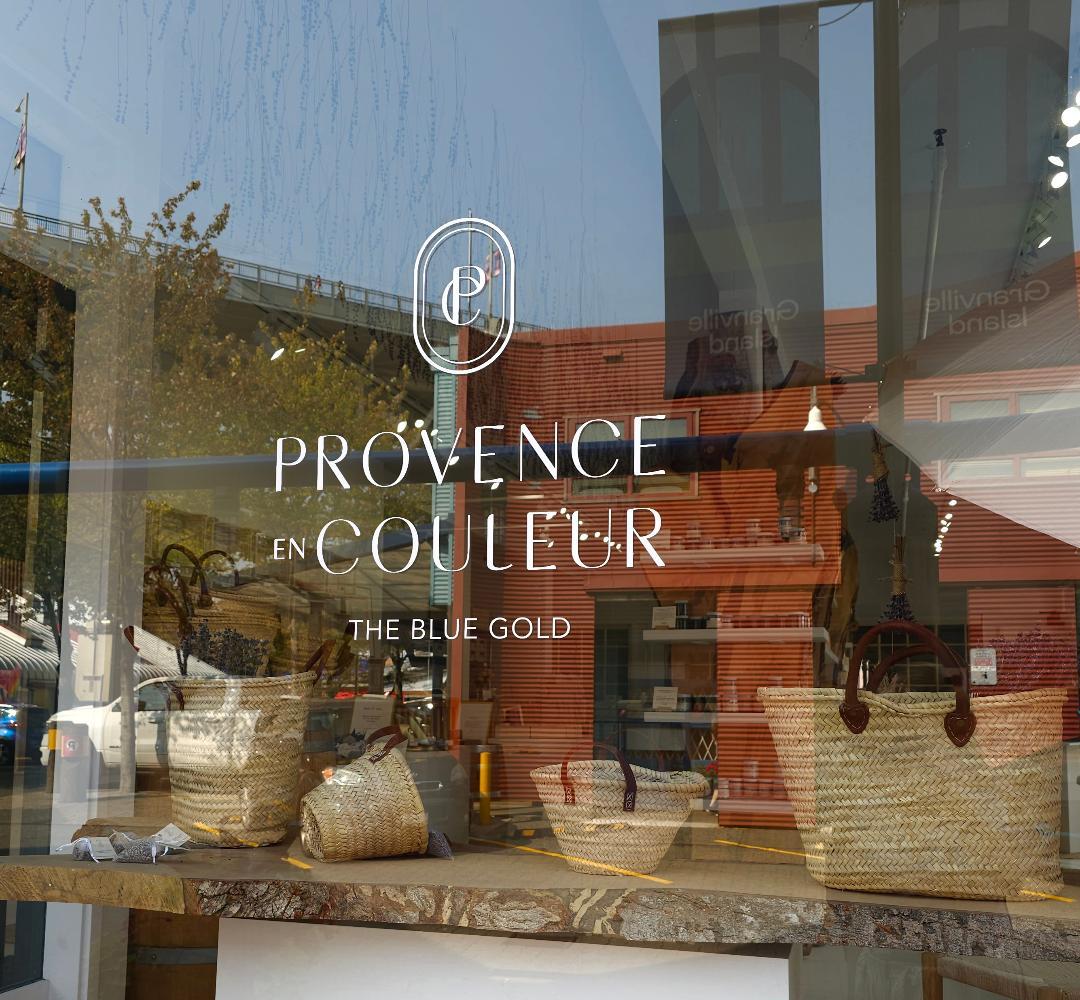
If you’re looking for lavender products in Vancouver, look no further than Provence en Couleur – a one-stop-shop for all things lavender and more. Located at Granville Island.
Known as “The Blue Gold” because of its value as a crop, Lavender oil is a staple of perfumes, skincare and soaps.
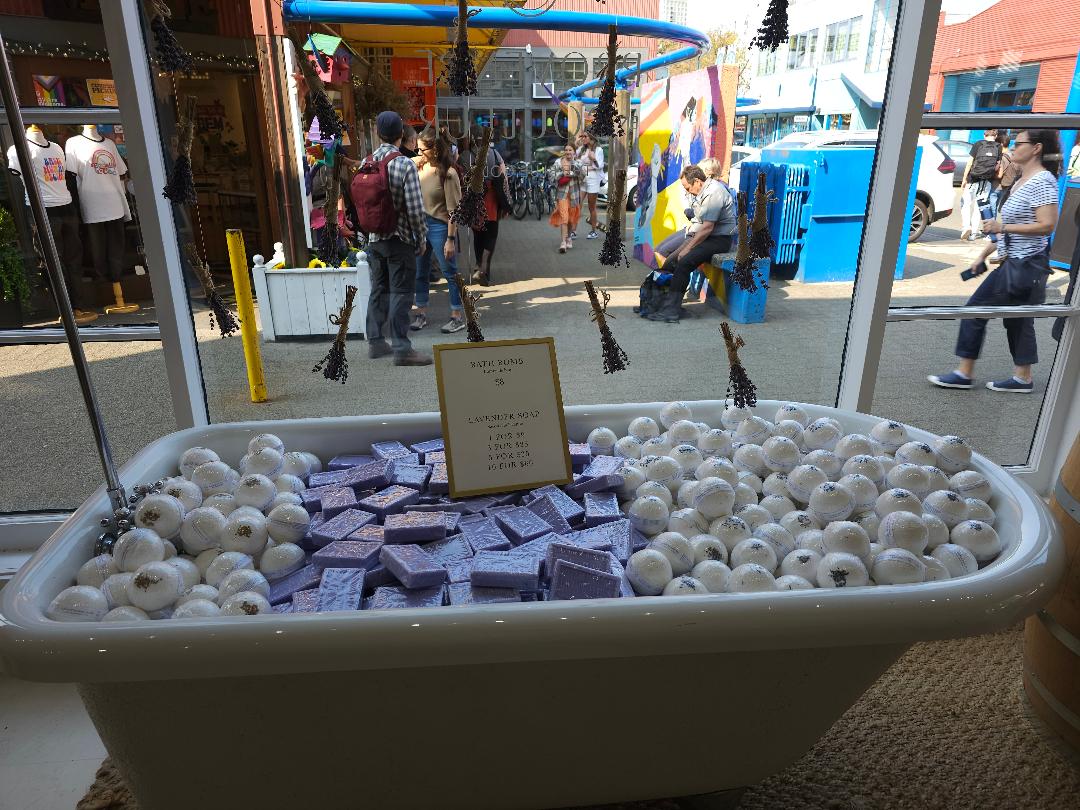
Soaps + bath balms. Photo: d. king
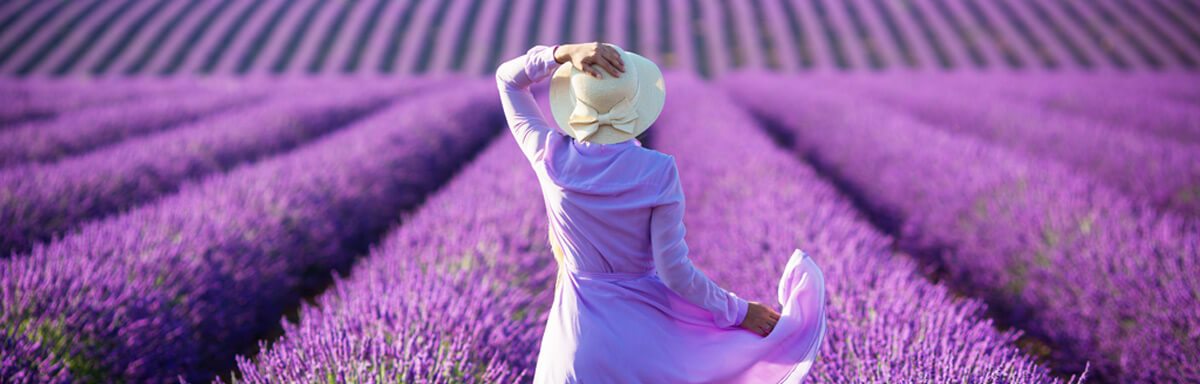
In Provence the lavender fields conspire with the landscapes and perched villages to make stunning technicolor scenes.
So French to place in a market bag. Photo: d. king
The scented flowers signify purity, silence, devotion, serenity, grace, and calmness. That’s why spraying lavender scented water on your pillowcase before bed will give you a more restful sleep. Putting a few drops of the oil in a humidifier does the same.
You can hang, stuff or plant them anywhere you want to have more beauty. Photo: d. king
The scent of their dried flowers stays stronger for a lot longer than other types of dried flowers.
Photo: d. king
Purple is the color of royalty and speaks of elegance, refinement, and luxury.
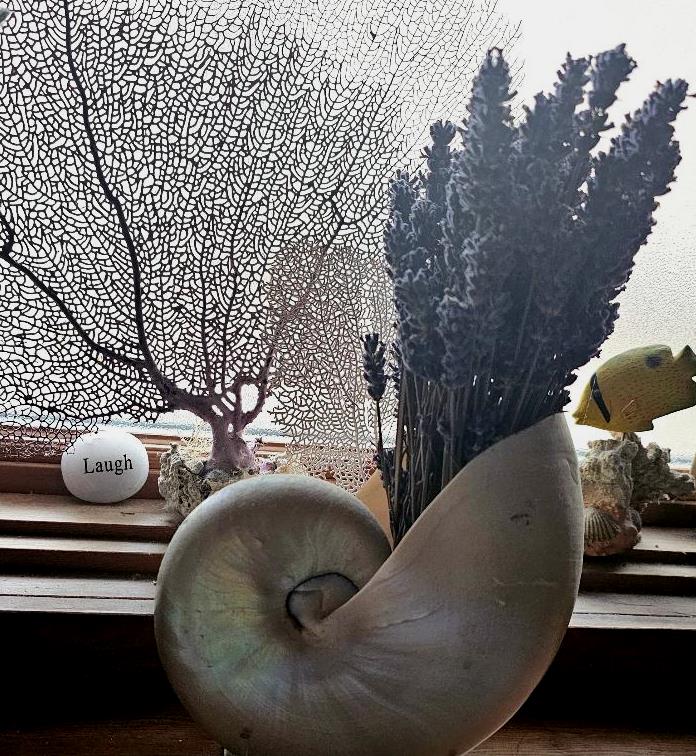
Photo: d. kingMy bathroom window in a nautilus shell. Photo: d. king
When I stepped into Montreal’s most luxurious day spa last week, I might’ve been having a bit of a chocolate craving.
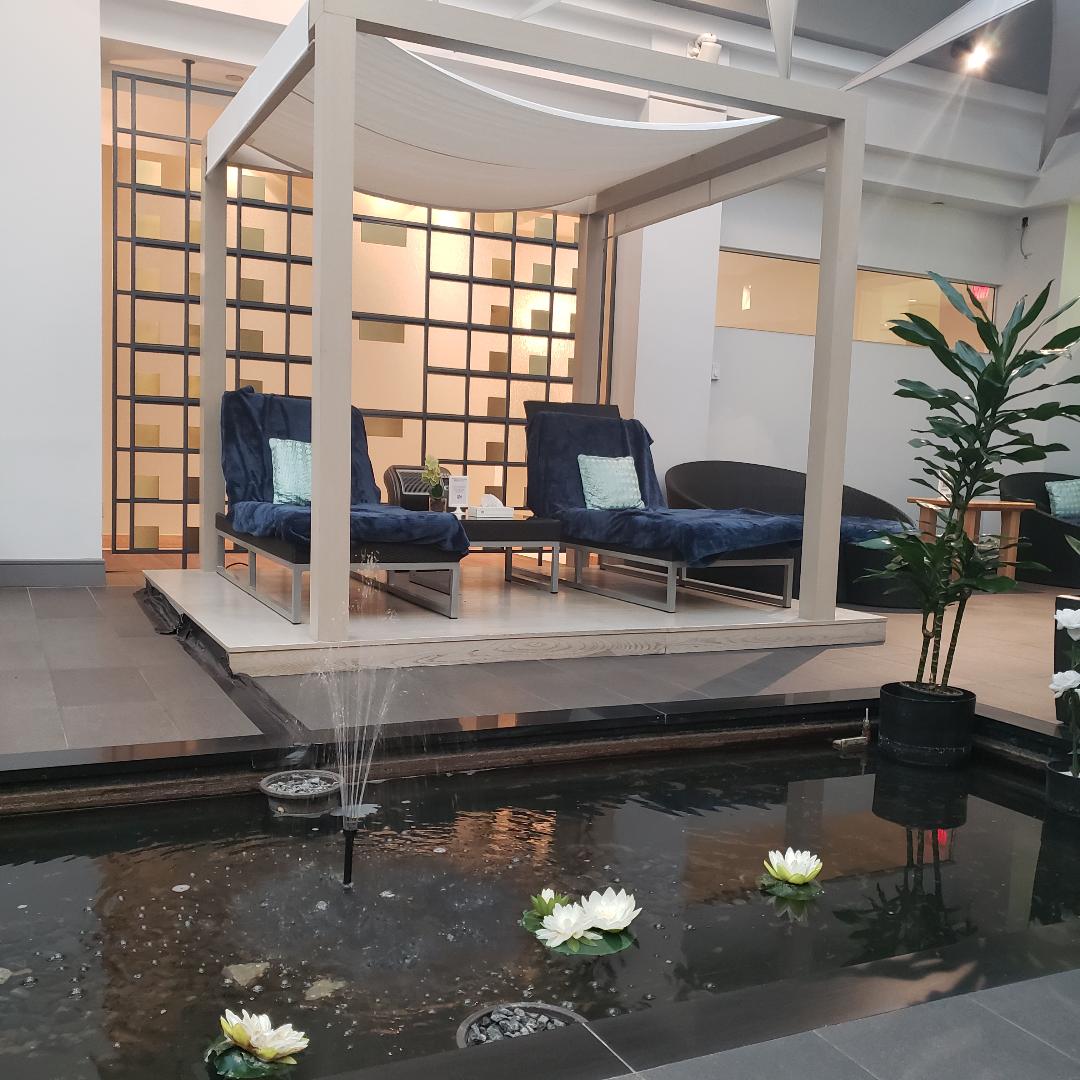
Waiting Area
This was my first time at Spa Diva, voted the finest spa in Montreal for 6 consecutive years in a row and recognized as the largest and most luxurious full-service day spa in Canada. Now I understand way. The spa is located downtown Montreal on the second floor of the elegantLes Cours Mont-Royal; a prime shopping and dining destination. Such a beautifully decorated mall.
To get there I decided to take the metro from my hotel which was located midtown Montreal. I hadn’t taken the metro in years and almost forgot how convenient, fast and super easy it is. I arrived at Peel station in minutes where there’s an entrance to the mall. Once inside I took the winding staircase up to the second floor where Spa Diva is located.
What a gorgeous mall. Photo: d. king
Before my service I was met by a very pleasant esthetician named Yenzy, who escorted me to my very own change room complete with private shower with all the amenities, plush robe and slippers and a key to lock up when ready. Everyone who books a service gets their own room. How nice is that?
I had a tough time choosing from the multitude of services available but finally decided on a decadent chocolate body wrap. It was amazing. I was smothered and scrubbed all over in warm luscious salted chocolate combined with the healing properties of soy. I was then body wrapped and left to rest for about 15 minutes before Yenzy returned. This treatment is a natural detox to satisfy the body’s craving for replenishment andchocolate and revitalization (the brochure was right) while leaving skin hydrated and feeling very very smooth. It’s followed up with a mini tension relieving facial massage. Sooo relaxing.
Then you get to relax in a deluxe waiting area until they’re ready for you on the most comfy sofa beds drinking tea or lemonade and eat chocolate covered strawberries. That is divine enough on its own. They don’t rush you. You’re allowed to spend as long as you like (except for staying overnight of course) after whatever service you’re having too.
If I didn’t have to catch a flight back to Vancouver that same day I would’ve tried to add on something else. But I’ll definitely go back when in Montreal next.
The #1 first step to feeling good has to be a good night’s sleep.
Blissy Website
How many of our days have been ruined with having had a crappy night before? Mine certainly has.
So many factors go towards preventing us from getting a good sleep. A few examples being too much alcohol the night before, worry or stress. So what can we do to help?
Obviously not too much alcohol the night before. Worry or stress can be lessened by a few simple steps. These are not a 100% guarantee for prevention, but they certainly will help.
We’ve all heard that going to sleep before midnight is the best timing for a better sleep but we can’t stick to that rule all the time. Taking a good quality magnesium capsule & *Gaba about half an hour before bedtime helps in creating a calmer mind. A dark room, an eye mask, ear plugs if need be and a room with an open window and a humidifier for dryness works wonders. Melatonin (3-5 mg.) on occasion helps with rem sleep.
I spray lavender essential oil in a spray bottle mixed with water on my sheets + pillow before bed. Lavender is believed to help calm anxiety and increase relaxation. Some believe it to be an effective treatment for depression. Lavender also has sedative properties. The scent alone cannot hurt. But I also recently discovered something else very helpful – a silk pillowcase.
A silk pillowcase is the best! The cool fabric helps keep your skin hydrated and smooth by keeping its moisture content intact which is especially good if you are someone with dry skin A good silk pillowcase reduces friction on the skin which helps prevent wrinkles and fine lines. Best for hair because the smooth surface prevents breakage. I ordered mine from Blissy (link below) and it was on sale. Made from highest quality 22-Momme 100% Pure Mulberry Silk. The variety of colours are excellent and they have a zipper to enclose your pillow. Easy to care for too. Just wash with mild laundry soap in sink and hang to dry – dries quickly.
Let me know if you have one and if so, your thoughts?
Speaking about self-care, there are numerous essential oils that promise so many benefits for a multitude of purposes and problems. Some reduce stress and help elevate your mood, others treat fungal infections, relieve headaches and help you sleep. For the face, I wanted to narrow down to a concentration of what I refer to as the delightful dozen. These essential oils will help to keep your skin barrier smooth and nourished. I discovered that a certain cult favourite contains 22 essential oils which was the exact amount in my former product. I don’t want to compare, but in my opinion that’s a few too many. However having said that, the main thing overall, is the quality of the ingredients. Quality over Quantity – always!
In a nutshell (incidentally, some oils are extracted from nuts):
These Essential Oils are known to have anti-inflammatory, antibacterial, and soothing properties for a variety of skin care concerns. They’re basically plant extracts, made by steaming or pressing various parts of a plant from flowers, trees, leaves or fruit. It takes the processing of many plants to create one bottle of essential oil. All are highly concentrated and as such, too strong to use on their own as they can cause skin irritation. That’s why we add them to a carrier oil such as coconut among other oils so that they dilute the essential oils to be able to carry them to your skin. Most carrier oils are unscented or lightly scented and don’t interfere with an essential oil’s therapeutic properties. How to choose from the multitude out there?
Below are the 8 essential beauty oils I chose for their nourishing, protecting and effectiveness properties. And of course they’ve been tested on various skin types.
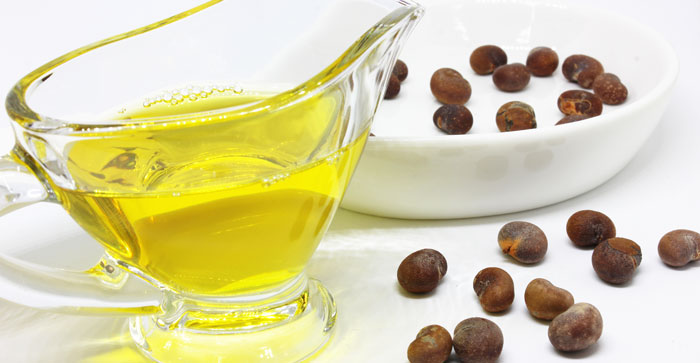
Baobab (pronounced Bow-Bob)
Baobab OIl
I encountered my first Baobab tree in Masai Mara, Africa. It was the most unusual looking tree.It’s known as the bottle tree, or the tree of life, for its ability to store up to 1,200 gallons of water in its trunk. I, along with many others wasn’t aware of the benefits used as an essential healing oil.
Baobab Trees
The properties of Baobab oil prevent water loss, keep the skin moist, and provide protection against dryness. It’s nutrient rich, loaded with vitamin E, A, and antioxidants, as well as fatty acids – high in linoleic acid, a kind of omega-3 fatty acid that has anti-inflammatory properties. For this reason, baobab oil may help reduce skin redness and irritation. Lightweight and non-greasy, it is perfect for sensitive skin types.
Baobab oil is derived from the fruit seeds by a process which starts with the seeds being air dried in the sun. The seeds are then stored for months before they are cold pressed to give the oil.
CarrotSeedOil
Carrot Seed Oil
I first tried using carrot seed oil when making homemade eye cream. It’s known to have antibacterial, antifungal & anti-inflammatory properties. It’s extracted via steam distillation from the carrot seeds of the Daucus carota plant – a flowering plant, found in North America and Europe, known for its white blossoms and carrot-scented roots. Combining skin-mending vitamin A, collagen-boosting vitamin C and moisturizing vitamin E, this essential oil helps smooth lines, helps repair sun damage, scars and any other skin trauma.
EveningPrimroseOil
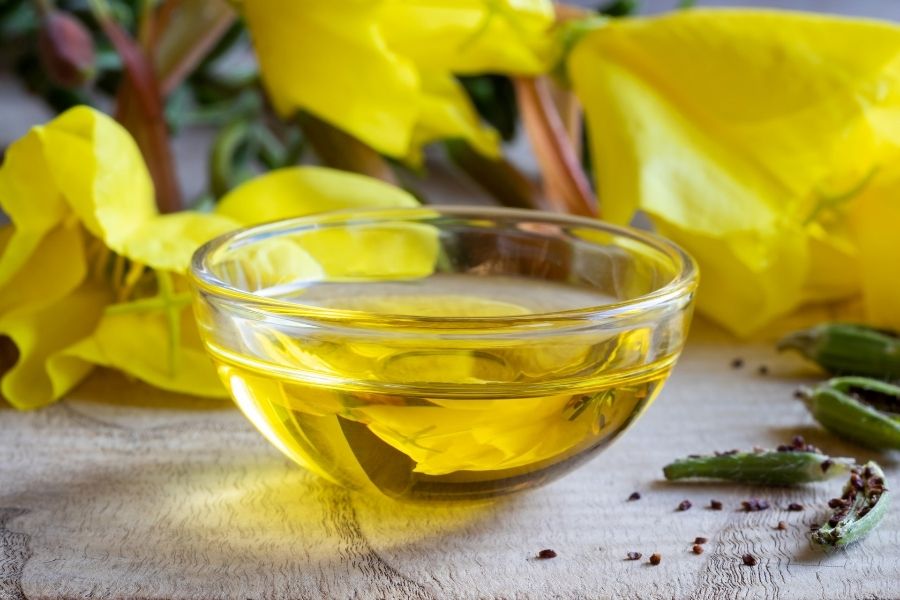
Evening Primrose Oil
Evening Primrose oil has emollient properties, meaning it helps soften and smooth the skin, improving the skin’s overall texture and elasticity. It also helps lock in moisture to minimize water loss. With anti-inflammatory properties, it can help soothe irritated, inflamed skin. Additionally, this oil is rich in antioxidants and vitamins C and A.
The oil from evening primrose seeds contains omega-6 fatty acids, including gamma-linolenic acid (GLA). It comes from a plant with yellow flowers native to North and South America that also grows throughout Europe and parts of Asia. The flowers open at sunset and close during the day. This oil, although not as common as let’s say jojoba, can also be used as a carrier oil to dilute other essential oils.
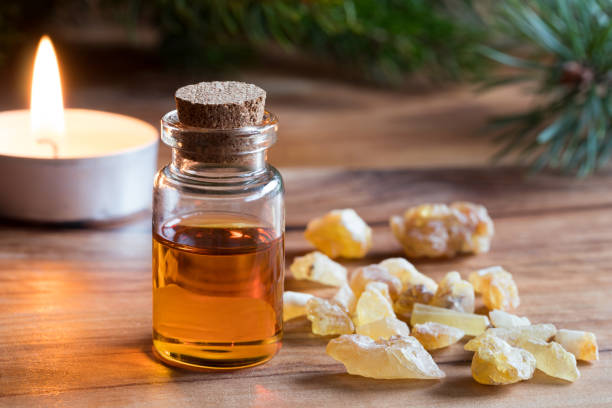
Frankincense Oil
A bottle of frankincense essential oil with frankincense resin and a candle in the background
Story as old as time; Frankincense Oil is an effective natural remedy to calm the complexion as it strengthens, tightens and improves skin tone. So it’s good for irritated or damaged skin. If you were to go back in time to Ancient Israel or Asia, many people would consider Frankincense to be more precious than gold. Today, Frankincense essential oil is still worth its weight in gold in a number of applications. Frankincense oil is prepared from aromatic hardened gum resins obtained by tapping Boswellia trees originating from Africa, India and the Middle East.
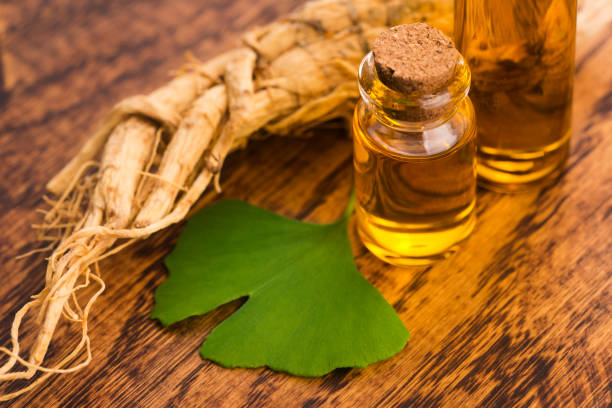
Ginseng Essential Oil
Extract of ginseng root and ginkgo biloba leaves
The ginseng extract (or oil) is a powerful herbal ingredient but its use as a beauty remedy is fairly new in North America. I only recently discovered its benefits as the #1 ingredient in a skin repair serum I bought from a top spa. Though ginseng may be making its way into more and more beauty products in the Western hemisphere, it’s been a staple in Eastern Asian beauty for centuries and a primary ingredient in traditional Korean beauty philosophy. Legend has it that ginseng was the biggest skin-care secret of Hwang Jini, a historical figure known as the most beautiful woman of the Joseon Dynasty (1392–1910). Worth giving it a go; no?
Ginseng’s roots in beauty are based on legends, but modern research backs up some of the claims. These include: reducing wrinkles, promoting elasticity and collagen production, reducing puffiness and brightening skin. It’s known to have firming properties and boosts hydration. The oil is prepared by extracting oil from the seeds of ginseng fruit. The originating area of ginseng is known to be in Shangdang, China. It is also native to the Far East, including China, Korea, and far-eastern Siberia.
Jasmine Essential Oil
Jasmine Essential Oil
I had to include Jasmine because of that heavenly scent but I’m happy that the oil also acts as an effective natural antibacterial, soothing dry skin and eczema. The botanical extracts of jasmine increase skin’s elasticity and help balance moisture in the skin to naturally reduce dryness.
The essential oil is derived from the white flowers of the common jasmine plant, also known as Jasminun officinale. The flower is believed to originate from Iran, but can now also be found in tropical climates. It’s a very expensive oil for a number of reasons. The flowers are extremely delicate and are only hand-picked at night to preserve their fragile scent. An experienced picker can harvest more than 10,000 blossoms in one night!
The jasmine trade provides Egypt with 6.5 million U.S. dollars annually and contributes to the income of some 50,000 people, according to the International Federation of Essential Oils and Aroma Trades (IFEAT), which says 95 percent of the world’s jasmine extract for perfumes comes from Egypt and India.
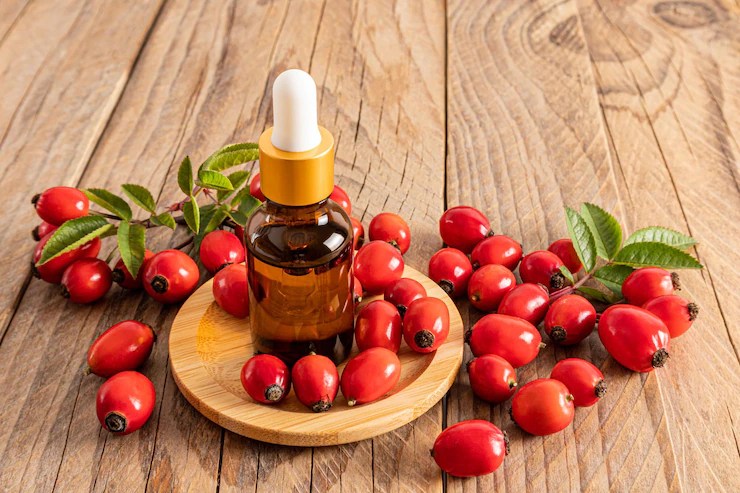
RosehipSeed Oil
Rosehip Seed Oil
Rosehip seed oil has great benefits for several skin conditions. It helps to brighten and exfoliate. Due to the high content of vitamin C, rosehip seed oil can brighten and even out the skin. Plus, it is packed with vitamins A, E, and K. Also, it is one of the best oils for treating fine lines and wrinkles.
The oil is derived from the rosa canina rose bush, which is grown mostly in Chile. Unlike rose oil, which is extracted from rose petals, rosehip oil is pressed from the fruit and seeds of the rose plant. Rosehip bushes grow wild and thrive in the inhospitable, mountainous landscapes. This is not considered a true essential oil, as it is extracted by cold pressing. It is often described as a carrier oil as it can be used by itself and also be used to dilute concentrated essential oils in order to balance the essential oil and allow it to be applied to the skin. Rich in Vitamin A, which is known to help fight against age spots and wrinkles, rosehip seed oil is great because it’s packed with molecules that are small enough to penetrate deep layers of the skin, improving moisture and collagen levels, while reducing wrinkles and fine lines.
SeaBuckthorn Oil
Sea Buckthorn Oil
Sea Buckthorn oil is excellent for reducing acne breakouts, because it signals the oil glands to stop creating excess amounts of sebum. Also helps to reduce inflammation in the skin.
Sea buckthorn oil has been used for thousands of years as a natural remedy for various ailments. It is extracted from the berries, leaves, and seeds of the sea buckthorn plant (Hippophae rhamnoides), which is a small shrub that grows at high altitudes in the northwest Himalayan region. Sometimes referred to as the holy fruit of the Himalayas, it’s a popular remedy in Ayurvedic and traditional Chinese medicines.
The berries from which the oil is made are especially rich in vitamins A, C, K, and E. They also contain considerable amounts of iron, calcium, magnesium, potassium, copper, and zinc. Among the benefits, Sea buckthorn oil is also rich in palmitoleic acid, which is a type of fat naturally found in human skin that can be used to treat burns and promote wound healing. It’s commonly added to various pro-aging or wrinkle-reducing products and a common ingredient in products intended to treat dry, irritated, flaky or itchy skin.
So there you have it. The protective essentials that go along with the nourishing benefits of *coconut, *argan, *jojoba and *sweet almond that make up the base of my skincare product. This combination contributes to a most luxurious and effective product for day and/or evening – to use on its own or a few drops added to your regular moisturizer.
*if you missed reading about the benefits of these particular carrier oils please refer to the “beauty” category on my website and you’ll find the information you need.
My expertise in this particular area comes mostly from general interest. It includes holding a diploma from George Brown College – School of Makeup and Esthetics in Toronto. Other than that and from taking some evening courses, I’ve learned through trial and error how to formulate many skincare products myself. I’ve made creams, body lotions, bath salts and soaps from scratch. My work in progress is awaiting license and may take some time. I’ll be sure to let you know when it’s ready and on my website for sale.
Every person should learn to be their own skincare expert – Bobbi Brown – makeup artist.
Whether fresh, dried, scented in a candle, spray or body lotion or even in food…the scent is quite heavenly and soothing.
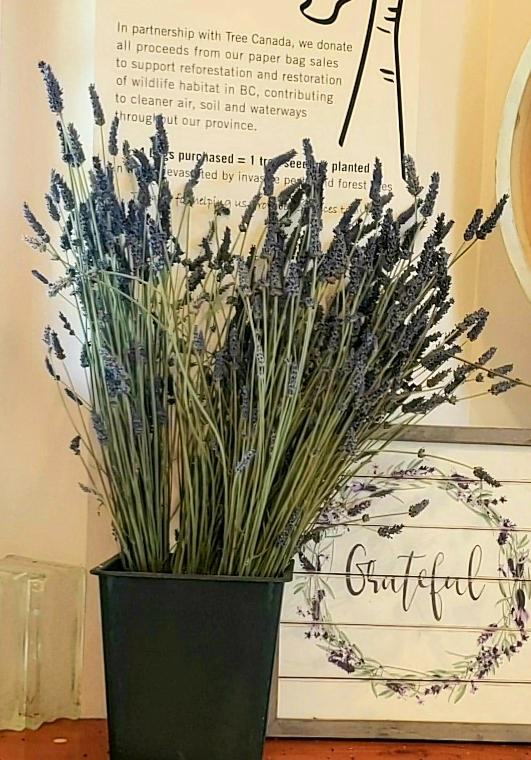
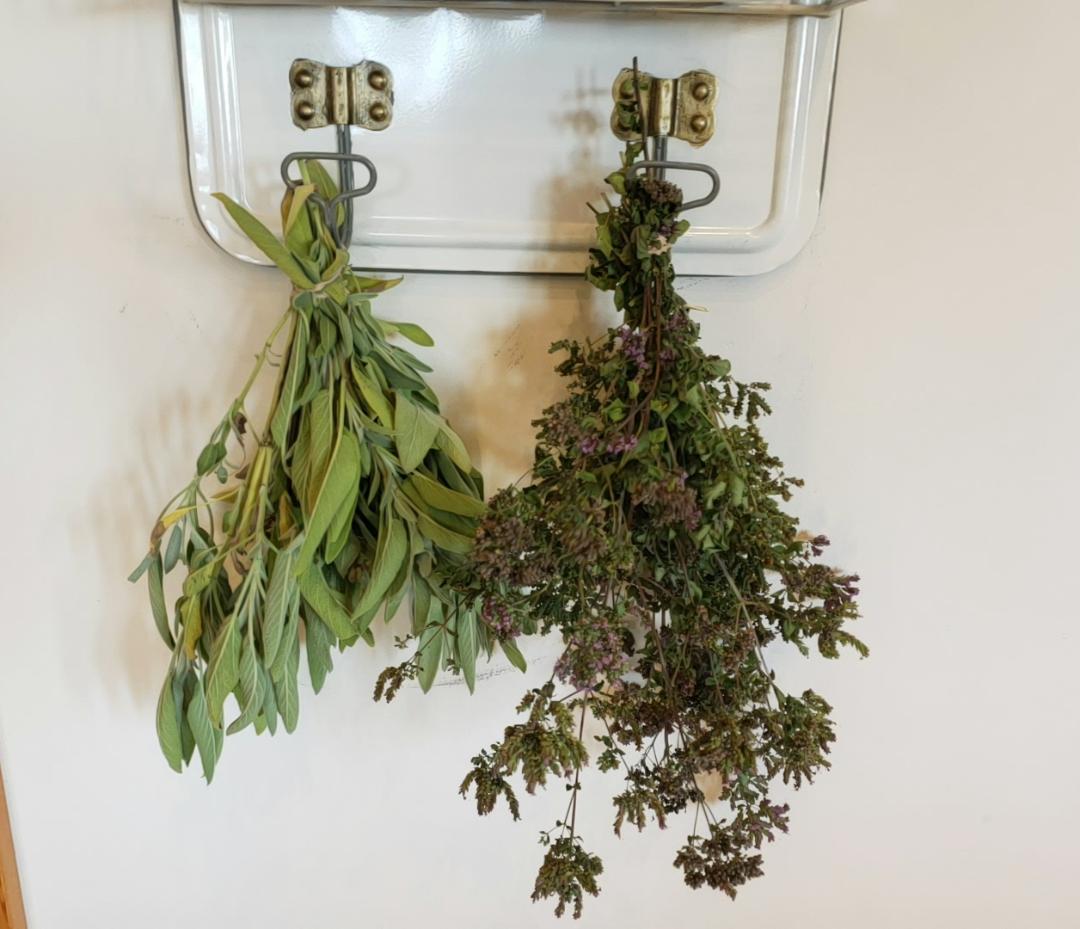
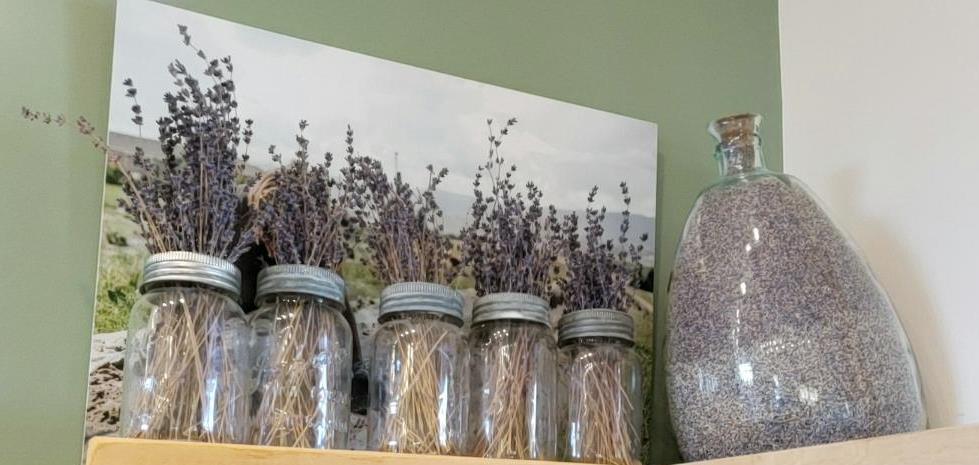
There was a time when I thought ok; enough with the lavender – it’s too common and it’s everywhere. But that only lasted for so long. Just can’t seem to stay away from it. I have dried lavender bundles throughout my house in places that I know won’t keep the aroma for as long as I’d like (by a window for example) – but it looks so pretty and even though over time it starts to lose its potency, it’s one of those dried flowers where the scent seems to last for months on end.
I like using dried lavender as part of my special gift baskets and the essential oil for a calming facial spray. I even use the oil in a spray bottle to spritz over my sheets and anywhere I want a fresh scent around home.
where do I go first? Photo: d. king
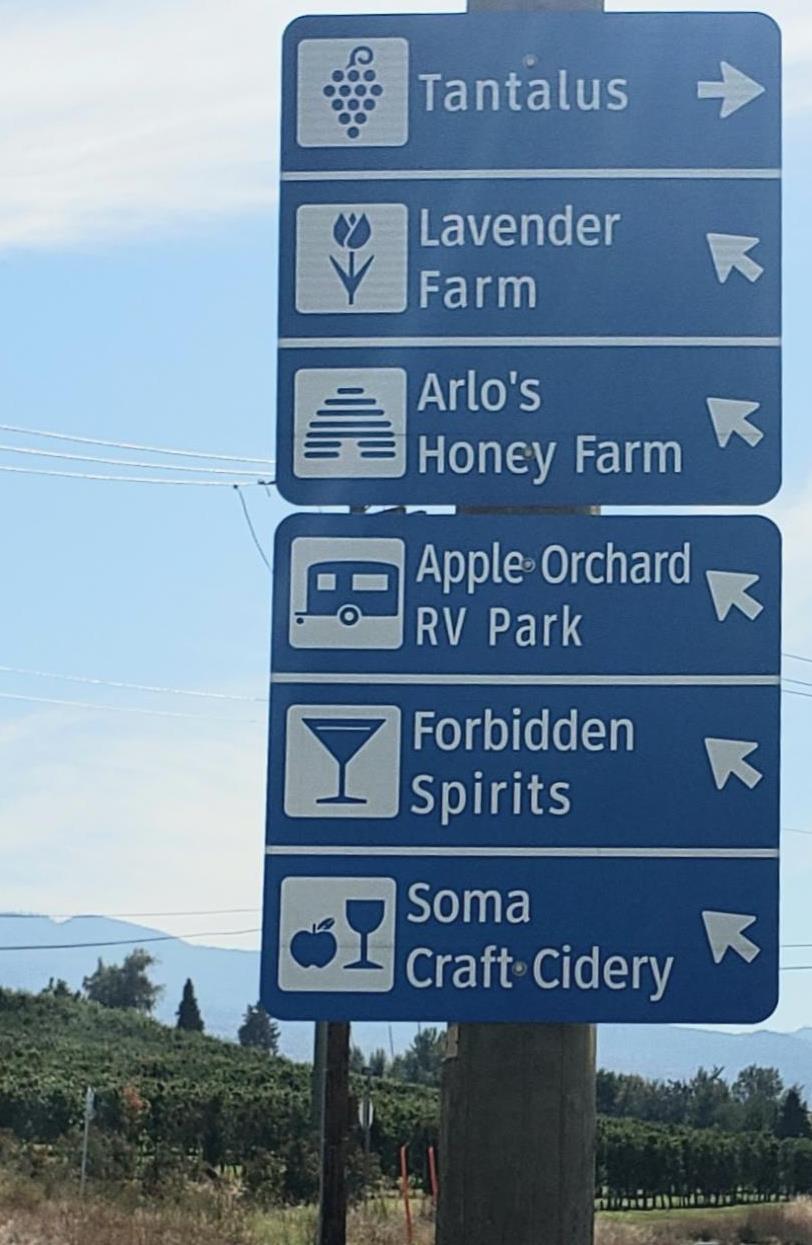
Very recently when in the Okanagan Valley wine region of British Columbia, I came across a sign for Okanagan Herb Lavender Farm.
This farm is a family business nestled in the hills of the Okanagan Valley on land where the family has farmed for four generations. A place where they grow, harvest, dry and distill over 20 aromatic plants to make award-winning botanical products.
Their pure, small batch, unadulterated lavender essential oil is extracted in small batches through steam distillation of the Lavandula x. intermedia and Lavandula angustifolia plants grown on the farm. Their plants are 100% spray free and are harvested at their peak to ensure utmost quality.
SCORE! I left with dried lavender bundles (for myself and for baskets) and a Lavender essential oil which I’m incorporating into the facial spray I make. I wasn’t aware of the different types of lavender and their uses (being only familiar with English style) so they helped me choose the one to go best for my facial spray in orange blossom water and sweet orange essential oil (more on that later).
When storing lavender: commercially packaged dried lavender does not spoil, but it will start to lose potency over time. Properly stored, dried lavender will generally stay at best quality for about 2 to 3 years. To maximize the shelf life of dried lavender purchased in bulk, store in containers with tight-fitting lids.
Photo: d. king
Below taken from fignut.com
Important things to care about when storing lavender
The most important thing to care about is that lavender is dry enough. It takes about 2 to 3 weeks to dry it properly. It is properly dry when the flowers and leaves are sharp and starts to fall off the stems. If you store it while still not dry, the moisture will cause a mold to develop which will destroy your flowers.
Lavender should be stored in a dark place, away from the direct sunlight and away from the sources of any heath or humidity. It means the kitchen or living room are not good places to store it. The sunlight will fade its colors and possible humidity will make it go stale. So, keep it in a cool, dry, and dark location. If you don’t have a pantry, the dark corner of the corridor is a good place to store.
It should be stored in airtight containers to preserve its fragrance. Otherwise, the fragrance will soon fade away.
Photo: d. king
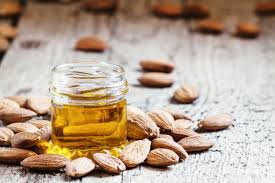
The oil is a natural skincare superpower. Almond oil, which is extracted from the popular tree nut, is known for its nourishing properties. The almond itself is small but mighty and referred to widely as “the king of nuts.” Aside from sweet almond oil, there’s also a bitter almond oil which is commonly used to provide scent and flavour. Sweet almond oil is full of vitamin E, A, mono saturated fatty acids, protein, potassium and zinc.
Ancient Chinese and Ayurvedic practices have used almond oil for centuries to help soothe and soften the skin and to treat minor wounds and cuts. Today, it’s not uncommon to find almond oil in a wide variety of cosmetic and beauty products.
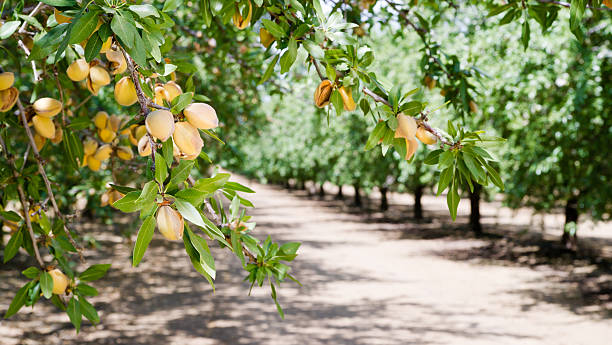
Healthy raw nuts still growing in the farmer’s orchard
It contains:
Vitamin A: The retinol in vitamin A has the ability to stimulate the production of new skin cells and smooth fine lines.
Vitamin E: This nutrient has antioxidant properties that may help prevent cell damage and help reduce ultraviolet (UV) damage to the skin.
Omega-3 fatty acids: These nutrients may help prevent premature aging and safeguard against sun damage.
Zinc: This is an essential nutrient for healing acne or other facial scars. However, it’s worth noting that zinc is more effective for this purpose when taken orally.
All in all, the nourishing nutrients and emollient properties this oil contains will help revive skin’s natural glow.
My product contains 100% pure certified organic cold pressed + UV protected virgin sweet almond oil. From Naka Platinum – made in Canada. It’s Hexane-free meaning it does not use any such harmful chemicals during the extraction process and is free of all synthetic chemicals.
Source for some info: healthline.com
Important: there’s one major caveat with this ingredient, regardless of skin type: Those with allergies to almonds or other tree nuts should avoid almond oil.
Everyone has heard of jojoba oil and has probably tried it before as it’s well known and has been widely used in many skincare and hair products. And there’s good reason for that. Centuries before cosmetic companies starting including the benefits of jojoba oil in their formulations, Native Americans were using the oil from jojoba seeds to treat their skin wounds and sores.
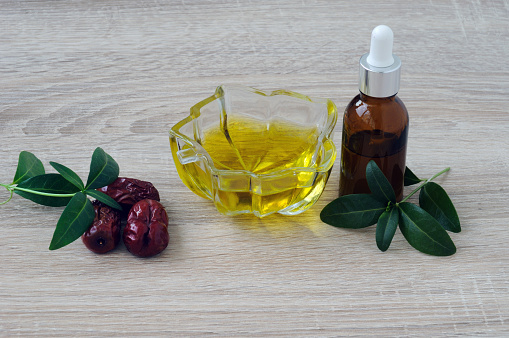
Jojoba oil in transparent glass, fruits and natural leaves.
There’s plenty of evidence supporting the use of pure jojoba oil as a remedy for acne, dry skin, and countless other skin conditions.
However sometimes we don’t know where a plant originates or we forget about why the oil is good for us.
A bit about the plant:
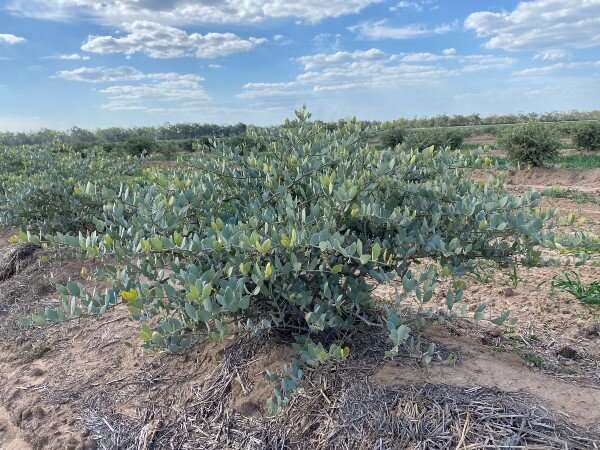
The jojoba plant is a hearty, perennial plant that grows in North America and parts of Mexico.
Not only does it thrive in the harsh, desert climates that could kill most living things, but it also produces a nut with many healing properties. The plant grows as a kind of shrub and produces large seeds that are harvested for their oil. The oil comes from a wax like substance within the seeds. Similar to the process of harvesting olive oil, jojoba oil requires the pressing of the seeds in order to extract the oil.
It’s a sustainable plant, not considered to be endangered and the harvesting of the seed doesn’t require the death of the plant…so new land doesn’t need to be cleared for the planting of new jojoba plants.
jojoba tree
An interesting fact: Prior to jojoba oil’s wide acceptance in America, Americans were using sperm whale oil for cosmetic products and perfumes, and to lubricate machinery parts. But sperm whales were being hunted to extinction, and the U.S. banned the hunting of sperm whales in 1972 (thank goodness for that). That’s when it was discovered that jojoba oil was not only a substitute for sperm whale oil but that it was in fact superior to it. Not only does jojoba oil come from plants – it doesn’t require anything to be killed in order to obtain it for commercial use. (taken from herbal dynamics beauty).
Flawless skin starts with a flawless skincare routine
Benefits for skincare:
Like the other oils that make up the base for my deluxe face oil, this is also non-comedogenic so it will not clog pores. I use 100% pure jojoba from a source in California.
For centuries jojoba oil has been used for its healing properties on the skin. Whether it’s used to moisturize dry skin, treat oily skin, help minimize acne problems, heal wounds, or simply provide a defense against the natural aging process – jojoba oil is shown to work.
When you slather it on your face, jojoba oil mimics the skin’s sebum and balances out your complexion, adding more sebum where it’s needed, and winding down production where it’s not.
And the oil is rich in iodine, which is shown to tackle harmful bacteria growth on the skin’s surface.
When applied to the skin, it provides exceptional moisture balance and control, and unlike other oils or petroleum products, it is non-greasy. It is also an excellent and powerful moisturizing agent that leaves a non-oily feel on the skin’s surface. At the same time, it prevents water loss which gives a more supple feel to the skin.
The components of jojoba oil are tocopherols, which are compounds that are fat-soluble and have high antioxidant properties that are very important in helping to stabilize cell membranes. They’re high in vitamin E as well, which serves as an excellent antioxidant to fight free radicals, which damage skin and accelerate the aging process.
Taking care of your skin is more important than covering it up.






















 Girl Who Would be KING on Life, Style and INSPIRATION.
You must be logged in to post a comment.