If you don’t know your Pinot Blanc from your Pinot Noir then you should definitely be ashamed of yourself and you probably flunked French.
You cannot become a wine expert overnight but you can find out how to get the most from your Merlot and a few other tips…because most of us (I said ‘most’) don’t know everything! However, SOMM of us have the answers for everything wine.
I watched a captivating documentary called SOMM that was about the taxing process and tireless attempts on how to pass the prestigious Master Sommelier exam, a test with one of the lowest pass rates in the world. Put it this way, it seems much easier to become a lawyer. This is a different BAR exam. Luckily the movie theatre I watched it in had a wine list.
Great Doc!
Between trying to remember ‘that one you had last time that you really liked’ (not to mention that one that you really didn’t), and not wanting to reveal your utter confusion over the different varieties of grape, region or age on offer, it’s little wonder so many of us just give up trying to choose a wine and opt either for the house or a fail-safe favourite. How very boring!
Here is advice from Jane Parkinson, resident wine expert on BBC1’s Saturday Kitchen, on how to appear sommelier- like and impress those at the dinner table:
Hold a wine glass by its stem (providing it has a stem of course). It prevents the wine from warming up too quickly by the heat of your hands.
Know your regions from your grapes. Chablis is chardonnay; Sancerre is sauvignon blanc; Soave is garganega (white Italian wine grape); Burgundy (red) is pinot noir; Rioja is tempranillo; Bordeaux (red) is cabernet sauvignon and merlot; Chianti is sangiovese.
Be brave about chilling red wine. Serving wine at room temperature was advice given pre-central heating, which means today’s reds are generally served too warm. I generally prefer my reds at room temperature and my whites cold, but the correct way to serve whites is not by being too-cold because you don’t get to experience the true essence.
Get to know the on-trend wine regions. These include Swartland in South Africa, the Etna region of Sicily, the Douro Valley in Portugal and, for sparkling wine, England.
An appetite-whetting Sherry is a great alternative to fizz as an aperitif. Fino and manzanilla are the two sherry styles that are zesty, fresh and always bone dry.
Avoid heavily tannic (chewy) red wine with spicy food because they clash. Instead choose wines that are unoaked and/or made with a low-tannin grape, like barbera from Italy.
If in doubt about what to order off a wine list, go for a versatile food-matching grape. Try pinot noir for red, sauvignon blanc for a lighter white or chardonnay for a richer white.
Screwcaps are less romantic than corks, but they’re not inferior or solely for cheaper wines. In fact, they’re perfect for aromatic and vibrant wines, white or red.
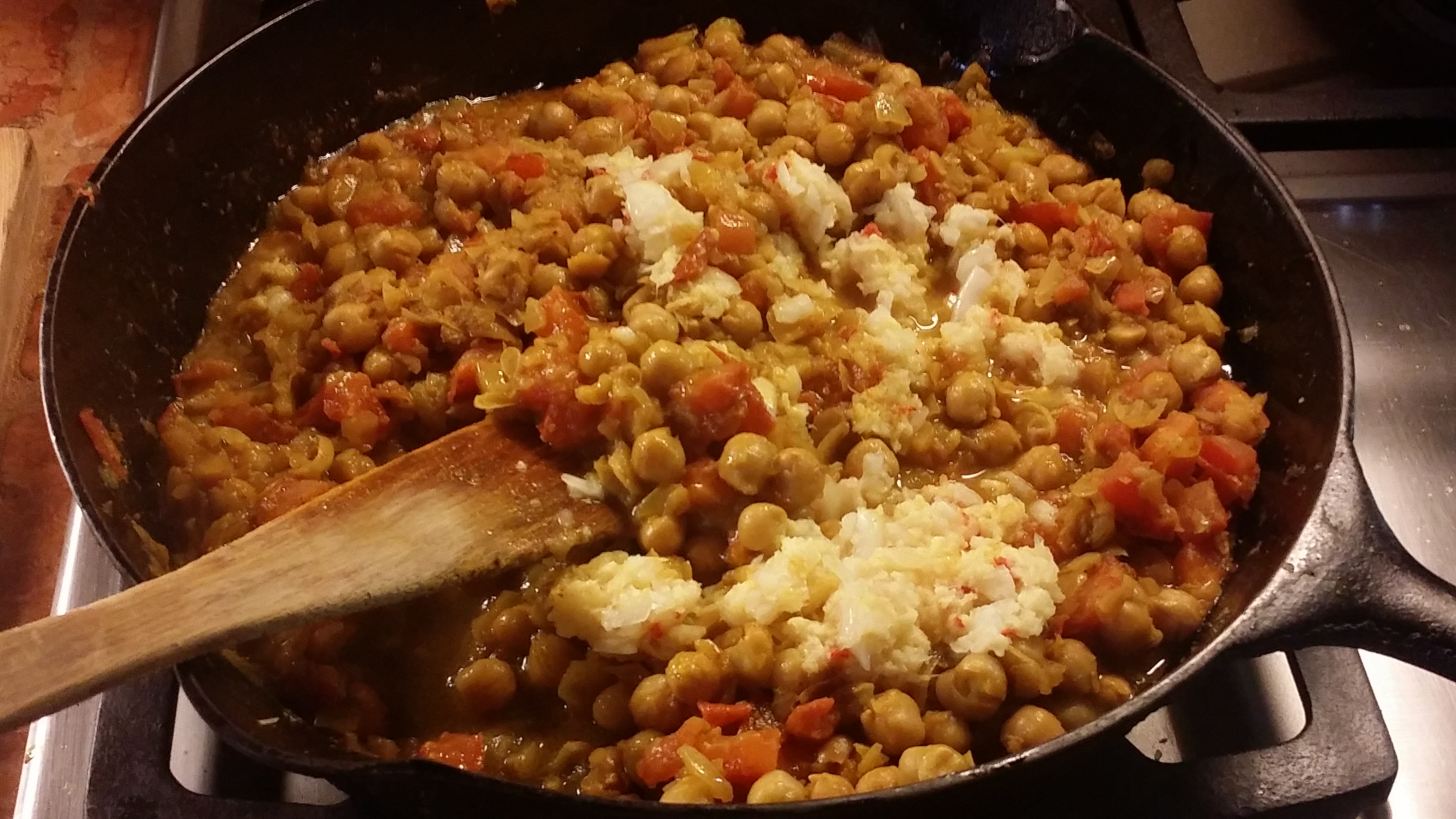
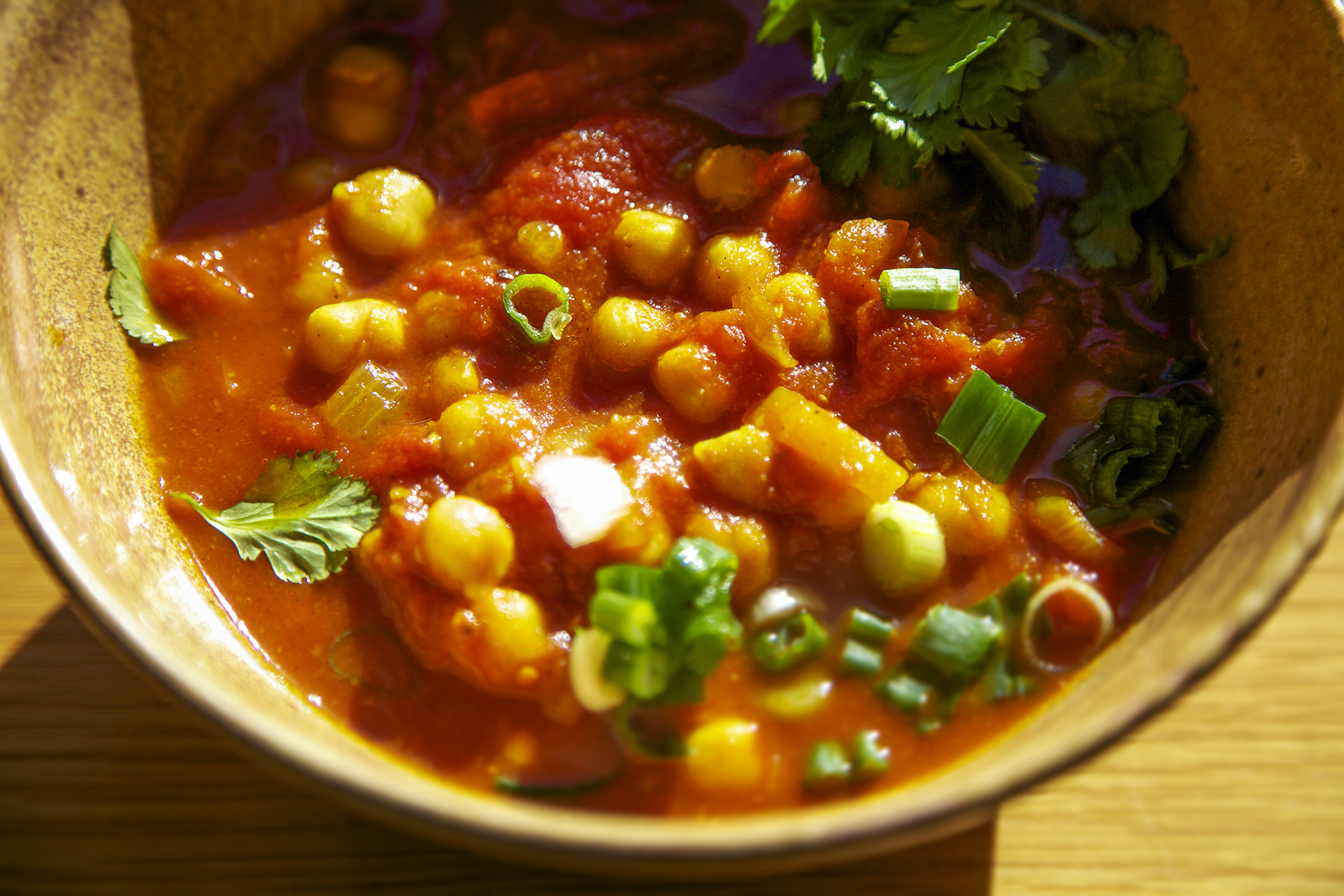
This is what I made for a “celebration of life” pot-luck dinner last Saturday.
adding the reserve mixture
Edna (the lovely woman who passed away) had quite the reputation for her love of cooking, doing it amazingly well and of course, she had a repertoire of recipes, many of them Indian. We were requested to cook & bring one of her recipes.
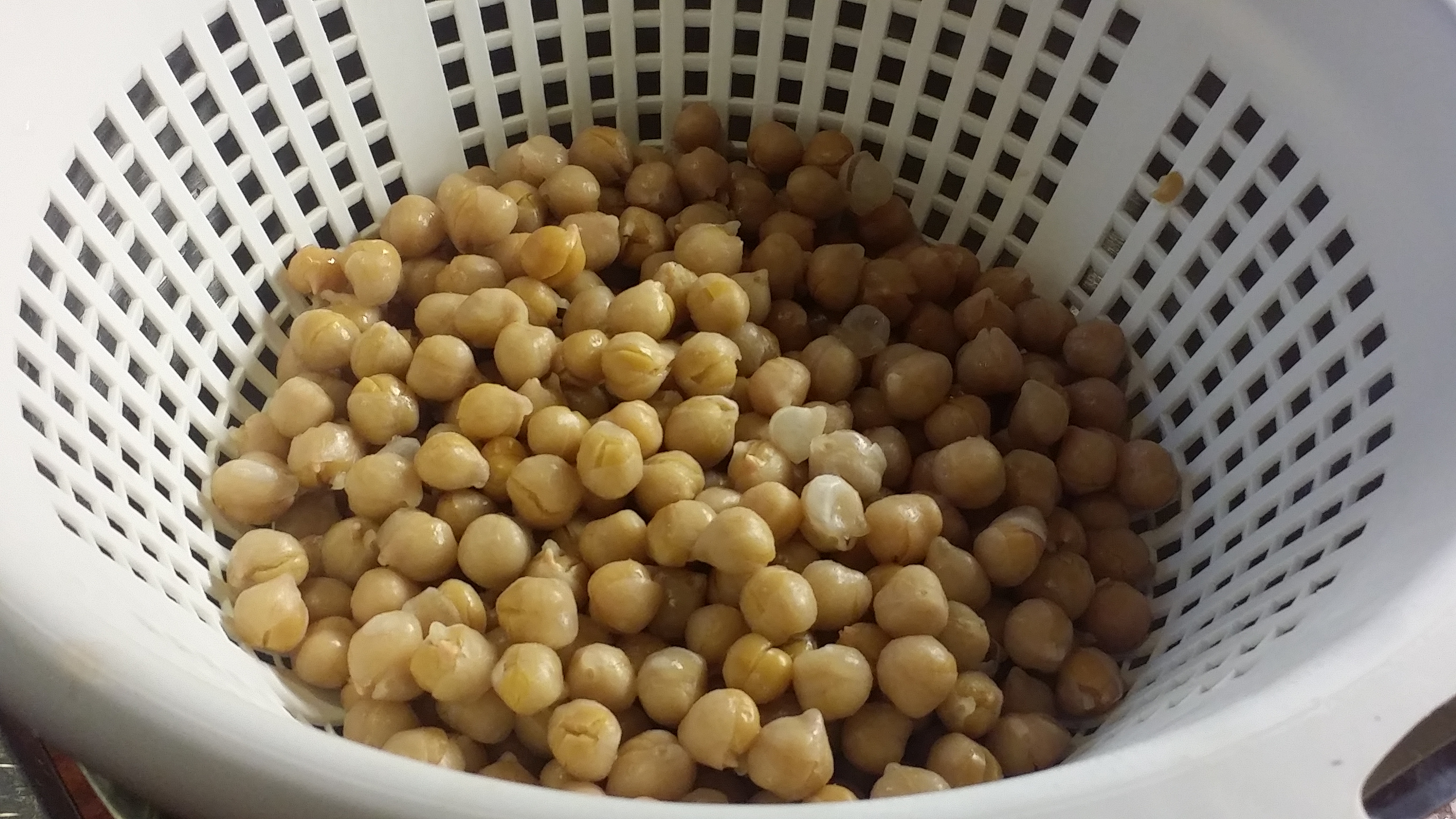
rinsed & waiting
I love Indian but hadn’t made a vegetarian Indian dish in a long time. I must admit that this one didn’t sound especially appealing at first but trust me, the end result was so delicious….especially when all the flavors from the spices melded together. The end result was more like a chickpea stew and you could taste the ginger and lemon which I love. It’s healthy too! I served it alongside cut up pieces of Naan bread. I didn’t change a thing about the recipe (as I wanted to re-create it exactly as she had) but I think it would look nice with a few sprigs of cilantro sprinkled over top for garnish. Oh, when I went back to the buffet table for a second platter (remember, they were mostly her recipes) it had vanished. So Enjoy!
After a bit of research I found out that the origin of this recipe is Delhi street vendor style.
Ingredients:
Use either ¾ lb. of dried chickpeas or 1 x 16 oz. can. If using dried, cover them with water and bring to a boil, and let sit for an hour. If using canned, rinse well and soak them overnight.
3 pints water (6 cups)
3 or 4 very finely chopped onions
2 ½ tsp salt
1 finely chopped hot chili
3 or 4 tbsp finely grated fresh ginger
4 tbsp lemon juice (from two small lemons)
1/3 cup cooking oil (preferably coconut, or canola)
2 or 3 chopped tomatoes
1 ½ tbsp ground coriander
1 ½ tbsp ground cumin
1 tsp turmeric
3 tsp garam masala (see recipe below)
½ tsp cayenne pepper
Bring peas and water to a boil, and let simmer till beans are tender, approx. one hour. This is for both dried or canned.
The reserve mixture should look like this.
Meanwhile, mix 2 tbsp chopped onion, ½ tsp salt, chili, ginger and lemon juice in a small cup or bowl. Set aside.
Heat oil in heavy pan on medium heat and add remaining onions, stirring and frying till they have reddish brown spots (about 10 minutes). Add tomatoes, stir and fry another 4 or 5 minutes. Add coriander, cumin and turmeric and stir and cook for about half a minute. Add drained chickpeas, about a cup of the cooking liquid, 2 tsp. salt, the garam masala and cayenne, stir and simmer very gently for about 20 or 25 minutes.
Add the reserved onion mixture and stir to mix. Serve hot or lukewarm.TIPS: onions should be soft & nicely browned. It should turn out quite lemony & very well cooked. I used a 19 oz. can of chickpeas for this and 1 red thai chili (but you can use any hot chili).
I made my own blend Garam Masala (a warming spice mix) from an Indian cookbook so I used that, but of course they sell it already packaged. I just thought it would be cool to make my own. Should you feel so inclined I’ll share the recipe:
Garam Masala from scratch:
8 Cardamon pods (remove the seeds from the cardamon pods).
2 Indian bay leaves (cassia leaves) – break them into small pieces.
1 tsp. black peppercorns
2 tsp. cumin seeds
2 tsp. coriander seeds
5 cm. (2 in.) cinnamon stick
1 tsp. cloves
Put everything into a spice grinder (or pestle and mortar) and grind to a fine powder. Store in a small airtight container until needed.
Peppered Chicken & Steamed Halibut with Ginger serves four
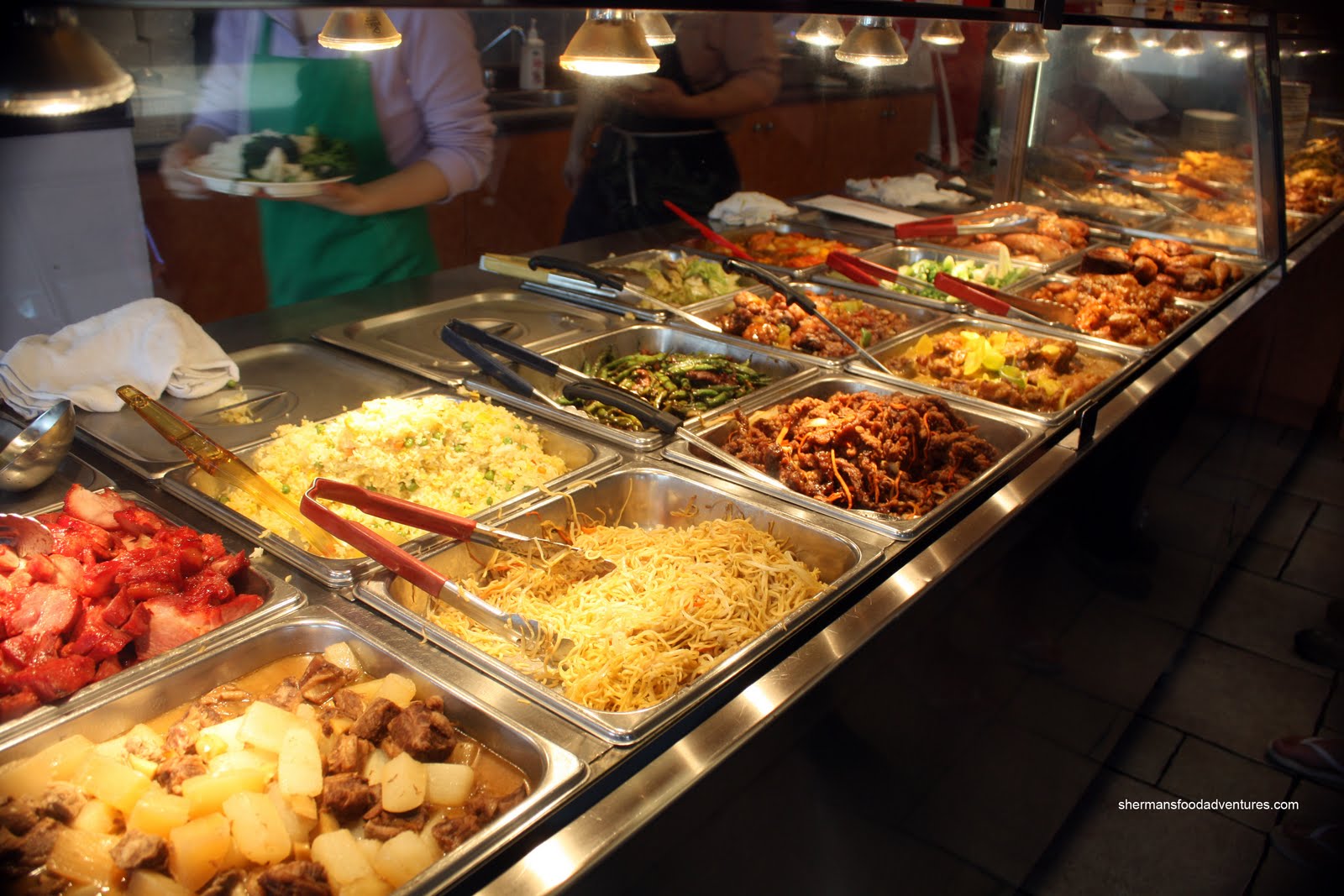
Very seldom, if ever do we make Chinese food at home because…1) we think it’s too much work and 2) it’s easier to go to a Chinese restaurant for the assortment. Yes, you will get more selection from going out but you can experiment with a couple of delicious recipes at home that will be on par with any fine Chinese restaurant. Aside from these two main dishes, you can add sides like fried rice and an easy broccoli (gai lan) with oyster sauce to round out the menu for variety. The rice and vegetables for peppered chicken can be made in advance & easily re-heated.
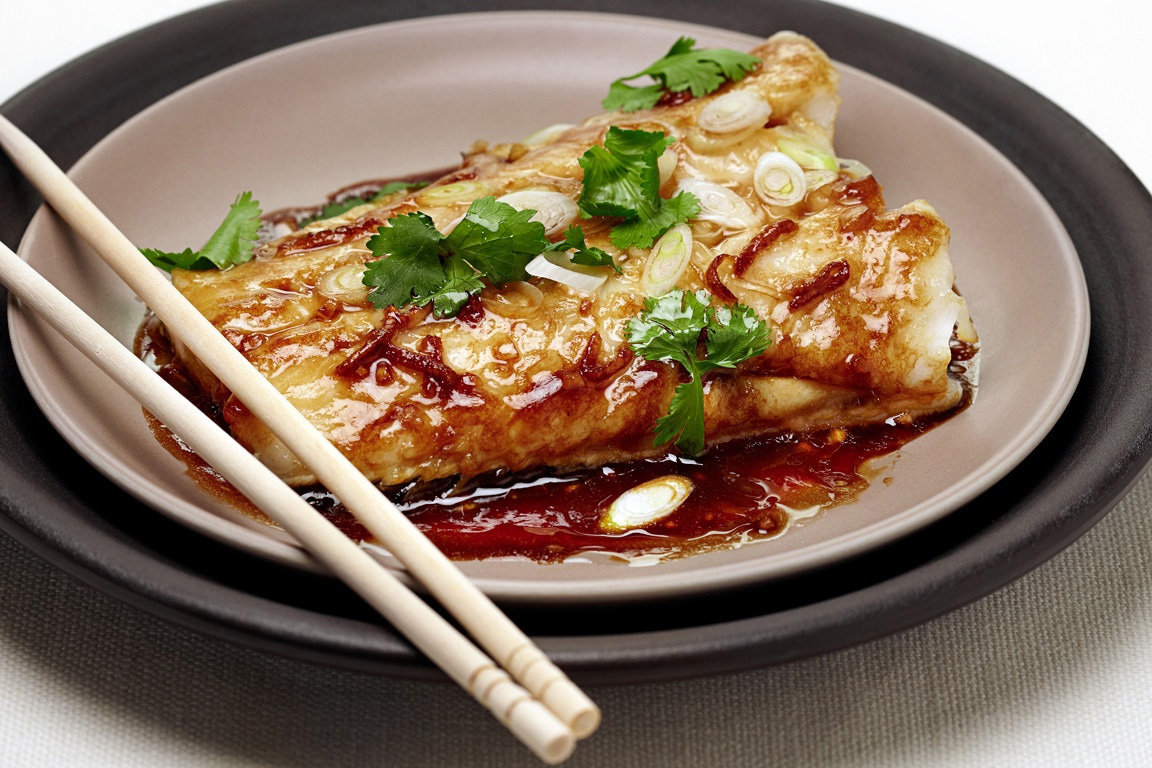
steamed halibut
Steamed Halibut with Ginger (fresh & lovely Asian dish)
Ingredients:
1 lb. halibut fillet – 1 tsp. coarse kosher or sea salt
Pat halibut dry with paper towels. Rub both sides of fillet with salt. Scatter the ginger over the top of the fish and place onto heatproof ceramic dish.
Place into a bamboo steamer (widely available in Chinatown) set over several inches of gently boiling water, and cover. Gently steam for 10 to 12 minutes.
Pour accumulated water out of the dish and sprinkle the fillet with green onion. Pour both soy sauces over the surface of the fish.
Heat peanut oil and sesame oils in a small skillet over medium-high heat until they begin to smoke. When the oil is hot, carefully pour on top of the halibut fillet. The very hot oil will cause the green onions and water on top of the fish to pop and spatter all over – be careful. Garnish with cilantro sprigs and serve immediately.
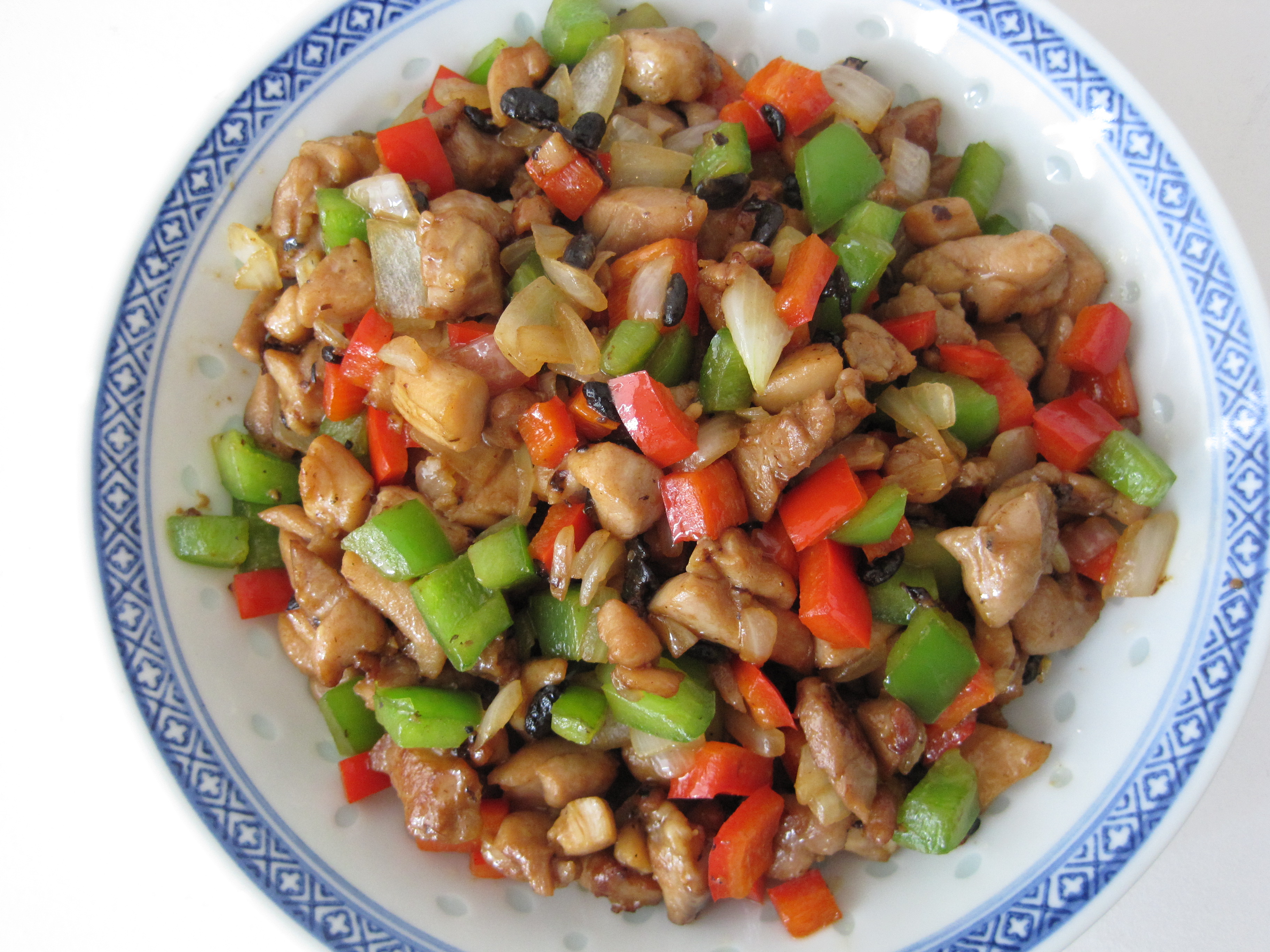
Peppered Chicken
pepper chicken
Ingredients:
1 tsp. salt
1 tsp. sugar
1 cup soup stock (chicken or vegetable)
1 hot pepper, diced
1 Tbsp. cornstarch
1 cup onion, diced
2 Tbsp. soy sauce
2-3 green peppers, diced
1 cucumber, diced
2 sweet red peppers, diced
1 lb. uncooked chicken meat, cut into ½ or 1 inch pieces
Marinate the chicken meat with 1 Tbsp. cornstarch and 1 Tbsp. soy sauce for ½ hour. Fry in peanut or sesame oil until brown and tender. *Saute all vegetables with remaining ingredients and stir constantly. Combine meat and vegetables. Serve hot. *If vegetables were made in advance, just reheat with the chicken meat.
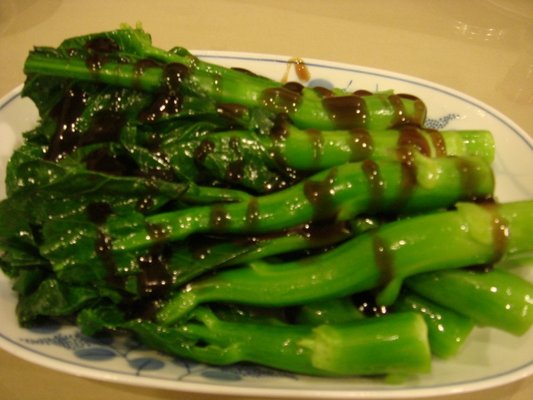
Gai Lan/Oyster Sauce
For the Gai Lan (Chinese broccoli) with oyster sauce – parboil 2 lbs. fresh gai lan (or you can even use broccolini) in boiling water for 3 minutes with a pinch of salt. For sauce: 1 tsp. salt, 1 tsp. sugar, 2 Tbsp. dark soy sauce, 1 Tbsp. sherry wine vinegar, 4 Tbsp. oyster sauce, 1 finely minced slice of ginger.
Heat saucepan with oil, sauté broccoli for about 2 minutes, remove and pour sauce ingredients over top with ½ tsp. cornstarch which will thicken it like gravy. Pour a few drops of sesame oil over the broccoli and serve hot.
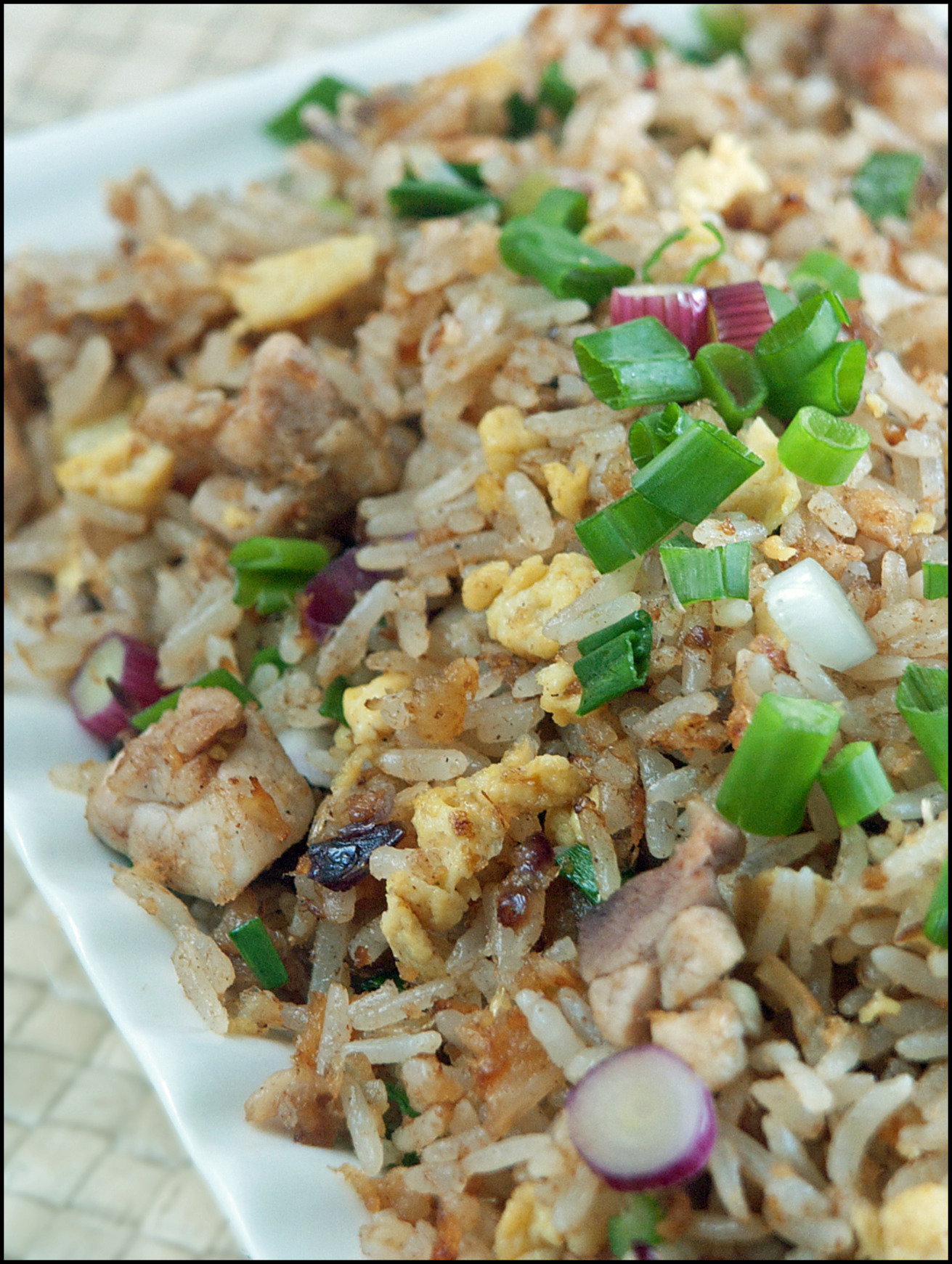
fried rice
Fried rice is easy. Make or use leftover cold rice (it can be plain, jasmine or basmati) and fry in peanut oil with two beaten eggs, cut-up green onion, fresh or frozen cut green beans, mushrooms, peas and a bit of soy sauce, Chinese five spice (optional) & salt to taste. Garnish with green onion. You can also add shrimp, diced chicken meat or crab. *Make sure to pour slowly the beaten eggs with a bit of salt over the rice so that they will coat it but not settle in lumps.
Have you tried making Chinese food? It’s a lot easier than you think.
First off…let’s just talk about good cheese in general. There are so many great varieties. Just when you think you’ve tried them all…there’s a new kid on the block (or cheeseboard). Today I sampled a bunch of Beecher’s Handmade Cheese at Pike Place Market in Seattle. So good that I decided to do a whole blog dedicated to only cheese….but then decided I’d post a recipe of a gourmet version of Macaroni and Cheese instead.
You can watch them making Curd Cheese
Sometimes you just want a good old Mac’ n Cheese. This one has a little bite to it and the croutons provide a crispy topping.
To make croutons – 1 Tbsp. unsalted butter, 4 slices white bread, cut into ½ inch squares, kosher salt, 21 seasoning salute (or something similar). In a large skillet, melt butter over medium heat. Add bread; stir until golden. Drain on a paper towel-lined plate and season with a pinch of salt & seasoning. Set aside.
Recipe
Unsalted butter, for greasing pan
2 cups elbow pasta
8 ounces each – Monterey Jack,Cheddar and Manchego (or you can use Colby) cheese, all shredded.
2 tsp. all-purpose flour
¼ tsp. kosher salt
½ tsp. ground black pepper
½ tsp. cayenne pepper
½ tsp. dry mustard
1/8 tsp. ground nutmeg
¼ sour cream
1 large egg, beaten
¼ cup grated sweet onion
1 ½ cups half & half
Preheat oven to 350F. Butter a 9” x 13” baking dish. Bring a large pot of water to a boil and cook pasta until almost al dente; drain, then return pasta to pot. In a medium bowl, combine all three cheeses. Then mix 2/3 of the cheese with pasta. Set aside. In a large bowl combine flour, salt, black pepper, cayenne, mustard, nutmeg, sour cream, egg, onion and the half & half. Pour over pasta and mix.
Transfer to baking dish and scatter remaining cheese over top. Bake uncovered until just beginning to brown, about 35 minutes. Top with croutons and bake until golden brown, about 10 minutes more. Let sit 15 minutes before serving. Makes approx. 10 servings.
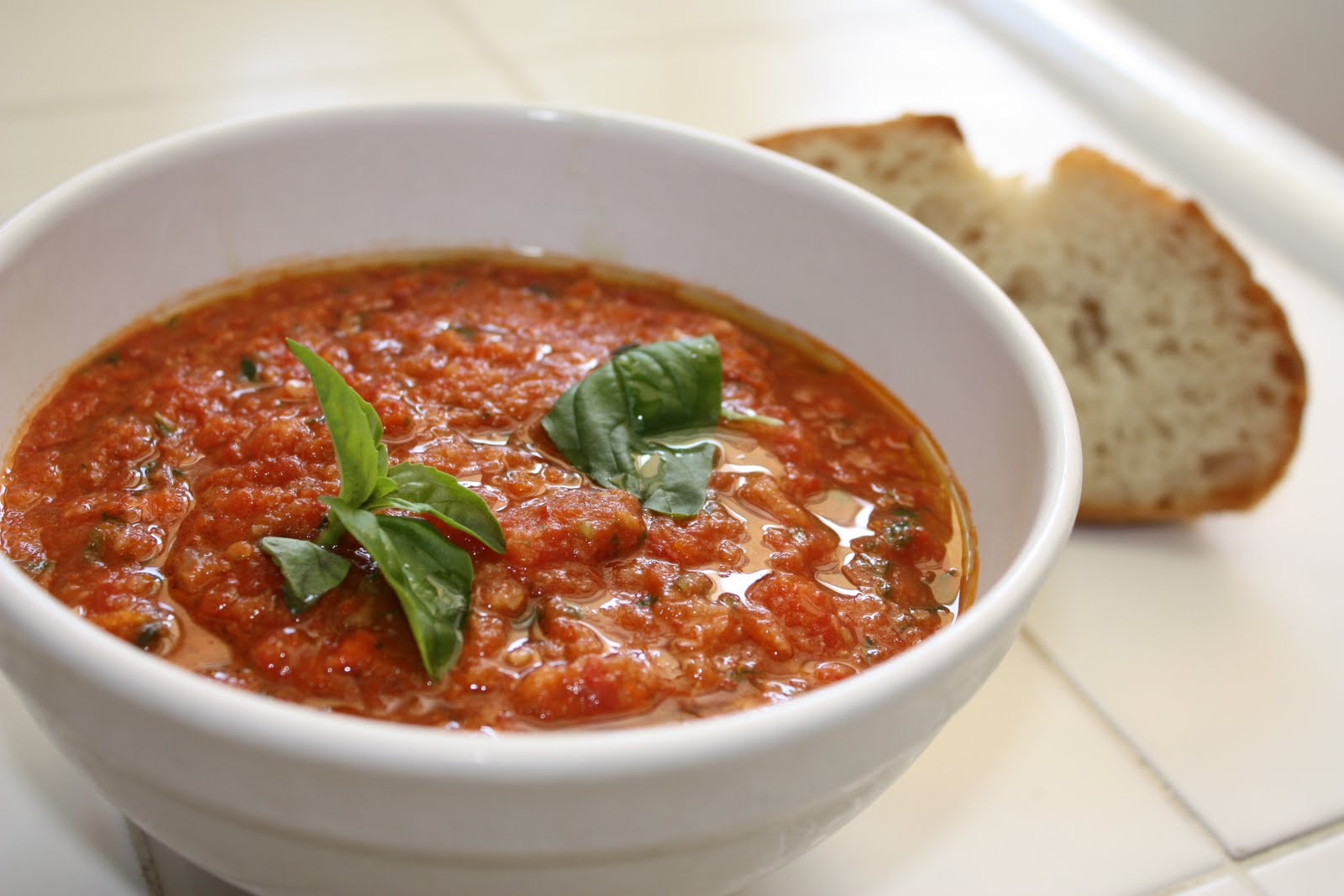
If you can’t get to Tuscany…warm up to a simple, hearty blend of tangy tomatoes, rustic bread and fresh herbs. This is a classic Italian dish which means to say – not at all fancy. It is all about simplicity and good ingredients. It’s worth splurging on richer olive oil for recipes like this and a chewy, unsalted white bread instead of whole wheat (which has a distinctive flavor that won’t marry well with the ingredients).
I just had a request for making a rich tomato soup. My friend and I were served a delicious sampling from a food truck after our run the other day & I forgot how good something like this can taste. Not reserved for only cold days. This is something I’ve made while camping (in the Eurovan). This delicious Tuscan recipe is originally from the popular restaurant I Sodi in New York (see below).
3 slices day-old White Peasant Bread, cut into ½ inch cubes
3 cups Vegetable Stock (water is okay but I prefer the stock)
Olive oil & basil leaves for garnish
Heat olive oil in a saucepan over medium heat. Add garlic, basil and sage, and cook for 2 minutes or until garlic begins to brown. Stir in tomatoes and bring to a boil. Reduce heat and simmer for 10 minutes, stirring frequently. Add bread and stock (or water). Return to boil and reduce heat. Stir, breaking up bread with the back of a wooden spoon. Let soup simmer for 5 minutes. Season with salt and pepper to taste. Ladle into soup bowls, drizzle with additional olive oil and garnish with basil leaves.
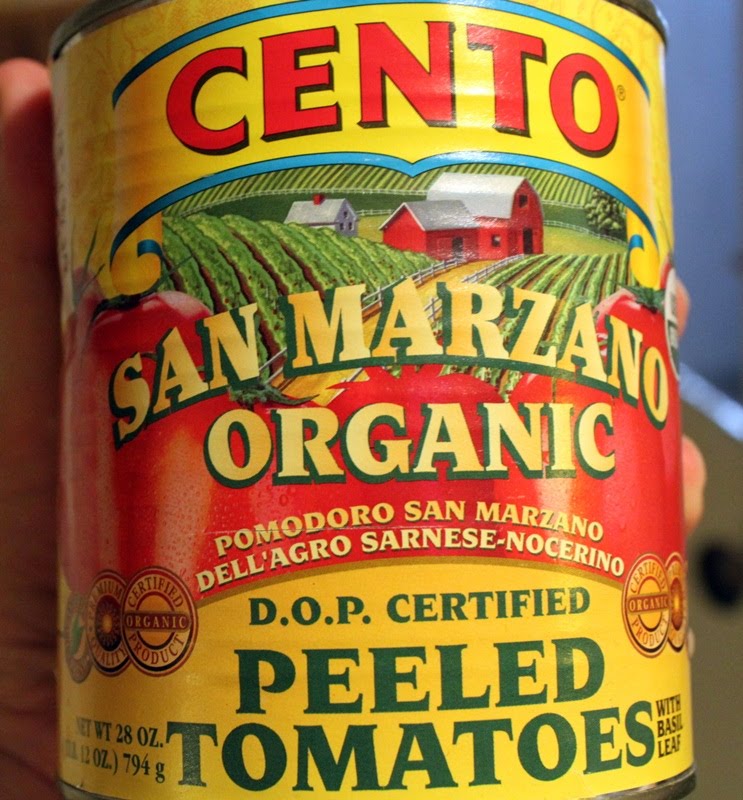
TIP: It makes a tasty compliment to light choices – a tossed salad or grilled fish. You can use canned tomatoes providing they’re a superior brand – organic & peeled are best.
A word from I Sodi
Rita Sodi grew up on a little farm North of Florence, Italy, and almost everything her family ate was made from the farm, prosciutto, salami, wine, vegetables…and this food was very important for the family. They were not allowed to miss any meal. Rita’s mother, Elena, always told her to drink wine because it “makes good blood” and do not eat Prosciutto without bread. When she finished art school she began to travel for her work in the clothing business and at that point she really started to appreciate the simplicity of her mother’s food and the way she cooked. For ten years she traveled from Florence, Italy to New York, Los Angeles, Asia and Australia. Year after year, wherever in the world Rita found a kitchen, she began to cooked her Mother’s food. Friends filled her kitchen and sat at her table, her passion was born.
Address: 105 Christopher Street, New York, NY 10014
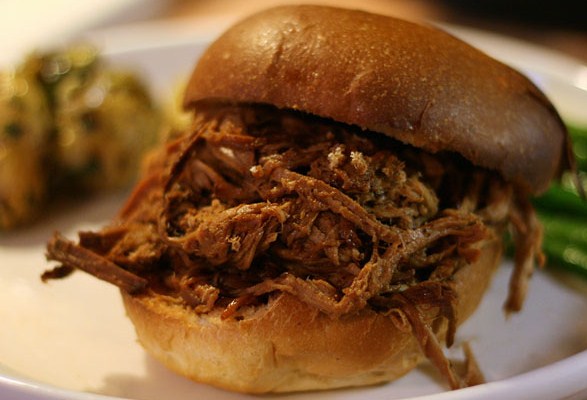
Southern Comfort. I have a sneaking suspicion that you can put a pork shoulder into a *slow cooker all on its own (with no rub, sauce, etc.) and it will still turn out pretty darn tasty…but why chance it. This delicious ‘once on occasion’ recipe (as filed under guilty pleasures or football games) was served on buns this past weekend (with other food like stuffed peppers, etc.) as a request.
Pulled Pork
One 3 or 4 lb. boneless pork shoulder (boneless is easier for shredding). Have butcher roll and tie for you if it doesn’t come packaged that way.
Combine the following dry spices and rub them all over the pork. Make sure you get all surfaces well covered. Place seasoned pork in a bowl, cover and refrigerate overnight.
2 Tbsp. brown sugar
2 Tbsp. kosher salt
2 Tbsp. smoked paprika
1 Tbsp. black pepper
1 Tbsp. ancho chili powder (or any Mexican chili powder)
1 tsp. ground coriander
1 tsp. ground cumin
Next morning – remove the pork from refrigerator.
Put into slow cooker the following:
1/2 cup of water
1 cup of apple juice
1 cup of barbecue sauce (if you buy it try to get one with a smoky BBQ flavor – I like Kentucky wild whiskey or a wild hickory smoke). See homemade version below.
Juice of 1 lime
hot sauce, to taste
Add pork shoulder, cover & turn on low for at least 8 hours.
When done, remove roast from stoneware (slow cooker), and pull the meat into shredded pieces using two forks. Pour out any liquid in the stoneware. Combine shredded pork with a chopped medium onion & put back into stoneware with about 1/2 cup of the reserved liquid & bit more barbeque sauce. Turn on low for one more hour. Keep warm until serving on hamburger buns or rolls. Warm up extra BBQ for buns if needed.
*If you don’t have a slow cooker then put it into a covered roasting pan set on a low heat (250 F) for same amount of time. Just be sure to check & baste periodically.
Homemade BBQ Sauce (great for ribs too). A little more time but I promise it’s totally worth it:
2 Tbsp. tomato paste
1 Tbsp. dark brown sugar
1 Tbsp. molasses
1 Tbsp. apple cider vinegar
1 Tbsp. soy sauce
1 Tbsp. honey
1 Tbsp. ketchup
1 tsp. yellow mustard like dijon, Worcestershire sauce, garlic powder, onion powder and kosher (or Lawry’s seasoned) salt.
1 cup chopped onion (optional)
1/2 cup strong black coffee
dash of Louisiana-style hot sauce
(makes two cups)
Combine all ingredients in a saucepan. Whisk thoroughly or combine with a hand-held blender to ensure there are no lumps. Simmer over low heat while stirring frequently for 1 hour (this pasteurizes the sauce). Cool for at least 1 hour before transferring to an airtight container for storage. Store for up to 1 month in the refrigerator but you can also freeze what you don’t use.
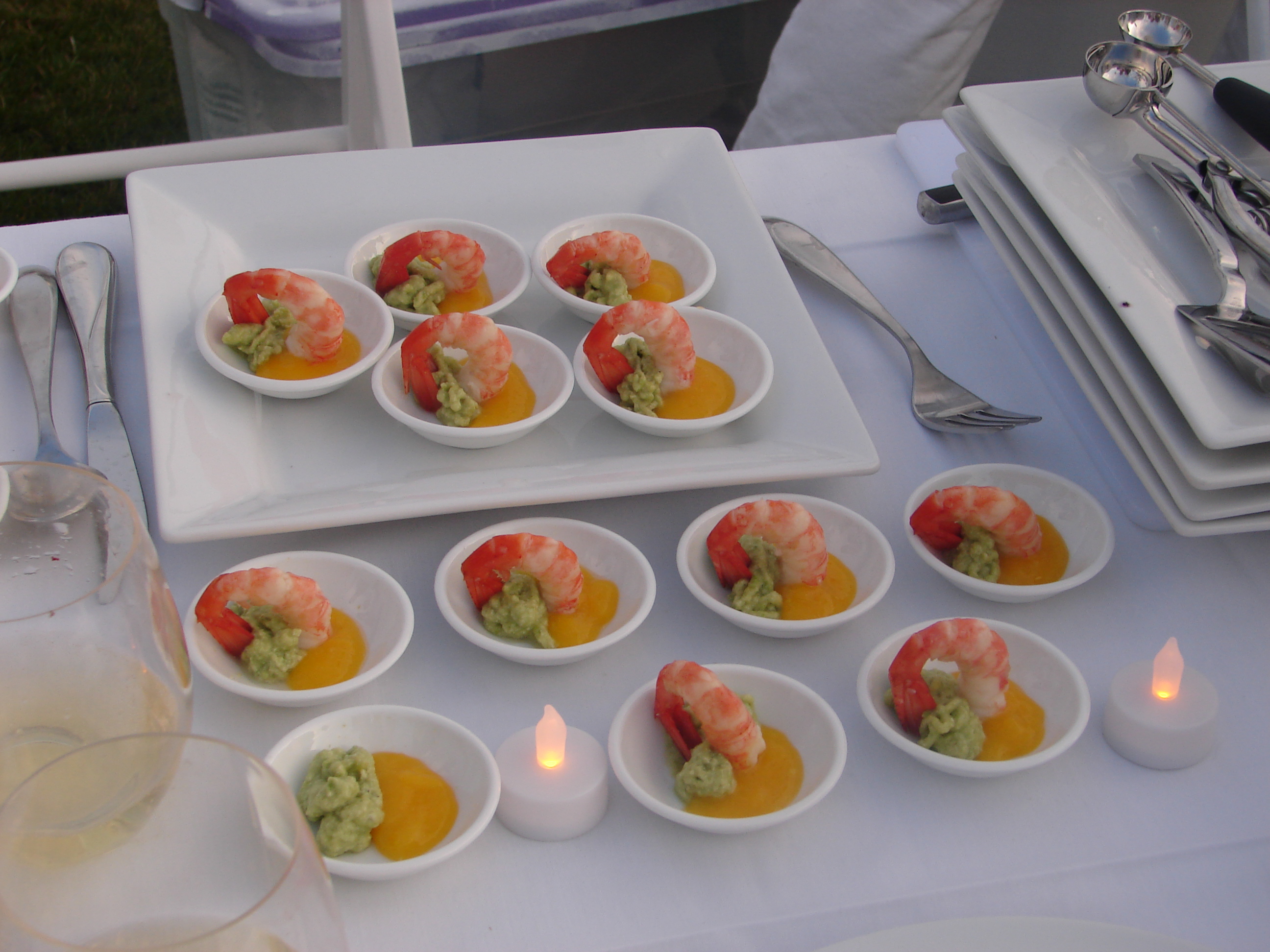
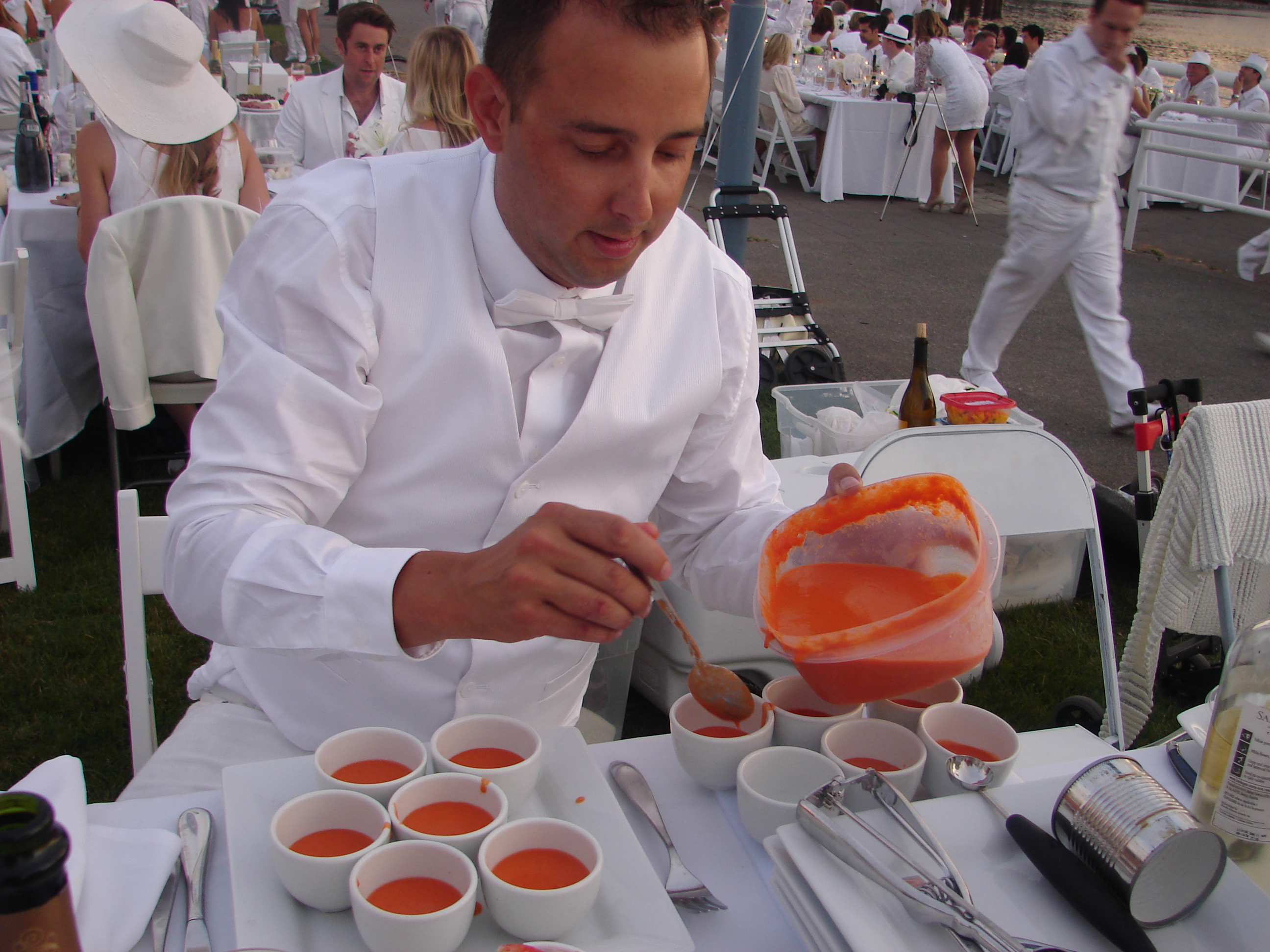
At le diner en Blanc we were fortunate enough to have Michael, our own private (well semi-private as it was for 16 people) chef. Or was he a cook? Everything was so impressively laid out & tasted so good that I automatically assumed he worked at a top Vancouver restaurant. Well as it turns out he just happens to have a passion for cooking but doesn’t do it for a living. So that in my opinion makes him a cook/chef. So, what’s the difference?
To most people, a cook and a chef are the same thing. The two terms are used interchangeably to indicate someone working away in the kitchen, regardless of whether that individual is cutting vegetables or masterminding the entire menu.
First course – prawn in mango & avocado compote. At diner en Blanc – Vancouver Science World. August 22, 2013. Approx. 2,500 people.
For those who work in the culinary field, however, there is a big difference. Although there is no single professional organization that determines exactly who is a chef and who is a cook, most agree that the difference lies in education and experience. If you have a culinary degree and/or trained under a notable chef and have moved up the ranks, you are typically considered a chef. If you simply dabble in the kitchen at home or are just starting out at the bottom of the restaurant totem pole, you are almost always considered a cook.
What Makes a Cook a Cook?
Most people agree that a cook is lower-ranking than a chef, and that chefs themselves vary in rank. For example, an executive chef is the top of the line, while sous chefs, chefs de partie, and other professionals might have the right training, but are still working toward their top professional goals.
If you still aren’t sure exactly what it is that makes a chef a chef, consider these qualifications:
Extensive training under a chef with the goal of gaining a culinary education equal to that of a degree (also known as a culinary apprenticeship)
Responsibilities that include a supervisory role
The ability to create and implement menus in a restaurant setting
Management roles in the kitchen
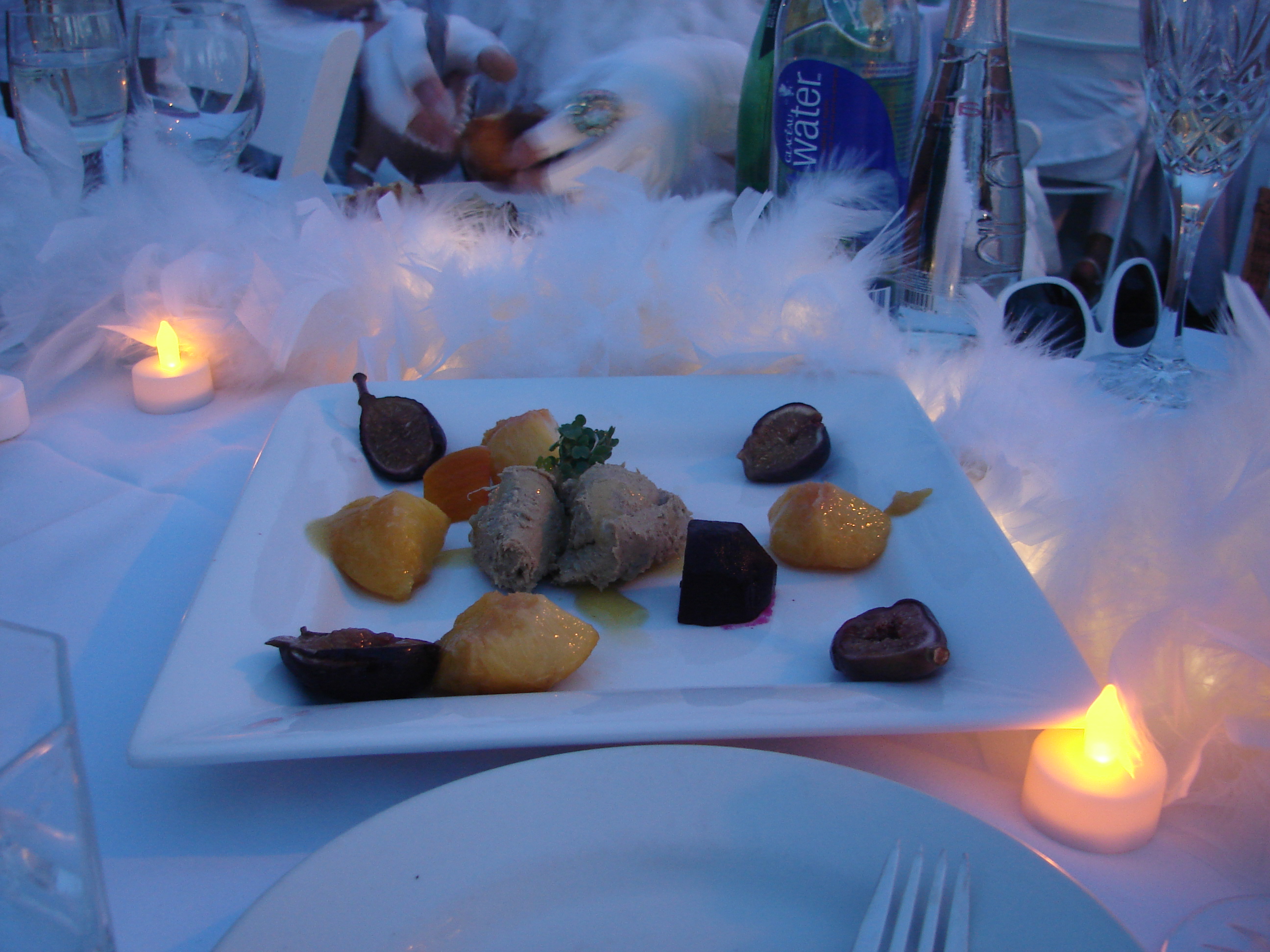
3rd course – poached figs & peaches with fois gras, roasted beets and brioche.
A cook, on the other hand, can expect to:
Prepare food on a daily basis
Perform kitchen duties, as needed and directed
Clean and wash the kitchen
Use recipes and follow someone else’s menu plan
Still be at the learning level of his or her career
There are some culinary institutions (including the American Culinary Federation) that offer designations and titles based on testing, work experience, and education. Although many organizations and restaurants recognize these distinctions (and will boost your career accordingly), they aren’t required to be a chef or to be successful in your own culinary career.
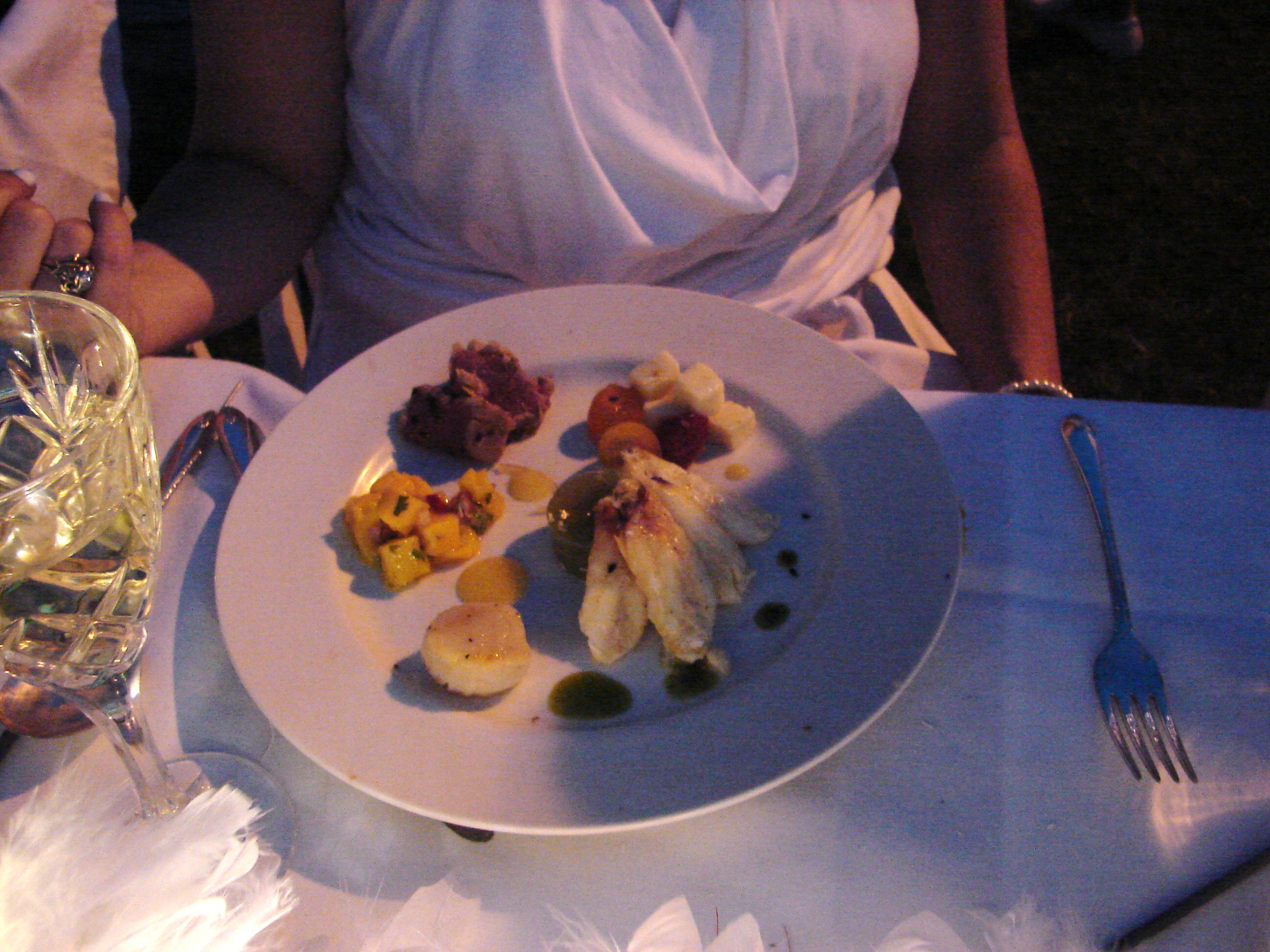
4th course – Dungeness Crab meat, Scallop, Ahi Tuna & Vegetables. *Course #5 (not shown) was dessert – petit fours & jello shooters (I grabbed some extra shooters).
In most cases, the cook is below the chef in terms of prestige, pay, and career development. However, there are instances in which this isn’t true. Many home cooks or amateurs have skills and experience that surpass that of their chef counterparts; they simply may not make claim to the title.
Famous Cooks vs. Famous Chefs
In fact, many of the celebrity chefs we have come to know and love as a culture aren’t really chefs at all. Rachel Ray and Nigella Lawson are two of the biggest names in the culinary and Hollywood world, but both women profess that they aren’t trained chefs…and have never pretended to be anything other than cooks. Self-trained, self-motivated, and never having worked in a long-term chef capacity (such as overseeing a restaurant), they are just two examples of cooks who have hit it big.
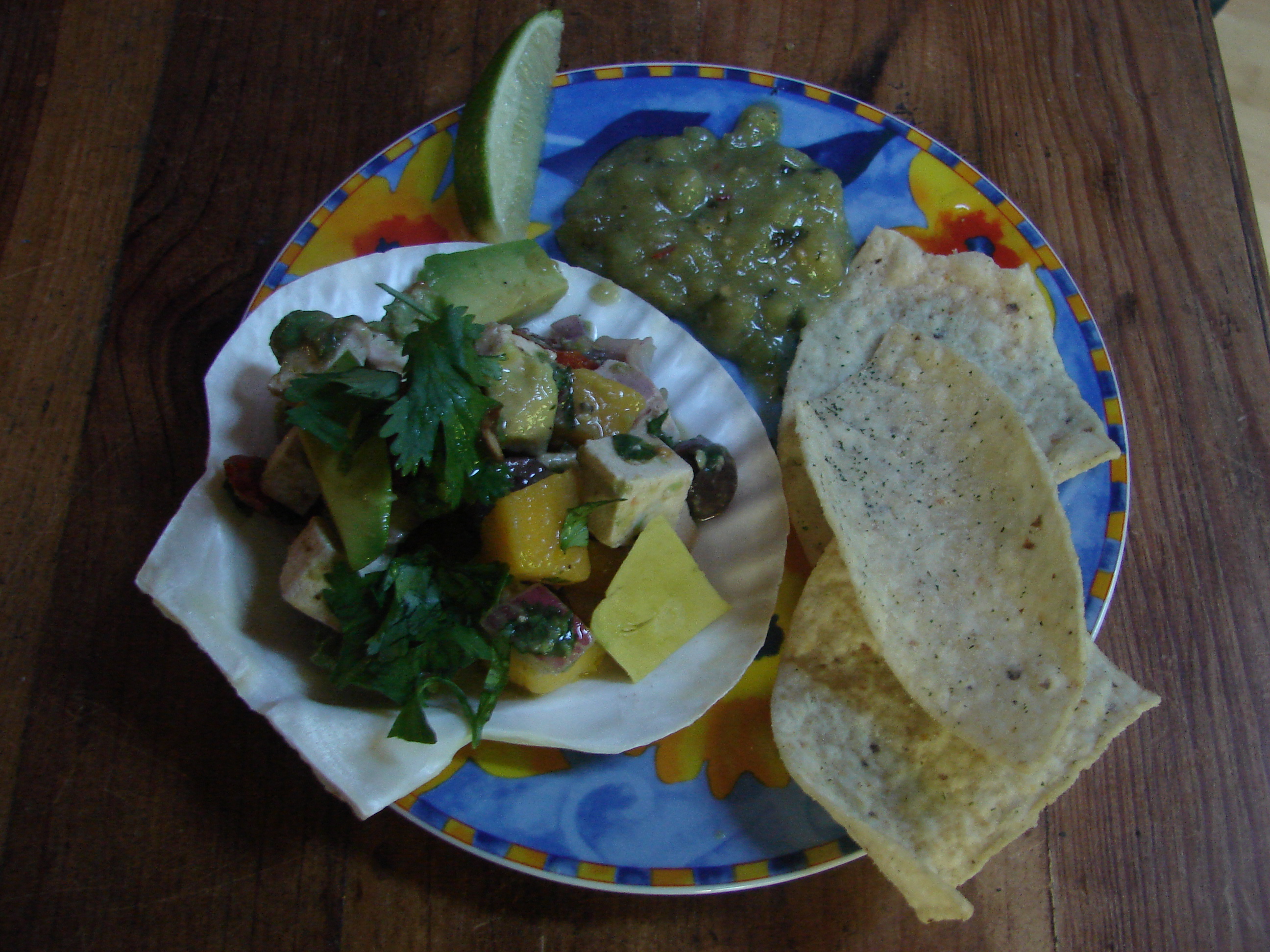
Why shouldn’t vegetarians get to enjoy ceviche too?
That’s exactly what I was thinking after sampling a delicious veggie ceviche on an appy menu at the Trio restaurant in Palm Springs. I almost phoned them for the recipe but then it dawned on me – why don’t I just make it my usual way but substitute using tofu instead of white fish? Here’s how:
Cut a block of extra firm tofu (in the package) into half lengthwise and then into 1 cm. cubes. Place in a pyrex dish and add enough fresh lime juice to cover the entire thing – about 6 regular size limes in total. Cover with plastic wrap & leave sit in fridge for about 4 hours, then discard juice and add the following items to same dish:
Getting it together
*Cut up the following into roughly the same size pieces except for the jalapeño which should be seeded & finely chopped :
1 cup of grape or cherry tomatoes
1 small red onion
1 small jalapeño
handful of fresh Cilantro
Kalamata black olives
1 not overly ripe Avocado
1 not overly ripe Mango
2 Tbsp. extra-virgin olive oil, course salt and black pepper to taste.
Serve with sliced lime for extra tartness & tortillachips.
*I also had a side of tomatillo/avocada salsa. Rave Reviews!
Love Thai Curry? Red, Green & Yellow curry pastes are the base for most of the dishes in Thai cooking and the Red version makes for excellent chicken, beef, vegetarian, fish and other seafood curry.
You’ll never buy packaged curry pastes again once you try this recipe. Homemade curry paste makes for tastier curries, and they’re much healthier too!
This paste is courtesy of Chef Sarnsern Gajaseni at the OrientalHotelin Bangkok. It’s enough for at least two dishes, each serving about four people. I’ve made double this amount and divided it up to freeze it, well labelled in separate containers. It freezes very well and you’ll be able to easily use it with a few extra added ingredients (see recipe) to create a delicious curry. If you like this one I’ll be posting the Green & Yellow versions which are slightly different but equally delicious.
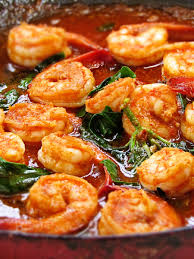
using shrimp
Makes about 10 Tablespoons
10 to 12 hot dried chillies (of the long cayenne variety). I use Thai red bird chillies.
5 garlic cloves, chopped
1 cup chopped shallots
1 Tbsp. fresh lemongrass that has been thinly sliced, crosswise. Fresh lemongrass stalks have a knot at the very bottom. Remove that before finely slicing, crosswise, and at a slight angle, starting at the bottom end and going up about 6 inches. It will not blend unless it has been sliced first.
3 thin slices peeled, fresh or frozen galangal (or ginger). Galangal is fairly tough and needs first to be cut, crosswise, into thin slices, and then chopped before being put into the blender.
1 thin slice of fresh kaffir lime rind or dried rind, first soaked in water for 30 minutes.
6-8 cilantro roots (usually bought from Indian grocers), washed well and coarsely chopped. If you cannot get them, use a small handful of the leaves for the required aroma.
Fresh ground whitepepper
¼ tsp. shrimp paste or use either 2 anchovies from a can, chopped or a bit of anchovy paste.
½ tsp. ground cumin
½ tsp. ground coriander
2 Tbsp. bright red paprika
*most of these ingredients I buy from “South ChinaSeas trading company” at Granville Island Market including the shrimp paste and palm sugar (for recipe).
How to:
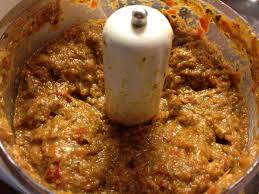
Soak the chillies in 5 Tbsp. of hot water for 1-2 hours (or put them in microwave for 2 minutes and then let them sit for about 30 minutes). Put the chillies together with their soaking liquid, into the blender, along with all the remaining ingredients in the order listed. Blend, pushing down with a rubber spatula as many times as necessary, until you have a smooth paste. What you do not use immediately should be refrigerated or frozen.
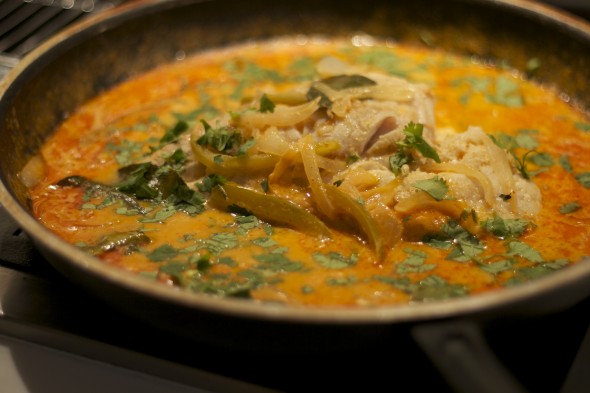
Fish in Red Curry Sauce
I used fillet of halibut for this one but you can use a variety of firm white fish or even shrimp. The fillets should be cut into roughly 3-inch pieces. Serve with plain aromatic jasmine rice which will be really nice to soak up the sauce.
14-ounce can of coconut milk, left undisturbed for 3 hours of more
3 Tbsp. peanut oil (if not use corn)
5 Tbsp. Red Curry Paste (which I hope you made but if not you can always buy it).
1 Tbsp. Fish sauce (there is no substitute but vegetarians will need to omit this ingredient).
1 tsp. thick tamarind paste (if not substitute with lemon juice). Tamarind paste can be found usually at an Indian market.
1 tsp. palm sugar (if not use brown sugar).
1 pound firm white fish
4 fresh kaffir lime leaves (if not use 1 tsp. julienned lemon rind)
20 fresh sweet Thai basil leaves (if not use regular basil leaves)
Carefully open the can of coconut milk without disturbing it too much and remove 4 Tbsp. of the thick cream that will have accumulated at the top. Stir the remaining contents of the can well and set aside.
Pour the oil and the coconut cream into a large, non-stick, lidded pan or well-seasoned wok and set over medium-high heat. When the oil is hot, put in the curry paste. Stir and fry until the oil separates and the paste is lightly browned. Reduce the heat to low and add the fish sauce, tamarind paste, sugar and ¾ cup of water. Stir and taste for a balance of seasonings. Cover and simmer on a very low heat for 5 minutes. Stir in the reserved coconut milk. Lightly dust the fish pieces with salt and then slid them into the sauce in a single layer. Bring to a simmer, spoon the sauce over the fish pieces, cover, and simmer very gently until they just cook through.
Just before serving, either tear up the lime leaves or else remove the central vein and cut them into fine strips, and scatter these and the basil leaves over the top of the fish.
**I have a flavorful recipe for a vegetable curry
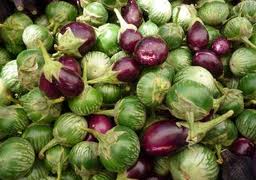
thai eggplants
using 4 Thai eggplant, 1 medium chopped onion, 1 cup of bamboo shoots, 6 ounces French cut green beans + 1 red pepper cut into strips. You make it much the same way: Heat 1 Tbsp. of oil in a large wok or fry pan and then cook 2 Tbsp. of red curry paste for 4 minutes over a medium heat, stirring. Then add 2 ½ cups of coconut milk, bring to a boil and simmer, uncovered for 5 minutes. Add the chopped eggplants, bamboo shoots, and 6 lime leaves and simmer for 5 minutes. Add the green beans & red pepper and cook for additional 5 minutes or until all vegetables are tender. Add ½ cup basil leaves, 2 Tbsp. fish sauce (if using), 1 Tbsp. lime juice and 2 tsp. palm or brown sugar. Drizzle with coconut milk, garnish with thai basil and sliced red chilli. Serve with rice.
but you can substitute using Japanese eggplant
“from curries to kebabas – recipes from the Indian spice trail” – everything in this enticing cookbook is outstanding. Madhur Jaffrey even traces the origins of curry, explaining how the ingredients & techniques were brought to new lands. It’s unusual for me to make so many recipes from one book but each one turned out better than expected – and it took some of the mystery out of these exotic dishes.
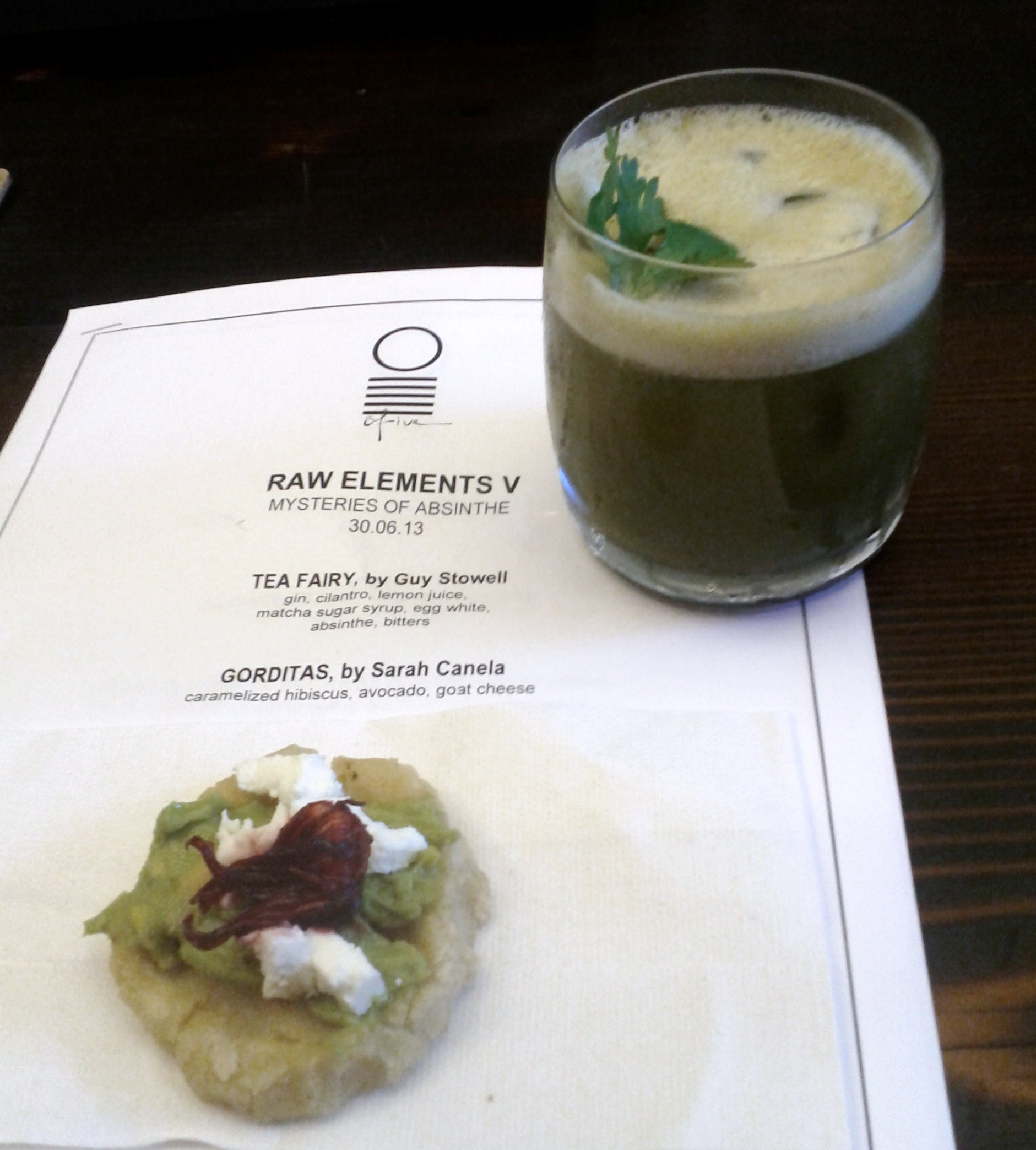
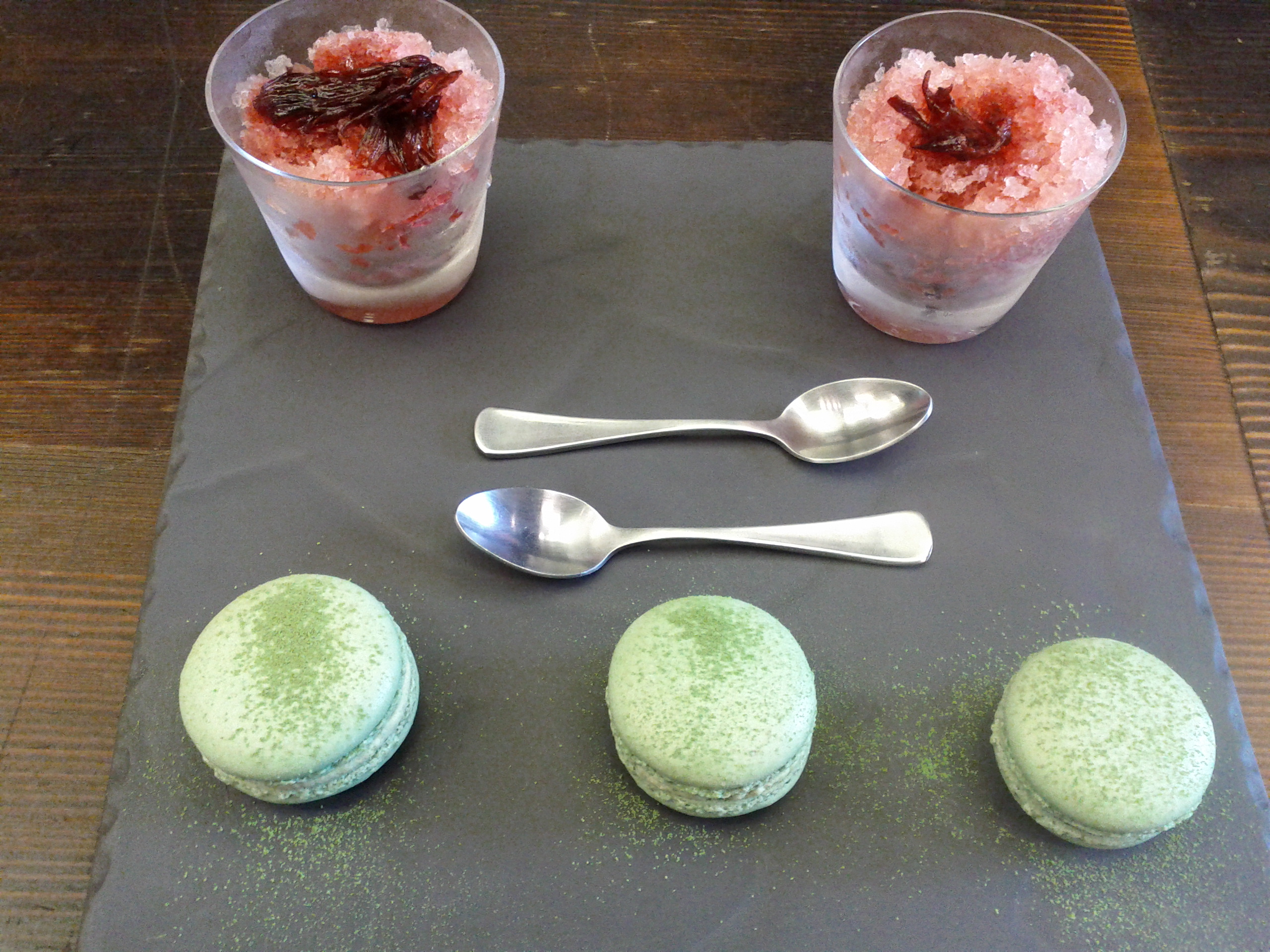
I had the luxury of attending an absinthe tasting event yesterday in Vancouver, not at a local bar but instead a very rare tea shop – of all places. “OFive Rare Tea Bar + Shop” sets itself apart from all the rest as Pedro, the proprietor, makes personal visits to all the global farms supplying his teas. Aside from this, the place offers made in house tapas & macaroons and exotic spirit tastings on occasion. This being one of those occasions- an Absinthe tasting of rare vintages (one being white) with pairings of tapas & teas and a fairy truffle to finish (matcha, white chocolate ganache, pixie dust). For a different experience, why not?
Absinthe was the drink of 19th-century Paris. At the time, the French wine industry had been decimated, and absinthe, with its otherworldly color and reputation for spurring creativity, matched the decadence and glamour and artistry of the era.
Referred to as “the green fairy“, absinthe was banned for a century for inspiring madness and murder. In the United States it only became legal again in 2007, the first time since 1912.
So let’s clear up a few misconceptions. Absinthe does not make you hallucinate nor is it wildly addictive.
It will not cause you to lop off your ear, unless (possibly, on the off-chance) you are a deeply disturbed painter racked by poverty, heartbreak and mental illness. Rather, absinthe is a good drink. It is reminiscent of Pernod, a kick of licorice with a lingering menthol taste. (The similarity is not coincidental; Henri-Louis Pernod first commercialized absinthe in France in 1805.) Absinthe’s flavor comes from its muscular key components — anise, wormwood and fennel — and though it’s certainly an acquired taste, there’s also something appealing about the ritual and presentation of it. Absinthe has its own special glasses, slotted spoons and drips. Absinthe even has its own verb, “louche,” to describe the milky cloud kicking up when water hits the drink. Watching this — on the right night, in the right light–you start to understand why artists like Toulouse-Lautrec and Rimbaud and Verlaine found inspiration in the stuff. And you start to understand why people might think it contained a little bit of black magic, too.
But what happens to an illicit drink when it is robbed of its illicitness?
Part of what gave absinthe so much power – in the mind, if not the marketplace — was its lore and illegality. Like opium, absinthe conjures exotic images of romantic destruction; unlike opium, absinthe isn’t actually dangerous. A great many people have learned about absinthe through films, where it is a stand-in for lawlnessness and vice. “Moulin Rouge,” “From Hell,” “Murder by Numbers,” and the frat-boy midnight movie “Eurotrip” all featured absinthe as a trippy narrative device–at the very least, an opulent set piece. But the drink’s place in pop culture is perhaps best encapsulated by “Bram Stoker’s Dracula,” directed by Francis Ford Coppola (who also happens to be a vintner), where history’s bloodthirsty count sips from a green bottle
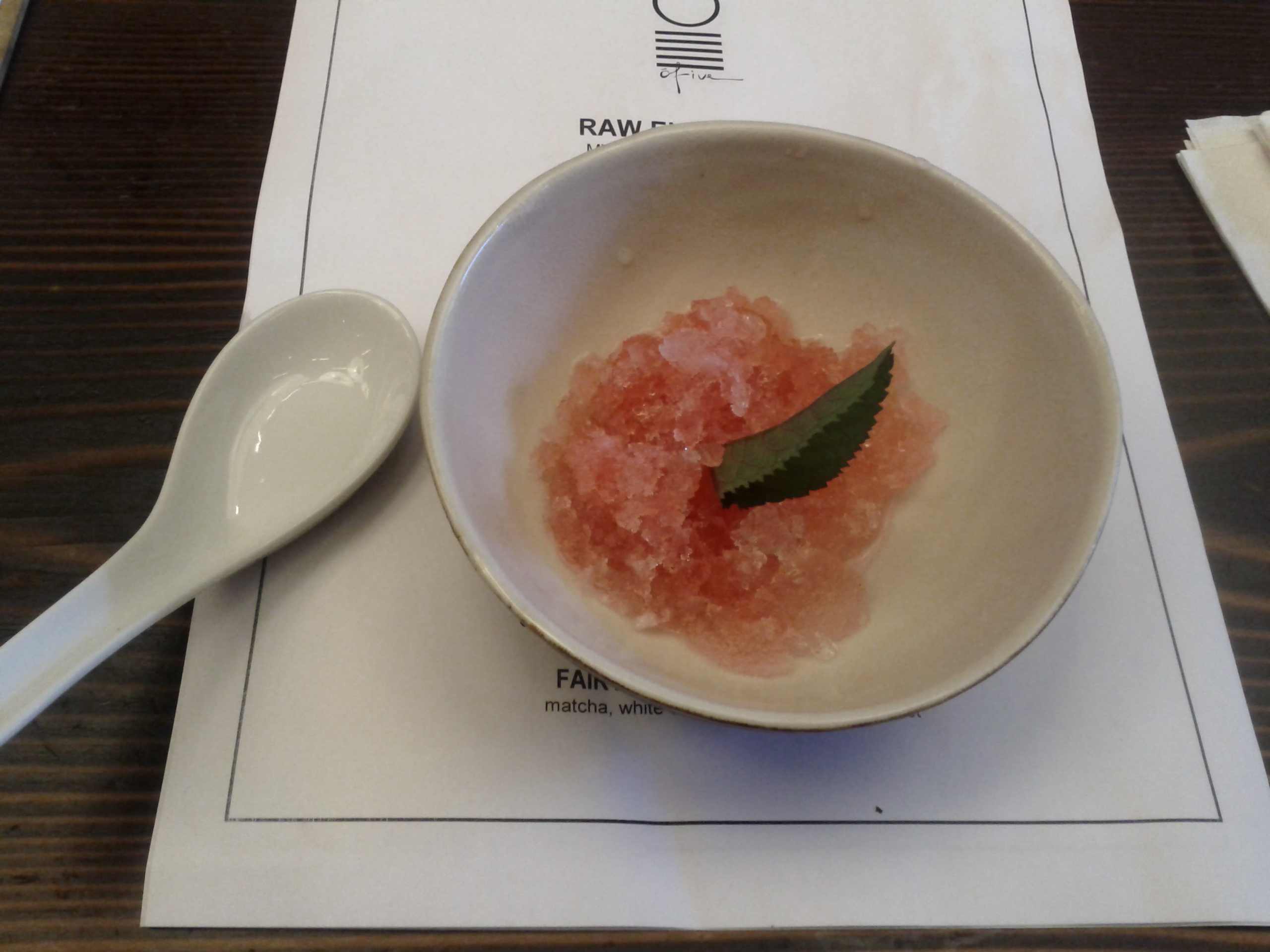
Pedro with one of the absinthe bottlesGranita – in between tastings: hibiscus, tonic, lemongrass, baby grand fir
marked “SIN.” So dangerous. So lavish. So goth.
Have you tried it?
The next moonshine tasting is on Sunday, June 28th with TEA + TEQUILA + MEZCAL! Mexican spirits, Tea, Tapas, Truffles, Fine Art.












 Girl Who Would be KING on Life, Style and INSPIRATION.
You must be logged in to post a comment.