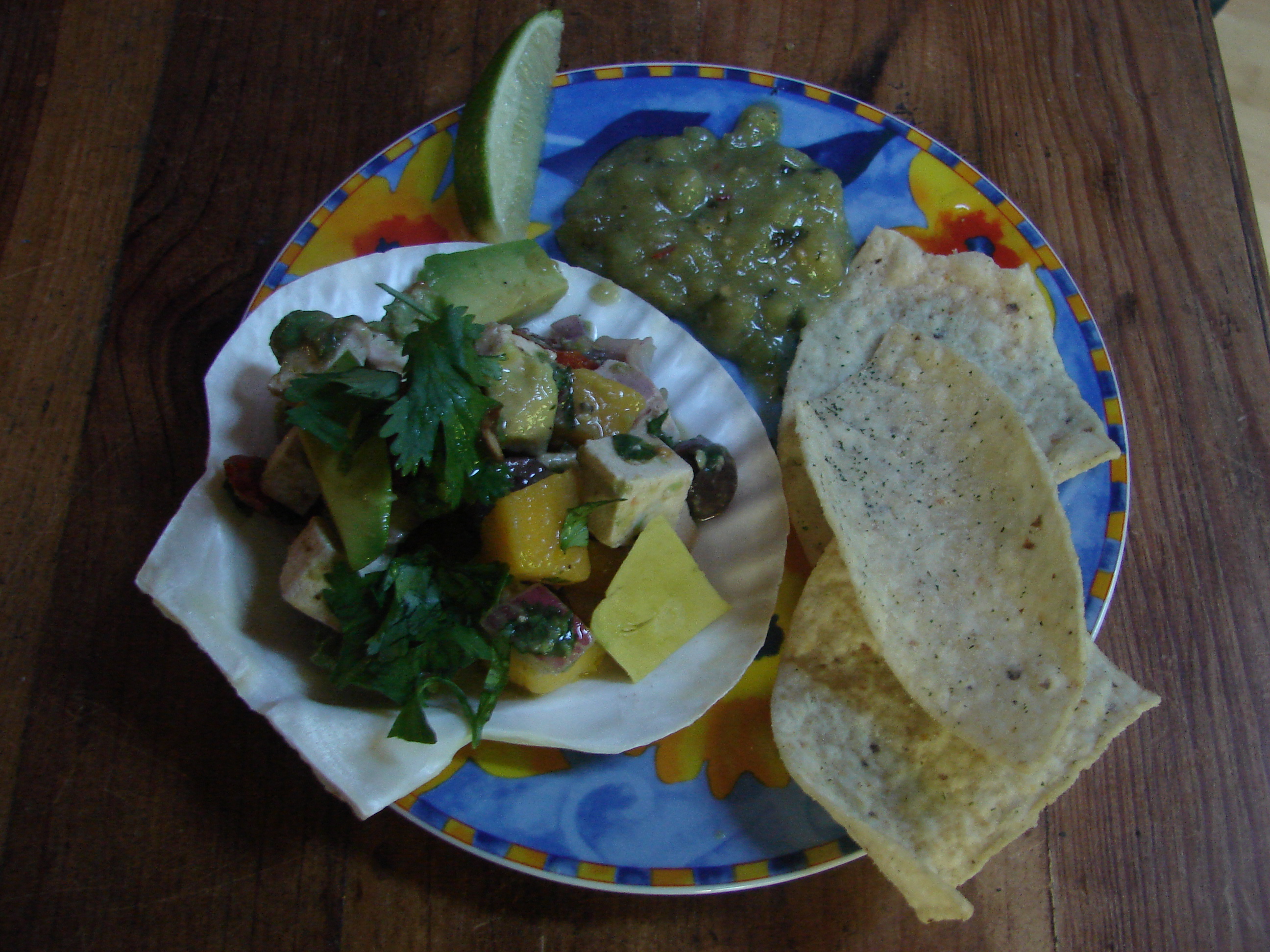
Why shouldn’t vegetarians get to enjoy ceviche too?
That’s exactly what I was thinking after sampling a delicious veggie ceviche on an appy menu at the Trio restaurant in Palm Springs. I almost phoned them for the recipe but then it dawned on me – why don’t I just make it my usual way but substitute using tofu instead of white fish? Here’s how:
Cut a block of extra firm tofu (in the package) into half lengthwise and then into 1 cm. cubes. Place in a pyrex dish and add enough fresh lime juice to cover the entire thing – about 6 regular size limes in total. Cover with plastic wrap & leave sit in fridge for about 4 hours, then discard juice and add the following items to same dish:
Getting it together
*Cut up the following into roughly the same size pieces except for the jalapeño which should be seeded & finely chopped :
1 cup of grape or cherry tomatoes
1 small red onion
1 small jalapeño
handful of fresh Cilantro
Kalamata black olives
1 not overly ripe Avocado
1 not overly ripe Mango
2 Tbsp. extra-virgin olive oil, course salt and black pepper to taste.
Serve with sliced lime for extra tartness & tortillachips.
*I also had a side of tomatillo/avocada salsa. Rave Reviews!
Love Thai Curry? Red, Green & Yellow curry pastes are the base for most of the dishes in Thai cooking and the Red version makes for excellent chicken, beef, vegetarian, fish and other seafood curry.
You’ll never buy packaged curry pastes again once you try this recipe. Homemade curry paste makes for tastier curries, and they’re much healthier too!
This paste is courtesy of Chef Sarnsern Gajaseni at the OrientalHotelin Bangkok. It’s enough for at least two dishes, each serving about four people. I’ve made double this amount and divided it up to freeze it, well labelled in separate containers. It freezes very well and you’ll be able to easily use it with a few extra added ingredients (see recipe) to create a delicious curry. If you like this one I’ll be posting the Green & Yellow versions which are slightly different but equally delicious.
using shrimp
Makes about 10 Tablespoons
10 to 12 hot dried chillies (of the long cayenne variety). I use Thai red bird chillies.
5 garlic cloves, chopped
1 cup chopped shallots
1 Tbsp. fresh lemongrass that has been thinly sliced, crosswise. Fresh lemongrass stalks have a knot at the very bottom. Remove that before finely slicing, crosswise, and at a slight angle, starting at the bottom end and going up about 6 inches. It will not blend unless it has been sliced first.
3 thin slices peeled, fresh or frozen galangal (or ginger). Galangal is fairly tough and needs first to be cut, crosswise, into thin slices, and then chopped before being put into the blender.
1 thin slice of fresh kaffir lime rind or dried rind, first soaked in water for 30 minutes.
6-8 cilantro roots (usually bought from Indian grocers), washed well and coarsely chopped. If you cannot get them, use a small handful of the leaves for the required aroma.
Fresh ground whitepepper
¼ tsp. shrimp paste or use either 2 anchovies from a can, chopped or a bit of anchovy paste.
½ tsp. ground cumin
½ tsp. ground coriander
2 Tbsp. bright red paprika
*most of these ingredients I buy from “South ChinaSeas trading company” at Granville Island Market including the shrimp paste and palm sugar (for recipe).
How to:
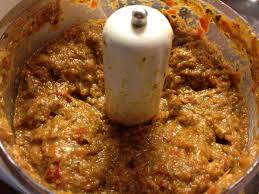
Soak the chillies in 5 Tbsp. of hot water for 1-2 hours (or put them in microwave for 2 minutes and then let them sit for about 30 minutes). Put the chillies together with their soaking liquid, into the blender, along with all the remaining ingredients in the order listed. Blend, pushing down with a rubber spatula as many times as necessary, until you have a smooth paste. What you do not use immediately should be refrigerated or frozen.
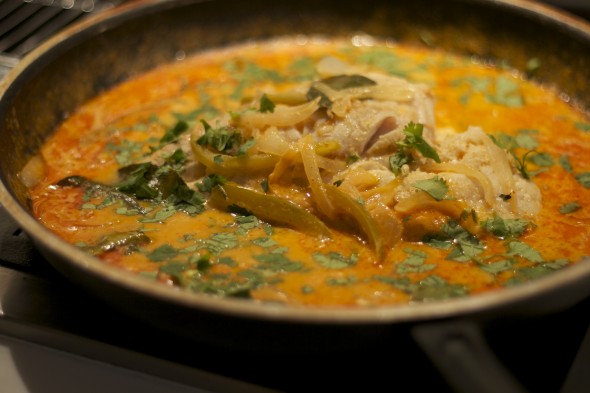
Fish in Red Curry Sauce
I used fillet of halibut for this one but you can use a variety of firm white fish or even shrimp. The fillets should be cut into roughly 3-inch pieces. Serve with plain aromatic jasmine rice which will be really nice to soak up the sauce.
14-ounce can of coconut milk, left undisturbed for 3 hours of more
3 Tbsp. peanut oil (if not use corn)
5 Tbsp. Red Curry Paste (which I hope you made but if not you can always buy it).
1 Tbsp. Fish sauce (there is no substitute but vegetarians will need to omit this ingredient).
1 tsp. thick tamarind paste (if not substitute with lemon juice). Tamarind paste can be found usually at an Indian market.
1 tsp. palm sugar (if not use brown sugar).
1 pound firm white fish
4 fresh kaffir lime leaves (if not use 1 tsp. julienned lemon rind)
20 fresh sweet Thai basil leaves (if not use regular basil leaves)
Carefully open the can of coconut milk without disturbing it too much and remove 4 Tbsp. of the thick cream that will have accumulated at the top. Stir the remaining contents of the can well and set aside.
Pour the oil and the coconut cream into a large, non-stick, lidded pan or well-seasoned wok and set over medium-high heat. When the oil is hot, put in the curry paste. Stir and fry until the oil separates and the paste is lightly browned. Reduce the heat to low and add the fish sauce, tamarind paste, sugar and ¾ cup of water. Stir and taste for a balance of seasonings. Cover and simmer on a very low heat for 5 minutes. Stir in the reserved coconut milk. Lightly dust the fish pieces with salt and then slid them into the sauce in a single layer. Bring to a simmer, spoon the sauce over the fish pieces, cover, and simmer very gently until they just cook through.
Just before serving, either tear up the lime leaves or else remove the central vein and cut them into fine strips, and scatter these and the basil leaves over the top of the fish.
**I have a flavorful recipe for a vegetable curry
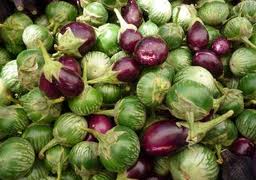
thai eggplants
using 4 Thai eggplant, 1 medium chopped onion, 1 cup of bamboo shoots, 6 ounces French cut green beans + 1 red pepper cut into strips. You make it much the same way: Heat 1 Tbsp. of oil in a large wok or fry pan and then cook 2 Tbsp. of red curry paste for 4 minutes over a medium heat, stirring. Then add 2 ½ cups of coconut milk, bring to a boil and simmer, uncovered for 5 minutes. Add the chopped eggplants, bamboo shoots, and 6 lime leaves and simmer for 5 minutes. Add the green beans & red pepper and cook for additional 5 minutes or until all vegetables are tender. Add ½ cup basil leaves, 2 Tbsp. fish sauce (if using), 1 Tbsp. lime juice and 2 tsp. palm or brown sugar. Drizzle with coconut milk, garnish with thai basil and sliced red chilli. Serve with rice.
but you can substitute using Japanese eggplant
“from curries to kebabas – recipes from the Indian spice trail” – everything in this enticing cookbook is outstanding. Madhur Jaffrey even traces the origins of curry, explaining how the ingredients & techniques were brought to new lands. It’s unusual for me to make so many recipes from one book but each one turned out better than expected – and it took some of the mystery out of these exotic dishes.
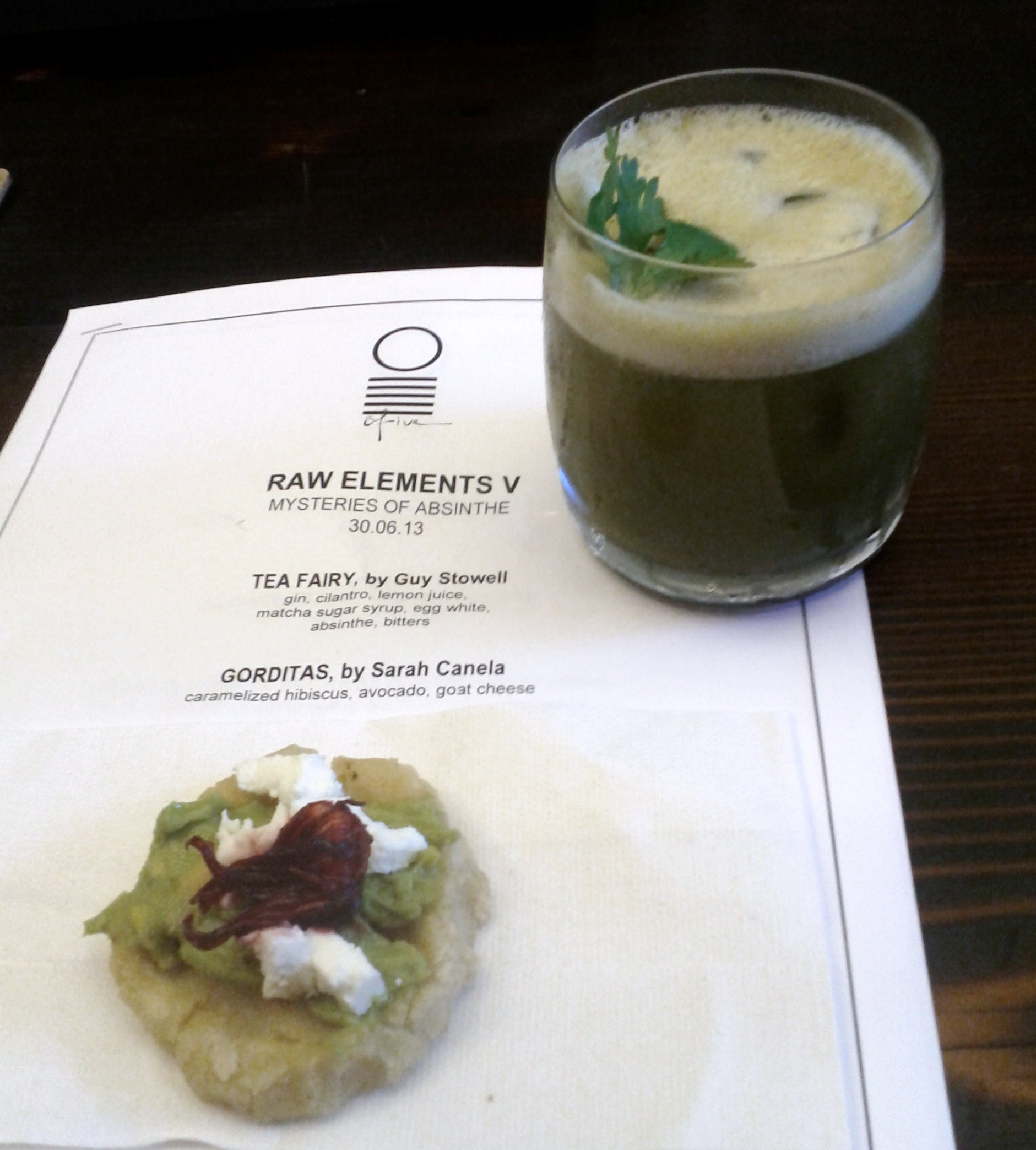
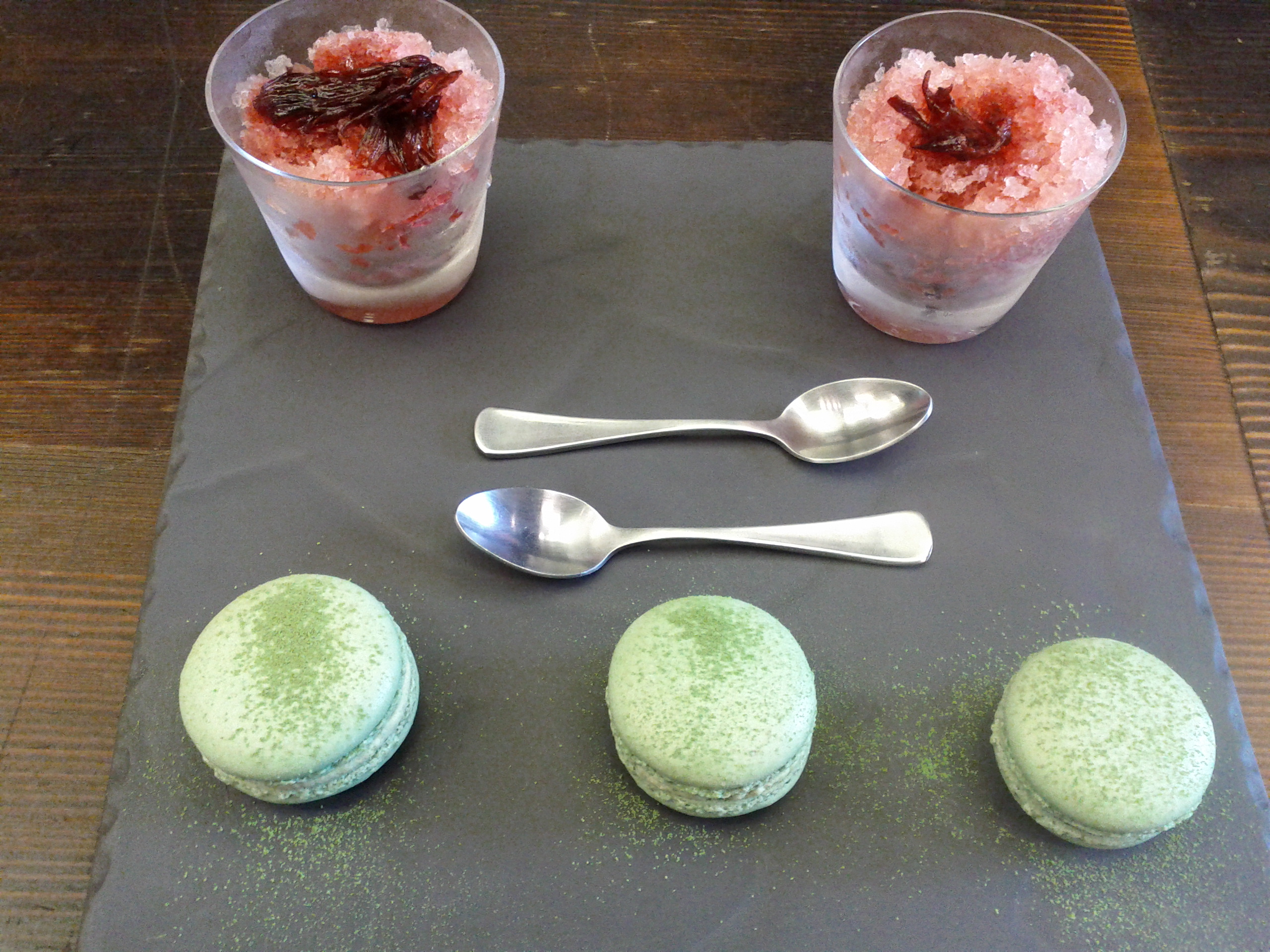
I had the luxury of attending an absinthe tasting event yesterday in Vancouver, not at a local bar but instead a very rare tea shop – of all places. “OFive Rare Tea Bar + Shop” sets itself apart from all the rest as Pedro, the proprietor, makes personal visits to all the global farms supplying his teas. Aside from this, the place offers made in house tapas & macaroons and exotic spirit tastings on occasion. This being one of those occasions- an Absinthe tasting of rare vintages (one being white) with pairings of tapas & teas and a fairy truffle to finish (matcha, white chocolate ganache, pixie dust). For a different experience, why not?
Absinthe was the drink of 19th-century Paris. At the time, the French wine industry had been decimated, and absinthe, with its otherworldly color and reputation for spurring creativity, matched the decadence and glamour and artistry of the era.
Referred to as “the green fairy“, absinthe was banned for a century for inspiring madness and murder. In the United States it only became legal again in 2007, the first time since 1912.
So let’s clear up a few misconceptions. Absinthe does not make you hallucinate nor is it wildly addictive.
It will not cause you to lop off your ear, unless (possibly, on the off-chance) you are a deeply disturbed painter racked by poverty, heartbreak and mental illness. Rather, absinthe is a good drink. It is reminiscent of Pernod, a kick of licorice with a lingering menthol taste. (The similarity is not coincidental; Henri-Louis Pernod first commercialized absinthe in France in 1805.) Absinthe’s flavor comes from its muscular key components — anise, wormwood and fennel — and though it’s certainly an acquired taste, there’s also something appealing about the ritual and presentation of it. Absinthe has its own special glasses, slotted spoons and drips. Absinthe even has its own verb, “louche,” to describe the milky cloud kicking up when water hits the drink. Watching this — on the right night, in the right light–you start to understand why artists like Toulouse-Lautrec and Rimbaud and Verlaine found inspiration in the stuff. And you start to understand why people might think it contained a little bit of black magic, too.
But what happens to an illicit drink when it is robbed of its illicitness?
Part of what gave absinthe so much power – in the mind, if not the marketplace — was its lore and illegality. Like opium, absinthe conjures exotic images of romantic destruction; unlike opium, absinthe isn’t actually dangerous. A great many people have learned about absinthe through films, where it is a stand-in for lawlnessness and vice. “Moulin Rouge,” “From Hell,” “Murder by Numbers,” and the frat-boy midnight movie “Eurotrip” all featured absinthe as a trippy narrative device–at the very least, an opulent set piece. But the drink’s place in pop culture is perhaps best encapsulated by “Bram Stoker’s Dracula,” directed by Francis Ford Coppola (who also happens to be a vintner), where history’s bloodthirsty count sips from a green bottle
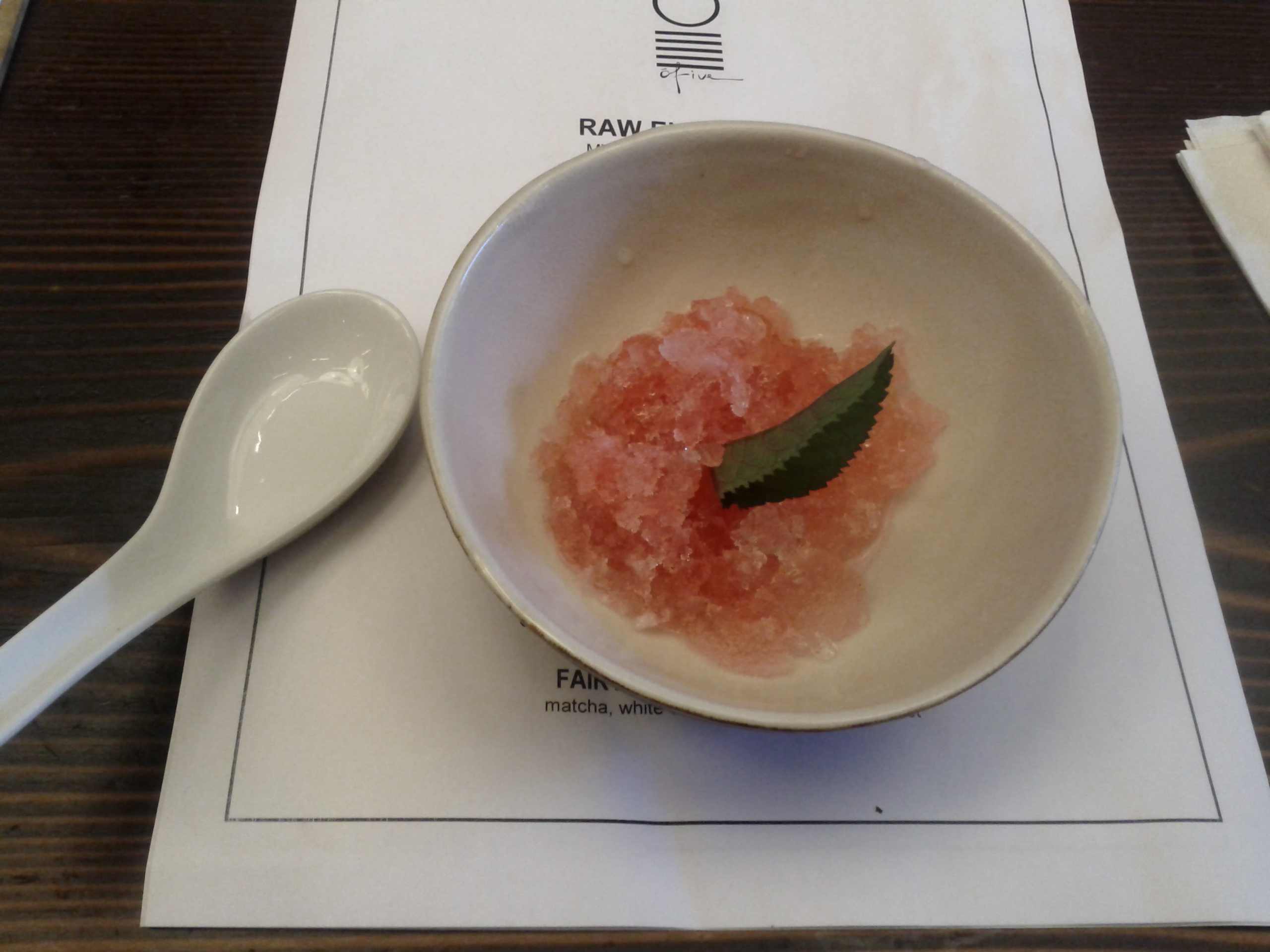
Pedro with one of the absinthe bottlesGranita – in between tastings: hibiscus, tonic, lemongrass, baby grand fir
marked “SIN.” So dangerous. So lavish. So goth.
Have you tried it?
The next moonshine tasting is on Sunday, June 28th with TEA + TEQUILA + MEZCAL! Mexican spirits, Tea, Tapas, Truffles, Fine Art.
CUBAN CUISINE contains African, Spanish, Italian and Caribbean elements. The Cubans don’t follow any rules when cooking – the mixture of all possible tastes, smells and colors usually help to create little works of art. Cuba does not have a great reputation for their food – at least for tourists. I’ve been to Havana and found this to be true. Their rum however is second to none and if you stick with drinking mojitos all day long you may not even mind how bad the food tastes. The truth is if you’re lucky enough to be invited into a local home for a home cooked meal or go to one of the handful of local insider restaurants which happen to not be in the very touristy areas, you will be pleasantly surprised. Together with the wonderful herbs and spices from the region – for example, chilli, oregano, onions, garlic, parsley, saffron, basil, etc. – there are no limits to the varied dishes. Here is a simple and delicious marinade.
2 Tbsp. (30 ml) each frozen orange juice concentrate (somewhat defrosted), ketchup and molasses. (I used spicy ketchup from the Mcilhenny Co. brand that makes Tobasco).
1 tsp (5 ml) each ground cumin and dried oregano leaves
¼ tsp (1 ml.) cayenne pepper
2 garlic cloves, minced
1 lime
1 Tbsp (15 ml) Extra-Virgin Olive Oil
4 centre-cut pork loin chops, each about ½ inch (1 cm) thickl
¼ cup (50 ml) coarsely chopped cilantro
In a bowl, stir concentrate with ketchup, molasses, dried seasonings and garlic.
Squeeze in juice from lime, then stir in oil.
Pour three-quarters of the marinade over chops and turn to evenly coat. Cover and let marinate in the fridge for at least one hour but best overnight. Turn occasionally.
Refrigerate reserved marinade in a separate container.
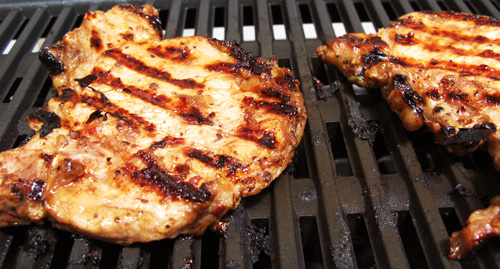
Preheat barbeque, then adjust to medium heat. Remove chops from marinade and discard marinade. Place on grill. Close lid and grill, about 12 to 15 minutes, turning once.
Brush with reserved marinade during the last five minutes of cooking time. Remove to platter and sprinkle with cilantro.
Per Serving: 237 calories
Sides: I served this with cooked quinoa (in a vegetable broth) which was then mixed into a pan with caramelized onions, shallots, red pepper, green beans & cuban black beans.
Sweet yellow corn on the cob with cilantro/chili/lime butter & sea salt.
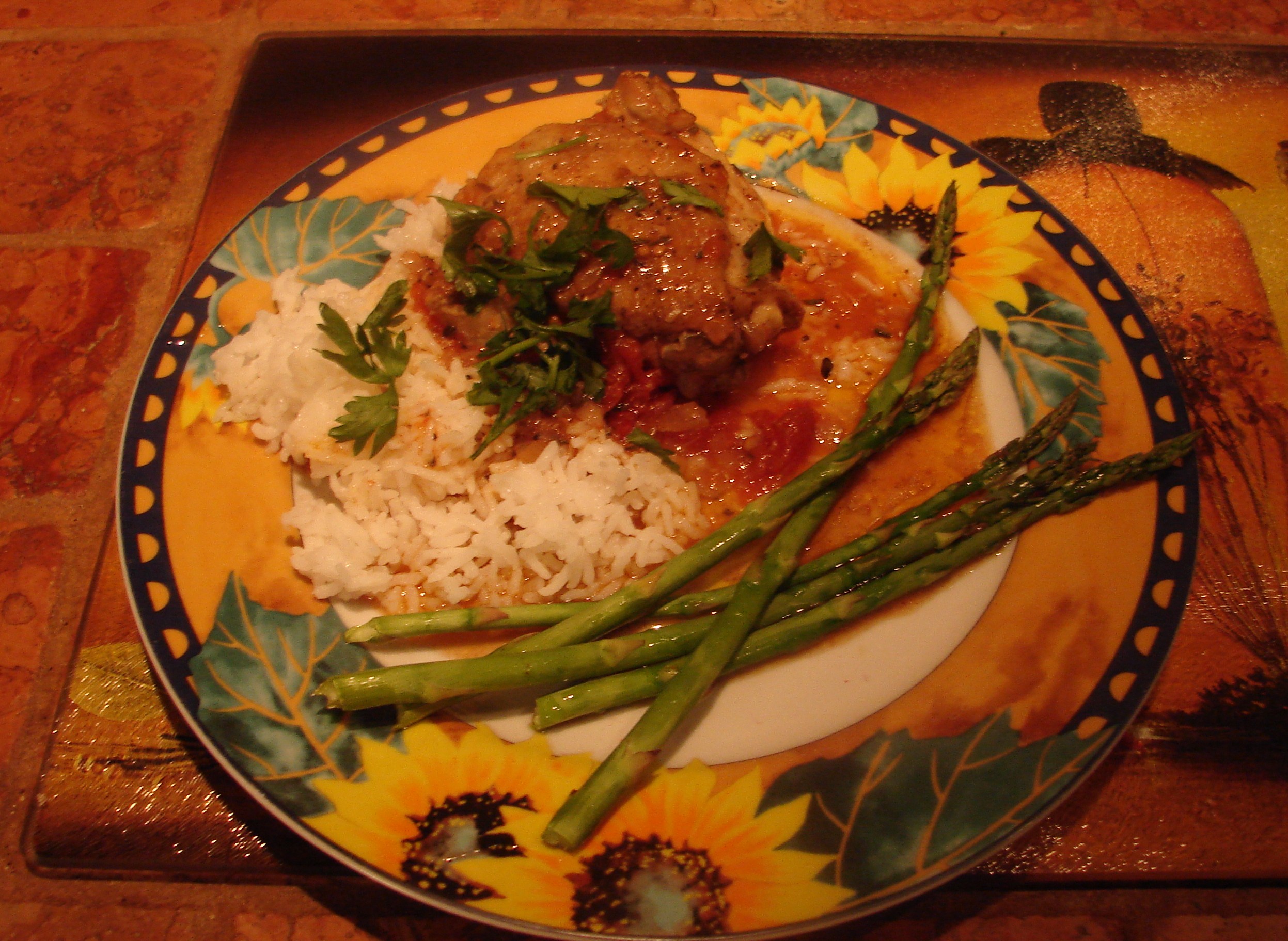
This delightfully tangy rich recipe is inspired by chef Jean-Georges Vongerichten’s (of “Marketplace” at the Shangrila) recipe for vinegar chicken. He suggests seasoning the chicken with salt a day in advance. Serves six.
3-4 lbs. bone-in chicken pieces, preferably dark meat (like thighs).
2 ½ tsp. kosher salt, divided
½ tsp. fresh ground pepper
1 ½ Tbsp. extra-virgin olive oil
1/3 cup finely chopped shallots
1 ½ cups red wine vinegar (I substituted about half the vinegar amount for *red wine used for cooking purposes).
1 cup chicken broth
2 Tbsp. tomato paste
1 cup canned whole peeled plum tomatoes, drained and quartered
6 cloves of garlic
4 sprigs of thyme
3 bay leaves
2 Tbsp. finely chopped parsley
Preheat oven to 300. Season chicken with 2 tsp. salt and pepper. Heat oil in a 5-to-6 quart Dutch oven or wide, ovenproof pot over medium-high heat. Brown the chicken by arranging half the chicken in pot in a single layer and cook, turning once, until golden brown, 12-15 minutes. Transfer to a plate and repeat with remaining chicken
Add shallots and cook, stirring occasionally, until golden, about 2 minutes. Add vinegar and cook until much of the acrid aroma has dissipated, 3 to 5 minutes. Add broth and ½ cup water, bring to a vigorous simmer, and cook until slightly reduced, 3 to 5 minutes
Whisk in tomato paste and remaining ½ tsp. salt. Add tomatoes, then arrange chicken in pot, skin side up, pouring over any accumulated juices from plate. Tuck garlic, thyme, and bay leaves in liquid. Cover pot snugly with foil, then lid, and transfer to oven. Cook 1 hour and 15 minutes, until chicken is very tender.
Let rest 30 minutes; discard thyme and bay leaves. Scatter parsley and serve.
*I always keep a vacumized bottle of wine aside for cooking purposes. Usually it’s one I’m not so crazy about drinking so it comes in handy for recipes such as this one or in a hearty Bolognese sauce or Beef Bourgignon. More recipes with wine to follow. Of course I always drink a glass while cooking.
Lastweek I promised this very simple (only 3 ingredients) recipe which you can add to Moroccan chicken, spicy lamb, seafood dishes or just use the juice in salad dressings.
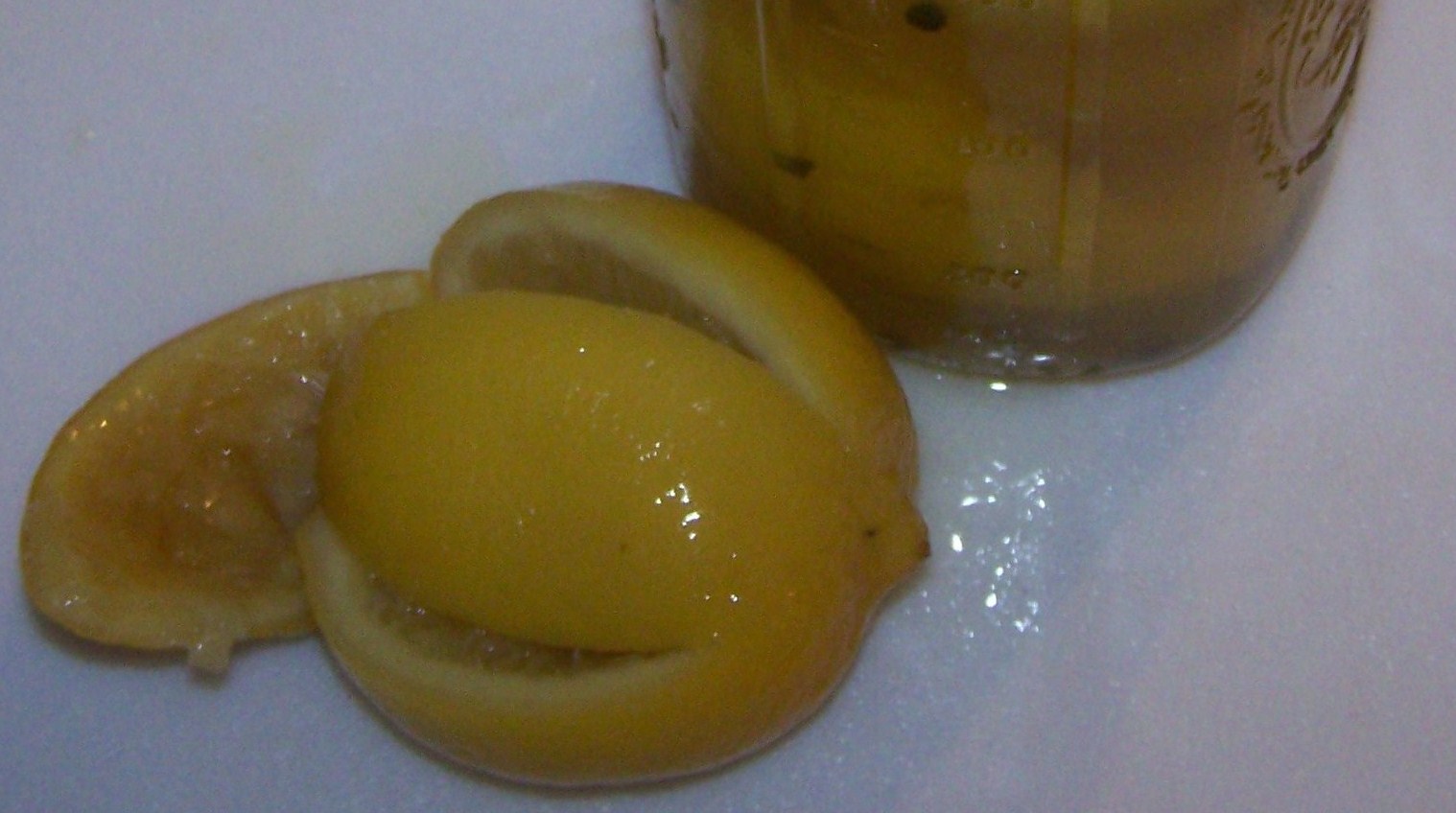
Lemons loose their sharpness when preserved in salt. The unique flavour and silken texture that develops when you use this technique is a characteristic of North Africa, especially Moroccan cooking. Yet the lemons also make a novel addition to non-Moroccan dishes. You will find that these lemons are easy to prepare and thin-skinned lemons yield the most juice.
Traditionally, only the peel of the preserved fruit is used, but I usually include the flesh as well and you can eat the whole thing. Once the jar has been opened, the fruit will keep for up to 1 year unrefrigerated (don’t worry if a lacy white film appears on top of the jar or on the lemons, as it is quite harmless – simply rinse it off); a layer of olive oil floated on the surface will help to preserve freshness. When it comes time to use one of these lemons just rinse & chop it.
Ingredients
7 Tablespoons coarse salt (you use 1 Tbsp of salt per lemon)
7 plump, juicy lemons, preferably thin-skinned
BoilingWater
Put 1 tsp. coarse salt in the bottom of a clean, dry jar. Holding a lemon over a plate to catch the juice, cut lengthwise 4 times as if about to quarter it, but do not cut quite through – leave the pieces joined. Ease out any seeds.
Pack 1 Tbsp. salt into the cuts, then close them up around the salt and put the lemon in the jar. Repeat with 5 more lemons, packing them tightly and pressing each layer down to expel any air before adding the next layer, until the jar is full.
Squeeze another lemon and pour the juice over the rest of the lemons. Sprinkle with more coarse salt and finally pour in boiling water to cover the lemons.
Close the jar tightly and keep in a warm place for 3 to 4 weeks before using.
Give me your feedback after you try them because I’m sure you’ll LOVE them.
SALTS: There is no difference between kosher salt and rough sea salt. Many cooks prefer to use kosher salt because its larger rough size crystals is simply more convenient and practical for certain kinds of food preparation such as this one.
The only differences between kosher salt and nearly every other sort of salt lie in the shape and size of its crystals, not its chemical makeup. Almost all salt has an identical chemistry. Some are smoked, or have trace elements of minerals that change their taste or color, but any differences between “kosher” and “sea” salt, provided the shapes of their crystals are the same, are purely in the labeling. In general Koshersalt and flakier, more delicate salts that melt nicely on the tongue, tend to be used as finishing salts, adding the last crunchy, salty touch to a dish. Table salt is used more for seasoning a dish while still in process.
*Recipe taken from Sensational Preserves by Hilaire Walden (250 recipes for jams, jellies, chutneys and sauces). This has been my guide book for making jams, hot pepper sauces & mustards. It’s an exceptionally useful book in both my opinion and that of the Daily Mail, UK.
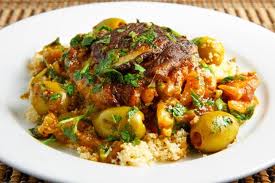
Moroccan Chicken with olives & apricots over Cous Cous.
Chicken Tagine with Olives and Apricots.
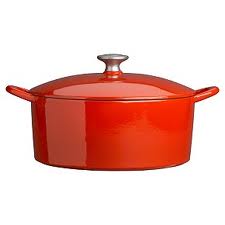
I’ve had a few requests for this recipe: Don’t worry if you don’t have a tagine – you can use a large dutch oven instead. No dutch oven (see below) – no luck!
I’ve not yet been to Morocco but I love the taste of Moroccan chicken and cooking it in a tagine (cone shaped clay cooker which cooks whatever is placed inside it very evenly and helps retain juices).
This is an easier recipe in the sense that you don’t need a tagine or the usual preservedlemons (although they are the best) which is a signature of Moroccan cooking. Preparing preserved lemons is easy but you need to leave them sit for at least 3 weeks before using them in the recipe. They “cook” in a mixture of their own juice, coarse salt and boiling water and have a unique sour-salty flavour. But using preserved lemons means being able to eat the skin too. I’ll put the recipe in next Tuesday. If you like this recipe then you can try making the preserved lemons for use next time. This is a bit more work than my usual blog recipes but worth the extra trouble. It will taste exotic.
Ingredients:
6 chicken quarters, excess fat trimmed
Kosher salt
2 Lemons (preferably thin skinned and juicy)
¼ Cup extra virgin olive oil
3 Tbsp. unsalted butter
1 small onion, finely chopped
2 cloves of garlic, chopped
1 tsp. ground ginger
1 tsp. ground coriander
1 tsp. paprika
1 tsp. ground cumin
½ tsp. ground cinnamon
¼ tsp. cayenne pepper
½ tsp. crushed saffron threads
Freshly ground black pepper
½ cup finely chopped fresh cilantro
½ finely chopped fresh parsley
¼ finely chopped fresh mint
½ cup driedapricots, sliced in half crosswise
1 Tbsp. honey
¼ cup blanched almonds
1 cup pitted Moroccan olives (small black olives that look prunelike). You can substitute with pitted small green Greek or Picholine olives if you prefer.
1) Sprinkle the chicken all over with 1 tsp. kosher salt. **If you’re able to buy a Moroccan spice mix use some of that as well. Refrigerate, uncovered, at least 30 minutes or overnight.
2) Meanwhile,thinly slice 1 lemon; spread out the slices and sprinkle generously with kosher salt on both sides. Stack the slices on a plate and let stand at room temperature, at least 20 minutes and up to 3 hours.
3) Pat the chicken dry. Heat a large Dutch oven over medium-high heat and add 3 Tbsp. of olive oil. When the oil shimmers, add half of the chicken, skin-side down; cover and cook until the skin is golden brown, 5 to 7 minutes. Transfer to a platter. Repeat with the remaining chicken. Discard the excess oil.
4) Add the butter, onion, garlic, coriander, paprika, cumin, cinnamon, cayenne, saffron and ½ tsp. black pepper to the pot. Cook over medium heat, stirring, until the onion softens, about 5 minutes; stir in the cilantro, parsley. Push the onion mixture to one side, then add the chicken to the pot, skin side-up. Spoon some of the onion mixture over the chicken and add 2 cups of water. Bring to a boil, then reduce the heat to low, *cover and gently simmer for 30 minutes.
5) Meanwhile combine the apricots, 1 cup of water and the *honey in a medium saucepan over medium heat; cover and cook until the apricots are plump, about 15 minutes. Uncover and cook until the liquid is syrupy, about 15 more minutes, set aside. Cook the almonds in the remaining 1 Tbsp. olive oil in a skillet over medium heat, stirring occasionally, until golden brown. Set aside on paper towels.
6) Chop the salted lemons slices into small pieces; add to the pot with the chicken along with the olives and the juice of the remaining lemon. Cover and continue cooking until the chicken is tender, about 20 minutes more. Arrange the chicken on a platter. Top with the olive sauce, apricot mixture and almonds. Sprinkle chopped mint over top. Serve with couscous.
This is a Dutch Oven
*If using a tagine you would simply add the couscous first and the juices from the chicken would automatically cook it.
Basic Red Chile Sauce is one of the staple dishes of New Mexican Cuisine and can be used on lots of different dishes like enchiladas, burritos, tamales, etc. You can use it to season beef, chicken or fish for soft tacos or even in homemade chili.
This is from the Santa Fe School of Cooking.
Ingredients:
1/4 cup vegetable oil
1/2 cup finely diced onion
2-3 t minced garlic
2 T all purpose flour
1/2 cup pure ground New Mexican red chile powder
2 1/2 cups water or chicken stock
1 t Mexican oregano
1/2 t freshly ground cumin seed
salt to taste
Heat the oil in a medium saucepan and saute the onion for 3 to 4 minutes, until softened. Add the garlic and saute 2 minutes more. Stir in the flour, the chile and slowly add the water (chicken stock), whisking to break up any lumps in the chile. Add the oregano and the cumin, and bring to a boil. Reduce the heat and simmer for about 20 minutes, or until the mixture has thickened slightly. Season with salt to taste. Optional: freshly ground coriander seed. Makes about 3 cups
*you can find Mexican Oregano (a little different than regular) at your local specialty market like Granville Island, etc.
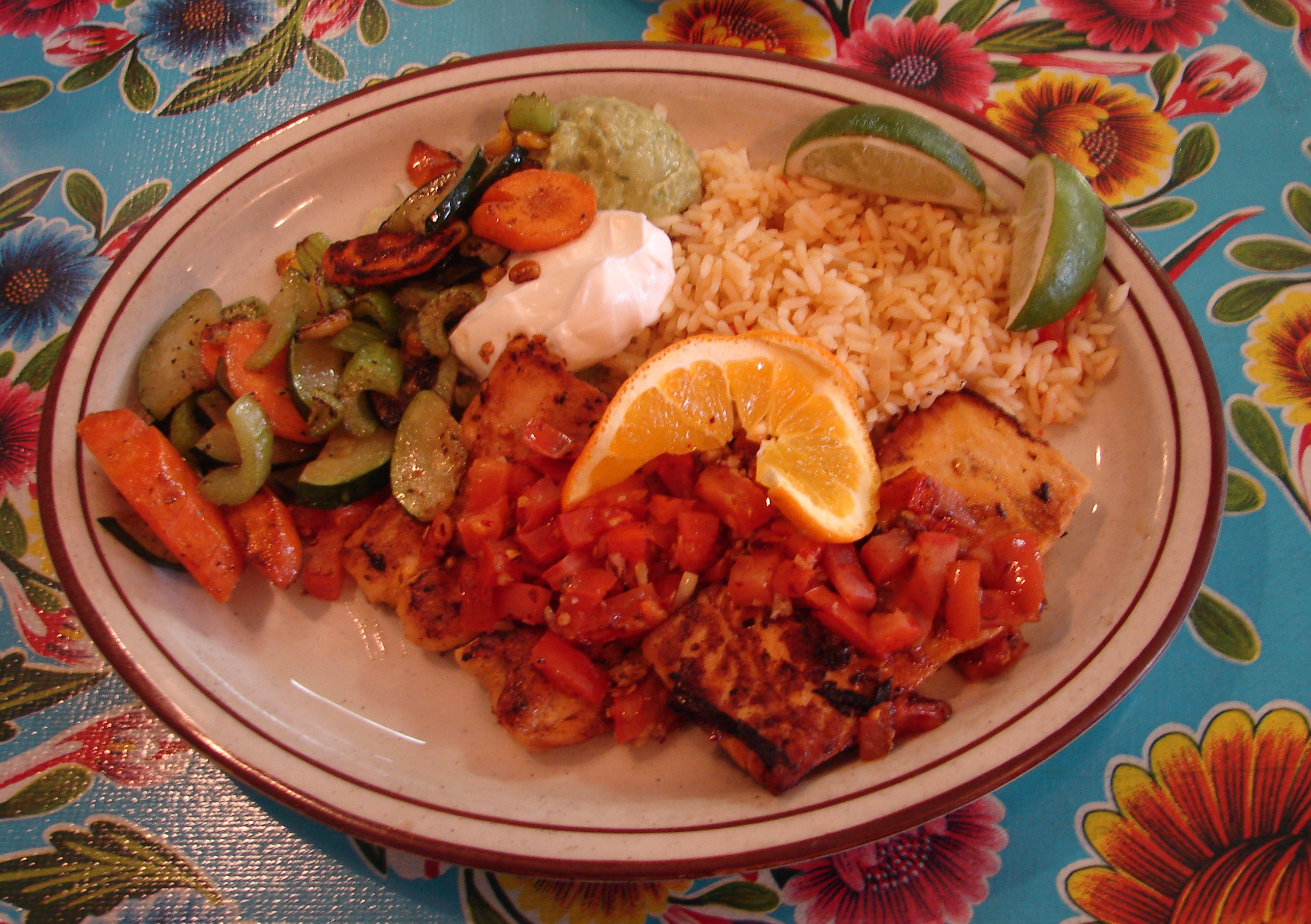
For the best authentic Mexican food – Guadalajara Grill (today for lunch):
I had the spicy grilled wild caught salmon with perfectly grilled veggies, rice + guacamole. Homemade soft corn tortillas on the side. Excellent.
Don ordered the grilled whole Tilapia. The best since having it in Africa. Skins for JiaJia.
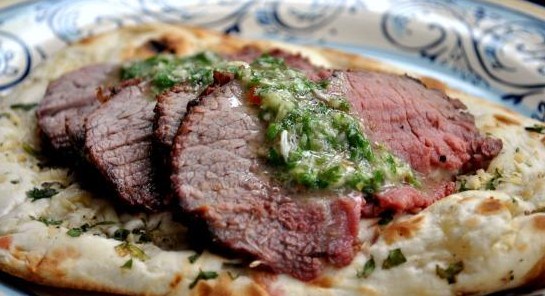
This FRESH HERB Chimichurri is what is commonly used for steak sauce in Argentina and there’s a good chance it may make you leave your regular one behind.
Make it in a blender, food processor or with a mortar. But whatever you do don’t do as I once did camping where chopping everything up by hand with a not too sharp knife became very time consuming. You can make this a few hours or even a day ahead so the flavors really start to meld. To be enjoyed on steak, fish, chicken, macaroni even sandwiches.
½ cup chopped cilantro, packed
½ cup parsley, packed
¼ cup of olive oil
1-2 cloves of garlic, finely chopped
½ tsp. salt
½ tsp. ground black pepper
3 tsp. best quality red wine vinegar
½ tsp. dried oregano
¼ tsp. crushed chillies
¼ cup onion, finely chopped
Cut all ingredients as small as humanly possible to make a nice rustic sauce, or better yet pulse in blender or food processor a few times.
Best served with grilled skirt steak. Cut meat across the grain into thin slices and serve with sauce in between slices.
Here is an equally delicious smoky red version of same sauce:
1 small red onion, finely diced
3 cloves of garlic, finely chopped
¼ cup of aged sherry vinegar or red wine vinegar
1 Tbsp. pureed chipotle in adobo (smoked chillies canned in red sauce)
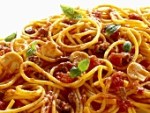
If you’re in the mood for a classic tomato, wine and meat sauce then this is the ONE with a slight twist of course. The original recipe is from Bologna.
It’s simmered slowly in a big pot and deliciously tossed with noodles of your choice. I switched up the original ½ lb. (250g) of lean ground beef and ¼ lb. (125g) each ground veal and ground pork using all hot Italian sausage. If you wish to stick to the original by all means do so but substituting some or all the meat with the sausage was absolutely wonderful & warming for this time of year. It got ravenous reviews from our group. Buen Appetito!
¾ cup (180 ml) olive oil
2 ounces (60 g) pancetta, coarsely chopped
1 lb. best quality hot Italian sausage – casings removed
3 cloves of garlic, minced
1 large onion, finely chopped
2 small carrots, finely chopped
2 stalks of celery, finely chopped
One 28 ounces (840 ml) crushed canned Italian Plum Tomatoes
2 cups (500 ml) dry red wine or 4 cups – two for you!
*1 tsp (5 ml) hot red chilli flakes (optional if using only the hot Italian sausage)
½ tsp. (2.5 ml) nutmeg
¼ cup (60 ml) coarsely chopped fresh Italian flat leaf parsley
*I also add 21 vegetable seasoning salute (or a variation of) and Bay Leaf.
2 pounds (1 kg) of fresh or packaged pasta of your liking will be good to serve 6 people for dinner with a side salad.
Heat ¼ cup (60 ml) of the olive oil in a large skillet over medium heat. Add the pancetta and sauté for 1 minute.
If using ground meats, gradually add them and cook breaking up any large chunks, just until browned, about 5 minutes. Remove meat with a slotted spoon to a wired mesh sieve to drain any excess fat.
**OR; remove casings from sausage (about 4) and cook with a little olive oil breaking up pieces in skillet until cooked through & no longer pink. Set aside.
In a dutch oven preferably or solid pot heat the remaining olive oil over medium heat. Add the garlic and sauté until golden, about 3 minutes. Add the chopped onions, carrots and celery and cook until the onions are translucent. Stir in the drained meat or *sausage, tomatoes, wine, red chilli flakes, nutmeg, Italian parsley, oregano & rosemary. Stir and bring to a simmer. Add the Parmesan rind and brown sugar and season to taste. Simmer slowly over low heat, uncovered, about 1 ½ hours, stirring occasionally. Remove rind.
Bring salted water to a boil and cook pasta until just tender to the bite, al dente stage. Reserve a little liquid from cooking water and drain the pasta in a colander.
If making this as main course for 6 people, add the drained pasta to the sauce and mix well, adding a bit of the pasta cooking water if needed to coat the pasta evenly. Cover and cook for one minute. Serve immediately with freshly grated Parmesan cheese & a little flat leaf parsley for garnish. Very Important: Don’t forget the vino – it makes everything taste better. Salute!












You must be logged in to post a comment.