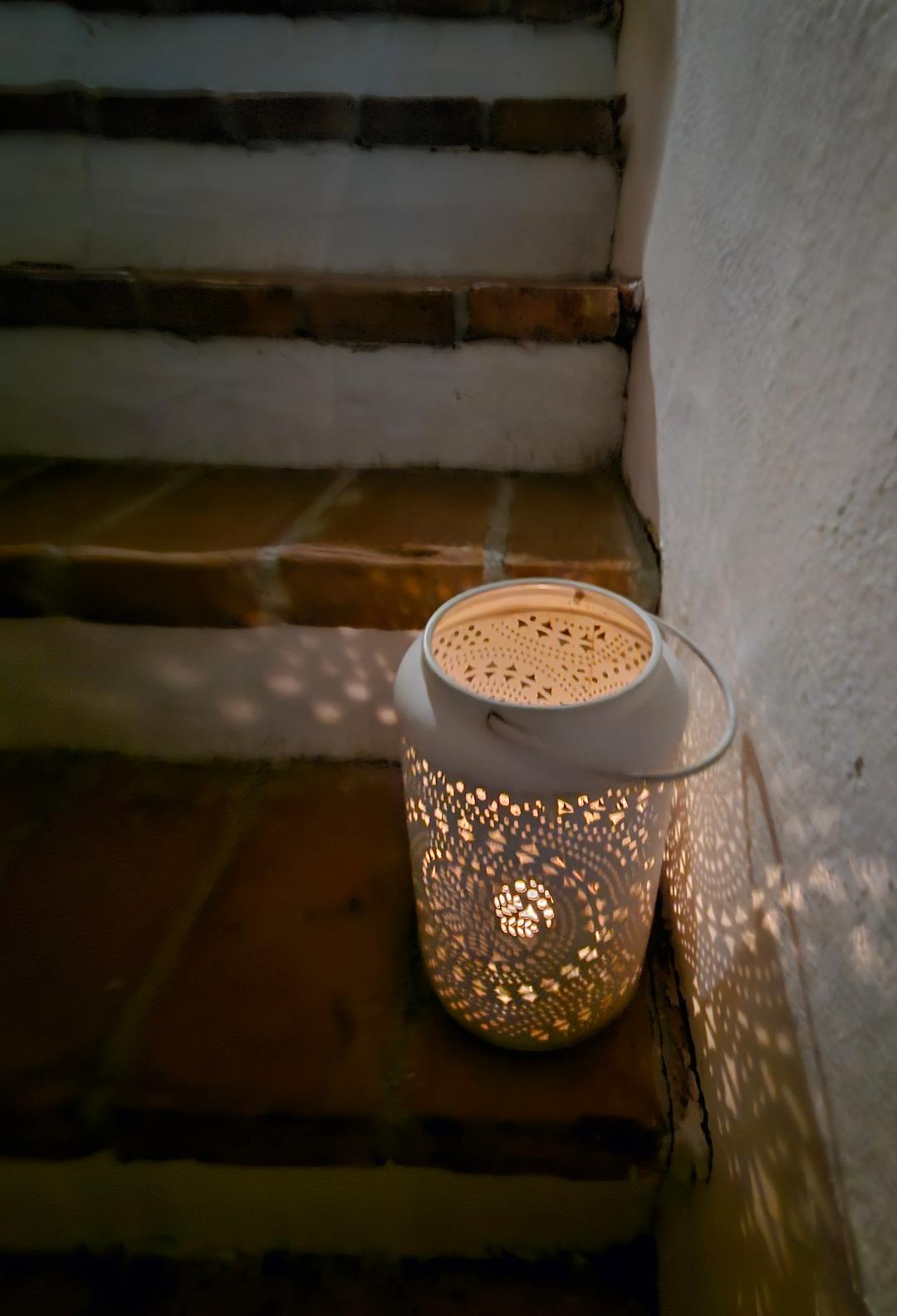
I want to wish a joyous celebration to anyone celebrating HANUKKAH.Still a few more candles to go. Lighting the candles in light of what has happened in recent days, is a reminder to try to bring hope and resilience, even in dark times.
And to everyone else, a very MERRY CHRISTMAS!
Selfie with Santa
As 2026 draws closer, may we step into it with courage, clarity, and compassion.
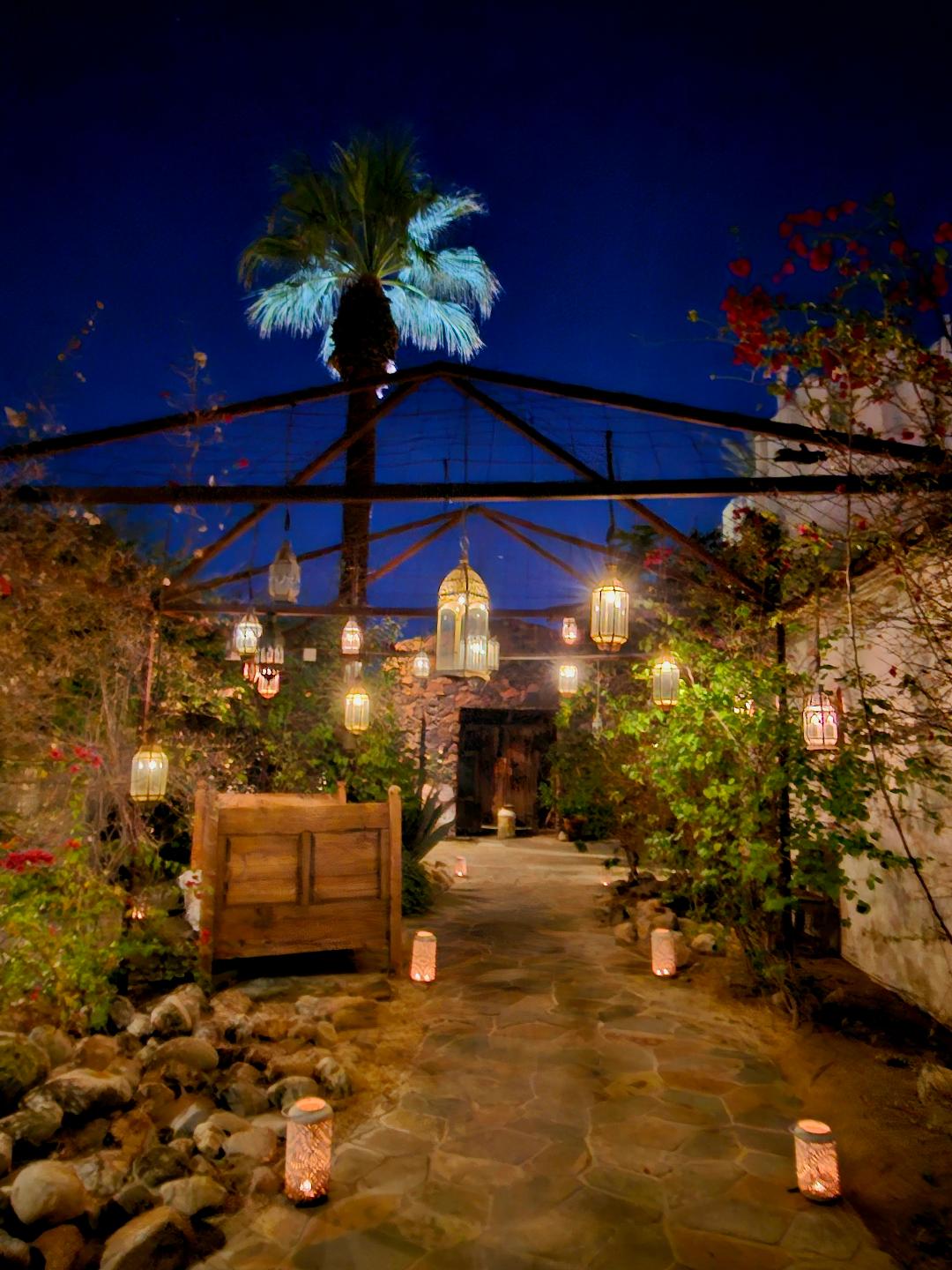
Every year in Palm Springs around the holidays, a handful of cool, distinctive boutique hotels, otherwise referred to as “Inns” open their doors to welcome visitors for a “walk of the Inns” experience. It’s where each footstep carries with it a little story.
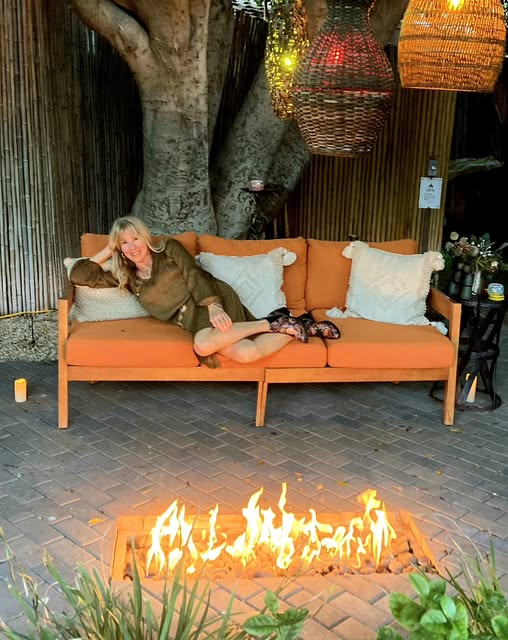
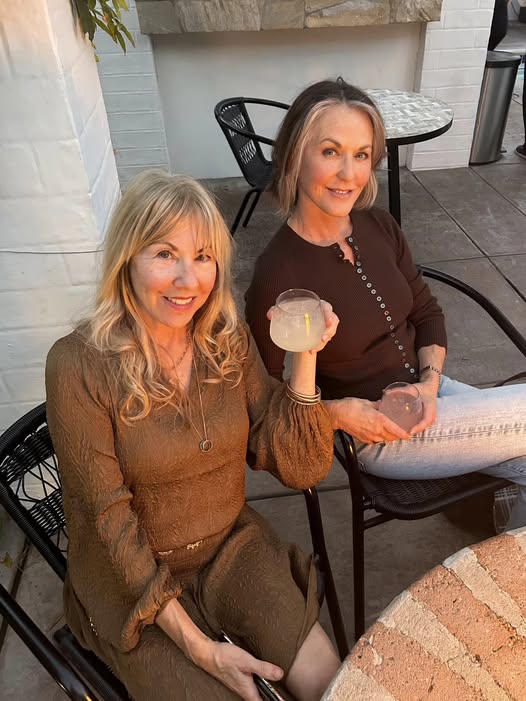
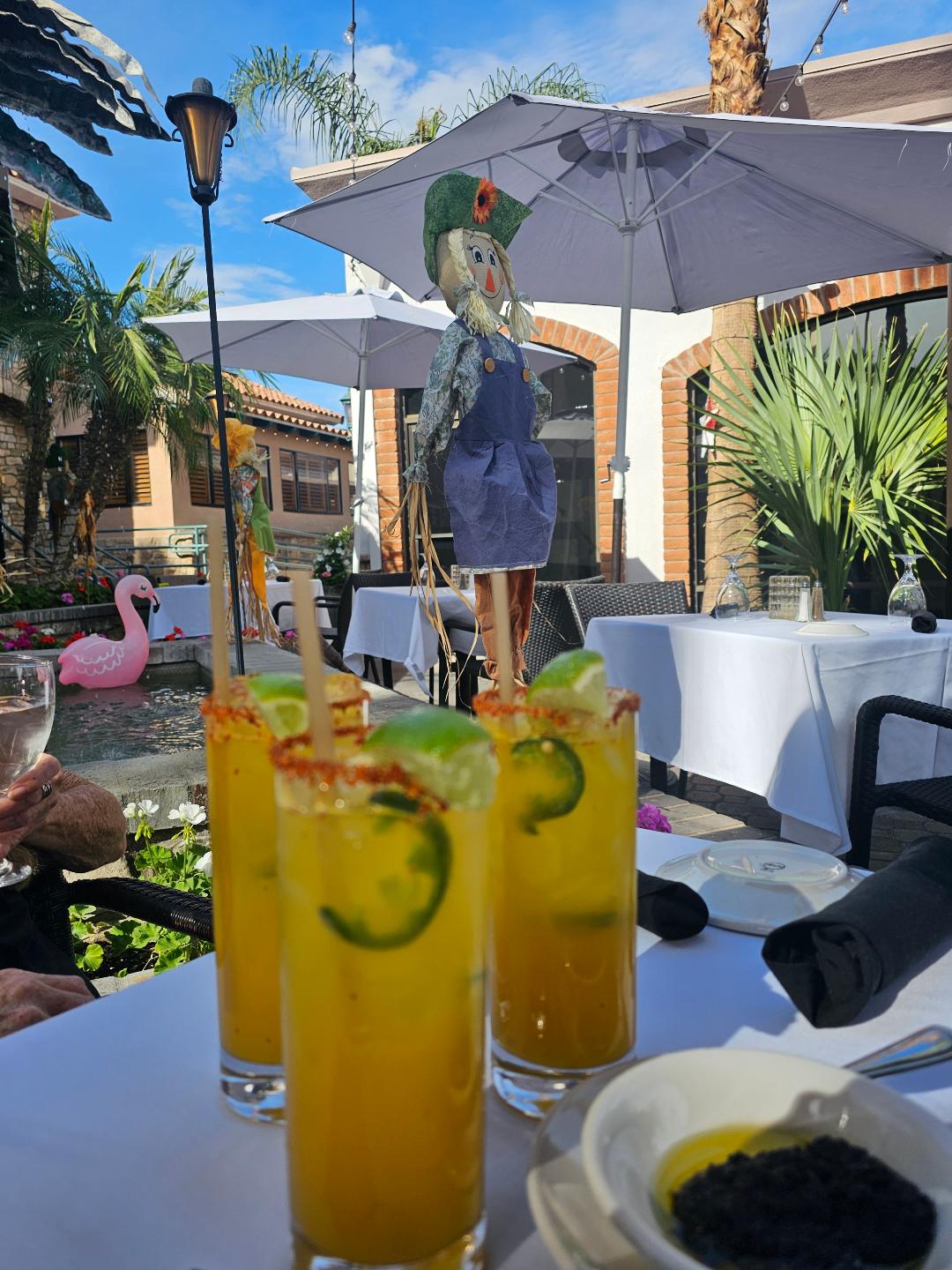
Some of the Inns offer warm cookies and cider and you can hang out at one Inn or go all Inn– each one is unique. We had a cocktail at one place because we didn’t want to leave.
I love how ambiance can evoke exotic, modern or vintage vibes. It’s an overall feeling of a place. It’s deeply associated with atmosphere, mood, and even spiritual perception. Like when you’re still in Palm Springs (not a bad place to begin with) but feel as if you’re in Morocco. It’s not just decoration or lighting; it’s the invisible quality that shapes how people experience a space. Atmosphere is the external setup (think lighting, sound, scent), while ambiance is the internal response the feeling those elements create.
At Talavera. Photo: Tammy Preast
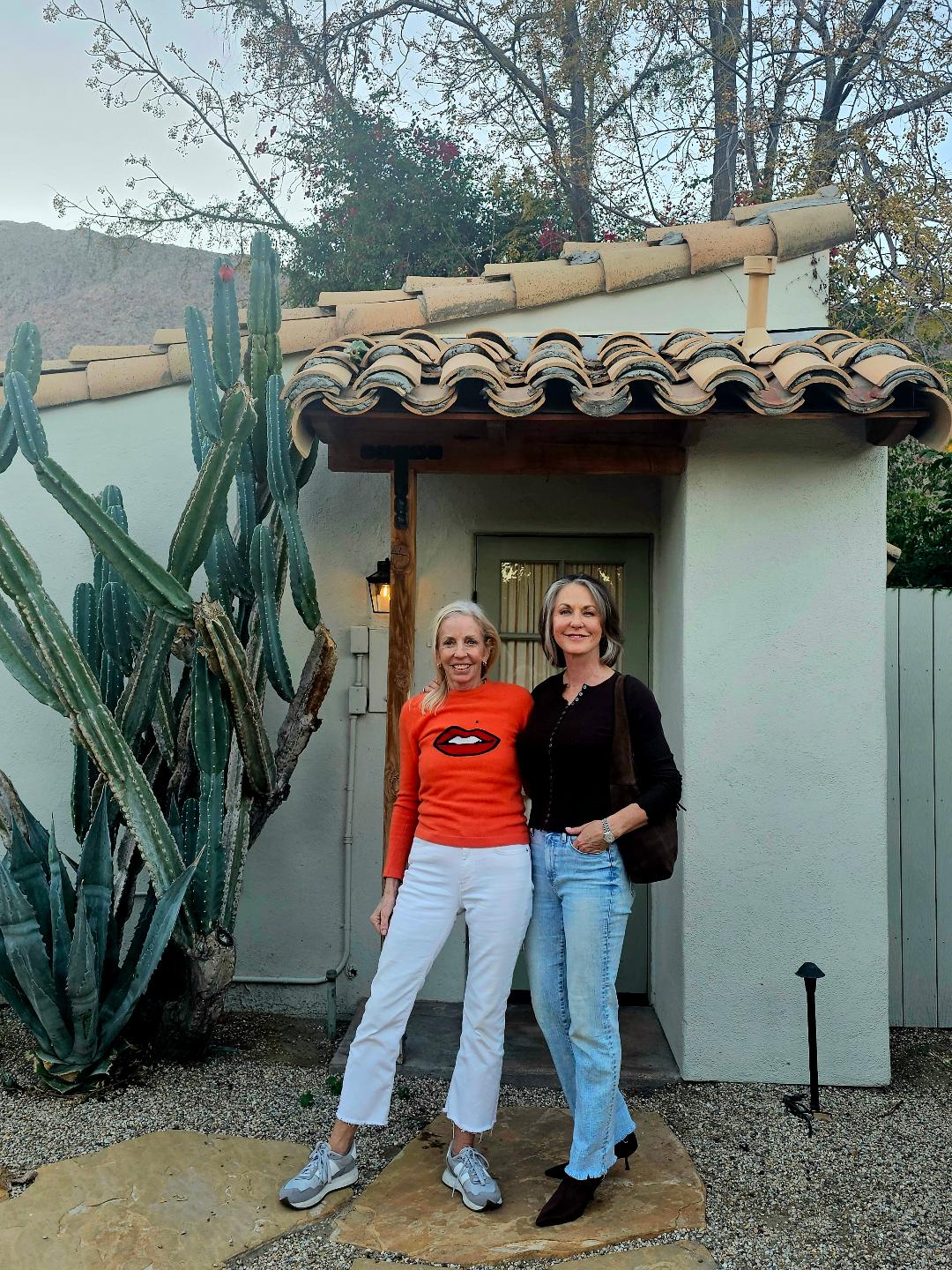
Until last week, I thought I’d already seen as I would all the hidden gems in this resort town. There were four places on the list that I’d never been to before and two I’d never even heard of before. From mid-century modern to Mediterranean, it’s a great way to experience the spectacular architecture that makes Palm Springs famous. Better to do so with friends. I went with Tammy & Patricia. And it’s so nice around the holidays especially because decorations are plentiful and people are generally in better moods. Places and description of each place are at bottom of the page with link to websites. I put asterisks by the ones that were my first visit.
Patricia (L) + Tammy
We ended our walk at the Palm Springs Woman’s Club where there was a silent auction and bake sale complete with a bunch of exceptional looking gingerbread houses. Then burgers at The Avalon – not on the list this time, but a lovely boutique hotel and spot to sit and dine.
The INN list:
Casa Cody
The oldest operating hotel in Palm Springs, it was founded by Buffalo Bill Cody’s libertine cousin, Harriet. Charming and beautiful, Casa Cody boasts 2 pools, a charming eatery, and historical adobe buildings. It’s a favorite.
This Boho chic boutique hotel offers an intimate escape that is perfect for romance, personal retreats, and solo travelers. Every room boasts a private hot tub.
Reimagined in 2023, but with a history that stretches back over 100 years. Originally built in 1921, the hotel has been welcoming guests for a century, including Lucille Ball and Desi Arnaz, who frequented the hotel with their family.
Located at the base of the San Jacinto Mountains, in Downtown Palm Springs, Korakia offers a unique and seductive retreat from day to day reality. The historic property says it “blends the silhouette of Tangier with a whisper of the Mediterranean,” and is the perfect escape.
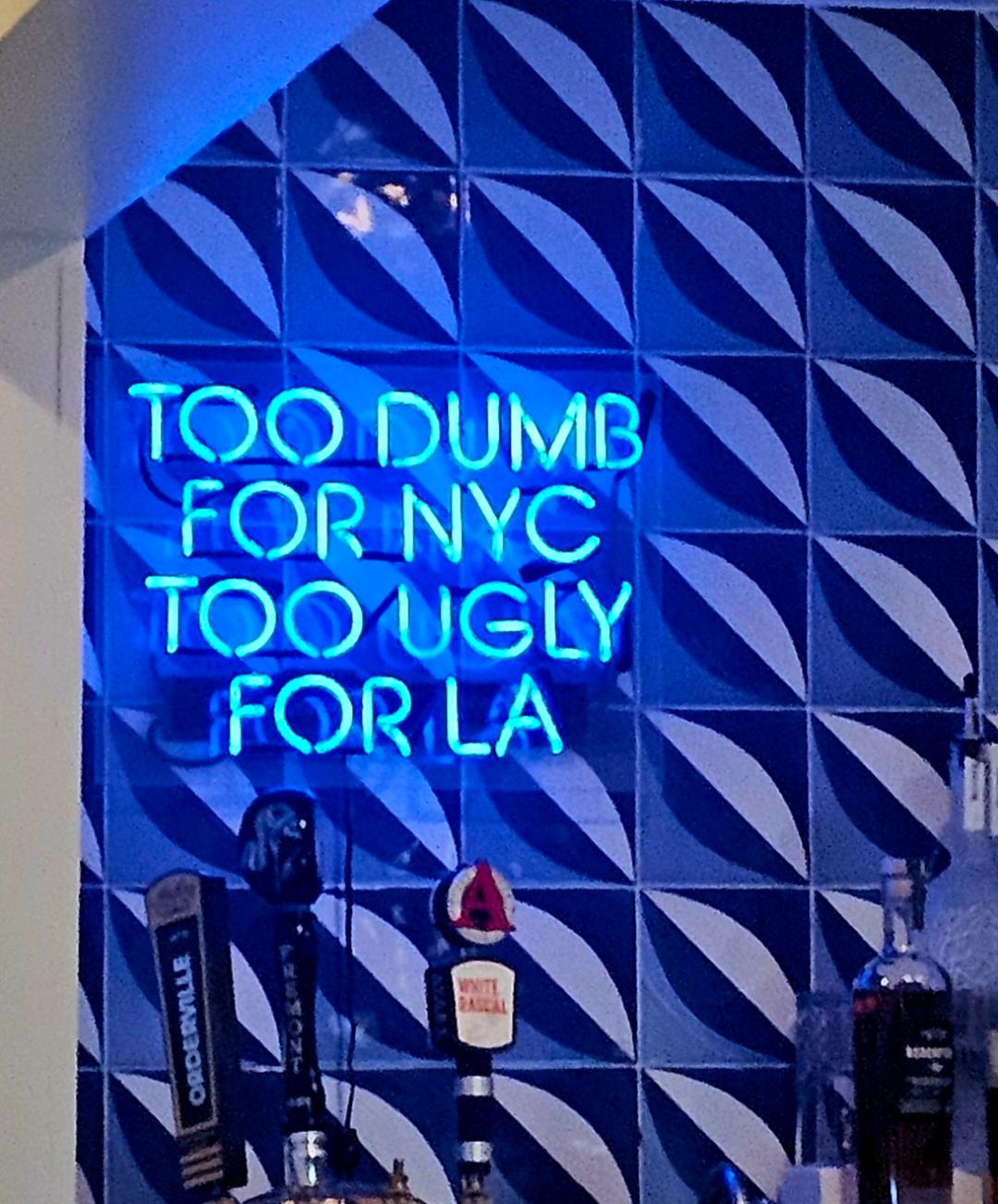
Reimagined by interior designer Mark D. Sikes, the property features mid-century inspired elements combined with a communal atmosphere and whimsical edge. The design centers around Gio Ponti inspired tile-work in the bar and artwork throughout. They host a monthly fried chicken communal dinner and taco Tuesdays.
The Ingleside Estate went back to its roots. In the 1920s, the Spanish Colonial Revival-style property was owned by a wealthy automaker, but it was transformed in the 1930s by Palm Springs pioneer Ruth Hardy. Fun fact: I met late-owner Mel Haber at a party in Melvyn’s lounge honoring Frank Sinatra’s 100th birthday. Of course Frank wasn’t there, but a lot of other interesting people who knew and/or worked with him were, and the martinis were good.
Embodying the luxury of life in Palm Springs, this impressive property is dated to the 1920’s and ’30’s and was once the Palm Springs home of Hollywood screen legend and award-winning actress Gloria Swanson. This one was on the list but the doors were closed (not sure why – maybe it was rented out to people who didn’t want people shlepping through the property – but you can make sure I’ll go back).
It pays to be informed. Discovering what’s really in your glass will make you more aware of what goes from vineyard to bottle.
Since I’m in California for 5 months a year, I’ve sampled a lot of wine from here. Over time I’ve discovered that there’s something like 70 additives (such as sugar, concentrates, color, tannins, etc.) that can be legally added to wine because U.S. regulations allow over 60 approved additives in winemaking, and vineyards frequently use herbicides like glyphosate to control weeds. These practices aim to stabilize, preserve, and standardize wine, but they also introduce residues and additives that natural or “clean” wine brands avoid.
Wellness is very important now, and consumers care what they put in their bodies. There should be more transparency. People are starting to drink less, but they can also drink better.
The U.S. Alcohol and Tobacco Tax and Trade Bureau (TTB) authorizes more than 60 substances for winemaking. These include stabilizers, preservatives, clarifying agents, and flavor enhancers such as sulfur dioxide, albumen (egg whites), and other compounds. Many consumers are unaware of these chemicals because wine labels don’t list additives. Advocates of “clean wine” argue that these substances compromise health and authenticity.
Glyphosate, the active ingredient in Roundup, is widely used in California vineyards to control weeds. Studies have found glyphosate residues even in organic-labeled wines, due to drift from nearby conventional farms.
Large-scale, commercial wineries almost always use labs. Small-scale natural winemakers often skip lab testing.They rely on traditional methods, sensory evaluation (taste, smell, sight), and minimal intervention. Large-scale producers often rely on additives to ensure consistency across batches. This includes chemicals for color correction, tannin adjustment, and preventing spoilage. Smaller “natural” winemakers typically avoid these interventions.
Even when vineyards try to minimize chemical use, surrounding agricultural activity can lead to contamination. Glyphosate and arsenic residues have been detected in multiple California wine brands.
So there you go. Better to be informed than clueless.
If you’re looking for wines with the least chemicals, focus on organic and biodynamic producers in Europe (France, Italy, Spain) & South America (Chile, Argentina), plus New Zealand.
These regions combine tradition, regulation, and climate advantages to produce wines with fewer additives and cleaner profiles.
In Canada, we’re lucky to have Summerhill/Pyramid winery in Kelowna (Okanagan), British Columbia. Probably the “cleanest” wine you can drink (link below).
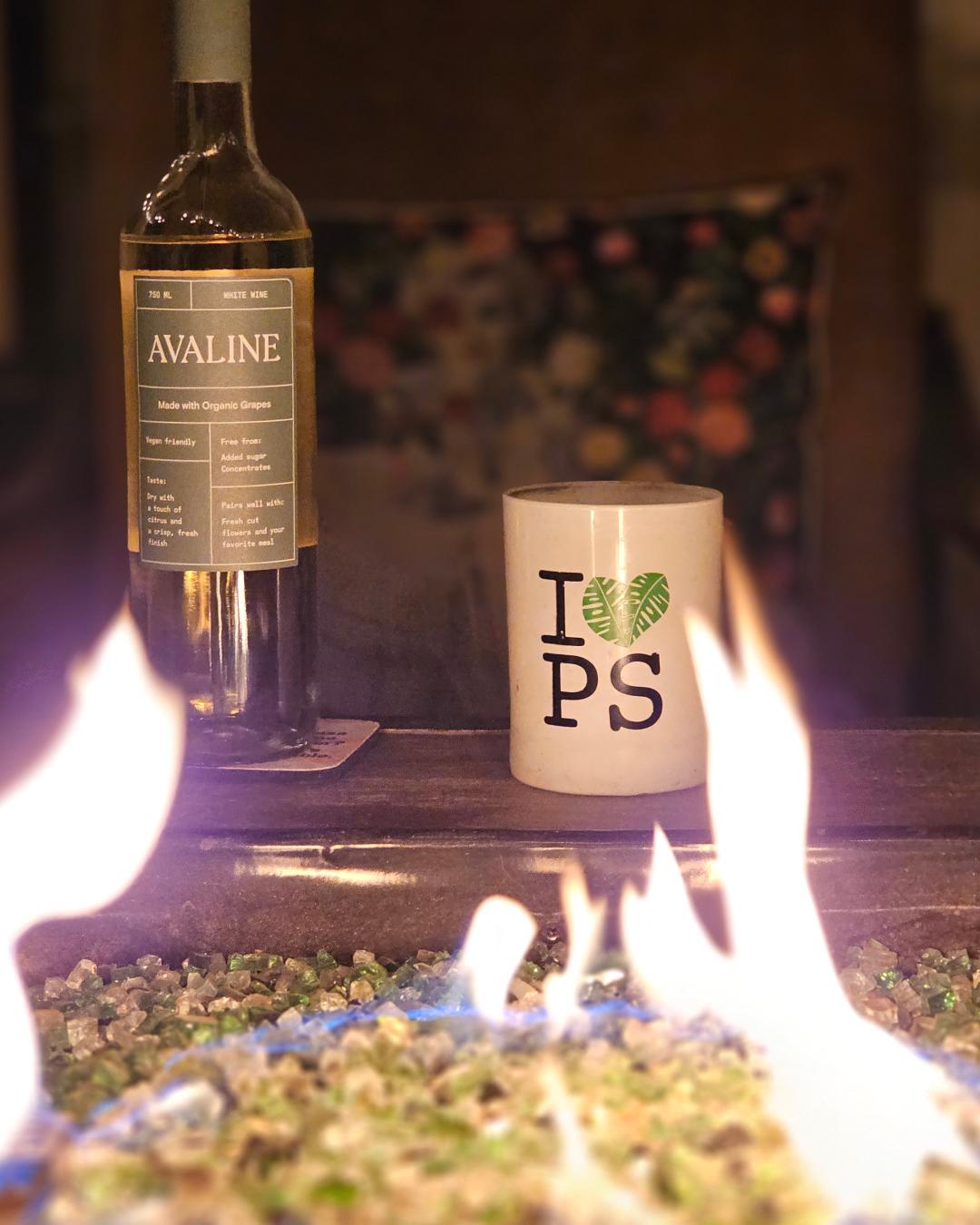
After doing my research, I recently bought a bottle of Avaline white wine. Although it’s bottled in California, I was impressed to find out that the founders traveled to France and Spain to meet with the wine producers who were using organically certified grapes, no additives and were vegan friendly.
Avaline was created to make organic, delicious wine more accessible and transparent to consumers. Bonus is it tastes good and the price point is very reasonable. None of their still wines contain sugar, plus they list all the *ingredients. I’ll be purchasing more. It might even become my go-to while here. At present, their wine is not available in Canada.
Fun Fact: the brand is owned by actress and author Cameron Diaz, and entrepreneur, Katherine Power when they discovered they had something in common – a love of good wine. At the same time, they also learned they had a common frustration – the lack of transparency on wine labels. Forbes article below:
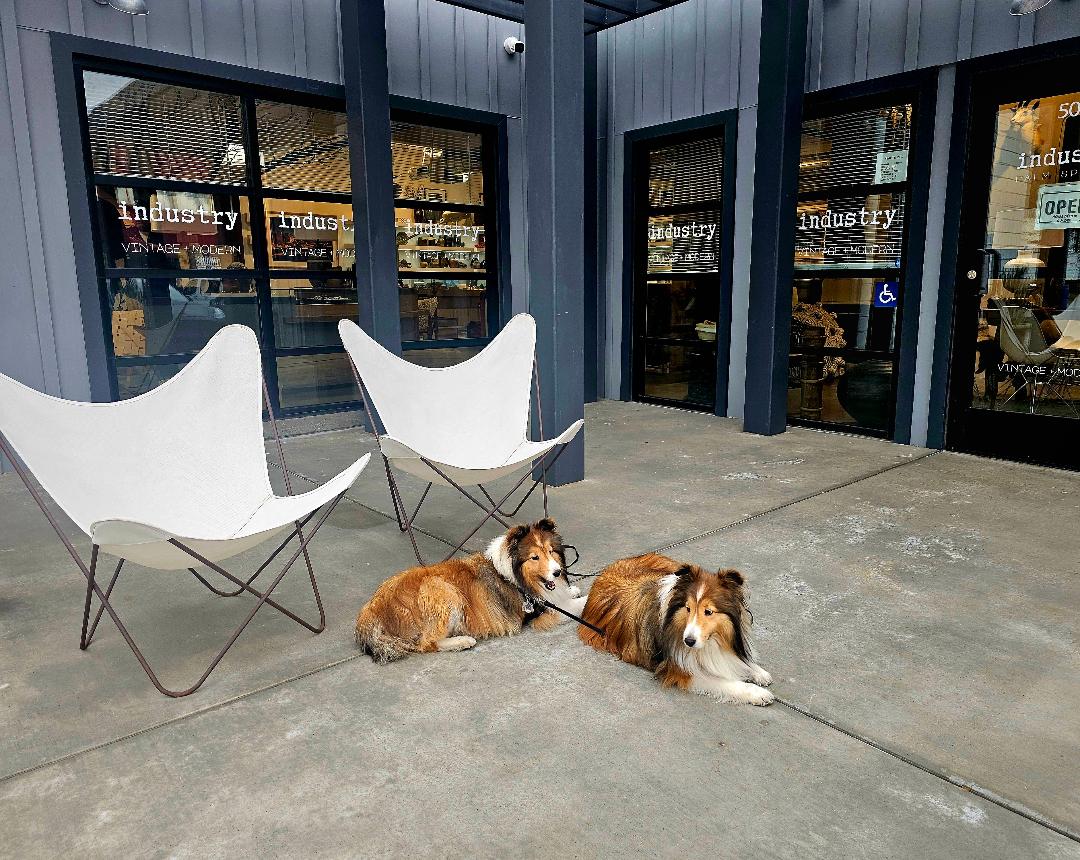
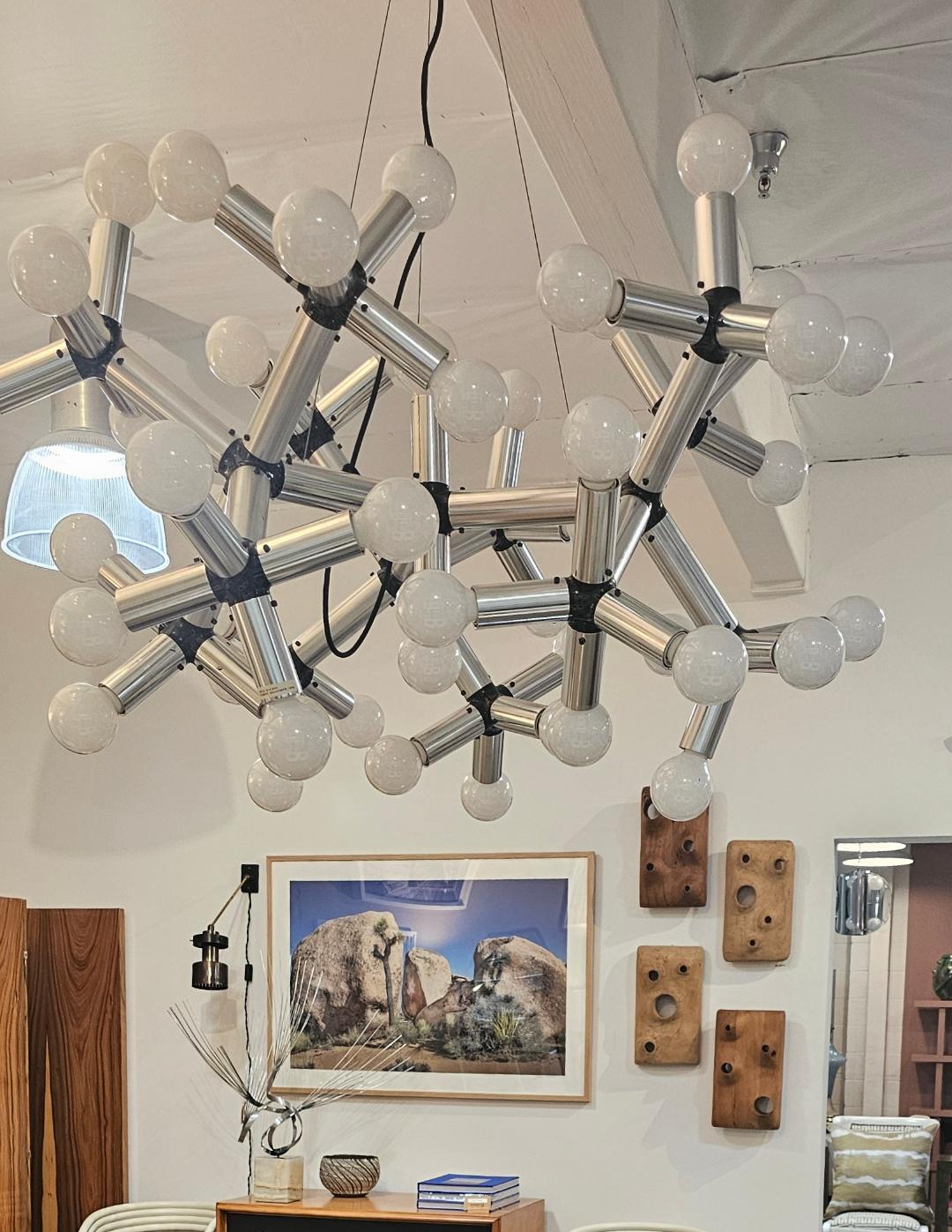
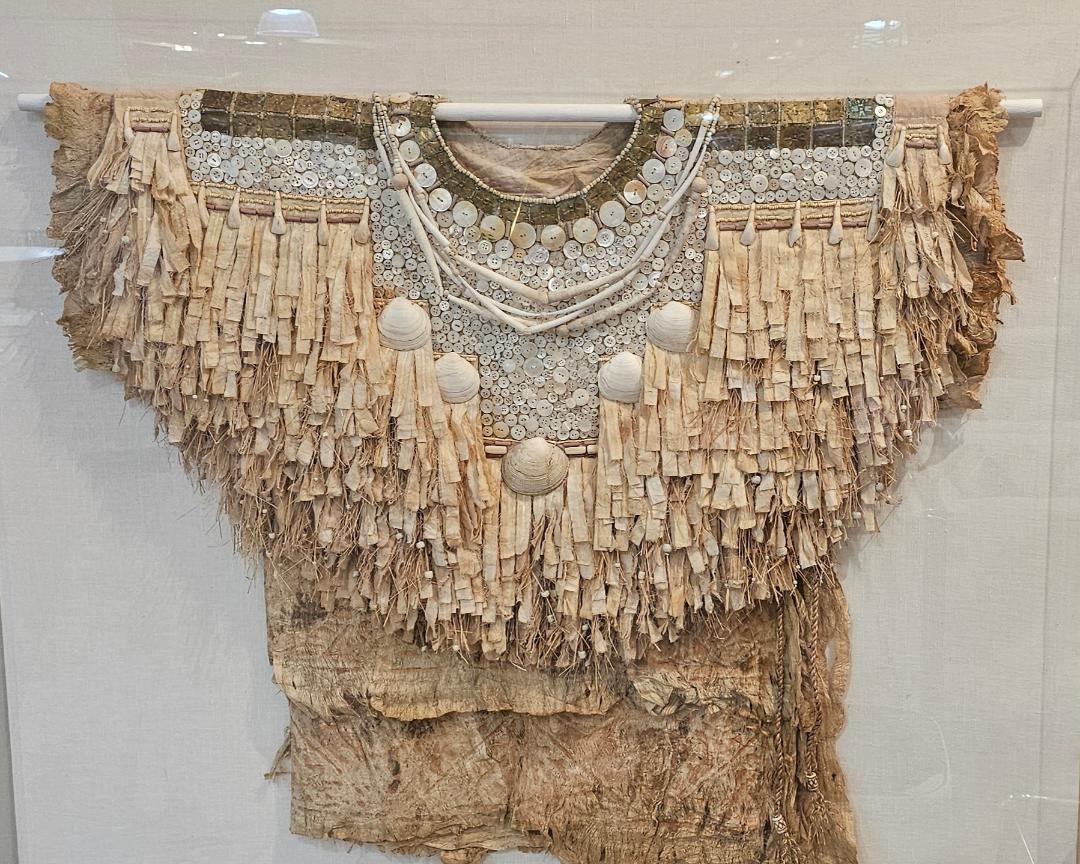
Amongst the cluster of antique shops and galleries located in the Sunny Dunes neighborhood of Palm Springs, there is a vintage finds and modern design store you won’t want to miss.
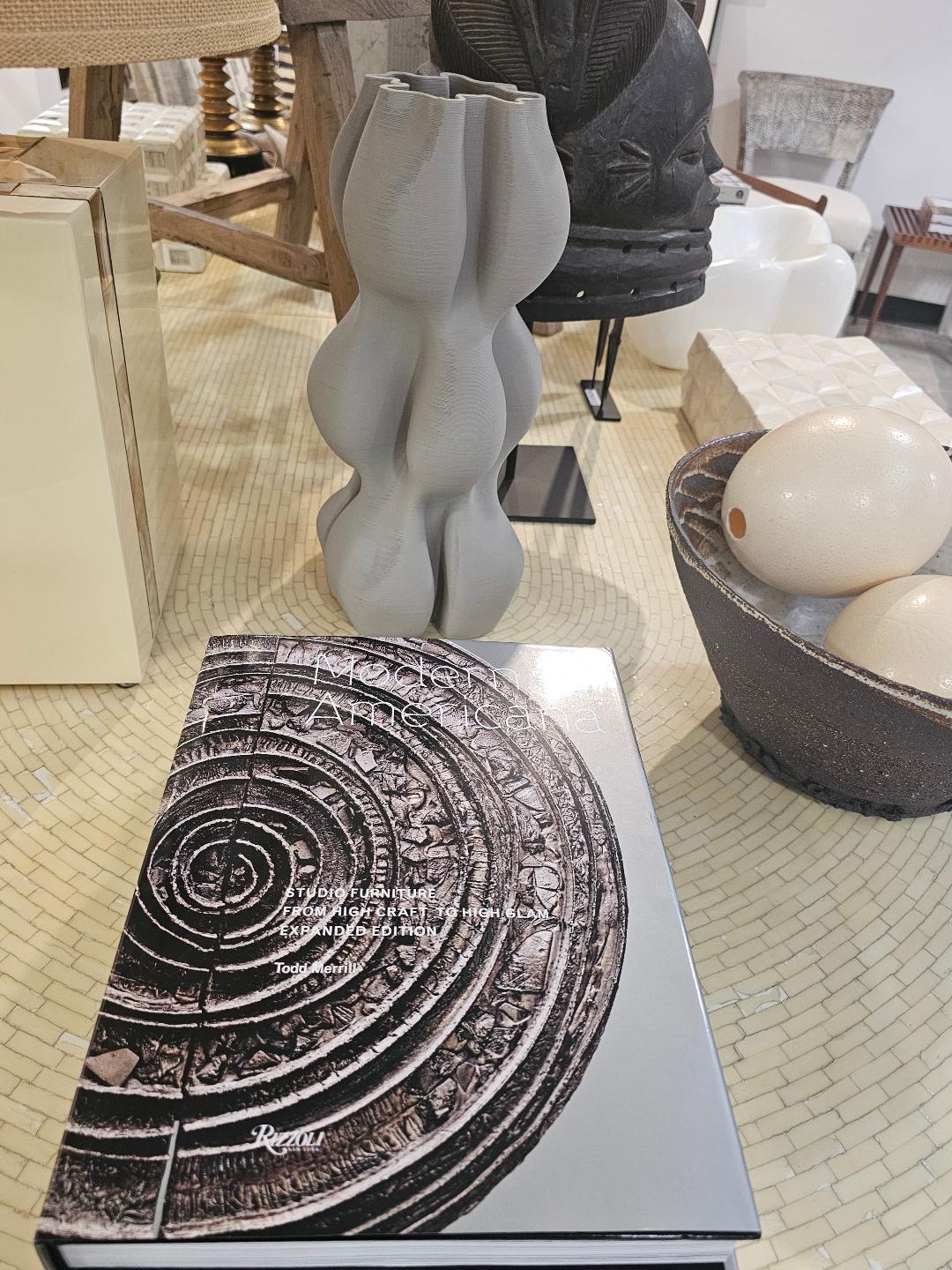
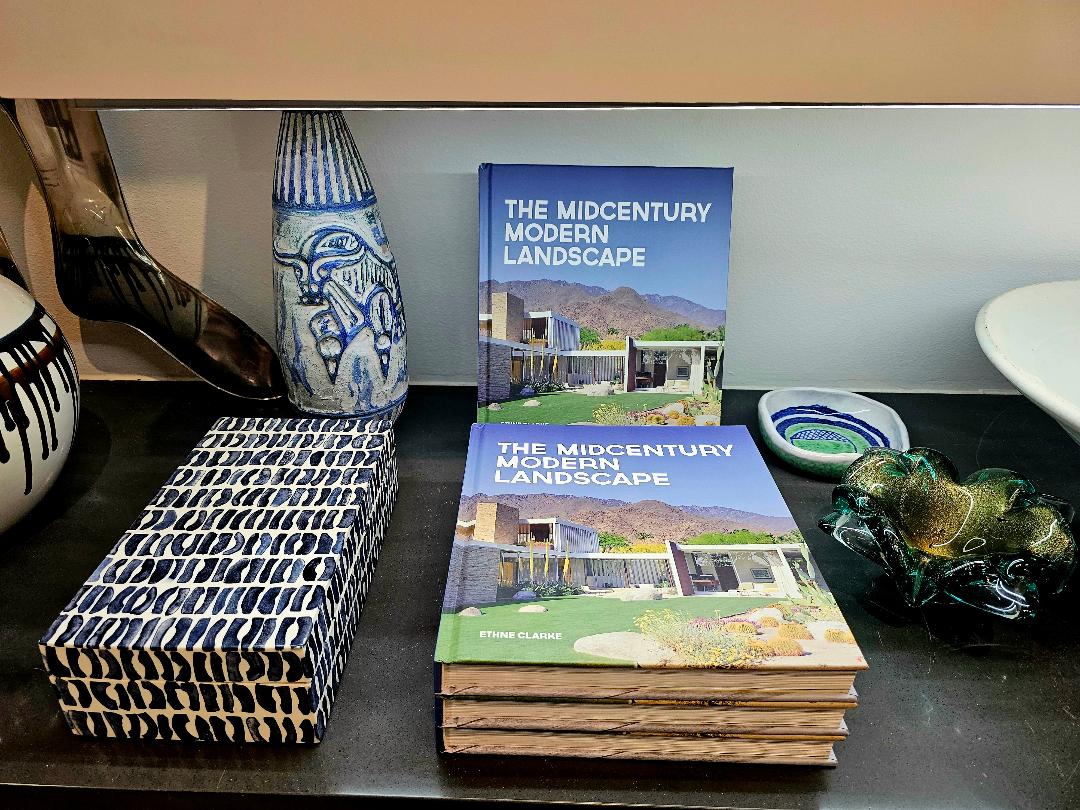
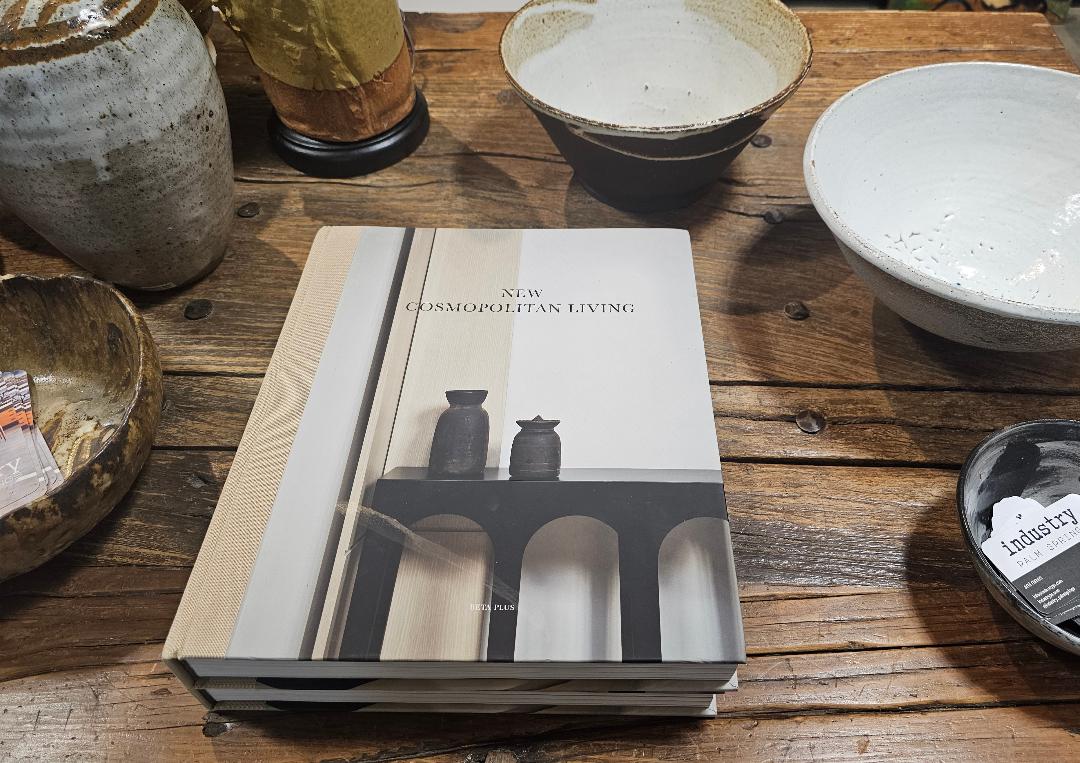
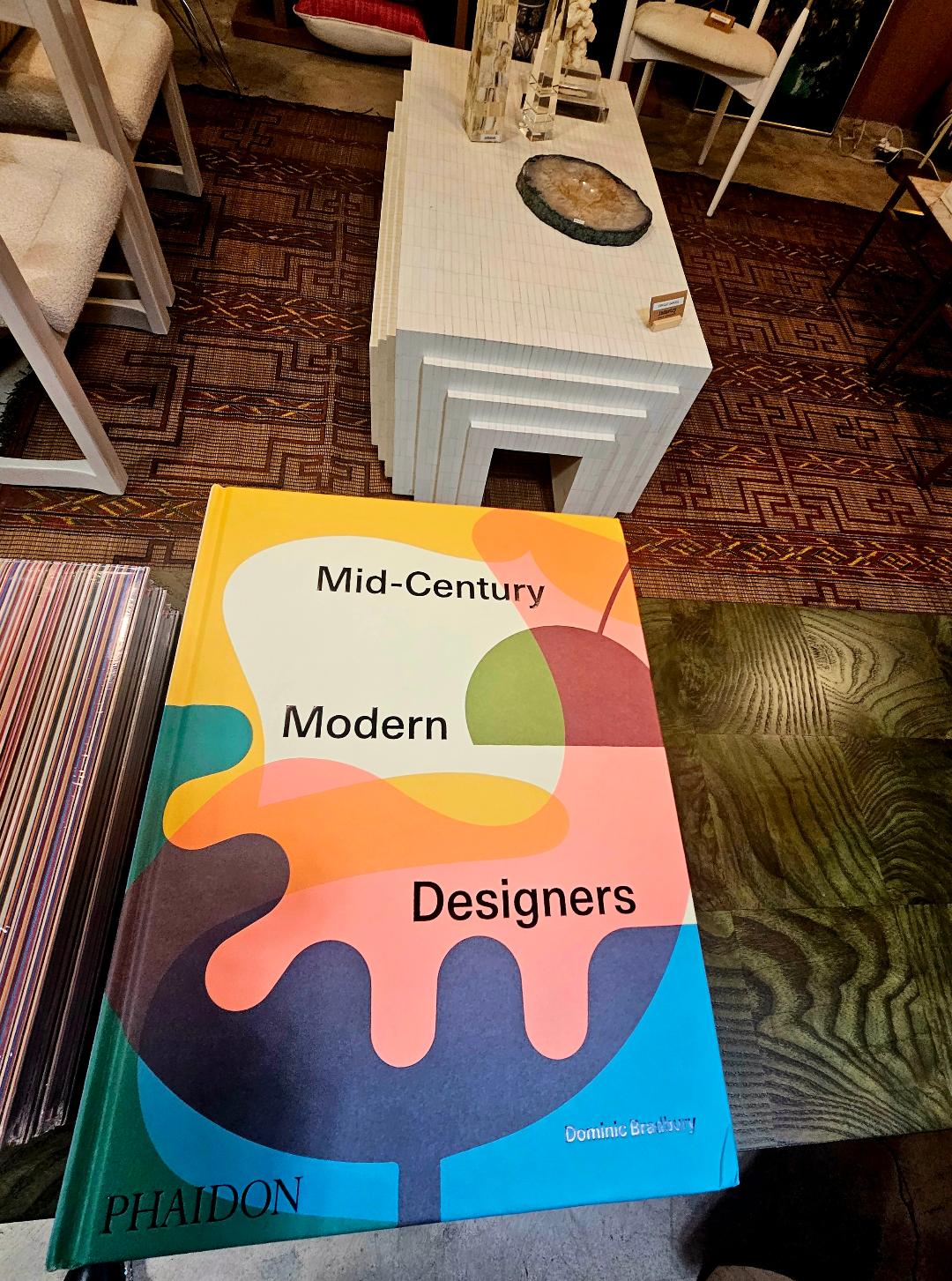
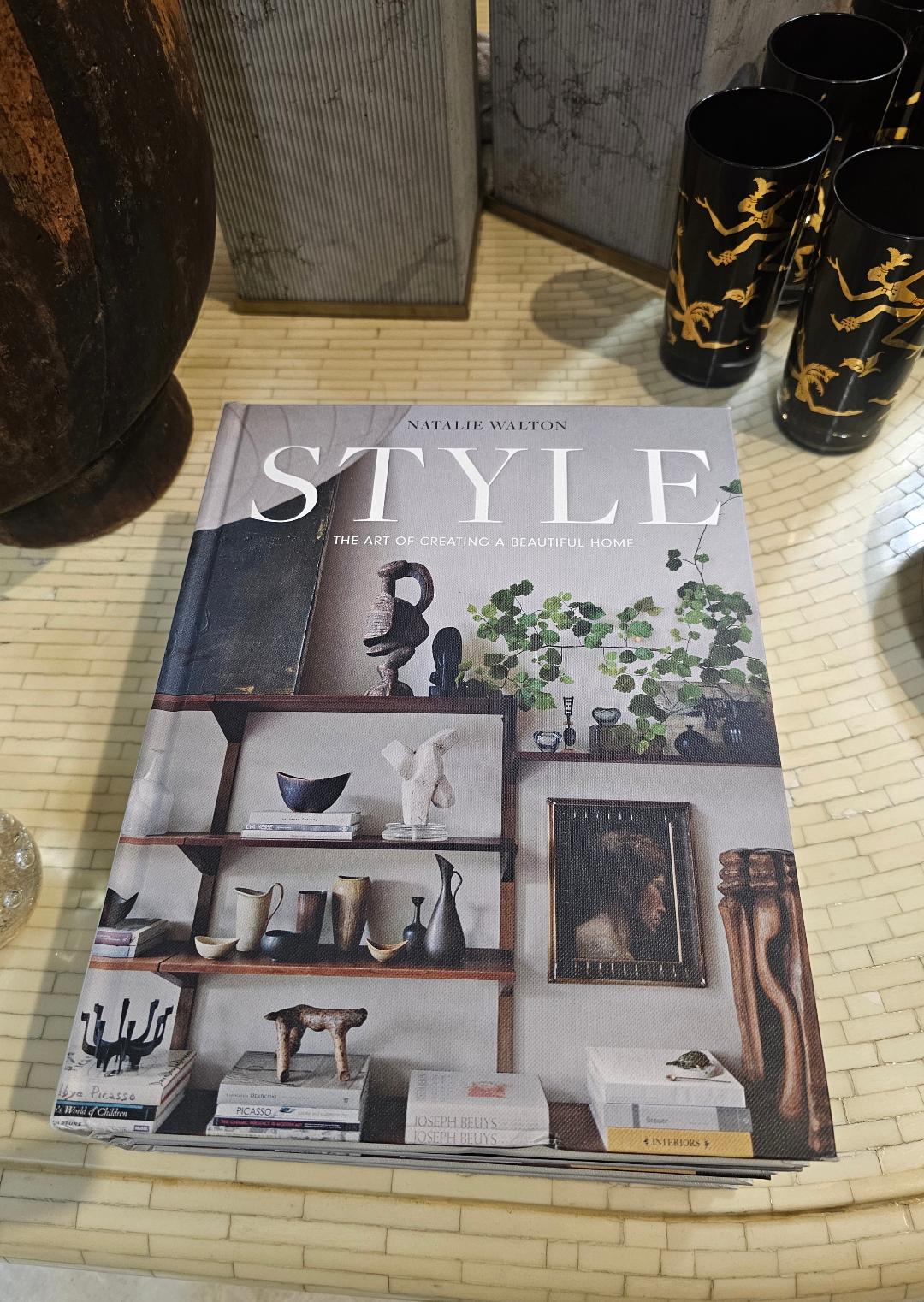
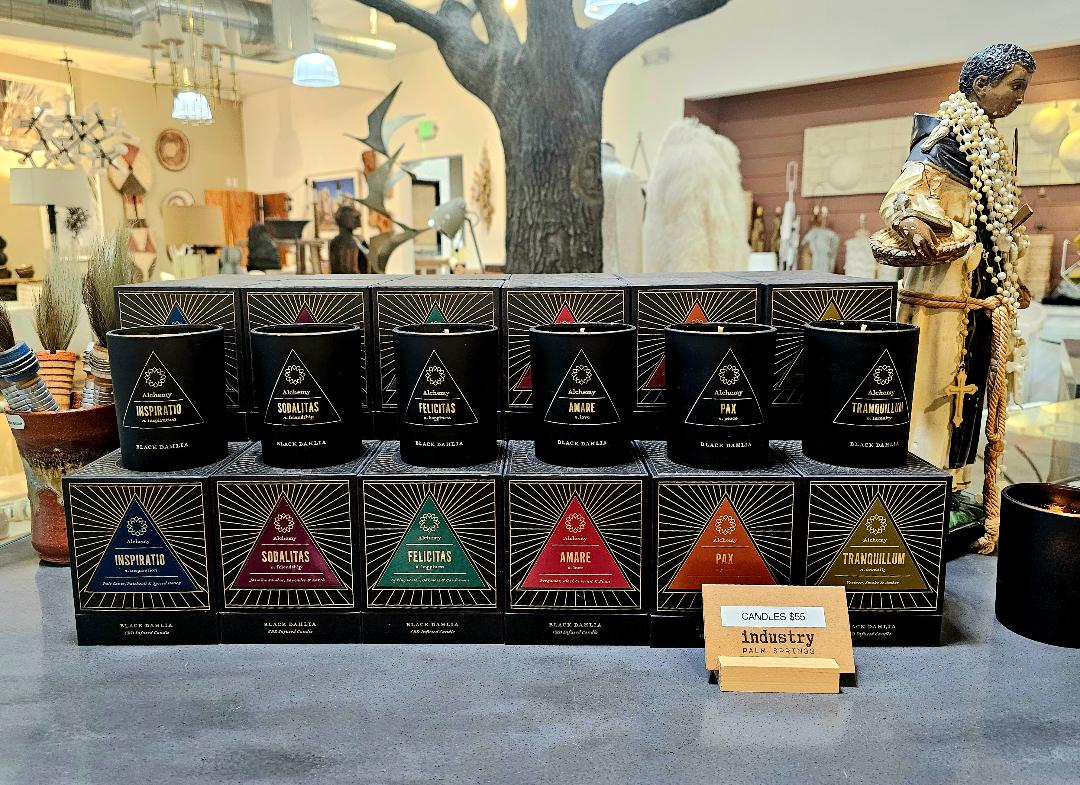
When you step inside industry, this unique home design store might make you feel like your home is missing a certain je ne sais quoi. Perhaps you’re missing a tree? The almost one-year-old store is basically a curated mix of mid-century, vintage, and modern pieces that owners Arel & Eric have picked up from their various worldwide travels. Let the recent pics I took speak for themselves.
Helps to have a good eye and a knack for quality! It’s almost like walking into a museum.
Even the candles and coffee table books are a cut above. Walking through there I wished I had more coffee tables.
It’s always nice when we start a new month on a Monday.
It’s the rare alignment of beginnings: a new week, a new month, and the final chapter of the year. Add to that the extra bonus (for those shoppers who didn’t get enough of Black Friday sales) it’s cyber Monday!
The calendar feels like a doorway, swinging open to both endings and beginnings at once. Each tick of the clock whispers: this is the start of the finish, the prologue to the finale.
And yet, there’s joy in it – the sparkle of holiday lights, the hum of anticipation, the quiet thrill of knowing that 2025 is winding down, making space for something new. Something fresh.
It’s not just Monday, not just December, but the beginning of the end, and the end of the beginning.
A time for reflection, renewal, and readiness to embrace it all.
It’s a cult world after all. Have you seen the signs? I mean,someone just asked me if I did all my Christmas shopping. Shopping is no longer my Religion.Advertising is targeting the most vulnerable by creating urgency, excitement, and a sense of scarcity and making us feel like we’ll miss out if we don’t buy now.
Unfollowing social cues is hard for a lot of people because it has been so ingrained in us that the day after Thanksgiving, you go to the stores and you go shopping. Same with Boxing day – day after Christmas in Canada and other commonwealth countries.
Ads emphasize limited-time offers, doorbusters, and while supplies last messaging. This psychological trigger makes people act quickly, fearing they’ll lose the deal.
Brands start promoting weeks in advance with “sneak peeks” and countdowns. This builds anticipation and conditions shoppers to plan purchases around the event. I mean, you can almost go broke with all the money you end up saving!
I’ve been a victim of this too. I’ve recently ordered a few things online during way-too-earlyBlack Friday sales (isn’t Black Friday supposed to follow Thursday Thanksgiving??). Anyway, I’m very careful not to get carried away. I purchased only a few items that I would’ve purchased anyway. A little discount and saving on shipping in some instances is okay so I was happy to not have gone overboard spending too much. One item is actually practical. But I’m very aware of the pull to spend, spend and I’m pretty much over itokay…I’m getting there. I’m tired of the constant bombardment of advertising.
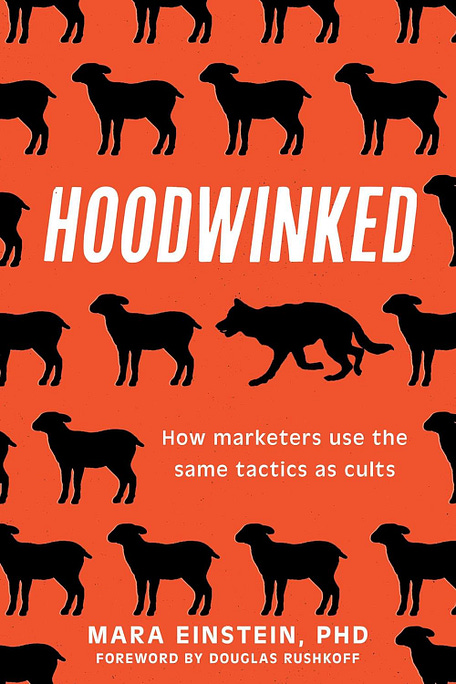
So…funnily enough I came across this interview on the subject. A new book called *Hoodwinked is about how brands mirroringcults stems from our lack of community. People are not finding community and belonging in religion, for instance, or in their workplaces. So they’re turning to brands.
Amy Odell interviews Dr. Mara Einstein on how marketers use the same tactics as cults. (YouTube video at bottom).
Brands came in to fill this void [because] we don’t have the cultural and social institutions that we used to have that became means for us to form our identity. Religion used to be something that people connected to and that was very much a part of who they were. Every Sunday you went to church or Saturday you went to temple or you went to mosque. Or your job – people worked for IBM for 30 years.
Most people don’t have that anymore. And so brands came in to fill the void. They [started] purpose marketing, right? Brands began to connect themselves to causes. Some companies do it better than others. Patagonia is very much connected to sustainability. Rihanna’s brand Fenty is very much connected to this idea of being all-inclusive. When people go to the store they think, Do I want to connect myself with Fenty and Rihanna and this idea of being part of a group of people, or do I want to buy a product by a brand like Maybelline that doesn’t mean anything? (FYI – I like Fenty eyebrow pencil and lipstick – bought without realizing the brand belonged to Rihanna…justsaying).
How exactly are brands like cults?
Cults lure people in with deception. So what cults do is invite you to have a free dinner, have a free meditation class. You start to connect with the people and you come for another dinner and another yoga class, then they upsell you to take another class, and eventually you become part of the group.
Before digital spaces, cults had to be in far off places, like Guyana for Jonestown. But because of digital, we are separated from people who disagree with us, and so we have cult-like spaces now online. This replicates what we talk about as the marketing funnel – at the top of the marketing funnel, you introduce your product to people, you make them aware of it. Then the next part of the funnel is to convert. It’s really funny that we use the word convert when you buy because of the connection to religion.
Hermès has this whole racket with Birkin bags, which you see talked about online endlessly. People make videos of trying to go and buy bags and getting rejected. Hermès sells bags to people who spend a certain amount on other stuff. Sometimes when they offer you a bag, it might not be the bag that you want – it might be a big red bag. They’re like, “Well, this is the bag I have for you today.” You can take it or leave it, and maybe they’ll call you again or maybe they won’t. Hermes is like a cult, right?
Sidenote from GWWBK – The Bag that Got Away: years ago in Toronto I placed an order for a Birkin bag at Holt Renfrew. It was a medium size black leather. I forgot all about it until over a year later the store called to tell me my bag had arrived. They said they can only hold it for 24 hours before they call next in line to purchase. I started to get anxiety around it as the bag at that time was around 6K (what a deal! – compared to now it was). I ended up going into the store, held the bag for a few minutes before handing it back to the seller. It wasn’t that I couldn’t afford to buy the bag at that time – it was the pressure that I had to buy it right then and there, and also, I was told how fortunate I was to get the exact bag I originally wanted because people take what they can get. I was turned off by my conclusion that it appeared easier to adopt a baby in a foreign country than to adopt a birkin bag. Also; if I’m being totally honest – I know that Hermès is a quality brand. It emits luxury and status. But I also know that I can buy a beautiful leather handbag and also take a trip to Europe for a lot less. My new bag might not convey the same status but I really, really thought the birkin was not worth that amount of cash. Really! It’s a beautiful bag, but the brainwashing around it was (and still is) disgraceful. I was ashamed that I almost fell prey to the “it bag of the century.” Fast forward to today: you can sell a used Birkin bag for a lot more 6K – they’re still in demand and retain their value. But actually, I was never planning on selling it. Like a house, you only sell if you keep one for yourself!
*The term “hoodwink” dates back to the 16th century. Originally, “hoodwink” literally meant to cover someone’s eyes with a hood or blindfold. Over time, it shifted to a figurative meaning: to blind someone to the truth – hence, to deceive. Yup people – pay attention!
Black Friday: How Fashion Brands Use Cult Tactics on You. Amy Odell interviews Dr. Mara Einstein (on Marketing, Religion and Advertising). Full interview here:
Not totally relevant but I like this quote and was looking for an opportunity to use it somewhere: We are all like penguins on an ice floe, enjoying the view and companionship, until a seal in the water grabs one of us, and the awareness of the danger we all face sets in.
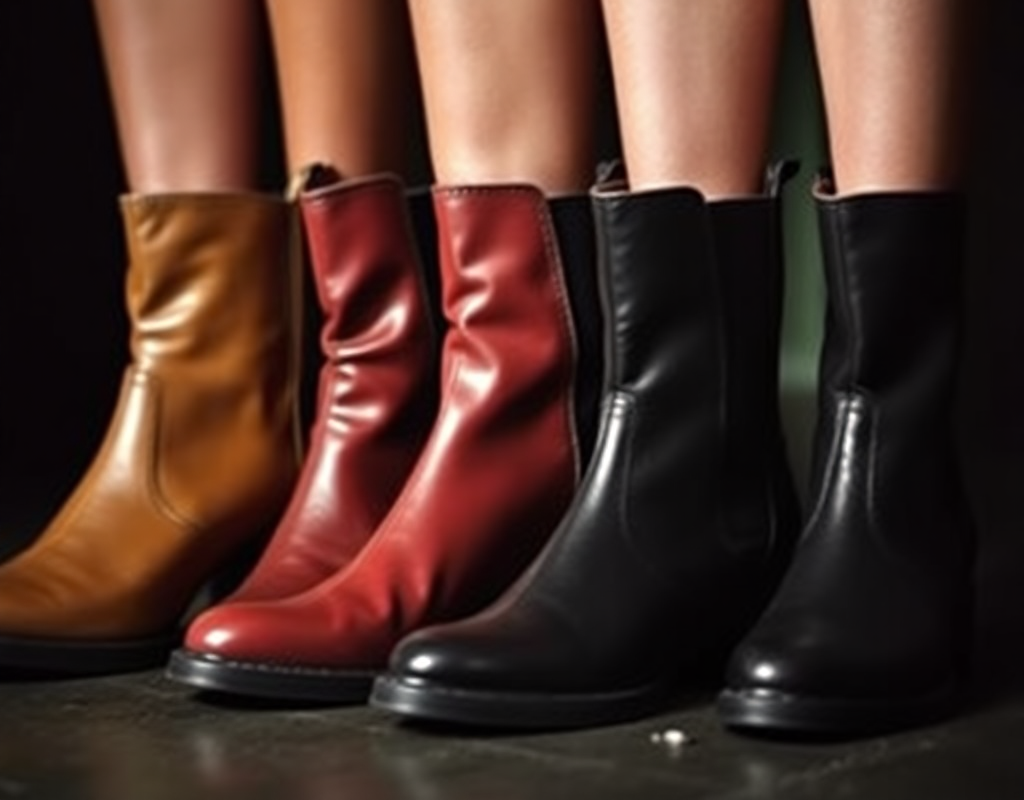
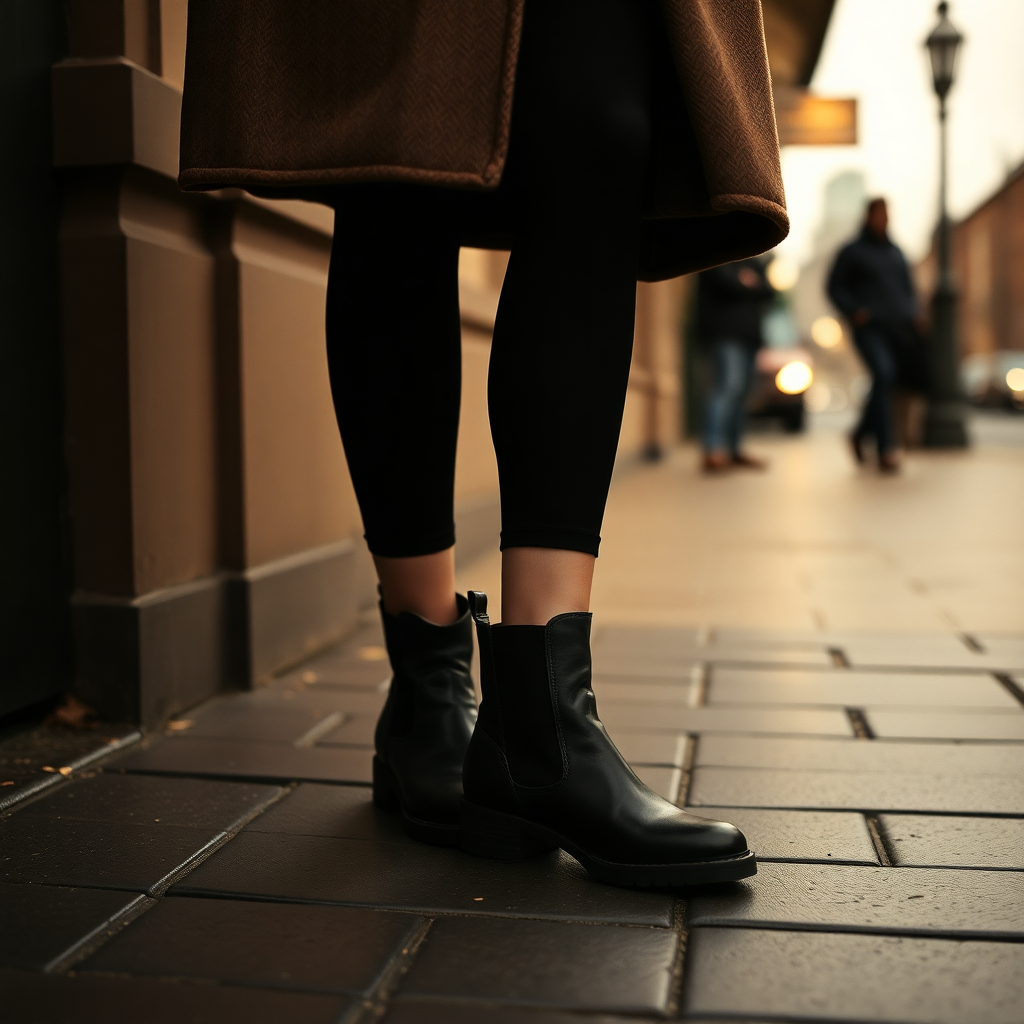
I’m obsessed with boots. I love cowboy boots, knee-high boots, ones that go over-the-knee, biker boots, and a particular style that combines comfort and flexibility with a wide range of outfits.
In a vast universe of boots, there’s a bootie out there that is a must-have in any modern woman’s wardrobe. You probably have a pair and might not even know its name. It’s called the Chelsea and it’s been around for quite some time. I’m a Chelsea girl at heart.
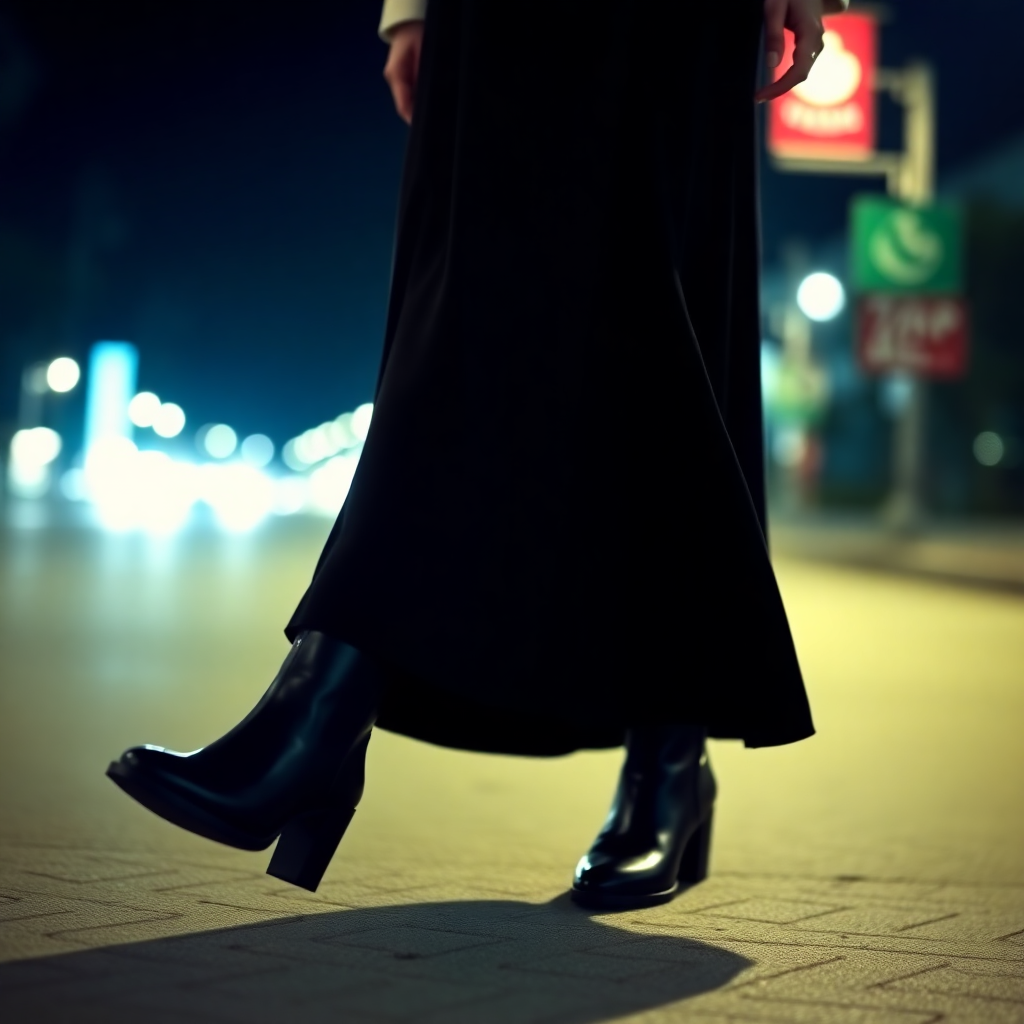
Guess you can say it’s a timeless staple, very versatile as the style is both casual and polished. How many boots can you go from daytime to evening with, that look as good with a pair of jeans as it does with a long skirt or dress pants?
The name applies universally to both men’s and women’s versions. Men’s Chelsea boots often feature slightly chunkier soles or broader silhouettes, but the core design remains the same. They’re popular in both casual and formal menswear – think sleek leather pairs for suits or rugged suede versions for jeans.
The thing is finding the perfect pair. Many of them look the same or very similar. They’re plain enough to not draw too much attention to your foot, but polished enough without all the fuss, and can add just the right amount of edge. They come in all price points too but not all are created equal.
Where did the name come from?
Originally crafted in the Victorian era for Queen Victoria herself, the Chelsea boot was designed to be practical yet elegant. Thanks to its elastic side panels and ankle-high cut, it offered a modern alternative to lace-up boots. Fast forward to the 1960s, and the boot was reborn on the feet of London’s fashion-forward crowd – especially in the Chelsea district, which gave the boot its name. Think Beatles, mod style, and a whole lot of swagger. From royal gardens to rock concerts, they’ve earned a reputation.
I was looking for my perfect pair. No messing around this time. I had a pair that looked great but they wore out over time, and were not all that comfortable. Still, I kept them way past their expiration date.
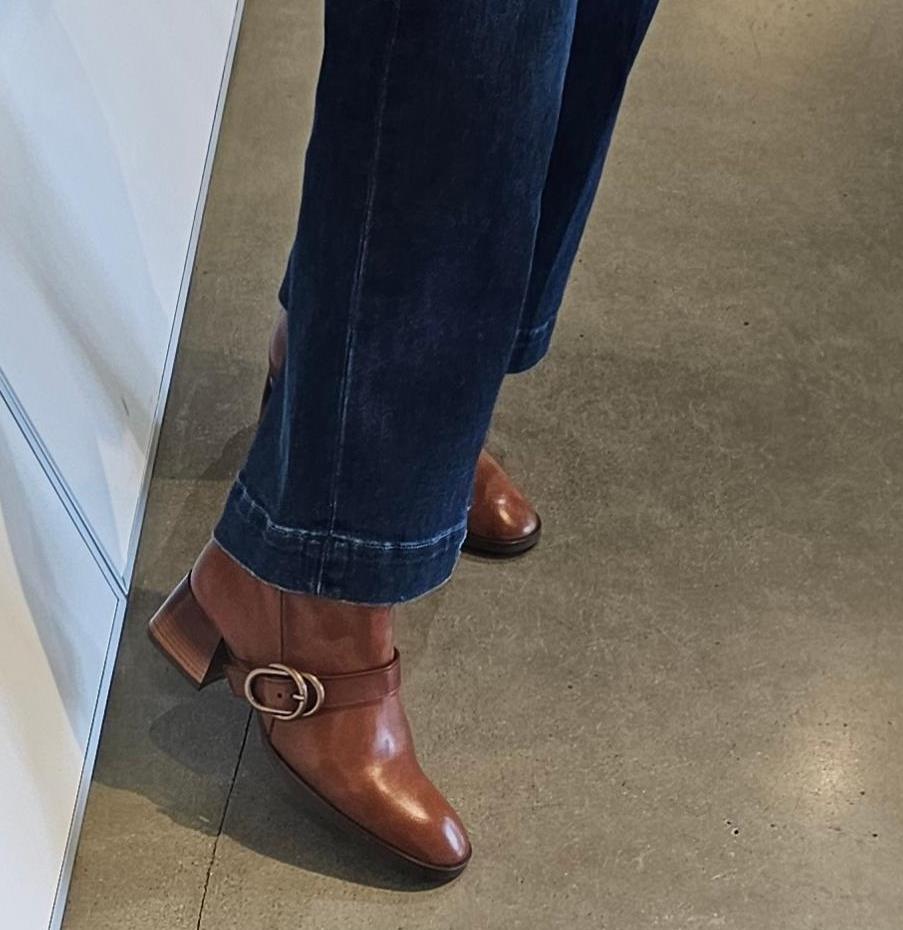
High heels be gone! These days I prefer a heel that’s not too high but gives some lift, and maybe something small like a buckle that you can see but doesn’t stand out. Makes it a little less plain looking. A slightly rounded toe is best and comfort is key (this is what happens when you get older and come to your senses – although you still want some style).
This is a go-to boot for almost every outfit. It’s a no-brainer. The boots I bought recently are made for walking but I don’t plan to walk over anyone with them. Not yet anyway.
So do bad things. I believe it’s more than superstition or an old wives tale…but for now, let’s focus on the positive three’s. Think: “Life, liberty, and the pursuit of happiness.”
There are other famous three’s – such as Christianity with the Holy Trinity (Father, Son, Holy Spirit).
In Japanese culture, the number three is deeply symbolic and often used to create balance, harmony, and completeness. This preference stems from spiritual, aesthetic, and philosophical traditions. Shinto and Buddhist influence: In Buddhism, the “three jewels” – Buddha, Dharma, and Sangha form the foundation of spiritual practice. In Shinto, the “three sacred treasures” (mirror, sword and jewel) represent virtue. Traditional Japanese gardens, ikebana (flower arranging), and architecture often feature triadic compositions.
In Folklore there are three wishes, three trials, three little pigs. A story has a beginning, middle, and end. In photography and art, dividing a canvas into thirds creates balance and focus. I like that perception for life too. Two dogs and me make three (although I’m allowing for a number four to appear).
Two’s company, but three has more complexity and an ability to create dynamic interactions. Speaking of dynamic interactions…
My personal three words right now are: Courage, Completion and Clarity. It represents the courage to try something new, completion to finish something old and the clarity to let go of what doesn’t serve me. There is a quiet power in doing something you once feared, finishing what you abandoned, and giving yourself what you truly need. This post is about those three choices that can shift your entire course – one brave, one overdue, and one that is clearer than ever.
I read the monthly forecast for a website called “the power path” that a friend of mine turned me on to. The theme for November is “Discovery.”
This is discovery on many levels. Discovery of parts of yourself you never knew or have forgotten about, newfound stamina for change, flexibility you did not think you had, uncomfortable truths about yourself or others, and many things that have been hidden under the surface both personally and in your greater environment and communities. This is all part of the completion cycle of this year as well as an opening into a new landscape that requires a final clearing of past attachments.
Oh, this really resonated with me. Especially since I drove from Vancouver to Palm Springs by myself (with my two dogs of course but they don’t drive). Many people might think this is no big deal, but for me it was. I didn’t do it to prove to anyone that I could. I really tried to find someone to drive accompany me as it was my worst fear to be going it alone. I’m the kind of person who just likes to drive to the grocery store (but I’ll take my scooter instead if the weather is nice). I don’t like traffic, bad weather, lengthy drives, driving at night or being alone on a long drive. So that’s a long list of “no’s.”
Every possibility of having someone accompany me ended up in failure. A friend, who early on said she’d go with me because she has family in Los Angeles, ended up getting cancer (happy to report that she’s doing well). Then a friend of a friend who contemplated going to Palm Springs decided to go to Japan. Then two more people had something crop up unexpectedly (or that’s what they told me). So yeah, I was a bit desperate. And that’s when it dawned on me that if all else fails (which it did) I had no choice but to go it alone.
As it got closer and closer to the time of leaving I dreaded it more and more. I put an app on my phone for directions. I put my phone on a thing that’s supposed to stick to my windshield so that I could clearly see the directions instead of looking down. Said apparatus broke away from the windshield less than two blocks from leaving my place. Fell on the floor by my feet along with the phone, turning the windshield wiper switch on. I couldn’t take the risk of this happening on the highway so for the rest of the trip my phone sat in the passenger seat with me glancing down at it on occasion the whole way.
Luckily I could at least listen to the Humphrey Bogart sounding voice on my app which said things like: “cops up ahead – I wonder if I know these guys from the clubhouse?” “Make a left turn – like you mean it!” “Hazard up ahead – but you and me kid, we eat hazards for breakfast!” In some sense I found his voice calming – until it got repeatedly annoying.
But I made it. I made it in record time too. Surprised myself by remaining remarkably calm, focused & clear headed. I removed the roadblocks in my head that told me “I can’t.” When I got to Palm Springs someone who never made the drive said that it should be relatively easy because all you have to do is follow the road. But no, it’s not that simple. You have to pay constant attention, traffic patterns change and the weather was all over the map.
Wasn’t expecting torrential rain from Seattle to Oregon. Wasn’t expecting fog so heavy so as not to be able to see clearly for a few hours leaving Oregon. Certainly wasn’t expecting to be stopped at the border, taken inside to be finger printed while they went through my car. It was only an hour delay though and the only thing they threw away was Layla’s favourite bag of unopened dog treats which were made in Thailand – while missing my open jar of Panang curry paste, also from Thailand.
On arrival, everything went much smoother than expected. I arranged ahead to hire someone to clean up my outdoor space so I didn’t have to rake dry leaves for days. Everything is operating perfectly. I have a clean, cute, comfortable space. Note to self: you worried for nothing! Let this be a lesson for everything.
The completion aspect is coming together. It’s more about finishing a project I promised myself that I would. I can tell you more about this later. It’s something that I had ruminated about for a long time but never got around to starting until recently. It’s something my late husband said I should do and while I really liked the idea, I just didn’t know how or when to start. Now it’s coming together and I just have to tweak it before putting it out there.
The Clarity is realizing that I’m on the right path. Clarity often comes after courage and completion. When thoughts are aligned and direction is clear. Anxiety ends up fading and calm takes its place. This is what is happening.
“Clarity isn’t just knowing – it’s becoming. It’s the moment your inner compass points true, and you finally feel ready to walk your path.” I said “your” but I really mean “my.” It’s my path. But you can do it too.
The time will come
when, with elation
you will greet yourself arriving
at your own door, in your own mirror
– Derek Walcott (Nobel-Prize winning poet, playwright, and painter) – “Love after Love”
Cheers to three! First outing in the desert – Sammy G’s.
How about you? Have you faced a fear or started or completed something you’ve put on the back burner for as long as you can remember?
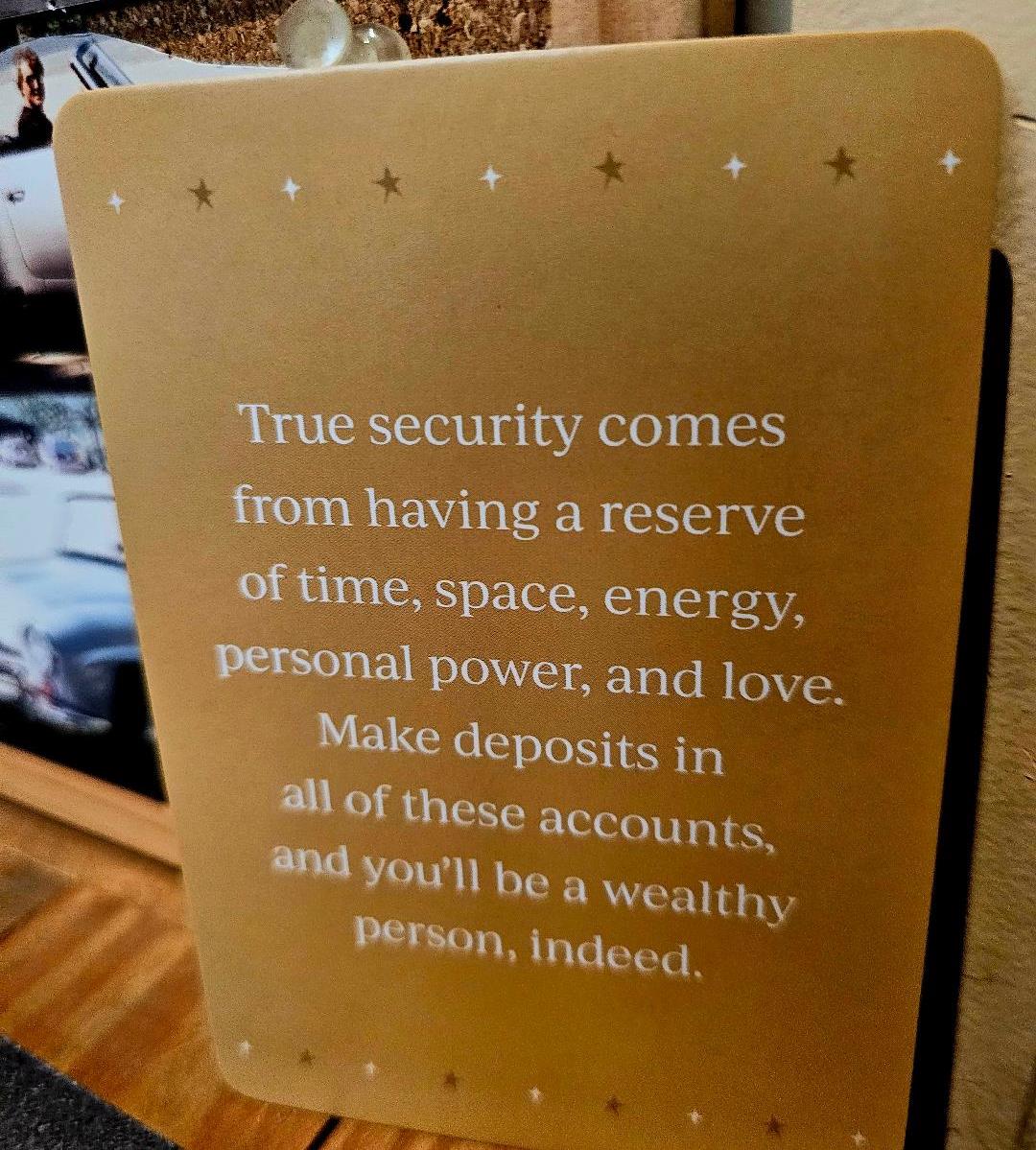
This was the “seft-care”card I pulled the day I feft.
I used to do a supplement Sunday post on vitamins I was either taking or curious about, because most people I know have a supplement plan that helps fill nutritional gaps, enhances wellness, or targets specific concerns like energy, immunity, or cognitive function.
There are always products out there designed to improve your body, your mind or your mood. We can all use improvements. But when we navigate the vitamin aisle it can definitely get overwhelming and confusing. You have to be mindful not to get swayed into taking something you don’t really need.
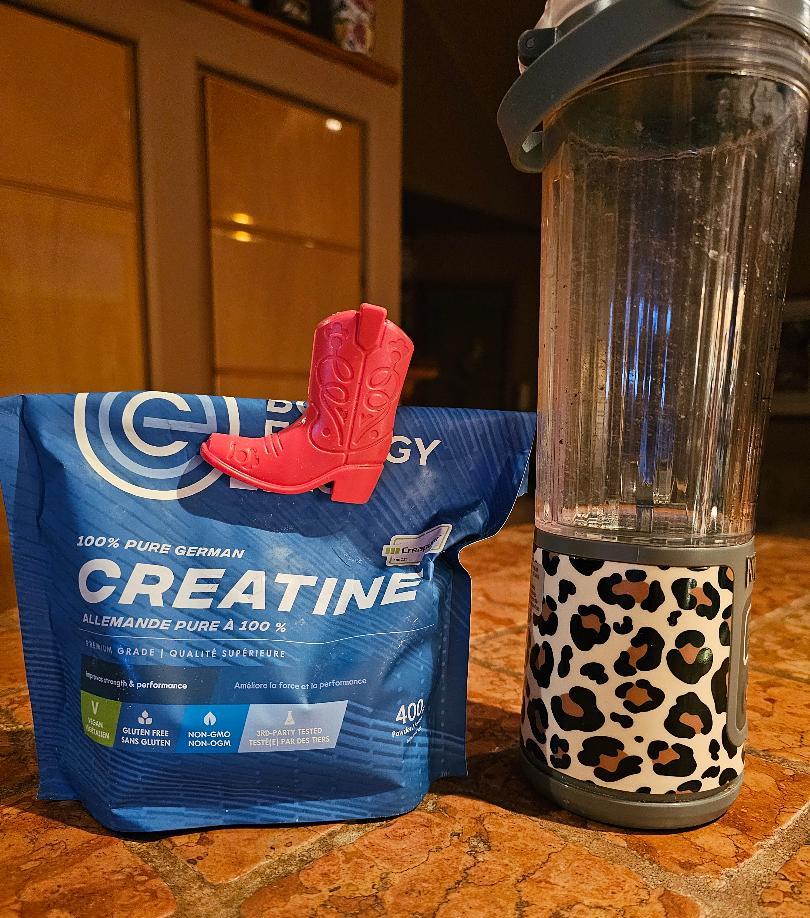
Which brings me to creatine – something I only recently started taking.
I love my little Ninja personal blender. Makes a perfect smoothie for one.
I used to think creatine was just for guys lifting heavy weights at the gym. But lately, I’ve been hearing more about how it might benefit women too, whether you’re into strength training, staying energized, or just curious about supplements. I’m not a nutritionist or a fitness pro, but I wanted to share what I’ve learned so far and why I’ve recently added it to my routine.
When it comes to taking vitamins in general I believe less is more. I like a simple routine and always take a good multi, vitamin D3+2, omega-3, magnesium and now berberine (for another post). But no matter what, it’s quality above quantity – always (which is a good rule of thumb for everything in life).
I never take something without looking into the pros and cons. I was curious about creatine and how it might help women like me. So I did some digging to find out the benefits.
The main selling features for me is that it’s supposed to be especially good for muscle strength, brain health, and hormonal support. I went to Body Energy (Vancouver supplement + smoothie store) and bought the powder form (good thing it has no flavour) so it’s perfect for adding to smoothies. I bought a German brand and made sure that it said *monohydrate on the package.
Here’s what I found based on current research (from what I’ve read – taken from other sources):
Creatine *monohydrate is widely considered the most beneficial and effective form of creatine, backed by decades of research for safety, performance, and affordability.
Most studied: It’s the gold standard in creatine research, with hundreds of studies confirming its ability to boost strength, muscle mass, and exercise performance.
Improved muscle strength and tone: especially helpful for resistance training and maintaining lean mass.
Support during hormonal shifts: Creatine may help stabilize energy and mood during menstrual cycles, pregnancy, or menopause.
Enhanced brain function: Some studies suggest creatine supports cognitive performance, memory, and mental clarity.
Bone health: Creatine may contribute to better bone density, which is especially important as women age.
Faster recovery: It can help reduce fatigue and muscle soreness after workouts.
Creatine draws water into your muscle cells: When you take creatine, it increases the water content inside your muscles. This is part of how it helps with performance and recovery – it creates a more hydrated, energized environment for muscle function. Because creatine shifts water into your muscles, it can slightly reduce water in other parts of your body. To stay balanced and avoid dehydration, it’s smart to increase your water intake, especially if you’re working out hard or sweating a lot.
A few cautions:
Elevated Creatine Levels: Creatine supplementation can increase serum creatinine, a marker used to assess kidney function. This may lead to false positives for kidney impairment in lab tests, complicating clinical assessments.
Fluid Retention and Weight Gain: Creatine may cause water retention in muscles, leading to weight gain – a concern for some CVD patients where fluid balance is critical.
Potential Gastrointestinal Side Effects: Some users report bloating, nausea, or diarrhea, especially when taking high doses or loading phases.
Interaction with Other Medications: Creatine may interact with diuretics or nephrotoxic drugs, so it’s essential to consult a healthcare provider before starting supplementation.
What do you think? Are you taking creatine as part of your supplement routine? If so, have you noticed a positive difference?
Here’s a smoothierecipe I’ve been making that’s really delicious. This combo hits a sweet spot between refreshing and functional. The mango and banana bring natural sweetness, kefir adds tang and probiotics, matcha gives a gentle energy lift, and creatine supports your fitness goals. It’s a great pre- or post-workout option, or even a midday pick-me-up:
1 cup mango chunks (or a bit less – Rich in vitamin C, beta-carotene, and antioxidants)
1/2 a banana (potassium and fiber)
1/2 cup of strawberry kefir (Probiotic-rich for gut health)
1/2 cup of almond milk (Light, dairy-free base – keeps smoothie from getting too thick)
1 scoop of creatine (Supports muscle energy and recovery)
1-2 tsps of green matcha powder (Boosts focus and energy with L-theanine + caffeine. Also antioxidants and a subtle earthy note).
If real life were an opera, conversations would be sung with soaring high notes for joy, brooding bass lines for frustration, and for sadness you’d collapse on a velvet chaise and lament your fate in Italian. Life would be louder, lusher, and far more fabulous. You’d live for the drama, die for the applause, and probably come back for an encore.
Last night I attended the opening night of Verdi’s Rigoletto which also happened to be the opening of the 2025-2026 Vancouver Opera season at the Queen Elizabeth Theatre. And, turns out it was also World Opera Day. So, a triple crown day so to speak. Of course I love the word “crown.”
Photo: d. king
What I like about opera is that the costumes and sets are visually stunning and the voices, well…they’re like vocal acrobatics. It amazes me that anyone can hit such notes and hold it for so long…in a dramatic, powerful, and grand way. I think that’s the word I’m looking for – Grand! While I don’t love every opera, I certainly appreciate the talent and scope of work that goes into every production.
Sarah Dufresne as Gilda and Michael Chioldi as Rigoletto in Vancouver Opera’s 2025 production of Rigoletto. Photo by Emily Cooper
Every opera is unique but what each have in common is the classic theme of love, secrets, regret and revenge. Someone always tragically dies and usually it’s not the person you expect who dies. If it wasn’t “over-the-top” it wouldn’t be opera. Opera is like a rollercoaster in overdrive where emotions are amplified, drama condensed, in a fast-paced setting of ultimate highs and lows.
The basic storyline: Rigoletto is opera’s ultimate cautionary tale: a snarky court jester mocks everyone but hides a secret – his beloved daughter. When a womanizing duke seduces her, Rigoletto plots revenge with a hired assassin. But in true operatic fashion, the plan backfires spectacularly, and heartbreak hits a high note. Think: curses, disguises, betrayal, and one of the catchiest arias ever – “La donna è mobile.” (woman is fickle) It’s drama steeped in tragedy, with a side of soaring vocals.
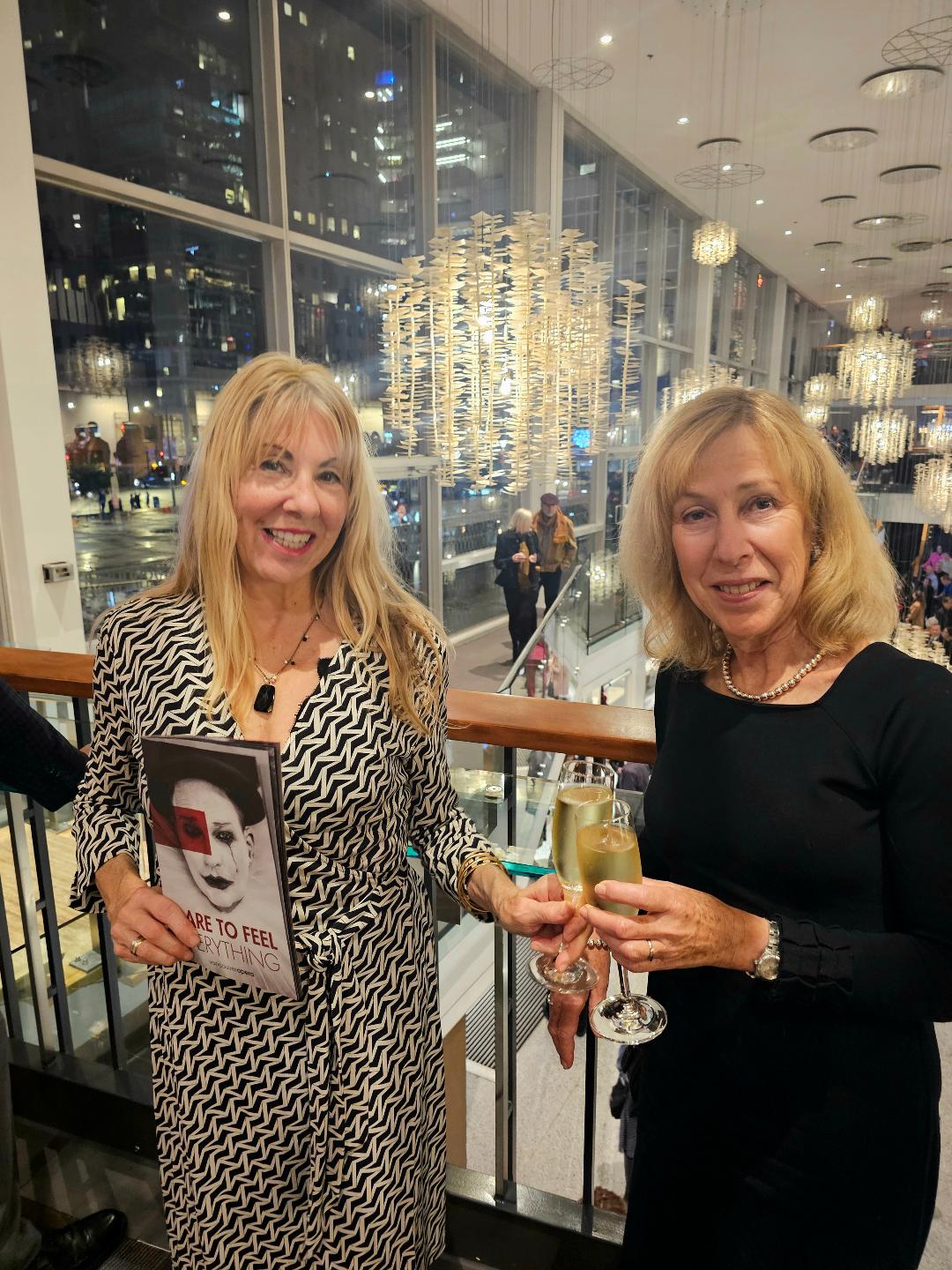
Heather Molloy as Monterone’s Daughter with members of the Vancouver Opera Chorus and supernumeraries. Photo Emily CooperPhoto: d. king Taking bows at the end.With my very knowledgeable 0pera friend Rosa.


 Still a few more candles to go. Lighting the candles in light of what has happened in recent days, is a reminder to try to bring hope and resilience, even in dark times.



















 Girl Who Would be KING on Life, Style and INSPIRATION.
You must be logged in to post a comment.