Little healthful tidbits that go a long way…the good, the bad & the plain ugly truth:
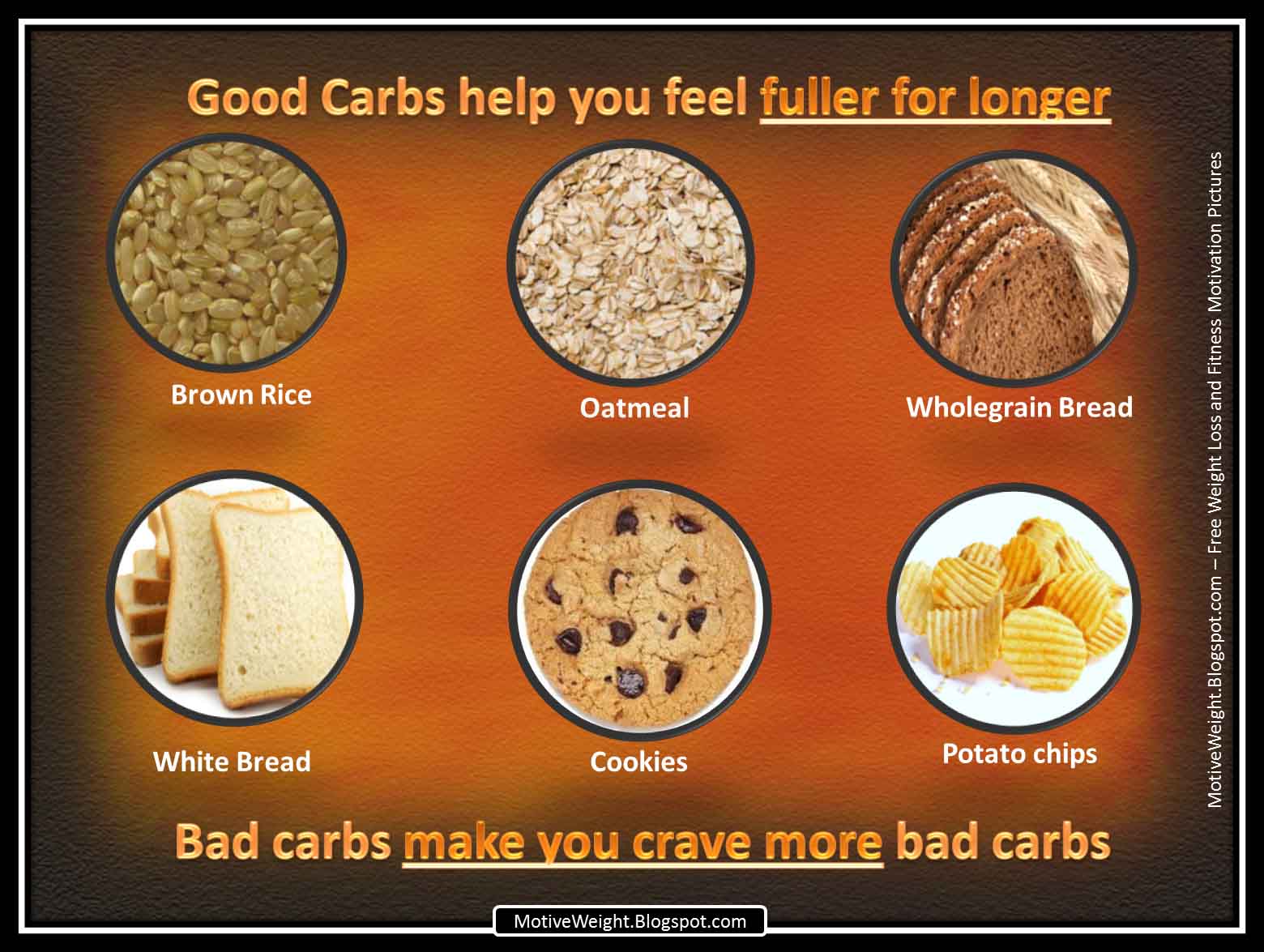
Don’t we know it by now! While carbs tend to get a lot of bad press (think the Atkins diet), they are an essential part of any diet if you expect to have energy and function at an optimal level. “Your body definitely needs carbs,” says nutritionist Kelly Aronica, who believes that they should make up at least 50-60% of the calories you consume daily. Why? Because glucose, the simplest type of carbohydrate, is the only thing that can be used to meet the energy needs of the body, support the brain and nervous system, and maintain a well-functioning digestive system.
How Carbs Can Help You Lose Weight
Though the body has a backup plan if no carbohydrates are eaten, it’s not perfect (hence why it’s meant as a backup plan). As Aronica explains it, if there’s a lack of carbohydrates, the body essentially converts protein and fat into glucose, which is what the body converts into fuel so we have energy. The problem is that this system is less efficient and slower than just consuming carbohydrates and, depending on your sensitivity level, it often leads to low energy and light-headedness. But that’s not the only reason to eat carbs.
As Aronica puts it, carbs are also needed because their presence lets the body know to release insulin, which is necessary to use the glucose to build muscle, energy storage, and even fat (if you have excess glucose). Now if the mention of fat made you start to believe all those anti-carb rants, then you need to remember that there’s a big difference between carbs that provide fiber, nutrients, and vitamins and ones that only supply sugar. Don’t believe us? Aronica points out that a recent study from the New England Journal of Medicine “showed that eating refined potato products, sweetened drinks, sweets and desserts, fruit juice, and other refined grains were linked to weight gain where high-fiber carbs were linked to long term weight loss.” So instead of banishing carbs from your diet, be more particular about the ones you eat.
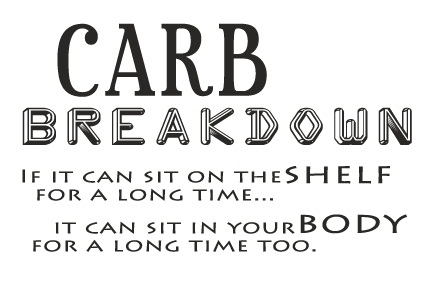
Avoid refined carbohydrates (like white bread) and opt for the carbs that have high-fiber levels and a bounty of nutrients and vitamins, like folate and heart healthy omega-3’s. While most of the fibers in food aren’t actually digestible, they provide a lot of other important health benefits to keep you operating at your best and are a necessary part of any diet. To help you make better choices, we put together a list of the carbs that are best for your body.
Don’t miss listening to “Transforming Health” with host Brad King for the most evocative and informative up-to-the-minute interviews with leading health professionals – Live every Wednesday @ 12PM-PST/3PM-EST on VoiceAmerica.com – #1 internet radio station in North America.
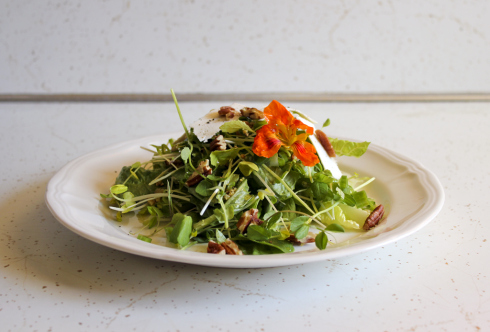
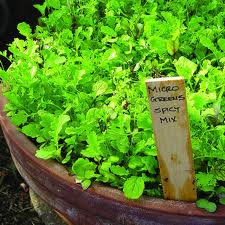
Little healthful tidbits that go a long way…proving that good things do come in extremely small packages.We already covered the power of using seeds in our food, but what about the ‘seedlings’ called microgreens (mini-me’s?).
Every few years it seems like a new leafy veggie becomes the darling of the ‘farmers’ market – first swiss chard, then kale, and now….microgreens.
Harvested when they’re just seven to 14 days old, these pint-sized leaves can be far more nutrient dense than their full-grown counterparts, according to a recent study done in collaboration with the U.S. Department of Agriculture and published in the Journal of Agriculture and Food Chemistry. “Plants use stored nutrients to grow, so plucking the tiny seedlings early means they still have high levels of vitamins and minerals,” says study coauthor Zhenlei Xiao. Keep in mind, though, that these mini-me’s lack the fiber found in mature plants, so they should supplement the greens you already eat, not replace them.
The best part? Thanks to the concentrated flavour of these five diminutive standouts, they elevate meals in taste as well as nutrition.
Try:
Micro Cilantro – 11 times more lutein and zeaxanthin (nutrients that can reduce the risk of cataracts and age-related vision loss) than the same amount of mature cilantro.
Micro Red Cabbage – they outshine full grown cabbage with roughly 260 times the beta-carotene and more than 40 times the Vitamin E.
Micro Purple Mustard Greens – just 4 ounces meet your recommended dietary allowance (RDA) of Vitamin C.Perk: among the tastiest greens with a spicy zing.
Micro Green Daikon Radish – Vitamin E superstar, boasting 165% of your RDA per ounce. By contrast, mature leaves contain only trace amounts of the antioxidant.
Micro Garnet Amaranth (I’ve never heard of this one before) – light red with an earthy flavour, this ranks highest in Vitamin K which is essential for blood clotting and may reduce the risk of bone fractures. Best with grains.
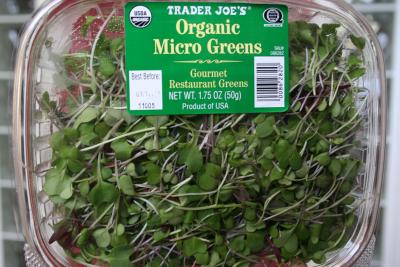
leafy greens – big & smallTrader Joe’s offers some great packaging
Taken from an article written by Leslie Goldman
**Don’t miss listening to “Transforming Health” with host Brad King for the most evocative and informative up-to-the-minute interviews with leading health professionals – Live every Wednesday @ 12PM-PST/3PM-EST on VoiceAmerica.com – #1 internet radio station in North America.
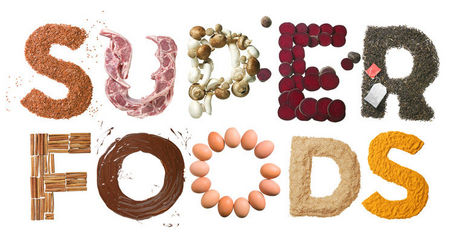
We know we can’t go wrong with eating cancer fighting foods like broccoli, blueberries and flaxseeds. These all-around great-for-you staples will get the thumbs-up from any nutritionist. But when it comes to targeting specific health concerns, like boosing bone health or improving your mood, some superfoods might be a little more super than others. Here are the champs:
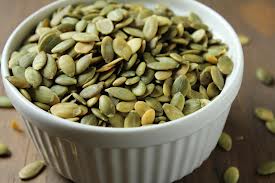
Best Mood Booster: Pumpkin Seeds
With Sunflower seeds being a close second. They may have similar calories per ounce – 158 for pumpkin and 164 for sunflower – but pumpkin seeds pack 68 percent more tryptophan, an amino acid that aids in the production of serotonin, a mood-regulating neurotransmitter. Pumpkin seeds also offer more than five times as much magnesium per cup; a recent study found that postgrad students whose diets regularly met or exceeded their RDA for magnesium (320 milligrams for women, or roughly half a cup of pumpkin seeds) were less likely to be depressed than students whose diets contained the least.
Try using them in salads & cereal. I put toasted pepitas (same thing) in my granola.
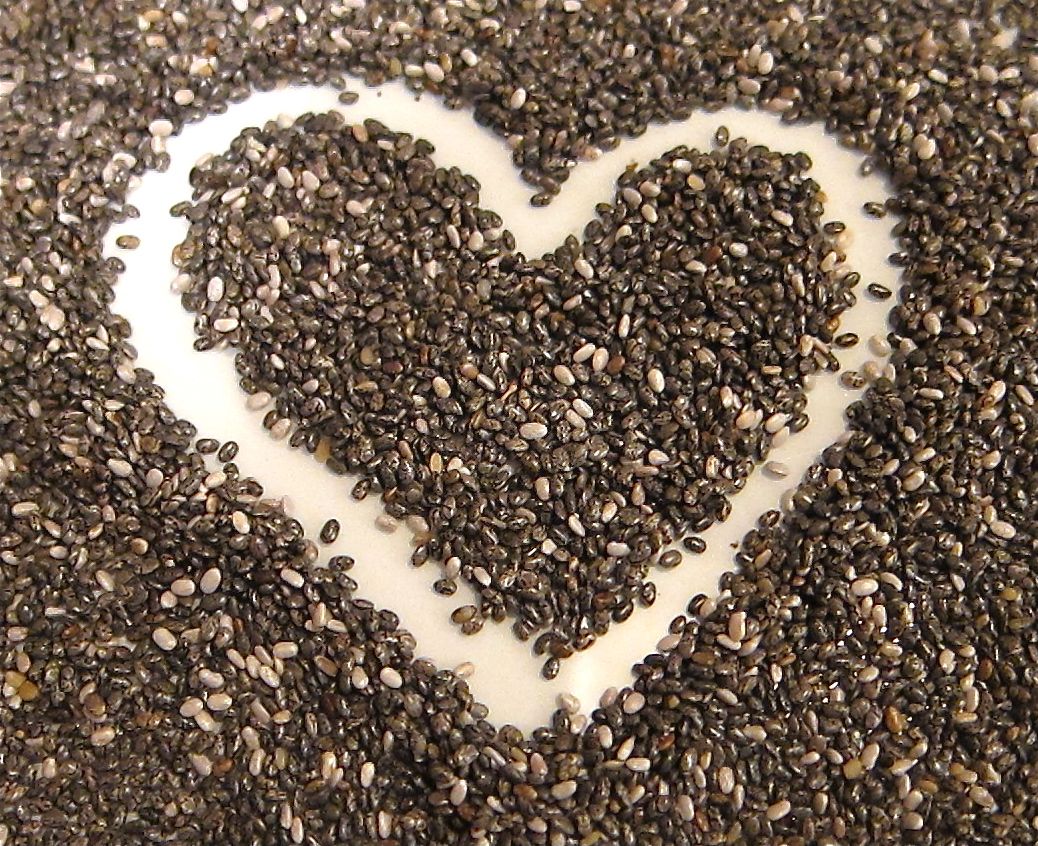
Best Bone Builder: Chia Seeds
With Flax seeds a close second. There’s no debate that both seeds should be celebrated for their high concentration of heart-healthy omega-3s, but chia seeds happen to be a better source of calcium, with two tablespoons providing up to 16 percent of your RDA – four and a half times the amount in the same quantity of ground flax. And with nearly 150 percent more phosphorus and more than 100 percent more manganese (two minerals that play key roles in bone formulation), chia seeds get the gold medal for helping to build and maintain strong bones.
Not only are they gluten/grain free naturally, but one tablespoon of chia seeds has more calcium than a glass of milk, more Omega-3s than Salmon, and more antioxidants than blueberries. Perfect? Almost… they will get stuck in your teeth if you chew them plain.
They also give you tons of energy but also won’t keep you awake at night. They’re supposed to be great for weight loss because they can absorb many times their size/weight in liquid, they are great for preventing dehydration during exercise or exposure to heat.
Supposedly, the Aztecs, Mayans, and Incans used chia as a staple of their diet and as an energy food. Chia means “strength” in the Mayan language, and they were known as the “Indian Running Food” because runners and warriors would use them for sustenance while running long distances or during battle.
Try a handful in shakes + salads. Mixed with some almond flour and garlic powder, Chia Seeds make an excellent “breading” for fish or chicken.
You can even make your own homemade Chia Pet – but you can find that in someone else’s blog.
Also, **Don’t miss listening to “Transforming Health” with host Brad King for the most evocative and informative up-to-the-minute interviews with leading health professionals – Live every Wednesday @ 12PM-PST/3PM-EST on VoiceAmerica.com – #1 internet radio station in North America.
Simply follow these 10 tenets and thou shalt possess healthy, smooth, glowing skin for life.
Images – paperblog.com
1) Thou Shalt Always Use Sunscreen (yes, even in winter).
Of all the skin sins, going out unprotected is the worst. UV rays cause 90 percent of wrinkles, sun spots and other signs of aging. And although face lotions with sunscreen ward off burning UVB rays, not all fully shield you from UVA, the deeply penetrating light that ages skin. What to look for: If your skin is sensitive, zinc oxide or titanium dioxide are natural minerals with stellar UVA coverage; otherwise, you may want the longer-lasting protection of chemical-based SPF with UVA-blocking avobenzone or octocrylene.
2) Honor the Change of Seasons
Just as you swap sweaters for sundresses come summer, pull a switcheroo for skin care twice a year. What your complexion craves in warm weather (less oil! ample sunscreen!) is different from the TLC it requires in cooler temps.
A few months from now, dry winter air will rob moisture from your skin, says Marsha Gordon, M.D., a dermatologist in New York City for St. Ives. Stick with your daytime SPF-laced lotion, but also apply a rich cream or oil at night to keep skin soft & supple.
3) Leave no Skin Unbuffed
Your skin regenerates every 28 days on average, but this process slows down—even as early as your mid-20s,” says David Bank, M.D., a dermatologist in Mount Kisco, New York. Exfoliating removes dead cells lying on skin’s surface, revealing prettier skin. For face Use a finely ground scrub or a chemical exfoliant (alpha hydroxy, lactic or glycolic acid) up to three times a week after cleansing, Dr. Bank suggests.
For body The skin here is thicker than that on your face & neck —which means it can handle more intense scrubbing. Smooth skin every other day with a salt- or sugar-based body polish; they’re grainy enough to soften your roughest parts.
4) Love Thy Skin in the A.M. & P.M.
Your anti-aging plan should be a twice-a-day habit, like brushing your teeth. A consistent routine gives you healthier, younger-looking skin not only now but in 10, 20, even 30 years, says Jeffrey Dover, M.D., coauthor of The Youth Equation (Wiley). In the morning, use peptides, which lessen lines and improve texture (and won’t make skin sun-sensitive). Olay Regenerist Micro-Sculpting Serum (approx. $25) is an inexpensive & apparently effective choice.
At night, reach for an over-the-counter retinol or prescription retinoid treatment to stimulate new collagen production and cell turnover and to lighten brown spots.
5) Give thy Body its Daily Moisturizer
The skin on your body has far fewer oil glands than your face (100 per ½-inch square versus 900), making it prone to flakes. Never miss a chance to hydrate.
A fast dry-skin fix Reach for a lotion with a gentle, low-dose chemical exfoliant such as lactic acid. Your long-term supple-skin plan Apply lotion to damp skin (to seal in water), wait for it to be absorbed, then top it off with a second layer. Body hydrators contain ingredients like jojoba oil and shea butter as well as sealants that coat skin, “so two back-to-back applications trap even more moisture into skin,” Dr. Bank says.
6) Covet thy Covers
“When you’re sleep-deprived, your body releases more of the stress hormone cortisol,” says Marianna Blyumin-Karasik, M.D., a dermatologist in Miami. And excess cortisol has been linked to acne, as well as sensitive and dry skin. Follow these easy sleep-better tips tonight for more beautiful skin tomorrow—and beyond.
Your nightly TV lineup may keep you from tucking in the requisite seven to eight hours of shut-eye, resulting in a sleep debt, researchers from the University of Pennsylvania in Philadelphia report. Set your DVR and try to watch late-airing shows early the next evening instead.
Cut back on caffeine. Research shows that even one cup of joe disturbs nighttime sleep in some people, leaving them more tired and reaching for more caffeine, creating a cycle of sleepiness—and coffee addiction!
7) Never (ever!) Pop or Touch Pimples.
“Your hands can transfer more breakout-inducing bacteria to the area,” Dr. Blyumin-Karasik says. “And most people squeeze too hard, causing trauma to skin.” Both of which mean your pip-squeak pimple may turn into a huge, inflamed cyst. Zap zits safely.
Got a lone blemish? Reduce redness with an OTC anti-inflammatory cortisone cream twice a day; banish bacteria with benzoyl peroxide nightly, says Diane Berson, M.D., assistant clinical professor of dermatology at Weill Cornell Medical College in New York City.
8) Treat the Body as thou Would thy Face
Unless you bundle up in a turtleneck and gloves year-round, the same damaging UV rays that shine on your face will hit your neck, chest and hands. “Yet most women act as if there’s a stop sign at their jaw,” says Dr. Dover, who advises rubbing skin treatments all the way down to your cleavage, then wiping the excess on your hands, too.
9)Get thee to a Gym
Aside from keeping you healthy, energized and slim, working out has specific benefits for your complexion. It increases circulation. When skin is supplied with enough blood, oxygen and nutrients, it’s able to bring its A-game and look smooth and healthy all the time. Wounds healed about 29 days faster among older adults who exercised than among those who were sedentary, research from The Ohio State University at Columbus finds.
It calms you (and skin) down. Exercise is a proven mood booster. Working up a sweat helps your body better regulate stress hormones linked to anxiety and depression, as well as acne, sensitivity and dryness. Incorporate a quick bout of cardio into your weekly workout routine to get happy—a 20-minute sweat session can improve mood for up to 12 hours, according to researchers at the University of Vermont in Burlington—and keep skin looking fresh, too.
10)Eat thy Fruits, Vegetables and Fish
New research suggests a healthy diet may fend off your skin’s top enemies. Phytochemicals and antioxidants (in leafy greens, carrots, tomatoes, etc.) and fatty acids from fish such as salmon allow your body to fight sun-induced damage. Low-glycemic foods (with fewer sugars) may prevent collagen breakdown by reducing cell inflammation and subsequent destruction of skin’s support structure.
The following is condensed from a chapter in “Walking with the Wise” for health & vitality by Alejandra Armas.
Good health is not only the lack of disease and pain, but a complete state of physical, emotional, mental and spiritual well being. Living in a world as fast, busy, polluted and stress-filled as ours, it may seem difficult to achieve and maintain health and inner peace. However, it is possible!
Let’s start with our thoughts. Everything that humankind has achieved was first a thought in someone’s mind. Our thoughts and emotions shape all areas of our lives, mainly our health and well being. We are repeatedly using our thoughts unfavorably, compromising our health as a result of it.
Using constructive affirmations is a very powerful tool that will help us in shaping our health. Continuous positive thoughts become new “programs,” which will create positive outcomes, becoming a fountain of well being.
As opposed to thinking “I am sick,” it is better to say the same in a more constructive way: “I am in the process of getting better.” Not a lie, but a powerful creative, proactive affirmation! Think and affirm “I AM HEALTHY!” Why? Because by doing so you are actually identifying with the real YOU. Since you are not only your body, emotions or thoughts and, since you are a powerful being using these vehicles, by saying “I AM HEALTHY” you are indeed identifying with that powerful being – with the soul, with the universe. By saying “I AM SICK” you are identifying instead with that which Is not true – for the soul is never sick.
Think about how many times in one day you say things like “I can’t do it,” “I won’t get better,” “I feel terrible,” or “I won’t make it.” You are giving your power away! You are actually helping the process of getting sicker and feeling worse! If you don’t believe it, ponder on this: are you feeling any better? No? Then change the content of the technique you are using! Because as a matter of fact, you are already using a powerful technique: affirmations! Same technique, same power, just different content. Give it a try – IT WILL WORK!!
Energy is like muscles. It has to be built. You must persevere and persist with your affirmations. No need to become fanatical, write down each affirmation 2000 times or surround yourself with post-it notes. Just keep a simple yet consistent pace.
It doesn’t matter whether you believe it or not. JUST REPEAT IT! Even if mechanical, you are creating an energy. The more you say it, the more effective it’ll be, and by the law of cause and effect, the more you’ll attract it, therefore, the more you’ll start believing it! Regardless of our inability to see the air, it is there! Whether you believe it or not, the law of gravity exists…if you throw something, by the law of gravity, it will fall. Period. In the same way, you don’t have to believe this: just try it. “You become what you think.” It is a law!And the world needs our positive thoughts now, more than ever!
Many times I come across a great article in a magazine or from another blog that I just want to share. This is one of them. Even though this post on eating organic foods is geared mostly towards those suffering from adult acne, it seems like it can’t hurt for keeping your skin healthy in an overall sense.
If you’re a fan of organic beauty products, then chances are you try to eat organic too at least when practical. And while that might contribute to your overall health, we can’t help but wonder-does eating organic actually improve your skin too? It turns out it can.
“Eatingorganic food may decrease your amount of acne overtime,” says Montclair, NJ, dermatologist Jeanine Downie, MD. That’s because non-organic food that gets pumped with hormones like chicken, meat and dairy, can cause hormonal acne.
Charlotte, NC, dermatologist Gilly Munavalli, MD, says non-organic dairy products in-particular seem to contribute to breakouts among his patients. “People who have really bad acne who are drinking a lot of milk and start breaking out, we think that’s the mechanism,” he says. “Some people are reactive to the hormones so we recommend using organic dairy.” He adds that adult acne in women over 40 is always hormone-related, so cutting non-organic dairy may help in that situation too.
It also doesn’t hurt to eat organic fruits and vegetables. After all, most get covered in pesticides and wax (to keep them fresh), and while there isn’t a specific study that proves these ingredients harm the skin, their overall unhealthy affect on your body could be reflected in the form of dull skin and an overall tired look.
“Your body is not the sum of individual organs working alone. It is a complex, interconnected, marvelous machine with harmoniously functioning parts, of which your skin is one,” says Santa Ana, CA, dermatologist Tony Nakhla, MD.
“Your skin tells the story of your days in the sun, but it also reflects the general health of your internal organs and your entire body as a whole.”
Also: **Don’t miss listening to “Transforming Health” with host Brad King for the most evocative and informative up-to-the-minute interviews with leading health professionals – Live every Wednesday @ 12PM-PST/3PM-EST on VoiceAmerica.com – #1 internet radio station in North America.
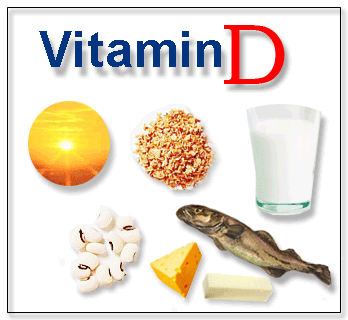
Even though the nutrient is available in supermarket staples and via sun exposure, many of us don’t get enough.
Technically it’s a vitamin, but it behaves more like a hormone, in that the body can create a certain form of vitamin D through exposure to sunlight. And yet, according to nutrition researcher Walter Willett of the Harvard School of Public Health, an estimated one in three Americans of European descent suffers from a deficiency of this vitamin. Vitamin D is vital to bone health and may also support immune function and prevent certain cancers, diabetes, multiple sclerosis, heart disease, and even the common cold.
So if it’s found in readily available foods, and a mere 5 to 10 minutes a day of sun exposure generate enough Vitamin D for most people, what exactly accounts for such widespreaddeficiency? Willett blames a whole host of factors: Over the centuries, people have migrated away from the equator and are exposed to less sunshine; industrialization has pushed many occupations indoors; and then there’s that aggravating habit, he jokes, of “putting on clothes, which blocks the sun light.” More recently, of course, we’ve been slathering ourselves with sunscreen.
And since the blood test that pinpoints vitamin D levels is expensive and not routinely given, many people have no idea their levels are low. Symptoms that might prompt your physician to order the test: lethargy, muscle aches and pains, clumsiness and frequent falls, and bone fractures from small stresses.
How much do we need?
Adding to the confusion is the debate over the recommended daily allowance. In 2010 the recommended daily amount of Vitamin D for adults was 600 IUs – but according to clinical trial results published in 2012 in the New England Journal of Medicine, 800 IUs a day improve protection against broken bones by 30 percent. D helps the body absorb and retain calcium and phosphorus – critical bone builders – which is reason alone to err on the side of more IUs. Willett recommends most adults get 2000 IUs daily. Don’t worry about taking too much – it takes several hundred thousand IUs to reach toxic levels.
If you expect sunshine to provide you with vitamin D, then make sure your shadow is shorter than your height. The long shadow we see in November is proof the sun is not doing it for us any more, and it’s time to take care of ourselves.
1 Cup of Vitamin D fortified Orange Juice – 137 IU
3 ounces of cooked Sockeye Salmon – 447 IU
1 Large Egg Yolk – 41 IU
2 Sardines canned in oil – 46 IU
1 cup of vitamin D fortified milk – 120 IU
Typical Multivitamin – 400 IU
Whether you hate the sun or love it, you can and should get enough Vitamin D.
Taken from “How-To-Handbook” in Health section of “Living” by Sally Schultheiss
If you expect sunshine to provide you with vitamin D, then make sure your shadow is shorter than your height. The long shadow we see in November is proof the sun is not doing it for us any more, and it’s time to take care of ourselves.
If you expect sunshine to provide you with vitamin D, then make sure your shadow is shorter than your height. The long shadow we see in November is proof the sun is not doing it for us any more, and it’s time to take care of ourselves.
**Don’t miss listening to “Transforming Health” with host Brad King for the most evocative and informative up-to-the-minute interviews with leading health professionals – Live every Wednesday @ 12PM-PST/3PM-EST on VoiceAmerica.com – #1 internet radio station in North America.
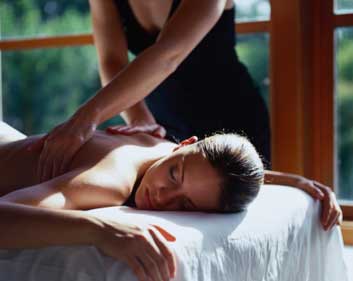
Sure, it can help you relax. But massage therapy can do much more than that. Here are six healthy reasons to book an appointment.
1) IT COUNTERACTS ALL THAT SITTING YOU DO:
“Most individuals are dealing with some kind of postural stress,” says Aaron Tanason, registered massage therapist, kinesiologist and owner at Paleolife Massage Therapy in Toronto. “More often than not [that stress] tends to manifest in the shoulders and neck.” Desk workers, beware. More advanced forms of postural stress “show up as pain or weakness in the low back and gluteals caused by prolonged periods of sitting.”
Luckily, massage can counteract the imbalance caused from sitting, which means you can keep your desk job – as long as you schedule a regular massage.
2) IT EASES MUSCLE PAIN:
Got sore muscles? Massage therapy can help. “Massage increases and improves circulation, in much the same way rubbing your elbow when you knock it on a table helps to relieve the pain,” says Tanason. A 2011 study published in the Annals of Internal Medicine, found that massage therapy is as effective as other methods of treatment for chronic back pain.
3) IT SOOTHES ANXIETY AND DEPRESSION:
“Human touch, in a context that is safe, friendly and professional, can be incredibly therapeutic and relaxing,” says Tanason. Women diagnosed with breast cancer who received massage therapy three times a week reported being less depressed and less angry, according to a 2005 study published in the International Journal of Neuroscience.
And, a study published in the Journal of the American Academy of Child and Adolescent Psychiatry, found that patients who were depressed and anxious were much more relaxed and happy, and had reduced stress levels after massage.
4) IT IMPROVES SLEEP:
Not only can massage encourage a restful sleep—it also helps those who can’t otherwise comfortably rest. “Massage promotes relaxation and sleep in those undergoing chemo or radiation therapy,” says Lisa Marie de Miranda, registered massage therapist and kinesiologist at Paleolife Massage Therapy.
Also, if you’re a new parent, you’ll be happy to know it can help infants sleep more, cry less and be less stressed, according to research from the University of Warwick.
5) IT BOOSTS IMMUNITY:
A 2010 study published in the Journal of Alternative and Complementary Medicine found that massage boosts patients’ white blood cell count (which plays a large role in defending the body from disease). It also “improves immune function for individuals with HIV,” says de Miranda.
6) IT RELIEVES HEADACHES:
Next time a headache hits, try booking a last-minute massage. “Massage decreases frequency and severity of tension headaches,” says de Miranda.
Research from Granada University in Spain found that a single session of massage therapy has an immediate effect on perceived pain in patients with chronic tension headaches.
By Katharine Watts for besthealthmag.ca.
Also – **Don’t miss listening to “Transforming Health” with host Brad King for the most evocative and informative up-to-the-minute interviews with leading health professionals – Live every Wednesday @ 12PM-PST/3PM-EST on VoiceAmerica.com – #1 internet radio station in North America.
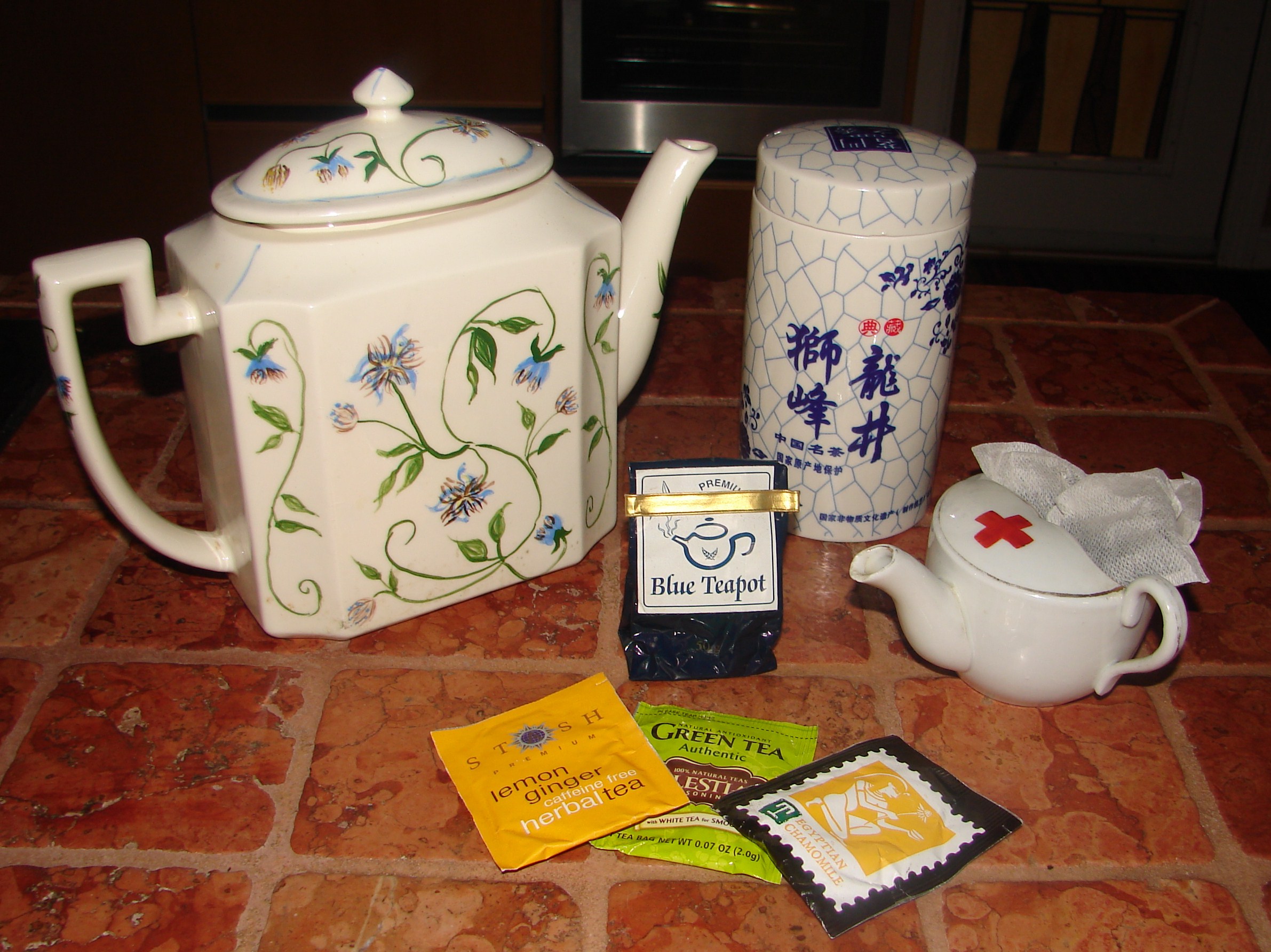
I’m more of a coffee drinker first thing in the morning but by late afternoon a hot cup of earl grey is nice & uplifting. That was before I discovered the recipes below to switch things up a bit and realized the health benefits to boot.
The antioxidant compounds found in tea have been shown to reduce risk of breast cancer and heart disease and may help with weight management. When you mix your brew with other beneficial ingredients, you’ll boost its power to tackle health complaints from high blood pressure to an upset stomach. Sweet!
Make these cool brews for a summer twist. Lose the sugar and stir in these extras instead + reap the health benefits while doing so.
SUGAR BUSTER = Black tea + Cinnamon A 2012 study found that countries where people consumed the most black tea had the lowest rates of type 2 diabetes. Antioxidants in the tea leaves may enhance insulin activity. Adding cinnamon can make a good thing even better. According to research in Diabetes Care, consuming just one-third of a teaspoon of cinnamon a day can reduce levels of glucose in people with type 2 diabetes. Brew: Pour 8 ounces boiling water over 2 black tea bags and 1 cinnamon stick (or 2 tsp. powdered). Steep for 4 minutes, let cool. Transfer to an ice filled glass, top with 2 ounces club soda.
IMMUNITY BOOSTER = Green tea + Cranberry Juice Antioxidants called catechins, which have antiviralproperties, are more plentiful in green tea than in black. Adding Vitamin C – which is abundant in Cranberry Juice – can increase absorption of the tea’s catechins. Brew: Steep 2 green tea bags in 8 ounces of hot water for 2 minutes. Stir in 2 ounces unsweetened cranberry juice and agave syrup to taste. Pour over ice.
TENSION TAMER = Chamomile tea + Orange Flavonoids in this calming brew may enhance the activity of relaxing neurotransmitters in the brain. In fact, research suggests that drinking five cups of chamomile tea a day may even help treat anxiety disorders. Team it with Orange: research has found that simply smelling a sweet orange can lower anxiety in moments of stress. Brew: crush 2 strips of orange zest, 1 tsp. dried lemon verbena leaves, 4 mint leaves, and 1 sprig rosemary together in a bowl. Add 3 chamomile tea bags and pour 12 ounces of boiling water over the mixture. Steep 5 minutes. Strain and let cool. Pour over ice and finish with a splash of sparkling water.
STOMACH SOOTHER = Peppermint tea + Ginger The menthol in peppermint can ease gastro-intestinal distress by relaxing the muscles of your digestive tract, while plant phenols in ginger can help speed up the movement of food through your system. Brew: Pour 8 ounces boiling water over 2 peppermint tea bags and 3 slices fresh ginger, smashed. Steep 5 minutes. Let cool. Strain, stir in honey to taste and pour over ice.
PRESSURE RELIEVER = Hibiscus tea + Coconut Water Mildly hypertensive people who drank 3 cups of hibiscus tea daily for six weeks lowered their blood pressure as significantly as they would have by taking some hypertensive meds, according to a study in the Journal of Nutrition. Add coconut water for its potassium – the mineral helps keep blood pressure stable by reducing the negative effects of salt. Brew: Steep 2 hibiscus tea bags in 8 ounces hot unsweetened coconut water for 5 minutes. Let cool. Stir in 2 ounces sparkling water and pour over ice.
I’m feeling good already!
Taken from “Feeling Good” in O Magazine. By Jessica Girdwain.
à la française – the TOP 5 Beauty Secrets of French Women
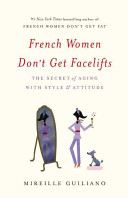
Mireille Guilliano, author of “French Women Don’t Get Fat” has another book: “French Women Don’t Get Facelifts: Ageing with Attitude.“
This book covers everything from skincare secrets and fashion tips to the role of relationships and the importance of relaxation. The path to ageing elegantly lies in lifestyle choices and attitude adjustments rather than botox and collagen fillers. After all, while American, Brazilian and Chinese woman lead global cosmetics surgery figures, French women don’t even make the Top Ten.
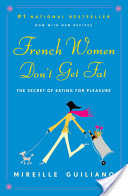
Her book,French Women Don’t Get Fat: The Secret of Eating for Pleasure, in which she recommends bread, champagne, chocolate and romance as key ingredients to a balanced diet and lifestyle, captured the imagination of an overweight world tired of yo-yo diets and became a runaway best seller around the world, hitting the top of the best seller charts in many countries, including the USA, where it was number 1 on The New YorkTimes Bestseller list. It has been translated into 37 languages. She followed it up with another best-seller, French Women for all Seasons: A Year of Secrets, Recipes and Pleasure.
Many of my friends were astonished that I disclosed the coveted gastronomy and lifestyle secrets of French women in my books. They’d probably be stunned to find out that I’m willing to share our beauty secrets as well! But here they are—the five beauty secrets that French women swear by:
Secret #1: French women know that hydration is the key to good skin and good hair. I strongly recommend drinking a glass of water before going to bed and first thing in the morning. Water is the French women’s secret weapon—for skin and beauty, for health (flushing toxins) and for weight control (don’t snack when you think you are hungry, your body is really thirsty).
Secret #2: French women appreciate that good circulation makes one glow. French women are not afraid of using cold water in the shower to get one’s circulation going. It is certainly part of my routine. The opening then closing of the pores with hot then cold water, the shock to the nervous system and wake-up call to the brain of a cold shower, and the rigorous towel wiping after a cold finish to a shower bring blood and color to one’s skin.
Secret #3: French women are taught and know grandma’s beauty rituals work. My Mother taught me, for example, to clean my face thoroughly every night before going to bed and to apply a mask periodically (her fifteen minute version included cucumber slices over the eyes and a crushed strawberry-honey mix for the face); and she taught me to rinse my hair with cold water with an added tablespoon or vinegar or lemon juice for added shine before moisturizing. Secret #4: French women navigate the health benefits and risks of the sun. Apart from a Riviera-bronze fixation in the 1960s and 1970s, French women are not sun-worshipping lizards. *(see link for my self tanner recommendation below). Today they are much more likely to apply their tan from a tube or bottle than from a month at St. Tropez. They are careful to wear sunscreens and look for appropriate SPF in their beauty emollients. And while they are likely to sit in the shade to protect their skin, they are equally likely to be out and about in the sun, enjoying its light and benefits, by walking or doing some light sports or movement as part of their weekly routine.
Secret #5: French women know one can go far with a great haircut, a bottle of champagne and a divine perfume. Nothing more needs to be said about this one!
Internationally best-selling author Mireille Guiliano (Meer-ray Julie-ano) was a long time spokesperson for Champagne Veuve Clicquot and former President and CEO of Clicquot, Inc. (LVMH). Recognized as “an ambassador of France and its art of living,” by the French daily Le Figaro, USA Today further dubbed her “the high priestess of French lady wisdom.”
We North American women are not totally outdone by the French. We have some tricks up our sleeves too. Check out…..
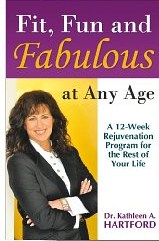
From last week: If you missed Brad King’s interview with Kathy Hartford, the author of Fit, Fun and Fabulous at Any Age here’s the link on “Transforming Health” at Voice America.com:



 The following is condensed from a chapter in “Walking with the Wise” for health & vitality by Alejandra Armas.
And the world needs our positive thoughts now, more than ever!

Many times I come across a great article in a magazine or from another blog that I just want to share. This is one of them. Even though this post on eating organic foods is geared mostly towards those suffering from adult acne, it seems like it can’t hurt for keeping your skin healthy in an overall sense.

à la française – the TOP 5 Beauty Secrets of French Women
Mireille Guilliano, author of “French Women Don’t Get Fat” has another book: “French Women Don’t Get Facelifts: Ageing with Attitude.“


 Click: http://www.livinggorgeous.com/
 Girl Who Would be KING on Life, Style and INSPIRATION.
You must be logged in to post a comment.