

Thoughtfulness, Timing, Tradition, Taste…Tojo’s…
This was part of the Vancouver International Film Festival 2024
Words that represent Vancouver’s Japanese-Canadian Celebrity Chef Hidekazu Tojo.
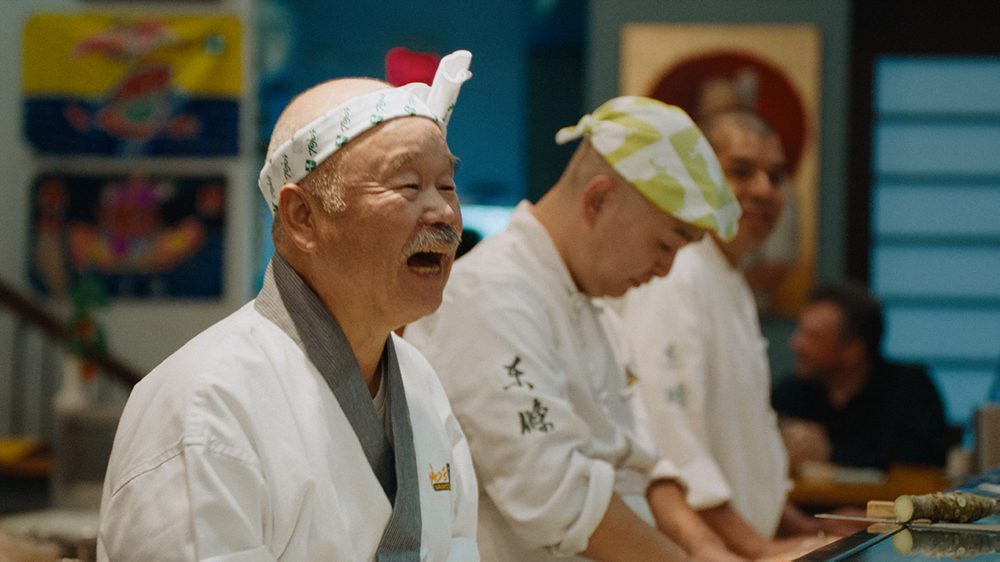
I loved everything about this world premiere documentary except telling a friend of mine that I’d meet her next door to the theatre for Italian, when I was actually craving sushi. Especially after watching Tojo prepare his mouth-watering dishes on screen. Tojo is more than a sushi chef. He’s an Artist. He started out working at restaurants in his home town of Kagoshima, Japan before becoming a chef at various restaurants in Vancouver, until opening his eponymous “Tojo’s” in October, 1988. There, he was able to have control over putting his signature spin on everything. After 18 years at the same location, in 2007 Tojo moved his restaurant to a new custom-designed setting a few blocks east of its original location. The place has been packed since day one.
Good food is always memorable. Great food is unforgettable. I was once treated to an extraordinary birthday dinner sitting at the counter at Tojo’s with Tojo preparing all the dishes himself; carte blanche. The dinner included sake too. That’s when I realized that there’s sushi and then there’s sushi. There’s also many other dishes that are delicious that don’t include raw or cooked fish. Tojo does it “His Way.” It’s not so much a restaurant as it’s an experience. His food is elegant, modern and fresh –using local ingredients. He’s a weekly regular at the Farmers Markets.
Tojo’s has earned admiration along with a cult following over the years. The restaurant has become a foodie destination. Photos with celebrities like Harrison Ford, Robin Williams, Martha Stewart, Anthony Bourdain and countless others who’ve enjoyed his creations line the walls. but none with me..so far
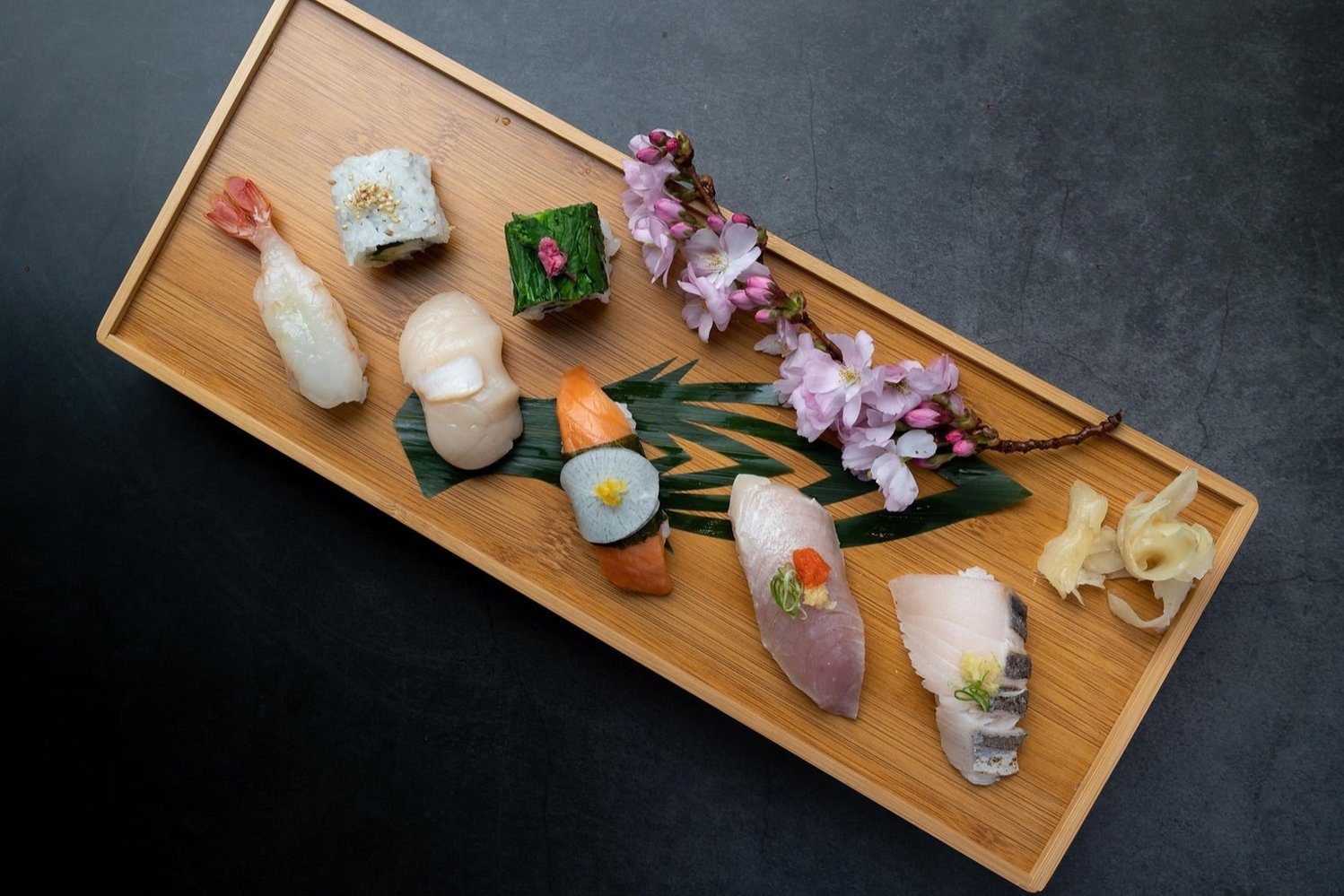
He’s credited with inventing the California Roll when one of Tojo’s regular customers mentioned that his wife didn’t like to each raw fish. Always aiming to please, Tojo tried to Westernize the roll by adding the non-traditional ingredient of avocado and turning the roll inside-out to hide the nori (seaweed). Not only did he succeed in creating a new popular roll, it’s become a mainstay pretty much everywhere since then. He’s a true pioneer.
However, this documentary doesn’t only focus on food. It also talks about Tojo’s life and legacy, his upbringing, Japanese culture in general and an interesting and unsettling look at Canadian-Japanese history.
I always like to personalize my blog posts (if I can). In this case, I lived in Japan for six months in my mid 20’s and that’s where I reluctantly tried sushi for the very first time. There were very few restaurants in Vancouver that served sushi then. I embraced the culture and the food immediately. Aside from sushi, I also loved the noodle houses. I took a sushi making class and was super excited to share my talent for making it for my parents when visiting them in Montreal. They never ate raw fish before, so I started out with making California Rolls (including the more challenging inside out rolls) using semi-cooked tuna (baby steps) and my trusty sushi roller and the sharpest knife in the drawer. They appeared to be very impressed with the presentation but I don’t think they enjoyed the taste. It’s taken a while for Westerners to get accustomed to eating raw fish. Now there’s so many Japanese restaurants in Vancouver, but not all are created equal.
Where does the Daruma come it, and what does it represent? There are references throughout this documentary about those little round dolls you’ve seen before with the missing eyes. They sometimes topple over but get right back up. There’s a message here. The Daruma is seen as a symbol of good luck, happiness and endurance. People traditionally buy these lucky dolls at the start of the year, make a wish as they color in the doll’s left eye, and then work towards their goal. Once the goal is achieved, they fill in the other eye. The Daruma is modeled after the famed Buddhist monk Daruma, who founded the Zen sect 1,500 years ago. The doll has also become commercialized by many Buddhist temples as a setting of new goals. It’s really a symbol of gratitude. Tojo always has a Daruma to show his appreciation for setting and accomplishing goals . I think I’m going to get one too. My first goal will be to get the doll and my second goal will be to start setting new goals. So that should mean that I can color in both eyes right away. So easy!

Taken from the VIFF Website:
For 36 years, Tojo’s has been a mainstay in the Vancouver food scene, beloved by critics, foodies, and a plethora of celebrities. A pioneer of Japanese cuisine in the West, chef Hidekazu Tojo helped bring sushi to the mainstream and is known as the inventor of the California Roll. Still working in his seventies, chef Tojo is inspired to look back on his life and ponder the legacy he will leave behind. He recalls his early years as a Japanese immigrant, coming to Canada at the age of 21, and his ambition to create a singular culinary path. We also accompany the chef on a return trip to Japan, where he connects with locals and explores new food trends.
Shot in Vancouver, Vancouver Island, and Japan, The Chef & the Daruma is a mouth-watering film tracing a journey of immigration, identity, and reinvention. Mads K. Baekkevold, in his first feature documentary, creates a loving tribute to a man who has devoted his life to sharing food.
You can still find Tojo at the counter. Here’s a link to a Limited-time special Fall menu at Tojo’s restaurant: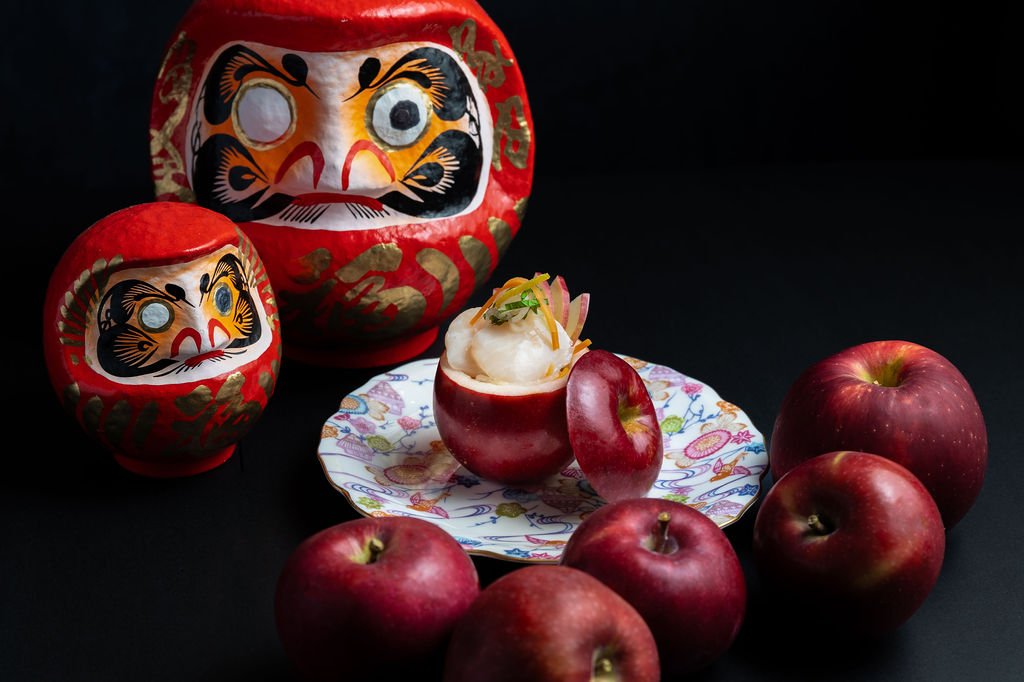
Join VIFF News
Get the latest updates on our Festival, year-round programming and more – and get $5 off two VIFF Centre year-round film tickets. Sign up here:
https://viff.us20.list-manage.com/subscribe?u=3344b76c6b5bdf78e58637067&id=2f28b8d64f
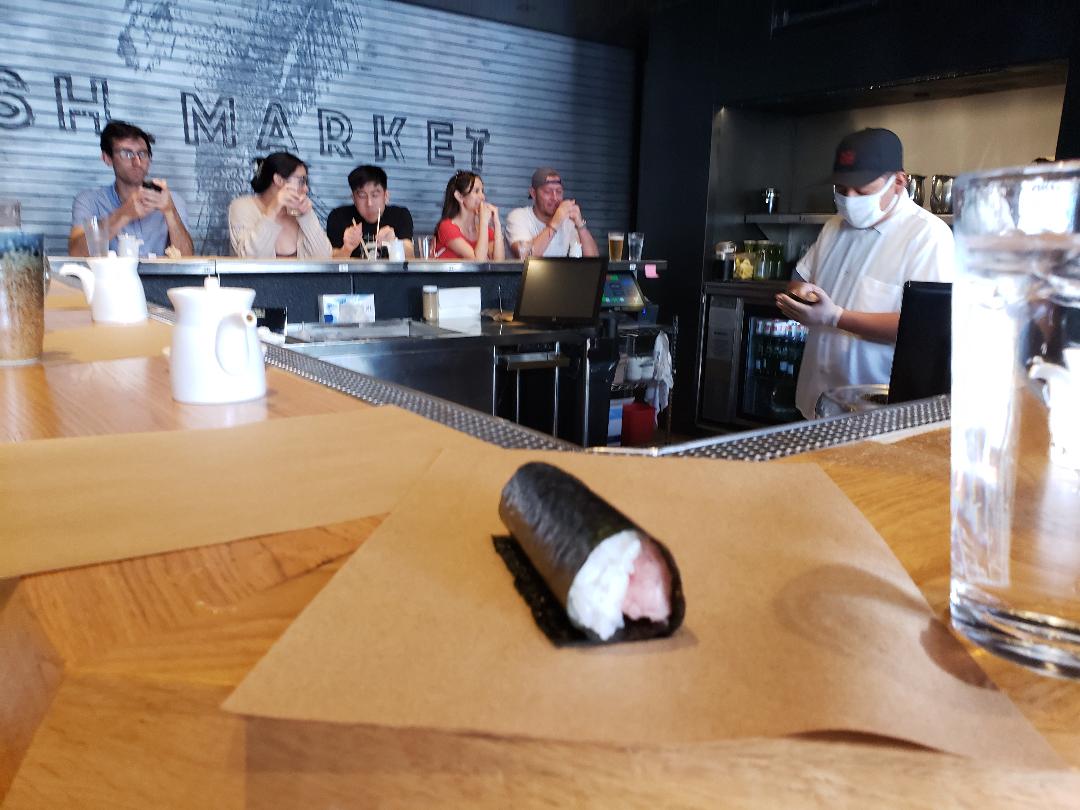
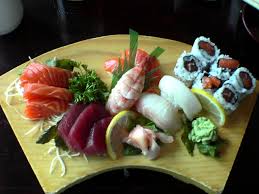
Sushi Photos taken from Tojo’s Restaurant Website


 Girl Who Would be KING on Life, Style and INSPIRATION.
You must be logged in to post a comment.