
B well – to Wheat or not to Wheat?

Is eliminating this ‘ever-present’ grain the key to weight management – and to curing so much more that ails us?

Decoding the wheat belly diet – wheat1 taken from an article written by Sari Bottom.
It’s something you see more and more: brunch companions shunning the muffin basket.  Houseguests calling ahead to ask if you’ll be serving pasta.  Bakeries touting wheat-free goods.  A facialist who tells you your bread habit is the reason your skin is blotchy.  Wheat has been getting a bad name lately, and not just from those who have eliminated carbs and gluten (a protein found in wheat) from their diet.

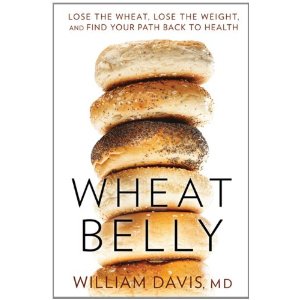
The loudest voice in the chorus lately belongs to William Davis, author of the book ‘Lose the Wheat, Lose the Weight, and Find Your Path Back to Health’ and its companion, ‘Wheat Belly Cookbook’.  Davis, a Milwauke cardiologist, points an accusing finger at our most abundant grain, blaming it for (almost) everything including the obesity epidemic, heart disease, diabetes, acne and other skin conditions, and even disorders like ADHD.  Not to mention that “brain fog” many of us feel after eating a high-carb meal.

At the heart of Davis’s argument is the idea that modern-day strains of wheat have been genetically (and harmfully) altered to such a degree that they barely resemble the ancient strains or even that of 1950s wheat.  Today’s varieties have a higher glycemic index, a factor in blood sugar and insulin levels, as well as new forms of gliadin, a component of gluten that Davis says is bad for everyone.  One of gliadin’s worst offences is its association with inflammation, in particular creating a “leaky gut.”  It can overstimulate appetite to the point where people eat some 440 more calories a day than they need – usually carbs.

From reports of flattened bellys to alleviated joint pain, there’s no shortage of adherents to the wheat belly diet who’ve reported great results – in as little as two weeks.  Yet even with many success stories, Davis has many critics.

wheat belly1When diets are extreme they’re hard to maintain.  It is pointed out that some starch carbs can be good for you.  People will miss out on fiber and important vitamins and minerals.  The biggest point of contention is that the alleviation of so many ailments is not likely wheat related.  People cut calories and then lose weight.  And when you lose weight, a number of other conditions will improve.  It is also noted that a number of food proteins like that from milk, soy and even spinach can break down the same way as the gliadin in wheat and create the same problems. Davis is unfazed by his detractors though.  “They don’t have an appreciation for all the issues,” he says.  With many happy converts, he will likely keep riding his wave – at least until the next low-carb craze.

My thoughts….I learned a new word – ‘Gliadin’ which is the most abundant protein found within wheat gluten (two really bad words).  It is, from a cold scientific viewpoint, a fascinating topic – a protein that is an apparent cause of many health problems.  And just one more thing to worry about.

Of course, the “official” response is that the increased calorie consumption, overweight/obesity, and diabetes are your fault because you are a glutton and you’re lazy, eating chips, cookies, and other junk snacks along with sweetened soft drinks while you watch The Biggest Loser.

Okay, a lot a bit guilty here except that I don’t watch the Biggest Loser.  I think watching too many reality based TV shows is detrimental to health – but that’s another topic. It’s really hard to quit cold-turkey but over time if we cut out some of the junk food & wheat products little by little we can definitely benefit our health.  It depends on how badly you want to work at it.  So hard when you love bread, pasta, cake & cookies…..  Several years ago for a few months I did manage to eliminate wheat & dairy from my diet and must admit…never felt better!

by Brad King

While we’re on the subject take a look at this best seller – Beer Belly Blues.

All books available on: Amazon.com

**Don’t miss listening to “Transforming Health” with host Brad King for the most evocative and informative up-to-the-minute interviews with leading health professionals – Live every Wednesday @ 12PM-PST/3PM-EST on VoiceAmerica.com – #1 internet radio station in North America.

Here’s the link: http://www.voiceamerica.com/show/1686/transforming-health



Personally – trying to speak No Evil

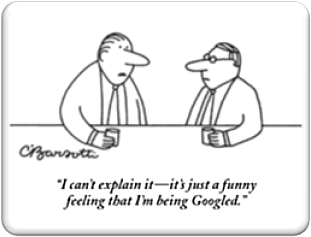
google3Because who’s managing our online reputation?

Taken from an article by James Dolan in the Technology section of Nuvo Magazine.

It’s amazing that we have the ability to talk to, learn from, and work with people from all over the world – from the comfort of our home.  The liberty to exchange opinions, explore new ideas, the freedom to do what you want, say what you want, be who you are, without the government, the boss, or mom and dad getting in the way.google1In practice, the freedom by the Internet has proven something of a double-edged sword.  True, the combination of anonymity and interconnectivity has allowed millions to enjoy unprecedented freedom of expression.  Out of that…

Gossip, misinformation, unverified rumour, tall tales, bald-faced lies – all of it can be found in plentiful on the Internet.  With the rise of Facebook, Twitter, and other sites as the 21st century’s communication medim of choice, It seems we can all look forward to the badmouthing growing in frequenty and expanding in volume, cached on countless servers until the end of time.  Or at least until we run out of hard drive space. google2 Now that the Internet has developed into a powerful tool for the pursuit of wealth as well as happiness, the fabrication of untruths has become a viable business strategy.  In an environment where what people say about you (and how they say it) can make the difference between profit and loss, it is easy to imagine how such activity could be used for less-than-pure-purposes: a positive review to falsely promote a brand’s reputation; a negative review to destroy it.

Uncomfortable with the “anything goes” culture of user-generated content, many popular websites have taken their own approach to protecting and policing the reputations of users.  Auction site eBay encourages users to leave feedback; tech blog Slashdot has developed the concept of “karma points”; and last year search giant Google launched a toolset to help users request expedited removal of confidential or unwanted content.

There is also professional help.  For a fee, a reputation manager will monitor online activity and defend one’s cyberstanding from the slings and arrows of muckrakers and hacks.  Part public relations officer, part computer engineer, part private eye, such specialists are quickly becoming essential staff members for celebrities, politicians, high-profile athletes, and multinational corporations looking to cure themselves of bad press.

There is no denying that the Internet at times resembles a giant high school, where mean-spirited children (of any age) can mock, tease, and intimidate without the fear of reprisal.  By eliminating our ability to criticize and scold, to bitch and complain, to shake our collective fists at injustice both imagined and real, we lose no small part of that freedom we were once promised.  Slowly but surely, truth comes to resemble our reputations: something no longer earned, but “managed”.

beauty – naturally!

More and more women are turning to Natural Beauty Products.   What works & what doesn’t?naturalbeautyThe following is from a recent interview that Alex (who works for Garance Doré) had with Tata Harper (founder of Tata Harper Skincare).  Since I’ve been formulating my own line of natural skincare products I found it quite timely and true to what I believe so it seemed natural to just re-blog their interview.beauty

What is natural beauty?

Natural beauty doesn’t have an official definition in the industry; a lot of beauty companies label and market their products as “natural” though they have synthetic chemical ingredients in the formulas. To me, “natural beauty”, when it comes to products, means the ingredients are 100% natural and nontoxic: nothing synthetic that’s been formulated in a lab, only things that have been derived from natural sources like plants, clays found in nature, etc. I think, too, “natural beauty” can mean something more holistic: a lifestyle approach to beauty that includes more than just skincare and makeup products, and incorporates important elements of our lifestyles that affect the way we look, like our diet, stress level, exercise, and how hydrated we are. I think cultivating beauty from the inside out is an element of “natural beauty”, because making healthy, skin-conscious lifestyle decisions can make a huge difference in our outward appearance – naturally.

What made you want to create a line of natural products?

My step dad was diagnosed with cancer about nine years ago now, and it really started after I accompanied him to different cancer centers and all of a sudden the doctors asked me to bring all of his personal care products in for evaluation, and everything was banned.

We were given the mandate to find all-natural products to replace everything that he was using. Obviously I was very curious about that because I’m Latin, and we use too many products. We grow up in a culture that we embrace beauty and our dedication to beauty is beyond what Americans can imagine.

I remember going to department stores trying to look for this holy grail of natural skincare, to look at the ingredients, and thinking, “What’s the point of this natural skincare if it mixes the natural and all of the synthetics?” Basically, that’s how it started and it took almost five years with eight different scientists, because I was obsessed with making them extremely high-tech so that when people use them they would see the results. So I had aromatherapists, homeopathic doctors, herbalists, botanists, skin biologists, all working in this line for many years, until we were launched into the market.

What do we need to worry about?

The majority of the products that are out there in the market contain these questionable toxic chemicals that the FDA [Food and Drug Administration] does not regulate.

A lot of the time what happens is that people don’t even realize what they are putting on. The typical is like the paraben-free, so you’re like “Oh it is natural, it is paraben-free.” And I know that that just means there is one ingredient they left out of there. But then they replace it with another ingredient, which is a mixture of gasoline and alcohol. And people just don’t know that. If people knew what is in their products they probably wouldn’t be putting it on their skin everyday twice a day.

Daily exposure to all these toxic chemicals, that is what motivated me to do this. As a consumer, I don’t want to put any potential cancer-causing ingredient on my skin. Ten years down the road, with the attempts to be beautiful, my wellness is sacrificed. At the end of the day, is what this natural movement is all about. A lot of people think that the natural movement, this switch, has to do with the environment and hugging trees in Vermont. It’s really not about that, this is a health conversation that we are all having.

Do natural products work?

A common myth is that natural products don’t work, everybody thinks that. People are used to natural products that are really low quality found in supermarkets, where you don’t expect a lot of performance from them in the first place. When people say that natural products don’t work, that is something I have to challenge every time.

I am usually faced with women that come to me and say “Tata I buy organic food for my family, I use all natural products to clean my house, I use all natural medicine, but, you know my skin care products are still this and that.”  And I’m like “What are you doing?” Why are you doing that when nowadays you can achieve the results you need without putting all the synthetic chemicals on your skin?

For example, we bring ingredients from around the world like Spanish lavender. We bring from a lab outside of Barcelona. It is actually an ingredient that is synthesized, so it mimics the effect of Botox topically applied. So in two hours, 95% of all your subcutaneous muscles are completely relaxed. So that is something that people really don’t realize when they think about natural products.

Have you noticed changes in the market?

The good thing is that the market is really responding to this demand that customers are making for having better things for them. In big cosmetic labs today, the majority of the budget goes into natural actives that perform as well as synthetics, or even better.

It is getting a lot easier now to find all of these natural ingredients. Before when we would go to trade shows there would only be about ten or fifteen, and now it has become such a huge thing. Now it is super exciting because everyone is re-evaluating. The majority of the newness is all about natural actives.

What advice do you give someone who wants to start using natural products?

I like to tell people to start with one thing at a time. Change the things that you use most often first, don’t try to change everything because it is such a daunting task that the people never end up doing anything.

What is your beauty philosophy?

First of all, I believe that beauty isn’t a one way street: the way we look on the outside is a reflection of our entire wellness. I believe that healthy food, getting lots of sleep, controlling stress and finding time to relax, finding time for regular exercise and staying hydrated are all as important to the way my skin looks as my skincare is. It doesn’t matter how many creams you use – if you’re not getting any sleep or your diet is mostly sugar or processed foods, your skin is going to reflect that by being more dull or prone to showing signs of aging because it’s not being nourished, or given time to naturally refresh and regenerate. Secondly, I believe that beauty is about consistent, daily care – find a routine that makes your skin glow and stick to it, so your skin can really enjoy the long-term benefits of the products!

Here are a few others brands that we love and are following the whole natural path… Don’t hesitate to tell us if you know others!

Tata Harper Resurfacing Mask, Regenerating Cleanser and Reparative Moisturizer. One Love Organics Vitamin C Serum and Rahua Voluminous Shampoo and ConditionerDr. Hauschka Cleansing Milk.

Get Spoiled luxe facial oil, étoile hydrating essence & BALMshell advanced care for eyes/lips/cuticlesNEW: 1st Class Natural Skincare flight package.  Available at http://GetSpoiledNow.com

 So, what do you think about natural beauty? What are you using? And what does it take for you to go 100% natural?

styling NOW – SEXY LBDs

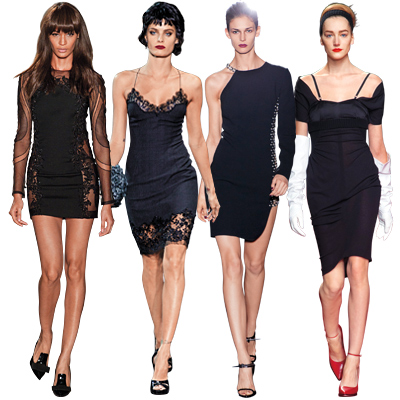
Holiday Party Season is Here – what woman can resist wearing one of these perfect LBDs.

11111
Photos from inStyle (left to right) Emilio Pucci, Louis Vuitton, Anthony Vaccarello, Nina Ricci

WHY WE LOVE THEM:

LBDs have always had a restrained sex appeal, but this season designers really cranked up the heat, sneaking in sheer panels or slashing up classic shapes to expose subtle hints of skin. The look is definitely tight, leggy, and lingerie-ish but still completely refined.

xxx
Haute Hippie DressCotton-nylon ponte, $595; hautehippie.com. 

HOW TO WORK IT:
This is not an Audrey Hepburn moment—the vibe is raw and seductive. Hair should have an effortless quality (worn combed back or loose and down), and go with kiss-me lipstick in  red or wine. Pair one of these edgy LBDs with black pumps, or if you’re feeling bold, try red ankle-strap heels. To keep things from getting to risqué, make sure one area of your body remains covered. Choose a short dress with long sleeves, or if you’re working a plunging neckline, look for a hemline that hits past the mid-thigh. I love a below the knee black strapless with a thigh-high slit.

aaa
Rachel Roy black dress – $298
Kate Bosworth wears Emilio Pucci...perfectly.
Kate Bosworth wears Emilio Pucci…with perfection.  Taken from Images

If you’re on a tight budget try H&M or Winners for some nice inexpensive selections.

In any event you should have no trouble finding your perfect match with so many options to be found.

Happy Shopping!

Simply Satisfying – cooking OILS

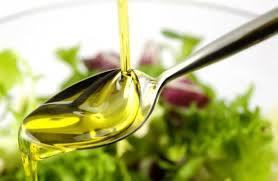
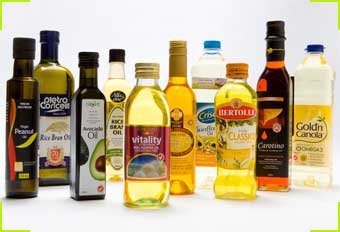
oils2From OLIVE to COCONUT to FLAX, it’s no secret that oils are having a major culinary moment.oils1

Good thing, too, since most of them are rich in unsaturated fats that’ll help keep your heart in tip-top shape. But what’s the smartest way to fit all of these different lipids into your kitchen repertoire? And which oils hold up to each kind of cooking? Confusing, no? I just added three more to my vast collection – avocado, rice bran & black truffle. The first two are for cooking over high heat & the third is for finishing purposes only.

READ ON to learn the best (and worst) oils for eight everyday cooking methods.

oils3Stir-frying
You can’t go wrong with safflower or canola oil. But if you’re looking to add an Asian-inspired flavor, try toasted sesame oil. All stand up to stir-frying’s hot temperatures because of their high smoke point, the temperature at which an oil starts to burn and emit (you guessed it!) smoke. When oil smokes, it’s actually oxidizing and turning rancid, and oxidized oils are carcinogens. You can try Rice Bran too with a smoke point of 430F. If you opt for canola, make sure it’s organic and certified non-GMO: In the US, nearly 90% of canola is genetically engineered.

What not to use: Olive oil. With a smoke point that tops out at around 325 degrees, it can’t stand up to the high temps required for stir-frying.

Sautéing
Rich in heart-healthy fats, olive oil of any kind works well for this medium-heat, stove top cooking method. Refined or light olive oil is paler in color and more neutral in flavor than its extra virgin cousin, making it a good choice for all-purpose sautéing. Go for the greener, grassier (and often more expensive) extra virgin stuff in dishes where you want a more pronounced olive oil flavour, like marinara sauce.

What not to use: Steer clear of oils that break down in the presence of heat, like flaxseed or wheat germ.

Dips, sauces, and dressings
When making uncooked items like hummus, pesto, or vinaigrette, reach for rich, flavorful extra virgin olive oil. Looking for something a little different? Try avocado oil. Though you can cook with it at high temperatures, its buttery essence really shines when used raw. I can’t wait to try it. Grape Seed Oil works well for salad dressings.

What not to use: Canola or safflower oil. Though perfectly safe, the neutral flavor will leave your food tasting lackluster.

Baking
Refined coconut, organic canola, grapeseed or safflower all fare well in medium temperatures typically used for baking. Among those, the one you pick depends on the taste you’re looking for: Coconut oil’s distinct, nutty flavor will stand out in baked goods, while canola or safflower will fade into the background. I use organic virgin coconut oil for making granola in a low-heat oven.

What not to use: Flaxseed or wheat germ oils. Though you might think they’ll give muffins and quick breads an extra boost of omega-3s, “these oils are fragile and break down in the presence of heat.

Roasting
Your oil here depends on the temperature at which you’ll be cooking. If you’re roasting higher than 325 degrees, pick a heat-stable oil, like organic canola. Cooking low and slow? Regular olive oil is a good choice.


What not to use: Just like you’d skip flaxseed or wheat germ oil for baking, avoid them for roasting, too.

Grilling
Consider organic canola or safflower oil your kings of the grill. Able to withstand temperatures reaching close to 500 degrees, these sturdy fats are the least likely to oxidize in the presence of flames or hot coals.

What not to use: Olive oil. Even though tons of recipes call for brushing proteins and veggies with the stuff before slapping them on the grill, the heart-healthy fat can’t take the heat.

Frying
A high oil temperature is key to turning out fried fare that’s crisp–not soggy–which means the food has absorbed too much fat. With smoke points of up to 450 degrees, peanut, safflower, certain types of avocado (check label) and soybean oils get the job done. If you choose soybean oil, though, be sure to pick an organic variety to avoid GMOs. I tend to taper the oil to the dish.  For instance, for Indian or Thai I prefer using peanut & for Mexican, Avocado.

What not to use: Olive oil. Tempted though you might be to make your fried foods feel slightly more virtuous, its smoke point is too low for this type of cooking.

Flavoring or Finishing
For extra nutrition and depth of flavor, try nutty flaxseed or wheat germ oil in smoothies or drizzled over cooked dishes (like whole grains or roasted vegetables) right before serving. T
oasted sesame oil, too, can make a finished dish even more delicious. I love drizzling white or black (a bit stronger) truffle oil over regular pasta, eggs or rice dishes.

What not to use: Canola, safflower, or regular olive oil. They won’t do anything except make your food taste oily!

Other specialty (not so common) oils – we see them, we buy them & then we’re not exactly sure  how to best use them.

Walnut oil is at its most valuable in cold dishes such as salad dressings, where it lends its flavour to best advantage.

Hazelnut oil is not for the meek. Not only is it pricier than olive or vegetable oil, it is also more delicate and flavourful. It brings great taste and health advantages despite this. Some may have difficulty deciding what to do with their hazelnut oil. Drizzle Hazelnut Oil on desserts, particularly ice cream and  rich chocolate cakes.

Now get cooking, baking….

Credit: Marygrace Taylor, Prevention & yours truly


coffee culture – dark & handsome

coffee3Coffee, chocolate, men…some things are better rich…

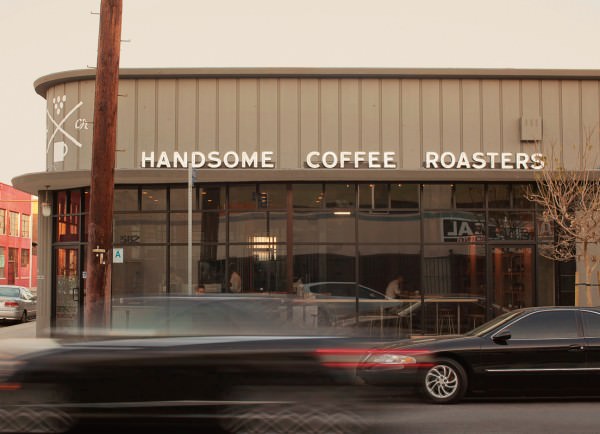
Handsome Coffee Roasters, L.A.

from their website
from their website – http://handsomecoffeeroasters.com

Only in Los Angeles can you find Handsome in the city’s derelict, industrial downtown.  Also…

Comfort: Comfort is a handshake at the door, an offer to take your jacket. Need a lift to the airport? These coffees deliver time and time again, rain, wind or shine. The good life is within arm’s reach.

Adventure: Adventure is a drive in your friend’s Porsche, a job offer from the CIA. Mom and Dad’s advice is useless and the decisions you make are your own. These coffees are a glimpse into life’s endless possibilities, rewards waiting to be earned.

Never before has coffee tasted so…..promising?

Hello, handsome” likely wasn’t the greeting between Michael Phillips, Chris Owens and Tyler Wells, as they first met while working the coffee circuit.  Then again, Owens admits the impetus to start their company, Handsome Coffee Roasters, came about while he and Wells were on a “man-date.”  Each from a different corner of the United States (Wells from West Virginia, Phillips from Michigan + Owens from Texas) , their confluence in Los Angeles marked not only the beginning of a budding three-way bromance, but also the blueprint for a business that would see them sourcing beans first-hand from farmers around the world, roasting them in small batches, supplying them to cafés across the country, and brewing the grinds at a coffee bar all their own, right from downtown L.A.coffee1Angelenos have been flocking to the space for a bar menu with options that read simply: “espresso” and “espresso + milk.”  In a shamanistic way, the baristas surmise your flavor preferences and then prescribe the bean they think you’ll enjoy most.  The menu changes often, and sometimes includes Konga Cooperatives from Ethiopia; in it, you find notes of raspberry and Clementine – a brew that Wells calls his favourite.  Phillips disagrees, for him, it’s the mysterious tobacco, brown sugar, graham, and black tea aromas in Dukunde Kawa, grown in Northern Rwanda.  As for Owens, he’s most excited about the Finca Tanzania from Salvadoran coffee-growing legend Aida Batlle.  The coffee queen was so impressed with the triumvirate’s operation that she invited them into her exclusive club.  There’s a lot more to them than just their good looks.

but wait….no Blue Mountain on the list?

credit: Craig David Long for Nuvo Magazine.