Getting older may not always be fun but it’s a part of life and you should make the most of whatever age you happen to be right now. Mistakes made in your 20’s can affect you later on but with a healthy lifestyle of exercise and eating correctly you can turn it around to become the BEST YOU possible – isn’t that what we all strive for?
Our nutritional needs change throughout the years; and depending at what stage of life we’re at, we may want to avoid certain food-related missteps and find out what foods we should be eating more of.
These tips come from dietitians (who specialize primarily in women’s health) on how to make the most of your diet for your specific age group. Of course you can take some of it with a grain of salt – but make it a tiny grain because no matter what age you’re at – too much salt intake is never a good idea.
In your 20s and 30s: work, partying a little (or a lot), thinking of having kids, or chasing after young children – all while trying to fit in a social life. Your energy needs are high, so protein should be a vital component to your diet. Make choices now to lay the foundation for your future health. Get lots of whole grain breads, quinoa and rice; they have been shown to slash the risk of heart disease later. It’s vital that you reach the highest bone density possible during this stage – which means consuming dairy, and other calcium sources. IDEAL FOODS: bananas for magnesiaum (also helps with PMS and to counter sugar cravings). Oranges for vitamin C and to help build collagen in the bones, cartilage, muscle and blood vessels, and helps with the absorption of iron. Spinach for folate, but if you don’t like spinach then any other leafy green vegetable. Fatty fish, Plain Yogurt (helps your body absorb Vitamin D), Protein and Whole Grains which provide stamina and help maintain stable blood sugar levels. MISTAKES TO AVOID: consuming too much caffeine, pop and alcohol (all of these diminish calcium). Not eating regularly throughout the day and cutting out necessary food groups (for example, not eating carbs in an effort to lose weight, or cutting out dairy).
my brain says right but my heart says left
In your 40’s: this is prime time for preventing health issues in later life. You’re probably busier than ever, but you may not be as physically active as you once were. Good-for-you fats found in high-quality mono and polyunsaturated oils (like olive and canola) are great choices. Try to eat more fish, and boost your grain and fibre intake. IDEAL FOODS: lemons for detoxifying, purifying effect on your skin and organs. You can toss slices into a glass of water or hot tea. Fish with the omega-3 fatty acids for helping your skin stay hydrated and they have an anit-inflammatory effect. Eggs which are high in protein and zinc which help the body absorb Vitamin A. Almonds are a “good” fat as they contain vitamin E and calcium. Apples as a source of fibre and protein. MISTAKES TO AVOID: eating too much (change portion sizes), not eating enough protein, eating too many takeout or convenience foods (high in fat & salt) and eating low-fat foods that are high in sugar (read the label and check the amount of sugar). You do need some fat in your diet (it keeps you looking younger) but the right kind.
In your 50’s: Iron becomes less of an issue once you stop having periods so it’s okay to eat protein sources other than red meat. However, you still need plenty of calcium to protect your bones, so load up on dairy and other souces of calcium. The onset of menopause brings a host of changes that can be mildly annoying (body shape, hot flashes, sleeplessness) to debilitating. Now is a good time to boost your intake of antioxidants in order to prevent common chronic conditions that can occur later (cardiovascular disease and the big “C”). Eating plenty of fibre and water are essential for healthy bowels. IDEAL FOODS: Soy contains high levels of phytoestrogens (helps to balance hormones) and tofu is a protein that has been shown to have a positive effect on bone density. Lentils (plant-based proteins) can help to regulate hormones. Fresh vegetables are high in natural fibre and will help prevent fat from being deposited around your stomach. Watermelon and other fruit with a high water content (like apples, grapes) keep up the natural hydration levels in your body. MISTAKES TO AVOID: eating too much as your metabolism slows down, eating mindlessly, drinking too much coffee or alcohol (they worsen sleep and any sleeplessness, anxiety or depression you may be experiencing. Too much spicy food can exacberate hot flashes.
In your 60’s and beyond: Unfortunate as it sounds, the older you are, the more likely you are to develop a chronic ailment like high blood pressure, diabetes, arthritis, etc. Low-salt, nutrient-rich foods are essential for your continued good health. Try to get more omega-3 and 6 such as nuts and seafood as these have been shown to combat memory loss, depression, cancer and Alzheimer’s disease. I know this all sounds pretty depressing but it’s in the numbers – you can help prevent a lot of the ailments or at least help postpone them. Eat yogurt regularly and maintain a high-fibre diet. IDEAL FOODS: blueberries are packed with antioxidants and great for circulation and for healthy brain function. Fatty fish, Macadamia nuts for preventing high cholesterol, Spinach is one of the highest sources of lutein (an antioxidant that can help stave off macular degeneration, a leading cause of visual impairment. MISTAKES TO AVOID: eating too much salt, not drinking enough water, not eating regularly enough (5 small meals throughout the day is better than 3 big meals), eating too much saturated and trans fat which make circulation sluggish and affect brain function. Nobody wants that at any age!
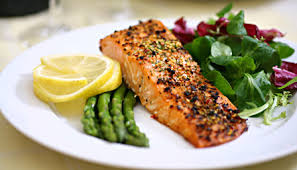
This is my idea of an ideal healthy meal – all in good taste.
And remember, exercise is important for all ages.
Also, while I’m at it:
*Don’t miss listening to “Transforming Health” with hostBrad King for the most evocative and informative up-to-the-minute interviews with leading health professionals – Live every Wednesday @ 12PM-PST/3PM-EST on VoiceAmerica.com – #1 internet radio station in North America. Here’s the link: http://www.voiceamerica.com/show/1686/transforming-health
On a recent trip to California I paid a visit to an amazing vitamin store but was bewildered trying to decide which of the supplements in question would be right for me. I’m familiar with the basic ABC’s of vitamins but wanted to experiment with two new products that we’ve been hearing a lot about (namely Garcinia HCA and Green Coffee Bean Extract). It was difficult to decide amongst all the countless choices and confusing even when consulting the store health expert. Which is the safest and most effective to help shed a few pounds? Then I saw this timely post taken from Goop.com – Gwyneth Paltrow’s weekly online publication which offers first looks at exclusive collaborations, delicious recipes, personal travel notes, shopping ideas, wellness tips and much more.
Here’s the vitamin aisle—crowded, confusing, and overwhelming in its promises. Some of these are empty, and some are too powerful to be tested without guidance. After all, what is L-Theanine? Do I need it? And, at what dose? For answers, we decided to turn to frequent goop contributor, Dr. Frank Lipman, who distilled the offerings down to a handful of vitamins and supplements he frequently prescribes. He counts some as no-brainers—and others as little-known trade secrets—but all pack a veritable punch.
Q:We often hear that if you eat well, you shouldn’t need supplements. What’s your take?
A: “Supplements are essential health-boosters that can help fill in nutritional gaps and protect your body against the occasional diet slip-up. While I recommend everyone eat whole, preferably organic foods, I also believe that high-quality supplements are important as well. While they won’t make up for a bad diet, think of them as your nutritional pit crew, standing at the ready to make those quick adjustments, tweaks and fixes to your internal engines to get you back out on the road.”
Q:Is it possible to take too many vitamins?
A: “While it is possible to take too many vitamins, it’s extremely rare. One should be careful with fat soluble vitamins like Vitamin A, D, E and K. Almost all of the vitamins I recommend taking regularly are safe and hard to take too much of. However, because most people are deficient in Vitamin D, and since it’s easily measurable, I do often recommend taking that with the supervision of a doctor.”
THE VITAMIN & SUPPLEMENT KEY
FAB FOUR
1. Multivitamin
2. Vitamin D3
3. Fish Oils
4. Probiotics
*Dr. Lipman’s top recommendation for everyday use, covering our most basic health bases.
Stressed Out
1. B Complex
2. Magnesium
3. Acetyl Glutathione
4. L-Theanine
Sleep Deprived
1. Acetyl Glutathione
2. CoQ10
3. Magnesium
Feeling Low
1. B Complex
2. Powdered Greens
3. Acetyl Glutathione
Living in a Cold Climate*
1. Magnesium
2. Powdered Greens
3. B Complex*It’s also essential to have your Vitamin D levels checked in case you are deficient.
Don’t miss listening to “TRANSFORMING HEALTH” with host BRAD KING for the most evocative and informative up-to-the-minute interviews with leading health professionals – LIVE every WEDNESDAY @ 12PM-PST/3PM-EST on VoiceAmerica.com – #1 internet radio station in North America.
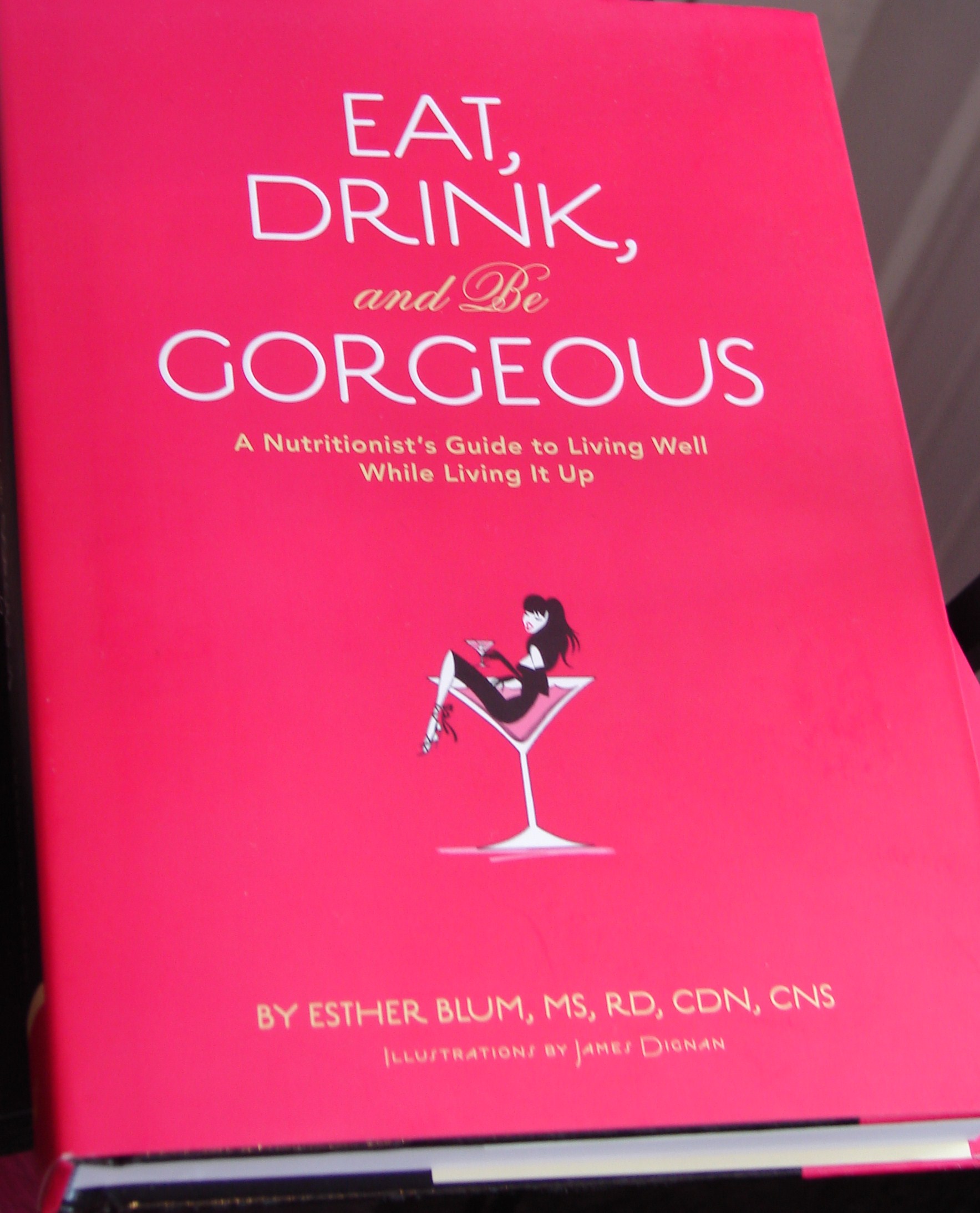
Eat, Drink, and Be Gorgeous: A Nutritionist’s Guide to Living well While Living It Up
From *Esther Blum, an expert nutritionist at Dr. Perricone’s flagship Manhattan store, comes the breakthrough news that, yes, you can eat and drink what you love and still look and feel gorgeous. Esther reveals the secrets to beautiful skin, a fantastic figure, and peace of mind all while living the good life.
It’s about knowing how to make the right choices: Which cocktails cause the least damage, is a Merlot better than a Margarita? What natural supplements combat out-of-control hormones? With a troubleshooting section on treating specific ailments, delicious recipes, and fast fixes, Eat, Drink, and Be Gorgeousmakes it possible to have that piece of cake and eat it, too. Sounds good to me.
*Esther Blum is a Registered Dietitian and Holistic Nutritionist practicing in Connecticut
On a similar note:
**Don’t Miss: Brad King discusses the FIT, FUN and FABULOUS Lifestyle with Kathy Hartford, author of “Fit, Fun and Fabulous at Any Age” (along with its companion journal and cookbook) on “Transforming Health” at VoiceAmerica.com
This posting came about after reading an entertaining article called “A life well lived includes the luxury of a perfectly poured cocktail” by Christine Lennon. Of course it attracted my attention. I like to live well.
Lennon quit her daily drinking (although never stating it was a problem) when she was pregnant with twins. But then when they got a bit older & she knew they were asleep she transformed from mommy into mixologist. How better a way to handle twins or kids in general I thought. Lennon says…
“I love a Dark & Stormy in the summer, a crisp white wine after the beach, a glass of Tempranillo when there’s a steak on the grill and, as the holidays approach, a good whiskey on the rocks. I rarely drink in daylight, unless the occasion calls for it, or it’s summer, or it’s someone’s birthday (and hey, isn’t it always someone’s birthday?). I only have one, most of the time, unless I’m out, or in with company, or it’s Christmas, or I just had an ass-kicking kind of day. I’m not going to sugar coat it: A single drink before dinner, while I’m making dinner, or after dinner makes me a happier person. And frankly, a reposado tequila on the rocks with lime makes me a superhero. I’m not an alcoholic. I’ve seen that up close, and I know that what I’m doing bears little resemblance. But that doesn’t keep me from wondering if I’m drifting into some kind of undefined, gray area of casual dependency. Even my delightfully childless friends who don’t have to face a five-year-old at 6 A.M. are beginning to question if drinking is the best idea: Is it compromising their performance at work, their future as a size 6, the youth of their skin? What are the long-term effects of this indulgence?
“It’s hard to say with any certainty how much is too much, because each individual metabolizes alcohol differently,” says New York internist Frank Lipman, a specialist in integrative medicine. Depending on which research you read, moderate drinking may lower cholesterol levels, sink blood pressure, lower your risk of stroke, and increase bone density post-menopause.
For women, moderate means up to one drink per day; low-risk drinking, meaning the person imbibing is less likely to develop alcohol dependency, can be categorized by no more than three drinks in one day, and no more than seven in one week. The bad news: Studies show that regular drinking is linked to breast cancer because alcohol can tinker, unfavourably, with estrogen levels (with theexceptiion of tequila). Alcohol can also inhibit your absorption of nutrients. One study suggests that heavy drinking rewires brain circuitry, making people more sensitive to stress.
So are there ways to drink healthily and well? Hopefully rumors still circulate about an active ingredient in milk thistle, though proof remains elusive. “We know that it supports liver function, and the liver metabolizes alcohol. So it couldn’t hurt,” says Lipman, who also advises drinking water in between cocktails and eating beforehand. “And, anecdotally, I’ve found that evening primrose oil capsules help, both to coat the stomach and to soothe the liver.”
Finally this from Lennon: “In defense of my drinking, it’s my last remaining vice, or at least my last remaining regular vice, or my last remaining regular vice suitable for print. For the moment, I don’t see any reason to stop. I have a lot to celebrate, a lot of people who want to celebrate with me, and the number of a reliable car programmed into my phone. And if my bones are denser when I’m a sassy old lady as a result of all this celebrating, I’ll drink to that.”
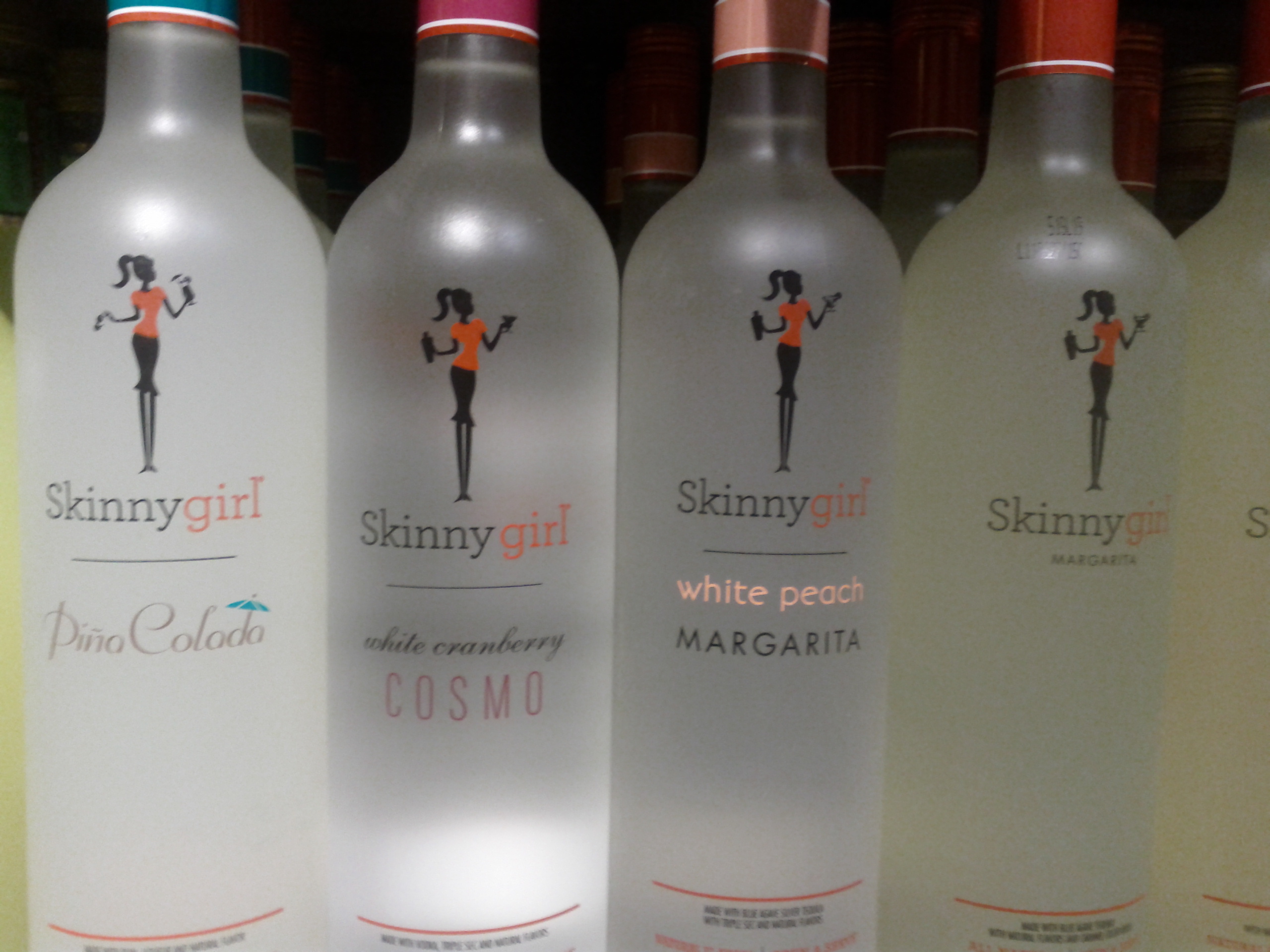
I want to be a SKINNY girl – for several different reasons!
Also…
**Don’t miss listening to “Transforming Health” with host Brad King for the most evocative and informative up-to-the-minute interviews with leading health professionals – Live every Wednesday @ 12PM-PST/3PM-EST on VoiceAmerica.com – #1 internet radio station in North America.
Growing high up in the Andes of Bolivia and Peru is a hearty root vegetable that has been cultivated since pre-Incan times. It goes by the name “Maca” (Lepidium meyenii). It is revered in the ancient Incan culture for its many medicinal purposes. According to folk belief, it is a plant known for its legendary ability to deliver energy and mental clarity, and enhance sex drives in Peruvians for more than 2,000 years. Why should they have ALL the benefits?
So why wasn’t I made aware of this before traveling to both Bolivia and Peru? I had to find out about this powerful superfood at of all places the recent Vancouver Health Show. I was feeling somewhat sluggish so sampled a small amount given to me in a tiny paper cup. Right after drinking it I immediately felt a nice energy rush but without the jolt of caffeine. Intriguing! I wanted to find out more so I’m reading the book “The power of Maca” by Lorrie Ingram who does a wonderful job in unlocking the magic of this ancient wonder.
In chapter nine she talks about the healing benefits of Maca – a nutrient beneficial for both males and females.
For Women: Maca can enhance libido, increase aphrodisiac activity, increase energy, stamina and endurance, increase sexual stimulation, assist to overcome depression and chronic fatigue, improve the immune system, increase general well-being, help fight menopausal symptoms, decrease stress and anxiety, reduce hot flashes, improve hormonal balance, and it may improve sleep patterns. Maca is an adjunct to hormonal replacement therapy (HRT) and is also known to correct menstrual irregularity and pre-menstrual syndrome (PMS) issues, enhance fertility, improve concentration and state of mind. IS THAT ALL?
For Men: can help to enhance libido, increase aphrodisiac activity, increase energy, stamina and endurance, assist to overcome depression and chronic fatigue, improve the immune system, and increase general well being. Maca can assist with increasing testosterone levels, and aid in erectile dysfunction. Maca assists with building muscle mass and is therefore a safe and effective alternative to steroids. My advice is that ALLmen should take it.
Maca is also known to increase DHEA in most males and females. It is a potent antioxidant that fights aging and provides cellular protection. And last, but most definitely not least, Maca is known to provide significant rebuilding of bone density in individuals with osteoporosis. And I say…what’s not to love?
Okay you’ve got me! How many of us suffer from at least one of the symptoms listed? To know that there’s a natural, nutrient rich, healthy food that you can safely add to your diet to improve your system AND assist you in feeling great is the best thing going!
Ultimate “Maca Energy” liquid extract from Preferred Nutrition available at link below:
Don’t miss this interview from Voice America’s “Transforming Health” with host Brad King about the powers of Maca. It will give you all the information you need to know at link below.
Well THAT got your attention – I’m talking literally speaking of course!
How getting enough sleep in general can be beneficial to getting ahead. This article by Arianna Huffington, President and Editor-in-Chief at The Huffington Post Media Group was too interesting to shorten. Read on:
Every business hungers for a tool that might give it an advantage against its competition. Senior executives spend millions on consultants, R&D, and capital investment while workers are constantly trying to enhance their skills in order to boost their standing within the company.
But for all the talk about the “efficiency of the marketplace,” it’s surprising that so few companies and rising stars take advantage of one performance enhancement tool that’s been scientifically proven to have multiple benefits — and which also happens to be absolutely free. I’m talking about sleep.
So many of us fail to make use of such a simple and valuable tool; in fact, we deliberately do just the opposite and make a fetish of not getting enough sleep, in the mistaken — and costly — belief that success results from the amount of time we put in, instead of the kind of time we put in. I once had dinner with a man who bragged to me that he’d only gotten four hours of sleep the previous night. It was not easy to resist the temptation to tell him that he might have been a lot more interesting if he’d gotten five.
Indeed, there’s practically no element of workplace success that’s not improved by sleep and, accordingly, diminished by lack of sleep. Creativity, ingenuity, confidence, leadership,decision making— all of these can be enhanced simply by sleeping more. ”Sleep deprivation negatively impacts our mood, our ability to focus, and our ability to access higher-level cognitive functions,” say Dr. Stuart Quan and Dr. Russell Sanna, from Harvard Medical School’s Division of Sleep Medicine. “The combination of these factors is what we generally refer to as mental performance.” They also point out that lack of sleep was a “significant factor” in the Exxon Valdez wreck, the explosion of the Challenger Space Shuttle, and the nuclear accidents at Chernobyl and Three Mile Island.
Researchers at the Walter Reed Army Institute of Research likewise concluded that “insufficient sleep can adversely affect a variety of cognitive abilities, ranging from simple alertness to higher-order executive functions.” It’s hard to be a higher-order executive without such functions, nor with lowered “global emotional intelligence,” “reduced self-regard, assertiveness, sense of independence, and self-actualization,” “reduced empathy toward others and quality of interpersonal relationships,” “reduced impulse control and difficulty with delay of gratification,” and “reduced positive thinking and action orientation.” Though one thing you do get with sleep deprivation is “greater reliance on formal superstitions and magical thinking processes.” Not really a great asset in the workplace – unless you work at Hogwarts.
And, yet, 41 million Americans, almost a third of all adult workers, clock six or fewer hours of sleep per night.Even if we’re not getting the seven or eight hours a night we should be, researchers have found that even short naps can give us many of the same benefits. According to David Randall, author of “Dreamland: Adventures in the Strange Science of Sleep,” even a short nap, “primes our brains to function at a higher level, letting us come up with better ideas, find solutions to puzzles more quickly, identify patterns faster and recall information more accurately.”
But of course, getting more sleep is easier said than done — believe me, I know! This is especially true in a culture that’s wired and connected 24/7. And more and more science is proving the truth that screens and sleep are natural enemies. Researchers at Rensselaer Polytechnic Institute recently published a study that showed that the light from computer screens obstructs the body’s production of melatonin,which helps govern our internal body clock and regulates our sleep cycle. Technology allows to be so connected with the outside world that we lose connection to our inside world.
So what are the solutions? Experts have many ideas but what works for you? How much sleep do you get and/or need? And what are your secrets for making sure you turn off? Here’s wishing you a good night!
You’ll like listening to “Transforming Health” with host Brad King for the most up-to-the-minute interviews with leading health professionals – LIVE every Wednesday @ 12PM-PST/3PM-EST on VoiceAmerica.com – #1 internet radio station in North America. Here’s the link: http://www.voiceamerica.com/show/1686/transforming-health
Isn’t it nice to find out that a certain vice which is somewhat indulgent is actually good for you?…in moderation.
What Makes Resveratrol a Unique Antioxidant?
Resveratrol is unique among antioxidants because it can cross the blood-brain barrier to help protect your brain and nervous system, and studies show that its benefits are wide reaching, including:
• Protecting your cells from free radical damage
• Inhibiting the spread of cancer, especially prostate cancer
• Lowering your blood pressure
• Keeping your heart healthy and improving elasticity in your blood vessels
• Normalizing your anti-inflammatory response
• Helping to prevent Alzheimer’s disease
Because resveratrol appears to be so effective at warding off many diseases associated with aging, it is often referred to a “fountain of youth” that can extend lifespan.
Already, animal studies have shown that resveratrol helped overweight mice run farther and live about 20 percent longer. It has even been found to increase the lifespan of human cells. No wonder I was able to run the half marathon after consuming several glasses the night before!
Resveratrol also seems to produce many similar benefits as exercise, and I suspect it would be a powerful addition to exercise. Maybe I’ll fill my water bottle with vino next time I hit the gym.
New research explains resveratrol’s effect on inflammation, and also shows how it can be used to treat potentially deadly inflammatory disease, such as appendicitis, peritonitis, and systemic sepsis.
The Best Sources of Resveratrol
Resveratrol is found in grapes, which produce it as a defense against fungi. Muscadine grapes actually have the highest concentration of resveratrol in nature because of their extra thick skins and numerous seeds where it is concentrated.
Resveratrol is found in abundance in red wine, and it’s highly soluble in alcohol, meaning your body may absorb more of it from red wine than from other sources. But there ARE other sources out there, including cocoa, dark chocolate and peanuts.
If you opt to take a resveratrol supplement (I always prefer the natural solution), there are numerous products on the market. Be sure to look for one made from muscadine grapes that uses WHOLE grape skins and seeds, as this is where many of the benefits are concentrated. That’s grape news!
Don’t miss listening to “Transforming Health” with host Brad King for the most up-to-the-minute interviews with leading health experts – Live every Wednesday @ 12PM-PST/3PM-EST on VoiceAmerica.com – #1 internet radio station in North America. Here’s the link: http://www.voiceamerica.com/show/1686/transforming-health
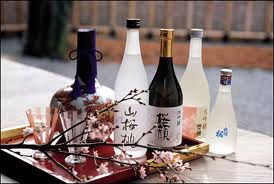
On Tuesday I posted a recipe for salmon using saké kasu as one of the main ingredients. Not only is this dish delicious and easy to make but have a look at the amazing health benefits:
Japanese saké contains many components, including amino acids. Amino acids have many beneficial aspects for health because they activate brain function, strengthen the immune system and may help to prevent cancer.
Saké -Kasu is a by-product of sake. In other words, it is what is leftover after making sake. Saké is made from rice, koji (mold), and water. After the process of alcoholic fermentation, the liquid (finished sake) is filtered and leaves mash behind. This mash is called “sake lees.” Among other benefits the “lees” are found to activate a kind of lymphocyte known to kill only cancer cells.
Saké -kasu (or sake lees which are the leftover bits) is known for other remarkable health benefits which includes helping to lowerblood cholesterol and making skin healthier. In Japan, you’ll find saké -kasu beauty treatments such as saké -kasu massage, facial masks and bath products. It is said to be used as one of the main ingredients (pitera) in *SK-II facial products – a top seller in Japan (and abroad) *Pitera is the broth that’s made by the yeast.
The history of SK-II goes back to the 1970s when a scientist in Japan noticed the very soft and youthful hands of women working in a Japanese saké brewery. After years of research the scientists were able to isolate the natural, nutrient-rich liquid which they called *Pitera.
Preventing aging and senility: It is well known that people who drink Japanese saké every day in moderation, have better brain function than people who don’t drink at all. It was also recently discovered that peptide in Japanese saké is very effective in preventing forgetfulness. That’s great news because I never forget to drink mine! Campai!……cheers!
Don’t miss listening to “Transforming Health” with host Brad King for the most up-to-the-minute interviews with leading health professionals. Live every Wednesday @ 12PM-PST/3PM-EST on VoiceAmerica.com – #1 internet radio station in North America. Here’s the link: http://www.voiceamerica.com/show/1686/transforming-health
Telomeres are the protective caps on the ends of our threadlike chromosomes (similar to the plastic tips on shoelaces) that keep our genetic material safe from damage.
Elizabeth H. Blackburn, PHD, won the world’s attention – and a 2009 Nobel Prize for her research on this tiny bit of cellular machinery that turns out to be a hugely important clue to human health.
Every time a cell divides, as our immune and skin cells regularly do, the telomeres tend to get a little shorter – which makes them an excellent indicator of cellular aging. When telomeres get too short, cells stop working properly. But that’s not the whole puzzle: Blackburn and one of her colleagues discovered an enzyme that replenishes and repairs frayed telomeres, helping us stay healthier as we get older.
This enzyme called “telomerase” slows the rate at which telemeres degrade, and research indicates that healthy people with longer telomeres have less risk of developing the common illnesses of aging – like heart disease, diabetes, and cancer which are three big killers today.
What can we do to help ourselves?
Lifestyle factors like a diet high in omega-3 fatty acids and enough exercise to make youbreak a sweat helps to boost “telomerase” naturally. Exercise mitigates the effects of stress – and STRESS, we know, shortens telomeres. So………..
The long & the short of it is living a long life means protecting the tips of your chromosomes. Try to stay as stress free as possible, eat healthy, exercise and B Well.
Click on link below to FIND OUT MORE about how you can help reverse the aging process, reduce pain, improve energy and brain function with Brad King, host of “Transforming Health.”


Getting older may not always be fun but it’s a part of life and you should make the most of whatever age you happen to be right now. Mistakes made in your 20’s can affect you later on but with a healthy lifestyle of exercise and eating correctly you can turn it around to become the BEST YOU possible – isn’t that what we all strive for?


 Growing high up in the Andes of Bolivia and Peru is a hearty root vegetable that has been cultivated since pre-Incan times. It goes by the name “Maca” (Lepidium meyenii). It is revered in the ancient Incan culture for its many medicinal purposes. According to folk belief, it is a plant known for its legendary ability to deliver energy and mental clarity, and enhance sex drives in Peruvians for more than 2,000 years. Why should they have ALL the benefits?
 “The power of Maca” by Lorrie Ingram who does a wonderful job in unlocking the magic of this ancient wonder.
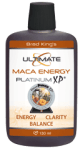 Ultimate “Maca Energy” liquid extract from Preferred Nutrition available at link below:




 Girl Who Would be KING on Life, Style and INSPIRATION.
You must be logged in to post a comment.