
I never expected the word beauty and the words “donkey” milk to be in the same sentence; but why should it be any different than “goat” milk?
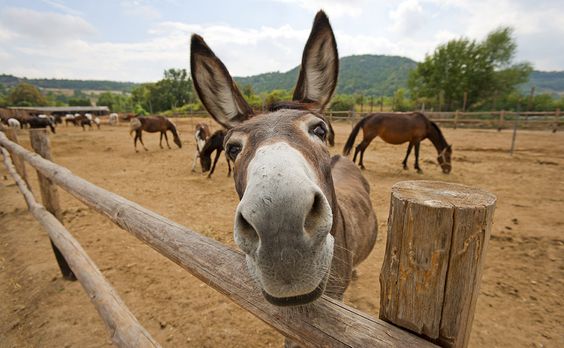
Since donkey milk soap and goat milk soap are both made with the high-fat milk of their respective animals, they are both known for their skin-nourishing, moisturizing, and protective properties. However, donkey milk for beauty purposes is new to North America.
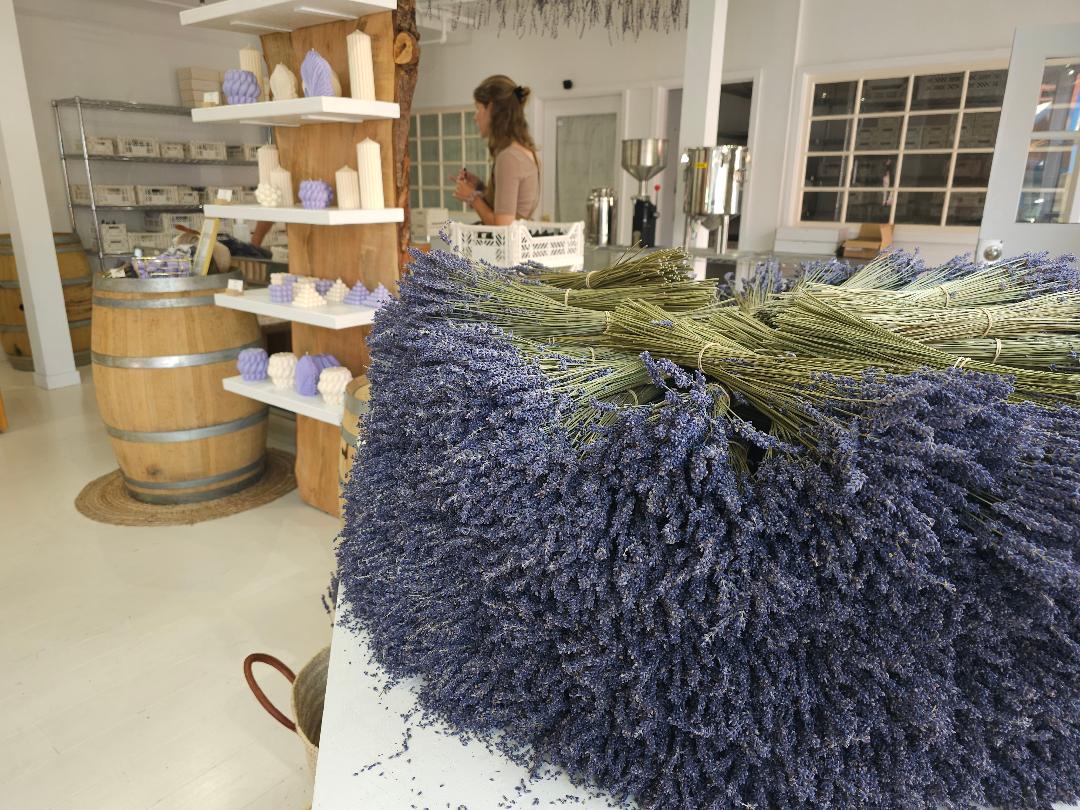
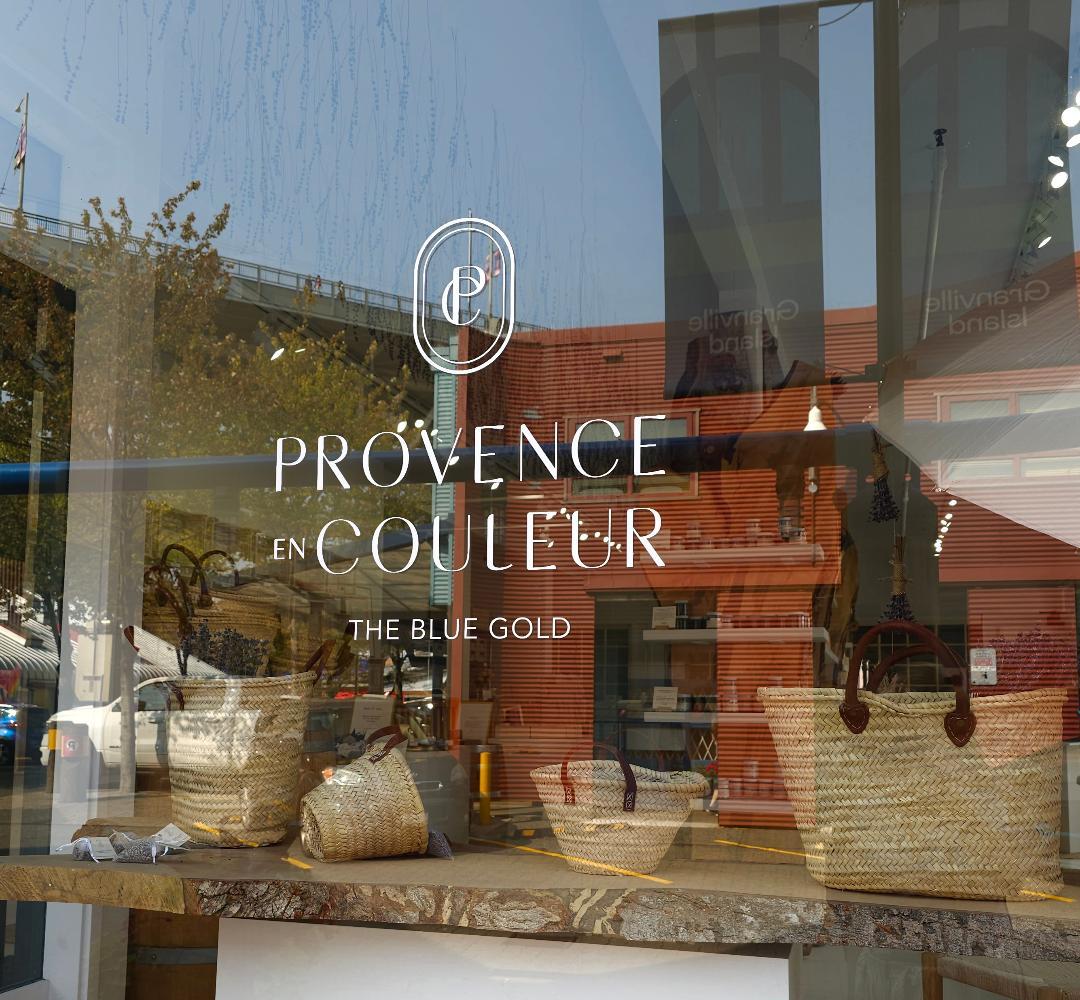
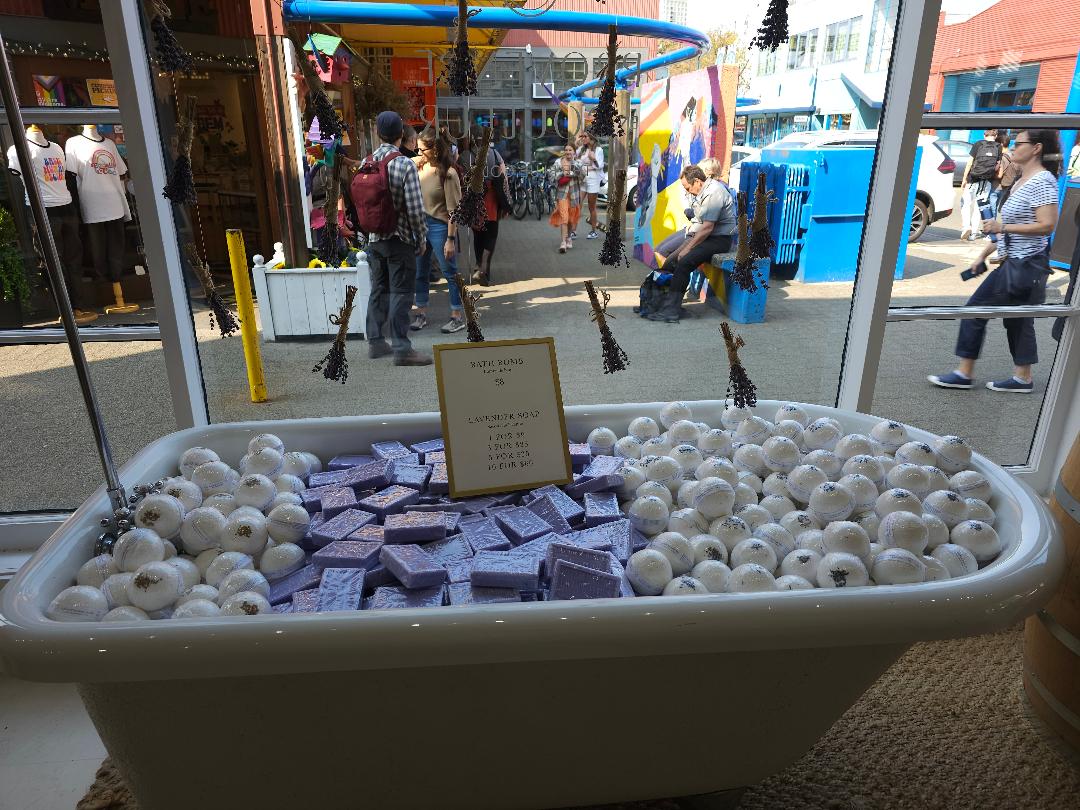
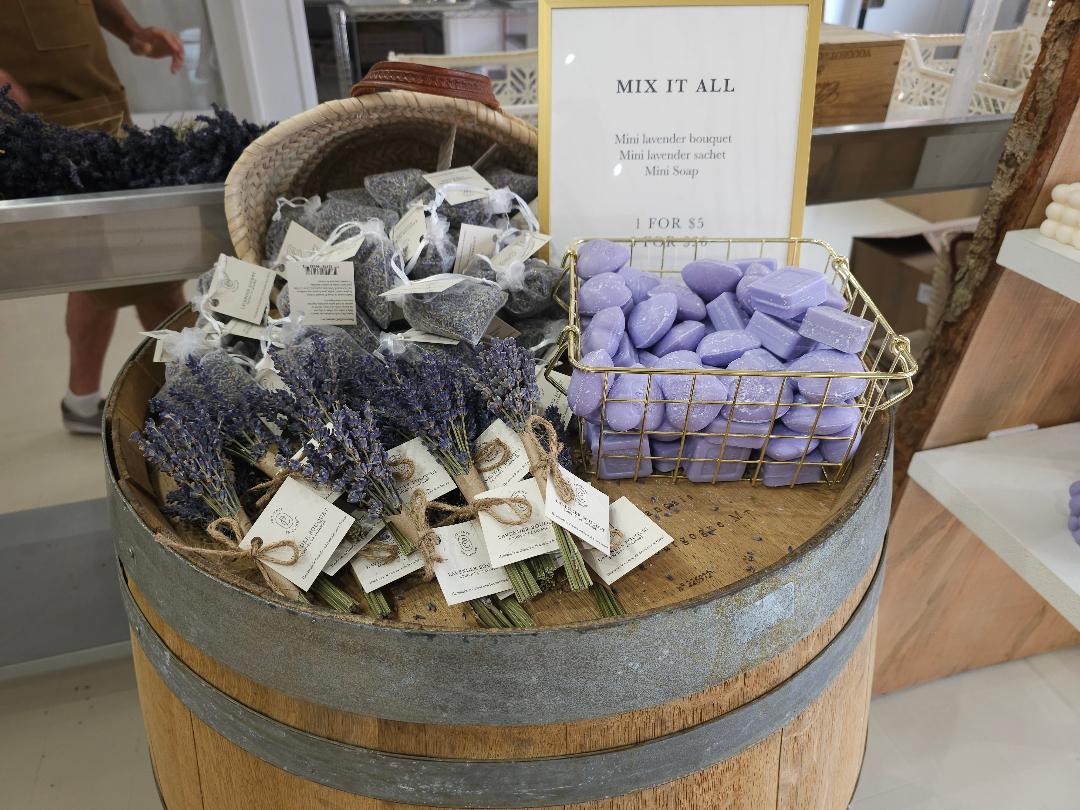
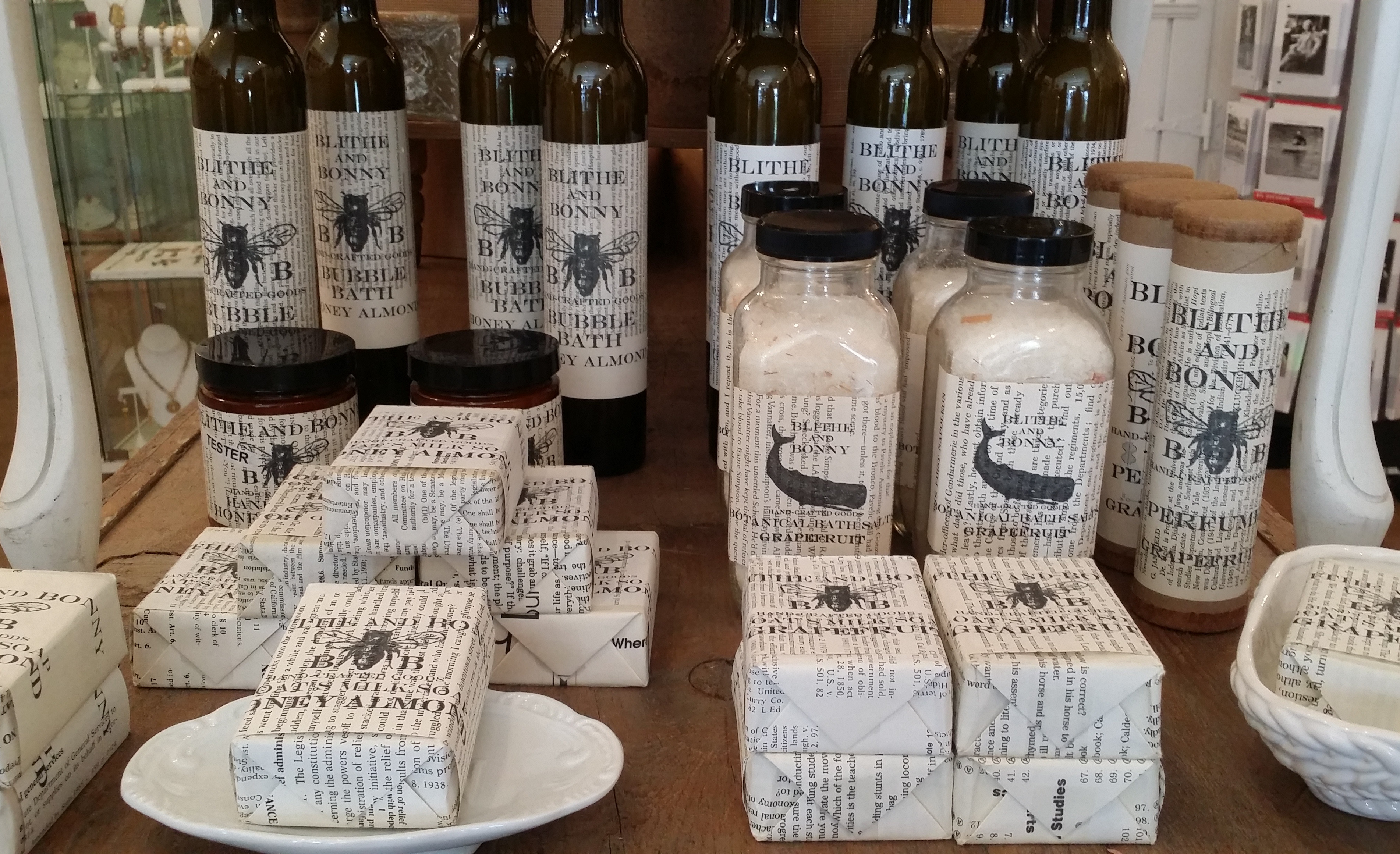
It was while looking at all the different soaps at the lavender shop that the owner pointed out the donkey milk soap bar and told me that he’s getting more products that will either contain or be made entirely of donkey milk and how good it is for the skin. He said that the soap can be used on the face and there’s a whole list of beauty benefits that goes along with it. He mentioned it helps exfoliate, softens, fades scars, evens skin tone and reduces acne and wrinkles.
Hmmm….always something new to explore and learn about. I’m always open to new suggestions but I’m also aware how saturated the beauty market is and maybe they have to keep coming up with new ways (taken from old ways) to draw people in. Not saying that Donkey Milk is not beneficial, but I decided to do some research which I’m sharing here.
Right off the bat, Donkey milk is rich in vitamins and minerals: potassium, phosphorus, iron, zinc, sodium, calcium, magnesium, iodine, retinol, vitamin A, B1, B2, B6, D, C, E. All good! The negative point is that it’s supposed to be the most expensive milk in the world.
Donkey milk may sound like a trendy newcomer to the milk market, but in reality, it has been around for thousands of years.
It has become popular again recently, especially in parts of Europe, appealing both to adventurous foodies who want to try new foods and beverages, as well as those who aim to eat natural foods with health benefits.
Spurred by interest in using donkey milk for both cosmetics and culinary reasons, Europe is experiencing a donkey milk revival.
It has a long history of medicinal and cosmetic uses. Hippocrates reportedly used donkey milk as a treatment for arthritis, coughs, and wounds. Cleopatra is said to have maintained her soft, smooth skin with donkey milk baths. Apparently she added honey to it. According to Google, she had more than 700 donkeys. That makes for a lot of milk baths!
Compared with milk from other dairy animals like cows, goats, sheep, buffalo, and camels, donkey milk most closely resembles human breast milk. In fact, it was first used in the 19th century to feed orphaned infants.
So another ancient beauty product has found its way here and is having a resurgence. I think we’ll be hearing more about this.
Let me know if you’ve tried it?
“Donkeys live a long time. None of you has ever seen a dead donkey.” ~ George Orwell
I came across this more in-depth blog post from Better Living about donkeys in general; including their milk:

Some info taken from Healthline














 Girl Who Would be KING on Life, Style and INSPIRATION.
You must be logged in to post a comment.