This is the first time that I’ve struggled with what to write about for my food post. Pretty sad right? This coming from the woman who loves to cook, owns tons of interesting cookbooks and has tried almost everything and likes to be creative in the kitchen. This coming from someone who embraces food from every culture, has made spices from scratch and then questioned why on earth afterwards.I just don’t want to throw any little thing at you for the sake of posting something. The recipes I post are ones I’ve made or at least appeal to me that I’m about to make. And to be honest I’ve been cooking very simply lately and you know what…it’s great! It just doesn’t make for a fantastic post so maybe I’ll just talk about food in general. No, no don’t leave yet. Let’s discuss.
Quick cooking rarely comes from a recipe so much as it does from intuition and time spent mulling around in the kitchen. So…
Instead of covering food in fancy sauces sometimes it’s nice to really taste the food itself. I’m not so sure a simple cookbook would be a best seller but I do think people are going back to basics. It feels healthier too. The days of Julia Child and her extravagantly rich sauces are lessening at least for me. For now. Almost to the point of being boring but what I’ve discovered is that not only is it a breeze to make something with less fuss, but the taste is fresher. Anything good does not require covering up. Let’s make one thing clear, simple doesn’t have to mean bland. For instance, if you steam fresh vegetables like carrots which are naturally sweet you really don’t need to add anything else to them. Maybe a squeeze of lemon and that’s it. Taste the vegetable itself. Also, it’s summer so we want things easy breezy where salads and barbeques are major. With steak you can barbeque just using salt + pepper but if you want to add more zing just add crushed fennel & smoked paprika along with s+p. You only need a few good quality basics. Cooked properly with variety and colour on the plate is all it takes to make a meal more appealing.
On another note, I recently planned a surprise birthday party for my husband who hates surprises. I really had to give some thought as to where to book a restaurant (it was on the same day as Fathers Day) for 10-12 people where everyone could enjoy something from the menu, be reasonably priced and have ambience. Not so easy. Anyway, I first chose a new trendy place which incorporated unusual food pairings. But when I looked at their website it seemed almost too elaborate…and I think that men in general prefer a “real” meal instead of something showy. So I changed it to another restaurant – something a little less formal where everyone ended up feeling relaxed and satisfied. Luckily, no complaints. Except for the friend (and her friends) who arrived late.
They were celebrating Fathers Day having dinner at another restaurant – one that was on my Foodie list of places to eat. I heard wonderful things and have been meaning to go for ages. Well….they all complained about the portions being way too small and in general were disappointed in the food considering the cost. And they complained about it while filling up their plates with our leftovers (we ordered too much) as well as ordering more food. Which brings me to my next question…
Land of Art, Charm, History, Tradition and Wonderful Wines.
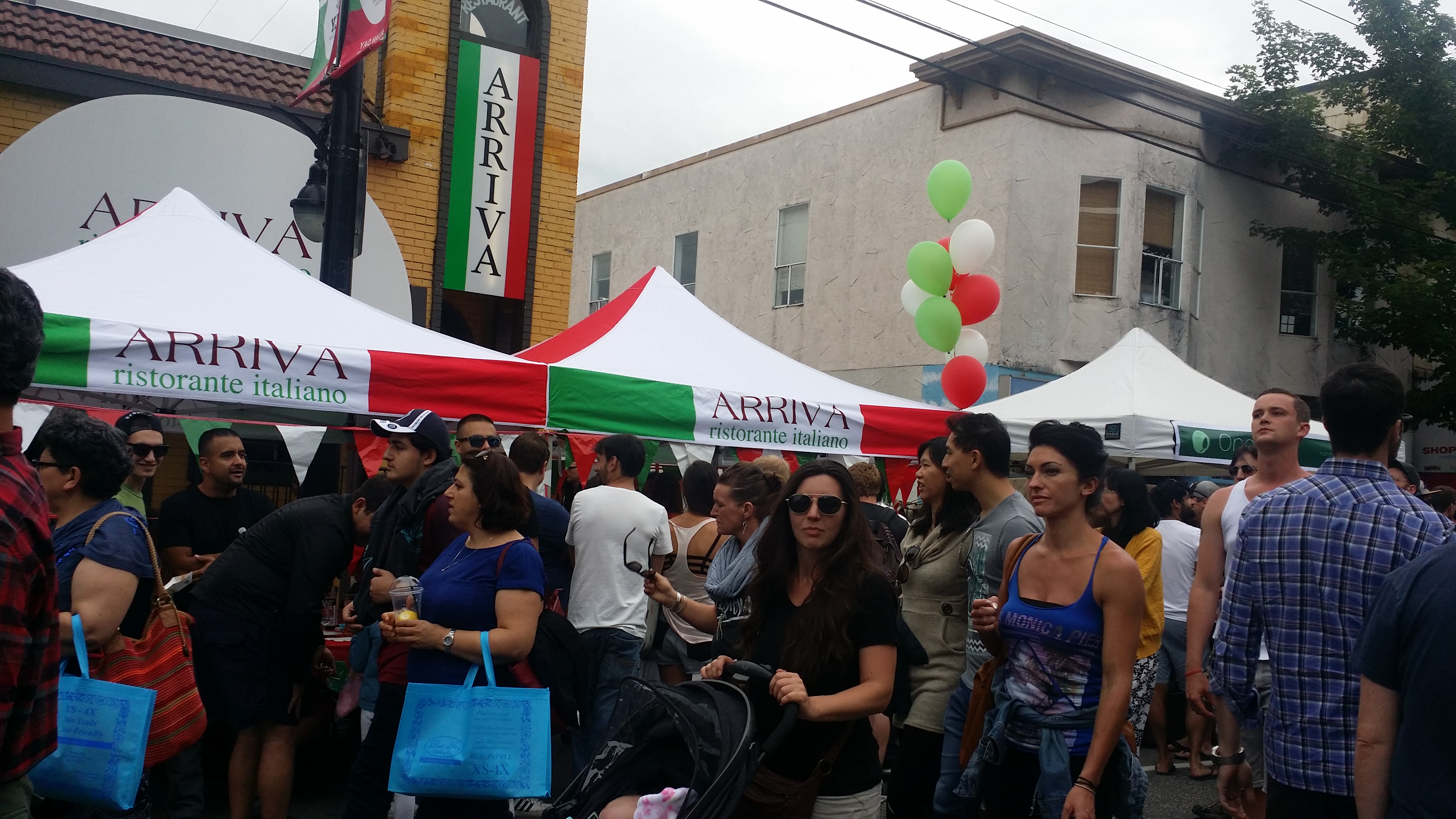
Italian Days on the Drive. Photo: d. king
For three days in a row I enjoyed little Italian touches and some major ones, not in a physical sense but in other gratifying ways.
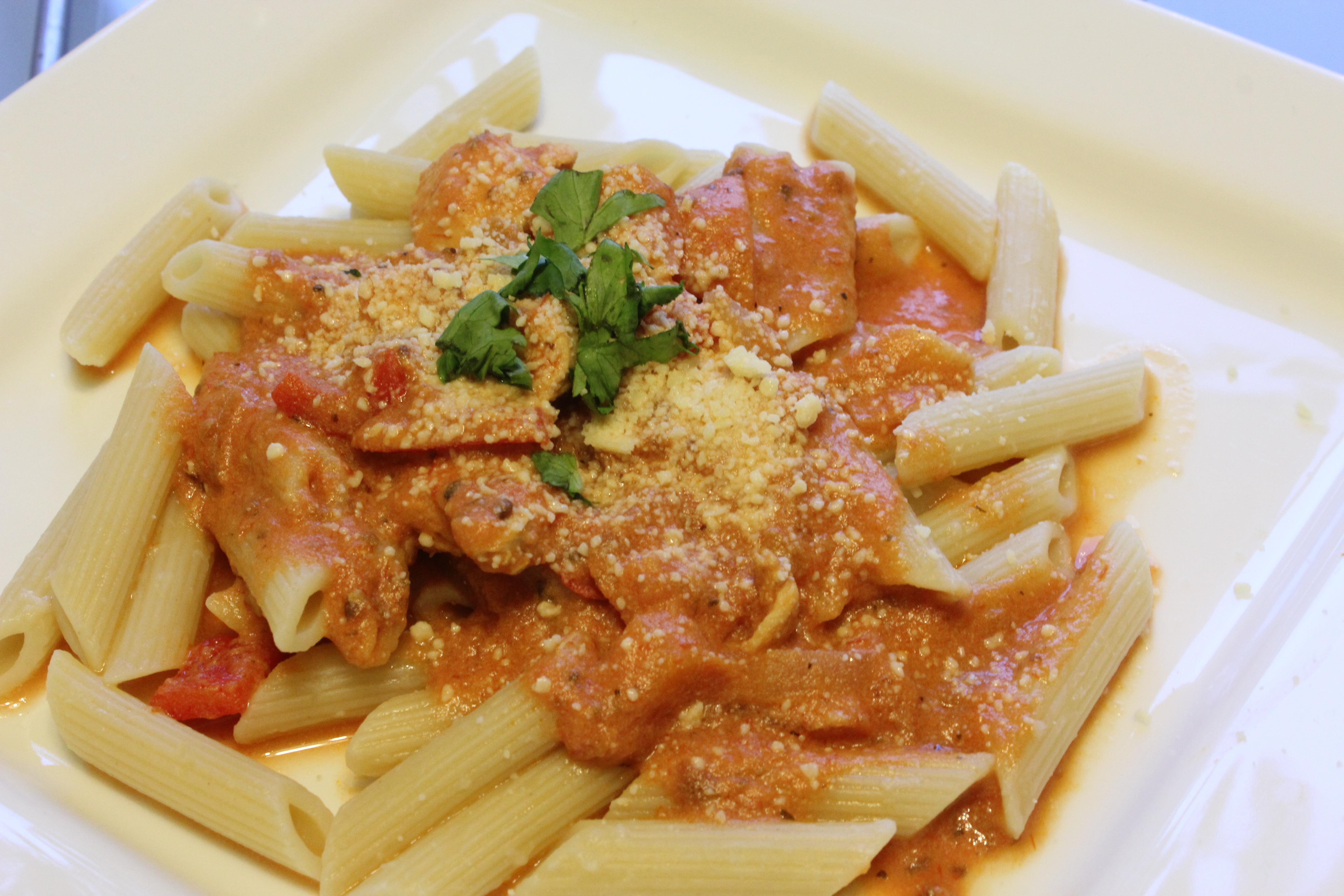
I made a typical Italian Rosé Sauce on Saturday. The kind I’ve been craving for ages; nicely rich & full of flavour. Simple and satisfying.
Because I wasn’t sure if I’d be eating
Italian on “Italian Days” the following day, Sunday. They have Italian Days in many cities across North America where they close the streets to traffic, put up white tents to sell odds ‘n ends by storefronts, have staged live music, many food vendors and crowds where you can hardly walk without bumping into someone and wait in line forever to get something you can normally get on any other given day. Anyway, in Vancouver it took place on Commercial Drive (aka “the Drive” on the East side of town ) in what used to be a mainly Italian neighbourhood but now houses an International variety of cuisine. I think I did notice a few Italians here and there but most of them probably left for the day. It was fun for a few hours especially from where I sat, comfortably under a heat lamp on a side street enjoying a glass of wine while watching the passersby and a plate of calamari. The real Italians were elsewhere, sitting inside one of the many Cafés sipping espresso.
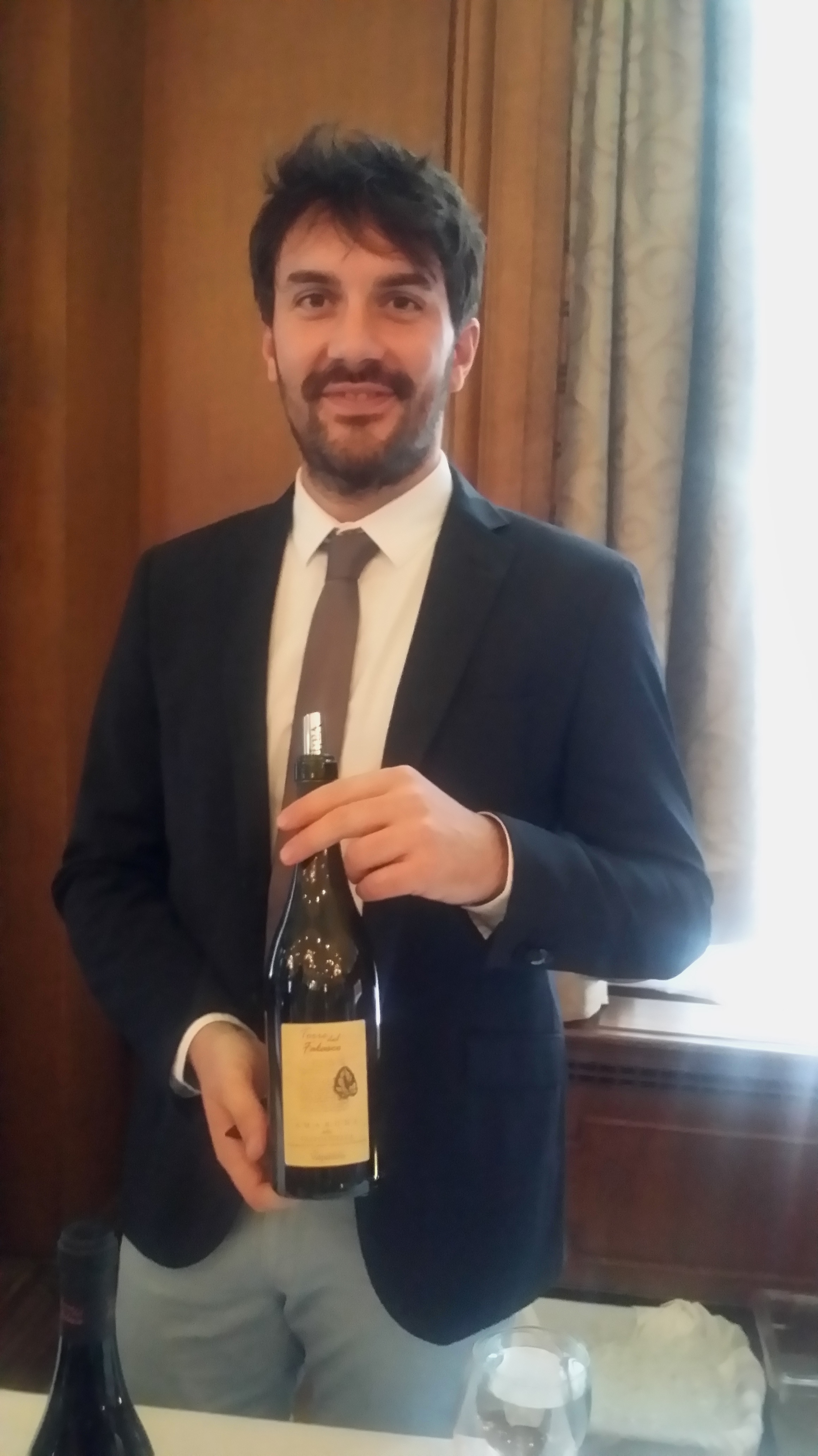
Then yesterday (Monday) I spent part of the afternoon at the Vancouver Club with real Italians flown in fresh from Italy especially to educate the trade about the wonderful ancient wine growing regions for Prosecco & Valpolicella and of course to promote the wines.
A short history of Old World Wine Country:
The VALPOLICELLA territory has ancient origins, natural beauty and artistic value. In Roman times it was known for its fascinating landscape and its tranquility. Ancient palaces and noble villas are among the most attractive historical monuments in the area. During the rule of the Most Serene Republic of Venice, large land tenures were established: country houses turned into splendid villas, decorated by the best artists of that period, and became the place where aristocracy and intellectuals had their cultural gatherings. There are architectural jewels in the valley of Valpantena. Rural and town churches are spread all over the territory, enriching Valpolicella building panorama, made of small villages, courts, towers, capitals, fountains and dry stone walls. All these monuments were built by local peasants, whose technical mastery turned country labour into ART.Valpolicella “Superiore” is made from selected grapes grown in the best locations. It is aged for a year minimum thus obtaining its characteristic ruby-red colour with garnet shades; the nose is slightly ethereal with hints of vanilla. Its flavour fine, harmonious, dry and velvety. Especially fine when paired with second courses of red meat and medium seasoned cheeses.
Prosecco: not just a name.
chilled Prosecco bottles
Prosecco with friends: when I have a special occasion (which almost everything is a special occasion) I like to start the evening off with an Italian Prosecco. I never think too much about it, just that I like a nice tasting, tall cool glass of bubbly. But now I know a bit more about Prosecco Superiore and realize the refinement of the region it comes from. Apparently it makes a difference between various types of soil, climate and the skill of men (yes, men) who have passed down the art of their hand-crafted labour from one generation to the next. It is thanks to this experience that they can cultivate the steep slopes of the hills that they have adorned with manicured vineyards, creating an environment so spectacular that it is now a candidate to become a UNESCO World Heritage Site. So there is a “Superiore” for every occasion in three versions that vary in their residual sugar content. Brut, the driest style, Extra Dry, the most traditional version, and Dry. The sparkling wine also differs according to where it comes from within the region. So the best advice I can give is to try them all and find out which one(s) you love best.
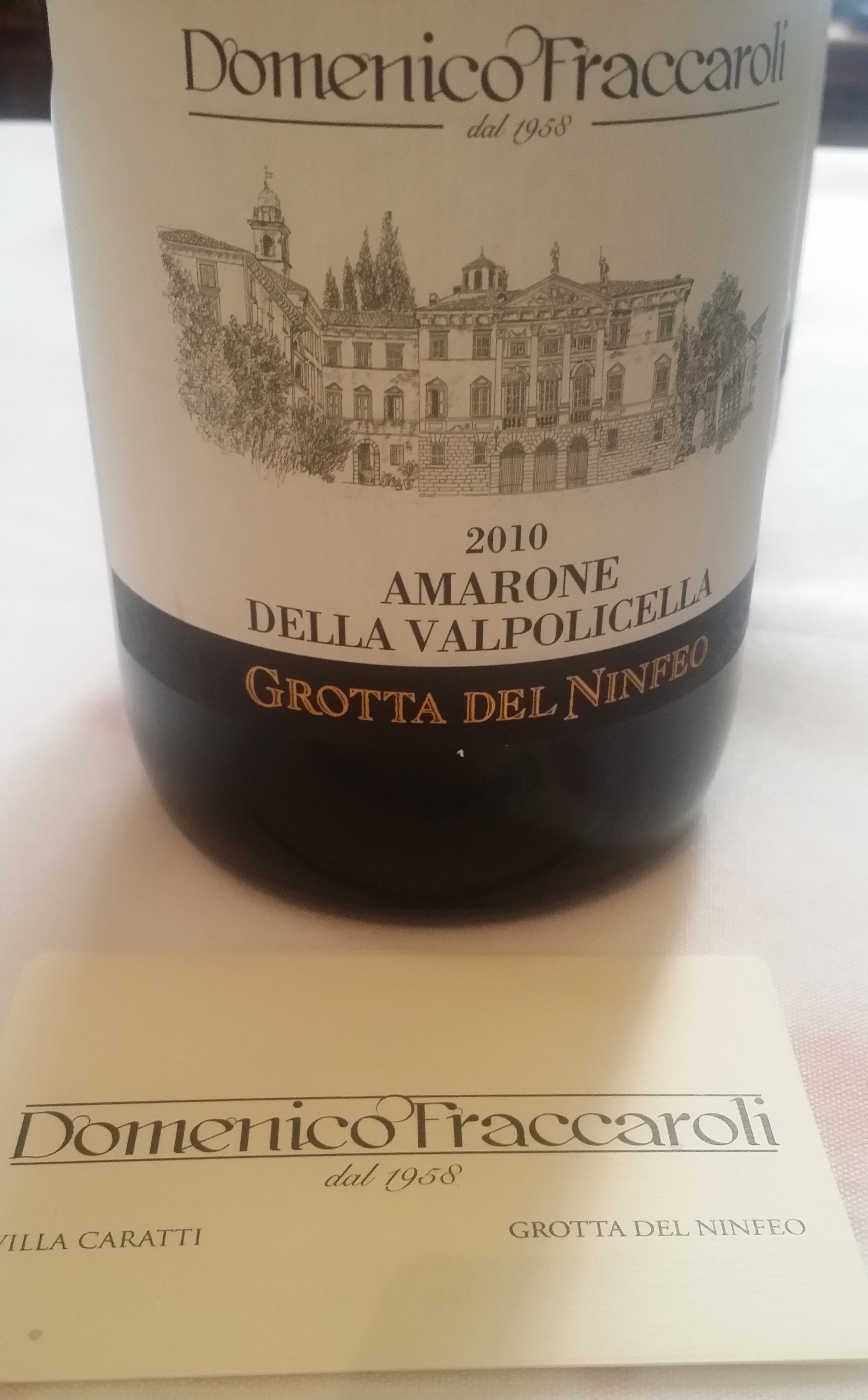
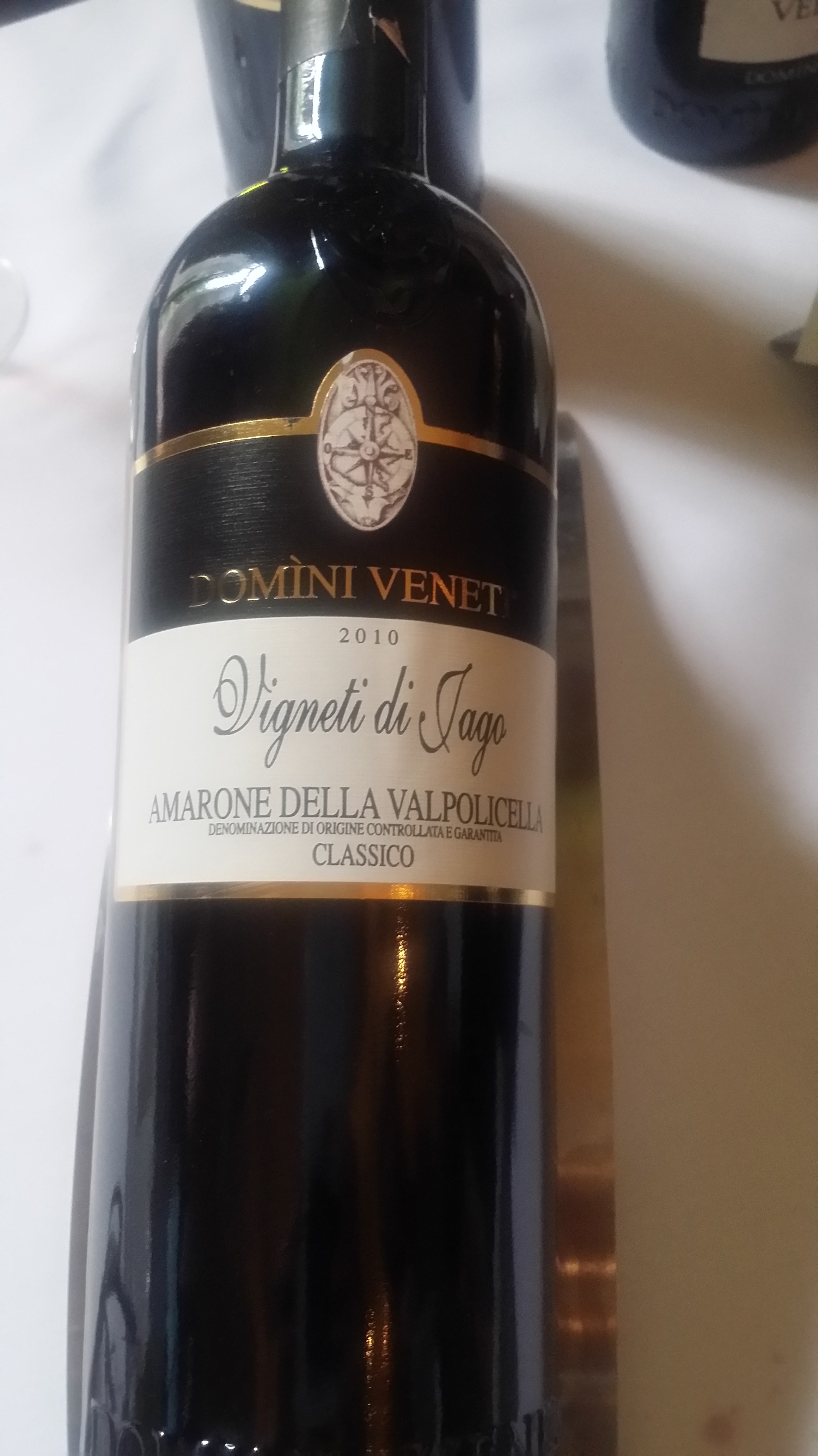
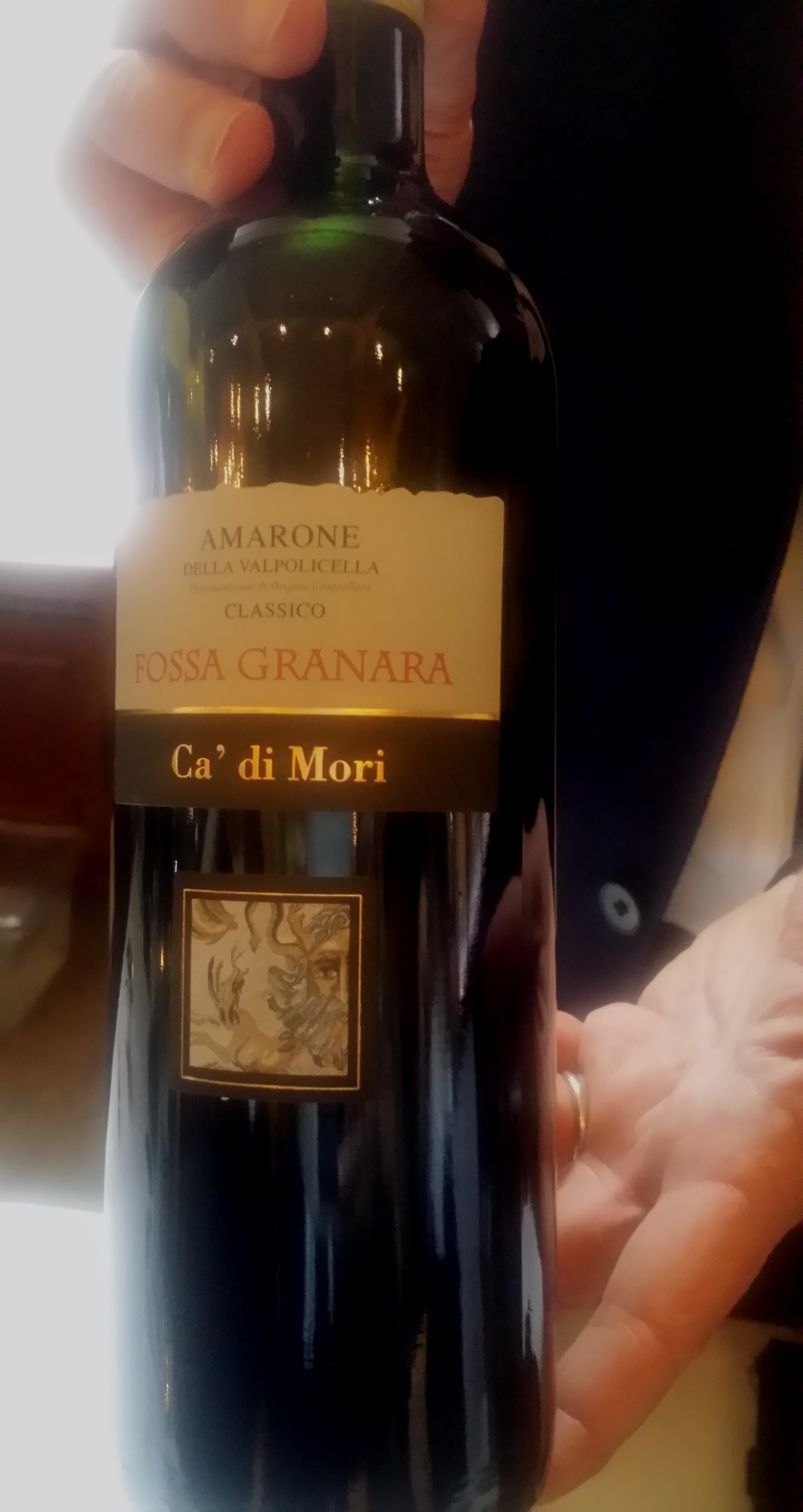
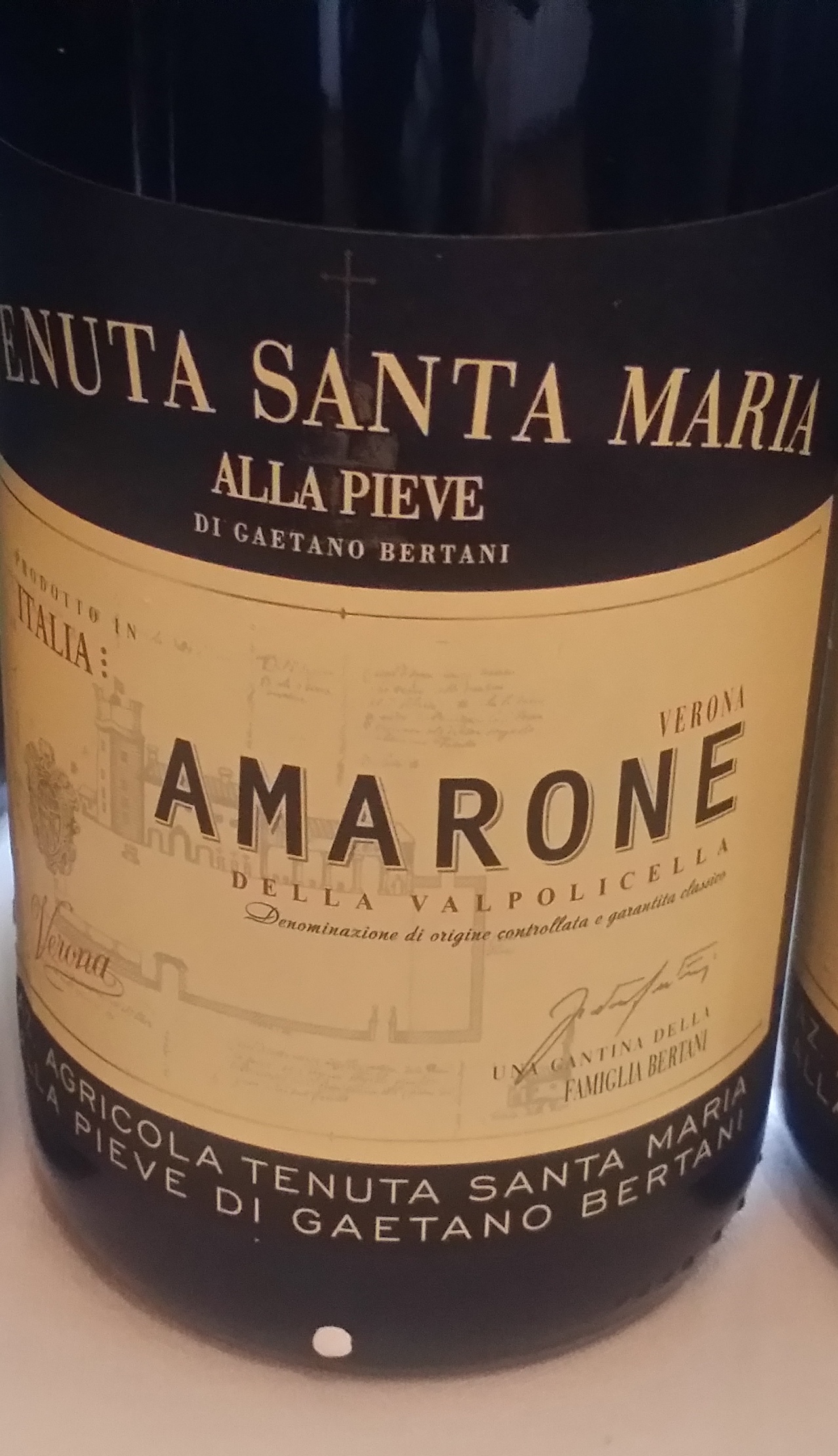
Amarone Amore:
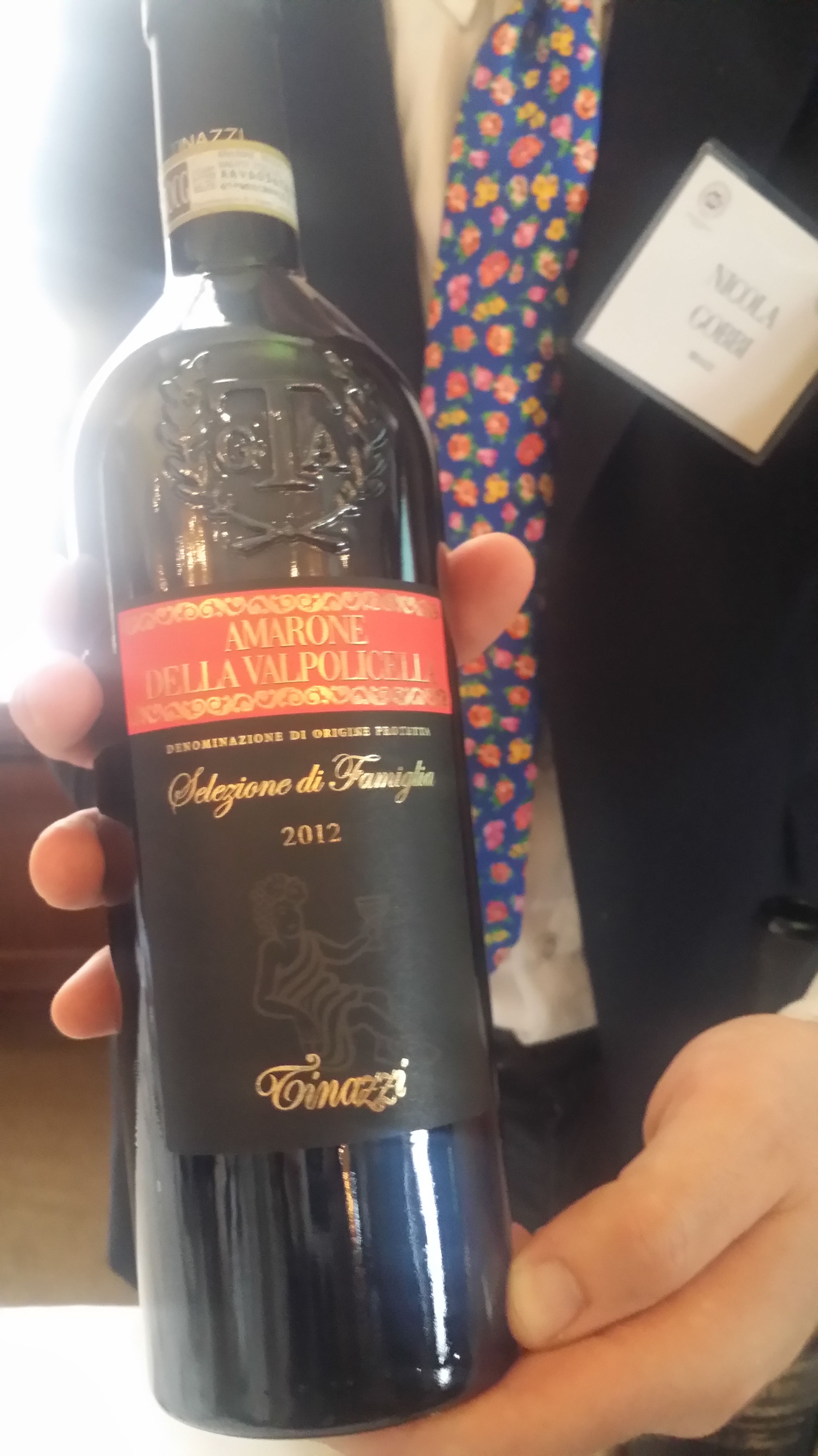
(ps: the individual bottles shown in photos are my picks for this week)
Amarone Wine: The Patriarch of Valpolicella Many wine lovers know Amarone on a first name basis, though relatively few are personally acquainted. This is most likely due to the high entrance fee. Perhaps you’ve seen him lingering at the bottom of a wine list next to other recognizable stars such as Brunello di Montalcino or Barolo and wondered:
What is the story on this dude? Is he worth it?
Yes. Amarone is worth the minimum $50-$60 ++ bottle price. While some wine prices are artificially inflated, there’s a practical explanation as to why Amarone is one of Italy’s top red wines. – and one of mine too. It comes with a good story:To tell it properly, we must begin at the end, with Amarone’s family name: Valpolicella. Like Romeo and Juliet – it is in fair Verona where we lay our scene…
Verona is a jewel of a city in northeastern Italy, an hour and a half due east of Venice by car. The town is home to an immaculate, picture-perfect medieval center, as well as one of the most untouched Roman amphitheaters in the world, where concerts and events are still held.
The 5 Levels of Valpolicella Wine
Tier 1:Valpolicella Classico
Tier 2:Valpolicella Superiore
Tier 3:Valpolicella Superiore Ripasso
Tier 4:Amarone della Valpolicella
Tier 5:Recioto della Valpolicella
Why is Amarone Wine so Expensive?
After harvesting the grapes for ‘Tier 1’ Valpolicella Classico, they are immediately crushed and fermented. This is a light, high acid red wine; it generally sees no oak aging and provides a perfect match for the traditional local appetizers. In Verona, everything tastes amazing when accompanied by delicious Valpolicella.
By contrast, the fruit destined to become Amarone takes quite a different journey before reaching the bottle. He is, after all, the family Patriarch – most wineries will select their older, more mature vines for this wine. Grapes are picked a bit later to ensure ripeness – usually in mid-October. Then, they are left all winter to dry into raisins.
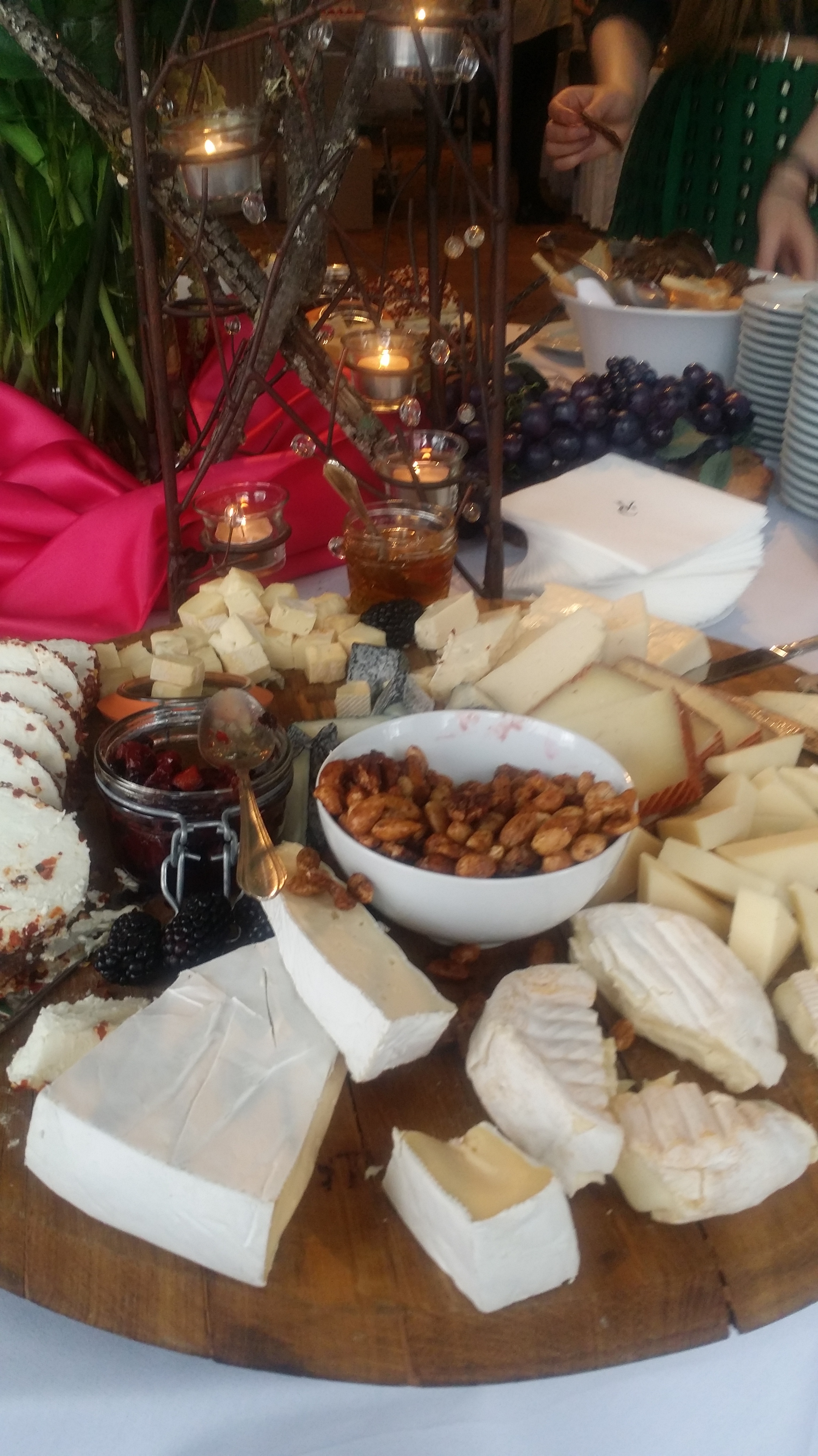
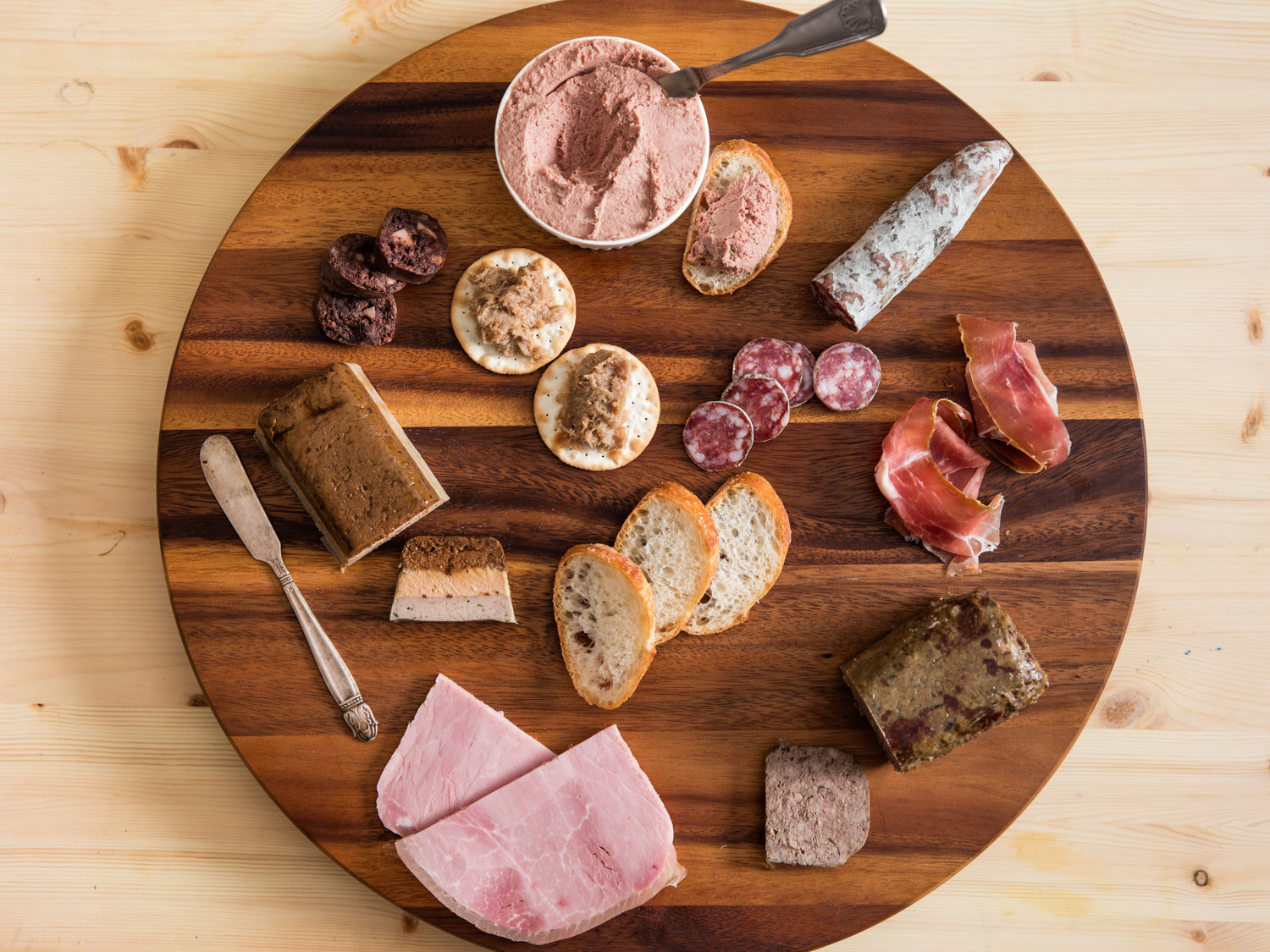
You’ve invited some friends over for an informal gathering and you want to offer your guests something to soak up the wine/cocktails with (because you’re a gracious host and always put out some food be it the tasty but predictable dips, cheese and coldcuts platter)…but this time you want something a little more pleasing than the usual. Maybe a little charcuterie?
Charcuterie is the perfect essential French cured meatsand more.
Done right, the charcuterie board is an awe-inspiring sight. There are the meats, of course, in a smorgasbord of cuts, cures, and flavors. And then there are the mustard and pickles and crusty baguettes, and the fact that we get to eat it all with our hands. In a world where fine dining typically comes with dainty cutlery and elegant plating, charcuterie speaks to a different, gloriously primal, kind of indulgence.
But what exactly is French charcuterie? How does it differ from, say, the cured meats of Italy, or the bounty of smoked Delikatessen meats made in neighboring Germany? And what do experts consider the most noteworthy items under the charcuterie umbrella?
The word itself comes from the French words chair, meaning “flesh,” and cuit, meaning “cooked.” It first entered the culinary lexicon in the 15th century to represent storefronts specializing in the preparation of pig and offal at a time when shop owners weren’t allowed to sell uncooked pork. These owners,charcutiers, would hang inventory in their shop windows to draw customers in. It worked: The craft was mastered, and a culture was born.
As for how it’s defined today? Elias Cairo, founder and charcutier of Oregon’s Olympia Provisions, puts it simply: “Charcuterie is value-added meat,” he says, “where something is added, be it salt or heat, to enhance flavor and prolong shelf life.” So, really, charcuterie is an exercise in crafty innovation—resulting from a need to preserve the fruits of a day’s hunt. Smoked meats and fish came first. Cured meats came second. Once processed, many products in the charcuterie canon were covered with melted fat, either butter or rendered poultry fat, to maximize stability and prevent spoilage.
Then again, these methods of preservation are practiced internationally. So what makes French charcuterie so diverse and unique? “The French rely on amazing technique,” says Cairo. “But they’re so good at farming and processing, too, and have such respect for ingredients.” And, when most charcuterie items are little more than pork and a few spices, it’s crucial that each be of the highest caliber. French chefs place such value not only on the end product, but [on] the entire process and where the food comes from.
French charcuterie has always been shaped by regional variety as well, which contributes to its vast inventory. Each region uses its geographic strengths and uses the wealth of ingredients that are readily available in that particular area. The full list of French charcuterie items is long and not at all lean, but there are a few that experts consider classics.
So let’s open a bottle of wine, break into some fresh bread, and dig in.
PÂTÉ
“Pâtés and terrines, broadly speaking, are essentially big sausages cooked in some sort of mold,” Michael Ruhlman writes in Charcuterie: The Craft of Salting, Smoking, and Curing, the book he coauthored in 2005 with Brian Polcyn. Put simply, they’re a mixture of fat, meat, and seasonings that can be ground or puréed.
The grind can vary from coarse to fine, and pork is the dominant pâté meat. But in the US, says Collins, “we have a broad umbrella and use the word ‘pâté’ very loosely.” She talks about her own experience in France, where the structure of definitions is less rigid. But for the American market, which is less familiar with charcuterie products, Les Trois Petits Cochons distinguishes pâtés as coarse in texture, meat-based (from mostly duck, chicken, and rabbit), hearty, and garnished with spices and, occasionally, vegetables.
Pâté de campagne, the most common, is a coarse grind of lean and fatty pork with spices and little, if any, liver. More lavish versions are found baked in pastry dough (en croûte), in a mold (en terrine), or in skin (galantines and ballottines), but, historically speaking, the charcutier’s goal was always the same: “Pâté was created to use up the excess product—offal, trim, fat—from a day of slaughter,” Cairo writes in his book, Olympia Provisions, coauthored with Meredith Erickson.
A typical pâté de campagne comes in the form of a savory loaf, flavored with onions, white pepper, and cognac. It’s a deeply porky product that’s simultaneously light and delicate.
TERRINE
“The terrine category throws a lot of people off,” Collins says. “We tried to keep it as a more vegetable-based or seafood-based category, because what we found in France was [that] a lot of the vegetable and seafood items were termed terrines.” Collins also notes that most of the layered charcuterie items she’s found in France use the term. In Charcuterie, Ruhlman writes that “we use the words pâté and terrine interchangeably. Technically, though, terrine is short for pâté en terrine.”
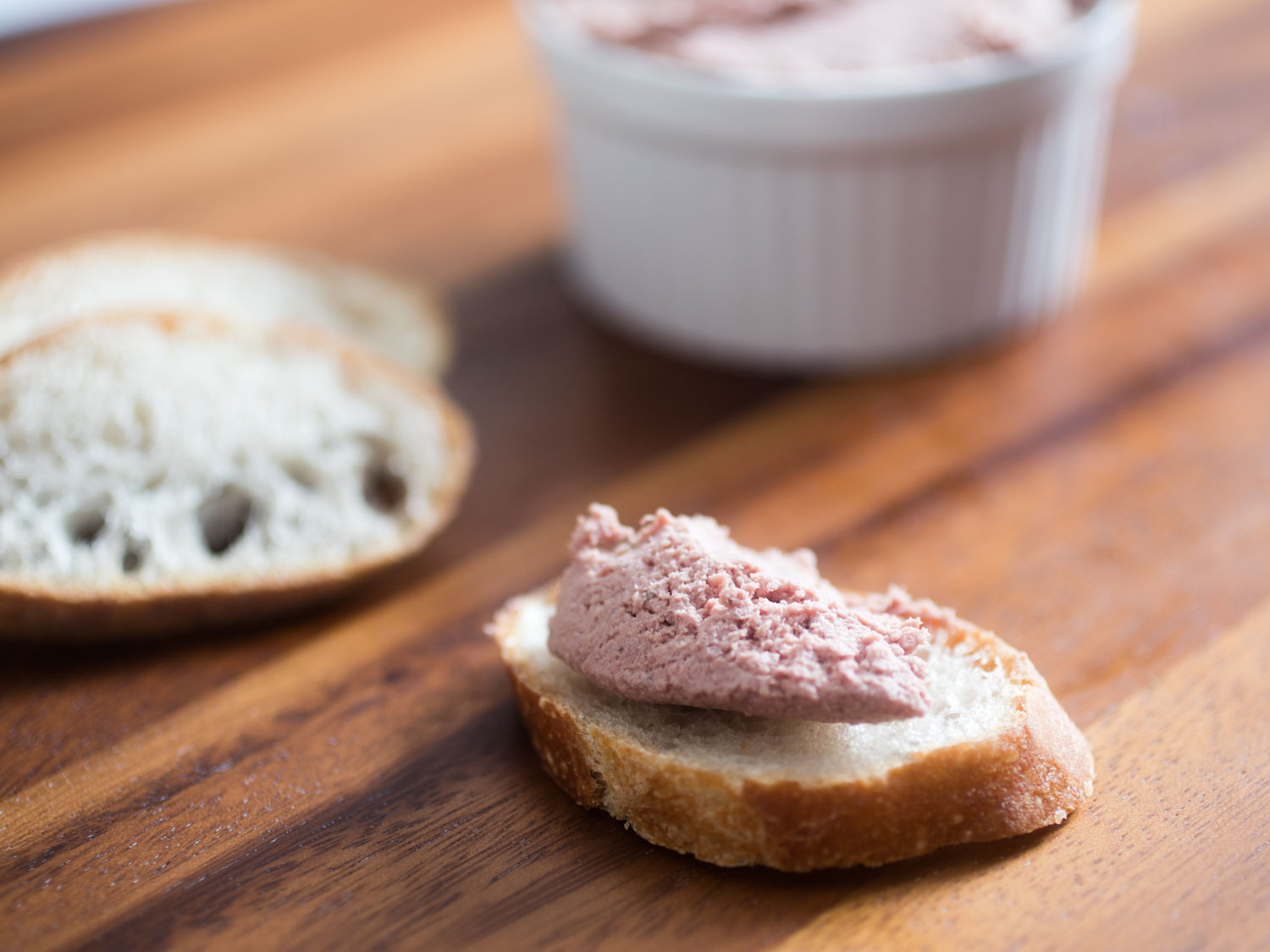
MOUSSE
Mousses, like pâtés, can be made from a variety of meats. But a mousse is much more finely ground, yielding a smooth texture. And, while you’ll find liver in both pâté and mousse, the percentage is typically much higher in mousses, which gives them their famously creamy consistency.
“Pâté and mousse and all the products we make, a lot of people think of them as high-end, which is great, because we use great ingredients, and they’re labor-intensive. But pâtés and mousses are really a labor of love. They utilize items that are essentially leftovers,” says Collins.
The transition from liver to mousse typically starts by soaking livers in cold water. “This will remove some of the really iron-y flavor that liver may have,” Cairo says. For his pork liver mousse, Cairo marinates livers for two days once they’ve soaked, after which they’re puréed in a food processor and passed through a fine-mesh sieve. The rich liver, enhanced with a dose of cream and egg before it’s cooked, is balanced with a splash of port. Chili flakes, white pepper, and coriander add a spiced depth to the spread.
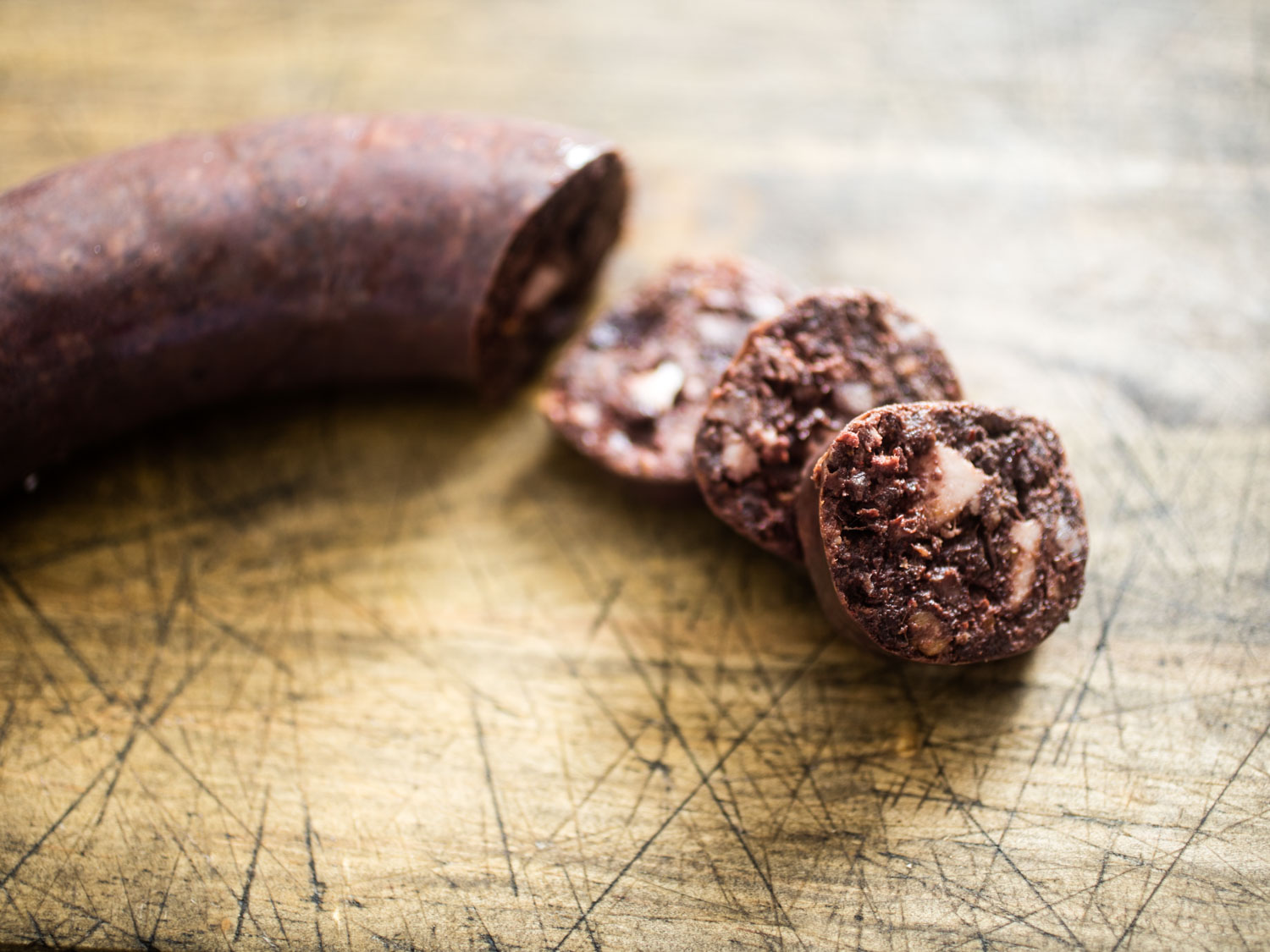
BOUDIN
Boudin means “pudding,” but these savory sausages are made from ground, spiced meat packed in natural casings and then boiled, poached, or blanched. The two most common varieties are blanc and noir (white and black, respectively). Blanc is more of a holiday sausage, usually served around Christmastime, and often seen in Auvergne, in central France, where chestnuts are widely grown. The Fatted Calf stores in Napa and San Francisco, California, make theirs with cream, bread crumbs, and chestnuts that have been braised in broth and bourbon.
Boudin noir is named such for the addition of pig’s blood to the sausage, which gives the final product its signature deep, dark red color. “The French aren’t afraid of anything,” says Heather Bailie, an owner of Fatted Calf. “That’s where blood comes in.” Theirs, like most traditional boudin noir, is a pork product made from a mixture of shoulder, blood, diced back fat, caramelized onions, apples (when they’re in season), and a salty, smoky Basque spice called piment d’Espelette. The sausage mixture is encased, tied off at the ends, and poached in water with onion and bay leaf. The blood solidifies as it cooks, for a delicate, savory sausage with a mousse-like texture.
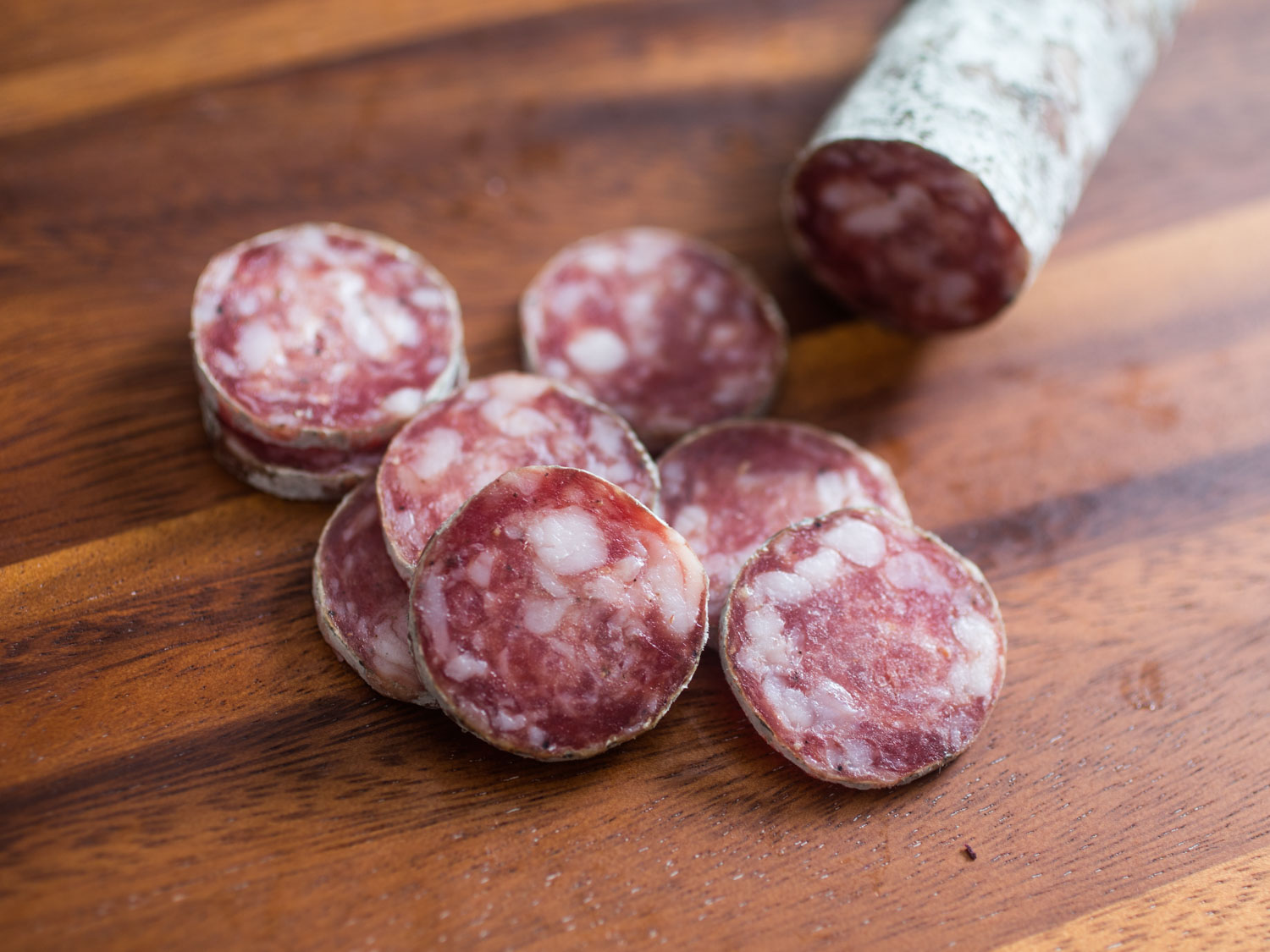
SAUCISSON
The regional variation in French charcuterie is perhaps most evident in saucisson: dry-cured, fermented salami. Dry-curing is simply preserving meat by using salt. As saucissons age, natural, healthy molds develop on the casings that prevent bad bacteria from contaminating the meat. These casings can be removed, but Cairo, who makes four different, regionally inspired saucissons, encourages leaving the natural casings intact to enhance the experience.
Saucisson sec (dry) is the most common of the French saucisson arsenal. “If you go to France and go to a charcuterie shop and buy a dried salame,” Cairo says, “this is the flavor profile you’re going to get.” That profile is dominated by pork, as it should be. But Cairo strikes a balance of that porcine perfection with a hint of garlic and a subtle spice from traces of black pepper, the only other two components of saucisson sec. This type of charcuterie is about simplicity and respect for ingredients.
As you travel around France, though, you’ll discover many variations on the theme. In Alsace, saucisson is traditionally spiced with clove, allspice, cinnamon, and nutmeg, making a deeply savory and satisfying wintry salame. In Arles, where it is at its purest, you’ll find it made with just pork and salt. Meanwhile, eastern France, near the Swiss Alps, is famed for its saucisson aux noisettes, a salami made with pork, salt, and whole hazelnuts from Savoy.
JAMBON
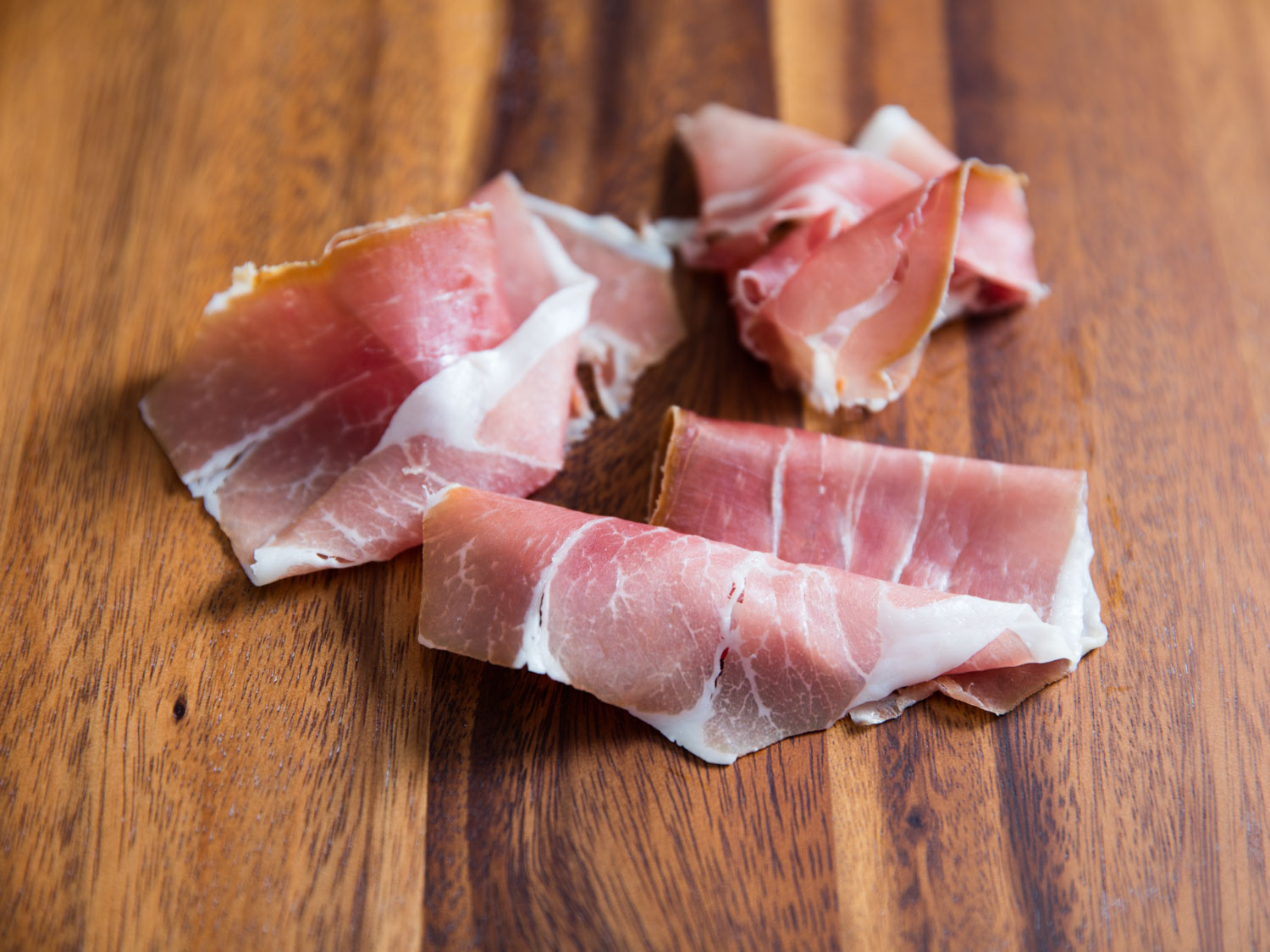
Cooked and cured hams are frequently seen in French charcuterie, but different regions are known for different types. Jambon de Paris is a three-muscle, lean, low-fat ham wrapped in its own skin and cooked in its own juices. It’s flavored with nothing but salt—with little else to distract from that flavor, it’s important that the meat be high-quality. Jambon de Paris is the perfect slicing ham, typically cut thin and served with butter on baguettes, or on croques monsieurs and croques madames.
Jambon de Bayonne is the quintessential French cured ham, the country’s equivalent of Italian prosciutto di Parma or prosciutto di San Daniele. It comes from the city of Bayonne in southwest France, a city cut in two by the Adour River, which sits in the shadows of the Pyrenees Mountains. Jambon de Bayonne is a regionally protected foodstuff under PGI (protected geographical indication)—a designation that covers goods whose production, processing, or preparation takes place in a specific area. To qualify, the ham must be cured with salt from the Adour River basin only. This, along with USDA restrictions on the number of foreign meats allowed for import, is part of the reason Bayonne ham wasn’t spotted on American shores until spring of last year.
Thinly sliced, a piece of Bayonne ham tastes like a cool glass of clean river water. It’s slightly salty, evidence of the Adour River’s proximity to the Atlantic Ocean, and then sweet from traces of pork fat that melt on your tongue. It’s still difficult to find in the States, so your best bet is a specialty meat and cheese shop. The minimum age for a jambon de Bayonne is only seven months, but a longer cure will give it a more intricate and nuanced flavor—the 12-month ham sold at Murray’s Cheese is something truly special.
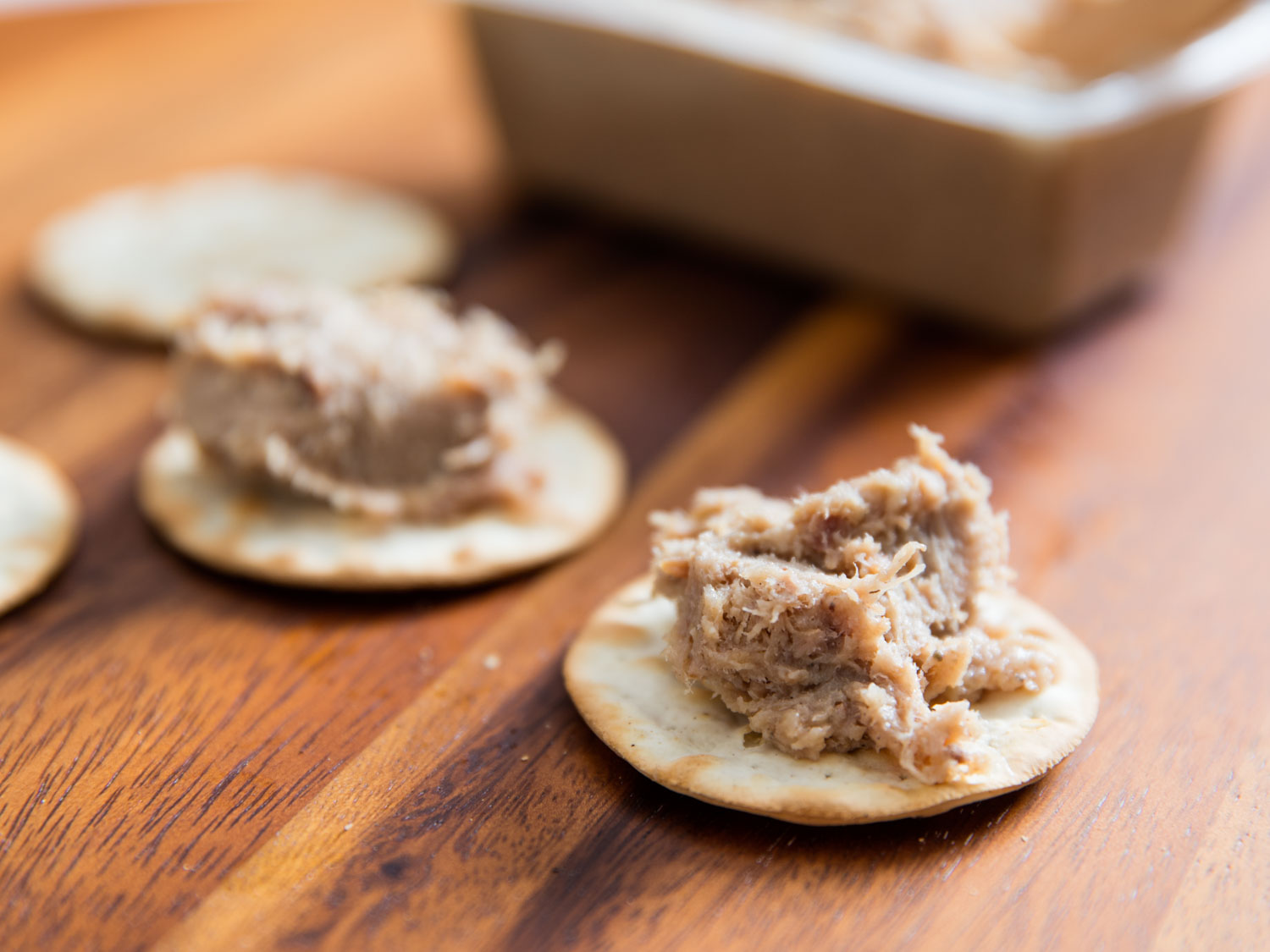
RILLETTES
Though rillettes can be made from meat simmered in stock, the most traditional iteration starts as confit—meat that’s been heavily salted and then cooked in its own fat. But where confit is presented whole, rillettes call for finely shredding or chopping the cooked meat and then folding it back into that fat. From there, the rillettes are packed into a small container, making them less unwieldy than an entire confited duck leg, and topped with a final layer of fat, which keeps air out and extends shelf life.
Pork is considered the standard choice for rillettes due to its relative affordability, but duck and rabbit are often used as well. An amazing rillettes will be spreadable, soft, and rich, with a slight chew from the lightly seasoned meat.
So there you have it. I found it interesting to read the history of how the charcuterie is prepared. Then having said that, maybe it’s better off not knowing too much. I’m the girl who does not eat Foie Gras but loved Boudin (which I first discovered and tried in New Orleans) before knowing some of it comes with pig’s blood added to it. Ewww.
Craig Cavallo has been working and eating in New York City restaurants for a decade. His insatiable appetite (and bike) take him from one delicious thing to the next. You can follow Craig’s journey @digestny and on Digest NY, a website he launched in 2012 to share his love of food and the stories told through it. A love affair with wine grew organically when Craig was an opening staff member at Eataly’s wine store. The job lead him to Piedmont where he discovered even more joys. Craig’s from Syracuse, but he lives and writes in Brooklyn.
For when you desire a light, easy to digest delicious dinner, try making something with fresh white fish like Halibut or Dover Sole.
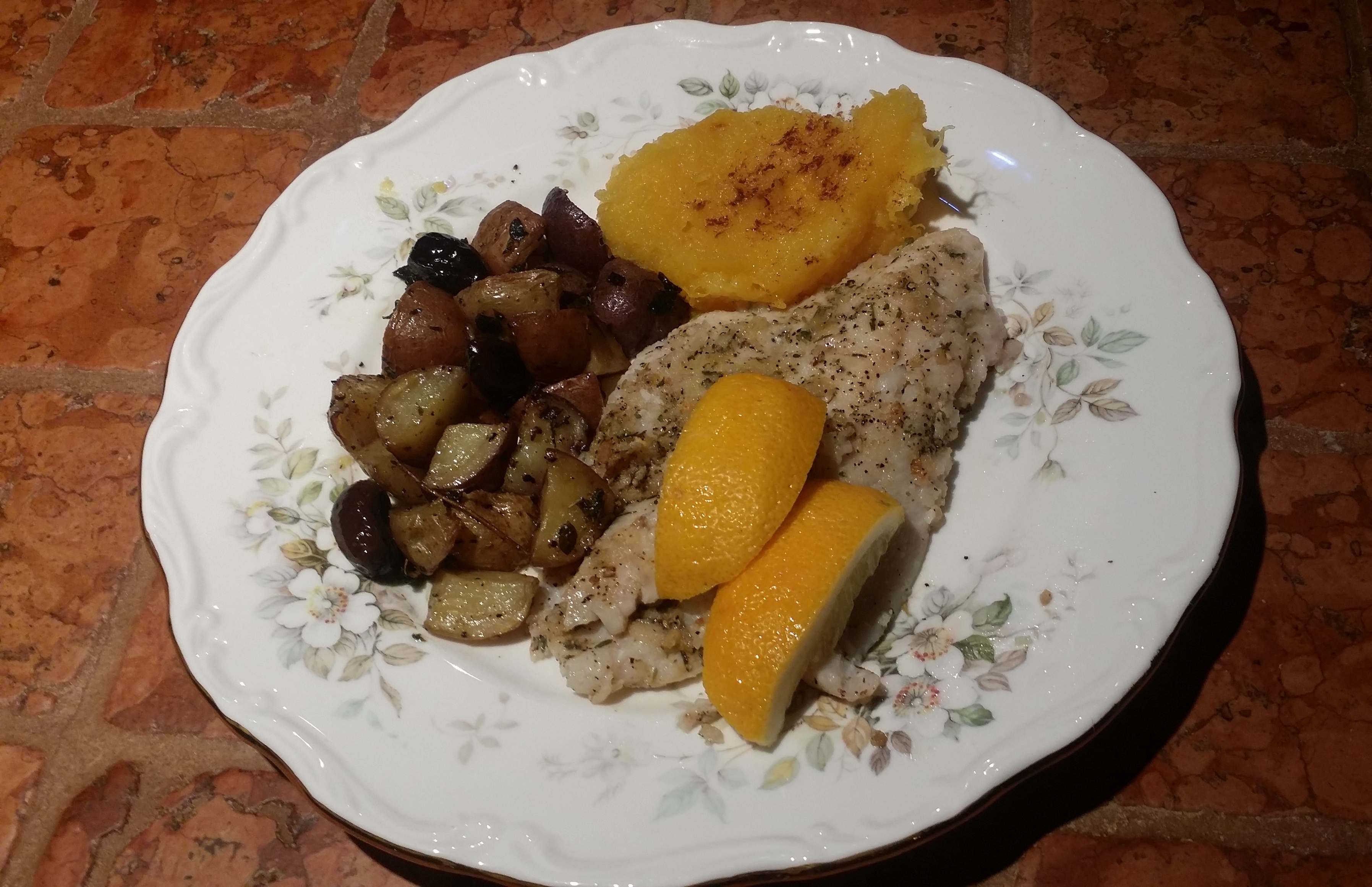
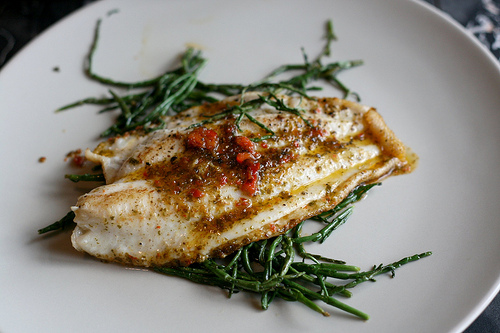
Both mild fish adapt really well to almost any seasoning, even something so simple and classic like butter, garlic, squeezed lemon & parsley. It’s no fuss and fairly fast to make. Sole is not a dense fish so it tends to fall apart quite easily. For me the best way to cook sole is quickly in a frypan with a light breading and a little butter. I mix panko breadcrumbs with fresh grated parmesan and add spices like Italian seasoning then squeeze fresh lemon juice over top. A little chopped red chili pepper adds an extra kick.
Super Sole Sunday! Pan fried with a light homemade breading over sea asparagus (sautéed in a little butter by itself). Sides: steamed carrots and wild rice.
Halibut can be steamed, baked or broiled but never fried. Okay, I’ve never tried frying it. I just don’t think it would lend itself well to the frypan.
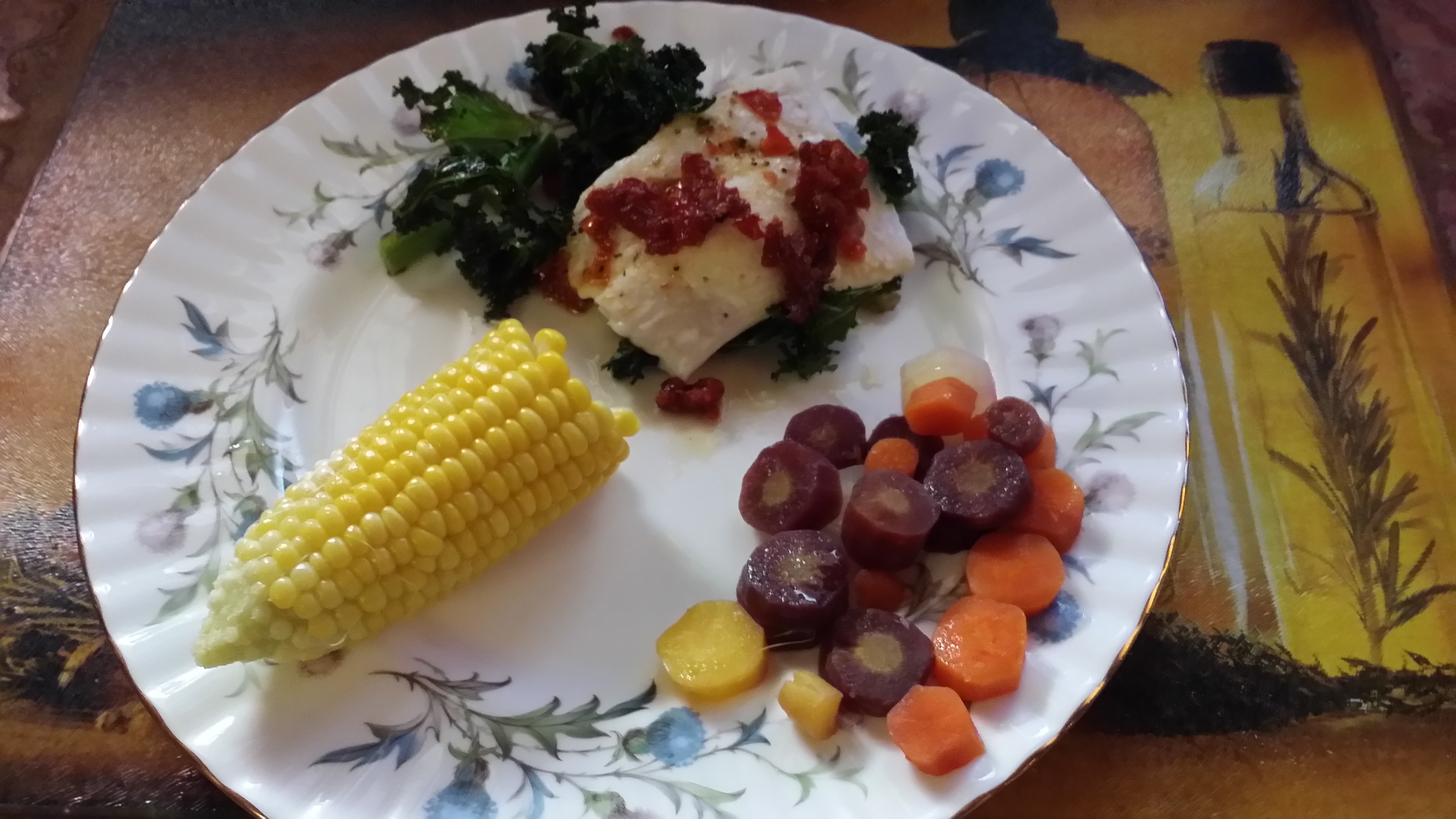
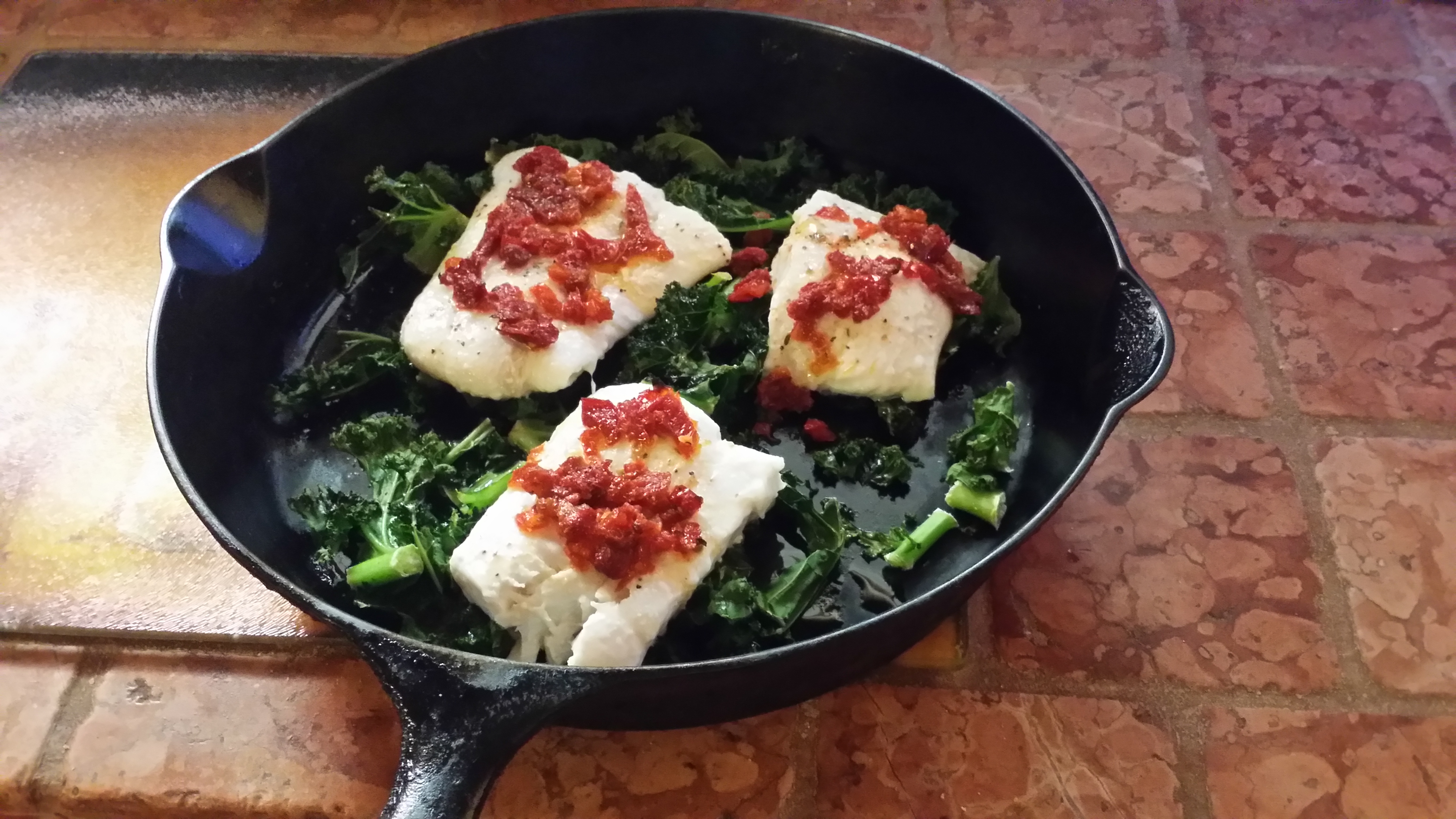
This time I placed Halibut fillets over fresh Kale in a cast iron pan and baked it with sundried tomatoes and lemon olive oil over top. It came out moist and the kale had some crispiness – a nice combo with corn on the cob and steamed tri-coloured carrots.
Halibut over Kale with Sundried Tomatoes
We’re repeatedly told to eat two fish meals per week. Fish offers a good source of protein, vitamins and minerals, low in cholesterol-raising saturated fat. Don’t forget we get major sources of two of the essential omega-3 fatty acids. But some fish contain higher levels than others.
Did you know?
Even though sole is not usually found at the top of the list, it turns out to bea good source, according to the U.S. Department of Agriculture. It’s also packed with protein, vitamin B-12 and vitamin D. It’s also much lower in fat. Along with the omega-3s, one serving of sole only has 73 calories yet supplies 13 grams of protein, 20 percent of your RDA of vitamin D and 41 percent of your RDA for vitamin B-12.
Halibut does not have the highest levels of omega-3 fatty acids in the seafood world, but it is still a good choice, containing .9 g per 100 g of fresh fish. This compares with fresh salmon at 1.4 g per 100 g of fish; lake trout, with 1.6 g; sardines, with 1.7 g; herring, with 1.7 g; and mackerel, with 2.2 g, according to weight-loss adviser Anne Collins from LiveStrong.
*Sidenote: I have one helluva Halibut story. Our VW camper broke down in a tiny fishing village in Newfoundland on a Friday night moments after buying a fresh huge (emphasis on one big f…..fish) halibut right off a boat. We ended up having to spend the whole weekend in a motel that luckily had a kitchenette while waiting for a part to arrive on Monday and with me having to cook halibut every which way for several days. I’m surprised I can still eat it. Add to the misery the closest walking distance store from the hotel was a Walmart. That was the first time I set foot in one of those. They really do have a lot of stuff. Moving along right…. I have bigger fish to fry.
If you love something set it free. If it doesn’t come back drink some tequila.
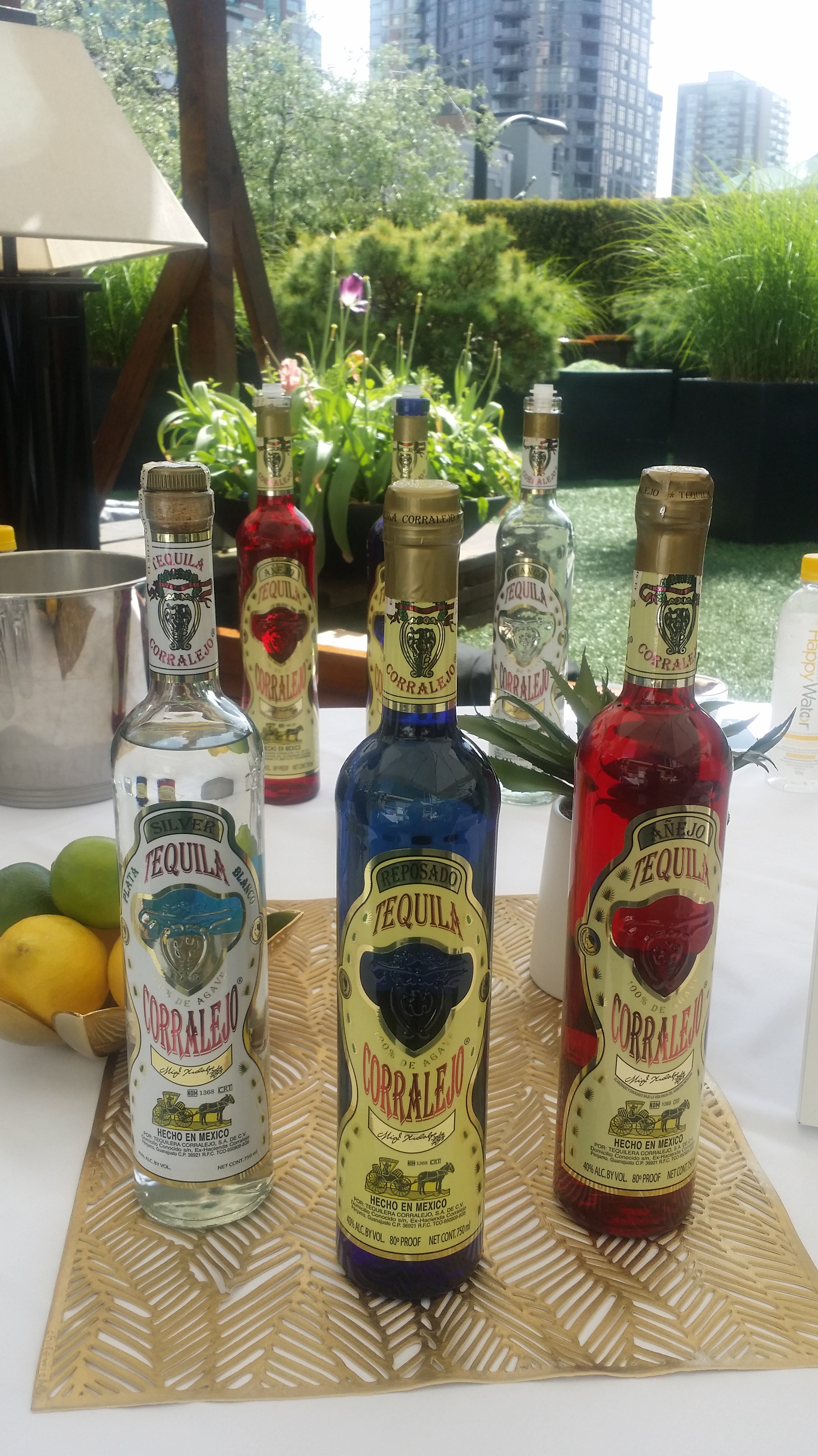
But really, have you ever tried pairing food with agave? It can be a nice replacement for wine….except you don’t or should not want to polish off the whole bottle.
For all you foodies who also enjoy a little tequila now and again (I’m talking the smooth stuff) here is a listing of some fun events taking place in Vancouver this month.
It’s all part of the 2016 Vancouver International Tequila Expo:
Maybe even something to consider for a Mothers Day gift?
Location:Start and Finish at Taco Bar Gastown, 15 W. Cordova Street, Vancouver, BC
Featuring 100% agave tequilas and mezcals to be announced! Date: Tuesday, May 24, 2015 Time: 7:00pm – 10:30pm Cost (including Tickets Tonight fees): $85
Join us once again for the Third Annual East Van Taco Safari! We’ll pickup from Taco Bar Gastown and then we’ll transport you to points east to enjoy tacos with tequila and mezcal pairings at Los Cuervos Taqueria, La MezcaleriaTacofino Commissary, and Juniper (new this year!), before returning to Taco Bar Gastown to end the night with…you guessed it – more tacos and mezcal! And you can stick around for some leisurely craft cocktails to cap off your evening if you like…
Location: Pacific Institute of Culinary Arts, 101-1505 West 2nd Avenue, Vancouver, BC
Date: Wednesday, May 25, 2016 Time: 7:00pm – 10:00pm
Details: 2 persons per workstation, maximum of 24 persons total Cost (including Tickets Tonight fees): $125.00 For information: Contact Manuel
Join us and enjoy this hands-on cooking class and pairing dinner – a culinary cooking experience at the Pacific Institute of Culinary Arts. You’ll be guided through the process of cooking (and eating!) a delicious gourmet regional Mexican cuisine menu paired with tequila and mezcal and other gastronomic delights from Mexico.
Location: Start at Joe Fortes Seafood and Chophouse, 777 Thurlow Street, Vancouver, BC
At Joe Fortes (media event) Photo: d. king
Finish at Black and Blue, 1032 Alberni St, Vancouver, BC
Featuring 100% agave tequilas and mezcals to be announced!
Date: Thursday, May 26, 2016 Time: 7:00pm – 10:30pm Cost (including Tickets Tonight fees): $95
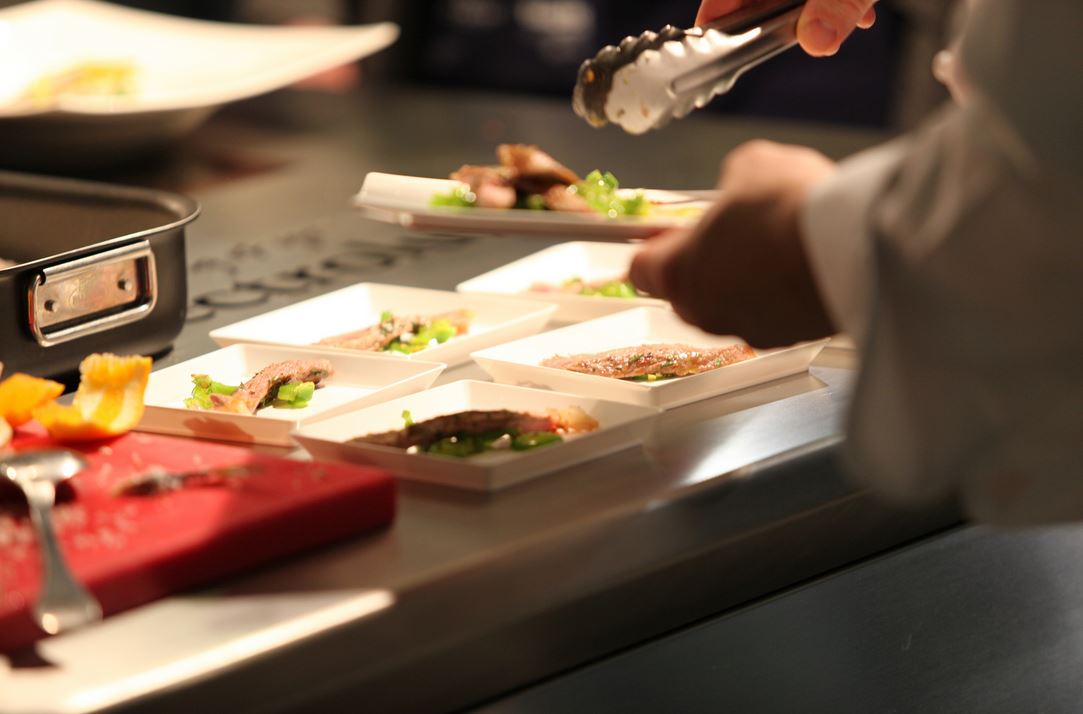
Join us for the Second Annual Downtown Food & Agave Safari! We’ll be experiencing delicious food and drink pairings as we visit some of Vancouver’s top restaurants and watering holes. We start at Joe Fortes Seafood & Chophouse, and then we’ll board a trolley to culinary nirvana – exploring gastronomic delights at every stop – all exquisitely paired with tequila and mezcal to sip alongside the chefs’ creations!
Tequila, the national spirit of Mexico, is in the midst of a renaissance. This artisanal spirit is moving beyond its reputation as a party drink associated with lost memories and lingering hangovers. Learn the difference between adulterated tequilas and 100% blue agave tequilas and enjoy sipping them like a fine Scotch or Cognac.
Join Eric Lorenz, Expo Co-Founder and Canada’s only Master Catador for a journey to the beautiful yet enigmatic blue agave landscape in the highlands, lowlands, and valleys of the tequila regions in the Mexican states of Jalisco, Nayarit, Guanajuato, Tamaulipas, & Michoacán. In so doing, you will connect with the culture and history of both ancient and modern Mexico. This session will provide a base of knowledge in history, culture, geography, production methods and more. A flight of seven 100% agave tequilas will be tasted.
Mezcal 101:
History, geography, culture, process & tasting
Join Eric Lorenz, Expo Co-Founder and Canada’s first certified Mezcalier, for an entertaining and educational seminar and tasting featuring a selection of artisan-crafted *mezcals from Oaxaca – Mexico’s most culturally rich and biologically diverse state – and beyond. You’ll learn about the history, culture, and production processes surrounding mezcal, plus the botany, lifecycle, & agriculture surrounding the agaves used for mezcal. Plus you’ll taste a flight of seven 100% agave mezcals!
To Purchase:
Tickets Tonight
200 Burrard Street, Plaza level
inside the Tourism Vancouver Visitor Centre
North entrance off Canada Place Way
open 9:00am-5:00pm daily
What I learned from attending the expo for the first time last year is that there is tequila….and then there is tequila! You can sip the good ones like you do a fine scotch or cognac. I never liked the taste of hard liquor (just wine and sometimes a cold beer on a hot day) but I surprisingly enjoyed several, especially for a little night cap (do people do nightcaps anymore?). What I noticed was that the expo did not attract those just looking to get drunk. It was somewhat of an education and the food was great.
*I visited Oaxaca last year and had the pleasure naturally of sampling a variety of mexcals from a place that produces them. I didn’t realize they came in so many flavours like coconut and passion fruit. I brought some back and they’re nice to pour over ice cream for a light dessert to enjoy with company.
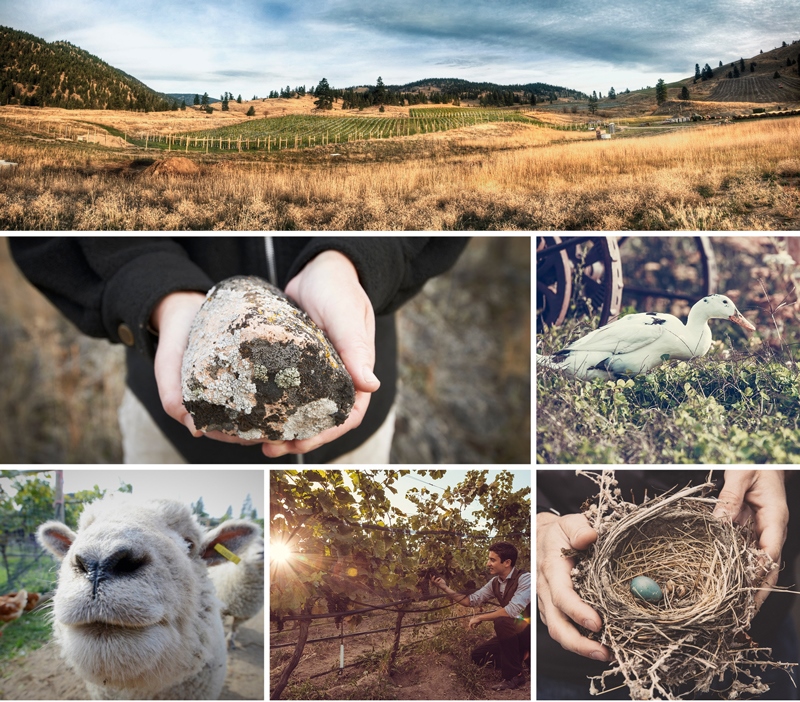
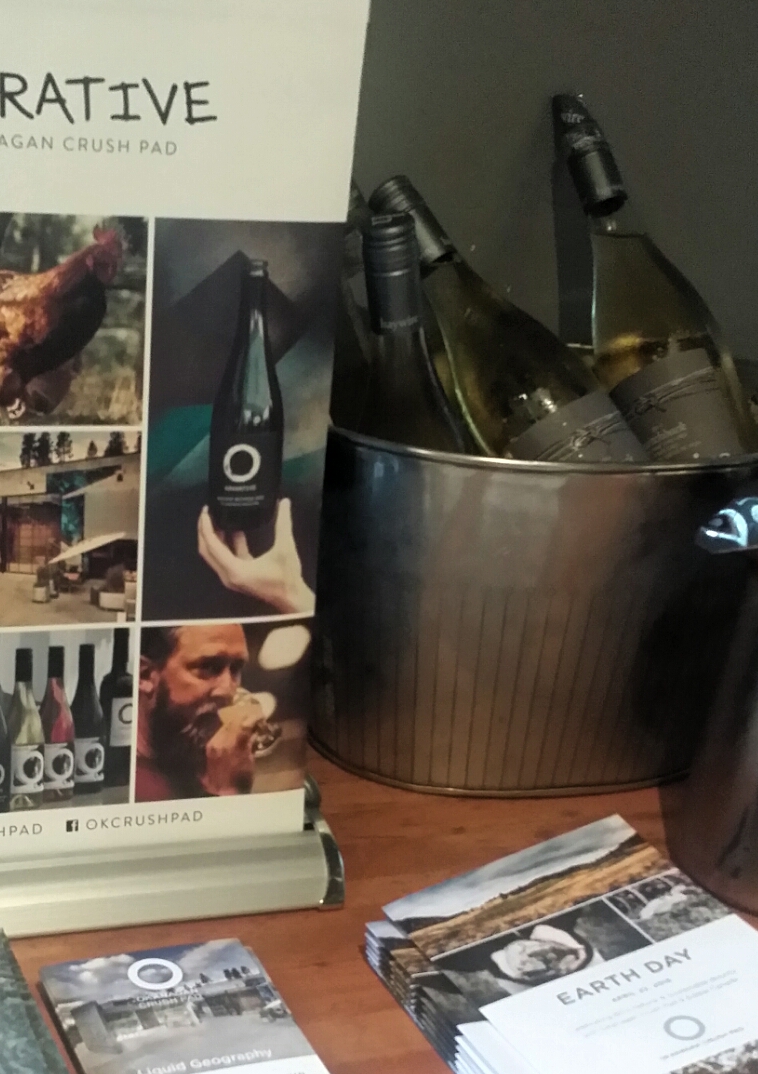
The certified organic four-hectare (9 acres) Switchback Vineyard is home to sheep, chickens and ducks, each playing their role in maintaining a healthy site.
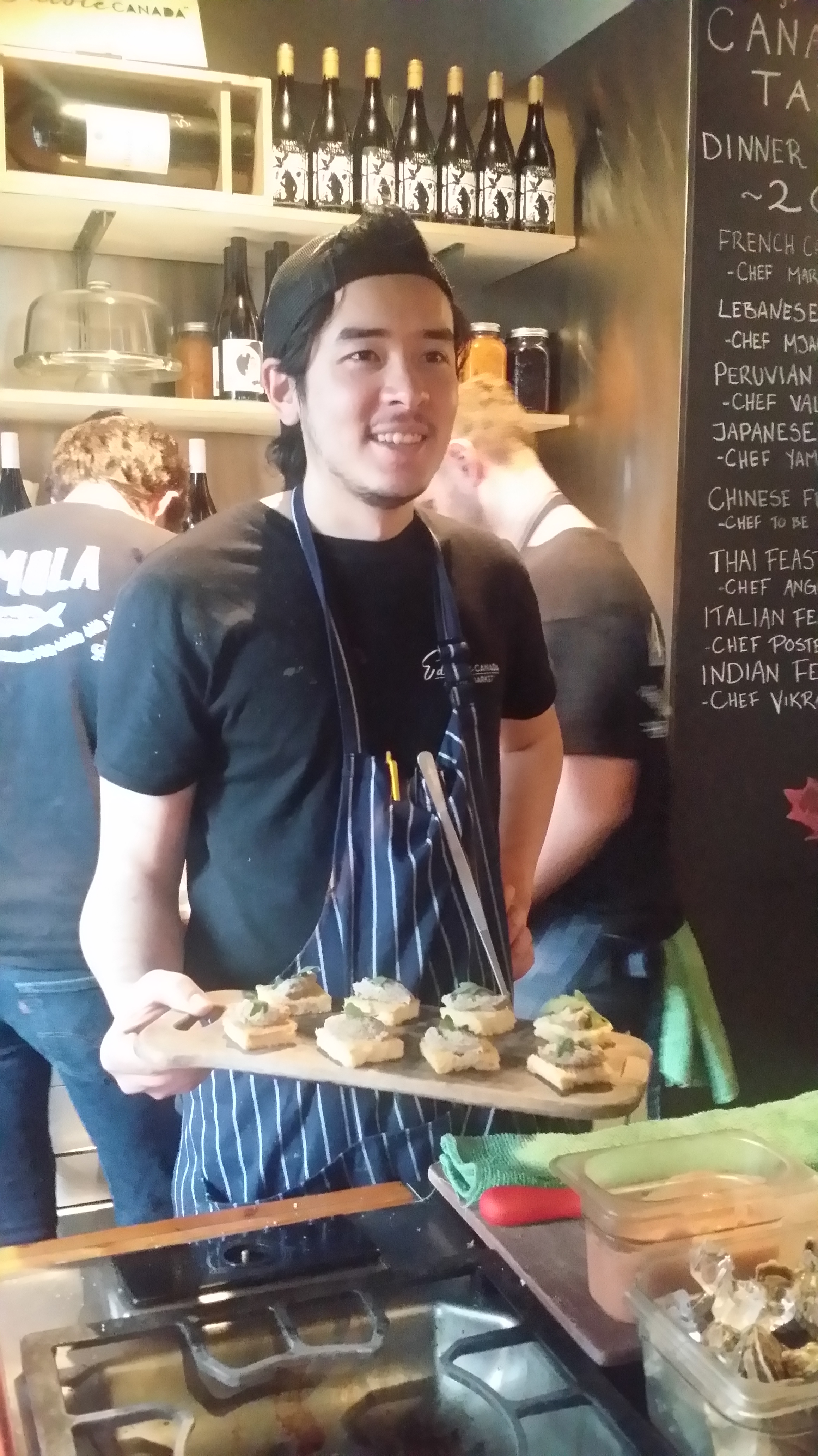
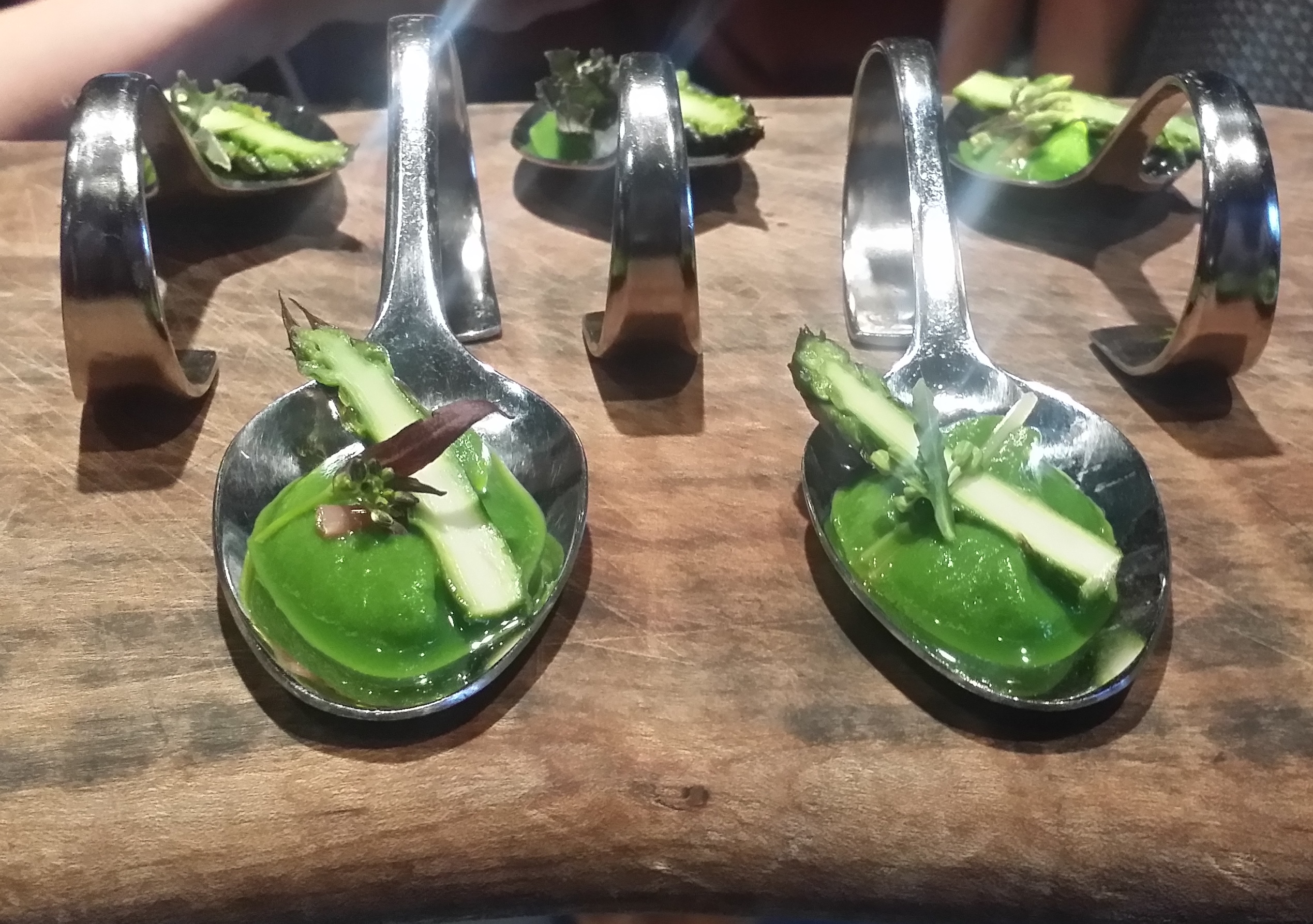
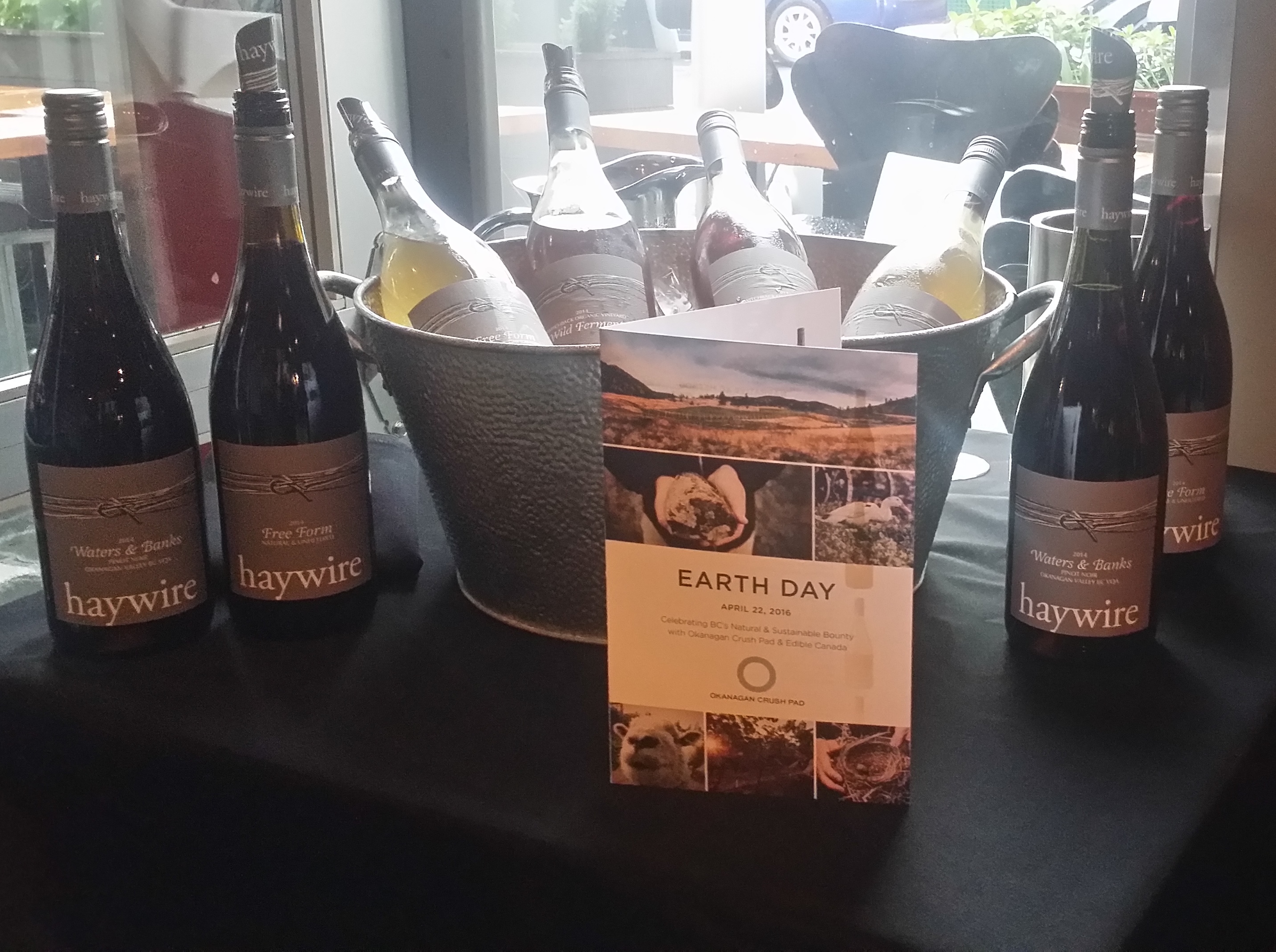
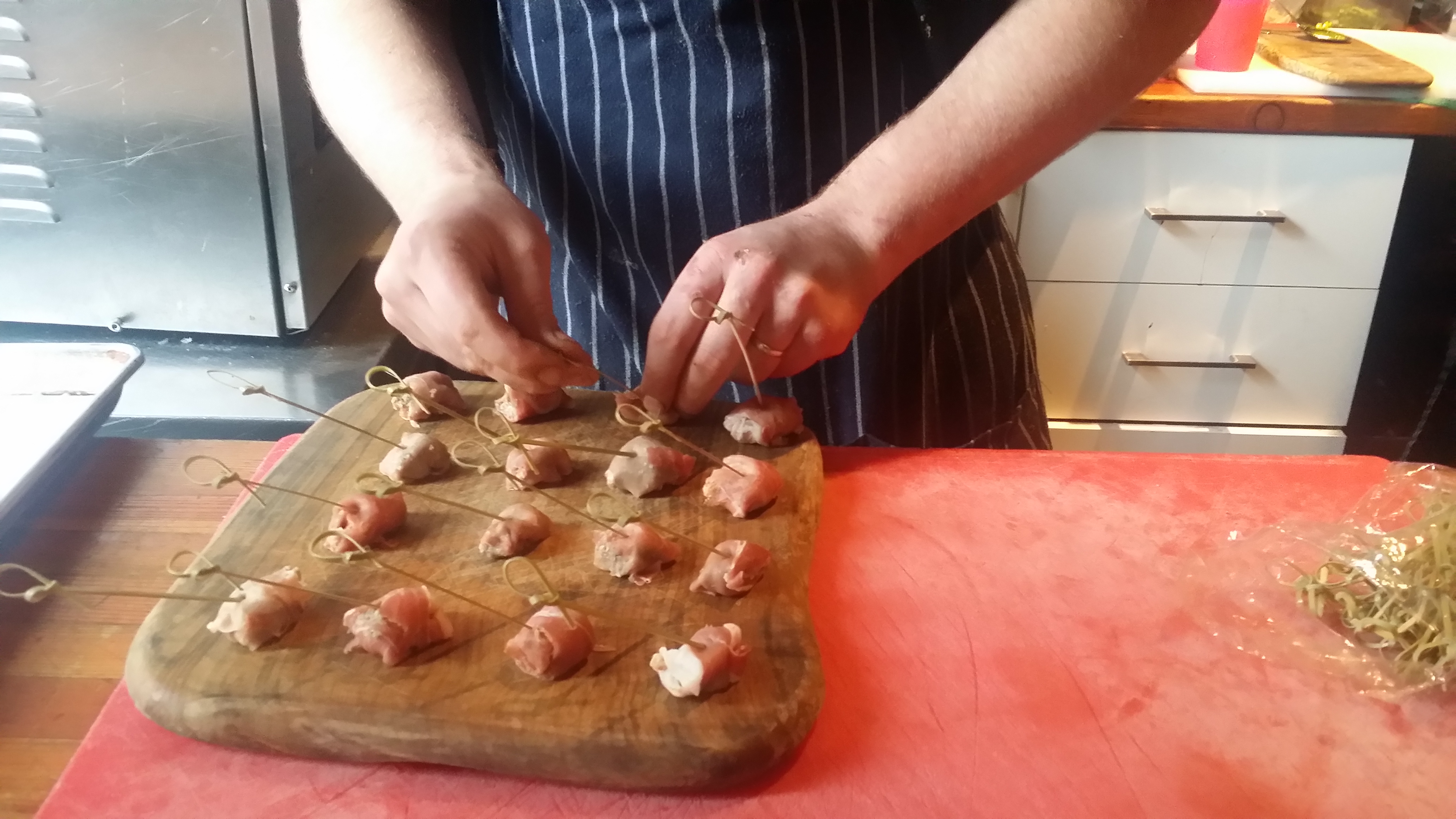
I love afternoons like the one I just spent on a rainy Friday at Granville Island’s Edible Artisan Bistro. I was one of a lucky few invited to sample the launch of premium new earth friendly wines from Okanagan Crush Pad, Haywire and Edible Canada’s new private label along with elegant food pairings inspired by the wines and seasonal goodies offered by Eric Pateman’s culinary team at Edible Canada.
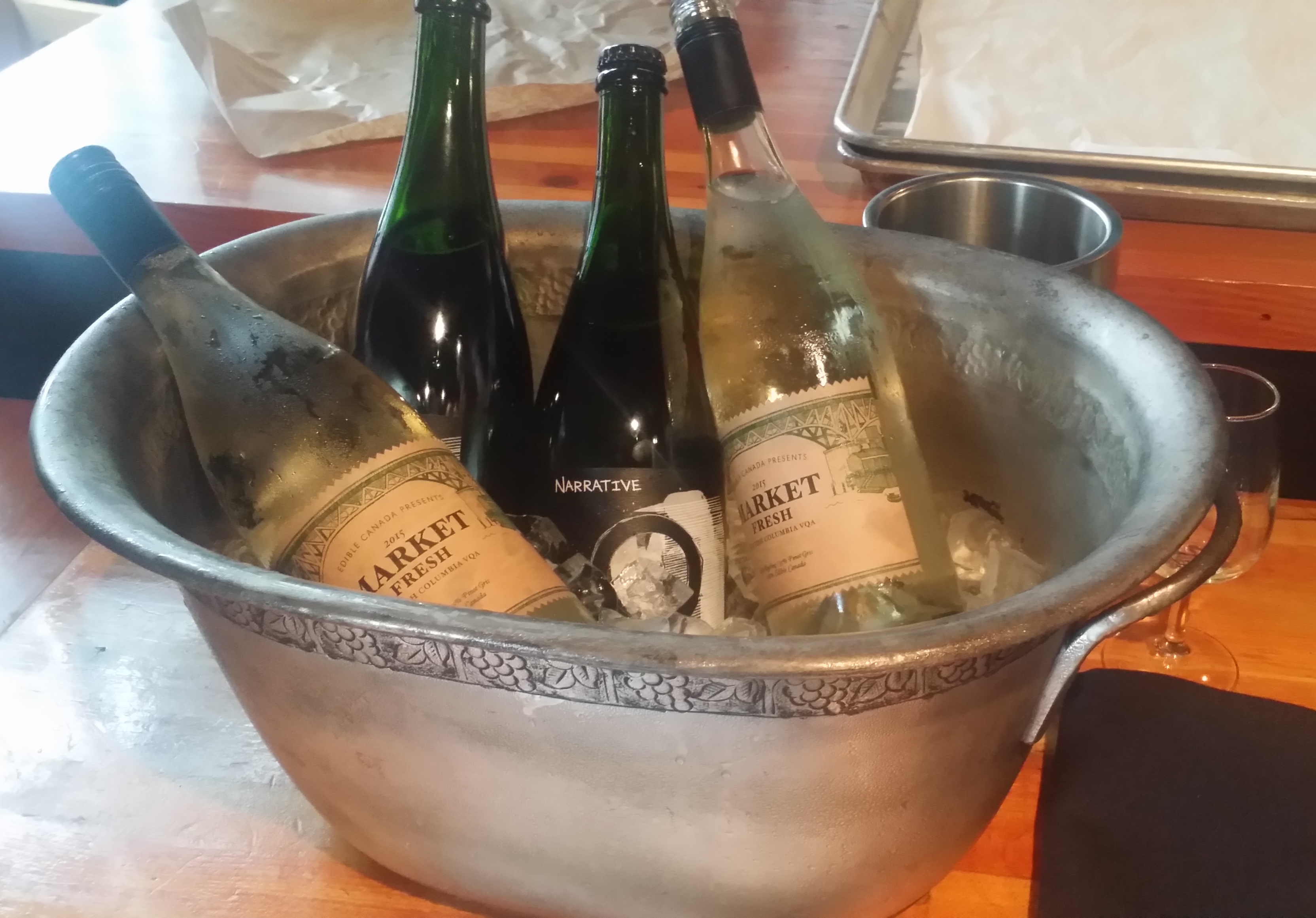
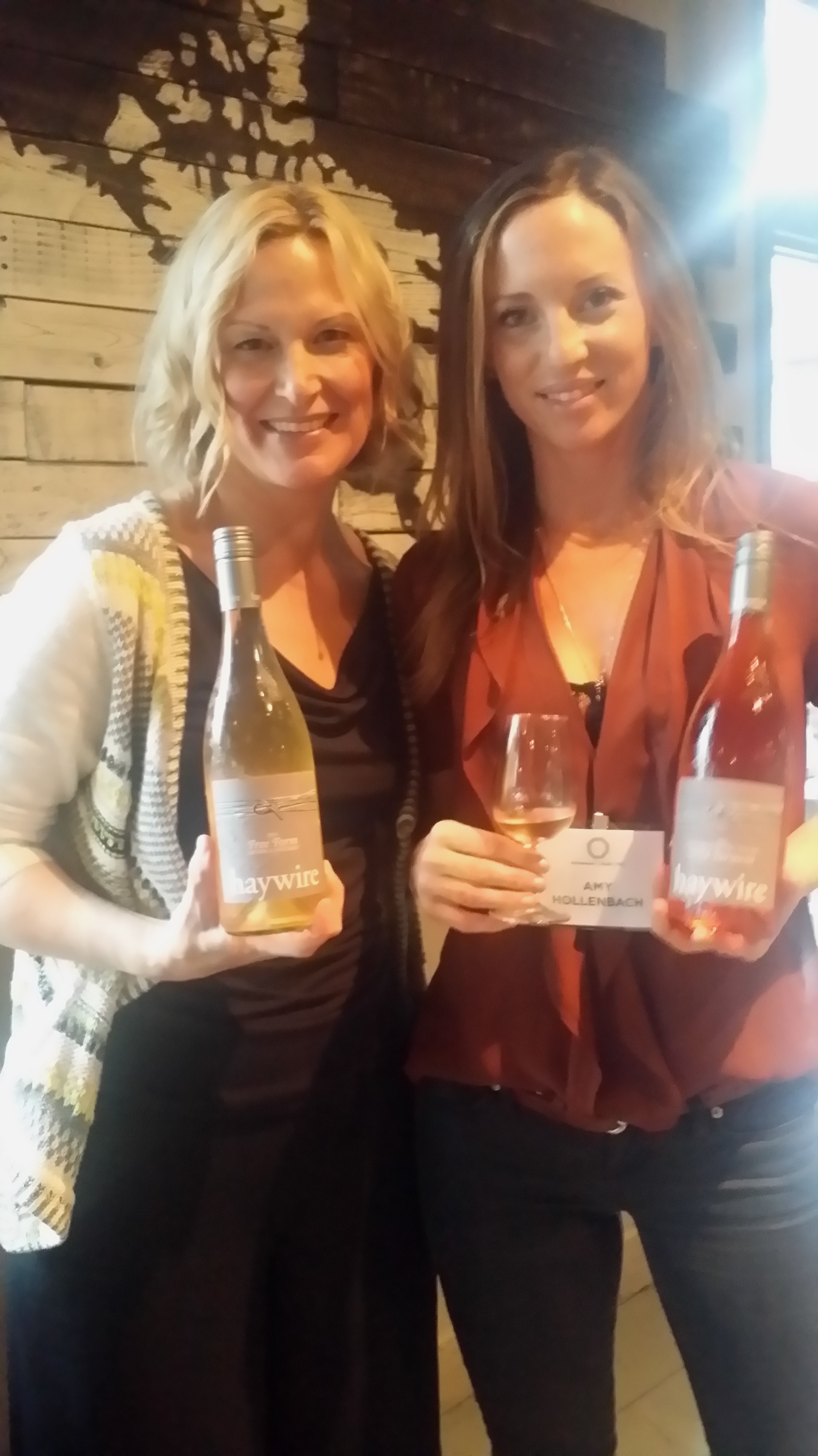
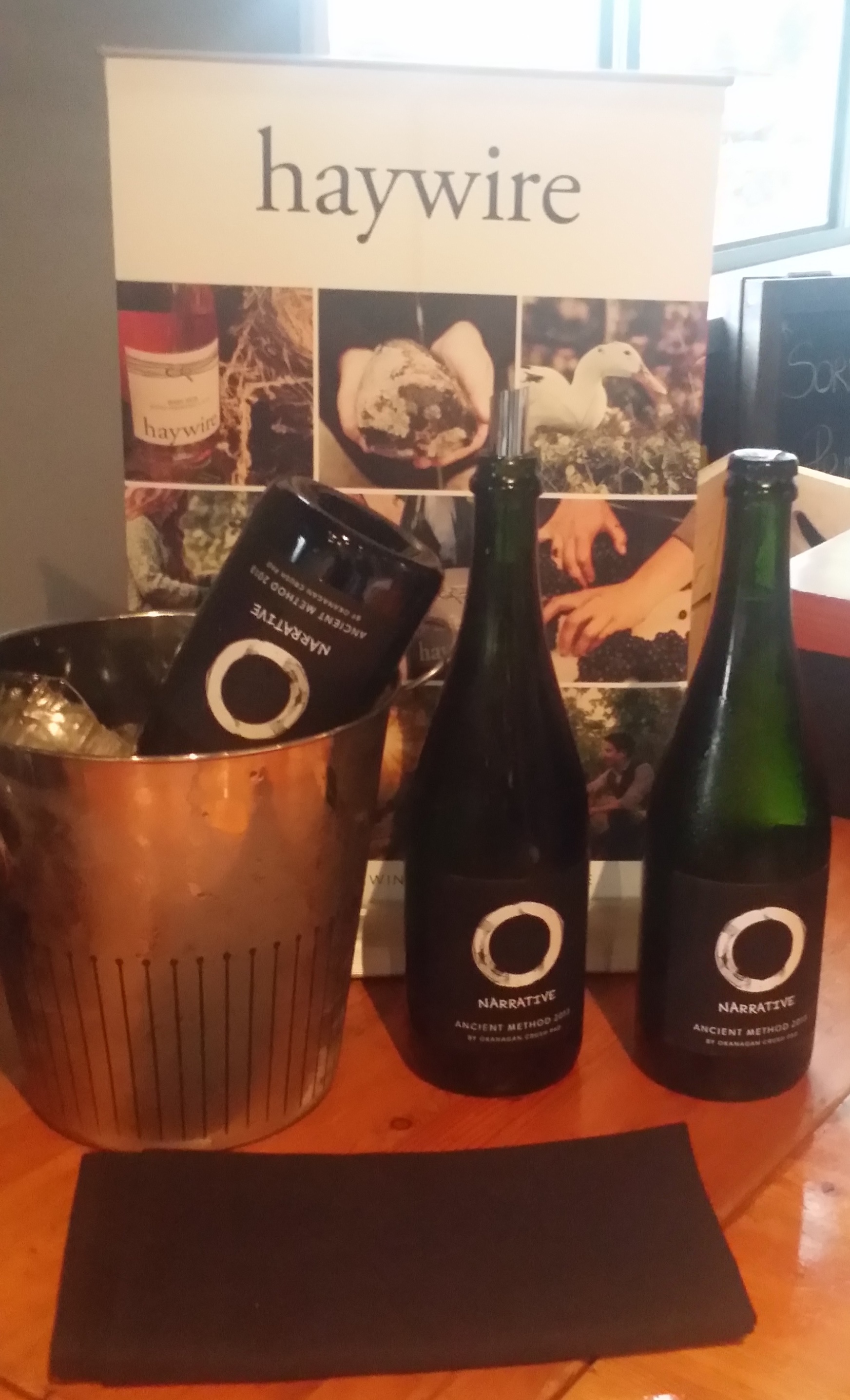
This was fittingly done on earth day where those in attendance celebrated and toasted BC’s natural & sustainable bounty as we were introduced to the winery’s first wine crafted from certified organic grapes: Haywire Switchback Organic Vineyard Pinot Gris 2014, Narrative XC Method,a charmat sparkling wine and Edible Canada’s appropriately named new private label, Market Fresh. A totally inspiring afternoon along with like-minded people who love to savour the new and unexpected.
Already familiar with Okanagan Crush Pad wines (they supply the dinner wine for the Cystic Fibrosis (CF) yearly fundraising gala of which I’m a committee member), it was nice to finally meet the owners in person and get to try something fresh and different. I like their approach to wine making.
lovely serversAsparagus coulis
Located in Summerland, B.C., Okanagan Crush Pad is quickly gaining a reputation as a game changer crafting wines that tell a story of a very unique wine growing region; a rare place that offers both desert landscape and snow. If you’re visiting British Columbia you should add the Okanagan to your list of places to visit even if you don’t drink wine.
Their story:
From a small vineyard project in 2006, Okanagan Crush Pad has grown to become a recognized leader in Canada’s Okanagan. The winery was created in 2011, as a shared workspace for vintners and is also home to Haywire and Narrative. Owners Christine Coletta and Steve Lornie have assembled a team with global experience: chief winemaker Matt Dumayne, a New Zealand native; Italian consultant Alberto Antonini; Chilean, Pedro Parra, and, Vancouver-based David Scholefield.
The team farms organically, seeks biodiversity, and respects the land with the purpose of allowing the unique terroir of Canada’s Okanagan to shine. Time-honoured winemaking techniques are used, benefitted by the most advanced technology, and adhering to a “less is more” philosophy. They use organically grown grapes, native yeasts for fermentation, no additives and zero to minimal SO2.
And their wines taste so good!
Photos: d. king (except for the vineyard photo compilation at very top)
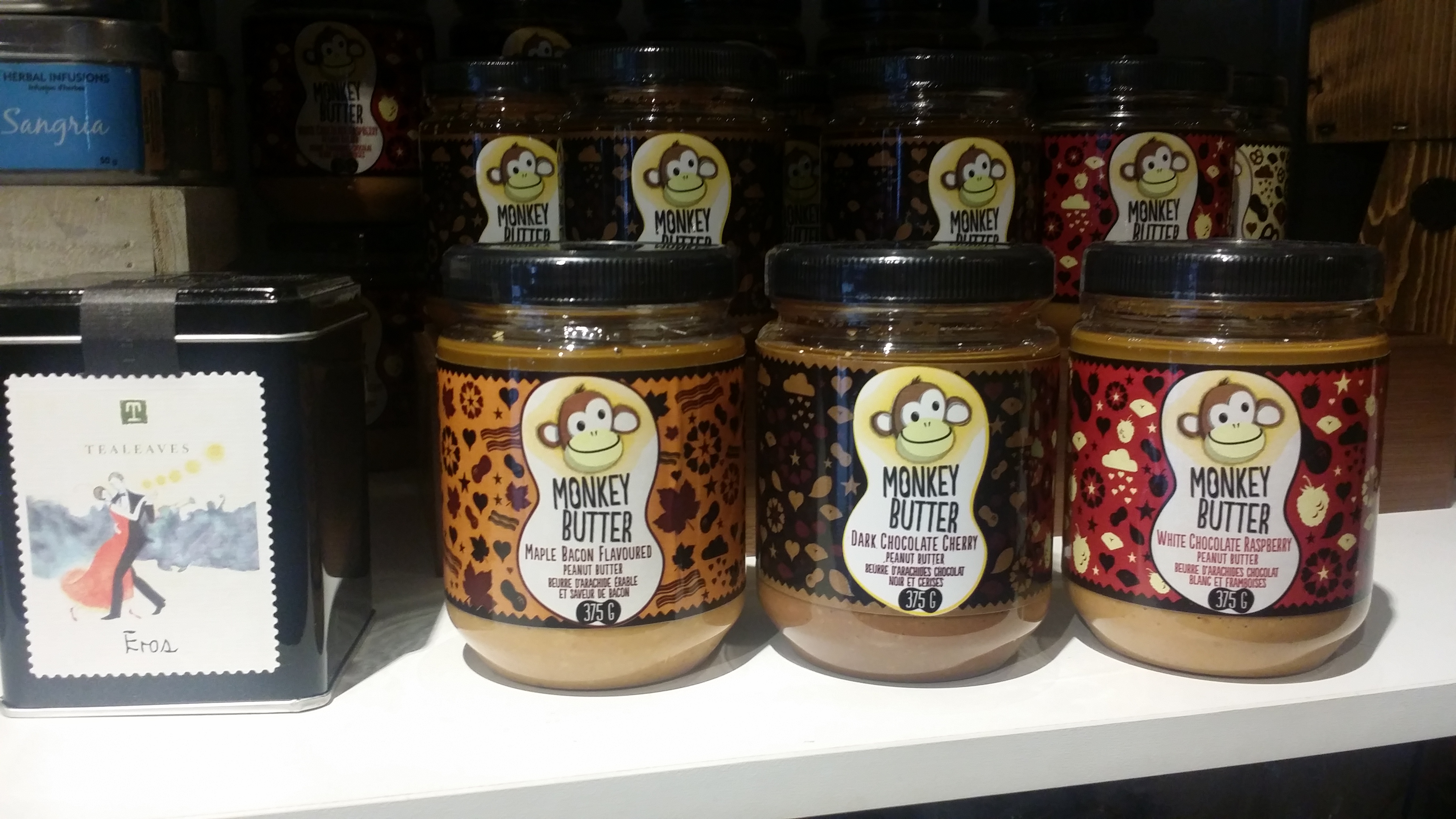
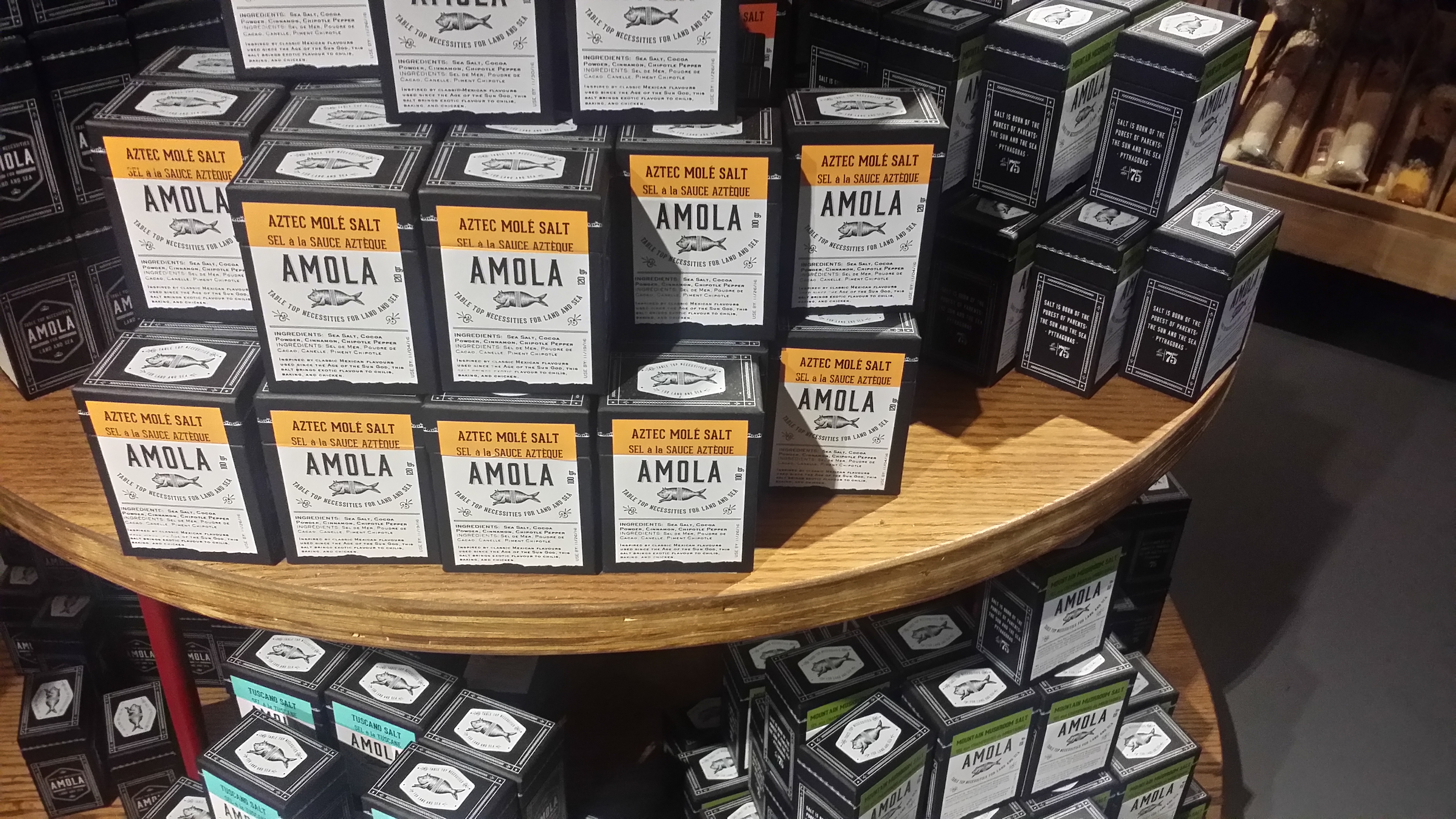
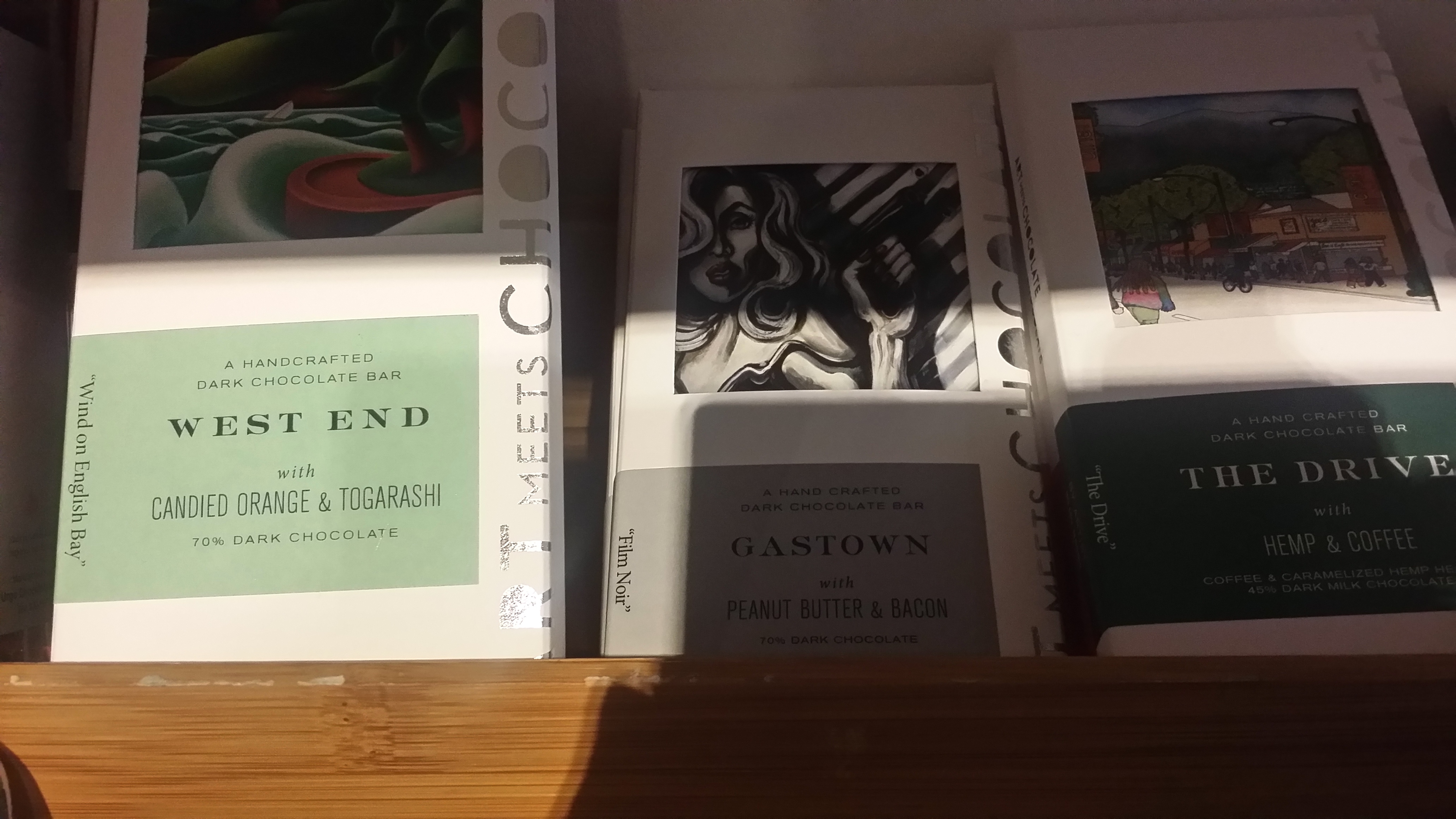
At Edible Canada you’ll find some unusual tasty tidbits like:
Not just for monkeys – designer peanut buttersdesigner saltsdesigner chocolate inspired by popular Vancouver neighbourhoods
About Edible Canada: locals and visitors, professional chefs and passionate foodies congregate to experience the best in BC and Canadian cuisine. With more than 12 million visitors a year, Granville Island is truly one of the top public markets anywhere in the world, and Edible Canada is proud to be a key part of its vibrant, dynamic setting.
As Canada’s largest culinary tourism and locavore retail company, Edible Canada is dedicated to sourcing the highest quality culinary products from coast to coast for their customers.
We know Tequila loves you, but if you love Tequila here’s an event not to be missed:
The 5th Vancouver International Tequila Expo: Grand tasting (with food) takes place Saturday, May 28th at the Hyatt Regency Hotel, Burrard. To Purchase Tickets for this and other tequila foodie events please visit:
I will attend a media reception this afternoon at Joe Fortes Seafood & Chop House. I’m looking forward as last year’s gathering was tons of fun. Casa Amigos…here I come!
I have a great idea for your leftover risotto….and don’t ever tell me you never have leftovers!
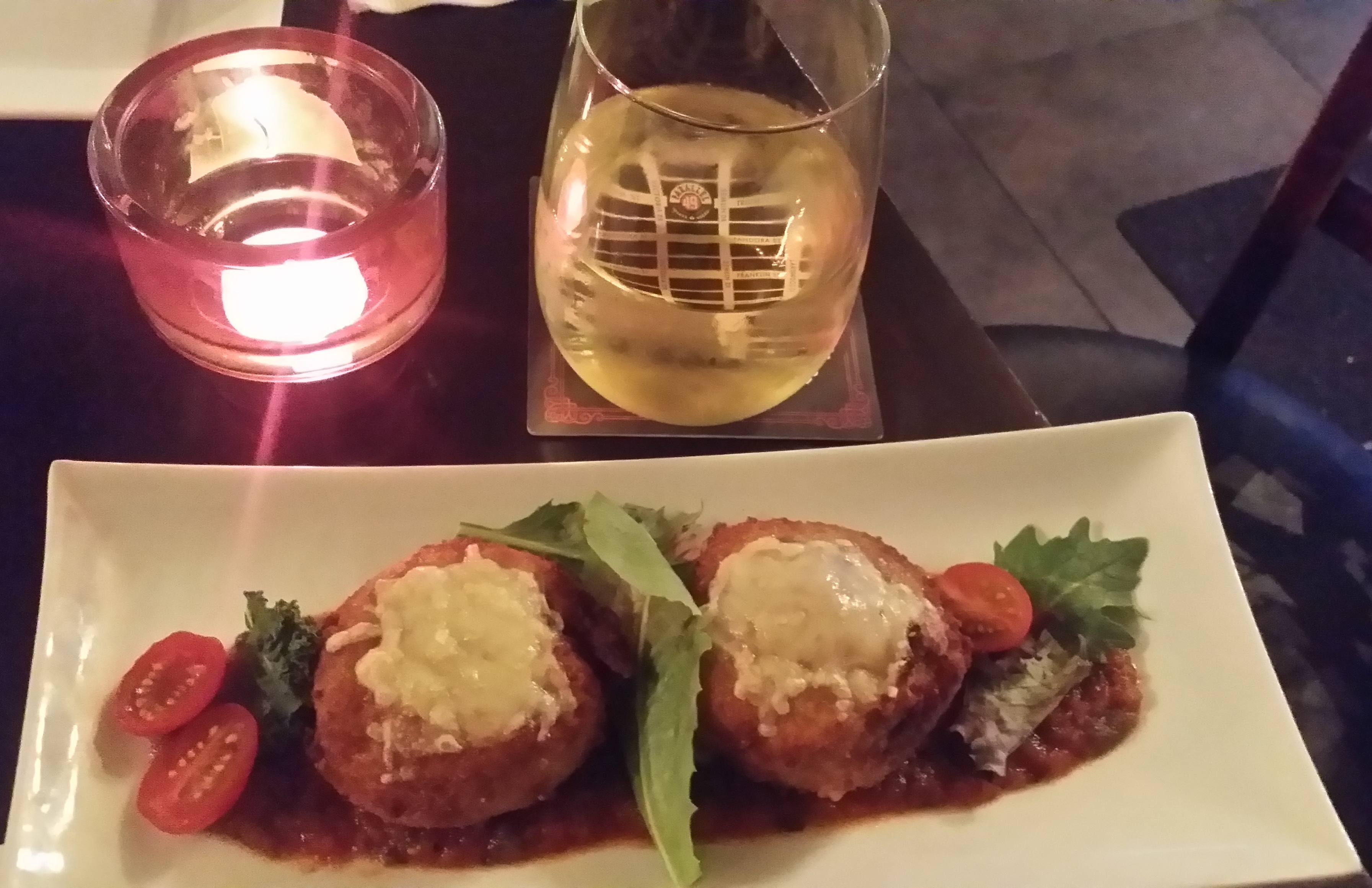
Risotto Cakes from “Verve” in Vancouver
I make risotto from time to time and there’s always more left over for another meal. It’s so rich on its own so it’s nice to have an alternative for it, otherwise it can get boring.
I had the pleasure of visiting a new place called Verve (previously Central on Denman in West End, Vancouver). I was looking for a place to listen to jazz and grab a decent bite to eat and luckily this place did not disappoint.
Verve chef Peter Chun sent a few plates over our way when I ended up there with a friend one evening. Everything was good but the standout share plate were the risotto cakes. Granted we didn’t try every single thing on the menu but hey…what a clever way to use leftover risotto. I don’t have his recipe but I found one that you can use and bend to your own liking since I know whoever is reading this is a creative type person who loves trying different things.
Here it is:
Ingredients
3 cups leftover risotto (roasted garlic, mushroom, etc.)
2 large eggs
1/2 cup frozen corn, thawed
1/2 cup fresh bread crumbs
1/4 cup grated Parmesan
Kosher salt and freshly ground black pepper
1/4 cup canola oil
Directions
In a large bowl add the leftover risotto, eggs, corn, bread crumbs, and Parmesan and season with salt and pepper, to taste. Mix to combine well. Form into 12 balls about the size of a walnut, then flatten into patties and arrange on a baking sheet.
Heat the oil in a large nonstick skillet over medium heat. Add the patties and cook until they are golden brown, about 3 to 4 minutes per side. Remove the patties from the oil to a baking sheet lined with a brown bag or paper towels to drain the excess oil. Transfer to a serving tray and serve hot.
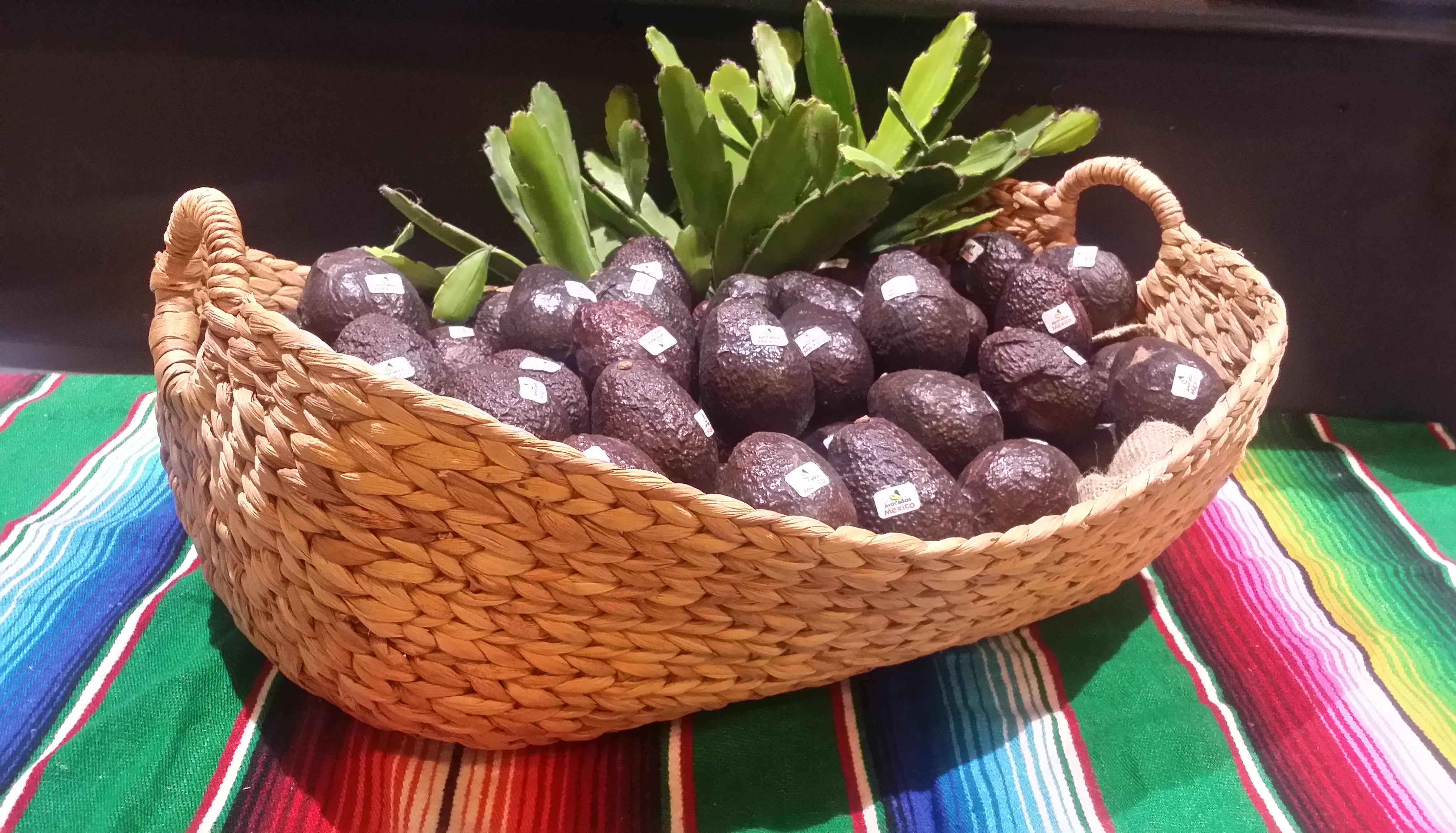
Okay, technically avocados are a fruitbut most people treat them more like a veggie which is unfair considering how versatile they are.
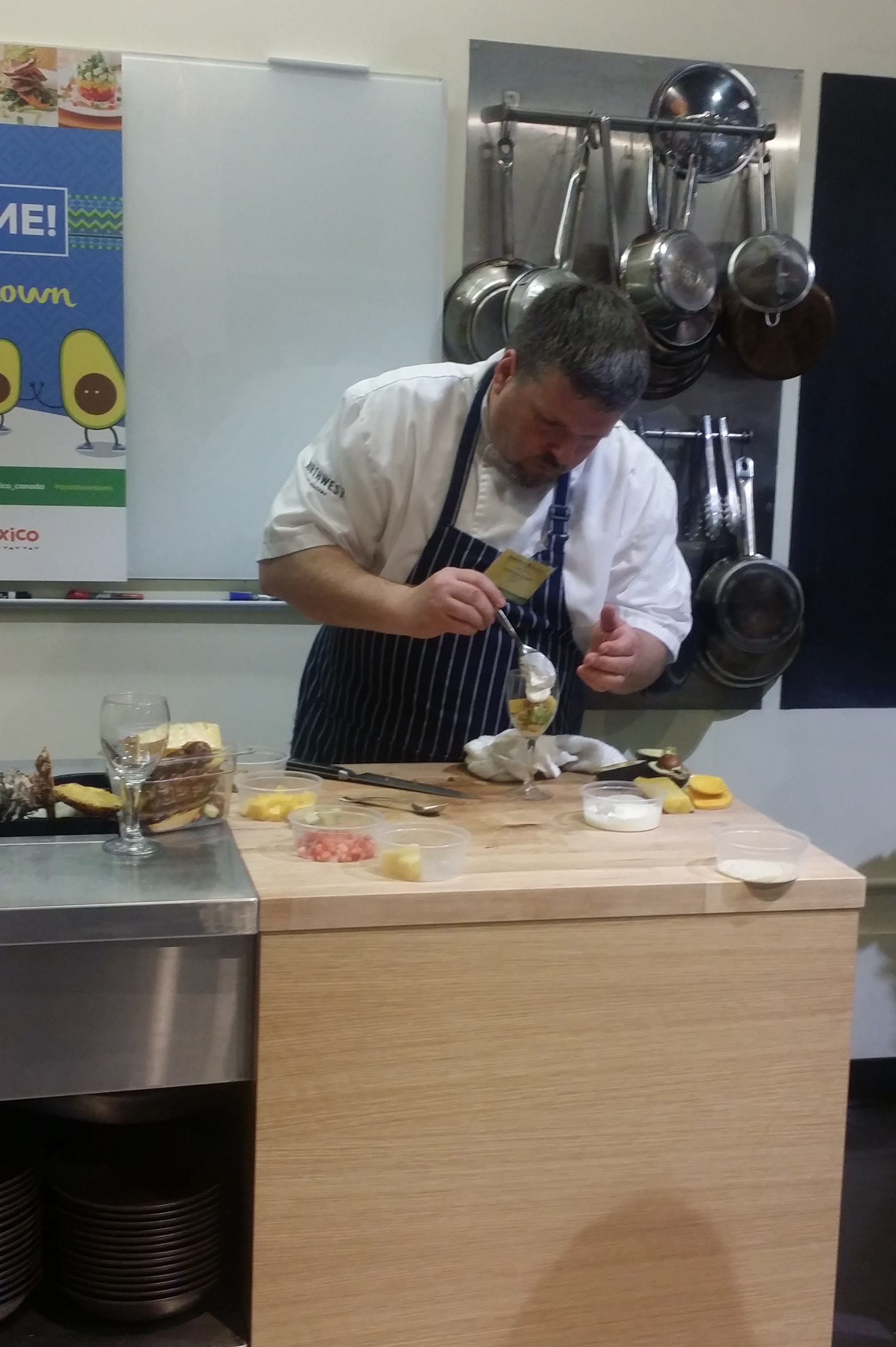
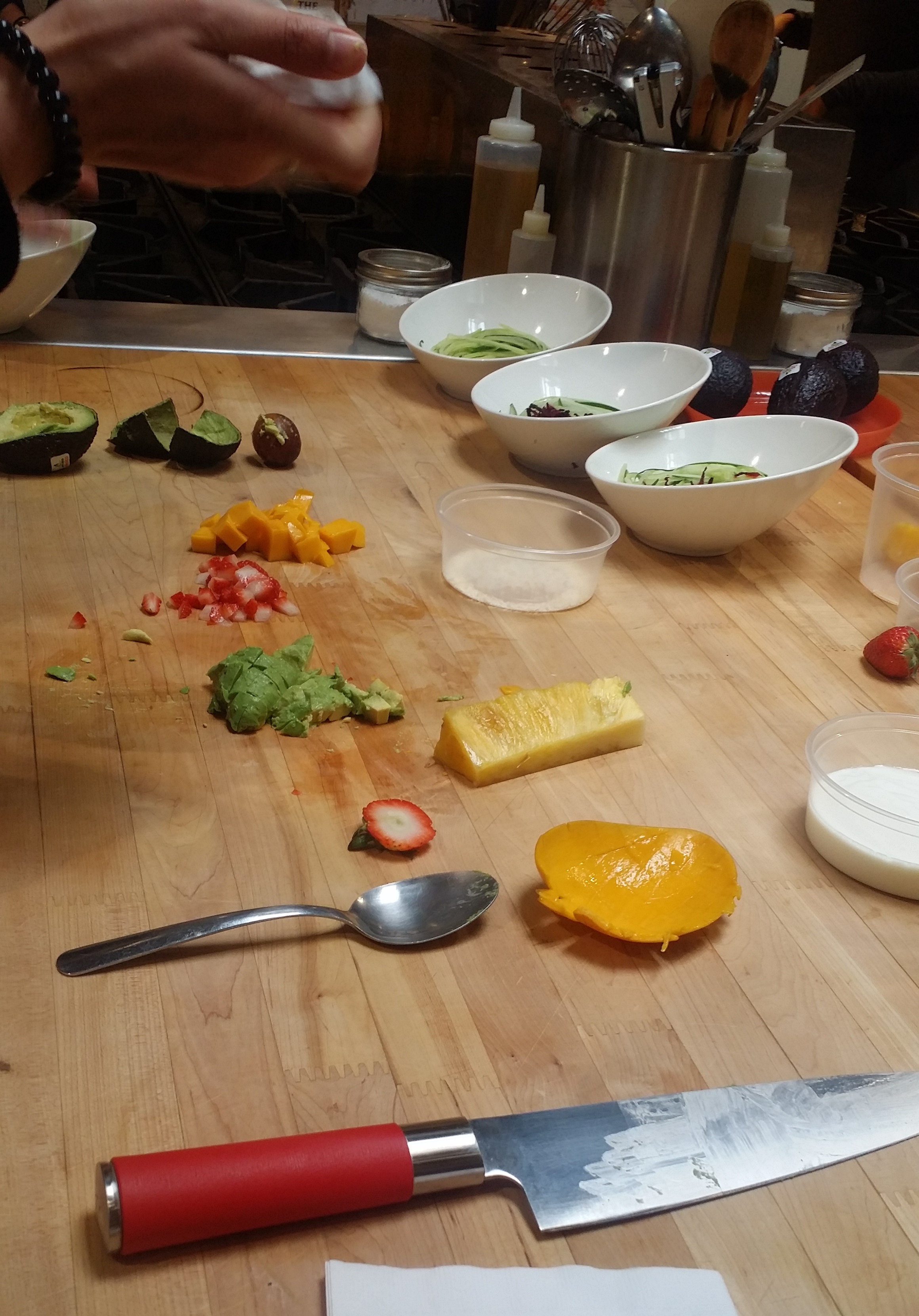
I just ate avocados from Mexico for breakfast, lunch and dinner! Granted as much as I love avocados, that doesn’t usually happen. It’s just that on Sunday I spend part of the afternoon at the Northwest Culinary Academy of Vancouver for the second Avo Showdown Event with chefs who prepared amazingly creative dishes using avocados from Mexico. It inspired me to incorporate avocados into more dishes. You should have seen what these chefs came up with and how delicious everything tasted with 10 savoury concoctions and 7 desserts. Avocado toast is so 2015!
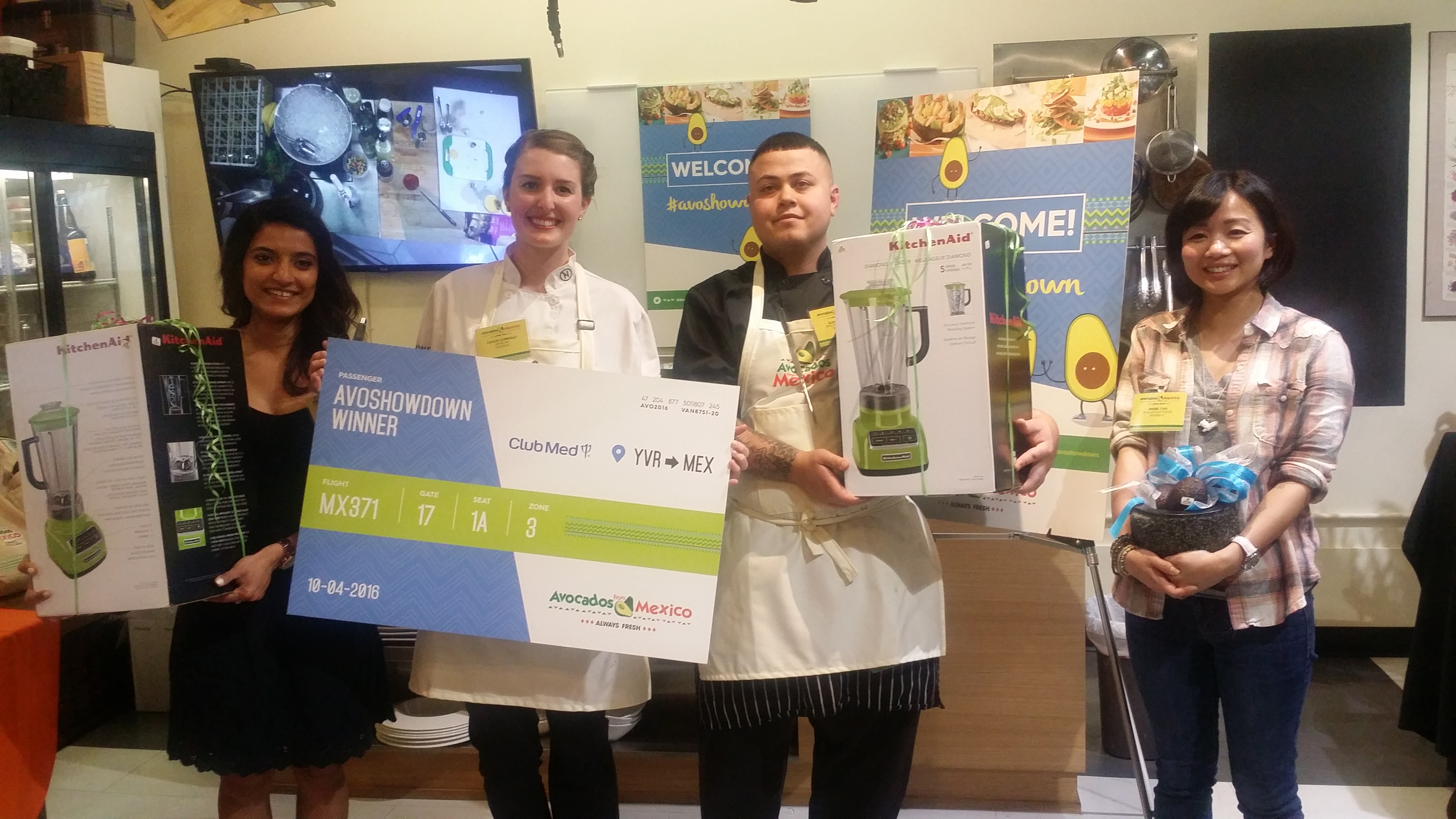
It was difficult for the judges to decide on a first place winner (the winning prize was a trip for two to Club Med Cancun) but the Cannoli where the pastry chef substituted avocado in place of ricotta cheese was the outstanding #1 winner.
Justin Darnes from Drinks Undressed demonstrated a unique cocktail using smoked avocado and banana infused Cachaca (sugarcane liquour) and passion fruit. He garnished it with cinnamon dusted banana & avocado coins. Divine! Chef Jonathan Kinney from the academy demonstrated an elegant layered parfait with granola, yogurt and fresh fruit in a wineglass (or sundae dish) topped with sliced avocado and toasted coconut. Simple but amazing. And that’s the thing – it is so simple!
Since I am not in favour of wasting food I try to combine leftovers in my fridge into some kind of edible substance, and I like being creative so…..
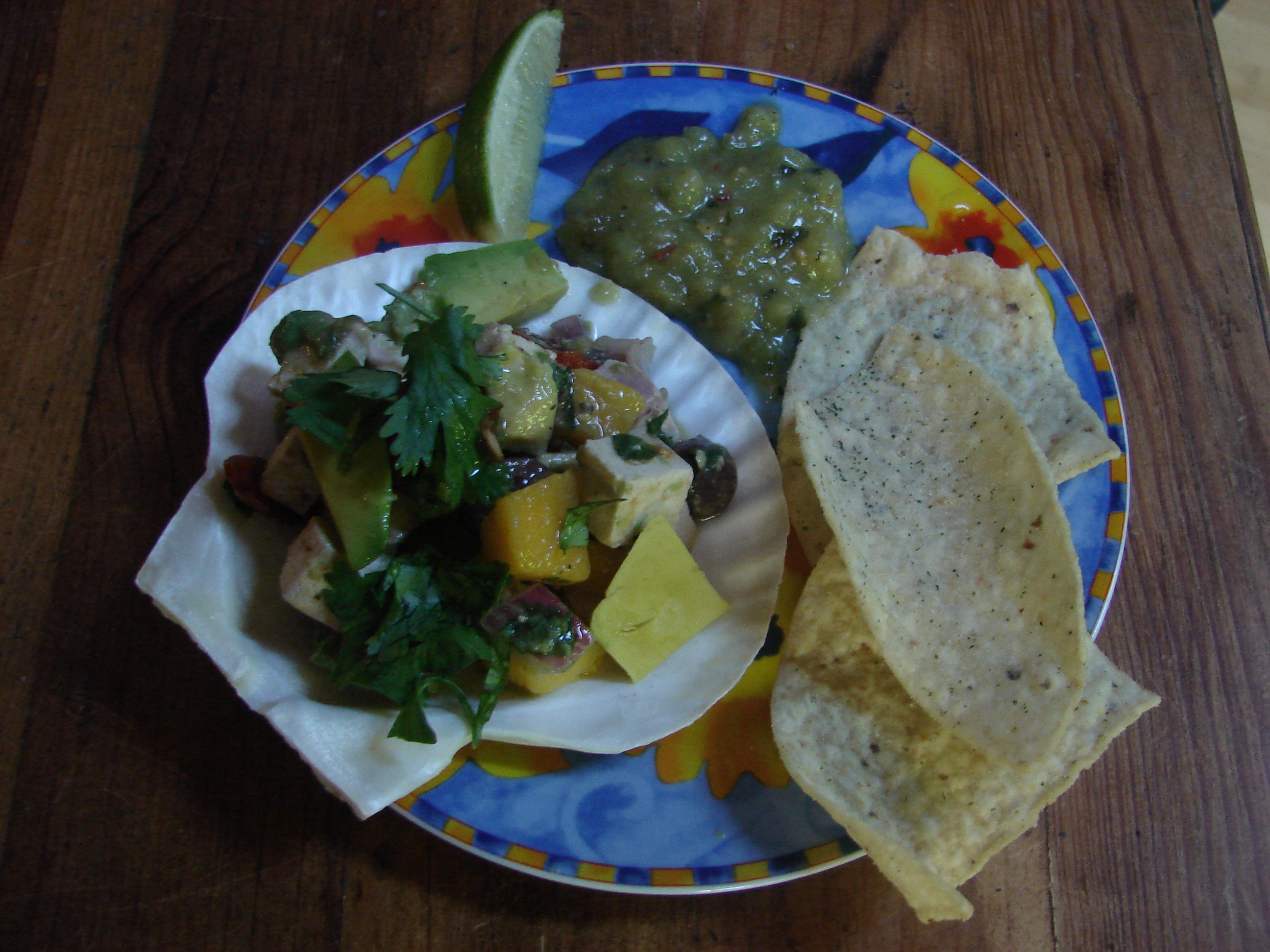
I did not enter but I think my original Avocado/Tofu Ceviche recipe is a winner. Next year!
Breakfast:
I make my own homemade granola so using what was in my fridge I just layered it into a margarita glass with yogurt, sliced mango, blackberries and sliced (a little riper than I like) Mexican avocados. It worked together extremely well and tasted great.
Lunch:
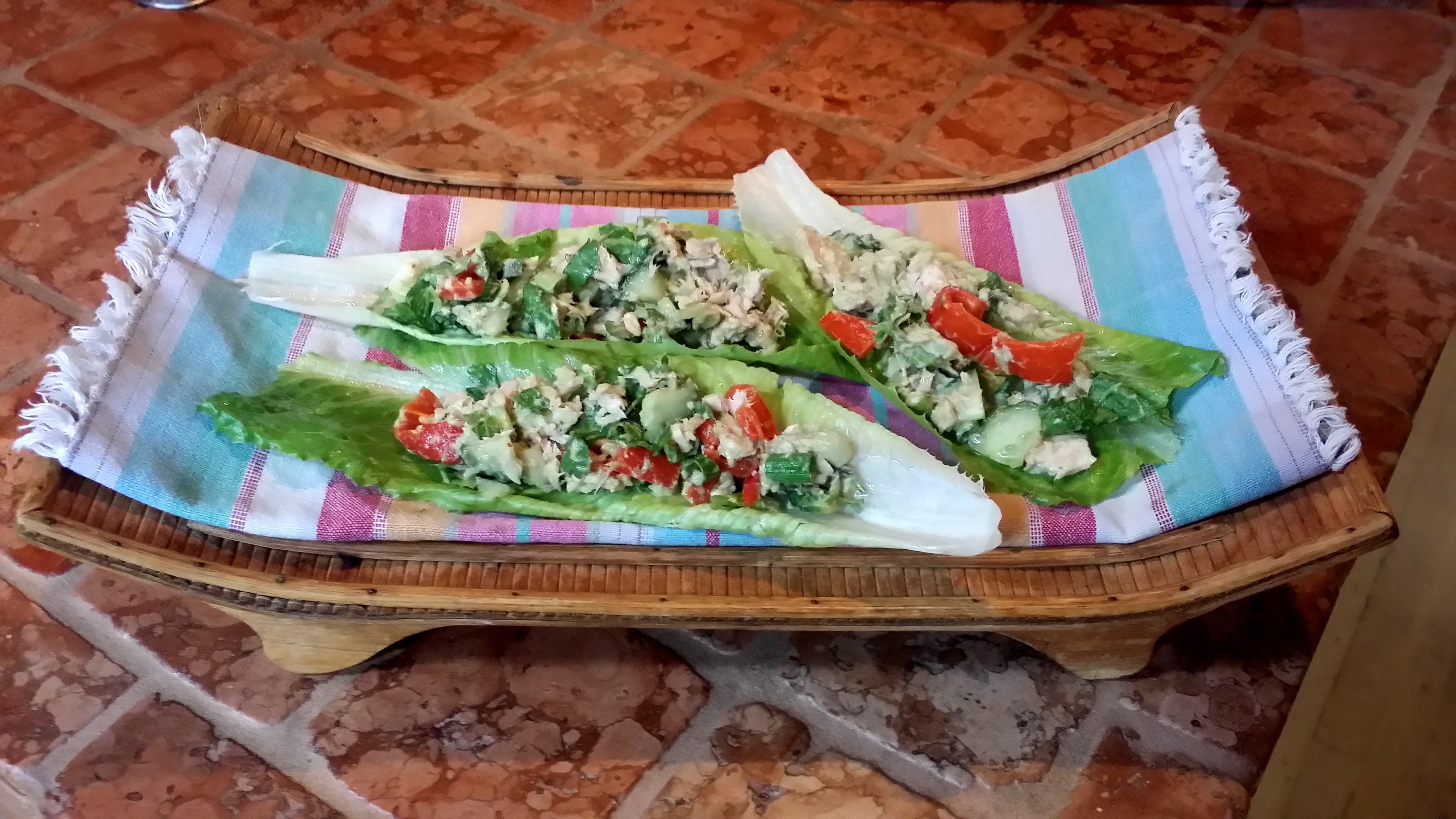
Tuna Avocado Salad on Hearts of RomaineFor the dressing I mixed a small amount of mayo and ripe avocados – creamy and perfect! A healthy alternative to mayonnaise. Chopped cucumber, green onion, cilantro & red pepper were mixed in the bowl along with the albacore tuna and avocado chunks. Hearts of Romaine are a healthy alternative to bread.
Dinner:
MexiGreek Salad for starters – a chopped salad of not overly-ripe Mexican avocados, sweet onion, grape tomatoes, cilantro, cucumber and feta cheese (black olives; optional). Dressing: lemon olive oil, S+P.
My skin is already looking so much better. Now I’m not sure if it’s on account of the La Mer Concentrate I’ve been using combined with my own skincare, or the avocados. or all of the above.
The Winners
Do you have an original simple recipe using Mexican avocados that you’d like to share?
The lady and the tart. It began with a bunch of Pink Ladies. They looked so fine – I decided to put them to good use.
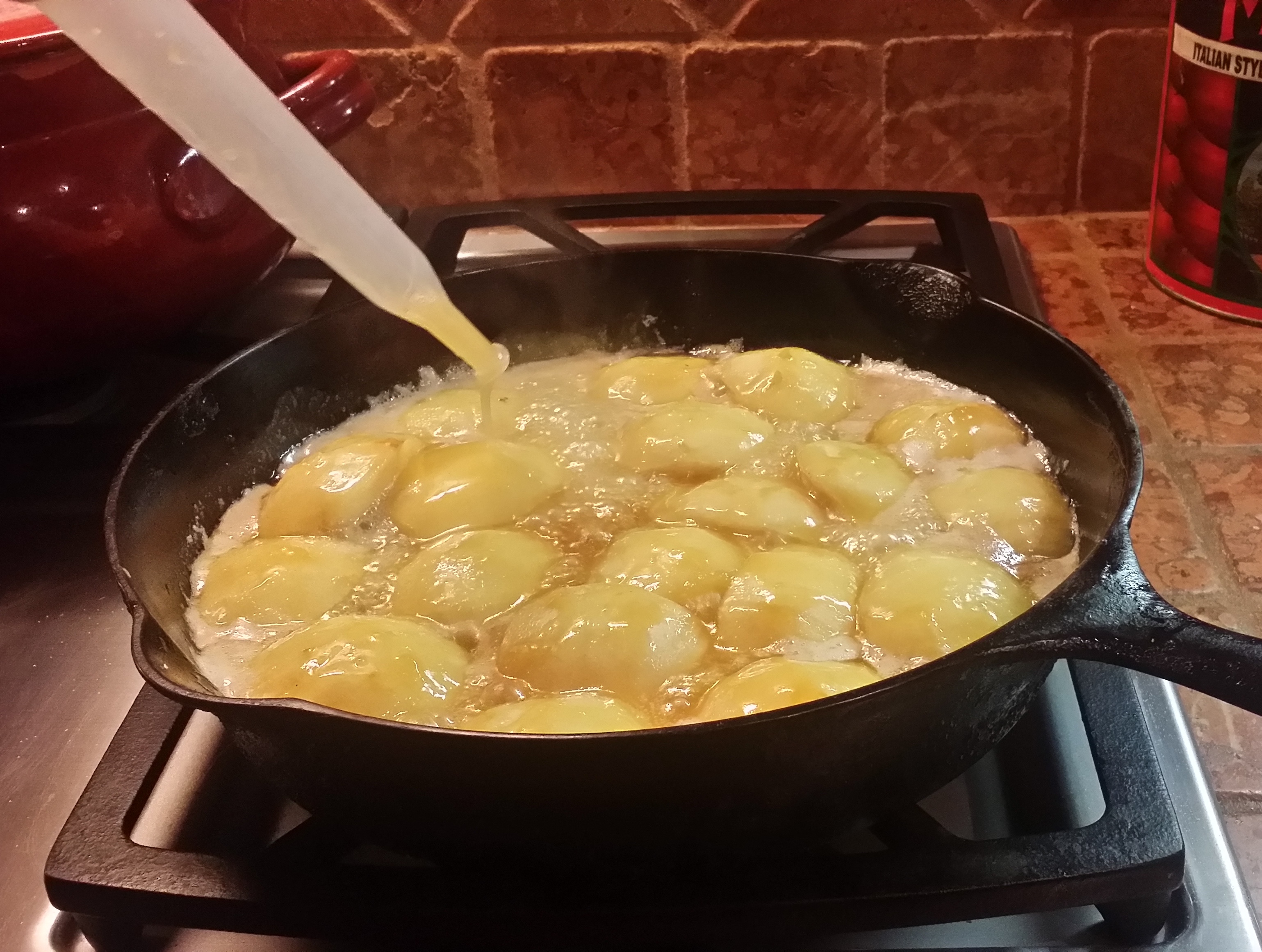
the ladies (cut in quarters) are caramelizing with the help of a turkey baster (not in recipe).
I like to challenge myself in general and many times it involves cooking. When things get too comfortable I like to switch it up and expand my repertoire to make meals more unexpected and interesting. I love trying new things and just when I think I’ve tried them all I find another recipe to inspire me.
like this one
For desserts I have my standards that I know work out but pie crust pastry at the best of times is always challenging to get it just right especially if you prefer using butter over lard or Crisco (as per Martha Stewart and moi).
For Easter I made dinner for eight and decided to attempt a new dessert. It was going to be elegant and impressive. According to the recipe it was supposed to be shockingly simple to make, and it was shocking all right but in a messy, hard to assemble kind of way.
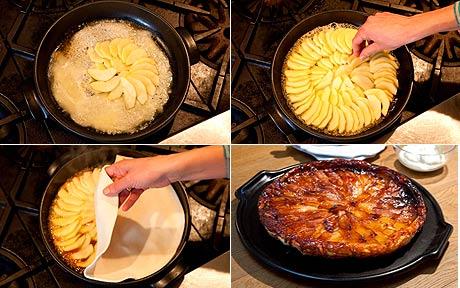
Another Option: shown in stages with apples cut into slices & pre-packaged crust.
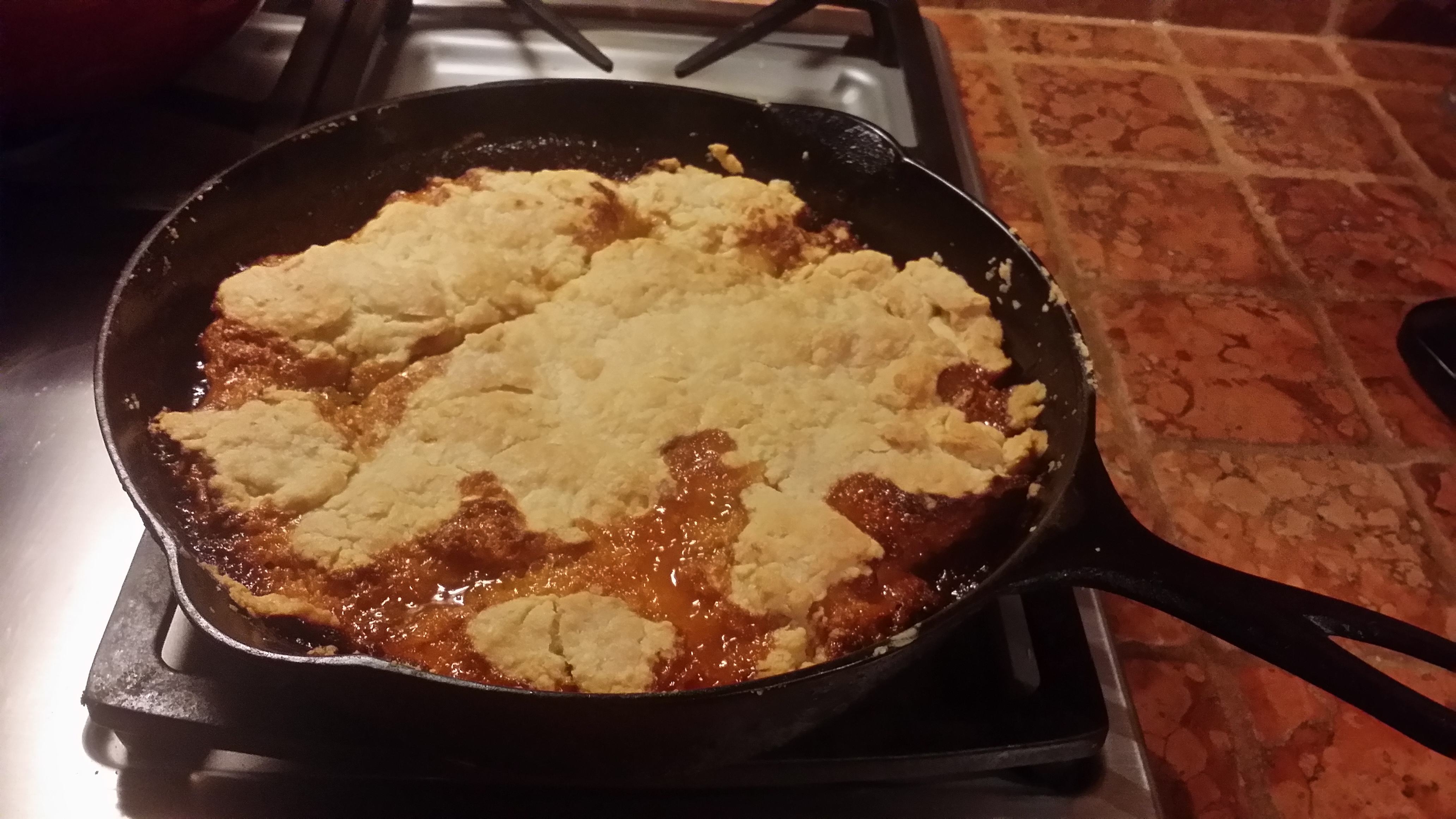
I should have realized this beforehand because anything that requires flipping over I usually end up flipping out over. My omelettes usually turn out to be fancy looking scrambles (or scramblets as I like to call them). They might taste good but they’re not your typical perfect looking omelette. Still working on it. My pan is usually to blame. The lip is too deep or something like that. But perhaps, just saying…maybe I’m not a natural born flipper. What made me think it would be different for an apple tart? This was a French Tarte Tatin (maybe I just liked the name) – a show-stopping dessert baked in a cast iron pan (I’m a big fan of cast iron like Dustin Hoffman’s character in Meet the Fockers). I liked the photo and the fact that you don’t have to par-bake the crust. Traditionally it’s made with puff pastry but making puff pastry from scratch takes a long time. Never say “should have” but –should have used puff.
when it came out of the oven – not supposed to look perfect – only taste so.
END RESULT
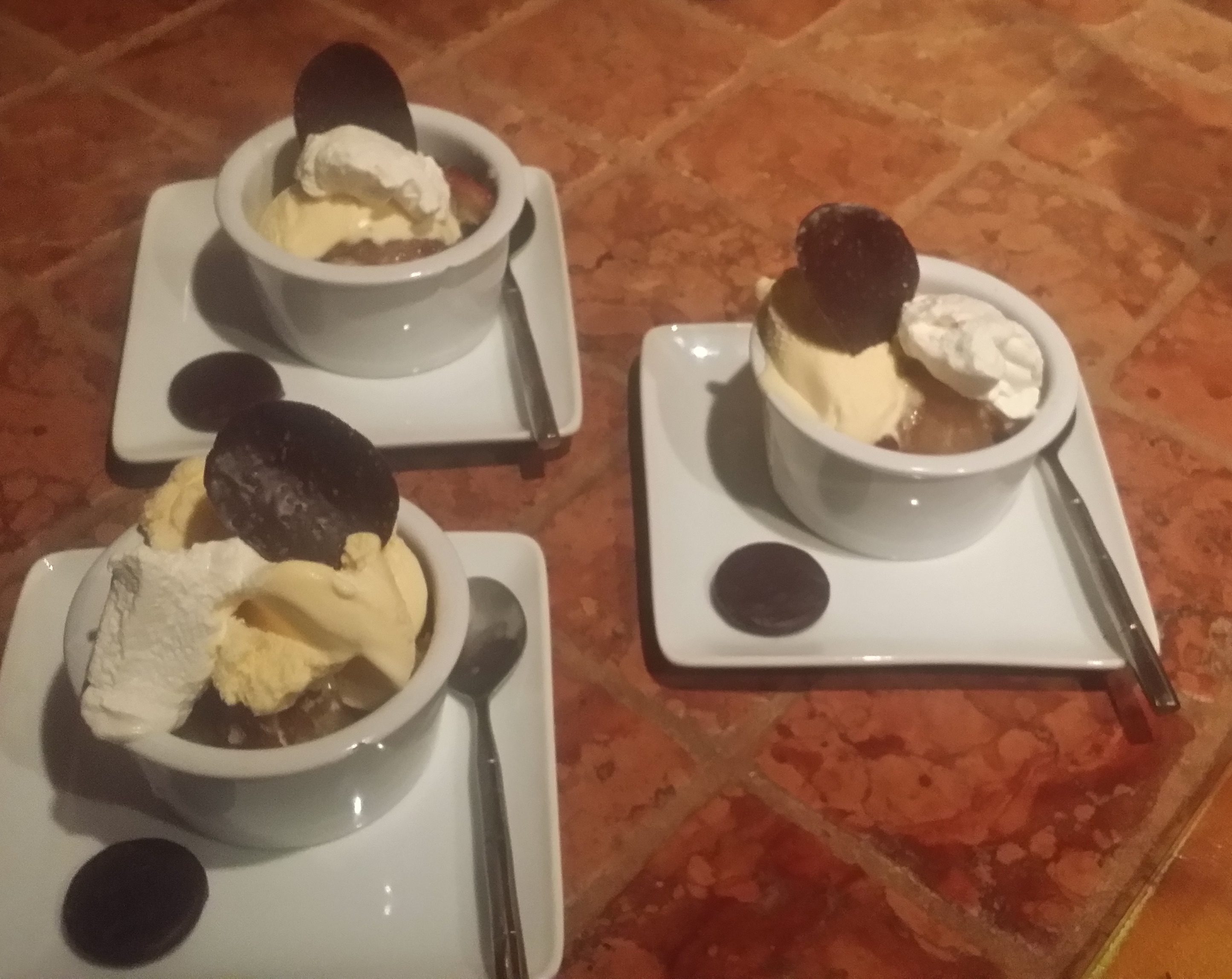
dessert reconstructed – but delicious nonetheless (very important!) – apple pie in a bowl.
By some miracle I managed to turn this flop into a fabulous dessert with some quick thinking. No one even knew it wasn’t supposed to turn out this way. The original recipe is below (with some added comments) but here’s what happened. At the start everything looked great and even taking it out of the oven it looked almost perfect and smelled amazing. Should have left it in the pan. But no; had to flip it over onto a wood cutting board….that’s when it fell apart. So instead of crying I was a big girl about it. Scooped it into individual little round bowls that could be put back into the oven just before serving. Topped with a scoop each French vanilla & whipped cream, a chocolate wafer on top...Pffff. Everyone said it was delicious even the crust. And I forgot to drizzle dulce de leche over the ice cream.
Tarte Tatin
Makes *one 9-inch tart
*Ideally, but remember if it falls apart, you have another option. Or, just serve it straight from the pan if you suspect it may fall apart. Let me know how it works out for you – but don’t tell me it worked out perfectly.
PASTRY:
1 cup salted butter, very cold, cut into small cubes
2 cups all purpose flour
ice water
TART:
1/2 cup salted butter
3/4 cup white sugar (I recommend fine organic cane)
4 – 5 (I used 6) large baking apples, peeled, cored, and cut into quarters*
1/4 cup Calvados or Cognac (optional). I didn’t have either so substituted with a little less over-proof rum (brought home from my Appleton Rum factory tour in Jamaica & still potent as ever). This helps to caramelize the apples but you can try omitting it entirely.
Apples: Honeycrisp, Ambrosia, or Pink Lady are good options
First, make the pastry. On a clean, flat surface, combine the butter and flour, tossing the butter through the flour to coat on all sides. Using a rolling pin, roll the butter into thin strips, using a pastry scraper or the back of a large knife to lift any stuck bits from the surface or the rolling pin. Keep doing this until all the butter is in long strips.
Add a few tablespoons of water and then lift and fold the mixture using a pastry scraper or back of a knife. Continue adding water, a few tablespoons at a time, lifting and folding the mixture to incorporate each addition until the dough just starts to come together.
Use your hands to flatten the dough, then fold it over itself. Do this until the dough is a cohesive mass, but is still very pliable. You don’t want to overwork it. UsefulTip:use parchment paper to help you.
On a well-floured surface roll the dough to the size of your cast iron pan. Transfer the dough to a parchment-lined baking sheet, and refrigerate.
Next, assemble the tart. Preheat the oven to 400°F.
In a medium cast iron pan over medium-high heat, melt the butter and sprinkle the sugar evenly over top. Place the apple quarters in concentric circles around the pan, flat side down. Pour the Calvados or Cognac over top, if using, and let the apples slowly caramelize. When the liquid around the apples turns medium brown, remove the pan from the heat. This should take about 20 minutes. Useful Tip: use a turkey baster to help baste liquid over apples.
Remove the dough from the refrigerator and place it on top of the apples. Immediately place in the oven and bake for about 30 minutes, or until the pastry has browned nicely.
Let it sit for at least 10 minutes (or up to 30), and then put a board or plate on top of the pan. Carefully flip the whole thing over; the tart should pop out quite easily (ha, ha). If an apple or two sticks to the pan, use a fork to put it in its rightful place.
Serve immediately, or wait a few hours (or even a day) and warm gently in the oven before serving.


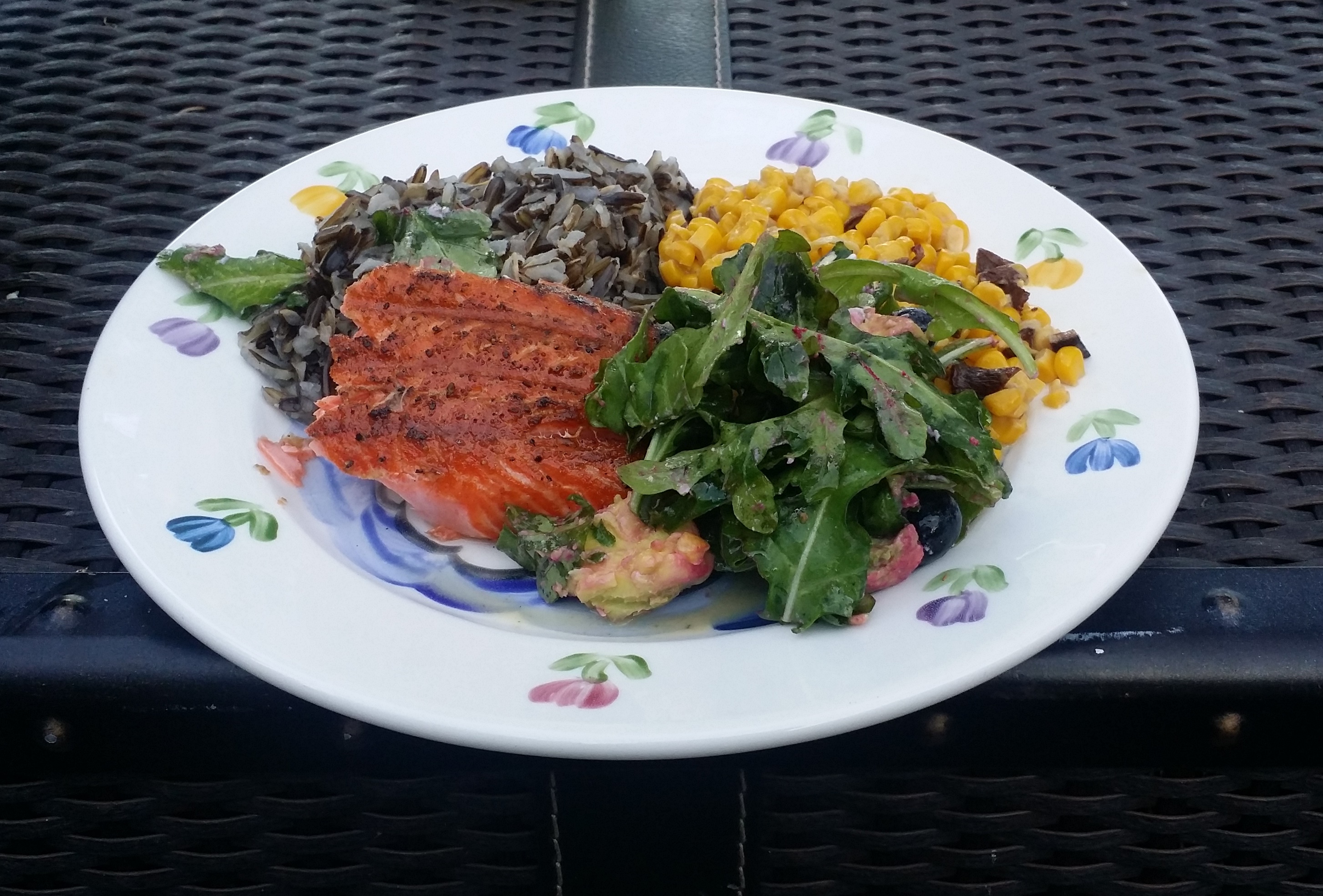 I just don’t want to throw any little thing at you for the sake of posting something. The recipes I post are ones I’ve made or at least appeal to me that I’m about to make. And to be honest I’ve been cooking very simply lately and you know what…it’s great! It just doesn’t make for a fantastic post so maybe I’ll just talk about food in general. No, no don’t leave yet. Let’s discuss.















 Girl Who Would be KING on Life, Style and INSPIRATION.
You must be logged in to post a comment.