health MATTERS – Generic vs Brand name?

brand1 DO YOU EVER WONDER if a generic drug has the same effectiveness over a brand name when you’re trying to make a decision at the drugstore?  The ingredients listed are exactly alike but the price difference is usually much less.  If they’re both therapeutically equivalent, what gives?brand2

In Canada, generic drugs must meet the same high standards and purity as brand name drugs.  They are “bioequivalent,” a term that means that the same drug gets into the body and works the same way as the brand name drug.  So, before a generic drug can be sold, its manufacturer must prove to Health Canada that it is as effective as the brand name.  The generic manufacturer must also prove that the active ingredient dissolves at the same rate, is absorbed the same way, and is as pure as the brand name product. This has helped me when choosing allergy pills.  I now buy a generic bottle that works equally as good as a well known brand with the same ingredients for considerably less money.  Same goes for aspirin. Turns out that 40 to 60% of prescriptions in Canada are filled with a generic drug. Can you blame us?

BRAND1 (2) A generic brand may look or taste slightly different from the brand name.  While they have the same active ingredients, they may have different inactive ingredients such as flavours, colours, and fillers.  Their manufacturers must prove that any differences in inactive ingredients don’t affect the product’s quality, safety or effectiveness.
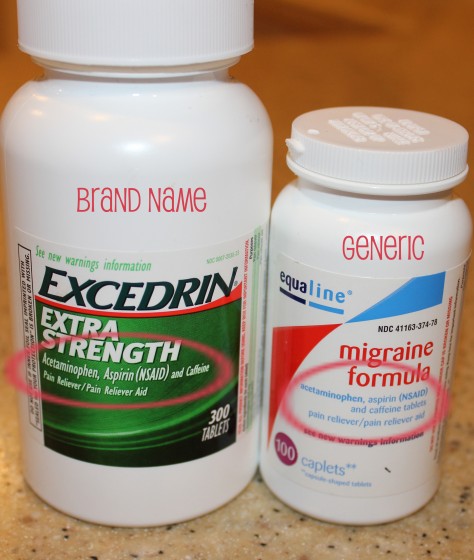
Why does the generic drug have a different name:

Each drug has a specific active ingredient that makes it work. The active ingredient is referred to by the generic name.  The generic name stays the same no matter which company makes the drug.  The brand name is the name that a specific manufacturer gives to the product, and it can be used only by that manufacturer.  When a brand name drug is no longer covered by patent protection, a generic manufacturer can make a generic alternative, but it can’t use the same brand name – it must choose a new brand name for its generic drug.  This is the name that will appear on the generic label.

When filling your prescription, ask your pharmacist if there’s a generic alternative to your medication.  You may find that you’re already receiving a generic drug and saving on the cost.  Ask questions – this is one prescription for happiness.

Taken from: The Wellness Connection

health MATTERS – the IRONy of it all

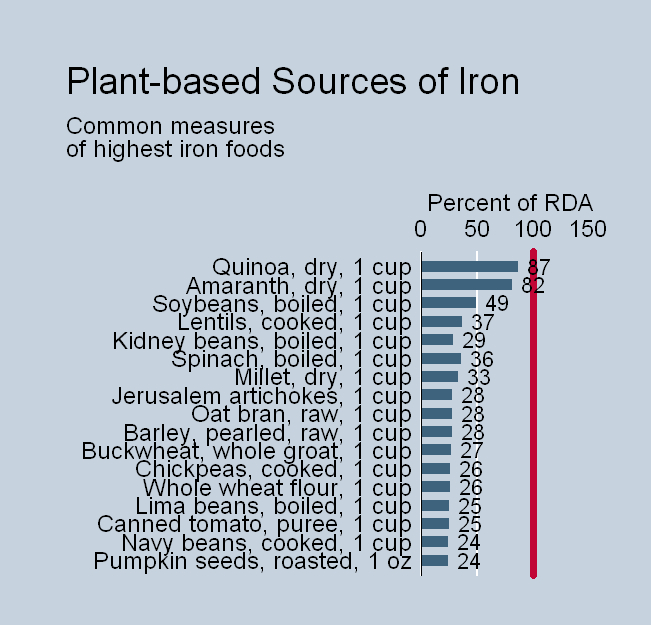
If you’re feeling exhausted is it because of a low Iron count or something else?  How can you be sure that you’re getting enough?iron3

You might be surprised to learn that low iron is the most common nutritional deficiency in the U.S. Almost 10% of women are iron deficient, according to figures from the Centers for Disease Control and Prevention.   

Let’s look at why iron is so important to your body, what can happen if you’re not getting enough of it, and when you need to take an iron supplement.

WHY DO YOU NEED IRON?

Iron is an essential mineral. “The major reason we need it is that it helps to transport oxygen throughout the body,” says Paul Thomas, EdD, RD, a scientific consultant to the National Institutes of Health, Office of Dietary Supplements.

Iron is an important component of hemoglobin, the substance in red blood cells that carries oxygen from your lungs to transport it throughout your body. Hemoglobin represents about two-thirds of the body’s iron. If you don’t have enough iron, your body can’t make enough healthy oxygen-carrying red blood cells. A lack of red blood cells is called iron deficiency anemia.

Without healthy red blood cells, your body can’t get enough oxygen. “If you’re not getting sufficient oxygen in the body, you’re going to become fatigued,” Thomas says. That exhaustion can affect everything from your brain function to your immune system’s ability to fight off infections. If you’re pregnant, severe iron deficiency may increase your baby’s risk of being born too early, or smaller than normal.

Iron has other important functions, too. “Iron is also necessary to maintain healthy cells, skin, hair, and nails,” says Elaine Chottiner, MD, clinical assistant professor and director of General Hematology Clinics at the University of Michigan Medical Center said in an email interview.iron4

HOW DO YOU KNOW IF YOU’RE IRON DEFICIENT?

“People often don’t know they have anemia until they have signs or symptoms — they appear pale or ‘sallow,’ are fatigued, or have difficulty exercising,” Chottiner says.

If you’re low in iron, you may also:

  • Feel short of breath
  • Have a fast heartbeat
  • Have cold hands and feet
  • Crave strange substances such as dirt or clay
  • Have brittle and spoon shaped nails or hair loss
  • Sores at the corner of the mouth
  • A sore tongue
  • Severe iron deficiency can cause difficulty in swallowing

HOW MUCH IRON DO YOU NEED?

How much iron you need each day depends on your age, gender, and overall health.

Infants and toddlers need more iron than adults, in general, because their bodies are growing so quickly. In childhood, boys and girls need the same amount of iron — 10 milligrams daily from ages 4 to 8, and 8 mg daily from ages 9 to 13.

Starting at adolescence, a woman’s daily iron needs increase. Women need more iron because they lose blood each month during their period. That’s why women from ages 19 to 50 need to get 18 mg of iron each day, while men the same age can get away with just 8 mg.

After menopause, a woman’s iron needs drop as her menstrual cycle ends. After a woman begins menopause, both men and women need the same amount of iron — 8 mg each day.

DO YOU NEED TO TAKE AN IRON SUPPLEMENT?

If your iron is low, eating a diet that is high in iron-rich foods such as fortified cereals, red meat, dried fruit, and beans may not be enough to give you what you need. Your doctor might recommend that you take an iron supplement.

Prenatal vitamins usually include iron, but not all prenatal vitamins contain the recommended amount. Check with your doctor before taking any supplement.

While you are taking iron supplements, your doctor should test your blood to see if your iron levels have improved.

CAN IRON SUPPLEMENTS CAUSE SIDE EFFECTS?

Iron supplements can cause side effects, usually stomach upset.  Adding extra fiber to your diet can help relieve this symptom. Starting with a low dose of iron and then gradually increasing the dose to the daily recommended amount may help minimize side effects. If your iron supplements are bothering your stomach, your doctor can adjust the dose or form of iron you use. You can also try taking the supplements with food.

Getting more iron from you food– pair up foods rich in vitamin C (like broccoli) with souces of iron (chicken stir-fry for example) to boost the iron your body is able to absorb.

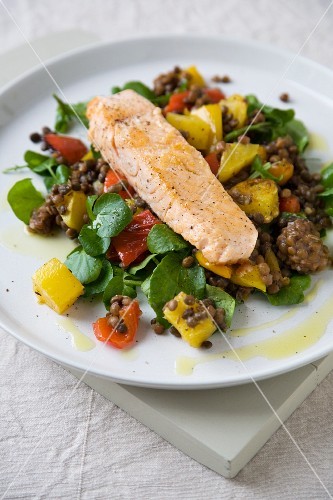
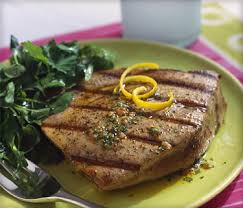
My preference is salmon with quinoa & veggies
My preference is salmon with quinoa & veggies.
Liver is good but I don't like it.  My mom used to make us eat it.
Liver is a great source but I can’t stomach it anymore.  My mom used to force us to eat it as kids.

How many of you take supplements?

  Taken from WebMD.com

**Don’t miss listening to “Transforming Health” with host Brad King for the most evocative and informative up-to-the-minute interviews with leading health professionals – Live every Wednesday @ 12PM-PST/3PM-EST on VoiceAmerica.com – #1 internet radio station in North America.

Here’s the link: http://www.voiceamerica.com/show/1686/transforming-health


health MATTERS – watch your CORTISOL

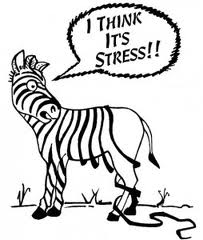
NEW Stress Bustersstress1they claim to provide instant gratification while also taking you off the burnout path.  And aren’t we always looking for INSTANT gratification?

“IF we create conditions for the mind to be more relaxed, the body follows suit.”

The following was written by Emily Cronin on “THE MIND” for Harper’s Bazaar Magazine.  Read on:stress2

Whatever the cause of your stress (the boss, the nonexistent exercise routine, dwindling bank balance that keeps you on edge, etc.) negative effects of stress are as familiar as they are stressful to consider.  Elevated levels of cortisol, known as the stress hormone, correlate with higher blood pressure and cholesterol as well as a greater likelihood of colds, flu, allergies, heart disease, and diabetes. Chronic stress can accelerate aging by shortening telomeres, the protective segments at the ends of chromosomes. And since groups disproportionately affected by stress include women, millennials, urbanites, and anyone in a demanding career, there’s plenty of room for winners (losers?) in the demographic stress jackpot.

There’s even a National Stress Awareness Month, which you may stress out about having missed. (It was in April.) Still, there’s a perverse pride in stress, fusing as it does the self-importance of feeling indispensable with socially sanctioned concerns about “overdoing it.” My personal ballad of high-tension living stretches from the thrilling (a transatlantic move, a busy writing career, a potential new puppy) to the harrowing (my father’s cancer).

I know I’m stressed—in the high-velocity, achievement-oriented, borderline-manageable sense specific to New Yorkers. But when high stress levels seem like prerequisites for so many careers (Wide-awake with deadline panic? Great—it’s good to have work!), how bad could my stress really be?”Long-standing high cortisol levels can ultimately lead to burnout,” says Florence Comite, an endocrinologist and founder of ComiteMD Age Management Specialists.

There’s a danger in pushing yourself to such an extreme that, at some point, your body just shuts down.“In a bid to find out how tightly wound I am, Comite sends several vials of my blood to be tested by Quest Diagnostics and calls once the results come in. “You have very high cortisol levels,” she says. “A normal level is six to 12, but for New Yorkers we consider up to about 15 okay. You’re at 25.” I think back to nights of mind-racing insomnia, uncalled-for bouts of snappishness, the sense of strain that spills over to discolor nights with friends. Twenty-five: Sounds about right.I synopsize my short list of stressors, feeling increasingly like I’m making excuses for a very real problem. “You have hit almost every high point on the stressor scale,” Comite says, sounding aghast if sympathetic. “You’ve just mentioned half of the reasons for high stress. You’re coping with a lot of change, so your cortisol is very high.

Clearly something has to give, and since I can’t control most of my sources of stress, and am unwilling to resign from those I do have a hand in, addressing my skills for handling the high-intensity episodes in my life seems a good place to start. Quickly I learn that the most oft-cited stress-management technique is mindful-ness, the idea that equipping people with the tools to respond, rather than merely react, to stressful stimuli is more effective than trying to sweep stressors from our lives.Mindfulness can be as simple as paying attention and focusing the mind on the present, typically through meditation.

Stress comes from reactivity to what’s happening,” says Lynn Koerbel, an instructor of mindfulness-based stress reduction (MBSR) at the Center for Mindfulness at the University of Massachusetts Medical School. With MBSR, “the relationship between the person and what they’re experiencing begins to shift.” Classic training entails an eight-week course, along with up to an hour of daily meditation. The regimen can seem demanding, especially to time-strapped stress balls unsure how to fit everything else in their lives into the day. Ahem.

“It’s very easy to say you don’t have time to do something,” says Andy Puddicombe, a Buddhist monk turned meditation guru for the digital age. “But most people find time to watch a sitcom or go online. We all have 10 minutes.”

Puddicombe is a cofounder of Headspace, a Gwyneth Paltrow–approved online meditation portal dedicated to the idea that even the most harried urbanite can achieve inner peace through snack-size meditation sessions. The site’s design elements seem calculated to appeal to those more comfortable with iPhones than incense. In place of singing bowls and meditation studios there are animated videos comparing the cluttered mind to a cloudy day, and recordings in which Puddicombe, with his soothing British accent, advises his listeners to “become more aware of the immediate environment.”

Before I start the first of 10 days of guided meditation sessions, I text my mother, a clinical psychologist who has long extolled the virtues of relaxation, to fill her in on my evening’s activities. Her response is immediate and lovingly sarcastic. “You mean you need to relax? YOU?? No!!” Point taken, I click play … and the first time around, it’s the longest 10 minutes of my day. By the second, third, and fourth rounds, it’s more familiar, and by the fifth, I’m looking forward to waking up and taking 10—or, rather, to the sense of centeredness that my amateur version of meditation equips me with before I have to go out into the city clamor. “The relationship between mind and body is so strong,” says Puddicombe. “It’s no surprise that if we address the mind and create conditions for the mind to be more relaxed, the body follows suit.”

The inverse also holds true, one of the reasons that therapists laud yoga as another stress buster. Only after putting my body through a series of increasingly demanding asanas in Yogi Charu’s packed class at Pure Yoga do I realize that focusing on form has quieted my mind—at least through the last NAMASTE.

I have to venture somewhat farther off the stress-beating path to try qigong, an ancient Chinese energy-healing art that Comite urges me to explore. “It’s one of the best ways to reduce stress,” she promises. Qigong has two strands: a practiced form that looks a little like slow-mo yoga, and a therapeutic application that somewhat resembles Reiki. “Ninety-nine percent is relaxing. One percent is shocking. But you should be okay,” says Robert Peng, a qigong master with a two-year waiting list. “Just imagine that you’re a sponge, floating in a warm ocean of qi,” or energy. His goal, he tells me as I clamber onto the treatment table in his Upper East Side office, is to “empower that energy,” promoting a more fluid, restful state. Using his hands, Peng prods the energy meridians on my head, then works his way down the body, whisking away any “blockages” he detects. This begins to seem almost mystical when Peng says he’s going to give me his qi: He places his fingers on my forehead and shocks me with what feels like an electric current emanating from his fingertips. Every time he “zaps” me—on my forehead, my chin, the sides of my neck—I open my eyes, certain I’ll see a novelty buzzer in his hands. “It feels like electricity, but it’s not,” Peng explains. “It’s very powerful qi energy.He releases me out into the afternoon. I practically float home across Central Park, my shoulders three inches lower.

Maybe my relaxed state is a function of my newly unblocked qi. Though I suspect that it could be influenced by something I had read earlier: the idea that stress isn’t the problem—at least not to the extent to which we cite it as the source of all ills. In her latest book, One Nation Under Stress, Dana Becker, a psychotherapist and professor of social work at Bryn Mawr, writes that by “elevating stress to the status of an actual disease,” we invest it with more significance than the legitimately difficult scenarios that generate anxiety. “We focus so much more on the effects of stressful situations than what’s creating the stress in the first place,” she tells me. Life can be difficult—even, at times, traumatic—and, as Becker says, “the long-term solution is not going to come in the form of doing more yoga or eating more kale.

What the long-term solution looks like, I’m learning, is different for each of us. It’s probably true that I need to relax, and mindfulness practice, qigong, and yoga represent steps in the right direction. But the best part of keeping my mind focused on the present? It leaves room for spontaneity—and the concurrent acceptance that maybe I don’t want to let go of all my stress. It’s part of me, and I am never, ever going to be a person who sails through life, serene and stress-free. That thought is all it takes to shake off my should-be-meditating guilt and meet a friend for a drink.  And exhale.

What are your tricks for managing stress?

Health MATTERS – Navigating The Vitamin Aisle

On a recent trip to California I paid a visit to an amazing vitamin store but was bewildered trying to decide which of the supplements in question would be right for me. vitamin2 I’m familiar with the basic ABC’s of vitamins but wanted to experiment with two new products that we’ve been hearing a lot about (namely Garcinia HCA and Green Coffee Bean Extract).  It was difficult to decide amongst all the countless choices and confusing even when consulting the store health expert.   Which is the safest and most effective to help shed a few pounds? Then I saw this timely post taken from Goop.com – Gwyneth Paltrow’s weekly online publication which offers first looks at exclusive collaborations, delicious recipes, personal travel notes, shopping ideas, wellness tips and much more.

Here’s the vitamin aisle—crowded, confusing, and overwhelming in its promises. Some of these are empty, and some are too powerful to be tested without guidance. After all, what is L-Theanine? Do I need it? And, at what dose? For answers, we decided to turn to frequent goop contributor, Dr. Frank Lipman, who distilled the offerings down to a handful of vitamins and supplements he frequently prescribes. He counts some as no-brainers—and others as little-known trade secrets—but all pack a veritable punch.

Q: We often hear that if you eat well, you shouldn’t need supplements. What’s your take?

A: “Supplements are essential health-boosters that can help fill in nutritional gaps and protect your body against the occasional diet slip-up. While I recommend everyone eat whole, preferably organic foods, I also believe that high-quality supplements are important as well. While they won’t make up for a bad diet, think of them as your nutritional pit crew, standing at the ready to make those quick adjustments, tweaks and fixes to your internal engines to get you back out on the road.”

Q: Is it possible to take too many vitamins?

A: “While it is possible to take too many vitamins, it’s extremely rare. One should be careful with fat soluble vitamins like Vitamin A, D, E and K. Almost all of the vitamins I recommend taking regularly are safe and hard to take too much of. However, because most people are deficient in Vitamin D, and since it’s easily measurable, I do often recommend taking that with the supervision of a doctor.”

THE VITAMIN & SUPPLEMENT KEY

FAB FOUR

1.  Multivitamin
2.  Vitamin D3
3.  Fish Oils
4.  Probiotics

*Dr. Lipman’s top recommendation for everyday use, covering our most basic health bases.

Stressed Out

1.  B Complex
2.  Magnesium
3.  Acetyl Glutathione
4.  L-Theanine

Sleep Deprived

1.  Acetyl Glutathione
2.  CoQ10
3.  Magnesium

Feeling Low

1.  B Complex
2.  Powdered Greens
3.  Acetyl Glutathione

Living in a Cold Climate*

1.  Magnesium
2.  Powdered Greens
3.  B Complex*It’s also essential to have your Vitamin D levels checked in case you are deficient.

Missing The Sun*

1.  Powdered Greens
2.  Acetyl Glutathione
3.  CoQ10

Trying to Lose Weight

1.  Acetyl Glutathione
2.  MCT Oil
3.  Alpha-Lipoic Acid

AGING

1.  Acetyl Glutathione
2.  CoQ10
3.  Alpha-Lipoic Acid
4.  B complex

VEGETARIAN

1.  B Complex
2.  Acetyl Glutathione
3.  CoQ10

BACKED UP

1.  Powdered Greens
2.  Magnesium

IMMUNITY BOOSTING

1.  Acetyl Glutathione
2.  Probiotics
3.  MCT OilINFLAMMATION
1.  Turmeric
2.  Fish Oil
3.  Vitamin D3

While on the subject of health:

Don’t miss listening to “TRANSFORMING HEALTH” with host BRAD KING for the most evocative and informative up-to-the-minute interviews with leading health professionals – LIVE every WEDNESDAY @ 12PM-PST/3PM-EST on VoiceAmerica.com – #1 internet radio station in North America.

Here’s the link: http://www.voiceamerica.com/show/1686/transforming-health

Link for incredible vitamins:  http://transforminghealthinc.com/

The best vegan protein & wild greens at: http://www.ultimatevegan.com/

health MATTERS – Winter Whites

Permission to fill your plate with a little less color.

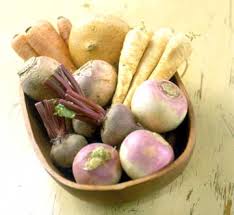
whiteFor years we’ve been told to “eat the rainbow,” on the theory that the more colorful our fruits and vegetables, the more nutrient-rich they are.  While that advice still holds, research reveals that certain pale foods – like cauliflower and celery root – have a lot to offer too, from helping ward off heart disease to boosting bone health.  And because many of these veggies are in peak season during cooler months, now is a great time to lighten up.

Let’s take three for now:

Celery Root – whether you boil it or eat it raw, this root vegetable offers more than twice the iron of a boiled potato, and at least 35 percent more fiber per cup.  Also contains more than 70% of your daily recommended intake of vitamin K.

Cauliflower – one cup of this cruciferous veggie packs 68 percent of your daily recommended allowance of Vitamin C.  The white florets also contain the nutrient choline, which the brain converts into a chemical that researchers believe may help to slow age-related memory loss.

Parsnips – a cup of cooked parsnips satisfies nearly 30 percent of the daily vitamin C needs and delivers more than 20 percent of the suggested intake of the mineral Manganese.  They also contain nearly 6 grams of fiber per cup (more than 22 percent of the daily recommended intake), helping you stay full a little longer.

Other great whites – garlic and horseradish.

So for tonight – mix your greens with white!

Taken from an article by Ashley Gartland – Feeling Good

Health MATTERS – Garcinia Cambogia

“The Holy Grail of weight loss” — this is how Doctor Oz describes Garcinia cambogia extract, a supplement that has taken the diet world by storm.

Ah, the infamous resolutions to eat healthy and exercise regularly, code words for “lose weight.” Generally, people use the holiday season as an excuse to binge one last time before the New Year.  Indulging in food & drink is one of life’s big pleasures but the after effects of over-indulging are not pleasureable.  So we scramble to find the quickest fix possible.

garcinia-cambogia-130828

But if you ask me, there’s really only one way to lose weight and keep it off, and that’s to adopt a healthy lifestyle. That includes eating nutritious meals and exercising daily.

However there are plenty of marketers out there who would vehemently disagree – because magic pills make money.  Acai berry, green tea extract and capsaicin all had their time in the spotlight.

Now, let’s explore a supplement that has exploded on the weight loss scene more recently: Garcinia cambogia – a natural appetite suppressant with amazing fat-blocking properties. The extract’s key ingredient promotes natural weight loss with no apparent side effects.

Where does it come from? Garcinia cambogia is a small, pumpkin-shaped fruit. You may know it as tamarind. The extract of the fruit is called hydroxycitric acid, and that is what the “magic pills” are made from. Do they work? Only time will tell.

The fruit Garcinia cambogia was once just the less popular cousin of a trendy fruit, the mangosteen. But now, nutritional supplements containing Garcinia cambogia extract have become the rage, touted for their purported ability to curb appetite and stop weight gain.

People have long used the dried rinds (gambooge) for chutneys or curries, and sometimes as an aid for stomach problems. But in the late 1960s, scientists identified a substance in the rind of the fruit called hydroxycitric acid, or HCA, which has some potentially attractive qualities.

If you do decide to hop on the latest bandwagon, whether it is garcinia cambogia or some other plant-based extract, proceed with caution. If you’re taking any prescription medications, talk to your doctor before adding any herbal supplement. There may be dangerous interactions or consequences to taking large doses.

Until we have more research to draw from, we can’t know what is truly safe.

Credit:  Deborah Herlax Enos is a certified nutritionist and a health coach and weight loss expert in the Seattle area with more than 20 years of experience. Some of this was taken from LiveScience. Read more tips on her blog, Health in a Hurry!

B well – seasonal plants can be hazardous to your pet’s health

Little healthful tidbits that go a long way….

Did you know….that many of the plants that are popular at this time of year can be harmful and even poisonous to cats and dogs?  Here’s a rundown of some to keep them away from:

poinsettiaPoinsettia – The flowers and leaves can upset your pet’s stomach but it’s an urban myth that this Christmastime staple is deadly.  You do not have to banish it from your home for fear of pet fatality.  That said, try to keep it out of the reach of prying paws.

Mistletoemistletoe – consuming a few leaves or berries causes mild gastritis.  But store bought mistletoe often has plastic berries, and if large quantities of plastic are ingested, your vet may need to induce vomiting.  If the plastic remains in the digestive tract, your pet may require surgery.

american hollyAmerican Holly – This plant contains potentially toxic compounds that can cause gastrointestinal irritation.  Make sure to keep it out of reach as well.

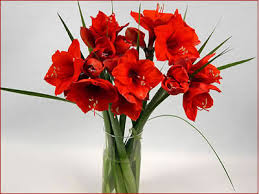
Amaryllisamaryllis – All parts of this plant are toxic.  Eating the flower or the stem can cause vomiting.  But consuming the bulb is most harmful, resulting in hemorrhagic gastroenteritis and neurological issues.

kalanchoeKalanchoe – If ingested, this flowering succulent can lead to gastrointestinal issues.  Place it up high so your pet cannot reach it, or in a room your pet cannot access.

This will help in knowing that you can still enjoy your merry plants.

While we’re on the subject sometimes I’ve been confused between these two plants but I do like the representation….the holly, with its green leaves and red berries, reflects a passion for new life and fresh beginnings. mistletoe symbolize romance and the immortal values that society preserves in its rituals.

b well – are you getting enough?

Winter Vitamins and Minerals!vitamins2Flu season is here, and combined with the holidays, does not make for a great combination.  To avoid getting sick maybe we can consider adding a few supplements to our list of what we ‘should’ do to keep from getting colds, etc.

Medical experts recommend that, first and foremost, you meet all your nutritional needs by eating a healthy diet.  But that’s not always possible, especially when the chilly weather’s got you craving macaroni and cheese guilty in lieu of fish and salad.  Combine winter’s shorter days with less fresh and diverse produce, and chances are you’re just not getting enough of a few key vitamins and minerals. Here are a few important ones that you may be missing out on.  Always ask your doctor whether you should consider adding these supplements to your diet.vitamin1

VITAMIN D – on average only 68% of Canadians have blood concentrations of vitamin D that are sufficient for bone health, according to stats Canada.  But in winter, that drops to 60%.  This is because Canadians need to be exposed to sun for the body to produce the vitamin, and we simply can’t make enough of it in winter.   Vitamin D is a key nutrient that helps the body use calcium and phosphorous to produce strong bones and teeth.  It improves the function of muscles and may help to lower the risk of cancer and diabetes. Aside from taking a Vitamin D supplement, also consider boosting your intake with fortified foods such as milk, yogurt and some calcium-fortified orange juices.

CALCIUM – important for keeping our bones and teeth healthy and also helping support muscle and nerve functions.  Like vitamin D, calcium is needed to keep bones and teeth strong and to reduce the risk of osteoporosis and fractures.  Aside from taking a supplement, try to eat foods rich in calcium which include milk or milk alternatives such as yogurt, cheese, fortified soy beverages and dark green veggies such as broccoli and spinach.

Oops!
Oops!

IRON – an important mineral to help carry oxygen to all parts of the body.  A low iron count can make you look pale and feel weak and irritable, along with many other unwanted symptoms.  Our bodies cannot make it so we require it from our diet.  Without iron, our body cannot make healthy red blood cells that carry oxygen to our tissues and vital organs.  Foods rich in iron include fish and seafood (such as shrimp and scallops), lentils, beans, and meats such as duck, liver and beef.

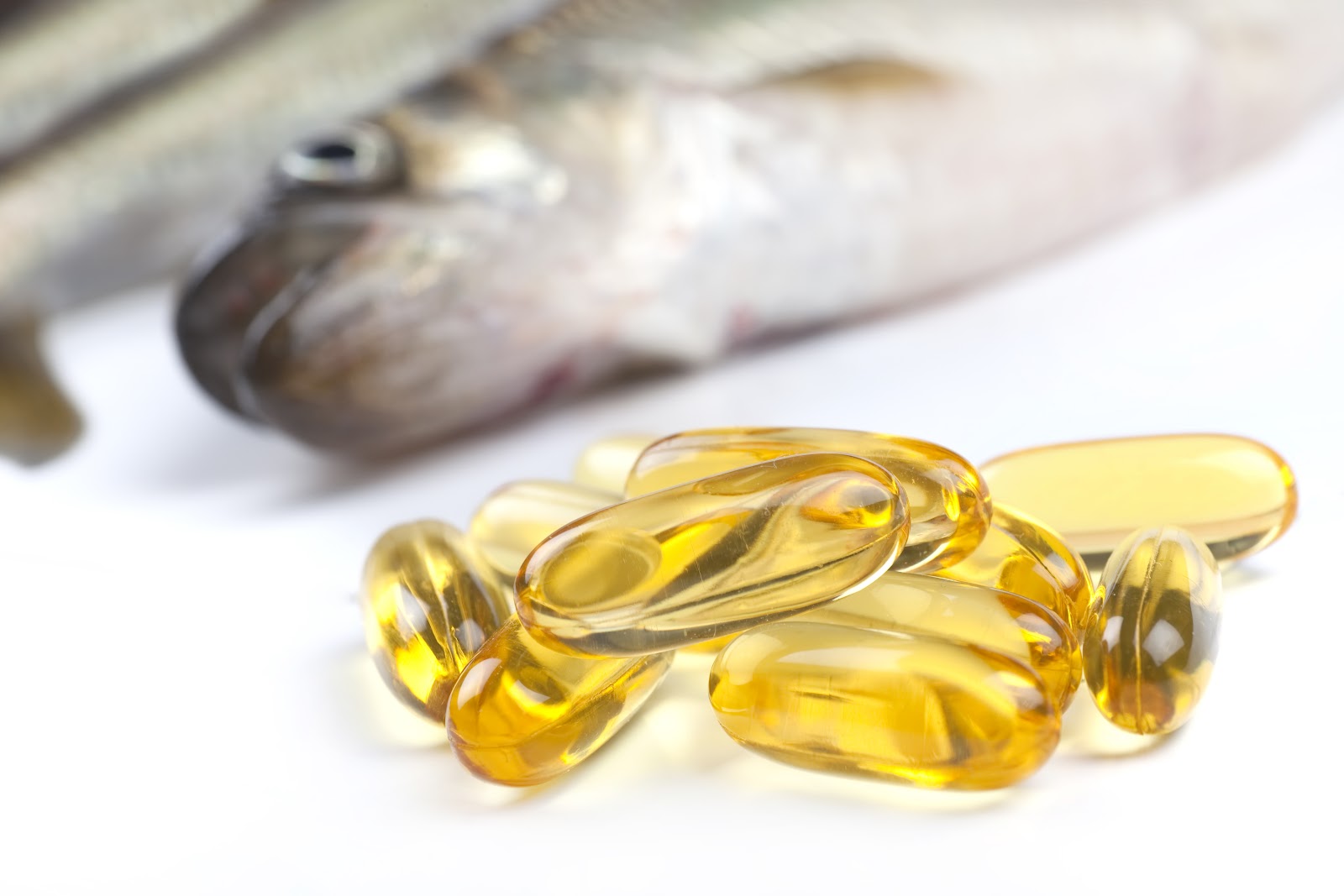
FISH OIL (omega-3 fatty acids) – are healthy fats that cannot be made by the body.  We benefit from omega-3 healthy fats for our brain, nerve, and eye development.  They also lower the risk of heart disease. Research is being conducted on whether omega-3 fats also play a role in lowering the risk of cancer, dementia, Alzheimer’s disease and depression.

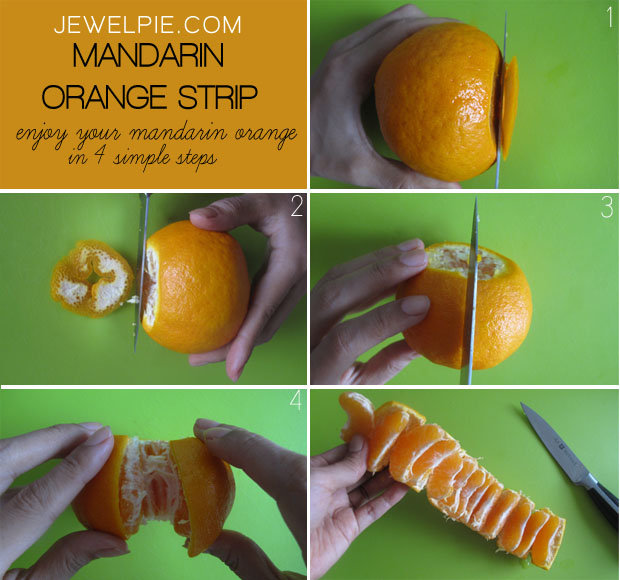
vitamins4The best source?  Fatty fish like salmon, mackerel, arctic char (similar to salmon) including all the ones I don’t like….like anchovies, sardines, herring and trout.  Look for a mercury-free fish oil supplement with a Natural Product Number (NPN).  You can also add flax seeds, walnuts, soy products and omega-3-enriched foods such as eggs and milk to your list.    AND if you want to have a healthy treat at the office, this seems like an un-messy way to eat an orange for that extra dose of Vitamin C – which can’t hurt either.  Of course you need to keep a knife at your desk.

Vitamin C can't hur either.  Just came across this on Yahoo.
Just saw this on Yahoo.   For the ones that are obviously not so easy to peel.

Gluton-Free Words

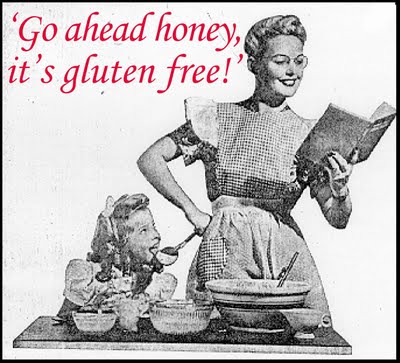
Don’t make the mistake. Glutton: an excessively greedy eater & a deadly sin. Gluton: the stuff in many foods that a glutton or normal person should try to stay away from as much as possible.

gluten1Whatever your reason for being gluten-free, mine is not to judge. If anyone in your life doesn’t support your gluten-free-ness, that’s their agenda at work. Not yours.

Here’s a TOP 10 list (so very David Letterman) of reasons to be Gluton-Free.

It’s a toss-up between #4 & #10 for me – but #10 is what finally convinced me.

1. You have celiac disease.

2. Your loved one is gluten-free. Solidarity!

3. You have or your child has an autism spectrum disorder.

4. You just feel better since you cut out gluten.

5. No one should eat gluten. Cavemen didn’t eat it!

6. You went to a naturopath who told you, cut out the gluten and your health problems would go away.

7. You have another auto-immune disease, like Crohn’s Disease, that responds well to a diet free of gluten (among other things).

8. You’re allergic to wheat.

9. You have had fertility problems.

10. Because Gwyneth Paltrow is Gluten Free. Enough said!

Why are you gluten-free?

B well – to Wheat or not to Wheat?

Is eliminating this ‘ever-present’ grain the key to weight management – and to curing so much more that ails us?

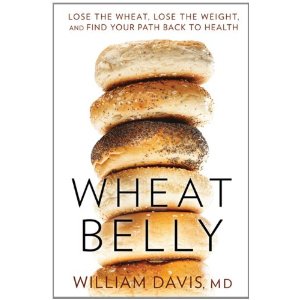
Decoding the wheat belly diet – wheat1 taken from an article written by Sari Bottom.

It’s something you see more and more: brunch companions shunning the muffin basket.  Houseguests calling ahead to ask if you’ll be serving pasta.  Bakeries touting wheat-free goods.  A facialist who tells you your bread habit is the reason your skin is blotchy.  Wheat has been getting a bad name lately, and not just from those who have eliminated carbs and gluten (a protein found in wheat) from their diet.

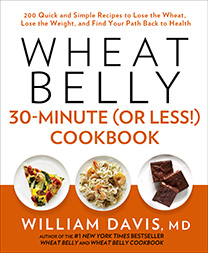
The loudest voice in the chorus lately belongs to William Davis, author of the book ‘Lose the Wheat, Lose the Weight, and Find Your Path Back to Health’ and its companion, ‘Wheat Belly Cookbook’.  Davis, a Milwauke cardiologist, points an accusing finger at our most abundant grain, blaming it for (almost) everything including the obesity epidemic, heart disease, diabetes, acne and other skin conditions, and even disorders like ADHD.  Not to mention that “brain fog” many of us feel after eating a high-carb meal.

At the heart of Davis’s argument is the idea that modern-day strains of wheat have been genetically (and harmfully) altered to such a degree that they barely resemble the ancient strains or even that of 1950s wheat.  Today’s varieties have a higher glycemic index, a factor in blood sugar and insulin levels, as well as new forms of gliadin, a component of gluten that Davis says is bad for everyone.  One of gliadin’s worst offences is its association with inflammation, in particular creating a “leaky gut.”  It can overstimulate appetite to the point where people eat some 440 more calories a day than they need – usually carbs.

From reports of flattened bellys to alleviated joint pain, there’s no shortage of adherents to the wheat belly diet who’ve reported great results – in as little as two weeks.  Yet even with many success stories, Davis has many critics.

wheat belly1When diets are extreme they’re hard to maintain.  It is pointed out that some starch carbs can be good for you.  People will miss out on fiber and important vitamins and minerals.  The biggest point of contention is that the alleviation of so many ailments is not likely wheat related.  People cut calories and then lose weight.  And when you lose weight, a number of other conditions will improve.  It is also noted that a number of food proteins like that from milk, soy and even spinach can break down the same way as the gliadin in wheat and create the same problems. Davis is unfazed by his detractors though.  “They don’t have an appreciation for all the issues,” he says.  With many happy converts, he will likely keep riding his wave – at least until the next low-carb craze.

My thoughts….I learned a new word – ‘Gliadin’ which is the most abundant protein found within wheat gluten (two really bad words).  It is, from a cold scientific viewpoint, a fascinating topic – a protein that is an apparent cause of many health problems.  And just one more thing to worry about.

Of course, the “official” response is that the increased calorie consumption, overweight/obesity, and diabetes are your fault because you are a glutton and you’re lazy, eating chips, cookies, and other junk snacks along with sweetened soft drinks while you watch The Biggest Loser.

Okay, a lot a bit guilty here except that I don’t watch the Biggest Loser.  I think watching too many reality based TV shows is detrimental to health – but that’s another topic. It’s really hard to quit cold-turkey but over time if we cut out some of the junk food & wheat products little by little we can definitely benefit our health.  It depends on how badly you want to work at it.  So hard when you love bread, pasta, cake & cookies…..  Several years ago for a few months I did manage to eliminate wheat & dairy from my diet and must admit…never felt better!

by Brad King

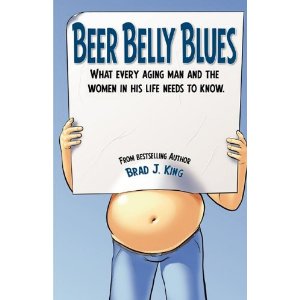
While we’re on the subject take a look at this best seller – Beer Belly Blues.

All books available on: Amazon.com

**Don’t miss listening to “Transforming Health” with host Brad King for the most evocative and informative up-to-the-minute interviews with leading health professionals – Live every Wednesday @ 12PM-PST/3PM-EST on VoiceAmerica.com – #1 internet radio station in North America.

Here’s the link: http://www.voiceamerica.com/show/1686/transforming-health